Designer Earrings
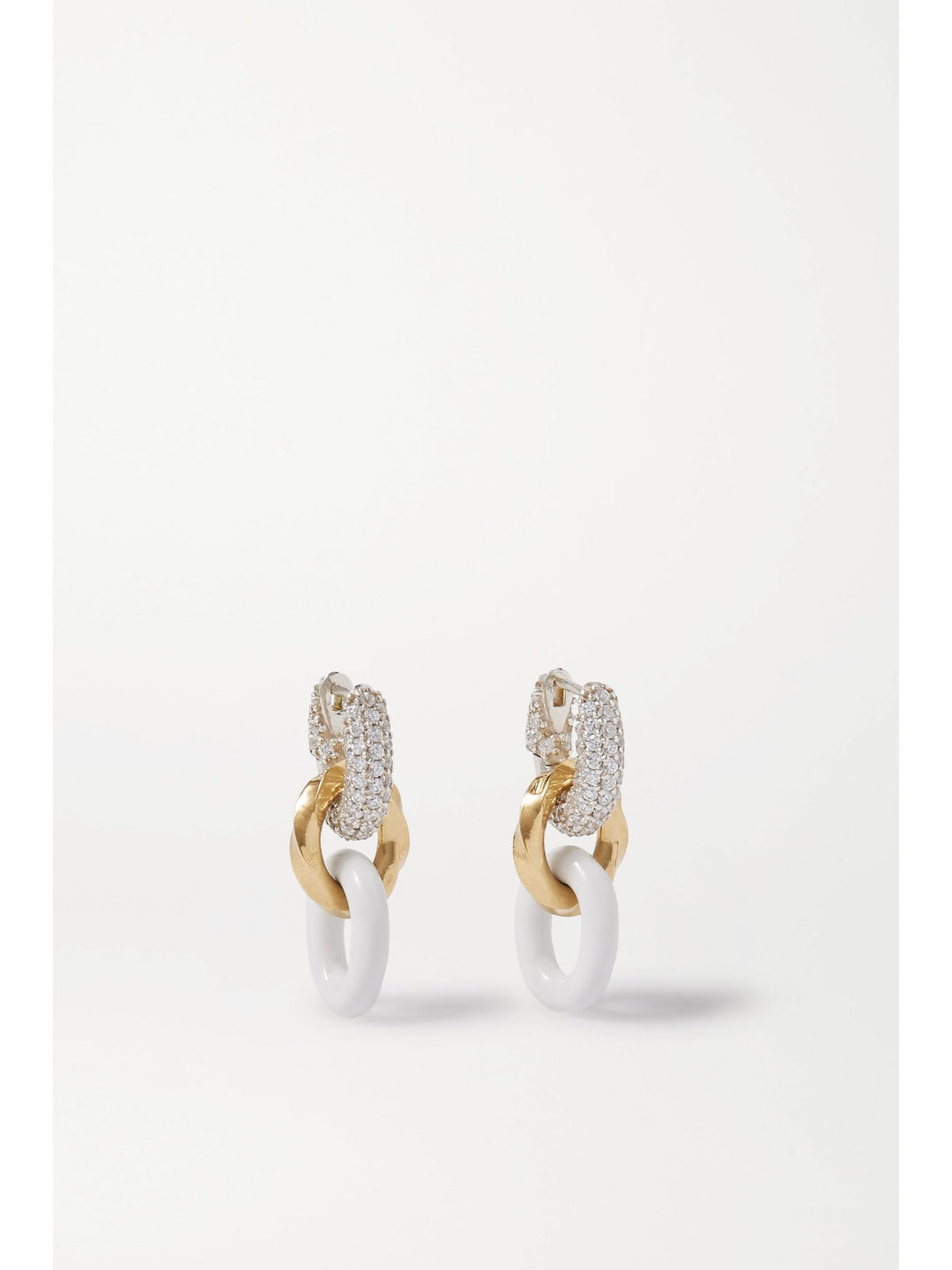

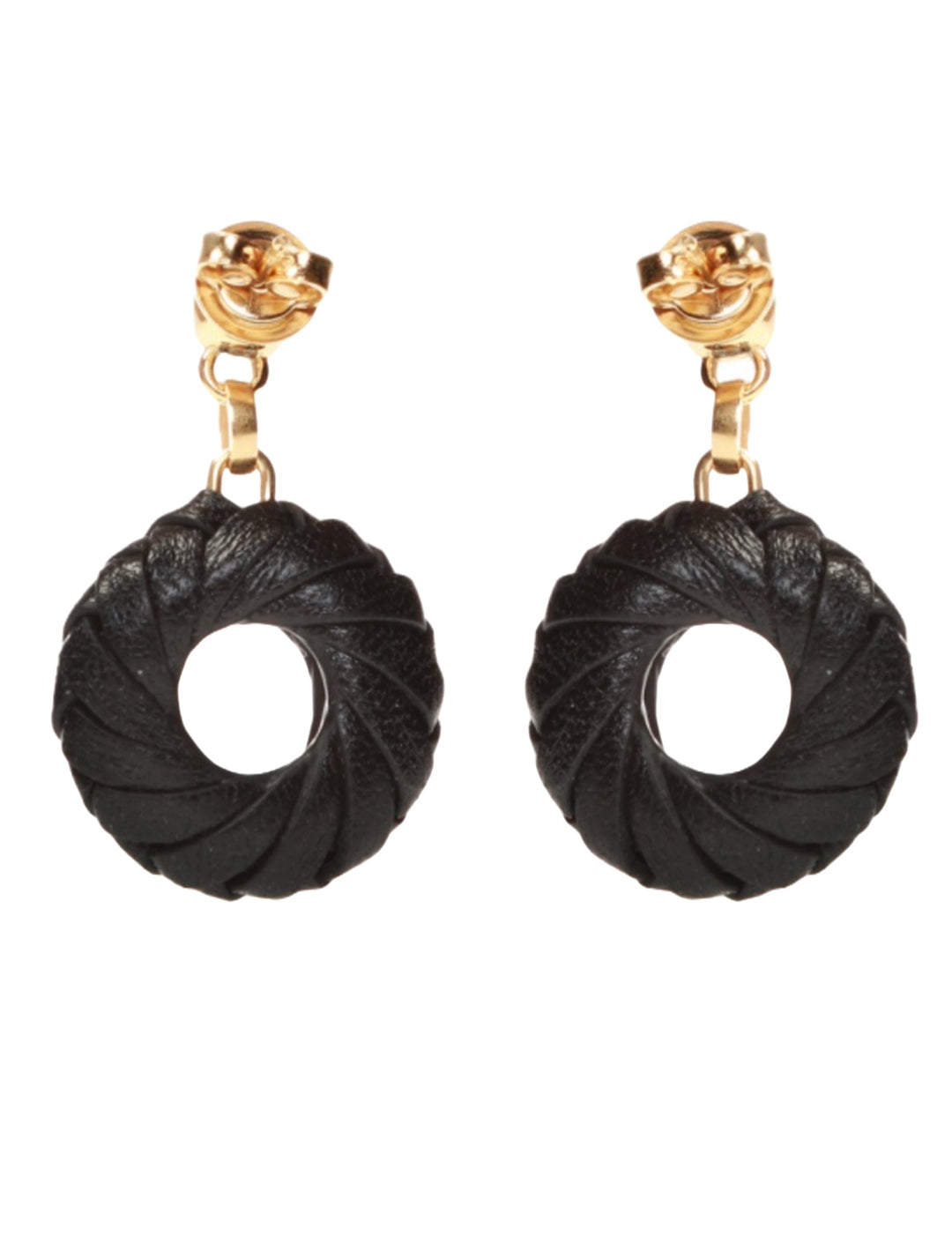





Designer Earrings On Sale - Luxury Designer Earrings at Outlet Prices Up to 75% Off
Here's what most women eventually learn about Designer Earrings: cheap ones look cheap instantly. The posts are nickel, which can cause your earlobes to turn green. The "gold plating" wears off after five wearings, revealing brass underneath. The "diamonds" are obviously cubic zirconia, catching the light incorrectly. The clasps don't secure properly, causing lost earrings. The weight feels wrong—too light, too flimsy, obviously costume jewelry posing as something more. You end up with a jewelry box full of $25-60 earrings that tarnished, broke, or looked progressively worse until you stopped wearing them entirely.
But designer earrings at full retail? You're looking at $500 to $5,000+ for precious metals and genuine gemstones hanging from your ears. That's rent money. That's a vacation fund. That's a significant financial commitment to jewelry you might lose, damage, or stop wearing as styles evolve, or life circumstances change.
This is where outlet shopping transforms jewelry collections entirely.
Designer earrings on sale at outlet prices—authentic luxury from Cartier, Tiffany & Co., David Yurman, Bulgari, Van Cleef & Arpels, Roberto Coin, and other legitimate fine jewelry houses. We're talking $250-$2,500 at outlet sale pricing for earrings that retail $650-$6,000 in jewelry stores and boutiques. Same 18K gold, identical genuine diamonds (not cubic zirconia), same expert craftsmanship and finishing, same quality gemstones with proper settings, same designs from recognized luxury brands that hold resale value, same pieces that last lifetimes, becoming heirlooms rather than disposable fashion accessories.
This is where precious metals and genuine gemstones meet prices that won't require choosing between the perfect earrings and three months of saving. Designer earrings on sale at outlet prices that actually look expensive (because they are—just not retail expensive), frame your face beautifully with quality that photographs well, work across occasions from professional to formal, and make you feel confident rather than self-conscious about whether your jewelry looks real or like obvious costume pieces that everyone can identify as fake from across the room.
You wear earrings constantly—more than any other jewelry except perhaps wedding rings. Daily earrings become your signature that people associate with you and notice when you're absent. A $800 pair of David Yurman diamond studs on sale at outlet prices worn 500+ times over 10 years = $1.60 per wearing for genuine luxury that holds 50-60% resale value versus cheap "diamond" earrings at $60 × 4 replacements (because they tarnish, break, or stones fall out) = $240 for continuously mediocre quality that fools nobody, looks progressively worse, and has zero resale value ever.
The math improves when factoring in resale value: those same $800 David Yurman studs at outlet prices retain approximately $450-$500 in resale value after 10 years of wear. Your actual cost = $300-350 for a decade of wearing genuine designer diamond earrings daily. Cheap alternatives? $240 spent = total loss, with nothing but a drawer full of broken, tarnished costume jewelry to show for it.
Designer earrings on sale at outlet prices aren't just about looking good (though diamond studs absolutely do that)—they're about investment pieces you can wear daily without worry, building jewelry collections that hold value over decades, experiencing that specific weight and quality of real gold and genuine stones that costume jewelry can never replicate, knowing that if life circumstances require liquidating assets your designer earrings have actual resale markets with buyers paying fair prices for authenticated pieces, and feeling confident that your jewelry looks expensive because it is costly precious metal and genuine gemstones, not plated base metal with glass stones.
Everything here is 100% authentic, with proper hallmarks and, where applicable, gemstone certification. Fake designer earrings at any price are expensive disasters with no precious metal content, fake stones that don't catch light properly, hallmarks that don't match genuine pieces, construction that breaks immediately, and zero resale value. We source exclusively from authorized luxury brand outlets, authorized fine jewelry retailers clearing inventory, estate sales with authenticated provenance, and documented luxury channels—authentic Cartier, Tiffany, and David Yurman earrings at real outlet sale prices, never counterfeits or "inspired by" knockoffs with fake gold plating over nickel that can cause allergic reactions.
Designer earrings on sale from outlets aren't lower quality or use inferior metals and stones. These are previous season designs (classic studs don't date—18K gold hoops from 5 years ago are identical to today's), estate pieces in excellent condition from authenticated sources, overstock from authorized retailers, showroom samples, or authorized outlet business models. The 18K gold content, diamond quality, gemstone authenticity, and craftsmanship standards remain identical to full-price jewelry store pieces—you're just not paying the retail markup through smart outlet shopping channels, given jewelry's unique market dynamics.
Whether you need diamond stud earrings that work everywhere from office to evening, designer hoop earrings making statements, drop earrings for elegant occasions, chandelier earrings for formal events, gemstone earrings adding color and personality, everyday luxury earrings you'll wear constantly, or building complete earring collections at outlet sale prices covering every occasion from conservative professional to black-tie formal—this is where precious metals and genuine gemstones become accessible without requiring trust fund budgets or financial stress over jewelry purchases that genuinely hold value as wearable assets you can liquidate if needed.
The difference between designer earrings on sale at outlet prices and cheap alternatives isn't subtle—it's the difference between 18K gold that maintains value and color versus plating that wears off, between genuine diamonds with proper cut and clarity versus cubic zirconia or glass that catches light wrong, between expert setting securing stones permanently versus cheap prongs that let stones fall out, between substantial weight feeling luxurious versus hollow lightweight costume pieces, between resale value of 50-70% after years of wearing versus zero value the moment you purchase cheap alternatives. These differences justify outlet investment completely, making designer earring purchases at sale prices some of the smartest jewelry money you'll spend on pieces used daily, affecting your appearance and confidence while maintaining genuine investment value.
Real Gold. Real Diamonds. Really On Sale at Outlet Prices.
Designer Earrings On Sale by Brand:
Cartier Earrings Outlet ($650-$2,500 on sale)
French luxury heritage. Iconic designs. Investment quality at outlet prices.
On sale at outlets: Love collection studs, Trinity designs, diamond earrings, signature Cartier styles, 18K gold pieces
Retail pricing: $1,800-$6,000+ typical
Outlet sale price: $650-$2,500
Savings: 50-65% off
Real talk: Cartier earrings on sale at outlet prices are genuine investment pieces. The Love studs in 18K gold, Trinity rollers with a three-band design, and classic Cartier diamonds—these retain 60-70% of their resale value because Cartier is Cartier, and these designs are recognized globally as luxury standards.
At outlet sale prices ($650-1,200 for classic studs versus $1,800-2,800 retail), Cartier becomes an accessible luxury investment rather than an aspirational impossibility. Same 18K gold, identical genuine diamonds, same iconic designs, just previous ownership or outlet sourcing creating a price opportunity.
Tiffany & Co. Earrings On Sale ($280-$1,500 outlet)
American luxury. Sterling silver mastery. Iconic blue box at outlet pricing.
Outlet sale styles: Elsa Peretti designs, Return to Tiffany collections, diamond studs, sterling silver hoops, signature styles
Boutique price: $750-$3,500
Designer outlet pricing: $280-$1,500
You save: 55-65% at outlets
Tiffany earrings on sale deliver that distinctive aesthetic—clean lines, quality sterling silver (proper 925 hallmarks), expert finishing, and universal brand recognition. The Elsa Peretti collections, in particular, have a strong, timeless appeal and hold their resale value well.
At outlet prices, building Tiffany collections becomes feasible—multiple pairs for different occasions, styles ranging from conservative to statement —all at 55-65% below retail, creating jewelry wardrobes without financial stress.
David Yurman Earrings Outlet ($320-$1,800 on sale)
Cable classics. American design excellence. Sculptural luxury at outlet prices.
On sale at outlets: Cable classic studs, hoop earrings with signature cable, diamond accents, gemstone variations, sterling, and gold
Retail: $795-$4,200
Outlet sale price: $320-$1,800
Outlet savings: 50-65% off
David Yurman earrings on sale maintain the distinctive twisted-cable aesthetic at accessible prices. The sterling silver is 925, the diamond and gemstone versions use genuine stones, and the construction is substantial—you feel the weight and quality immediately.
Yurman at outlet prices represents a wise jewelry investment—recognized brand, quality materials, distinctive design, and strong resale markets (50-60% retention typical).
Bulgari, Van Cleef & Arpels, Roberto Coin:
Bulgari outlet ($550-$2,800 on sale) - Serpenti motifs, B.zero1 styles, Italian gold craftsmanship, bold designs
Van Cleef & Arpels on sale ($900-$3,500 outlet when available) - Alhambra collections, delicate, feminine designs, exceptional quality
Roberto Coin outlet ($400-$1,600 on sale) - Italian design, hidden ruby signature, quality gold and gemstones
Chopard on sale ($500-$2,200 outlet) - Happy Diamonds, Swiss luxury, quality construction
John Hardy outlet ($250-$900 on sale) - Bali-inspired designs, sterling silver excellence, distinctive style
All authentic. All proper hallmarks. All outlet sale pricing is 45-65% below retail.
Designer Earrings On Sale by Style:
Diamond Stud Earrings Outlet ($450-$2,500)
Classic versatility. Everyday luxury. Work to evening seamlessly at outlet prices.
Brands on sale: All designers at outlet prices
Sizes: 0.25ct total weight to 1.5ct+ total weight
Settings: Four-prong, bezel, martini, screw-back, or friction-back
Metals: 14K or 18K white, yellow, or rose gold
Diamond studs on sale from outlets = building jewelry foundations. Genuine diamonds (not cubic zirconia), quality gold, secure stone settings, and outlet prices make essential jewelry accessible.
Designer Hoop Earrings On Sale ($250-$1,200 outlet)
Contemporary statements. Versatile styling. Timeless appeal at outlet pricing.
Outlet sale styles: Classic gold hoops, diamond-accented hoops, cable hoops (Yurman), various sizes from subtle to statement
Metals: Sterling silver, 14K gold, 18K gold at outlet prices
Diameter range: Small (15-25mm) to large (40-60mm) statements
Styling: Casual to formal, depending on size and details
Hoops on sale at outlets work across ages, occasions, and personal styles—universally flattering, endlessly versatile, and timeless, never dating.
Drop & Dangle Earrings Outlet ($320-$1,800)
Elegant movement. Feminine sophistication. Occasion versatility at outlet prices.
On sale at outlets: Gemstone drops, diamond dangles, designer signature styles, various lengths
Designer options: Multiple luxury brands at outlet pricing
Occasions: Work-appropriate to formal events
Gemstones: Diamonds, sapphires, emeralds, various precious stones
Drop earrings on sale add elegant movement and sophistication—perfect for dinners, events, and occasions where you want earrings noticed and admired at outlet prices.
Chandelier Earrings On Sale ($550-$2,200 outlet)
Formal elegance. Statement glamour. Exceptional occasion luxury at outlet pricing.
Outlet styles: Diamond chandeliers, gemstone elaborate designs, evening statement pieces
For: Formal events, galas, weddings, black-tie occasions
Brands: Luxury houses at outlet sale prices
Impact: Maximum jewelry presence for essential events
Chandelier earrings on sale at outlets make formal occasions accessible—featuring genuine diamonds and precious metals in elaborate designs — at 50-65% off retail.
Gemstone Earrings Outlet ($280-$1,500)
Color and personality. Birthstones and favorites. Distinctive luxury at outlet prices.
On sale from outlets: Sapphire, emerald, ruby, various gemstones in designer settings
Quality: Genuine gemstones (not synthetic), proper settings, quality metals
Styling: Add color to neutral outfits, and personal significance through birthstones
Versatility: Work appropriately for special occasions, depending on size
Gemstone earrings on sale let you build colorful collections—meaningful birthstones, favorite colors, and occasions —while staying within outlet pricing.
Why Outlet Designer Earrings Make Sense:
Precious Metal Content Holds Value
Designer earrings on sale at outlet prices are made of real gold (14K, 18K) or sterling silver (925), verified by hallmarks. This precious metal content has intrinsic value independent of designer name—gold is gold, silver is silver. Unlike fashion jewelry, which depreciates to zero, precious metal earrings retain a baseline value based on the metal's weight and purity.
Genuine Diamonds and Gemstones
Real diamonds at outlet prices have genuine value—proper cut, clarity, color, and carat weight. These aren't cubic zirconia or synthetic stones. Gemstone earrings use authentic sapphires, emeralds, rubies, not glass or artificial substitutes. This authenticity means your jewelry has real value beyond just appearance.
Expert Craftsmanship Lasting Decades
Quality settings at outlet sale prices secure stones permanently—proper prong work, secure bezels, reinforced posts. Posts are solid gold or surgical steel (not nickel, which can cause reactions). Clasps function through thousands of uses. This craftsmanship means earrings last 20-40+ years, becoming heirlooms rather than disposable accessories.
Designer Premium With Resale Markets
Cartier, Tiffany, David Yurman, and Bulgari—these names command significant resale premiums beyond the value of the metal and stones alone. Designer earrings at outlet prices retain 50-70% of their resale value after years of wear because strong secondary markets exist for authenticated pieces from recognized luxury jewelry houses.
The Cost-Per-Wearing Reality
$800 David Yurman diamond studs at outlet price, worn 800 times over 12 years = $1 per wearing + $450 resale value = actual cost $350 total
$65 cubic zirconia "diamond" studs × 4 replacements = $260 total + zero resale value + constant mediocre quality + everyone knows they're fake
Outlet designer = better per-wearing value, better resale value, better confidence, genuine luxury.
Understanding Outlet Earring Pricing:
Why Designer Earrings Go On Sale:
Estate jewelry (pre-owned, authenticated pieces in excellent condition at dramatic discounts). Previous design generations (classic studs from 5 years ago, identical to today, but cost less pre-owned). Showroom samples (display pieces at outlets). Overstock from authorized retailers (excess inventory moving to outlet channels). Seasonal clearances from fine jewelry departments (making room for new collections).
What You're Not Getting at Outlet Prices:
Lower gold purity (nope, 18K is 18K, verified by hallmarks). Fake diamonds (genuine stones certified when applicable). Inferior craftsmanship (identical setting standards). Missing hallmarks (all authentic pieces have proper stamps).
What You Are Getting On Sale:
100% authentic designer earrings. Proper precious metal content (14K, 18K, 925 silver). Genuine diamonds and gemstones. Expert craftsmanship and settings. Outlet pricing is 45-65% below retail.
Real Price Comparisons:
Cartier Love studs 18K: $1,950 retail → $950 outlet/estate = 51% savings
Tiffany diamond studs 0.5ct: $2,800 boutique → $1,400 on sale = 50% off
David Yurman cable hoops: $995 retail → $520 outlet = 48% savings
Bulgari B.zero1 earrings: $1,500 retail → $750 on sale = 50% off
Van Cleef Alhambra: $3,200 retail → $1,650 outlet = 48% savings
These are actual current retail prices verifiable at brand boutiques. Outlet and estate pricing delivers genuine savings on authenticated precious metal jewelry.
Sizing & Comfort Guide:
Post Thickness:
Standard post thickness is 0.8-1.0mm. Thicker posts (1.2 mm+) provide greater support for heavier earrings. Designer earrings at outlet prices use an appropriate post thickness relative to the earring weight to ensure comfort.
Backing Types:
Friction backs (butterfly backs) - Standard, easy on/off, secure for lightweight earrings
Screw backs - Maximum security; ideal for expensive diamonds; won't fall off accidentally.
Leverback - Secure closure, comfortable, suitable for drop earrings
Latch backs - Very secure, common on hoops and heavy pieces
Jumbo backs - Extra large, preventing earrings from sinking into earlobes with heavy pieces
Weight Considerations:
Heavy chandeliers or large hoops can stretch piercings over time. If earrings feel heavy after 2-3 hours, they're too heavy for daily wear. Designer pieces at outlet prices should feel substantial yet comfortable—quality construction balances visual impact with wearability.
Sensitive Ears:
14K+ gold or sterling silver posts (nickel-free) prevent reactions; surgical steel or platinum for extreme sensitivity. Designer earrings at outlet sale prices are made from high-quality metals, reducing the risk of allergic reactions compared with cheap jewelry made from nickel-containing alloys.
Care & Maintenance:
Daily Care:
- Remove before showering, swimming, exercising
- Put earrings on last when dressing (after perfume, hairspray)
- Store separately, preventing scratching (individual pouches)
- Check settings periodically, ensuring stones are secure
Cleaning Gold Earrings:
- Mild soap and warm water
- Soft brush for detailed areas
- Professional cleaning annually
- Avoid harsh chemicals
Cleaning Diamond Earrings:
- Diamonds benefit from frequent cleaning (oils dull the sparkle)
- Ultrasonic cleaners are safe for diamonds in secure settings
- Professional inspection annually checks prongs
- At-home cleaning weekly maintains sparkle
Cleaning Silver Earrings:
- Silver polishing cloths for tarnish
- Store in anti-tarnish bags
- Clean regularly, preventing heavy tarnish buildup
- Professional cleaning for intricate pieces
Expected Lifespan:
Designer earrings on sale at outlet prices with proper care: Lifetime and beyond. These are heirloom pieces—18K gold, genuine diamonds, and quality construction that lasts centuries. Correct maintenance means your grandchildren will wear these earrings decades from now.
Professional & Occasion Appropriateness:
Conservative Professional:
- Diamond studs (0.5ct total weight or smaller)
- Small gold hoops (under 25mm diameter)
- Simple pearls
- Understated designer pieces
Modern Professional:
- Diamond studs (any reasonable size)
- Medium hoops (25-40mm)
- Subtle drop earrings
- Quality designer pieces signaling success
Creative Industries:
- All styles are acceptable, including statements
- Larger hoops and chandeliers are appropriate
- Bold gemstone colors welcomed
- Designer pieces demonstrating aesthetic awareness
Formal Events:
- Diamond studs (always appropriate)
- Elegant drops or chandeliers
- Statement pieces for black-tie
- Designer luxury expected at upscale events
Gift-Giving at Outlet Prices:
Designer earrings on sale make exceptional gifts because:
Universal appeal - Everyone loves fine jewelry
Outlet pricing - $350-1,200 feels generous without excessive
Lasting value - Precious metals and gems last lifetimes
Emotional resonance - Jewelry carries memories and meaning
Investment quality - Recipients can sell if needed (absolute value)
Perfect for: Mother's Day (Tiffany classics, diamond studs). Valentine's Day (romantic designer pieces). Graduations (investment jewelry starting adult life). Sweet Sixteen/Milestone birthdays (meaningful luxury). Anniversaries (precious metals for precious years).
Gift Tips: Diamond studs are the safest option (works for everyone)—classic styles over trendy. Include authenticity documentation. Consider the recipient's metal preference (gold or silver). Established brands (Cartier, Tiffany) are the most recognizable.
Building Earring Collection at Outlet Prices:
Foundation Three ($1,200-1,800 at outlets):
- Diamond studs ($600-900 outlet) - Daily professional, evening elegance, maximum versatility
- Gold hoops ($350-500 on sale) - Casual to contemporary styling, timeless appeal
- Drop earrings ($400-600 outlet) - Elegant occasions, dinner, special events
Total: $1,350-2,000 at outlet sale prices = complete earring wardrobe
Compared to retail: $3,500-5,500 for equivalent = outlet saves $2,150-3,500
When Cheap Earrings Work:
Being honest: not every situation requires a designer at outlet prices.
Cheap works for: trying trendy styles, beach/pool (low risk), very young children (growth, loss), and rapid experimentation with styles.
Designer on sale makes sense for building lasting collections, daily wear (quality matters), gifting meaningful pieces, investment purposes, and occasions where authentic jewelry is expected, professionally and socially.
Authentication & Verification:
Hallmarks to verify:
18K Gold: Should be stamped "18K" or "750."
14K Gold: Stamped "14K" or "585."
Sterling Silver: Stamped "925"
Platinum: Stamped "PT" or "950"
Designer marks: Authentic pieces include brand hallmarks (Cartier signature, Tiffany & Co. marks, David Yurman stamps)
Diamond certification: Expensive diamond earrings (1ct+ total weight) should consist of gemological certificates from GIA, AGS, or similar reputable labs
Professional appraisal: For expensive pieces ($1,500+), invest $75-150 in professional authentication confirming authenticity and value
The Outlet Economics:
Designer earrings on sale at $800, worn 1,000 times over 15 years = $0.80 per wearing + $450 resale value = actual cost $350 total
Cheap earrings at $60 × 5 replacements = $300 total + zero resale value + constant tarnishing and breakage + everyone knows they're fake
Outlet designer = better per-wearing value, better resale value, better confidence, genuine investment.
Authenticity Guaranteed:
Every designer earring on sale undergoes verification:
✓ Hallmark verification - Proper gold/silver stamps confirmed
✓ Brand authentication - Designer marks verified authentic
✓ Gemstone verification - Diamonds and stones tested genuine
✓ Setting inspection - Quality craftsmanship verified
✓ Provenance documentation - Source and authenticity tracked
Real designer earrings. Real precious metals. Real diamonds. Real outlet prices. Really authentic.
The Bottom Line:
Designer earrings on sale at outlet prices deliver:
- Authentic precious metals (18K gold, sterling silver) with proper hallmarks
- 45-65% savings versus retail jewelry store pricing
- Genuine diamonds and gemstones (not cubic zirconia or synthetic)
- Expert craftsmanship lasting 20-40+ years, becoming heirlooms
- Investment quality holding 50-70% resale value
- Daily wearable luxury at accessible outlet pricing
You're not compromising on quality when it comes to outlet sales. You're paying a retail markup for identical pieces of precious metal jewelry and genuine gemstones. That's a wise investment in wearable assets.
Whether you need diamond studs working everywhere from office to formal events, designer hoops making contemporary statements, elegant drop earrings for special occasions, chandelier earrings for formal glamour, gemstone earrings adding color and personality, or building complete earring collections at outlet sale prices—this is where precious metals and genuine gemstones meet prices making luxury jewelry accessible without requiring trust fund budgets while delivering genuine investment value through resale markets and intrinsic metal/stone worth making designer earrings at outlet sale prices smart financial decisions beyond mere fashion purchases.
Browse Designer Earrings On Sale - Investment Jewelry at Outlet Prices
Cartier, Tiffany, David Yurman & more. Authentic gold & diamond earrings on sale at outlet prices. 45-75% off retail. Free shipping.
Distinguishing real diamonds from cubic zirconia or other diamond simulants in designer earrings at outlet prices requires understanding multiple verification methods including visual inspection (real diamonds show fire and brilliance differently than CZ), the fog test (diamonds disperse heat instantly while CZ stays fogged), weight comparison (CZ weighs 55% more than diamond of same size), professional testing (jewelers use thermal conductivity or electrical conductivity testers), and certification documentation (expensive diamond earrings should include GIA or AGS certificates), because while high-quality CZ can fool casual observation, real diamonds have specific physical properties making authentication straightforward with proper testing methods protecting your outlet jewelry investment. Here's the complete diamond verification guide for outlet earrings: The visual inspection (trained eye test): Real diamonds at outlet prices display: Brilliant white light reflection (brilliance) combined with rainbow color dispersion (fire) Sharp, well-defined facet edges under magnification Slight inclusions or imperfections visible under 10x loupe (except flawless grades which are rare and expensive) Transparency - you can't read text through diamond because high refractive index bends light significantly Color variations - most diamonds have slight yellow tint (D-Z color scale), perfectly colorless is rare and expensive Cubic zirconia problems: Excessive rainbow fire - too much color dispersion looking artificial Soft facet edges under magnification (CZ is softer than diamond) Perfect clarity - cheap CZ is flawless, which is suspicious for affordable prices More transparent - lower refractive index means you can sometimes read through CZ Perfectly colorless - CZ manufactured colorless easily, unlike natural diamonds The visual inspection requires experience but comparing suspected diamond earrings at outlet prices to known CZ immediately reveals differences—real diamonds have subtler, more sophisticated light play while CZ looks "too perfect" with excessive sparkle that seems artificial. The fog test (quick at-home verification): How to perform fog test: Breathe warm air directly onto diamond creating fog on surface Observe how quickly fog dissipates Real diamonds: Fog disappears instantly (within 1-2 seconds) because diamond's thermal conductivity disperses heat immediately Cubic zirconia: Fog lingers 3-4+ seconds because CZ has poor thermal conductivity retaining heat longer This test works because diamond is one of nature's best heat conductors while CZ is thermal insulator.
The fog test isn't foolproof (some diamond simulants like moissanite also disperse heat quickly) but effectively catches basic CZ fakes in designer earrings at outlet prices. Limitations: Test works best with unmounted stones or when you can access stone surface directly. Earrings with stones set in bezels or heavy prong settings make fog test difficult to perform accurately.
The weight test (requires precision scale): Cubic zirconia weighs approximately 55% more than diamond of identical dimensions because CZ has higher density (5.6-6.0 g/cm³) versus diamond (3.52 g/cm³). If you have precision jewelry scale: Weigh earrings Calculate expected weight if stones are diamonds based on approximate carat size Compare to actual weight Significant excess weight indicates CZ rather than diamond in designer earrings at outlet sale prices. Practical limitation: This requires knowing total earring weight, metal weight, and approximate diamond size to calculate expected weight—complex for most consumers without jewelry expertise.
More useful for jewelers than consumers. The magnification inspection (10x loupe examination): Real diamonds show under magnification: Natural inclusions - tiny imperfections, crystals, feathers, clouds (except flawless grades) Sharp facet junctions where facets meet crisply Possible naturals (unpolished areas on girdle from original rough) Proper proportions - well-cut diamonds follow specific angle and depth ratios Cubic zirconia under magnification: Air bubbles - CZ is lab-created and may contain gas bubbles (diamonds never have air bubbles) Perfect clarity - no inclusions (suspicious unless certified flawless diamond with very high price) Soft facet junctions - edges look slightly rounded versus sharp diamond facets Possible molding marks - manufacturing artifacts not found in natural diamonds Purchase jeweler's loupe ($15-40 for quality 10x loupe) when investing in designer diamond earrings at outlet prices. Magnification reveals telltale signs distinguishing real from fake that naked eye misses.
The transparency/newspaper test: Place diamond facedown on printed text or newspaper. If you can clearly read letters through stone, it's likely not diamond. Diamond's high refractive index (2.42) bends light so extensively that text becomes unreadable through table facet.
CZ has lower refractive index (2.15-2.18) allowing more light transmission making text somewhat readable through stone. Limitation: This test works better with unmounted stones. Earrings with stones in settings make newspaper test impractical.
Professional testing (most reliable): Thermal conductivity testers ($100-300 for consumer models, jewelers have professional versions): Probe touches stone surface Device measures how quickly heat disperses Diamonds conduct heat uniquely fast Results display instantly (usually lights or sounds indicating diamond vs. simulant) Electrical conductivity testers (for moissanite detection): Moissanite conducts electricity, diamonds don't Distinguishes moissanite from diamond (important because moissanite passes thermal tests) Combined thermal + electrical testing catches all common simulants Reputable jewelers offer free testing - bring designer earrings from outlet sales to local jeweler asking for diamond verification. Most jewelers test for free hoping to earn your business for future purchases or services.
This professional verification provides certainty protecting significant outlet investments. The certification documentation (essential for expensive pieces): Designer diamond earrings at outlet prices with significant stones (0.5ct+ total weight) should include: GIA (Gemological Institute of America) certificates: Most respected diamond grading authority globally Certificates detail cut, color, clarity, carat weight Unique report number laser-inscribed on diamond girdle (invisible to naked eye, visible under magnification) Verify certificate authenticity on GIA website using report number AGS (American Gem Society) certificates: Another highly respected grading authority Known for strict cut grading standards Similar detailed reporting to GIA Other reputable labs: IGI (International Gemological Institute) EGL (European Gemological Laboratory) - less consistent than GIA/AGS HRD (Hoge Raad voor Diamant) - European, reputable Avoid certificates from: Unknown or in-house labs with no industry reputation Certificates that seem inflated in grading versus market price (suspiciously high grades at low prices) Missing or vague information No certificate doesn't automatically mean fake (especially estate pieces or smaller diamonds where certification cost exceeds value), but expensive diamond earrings at outlet prices ($1,500+) without certification should raise questions justifying professional verification before purchase. The setting and mounting clues: Real diamonds in designer earrings at outlet prices typically set in: Quality precious metals (14K+, platinum, proper hallmarks) Secure prongs or bezels - expert setting work Proper proportions - mounting quality matches stone value Cubic zirconia often set in: Lower quality metals (10K gold, gold plating, sterling silver for very expensive-looking stones) Cheaper settings - less expert prong work Disproportionate mounting - elaborate expensive-looking setting with stones that would actually cost thousands if real (economic mismatch) If setting quality seems low relative to apparent diamond size and designer brand, question whether stones are genuine when buying at outlet sale prices.
The price reality check: Genuine diamond earrings at outlet prices: 0.25ct total weight: $400-800 outlet (14K-18K gold) 0.50ct total weight: $900-1,800 outlet 1.0ct total weight: $1,800-3,500 outlet 1.5ct+ total weight: $3,000-6,000+ outlet These are approximate ranges varying by diamond quality (cut, color, clarity), metal type, and designer brand premium. If pricing falls dramatically below these ranges (0.50ct "diamond" studs for $200 claiming retail $2,000), extreme skepticism warranted. While occasional exceptional deals exist, consistently very low pricing indicates CZ or synthetic stones rather than genuine diamonds.
The insurance appraisal protection: When purchasing expensive designer diamond earrings at outlet prices ($1,000+): Get professional appraisal ($75-150) from independent gemologist (not seller) confirming: Diamond authenticity Accurate grading (cut, color, clarity, carat) Appropriate value for insurance purposes Detailed documentation with photos Appraisal cost is small percentage of significant investment protecting you from purchasing CZ at diamond prices. Appraisal also provides insurance documentation if you choose to insure valuable earrings. Where to buy safely (verification built-in): Authorized sources with guarantees: Established fine jewelry outlets (proper testing equipment, expertise, reputation) Luxury consignment with gemologist authentication (The RealReal has gemologists on staff) Reputable estate jewelry dealers (documentation and return policies) Known designer brand outlets (Tiffany, Cartier outlets sell only authentic pieces) Avoid purchasing from: Unknown eBay/Etsy sellers without return policies and GIA certificates Social media sellers without verifiable business presence Prices too good to be true ($300 for "1ct diamond studs"?
Fake.) Sellers unwilling to provide certification or allow professional verification before purchase The moissanite consideration (diamond alternative often confused): Moissanite is lab-created silicon carbide looking similar to diamond: Passes thermal conductivity tests (conducts heat like diamond) More fire/rainbow dispersion than diamond (colorful sparkle) Slightly less hard than diamond (9.25 Mohs vs. 10 for diamond) Significantly less expensive than diamond Disclosed moissanite is fine; undisclosed moissanite sold as diamond is fraud Electrical conductivity test distinguishes moissanite from diamond - moissanite conducts electricity, diamonds don't. Combined thermal + electrical testing catches all common diamond simulants protecting outlet purchases.
Red flags indicating likely CZ or simulants: Price dramatically too low for genuine diamonds Perfect flawless clarity at affordable price (flawless diamonds are extremely rare and expensive) Excessive sparkle looking artificial Set in low-quality metals (10K gold, plated metals) No certification for expensive stones Seller evasive about allowing professional testing "Too good to be true" deals on designer earrings at outlet prices Bottom line on verification: Distinguish real diamonds from cubic zirconia in designer earrings at outlet prices through multiple methods: visual inspection (real diamonds show subtle sophisticated light play versus CZ's excessive artificial sparkle), fog test (diamonds disperse heat instantly, CZ retains fog 3-4 seconds), professional thermal conductivity testing (most reliable, jewelers often test free), magnification inspection (real diamonds show inclusions, CZ often flawless or has air bubbles), and certification documentation (GIA or AGS certificates for expensive pieces $1,500+). Price reality check protects against obvious fakes—genuine 0.50ct diamond studs at outlets cost $900-1,800, not $200. Buy from reputable sources (established jewelers, luxury consignment with gemologists, designer brand outlets) offering return policies and verification guarantees.
Consider professional appraisal ($75-150) for expensive outlet purchases confirming diamond authenticity and appropriate value before return window closes. The combination of informed inspection, professional testing, and purchasing from authorized sources with recourse protects your designer earring investment at outlet prices ensuring genuine diamonds not worthless cubic zirconia masquerading as valuable gemstones.
Designer earrings on sale at outlet prices genuinely hold 50-70% resale value after years of wearing (Cartier, Tiffany, David Yurman especially) because precious metal content provides baseline worth independent of designer premium, genuine diamonds maintain value based on carat weight and quality, and strong secondary markets exist for authenticated luxury jewelry where brand recognition adds significant premium beyond just materials, making designer earrings at outlet prices genuine investment pieces you can liquidate when needed versus costume jewelry with zero resale value regardless of original purchase price or wearing duration. Here's the complete resale reality for designer earrings at outlet prices: The precious metal baseline value: Before considering designer premium, your earrings contain actual valuable material—gold or silver—with intrinsic worth based on metal content. 18K gold content value: Pair of diamond stud earrings in 18K gold weighs approximately 2-4 grams gold (depending on setting style).
Gold price fluctuates but at $2,000/troy ounce (31.1 grams), that's roughly $64 per gram pure gold. 18K gold is 75% pure, so 3 grams × 0.75 = 2.25 grams pure gold × $64 = $144 in gold content alone. Even ignoring designer name and diamonds, your earrings contain real precious metal maintaining minimum value based on metal weight.
Gold jewelry prices typically include premium above melt value, but metal content protects against total value loss. Sterling silver content value: Silver less valuable per gram ($0.70-1.00 typically) but designer silver earrings still have real metal value. David Yurman cable hoops weighing 15 grams = $10-15 in silver content.
Not huge but still real value versus costume jewelry worth literally nothing beyond initial purchase. Diamond value retention: Genuine diamonds maintain significant value based on carat weight and quality (cut, color, clarity): 0.50ct total weight diamond studs: Purchase at outlet: $1,200 Diamond value: approximately $600-800 (depending on quality) Gold setting value: $100-150 Designer premium: $250-450 When reselling, you recoup diamond value ($600-800) + metal value ($100-150) + partial designer premium ($200-300) = $900-1,250 resale = 75-104% retention. Sometimes diamond stud resale actually matches or slightly exceeds outlet purchase price because you bought well below retail.
The designer premium multiplier: Luxury brands add significant value beyond materials: Cartier (highest premium retention): Diamond studs: 60-75% resale retention Purchase at outlet: $1,200 Resale after 5-10 years: $750-900 Actual cost after resale: $300-450 for decade of wearing Cartier luxury Cartier holds exceptional value because brand is globally recognized luxury icon, designs are timeless classics, authentication is straightforward, and buyer demand remains consistently strong. Tiffany & Co. (strong premium): Classic pieces: 55-65% resale retention Purchase at outlet: $800 Resale after wearing: $450-550 Actual cost: $250-350 for years of Tiffany quality Tiffany recognition and sterling silver/gold quality create reliable resale markets.
Signature collections (Elsa Peretti, Return to Tiffany) hold value particularly well. David Yurman (good premium): Cable classics: 50-60% resale retention Purchase at outlet: $600 Resale after wearing: $300-360 Actual cost: $240-300 for ownership period Yurman has strong recognition and distinctive designs creating solid secondary markets, though slightly lower retention than top-tier Cartier/Tiffany. Bulgari, Van Cleef, Roberto Coin (variable premium): Resale typically 50-65% retention Depends heavily on specific design and current market demand Iconic pieces (Van Cleef Alhambra, Bulgari Serpenti) hold best Lesser-known designs closer to materials value plus modest premium Lesser-known designers: Resale often 35-50% retention Designer premium diminishes significantly Value becomes primarily materials (gold + diamonds) with small premium Still dramatically better than costume jewelry (0% retention) The condition factor affecting resale: Excellent condition (minimal wear, no damage, original packaging/certificates): Maximizes resale value Achieves 60-75% retention for top brands Buyers pay premium for pristine pieces Good condition (normal wear, some minor scratches, functioning properly): Still achieves 50-65% retention for quality brands Most sold pieces fall here (normal wear expected) Professional polishing before sale increases value ($50-100 service) Fair condition (significant wear, possible repairs needed, missing backs/certificates): Drops to 35-50% retention Materials value becomes more important than designer premium May need professional restoration maximizing sale value Where to sell designer earrings for best value: Luxury consignment platforms (The RealReal, Vestiaire Collective, Worthy): Take 20-40% commission but handle authentication, marketing, transactions Reach large buyer pools globally Authentication services add buyer confidence Best for pieces $400+ resale value Jewelry-specific resale (I Do Now I Don't, specialized consignment): Focus on fine jewelry specifically Expert authentication and accurate grading Competitive pricing Good for $300-2,000 range pieces Local jewelers/pawn shops (fastest but lowest value): Immediate cash (no waiting for buyers) Typically offer 40-60% of resale value (they need margin for reselling) Good for immediate need situations Convenient but sacrifices maximum value for speed Peer-to-peer platforms (eBay with authentication, Poshmark): Keep more proceeds (lower fees) Requires your time and effort listing/managing Risk of returns or difficult buyers Good for motivated sellers with time Direct to diamond buyers (for diamond studs): Companies specializing in buying diamond jewelry Competitive pricing for quality diamonds Fast transactions Best for pieces where diamond value exceeds designer premium The authentication requirement for resale: Buyers expect authentication for designer jewelry.
Having documentation increases sale price 15-25%: Original boxes and certificates Purchase receipts (even from outlets) GIA/AGS diamond certificates Professional appraisals Designer authenticity cards Keep all documentation when buying designer earrings at outlet prices. This paperwork significantly increases resale ease and value later. Timing considerations for resale: Immediate resale (within months): Loses 25-35% to market friction Buyers question why selling so quickly Better wearing 1-2 years showing genuine purchase 2-5 years ownership: Optimal resale timing Enough time showing genuine ownership Not so long pieces seem outdated or excessively worn Maximizes retention percentage 10+ years ownership: Classic pieces (Cartier Love, Tiffany classics) maintain value well Trendy pieces may have declined further Condition becomes more critical Vintage/estate appeal for truly classic designs What resells well (best value retention): Diamond studs (any quality brand): Universal appeal Classic styling never dates Easy to authenticate Strong consistent demand 60-75% retention typical for designer brands Cartier classics (Love studs, Trinity designs): Brand cachet extremely high Timeless designs 65-75% retention even after years Sometimes achieve higher if bought at exceptional outlet discount Tiffany signature collections: Elsa Peretti designs especially Return to Tiffany classics 55-65% retention consistently Brand recognition drives demand David Yurman cable classics: Distinctive recognizable design Quality construction 50-60% retention Steady secondary market What doesn't resell well: Costume jewelry (obvious): Zero resale value always No precious metal content No buyer demand Ultra-trendy styles even from good brands: Date quickly limiting buyer interest Lower retention (35-45%) Takes longer to sell Damaged pieces: Missing stones, broken posts, significant wear Value drops to near materials worth May need expensive repairs before selling Unknown brands: Limited recognition = limited premium Drops close to materials value (gold + stones) Takes much longer finding buyers The mathematical reality: Designer earring scenario: Purchase at outlet: $1,000 Wear for 10 years (800+ wearings) Sell for $600 (60% retention) Actual cost: $400 for decade of luxury = $0.50 per wearing Costume jewelry scenario: Purchase: $75 Wear for 2 years (150 wearings) Resale value: $0 Replace 5 times over 10 years = $375 total Actual cost: $375 for decade of mediocrity = $2.50 per wearing + zero quality throughout Designer at outlet prices with resale value delivers dramatically better economics than costume jewelry with zero resale value despite higher initial investment.
The insurance consideration: Expensive designer earrings purchased at outlet prices ($1,500+) can be insured: Jewelry insurance requires: Professional appraisal establishing value Photos documenting condition Receipts showing purchase Periodic reappraisal updating value This insurance protects against loss/theft and also provides documentation facilitating resale later by establishing value and authenticity. The emotional vs. financial consideration: Some designer earrings become too meaningful to sell regardless of value—gifts from loved ones, milestone purchases, pieces with memories.
That's completely valid. But knowing resale option exists provides financial security. Unlike most purchases depreciating to nothing, your jewelry retains significant value you can access if life circumstances require liquidating assets.
This liquidity is genuine value beyond wearing enjoyment. The strategic buying for resale value: Knowing designer earrings at outlet prices hold value enables strategic purchasing: Buy classics at outlets (diamond studs, iconic brand pieces) knowing they maintain value Wear and enjoy them for years experiencing luxury daily Sell when style changes or need cash Use proceeds funding new jewelry purchases Minimal net cost cycling through jewelry wardrobe over time This approach treats jewelry as liquid assets rather than dead money sitting in boxes. The realistic expectation setting: Designer earrings aren't appreciating investments like stocks.
You'll lose 25-50% of purchase price typically. But compared to: Clothing (90-100% loss) Handbags (70-90% loss typically) Shoes (95-100% loss) Costume jewelry (100% loss) Retaining 50-70% represents excellent value preservation for luxury goods you actually use and enjoy daily. The precious metal hedge: Gold and diamond prices fluctuate but trend upward long-term.
Your designer earrings at outlet prices contain real gold and genuine diamonds participating in any price increases. If gold/diamond prices rise significantly during ownership, resale value may increase beyond initial retention percentages—partial inflation hedge while enjoying luxury jewelry. Bottom line on resale value: Designer earrings on sale at outlet prices genuinely hold 50-70% resale value after years of wearing because precious metal content ($100-300 typical gold value) provides baseline worth, genuine diamonds maintain significant value based on carat weight and quality, and designer premiums (Cartier, Tiffany, David Yurman especially) add substantial value beyond just materials through brand recognition and strong secondary markets.
Actual ownership cost after resale dramatically lower than purchase price—$1,000 earrings at outlet reselling for $600 after 10 years = $400 actual cost = $0.50 per wearing for genuine luxury. Sell through luxury consignment platforms (The RealReal, Worthy) for maximum value with authentication services, or local jewelers for speed accepting lower pricing. Keep all documentation (receipts, certificates, boxes) increasing resale value 15-25%.
Classic pieces (diamond studs, Cartier, Tiffany signature collections) hold value best (60-75% retention) versus trendy styles (35-50%). Compare to costume jewelry with zero resale value ever making designer earrings at outlet prices genuine investment pieces functioning as liquid assets you can convert to cash when needed while enjoying luxury quality throughout ownership—fundamental difference between precious metal jewelry and disposable fashion accessories justifying outlet investment completely.
Most women get better value wearing designer diamond studs purchased at outlet prices daily (maximizing cost-per-wearing at $0.50-1.00 per use over years) while accepting managed loss risk through insurance, security features (screw backs), and reasonable precautions, because jewelry sitting in boxes "saving for special occasions" that happen 5-10 times annually provides minimal value compared to daily wearing delivering continuous confidence and appearance benefits, though the decision depends on your loss anxiety tolerance, lifestyle risk factors (active sports, travel frequency, absent-mindedness), and whether you can financially/emotionally absorb potential loss making daily wear versus occasional use a personal calculation beyond pure economics. Here's the strategic analysis for wearing designer earrings at outlet prices: The daily wear case (maximizing value): Cost-per-wearing math strongly favors daily use: $800 diamond studs at outlet prices: Worn daily (350 days/year) for 5 years = 1,750 wearings Cost per wearing: $0.46 Plus resale value: $450-500 after 5 years Actual cost: $300-350 ÷ 1,750 wearings = $0.17-0.20 per wearing Same $800 studs worn only for special occasions: Worn 8 times annually for 5 years = 40 wearings Cost per wearing: $20 Plus resale value: $480-500 (better condition from minimal use) Actual cost: $300-320 ÷ 40 wearings = $7.50-8.00 per wearing Daily wearing delivers dramatically better value per dollar invested even accounting for slightly higher resale value from minimal-wear pieces. Psychological and confidence benefits: Daily wearing provides continuous benefits: Confidence from knowing jewelry is real quality Professional credibility signaling (quality accessories noticed) Personal enjoyment experiencing luxury daily Style consistency (becomes your signature) Justifies investment through actual use versus theoretical ownership Occasional wearing sacrifices these benefits 355 days annually for fear of loss—spending $800 for jewelry that sits unused 98% of time defeats purpose of buying beautiful jewelry meant to be worn and enjoyed.
The compound value of daily confidence: Appearing polished and put-together daily through quality jewelry affects professional opportunities, social interactions, and self-perception. These benefits have real value difficult to quantify but genuinely impactful. Daily wearing designer earrings at outlet prices delivers these benefits 365 days versus 10 days annually with occasional-only approach.
Loss risk mitigation strategies: Screw-back settings (not friction backs): Cannot fall off accidentally Require intentional twisting to remove Worth paying extra $50-100 for screw backs on expensive studs at outlet prices Virtually eliminates accidental loss risk Jewelry insurance (reasonable protection): Cost: approximately $10-15 per $1,000 value annually $800 diamond studs = $8-12/year insurance Covers loss, theft, and damage Makes daily wearing financially protected Small annual cost versus value of wearing daily With screw backs + insurance, loss risk becomes minimal financial concern enabling confident daily wearing. Reasonable daily precautions: Remove before sleeping (reduces loss risk, prevents damage) Store in consistent secure location nightly (jewelry box, not random surfaces) Check backs periodically ensuring tight Avoid wearing during high-risk activities (contact sports, swimming in ocean) Photograph earrings and keep receipts/appraisals facilitating insurance claims These simple habits dramatically reduce loss risk without requiring paranoid hypervigilance ruining wearing enjoyment. The special occasion case (when it makes sense): Reserve designer earrings at outlet prices for occasions when: Very high loss risk lifestyle: Active sports daily (climbing, contact sports, high-intensity activities) Job with physical demands (healthcare, service industry, manufacturing) Frequent travel through rough conditions Personal history of losing jewelry repeatedly If your lifestyle creates genuine high loss probability, saving expensive earrings for lower-risk occasions makes sense protecting investment.
Extreme loss anxiety: Some women cannot enjoy wearing expensive jewelry daily—constant anxiety about loss ruins any pleasure from wearing. If worry would dominate your experience: Save designer outlet pieces for special occasions where you can focus on them Buy less expensive everyday earrings you won't stress about Accept lower cost-per-wearing in exchange for peace of mind Mental wellbeing matters more than optimal economics. Multiple luxury earrings owned: If you own several pairs of designer earrings at outlet prices: Rotate pairs (daily studs, dress-up chandeliers, special occasion drops) Each serves specific purpose maximizing overall wearing across collection No single pair requires 365-day use justifying its cost Collection approach provides both daily luxury wearing and special occasion pieces without forcing one pair to serve all needs.
The hybrid strategic approach (optimal for most): Buy two pairs at outlet prices serving different needs: Pair 1: Daily diamond studs ($600-900 outlet) 0.25-0.50ct total weight (substantial but not excessive) Screw backs for security 14K or 18K gold posts (hypoallergenic, durable) Worn 350+ days annually Insured for loss protection Cost-per-wearing: under $1 easily Pair 2: Special occasion earrings ($400-800 outlet) Chandeliers, drops, or larger diamonds Saved for formal events, important occasions Worn 10-25 times annually Stored carefully, insured Cost-per-wearing: $20-40 (acceptable for special pieces) Total investment: $1,000-1,700 at outlet prices = complete earring wardrobe serving all needs This approach maximizes value—daily pair gets extensive wearing justifying cost, special pair provides formal elegance when needed. Together they serve complete jewelry wardrobe at outlet pricing. Lifestyle factors determining approach: Low loss risk lifestyles (favor daily wear): Office professional work (desk jobs, meetings, client interaction) Stable routine with consistent habits Rarely engage in high-risk physical activities History of keeping jewelry safe High loss risk lifestyles (favor occasional wear): Physical jobs, active sports enthusiasts Frequent international travel Chaotic schedules or absent-mindedness Previous history losing jewelry repeatedly Honest self-assessment of your actual lifestyle and personality determines which approach protects investment while maximizing enjoyment.
The "good jewelry meant to be worn" philosophy: Traditional jewelry advice often emphasized saving "good pieces" for special occasions, treating expensive jewelry as too precious for daily life. This creates situation where women own beautiful jewelry that sits unworn because no occasion seems "special enough." Contemporary philosophy recognizes quality jewelry deserves wearing regularly: Life is short—enjoy beautiful things daily not hypothetically Quality jewelry withstands daily wear (that's why you paid for quality) Cost-per-wearing math only works if you actually wear pieces Memories and confidence come from wearing, not owning unworn jewelry Designer earrings at outlet prices are already 50-70% below retail—you bought smart, now wear smart by actually using your investment regularly. The confidence factor (most important): If daily wearing causes constant anxiety worrying about loss, damage, or theft, you won't enjoy the jewelry regardless of how great the cost-per-wearing math looks.
In this case, reserve for special occasions where you can focus attention on keeping them safe. If you can wear confidently with reasonable precautions and insurance protection, daily use delivers maximum value through constant enjoyment, better cost-per-wearing, and psychological benefits of daily luxury experience. The replacement reality check: If you did lose $800 diamond studs: Insurance reimburses full value (if insured) You replace them (preferably buying outlet again) Life continues Versus: Never wearing $800 studs for fear of loss: Zero enjoyment from ownership Terrible cost-per-wearing ($20+ per rare wearing) Jewelry serves no purpose sitting in box Eventually sell unworn for loss anyway The fear of loss that prevents wearing is often worse financial decision than actual loss would be.
The gradual confidence building: Start conservatively if uncertain: Buy smaller diamond studs at outlet first ($400-600) Wear daily building confidence and habits After 6-12 months, assess comfort level Upgrade to larger studs or add special occasion pair Build collection based on actual wearing experience This approach tests daily wearing with lower-risk investment before committing to more expensive pieces at outlet prices. Bottom line on daily wear strategy: Buy designer diamond studs at outlet prices ($600-900) for daily wearing maximizing cost-per-wearing value ($0.50-1.00 per use over years) and continuous confidence benefits versus occasional-only wearing delivering terrible cost-per-wearing ($20+ per rare use) and jewelry sitting unused 98% of time defeating purpose of owning beautiful pieces. Mitigate loss risk through screw-back settings (cannot fall off accidentally), jewelry insurance ($8-12 annually per $1,000 value), reasonable precautions (remove before sleep, consistent storage, check backs periodically), and honest lifestyle assessment (office professionals have low risk, active sports enthusiasts have higher risk).
Optimal approach for most: buy two pairs serving different needs (daily studs $600-900 + special occasion drops/chandeliers $400-800 = $1,000-1,700 total at outlet prices creating complete earring wardrobe). Daily wearing philosophy: quality jewelry meant to be worn and enjoyed regularly not saved hypothetically for occasions that rarely materialize—life is short, cost-per-wearing math only works with actual wearing, and confidence benefits come from daily experience not theoretical ownership. If daily wearing causes unbearable anxiety preventing enjoyment, reserve for special occasions accepting higher cost-per-wearing for personal peace of mind because mental wellbeing matters more than optimal economics, but for most women, designer earrings at outlet prices with insurance and security features enable confident daily wearing delivering maximum value from jewelry investments versus letting beautiful pieces sit unworn in boxes.
Designer earrings at outlet prices in 14K+ gold, 18K gold, or platinum are generally safe for sensitive ears because higher gold content (58.3%+ in 14K, 75% in 18K) and platinum purity (95%) minimize allergic reactions, with nickel—the primary allergen affecting 10-15% of population—appearing rarely in quality precious metal jewelry, making genuine designer pieces at outlet prices significantly safer than cheap jewelry using nickel-containing alloys or plated base metals where nickel exposure causes reactions, though understanding metal compositions, testing strategies, and alternative options (surgical steel, niobium, titanium for extreme sensitivity) ensures comfortable wearing for even the most sensitive ears. Here's the complete guide to metal allergies and designer earrings at outlet prices: The nickel allergy reality (most common jewelry allergy): Nickel affects 10-15% of population (women more than men) causing: Red, itchy, inflamed earlobes Crusty or oozing skin at piercing site Persistent irritation continuing after removing earrings Swelling and tenderness Infection-like symptoms (though it's allergic reaction, not infection) Nickel hides in unexpected places: "Hypoallergenic" or "nickel-free" claims on cheap jewelry (often false) Gold-plated earrings (nickel base metal under plating) Sterling silver jewelry (some contain nickel in alloy) Surgical steel (most types contain some nickel despite name) White gold (often contains nickel for color, though quality white gold uses palladium) Designer earrings at outlet prices generally avoid nickel because luxury brands use quality precious metals where nickel serves no purpose and could damage brand reputation if customers had reactions. The gold purity hierarchy (safe to unsafe): 24K gold (100% pure gold): Zero allergy risk (pure gold is completely hypoallergenic) Too soft for jewelry (bends easily) Rarely used in earrings (impractical) 18K gold (75% pure gold): Minimal allergy risk (high gold content dilutes any allergens) Standard for luxury designer earrings at outlet prices Alloy metals typically copper and silver (rarely nickel in quality pieces) Safe for most sensitive ears Best balance of purity and durability 14K gold (58.3% pure gold): Low allergy risk (moderate gold content) More durable than 18K (better for active wearing) Common in American fine jewelry at outlet prices Alloy metals usually copper, silver, sometimes zinc Quality 14K avoids nickel (though cheaper 14K might include it) Generally safe for sensitive ears 10K gold (41.7% pure gold): Higher allergy risk (majority is alloy metals) Less common in designer jewelry at outlet prices More likely to contain nickel (in lower-quality pieces) May cause reactions in sensitive individuals Avoid if you have known nickel allergy Gold-plated jewelry (base metal with thin gold coating): High allergy risk (plating wears revealing nickel base metal) Not designer quality (luxury brands don't use plating) Avoid entirely if sensitive Rule: Higher gold karat = safer for sensitive ears.
Designer earrings at outlet prices use 14K+ typically, making them safer than mass-market alternatives using 10K or plated metals. The white gold complication: White gold achieves color through alloying: Yellow gold + palladium = white gold (nickel-free, safe) Yellow gold + nickel = white gold (contains allergen, problematic) Quality white gold from designers at outlet prices uses palladium alloy (nickel-free) because: Better for customer safety More expensive but luxury brands use it Maintains brand reputation Often rhodium-plated for brightness Cheap white gold uses nickel for cost savings, creating allergy issues. When buying white gold earrings at outlet prices, verify nickel-free (should be stated in product description or ask directly if purchasing from physical location).
Sterling silver (mostly safe with caveats): Sterling silver = 92.5% pure silver + 7.5% other metals Quality sterling silver uses copper for alloy (safe for sensitive ears): Proper 925 hallmark indicates standard Designer brands (Tiffany, David Yurman) use quality sterling at outlet prices Copper alloy doesn't cause allergic reactions typically Cheap "sterling silver" sometimes includes nickel in alloy (especially international pieces with unclear sourcing): Technically meets 92.5% silver requirement But 7.5% could include nickel Causes reactions in sensitive individuals Designer sterling silver at outlet prices generally safe because luxury brands use copper alloy maintaining quality standards. The platinum solution (ultimate safety): Platinum jewelry typically 95% pure platinum: Completely hypoallergenic (no nickel ever) Extremely durable and tarnish-resistant Expensive (even at outlet prices) Used in high-end designer jewelry Absolute safest choice for severely sensitive ears Platinum earrings at outlet prices ($800-3,000+ typically) represent ultimate solution if you react to everything else. The investment justifies itself through comfortable lifetime wearing without any reactions.
The surgical steel reality (confusing name): "Surgical steel" or "surgical stainless steel" sounds safe but: Most contains 8-12% nickel (ironically) Can cause reactions in nickel-sensitive individuals Marketing term, not medical recommendation Not actually used in surgical implants anymore Avoid surgical steel earrings if nickel-sensitive despite hypoallergenic marketing. The name misleads consumers with allergies. Exception: 316L or 316LVM surgical steel has lower nickel content and better corrosion resistance (sometimes tolerated by mild nickel sensitivity, but still risky).
Alternative metals for extreme sensitivity: Niobium: Completely hypoallergenic (no nickel, pure element) Used in body piercing jewelry for sensitive individuals Rarely used in designer fine jewelry Available in specialty hypoallergenic jewelry shops Not common at designer outlets but worth seeking if severely sensitive Titanium: Hypoallergenic (pure titanium or medical-grade alloys) Extremely lightweight Used in body jewelry and some contemporary designs Not traditional fine jewelry material (no designer classics in titanium) Good alternative for fashion earrings if designer pieces still cause issues Pure copper or brass (surprisingly): Can work for some people (no nickel typically) Tarnishes quickly requiring maintenance Not luxury metals Sometimes causes green discoloration (not allergic reaction, just oxidation) Testing strategies before committing to expensive outlet purchases: The patch test (dermatologist-administered): Definitively identifies nickel allergy Tests other potential allergens Cost: $150-300 Provides certainty before investing in expensive designer earrings at outlet prices The gradual exposure test: Buy small 14K gold studs ($200-300 range) Wear for several days monitoring for reactions If no reaction, likely safe buying more expensive designer pieces at outlet prices If reaction occurs, test 18K gold next (higher purity may work) The coating option (temporary solution): Clear nail polish on posts creates barrier Lasts few wearings before reapplication needed Not ideal long-term (coating wears, looks unprofessional) Emergency option but not real solution Better investing in proper hypoallergenic metals than constantly coating cheaper alternatives. Signs your earrings are causing reactions (versus other issues): Allergic reaction symptoms: Appears within hours to days of wearing earrings Symmetric (affects both ears equally) Itching, redness, swelling at contact points Improves when removing earrings Recurs consistently with same earrings Not allergic reaction (likely infection or irritation): Appears in one ear only (asymmetric) Pus or unusual discharge Severe pain (allergies cause discomfort, not severe pain) Fever or systemic symptoms Doesn't improve after removing earrings Distinguish between allergy and infection determining appropriate response (allergies = change jewelry metal, infection = medical treatment). The back/post consideration: Even with quality gold earring heads, posts and backs matter: Quality designer earrings at outlet prices include: Solid 14K+ gold posts matching earring Gold or gold-filled backs Proper hallmarks on posts Cheap earrings sometimes use: Gold earring with base metal post (nickel exposure) Plated posts (plating wears revealing allergen) Base metal backs contacting skin Verify posts match earring metal quality when buying designer pieces at outlet prices—shouldn't be gold earrings with "surgical steel" posts creating nickel exposure.
Special considerations for newly pierced ears: Fresh piercings more sensitive to metals (healing tissue more reactive): Use only 14K+ gold, platinum, or medical-grade titanium Avoid silver initially (even quality sterling) Keep initial jewelry in 6-8 weeks minimum Designer starter earrings at outlet prices worth investment for safe healing Once healed (3-6 months), ears become less reactive allowing more metal variety, but nickel sensitivity persists if present requiring lifelong avoidance. The cost justification for hypoallergenic metals: Designer 18K gold studs at outlet prices ($700-1,200) seem expensive compared to $25 fashion earrings, but: $25 fashion earrings causing reactions: Constant discomfort and irritation Cannot wear comfortably Wasted $25 (plus repeated purchases trying other cheap options) Medical costs treating reactions Still need to buy quality eventually $900 designer 18K gold at outlet prices: Comfortable wearing for decades No reactions or medical costs Single purchase solving problem permanently Better cost-per-wearing through lifetime use One-time investment in proper hypoallergenic designer pieces at outlet prices cheaper long-term than repeatedly buying cheap earrings causing problems. Bottom line on sensitive ears: Designer earrings at outlet prices in 14K+ gold (58.3-75% pure gold), 18K gold (75% pure, optimal balance), or platinum (95% pure, ultimate safety) are generally safe for sensitive ears because high precious metal content minimizes nickel exposure—primary allergen affecting 10-15% population causing reactions.
Avoid 10K gold (41.7% pure, higher alloy content), gold-plated jewelry (nickel base metal under coating), and "surgical steel" (misleading name, contains 8-12% nickel typically). Quality white gold from designer brands uses palladium alloy (nickel-free) not nickel alloy (verify when buying at outlet prices). Sterling silver from luxury brands (Tiffany, David Yurman) generally safe using copper alloy not nickel.
For extreme sensitivity, platinum ($800-3,000+ outlet) is absolutely hypoallergenic, or consider niobium/titanium alternatives if designer precious metals still cause issues. Test sensitivity before expensive purchases—buy small 14K studs ($200-300) wearing several days, or get patch test from dermatologist ($150-300) definitively identifying allergies. Verify posts match earring metal quality (14K+ posts for 14K+ earrings preventing nickel exposure through base metal posts).
Cost justification: $900 designer 18K gold studs at outlet prices providing lifetime comfortable wearing cheaper long-term than repeatedly buying $25 cheap earrings causing reactions, medical treatment costs, and eventual necessity to buy quality anyway—single investment in proper hypoallergenic metals solves problem permanently for sensitive ears.
Choosing designer earrings at outlet prices as gifts requires understanding recipient lifestyle and preferences (professional careers need conservative studs 0.25-0.50ct, creative fields accept larger statements 0.75-1.0ct+), age appropriateness (younger recipients often prefer contemporary styles like hoops, mature women appreciate classic elegance), occasion significance (graduation gifts should be practical everyday pieces, milestone birthdays justify special statement earrings), and safe universal choices (Tiffany diamond studs 0.33-0.50ct, David Yurman cable classics, Cartier Love studs work across ages and contexts) balancing meaningful luxury investment with recipient's actual wearing opportunities ensuring gifts get used regularly rather than sitting in jewelry boxes because they're too bold, too conservative, or wrong for recipient's lifestyle and personal aesthetic preferences. Here's the complete gift-giving guide for designer earrings at outlet prices: The diamond stud size appropriateness guide: 0.25ct total weight (0.125ct per ear): Appearance: Subtle, refined, definitely present but understated Best for: Conservative professionals, first fine jewelry gifts, understated style preferences, daily wear emphasis Outlet price: $400-700 Recipient age: Any age (universally appropriate) Context: Works everywhere from corporate offices to formal events This size is safe, never too much, appropriate for recipients whose style you don't know intimately. Cannot go wrong with quarter-carat studs from quality designer at outlet prices.
0.33-0.50ct total weight (0.165-0.25ct per ear): Appearance: Noticeable, elegant, substantial without being ostentatious Best for: Most recipients, balanced between presence and restraint, everyday luxury Outlet price: $800-1,500 Recipient age: 25+ typically (younger might prefer fashion styles) Context: Sweet spot for gift-giving—significant enough to feel special, appropriate enough to wear regularly This range represents ideal gift territory for designer studs at outlet prices—meaningful investment without excess, wearable constantly across occasions and contexts. 0.75ct total weight (0.375ct per ear): Appearance: Substantial, clearly luxury jewelry, noticeable across room Best for: Important milestones (40th birthday, major anniversary), established professionals, recipients who appreciate larger jewelry Outlet price: $1,800-3,000 Recipient age: 30+ typically (younger might feel overwhelmed) Context: Special occasion appropriate, still wearable professionally in modern contexts This size requires confidence wearing—recipient should have lifestyle and personality matching more substantial jewelry or gift feels burdensome rather than joyful. 1.0ct+ total weight (0.50ct+ per ear): Appearance: Major statement, significant luxury investment obvious to everyone Best for: Milestone gifts (50th birthday, major anniversary), recipients who regularly wear substantial jewelry, very special occasions Outlet price: $3,500-6,000+ Recipient age: 35+ typically Context: Know recipient well before gifting this size—too much for some styles, perfect for others Only gift this size if you're certain recipient wears and appreciates substantial jewelry.
Otherwise smaller sizes serve better ensuring regular wearing versus "too special to wear" syndrome. The age-appropriate styling guide: Teenagers (16-19): Prefer: Small hoops, trendy styles, fashion-forward pieces Designer options at outlet: Small Tiffany hoops ($280-400), simple studs ($300-500) Avoid: Very traditional pieces, expensive classics they might not appreciate yet Sweet spot: Contemporary styling in quality metals at accessible outlet prices Teenagers value style currency more than luxury heritage—choose pieces feeling young and current. Young adults (20s): Prefer: Versatile pieces, stackable options, contemporary brands Designer options at outlet: David Yurman cable classics ($350-600), Tiffany T collection ($400-700), diamond studs 0.25-0.33ct ($500-900) Avoid: Very traditional or "mother's jewelry" aesthetics Sweet spot: Quality investment pieces with contemporary appeal at outlet prices Twenty-somethings building first fine jewelry collections—gifts should be foundational pieces with modern styling.
30s-40s: Prefer: Classic elegance, investment pieces, versatile luxury Designer options at outlet: Diamond studs 0.33-0.75ct ($900-2,500), Cartier Love studs ($800-1,200), elegant drops ($600-1,500) Avoid: Ultra-trendy styles, overly youthful designs Sweet spot: Timeless designer pieces with sophisticated appeal at outlet prices Established adults appreciate quality investment jewelry recognizing luxury brands and construction—designer pieces at outlets hit sweet spot. 50s+: Prefer: Classic elegance, proven brands, quality over trend Designer options at outlet: Substantial studs 0.50-1.0ct ($1,500-3,500), Tiffany classics ($800-2,000), Cartier signature pieces ($1,000-2,500) Avoid: Very trendy contemporary styles, ultra-minimalist designs Sweet spot: Established luxury brands with heritage and elegance at outlet pricing Mature women appreciate recognized quality—Cartier, Tiffany, established designers carry weight and meaning. Occasion-specific gift appropriateness: Graduation (high school or college): Appropriate: Small diamond studs ($500-800 outlet), classic Tiffany pieces ($350-600), versatile everyday luxury Message: Investment in adult life, quality pieces lasting decades Size: Conservative (0.25-0.33ct studs, small hoops) Reasoning: Graduates need professional-appropriate jewelry for entering workforce Sweet Sixteen: Appropriate: Fashion-forward designer pieces at outlet prices ($300-600), small hoops, contemporary studs Avoid: Very expensive classics (might not appreciate value yet) Size: Small to medium, trendy styling Reasoning: Meaningful first fine jewelry without excessive investment teenager might lose Engagement (non-engagement ring jewelry gifts): Appropriate: Diamond studs ($1,200-2,500 outlet), elegant drops ($800-1,500), meaningful luxury Size: Substantial (0.50-0.75ct studs or significant designer pieces) Reasoning: Commemorating major life milestone deserves significant jewelry investment Milestone birthdays (30th, 40th, 50th): Appropriate: Substantial designer pieces at outlet prices matching milestone significance 30th: $800-1,500 outlet (0.33-0.50ct studs, designer statement pieces) 40th: $1,200-2,500 outlet (0.50-0.75ct studs, significant drops) 50th: $2,000-4,000 outlet (0.75-1.0ct+ studs, major designer classics) Reasoning: Milestone significance matches jewelry investment significance Mother's Day: Appropriate: Classic pieces from recognized brands at outlet prices ($600-1,500) Popular: Tiffany studs, Cartier classics, elegant drops Reasoning: Sentimental value and recognized luxury brand names matter Anniversary: Year-appropriate: Traditional guidelines (diamonds for significant anniversaries) Outlet pricing: $800-3,000 depending on anniversary milestone Reasoning: Celebrating enduring relationship with enduring quality jewelry The professional context consideration: Conservative professions (law, traditional finance, government): Safe choices: Diamond studs 0.25-0.50ct ($500-1,500 outlet), simple precious metal pieces, understated luxury Avoid: Large hoops, chandelier earrings, very bold statements Reasoning: Professional environment requires jewelry restraint Modern professional (tech, contemporary corporate): Safe choices: Diamond studs any reasonable size ($500-2,500), designer hoops ($400-1,000), contemporary designer pieces Avoid: Only extreme statements (save for creative contexts) Reasoning: Modern workplaces welcome quality jewelry across styles Creative fields (fashion, media, advertising): Safe choices: Any designer style at outlet prices—statement pieces welcomed Encouragement: Bold choices, distinctive brands, fashion-forward designs Reasoning: Jewelry as style expression expected and valued Know recipient's professional context when gifting—corporate lawyer needs different earrings than fashion industry creative.
The lifestyle consideration: Active lifestyle recipients: Prefer: Secure styles (screw backs, smaller studs), durable pieces Avoid: Dangling elaborate chandeliers (catch on everything), very delicate pieces Best at outlets: Secure diamond studs with screw backs ($600-1,200), quality hoops ($350-800) Formal lifestyle recipients: Prefer: Elegant drops ($600-1,500 outlet), chandelier earrings ($800-2,000), statement pieces Opportunity: Special occasion earrings get regular use justifying investment Best at outlets: Designer formal earrings serving regular elegant occasions Minimalist style recipients: Prefer: Simple diamond studs, small hoops, understated luxury at outlet prices Avoid: Elaborate designs, excessive detail, bold statements Best at outlets: Classic Tiffany studs ($600-1,200), simple Cartier pieces ($700-1,500) Maximalist style recipients: Prefer: Statement pieces, bold designs, distinctive luxury Opportunity: Fashion-forward designer pieces at outlet prices Best at outlets: Bulgari bold designs ($800-2,000), contemporary statements The universal safe choices (when uncertain): Tiffany diamond studs 0.33-0.50ct ($900-1,500 outlet): Recognized brand universally appreciated Classic styling works across ages and contexts Appropriate professional and social wearing Blue box adds gift presentation value Resale value strong if recipient needs to sell David Yurman cable classics ($400-800 outlet): Distinctive recognizable design Sophisticated contemporary appeal Sterling silver accessible price point Works across ages 25-65+ Cartier Love studs ($800-1,200 outlet): Iconic design with universal appeal Appropriate across contexts Strong resale value Gift carries prestige These three categories represent safest gift choices at outlet prices when you don't know recipient's preferences intimately—universally appropriate, recognized quality, guaranteed appreciation. The presentation and documentation: Include with designer earring gifts at outlet prices: Original boxes and packaging (luxury presentation matters) Authenticity certificates and receipts Care instructions Designer information (brand heritage, design story) Gift receipt for exchanges (don't be offended—sizing personal) Proper presentation elevates gift experience beyond just jewelry itself. The "too much" vs.
"not enough" balance: Signs you might be gifting too much: Recipient's current jewelry all fashion/costume level Very young recipient (under 25) receiving $2,000+ pieces Relationship doesn't match gift extravagance Recipient's lifestyle offers no wearing opportunities Adjust: Choose smaller designer pieces at outlet prices ($400-800) introducing luxury without overwhelming. Signs you might be gifting too little: Milestone occasion deserving significance Recipient regularly wears substantial jewelry Relationship merits meaningful investment Your budget allows but you're being overly cautious Adjust: Invest in more substantial pieces at outlet prices ($1,500-2,500) matching occasion importance. The exchange consideration (always include gift receipt): Jewelry is personal—size preferences, style tastes, metal colors (gold vs.
silver) vary individually: Always include gift receipt allowing exchange without offense: Size might not match wearing preference Style might not suit personal aesthetic Duplicate pieces possible (already owns similar) Exchange ability makes recipient comfortable accepting gift knowing they can adjust to personal preferences without hurting feelings. Bottom line on gift-giving: Choose designer earring size at outlet prices based on recipient age (younger prefer 0.25-0.33ct contemporary styles $500-900, mature appreciate 0.50-0.75ct classics $1,500-2,500), professional context (conservative careers need understated 0.25-0.50ct studs, creative fields welcome larger statements), occasion significance (graduation gifts should be practical everyday $500-800, milestone birthdays justify special $1,500-3,000+), and lifestyle appropriateness (active lifestyles need secure studs with screw backs, formal lifestyles use elegant drops). Universal safe choices when uncertain: Tiffany diamond studs 0.33-0.50ct ($900-1,500 outlet), David Yurman cable classics ($400-800 on sale), Cartier Love studs ($800-1,200 outlet)—all work across ages and contexts with recognized quality.
Include gift receipts allowing exchanges (jewelry preferences are personal without offense). Balance "too much" versus "not enough"—match gift significance to occasion importance and recipient's existing jewelry level. Professional context matters—corporate lawyers need conservative pieces, fashion industry welcomes bold statements.
Presentation enhances gift—original boxes, certificates, care instructions included. Designer earrings at outlet prices deliver meaningful luxury gifts combining recognized brands, quality investment, and accessible pricing making fine jewelry gifting feasible for important life moments and relationships without requiring retail pricing stretching budgets beyond comfortable gift-giving while still delivering genuine luxury and lasting value.