Designer Bracelets




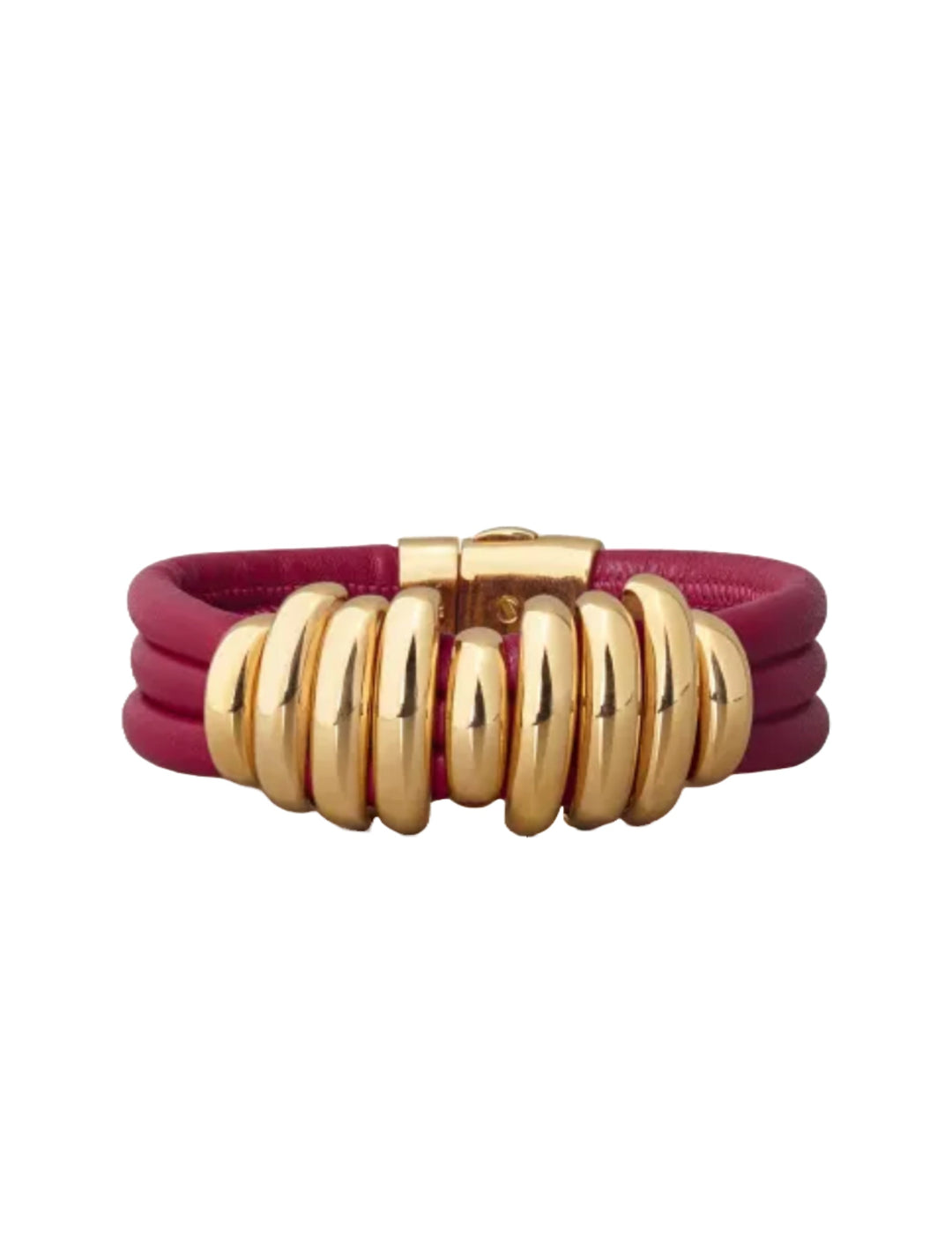
Designer Bracelets On Sale - Luxury Designer Bracelets at Outlet Prices Up to 80% Off
Here's what most people eventually learn about Designer Bracelets: cheap ones look cheap immediately. The metal tarnishes after three wears. The clasps break—the plating peels off, revealing the base metal underneath. The weight feels wrong—too light, too flimsy, obviously costume jewelry masquerading as something more. You end up with a jewelry box full of $30-80 bracelets that turned your wrist green, broke at inconvenient moments, or looked progressively worse with each wearing until you stopped wearing them entirely.
But designer bracelets at full retail? You're looking at $ 800 to $8,000+ for a precious metal bracelet. That's a mortgage payment. That's a used car. That's your entire emergency fund for jewelry you might lose, damage, or stop wearing when styles evolve.
This is where outlet shopping can completely transform jewelry collections.
Designer bracelets on sale at outlet prices—authentic luxury from Cartier, Hermès, Tiffany & Co., David Yurman, Bulgari, Van Cleef & Arpels, and other legitimate fine jewelry houses. We're talking $350-$3,500 at outlet sale pricing for bracelets that retail $900-$9,000 in jewelry stores and boutiques. Same 18K gold, same sterling silver with proper hallmarks, same expert craftsmanship and finishing, same precious stones (when applicable), same quality that lasts lifetimes rather than seasons, same iconic designs that hold value rather than depreciating to zero the moment you purchase them.
This is where precious metals and designer craftsmanship meet prices that won't require choosing between the perfect bracelet and three months of saving. Designer bracelets on sale at outlet prices that actually hold their value over time, look expensive rather than cheap (because they are costly, just not retail expensive), stack beautifully if you're building collections, and make you feel confident rather than self-conscious about whether your jewelry looks real or like obvious costume pieces.
You wear jewelry constantly—bracelets, in particular —are signature pieces that people notice and remember. A $1,200 Cartier Love bracelet on sale at outlet prices worn 1,000+ times over 10 years = $1.20 per wearing for iconic luxury that holds 60-70% resale value if you ever need to sell versus cheap bracelets at $60 × 5 replacements over 10 years = $300 for continuously mediocre quality that looks progressively worse, breaks repeatedly, and has zero resale value ever.
The math improves when you factor in resale value: the same $1,200 Cartier at outlet prices retains approximately $ 80- $900 in resale value after 10 years of wear (Cartier holds value exceptionally well). Your actual cost = $300-400 for 10 years of wearing iconic designer jewelry. Cheap bracelets? Zero resale value. Your $300 spent on replacements is pure loss, with nothing to show for it except a drawer full of broken, tarnished costume jewelry.
Designer bracelets on sale at outlet prices aren't just about looking good (though they absolutely do that)—they're about investment pieces you can actually wear daily without worry, building jewelry collections that hold value over decades, gifting meaningful pieces that recipients treasure for lifetimes, experiencing that specific weight and feel of real gold or silver that costume jewelry can never replicate, and knowing that if life circumstances require liquidating assets, your designer bracelets at outlet prices have actual resale markets with buyers willing to pay fair prices for authenticated pieces.
Everything here is 100% authentic with proper hallmarks. Fake designer bracelets at any price are expensive disasters: they contain no precious metal, have hallmarks that don't match genuine pieces, are constructed to break immediately, and have zero resale value. We source exclusively from authorized luxury brand outlets, authorized fine jewelry retailers clearing inventory, estate sales with authenticated provenance, and documented luxury channels—authentic Cartier, Hermès, Tiffany bracelets at real outlet sale prices, never counterfeits or "inspired by" knock-offs with fake gold plating over base metal.
Designer bracelets on sale from outlets aren't lower quality or use inferior metals. These are previous-season designs (that Love bracelet design from 5 years ago looks identical to today's—these pieces are timeless), estate pieces in excellent condition from authenticated sources, overstock from authorized retailers, showroom samples, or fragments from authorized outlet business models. The 18K gold content, sterling silver purity, gemstone quality, and craftsmanship standards remain identical to full-price jewelry store pieces—you're just not paying retail markup through smart outlet shopping channels that understand jewelry's unique resale market dynamics.
Whether you need iconic statement bracelets that define your style (Cartier Love, Hermès Clic Clac, Tiffany T), everyday luxury pieces you'll wear daily for years (David Yurman cable classics, simple gold bangles, silver cuffs), tennis bracelets for special occasions and elegant styling, stacking bracelets building personalized collections at outlet prices, men's designer bracelets in silver or gold, charm bracelets telling personal stories, or building complete jewelry wardrobes at outlet sale prices covering every occasion from casual to formal—this is where precious metals and designer craftsmanship become accessible without requiring trust fund budgets or financial stress over jewelry purchases that genuinely hold value as wearable assets.
The difference between designer bracelets on sale at outlet prices and cheap alternatives isn't subtle. The weight is immediately apparent—substantial precious metal versus hollow lightweight costume pieces. The hallmarks prove authenticity—18K, 750, 925 stamps versus no markings or fake stamps. The craftsmanship is visible—smooth edges, secure clasps, expert finishing versus rough edges and clasps that fail. The aging process reveals quality—real gold maintains its beauty, developing a patina, while plating peels, revealing the base metal underneath. Resale value confirms investment—designer pieces sell for 50-70% of the purchase price years later, whereas costume jewelry is worth nothing beyond the initial purchase.
Real Gold. Real Designer. Really On Sale at Outlet Prices.
Designer Bracelets On Sale by Brand:
Cartier Bracelets Outlet ($1,200-$3,500 on sale)
Iconic luxury. Love bracelet legend. French heritage at outlet prices.
On sale at outlets: Love bracelets (classic screw design), Juste un Clou (nail design), Trinity (three-band rolling), vintage Cartier styles
Retail pricing: $2,500-$8,000+ typical
Outlet sale price: $1,200-$3,500
Savings: 40-60% off
Real talk: Cartier Love bracelets on sale at outlet prices are investment pieces. The iconic screw design from 1969 hasn't changed—vintage pieces look identical to current production. These retain 60-70% of their resale value even after years of daily wear because Cartier is Cartier, and Love bracelets are cultural icons.
At outlet sale prices ($1,200-1,800 for classic Love in 18K gold versus $2,500-3,500 retail), these become accessible luxury investments rather than aspirational impossibilities. Same 18K gold, same hallmarks, same iconic design, just previous ownership or outlet sourcing creating a price opportunity.
Hermès Bracelets On Sale ($280-$950 outlet)
Parisian elegance. Enamel artistry. Leather luxury at outlet pricing.
Outlet sale styles: Clic Clac H bracelets (enamel and palladium), leather wraps with hardware, Collier de Chien styles, and Kelly hardware designs
Boutique price: $600-$2,200
Designer outlet pricing: $280-$950
You save: 50-60% at outlets
Hermès enamel bracelets on sale deliver distinctive luxury at accessible prices. The enamel work is exquisite—hand-applied by French artisans, available in dozens of colors, impossible to replicate cheaply. The hardware (palladium or gold-plated) maintains its quality over the years of wear.
At outlet sale prices, Hermès bracelets become wearable art—stackable, collectible in various enamel colors, recognizable to those who know them without being logo-heavy, and maintaining a 50-60% resale value of the purchase price.
Tiffany & Co. Bracelets Outlet ($250-$1,200 on sale)
American luxury. Sterling silver mastery. Iconic blue box at outlet prices.
On sale at outlets: Return to Tiffany heart tags, T collection, Elsa Peretti designs, sterling silver bangles, charm bracelets.
Retail: $600-$2,800
Outlet sale price: $250-$1,200
Outlet savings: 50-65% off
Tiffany bracelets on sale maintain that distinctive aesthetic—clean lines, quality sterling silver (proper 925 hallmarks), expert finishing. The brand recognition is universal, resale markets are strong, and sterling silver quality ensures these pieces last a lifetime with basic care.
At outlet prices, building Tiffany collections becomes feasible—multiple pieces, stacking options, and various styles —all at 50-65% below retail, creating jewelry wardrobes without financial stress.
David Yurman Bracelets On Sale ($380-$1,500 outlet)
Cable classics. American design. Sculptural luxury at outlet pricing.
Outlet sale offerings: Cable classics in silver and gold, gemstone accents, cuff bracelets, men's and women's styles, signature twisted cable
Boutique pricing: $795-$3,500
On sale at outlet: $380-$1,500
Save: 50-60% outlet discount
David Yurman bracelets on sale deliver the distinctive twisted-cable aesthetic at accessible prices. The silver is sterling silver (925), gold accents are real gold, and gemstone versions use genuine stones. These pieces are substantial—you feel the weight, the quality, the craftsmanship.
Stackable, unisex in many styles, recognizable without being ostentatious—Yurman at outlet prices represents wise luxury jewelry investment for both men and women, building collections.
Bulgari, Van Cleef & Arpels, Other Luxury Jewelry:
Bulgari outlet ($450-$2,200 on sale) - Serpenti designs, B.zero1 styles, Italian gold craftsmanship
Van Cleef & Arpels on sale ($800-$3,200 outlet when available) - Alhambra motifs, delicate feminine designs, exceptional craftsmanship
Chopard outlet ($350-$1,800 on sale) - Happy Diamonds, Swiss luxury, quality gold and diamonds
Buccellati on sale ($500-$2,500 outlet) - Hand-engraved Italian gold, Renaissance-inspired, heirloom quality
All authentic. All proper hallmarks. All outlet sale pricing is 40-65% below retail.
Designer Bracelets On Sale by Style:
Bangles & Cuffs Outlet ($250-$1,500)
Sleek sophistication. Slip-on ease. Statement simplicity at outlet prices.
Brands on sale: All designers at outlet prices
Metals: 18K gold, sterling silver, mixed metals
Styling: Solo statements or stacked multiples
Versatility: Work, casual, formal—appropriate everywhere
Bangles and cuffs on sale from outlets = building jewelry foundations. Simple gold bangles, sculptural silver cuffs, designer pieces that work with everything, making outlet investment smart.
Tennis Bracelets On Sale ($850-$3,500 outlet)
Classic elegance. Diamond brilliance. Exceptional occasion luxury at outlet pricing.
Outlet sale styles: Diamond tennis in white or yellow gold, gemstone versions, various lengths, quality stones
Designer options: Established jewelry houses at outlets
Occasions: Formal events, elegant styling, heirloom pieces
Investment value: Diamonds hold value, designer names add a premium
Tennis bracelets on sale at outlet prices make classic diamond jewelry accessible—genuine stones, quality gold, and expert setting—at 45-60% below retail.
Chain Bracelet s Outlet ($280-$1,200)
Versatile luxury. Various weights. Timeless styling at outlet prices.
On sale at outlets: Link chains in gold or silver, designer hardware, various chain styles, adjustable lengths
Metal options: 18K gold, 14K gold, sterling silver at outlet pricing
For: Men's and women's styling, layering, and solo wearing
Durability: Quality chains last decades with basic care
Chain bracelets on sale at outlets deliver precious metal content with design interest—solid gold or silver chains that work across occasions and never date.
Charm Bracelet s On Sale ($320-$1,500 outlet)
Personal storytelling. Collectible luxury. Sentimental value at outlet pricing.
Outlet styles: Designer charm bracelets, individual charms on sale, build-your-own options
Brands: Tiffany, Pandora, luxury tier, European designers
Appeal: Personalization, gift-giving, meaningful collections
Value building: Add charms over time at outlet prices
Charm bracelets on sale let you build personal jewelry that tells stories—travel charms, milestone charms, meaningful symbols — all at outlet pricing, making collections affordable to develop over the years.
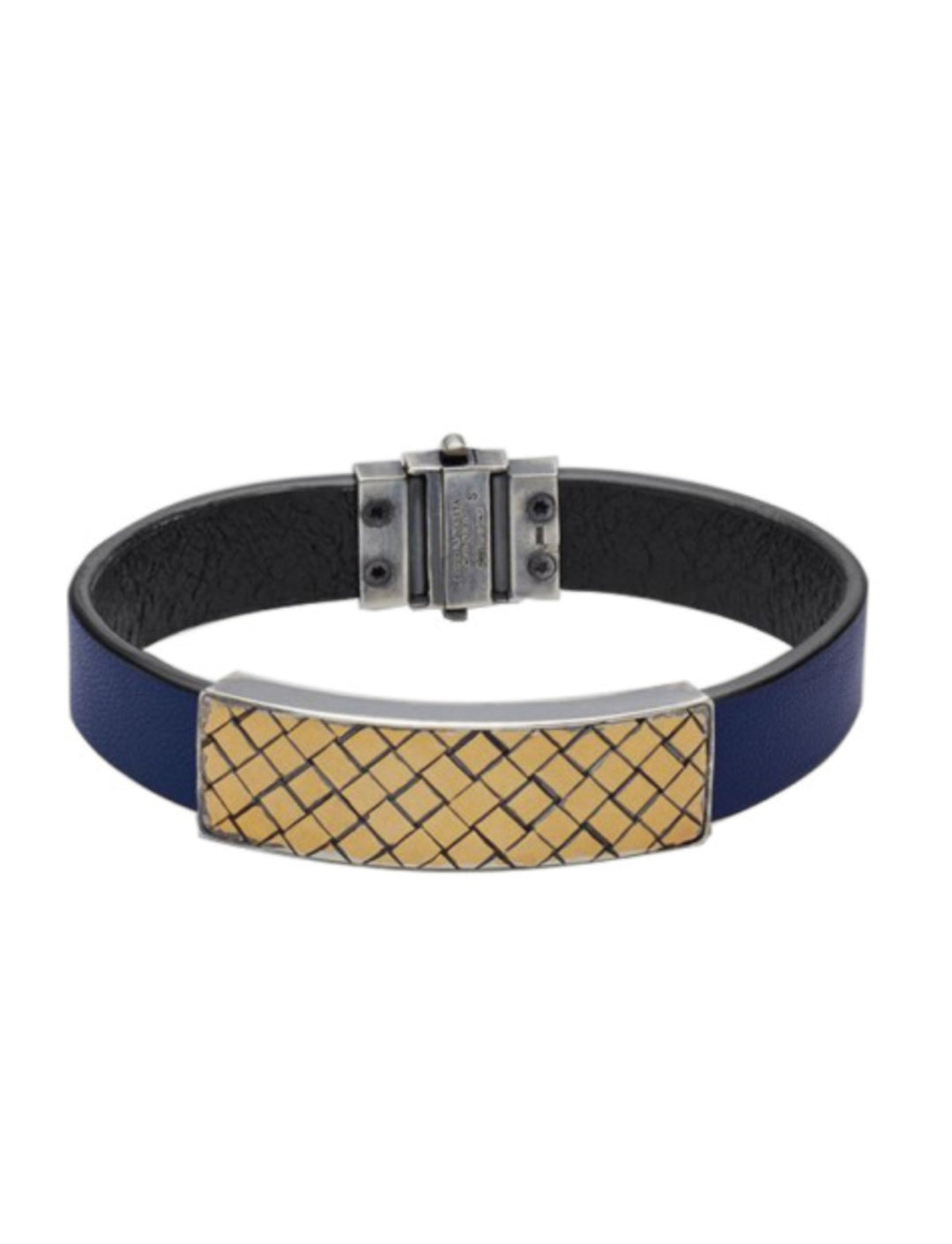
Men's Designer Bracelets Outlet ($350-$2,200)
Masculine luxury. Bold statements. Contemporary style at outlet prices.
On sale from outlets: Silver cuffs, leather with hardware, chain bracelets, ID bracelets, beaded luxury styles
Designer brands: David Yurman, Hermès, Cartier men's pieces, contemporary designers on sale
Styling range: Casual to formal, solo to stacked
Contemporary appeal: Men's jewelry is increasingly mainstream
Men's designer bracelets on sale at outlets make masculine luxury accessible—quality pieces at prices working for men building jewelry collections beyond watches.
Why Outlet Designer Bracelets Make Sense:
Precious Metal Content That Holds Value
Designer bracelets on sale at outlet prices are made of real gold (14K or 18K) or sterling silver (925), verified by hallmarks. This precious metal content has intrinsic value independent of designer name—gold is gold, silver is silver. Unlike clothing or accessories that depreciate to near-zero value, precious metal jewelry maintains a baseline value based on metal weight and purity, even before designer premiums are factored in.
Craftsmanship That Lasts Generations
Expert finishing on designer bracelets at outlet sale prices—smooth edges without rough spots, secure clasps functioning smoothly through thousands of openings, proper soldering and construction, quality gemstone settings that don't loosen. This craftsmanship means jewelry lasts lifetimes rather than seasons, becoming heirloom pieces passed down to children and grandchildren rather than disposable accessories.
Designer Premium With Resale Markets
Cartier, Hermès, Tiffany, and Bulgari—these names command significant resale premiums beyond metal content alone. Designer bracelets at outlet prices retain 50-70% of their resale value after years of wear because strong secondary markets exist for authenticated pieces from recognized luxury jewelry houses. You're not just buying jewelry; you're purchasing liquid, beautiful assets you can wear daily.
Investment Piece Economics
$1,500 Cartier Love bracelet at outlet sale price:
- Worn 1,500 times over 15 years = $1 per wearing
- Resale value after 15 years = $900-1,050
- Actual cost = $450-600 for 15 years of iconic luxury
$80 costume bracelet × 5 replacements = $400 total + zero resale value + constant quality disappointment + tarnishing and breaking
Outlet designer = better per-wearing value, better resale value, better appearance, less hassle.
The Weight and Feel Difference
Genuine gold and silver have substantial weight that you immediately feel when wearing them. This weight is reassuring and luxurious, and it is impossible to replicate in costume jewelry. Designer bracelets on sale at outlet prices feel expensive because they are expensive—precious metals are inherently dense and heavy, creating a luxurious presence on your wrist that cheap alternatives never achieve.
Understanding Outlet Bracelet Pricing:
Why Designer Bracelets Go On Sale:
Estate jewelry (pre-owned, authenticated pieces in excellent condition at dramatic discounts). Previous design generations (e.g., Cartier Love from 10 years ago, identical to today, but costs less pre-owned). Showroom samples (display pieces at outlets). Overstock from authorized retailers (excess inventory moving to outlet channels). Seasonal clearances from fine jewelry departments (making room for new collections).
What You're Not Getting at Outlet Prices:
Lower gold purity (nope, 18K is 18K, verified by hallmarks). Inferior craftsmanship (identical finishing standards). Fake gemstones (when applicable, stones are genuine). Missing hallmarks (all authentic pieces have proper stamps).
What You Are Getting On Sale:
100% authentic designer bracelets. Proper precious metal content (14K, 18K, 925 silver). Expert craftsmanship and finishing. Genuine gemstones, when applicable. Outlet pricing is 40-65% below retail on authenticated pieces.
Real Price Comparisons:
Cartier Love bracelet 18K: $2,500 retail → $1,400 outlet/estate = 44% savings
Hermès Clic Clac H: $600 boutique → $320 on sale = 47% off
Tiffany Return to Tiffany: $700 retail → $350 outlet = 50% savings
David Yurman cable classic: $895 retail → $480 on sale = 46% off
Bulgari B.zero1: $1,200 retail → $650 outlet = 46% savings
These aren't inflated "compare at" prices. These are actual current retail prices verifiable at brand boutiques and authorized retailers. Outlet and estate pricing delivers genuine savings on authenticated precious metal jewelry.
Sizing & Fit Guide:
How to Measure for Bracelets:
Wrist measurement: Use a flexible measuring tape around the wrist where the bracelet will sit (typically just above the wrist bone). Note measurement in inches or centimeters.
Add appropriate ease:
- Snug fit (bangles, cuffs): Add 0.5 inch to wrist measurement
- Comfortable fit (chain bracelets, flexible): Add 1 inch to wrist measurement
- Loose fit (statement pieces): Add 1.5 inches to wrist measurement
Standard bracelet sizes:
- Small: 6-6.5 inches (15-16.5cm)
- Medium: 7-7.5 inches (18-19cm)
- Large: 8-8.5 inches (20-21.5cm)
Designer-specific sizing:
Cartier Love: Comes in numbered sizes (16, 17, 18, 19, 20, 21) representing centimeters. Should fit snugly but slip over the hand with effort. Not meant to slide on/off easily.
Hermès Clic Clac: Small (6.3"), Medium (6.7"), Large (7.1"). These have an opening mechanism, so fit is less critical than bangles.
David Yurman: Most styles are adjustable or come in S/M/L. Check specific measurements when buying at outlet prices.
Men's bracelets: Typically run 7.5-9 inches. Men should measure their wrist and add 1-1.5 inches for a comfortable fit.
Care & Maintenance:
Daily Care:
- Remove before showering, swimming, exercising
- Avoid harsh chemicals (cleaning products, perfumes, lotions)
- Store separately, preventing scratching (individual pouches or compartments)
- Put bracelets on last when dressing (after perfume, lotion application)
Gold Jewelry Care:
- Clean with mild soap and warm water
- Soft brush for crevices
- Professional cleaning annually
- 18K gold doesn't tarnish, but accumulates oils/dirt
Silver Jewelry Care:
- Silver polishing cloths for tarnish
- Store in anti-tarnish bags
- Clean regularly, preventing heavy tarnish buildup
- Professional cleaning for intricate pieces
Gemstone Bracelets:
- Check settings periodically (ensure stones are secure)
- Professional inspection annually
- Avoid ultrasonic cleaners for some stones (emeralds, opals, pearls)
- Clean gently with appropriate methods for specific stones
Expected Lifespan:
Designer bracelets on sale at outlet prices with proper care: Lifetime and beyond. These are heirloom pieces—18K gold and sterling silver from the last century. Correct maintenance means your grandchildren will wear these bracelets decades from now.
Stacking & Styling:
Single Statement:
- Cartier Love or Hermès cuff worn alone
- Let the iconic piece shine without competition
- Perfect for a minimalist aesthetic
- Appropriate professional contexts
Stacked Multiples:
- Mix metals (gold and silver together is contemporary)
- Vary widths (thin bangles with thicker cuffs)
- Odd numbers (3 or 5 bracelets stack beautifully)
- Balance arm (don't overload one wrist)
Men's Styling:
- Single substantial piece (silver cuff, leather with hardware)
- Worn on the opposite wrist from the watch
- Casual to formal, depending on bracelet style
- Contemporary masculine aesthetic
Women's Versatility:
- Daytime minimal (1-2 simple pieces)
- Evening maximal (stacked statement pieces)
- Professional conservative (simple bangle or chain)
- Weekend casual (mixed materials, colors)
Gift-Giving at Outlet Prices:
Designer bracelets on sale make exceptional gifts because:
Universal appeal - Everyone loves fine jewelry
Outlet pricing - $350-1,500 feels generous without excessive
Lasting value - Precious metals last lifetimes
Emotional resonance - Jewelry carries memories and meaning
Investment quality - Recipients can sell if needed (absolute value)
Perfect for: Mother's Day (Hermès enamel, Tiffany classics). Valentine's Day (Cartier Love symbolism). Graduations (investment pieces starting adult life). Anniversaries (precious metals for precious years). Milestone birthdays (21st, 30th, 40th, 50th with real gold).
Gift Tips: Medium sizing is safest (fits most)—classic metals over trendy (gold and silver are timeless). Include authenticity documentation. Consider the recipient's metal preference (gold versus silver). Established brands (Cartier, Tiffany, Hermès) are the most recognizable.
Authentication & Verification:
Hallmarks to verify:
18K Gold: Should be stamped "18K" or "750" (750 parts per 1000 = 18K)
14K Gold: Stamped "14K" or "585."
Sterling Silver
: Stamped "925" (92.5% silver content)
Platinum: Stamped "PT" or "950"
Designer marks: Authentic pieces include brand hallmarks (Cartier signature, Tiffany & Co. marks, Hermès stamps)
Weight test: Real gold and silver are heavy—if the piece feels light, it's not solid precious metal
Magnet test: Gold and silver aren't magnetic—if the bracelet sticks to the magnet, it's not real
Professional appraisal: For expensive purchases at outlets ($1,000+), consider professional authentication ($50-150), confirming authenticity and value
When Cheap Jewelry Actually Works:
Being honest: not every situation requires a designer at outlet prices.
Costume jewelry is suitable for: trying trendy styles before investing in precious metals; beach/pool use (risk of loss); very young children (growth and loss risk); and rapid style experimentation.
Designer bracelets on sale make sense for building lasting jewelry collections, gifting meaningful pieces, investment purposes, daily wear (quality matters), and occasions where authentic jewelry is expected.
Why Start With Bracelets:
If you're investing in designer jewelry, bracelets at outlet sale prices are smart starting points:
Daily wearability - Unlike necklaces or rings, bracelets work with everything
Lower price point - More accessible than watches or major necklaces
Stackable - Build collections over time
Resale value - Precious metals maintain worth
Gift versatility - Works for any recipient
The Outlet Economics:
Designer bracelet on sale at $1,200, worn 1,200 times over 15 years = $1 per wearing + $800 resale value = actual cost $400 total
Costume bracelets at $70 × 5 replacements = $350 total + zero resale value + constant tarnishing and breaking
Outlet designer = better per-wearing value, better resale value, better appearance, investment quality versus pure expense.
Authenticity Guaranteed:
Every designer bracelet on sale undergoes verification:
✓ Hallmark verification - Proper gold/silver stamps confirmed
✓ Brand authentication - Designer marks verified authentic
✓ Metal testing - Precious metal content confirmed
✓ Craftsmanship inspection - Quality finishing verified
✓ Provenance documentation - Source and authenticity tracked
Real designer bracelets. Real precious metals. Real outlet prices. Really authentic.
The Bottom Line:
Designer bracelets on sale at outlet prices deliver:
- Authentic precious metals (18K gold, sterling silver) with proper hallmarks
- 40-65% savings versus retail jewelry store pricing
- Same craftsmanship as full-price pieces
- Investment quality holding 50-70% resale value
- Lifetime durability with basic care
- Heirloom pieces at accessible outlet pricing
You're not compromising on quality in outlet sales. You're paying a retail markup for identical precious metal jewelry. That's a wise investment in wearable assets.
Whether you need iconic statement bracelets from Cartier or Hermès, everyday luxury pieces from Tiffany or David Yurman, tennis bracelets for special occasions, stacking bracelets building collections at outlet prices, men's designer pieces, or charm bracelets telling personal stories—this is where precious metals and designer craftsmanship meet prices making luxury jewelry accessible without requiring trust fund budgets while delivering genuine investment value through resale markets and intrinsic metal worth making designer bracelets at outlet sale prices smart financial decisions beyond mere fashion purchases.
Browse Designer Bracelets On Sale - Investment Jewelry at Outlet Prices
Cartier, Hermès, Tiffany, David Yurman & more. Authentic gold & silver bracelets on sale at outlet prices. 40-65% off retail. Free shipping.
Authenticating designer bracelets on sale at outlet prices requires checking multiple verification points including hallmarks, weight, craftsmanship details, and purchasing from authorized sources with documentation, but when you know what to look for, distinguishing genuine luxury jewelry from counterfeits becomes straightforward because precious metal content, expert finishing, and brand-specific details are extremely difficult for counterfeiters to replicate accurately at any price point.Here's how to verify authenticity when buying designer bracelets at outlet prices:The hallmark verification (most critical first check):Precious metal stamps must be present and correctly placed on all authentic designer bracelets. These aren't optional decorative elements—they're legal requirements for selling precious metal jewelry in most countries.18K gold markings: Should be stamped "18K" or "750" (750 parts per 1000 = 75% gold) Sometimes includes country marks (eagle head for French 18K, crown for UK) Stamping should be clear, crisp, properly sized for piece Located on interior of bracelet, near clasp, or on signature plate Sterling silver markings: Must show "925" (92.5% silver content) May include maker's marks or country stamps Should be stamped clearly on piece interior or clasp area British silver includes lion passant mark Fake bracelets problems with hallmarks: Missing hallmarks entirely (major red flag) Stamps look fuzzy, unclear, or poorly executed Wrong numbers (fake "925" on piece claiming to be gold) Hallmarks in wrong locations for that designer Stamps look hand-scratched rather than die-stamped Check hallmarks carefully when buying designer bracelets at outlet prices—use magnifying loupe if available examining crispness and placement. Authentic stamps are machine-die-stamped creating perfectly crisp impressions.
Hand-scratched or poorly executed stamps indicate fake pieces.Designer-specific authentication marks:Cartier Love bracelets have serial numbers and specific markings: "CARTIER" stamped on interior Serial number engraved (5-6 digits typically) Metal purity mark (750 for 18K) Screws should match (real screws, not fake printed circles) Authentic Love bracelets have screwdriver tool (though some estate pieces lack original tools) Hermès Clic Clac bracelets feature specific details: "HERMÈS PARIS" stamped on enamel Metal composition marked on interior hardware Enamel should be perfectly smooth with zero bubbles or imperfections Hardware should close with satisfying "click" (hence "Clic Clac") Authentic pieces come with Hermès box and documentation Tiffany & Co. bracelets include distinctive marking: "TIFFANY & CO." or "T&CO" stamped clearly "925" or "18K" depending on metal May include designer signature (Elsa Peretti, Paloma Picasso pieces) Return to Tiffany pieces have heart tag with brand name Authentic Tiffany blue boxes and pouches (though these can be faked separately) David Yurman cable bracelets show specific features: "D YURMAN" stamped on interior "925" sterling mark Cable pattern should be precisely executed (twisted cable perfect and consistent) Stones (when present) are genuine, properly set Substantial weight (real silver is heavy) Designer-specific details matter enormously. Research the exact model you're buying at outlet prices examining authentic examples online or at boutiques, then compare outlet piece to verified authentic images checking every detail matches.The weight test (precious metals are heavy):Real gold and silver are inherently dense metals—much heavier than base metals used in costume jewelry or counterfeits.
This weight is immediately noticeable when handling authentic designer bracelets at outlet prices versus fake pieces.18K gold weight: A Cartier Love bracelet in 18K gold weighs approximately 30-35 grams (about 1.1 ounces). If bracelet claiming to be 18K gold feels light or hollow, it's not solid gold regardless of stamps.Sterling silver weight: Substantial silver cuff or bangle should have noticeable heft. If piece feels lightweight despite appearing thick, it's likely plated base metal, not solid silver.The magnet test: Neither gold nor silver are magnetic.
If bracelet sticks to strong magnet, it contains ferrous metals (iron, steel) and isn't precious metal regardless of what stamps claim. This simple test catches many fakes immediately when buying at outlet prices.Craftsmanship quality indicators:Authentic luxury jewelry from designers at outlet sale prices shows: Perfectly smooth edges with no rough spots or sharp areas Expert soldering (joints should be invisible or nearly so) Clasps function smoothly through hundreds of uses without loosening Even, consistent finishing across entire piece Proper gemstone settings (when applicable) with stones secure Interior surfaces finished as carefully as exterior Fake jewelry reveals itself through: Rough edges that catch on clothing or feel sharp Visible solder marks or poor joint execution Clasps that feel loose, stick, or operate roughly Uneven finishing (some areas polished, others not) Gemstones loosely set or obviously fake (glass instead of diamonds) Interior left rough or unfinished (luxury brands finish everywhere) Run your fingers along all edges, open and close clasps repeatedly, examine every surface closely when considering designer bracelets at outlet prices. Quality craftsmanship is expensive and time-consuming—counterfeiters cut corners becoming visible under scrutiny.Where to buy safely at outlet prices:Authorized sources with guarantees: Established luxury consignment shops with authentication services Reputable estate jewelry dealers with documentation Authorized brand outlets (Tiffany outlet stores, for example) High-end auction houses with jewelry experts (Christie's, Sotheby's) Established online luxury resale platforms with authentication (The RealReal, Vestiaire Collective with authentication guarantees) Avoid purchasing from: Random eBay or Etsy sellers without extensive positive feedback and return policies Instagram sellers without brick-and-mortar presence or reputation Flea markets or street vendors (obvious, but worth stating) Websites with prices that seem impossibly low (if it's too good to be true, it is) Sellers who can't or won't provide detailed photos of hallmarks and craftsmanship Professional authentication services:For expensive designer bracelets at outlet prices ($1,000+), consider professional authentication before finalizing purchase:Independent jewelry appraisers: $50-150 for authentication service examining piece, testing metals, verifying hallmarks and craftsmanship against known authentic examples.Brand boutiques: Some luxury brands (Cartier especially) offer authentication services for their pieces.
Bring bracelet to boutique; staff can verify authenticity, sometimes for nominal fee or free.Online authentication services: Companies like Entrupy use AI and databases authenticating luxury goods including jewelry, providing certificates of authenticity.Small investment in authentication protects large investment in designer bracelet at outlet sale prices, providing peace of mind and documentation increasing resale value later.Documentation and provenance:Authentic pieces should include: Original box (when available) Authenticity certificates or cards Purchase receipts (for newer pieces) Service history (for estate pieces) Appraisal documents Missing documentation doesn't automatically mean fake (estate pieces often lack original packaging), but presence of documentation increases confidence and resale value. When buying designer bracelets at outlet prices with full documentation, you're paying premium but getting authentication assurance worth the cost.Red flags indicating likely fakes: Price dramatically below reasonable outlet/estate pricing (Cartier Love for $300? Fake.) Seller unwilling to provide detailed photos of hallmarks, craftsmanship details Vague descriptions avoiding specifics about metal content or marks Pressure to buy immediately without inspection period No return policy or authentication guarantee Seller has pattern of complaints or negative feedback Trust your instincts when buying designer bracelets at outlet sale prices.
If something feels wrong, don't rationalize away concerns with "but the price is so good"—that's exactly how people end up with expensive fakes.The cost of getting it wrong:Buying fake "Cartier" bracelet at $800 thinking you got deal: Zero precious metal content (worthless base metal) No resale value (can't sell fake as authentic legally) Tarnishes, breaks, looks progressively worse Embarrassment if exposed as fake Total loss of $800 with nothing genuine to show for it Buying authenticated Cartier at outlet prices for $1,400: Real 18K gold (intrinsic metal value $400-500) Resale value $900-1,000 even years later Lasts lifetime with basic care Confidence wearing real piece Actual cost after eventual resale: $400-500 for years of wear Authentication effort and slightly higher pricing for verified authentic pieces protects your investment completely versus gambling on suspiciously cheap pieces that turn out fake.Bottom line on authentication: Verify designer bracelets on sale at outlet prices through multiple checkpoints: proper hallmarks (18K/750 for gold, 925 for silver) that are crisp and correctly placed, substantial weight (precious metals are heavy), designer-specific marks matching authenticated examples, expert craftsmanship with smooth edges and quality finishing, and purchasing from authorized sources with documentation and return policies. Use magnet test (real gold/silver not magnetic), weight test (should feel substantial), and careful visual inspection of every detail. For expensive pieces over $1,000, invest $50-150 in professional authentication protecting much larger investment.
Avoid deals seeming impossibly good, sellers unwilling to provide detailed verification photos, or sources without reputation and recourse. The difference between authentic designer bracelet at outlet prices and fake is the difference between genuine investment holding value for decades versus total loss on worthless costume piece masquerading as luxury—authentication effort is worth it absolutely, and when you know what to look for, distinguishing real from fake becomes straightforward protecting your jewelry investments completely.
Designer bracelets on sale at outlet prices genuinely hold 50-70% resale value after years of wearing (Cartier, Hermès, Tiffany, Bulgari especially) because strong secondary markets exist for authenticated luxury jewelry where precious metal content provides baseline value and designer premium adds significant additional worth, making these pieces liquid assets you can convert to cash when needed versus costume jewelry with zero resale value regardless of original purchase price.Here's the honest resale reality for designer bracelets at outlet prices:The precious metal baseline value:Before even considering designer premium, your bracelet contains actual valuable material—gold or silver—that has intrinsic worth based on metal content alone.18K gold content value: Cartier Love bracelet weighs approximately 32-35 grams of 18K gold. Gold price fluctuates but at $2,000/ounce (troy ounce = 31.1 grams), that's roughly $64 per gram pure gold. 18K gold is 75% pure, so 32 grams × 0.75 = 24 grams pure gold × $64 = $1,536 in pure gold content alone.Even if Cartier name disappeared tomorrow, your Love bracelet purchased at outlet for $1,400 contains $1,500+ in precious metal.
You can't lose money beyond small transaction costs because metal content protects against total value loss.Sterling silver content value: Silver is less valuable per gram ($0.70-1.00 per gram typically) but substantial silver bracelet still has real metal value. Heavy David Yurman cuff weighing 60 grams = $42-60 in silver content protecting against complete value loss even without designer premium.This precious metal baseline distinguishes designer bracelets at outlet prices from all other fashion purchases—clothing, bags, shoes depreciate to near-zero, but precious metal jewelry maintains minimum value based on metal content independent of brand or style.The designer premium multiplier:Luxury brand names add significant value beyond metal content alone. This premium varies by brand:Cartier (highest premium): Love bracelets: 60-75% resale value retention Purchase at outlet: $1,400 Resale after 5-10 years wearing: $900-1,050 Actual cost after resale: $350-500 for decade of wearing iconic luxury Cartier holds value exceptionally because Love bracelet is cultural icon (designed 1969, unchanged since), instantly recognizable, desired globally, and considered investment piece rather than just jewelry.Hermès (strong premium): Clic Clac bracelets: 55-65% resale retention Purchase at outlet: $350 Resale after 5-10 years: $200-250 Actual cost: $100-150 for decade of luxury Hermès enamel work is difficult to replicate, colors are collectible, brand recognition is universal, and resale markets are active.Tiffany & Co.
(good premium): Classic silver pieces: 50-60% resale retention Purchase at outlet: $400 Resale after wearing: $200-250 Actual cost: $150-200 for years of wear Tiffany recognition and sterling silver quality create reliable resale markets.David Yurman (moderate premium): Cable classics: 45-55% resale retention Purchase at outlet: $600 Resale after wearing: $270-350 Actual cost: $250-330 for ownership period Yurman has strong recognition and quality but slightly lower resale percentage than top-tier houses. Still maintains significant value beyond metal content.Lesser-known designers: Resale often closer to metal melt value (30-40% of purchase price) Designer premium doesn't add as much value Metal content becomes primary value determinant The condition factor affecting resale:Excellent condition (minimal wear, no damage, all original elements): Maximizes resale value Achieves 60-75% retention for top brands Buyers pay premium for pristine pieces Good condition (normal wear, some scratches, functioning properly): Still achieves 50-65% retention for quality brands Most sold pieces fall here (normal wear expected) Professional polishing before sale increases value Fair condition (significant wear, possible damage, repairs needed): Drops to 35-50% retention Metal value becomes more important than designer premium May need repairs before selling maximizing value Care during ownership directly affects resale value on designer bracelets purchased at outlet prices. Basic maintenance (proper storage, periodic polishing, avoiding damage) protects resale value significantly.Where to sell designer bracelets for best value:Luxury consignment platforms (The RealReal, Vestiaire Collective, Rebag for jewelry): Take 20-40% commission but handle authentication, marketing, transaction Reach large buyer pools globally Authentication services add buyer confidence Best for pieces $500+ value Jewelry-specific resale (Worthy, I Do Now I Don't, specialized jewelry consignment): Focus on jewelry specifically Expert authentication and appraisal Competitive pricing Good for $300-3,000 range pieces Auction houses (Christie's, Sotheby's for high-value pieces): Best for pieces worth $2,000+ Professional authentication and cataloging Global buyer reach Auction format can drive competitive bidding Direct sale to jewelers (fastest but lowest value): Immediate cash (no waiting for buyer) Typically offer 40-60% of resale value (they need margin for reselling) Good for immediate need situations Convenient but sacrifices maximum value Peer-to-peer platforms (eBay, Poshmark, Mercari with authentication): Keep more proceeds (lower fees) Requires your time and effort Risk of scams or returns Good for motivated sellers with time The timing consideration:Selling designer bracelets purchased at outlet prices works anytime but timing affects value:Immediate resale (within months of purchase): Loses 20-30% immediately to market friction Buyers question why selling so quickly Better to wear 1-2 years showing it's genuine purchase 2-5 years ownership: Optimal resale timing Enough time showing genuine ownership Not so long piece seems outdated Maximizes value retention percentage 10+ years ownership: Classic pieces (Cartier Love, Hermès Clic Clac) maintain value Trendy pieces may have dropped value Condition becomes more critical Vintage/estate appeal for truly classic designs The authentication requirement for resale:Buyers expect authentication when purchasing pre-owned designer jewelry.
Having documentation increases sale price 10-20% versus pieces without proof: Original boxes and papers Purchase receipts (even from outlets) Professional appraisal documents Service records from brand boutiques Third-party authentication certificates Keep all documentation when buying designer bracelets at outlet prices. This paperwork significantly increases resale ease and value later.What doesn't resale well:Costume jewelry (obvious but worth stating): Zero resale value regardless of original cost No precious metal content No secondary market demand Total loss when you tire of piece Trendy designs even from good brands: Very specific trend pieces date quickly Lose more value than classics May take longer to sell Damaged pieces: Require expensive repairs before selling Significantly reduced value Sometimes worth more selling for metal content than as jewelry Unknown or poorly-regarded brands: Limited buyer pools Value drops to near metal melt value Takes longer to sell The mathematical reality:Designer bracelet scenario: Purchase at outlet: $1,200 Wear for 10 years (1,000+ wearings) Sell for $750 (62% retention) Actual cost: $450 for decade of luxury = $0.45 per wearing Costume jewelry scenario: Purchase: $100 Wear for 2 years (100 wearings) Resale value: $0 Replace 5 times over 10 years = $500 total Actual cost: $500 for decade of mediocrity = $5 per wearing Designer bracelet at outlet prices with resale value delivers better economics than costume jewelry with zero resale value despite higher initial investment.The insurance and documentation benefit:Designer bracelets purchased at outlet prices with documentation can be insured (valuable for expensive pieces $1,000+). Insurance requires: Appraisal establishing value Photos documenting condition Receipts showing purchase Periodic reappraisal updating value This documentation also facilitates resale later by providing authentication and provenance buyers value.The emotional vs.
financial consideration:Some designer bracelets at outlet prices become too meaningful to sell regardless of value—gifts from loved ones, milestone purchases, pieces with memories attached. That's completely valid.But knowing resale option exists provides financial security even if you never exercise it. Unlike most purchases that depreciate to nothing, your jewelry retains significant value you can access if life circumstances require liquidating assets.
This liquidity is genuine value beyond mere wearing enjoyment.The collection building strategy:Knowing designer bracelets at outlet prices hold value enables strategic collecting: Buy quality pieces when outlet opportunities arise Wear and enjoy them for years Sell pieces that no longer suit style Use proceeds funding new purchases Constantly refresh jewelry wardrobe at minimal net cost This approach treats jewelry as liquid assets cycling through your collection rather than dead money sitting in boxes forgotten.Bottom line on resale value: Designer bracelets on sale at outlet prices genuinely hold 50-70% resale value after years of wearing because precious metal content provides baseline worth (18K gold Love bracelet contains $1,500+ in metal alone) and designer premiums (Cartier, Hermès, Tiffany especially) add significant value beyond metal. Strong secondary markets exist through luxury consignment platforms, jewelry specialists, and auction houses for authenticated pieces making resale straightforward when needed. Actual ownership cost after eventual resale is dramatically lower than purchase price—$1,400 Cartier at outlet reselling for $950 after 10 years = $450 actual cost = $0.45 per wearing for iconic luxury.
Compare this to costume jewelry with zero resale value ever, making designer jewelry at outlet prices better financial decision despite higher initial investment. Keep documentation (receipts, boxes, appraisals) increasing resale value 10-20%. Maintain condition through basic care maximizing retained value.
Understand jewelry as liquid asset you can convert to cash when needed versus pure expense on costume pieces worth nothing after purchase—this fundamental difference makes designer bracelets at outlet sale prices genuine investments beyond mere fashion accessories.
Buying Cartier Love bracelet at outlet or estate prices (typically $1,200-1,800 for classic 18K gold size versus $2,500-3,500 new at boutique) is absolutely worth it because Love design is timeless and unchanged since 1969 making pre-owned pieces functionally identical to new, they hold 60-75% resale value making them investment jewelry rather than expense, and the 40-50% outlet savings allows purchasing higher gold content or additional jewelry versus paying full retail for same bracelet.Here's what you need to know about Cartier Love bracelets specifically:The Love bracelet background (why it matters):Designed 1969 by Aldo Cipullo for Cartier New York. Revolutionary concept: bracelet that locks on wrist with screwdriver, symbolizing commitment and love (partner "locks" it on you). This romantic story adds to desirability and resale value.Design unchanged for 55+ years.
A Love bracelet from 1975 looks identical to 2025 version. This timeless consistency means estate or outlet Love bracelets don't look "old" or "previous season"—they're simply the same iconic design at lower prices. Unlike fashion jewelry that dates, Love transcends time.Cultural icon status.
Celebrity endorsements, social media ubiquity, fashion magazine coverage for decades. The Love is arguably the most recognized luxury bracelet globally. This status maintains resale value and desirability.Different Love bracelet versions at outlet/estate prices:Classic Love (smooth): Original design, smooth 18K gold band Width: 6.0mm or 3.65mm (thin version) Most common at estate sales $1,200-1,800 estate/outlet vs.
$2,500-3,500 new Best resale value retention Love with diamonds: Same design, 4 or 10 diamonds Significantly more expensive ($3,800-8,000 new) Estate prices: $2,200-4,500 Diamonds must be verified authentic Higher resale value but also higher initial investment Love with colored stones: Newer variations (ceramics, colored gems) Less common at estate sales (newer designs) Resale value less established than classic More fashion-forward, potentially higher dating risk Thin Love: Width 3.65mm vs. 6.0mm classic More delicate aesthetic Lower price point ($1,950 new, $1,000-1,400 estate) Resale holds but less than classic width For investment and resale value, classic smooth Love in 18K gold (6.0mm width) is safest choice at outlet/estate prices.Sizing considerations (critical for Love bracelets):Love bracelets should fit snugly requiring effort to slip over hand. They're not meant to easily slide on/off—that's the design point (commitment symbolism).Cartier sizing system: Numbered 16, 17, 18, 19, 20, 21, 22 (centimeters) 16 = 6.3 inches (very small wrists) 17 = 6.7 inches (small to medium wrists) 18 = 7.1 inches (medium wrists) 19 = 7.5 inches (medium to large wrists) 20 = 7.9 inches (large wrists) How to measure for Love: Wrap measuring tape around wrist where bracelet will sit (above wrist bone).
This measurement in centimeters suggests your size, but Love should fit snug so don't size up much. Many people size down from their normal bracelet size for proper Love fit.Sizing challenges with estate/outlet purchases: You can't easily try on before buying online. Strategy: measure wrist carefully, research extensively what size others with similar measurements wear, or ideally visit Cartier boutique trying sizes (staff will assist sizing even if you're not purchasing immediately), then buy that size at outlet/estate later.Cartier offers sizing adjustment service (replacing bracelet with different size) but this is expensive ($100-200 minimum) and requires sending bracelet to service center.
Better to get sizing right initially.Authentication specifics for Love bracelets:Essential marks that must be present: "CARTIER" stamped clearly on interior Serial number (engraved, not stamped—should look etched) Metal purity mark: "750" (18K gold), sometimes with additional country marks Serial numbers: 6 digits typically, format varies by production era The screw head test: Authentic Love bracelets have real functioning screws (not just decorative). The screw heads should have proper slots, and screwdriver tool should fit and turn screws. Fakes often have printed or stamped "screws" that don't actually function.The weight test for Love: Classic Love in 18K gold weighs 30-35 grams approximately If bracelet feels light, it's not solid 18K gold Use jewelry scale for certainty (estate sellers should provide weight) The screwdriver: Authentic Love bracelets come with small screwdriver tool.
Many estate pieces lack original screwdriver (lost over years), but screwdriver's absence doesn't mean bracelet is fake. However, presence of original screwdriver adds value and authenticity assurance. Cartier sells replacement screwdrivers ($40-60) if needed.Where to buy Love bracelets at outlet/estate prices safely:Luxury consignment with authentication: The RealReal (professional authentication) Fashionphile (specializes in luxury goods) Rebag (handles jewelry with verification) These platforms authenticate before listing—worth premium pricing for assurance Estate jewelry specialists: Established dealers with reputation and return policies Often provide appraisals and documentation May offer better pricing than consignment platforms Research dealer reputation extensively Auction houses: Christie's, Sotheby's for higher-value pieces Professional authentication guaranteed Competitive bidding can drive prices up or keep them reasonable Good provenance documentation Avoid: eBay/Etsy sellers without extensive positive feedback and return policies Instagram sellers without verifiable business presence Prices that seem too good to be true ($800 Love bracelet?
Fake.) Condition considerations for estate Love bracelets:Excellent condition: Minimal scratching All screws present and functioning No dents or damage Commands premium pricing ($1,600-1,800 estate) Good condition: Normal wear scratching Functions properly May have minor surface marks Fair pricing ($1,200-1,500 estate) Can be professionally polished by Cartier ($100-200) restoring pristine appearance Fair condition: Significant scratching or wear Possible minor damage May need professional servicing Lower pricing ($1,000-1,300 estate) Factor repair costs into value assessment Cartier offers full servicing (polishing, repairs, replating if gold-plated portions) for authentic pieces. This servicing costs $150-300 but can restore worn estate Love bracelet to like-new condition, making slightly worn pieces at great prices good investments after servicing.The new vs. estate value comparison:Buying new from Cartier boutique ($2,500-3,500): Advantages: Perfect condition, full warranty, complete packaging, boutique experience, official purchase documentation Disadvantages: High price, immediate depreciation to $1,800-2,400 resale value (lose $700-1,100 instantly) Buying estate/outlet ($1,200-1,800): Advantages: 40-50% savings, identical bracelet (design unchanged), already depreciated (resale value $900-1,200), can invest savings in higher karat gold or additional jewelry Disadvantages: May need servicing, sizing uncertainty without trying on, less documentation, no boutique experience Financial analysis: New Love for $2,800 wears 10 years, sells for $1,900 = actual cost $900 Estate Love for $1,500 wears 10 years, sells for $1,000 = actual cost $500Estate saves $400 actual cost for identical wearing experience and identical bracelet.The yellow vs.
white vs. rose gold decision:Yellow gold (most classic): Traditional, timeless Best resale value Works with all skin tones Most common at estate sales White gold: Contemporary, sleek Lower resale value than yellow (smaller buyer pool) Shows scratches more visibly Less common at estate sales Rose gold: Trendy (though becoming classic) Moderate resale value Distinctive aesthetic Common at estate sales (many produced recently) For maximum investment value and resale ease, yellow gold classic Love at estate prices is optimal choice.The commitment question:Love bracelets semi-permanently attach (require screwdriver removal). This commitment aspect means:Consider carefully before buying even at outlet prices—this isn't bracelet you casually remove daily.
You'll wear it constantly (through showers, sleep, exercise) or barely wear it at all. Most Love owners wear 24/7.TSA and security considerations: Metal detector issues (you'll need to show security it's jewelry, not restraint). Medical settings might require removal (bring screwdriver).
Consider lifestyle compatibility.Wear and tear reality: Constant wearing means scratching, dings, marks. This is normal and expected. Love bracelets are designed for daily wearing and marks are "love marks" showing life lived in the bracelet.
Embrace patina or budget for periodic professional polishing.Stacking and wearing Love bracelets:Solo wearing: Classic elegant statement. Lets Love design shine without competition. Appropriate any occasion.Stacked Love bracelets: Two or more Loves worn together (same wrist or both wrists) creates distinctive look.
Mix metals (yellow + rose gold) common. Requires careful sizing (all must fit over same hand).Love + other bracelets: Mixing Love with additional bracelets (Cartier or other brands) creates personalized stacks. Love's smooth design stacks beautifully with textured pieces.
Cartier's own Juste un Clou (nail design) commonly stacked with Love.The gifting symbolism:Love bracelets carry romantic symbolism (partner locks it on you, you need them to remove it). This makes them meaningful gifts for: Serious relationships (symbolizing commitment) Milestone anniversaries Meaningful friendships (locking symbolism applies beyond romance) Some people find symbolism too intense for casual jewelry. Consider whether commitment associations align with your jewelry preferences before buying Love at outlet prices.Bottom line on Cartier Love: Buying Love bracelet at estate or outlet prices ($1,200-1,800 for classic 18K gold) delivers exceptional value because design is unchanged since 1969 making pre-owned pieces identical to new, they hold 60-75% resale value making actual ownership cost $400-500 after eventual resale, and the 40-50% savings versus boutique pricing ($2,500-3,500 new) allows purchasing the iconic piece without financial stress or buying higher gold content than affordable at retail.
Verify authenticity carefully (proper hallmarks, serial numbers, functioning screws, correct weight 30-35g), buy from reputable sources with authentication and return policies, get sizing right initially (should fit snug requiring effort over hand), and choose classic smooth yellow gold 6.0mm width for maximum resale value and timeless appeal. Estate condition variations acceptable—good condition pieces can be professionally serviced by Cartier restoring pristine appearance for $150-300. The Love is genuine investment jewelry holding value over decades making outlet/estate purchase smart financial decision beyond fashion expense while delivering same iconic wearing experience and status signaling as new boutique purchase at dramatically lower actual cost after accounting for strong resale values this specific design maintains exceptionally well.
For most people, starting with one quality designer bracelet at outlet prices ($800-1,500) in precious metal building wardrobe foundation, then adding complementary pieces gradually over time delivers better long-term value and versatility than either buying one very expensive statement piece or multiple cheaper costume pieces, because strategic collection building through outlet purchases creates varied options serving different occasions while maintaining investment quality that holds resale value making jewelry genuine assets rather than pure expenses.Here's the strategic approach to building jewelry collections at outlet prices:The foundation piece strategy (start here):Investment in one versatile quality piece ($800-1,500 at outlets):Your first designer bracelet should be: Precious metal (18K gold or sterling silver)—holds intrinsic value Classic design—wears across occasions without looking too specific Recognized brand—resale value when/if needed Comfortable for daily wear—actually gets worn, not saved for special occasions Personally meaningful—emotionally connects beyond investment math Examples of smart foundation purchases at outlet prices: Cartier Love bracelet estate ($1,200-1,600)—iconic, versatile, holds value exceptionally David Yurman cable classic ($450-650 outlet)—wearable daily, quality silver, stackable Tiffany T bracelet ($350-500 on sale)—recognized brand, sterling silver, versatile styling Simple 18K gold bangle ($800-1,200 estate)—timeless, stacks beautifully, pure precious metal Why foundation piece first: Establishes quality baseline (experience wearing real jewelry) Provides core piece worn constantly (maximizes cost-per-wearing value) Teaches personal preferences (bracelet weight, metal color, wearing comfort) Holds value (can sell if collection strategy changes) Creates emotional connection (meaningful first luxury jewelry piece) Wear foundation piece for 6-12 months learning what occasions you actually wear jewelry, which metal colors suit your style, whether you prefer delicate or substantial pieces, and what gaps exist in your jewelry wardrobe based on real wearing experience rather than theoretical planning.Stage two: Complementary pieces building versatility ($400-800 each, 6-18 months later):After establishing foundation with regular wearing, add pieces addressing specific needs foundation doesn't serve:Different metal color: If foundation is yellow gold, add sterling silver piece (or vice versa). Modern styling embraces mixed metals—wearing gold and silver together is completely acceptable and contemporary. Different metals provide contrast when stacking or work independently for varied styling.Example: Cartier yellow gold Love ($1,400) + David Yurman silver cuff ($480 outlet) = $1,880 total for two quality pieces serving different aesthetics and stacking beautifully together.Different style/weight: If foundation is delicate chain, add substantial cuff or bangle.
If foundation is heavy statement piece, add delicate stackers. Variety in styles creates outfit flexibility—substantial pieces for important occasions, delicate for everyday, combinations for personalized looks.Example: Heavy gold bangle ($1,200 estate) + delicate Tiffany chain ($380 outlet) = $1,580 total creating heavy/light contrast for styling flexibility.Different occasion appropriateness: If foundation is conservative appropriate everywhere, add personality piece with distinctive design. If foundation is bold statement, add subtle everyday piece.
This occasion variety means always having appropriate bracelet for any event without forcing wrong jewelry into inappropriate contexts.Stage three: Collection expansion and personalization (12-24+ months, ongoing):Once you have 2-3 quality pieces at outlet prices serving different needs ($2,000-3,000 total investment), collection building becomes about personalization and enjoyment rather than practical necessity:Stackable multiples: Building sets of bracelets meant to wear together—multiple bangles in mixed metals, several delicate chains, stacking rings worn as bracelets. This approach creates signature looks where your jewelry combination becomes personal style identifier.Special occasion pieces: Tennis bracelet ($1,500-2,500 estate), elaborate statement cuffs ($800-1,500 outlet), diamond or gemstone pieces elevating formal outfits. These get worn less frequently but serve important occasions where jewelry impact matters.Sentimental additions: Charm bracelets collecting meaningful charms over time, pieces marking milestones (graduations, anniversaries, achievements), gifts from loved ones carrying emotional weight beyond investment value.The one expensive piece case (when it makes sense):Buying single very expensive bracelet at outlet prices ($2,500-4,000) works when: You already own basic jewelry covering everyday needs This expensive piece serves specific purpose (formal events, professional credibility) The specific design is personally meaningful enough to justify entire budget You're building toward single high-value piece rather than varied collection Resale value is exceptional (Cartier, Van Cleef, top-tier Hermès) Example: $3,200 Van Cleef Alhambra bracelet at estate price might justify entire budget if you attend frequent formal occasions, love this specific design passionately, and understand it holds 60-70% resale value as investment piece.When this approach doesn't work: You lack everyday jewelry basics (expensive piece sits unworn while you need daily pieces) Budget strain means you can't add complementary pieces for years Single piece forces wearing same jewelry constantly becoming monotonous Very expensive piece creates anxiety preventing casual wearing (too precious to wear freely) The multiple cheap pieces case (why it doesn't work):Buying 5-8 costume bracelets at $50-120 each totaling $400-800:Why this fails: Zero precious metal content (no intrinsic value) No resale value ever (costume jewelry worthless after purchase) Tarnishes, breaks, looks progressively worse requiring replacement Never looks expensive regardless of quantity Total loss of investment with nothing retaining value Better strategy: Invest same $400-800 in single quality designer piece at outlet prices ($600 David Yurman cuff) + basic chain bracelet ($200).
You get quality, investment value, versatility, and pieces that last rather than drawer full of costume jewelry worth nothing.The occasion-based building strategy:Professional woman needing work-appropriate jewelry: Simple gold chain or bangle ($600-900 outlet)—daily professional, never wrong Sterling silver cuff ($350-500 on sale)—alternative styling, impressive quality Delicate stacker set ($300-400 outlet)—subtle personalization without distracting Total: $1,250-1,800 = complete professional jewelry wardrobe at outlet pricesEvening/formal-focused building: Tennis bracelet ($1,500-2,000 estate)—classic formal elegance Statement cuff ($700-1,000 outlet)—dramatic single-bracelet styling Delicate chain for layering ($300-400 on sale)—versatile formal addition Total: $2,500-3,400 = formal jewelry covering elegant occasionsCasual-style-focused building: Mixed metal bangles set ($500-700 outlet)—everyday stacking appeal Leather bracelet with hardware ($300-400 on sale)—casual luxury Beaded luxury bracelet ($250-400 outlet)—relaxed contemporary Total: $1,050-1,500 = casual jewelry collection at outlet pricingThe gradual building timeline (most realistic):Year 1: Foundation piece ($800-1,500 outlet) Wear constantly, learn preferences Total investment: $800-1,500 Year 2: Add complementary piece ($400-800 on sale) Different metal or style from foundation Stacking or solo wearing options Total investment: $1,200-2,300 Year 3: Add third piece ($500-1,000 outlet) Fills specific identified gap Based on actual wearing experience Total investment: $1,700-3,300 This 3-year gradual approach spreads costs manageable while building thoughtful collection based on real needs versus impulse purchases. Each addition addresses specific wardrobe gap discovered through wearing existing pieces.The resale-funded upgrading strategy:As collection develops, some pieces stop serving your style:Sell pieces you're not wearing (designer pieces retain 50-70% value) Use proceeds funding new purchases (outlet/estate prices make this viable) Constantly refresh collection at minimal net cost beyond initial investmentExample: Buy David Yurman cuff at outlet for $550 Wear 5 years Sell for $300 (55% retention) Buy different piece at outlet for $650 Net additional investment: $350 for complete style refresh This approach treats jewelry as liquid assets cycling through collection rather than permanent fixtures, maximizing wearing enjoyment while maintaining investment value.The mistake patterns to avoid:Buying multiples before wearing first piece: Purchase foundation, wear it extensively, understand your actual preferences, then add. Don't buy 3-4 bracelets simultaneously without knowing which you'll actually wear regularly.Mixing investment and costume pieces: Either build quality collection (all precious metals, designer brands) or acknowledge costume jewelry as temporary fun (accept zero value retention).
Mixing creates confusion about collection purpose and value.Buying trendy over classic at same price: When outlet designer bracelet in classic design costs same as trendy design, choose classic. Trendy dates within 3-5 years; classic serves decades. Investment value requires longevity.Ignoring personal style reality: If you never wear bracelets currently, don't invest $2,000 in designer collection assuming you'll suddenly become bracelet person.
Start small testing whether jewelry actually integrates into your daily life before major investment.Bottom line on building collections: Start with one quality designer bracelet at outlet prices ($800-1,500) in precious metal and classic design serving foundation for all occasions—wear this extensively 6-12 months learning preferences and actual wearing patterns. Add complementary pieces gradually ($400-800 each) addressing specific gaps (different metal color, varied style/weight, occasion variety) based on real experience not theoretical planning. Build over 2-3 years spreading investment manageable while creating thoughtful collection serving actual lifestyle needs.
Avoid buying multiple cheap costume pieces ($50-120 each) that hold zero value—better investing same total amount ($400-800) in fewer quality designer pieces at outlet prices that maintain 50-70% resale value. Consider resale-funded upgrading selling pieces you're not wearing (retaining 50-70% value) and using proceeds for new outlet purchases refreshing collection at minimal net cost. Strategic gradual building at outlet prices creates versatile jewelry wardrobe holding genuine investment value making bracelets assets rather than pure expenses while ensuring pieces actually serve your lifestyle and aesthetic preferences discovered through real wearing experience over time.
Designer bracelets on sale at outlet prices are absolutely appropriate for men and increasingly mainstream in contemporary masculine style, with specific styles (leather with hardware, substantial silver cuffs, chain bracelets, minimal gold pieces) designed specifically for masculine aesthetics working in professional and casual contexts, and quality brands (David Yurman, Hermès, Cartier, Montblanc, Miansai) creating men's collections at outlet pricing making luxury masculine jewelry accessible beyond watches.Here's what men should know buying designer bracelets at outlet prices:Men's bracelet style categories that work:Leather with metal hardware ($200-600 at outlets): Hermès leather wraps with palladium or silver hardware Montblanc leather with signature details Designer leather with meaningful hardware Casual to smart-casual appropriate Comfortable everyday wearing Masculine without being overly macho This style dominates men's designer bracelets because leather reads masculine, hardware adds luxury element, and overall aesthetic works from jeans to business casual without looking too jewelry-forward for men uncomfortable with obvious jewelry.Sterling silver cuffs ($350-900 outlet prices): David Yurman cable cuffs (iconic twisted cable design) Substantial silver cuffs with minimal design Wider styles (8-12mm) reading masculine Weight matters—should feel substantial Professional appropriate in contemporary contexts Statement piece without being feminine Silver cuffs work because substantial width and weight read masculine, silver itself is neutral-cool metal avoiding gold's potential flashiness concerns, and simple designs avoid feminine decorative elements.Chain bracelets in silver or gold ($400-1,200 at outlets): Link chains in various weights ID bracelets with personalization Cuban links, rope chains, other masculine chain styles Gold works on men but requires confidence Silver feels more universally acceptable for hesitant men Solo wearing or layered depending on personal style Chains appeal because they reference traditional masculine jewelry (watchbands, dog tags) while allowing precious metal content and designer quality at outlet prices.Beaded luxury bracelets ($150-400 outlet): Natural stone beads (onyx, lapis, tiger's eye) Metal accent beads (silver, gold) Contemporary masculine aesthetic Casual contemporary rather than professional Often stacked in multiples Younger skewing but acceptable across ages Beaded styles work in casual contexts and creative industries but might not suit conservative professional environments depending on workplace culture.Minimal gold bracelets ($600-1,500 at outlets): Simple gold cuffs or bangles Thin chains in 14K or 18K gold Understated luxury Requires style confidence (gold reads more obviously jewelry) Contemporary masculine aesthetic embracing gold Professional appropriate in modern contexts Gold on men increasingly mainstream but still requires more confidence than silver because cultural associations with gold jewelry vary by region, generation, and industry.Styles men should generally avoid:Charm bracelets - Read feminine in most contexts (exceptions exist for very personal meaningful charms) Delicate thin pieces - Appear feminine on masculine wrists unless intentionally androgynous styling Pastel-colored leather or enamel - Hard to style masculinely (deep colors work better) Overly ornate designs - Excessive decoration reads feminine traditionally Very small sizes - Need proportional bracelet for masculine wristsThis doesn't mean never wear these—personal style is personal. But these categories require more conscious styling and confidence working with traditional masculine aesthetic expectations.Sizing considerations for men:Men's wrists typically run larger than women's (7.5-9 inches common versus 6-7.5 for women): Check actual measurements—don't assume Many designer bracelets at outlet prices come in women's sizes (too small for many men) Specifically seek men's sizing when available Leather and chains often more size-adjustable than rigid bangles Fit preferences for men:Leather and chains: Should fit with 0.5-1 inch ease allowing comfortable movement without excessive loosenessCuffs: Some men prefer snug fit, others want easy on/off flexibility. Try before committing to sizing if possible.Bangles: Need to slip over hand—measure widest part of hand ensuring bangle opening accommodatesProfessional appropriateness for men:Conservative industries (traditional law, old-school finance, government): Minimal jewelry safest (watch only, perhaps simple leather bracelet) Silver more acceptable than gold typically Avoid stacking multiples (reads too fashion-forward) Quality over statement (subtle luxury rather than obvious jewelry) Modern professional (tech, contemporary corporate, professional services): Most bracelet styles acceptable (silver cuffs, leather with hardware, simple chains) Wearing bracelet opposite wrist from watch standard practice Quality brands signal success appropriately Contemporary masculine aesthetic increasingly normalized Creative industries (fashion, media, advertising, entertainment): All styles acceptable including gold, stacking, beaded, bold statements Jewelry as style expression expected and valued Designer brands demonstrate aesthetic awareness Masculine jewelry signals contemporary style literacy The watch consideration:Standard practice: Wear bracelet opposite wrist from watch Watch on left wrist (if right-handed) = bracelet on right Keeps wrists balanced without jewelry competing on same wrist Some men stack bracelet with watch but this requires careful styling No-watch option: If not wearing watch, bracelet can go on either wrist (typically non-dominant for practical reasons)Stacking for men:Minimal stacking (2-3 bracelets maximum) generally reads masculine: Mix materials (leather + silver, for example) Vary widths (substantial cuff + thin chain) Keep total modest (more than 3-4 pieces risks over-jewelry'd appearance) Excessive stacking (5+ bracelets) works in fashion-forward contexts but may read too jewelry-focused for many men's style comfort levels and professional contexts requiring conservative presentation.Age and generational considerations:Younger men (20s-30s): More comfortable with jewelry generally Beaded, stacked, contemporary styles normalized Gold increasingly acceptable Fashion-forward experimentation encouraged Middle-aged men (40s-50s): Often prefer classic styles (leather, simple silver) May be discovering masculine jewelry later (start simple) Professional contexts matter more (established careers) Quality over trend focus Older men (60s+): Sometimes most confident with jewelry (established style, less concerned with trends) Classic styles typically preferred (gold, silver, leather) Quality and craftsmanship appreciated May have collected over decades (meaningful pieces) The confidence factor (most important):Men's jewelry requires confidence more than women's because cultural expectations around masculine presentation are more restrictive.
If wearing bracelet feels uncomfortable or you're constantly self-conscious, that anxiety shows affecting overall appearance more negatively than not wearing jewelry at all.Start with styles you're comfortable with: Leather with hardware feels least jewelry-forward Simple silver cuff next step Gold or multiple pieces requires most confidence Build comfort gradually rather than jumping immediately to bold statements you're unsure about when buying designer bracelets at outlet prices.Gift-giving considerations for men:Men's designer bracelets make excellent gifts from partners, family members, or as self-gifts:Occasions: Birthdays, Father's Day, graduations, promotions, anniversaries, Valentine's DaySafe choices when buying for men: David Yurman cable cuff in silver ($450-650 outlet)—classic, universally appropriate Hermès leather bracelet ($280-400 on sale)—sophisticated, comfortable Simple silver chain ($300-500 outlet)—versatile, timeless Riskier choices requiring knowing recipient's style: Gold pieces (unless confident he wears gold) Very contemporary beaded styles (personal taste specific) Multiple stacking pieces (assumes he'll wear multiple bracelets) Include gift receipt for exchanges—sizing and style preferences are personal enough that exchanges shouldn't feel offensive. Better ensuring recipient gets bracelet he'll actually wear than forcing specific style.Investment value for men's bracelets:Men's designer bracelets at outlet prices hold value identically to women's: Precious metal content provides baseline worth Designer names add premium (David Yurman, Hermès, Cartier) Resale markets exist (50-70% retention typical) Masculine styles sometimes narrower resale market than universal women's pieces but still maintain significant value Quality matters for masculine jewelry—men's options are more limited than women's, so each piece carries more weight in overall presentation. Better owning 1-2 quality designer pieces at outlet prices than 5-6 costume pieces looking cheap.Bottom line for men: Designer bracelets on sale at outlet prices absolutely work for men with specific styles (leather with hardware, substantial silver cuffs, chain bracelets, minimal gold) designed for masculine aesthetics appropriate in professional and casual contexts depending on industry and personal style confidence.
Start with universally acceptable styles (leather with hardware, simple silver cuffs) at outlet prices ($300-650) building confidence before potentially trying bolder options (gold, stacking, beaded contemporary). Wear opposite wrist from watch as standard practice. Quality over quantity—better 1-2 designer pieces ($600-1,200 total at outlets) than multiple cheap costume pieces with zero investment value.
Consider professional context (conservative industries require more restraint, creative contexts encourage jewelry expression). Size carefully for larger masculine wrists (7.5-9 inches common). Build collection gradually based on actual wearing comfort and style confidence rather than forcing jewelry into masculine presentation if it creates anxiety.
Men's designer bracelets hold resale value (50-70% retention) identically to women's pieces making them genuine investments beyond fashion expenses—precious metal content and designer premiums work regardless of gender when buying authenticated pieces at outlet sale prices from quality brands creating masculine jewelry that enhances contemporary style while maintaining financial value.