Men's Designer Shirts


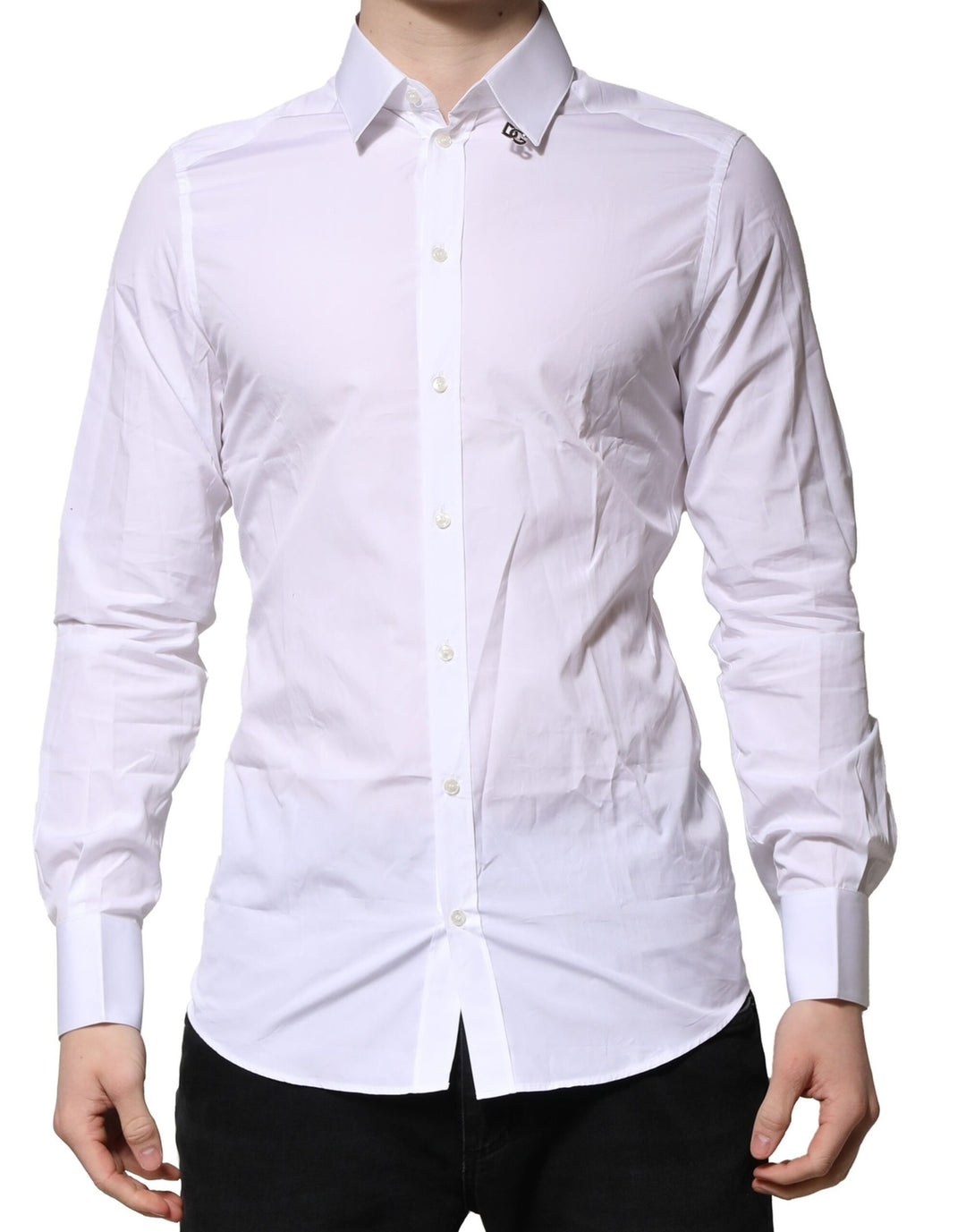
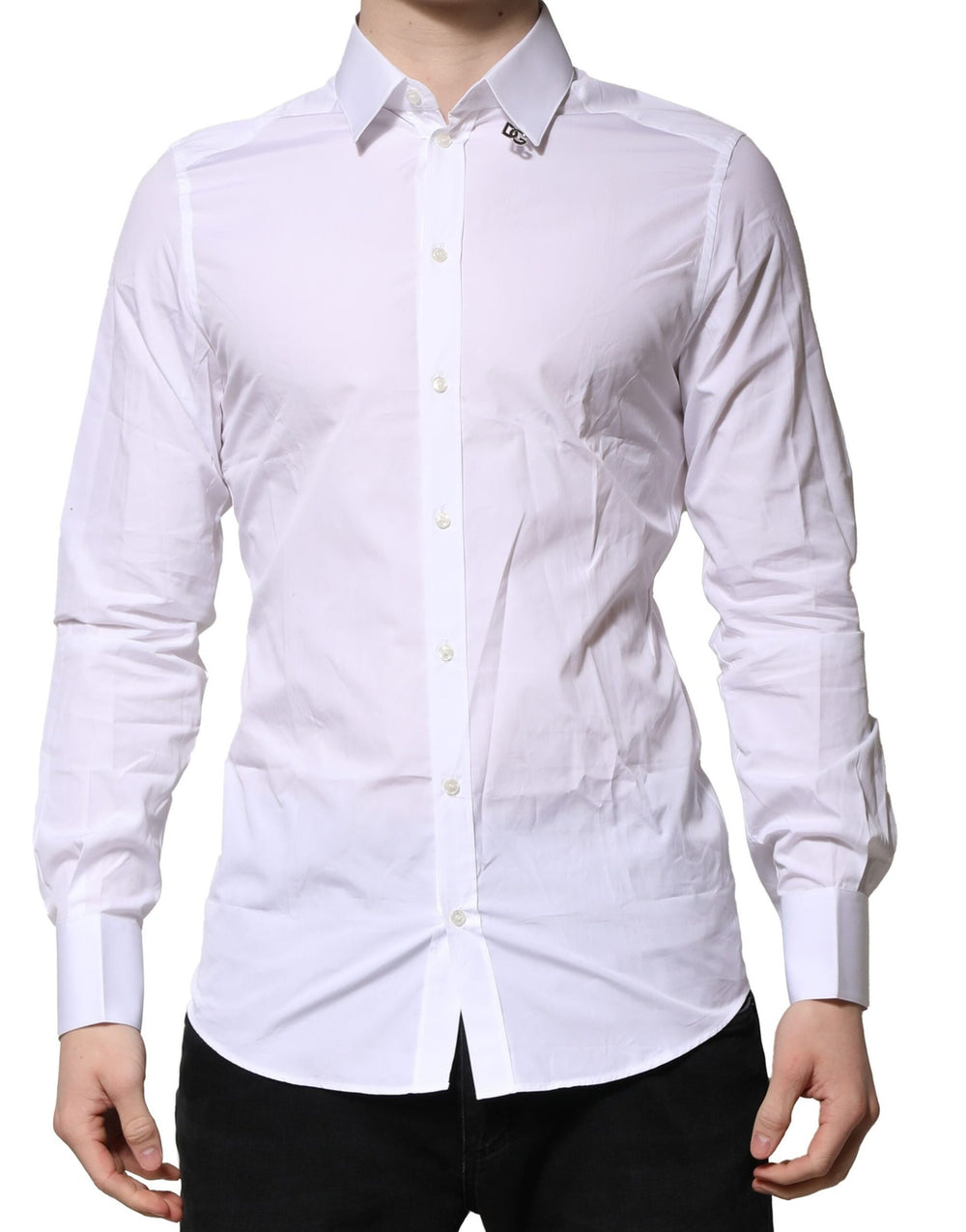
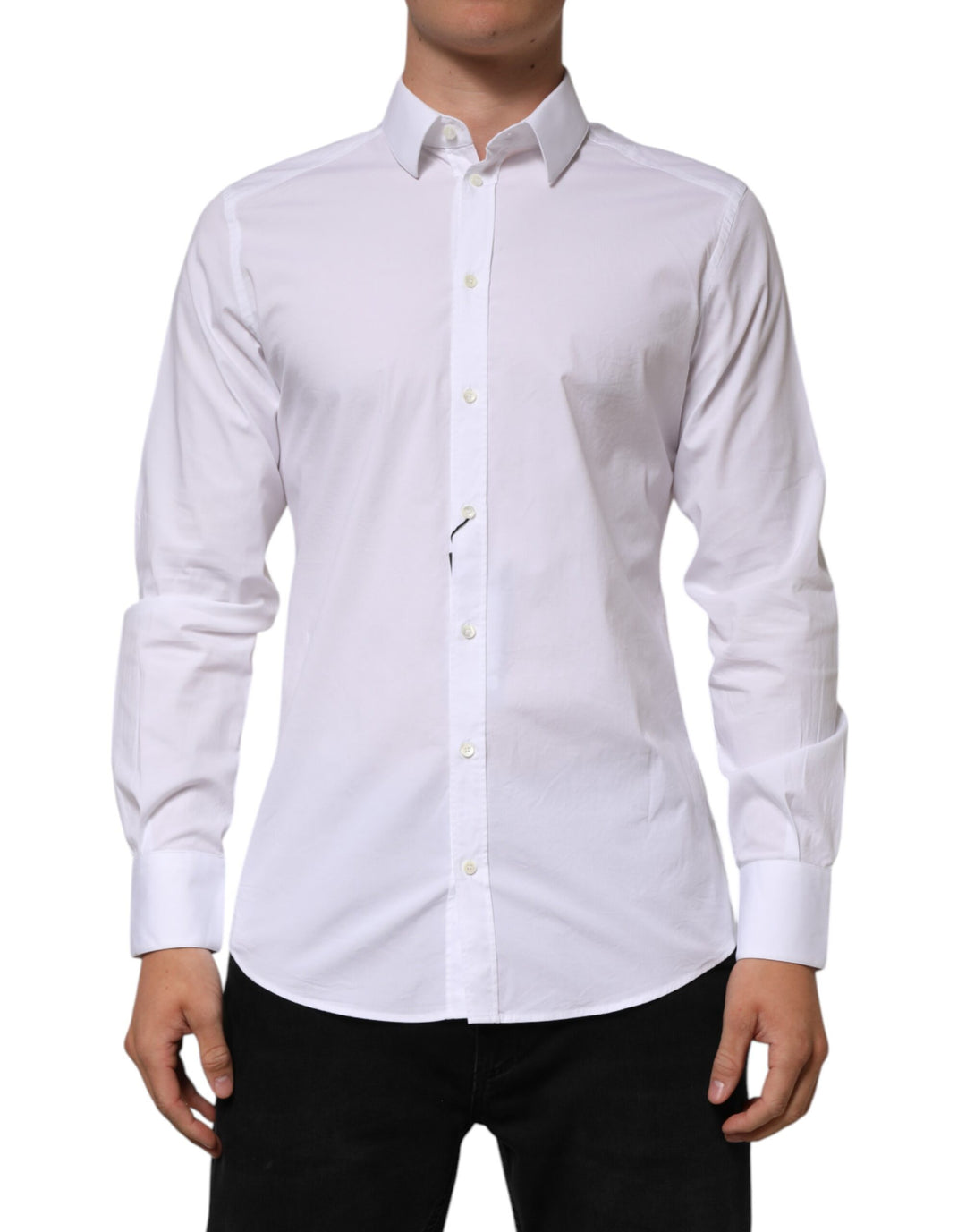
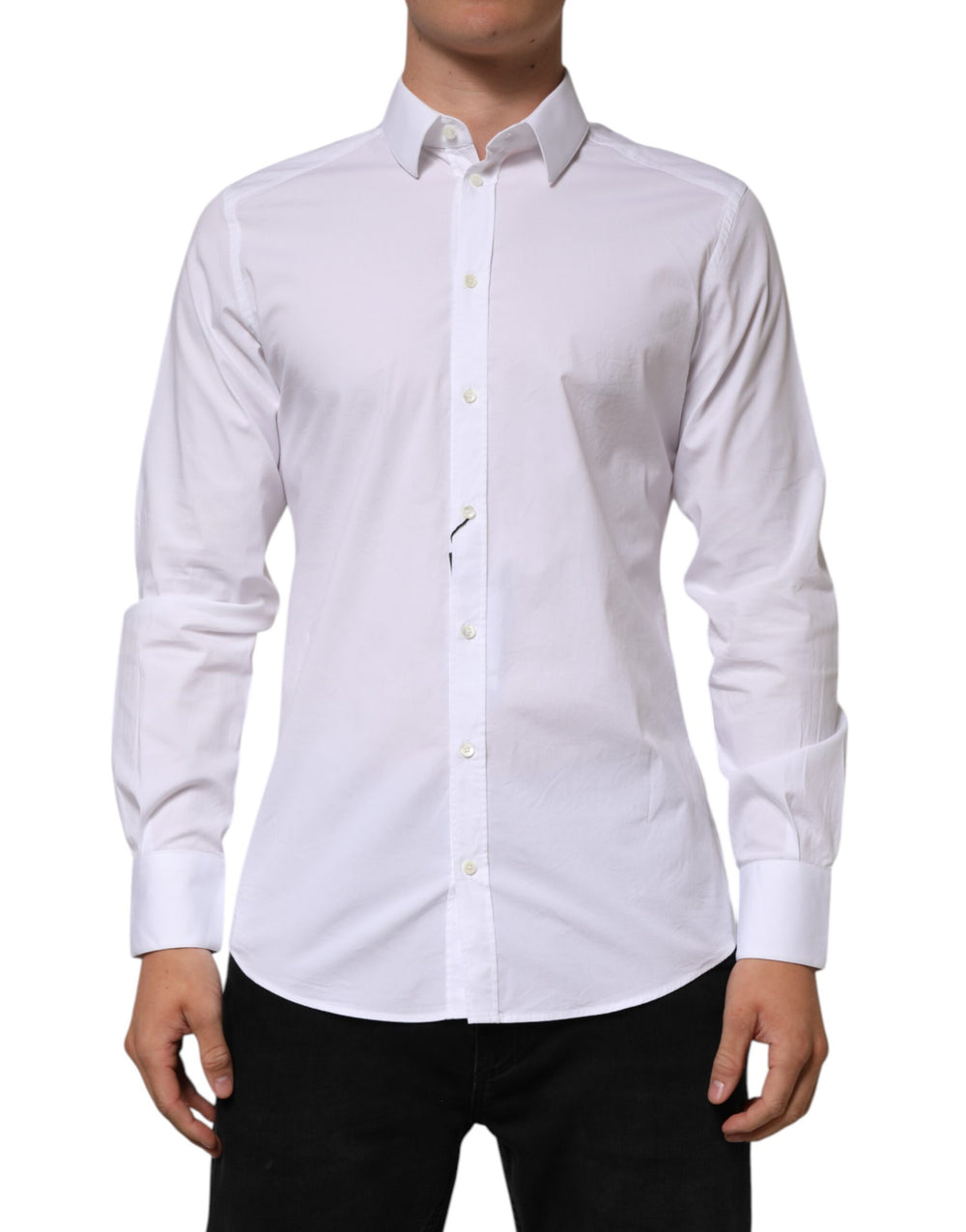
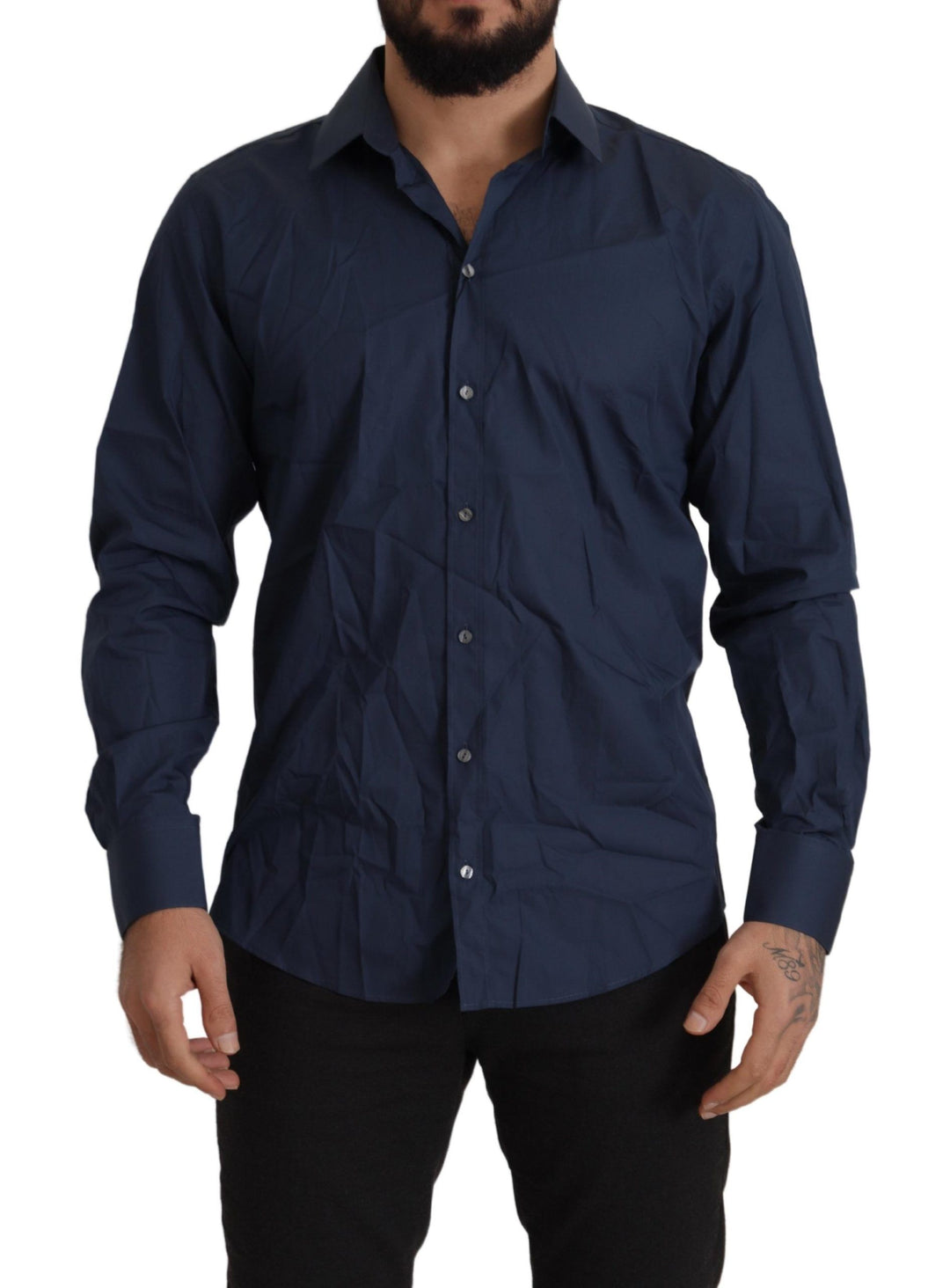
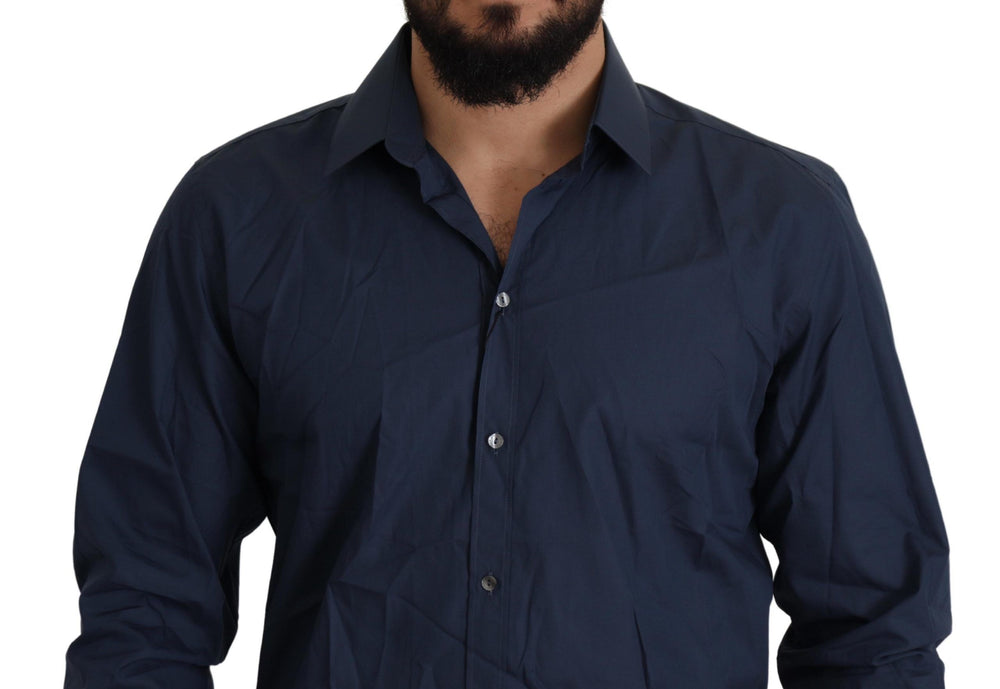
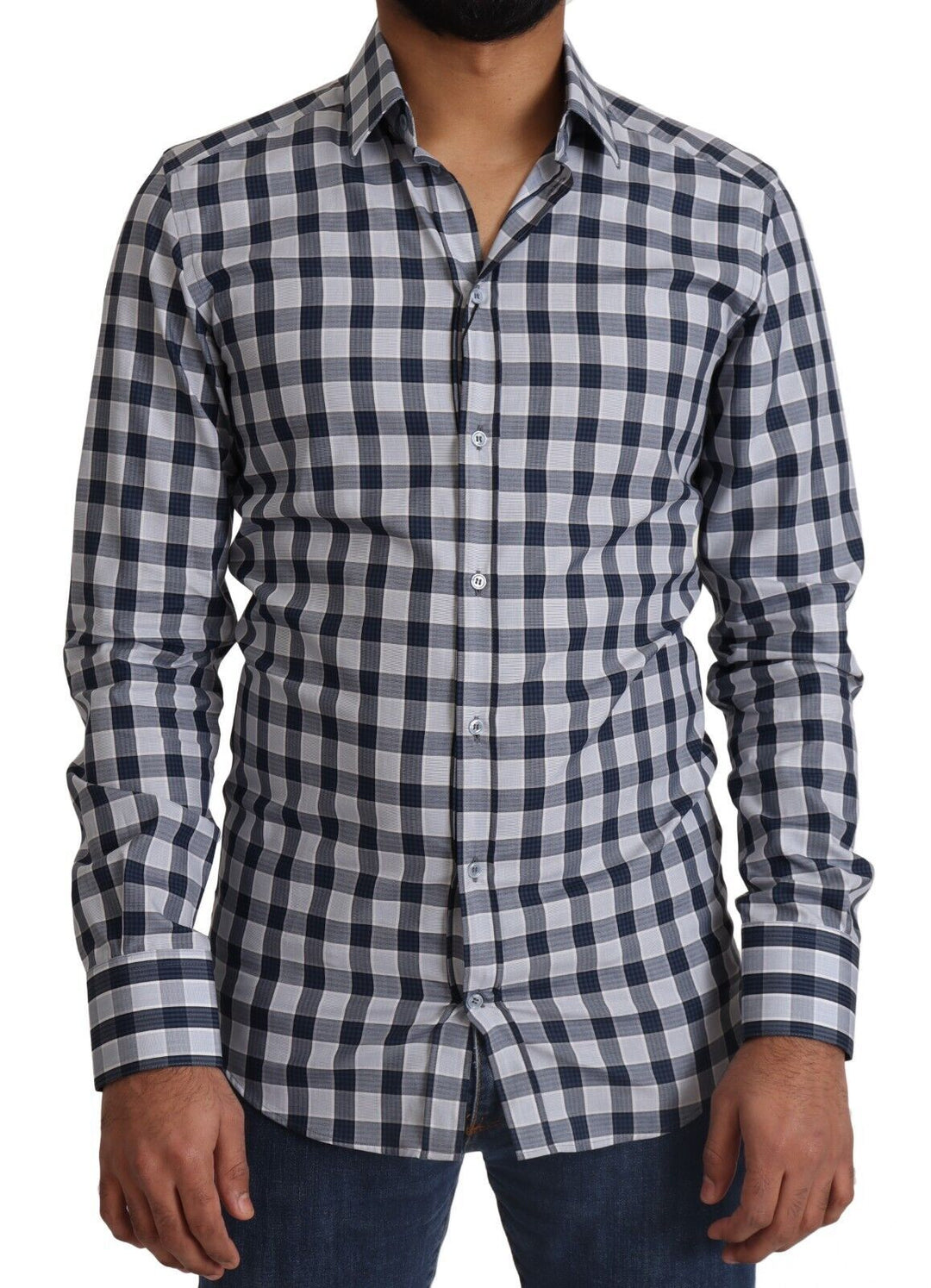
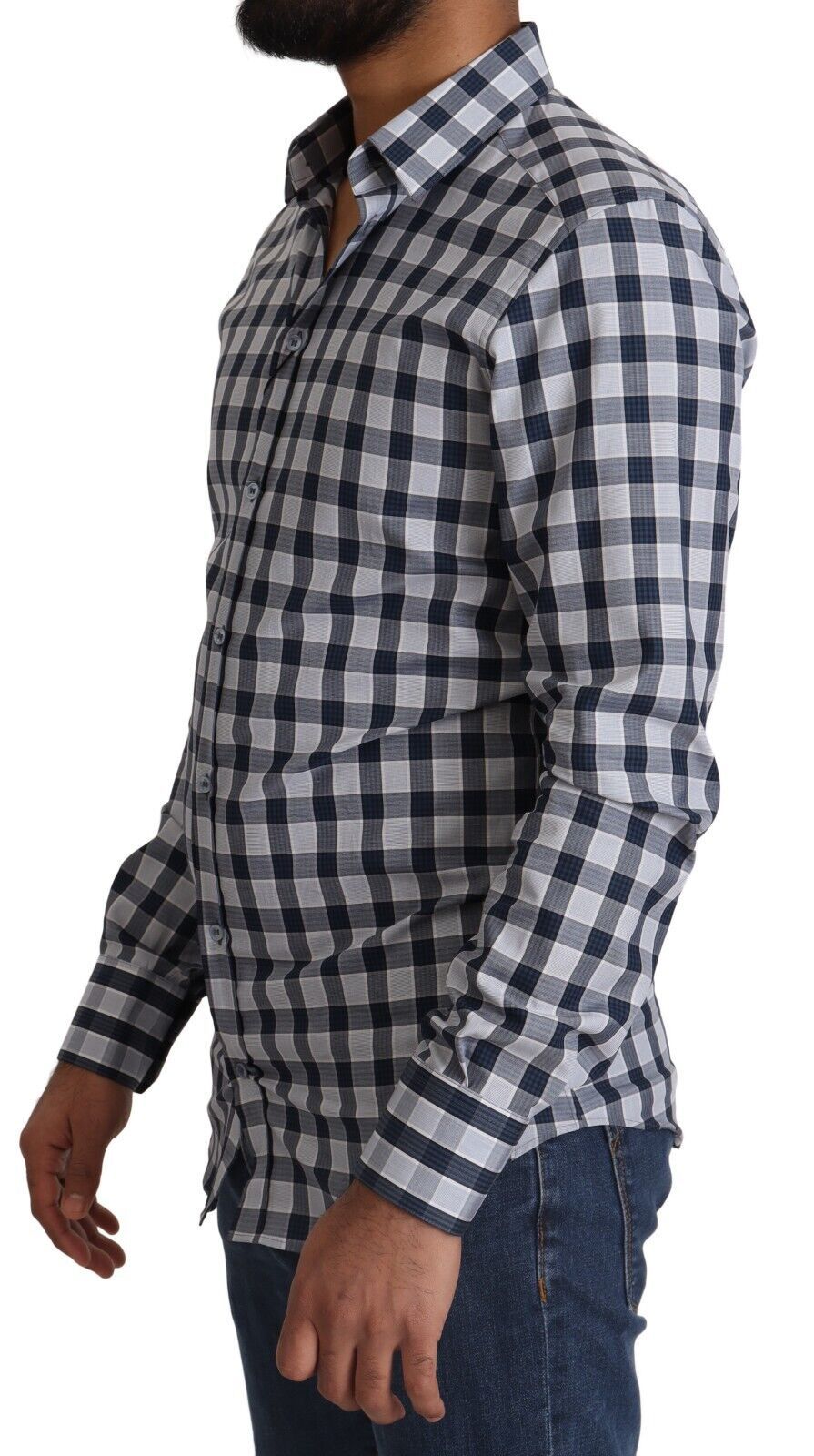
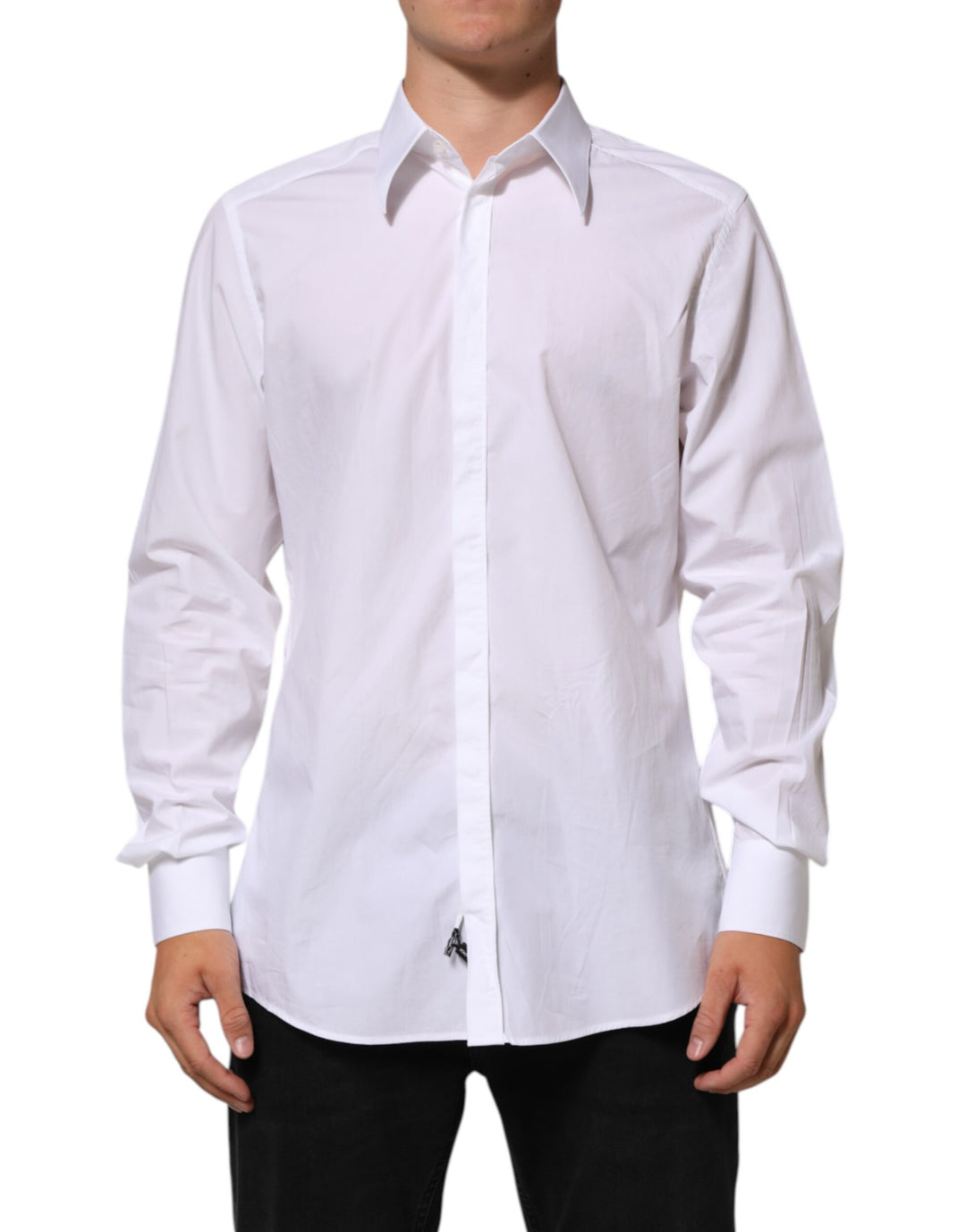
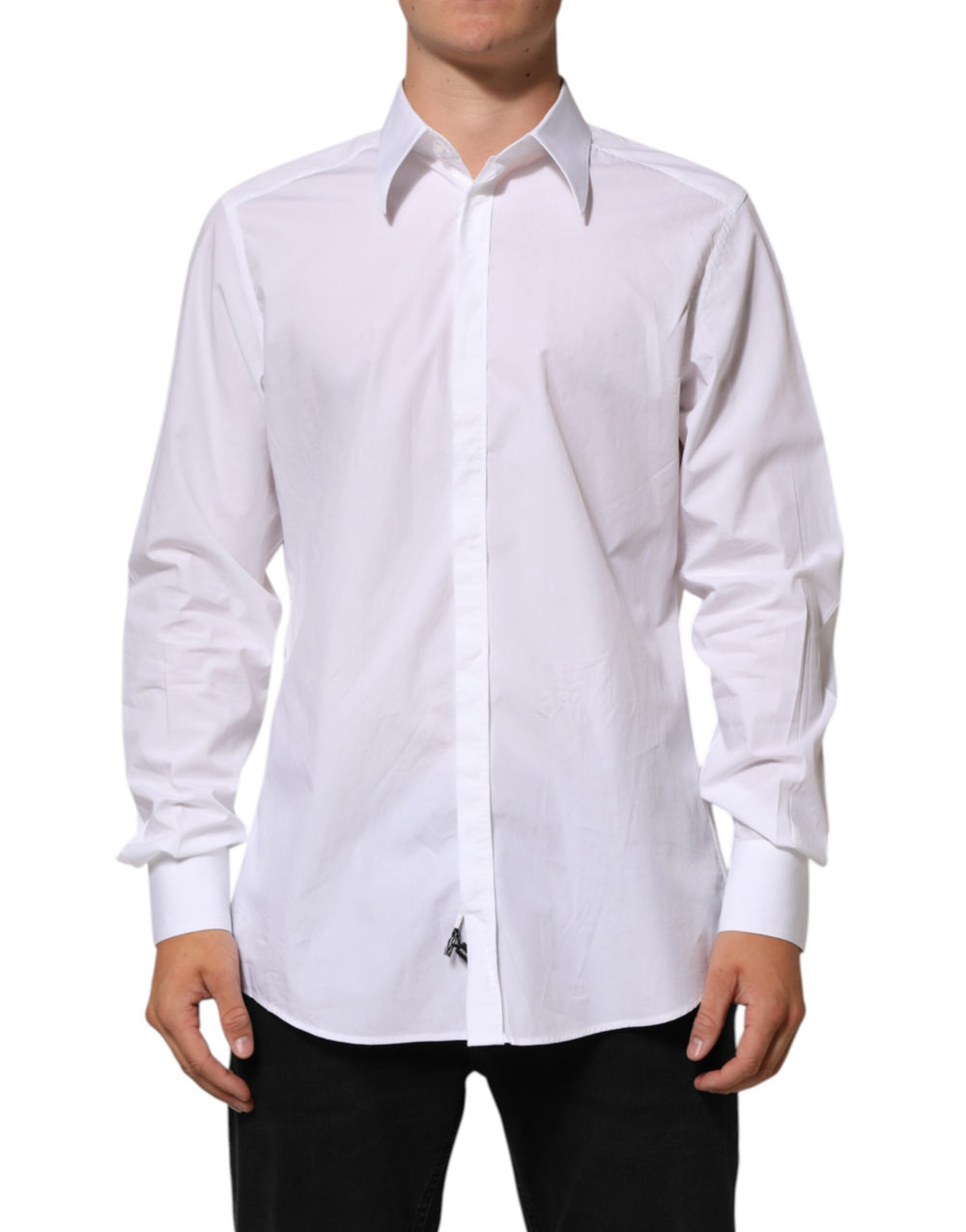
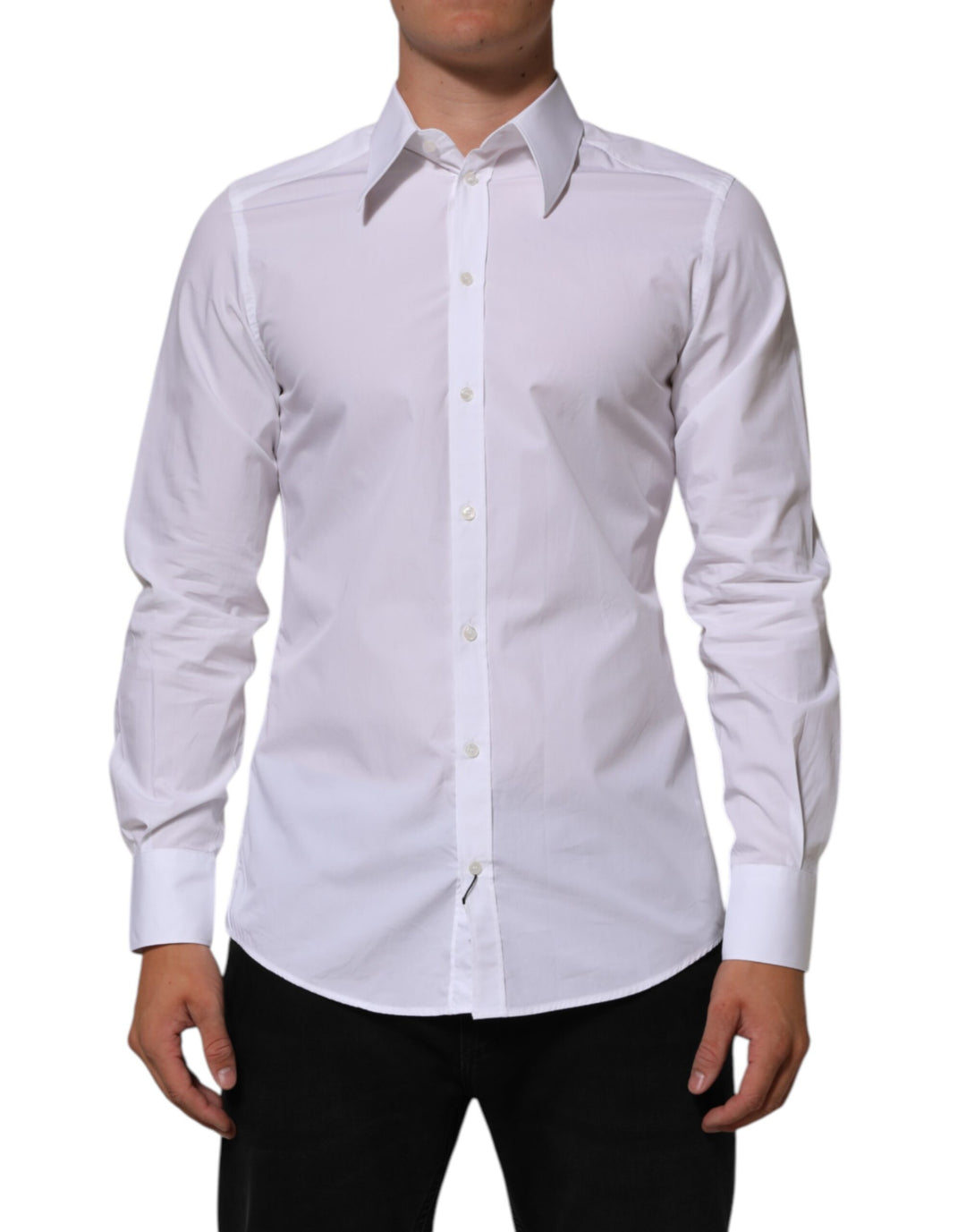
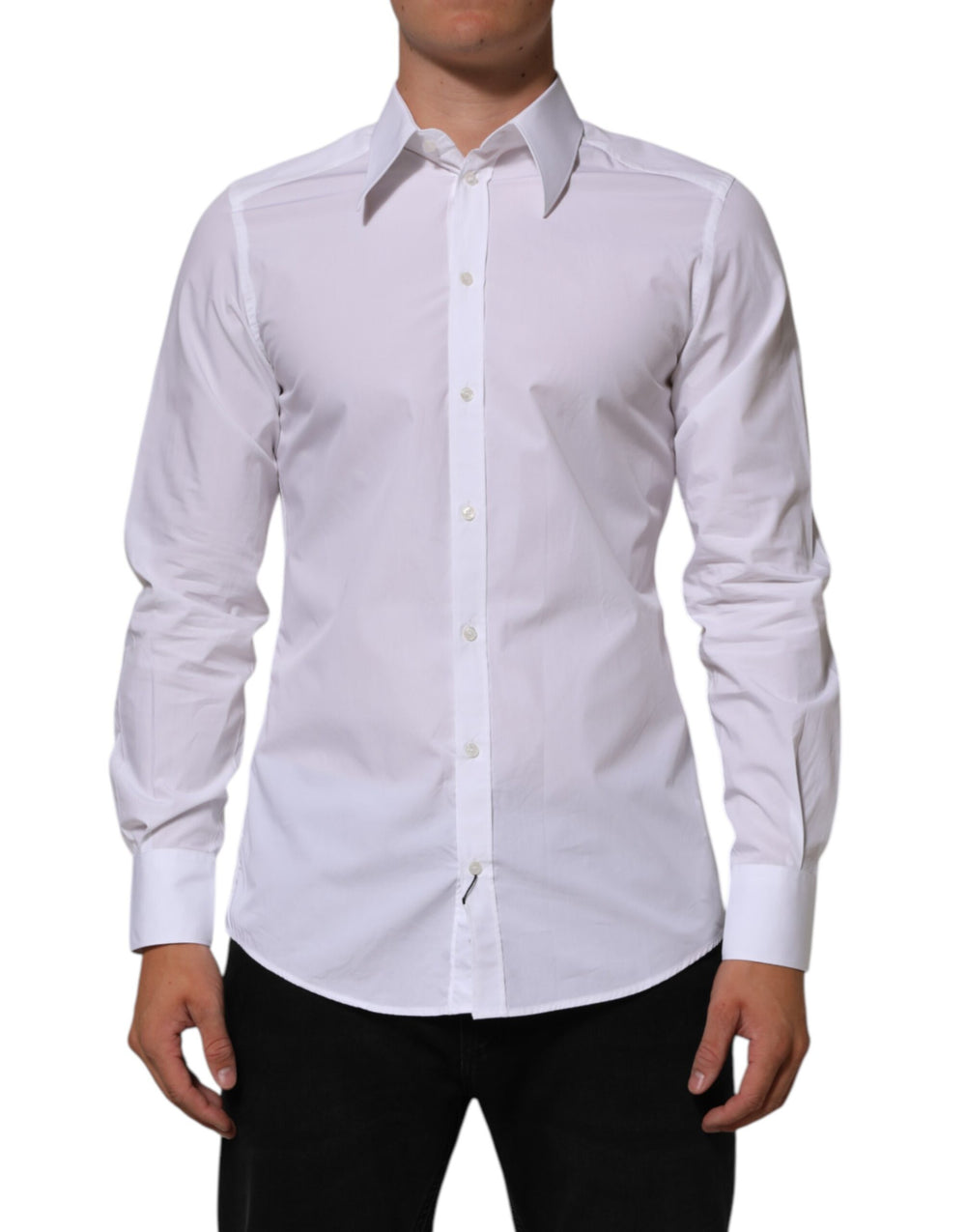
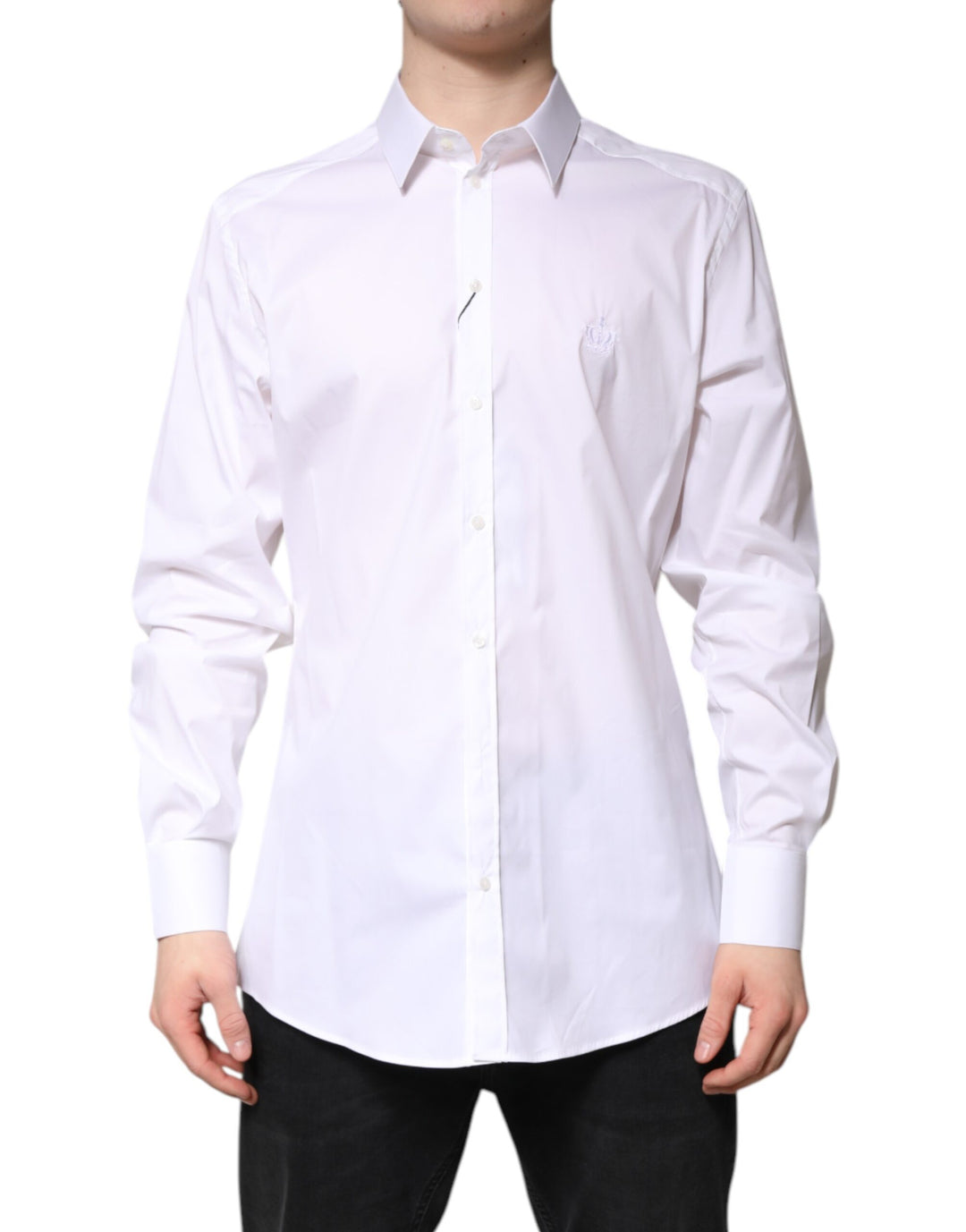
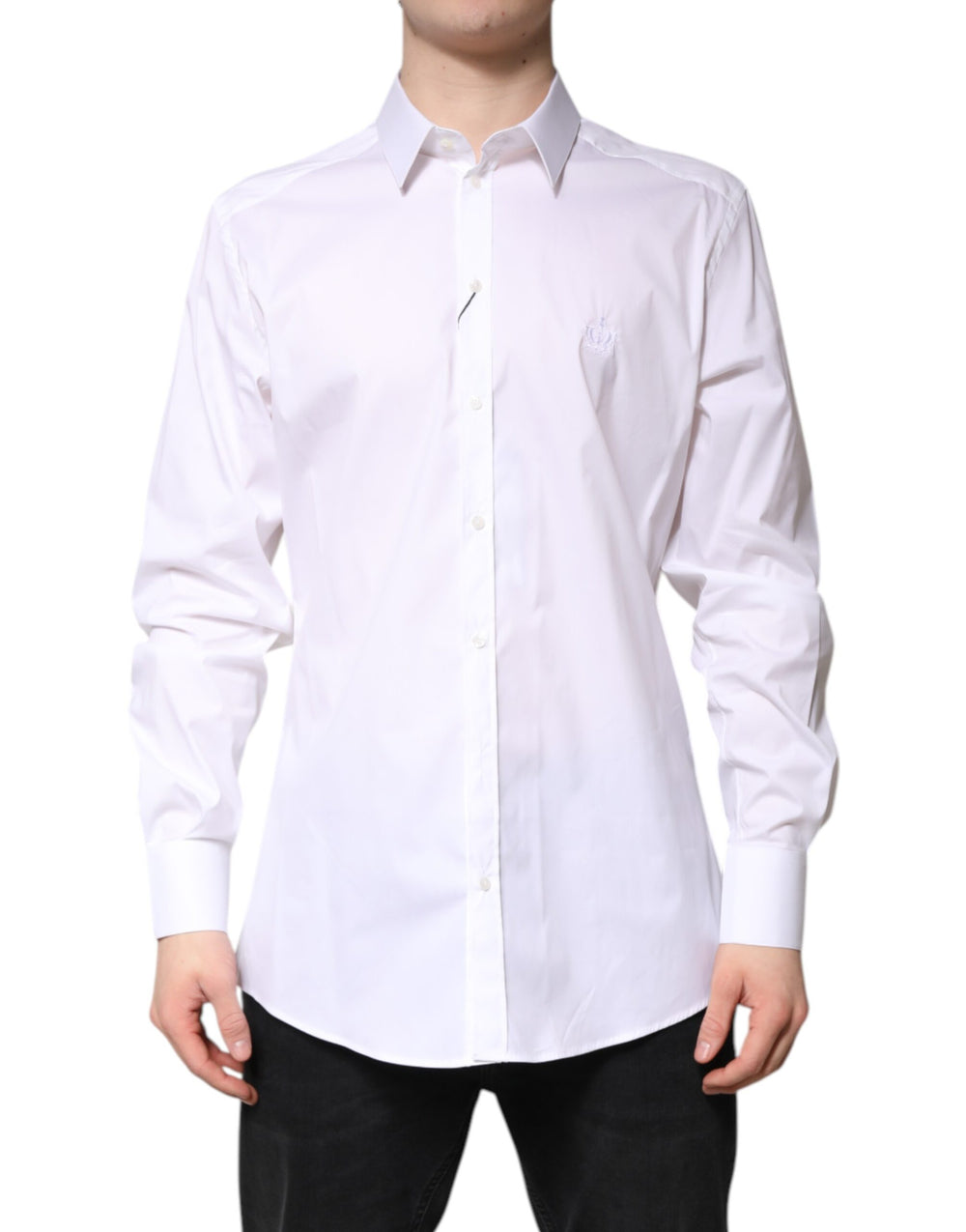
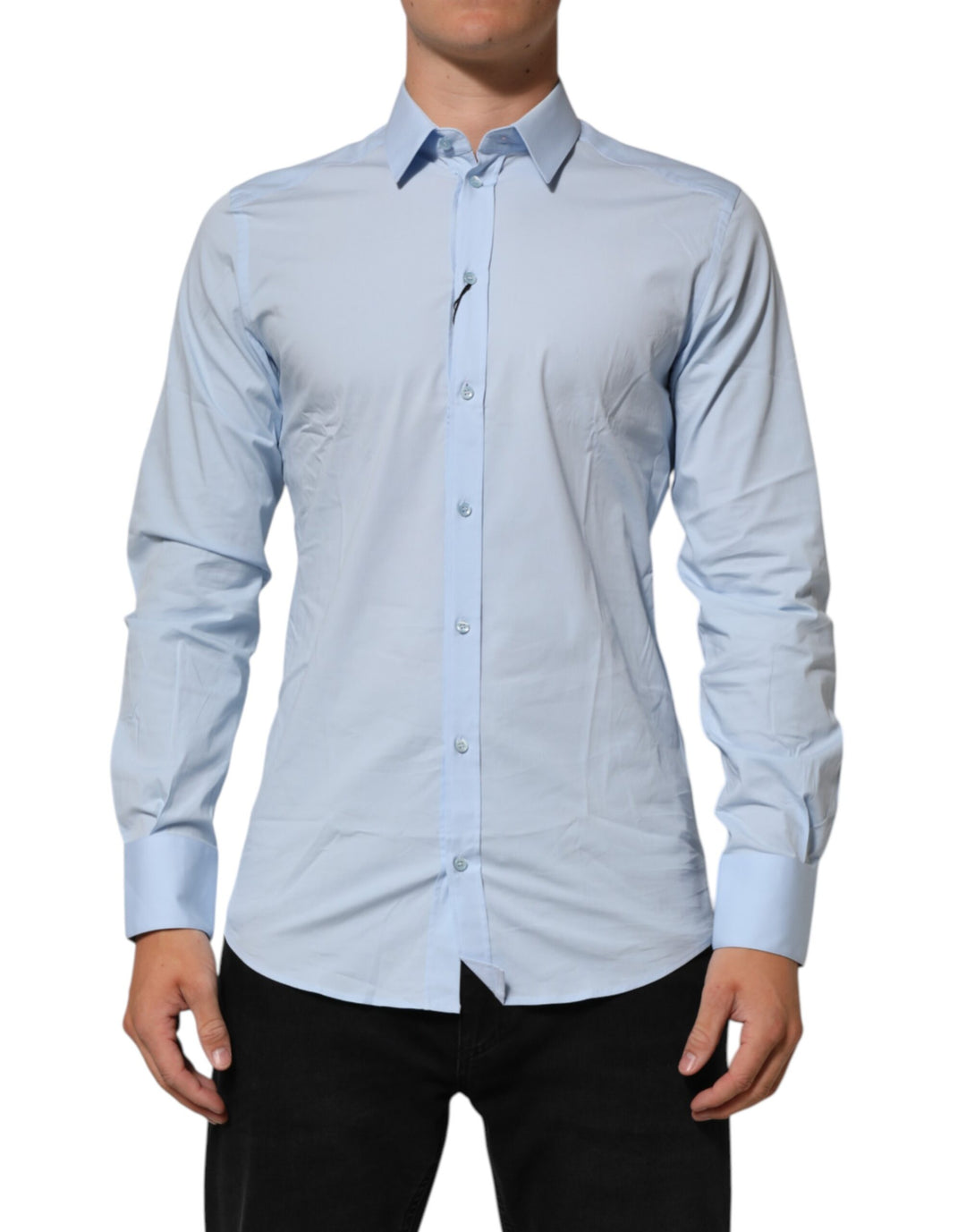
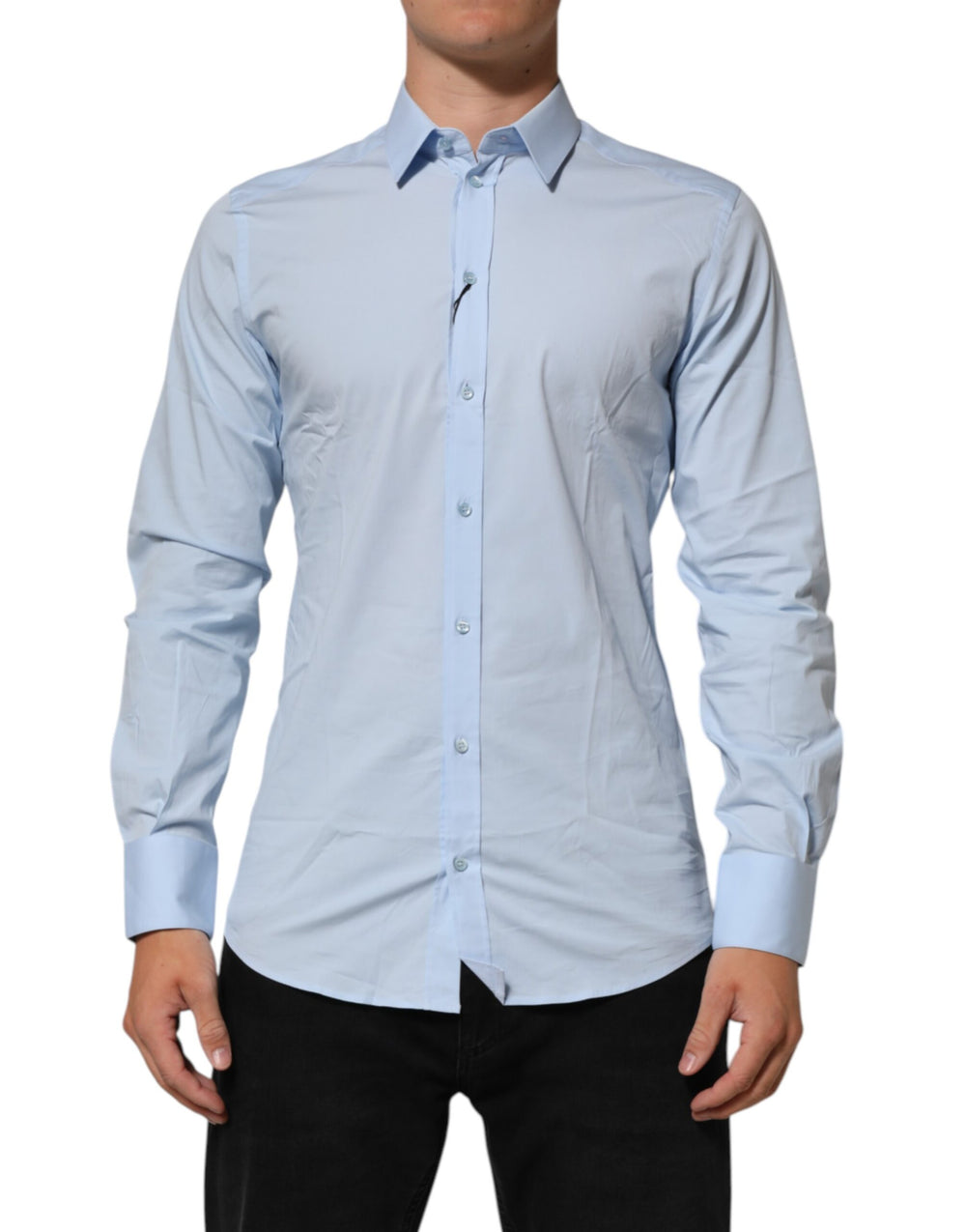
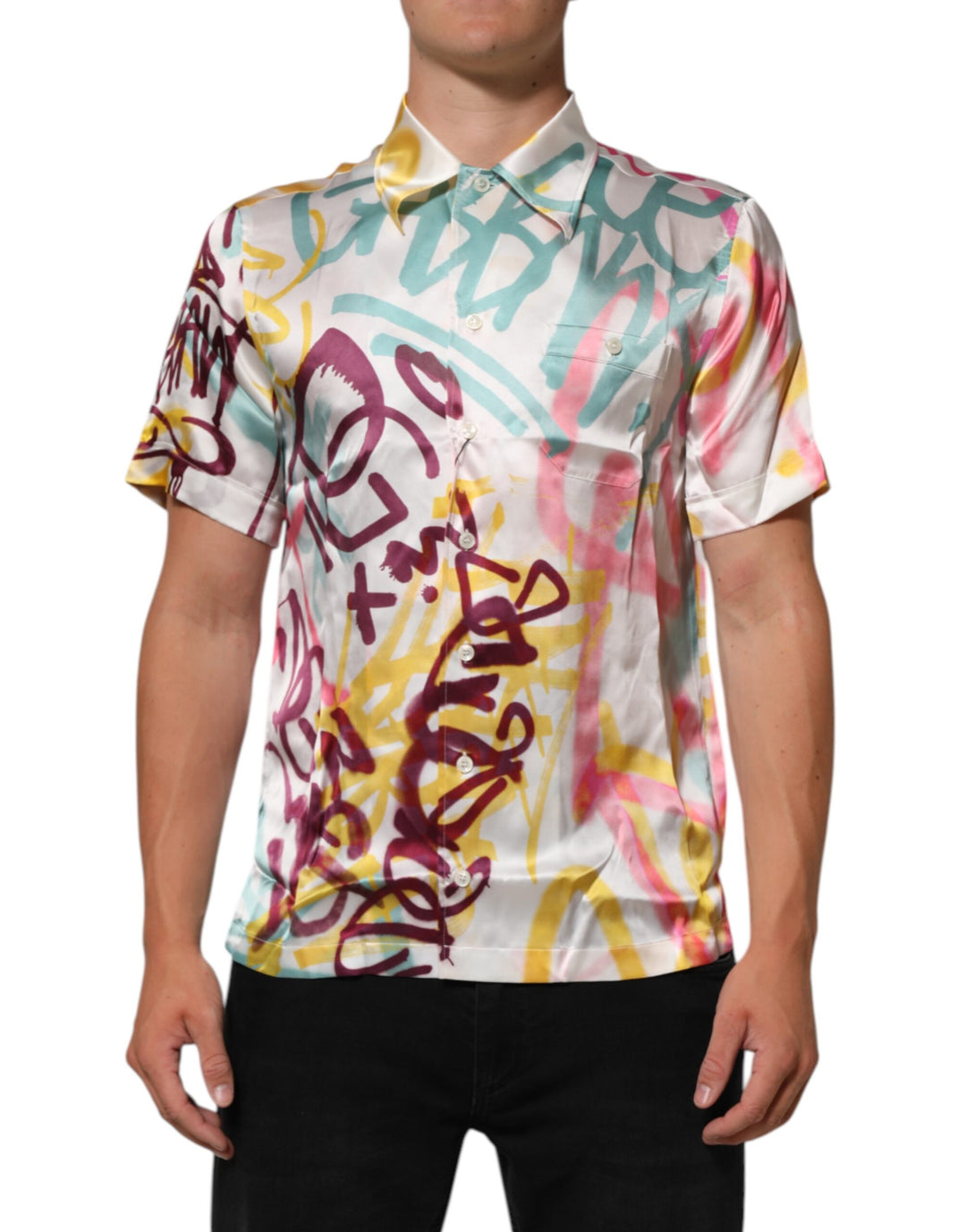
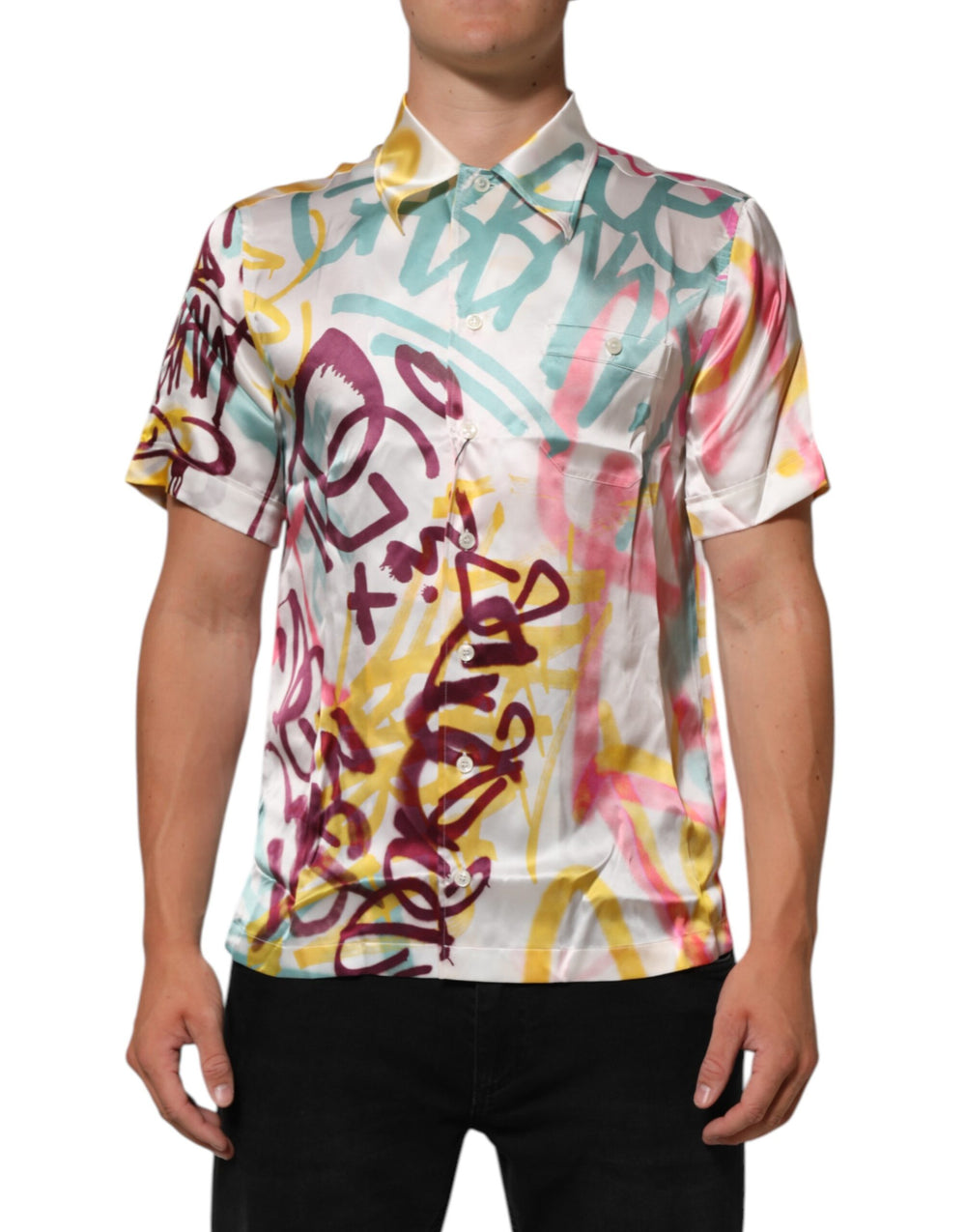
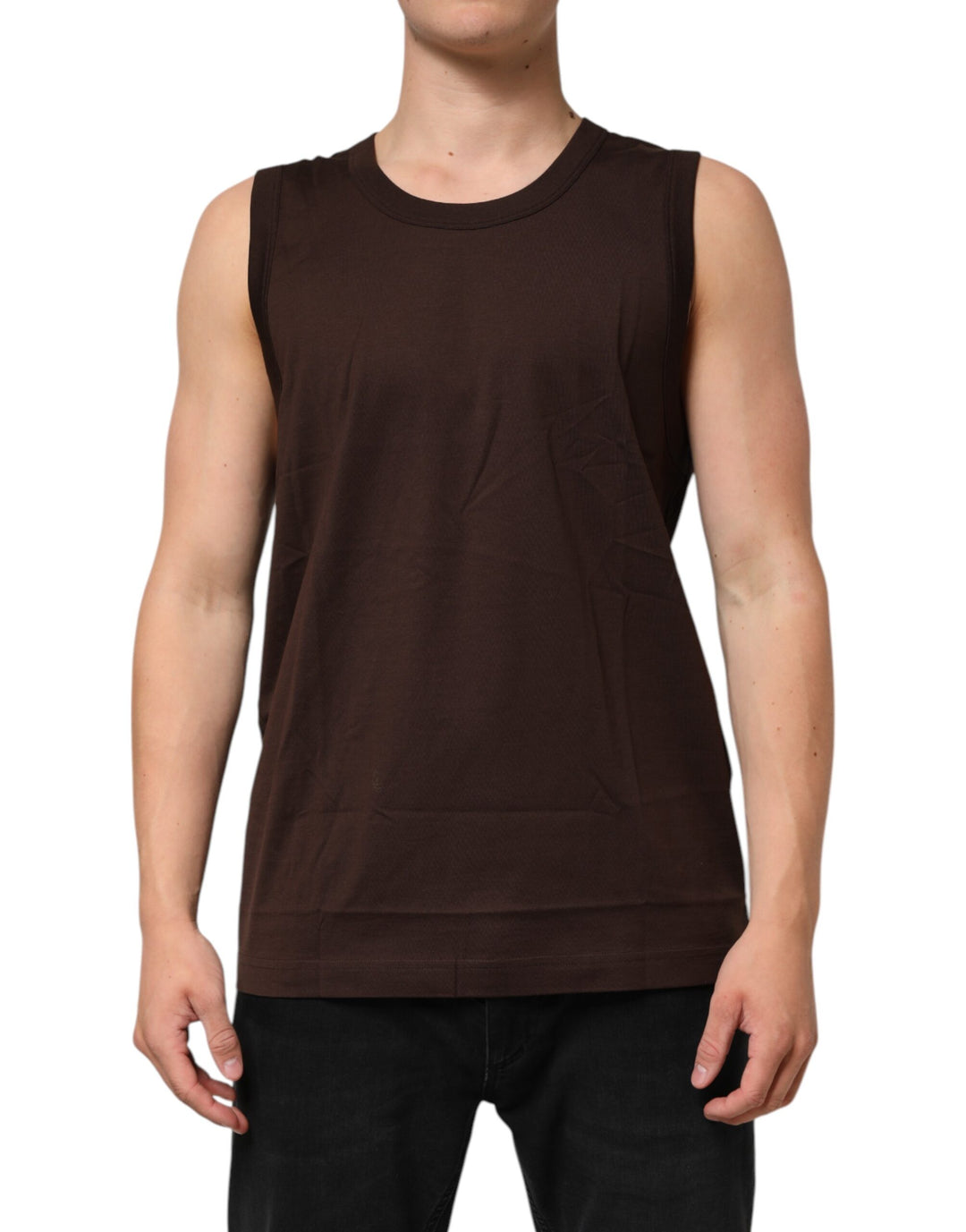
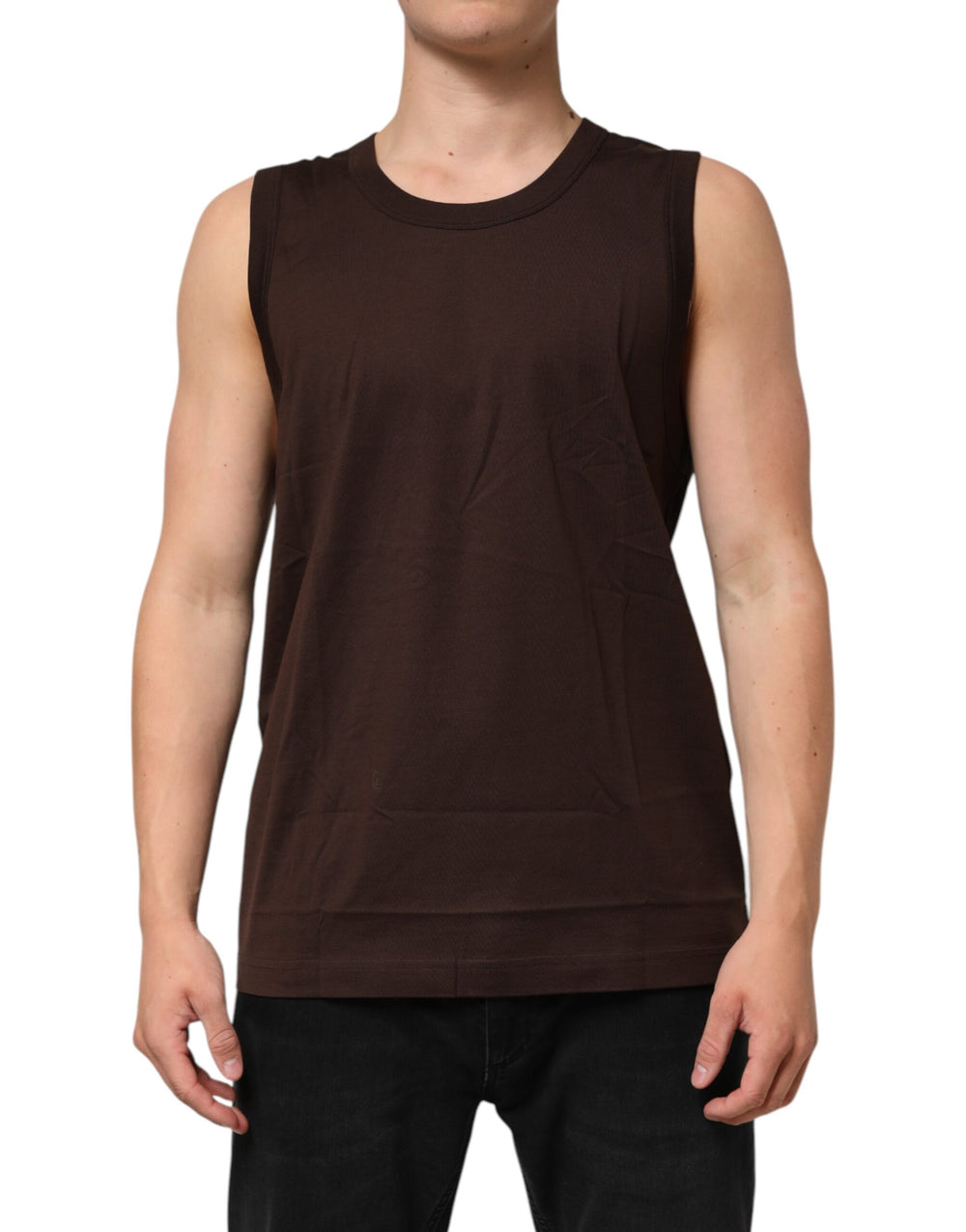
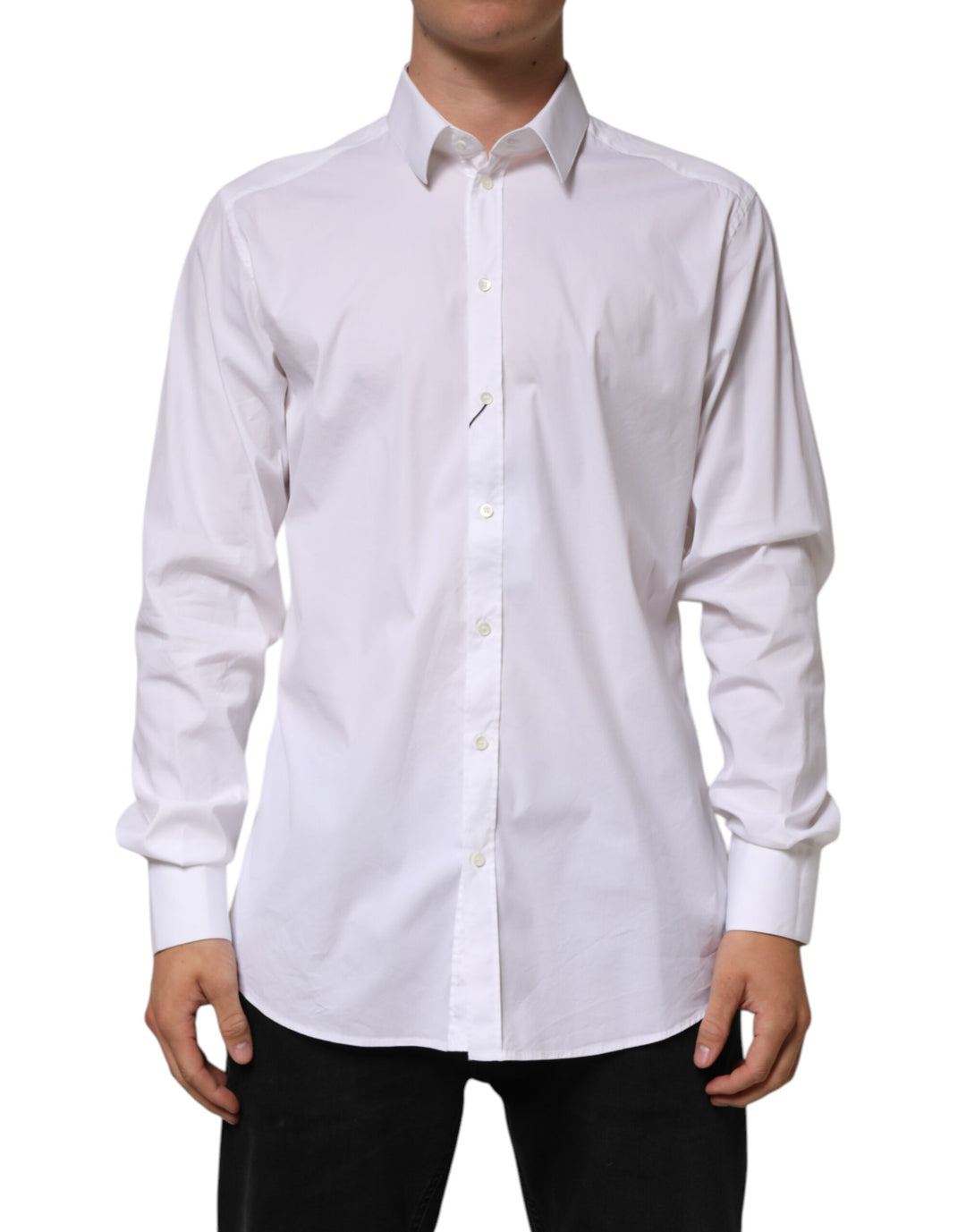
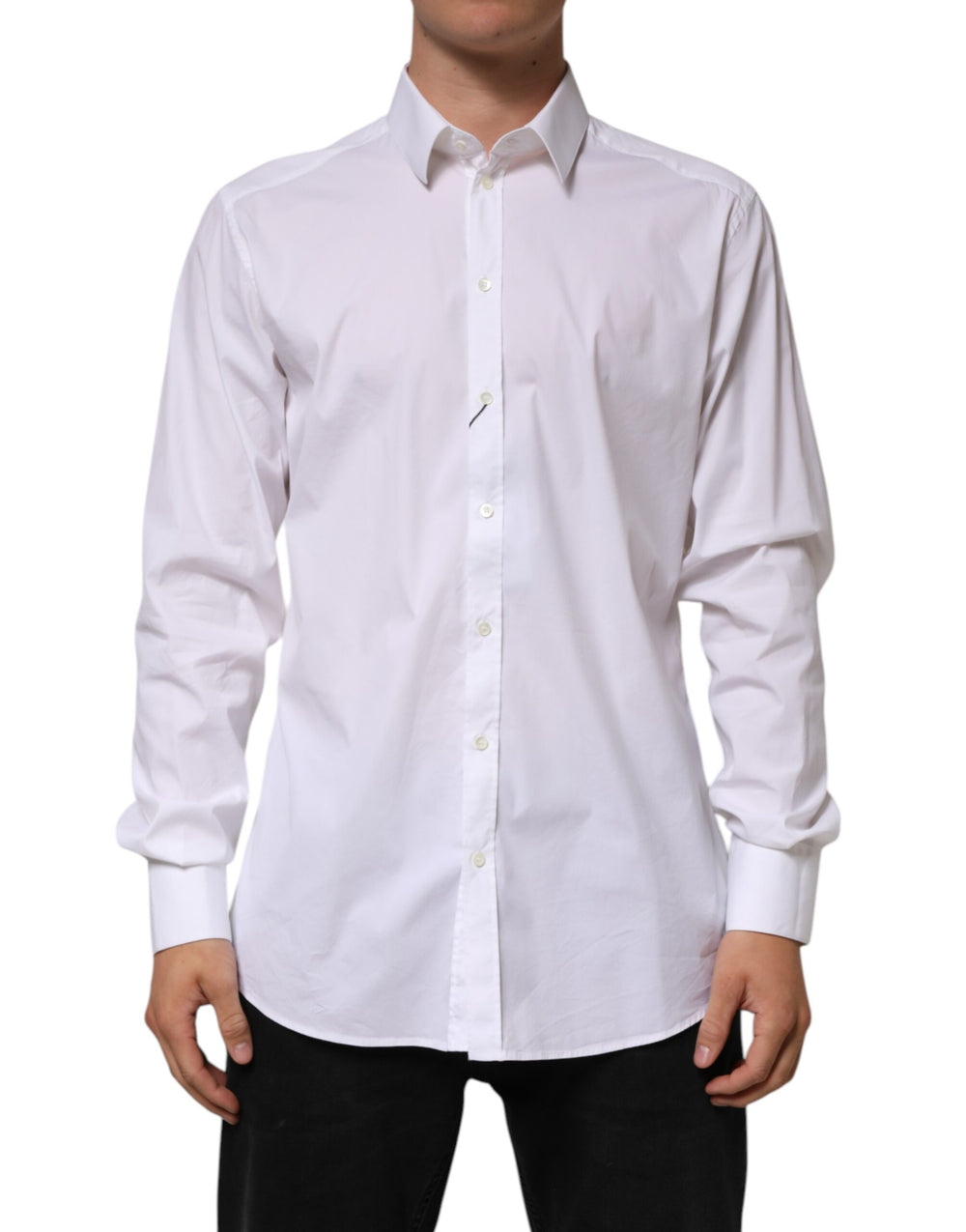
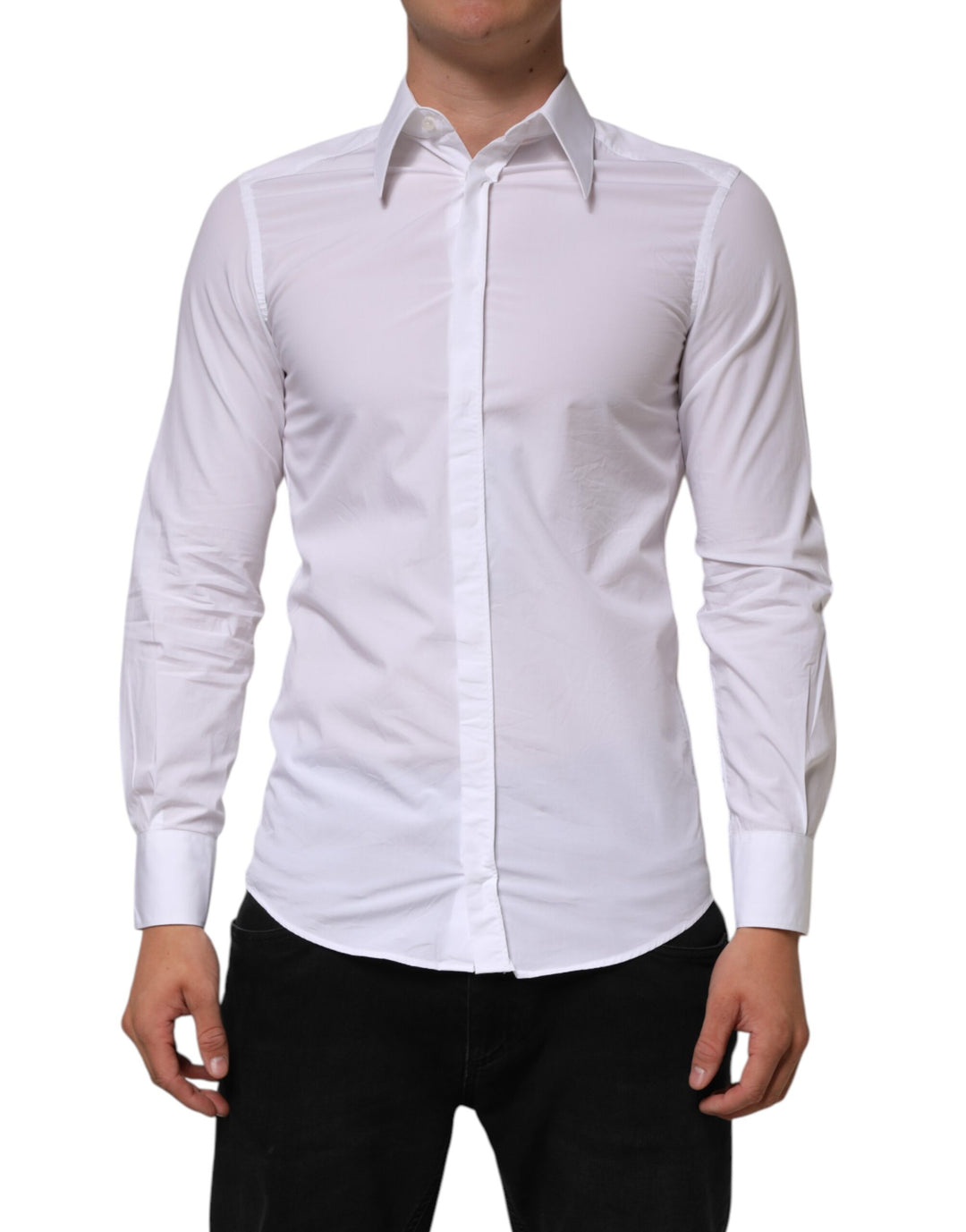
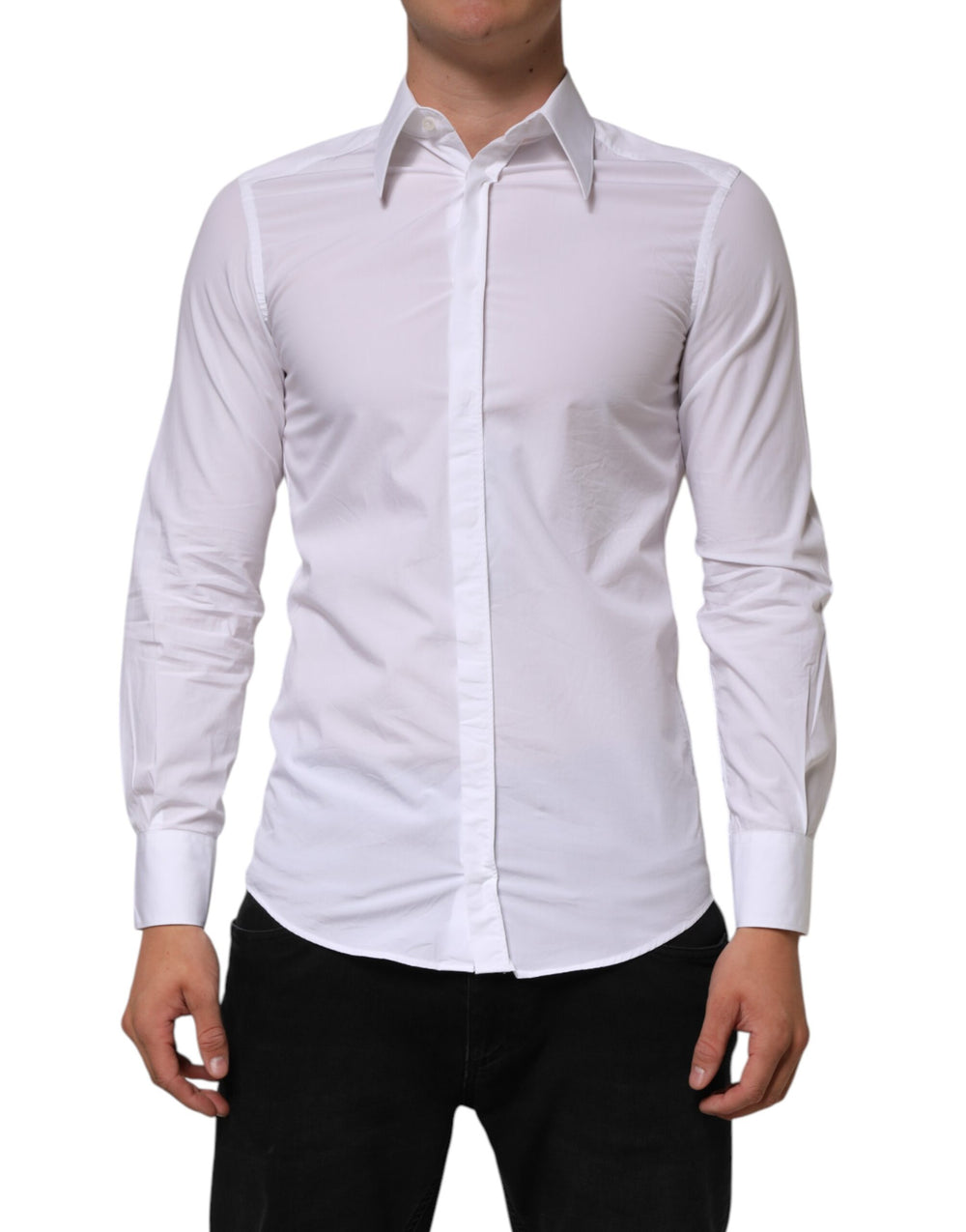
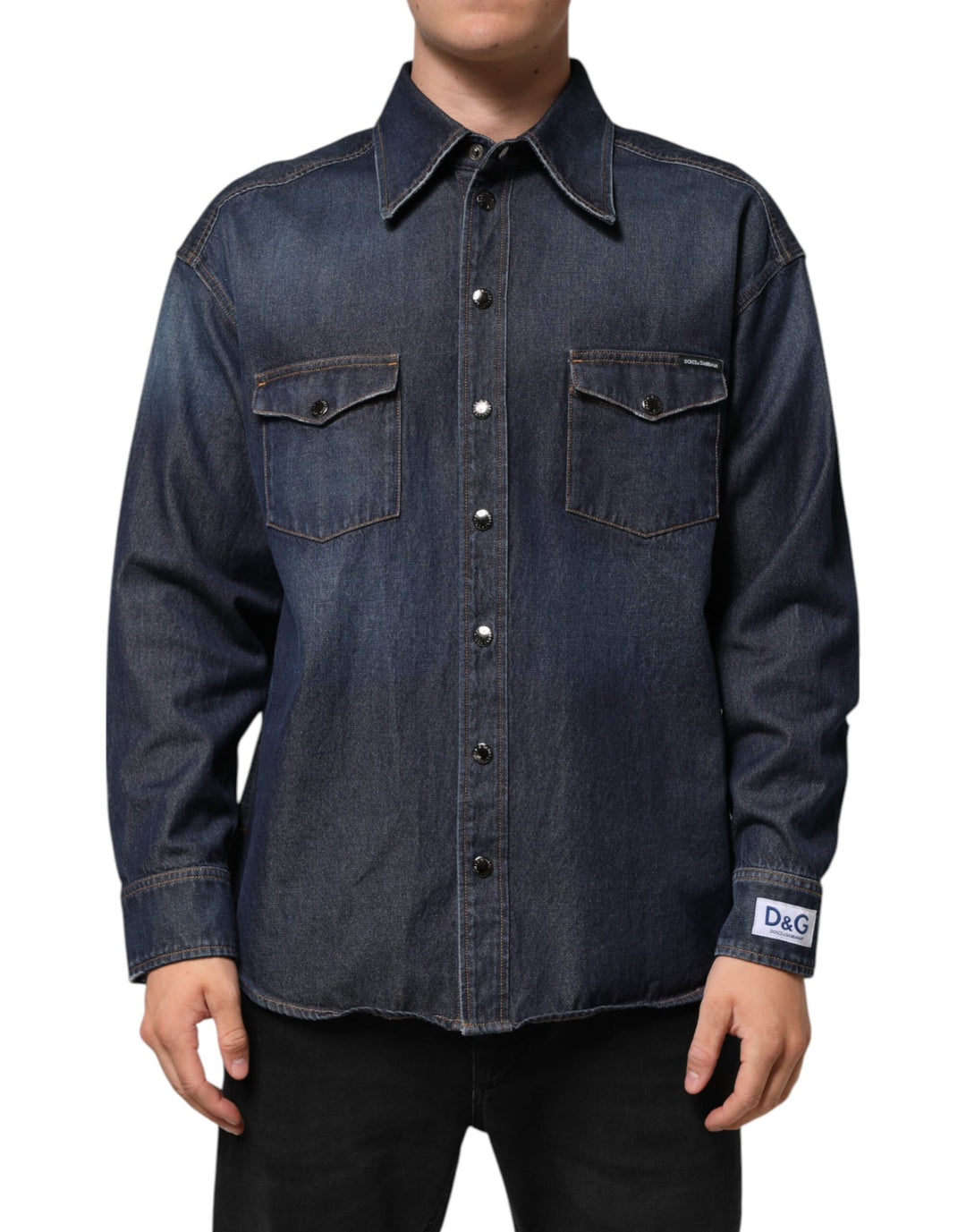
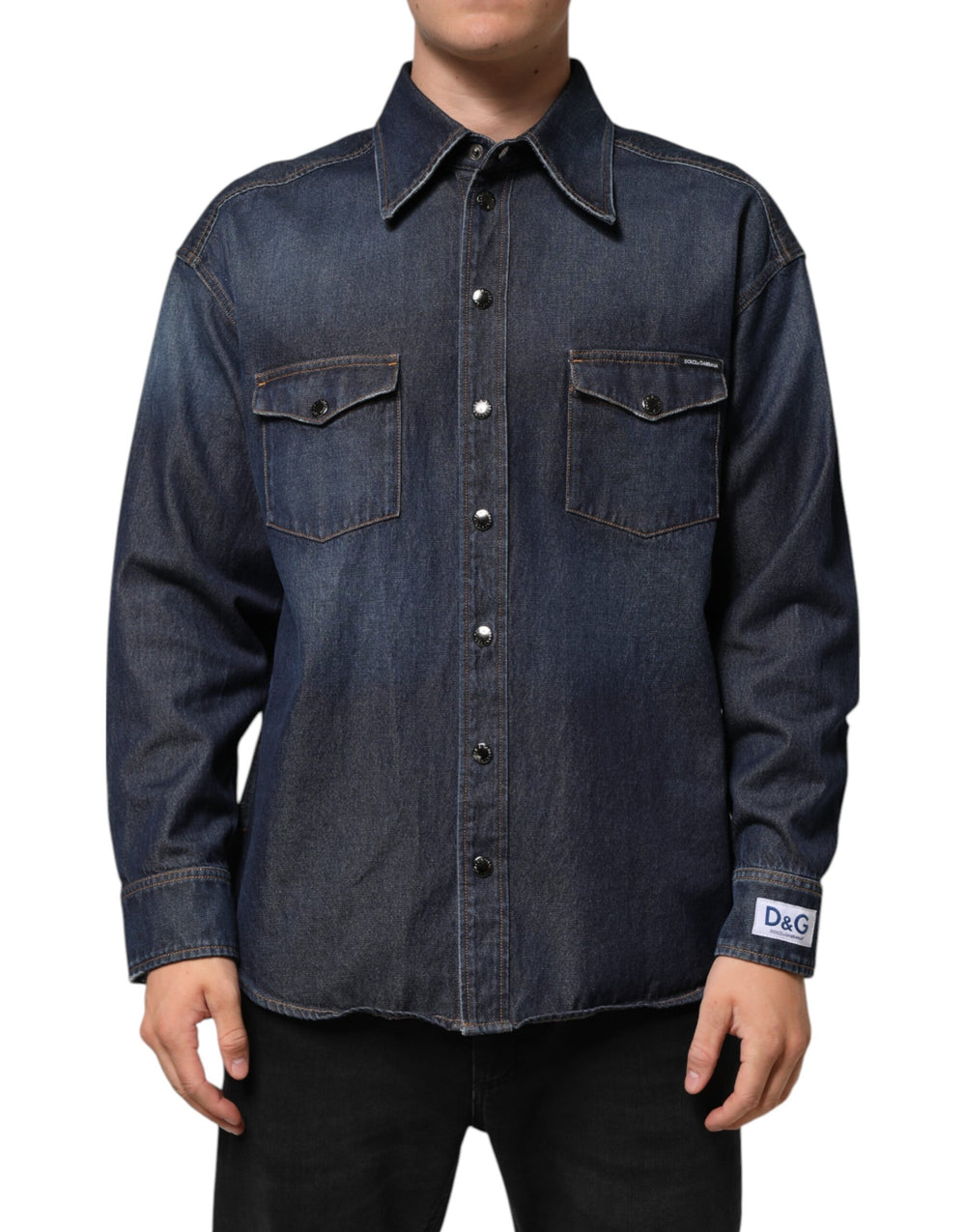
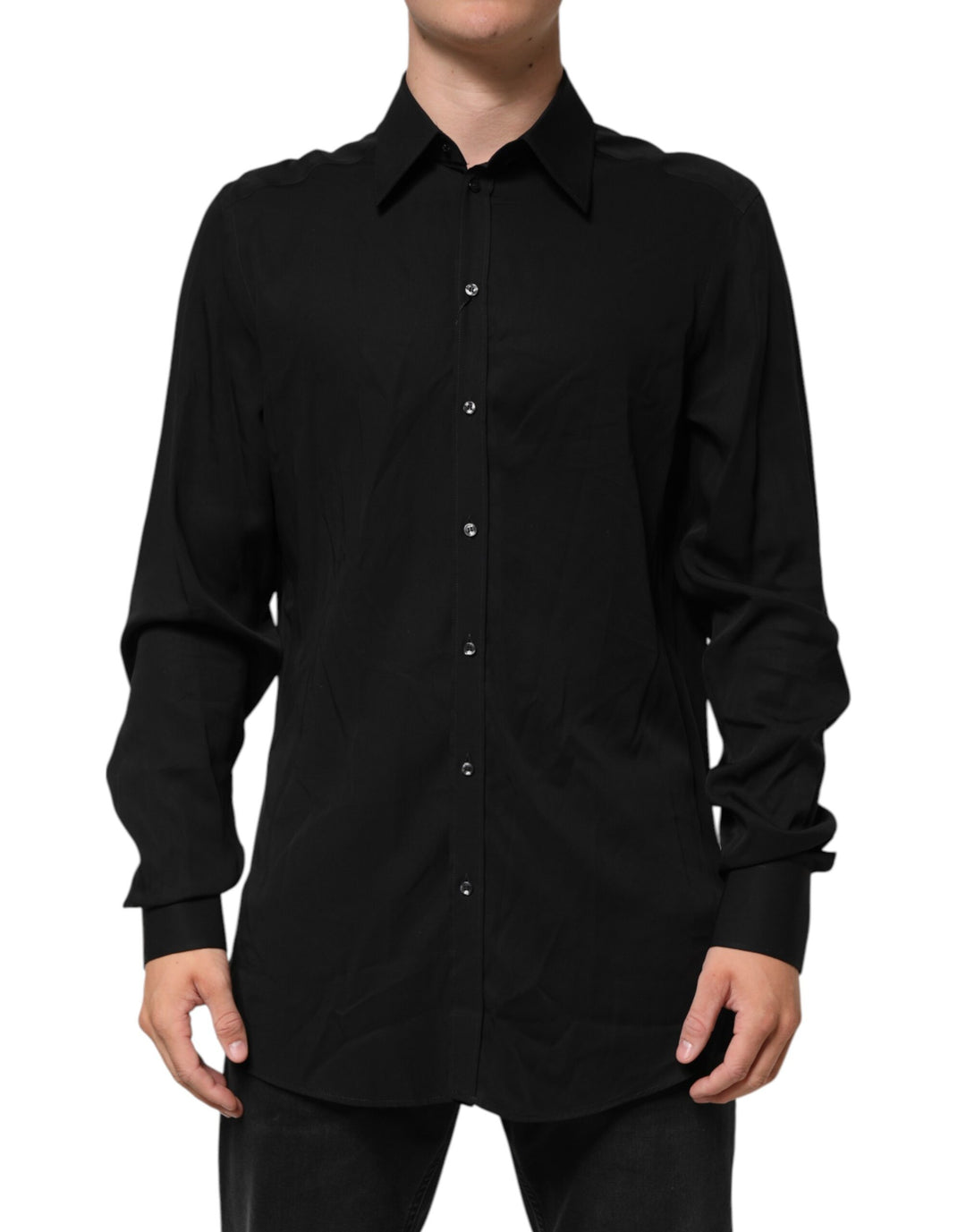
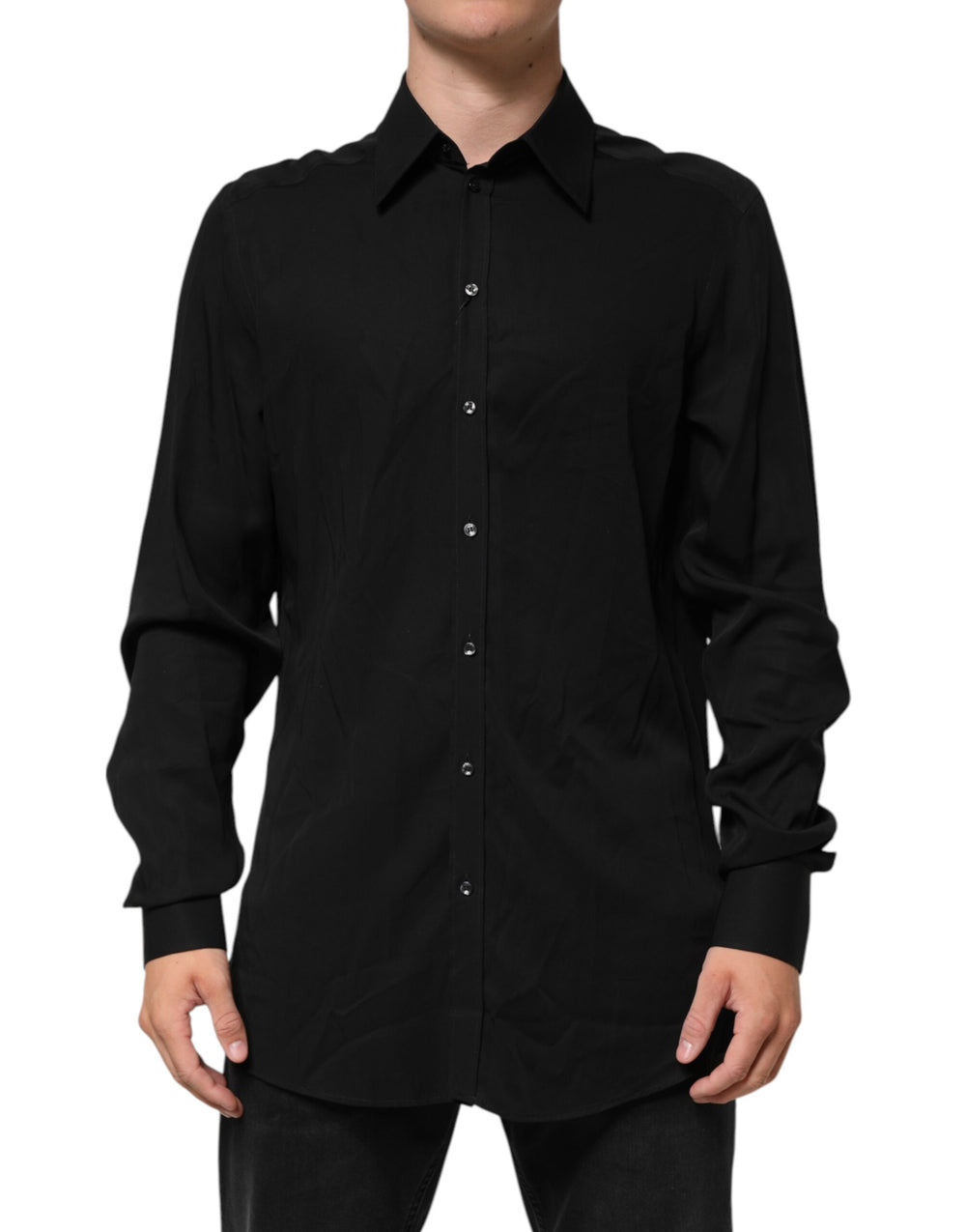
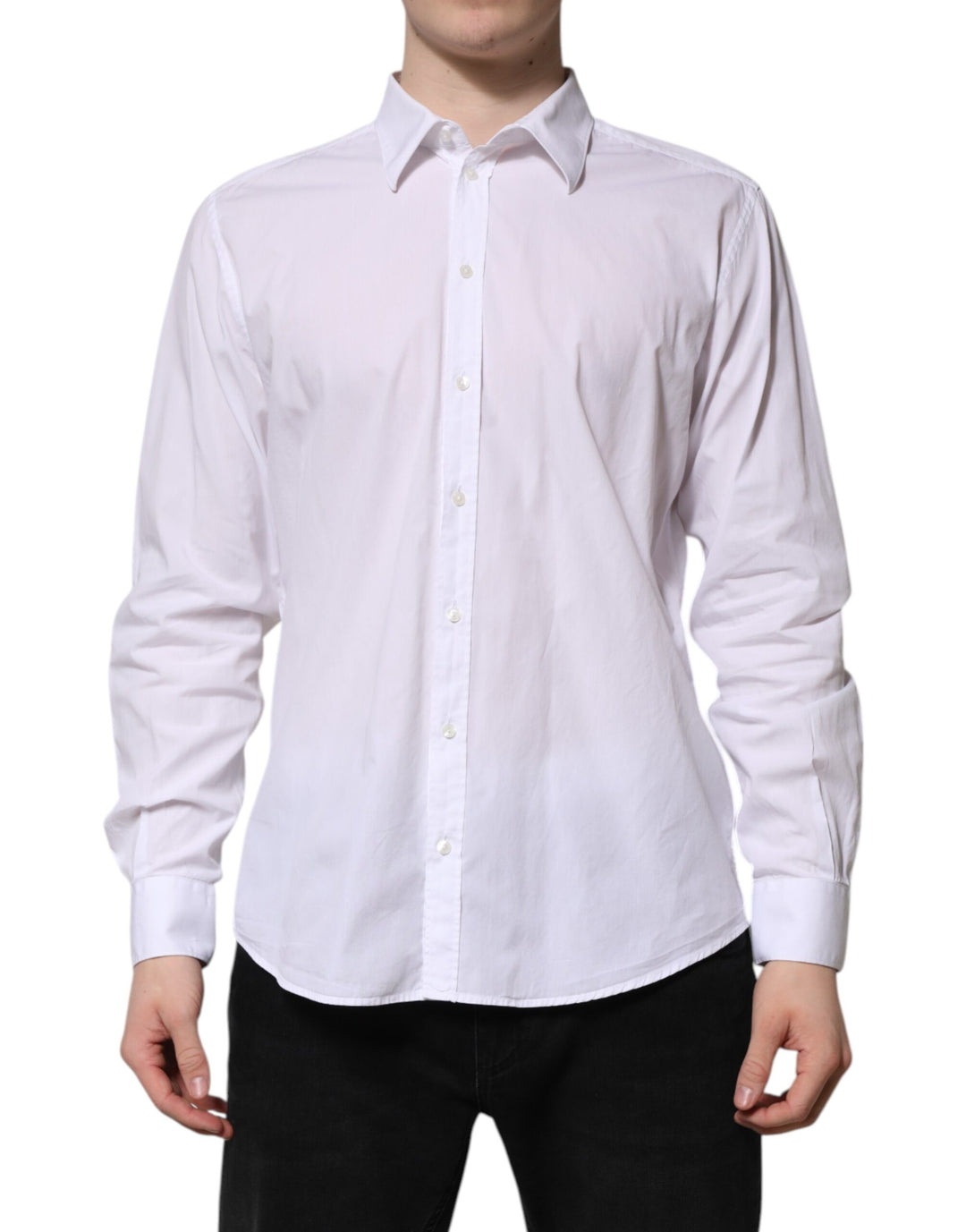
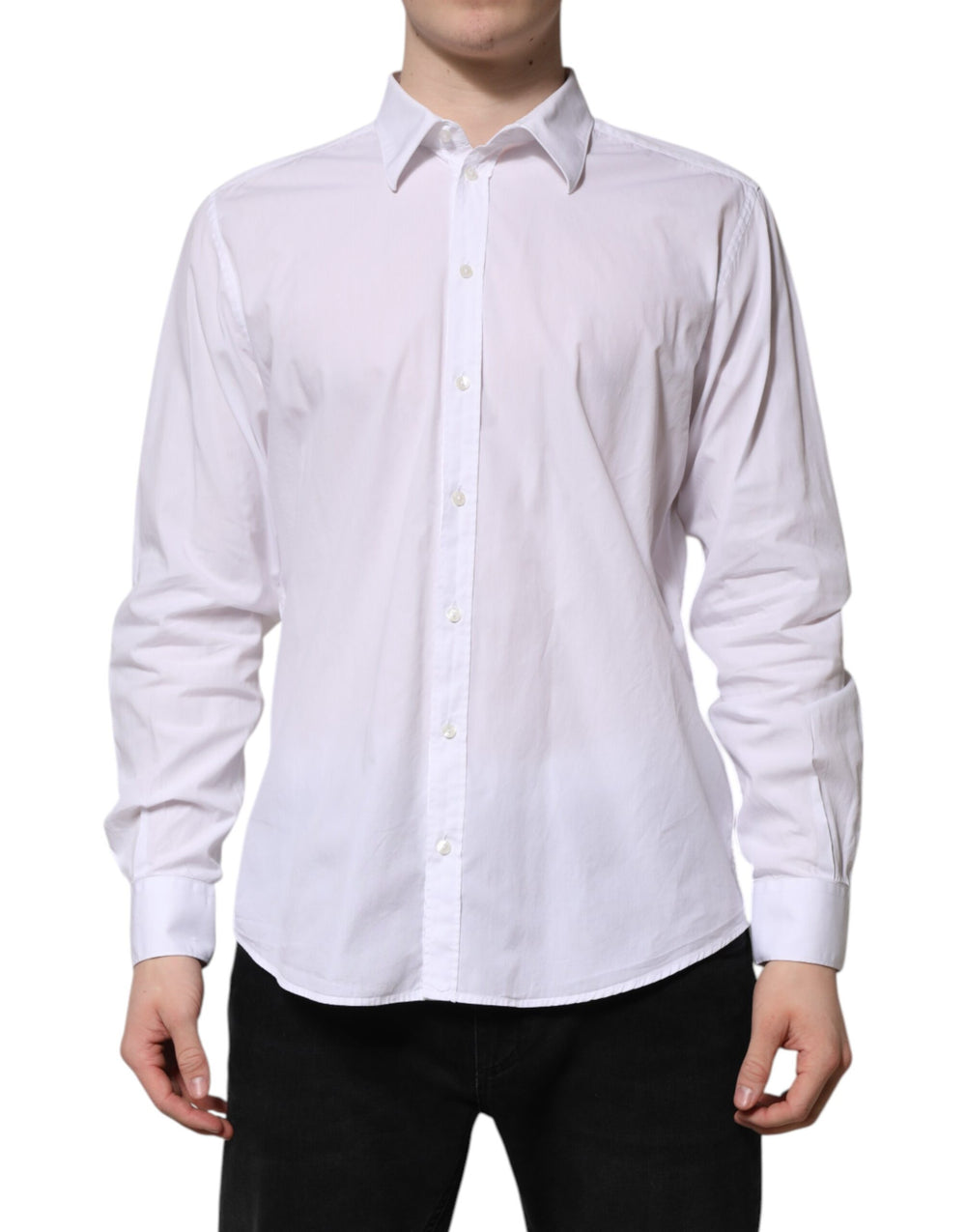
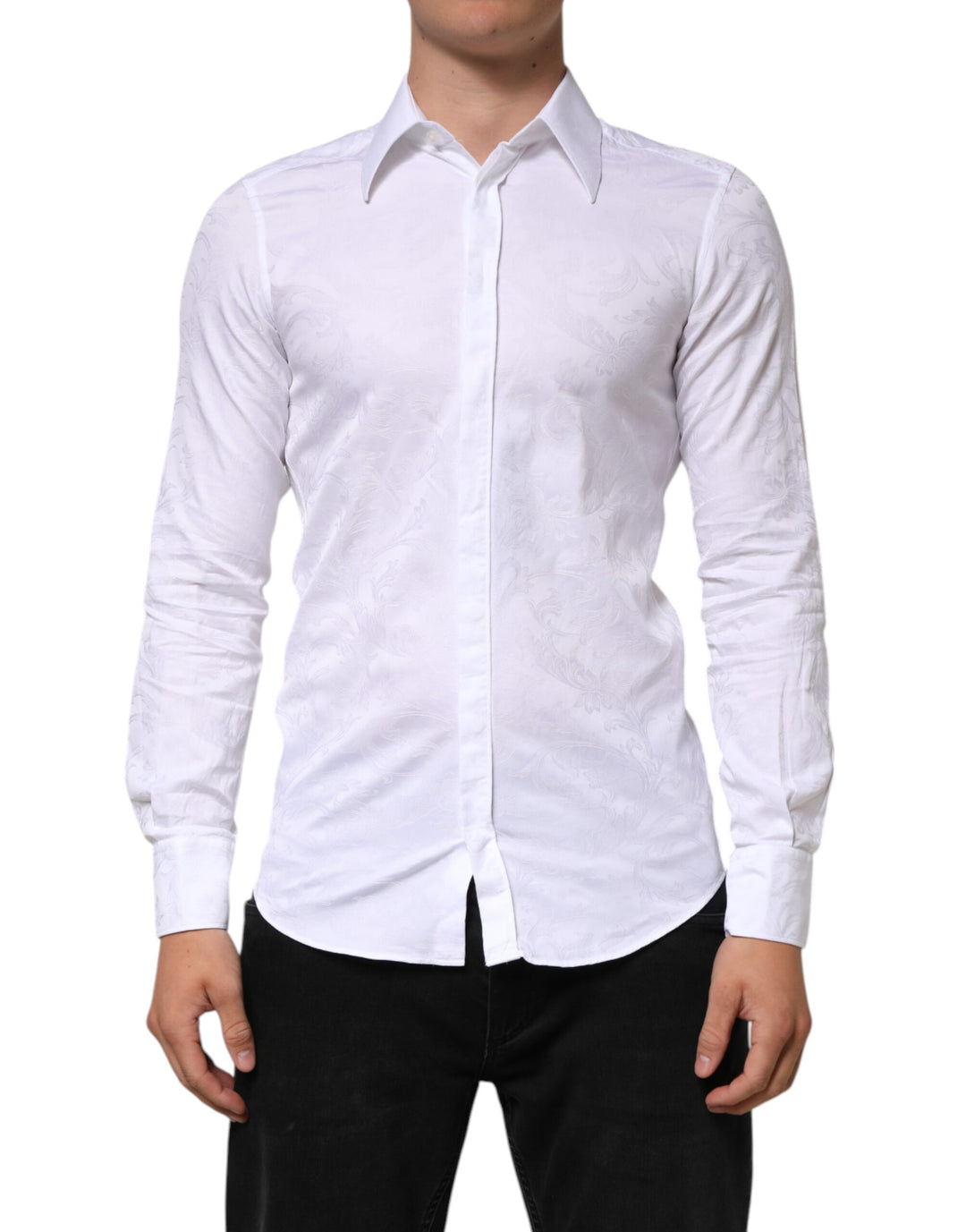
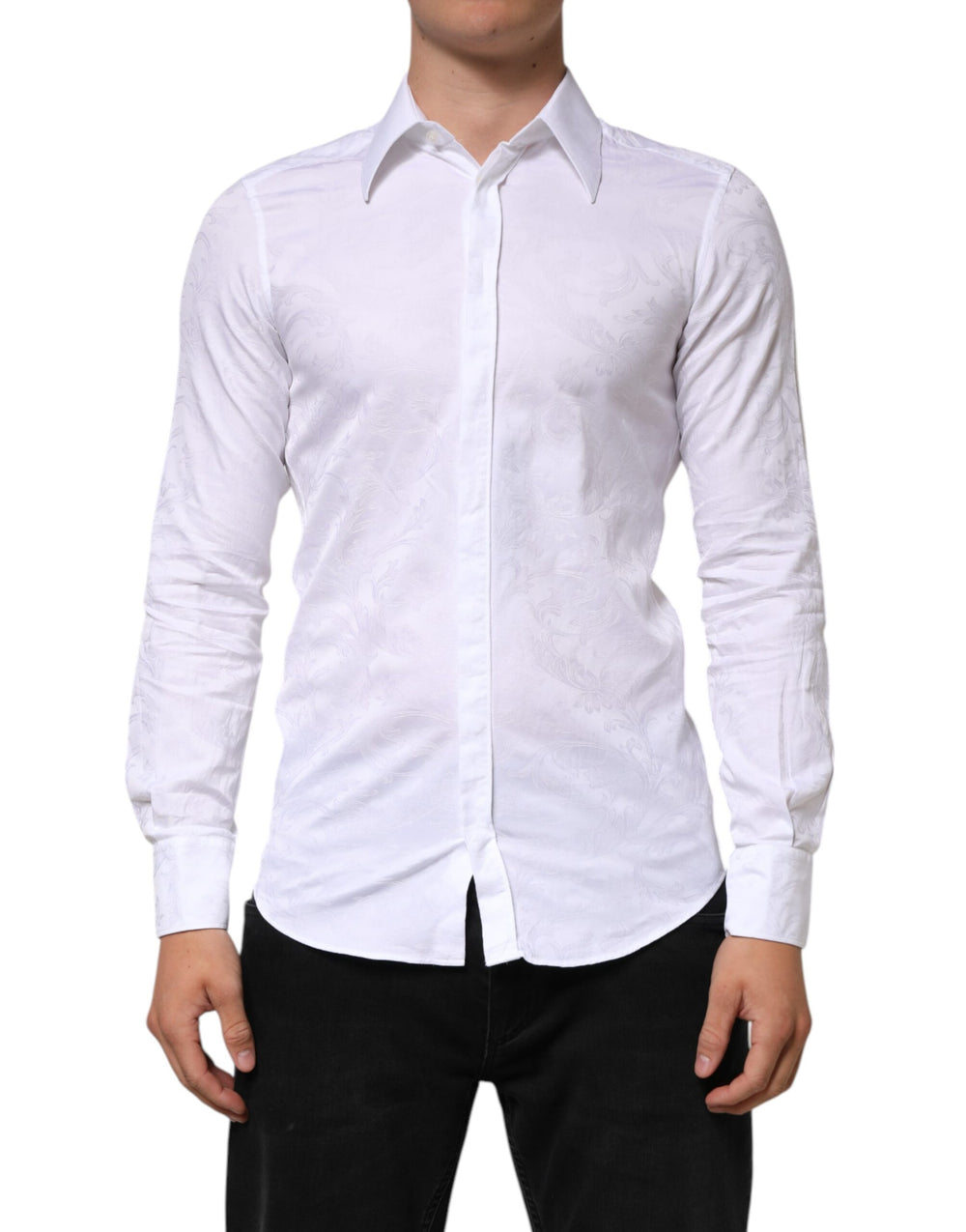
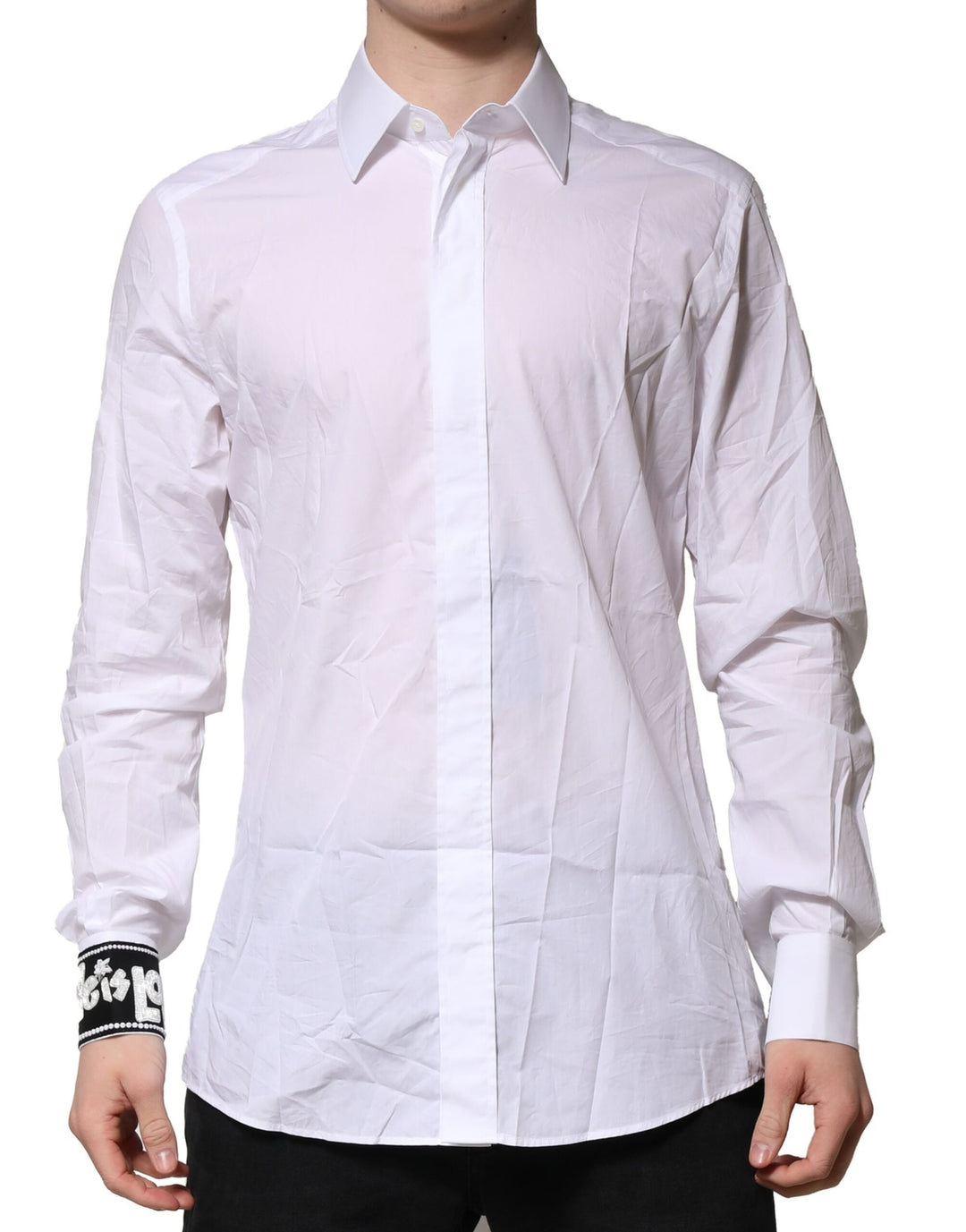
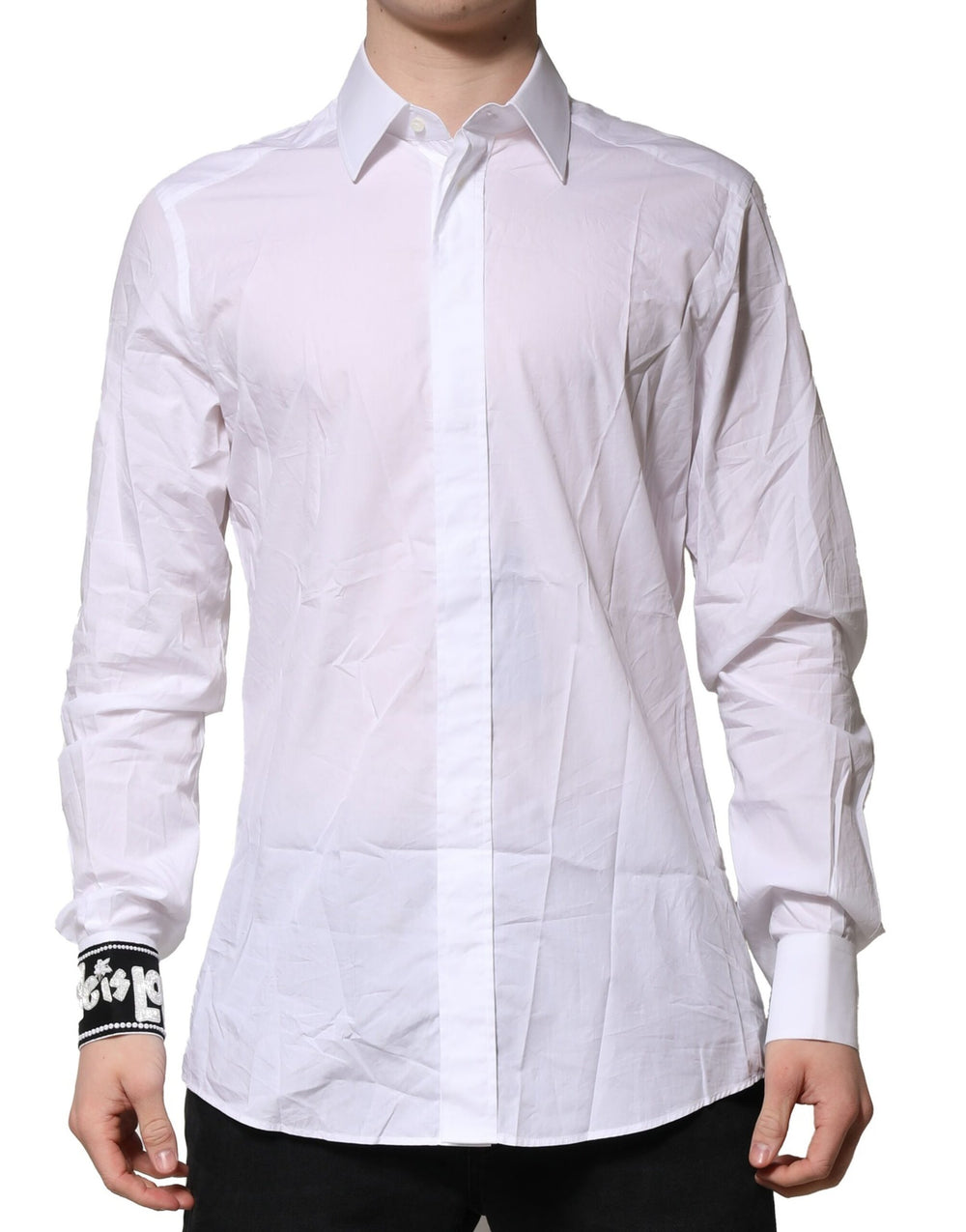


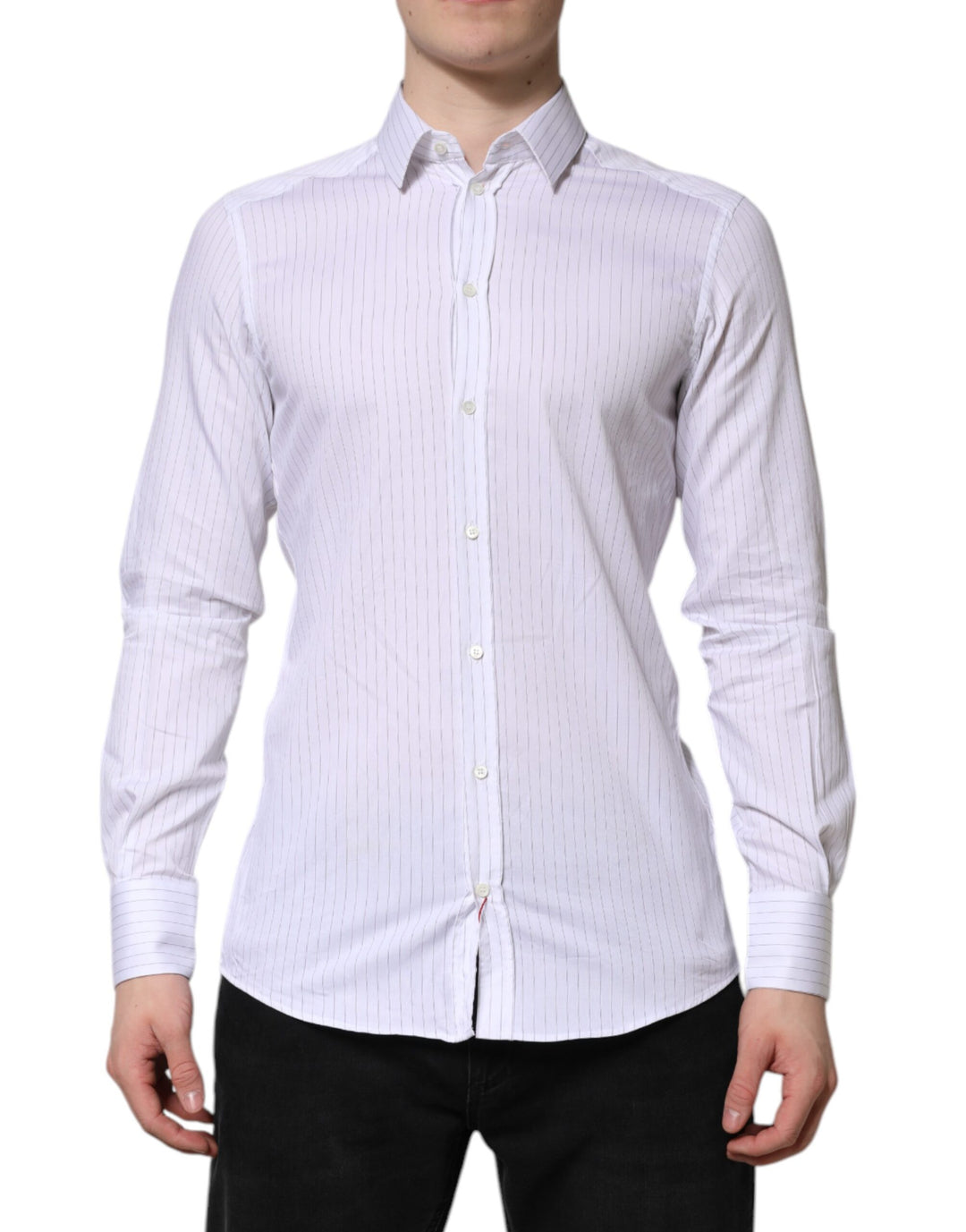
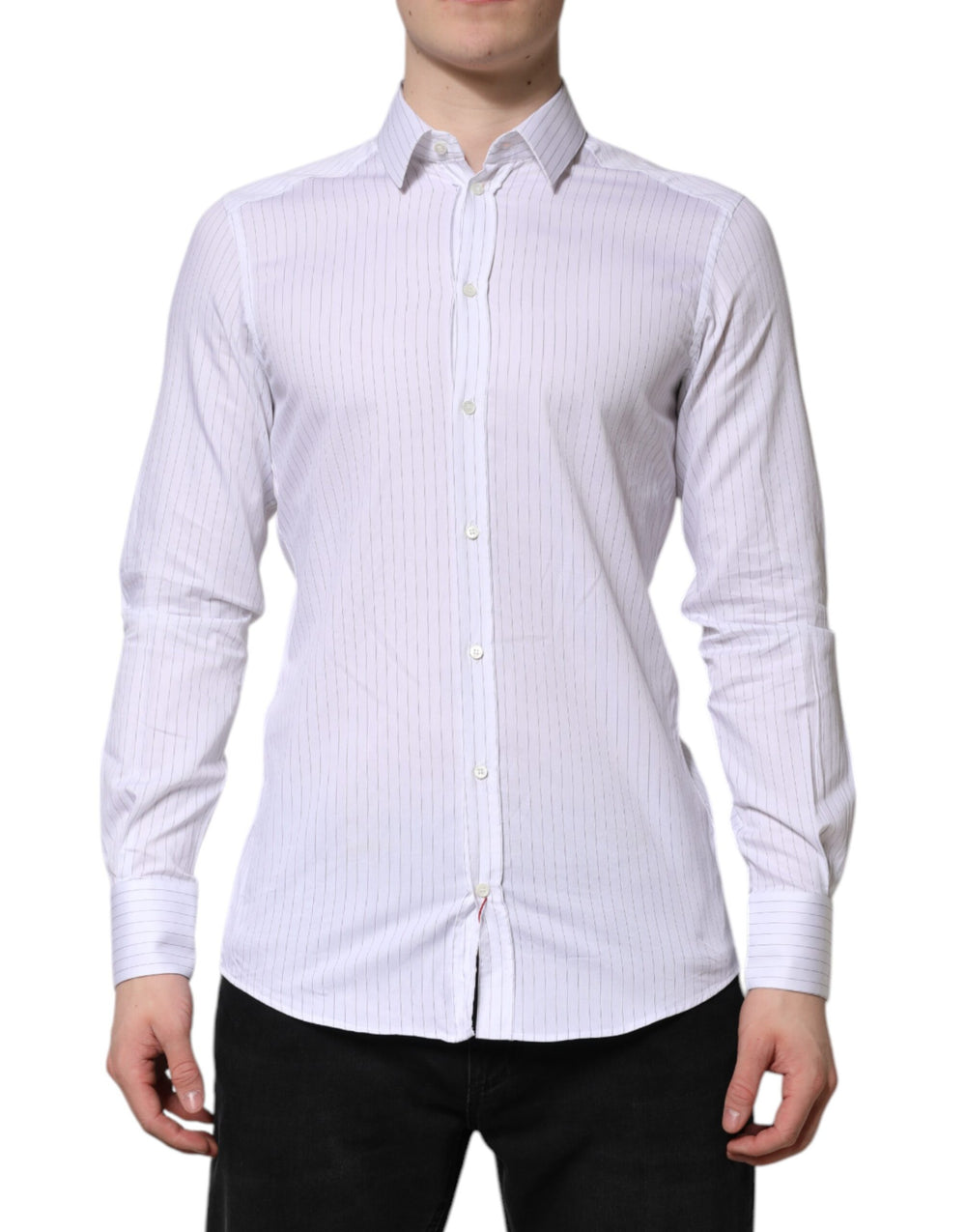
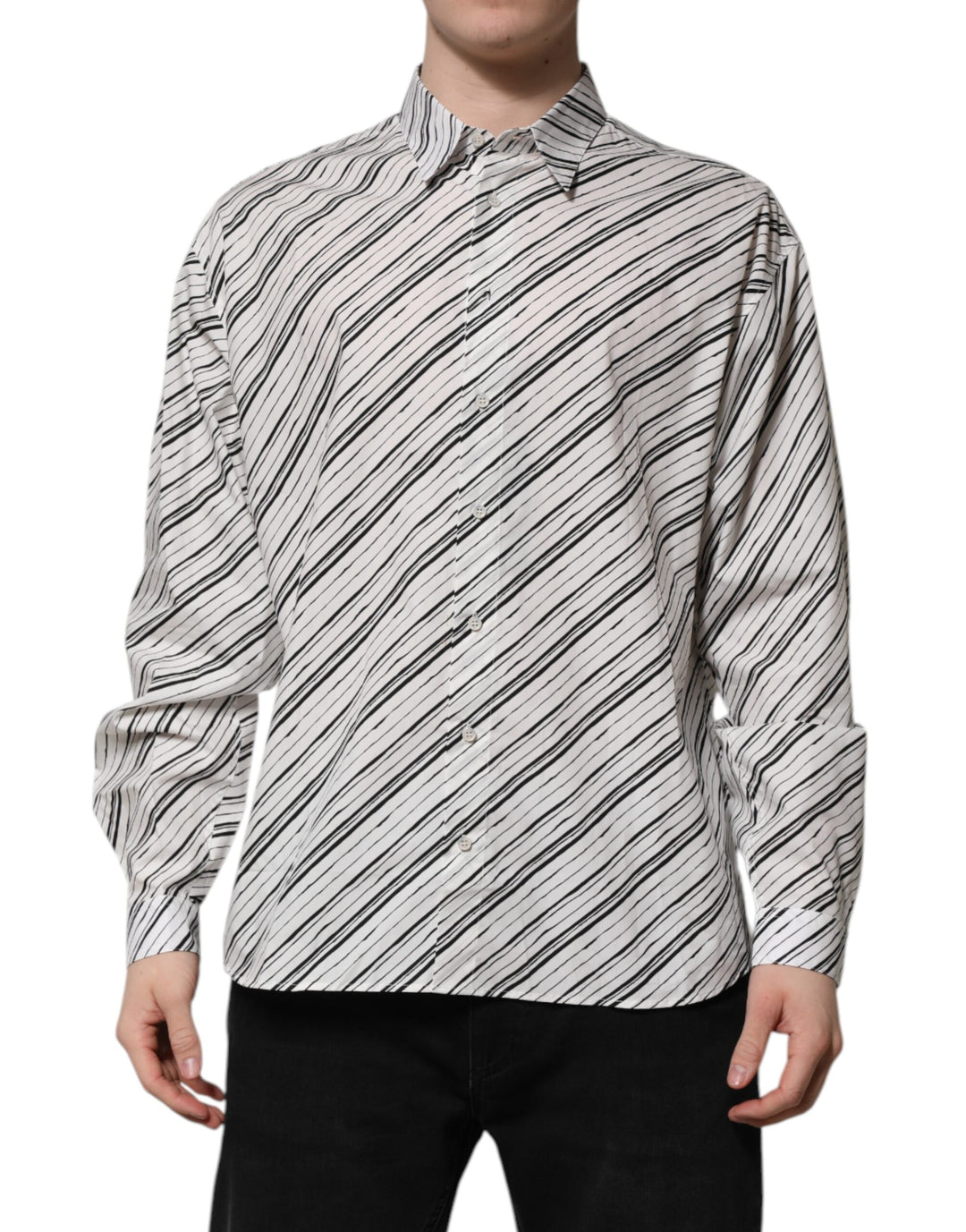
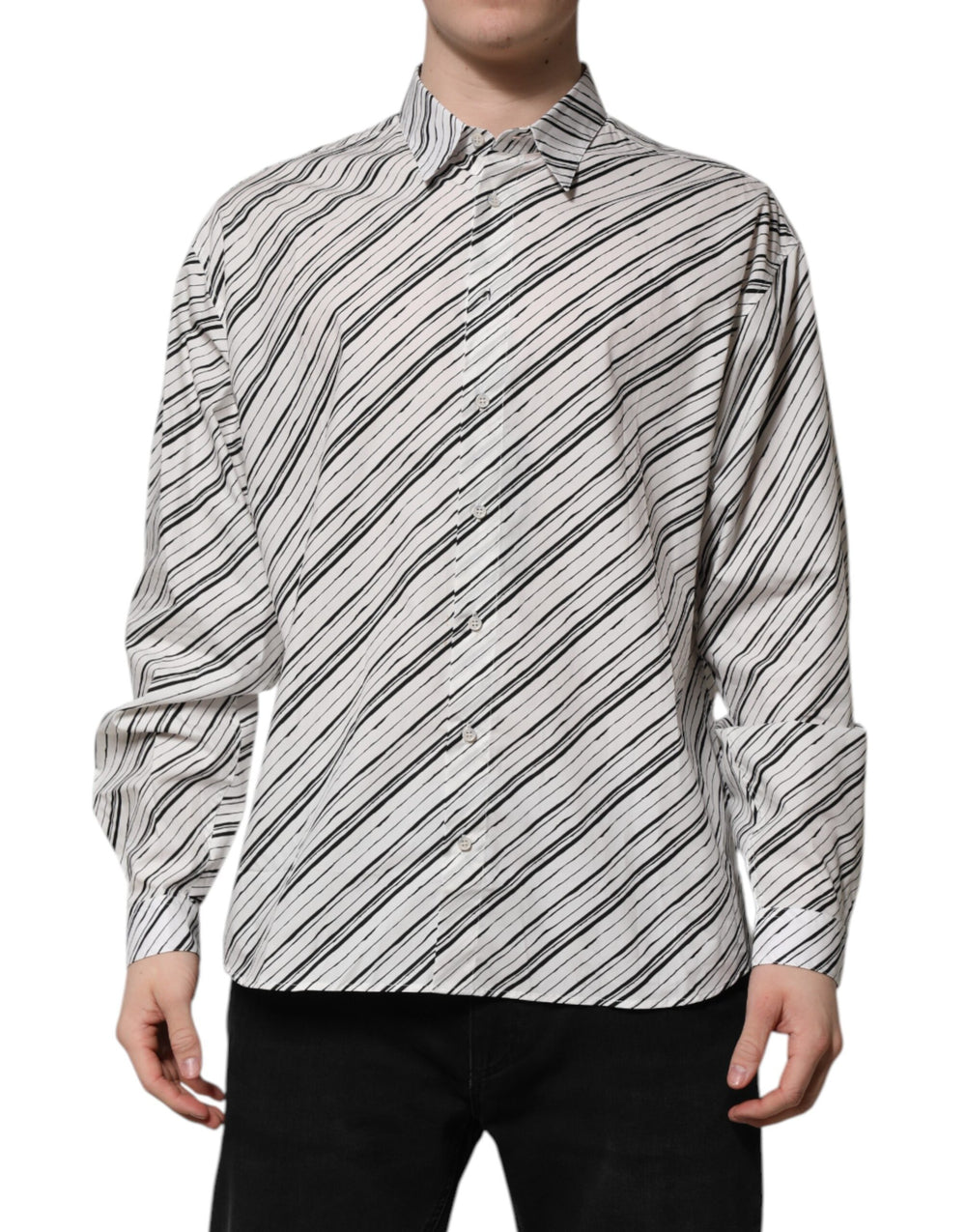
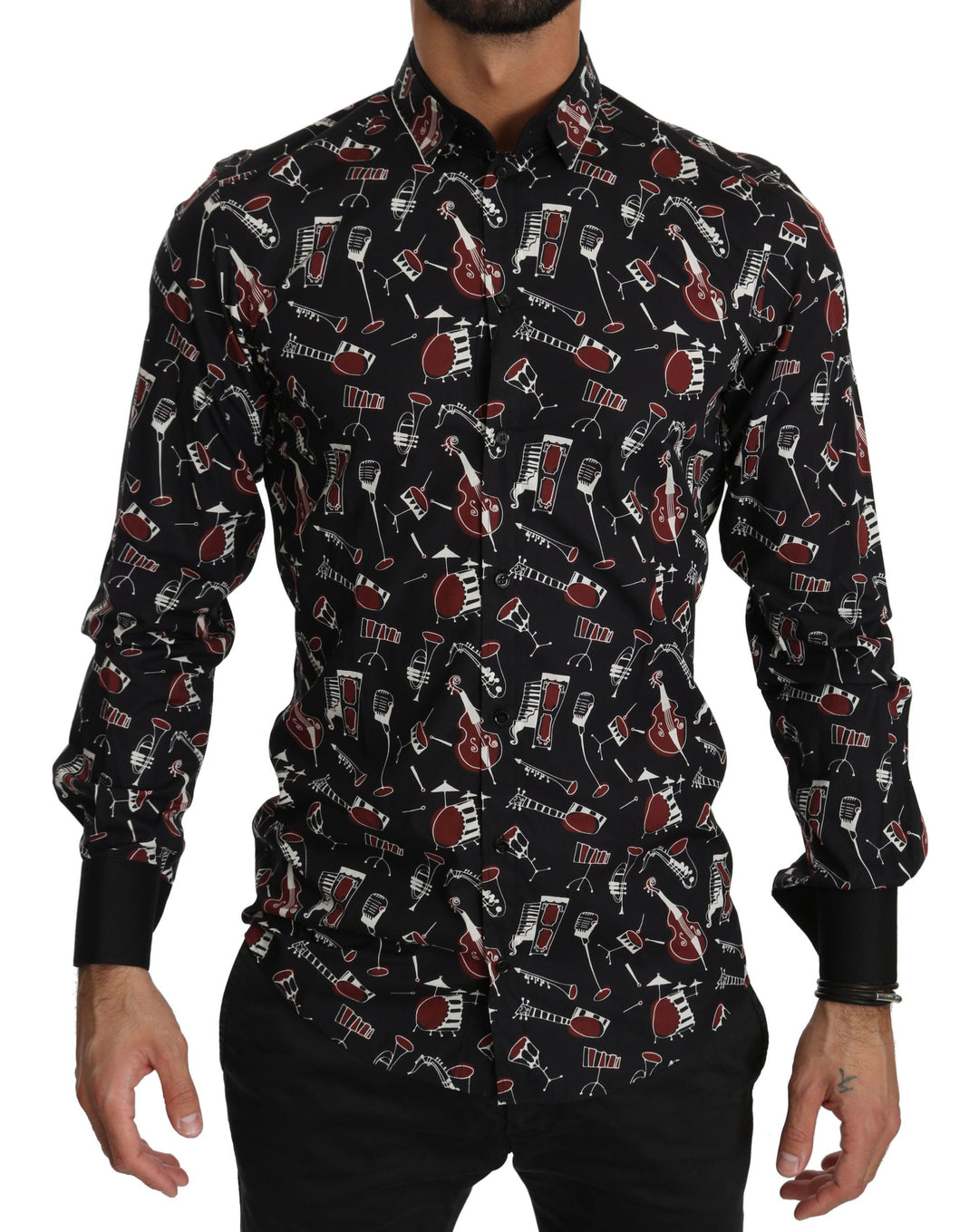
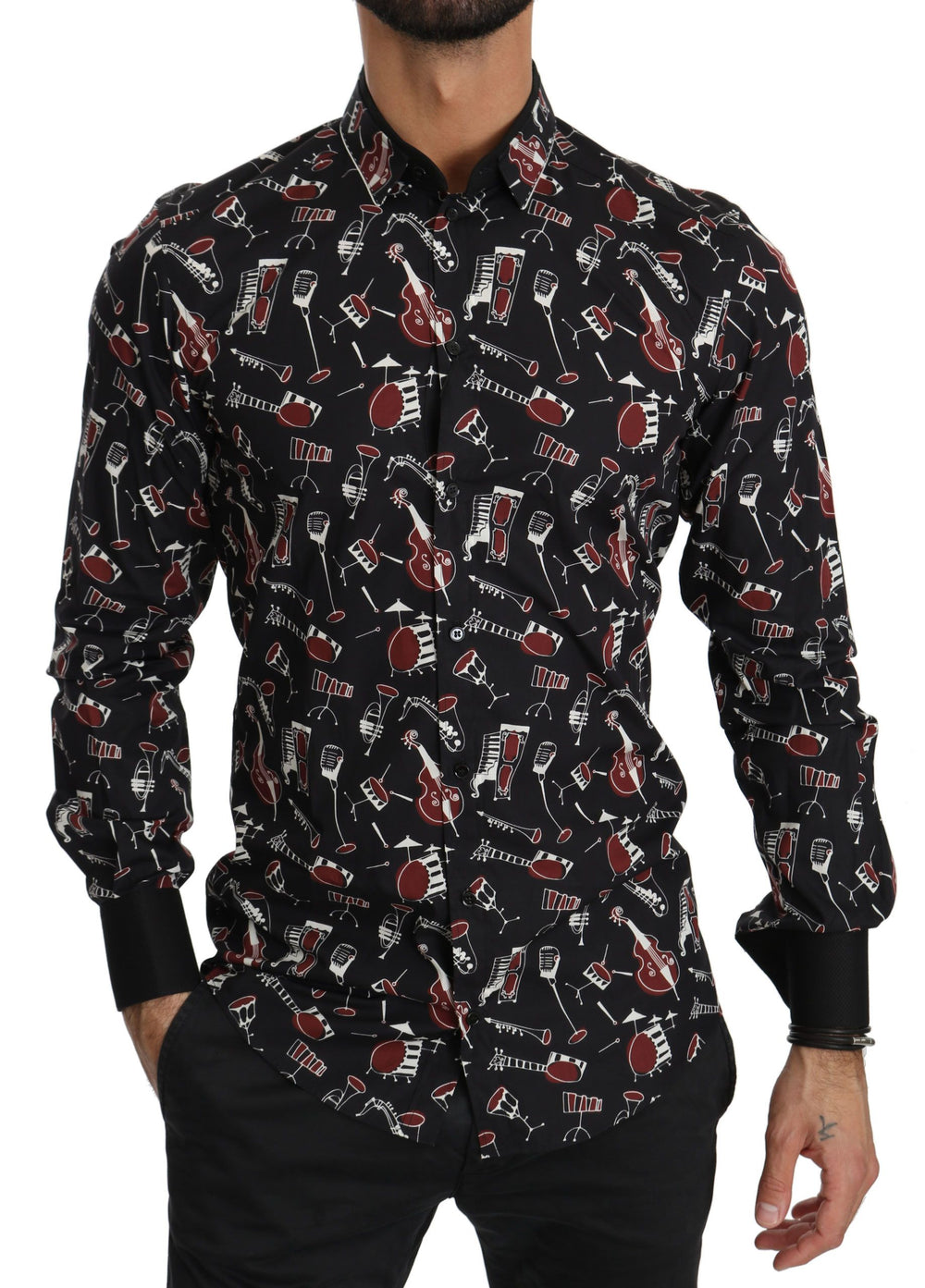
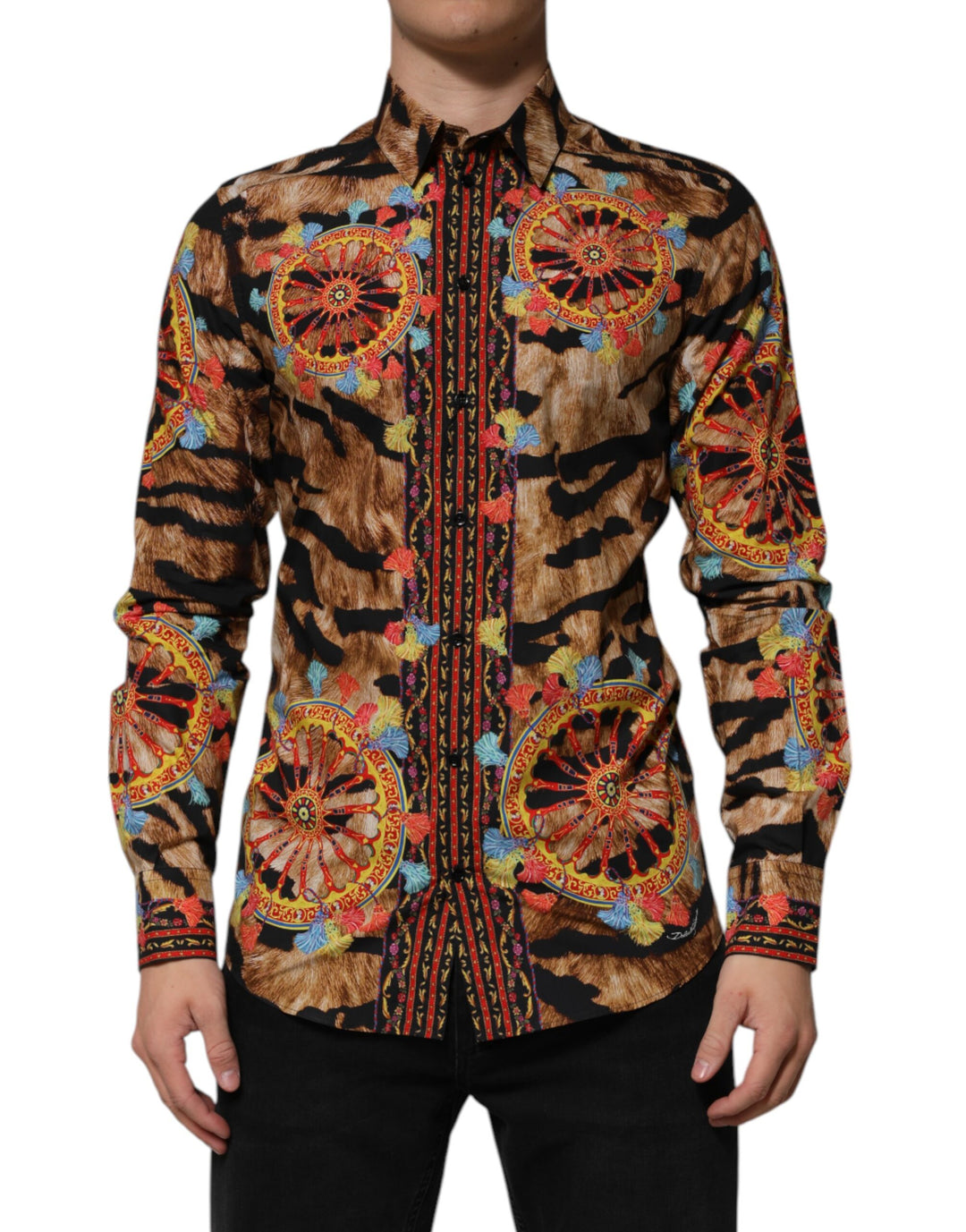
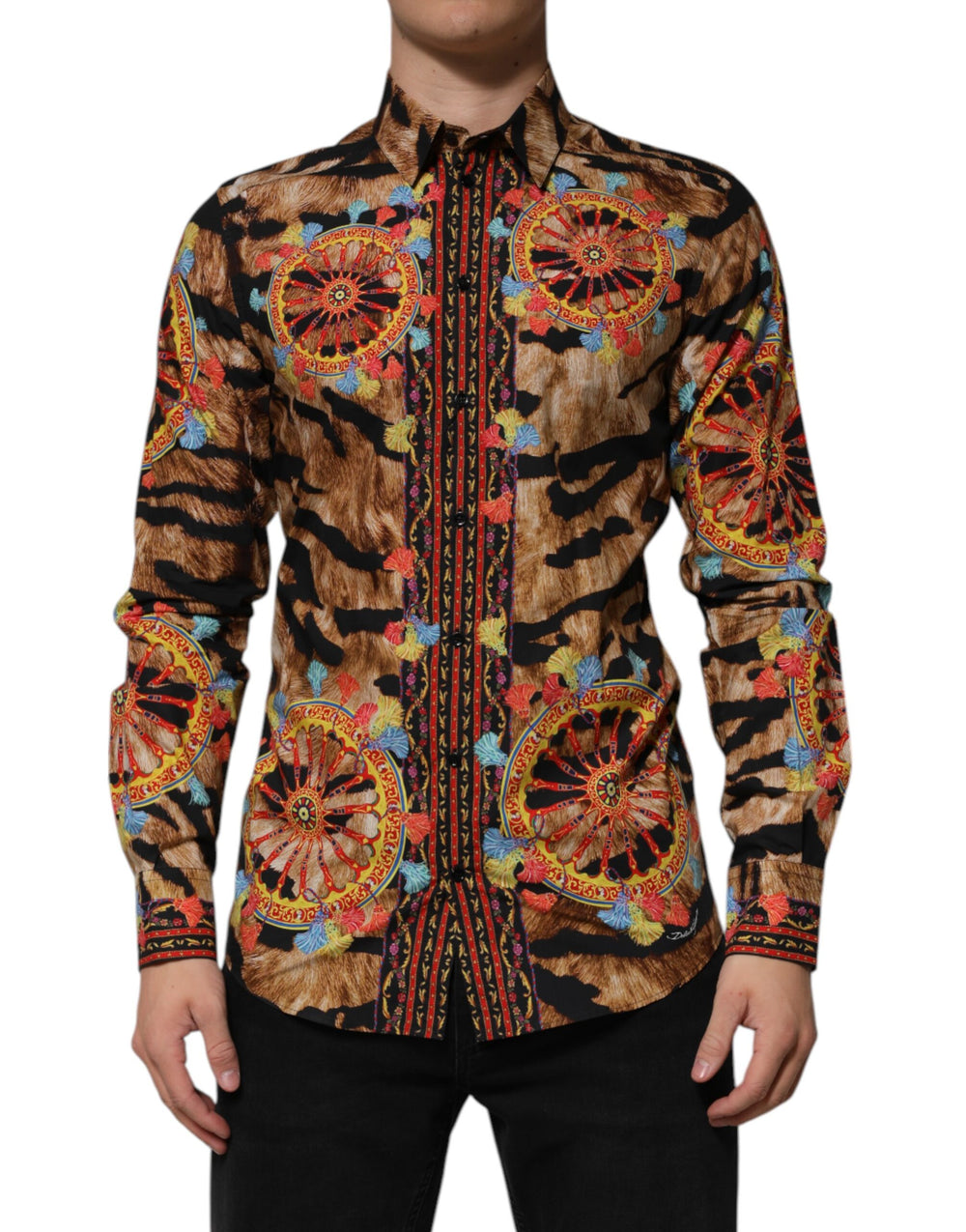
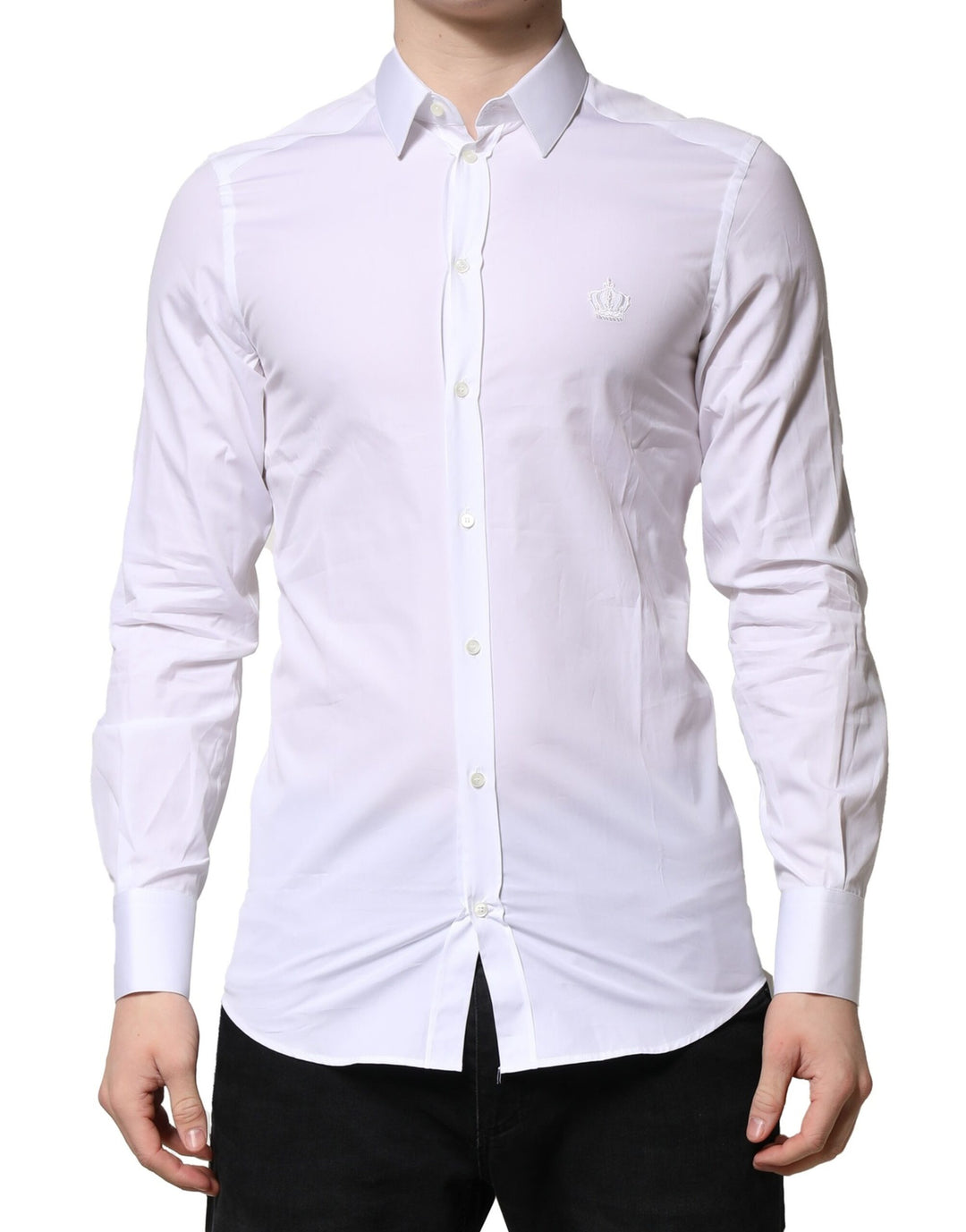
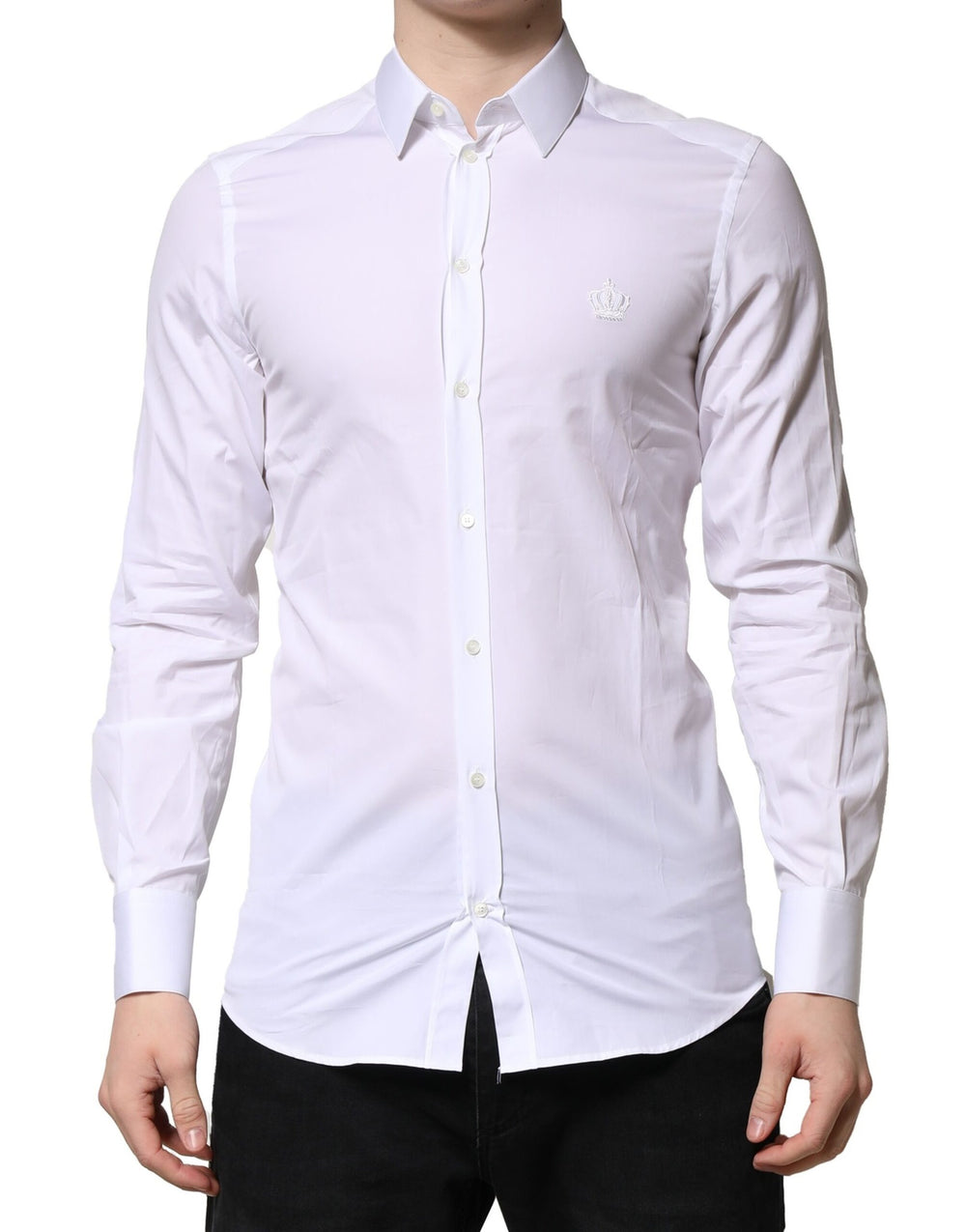
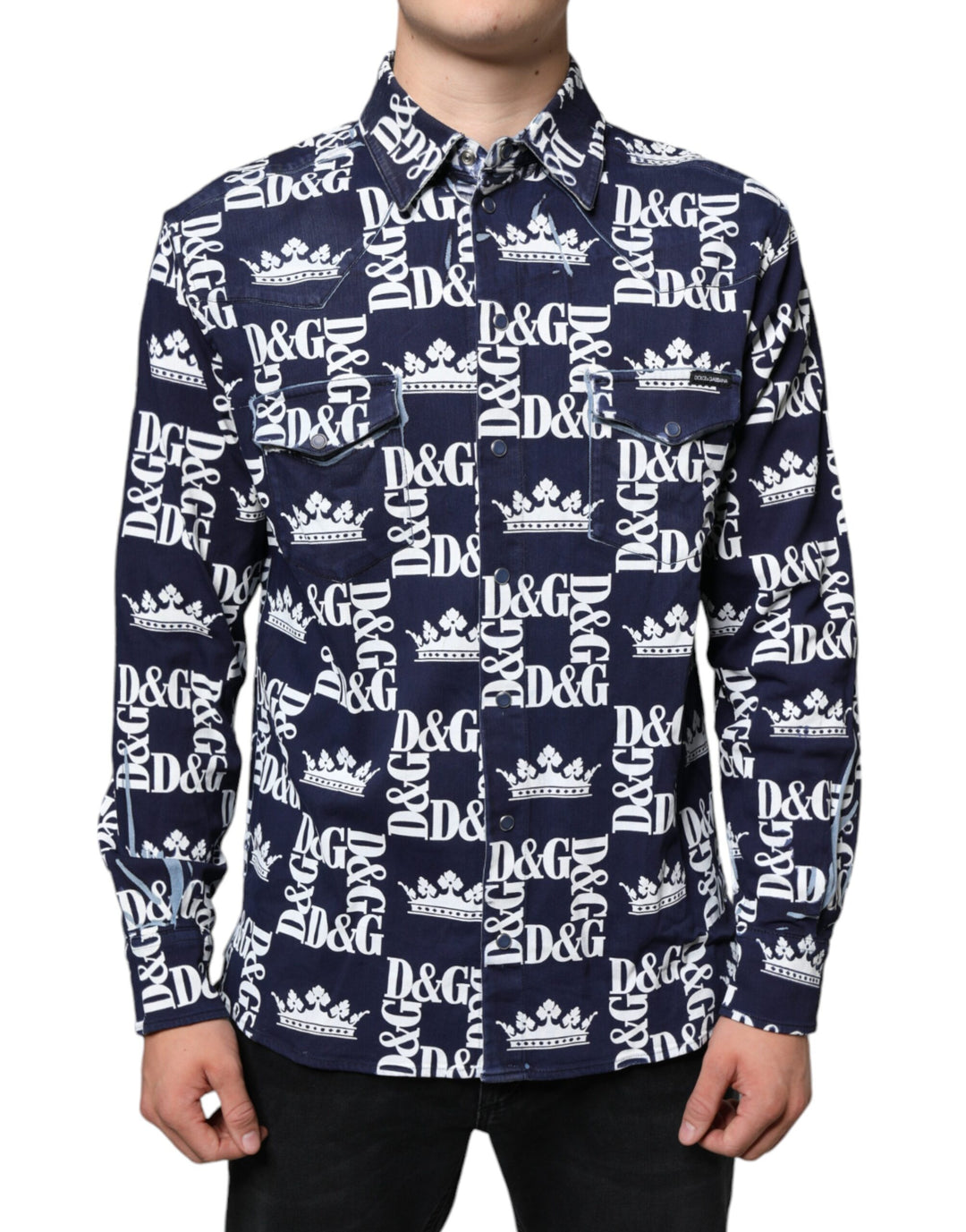
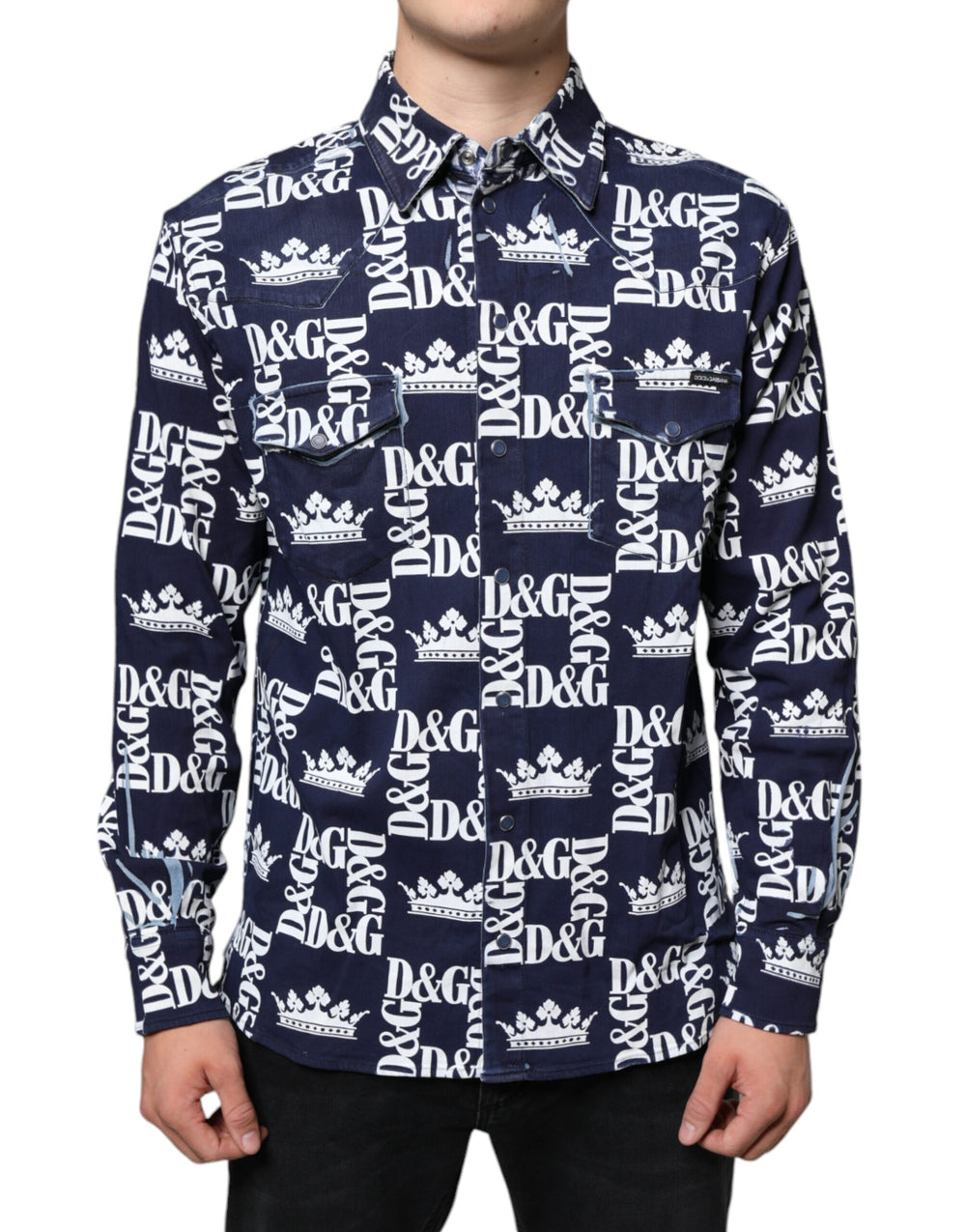
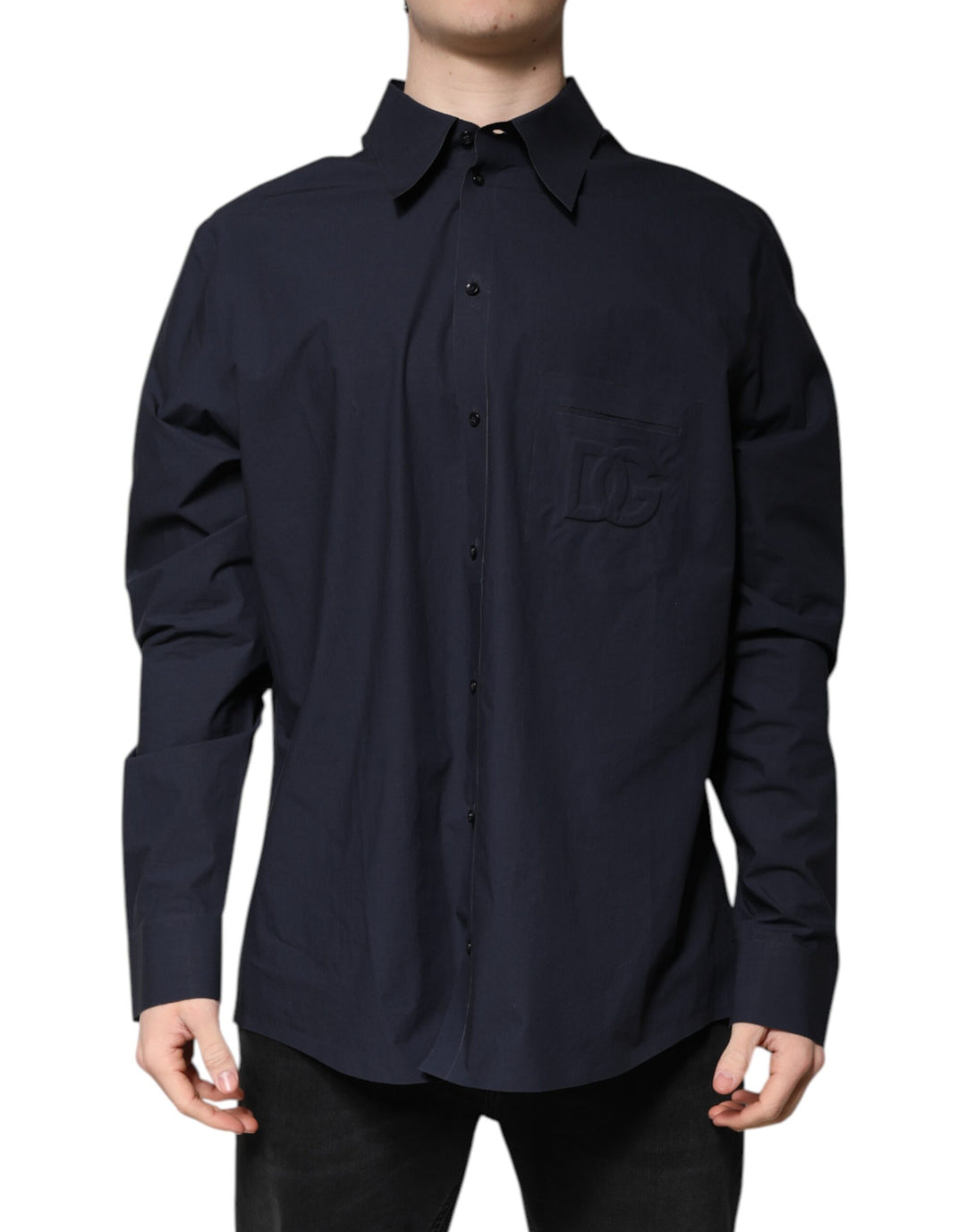
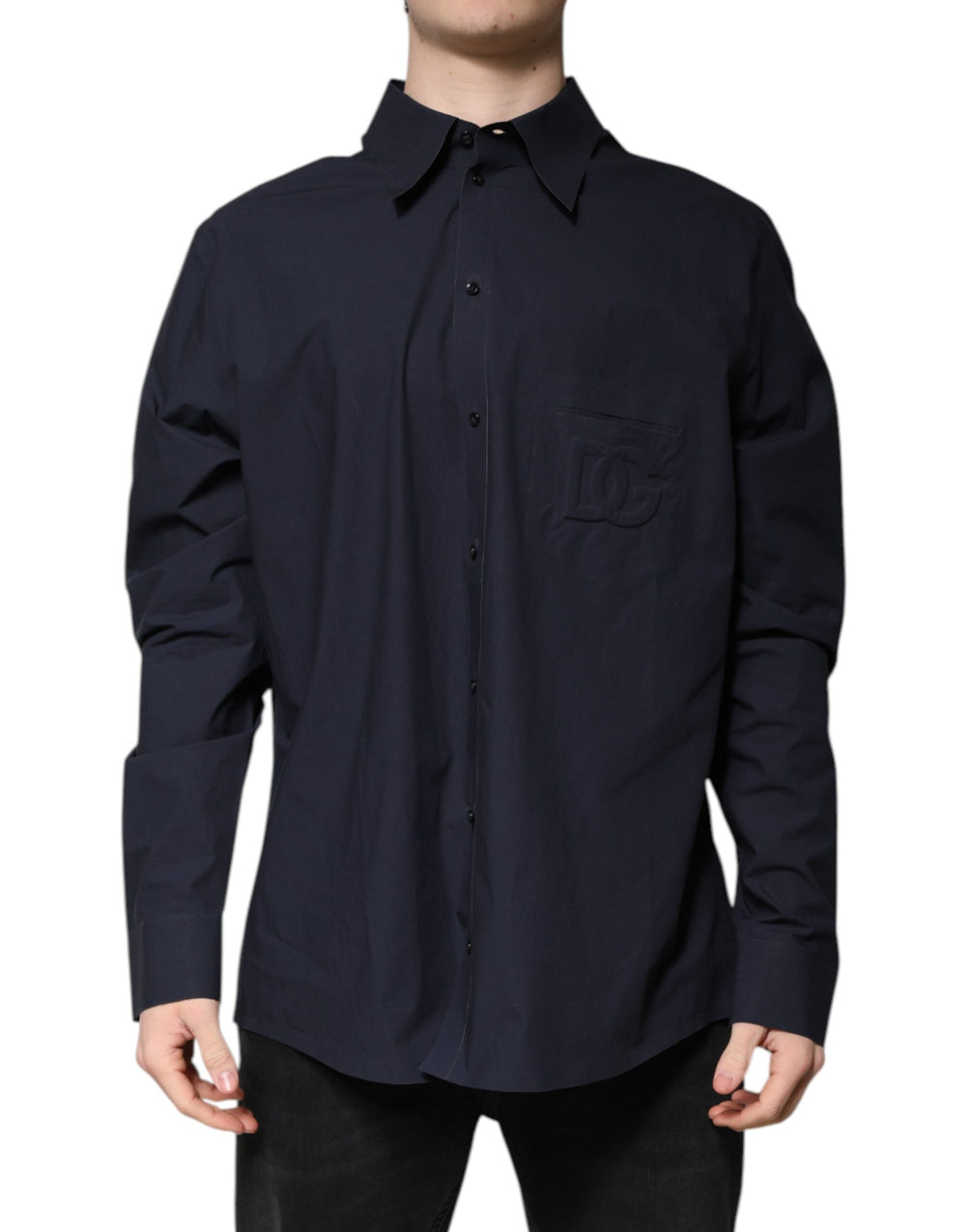
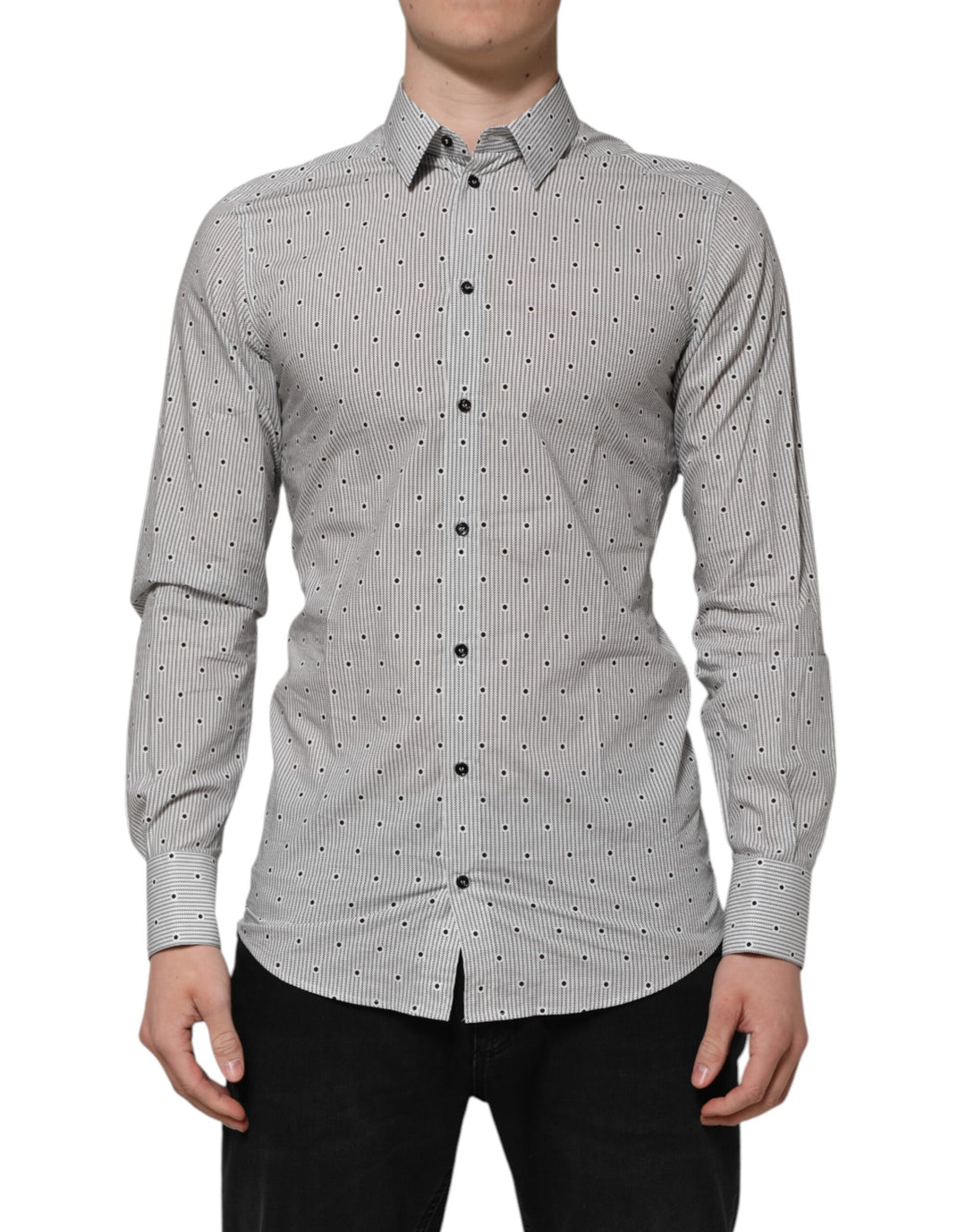
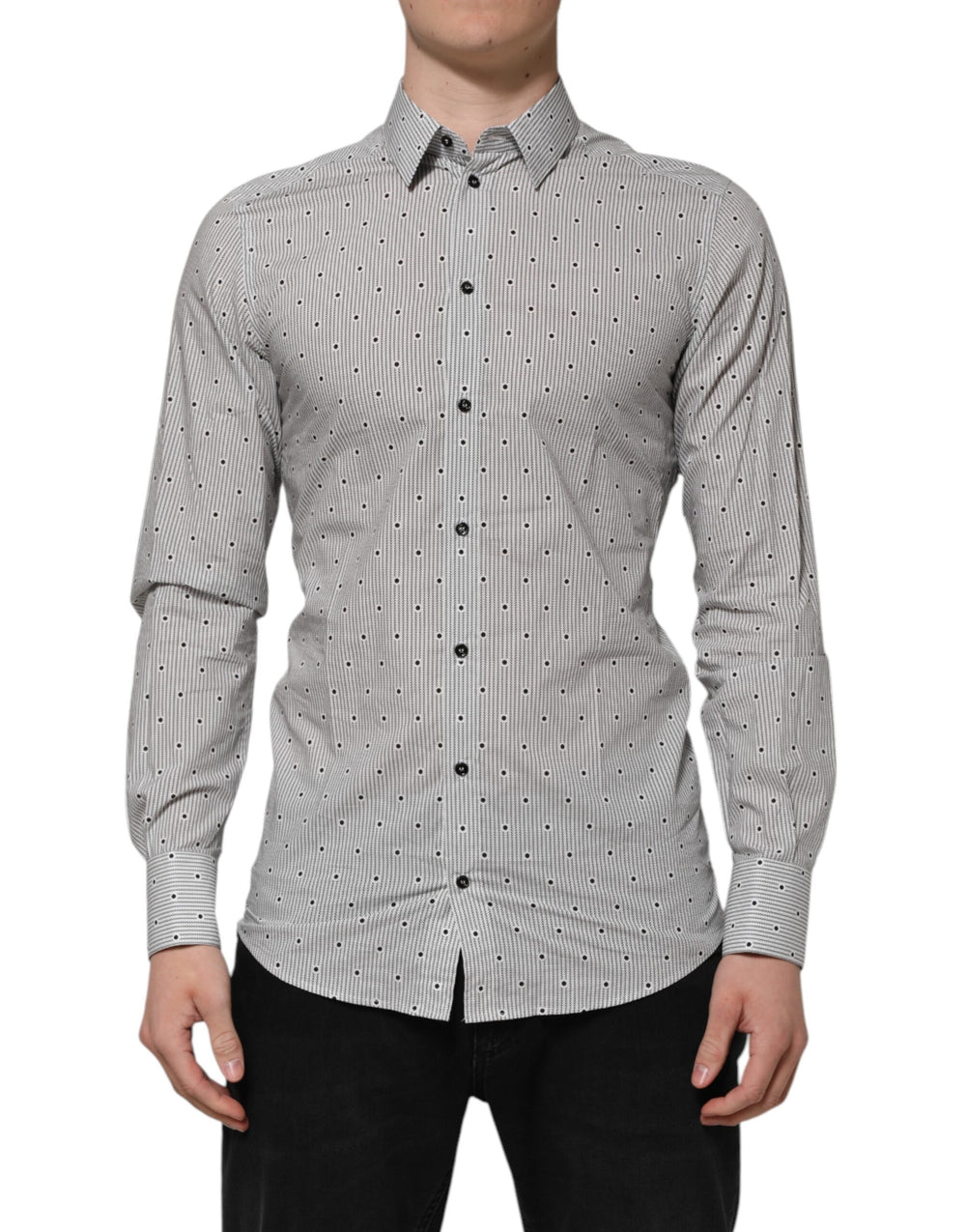
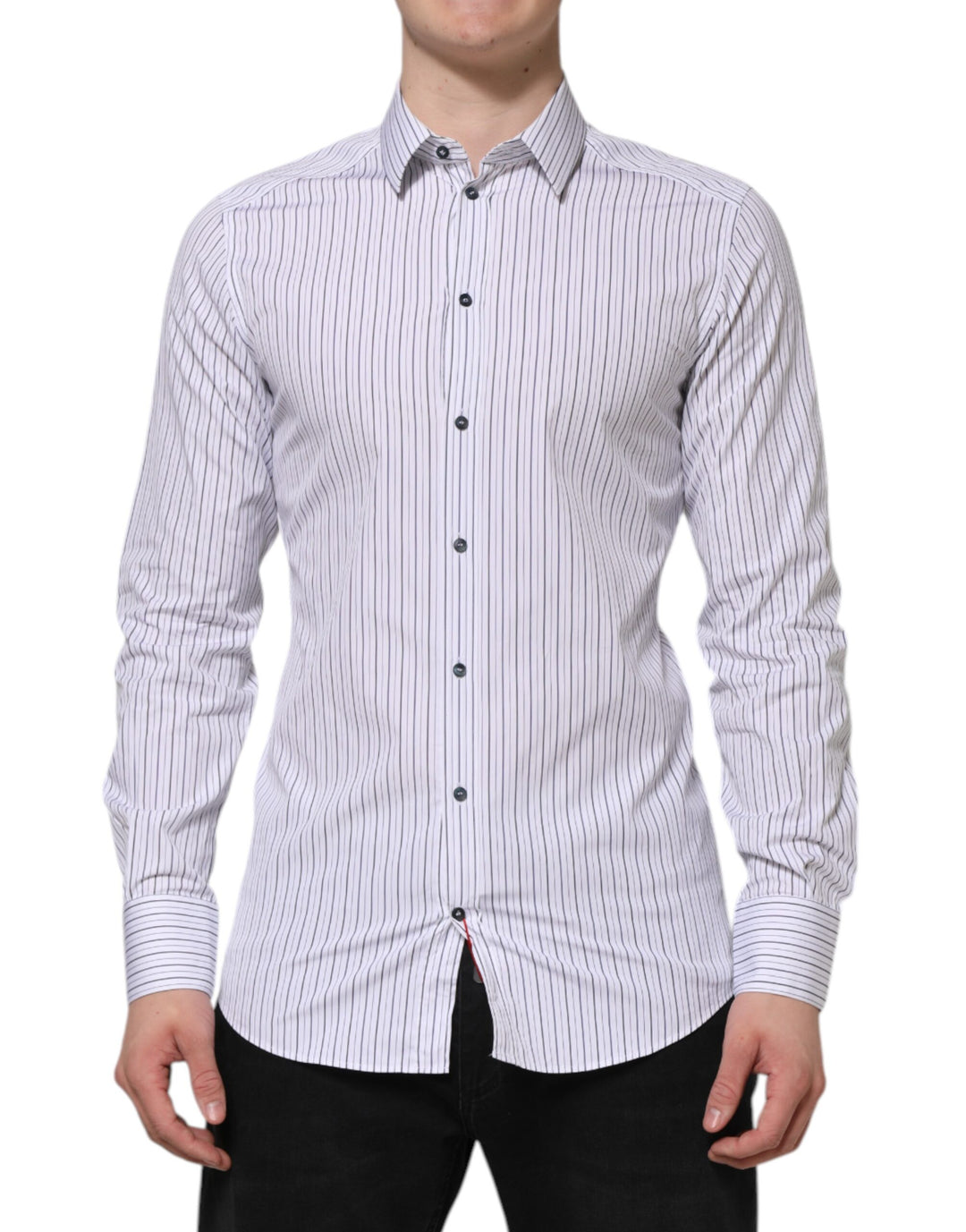
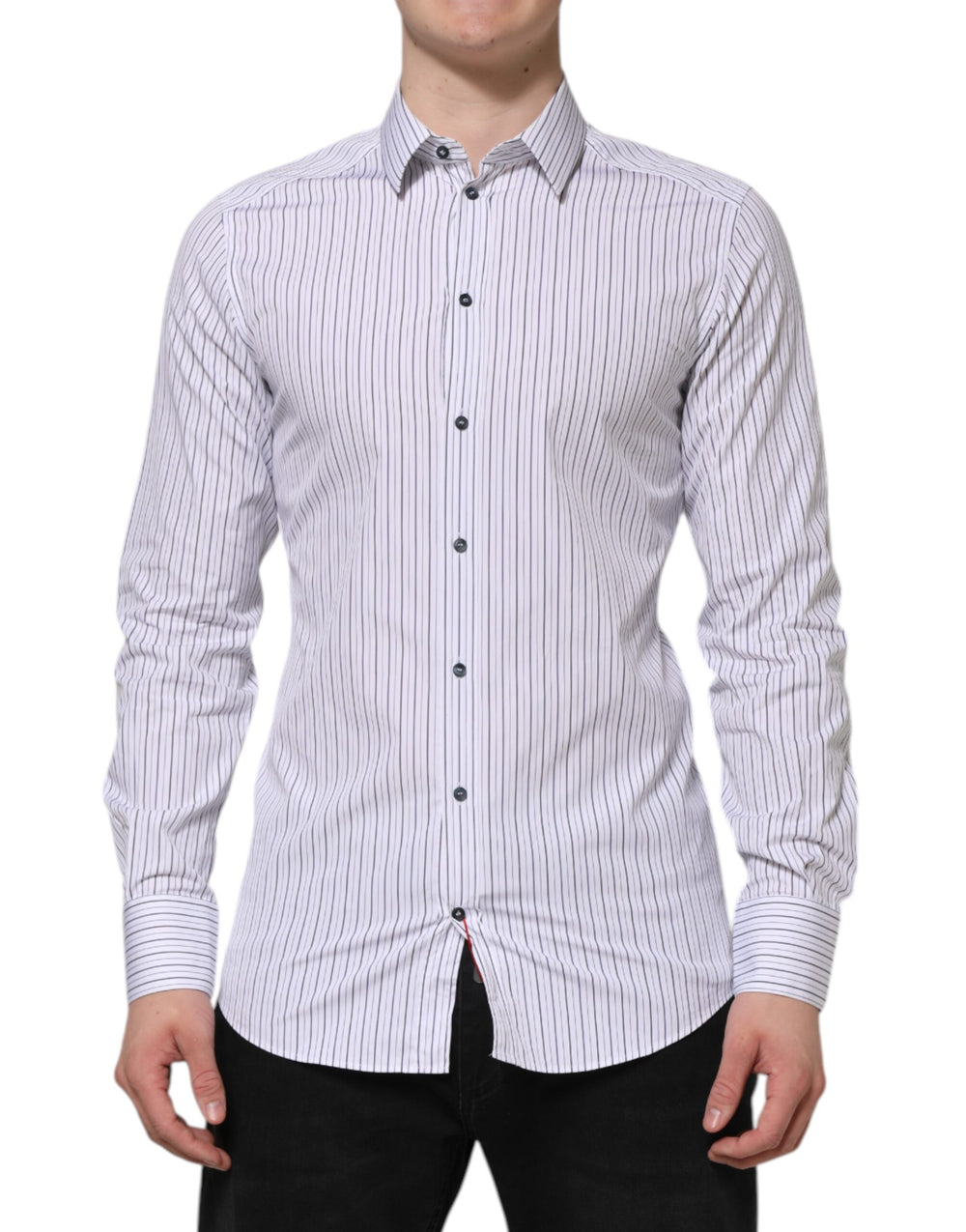
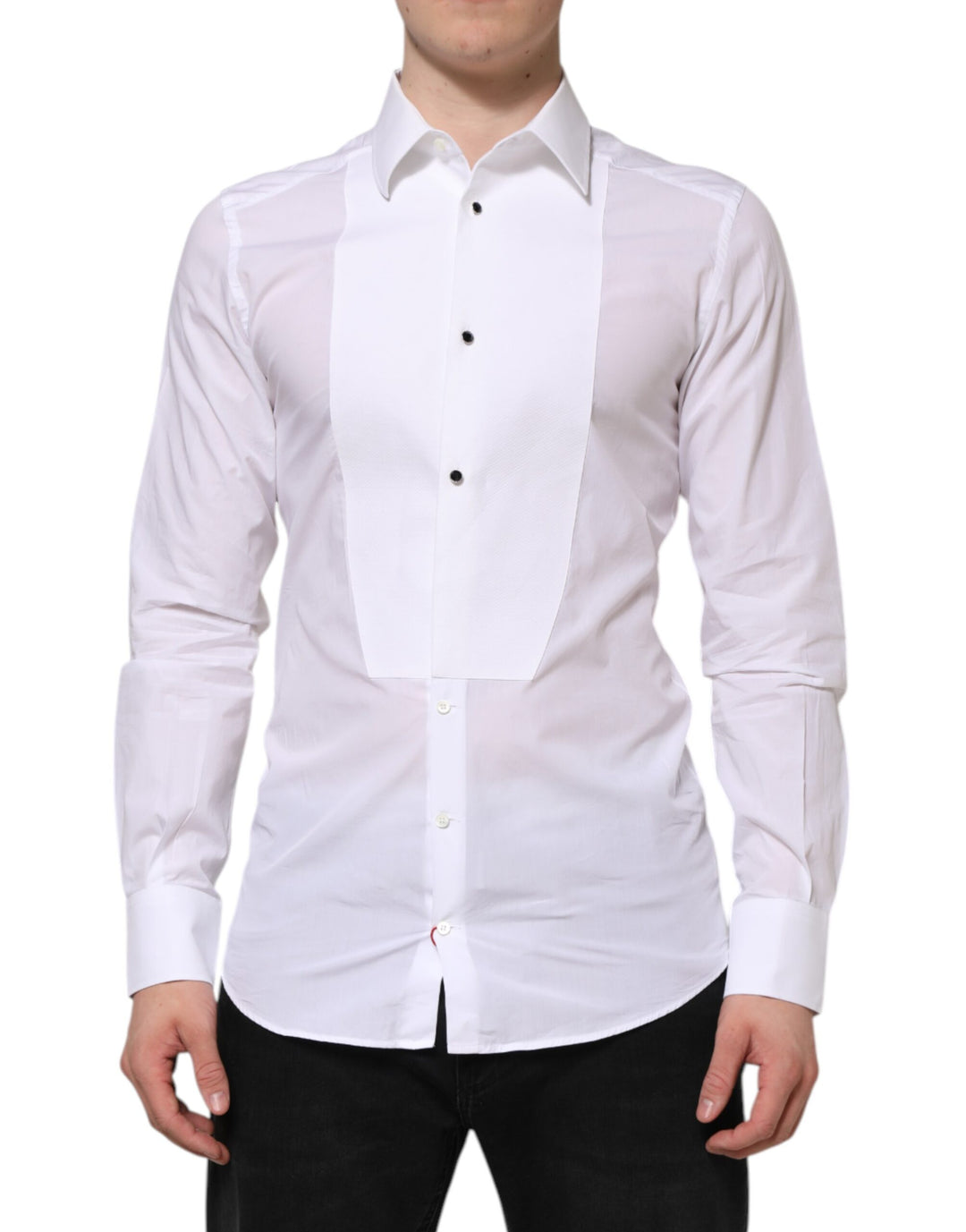
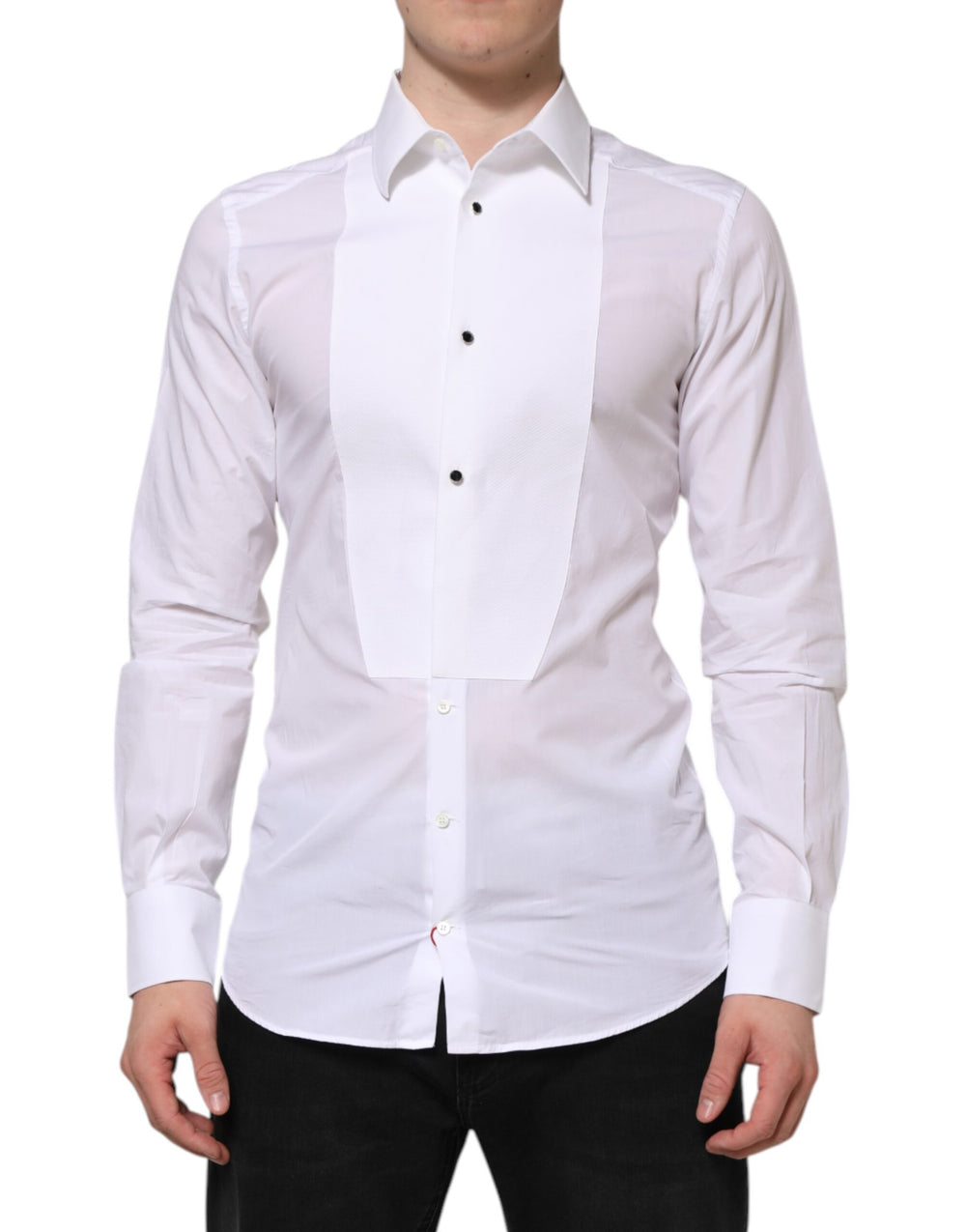


Men's Designer Shirts On Sale - Italian Cotton & Perfect Fit at Outlet Prices Up to 60% Off
Let's be straight about the Men's Designer Shirts situation most guys face. You need professional shirts for work, but finding ones that actually fit is frustrating. The collar's too tight or too loose. The sleeves are the wrong length - the fabric wrinkles into oblivion by 10 am. The buttons start falling off after three washes. Or they're just uncomfortable all day, making you want to rip them off the second you get home.
What changes everything is finding quality shirts that actually solve these problems. Italian cotton that feels good against your skin and doesn't wrinkle excessively. Proper pattern-making where the collar and sleeves fit correctly. Construction where buttons stay attached, and seams don't split. Fabrics that maintain their appearance through years of wearing and professional laundering.
You're looking at $125 for quality designer dress shirts, $195 for Italian-made shirts, $95 for Oxford button-downs, and $145 for professional shirts. Yes, that's more than Target or Men's Wearhouse. But here's what makes it worth it: these actually fit properly, so you'll wear them instead of avoiding them; the fabrics maintain their appearance through years of weekly wear and cleaning; the buttons stay attached through hundreds of wearings; and they look crisp and professional all day instead of wrinkled and sloppy by lunch.
Here's the outlet advantage: Same designer shirts, same Italian cotton, same proper construction, just 40-60% off retail. We're talking authentic Brooks Brothers at $65 instead of $128, Italian-made shirts at $125 instead of $248, quality oxfords at $55 instead of $108.
Men's designer shirts on sale at outlet prices. Real Italian cotton and expert construction from brands that understand fit and quality. These aren't cheap shirts where the fabric pills after one wash or the collars curl up permanently. They're made with quality cotton from Italian mills, proper collar construction that maintains its shape, buttons sewn to stay attached, and fabrics that hold up through years of professional wear and cleaning.
Think about your current shirt situation. A mix of ill-fitting shirts you tolerate, cheap ones that look wrinkled constantly, or expensive ones you bought hoping they'd work, but they still don't fit right. Quality designer shirts at outlet prices solve these problems with proper fit, better fabrics, and construction that lasts instead of falling apart.
The quality difference is real. Designer shirts use higher-quality cotton from Italian or American mills with longer fibers, resulting in softer, more durable fabrics. The pattern-making is engineered for proper fit in the collar, shoulders, and sleeves. The construction includes reinforced stitching, quality buttons, and appropriate finishing. All these details mean shirts that work reliably for years, rather than being constant sources of frustration.
Here's the versatility you get with quality shirts. Professional dress shirts for essential meetings and client presentations. Business casual button-downs for regular office days. Oxford shirts that work professionally and on weekends. Casual shirts for smart casual and weekend wear. And foundational white and blue shirts that work with everything, forming the backbone of professional wardrobes.
Every piece is 100% authentic. We source from authorized designer outlets, retailers clearing seasonal inventory, and authenticated resale platforms. You're getting real designer quality with proper materials and construction, not cheap imitations that fall apart or counterfeit goods.
Whether you're building a professional wardrobe from scratch, replacing ill-fitting or worn-out shirts, upgrading from cheap alternatives that don't last, or finding that perfect white shirt you've been searching for, this is where Italian quality meets prices that make sense. Because you deserve shirts that fit correctly, look professional, and last for years.
Real Italian Cotton. Real Professional Quality. Really On Sale at Outlet Prices.
Men's Designer Shirts On Sale by Style:
Designer Dress Shirt s Outlet ($65-$195 on sale)
Professional polish. Italian cotton. Career essentials at outlet prices.
On sale at outlets: Designer dress shirts, Italian cotton, professional styling, quality construction, various colors, proper fit, career appropriate
Retail pricing: $128-$395 typical
Outlet sale price: $65-$195
Savings: 48-60% off
Designer dress shirts are entirely different from cheap alternatives. The cotton is quality Italian or American fabric that feels good and resists wrinkles. The collar construction maintains shape through professional laundering. The fit is engineered adequately for shoulders, chest, and sleeve length. The buttons are sewn to stay attached. These professional shirts are suitable for daily office wear and will last through the years of service.
Oxford & Button-Down Shirts On Sale ($55-$145 outlet)
Preppy classic. Versatile styling. Smart casual at outlet pricing.
Outlet sale styles: Designer Oxford shirts, button-down collars, quality cotton, various colors, professional-casual versatility, classic proportions
Boutique price: $108-$285
Designer outlet pricing: $55-$145
You save: 48-60% at outlets
Designer Oxford shirts have the perfect weight and texture for versatile wearing. The fabric is high-quality cotton that softens with washing rather than becoming rough or thin. The button-down collar works professionally and casually. They're staples in business-casual wardrobes, worn tucked or untucked, and they maintain their appearance over years of regular wear.
Casual Button-Down Shirts Outlet ($45-$125)
Weekend polish. Relaxed fit. Elevated casual at outlet prices.
On sale at outlets: Casual designer shirts, chambray, linen blends, relaxed fits, quality construction, innovative casual styling
Retail: $88-$248
Outlet sale price: $45-$125
Outlet savings: 48-60% off
Designer casual shirts provide elevated style for weekends and casual occasions. Quality fabrics feel better and last longer than cheap alternatives. The construction includes proper finishing and durability. They work for everything from weekend errands to smart-casual dining, looking intentional and polished rather than sloppy.
Italian & European Dress Shirts On Sale ($95-$295 outlet)
European tailoring. Premium fabrics. Investment quality at outlet pricing.
Outlet sale offerings: Italian-made shirts, European brands, premium cotton, expert construction, refined styling, executive presence
Boutique pricing: $195-$595
On sale at outlet: $95-$295
Save: 48-60% outlet discount
Italian and European designer shirts feature premium fabrics from legendary mills, expert tailoring with precise proportions, and construction that lasts for decades. They're investment pieces for professionals valuing quality and appearance. At outlet prices, European excellence becomes more accessible.
Performance & Technical Shirts Outlet ($75-$165)
Modern functionality. Wrinkle-resistant. Contemporary at outlet prices.
On sale from outlets: Performance shirts, technical fabrics, wrinkle-resistant, moisture-wicking, travel-friendly, professional styling
Retail pricing: $148-$325
Outlet sale price: $75-$165
You save: 48-60% off
Designer performance shirts use technical fabrics that resist wrinkles, wick moisture, and travel well while maintaining a professional appearance. They're perfect for frequent travelers, warm climates, or anyone looking for low-maintenance, professional shirts. Quality versions don't look synthetic or cheap like alternatives.
Men's Designer Shirts On Sale by Brand:
Brooks Brothers Shirts Outlet ($65-$145)
American heritage. Quality construction. Professional standard at outlet prices.
On sale: Non-iron shirts, Oxford cloth button-downs, various fits, quality fabrics, classic styling, reliable sizing
Brooks Brothers has made quality men's shirts for over 200 years. Their shirts use good fabrics, proper construction, and reliable fits. The non-iron technology actually works. At outlet prices, Brooks Brothers becomes very accessible for building a professional shirt wardrobe.
Italian Designer Shirts On Sale ($125-$295 outlet)
Canali, Eton, European quality. Premium fabrics. Expert tailoring at outlet pricing.
Outlet styles: Italian-made shirts, premium cotton, expert construction, European sizing, refined styling, investment quality
Italian shirt makers bring centuries of expertise to every shirt. The fabrics from mills such as Albini and Thomas Mason are exceptional. The construction is meticulous. The fit is sophisticated. At outlet prices, Italian excellence becomes attainable for professional wardrobes.
Contemporary Designer Outlet ($55-$145)
Theory, Hugo Boss, and modern brands. Quality accessible. Smart value at outlet prices.
On sale: Contemporary fits, quality fabrics, modern proportions, professional appropriate, various styles, current sizing
Contemporary brands offer designer quality at accessible price points. Their shirts feature modern fits, high-quality fabrics, and solid construction. They're tuned into current professional aesthetics. At outlet prices, they're an excellent value for building work wardrobes.
British Tailoring Brands ($75-$185 outlet)
Thomas Pink, Turnbull & Asser. English quality. Traditional excellence at outlet pricing.
Outlet styles: British-made shirts, quality construction, traditional fits, premium fabrics, classic styling, professional polish
British brands bring traditional shirt-making expertise, quality fabrics, and proper construction. Their shirts have classic proportions that work in conservative professional settings. At outlet prices, British quality becomes more accessible.
American Heritage Brands On Sale ($45-$125)
J.Crew Ludlow, Banana Republic. Quality basics. Accessible at outlet prices.
On sale: Various fits and styles, quality fabrics, professional appropriate, modern proportions, good construction, smart value
American contemporary brands offer solid quality at accessible prices. Their shirts offer high-quality fabrics, reliable fits, and professional styling at mid-tier pricing. At our place, they ran an excellent value-for-shirt rotation.
Why Outlet Designer Shirts Make Sense:
Italian Cotton That Actually Feels Good
The fabric quality of designer shirts at outlet prices makes a significant difference in comfort, appearance, and longevity. Quality Italian cotton from mills like Albini, Thomas Mason, or Canclini uses long-staple fibers creating softer, smoother fabric that feels better against skin, has appropriate weight providing structure without being stiff or heavy, resists wrinkles better than cheap cotton through tighter weaving, holds color without fading to dingy gray after minimal washing, and maintains integrity through years of wearing and professional laundering without thinning, pilling, or developing that worn-out appearance cheap shirts get quickly.
Cheap shirts use short-fiber cotton or heavy synthetic blends that feel rough and uncomfortable, are often too thin to be see-through or too thick to feel like cardboard, wrinkle excessively and require constant ironing, fade dramatically after a few washes, and deteriorate rapidly, showing wear within months. The fabric investment in designer shirts means comfortable all-day wear, a professional appearance that lasts for years, and shirts that serve throughout careers rather than needing replacement every season.
Collar Construction That Maintains Shape
The collar makes or breaks a dress shirt, and quality construction separates designer shirts at outlet prices from cheap alternatives. Quality collars include proper interfacing materials that maintain shape through hundreds of launderings, appropriate collar height and spread proportioned correctly for contemporary professional appearance, precise stitching ensuring collar points stay sharp and symmetrical, quality collar stays appropriately sized and secured, and overall construction preventing the curling, wilting, or misshapen appearance that plagues cheap shirt collars after minimal wearing.
Cheap shirts have inadequate collar interfacing, causing collars to curl, wilt, or lose shape after a few washes; collar points that never look sharp or symmetrical; poor stitching that doesn't hold the collar structure; missing or poorly designed collar stays; and overall collar construction that fails quickly, making the shirts look sloppy and unprofessional. Quality collar construction means maintaining a crisp, professional appearance over years of wear, rather than shirts looking cheap and worn immediately.
Proper Fit Engineering for Men's Bodies
Designer shirts invest in pattern-making specifically for men's proportions with proper shoulder fit where seams sit at natural shoulder ends not drooping down arm or cutting across shoulder, appropriate chest room providing ease for movement without excess fabric, proper sleeve length hitting at wrist bone when arms hang naturally, collar sizing that's actually accurate to neck measurements, and waist shaping in fitted styles creating tailored appearance without being uncomfortably tight. Different fit options accommodate body types ranging from slim to classic to athletic.
Cheap shirts use poor pattern-making, resulting in shoulders that don't fit correctly regardless of size, chest and waist proportions that are boxy and unflattering or too tight, restricting movement, sleeve lengths that are never quite right, inaccurate collar sizing, making neck measurements unreliable, and a generally awkward fit across body types. Quality fit engineering means shirts that actually fit your body instead of causing constant fit frustrations.
Construction That Survives Professional Laundering
Construction quality determines whether shirts last for years or fall apart after months of professional wear and cleaning. Designer shirts at outlet prices use reinforced stitching at stress points like armholes, shoulders, and side seams preventing the splitting that plagues cheap shirts, quality buttons properly sewn with reinforced thread and backing staying attached through hundreds of wearings, properly finished seams that don't fray or come apart, appropriate collar and cuff construction surviving professional laundering, and overall artistry creating shirts maintaining appearance and integrity through 5-10 years of regular office wearing.
Cheap shirts have weak stitching that fails at stress points within months, buttons barely tacked on that fall off constantly, unfinished or poorly finished seams that fray, creating a mess, rapidly deteriorating collar and cuff construction, and overall poor artistry, resulting in shirts falling apart quickly. Quality construction means reliable, professional shirts that last throughout careers, rather than the constant frustration of replacement.
Professional Appearance and Career Impact
Quality shirts signal professionalism, attention to detail, and established success in business contexts where appearance affects credibility and advancement. Designer shirts at outlet prices look crisp and professional throughout workdays, maintain their appearance over years of wear, look polished rather than worn, fit properly, and use fabrics and construction that create professional credibility that colleagues, clients, and superiors notice and respond to positively.
Cheap shirts with poor fit, wrinkled fabric, low-quality materials, or construction defects such as missing buttons undermine professional presentation regardless of actual competence. Investing in quality shirts makes sense for career advancement because appearance directly affects how you're perceived professionally.
Resale Value Protects Investment
Designer shirts from recognized brands hold actual resale value on platforms like Grailed, eBay, and Poshmark. Quality Brooks Brothers, Italian designer, or European-brand shirts in good condition resell for 40-50% of the original price, even after years of wear. Shirts you buy at the outlet for $95 might resell for $40-50 after you've worn them. Your actual cost is only $45-55 for years of professional wear.
Classic styles in white and blue resell particularly well. Quality construction and recognizable brands make shirts desirable in resale markets. The resale potential makes building quality shirt wardrobes more financially viable.
Real Cost-Per-Wear Analysis
A designer dress shirt at the $95 outlet price, worn weekly for 5 years, equals about 250 wears, which is 38 cents per wear. Subtract the $45 resale value, and your total cost is $50, which works out to 20 cents per wear. Designer Oxford shirt at $65 outlet price, worn weekly for 6 years, equals 300 wears at 22 cents per wear; minus $30 resale, actual cost is $35 or 12 cents per wear.
Compared to a cheap dress shirt at $30 that you replace 3 times over 5 years because buttons fall off, the fabric thins out, the collars curl up, or it just looks too worn. That's $90 total with zero resale value, constant frustration with poor quality, and you never had shirts that fit properly or looked professional. Designer shirts cost less, fit better, look professional, and don't require frequent replacement.
Understanding Outlet Shirts Pricing:
Why Designer Shirts Go On Sale
Previous-season styles reach outlets even as classic shirt designs remain current for years. A white dress shirt from last season is identical to current versions. Color and pattern clearances happen when seasonal prints or colors need to be moved. Overstock situations occur when particular sizes, such as 15.5/34 or 16/35, are produced in excess of demand. Authenticated pre-owned offers the deepest discounts, 50-70% off retail, while still providing years of quality wear.
What You're Getting at Outlets
You're getting 100% authentic designer shirts with the same quality fabrics as retail versions, the same expert construction and proper fit, the same attention to finishing and details, and significant savings of 40-60% off regular prices. You're not getting fake designer shirts, lower-quality materials, inferior construction, or made-for-outlet, cheaper versions. The shirts are identical to retail versions, sourced from previous seasons or through outlet channels.
Real Price Examples
Brooks Brothers non-iron shirts retail at $128 and sell at outlets for $68, a 47% savings. Italian designer shirts at $248 retail are available at outlets for $130, a 48% discount. Designer Oxford shirts retailing for $108 go on sale at outlets for $58, a 46% discount. Contemporary designer dress shirts at $168 retail drop to $88 at outlets, a 48% savings. These are real, verifiable prices reflecting the actual outlet value.
Understanding Shirt Sizing:
Neck and Sleeve Measurements
Dress shirts are sized by neck circumference (14-18 inches typical) and sleeve length (32-36 inches typical). Measure your neck where the collar sits, allowing one finger's width for comfort. Measure the sleeve from the center back neck, over the shoulder, down to the wrist bone with the arm slightly bent. Professional tailors or department stores provide free measuring.
Fit Options Explained
Slim fit is tailored through the chest and waist, creating a modern, streamlined look that works well for athletic or slender builds but can be too tight for larger midsections. Modern or tailored fit offers moderate tapering with comfortable room, suitable for most body types, and bridges slim and classic styles. The classic or traditional fit has a more generous cut through the chest and waist, making it a good choice for larger builds or those who prefer a comfortable fit.
Size Consistency and Adjustments
Designer brands tend to have more consistent sizing than cheap alternatives, though sizing still varies between brands. Brooks Brothers typically runs traditional American sizing. Italian brands often run slim and may require sizing up. European brands vary by country and maker. Reading reviews and checking measurements helps avoid sizing mistakes. Professional tailoring for sleeve length or waist adjustment perfects fit on outlet purchases.
Building Your Shirt Wardrobe:
Essential Foundation
Start with two white dress shirts in a proper fit, the most versatile professional essentials. Add two blue or light-blue shirts as classic, professional alternatives. Include one patterned shirt, such as stripes or checks, for variety. This five-shirt foundation, typically priced at outlet prices, costs $325-575 and covers basic professional needs.
Expanding Your Rotation
Add Oxford button-downs in white and blue for a versatile business-casual style. Include dress shirts in additional professional colors, such as pink or lavender, or in patterns. Add casual shirts for weekend wear and smart-casual occasions. Build gradually based on actual wearing patterns and professional requirements.
Investing Wisely
Spend more on white and blue dress shirts that you'll wear multiple times a week. Save with outlet pricing on experimental colors or casual shirts. Focus on proper fit in most-worn styles even if it requires professional tailoring. Buy the best quality you can afford in foundational pieces for maximum value over the years.
Care & Maintenance:
Professional Laundering vs Home Care
Most designer dress shirts benefit from professional laundering, which helps maintain a crisp appearance and proper pressing. Cost is typically $2-4 per shirt. Home washing is suitable for casual shirts and can be used for dress shirts if done carefully. Use cold water, gentle cycle, remove promptly, and either hang dry or use low heat.
Proper Storage and Rotation
Hang shirts on proper hangers to maintain their shoulder shape. The top button and every other button maintain placket alignment. Rotate shirts, allowing 24-48 hours of rest between wears to allow the fabrics to recover. Store in a cool, dry place away from direct sunlight. Use garment bags for seasonal storage.
Maintaining Appearance
Address stains immediately before they set. Reinforce buttons that feel loose before they fall off. Iron shirts properly or use professional laundering for a crisp appearance. Inspect collars and cuffs for wear and address issues promptly. Professional French-cuff repair or collar replacement extends the 'shirt's lifespan.
Expected Lifespan
Designer shirts at outlet prices last 5-10 years with regular wearing and proper care. Quality fabrics and construction maintain appearance through hundreds of wearings and cleanings. Classic white and blue shirts made from quality materials can last 8-15 years, becoming staples that serve entire careers. Compared to cheap shirts lasting 1-2 years before looking worn, losing buttons, or developing collar and fabric issues.
The Bottom Line:
Men's designer shirts on sale at outlet prices deliver Italian cotton that feels good and lasts for years, proper collar construction maintaining professional appearance through hundreds of launderings, engineered fit specifically for men's proportions in shoulders, chest, and sleeves, quality construction with buttons that stay attached and seams that don't split, professional polish affecting career credibility and daily confidence, and real resale value protecting your investment when you're ready for something new.
You're not settling for less when you shop at outlets. You're being smart about getting quality shirts that actually fit at fair prices - same Italian cotton, same expert construction, same professional appearance, just without the retail markup.
Whether you need professional dress shirts for daily office wear, Oxford button-downs for business casual versatility, Italian-made shirts for executive presence, casual shirts for weekend polish, performance shirts for travel, or you're building a complete professional shirt wardrobe, this is where Italian quality meets prices that make sense.
Because you deserve shirts that fit correctly, look professional all day, and last through years of wearing. Life's too short for shirts that don't work.
Shop Men's Designer Shirts On Sale - Italian Cotton at Outlet Prices
Authentic Brooks Brothers, Italian designers & more. Dress shirts, oxfords, quality construction. 40-60% off retail. Free shipping. Professional quality that lasts.
The number of dress shirts needed for professional work depends on your specific work situation, laundry frequency, and dress code formality, but most men working in professional or business casual environments find that seven to ten quality dress shirts provides complete coverage while allowing proper rotation extending garment lifespan and maintaining appearance. A minimal professional foundation of five shirts includes two white dress shirts ensuring one is always clean and pressed for important meetings, two blue or light blue shirts as classic professional alternatives, and one patterned shirt like stripes or subtle checks for variety, totaling approximately $325-575 at outlet prices and covering basic professional needs though requiring twice-weekly laundering if wearing dress shirts daily. A complete professional shirt rotation of seven to ten pieces provides better coverage and reduces wear on individual shirts including three white shirts rotating for high-stakes professional situations, three to four shirts in professional colors and patterns like blue, pink, lavender, stripes, or checks providing variety without being trendy, and one to two specialty shirts like French cuff styles for formal occasions, totaling approximately $650-950 at outlet prices and enabling weekly or biweekly laundering where each shirt gets worn then cleaned allowing cotton to relax between wears extending overall lifespan from three to five years to eight to twelve years through reduced wear frequency.
The laundry strategy affects numbers needed where if you use professional laundering with weekly pickup and delivery, five to seven shirts suffice with midweek service, while if you do home laundering weekly, seven to eight shirts work rotating one per workday, and if you launder biweekly or have inconsistent schedule, ten shirts provides comfortable buffer preventing desperate shirt searches before laundry day. The dress code formality matters where very formal traditional workplaces expecting suits daily require more dress shirts and fewer casual alternatives, business casual environments allow mixing dress shirts with oxford button-downs reducing need for multiple formal dress shirts, and casual professional or work-from-home situations need only three to five dress shirts for occasional office days or video calls with majority being casual button-downs or polos. The practical approach most men find successful is starting with five essential shirts in white, blue, and one pattern wearing them for several months identifying whether you need more white for frequent formal situations, more variety to avoid obvious repetition visible to colleagues, or more casual options for flexible dress code, then adding strategically based on actual wearing patterns rather than building theoretical perfect wardrobe disconnected from real usage.
Quality over quantity makes sense with designer shirts at outlet prices because seven perfect shirts you wear constantly provide better wardrobe value than fifteen cheap shirts creating closets full of ill-fitting or poor quality options you avoid wearing, making strategic investment in fewer quality pieces more practical, economical, and satisfying than accumulating numerous cheap alternatives requiring constant replacement creating perpetual frustration and expense exceeding quality investment.
Designer shirts at outlet prices are genuinely, measurably better than cheap mall alternatives through fabric quality, construction durability, fit engineering, and longevity that becomes obvious within months of wearing and professional laundering. The fabric quality difference is immediately apparent where designer shirts use premium cotton with long fibers creating softer, smoother fabric feeling better against skin and maintaining comfort through full workdays, has appropriate weight providing structure for professional appearance without being stiff or heavy, resists wrinkles through tight consistent weaving requiring less pressing, holds color without fading to dingy gray maintaining professional appearance through years of washing, and maintains fabric integrity without thinning, pilling, or developing worn appearance that cheap shirts get within months. Mall store shirts use short-fiber cotton or heavy synthetic blends feeling rough or uncomfortable, are often too thin being see-through requiring undershirts or too thick feeling like cardboard, wrinkle excessively needing constant pressing, fade dramatically after minimal washing requiring replacement to maintain professional appearance, and deteriorate quickly showing pilling, thinning, or general wear making them look unprofessional within a year.
The construction quality matters enormously where designer shirts have properly constructed collars with appropriate interfacing maintaining shape through hundreds of professional launderings while cheap collars curl, wilt, or lose structure after minimal wearing, quality buttons properly sewn with reinforcement staying attached through years versus cheap buttons falling off constantly, reinforced stitching at stress points preventing armhole and side seam failures common in cheap shirts, and overall workmanship creating shirts maintaining appearance and integrity through five to ten years of regular professional wearing versus cheap alternatives falling apart within one to two years. The fit engineering provides better proportions where designer brands develop patterns using fit models ensuring shoulders sit correctly, chest and waist proportions are balanced and flattering, sleeve length is accurate, collar sizing matches actual neck measurements, and different fits accommodate various body types from slim to athletic to classic, while cheap shirts use poor pattern-making resulting in shoulders that never fit right, boxy unflattering proportions, inaccurate sleeve length, collar sizing that's inconsistent, and one-size-fits-nobody approach creating universal fit frustration. The professional appearance impact affects career credibility where designer shirts maintain crisp professional appearance throughout workdays, continue looking polished through years of wearing signaling established success, fit properly projecting competence and polish, and generally create professional credibility through quality visible to colleagues and clients, while cheap shirts with poor fit, wrinkled fabric, fading colors, or construction failures like missing buttons undermine professional presentation regardless of actual competence potentially affecting advancement opportunities.
The longevity comparison shows value where $95 designer shirt at outlet price worn weekly for eight years provides 400+ wears maintaining appearance throughout with potential resale value of $45 making actual cost $50 or 12 cents per wear, while $25 cheap shirt might last two years or 100 wears before fabric thins, buttons fall off, collars curl, or colors fade requiring replacement, meaning you'd buy four shirts over eight years costing $100 total with zero resale value and never having shirts that fit properly or look professional, making designer option actually cheaper long-term while providing dramatically superior wearing experience throughout ownership. The practical difference you notice daily is designer shirts feel comfortable all day instead of irritating or restrictive, maintain professional appearance from morning through evening instead of looking wrinkled and sloppy by lunch, fit properly across shoulders and chest creating polished silhouette, and last for years providing reliable wardrobe staples versus constant shopping for replacements creating ongoing expense and frustration exceeding initial quality investment.
The decision between professional laundering and home washing for designer dress shirts at outlet prices depends on your priorities balancing convenience, cost, and garment longevity, with professional laundering providing superior appearance and convenience at ongoing cost while home washing saves money but requires more effort and may not achieve same crisp professional results. Professional shirt laundering typically costs two to four dollars per shirt including washing, professional pressing, and often minor repairs like button replacement, provides consistently crisp professional appearance that's difficult to achieve at home especially for heavily starched formal looks, saves significant time and effort eliminating need for ironing which many men find tedious and time-consuming, and when done by quality cleaners can actually extend shirt lifespan through proper techniques and professional pressing equipment. The cost consideration for professional laundering with ten shirts worn weekly equals twenty to forty dollars weekly or roughly one thousand to two thousand dollars annually making it significant ongoing expense though many professionals consider it worthwhile for time savings and appearance benefits, with the accumulated cost over shirt's lifespan potentially exceeding shirt purchase price though convenience and professional appearance may justify expense for many men.
Home washing saves substantial money essentially costing nothing beyond normal laundry, works well for casual button-downs and oxford shirts where crisp pressing isn't critical, and gives you control over washing process potentially being gentler on fabrics than harsh commercial processes, though requires investment in quality iron and ironing board, takes significant time especially for multiple shirts, and rarely achieves professional crispness particularly for formal dress shirts requiring starch and precise pressing. The hybrid approach many men find optimal includes professional laundering for white and formal dress shirts worn in important professional contexts where appearance matters most and achieving crisp look justifies expense, home washing for casual shirts, oxfords, and less formal button-downs where slightly relaxed appearance is acceptable and convenience of washing with regular laundry makes sense, and strategic professional laundering before important meetings or presentations even for normally home-washed shirts when you need maximum professional polish. The fabric and construction considerations include that designer shirts at outlet prices with quality materials tolerate professional laundering better than cheap alternatives, but excessive harsh laundering still causes wear over time suggesting balanced approach, and proper home washing using cold water, gentle cycle, prompt removal, and air drying or low heat can maintain quality shirts effectively if you're willing to invest ironing time.
The lifestyle factors affecting decision include whether you have convenient access to quality professional laundry service, your tolerance for ironing and home care tasks, your budget and priorities around spending on appearance versus other expenses, and frankly whether you have domestic partner who handles laundry making home washing more practical than if you're doing it yourself. The professional requirement in your specific workplace matters where very formal conservative environments expecting crisp perfectly pressed shirts probably require professional laundering maintaining expected appearance standards, while business casual or relaxed professional settings accept slightly less crisp shirts making home washing adequate especially for oxford and casual button-downs, and work-from-home or minimal in-office presence may make professional laundering unnecessary except for occasional important meetings. The smart approach for most professionals is experimenting with both methods finding what works for your lifestyle, budget, and professional requirements, potentially starting with home washing to save money but being willing to invest in professional laundering if you discover the time savings and appearance benefits justify expense for your priorities and career stage, recognizing neither approach is universally right with optimal choice depending on individual circumstances, preferences, and how much you value time versus money in this specific domain.
Designer dress shirts at outlet prices should fit with specific proportions creating professional polished appearance, and professional tailoring is absolutely worthwhile for perfecting fit on otherwise well-fitting shirts though not economical for fixing fundamental fit problems that indicate wrong size or cut requiring different shirt entirely. The proper fit guidelines include shoulders where seam should sit at natural shoulder end not drooping down arm or cutting across shoulder creating pulling across back, collar where you should fit one to two fingers between neck and collar when buttoned providing comfort without gapping, chest where you should be able to pinch one to two inches of fabric at fullest part when shirt is buttoned indicating appropriate ease without being skin-tight or excessively loose, sleeve length where cuff should hit at wrist bone when arms hang naturally showing quarter to half inch of cuff beyond jacket sleeve when wearing suit, and overall length where shirt should be long enough to stay tucked through normal movement without being so long it bunches excessively. The fit problems that tailoring can economically fix include sleeve length adjustment shortening or lengthening up to about two inches costs typically twenty-five to forty dollars per shirt creating perfect cuff placement, body and waist suppression taking in sides for more fitted silhouette costs thirty-five to sixty dollars creating tailored appearance from boxy shirts, and shoulder width narrowing costs fifty to eighty dollars though this is more complex and not always worth it on moderately priced outlet shirts.
The fit problems that tailoring cannot economically fix or shouldn't attempt include shoulders that are fundamentally wrong size where shoulder seam is two inches off proper placement requires completely remaking shirt costing more than shirt's worth making different size or brand better solution, chest that's significantly too small or large where alteration would require remaking entire shirt, collar that doesn't fit properly where collar construction makes alteration impractical, and overall proportions that are completely wrong for your body suggesting different fit designation like switching from slim to classic or finding brand with better proportions. The economic calculation for tailoring involves considering shirt's cost and remaining value where tailoring $95 outlet dress shirt for sixty dollars in alterations creates $155 total investment which makes sense if result is perfectly fitting shirt serving for years, but tailoring $45 cheap shirt for same sixty dollars creates questionable value when that money could buy better shirt that needs less alteration, and tailoring $150 shirt that otherwise fits well absolutely makes sense maximizing value from quality investment. The strategic tailoring approach most cost-effective for designer outlet shirts includes buying shirts that fit properly in shoulders and chest which cannot be easily altered, then tailoring sleeve length on shirts you'll wear frequently amortizing tailoring cost over years of perfect fit, considering waist suppression on shirts you'll wear regularly if you prefer fitted look and shirt quality justifies investment, and accepting imperfect fit on casual or occasional-wear shirts where tailoring expense doesn't justify limited wearing frequency.
The alternative to tailoring includes trying multiple brands finding one with proportions naturally fitting your body eliminating need for tailoring, exploring different fit options within brands like slim versus classic finding best match, and accepting that some standard sizing will fit better than others without achieving custom perfection which may be acceptable compromise for most business situations. The made-to-measure consideration is that for some men with difficult-to-fit proportions like very long arms, unusual chest-to-waist ratios, or between-sizes measurements, investing in made-to-measure shirts starting around $125-200 each provides better value than constantly tailoring off-rack shirts, though this requires higher upfront investment and only makes sense after establishing you genuinely need custom proportions not just better brand selection.
Building a versatile professional shirt wardrobe with designer pieces at outlet prices requires strategic color and pattern choices maximizing utility across professional contexts while minimizing unnecessary pieces, with specific recommendations depending on your industry formality and existing wardrobe. The foundational essential colors are white dress shirts as the most versatile professional option working across all formality levels from conservative formal to business casual, appropriate for any professional situation from job interviews to important client meetings, and serving as blank canvas working with any suit, tie, or jacket color making white shirts the absolute priority investment deserving highest quality at two to three shirts minimum. Light blue or blue dress shirts serve as the second essential color providing professional versatility while being less stark than white, working across formal and business casual contexts, offering flattering complement to most skin tones, and providing subtle variety without being adventurous making blue shirts essential foundation pieces warranting two to three quality examples.
The expanding palette for professional variety includes pink or light pink shirts working well for business professional and smart casual contexts, flattering for many complexions and adding warmth, though potentially too fashion-forward for most conservative traditional industries making them better second-tier additions after white and blue foundation is established. Lavender or light purple shirts provide sophisticated variety working beautifully in business professional settings, offering unique alternative to blue family while remaining professional, though again potentially too distinctive for most conservative contexts. Classic stripes in blue, gray, or subtle colors on white ground provide visual interest while maintaining professional appropriateness, working across formality levels, and offering variety without solid shirt repetition fatigue, with Bengal stripes, pencil stripes, or hairline stripes being most versatile and professional.
The pattern considerations include that subtle patterns like fine checks, small gingham, or micro-patterns work professionally in business casual and contemporary offices providing interest without being loud, while bold stripes, large checks, or obvious patterns work in creative or fashion-forward industries but may be too casual or attention-grabbing for conservative traditional workplaces, and solid shirts generally provide more versatility and longevity in professional wardrobes than patterns which can date or become visually tiresome. The industry-specific guidance includes very conservative traditional industries like law, finance, or accounting where white and light blue solids dominate with occasional subtle stripes being maximum adventurousness, and even pink or lavender might be considered too fashion-forward for most conservative firms. Business professional contemporary offices accept white, blue, pink, lavender, and various patterns providing substantial variety while maintaining professional appearance.
Creative industries and business casual environments welcome broader color palette and patterns though quality and fit remain important. The strategic building approach for most men is starting with two white and two blue dress shirts in quality fabrics at outlet prices establishing versatile foundation covering 80 percent of professional needs, then adding one patterned shirt like classic stripes providing variety, followed by expanding to pink, lavender, or additional patterns based on actual wearing patterns and workplace observation of what successful colleagues wear, avoiding building theoretical complete collection immediately before understanding which colors and patterns you'll actually wear regularly in your specific professional context. The avoidance list for professional contexts includes very bright colors, black dress shirts which read as formal evening wear not professional business attire, novelty patterns or obvious graphics, and anything you wouldn't feel confident wearing to important meeting or client presentation, recognizing these might work for casual or creative contexts but don't belong in versatile professional foundation.
The practical reality is that most professional men can build complete functional wardrobe with seven to ten shirts primarily in white, blue, and subtle patterns, with more adventurous colors and patterns being optional additions based on personal style and workplace culture rather than necessary investments for professional success.