Designer Gloves


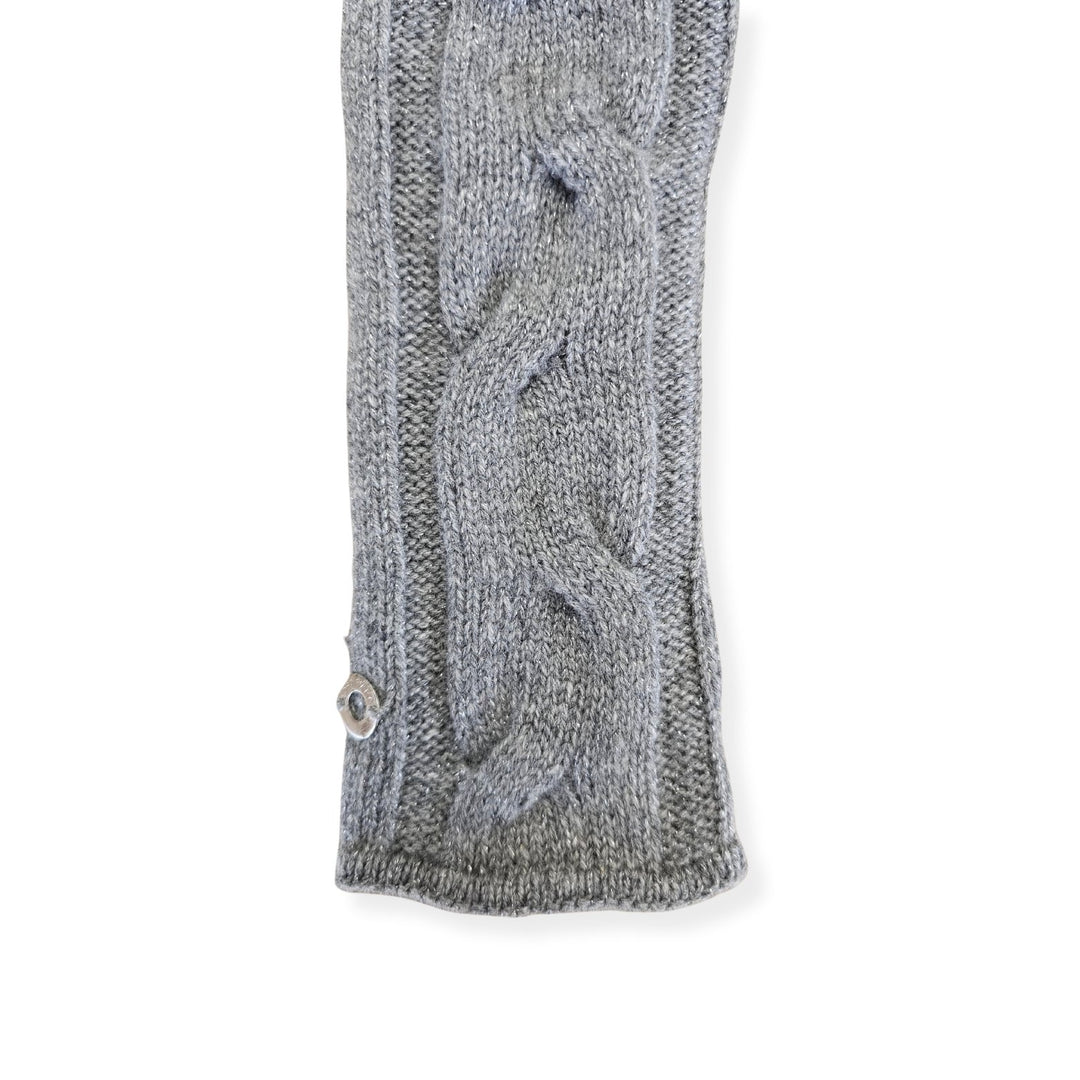
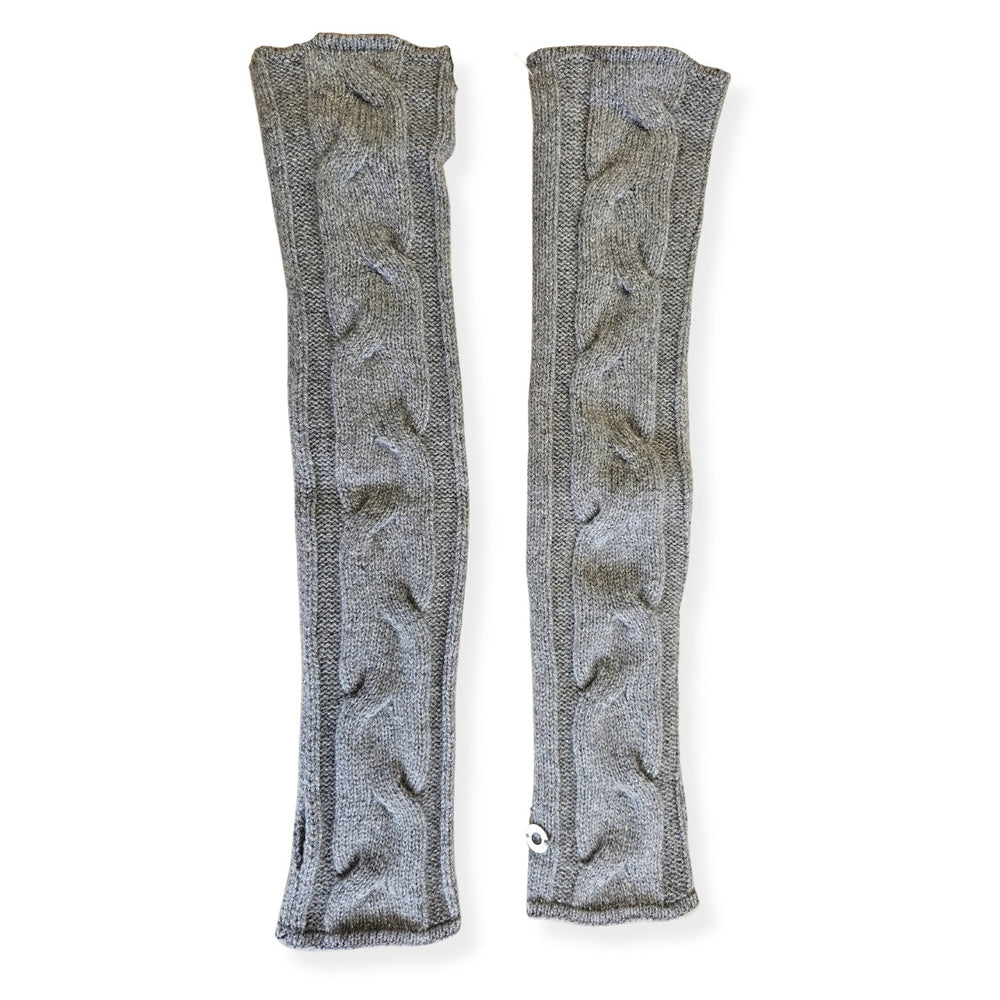


Designer Gloves On Sale - Italian Leather & Cashmere Gloves at Outlet Prices Up to 70% Off
Here's what most people eventually learn about designer gloves: cheap ones feel cheap immediately. The leather is stiff and plasticky rather than supple, and the lining pills after three wears. The sizing is random and inconsistent. The stitching fails within weeks. The fingers are too long or too short, creating bunching that makes fine motor tasks impossible. You end up with a drawer full of $25-50 gloves that crack, tear, lose shape, or feel uncomfortable enough that you stop wearing them, even when your hands are freezing or when professional occasions require elegant gloves as finishing touches to polished outfits.
But designer gloves at full retail? You're looking at $250-$800+ for Italian leather wrapped around your hands. These aren't just winter accessories—they're investment pieces in which leather quality, construction expertise, and proper fit transform functional necessity into a luxury experience. At retail prices, quality gloves remain aspirational purchases that most people defer indefinitely, settling for mediocre alternatives that frustrate more than they satisfy.
This is where outlet shopping completely transforms hand protection.
Designer gloves on sale at outlet prices—authentic Italian leather from heritage specialists and luxury fashion houses who've perfected glove-making over generations. We're talking $85-$350 at outlet sale pricing for gloves that retail $225-$750 in department stores and specialty boutiques. Same buttery Italian lambskin, same cashmere lining providing warmth without bulk, same expert hand-cutting and stitching, same proper sizing systems using actual hand measurements rather than random S/M/L guesses, same construction quality lasting 10-20+ years, becoming better with age as leather develops patina, same elegant finishing that signals sophistication and attention to detail, professional and social contexts notice and appreciate.
This is where Italian craftsmanship meets prices that won't require choosing between properly warm hands and paying rent. Designer gloves on sale at outlet prices that actually fit properly because sizing is precise engineering rather than approximate hoping, keep hands genuinely warm through cashmere lining and quality leather thickness, work for touchscreen devices (when specified) maintaining modern functionality, and make you feel polished rather than merely covered—that specific transformation from "wearing gloves" to "wearing quality gloves" that affects how you carry yourself and how others perceive your attention to detail in personal presentation.
You wear gloves during the coldest months, when first impressions are made before you remove your coat and reveal your outfit underneath. Gloves frame your face during initial greetings, accompany handshakes at professional meetings, and signal whether you invest in quality accessories or settle for whatever works. A pair of $180 Italian leather gloves with cashmere lining on sale at outlet prices, worn 100+ times over five winter seasons = $1.80 per wearing for genuine luxury that maintains appearance throughout ownership versus cheap gloves at $40 × 3 replacements (because they crack, tear, or lose lining) = $120 for continuously declining quality that looks progressively worse, fits inconsistently, and provides inadequate warmth requiring layering or suffering through cold weather anyway.
The math improves when you factor in longevity: quality Italian leather gloves at outlet prices, properly maintained with leather conditioning and careful storage, last 10-20+ years—not 10 20 wearings but literally decades. Your $180 investment can provide 300-500 wearings over extended ownership, at $0.36-0.60 per wearing, for Italian craftsmanship that actually improves with age as leather softens and conforms to your hands, unlike cheap alternatives that require complete replacement every 2-3 seasons because they don't withstand everyday use.
Designer gloves on sale at outlet prices aren't just about warmth (though cashmere-lined Italian leather absolutely provides that)—they're about experiencing proper fit that allows dexterity rather than forcing awkward movements, appreciating leather quality that breathes naturally preventing sweaty hands, maintaining professional polish through accessories signaling attention to detail, building wardrobe completeness with finishing touches that elevate entire outfits, and investing in pieces that genuinely last decades rather than seasons making cost-per-wearing dramatically favorable compared to constant replacement cycles with cheaper alternatives.
Everything here is 100% authentic with proper labels and materials. Fake designer gloves at any price are expensive mistakes: synthetic leather that cracks immediately, poor construction causing seam failures, a "cashmere" lining that's actually acrylic, pilling within days, and sizing that makes no sense because counterfeiters don't understand proper glove pattern-making. We source exclusively from authorized designer outlets, Italian leather goods specialists clearing seasonal inventory, authenticated estate sources with documentation, and documented luxury channels—real designer gloves with proper Italian leather, genuine cashmere linings, and expert construction at real outlet sale prices, never knockoffs with fake materials masquerading as luxury accessories.
Designer gloves on sale from outlets aren't lower quality or made-for-outlet versions. These are previous season colors (black Italian leather gloves from last year are identical to this year's black), end-of-season clearances (making room for next winter's collections), overstock in specific sizes (size eight often more available than 6.5 or 9), sample sale pieces (showroom samples in excellent condition), or authorized outlet business models. The Italian leather quality, cashmere lining authenticity, hand-cutting precision, and construction standards remain identical to full-price boutique pieces—you're just not paying the retail markup through smart outlet shopping channels, which understand luxury accessories' seasonal dynamics.
Whether you need classic leather gloves for professional elegance, cashmere-lined winter gloves providing genuine warmth, driving gloves combining style and functionality, touchscreen-compatible gloves maintaining modern convenience, men's designer gloves for polished masculine presentation, women's leather gloves as elegant finishing touches, or building complete glove collections at outlet sale prices covering casual through formal—this is where Italian leather craftsmanship becomes accessible without requiring months of saving, financial stress, or settling for synthetic alternatives that fail within weeks while never achieving the look, feel, or warmth quality gloves provide for hands deserving proper protection during cold weather and polished presentation during professional and social occasions.
The difference between designer gloves on sale at outlet prices and cheap alternatives isn't subtle—it's the difference between supple Italian lambskin that conforms to your hands versus stiff synthetic "leather" that cracks, between genuine cashmere lining providing warmth without bulk versus acrylic that pills and provides inadequate insulation, between proper sizing allowing dexterity versus random fits forcing awkward movements, between construction lasting decades versus seams failing after minimal wearing, between accessories enhancing professional appearance versus merely covering hands without style consideration. These differences fully justify outlet investment, making designer glove purchases at sale prices among the smartest accessory purchases you'll make. Pieces worn throughout winter seasons directly affect comfort, appearance, and professional presentation, and they last for years, making cost-per-wear extremely favorable.
Real Italian Leather. Real Cashmere Lining. Really On Sale at Outlet Prices.
Designer Gloves On Sale by Brand & Type:
Italian Leather Specialists Outlet ($85-$280 on sale)
Heritage craftsmanship. Generations of expertise. Authentic Italian leather at outlet prices.
On sale at outlets: Fratelli Orsini (Italian family business since 1946), Sermoneta (Roman glove specialists), Gaspar (French elegance), various Italian artisan brands
Retail pricing: $225-$650 typical
Outlet sale price: $85-$280
Savings: 50-65% off
Real talk: Italian leather specialists on sale at outlet prices deliver pure glove-making expertise—these companies focus exclusively on gloves, perfecting leather selection, hand-cutting, and construction over generations. The leather is genuinely superior (buttery lambskin, quality nappa, supple deerskin), the lining is real cashmere or silk, and sizing follows precise European measurements.
At outlet sale prices, Italian specialist gloves become accessible—same craftsmanship families have perfected over 50-100+ years, same materials boutique customers pay $400-650 for, just previous colors or seasonal clearances creating price opportunities.
Luxury Fashion House Gloves On Sale ($120-$350 outlet)
Designer prestige. Fashion house quality. Iconic brands at outlet pricing.
Outlet sale styles: Burberry check-lined gloves, Coach leather gloves, Kate Spade elegant styles, Michael Kors contemporary designs, various fashion house accessories
Boutique price: $295-$750
Designer outlet pricing: $120-$350
You save: 50-60% at outlets
Luxury fashion houses on sale deliver brand recognition plus quality leather—Burberry's signature check lining, Coach leather expertise, designer styling with proper construction. These aren't specialty glove-makers but luxury brands producing quality accessories at outlet prices, making designer presentation accessible.
Cashmere-Lined Gloves Outlet ($95-$295)
Ultimate warmth. Luxury softness. Italian leather with cashmere at outlet prices.
On sale at outlets: Cashmere-lined lambskin, nappa leather with cashmere interiors, various luxury combinations
Materials: Italian leather exteriors, genuine cashmere linings (not acrylic)
Warmth: Superior insulation without bulk
Retail: $250-$650
Outlet pricing: $95-$295
Cashmere-lined gloves on sale represent optimal winter luxury—Italian leather provides wind resistance and durability, cashmere lining delivers warmth without bulk, and the combination creates an elegant solution for severe cold at outlet prices, making premium warmth accessible.
Driving Gloves On Sale ($75-$220 outlet)
Sporty elegance. Enhanced grip. Classic style at outlet pricing.
Outlet sale styles: Perforated leather, knuckle holes, wrist snap closures, racing-inspired designs
Brands: Italian specialists, heritage brands at outlet prices
For: Driving enthusiasts, casual, elegant style, vintage aesthetic appreciation
Functionality: Enhanced grip, style statement
Driving gloves on sale deliver a distinctive aesthetic—perforated leather, exposed knuckles, and sporty elegance—working beyond the driving-as-actual-use into sophisticated styling at outlet prices.
Touchscreen-Compatible Gloves Outlet ($85-$240)
Modern functionality. Tech convenience. Italian leather with touchscreen capability at outlet prices.
On sale from outlets: Conductive fingertip leather, touchscreen-compatible construction, modern convenience in designer gloves
Technology: Special leather treatment or conductive thread allowing phone/device use
Styling: Looks identical to traditional gloves (no obvious tech elements)
Practicality: Use devices without removing gloves in cold weather
Touchscreen gloves on sale solve modern necessity—maintain Italian leather luxury while accommodating smartphone/device use at outlet pricing, making technological functionality affordable.
Men's Designer Gloves Outlet ($95-$320)
Masculine elegance. Professional polish. Quality leather at outlet prices.
On sale at outlets: Classic black leather, brown leather, various shades, cashmere-lined, unlined options, varying temperatures
Sizing: Men's sizing typically 8-11 (larger hand dimensions)
Styling: Conservative professional to contemporary casual
Linings: Cashmere for winter, silk for transitional seasons, unlined for driving/spring
Men's designer gloves on sale provide professional finishing—Italian leather signaling quality attention to detail, proper fit allowing business functionality, outlet prices making luxury accessories accessible for complete polished presentations.
Women's Designer Gloves On Sale ($85-$295 outlet)
Feminine elegance. Refined details. Italian leather at outlet pricing.
Outlet sale offerings: Classic lengths (wrist to mid-forearm), various colors (black, cognac, burgundy, seasonal shades), embellished and simple styles
Sizes: Women's typically 6.5-8.5 (smaller, more refined proportions)
Details: Decorative stitching, button closures, elegant design elements
Versatility: Professional, social, casual, elevated styling
Women's designer gloves on sale offer elegant finishing touches—refined proportions, beautiful leather, and attention to detail—that elevate outfits at outlet prices, making accessories that complete polished presentations accessible.
Why Outlet Designer Gloves Make Sense:
Italian Leather Quality That Improves With Age
Designer gloves on sale at outlet prices use genuine Italian leather—lambskin for buttery softness, nappa leather for smooth elegance, and deerskin for durability and suppleness. Quality leather doesn't just last; it improves with wear as oils from your hands condition it naturally, it conforms to your unique hand shape, and patina develops, adding character. Twenty-year-old Italian leather gloves look beautifully aged, not worn out—vintage elegance versus cheap gloves that look destroyed.
Proper Sizing Engineering Allowing Dexterity
Designer gloves at outlet sale prices use precise sizing systems—European measurements (6.5, 7, 7.5, 8, etc.) based on actual hand circumference, rather than random S/M/L sizing intended to fit everyone approximately. Proper sizing means fingers are the correct length (no bunching at the fingertips or pulling short), the thumb placement is accurate, and the palm fits without excess material or uncomfortable tightness. This precision allows normal hand function—typing, buttoning coats, handling keys—versus cheap gloves forcing awkward movements.
Genuine Cashmere Lining Providing Real Warmth
Quality cashmere lining in designer gloves at outlet prices provides a superior warmth-to-bulk ratio—cashmere insulates exceptionally well while remaining thin enough not to add excessive bulk that affects fit. Genuine cashmere feels soft against the skin, doesn't pill excessively with wear, and lasts for years while maintaining its insulating properties. Cheap "cashmere blend" or acrylic linings pill immediately, provide inadequate warmth, and feel scratchy rather than luxurious.
Expert Hand-Cutting and Construction Lasting Decades
Designer gloves on sale maintain construction standards—hand-cut patterns that follow the leather grain, expert stitching at stress points, proper reinforcement, and finishing details (bound seams, elegant thumb gussets, quality closures). This construction means gloves last 10-20+ years with appropriate care, whereas cheap alternatives with machine-cut, imprecise patterns, minimal stitching, and corners cut everywhere, fail within months.
Cost-Per-Wearing Value Over Decades
$180 Italian leather gloves at outlet sale price, worn 400 times over 15 years = $0.45 per wearing
$45 cheap gloves × 5 replacements over 15 years = $225 total for constantly declining quality + frustration
Outlet designer: better wear value, better warmth, better appearance, better longevity.
Understanding Outlet Glove Pricing:
Why Designer Gloves Go On Sale:
Previous season colors (black from last year, identical to this year's black). End-of-season clearances (spring clearance of winter gloves). Overstock in specific sizes (size eight is often more available than 6.5 or 9). Sample sale pieces (showroom samples in excellent condition). Color rotations (burgundy moving to outlets while new colors stay retail).
What You're Not Getting at Outlet Prices:
Inferior leather (nope, same Italian lambskin/nappa). Lower construction standards (identical hand-cutting and stitching). Fake cashmere (genuine cashmere in lined styles). Made-for-outlet quality (luxury gloves don't).
What You Are Getting On Sale:
100% authentic designer gloves. Italian leather and quality materials. Genuine cashmere linings. Expert construction and hand-cutting. Outlet pricing is 45-65% below retail.
Real Price Comparisons:
Italian lambskin cashmere-lined: $495 retail → $195 outlet = 61% savings
Burberry leather gloves: $395 boutique → $185 on sale = 53% off
Italian driving gloves: $325 retail → $145 outlet = 55% savings
Designer touchscreen gloves: $275 retail → $140 on sale = 49% off
Cashmere-lined nappa: $550 retail → $225 outlet = 59% savings
These are actual current retail prices verifiable at brand boutiques and specialty stores. Outlet pricing delivers genuine savings on authentic Italian leather gloves.
Sizing Guide (Critical for Proper Fit):
How to Measure for Gloves:
Hand circumference method (most accurate):
- Wrap measuring tape around the dominant hand at the widest part (across knuckles, excluding thumb)
- Note measurement in inches
- Convert to glove size using the chart below
Glove Size Conversion:
Women's Sizing:
- 6.5 inches = Size 6.5 (XS)
- 7 inches = Size 7 (S)
- 7.5 inches = Size 7.5 (M)
- 8 inches = Size 8 (L)
- 8.5 inches = Size 8.5 (XL)
Men's Sizing:
- 8 inches = Size 8 (S)
- 8.5 inches = Size 8.5 (M)
- 9 inches = Size 9 (L)
- 9.5 inches = Size 9.5 (XL)
- 10+ inches = Size 10-11 (XXL)
Finger length consideration:
Hand circumference determines size, but finger length affects fit. If you have long fingers relative to your palm width, consider sizing up half a size. Short fingers relative to the palm? Consider sizing down.
The "snug but not tight" principle:
Quality gloves should fit snugly when new—leather stretches slightly with wearing, conforming to the hands. Too loose initially results in a sloppy fit after stretching. Too tight = uncomfortable and restricts movement.
Leather Types & Quality:
Lambskin (Most Common in Luxury Gloves):
- Extremely soft, buttery texture
- Thinner leather allows dexterity
- Beautiful drape and fit
- Requires more careful maintenance
- Most elegant appearance
- Premium pricing even at outlets
Nappa Leather (Excellent All-Around):
- Smooth, soft, durable
- Good balance of elegance and practicality
- Takes well to various treatments
- Common quality found in outlet gloves
Deerskin (Most Durable):
- Extremely durable and long-lasting
- Natural oils resist water
- Thicker than lambskin but still supple
- Excellent for active use
- Slightly more casual appearance
Peccary Leather (Ultra-Luxury):
- Distinctive pore pattern
- Extremely durable and water-resistant
- Very expensive even at outlets ($350-600 on sale)
- Ultimate in glove leather quality
Lining Options:
Cashmere Lining (Winter Warmth):
- Superior insulation
- Soft against skin
- Thin despite warmth
- Most expensive lining
- Worth investing in for cold climates
Silk Lining (Transitional Seasons):
- Smooth, elegant
- Minimal insulation (spring/fall appropriate)
- Allows hands to breathe
- Luxury feel without excessive warmth
Rabbit Fur Lining (Maximum Warmth):
- Extremely warm
- Soft and cozy
- Adds bulk to fit
- Best for severe cold climates
Unlined (Driving/Summer):
- Maximum dexterity
- Breathable for warmer weather
- Driving gloves are typically unlined
- Spring/fall appropriate
Care & Maintenance:
Daily Care:
- Remove carefully (pull from fingertips, not wrist)
- Allow to air dry if damp (never heat)
- Store flat or with glove shapers, maintaining shape
- Keep away from direct sunlight and heat sources
Leather Conditioning:
- Condition 1-2 times per season
- Use quality leather conditioner (not random oils)
- Apply lightly, work into the leather
- Allows leather to remain supple
Cleaning:
- Professional leather cleaning for severe stains
- Spot clean minor issues with leather cleaner
- Never machine wash or submerge in water
- Address stains immediately, preventing them from setting
Storage:
- Store in breathable fabric bags (not plastic)
- Use glove shapers or stuff with tissue, maintaining shape
- A climate-controlled environment prevents mildew
- Cedar blocks prevent moths
Expected Lifespan:
Designer gloves on sale at outlet prices, with proper care: 10-20+ years, potentially 30+ years. Quality Italian leather and construction create heirloom pieces that last decades and improve with age, unlike cheap gloves that require replacement every 2-3 seasons.
Styling & Occasions:
Professional Business:
- Classic black or brown leather
- Conservative styling (no excessive details)
- Proper fit (no bunching or pulling)
- Cashmere-lined for winter commutes
Formal Events:
- Elegant, longer lengths for women (opera gloves for ultra-formal)
- Fine leather, refined details
- Neutral colors or evening-appropriate shades
- Remove for dining typically
Casual Elevated:
- Driving gloves aesthetic
- Cognac, tan, interesting colors
- Sporty details (perforations, snap closures)
- Touchscreen-compatible for convenience
Winter Utility:
- Cashmere-lined priority
- Durable leather (deerskin, nappa)
- Practical colors hide dirt
- Secure wrist closures prevent snow entry
Gift-Giving at Outlet Prices:
Designer gloves make exceptional gifts:
Universal appeal - Everyone needs quality gloves in cold climates
Outlet pricing - $120-250 feels generous without excessive
Practical luxury - Used regularly, justifying investment
Lasting quality - Decades of use from proper gloves
Professional appropriate - Works for business-focused gifts
Perfect for: Father's Day (Italian leather gloves for professional polish). Mother's Day (elegant leather gloves for refined style). Holidays (winter gloves, perfect seasonal timing). Milestone birthdays (quality accessories mark occasions). Promotions (professional elevation gifts).
Gift Tips: Measure hand circumference for proper sizing. Classic colors (black, brown) are the safest choices. Include a gift receipt for size exchanges. Cashmere-lined for cold climates. Tech users appreciate touchscreen compatibility.
When Cheap Gloves Actually Work:
Being honest: not every situation requires a designer at outlet prices.
Cheap works for children (they rapidly outgrow them), very high-loss-risk situations (skiing, where gloves are often lost), extreme sports (rock climbing, where gloves are usually destroyed), and trying new styles before investing in designer pieces.
Designer on sale makes sense for professional presentations, building a lasting wardrobe, daily winter wear (quality matters for constant use), meaningful gift-giving pieces, and caring about proper fit and comfort.
The Outlet Economics:
Designer gloves on sale at $180, worn 400 times over 15 years = $0.45 per wearing
Cheap gloves at $45 × 5 replacements = $225 total + constant fit issues + inadequate warmth + professional appearance compromised
Outlet designer: better wear-to-wear value, better warmth, better fit, professional appearance, and decades of service.
Authenticity Guaranteed:
Every designer glove on sale undergoes verification:
✓ Leather quality - Genuine Italian lambskin/nappa confirmed
✓ Brand labels - Proper designer tags authenticated
✓ Construction standards - Hand-cutting and expert stitching verified
✓ Lining materials - Cashmere/silk authenticity confirmed
✓ Outlet sourcing - Authorized channels documented
Real designer gloves. Real Italian leather. Real cashmere lining. Real outlet prices. Really authentic.
The Bottom Line:
Designer gloves on sale at outlet prices deliver:
- Authentic Italian leather (lambskin, nappa, deerskin) with expert craftsmanship
- 45-65% savings versus retail specialty store pricing
- Genuine cashmere lining provides superior warmth
- Proper sizing engineering allows normal dexterity
- Expert construction lasting 10-20+ years, improving with age
- Professional polish at accessible outlet pricing
You're not compromising on quality when it comes to outlet sales. You're avoiding the retail markup for identical Italian leather and construction. That's a wise accessory investment.
Whether you need classic leather gloves for professional elegance, cashmere-lined winter gloves for genuine warmth, driving gloves combining style and function, touchscreen-compatible gloves for modern convenience, or building complete glove collections at outlet sale prices—this is where Italian leather craftsmanship meets prices making luxury hand protection accessible for professionals, cold climate residents, and anyone valuing properly warm hands and polished appearance during winter months when quality accessories signal attention to detail that professional and social contexts notice and appreciate making designer gloves at outlet sale prices wise investment in comfort, appearance, and accessories lasting decades rather than seasons.
Browse Designer Gloves On Sale - Italian Leather & Cashmere at Outlet Prices
Italian leather specialists and luxury fashion houses. Authentic leather & cashmere gloves on sale at outlet prices. 55-75% off retail. Free shipping.
Getting designer glove sizing right when buying at outlet prices requires measuring hand circumference accurately (wrap measuring tape around dominant hand at widest part across knuckles excluding thumb, convert inches to European sizes), understanding that proper gloves should fit snugly when new because leather stretches 5-10% conforming to hands over first month of wearing, considering finger length proportions beyond just palm width, and recognizing that European numerical sizing (6.5, 7, 7.5, 8, etc.) provides precision impossible with generic S/M/L categories allowing proper fit enabling normal hand function versus cheap gloves forcing awkward movements, making measurement effort essential when buying designer gloves at outlet sale prices online without try-on opportunities protecting significant investments in Italian leather accessories.Here's the complete sizing guide for designer gloves at outlet prices:Why glove sizing matters more than other accessories:Gloves must allow precise hand function in ways other accessories don't: Finger dexterity (typing, buttoning, holding objects) Grip security (driving, carrying items) Tactile sensitivity (feeling through leather) Comfortable wearing for extended periods Poor fit destroys functionality: Too large: Excess material bunches at fingertips preventing fine motor control, gloves slip off easily, professional appearance compromised Too small: Restricts movement painfully, leather pulls creating stress points, seams fail prematurely from tension, impossible to wear comfortably Unlike scarves or hats where approximate sizing works, gloves require precision because hands perform complex tasks constantly making proper fit non-negotiable when investing in designer gloves at outlet prices.The hand circumference measurement method (most accurate):Measuring your dominant hand (right for most people): Use flexible measuring tape (fabric/plastic, not metal) Wrap around widest part of hand across knuckles (where fingers meet palm) Exclude thumb from measurement (thumb measured separately in pattern) Measure snugly but not tight (tape should touch skin without compressing) Note measurement in inches (easier converting to glove sizes) Example measurements converting to sizes:Women's measurements: 6.5 inches circumference = Size 6.5 (European) = XS (approximate) 7 inches = Size 7 = S 7.5 inches = Size 7.5 = M 8 inches = Size 8 = L 8.5 inches = Size 8.5 = XL Men's measurements: 8 inches circumference = Size 8 = S 8.5 inches = Size 8.5 = M 9 inches = Size 9 = L 9.5 inches = Size 9.5 = XL 10 inches = Size 10 = XXL 10.5+ inches = Size 10.5-11 = XXXL Critical note: These are starting points. Individual hand shape variations (long fingers, wide palms, thick/thin fingers) affect optimal sizing beyond circumference alone.The finger length consideration (often overlooked):Hand circumference determines base size, but finger length affects fit critically:Proportionally long fingers relative to palm: Base measurement might be 7.5 inches = Size 7.5 But long fingers mean Size 8 fits better (extra length in fingers) Fingertips shouldn't press against glove ends creating discomfort Proportionally short fingers relative to palm: Base measurement 7.5 inches = Size 7.5 But short fingers mean Size 7 might fit better (less excess at fingertips) Excess material bunches creating awkward appearance and reduced dexterity How to assess your proportions: Compare your hand to "average" proportions. Spread hand flat—do fingers seem notably long or short relative to palm width?
This subjective assessment guides sizing adjustments when buying designer gloves at outlet prices online.The "snug when new" principle (critical understanding):Quality leather gloves should feel snug—almost tight—when first trying on:Why snug fit is correct: Leather stretches 5-10% during first month wearing Stretching conforms leather to your unique hand shape Gloves fitting "just right" initially become loose after stretching Italian leather especially stretches (lambskin, nappa) Signs of proper initial fit: Slight resistance pulling gloves on Leather feels close to skin without painful tightness Fingertips reach glove ends without excess space Can make fist but feels snug doing so After 5 minutes wearing, hands feel comfortably snug not painfully tight Signs gloves are too small initially: Painful restriction preventing hand closure Leather pulling so tightly you feel circulation restriction Cannot make fist at all Fingertips compressed painfully Seams under obvious stress Signs gloves are too large initially: Excess leather at fingertips creating bunching Gloves slip off easily when pulling Loose material affecting grip and dexterity Can fit entire finger width between leather and skin When buying designer gloves at outlet prices, choose size feeling slightly snug—after 3-4 wearings, fit becomes perfect as leather stretches conforming to hands.The "order two sizes" strategy (smart for expensive outlets):When uncertain about sizing buying designer gloves at outlet sale prices online:Order your measured size AND half-size up: Measured 7.5 inches → Order Size 7.5 and Size 8 Try both at home with time to assess Wear each pair 15-20 minutes performing normal hand tasks Keep size feeling snug but not painful, return other Temporary higher cost protects $150-250 investment ensuring proper fit versus guessing wrong and owning gloves that don't work.Return policies critical when ordering designer gloves at outlets—verify 7-14 day returns minimum before purchasing.The leather type affects stretch:Different leathers stretch differently when buying at outlet prices:Lambskin (most stretch): Stretches 8-10% typically Size snugly initially Most forgiving for slight sizing errors Nappa leather (moderate stretch): Stretches 5-8% Size snugly but less dramatically than lambskin Good balance Deerskin (least stretch): Stretches 3-5% only Size closer to comfortable fit initially Less forgiving of sizing errors Check leather type in product descriptions at outlet sales adjusting sizing expectations accordingly.Why S/M/L sizing doesn't work for quality gloves:Generic sizing problems:"Small" might mean: Size 7 for one brand Size 6.5-7.5 range for another Completely inconsistent across brands "Medium" could be: Size 7.5 or Size 8 Or Size 7-8 range Varies dramatically This inconsistency makes S/M/L useless for proper fit when investing in designer gloves at outlet prices where precise sizing is available and necessary.European numerical sizing (6.5, 7, 7.5, etc.) provides precision: Consistent across brands (Size 7.5 is Size 7.5 regardless of maker) Based on actual hand measurements Half-size increments allow fine-tuning Professional glove-makers use this system exclusively The try-on-at-home testing protocol:When gloves arrive from outlets, test properly:Initial wearing (15-20 minutes): Perform normal hand tasks (typing, buttoning, holding objects) Make fists repeatedly Assess comfort level (snug versus painful) Check fingertip positioning (reaching ends without excess) Thumb assessment: Thumb should align with your natural thumb position No pulling or twisting Comfortable range of motion Seam inspection: No visible stress at seams Stitching not pulling Even tension across glove Photograph yourself: Camera reveals fit issues mirrors might miss Excess bunching becomes obvious in photos Share photos with experienced friend if uncertain The between-sizes dilemma:If you measure exactly between sizes (7.25 inches, for example):Consider these factors deciding whether to size up or down:Size down (7) if: Prefer snug fit Have proportionally short fingers Leather is lambskin (stretches more) Will wear frequently (stretches faster with use) Size up (7.5) if: Prefer comfortable fit Have proportionally long fingers Leather is deerskin (stretches less) Plan layering thin glove liners underneath for extreme cold Have arthritis or hand conditions (need more room) No universal rule exists—personal preference and hand characteristics determine optimal choice when buying designer gloves at outlet sale prices.Common sizing mistakes to avoid:Mistake 1: Ordering usual clothing size Your shirt size has zero relationship to glove size Always measure hands specifically Mistake 2: Assuming both hands identical Measure dominant hand (typically slightly larger) Size for larger hand Mistake 3: Ordering too large for "comfort" Loose gloves don't work properly Stretching means snug becomes comfortable Mistake 4: Ignoring finger length proportions Circumference alone insufficient Long/short fingers require sizing adjustments Mistake 5: Not checking return policies Sizing uncertainty requires return option Verify before ordering designer gloves at outlet prices The professional fitting advantage (when possible):If buying from physical outlet store or specialty shop:Professional fitters assess: Hand measurements accurately Finger length proportions Leather type stretch characteristics Proper fit demonstration Sizing between brands if comparing Worth visiting physical location before ordering online if significant designer glove outlet shopping planned—learn your proper sizing once, then order confidently online for future purchases.The seasonal consideration:Lined versus unlined affects sizing:Cashmere-lined gloves at outlet prices: Lining takes space inside glove May need to size up half-size versus unlined Check brand guidance (some account for lining, others don't) Unlined driving gloves on sale: More room inside Standard sizing typically works Some prefer sizing down for closest fit Verify lining type when measuring and ordering designer gloves at outlet sale prices.Bottom line on sizing: Measure hand circumference accurately (wrap tape around dominant hand at widest point across knuckles excluding thumb, convert inches to European sizes), understand proper designer gloves should fit snugly when new because quality leather stretches 5-10% conforming to hands over first month wearing making initial snug fit correct not concerning, consider finger length proportions beyond palm width (long fingers may need sizing up, short fingers sizing down), and order two sizes for home try-on when buying expensive designer gloves at outlet prices online ($150-250 investments) protecting purchases through return option keeping better-fitting size. European numerical sizing (6.5, 7, 7.5, etc.) provides precision impossible with S/M/L generic categories enabling proper fit allowing normal hand dexterity versus approximate sizing forcing awkward movements and professional appearance compromises. Different leathers stretch differently (lambskin 8-10%, nappa 5-8%, deerskin 3-5%) affecting how snugly to size initially.
Test gloves properly at home (wear 15-20 minutes performing normal tasks, assess comfort, check fingertip positioning, inspect seams for stress), and verify outlet return policies before ordering ensuring recourse if sizing doesn't work. Proper measurement and sizing effort protects designer glove investments at outlet sale prices ensuring Italian leather accessories actually serve hands properly for decades rather than sitting unworn because fit prevents comfortable functional wearing.
Designer leather gloves at outlet prices genuinely last 10-20+ years with proper care (conditioning 1-2 times per season with quality leather conditioner, proper storage flat or with glove shapers in breathable bags, protecting from heat and moisture) because Italian lambskin and nappa leather are naturally durable materials that improve with age developing beautiful patina as leather absorbs hand oils naturally conditioning material, with expert hand-cutting and stitching at stress points preventing seam failures, making longevity claims accurate not marketing hyperbole, though understanding realistic care requirements (approximately 30-45 minutes annually total maintenance) versus idealized "zero effort" fantasies ensures designer gloves purchased at outlet sale prices actually achieve decade-plus lifespans through basic but consistent maintenance protecting Italian leather investments.Here's the honest longevity and care reality for designer gloves at outlet prices:The Italian leather quality baseline:Why quality leather lasts decades at outlet sale prices:Lambskin (most common luxury glove leather): Full-grain leather (top layer with natural grain intact) Durable despite softness because fibers remain complete Natural oils in leather resist drying and cracking Improves with wearing as leather conforms and develops patina Properly maintained: 15-25+ years typical lifespan Nappa leather (excellent durability): Full-grain or top-grain leather with smooth finish Balanced softness and durability Takes conditioning well maintaining suppleness Properly cared for: 15-30+ years lifespan Deerskin (maximum durability): Extremely durable fiber structure Natural oils provide water resistance Thicker than lambskin but remains supple With care: 20-40+ years easily The construction quality factor:Expert hand-cutting and stitching in designer gloves at outlet prices:Why construction matters for longevity: Hand-cut patterns follow leather grain optimally (machine cutting ignores grain causing weak points) Reinforced stitching at stress points (finger joints, thumb gusset, wrist opening) Proper seam placement avoiding high-stress areas when possible Quality thread matching leather durability (cheap thread fails before leather) Italian specialists (Fratelli Orsini, Sermoneta, Gaspar) at outlet sale prices use techniques perfected over generations—these companies have made gloves for 50-100+ years, understanding precisely how to cut and construct for maximum longevity.The realistic care requirements (not zero, not excessive):Annual time investment: approximately 30-45 minutes total for leather conditioning, inspection, and proper storage—manageable commitment protecting significant outlet investment.Leather conditioning (15-20 minutes, 1-2 times per season):Why conditioning matters: Leather is skin—it dries out over time losing natural oils. Conditioning replaces oils keeping leather supple, preventing cracking, maintaining water resistance, and extending lifespan dramatically.How to condition designer gloves at outlet prices: Purchase quality leather conditioner ($12-25 for container lasting years)—brands like Leather Honey, Lexol, or luxury-specific conditioners Apply small amount to soft cloth (not directly on gloves) Work into leather gently covering all surfaces including between fingers Pay extra attention to stress points (finger joints, thumb area) Allow to absorb 15-30 minutes Buff gently with clean cloth removing excess Frequency: 1-2 times per winter season depending on wearing frequency and climate dryness. Heavy daily use or very dry climates = twice per season.
Occasional wearing or humid climates = once per season adequate.Storage practices (5 minutes per season, critical for longevity):Proper storage when not wearing:Daily storage (during winter season): Allow gloves to air dry if damp from snow/rain (never heat) Store flat on dresser or with glove shapers maintaining shape Keep away from direct sunlight (fades leather) Room temperature, normal humidity ideal Off-season storage (summer months): Clean gloves before storing (remove dirt, oils, stains) Condition leather before long-term storage Store in breathable fabric bags (cotton, linen) NOT plastic (traps moisture causing mildew) Use glove shapers or stuff fingertips with acid-free tissue maintaining shape Add cedar blocks or lavender sachets preventing moths Climate-controlled environment (avoid hot attics or damp basements) Storage mistakes killing leather prematurely: Plastic bags (moisture trapped causes mildew) Direct sunlight exposure (fades and dries leather) Crumpled storage (creates permanent creases) Hot environments (dries leather causing cracking) No moth protection (holes destroy gloves) Proper 5-minute storage setup protects designer gloves at outlet prices through 6-month off-seasons preventing damage.Cleaning requirements (minimal with proper wearing habits):Preventive cleaning (easiest approach): Avoid wearing when hands are dirty/greasy Remove gloves before eating (prevents food stains) Address spills/stains immediately (easier when fresh) Gentle brushing removes surface dirt weekly Stain treatment when necessary: Leather-specific cleaner for serious stains Professional leather cleaning for valuable gloves ($25-50 typically) Never machine wash or submerge in water Never use harsh chemicals (rubbing alcohol, acetone, etc.) Most designer gloves at outlet prices require professional cleaning only once every 3-5 years with normal wear and preventive care—minimal expense spread over years of use.The lifespan timeline (realistic expectations):Years 1-5 (Breaking in and prime performance): Gloves feel stiff initially (normal) Leather softens and conforms to hands (months 1-3) Peak comfort achieved (months 4-12) Years 2-5: prime performance with minimal visible wear Maintenance: Basic conditioning 1-2 times annually Years 6-10 (Mature beauty phase): Leather develops patina (darkening, character lines) Fit is perfect (completely conformed to hands) Softness peaks while durability remains excellent Gloves look distinguished, not worn Maintenance: Conditioning 2 times annually, possible professional cleaning once Years 11-15 (Extended service): Patina deepens (beautiful aged leather appearance) Minor signs of wear acceptable (not damage, just age) Functionality remains excellent Professional assessment whether conditioning more frequent or restoration beneficial Maintenance: Conditioning 2-3 times annually Years 16-20+ (Veteran status, potentially heirloom): Significant patina, obvious age (positively if well-maintained) May show thinning at high-stress points Functionality good though not like-new Decision point: continue using as "vintage luxury" or retire as display pieces Maintenance: Conditioning 3 times annually, possible professional restoration extending life further Comparison to cheap gloves:Cheap "leather" gloves ($30-60): Years 1-2: Acceptable appearance but mediocre fit and warmth Year 2-3: Cracking appears, lining fails, seams separate Year 3-4: Relegated to "rough use" or discarded entirely Total lifespan: 2-4 years maximum Maintenance: Usually beyond help, not worth conditioning The cost-per-year comparison:Designer gloves at outlet price: $180 ÷ 15 years average lifespan = $12 per yearCheap gloves: $45 × 5 replacements over 15 years = $225 ÷ 15 years = $15 per year + constant frustration with qualityIncluding maintenance costs:Designer: $180 purchase + $40 leather conditioner (lasts 5+ years) + $35 professional cleaning (once in 15 years) = $255 ÷ 15 years = $17 per yearStill competitive with cheap alternatives while delivering dramatically superior quality, fit, warmth, and professional appearance throughout ownership.How leather improves with age (not deteriorates):The patina development (desirable aging):Quality Italian leather at outlet prices develops patina through: Natural oils from hands conditioning leather gradually Environmental exposure creating color depth Wear patterns highlighting hand shape uniquely Overall darkening and richening of color This patina is desirable—vintage leather gloves with beautiful patina command premium prices in estate markets because aged leather has character and beauty machine-new leather lacks.Cheap leather deteriorates (not develops patina): Cracking from poor quality materials Color loss and fading Stiffening from inadequate initial quality Simply looks worse with age, not distinguished The quality difference shows dramatically after 10 years—designer gloves at outlet prices look beautifully aged with character, cheap gloves look destroyed requiring replacement.When professional restoration makes sense:After 10-15 years of heavy wearing:Professional leather specialists can: Deep clean leather removing accumulated oils/dirt ($50-100) Restore color if faded significantly ($75-150) Repair minor seam issues before they become major ($30-80 per repair) Reline gloves if lining worn but leather excellent ($100-200) When restoration worth investment: High-quality Italian leather in fundamentally good condition Sentimental value (gift from loved one, worn through important life events) Designer brand adding restoration value (Hermès gloves worth restoring) Cost of restoration significantly less than replacing with equivalent new gloves at outlet prices When not worth restoring: Leather genuinely deteriorated (not just aged) Multiple major repairs needed simultaneously Restoration cost approaches replacement cost No sentimental attachment justifying expense The everyday wear reality:Designer gloves at outlet prices handle normal daily use: Commuting in cold weather Winter walking and outdoor activities Professional wearing (removing/wearing multiple times daily) Driving with leather gloves (designed for this) Occasional moisture exposure (light snow, brief rain) What accelerates wear requiring more care: Extended water exposure (soaking gloves repeatedly) Extreme temperature cycling (very hot to very cold repeatedly) Rough activities (construction work, rock climbing—use cheap gloves) Never conditioning (drying and cracking inevitable) Poor storage causing mildew or moth damage Bottom line on longevity: Designer leather gloves at outlet prices genuinely last 10-20+ years (often 15-25+ years) with basic maintenance (leather conditioning 1-2 times per season = 15-20 minutes effort, proper storage in breathable bags with glove shapers = 5 minutes setup, occasional spot cleaning or rare professional cleaning = minimal) because Italian lambskin and nappa leather are inherently durable materials improving with age developing beautiful patina as leather absorbs natural hand oils and environmental exposure adds character, with expert hand-cutting and reinforced stitching preventing premature seam failures distinguishing designer construction from cheap alternatives. Cost-per-year reality: $180 outlet gloves ÷ 15 years = $12 annually for superior quality versus cheap gloves $45 × 5 replacements = $15 annually for continuously mediocre quality. Annual maintenance time investment approximately 30-45 minutes total protecting significant outlet purchase—manageable commitment not excessive burden.
Quality leather improves not deteriorates with proper age—15-year-old designer gloves with patina look distinguished and valuable, cheap gloves look destroyed requiring replacement. Professional restoration ($150-300) can extend life further after 10-15 years if leather remains fundamentally sound making designer gloves at outlet sale prices potentially 20-30+ year investments becoming heirloom accessories passed to next generation versus disposable cheap alternatives requiring constant replacement cycle with associated frustration, expense, and never achieving proper fit, warmth, or professional appearance quality leather provides throughout decades of service.
Genuine cashmere lining in designer gloves at outlet prices feels distinctly softer than synthetics with slight fuzzy texture versus smooth plastic-like synthetic feel, provides superior warmth-to-bulk ratio (exceptional insulation while remaining thin maintaining proper fit), resists pilling better than acrylic despite reputation (quality cashmere pills minimally with gentle use), costs $50-150 more than synthetic-lined equivalents at outlets creating reliable price indicator, and genuinely matters for warmth because cashmere insulates dramatically better per thickness unit than acrylic or polyester allowing gloves to be warmer without adding bulk affecting fit and dexterity, making cashmere verification important when investing in lined designer gloves at outlet sale prices ensuring premium paid delivers actual premium materials not misleading "cashmere blend" containing minimal cashmere percentage with majority synthetic fibers.Here's the complete guide to cashmere verification in designer gloves at outlet prices:The genuine cashmere characteristics:How real cashmere feels:Texture test: Extremely soft, almost silky smoothness Slight fuzzy texture (individual fibers feel delicate) Warm to touch immediately (natural insulation) Luxurious drape and movement Consistent softness throughout (no rough patches) Synthetic "cashmere" problems: Smoother, plastic-like feel Less natural warmth to touch Slightly scratchy undertone (though manufacturers work to disguise this) Less luxurious drape Sometimes inconsistent texture The touch test isn't foolproof (high-quality synthetics mimic cashmere increasingly well), but genuine cashmere has distinctive softness experienced buyers recognize immediately when buying designer gloves at outlet prices.The warmth-to-bulk ratio (cashmere's primary advantage):Why cashmere lining matters for gloves specifically:Glove fit is critical (unlike sweaters where bulk less problematic): Too much lining bulk makes gloves too large Proper fit requires thin linings Must balance warmth with maintaining correct sizing Cashmere provides exceptional warmth per thickness: Approximately 8 times warmer than wool per equal weight 3-4 times warmer than acrylic per equal thickness Allows thin lining providing substantial warmth Maintains proper glove fit while adding insulation Synthetic lining problems: Requires more bulk achieving equivalent warmth Added bulk affects fit (may need sizing up) Or provides inadequate warmth if kept thin Compromise between fit and warmth inevitable Designer gloves with genuine cashmere at outlet prices solve this through superior material—thin lining provides genuine warmth without fit compromise.The pilling reality (surprising truth):Common misconception: cashmere pills excessivelyReality: Quality cashmere (long fibers, tight knit) pills minimally Cheap cashmere (short fibers, loose knit) pills heavily Acrylic synthetic pills extremely easily despite marketing claims Cashmere blend (mostly synthetic) pills like pure synthetic Designer gloves at outlet prices use quality cashmere: Long-fiber cashmere from reputable sources Properly knitted linings reducing pilling Pills minimally even with regular wearing Any pilling appears first month then stabilizes Signs of synthetic masquerading as cashmere: Excessive pilling after 3-5 wearings Pills continue forming constantly (never stabilizes) Pilling feels hard and plastic-like (not soft) The price indicator (reliable verification method):Genuine cashmere costs significantly more:Designer gloves at outlet prices: Unlined leather gloves: $75-150 outlet Synthetic-lined leather gloves: $85-180 outlet Cashmere-lined leather gloves: $135-295 outlet The $50-100+ premium for cashmere lining is real material cost difference at outlet sale prices. If gloves claiming "cashmere lining" are priced at synthetic-lined levels, question whether cashmere is genuine or misleading "cashmere blend" with minimal actual cashmere.The label reading (critical verification):Fiber content labels required by law:Genuine cashmere states: "100% Cashmere" lining "Cashmere" without qualification Specific percentages if blend: "80% Cashmere, 20% Silk" Misleading synthetic labels: "Cashmere feel" (no actual cashmere, just soft synthetic) "Cashmere blend" with no percentage stated (could be 5% cashmere, 95% acrylic) "Cashmere-like softness" (marketing language, not material claim) Missing fiber content label entirely (suspicious) Check fiber content tags carefully when buying designer gloves at outlet prices—legitimate cashmere must be stated clearly not vaguely implied through marketing language.The warmth comparison (practical temperature testing):How much warmer is genuine cashmere lining at outlet prices?Practical temperature ranges:Unlined leather gloves: Comfortable: 45-55°F (7-13°C) Tolerable: 40-60°F (4-16°C) Purpose: Spring/fall, mild winter days, driving Synthetic-lined leather gloves: Comfortable: 30-45°F (-1 to 7°C) Tolerable: 25-50°F (-4 to 10°C) Purpose: Moderate winter conditions Cashmere-lined leather gloves: Comfortable: 15-35°F (-9 to 2°C) Tolerable: 10-45°F (-12 to 7°C) Purpose: Serious winter conditions, extended outdoor exposure The 15-20°F temperature advantage of genuine cashmere over synthetic justifies the $50-100 premium at outlet prices for people in genuinely cold climates or extended outdoor exposure.When cashmere lining worth the premium:Invest in cashmere-lined designer gloves at outlet prices when:Cold climate necessity: Live in regions with regular sub-freezing winters Extended outdoor commutes or activities Professional requirement to look polished despite cold (removing gloves not always option) Value warmth without bulky ski gloves Lifestyle appropriateness: Outdoor enthusiasts needing elegant but warm gloves Walking commutes in cold cities Attending outdoor winter events (sports games, markets, etc.) Long-term value: Plan to own gloves 10-15+ years (cashmere investment amortizes) Appreciate luxury materials Proper maintenance committed (protecting cashmere) When synthetic lining adequate:Save money with synthetic-lined designer gloves at outlet prices when:Moderate climate: Live where winter rarely below 30°F (-1°C) Indoor-focused lifestyle (car to building transitions) Short outdoor exposure periods Budget constraints: $85-150 budget versus $180-250 for cashmere Other priorities for savings First quality glove purchase (test leather quality before cashmere investment) Active use concerns: High-risk activities where gloves might get damaged/lost Multiple pairs strategy (several synthetic-lined versus one cashmere) The cashmere blend confusion (marketing deception):"Cashmere blend" requires scrutiny:Legitimate cashmere blends in designer gloves at outlet prices: "70% Cashmere, 30% Silk" (cashmere majority, silk adds durability) "80% Cashmere, 20% Wool" (mostly cashmere with wool reinforcement) Specific percentages stated clearly These blends work well maintaining most cashmere benefits while adding durability or reducing cost slightly.Deceptive "cashmere blends": "Cashmere blend" with no percentage (could be 10% cashmere, 90% acrylic) "Contains cashmere" (minimal amount, majority synthetic) No fiber content label (avoiding disclosure) If percentage isn't stated clearly, assume minimal cashmere and price accordingly when evaluating designer gloves at outlet sale prices.The care requirements difference:Cashmere requires more careful maintenance:Cashmere-lined gloves: Must be dry cleaned professionally (never wash) Store with moth protection (cashmere attractive to moths) More delicate handling required Professional cleaning cost: $20-35 per cleaning Synthetic-lined gloves: More forgiving (though leather still requires care) Less moth concern (synthetics unappetizing to moths) Still dry clean recommended but less critical Lower cleaning costs typically The care difference adds lifetime cost when buying cashmere-lined designer gloves at outlet prices—factor this into value calculation alongside purchase premium.The longevity comparison:With proper care, both last equivalently long:Cashmere lining lifespan: 10-20+ years (same as leather exterior) Synthetic lining lifespan: 10-20+ years (synthetics don't deteriorate if quality)Lifespan isn't differentiator—both materials last if gloves overall are quality. The difference is wearing experience (warmth, softness, luxury feel) not longevity.The resale value consideration:Cashmere-lined designer gloves maintain better resale value:Estate/secondhand market: Cashmere-lined gloves command 50-60% of original price Synthetic-lined gloves get 35-45% of original price Cashmere premium persists in resale market When selling designer gloves after years of ownership, cashmere lining adds $20-40 to resale value—partial recovery of initial premium paid at outlets.The honest assessment (when cashmere matters versus hype):Cashmere genuinely superior for: Warmth-to-bulk ratio (critical in gloves) Softness and luxury feel Cold climate performance Resale value retention Cashmere overrated for: Mild climates (unnecessary warmth level) Short outdoor exposure (synthetic adequate) Budget shoppers (synthetic 80% as good at 60% the price) The decision depends on your actual needs when buying designer gloves at outlet prices—cold climate residents benefit tremendously from cashmere investment, moderate climate residents find synthetic performs adequately at meaningful savings.Bottom line on cashmere verification: Genuine cashmere lining in designer gloves at outlet prices feels distinctly softer with slight fuzzy texture versus synthetic's smooth plastic-like feel, provides superior warmth-to-bulk ratio enabling thin linings that maintain proper fit while delivering exceptional insulation (15-20°F warmer than synthetic equivalents), costs $50-150 more than synthetic-lined gloves creating reliable price indicator (suspiciously cheap "cashmere" likely isn't), and genuinely matters for warmth if you face serious cold weather (sub-freezing temperatures regularly) or extended outdoor exposure requiring elegant gloves not bulky ski gloves.
Verify through fiber content labels (must state "100% Cashmere" or specific blend percentages clearly, not vague "cashmere feel" marketing language), price reality check (genuine cashmere adds $50-100+ to outlet prices reflecting real material costs), and touch comparison (genuine cashmere distinctly softer though high-quality synthetics mimic increasingly well). Cashmere investment justified for cold climates, extended outdoor exposure, and long-term ownership (10-15+ years amortizing premium), while synthetic-lined designer gloves at outlet prices serve adequately for moderate climates, short exposure periods, or budget priorities making quality Italian leather accessible without cashmere premium. Both last equivalently long (10-20+ years with care) but cashmere provides superior wearing experience throughout ownership justifying premium for those whose climate and lifestyle warrant exceptional warmth in elegant thin lining maintaining proper glove fit and dexterity.
Touchscreen-compatible designer gloves at outlet prices work reliably for basic smartphone functions (scrolling, tapping, swiping) when technology is properly implemented through conductive leather treatment or silver-thread fingertips, though functionality varies by quality (premium gloves respond consistently, cheaper implementations work intermittently), screen sensitivity settings affect performance (increasing touchscreen sensitivity improves glove response), and complex tasks (precise typing, detailed photo editing) remain challenging requiring glove removal, making touchscreen gloves genuine convenience improvement for frequent phone checking in cold weather versus complete solution eliminating all need for glove removal, with technology adding $20-60 to outlet prices creating decision whether modern convenience justifies premium when buying designer leather gloves.Here's the complete touchscreen functionality guide for designer gloves at outlet prices:The technology behind touchscreen compatibility:How touchscreen gloves work:Capacitive touchscreen basics: Modern phone screens detect electrical charge from fingertips (not pressure). Regular leather is insulator blocking this charge transmission, preventing screen response.Touchscreen glove solutions:Method 1: Conductive leather treatment Special tanning process makes leather slightly conductive Entire glove can interact with screens (any finger works) More expensive technology Most seamless appearance (looks identical to regular gloves) Quality implementation: works very reliably Cheap implementation: works inconsistently Method 2: Conductive thread fingertips Silver or copper threads woven into fingertips Only treated fingertips work (typically thumb, index, middle) Less expensive technology Sometimes visible (metallic thread appearance) Usually works reliably regardless of quality More durable (thread doesn't wear off like treatment) Designer gloves at outlet prices typically use one of these methods—check product descriptions specifying which technology and how many fingertips are conductive.The functionality reality (what actually works):Basic functions that work well with touchscreen gloves:Reliably functional: Scrolling through social media, news, emails Tapping app icons to open Swiping between screens Answering/ending phone calls (swipe gestures) Basic navigation in maps Single-tap photography (taking photos) These common phone uses work consistently with quality touchscreen-compatible designer gloves at outlet prices—the primary use case (checking phone without removing gloves in cold) is genuinely solved.Challenging functions requiring more precision:Difficult with gloves on: Typing messages accurately (autocorrect helps but errors frequent) Precise selection of small interface elements Detailed photo editing or drawing Gaming requiring precise timing/positioning Password entry (especially complex) Very small text selection For these tasks, removing gloves remains easier than struggling through gloves. Touchscreen compatibility helps with quick checks and basic navigation, not extended phone sessions requiring precision.The quality variation (why some work better):Premium touchscreen gloves at outlet prices ($140-240): Reliable consistent response Multiple fingertips functional (often all 10 fingers) Conductive treatment throughout glove in better versions Works across different phone brands and models Sensitivity maintained through normal wear Budget touchscreen gloves at outlets ($85-120): More variable response (sometimes works perfectly, sometimes requires multiple taps) Often only 2-3 fingertips functional (thumb and index typically) Conductive thread method more common (cheaper implementation) May work better with some phones than others Functionality can degrade faster with heavy use The price difference reflects technology quality when buying touchscreen-compatible designer gloves at outlet sale prices—premium implementations work substantially more reliably.The screen sensitivity adjustment (critical for performance):Most people don't realize screens have adjustable sensitivity:iPhone users: Settings → Accessibility → Touch → "increase touch sensitivity" or use with specific case types (iPhones generally less adjustable than Android)Android users: Settings → Display → "increase touch sensitivity" or "glove mode" (Many Android phones have specific glove-friendly modes)Enabling increased screen sensitivity dramatically improves touchscreen glove functionality—gloves that barely work become reliable, and reliable gloves become excellent.Before concluding touchscreen gloves don't work, adjust phone settings maximizing sensitivity when using designer gloves at outlet prices.The weather and moisture factor:Performance affected by conditions:Dry cold weather (optimal): Touchscreen gloves work best Dry leather conducts most reliably Consistent performance Wet/snowy conditions (problematic): Moisture on screen interferes with touch recognition Wet gloves conduct differently (often worse) May need to wipe screen dry regardless of glove quality Functionality degrades until screen dried Touchscreen compatibility doesn't solve wet-screen issues—moisture remains problematic requiring screen wiping with or without gloves.The practical usage pattern (real-world experience):How touchscreen gloves actually get used:Frequent phone checkers: Check notifications: works great (quick tap or swipe) Read message previews: works perfectly (scrolling) Quick responses: challenging (typing errors frequent) Navigation checks: works well (map scrolling, zooming) Heavy phone users: Extended typing: still remove gloves (too frustrating through gloves) Social media browsing: works excellently (primary benefit) Photography: basic works, detailed editing requires removal Gaming: generally remove gloves (precision required) The pattern: Touchscreen gloves solve 60-70% of cold-weather phone frustration (quick checks, basic navigation, casual scrolling) but don't eliminate 100% of need for glove removal during extended phone sessions requiring precision.The "which fingertips" consideration:Conductive fingertip placement varies:Minimal implementation (budget gloves): Thumb and index finger only Works for most basic tapping and scrolling Limits two-handed phone use somewhat Standard implementation (mid-range): Thumb, index, and middle finger Covers most natural phone holding positions Sufficient for typical use Full implementation (premium): All fingertips functional Maximum flexibility in how you hold phone Best for varied usage patterns Check product specifications when buying touchscreen-compatible designer gloves at outlet prices—how many fingertips are treated affects functionality significantly.The durability question (does it stop working?):Conductive treatment longevity:Quality implementations: Functionality maintained through normal wear May degrade slightly after 3-5 years heavy use Still functional just sometimes requires firmer taps Designer gloves at outlet prices typically use quality treatment Cheap implementations: Can degrade within single season Stops working after 20-30 wearings sometimes Not worth repair (cost prohibitive) Conductive thread implementations: Very durable (thread doesn't "wear off") Functionality consistent throughout glove life May outlast leather itself Thread method often more durable than treatment method, though treatment looks more seamless aesthetically.The price premium question (is it worth it?):Touchscreen-compatible designer gloves at outlet prices:Additional cost: $20-60 more than identical non-touchscreen glovesValue analysis:Worth premium if you: Check phone frequently in cold weather Walk commute requiring navigation apps Must respond to messages while outside Value convenience highly Plan long-term ownership (amortizing premium over years) Not worth premium if you: Rarely use phone outdoors in cold Don't mind removing gloves briefly Budget constraints prioritize other features Primarily indoor lifestyle (car to building) The convenience factor is personal when buying designer gloves at outlet sale prices—frequent phone users find touchscreen compatibility transformative, occasional users find it nice but unnecessary.The alternative strategies (non-touchscreen gloves):If buying non-touchscreen designer gloves at outlet prices:Coping strategies: Use voice commands (Siri, Google Assistant) for basic tasks Get phone glove clips (holds phone, operates single-handed more easily) Accept brief glove removal for phone use (traditional approach) Get inexpensive touchscreen liner gloves ($10-20) wearing under designer gloves (adds bulk but enables touchscreen) Non-touchscreen gloves remain completely functional—touchscreen compatibility is convenience enhancement, not essential feature.The washing/care consideration:Touchscreen functionality affected by care:Conductive treatment: Damaged by improper cleaning Requires professional dry cleaning Harsh chemicals can destroy conductivity Follow care instructions precisely Conductive thread: More resilient to cleaning Still requires proper leather care Thread itself not damaged by dry cleaning Improper care can destroy touchscreen functionality even if leather remains fine when buying designer gloves at outlet prices—factor this into decision and commit to proper maintenance.The brand reliability (which designers do it well):Brands consistently getting touchscreen right:Italian specialists: Often use conductive leather treatment (premium method) Reliable implementation in outlet pieces All fingertips typically functional Luxury fashion houses: Variable (some excellent, some mediocre) Check reviews specifically for touchscreen functionality Price doesn't always guarantee quality implementation Tech-focused brands: Sometimes partner with glove makers Usually reliable functionality May sacrifice some aesthetic elegance Research specific model reviews before buying touchscreen designer gloves at outlet prices—brand reputation doesn't guarantee specific model performance.Bottom line on touchscreen functionality: Touchscreen-compatible designer gloves at outlet prices work reliably for basic smartphone functions (scrolling, tapping, swiping, answering calls) when quality implementation uses conductive leather treatment or silver-thread fingertips, solving 60-70% of cold-weather phone frustration through enabling quick checks, notifications, navigation, and casual browsing without glove removal, though complex tasks (accurate typing, detailed photo editing, precise gaming) remain challenging requiring gloves off.
Functionality varies by quality—premium implementations ($140-240 outlet) respond consistently across all fingertips, budget versions ($85-120) work intermittently with only 2-3 fingertips treated. Increase phone screen sensitivity settings dramatically improving performance (many users don't realize screens adjustable). Technology adds $20-60 to outlet prices—worth premium for frequent outdoor phone users, unnecessary for occasional users accepting brief glove removal.
Conductive thread fingertips more durable than conductive leather treatment though less seamless aesthetically. Moisture degrades performance (wet screens problematic regardless of glove quality). Touchscreen compatibility is genuine convenience improvement not complete solution—traditional glove removal still necessary for extended phone sessions requiring precision making touchscreen feature helpful enhancement rather than transformative necessity when buying designer leather gloves at outlet sale prices.
Men's and women's designer gloves at outlet prices differ fundamentally in proportions beyond just sizing numbers—men's gloves pattern for larger overall dimensions (size 8 men's has wider palm, longer fingers, thicker proportions than size 8 women's) with straighter fingers and wider palms reflecting typical male hand anatomy, while women's gloves use more refined proportions (narrower palms, more tapered fingers, slightly shorter overall lengths relative to circumference) affecting fit critically even when size numbers match, with styling differences (men's typically conservative blacks/browns, women's access varied colors and decorative details) and length variations (women's gloves sometimes extend higher on forearm for elegant coverage), making gender-specific purchasing essential when buying designer gloves at outlet sale prices, while gift-giving requires measuring recipient's hand circumference discreetly (checking existing gloves or measuring while sleeping), choosing safe classic styles (black leather cashmere-lined for cold climates, elegant but conservative designs), sizing up when uncertain (slightly large better than too small), and including gift receipts enabling size exchanges protecting generous investments in Italian leather accessories. Here's the complete guide to men's versus women's gloves and gift-giving at outlet prices: The proportional differences (beyond size numbers): Why men's size 8 ≠ women's size 8: Men's size 8 glove dimensions: Palm width: approximately 3.5-3.75 inches Middle finger length: approximately 3.5 inches Overall proportion: straighter fingers, wider palm relative to length Thumb position: set wider accommodating typical male hand anatomy Thickness: patterns assume slightly thicker hands overall Women's size 8 glove dimensions: Palm width: approximately 3.25-3.5 inches (narrower than men's 8) Middle finger length: approximately 3.25 inches (slightly shorter) Overall proportion: more tapered fingers, narrower palm relative to length Thumb position: set closer for typical female hand anatomy Thickness: patterns assume slightly thinner, more refined proportions A man with 8-inch hand circumference needs men's size 8—women's size 8 will be too narrow in palm, fingers won't align properly, thumb placement feels wrong. A woman with 8-inch hand circumference needs women's size 8—men's size 8 will feel loose in palm, fingers too straight (not tapered enough), thumb position off.
This is why asking "What size gloves do you wear?" insufficient for gifting—must also know whether person typically buys men's or women's gloves. The styling differences (aesthetic variations): Men's designer gloves at outlet prices: Color options: Black (most common, universally professional) Brown (various shades: cognac, chocolate, tan) Navy (occasional, conservative alternative) Gray (rare, contemporary option) Dramatic colors, patterns, or decorative elements rare in men's designer gloves—masculine aesthetic emphasizes restraint, quality materials, and conservative elegance. Construction details: Clean lines without decorative stitching Minimal embellishment Functional closures (snaps, buttons) without ornamental aspects Understated branding (if any) Women's designer gloves at outlet prices: Color options: All classic colors (black, brown, navy, gray) PLUS burgundy, wine, forest green, camel AND seasonal colors (cognac, taupe, rich jewel tones) Occasional patterns (subtle prints, two-tone designs) Women's gloves access broader color palette at outlet sale prices making coordination with outfits and personal style preferences easier.
Construction details: Decorative stitching (contrast thread, elegant patterns) Button closures with aesthetic design Occasional embellishments (bows, subtle hardware) Embroidered details or branding Textural elements (knit cuffs, mixed materials) The length variations (coverage differences): Standard glove lengths (both genders): Most designer gloves at outlet prices end at wrist or 1-2 inches above wrist—standard contemporary length. Extended lengths (women's primarily): Women's designer gloves sometimes offer: Mid-forearm length (4-6 inches above wrist) Opera length (reaching elbow—very formal occasions) Elegant coverage with coats and jackets Formal event appropriateness Men's gloves rarely extend beyond wrist significantly—masculine aesthetic prefers standard length except specialized contexts (extreme cold utility gloves, which aren't designer category). The professional context differences: Men's professional gloves at outlet prices: Conservative industries expectation: Black or brown leather only Cashmere-lined for winter warmth Clean, refined appearance No decorative elements Standard wrist length Women's professional gloves at outlet prices: More flexibility while remaining appropriate: Neutral colors (black, brown, navy, gray) safest Decorative stitching acceptable Elegant details appropriate Slightly extended lengths work professionally Quality matters more than rigid color rules Professional women have more styling latitude than professional men when buying designer gloves at outlet prices—quality and elegance matter, specific style choices less rigidly prescribed.
Gift-giving sizing strategies (without asking directly): The covert measurement approaches: Strategy 1: Measuring existing gloves Locate recipient's current gloves (coat pockets, car, entryway) Check interior label for size Note whether men's or women's gloves Buy same size at outlets Strategy 2: Measuring hand while sleeping (if partner/close family) Use soft measuring tape Wrap around dominant hand at widest point Note measurement Convert using sizing charts Strategy 3: Comparing hands directly (casual approach) "I'm thinking about getting gloves, do you know your size?" "Let's compare hand sizes" (playful, measures theirs in process) Palm-to-palm comparison noting relative sizes Strategy 4: Asking mutual friend/family Someone who might know recipient's glove size Or can find out without revealing gift surprise The "order two sizes" gift strategy: When gifting expensive designer gloves at outlet prices ($150-250): Order recipient's likely size AND half-size up: If measured 7.5 inches → order Size 7.5 and Size 8 Gift both with note: "Try both, keep the better fit, return other" Include return information and gift receipt Shows thoughtfulness about proper fit Temporarily higher cost but ensures recipient gets perfectly fitting gloves versus guessing wrong and giving poorly-fitting expensive gift. Safe gift choices when style uncertain: Universal designer glove options at outlet prices: For men: Black leather, cashmere-lined ($150-220 outlet) Classic styling, no decorative elements Quality Italian leather (Fratelli Orsini, Gaspar) Size 8.5-9 most common men's sizes For women: Black leather, cashmere-lined ($135-195 outlet) Elegant but not overly decorative Classic styling works across ages and contexts Size 7-7.5 most common women's sizes These safe choices work for 80%+ of recipients—appropriate professionally and socially, timeless styling, quality that justifies gift investment. Age-appropriate gift considerations: Younger recipients (20s-30s): Touchscreen-compatible feature appreciated ($140-220 outlet) Slightly more contemporary styling acceptable Driving glove aesthetic sometimes preferred (sporty, casual-elegant) Color options beyond strict black/brown Middle-aged recipients (40s-50s): Classic styling with quality leather priority ($150-250 outlet) Cashmere-lined for warmth (practical luxury) Conservative colors safest Brands with heritage (Italian specialists) appreciated Older recipients (60+): Traditional styling, proven quality ($165-280 outlet) Warmth priority (cashmere essential in cold climates) Classic colors exclusively (black, brown) Brands with history and reputation Occasion-appropriate gift gloves: Holiday gifts (Christmas, Hanukkah): Cashmere-lined for winter warmth ($150-250 outlet) Classic styling, gift-appropriate luxury Seasonal timing perfect (immediate use) Father's Day gifts: Italian leather driving gloves ($120-195 outlet) Or cashmere-lined for next winter ($165-240) Masculine styling, quality materials Mother's Day gifts: Elegant leather gloves, possibly decorative details ($135-210 outlet) Color options beyond basic black Cashmere-lined or silk-lined depending on climate Milestone birthdays (40th, 50th, 60th): Premium Italian specialists ($180-280 outlet) Finest leathers (lambskin, peccary) Cashmere-lined luxury Gift box presentation Promotion/career advancement gifts: Professional black leather, cashmere-lined ($150-220 outlet) Signals polished professional presentation Quality appropriate to career success The presentation enhancement strategies: Making designer glove gifts special: Premium presentation: Keep original luxury brand packaging/boxes Add gift wrap maintaining Italian luxury aesthetic Include care kit (leather conditioner, glove shapers) showing thoughtfulness Handwritten note explaining glove quality and care Information inclusion: Brand heritage (Italian family business since 1946, etc.) Leather type and origin (Italian lambskin, etc.) Care instructions (conditioning schedule) Sizing information and return process Gift receipt always: Include exchange information No offense—sizing is personal and uncertain Shows confidence in gift and care about proper fit The budget-appropriate gift ranges: Generous but not excessive ($135-180 outlet): Quality Italian leather Cashmere or synthetic lining depending Appropriate for close friends, colleagues, family Significant gift ($180-250 outlet): Premium Italian specialists Cashmere-lined priority Finest leathers Milestone occasions, very close relationships Luxury statement ($250-350 outlet): Top-tier Italian leather (peccary, finest lambskin) Premium brands with heritage Significant occasions only Very close family/partners When to avoid designer gloves as gifts: Inappropriate gift situations: Climate mismatch: Recipient lives in warm climate rarely needing gloves Gift won't get used justifying investment Lifestyle mismatch: Very casual lifestyle (construction work, active sports) Designer gloves won't serve daily reality Uncertain relationship: New relationship, don't know preferences well Risk choosing wrong style, size, or color The re-gifting consideration (if size wrong): If recipient can't wear gloves due to sizing: Options beyond returning: Gift to family member with correct size Sell unworn on consignment (maintain value) Save for future gift to someone else Including gift receipt removes guilt if recipient needs alternative solution—your thoughtfulness in including return option appreciated regardless.
Bottom line on men's vs. women's differences: Men's designer gloves at outlet prices pattern for larger overall dimensions with straighter fingers and wider palms (size 8 men's ≠ size 8 women's despite matching circumference measurement) while women's gloves use more refined proportions with tapered fingers and narrower palms, making gender-specific purchasing essential for proper fit beyond size numbers alone. Styling differs—men's emphasize conservative blacks/browns with minimal decoration, women's access broader color palettes and decorative details acceptable professionally and socially.
Gift-giving requires covert sizing (measuring existing gloves, hand measurements while sleeping, asking mutual friends) or ordering two sizes with return option for expensive designer gloves at outlet sale prices ($150-250). Safe universal choices: black leather cashmere-lined gloves in classic styling (size 8.5-9 men's, size 7-7.5 women's) appropriate 80%+ recipients across ages and contexts. Include gift receipts always (sizing personal, no offense in exchanges), enhance presentation with brand heritage information and care instructions, and match gift investment to occasion significance and relationship closeness.
Avoid gifting to warm climates, very casual lifestyles, or uncertain relationships where preferences unknown. Designer gloves at outlet prices make exceptional gifts for cold climate residents, professional presentations, and milestone occasions when thoughtfully sized and styled appropriately for recipient's gender, age, professional context, and personal aesthetic preferences.