Designer Ties
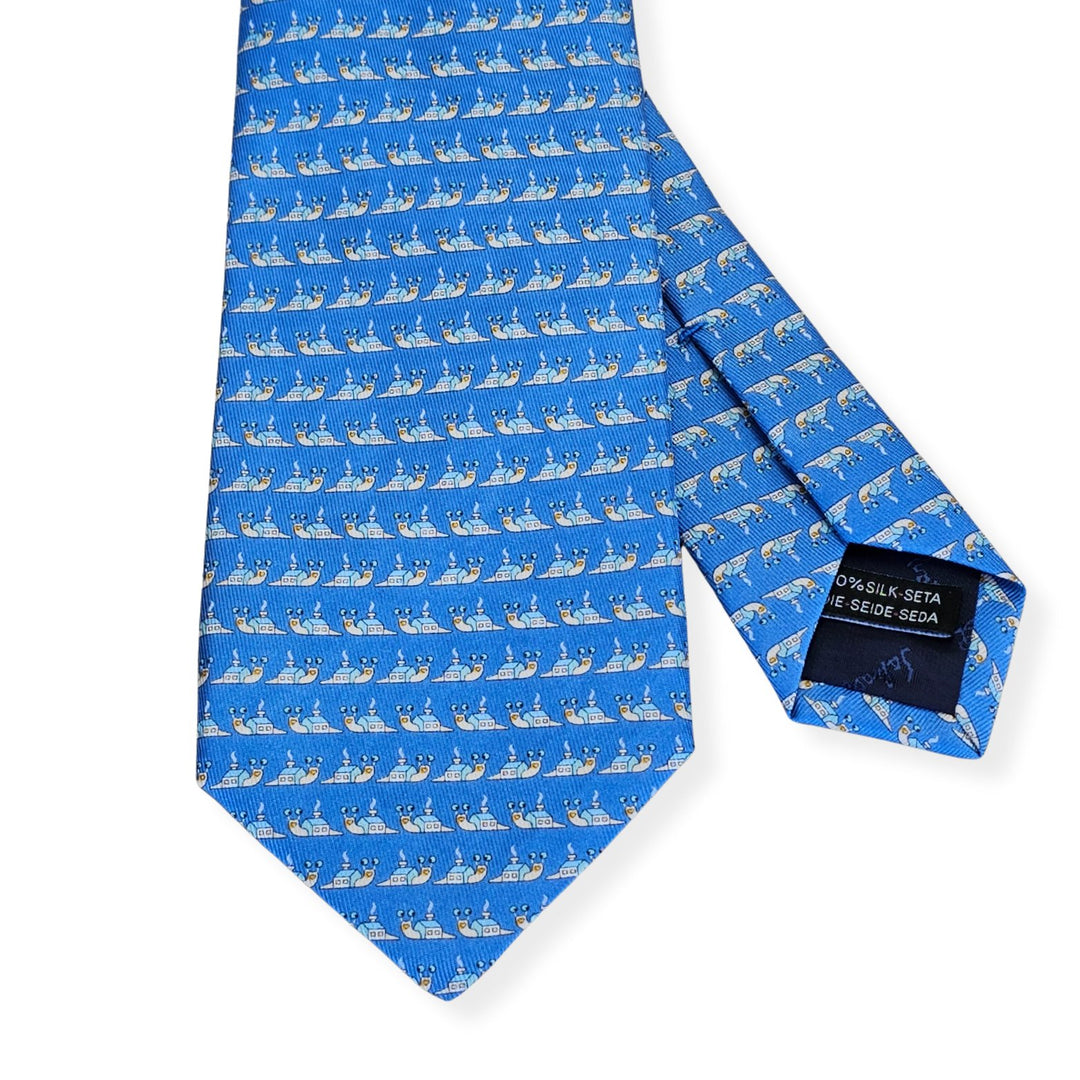
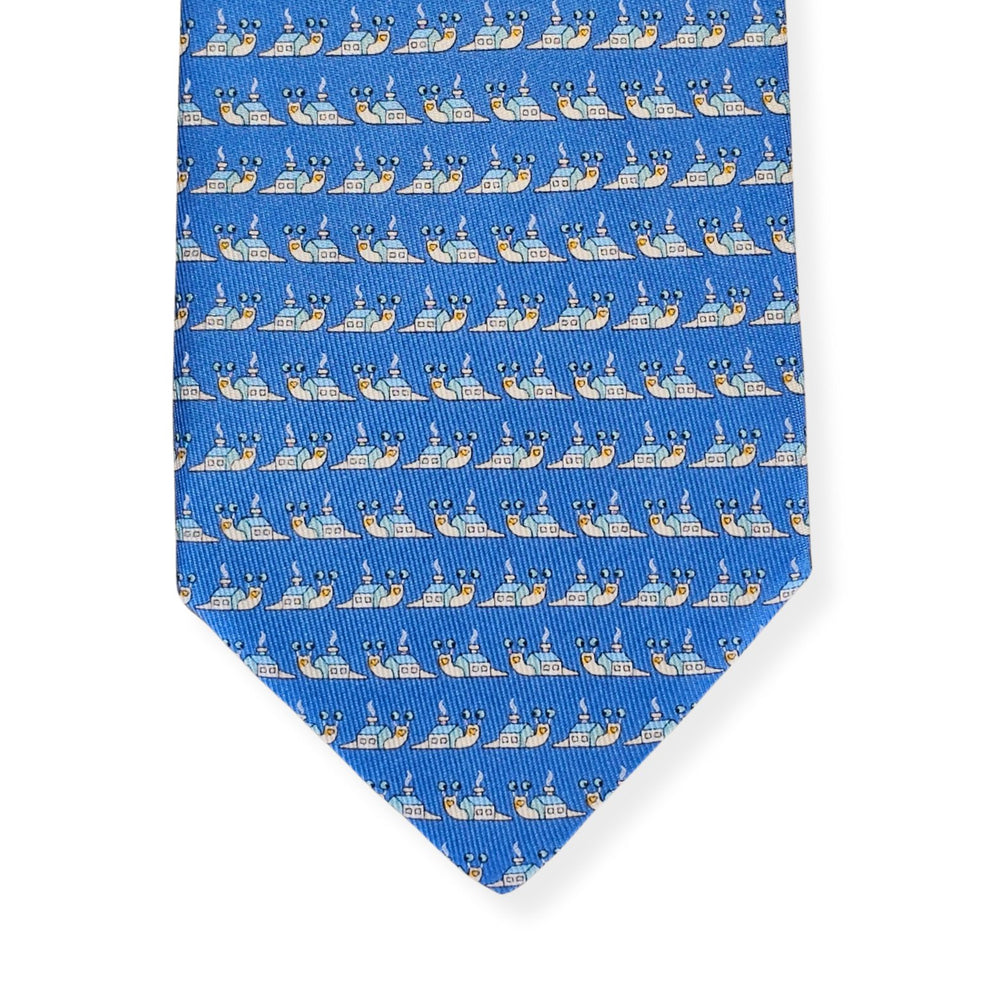


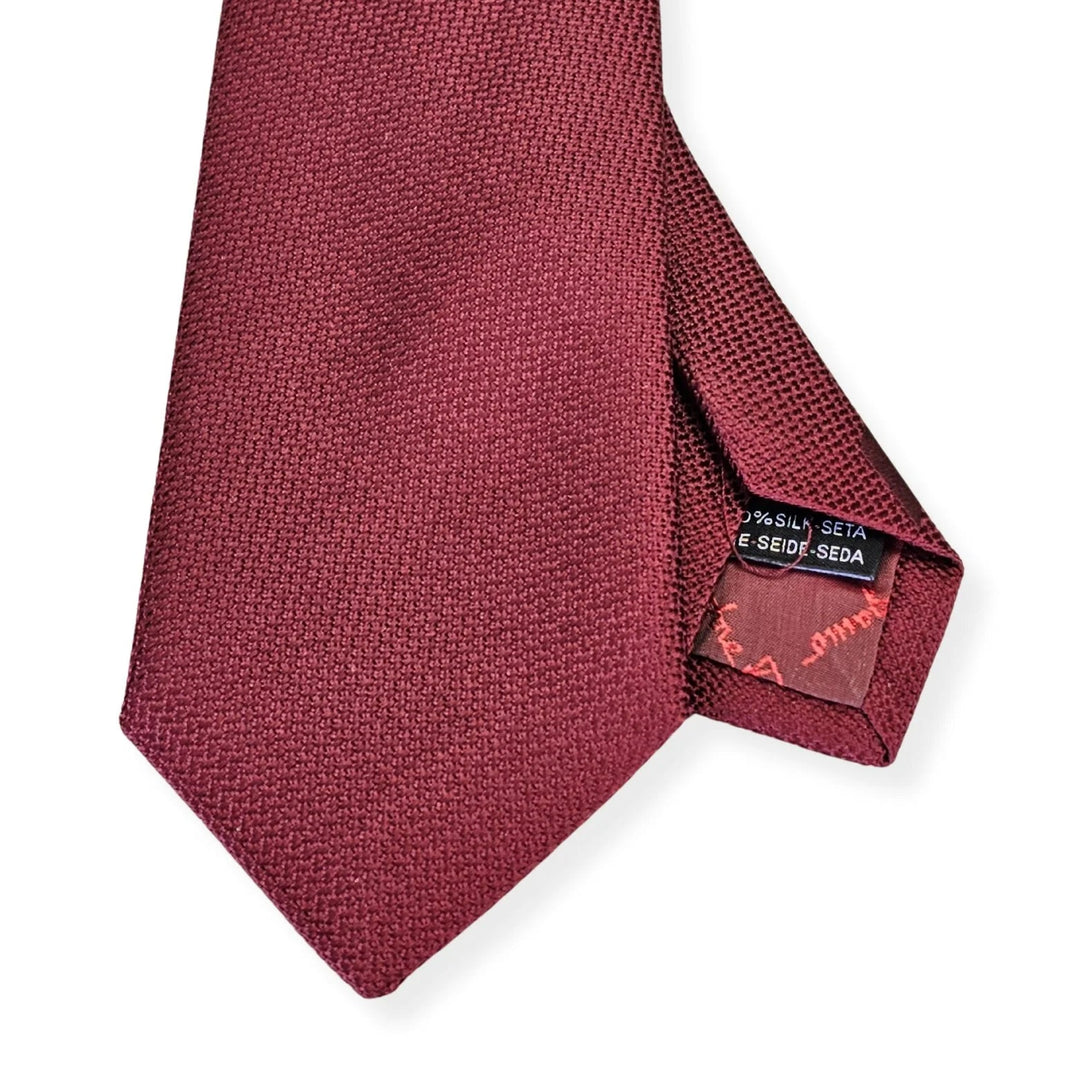
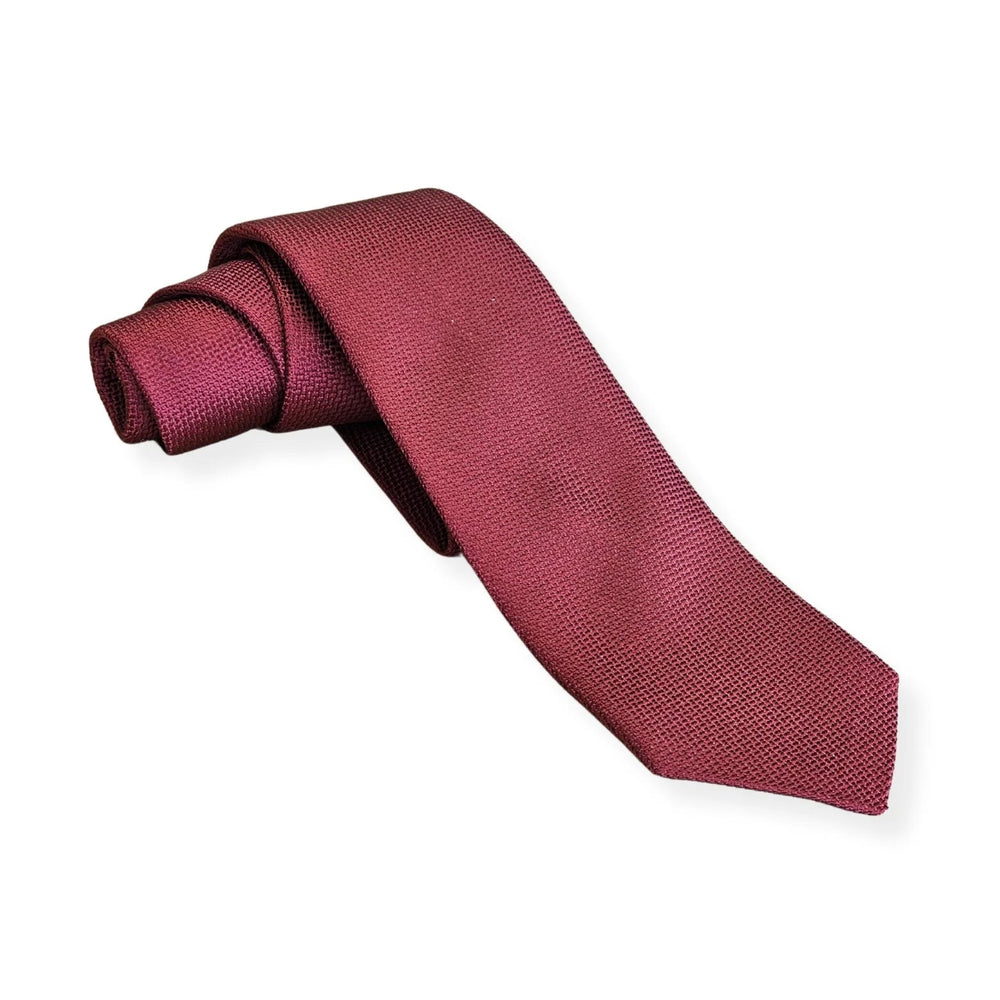


Designer Ties On Sale - Authentic Italian Silk Ties at Outlet Prices Up to 70% Off
Look, you need ties. Maybe for work every day. Maybe for weddings and events. Maybe just to have when dress codes demand it. That's why Designer Ties outlet is your destination.
Here's the thing: a $25 polyester tie looks like a $25 polyester tie. It feels cheap, knots poorly, and somehow always looks slightly wrong. But a $300 Hermès tie? That's a car payment for neck decoration.
Enter the outlet solution.
Designer ties on sale at outlet prices—authentic Italian silk from Gucci, Hermès, Ferragamo, Tom Ford, Burberry, and other legitimate luxury brands. We're talking $80-$180 at outlet sale pricing for ties that retail $180-$400 in department stores and boutiques. Same silk, same Italian craftsmanship, same construction quality. Just outlet pricing instead of retail markup.
This is where 100% silk meets prices that actually make sense for something you might wear weekly for a decade. Designer ties on sale that feel luxurious, knot perfectly, and last 10-20 years instead of looking tired after six months like cheap alternatives.
Everything is authentic. Because fake designer ties at any price are just expensive disappointment with questionable quality. We source from authorized outlets only—real luxury at real outlet sale prices.
Real Silk. Real Designer. Really Under $150.
Designer Ties On Sale by Brand:
Hermès Ties Outlet ($140-$180 on sale)
The gold standard. Literally—Hermès ties are what other luxury brands aspire to match.
Outlet sale features: Hand-rolled edges, 100% silk twill, iconic prints, impeccable construction
Retail pricing: $195-$240 typically
Outlet sale price: $140-$180
Savings: 28-40% off
Real talk: Hermès ties on sale at outlet prices still feel like Hermès. The silk quality, the rolling, the patterns—everything that makes them legendary remains identical. You're just not paying the full boutique markup.
Gucci Ties On Sale ($95-$145 outlet)
Italian maximalism. Bold patterns, signature motifs, that unmistakable Gucci energy.
On sale at outlets: GG patterns, horsebit designs, striped silk, Web stripe details
Retail: $190-$290
Designer outlet pricing: $95-$145
You save: 50-55% off
Gucci ties on sale let you do the logo thing without spending $250. Same Italian silk, same bold aesthetic, outlet prices that work.
Ferragamo Ties Outlet ($85-$135 on sale)
Nearly 100 years of Italian tie-making expertise. Classic patterns, quality silk, refined style.
Outlet sale styles: Gancini motifs, traditional stripes, sophisticated prints, solid silks
Boutique price: $190-$260
On sale at outlet: $85-$135
Outlet savings: 55-60% off
Ferragamo ties on sale are for guys who want quality without flash. Pure Italian craftsmanship at outlet pricing.
Tom Ford Ties On Sale ($120-$165 outlet)
Modern American luxury. Sharp, sophisticated, impeccably cut and constructed.
Outlet offerings: Solid silks, subtle patterns, contemporary width, luxury finishing
Retail: $250-$350
Outlet sale price: $120-$165
Save: 50-55% at outlets
Tom Ford ties on sale deliver that "I know what I'm doing" energy at prices that don't require executive salary.
Burberry, Prada, Versace Ties Outlet
Burberry on sale ($90-$140) - British heritage, classic checks, refined patterns
Prada outlet ($95-$145) - Italian minimalism, quality silk, cerebral sophistication
Versace on sale ($100-$150) - Baroque patterns, Medusa motifs, bold Italian style
All authentic. All outlet pricing. All way less than retail.
Designer Ties On Sale by Style:
Classic Solid Ties Outlet ($85-$165)
Navy, burgundy, charcoal, black. The foundation every guy needs.
Brands on sale: All major designers at outlet prices
Why these matter: Work with everything, appropriate everywhere, never date
Outlet advantage: Build color collection affordably
Solid ties on sale from outlets = building professional wardrobe basics without spending $1,000.
Striped Ties On Sale ($90-$155 outlet)
Repp stripes, diagonal stripes, traditional patterns. Classic menswear at outlet pricing.
Designer outlet styles: Guard stripes, club ties, traditional diagonals
Professional appeal: Appropriate in conservative environments
Outlet value: Classic patterns, lasting style, smart prices
Striped designer ties on sale work for decades. Not trend pieces, just solid menswear at outlet prices.
Print & Pattern Ties Outlet ($95-$165)
Paisley, geometric, florals, brand motifs. Personality with sophistication.
On sale at outlets: Gucci GG prints, Hermès patterns, Ferragamo designs
Style range: Subtle to statement, conservative to bold
Outlet opportunity: Try patterns you might not risk at full price
Print ties on sale let you experiment with style at outlet pricing that removes financial risk.
Knit Ties On Sale ($90-$145 outlet)
Textured alternatives. Casual sophistication. Contemporary edge.
Outlet brands: Various luxury labels
Modern appeal: Less formal than silk, more interesting than boring
Outlet pricing: Try the knit tie trend affordably
Knit designer ties on sale offer textural variety at prices making experimentation easy.
Why Outlet Designer Ties Matter:
Silk Quality That Lasts
Designer ties on sale use 100% Italian silk (mostly) or quality English silk (Hermès, Burberry). This isn't polyester or cheap silk blends that look shiny and cheap. Real silk at outlet prices drapes properly, knots beautifully, and lasts 10-20 years with proper care versus cheap ties looking worn after 12 months.
Construction Makes the Difference
Hand-rolled edges (Hermès especially), seven-fold construction in premium styles, proper interfacing maintaining shape, quality stitching that holds through hundreds of wearings. Designer ties on sale at outlet prices maintain this construction—it's not compromised for outlet channels.
They Actually Knot Properly
Ever fight with a cheap tie that won't sit right? Designer ties on sale knot cleanly every time. The silk weight, the construction, the proper interfacing—everything works together making four-in-hand, half-Windsor, and full-Windsor knots look sharp without struggle.
Investment Per Wear
$120 designer tie at outlet sale price, worn 100 times over 10 years = $1.20 per wear
$40 cheap tie × 5 replacements over 10 years = $200 total for continuously inferior quality
Outlet-priced designer ties = better value, better appearance, less hassle.
Professional Presence
There's something about quality silk that reads differently in professional contexts. It's subtle but real. Designer ties on sale at outlet prices project competence and attention to detail without saying anything. That matters in meetings, interviews, and professional advancement.
Understanding Outlet Tie Pricing:
Why Designer Ties Go On Sale:
Seasonal pattern changes (paisley was big last fall, now it's geometrics—outlet gets the paisleys). Color story rotations (burgundy was trending, now it's navy—outlet prices on burgundy). Overstock situations (made too many of a pattern). Previous season inventory (patterns from 6-18 months ago that look identical to now).
What You're Not Getting at Outlet Prices:
Lower silk quality (nope, same silk). Inferior construction (identical manufacturing). Defective ties (everything's inspected). Made-for-outlet versions (luxury tie brands don't do this).
What You Are Getting On Sale:
100% authentic designer ties. Italian/European silk. Expert construction. Outlet pricing 40-60% below retail. Patterns that work for years.
Real Price Comparisons:
Gucci silk tie: $230 retail → $120 outlet = 48% savings
Hermès tie: $195 boutique → $145 on sale = 26% off (Hermès rarely discounts heavily)
Ferragamo tie: $190 retail → $95 outlet = 50% savings
Tom Ford tie: $290 retail → $155 on sale = 47% off
These are actual retail prices. Outlet sale pricing delivers genuine savings on authentic luxury.
Tie Width Guide:
Standard Width (3.25-3.5 inches) - Current classic, works for most body types, appropriate everywhere, available on sale from all brands at outlet prices. This is your safe choice.
Slim Width (2.5-3 inches) - Modern contemporary, better for slimmer builds, fashion-forward but still professional, occasional outlet availability in designer brands on sale. Works if you're built slim and under 40.
Wide Width (3.75-4 inches) - Traditional, better for larger builds, conservative environments, some vintage appeal, occasionally found at outlet sale prices. Right for bigger guys or very traditional contexts.
Most designer ties on sale at outlets fall in the standard 3.25-3.5" range because this width works for 80% of men in 80% of situations. Safe choice at outlet pricing.
Occasion Guide for Outlet Ties:
Daily Professional Wear
Solid colors and subtle patterns on sale from outlets. Navy, burgundy, charcoal, traditional stripes. Designer ties at outlet prices you can wear weekly without standing out inappropriately. Build rotation of 5-8 ties at outlet sale pricing for professional variety.
Conservative Business
Law, finance, government, traditional corporate. Stick with classic patterns and colors on sale at outlets. Herringbone, repp stripes, subtle paisleys, solid colors. Designer quality at outlet prices projects competence in conservative contexts.
Creative Professional
Advertising, media, fashion, contemporary industries. More freedom with patterns and colors at outlet sale prices. Bold Gucci prints, interesting Ferragamo designs, modern colors. Designer ties on sale let personality show appropriately.
Weddings & Events
Lighter colors, seasonal patterns, slightly bolder choices at outlet pricing. Spring pastels, summer brights, fall jewel tones, winter rich colors. Designer ties on sale from outlets make wedding-appropriate without spending $250 for one-time wear.
Formal & Black Tie
Bow ties for black tie (different category). For business formal or traditional events, stick with conservative designer ties on sale at outlets. Navy, burgundy, charcoal in solid or subtle pattern.
Building Your Tie Collection at Outlet Prices:
Foundation Five ($500-600 at outlet sales):
- Navy solid ($95-120 outlet) - Works with everything
- Burgundy/wine solid ($95-120 on sale) - Classic alternative
- Charcoal/gray solid ($95-120 outlet) - Modern neutral
- Navy/burgundy stripe ($100-130 on sale) - Traditional pattern
- Subtle pattern/paisley ($110-140 outlet) - Adds interest
Total: $495-630 at outlet sale prices = complete professional foundation
Compare to retail: $950-1,300 for same five ties = outlet saves $450-700
Expansion Ten ($450-550 additional at outlets):
6-10. Add seasonal colors, interesting patterns, brand statements, knit tie, special occasion options—all at outlet sale pricing
Total professional rotation: $950-1,180 at outlet prices for 10 designer ties vs. $1,900-2,600 at retail
The Smart Build:
Start with foundation five at outlet sale prices. Wear for 3-6 months learning preferences. Add expansion pieces gradually at outlet pricing based on actual wearing patterns, not assumptions.
Care & Maintenance:
After Each Wear:
Untie immediately (don't pull knot through). Hang on proper tie rack or over hanger (no sharp folds). Let silk rest 24-48 hours between wears (fabric recovers from knot stress).
Cleaning Designer Ties:
Spot clean only with damp cloth for minor marks. Never machine wash silk ties. Professional dry cleaning only when absolutely necessary (harsh chemicals age silk). Most ties never need full cleaning—spot treatment handles 95% of issues.
Storage:
Hang loosely or roll gently (never fold sharply creating permanent creases). Store in darkness preventing color fading. Climate-controlled environment (extreme heat/humidity damages silk). Individual hanging prevents wrinkling against other ties.
Wrinkle Removal:
Steam carefully (never direct iron on silk). Hang in steamy bathroom while showering. Professional pressing for stubborn wrinkles.
Expected Lifespan:
Designer ties on sale with proper care: 10-20 years easy. Some men wear the same Hermès ties for 30+ years. Quality silk and construction at outlet prices deliver this longevity versus cheap ties showing wear after 12-24 months.
Gift-Giving at Outlet Prices:
Designer ties on sale make excellent gifts because:
Universal professional need - Most men need ties occasionally minimum
Outlet pricing - $95-165 range feels generous without excessive ($120 sweet spot)
Brand recognition - Even non-fashion guys know Gucci, Hermès
Practical luxury - Actually gets used, not decorative
Safe choice - Hard to mess up (classic patterns work for everyone)
Perfect for:
Father's Day (practical luxury at outlet prices). Graduations (professional wardrobe building). Promotions (celebrate career achievement). Groomsmen gifts (bulk designer at outlet pricing). Holiday gifts (thoughtful without overdoing it).
Gift Tips:
Classic patterns safer than bold (unless you know his style). Navy, burgundy, charcoal work universally. Include gift receipt (let him exchange if needed). Solid colors = safest, patterns = know his taste.
When Cheap Ties Actually Make Sense:
Being honest: not every tie situation needs designer at outlet prices.
Cheap ties work for: Very rare wear (once yearly maybe). High loss risk (teenagers, messy eaters). Costume/theme situations. Ultra-casual contexts where tie is required but not important.
Designer ties on sale make sense for: Weekly professional wear. Important events (interviews, weddings, presentations). Building lasting wardrobe. Actually caring about appearance. Valuing quality and longevity.
Most men benefit from 3-5 quality designer ties at outlet prices for important use, maybe 2-3 cheap backup ties for rare/risky situations. Don't waste designer money on ties rarely worn, but don't cheap out on ties worn regularly professionally.
The Tie Quality Test:
When your designer tie on sale arrives, check:
Silk quality: Smooth hand feel, substantial weight, proper drape (not stiff or limp)
Construction: Even stitching, hand-rolled edges (if applicable), proper interfacing, quality label
Pattern alignment: Seams match pattern properly (quality indicator)
Color richness: Deep saturated colors, not flat or artificial looking
Knot test: Tie a four-in-hand—should knot cleanly and sit properly
Designer ties on sale pass all these tests. Cheap ties fail most.
Professional Styling:
Tie should reach belt buckle (not above, not below significantly)
Width roughly matches lapel width (3.25-3.5" ties with standard lapels)
Knot size appropriate for collar spread (wider collars = larger knots)
Pattern scale suits body size (bigger guys = slightly larger patterns)
Color complements shirt/suit (doesn't fight for attention)
Designer ties on sale at outlet prices follow same styling rules as full-price versions. Quality doesn't change styling principles.
Why Start With Ties:
If you're entering designer menswear, ties at outlet sale prices are smart starting points:
Lower barrier - $95-165 outlet vs. $800-2000 suits
Immediate impact - Upgrades entire outfit instantly
Learn quality - Experience designer craftsmanship affordably before bigger investments
Professional necessity - Many careers require ties making investment practical
Gift-friendly - Easy to give or receive at outlet pricing
What Outlet Won't Get You:
Being honest about outlet tie shopping:
This week's newest patterns - Outlets = 6-18 months behind (classics look identical though)
Every brand always - Inventory varies (Hermès less common than Gucci/Ferragamo)
Bow ties extensively - Outlets focus on neckties primarily
Unlimited pattern selection - Work with available inventory
What you DO get: Authentic designer silk, Italian craftsmanship, classic patterns, outlet sale pricing 40-60% off retail, quality lasting decades.
The Outlet Economics:
Designer tie on sale at $120, worn 150 times over 12 years = 80 cents per wear
Cheap tie at $30 × 6 replacements over 12 years = $180 total for continuously mediocre quality + shopping hassle + always looking slightly off
Outlet-priced designer = better value, better appearance, better professional impression, less hassle.
Authenticity Guaranteed:
Every designer tie on sale undergoes verification:
✓ Brand labels - Designer tags and content labels confirmed authentic
✓ Silk quality - Italian/European silk verified
✓ Construction - Hand-rolling, stitching, interfacing checked
✓ Outlet sourcing - Authorized channels documented
✓ Pattern authenticity - Brand-specific designs verified
Real designer ties. Real Italian silk. Real outlet prices. Really authentic.
The Bottom Line:
Designer ties on sale at outlet prices deliver:
- Authentic Italian/European silk from legitimate luxury brands
- 40-60% savings versus department store retail pricing
- Same construction quality as full-price boutique ties
- Classic patterns lasting 10-20+ years with care
- Professional appearance upgrade over cheap alternatives
- Investment pieces at accessible outlet pricing
You're not compromising on quality shopping outlet sales. You're compromising on paying retail markup for identical silk and construction. That's smart, not cheap.
Whether you need daily professional ties, wedding-appropriate styles, special occasion pieces, or building lasting wardrobe at outlet pricing—this is where Italian silk craftsmanship meets prices that work with real budgets without requiring months of saving for neck accessories.
Browse Designer Ties On Sale - Italian Silk at Outlet Prices
Gucci, Hermès, Ferragamo, Tom Ford & more. Authentic silk ties on sale at outlet prices. 40-60% off retail. Free shipping.
Designer ties on sale at outlet prices use identical silk quality to full-retail ties. Same Italian mills, same silk grades, same weaving standards. Luxury brands don't manufacture "outlet silk" or compromise fabric quality for discount channels—that would destroy brand reputation and create massive quality control complications they're not willing to risk.Here's why silk quality stays consistent at outlet sale prices:Silk sourcing doesn't change by sales channel.
When Hermès, Gucci, or Ferragamo order silk from Italian or French mills, they're ordering one quality level for their entire tie production. These brands aren't calling suppliers saying "send us premium silk for boutique ties and cheaper silk for outlet ties." That's not how luxury manufacturing works. They maintain consistency across all production because quality control, brand reputation, and manufacturing efficiency demand it.The "100% silk" label is legally binding.
If a designer tie on sale at outlet prices says "100% silk," that's a regulated claim. Brands can't use inferior silk blends or lower-grade silk and still label products as "100% silk" without legal consequences. Your $120 Ferragamo tie at outlet pricing has the same silk composition as the $190 retail version because anything else would be false advertising with serious legal implications.Manufacturing happens before pricing decisions.
Ties are manufactured in batches using standard quality silk, then distributed to various sales channels (boutiques, department stores, outlets) based on inventory management, seasonal timing, and business needs. The tie on sale at outlets was made in the same factory run as retail ties, using the same silk from the same supplier. Pricing gets determined later through distribution channels, not during manufacturing through material quality variations.What actually creates outlet pricing on designer ties:Previous season patterns - That paisley from spring 2023 on sale now looks identical to spring 2024 paisley at retail.
Same silk, just earlier pattern release. Seasonal inventory rotation creates outlet opportunities without affecting silk quality.Overstock situations - Made 10,000 ties, only sold 7,000 at retail. Remaining 3,000 go to outlets on sale.
Same manufacturing batch, same silk quality. Just excess inventory requiring outlet pricing to move.Color story transitions - Burgundy was trending last season, now navy dominates. Burgundy ties go to outlets on sale using identical silk quality to current navy retail ties.
Color changes, not silk quality.Pattern popularity variations - Certain patterns sell slower at retail despite identical quality. These move to outlet sale channels. The silk didn't change; consumer preferences did.Outlet business model efficiency - Outlets operate with lower overhead (cheaper retail locations, fewer staff, minimal marketing).
They can price designer ties lower while maintaining margins on identical silk quality products. The savings come from business efficiency, not material compromises.How to verify silk quality on outlet ties:Feel the fabric - Quality silk has substantial weight and drape. It feels smooth but not slippery, substantial but not stiff.
Designer ties on sale at outlets have this proper silk hand feel. Cheap silk or silk blends feel thin, slippery, or artificially stiff.Check the weave - Hold the tie up to light. Quality silk shows even, tight weaving with no visible gaps or irregularities.
Designer silk at outlet prices maintains this weaving consistency. Inferior silk shows uneven weave or loose construction visible through fabric.Examine the sheen - Quality silk has subtle luster, not excessive shine. It reflects light beautifully but doesn't look plasticky.
Designer ties on sale from outlets have this characteristic subtle sheen. Cheap silk or polyester has artificial high shine looking obviously synthetic.Test the drape - Hold the tie vertically. Quality silk drapes smoothly with natural fold behavior.
It recovers from folding without permanent sharp creases. Designer ties at outlet sale prices maintain this drape quality. Cheap ties hang stiffly or develop permanent wrinkles immediately.Read the label carefully - "100% silk" on designer ties from outlets means genuine silk.
"Silk blend," "silk-like," or vague descriptions on cheap ties indicate polyester or inferior materials. Label transparency correlates directly with quality.The construction quality connection:Beyond just silk material, designer ties on sale at outlets maintain construction quality indicating authentic luxury. Hand-rolled edges (especially Hermès), proper seven-fold construction in premium styles, quality interlining maintaining shape, expert stitching, and proper finishing—these construction elements require quality silk to execute properly.
You can't hand-roll polyester or cheap silk convincingly. The construction quality on designer ties at outlet prices proves the silk quality because inferior materials couldn't support these manufacturing techniques.Comparing outlet to retail side-by-side:If you have access to both, compare an outlet Gucci tie on sale ($120) to a retail Gucci tie ($230). The silk will feel identical.
The drape will match. The sheen will look the same. The construction will be indistinguishable.
The only differences? The pattern might be from last season (imperceptible to most people), and the price tag reflects outlet discount. Everything about actual quality—especially silk—remains unchanged.The brand reputation factor:Hermès built their reputation over 180+ years partially through tie quality.
Ferragamo has nearly 100 years of Italian silk expertise. Gucci is a multi-billion dollar luxury empire. These brands aren't risking reputation damage by putting inferior silk in outlet ties to save $3 per tie in manufacturing costs.
The reputational risk far exceeds any marginal material savings. They maintain silk quality religiously because their brand value depends on it.When to actually worry about silk quality:The concern isn't designer ties on sale at authorized outlets—those are legitimate luxury with proper silk. The concern is suspiciously cheap "designer" ties from unauthorized sellers, discount websites with prices too good to be true, or obvious counterfeits.
A $30 "Gucci" tie from a random website? That's not real Gucci or real silk. A $120 Gucci tie from our authorized outlet source on sale?
That's genuine luxury silk at legitimate outlet pricing.The honest silk assessment:Some ultra-premium ties (Hermès especially, some Tom Ford) use truly exceptional silk grades that are among the world's finest. Most luxury designer ties on sale at outlets (Gucci, Ferragamo, Burberry, Prada) use excellent silk that's a small step below absolute peak luxury but still dramatically superior to anything in department store mid-tier brands or cheap alternatives. Both categories maintain their silk quality at outlet sale prices—Hermès outlets still use Hermès silk quality, and Ferragamo outlets still use Ferragamo silk standards.
The luxury hierarchy remains consistent between retail and outlet channels.Bottom line on silk quality: Designer ties on sale at outlet prices = identical silk quality to full-retail ties from same brands. Same Italian mills, same silk grades, same manufacturing standards. Outlet pricing reflects business inventory management and seasonal cycles, not material quality compromises.
The silk in your $95 Ferragamo tie at outlet sale pricing matches the $190 retail Ferragamo silk exactly because they were manufactured in the same production runs using the same supplier relationships and quality specifications luxury brands maintain obsessively across all sales channels. Anyone suggesting outlet ties use inferior silk doesn't understand luxury manufacturing or authorized outlet channel operations where quality consistency is non-negotiable for brand reputation protection.
Classic designer tie patterns on sale from outlets remain professionally appropriate for 10-20+ years minimum—some patterns literally never go out of style. The "outlet = outdated" fear is mostly unfounded for ties because menswear accessories evolve incredibly slowly, and most designer tie patterns are intentionally timeless rather than trendy. Here's how to choose patterns at outlet sale prices that serve you for decades.The tie pattern longevity reality:Unlike fashion items with dramatic seasonal changes, tie patterns fall into distinct categories with very different longevity profiles.
Understanding these categories when shopping outlet sales helps you choose patterns that work for years versus potentially dating themselves.Forever patterns at outlet sale prices:Solid colors - Navy, burgundy, charcoal, black solid ties purchased on sale from outlets today will be appropriate in 2034, 2044, and beyond. Solid ties transcend all fashion cycles completely. These are absolute no-risk purchases at outlet pricing.Traditional repp stripes - Diagonal stripes in classic color combinations (navy/burgundy, navy/gold, burgundy/navy) remain professional standards for 50+ years and counting.
Repp stripe ties on sale at outlets today look identical to versions from 1974 or 2024. Timeless.Conservative paisleys - Small to medium paisley patterns in traditional colors work professionally across decades. These classic patterns on sale at outlet prices never become dated—they're menswear foundations.Subtle geometrics - Small geometric patterns, classic dots, understated diamond patterns from outlets maintain professional appropriateness indefinitely.
These are safe patterns at outlet sale prices.Patterns that stay current for years (5-10+):Contemporary paisleys - Larger or more colorful paisley patterns at outlet sale prices work for extended periods but might eventually feel of-their-era. Still, 5-10 years minimum relevance.Modern geometrics - Bolder geometric patterns on designer ties from outlets stay current for years before potentially feeling dated. Enough time to justify outlet investment.Seasonal colors in classic patterns - Traditional patterns in trend colors (like a stripe tie in current-season coral) work until color trends shift significantly.
Outlet purchase still serves you 3-5+ years.Patterns requiring caution at outlet sales:Very bold brand logos - Oversized GG patterns or prominent logo repetition might feel very specific-moment. Small logo accents are fine; excessive branding can date. Consider whether pattern has staying power beyond current logo trend popularity.Extreme novelty patterns - Whimsical patterns (unless your industry expects this), cartoon motifs, or very fashion-forward designs might work for creative industries but risk dating faster.
At outlet prices, the financial risk is lower, but wear-time might be shorter.Ultra-trendy colors - Neon, millennial pink, or very specific trend colors on ties at outlets might feel timestamp-y in 2-3 years. Classic colors in same patterns work longer.The professional appropriateness framework:Conservative industries (law, finance, government, traditional corporate) require pattern restraint regardless of outlet pricing. Stick with: solid colors, traditional stripes, subtle paisleys, small geometrics, conservative colors.
Designer ties on sale from outlets in these categories work for decades in conservative environments without ever appearing inappropriate or dated.Business professional (modern corporate, professional services, healthcare administration) allows slightly more pattern freedom while maintaining sophistication. Add: contemporary paisleys, interesting geometrics, richer colors, quality prints. Designer ties at outlet sale prices in this category serve you for years across professional contexts.Business casual (tech, creative agencies, contemporary offices) permits pattern expression while maintaining professional polish.
Include: bolder prints, brand patterns, modern designs, varied colors. Outlet ties in this category still need quality and sophistication, but pattern restrictions ease significantly.Creative industries (fashion, media, advertising, entertainment) embrace pattern boldness as style expression. Consider: statement prints, artistic patterns, fashion-forward designs, brand-heavy styles.
These industries view interesting ties positively rather than inappropriately, making bold outlet purchases work well.The outlet inventory timing reality:Ties on sale at outlets typically are 6-18 months behind current retail offerings. But here's what matters: for classic patterns, this timing is completely irrelevant. A navy solid tie or repp stripe from 18 months ago looks identical to today's.
Nobody can tell or cares.For trend-influenced patterns, 6-18 months old still means current enough for 2-4+ years of wearing before potentially feeling dated. You're getting 2-4 years minimum from even trendy patterns at outlet pricing—that's solid value for ties worn regularly.How to evaluate pattern longevity when shopping outlets:The decade test - Would this pattern have worked professionally in 2014? Does it work now in 2024?
If yes to both, it'll likely work in 2034. Classic patterns pass this test reliably.The grandfather test - Could you imagine your grandfather wearing this pattern in his prime, or your grandson wearing it in his career? Timeless patterns work across generations.
Very trendy patterns don't.The multiple environment test - Could you wear this tie to: a conservative client meeting, a wedding, a job interview, a business dinner? If yes to most, the pattern has staying power. If it only works in specific trendy contexts, longevity is questionable.The brand archive test - Has this brand been making similar patterns for years?
Hermès and Ferragamo patterns often reference decades-old designs. These have proven longevity. Very new experimental patterns haven't proven staying power yet.Building pattern collection strategically at outlet prices:Foundation layer (70% of ties, all classic patterns): 2-3 solid colors on sale from outlets 2-3 traditional stripe patterns at outlet pricing 1-2 conservative paisleys or geometrics from outlet sales These serve you for decades without any appropriateness concerns across all professional contexts.
Buy these confidently at outlet prices knowing you'll wear them for 10-20+ years.Expression layer (30% of ties, contemporary patterns): 1-2 interesting prints on sale at outlets 1-2 brand-specific patterns at outlet pricing 1-2 seasonal or fashion-forward choices from outlet sales These add personality and contemporary style. Even if they eventually date (unlikely within 5-10 years), outlet pricing makes them affordable experiments. Most stay current longer than feared.The honest pattern assessment:Most men overthink pattern dating concerns.
Reality check: unless you work in high-end fashion where people scrutinize accessories obsessively, nobody is analyzing whether your tie pattern is from 2022 versus 2024. They notice: is it a quality tie (yes, designer silk on sale), does it look appropriate (yes, if you chose well), does it suit the context (yes, if matched to environment).The fear that outlet ties look "old" is largely in your head. Most patterns on designer ties from outlet sales look current for years, and classic patterns look current forever.
The business associates, dates, or event attendees you encounter aren't mentally cataloging tie patterns by season.When patterns actually matter for dating:If you're in fashion industry where people genuinely do notice these details, choose classic patterns at outlet sales or accept that fashion-forward patterns might need rotation every 3-5 years (but outlet pricing makes this affordable). Most people aren't in this situation.If you're wearing the exact same ties you bought in 2004 and haven't updated anything, the aggregate dated appearance comes from wearing literally 20-year-old ties exclusively, not from individual patterns. Mixing in some outlet purchases updates your rotation naturally.The practical recommendation:Buy 70-80% classic patterns at outlet sale prices (solids, traditional stripes, conservative paisleys).
These work professionally for your entire career without dating concerns. Add 20-30% contemporary patterns from outlet sales for interest and personality. Even if these eventually feel of-their-moment (unlikely within 5-10 years), you got great value at outlet pricing, and your classic foundation keeps you appropriately dressed always.Bottom line on patterns: Designer tie patterns on sale at outlet prices in classic categories (solids, stripes, traditional paisleys) remain professionally appropriate literally forever—20, 30, 40+ years.
Contemporary patterns from outlets work for 5-10+ years minimum before potentially feeling dated, and most stay current much longer. The "previous season" timing of outlet inventory is irrelevant for ties because pattern evolution happens glacially in professional menswear. Choose patterns appropriate for your industry and personal style at outlet prices, lean toward classics for longevity, and wear confidently knowing designer tie patterns date far more slowly than outlet inventory cycles, making previous-season outlet purchases completely viable for current and future professional wearing across years or decades of service.
Tie width matters more than most guys realize, but the good news is that 90% of designer ties on sale at outlets fall in the "standard" 3.25-3.5 inch range that works for most men in most situations. Understanding the basics helps you buy confidently online at outlet prices without trying on first.The three main width categories:Standard width (3.25-3.5 inches) - This is your safe zone. Most designer ties on sale from outlets are this width because it works for average to larger builds, suits standard suit lapel widths, and looks appropriate in professional contexts from conservative to contemporary.
If you're buying your first designer tie at outlet pricing online, choose this width. You won't go wrong.Slim width (2.5-3 inches) - Modern skinnier ties work for slim builds, contemporary fashion-forward styling, and younger men (typically under 40). These occasionally appear at outlet sale prices, especially from brands targeting younger demographics.
Slim ties look great on trim athletic builds but can look disproportionate on larger or stockier men.Wide width (3.75-4 inches) - Traditional wider ties suit larger builds better, work in very conservative industries maintaining traditional dress codes, and have some vintage appeal. Less common at outlet sales currently but sometimes available in classic styles.How to choose width when buying outlet ties online:Your build matters most for width selection:Slim/trim build (under 160 lbs typically) - Both standard (3.25-3.5") and slim (2.5-3") widths work. Standard is safer and more versatile at outlet prices.
Slim is fashion-forward if that's your style. Avoid wide ties—they'll overwhelm your frame.Average build (160-200 lbs typically) - Standard width (3.25-3.5") is your sweet spot for designer ties on sale from outlets. This width balances properly with average proportions and works across all professional contexts.
Slim might work if you're on the trimmer end and dress contemporary. Wide will look dated unless working in very traditional environment.Larger/stocky build (200+ lbs) - Standard width (3.25-3.5") still works well and remains most versatile at outlet sale prices. Wide (3.75-4") can work if you prefer traditional styling, but modern professional standards favor standard width even for bigger guys.
Avoid slim—will look disproportionately narrow on larger frames.Suit lapel width correlation:Tie width should roughly match suit lapel width for balanced proportions. Most modern suits have 3-3.5" lapels, so standard 3.25-3.5" ties from outlet sales match perfectly. If you wear exclusively very traditional suits with wider lapels, wider ties make sense.
If you wear contemporary slim-fit suits with narrow lapels, slimmer ties work better. But standard width works acceptably across most suit styles making it the safe outlet purchase online.Age and style considerations:Younger men (under 35) can wear standard or slim widths at outlet prices depending on personal style. Contemporary fashion leans slightly slimmer, but standard remains versatile and professional.Middle-aged men (35-55) should stick with standard width when buying designer ties on sale online unless you're very slim and dress fashion-forward.
Standard width projects appropriate professional authority without looking dated or trendy.Older men (55+) definitely want standard width from outlet sales. Slim ties can look like you're trying too hard to appear young. Wide ties might read dated.
Standard hits the contemporary professional middle appropriately.Industry and workplace culture:Conservative industries (law, finance, traditional corporate) - Standard width is non-negotiable. Don't experiment with slim or wide when buying outlet ties for these contexts.Modern professional (contemporary corporate, professional services) - Standard width is safest, slim can work if you're built appropriately and workplace skews young and fashion-aware.Creative industries (advertising, media, fashion) - Any width works if styled properly. Standard remains most versatile even here.How to check tie width before buying from outlets online:Product descriptions should list width in inches.
Look for measurements like "3.25 inches" or "3.5 inches wide." If width isn't listed, email customer service before buying—this information determines whether the tie works for you.Photos can indicate width generally: if the tie looks proportionally standard in product photos (not notably slim or wide), it's probably standard width. Very slim ties are obvious visually. Very wide ties look distinctly broader.Brand history helps: most luxury brands making designer ties on sale at outlets produce predominantly standard width because this serves the largest market.
Hermès, Ferragamo, Gucci—expect 3.25-3.5" on most styles.The trying-at-home reality:Unlike sunglasses or shoes where fit is highly personal, tie width has clearer right/wrong answers based on body type and suit style. Most men ordering standard width (3.25-3.5") designer ties at outlet sale prices keep them because this width works for 80% of men in 80% of situations. Return rates on ties are lower than many accessories because width is more objective than subjective fit preferences.When to take width risks at outlet prices:If you're trim and young and considering slim ties from outlet sales, the lower pricing makes experimentation affordable.
If it looks disproportionate, return it. Outlet pricing removes financial risk from trying new widths.If you're larger and considering whether standard or wide works better, buy one of each from outlet sales and compare at home with your actual suits. Keep what looks balanced, return what doesn't.The measurement verification technique:If unsure what width suits you, measure a tie you currently own and like how it looks.
Lay it flat and measure width at widest point (usually about 4 inches from the bottom point). This gives you a baseline. Look for designer ties on sale at outlets with similar width measurements.If you don't own ties currently, standard width (3.25-3.5") is statistically your best bet when starting to buy designer ties at outlet prices online.The honest width assessment:Tie width anxiety is usually overblown.
Standard width (3.25-3.5") works for nearly everyone nearly everywhere. It's neither fashion-forward nor traditional—it's appropriately current and professional. Most designer ties on sale from outlets are this width specifically because brands know this serves customers best.Slim ties require specific builds and style sensibilities to pull off well.
Wide ties work in limited contexts now. Standard is safe, professional, versatile, and appropriate across decades. When buying outlet ties online without trying on, standard width is smart money 90% of the time.The only width situation requiring caution:If you're very slim (under 140 lbs) and wearing modern slim-cut suits, standard width ties from outlet sales might feel slightly wide for your proportions.
Consider seeking slim width specifically. But even here, standard usually works acceptably—just not optimally.If you're quite large (240+ lbs) and wearing traditional cut suits, standard width might feel slightly narrow for your frame. Wide ties could work better.
But modern professional standards favor standard width even for bigger builds, so this is more personal preference than hard rule.Bottom line on width: Standard width (3.25-3.5 inches) designer ties on sale at outlet prices work for 90% of men across body types, ages, and professional contexts. This width is safe to buy online without trying on for most buyers. Slim width (2.5-3") works specifically for trim builds and contemporary style.
Wide width (3.75-4") works for larger builds or very traditional contexts. When uncertain, choose standard width from outlet sales—it's the versatile professional choice working across situations and years without dating or looking disproportionate on average to larger builds in modern professional environments. The width concern is less critical than many men fear, and most designer ties at outlet sale prices are standard width specifically because this serves the broadest customer base most appropriately.
Silk designer ties on sale at outlet prices are surprisingly easy to care for despite silk's delicate reputation, and with basic maintenance they last 10-20+ years easily—far longer than cheap alternatives that need replacement every 1-3 years. The key is understanding a few simple rules that keep silk looking great through hundreds of wearings without excessive fussing or expensive maintenance.The good news about silk tie care:Silk ties are more durable than people assume. Quality silk from designer ties at outlet prices resists most daily wear issues naturally.
The construction quality helps too—proper interlining, expert stitching, and hand-rolled edges all contribute to longevity even with regular use. You're not dealing with precious museum pieces requiring white gloves. You're dealing with engineered menswear designed for professional wear through years of service.After each wearing (30 seconds of effort):Untie immediately after removing - Never pull the knot through.
Untie properly working back through the knot formation. Pulling through stresses silk fibers and loosens weave over time. This is the single most important care habit for designer ties at outlet prices.Hang properly - Use a tie rack, drape over a hanger, or hang on a hook.
Key point: no sharp folds or creases. Let the tie hang vertically allowing fabric to relax and recover from knot stress naturally. Don't bunch it up in drawers or leave it in tight coils.Let it rest 24-48 hours - Don't wear the same tie daily consecutive days.
Silk needs recovery time from knot stress. Rotating between 5-8 ties (achievable at outlet sale prices) ensures each tie gets adequate rest between wearings, dramatically extending lifespan.That's it for daily care. Untie, hang, rest.
Maybe 30 seconds total. Designer ties on sale from outlets don't require more than this for routine maintenance.Cleaning silk ties (rarely needed):Most ties never need full cleaning - Seriously. With proper storage and care, most designer ties on sale at outlet prices go years without professional cleaning.
Silk naturally resists dirt and odors better than many fabrics.Spot cleaning for small marks - Damp (not wet) clean microfiber cloth, gentle blotting (never rubbing), immediate attention to stains. This handles 95% of minor tie incidents without professional intervention. Water should be barely damp—excess moisture damages silk.Professional dry cleaning only when absolutely necessary - Harsh dry cleaning chemicals age silk prematurely.
Only use this option for significant stains that spot cleaning can't address. Choose dry cleaners experienced with silk ties specifically. Many designer ties purchased at outlet sale prices never require professional cleaning during their entire 10-15 year lifespan.Never machine wash or hand wash - Water immersion damages silk structure, destroys shape, and ruins interlining.
Never attempt this regardless of how "gently" you think you can wash. Silk ties aren't washable garments.Storage (prevents 90% of damage):Individual hanging prevents wrinkling - Each tie hangs separately or with minimal contact preventing sharp creases from pressing against other ties. Tie racks work great.
Hanging over hangers works fine. Individual velvet hangers are luxury but unnecessary.Darkness prevents fading - Store in closets or drawers out of direct sunlight. UV light fades silk colors over months/years of exposure.
Designer ties on sale retain vibrant colors for decades when stored in darkness between wearings.Climate control matters - Normal home environments work fine. Avoid extremes: very hot attics (heat damages silk), very humid basements (moisture damages fabric and promotes mildew), or very dry environments (silk can become brittle). Standard home closets are perfect for designer ties from outlet sales.No tight folding or rolling for long-term storage - Hanging is always best.
If you must store ties compactly for travel or moving, roll very loosely or use tie travel cases that prevent sharp folds. Never fold sharply at one point—this creates permanent creases in silk.Wrinkle removal (simple and effective):Steam is your friend - Hang tie in bathroom while showering. Steam relaxes silk naturally removing minor wrinkles without direct heat contact.
This works for 90% of wrinkle situations with zero risk of damage.Professional pressing for stubborn wrinkles - Dry cleaners can press ties properly using appropriate heat and techniques. Never iron silk ties yourself—you'll likely create shine marks or scorch fabric.Prevention beats fixing - Proper untying, hanging, and storage prevent most wrinkles. Designer ties on sale that are cared for properly rarely develop significant wrinkles requiring intervention.Travel care for outlet ties:Tie travel cases - Roll ties loosely in specialized travel cases preventing wrinkles and damage during trips.
These cost $15-30 and protect designer tie investments at outlet prices during travel.Hanging immediately upon arrival - First thing when reaching hotels: hang ties in bathroom during shower for steam de-wrinkling. This prevents wrinkles from setting during travel.Wearing rotation during trips - If traveling with multiple ties at outlet prices, rotate wearing just as at home. Let each tie rest between wearings even during business trips.Expected lifespan with proper care:10-15 years is standard for designer ties on sale at outlet prices worn regularly (once weekly) with proper care.
This represents 500-750 wearings over the ownership period.15-20+ years is common for ties worn less frequently (monthly) or cared for meticulously. Some men wear Hermès ties for 30+ years with impeccable care.Comparison to cheap ties: Budget ties show wear after 50-100 wearings typically. Silk pills, colors fade, shapes distort, stitching loosens.
Designer ties at outlet sale prices maintain appearance and function through 500+ wearings easily—10x the durability.Signs your tie needs retirement (or restoration):Permanent sharp creases that won't steam out indicate silk damage from improper storage or handling. Professional pressing might help, but severe creasing means end-of-life.Significant fading from sun exposure or age. Silk that's noticeably lighter than original color has been damaged by UV exposure over years.Fraying edges or loose stitching.
Quality ties can be professionally repaired, but extensive fraying might indicate natural end-of-life after many years.Permanent stains that professional cleaning couldn't remove. If the tie still looks good otherwise, you might accept the small stain, but prominent stains mean retirement.What typically doesn't happen to designer outlet ties with care:Silk doesn't pill or fuzz like cheap fabrics. Quality silk maintains smooth surface through years.
Colors don't fade with proper storage (darkness). Stitching doesn't fail on quality construction. Interlining doesn't bunch or separate.
Hand-rolled edges don't unravel. These durability advantages justify designer tie investment at outlet prices.The cost-per-wear reality:$120 designer tie at outlet sale price, worn 50 times per year for 10 years = 500 wearings = 24 cents per wear$30 cheap tie × 5 replacements over 10 years (each lasts 2 years) = $150 total + inferior quality every wearing + replacement shopping hassleDesigner tie at outlet pricing = better per-wear value, better appearance, less hassle, superior professional impression throughout ownership.The maintenance time investment:Caring for designer ties on sale from outlets requires: 30 seconds after each wear (untie and hang) Occasional spot cleaning (minutes, rarely needed) Steam wrinkle removal (zero active time, happens during shower) Total active time investment: maybe 2-3 hours annually for a rotation of 8 ties. This minimal maintenance preserves $800-1,200 worth of designer ties at outlet prices for 10-20 years.
The ROI on this tiny time investment is massive.Bottom line on care: Silk designer ties on sale at outlet prices are easy to maintain with basic habits (untie properly, hang immediately, rest between wears, store in darkness). They don't require excessive fussing, expensive professional maintenance, or special handling beyond common sense. With these simple practices, outlet-priced designer ties last 10-20+ years looking great through hundreds of wearings—dramatically longer than cheap alternatives requiring constant replacement.
The slight extra care attention (versus tossing cheap ties carelessly) is repaid through years of superior appearance, professional presentation, and avoiding replacement costs. Silk's "delicate" reputation is overblown—quality silk in designer ties from outlets is engineered for regular professional use through long lifespans, making outlet investments practical and economical for men wanting lasting quality in professional accessories worn frequently.
For most men, buying 3-4 designer ties on sale at outlet prices delivers dramatically better practical value and professional versatility than one expensive Hermès tie. The total cost is similar, but multiple outlet ties serve your actual daily professional life better than a single precious tie you're afraid to wear. Here's the math and psychology.The cost comparison:One Hermès tie: $195-240 retail (or $145-180 at outlet if you find one) = single pattern = wear it weekly or leave it unworn = anxiety about stains/damage = one style for all situationsMultiple outlet designer ties: $95 Ferragamo + $120 Gucci + $110 Tom Ford + $95 Burberry = $420 total = four distinct patterns from four luxury brands = appropriate tie for every professional situation = less worry about any single tieWhy multiple ties at outlet prices work better:Professional variety prevents "that tie guy" syndrome.
Wearing the same tie weekly (even if it's Hermès) makes you "the guy who always wears that navy tie." Having 4-5 designer ties from outlet sales lets you rotate appropriately showing polished professionalism without repetitive monotony. Your colleagues notice when you wear identical ties constantly.Different occasions need different ties. Conservative client meeting needs subtle patterns.
Office meeting allows more personality. Wedding requires seasonal colors. Interviews demand safe classics.
One tie forces compromises. Multiple designer ties on sale from outlets optimize for each situation without forcing the wrong tie into inappropriate contexts.Precious-item paralysis prevents actual use. One $195 Hermès tie becomes too valuable to wear normally.
You worry about lunch stains, avoid wearing it to certain events, stress about damage. It sits in your closet for "special occasions" that never feel special enough. Meanwhile, your cheap backup ties get actual use.
That's backwards—you bought luxury to use it.Outlet-priced ties you actually wear without anxiety. Four ties at $95-120 each from outlet sales? You wear them.
Stain one? Annoying but manageable—you have others. Damage one after years of use?
You got great value, time to replace. This psychological freedom to actually use designer quality makes outlet purchases far more satisfying than precious single expensive ties creating anxiety.Style learning through variety. Buying multiple brands and patterns at outlet sale prices teaches you what works on you, which brands suit your taste, what patterns you reach for most, and what stays in rotation versus gathering dust.
This education is valuable before investing in more expensive pieces. One expensive tie teaches you about one tie. Four outlet ties teach you about your actual style preferences across brands and patterns.The scenarios where one expensive Hermès tie makes sense:You already own 8-10 quality ties covering professional basics.
Adding one exceptional Hermès to a complete rotation makes sense. That Hermès becomes the special piece in an already functional wardrobe.You have very specific minimalist taste and genuinely only want 2-3 ties total in your professional life. If you're this person (rare but real), investing in one perfect Hermès and maybe one backup makes sense.
But be honest—are you actually this minimal or do you just think you are?You work in an environment where one perfect navy or burgundy tie serves 90% of situations and you have no social life requiring variety. Maybe you're in very conservative industry, rarely attend events, and one excellent all-purpose tie truly suffices. This is uncommon but real for some men.You found THE perfect Hermès on sale at outlet pricing ($145-165).
If outlet Hermès availability coincides with need, and price is comparable to multiple other designer ties, the Hermès prestige and exceptional quality might justify single-tie purchase. But this scenario is uncommon—Hermès outlet availability is limited.The build-over-time strategy at outlet prices:Don't buy all 3-4 ties simultaneously if budget is tight. Smart outlet approach:Month 1: Navy solid at outlet price ($95-110) - Foundation piece, maximum versatility Month 3: Burgundy or patterned at outlet sale ($105-125) - Adds variety, still professional Month 5: Second pattern or color from outlet ($100-120) - Building rotation depth Month 7: Statement or seasonal tie on sale ($110-135) - Personality expressionTotal: $410-490 over seven months = manageable spending = complete professional tie rotationThis spreads costs naturally while building collection thoughtfully based on actual wearing patterns, not assumptions about what you need.The quality reality check:People assume Hermès at $195 is dramatically superior to Ferragamo at $95 outlet price or Gucci at $120 outlet sale.
The truth?Silk quality: Hermès uses absolutely exceptional silk (among world's finest). Ferragamo and Gucci use excellent silk (top 5-10% quality). The difference exists but is subtle—both are dramatically superior to cheap ties.
Most people can't feel the difference without direct comparison.Construction: Hermès hand-rolls edges and uses seven-fold in some styles (ultimate construction). Other luxury brands at outlet prices use expert machine construction with hand-finishing. Both last 10-20 years.
The construction difference is real but doesn't affect longevity or daily wearing satisfaction much.Brand prestige: Hermès sits at the apex. Gucci, Ferragamo, Tom Ford, Burberry all represent legitimate luxury with long heritage. The prestige difference exists in fashion hierarchies but doesn't affect how ties function professionally or how you feel wearing them daily.Patterns and design: Hermès is known for distinctive patterns and exceptional design.
Other brands offer beautiful patterns too. Some men prefer Hermès aesthetics. Others prefer Gucci boldness or Ferragamo sophistication.
Brand preference is personal, not objective quality difference.The honest use pattern analysis:Men who buy one expensive Hermès tie typically: Wear it less than planned (too precious) Feel anxious about damage (inhibits natural use) Still need additional ties (buy cheap backups defeating purpose) Eventually regret not building variety (one tie isn't enough) Men who buy multiple designer ties at outlet prices typically: Wear all ties regularly in appropriate contexts Feel satisfied having professional options Actually use designer quality constantly (not saving for special occasions) Report higher satisfaction from collection versatility Real-world behavior patterns favor multiple outlet ties over single expensive tie for most men's actual professional lives.The cost-per-wear comparison:One $195 Hermès tie worn 50 times yearly for 15 years (conservative due to precious-item syndrome limiting actual use) = 750 wears = 26 cents per wearFour $420 total outlet ties worn 200 times yearly combined (more variety = more combined wearing) for 12 years average = 2,400 total wears = 17.5 cents per wear + better professional presentation through variety + reduced anxiety + appropriate tie for each situationMultiple outlet ties win on cost-per-wear AND professional versatility AND psychological satisfaction.The brand mixing advantage:One huge benefit of multiple ties at outlet sale prices—experience different brands affordably. Buy Ferragamo, Gucci, Tom Ford, Burberry all at outlet pricing. You discover which brands' silk feels best, whose patterns suit your style, whose construction you prefer.
This education proves invaluable for all future luxury purchases. One Hermès teaches you about Hermès. Four brands from outlets teach you about luxury menswear generally.The professional presentation reality:Colleagues and clients notice tie variety more than tie brand.
Wearing different appropriate ties signals attention to professional presentation and style awareness. Wearing the same tie (even expensive Hermès) weekly signals either limited wardrobe or lack of attention to variety. Multiple designer ties from outlet sales at $420 total create better professional impression than one $195 tie worn constantly.When to eventually add Hermès:After building foundation with 6-8 designer ties at outlet sale prices, if you want to add one special Hermès to the rotation, go for it.
At that point it becomes the crown jewel in functional wardrobe rather than precious lonely expensive tie creating anxiety while cheap ties get actual use. Build the foundation at outlet prices first. Add exceptional pieces later strategically.Bottom line for most men: Buying 3-4 designer ties on sale at outlet prices ($90-135 each, $360-540 total) delivers superior practical value, professional versatility, psychological wearing freedom, and daily satisfaction compared to one expensive Hermès tie at similar or higher cost.
Multiple outlet ties serve actual professional lives better—appropriate options for varied situations, rotation preventing "same tie" repetitiveness, freedom to wear without anxiety, and style learning across brands. Unless you have specific reasons favoring single exceptional tie (already complete wardrobe, genuine minimalist, found outlet Hermès), start with multiple designer ties at outlet sale prices building functional professional rotation first. You can always add more expensive pieces later after establishing whether one brand or pattern becomes clear personal favorite based on real wearing experience with varied options.
The versatile outlet approach serves most men's professional lives better than single expensive tie that often creates anxiety preventing actual use—the exact opposite of why you invest in quality designer ties.