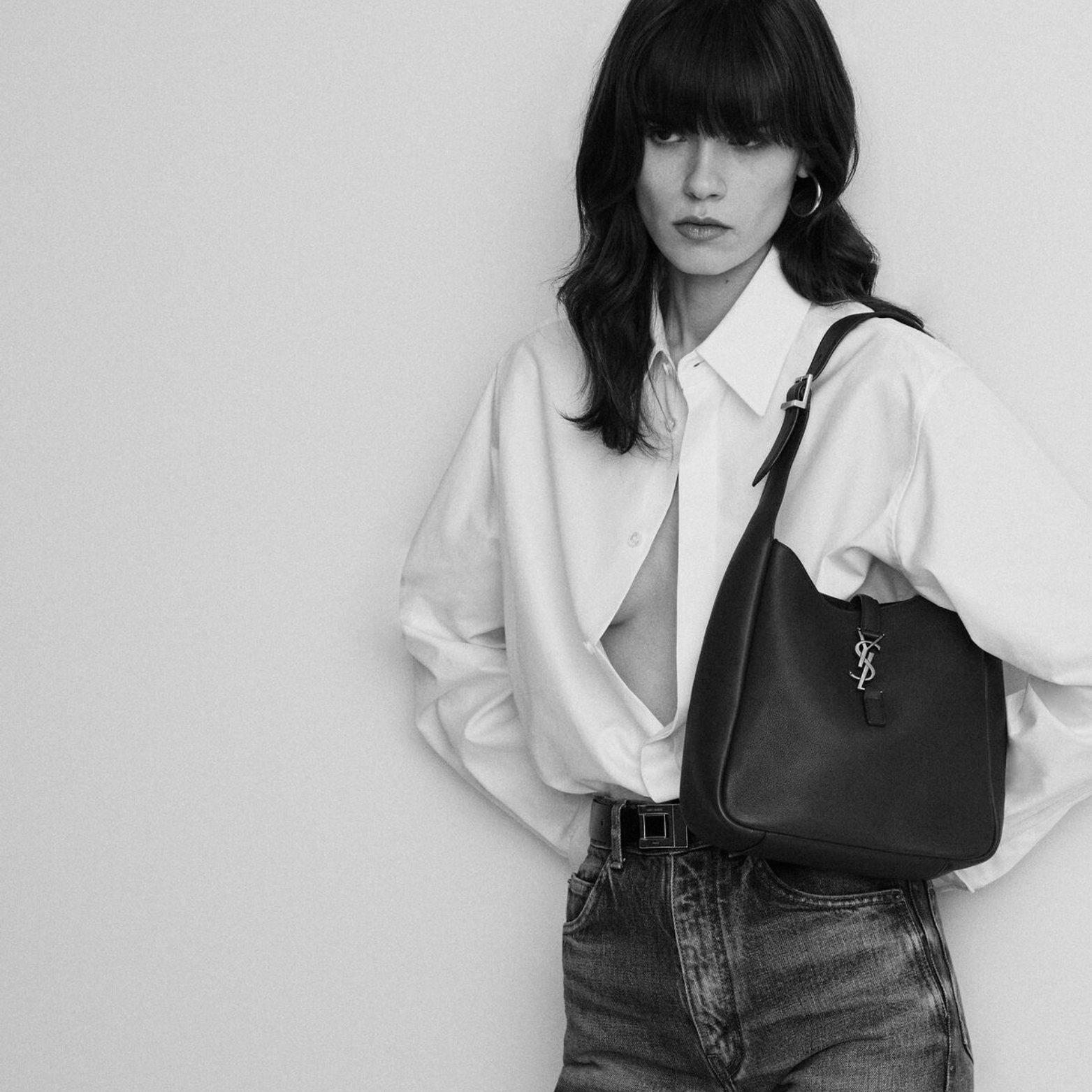




There's something about Saint Laurent that draws attention in a way other luxury brands don't. It could be the way a perfectly tailored blazer makes you feel powerful. Or how their leather jackets somehow manage to look both rebellious and refined. It could be those iconic handbags that work equally well at a gallery opening or a rock concert.
Saint Laurent occupies a unique space in luxury fashion. The brand isn't trying to be the most expensive or the most exclusive. Instead, it focuses on creating pieces that feel effortlessly cool while maintaining impeccable quality. That combination has made Saint Laurent one of the most consistently relevant luxury houses for over six decades.
Why Saint Laurent Is Worth It: Understanding the French Luxury Powerhouse in 2026
But here's the real question: Does Saint Laurent actually justify its premium pricing in 2026? When you're looking at a $2,200 handbag or a $4,500 leather jacket, you want to know what you're really getting. Is it genuinely better quality, or are you mainly paying for a logo and brand prestige?
This guide explores exactly why Saint Laurent commands luxury prices and whether the investment makes sense. From the brand's revolutionary history to its modern design philosophy, from construction quality to resale value, we'll cover what actually sets Saint Laurent apart in today's crowded luxury market.

The Revolutionary Beginning: More Than Heritage Marketing
Most luxury brands talk about their history, but Saint Laurent's origin story actually matters to understanding what makes the brand special today.
Yves Saint Laurent founded his namesake house in 1961 at just 25 years old. He'd already worked as Christian Dior's assistant and briefly served as Dior's head designer after the founder's death. But Yves wanted creative freedom to push fashion forward in ways established houses wouldn't allow.
What happened next genuinely changed fashion. Yves Saint Laurent introduced Le Smoking in 1966, a tuxedo jacket designed for women. This wasn't just a pretty design. It was a radical statement that women could wear traditionally masculine clothing and look powerful, sophisticated, and sexy doing it. At the time, many restaurants wouldn't even seat women wearing pants.
"Saint Laurent has always been about giving women power through fashion. The Le Smoking wasn't just a jacket—it was permission to occupy spaces previously reserved for men."
— Betty Catroux, Yves Saint Laurent muse and longtime friend
The brand continued breaking rules throughout the 1960s and 70s. Safari jackets brought military style to civilian fashion. Transparent blouses challenged modesty conventions—references to art movements like Mondrian and Picasso elevated fashion to the status of high art. Saint Laurent wasn't just making clothes. The house was actively participating in cultural conversations about gender, power, and self-expression.
This revolutionary spirit wasn't about shock value or trend-chasing. Yves genuinely believed fashion should empower people to express themselves authentically. That philosophy still influences the brand today, over 65 years since its founding and two decades after Yves himself retired from design.
Understanding this history matters because it explains why Saint Laurent pieces often have an edge that other French luxury brands lack. Chanel might represent timeless elegance. Hermès embodies traditional craftsmanship. Saint Laurent channels that slightly dangerous Parisian cool—the person who looks perfectly put together while also suggesting they might do something unpredictable.
The Aesthetic: Rock and Roll Meets Parisian Sophistication
Saint Laurent's design language walks a tightrope between refinement and rebellion. This balance is what makes the brand special and occasionally what makes pieces feel so right for certain people.
The tailoring reflects traditional French craftsmanship. Blazers fit impeccably through the shoulders. Pants fall in clean lines. Construction follows classic couture techniques even in ready-to-wear collections. This foundation of excellent tailoring keeps Saint Laurent firmly in luxury territory.
But then comes the edge. Leather gets used extensively, from jackets to pants to accessories. Silhouettes often reference rock-and-roll iconography. Hardware skews toward edgier silver rather than purely classic gold. Color palettes favor blacks, deep reds, and rich jewel tones over pastels and neutrals.
This combination creates what's often called "Parisian cool." It's polished enough for sophisticated environments but never feels stuffy or overly precious. A Saint Laurent outfit works at a fashion show, an art gallery, or a concert venue. That versatility across contexts gives pieces extended wearability beyond single-use special occasions.
"Saint Laurent captures that perfect balance—sophisticated enough for the opera, edgy enough for a concert. It's luxury that doesn't take itself too seriously."
— Carine Roitfeld, Former Vogue Paris Editor-in-Chief
The aesthetic has evolved through different creative directors but maintains core elements. Tom Ford's tenure in the early 2000s brought overt sexiness. Stefano Pilati favored architectural structures. Hedi Slimane introduced rock-inspired skinny silhouettes. Anthony Vaccarello, the current creative director since 2016, continues to blend these influences while adding his own sensibility, focused on feminine power and refined sensuality.
As we move through 2026, Vaccarello's vision has matured into a confident expression of Saint Laurent's DNA. His collections balance the house codes with contemporary relevance, creating pieces that feel both instantly recognizable and completely current.
What ties these eras together is that essential Saint Laurent attitude. The clothing suggests confidence without arrogance, sophistication without stuffiness, sexuality without vulgarity. When it works, it really works. When it doesn't match your personal style, no matter how well-made, you won't reach for those pieces.

The NIKI Bag: A Modern Classic That Proved Its Staying Power
Let's look specifically at the NIKI bag since it exemplifies how Saint Laurent creates contemporary classics that endure beyond initial hype.
Introduced in 2017 under Anthony Vaccarello's creative direction, the NIKI has now proven its longevity over nearly a decade. The bag features quilted leather with a distinctive chevron pattern. The matelassé quilting isn't new to Saint Laurent, but the NIKI's specific proportions and hardware created something that felt fresh while remaining recognizable as Saint Laurent.
The staying power surprises some people. Many "it bags" flame out after 2-3 years, but the NIKI remains consistently popular heading into 2026. This longevity validates the design as more than just a trend—it's become a genuine Saint Laurent signature piece alongside classics like the Kate and LouLou.
The bag comes in multiple sizes, from a mini crossbody to a large shoulder bag. This size range makes the design accessible for different needs and budgets. The baby NIKI starts around $1,350 while larger versions reach $2,800+ in 2026. That pricing positions it as aspirational yet achievable luxury, especially compared to Chanel or Hermès bags, which have seen more dramatic price increases.
"Anthony understands that Saint Laurent isn't about shocking people season after season. It's about refining that core attitude—making each collection feel fresh while respecting what makes Saint Laurent unmistakable."
— Tim Blanks, Editor-at-Large, The Business of Fashion
Construction quality justifies the premium. The leather is typically lambskin or calfskin, chosen for softness and durability. The quilting is precisely executed with consistent spacing and depth. Hardware feels substantial, made from high-quality metal that won't tarnish or break easily. The interior features proper lining and organization rather than cheap fabric and minimal structure.
The NIKI works across casual and dressy contexts. You can wear it with jeans and a t-shirt or with cocktail attire. This versatility extends the cost-per-wear calculation since you'll actually use it regularly rather than saving it for rare special occasions.
Celebrity and influencer adoption helped establish NIKI quickly, and that endorsement has sustained. When style leaders consistently choose a bag year after year rather than moving to the next new thing, it signals genuine staying power. The NIKI has become a wardrobe staple rather than a fleeting trend.
The bag also demonstrates Saint Laurent's clever positioning. It's recognizable through its chevron quilting and YSL logo hardware, giving buyers the brand signal they often want in luxury purchases. But it's not covered in monograms or overwhelmingly branded. You get recognition without looking like a walking advertisement.
Resale value has held remarkably well for NIKI bags, which is one of the best tests of a bag's genuine desirability. They typically sell for 65-75% of retail in good condition on authenticated platforms like The RealReal and Fashionphile, which is excellent for bags less than a decade old. Limited editions or discontinued colors sometimes command premiums in secondary markets.
Leather Goods Quality: What You're Actually Getting in 2026
Saint Laurent bags and small leather goods justify their pricing through genuine quality differences compared to mid-tier brands. Here's what actually separates them.
The leather selection process is rigorous. Saint Laurent sources from premium tanneries, often Italian facilities known for producing the finest materials. Each hide undergoes inspection for grain quality, consistency, and any imperfections. Only the best sections make it into production pieces. This selectivity results in higher material costs but yields bags that look and feel distinctly better.
Touch a Saint Laurent bag and then touch a department store brand bag at one-third the price. The difference in leather quality is immediately apparent. Saint Laurent leather feels supple and luxurious, with natural grain variation that indicates the use of genuine quality hides. The smell is distinctively rich leather, never chemical or plastic.
The construction techniques matter too. Saint Laurent uses traditional methods like hand-stitching in critical stress points, even on machine-made bags. Seams are reinforced with multiple rows of stitching. Edges get adequately finished with edge paint or turned and stitched rather than left raw. These details affect how long bags last under regular use.
Hardware quality immediately separates Saint Laurent from cheaper options. The metal feels substantial and heavy because it is solid brass or high-quality alloys rather than plated plastic. Premium manufacturers make zippers and operate smoothly year after year. Logo hardware is precisely cast with clean edges and proper finishing.
"When you hold a Saint Laurent bag, you're holding the culmination of Italian leather traditions and French design sensibility. The quality isn't an accident—it's the result of choosing the top 10% of materials and refusing to compromise."
— Francesca Bellettini, CEO of Saint Laurent (Kering Group)
The interior construction receives as much attention as the exterior appearance. Linings use quality fabric rather than cheap materials. Pockets are appropriately structured and stitched. Interior edges are finished cleanly. These details that most people never scrutinize still affect the bag's longevity and overall quality feel.
Saint Laurent also maintains proper quality control throughout production. Each bag undergoes multiple inspection checkpoints. Items that don't meet standards get rejected, even late in the production process. This costs money in wasted materials and labor, but it ensures only pieces meeting Saint Laurent's standards reach customers.
Compare this to fast fashion or mid-tier brands, where quality control often consists of a quick visual check before shipping. The difference shows up in consistency. Every Saint Laurent bag meets the same high standard, while cheaper brands have significant variation between individual pieces.

The Broader Collection: Beyond Just Handbags
While the NIKI bag gets significant attention, Saint Laurent's value proposition extends across the entire collection. Understanding the full range helps explain why the brand commands luxury pricing.
Leather jackets are among Saint Laurent's most iconic pieces. A classic Saint Laurent leather jacket typically costs $3,500-$6,000 in 2026. That seems expensive until you handle one. The leather is exceptional—soft, substantial, and perfectly finished. The construction follows techniques used in high-end outerwear for decades. The fit is impeccable if you find the right size. These jackets genuinely last 15-20 years with proper care, aging beautifully rather than falling apart.
Tailoring showcases the brand's French craftsmanship heritage. Blazers run $2,000-$4,000 but feature construction quality you'd expect from custom tailoring. The shoulders are correctly structured. Linings use quality materials. Buttonholes are hand-finished. The fit, while ready-to-wear, incorporates techniques that make the garments drape properly. For people who value excellent tailoring, Saint Laurent delivers.
Footwear ranges from sleek pumps to edgy boots. The construction quality is solid, using quality leather and proper shoemaking techniques. Heels are constructed to distribute weight properly. Soles are stitched rather than just glued. Boots feature proper insoles and arch support. At $700-$1,500 for most styles, they're expensive but comparable to other luxury footwear brands offering similar quality.
Small leather goods like wallets and cardholders offer entry points into the brand at $400-$700. These pieces feature the same leather quality and construction standards as bags, just in smaller formats. A Saint Laurent wallet will outlast five cheap ones, making the per-year cost more reasonable in the long term.
Ready-to-wear clothing varies widely in value proposition. Simple t-shirts at $400-$600 feel overpriced for what they are—quality cotton, but nothing revolutionary. However, more complex pieces like silk blouses, tailored pants, or structured dresses often deliver quality that justifies a higher price. The key is understanding which pieces offer genuine value beyond the logo.
Jewelry and accessories, including sunglasses, extend the brand's reach. Saint Laurent sunglasses at $400-$600 use quality materials and offer designs that remain stylish across seasons. They're expensive but deliver what you'd expect from luxury eyewear.
How Saint Laurent Compares to Other Luxury Brands
Understanding Saint Laurent's value requires comparing it directly to alternatives at similar and different price points.
Versus Gucci: Both are Kering-owned Italian and French luxury powerhouses with strong brand recognition. Gucci, under Alessandro Michele and now Sabato De Sarno, leans into maximalist, eclectic aesthetics with prominent branding. Saint Laurent maintains more minimalist sophistication with edgy undertones. Quality is comparable between the brands. The choice comes down to which aesthetic resonates more with your personal style. Pricing is similar across categories.
Versus Chanel: Chanel represents traditional French luxury with emphasis on timeless elegance and unmistakable brand codes—Saint Laurent channels more edge and a contemporary attitude. Chanel bags cost significantly more—$6,000-$10,000+ versus Saint Laurent's $1,500-$3,500 range. Chanel's resale value is higher, but Saint Laurent offers more accessible luxury. Both deliver excellent quality, serving different customer mindsets.
Versus Bottega Veneta: Both champion Italian/European craftsmanship with relatively subtle branding compared to logo-heavy brands. Bottega focuses on artisanal techniques, such as Intrecciato weaving, and on a total absence of logos. Saint Laurent uses more visible branding and a rockier aesthetic. Bottega bags often cost more ($2,000-$4,000+). The choice depends on whether you prefer Bottega's craft-focused, quiet luxury or Saint Laurent's cooler Parisian edge.
Versus Celine: Under Hedi Slimane's direction through 2024 and beyond, Celine shares some aesthetic territory with Saint Laurent—both favor minimalist sophistication. Celine skews slightly more architectural and less overtly sexy. Pricing is comparable. Quality is similar. It often comes down to specific designs that speak to you rather than the clear superiority of one brand over the other.
Versus mid-tier brands like Coach, Kate Spade, or Michael Kors: The quality gap is substantial. Saint Laurent uses genuinely better leather, superior construction, and higher-grade hardware. A $2,000 Saint Laurent bag will outlast and maintain a better appearance than a $400 mid-tier bag. Whether that 5x price premium is worth it depends on your priorities and budget. The quality difference exists, but whether it justifies the cost is a matter of personal opinion.

The Investment Angle: Resale Value and Longevity in 2026
Luxury purchases increasingly get evaluated as investments. How does Saint Laurent perform on this metric?
Resale value: Saint Laurent bags typically retain 60-75% of retail value in good condition on authenticated platforms. This is solid but not exceptional. Hermès bags often sell above retail. Chanel maintains 70-85% of value. But Saint Laurent outperforms brands like Prada, Givenchy, or Dior, which usually drop to 50-60% of retail. The NIKI, LouLou, and Kate bags hold value best due to continued popularity.
Longevity: This is where Saint Laurent truly delivers value. Properly maintained Saint Laurent bags, jackets, and shoes genuinely last 10-20+ years. The leather ages beautifully, developing patina rather than looking worn out. Hardware maintains its finish. Construction holds up to regular use. When you calculate cost-per-wear over a decade, even expensive pieces become more reasonable.
"The brands that hold value best are the ones people actually want to wear. Saint Laurent pieces don't sit in closets—they get worn, they get lived in, and they still look relevant ten years later."
— Sarah Davis, Chief Merchant at Fashionphile
Timeless design: Saint Laurent pieces generally age well stylistically. The core aesthetic hasn't dramatically shifted in decades, so a 10-year-old Saint Laurent bag doesn't look obviously dated the way trend-driven pieces might. This extends the usable life beyond just physical durability.
Market trends 2026: The resale luxury market has matured significantly. Authenticated platforms make buying and selling easier. Younger consumers increasingly shop pre-owned luxury. This healthy secondary market supports Saint Laurent's value proposition—knowing you can resell for 65-70% of the purchase price reduces the effective cost of ownership.
However, Saint Laurent isn't a pure investment like certain Hermès bags. If your primary goal is financial appreciation, look elsewhere. But if you want pieces that maintain reasonable value while you actually use and enjoy them, Saint Laurent delivers solid performance.
Sustainability and Modern Luxury Concerns
In 2026, sustainability considerations influence luxury purchasing decisions more than ever. How does Saint Laurent address these concerns?
Saint Laurent, as part of the Kering Group, benefits from the parent company's comprehensive sustainability initiatives. Kering has set ambitious targets to reduce environmental impact across its brands and publishes detailed ecological profit-and-loss statements.
The brand has increased its use of sustainably sourced materials, though leather production inherently has a significant environmental impact. Kering works with tanneries to implement better waste management and reduce chemical use. The vegetable tanning process, while slower and more expensive, creates less ecological harm than conventional methods.
Saint Laurent's emphasis on quality and longevity inherently supports sustainability. Pieces designed to last 15-20 years reduce consumption compared to fast fashion's disposable approach. A $3,000 jacket used for two decades has far less environmental impact per wear than replacing cheaper jackets every few years.
The brand offers repair services through boutiques, extending product life even further. Rather than discarding damaged items, customers can have them professionally repaired, restoring them to excellent condition. This service-oriented approach supports the durability narrative.
However, luxury fashion fundamentally involves resource consumption. Manufacturing requires energy, materials require production, and global distribution creates carbon emissions. Saint Laurent hasn't met the sustainability benchmarks that newer brands aim for. Honest assessment requires acknowledging that luxury fashion, while improving, still carries environmental costs.
For consumers prioritizing sustainability, the best approach is to buy fewer, higher-quality pieces that last for decades. Saint Laurent executes this strategy better than fast fashion or lower-quality options that require frequent replacement.

Who Saint Laurent Actually Makes Sense For in 2026
Not everyone needs Saint Laurent in their wardrobe. Understanding who the brand serves helps determine if it fits your situation.
Saint Laurent makes perfect sense if you appreciate that rock-and-roll-meets-sophistication aesthetic. You value quality construction and materials enough to pay for them. You want pieces that work across multiple contexts, from casual to dressy. You prefer relatively subtle branding that signals taste to those who know. You maintain your belongings properly and expect them to last for years. You're building a wardrobe of investment pieces rather than chasing fast trends.
Consider alternatives if: You prefer softer, more traditionally feminine aesthetics. You want the absolute highest resale value (choose Hermès). You're looking for completely logo-free, quiet luxury (consider Bottega Veneta). You need maximum versatility across very conservative professional settings. You're rough on your belongings and don't maintain leather goods. Your budget is tight, and the premium feels like a significant stretch.
Think carefully about: Your actual lifestyle and wardrobe needs. Whether you genuinely love the aesthetic or find it trendy. Suppose you'll use pieces regularly or leave them in the closet, and you maintain leather and quality garments properly. If the investment fits comfortably within your overall financial picture, it's worth it.
Age and style evolution also matter. If you're in your early 20s and your personal aesthetic is still developing, a $2,500 bag might not be the wisest investment yet. But if you're established in your style and know you love that edgy sophistication, Saint Laurent could serve you for decades.
The Practical Realities of Ownership
Owning Saint Laurent pieces involves considerations beyond the initial purchase.
Maintenance requirements: Leather goods need regular conditioning to stay supple and prevent cracking. Use quality leather care products every few months. Clean spills immediately with appropriate leather cleaners. Store properly in dust bags away from direct sunlight. These practices extend lifespan dramatically but require attention and investment in proper care products.
Professional cleaning: Plan to have leather cleaned every few years for bags and jackets. Budget: $50-$150 deposit, depending on the employee's appearance, and addresses issues before they become significant problems. Saint Laurent boutiques can recommend qualified specialists in your area.
Repairs: Even quality items eventually need repairs. A worn strap, loose hardware, or damaged corner might need attention after years of use. Saint Laurent boutiques offer repair services, though costs can be substantial—factor in potential repair costs when calculating long-term ownership.
Storage: Proper storage matters more than people realize. Bags should be stuffed with tissue paper to maintain shape. Leather jackets need padded hangers in breathable garment bags. Shoes need shoe trees and proper storage away from humidity. Poor storage can damage even the highest-quality pieces over time.
Insurance: For significant Saint Laurent investments, such as multiple bags or expensive jackets, consider adding them to your homeowner's or renter's insurance policy—document purchases with receipts and photos. The peace of mind is worth the small additional premium.
Buying Smart: Getting the Best Value in 2026
If you've decided Saint Laurent fits your needs, buying strategically maximizes value.
Timing purchases: Saint Laurent participates in traditional sale seasons, though discounts on current collections are limited at boutiques. Department stores like Nordstrom and Saks offer better sales, typically 25-40% off during end-of-season events. January and July offer the deepest discounts on previous-season items.
Pre-owned options: The authenticated resale market offers significant savings. Platforms like The RealReal, Fashionphile, and Vestiaire Collective sell Saint Laurent pieces at 25-40% below retail, sometimes more for older items. You sacrifice the boutique experience and new item satisfaction, but you get the same quality for substantially less money.
Outlet shopping: Saint Laurent operates outlet stores that offer previous-season styles at 30-50% off retail prices. Selection varies, and sizes can be limited, but patient shoppers find excellent deals. Be aware that some outlet pieces are made specifically for outlets and may be of lower quality.
Classic styles: Focus on timeless pieces that won't look dated in five years. The Kate bag, classic leather jackets, tailored blazers, and simple pumps maintain relevance longer than trendy items. You'll use them more, and their resale value will hold better.
Boutique experiences: Shopping at Saint Laurent boutiques offers a whole luxury experience, with expert sales associates, personalized service, and access to the latest collections. You pay full retail but get superior service and selection. For significant purchases, the boutique experience adds value beyond the product itself.
Authentication matters: Whether buying new or pre-owned, ensure authenticity. Counterfeits are sophisticated and common. Purchase from authorized retailers or authenticated resale platforms. If buying from individuals, use professional authentication services before completing transactions.

The Cultural Cachet: Does the Logo Still Matter?
In 2026's luxury landscape, branding considerations have evolved significantly from even five years ago.
Saint Laurent occupies an interesting middle ground. The YSL logo appears on many pieces but never dominates designs the way some brands' monograms do. You get brand recognition for those who care about such things, but pieces don't scream "LOGO" from across a room.
This balance serves two customer types. People who want some brand visibility get it through the YSL hardware on bags or subtle logo details on clothing. Those preferring more subtle luxury find Saint Laurent offers that too, particularly in ready-to-wear and some bag styles with minimal branding.
The brand recognition factor has shifted. Younger luxury consumers in 2026 often care less about prominent logos than previous generations did. They're more interested in quality, design, and whether pieces align with their personal aesthetic. Saint Laurent's relatively subtle branding approach aligns well with this trend.
However, some buyers specifically want that recognition factor. They've worked hard to afford luxury and want pieces that signal success. That's completely valid. Saint Laurent delivers enough brand visibility to satisfy this desire without being tacky.
The cultural associations matter too. Saint Laurent conveys edgy sophistication, artistic sensibility, and Parisian cool. Wearing the brand suggests you have taste and aren't afraid of a little edge. Whether those associations resonate depends on your personal identity and how you want to present yourself.
The Verdict: Is Saint Laurent Worth It in 2026?
After examining quality, design, pricing, resale value, and brand positioning, what's the bottom line on whether Saint Laurent justifies its premium pricing?
For the right person, absolutely yes. If you connect with the aesthetic, will use pieces regularly, and can afford them comfortably, Saint Laurent delivers genuine value. The quality is there. The design is distinctive. The pieces last when properly maintained. The resale value is reasonable. You're not just paying for a logo—you're getting craftsmanship, materials, and design that justify premium pricing.
But it's not universal. If the aesthetic doesn't resonate, no amount of quality makes expensive pieces worth buying. If you can't comfortably afford Saint Laurent, the financial stress outweighs any satisfaction. If you're rough with belongings or don't maintain them properly, the longevity benefits disappear.
The brand offers the best value in its core pieces, which exemplify its aesthetic. Leather jackets, tailored blazers, iconic handbags like the NIKI, and classic footwear offer the best value for money. Logo t-shirts and simple accessories often feel overpriced relative to what you're actually getting.
Saint Laurent sits in a sweet spot for accessible luxury. It's expensive enough to feel special and deliver genuine quality. But it's not so exclusive or pricey that only ultra-wealthy consumers can participate. That positioning makes it attractive for professionals who want luxury but can't (or won't) spend Hermès prices.
The brand's consistent relevance over decades suggests its approach works. While creative directors change and specific designs evolve, that core Saint Laurent aesthetic—edgy sophistication, rock-and-roll attitude, impeccable French tailoring—remains remarkably consistent. That continuity means pieces remain stylish far longer than trend-driven alternatives.
In 2026's luxury market, with countless options at every price point, Saint Laurent continues to earn its place through quality, design, and that intangible cool factor that's hard to quantify but immediately recognizable. For people seeking polished pieces with an edge, who value quality but don't need extreme exclusivity, Saint Laurent delivers precisely what it promises.
Ready to explore Saint Laurent's collection? Browse our authenticated selection of bags, accessories, and ready-to-wear pieces, all verified genuine with our authentication guarantee. From iconic NIKI bags to classic leather pieces, discover why Saint Laurent remains a luxury favorite heading into 2026.