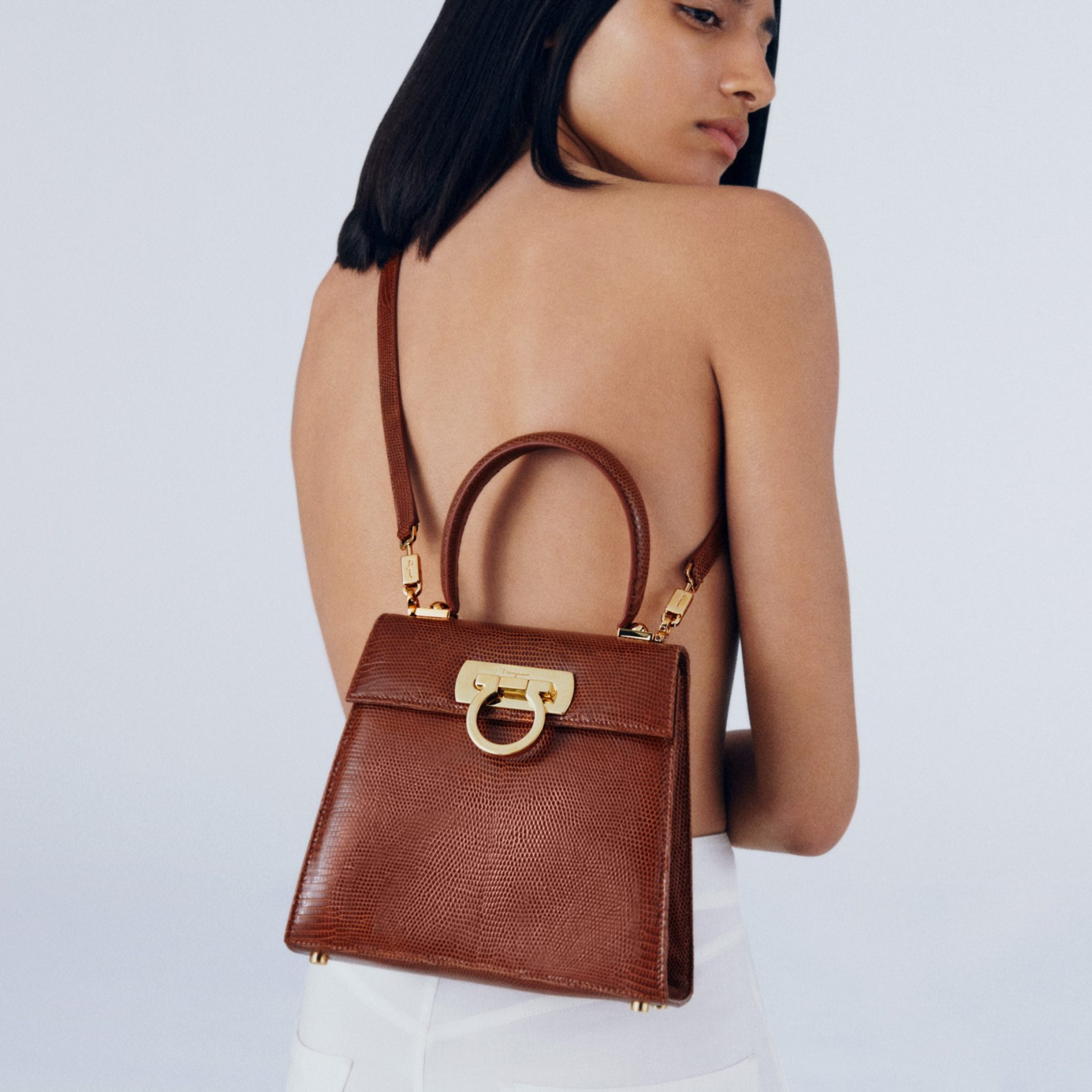
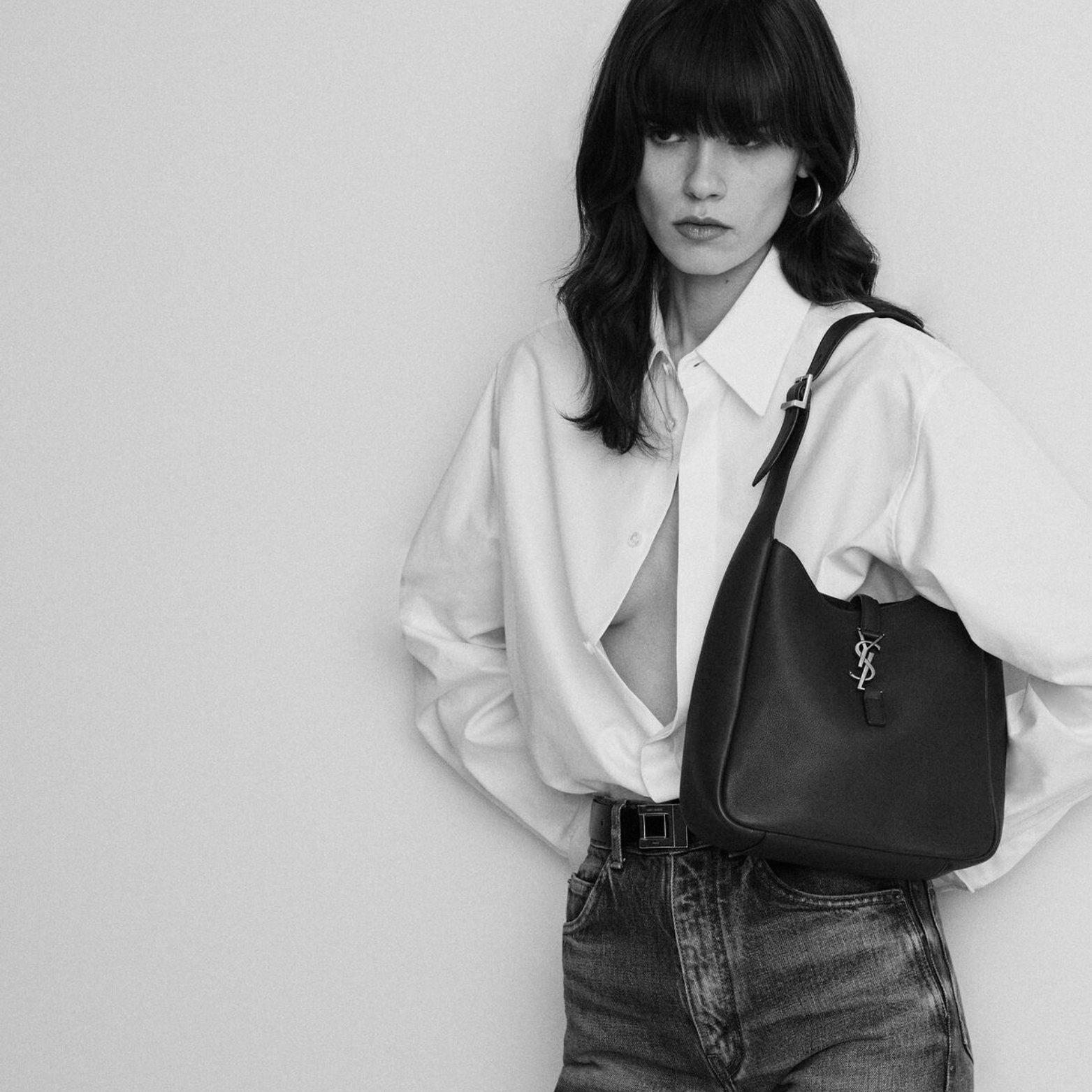
You're standing in Saks Fifth Avenue staring at a Chanel Classic Flap with a $10,800 price tag. Or maybe you're browsing online and just saw a Hermès Birkin listed at $18,000. Possibly you're in a Gucci boutique where even "entry-level" bags start at $1,800. And the question hits hard: why are designer bags so expensive?
It's a fair question. A leather handbag is fundamentally made of leather, thread, hardware, and lining. The materials might cost $200-400 for luxury-grade components. So why does the finished product sell for $2,000, $10,000, or even $50,000+?
The answers are more complex and more interesting than simple markup greed. Designer bag pricing reflects genuine craftsmanship taking dozens of hours, heritage brand positioning built over centuries, materials sourced from the world's best suppliers, deliberate scarcity strategies, and retail systems with multiple markup layers. But it also reflects marketing mythology, aspirational pricing psychology, and profit margins that would make most industries blush.
This comprehensive guide examines why designer bags cost what they do, honestly and thoroughly. We'll explore the legitimate factors justifying premium pricing (exceptional craftsmanship, quality materials, brand heritage), the less admirable factors inflating costs (artificial scarcity, retail markup systems, brand positioning strategies), how to assess whether specific bags justify their prices, where to find designer bags at better prices, and which luxury bags actually hold their value as investments versus which ones are expensive mistakes.
Whether you're trying to understand the pricing before making your first luxury purchase or you're a seasoned collector curious about the business behind the brands, understanding what actually drives designer bag costs helps you shop more strategically and invest more wisely.

The Craftsmanship Factor: Hours of Skilled Labor
Let's start with the most legitimate justification for luxury handbag pricing: the genuine craftsmanship that requires significant skilled labor.
The Hermès Birkin represents the end of handcrafted luxury. One artisan crafts each Birkin from start to finish, investing 18-24 hours of focused work. This isn't assembly-line production, where different workers handle different stages. It's one highly trained craftsperson responsible for the entire bag. Every stitch is placed by hand using the traditional saddle-stitching technique, which requires two needles working simultaneously. Every edge is carefully beveled and polished. The artisan's identifying mark becomes permanently associated with that specific bag, creating accountability for quality.
This labor-intensive approach creates remarkable quality but naturally drives costs. If an artisan earns $30-50 per hour (reasonable for highly skilled craftspeople in France), that's $540-$1,200 in direct labor costs before materials, overhead, or profit margins. Add premium exotic leathers costing $2,000-5,000, plus brand positioning and retail markup, and you start understanding how Birkins reach $15,000-$100,000+.
The Chanel Classic Flap requires different but equally meticulous craftsmanship. The signature diamond quilting must align perfectly across seams and closures. The chain strap is handwoven from leather to create its distinctive weight and movement. The CC turn-lock mechanism requires precise installation to operate smoothly while maintaining security. Multiple quality control checks ensure every detail meets Chanel's standards.
These processes typically take 12-15 hours from start to finish. While it requires less labor than a Birkin, it still involves significant skilled work that can't be rushed without compromising quality.
Italian leather goods from Gucci, Prada, and Bottega Veneta are slightly less labor-intensive yet still genuinely handcrafted. A Gucci Marmont bag requires 8-12 hours of skilled work. Bottega Veneta's signature Intrecciato weaving (handwoven leather strips) takes even longer - 15+ hours for complex pieces.
However, not all "designer" bags justify their pricing through craftsmanship. Many contemporary luxury brands use significantly more mechanization. When bags are largely machine-sewn with minimal hand-finishing, the labor costs drop dramatically. A bag requiring 2-3 hours of semi-skilled labor doesn't justify the same premium as pieces requiring 15-20 hours of master craftsmanship.
The honest assessment: for heritage luxury houses producing genuinely handcrafted goods (Hermès, Chanel, and, to a lesser extent, Bottega Veneta; some Gucci, Balenciaga, and Prada pieces), labor costs meaningfully contribute to premium pricing. For brands that rely heavily on mechanization and charge similar prices, labor costs represent a smaller share of the retail price.
"When you purchase a Birkin, you're not just buying leather and hardware. You're compensating an artisan for 20+ hours of skilled labor that cannot be replicated by machines. That human expertise has genuine value that justifies significant pricing premiums."
- Pierre-Alexis Dumas, Artistic Director, Hermès
Materials That Actually Cost Something
The materials used in luxury handbags genuinely cost more than those in mass-market alternatives. The question is: how much more?
Leather quality varies enormously in luxury goods. The finest calfskin used by Hermès, Chanel, or Bottega Veneta is full-grain leather from carefully selected hides. These skins cost $15-30 per square foot for standard colors, $25-50 per square foot for special finishes. A handbag requiring 3-5 square feet of leather costs $75-250.
Compare that to corrected-grain leather (sanded to hide imperfections and then embossed with an artificial grain), used by mid-tier brands, which costs $5-10 per square foot. The difference is real and visible. Full-grain leather has natural variation, develops beautiful patina, and lasts decades with proper care. Corrected-grain leather looks more uniform initially, but wears less gracefully and has a shorter lifespan.
Exotic leathers justify even higher pricing. Alligator skin runs $400-800 per square foot. Crocodile can exceed $1,000 per square foot for flawless skins in desirable colors. Ostrich, python, and lizard fall somewhere between. A Birkin in Porosus crocodile might contain $3,000-8,000 in leather alone before any labor or overhead.
These exotic leathers require specialized tanning, careful storage, and expert handling. The price reflects scarcity (strict regulations limit supply), processing difficulty (exotic skins are harder to work with), and prestige positioning (only the wealthiest clients purchase exotic leather bags).
Hardware quality adds meaningful costs as well. Luxury brands use solid brass or zinc alloy hardware with proper gold, palladium, or ruthenium plating. A Chanel turn-lock mechanism costs $50-100 to manufacture. Hermès hardware undergoes extensive finishing and quality testing. Chain straps made of high-quality metal add $100-200 to production costs.
Compare this to hollow hardware with thin plating used by fast-fashion brands, priced at $5-15 per bag. The difference affects both appearance and longevity. Quality hardware maintains its finish for years. Cheap hardware tarnishes, flakes, or breaks relatively quickly.
Linings and interior materials add costs. Luxury bags use proper leather or high-grade textile linings. Interior pockets are functional and well-constructed. Zippers are quality YKK or Lampo. These details cost $50-100 per bag, compared with $10-20 for cheaper alternatives.
Canvas materials are cheaper but still premium. Louis Vuitton's coated canvas and Gucci's GG Supreme cost significantly less than leather - roughly $8-15 per square foot. However, the proprietary nature, durability, and brand recognition of these materials still justify premiums over generic canvas.
The materials reality: for a standard leather luxury bag, actual material costs (leather, hardware, lining, components) typically range from $250 to $ 600. For exotic leather pieces, materials can exceed $5,000. These costs are legitimate but still represent only 10-25% of retail prices for standard bags, 25-40% for exotic leather pieces. The remaining 60-90% of retail price reflects labor, overhead, brand positioning, and profit margins.

Brand Heritage: The Intangible Value You're Paying For
Here's where luxury pricing gets more philosophical: you're not just buying a bag, you're buying into brand history, cultural positioning, and aspirational identity.
Heritage brands carry centuries of stories. Hermès began in 1837 as a harness workshop serving European nobility. That 187-year history of serving elite clients creates cultural capital that startup brands cannot replicate, regardless of product quality. When you buy Hermès, you're accessing that heritage.
Chanel revolutionized women's fashion in the 1920s, freeing them from corsets and introducing comfortable elegance. Coco Chanel herself became a cultural icon. Owning a Chanel bag connects you to that revolutionary spirit and iconic founder.
Louis Vuitton pioneered luxury travel goods in 1854, introducing innovations such as flat-top trunks that stacked efficiently. The brand's history is intertwined with aristocratic travel and an elite lifestyle. That narrative adds value beyond pure functionality.
This heritage justifies some premium, but how much? A 100-year-old company that produces quality goods deserves recognition for its sustained excellence. However, brands leverage heritage to justify markups that exceed any reasonable valuation of historical prestige.
Cultural positioning creates aspirational value. Luxury brands don't just sell bags. They sell identity, status, and belonging to exclusive groups. When you carry a Birkin, you signal wealth and social positioning. That signaling value has genuine worth to many buyers beyond the bag's functional or aesthetic qualities.
However, this veers into uncomfortable territory. You're paying for what the bag communicates to others, not for its inherent product qualities. Whether that justifies pricing at $10,000+ depends entirely on personal values around status signaling.
Celebrity associations amplify brand value. When style icons carry specific bags - Jackie Kennedy with the Gucci Jackie, Princess Diana with the Lady Dior, Jane Birkin inspiring the Hermès Birkin - these associations create cultural mythology that commands premiums. You're buying a connection to those icons and their stories.
The innovation tax costs extra. Brands that genuinely innovate (Hermès's Birkin design, Chanel's quilted leather, Louis Vuitton's coated canvas, Bottega Veneta's Intrecciato weaving) earn some premium for creative vision that defined entire categories. However, many luxury brands now charge "innovation premiums" for minor design tweaks rather than genuine breakthroughs.
The heritage reality: brand history and cultural positioning have legitimate value that some buyers are willing to pay for. However, this intangible value is subjective. One person's "worth every penny to own Hermès heritage" is another person's "ridiculous to pay $10,000 for brand name." There's no objective answer, only personal values.
"Heritage luxury isn't just about objects. It's about belonging to tradition, connecting with history, and signaling cultural literacy. Whether that's worth the premium depends entirely on how much value you personally place on those intangibles."
- Dana Thomas, Author of "Deluxe: How Luxury Lost Its Luster"
The Scarcity Strategy: Deliberately Limited Supply
One of the most significant factors driving luxury bag prices has nothing to do with costs: it's artificial scarcity created by deliberate supply constraints.
Hermès perfected this strategy. You cannot simply walk into a Hermès boutique and purchase a Birkin or Kelly. There are waiting lists spanning months to years. Sales associates determine who gets offered bags based on purchase history, relationship with the store, and various opaque factors. This manufactured scarcity creates intense demand that supports astronomical pricing.
The truth: Hermès could produce more Birkins. They have the artisans, the materials, the facilities. They choose not to because scarcity maintains exclusivity and pricing power. If Birkins were readily available, demand would normalize, and prices would moderate.
Chanel employs similar tactics through regular price increases. The Classic Flap has increased from roughly $4,500 in 2015 to $10,800+ in 2026. Proportional cost increases don't drive these increases. They're strategic positioning decisions aimed at maintaining exclusivity and aspirational status. By pricing Classic Flaps beyond easy reach for middle-class buyers, Chanel preserves the bag's elite positioning.
Limited editions and seasonal releases create artificial urgency. Brands produce specific quantities of special colors, collaborations, or designs. This "fear of missing out" drives full-price purchases among buyers worried about losing access. The genuine scarcity of limited editions justifies some premium. But the manufactured nature of that scarcity is a deliberate strategy rather than a natural constraint.
Production limits maintain pricing power. Luxury brands could scale production significantly. They choose not to do so because an abundant supply would undermine pricing. The business model relies on controlled scarcity, creating more demand than supply and allowing premium pricing to persist.
The scarcity reality: while some production constraints are genuine (limited artisan capacity for Hermès, for instance), much scarcity is strategic. Brands create just enough shortage to maintain desire without losing so many sales that profits decline. This benefits brands enormously but means consumers pay higher prices for items that could be more widely available without compromising quality.
The Retail Markup System: Why Boutiques Cost More
Understanding the retail system helps explain why designer bags cost so much at traditional boutiques versus alternatives.
The traditional markup structure typically works like this:
- Manufacturing cost (materials + labor): $400-800 for standard luxury bag
- Brand markup (design, overhead, marketing, profit): 2-3x manufacturing cost = $1,200-2,400
- Retail markup (boutique or department store): 2-2.5x wholesale cost = $2,400-6,000 retail price
This means a bag with $600 in actual manufacturing costs sells for $4,000-$5,000 in retail through traditional channels. Is that markup justified?
Brands argue it covers:
- Design and creative direction costs
- Marketing and advertising budgets
- Boutique real estate in prime locations
- Sales associate salaries and training
- Corporate overhead
- Warranty and customer service
- Research and development
- Profit margins for investors
These are legitimate business costs. However, the markup percentages (400-600% over manufacturing costs) are significantly higher than those in most industries. Brands can charge these premiums because luxury positioning allows it, not because costs require it.
Boutique retail adds another markup layer. When you buy from department stores rather than brand boutiques, the department store takes 40-50% of the retail price. This adds nothing to product quality but substantially increases consumer costs.
Direct-to-consumer sales (brand boutiques and websites) eliminate department store markup. This is why some brands increasingly focus on their own retail rather than wholesale partnerships. They capture full retail margin themselves.
Outlet stores reveal true markup. When designer bags sell at outlet stores for 40-60% off retail, brands remain profitable. This proves the massive markups built into full-price retail.
The retail reality: the traditional luxury retail system involves multiple markup layers that drive prices well above manufacturing costs. While brands have legitimate expenses, the markup percentages reflect luxury positioning and pricing power rather than pure cost coverage.

Geographic Pricing: Why Location Affects Cost
Designer bags cost dramatically different amounts depending on where you buy them, revealing how much pricing reflects strategy rather than costs.
Europe offers the best luxury bag pricing globally for several reasons:
VAT refunds provide immediate savings. International visitors can claim back Value Added Tax (typically 15-22% depending on the country) on luxury purchases. For a $5,000 bag, that's $750- $ 1,100 in savings. This makes European shopping worthwhile, even including travel costs for serious purchases.
Local production eliminates import costs. Italian brands (Gucci, Prada, Bottega Veneta, Fendi) manufactured in Italy avoid international shipping, import duties, and handling costs that drive up prices elsewhere. Buying Gucci in Milan means purchasing closer to the source.
Competitive local markets keep pricing reasonable. European luxury markets are mature and competitive. Brands can't price as aggressively without losing sales to nearby competitors.
Currency fluctuations create opportunities. When the Euro weakens against other currencies (e.g., the dollar, pound, and yen), international shoppers gain additional purchasing power. A $5,000 bag might cost 4,500 Euro, but if exchange rates are favorable, that converts to $4,500 USD, resulting in $500 in savings before VAT refund.
The US typically has the highest luxury prices globally due to:
- Import duties and shipping costs
- Wealthy consumer base willing to pay premiums
- Less competition among luxury retailers
- Premium positioning strategies targeting affluent Americans
- State sales taxes (though no VAT refunds to reclaim)
Asian markets often face even higher luxury pricing as brands position products as aspirational status symbols. In China, in particular, luxury bags can cost 30-40% more than US prices, prompting Chinese consumers to shop abroad extensively.
The Middle East sits somewhere between with tax-free shopping offsetting some premium positioning.
The geographic reality: designer bag costs vary 20-40% globally for identical products. This price discrimination proves pricing is strategic rather than purely cost-based. If actual costs drove prices, geographic variations would reflect only shipping and duties, not these massive disparities.
"When the same Gucci bag costs $2,200 in Milan, $2,800 in New York, and $3,400 in Shanghai, you're seeing pure pricing strategy at work. The costs to produce that bag are identical regardless of where it sells."
- Luca Solca, Luxury Goods Analyst, Bernstein
Which Designer Bags Are Actually Worth Their Prices
Not all expensive bags deliver value commensurate with their cost. Here's an honest assessment of what actually justifies premium pricing.
Worth the Money (Relatively)
Hermès Birkin and Kelly: If any luxury bags justify extreme pricing through pure craftsmanship, these do. The 20+ hours of skilled artisan labor, premium materials, and genuine scarcity (they can't easily scale artisan capacity) create legitimate value. Resale values that match or exceed retail prices confirm that the market validates their pricing. However, "worth it" at $ 15,000–$50,000+ is a deeply personal decision.
Bottega Veneta Intrecciato bags: The handwoven leather requires genuinely skilled labor (12-15+ hours for complex pieces). The craftsmanship justifies a premium over machine-sewn bags, though the $2,500-4,000 price point still includes significant brand markup.
Chanel Classic Flap: The construction quality, timeless design, and strong value retention (70-85% resale value) create a reasonable investment case at current $10,000+ prices, though 2015's $4,500 pricing was more justified by actual costs.
Questionable Value
Louis Vuitton monogram canvas bags: Coated canvas costs dramatically less than leather ($8-15 per square foot versus $20-50). Mechanized production requires minimal labor (typically 2-4 hours). Pricing at $1,500-$2,500 largely reflects brand premium and logo recognition rather than materials or craftsmanship. Still durable and holds value reasonably (55-70% resale), but the markup over costs is extreme.
Gucci Marmont bags: Quality is genuine (good leather, decent construction), but the relatively mechanized production and 8-12-hour labor don't fully justify the $1,980-$3,800 price point. You're paying significantly for GG logo prominence and brand cachet. A resale value of 65-75% suggests the market partially agrees that these are priced for positioning rather than pure value.
Contemporary "affordable" luxury bags: Brands like Coach, Kate Spade, and Michael Kors charge $400-800 for machine-made bags made from mid-grade leather, offering poor value. The materials and labor costs are estimated at $80- $ 150. The markup percentages exceed even traditional luxury houses while delivering notably lower quality. These price points fall into "luxury" territory while offering mainstream quality.
Actually Poor Value
Hyper-trendy designer bags: Limited edition or collaboration bags commanding premiums of 50-100% above similar quality items purely due to hype. These depreciate dramatically when trends pass, losing 60-80% of value within 2-3 years.
Logo-heavy bags trading on recognition: When bags offer minimal quality or design merit beyond prominent branding, you're paying almost entirely for logo visibility. This might have personal value for signaling, but it's poor value for actual product quality.
The value assessment: even "worth it" luxury bags include massive markups over manufacturing costs. What makes them "worth it" is a combination of genuine craftsmanship, quality materials, proven durability, strong resale value, and personal satisfaction from ownership. But an honest assessment requires acknowledging that all luxury bags cost far more than their production costs alone.

Finding Designer Bags at Better Prices
If you've decided you want designer bags but hesitate at retail prices, several strategies can help you access them at more reasonable costs.
Authenticated Pre-Owned Platforms (Best Overall Value)
The RealReal, Fashionphile, Vestiaire Collective, and Rebag offer professional authentication with significant savings:
Savings: 30-60% off retail for pre-owned in good to excellent condition. Benefits: Professional authentication, return policies, and condition descriptions. Trade-offs: Pre-owned rather than new; inventory varies
Example: $2,800 Gucci Marmont retail might cost $1,700-2,000 pre-owned (40% savings). $10,800 Chanel Classic Flap might be $7,000-8,500 pre-owned (30-35% savings).
The stigma around pre-owned luxury goods has largely disappeared. Many listings are "new with tags" or "worn once" condition at substantial discounts.
European Shopping with VAT Refunds
Strategy: Purchase in Europe (Italy, France, UK) and claim VAT refunds
Savings: 15-22% VAT refund plus potential currency advantages and lower base pricing. Requirements: International travel; patience with the refund process. Best for: Major purchases ($3,000+) where savings offset travel costs or when traveling anyway
Example: A $5,000 bag in the US might cost 4,200 Euro (roughly $4,400) in Italy. After 22% VAT refund (924 Euro = $950), net cost is $3,450, saving $1,550 (31%).
Outlet Shopping (Good for Specific Items)
Gucci, Prada, Balenciaga, Bottega Veneta outlets at premium outlet malls:
Savings: 30-50% off retail. Benefits: New merchandise, authentic, standard warranty. Trade-offs: Previous seasons, sometimes made-for-outlet items with different construction
Critical: Verify whether items are previous mainline merchandise (excellent value) or made-for-outlet pieces (less desirable). Check tags for dots, circles, or different serial number formats indicating outlet production.
End-of-Season Sales at Department Stores
Nordstrom, Saks, Neiman Marcus, and Bloomingdale's offer seasonal clearance:
Savings: 20-40% off during Black Friday, January clearance, and summer sales. Benefits: Authenticated, clear return policies, and customer service. Trade-offs: Limited to previous season styles, competitive (items sell out)
Strategy: Shop early for the best selection, join loyalty programs for early access, and set alerts for specific items.
What to Avoid
Instagram sellers without verification: Even with pretty photos, zero recourse for counterfeits. Too-good-to-be-true websites: $5,000 bags at $500 are always fake. Marketplace platforms without authentication: Facebook, Craigslist, and OfferUp are counterfeit havens. Random "luxury discount" sites: If you've never heard of them and can't verify legitimacy, skithem.it
The smart shopping reality: with patience and a strategic approach, you can access authentic designer bags at 30-50% below retail through a combination of pre-owned shopping, European purchases, outlets, and seasonal sales. This makes luxury significantly more accessible without compromising on authenticity or quality.
Investment Value: Which Bags Actually Hold Worth
Many people justify luxury bag purchases as "investments." Let's examine which bags actually deliver investment value versus which ones are just expensive purchases.
Genuine Investment Pieces
Hermès Birkin and Kelly: These often sell pre-owned for more than retail price, especially for rare colors or exotic leathers. A $15,000 Birkin bag might resell for $18,000- $25,000 immediately. This is genuine investment/appreciation rather than just value retention.
Chanel Classic Flap: Holds 70-85% of retail value consistently. With Chanel's regular price increases, buying during one year and selling a few years later can approach break-even or small losses rather than significant depreciation.
Limited edition pieces from top brands: Rare colors, special collaborations, or discontinued styles from Hermès, Chanel, or Bottega Veneta can command premiums over original retail when scarcity increases desirability.
Good Value Retention
Louis Vuitton classics: Neverfull, Speedy, and other iconic styles hold 55-70% of retail value, which is decent for fashion items.
Gucci Marmont: Modern classic status means a 65-75% resale value, confirming that market demand supports the pricing.
Bottega Veneta signature styles: Cassette, Jodie, and Intrecciato pieces maintain 60-75% of value due to distinctive craftsmanship.
Poor Investment Value
Trendy styles from any brand: Hyper-seasonal bags depreciate 60-80% immediately. What's hot today is forgotten tomorrow.
Logo-heavy contemporary brands: Coach, Kate Spade, Michael Kors bags depreciate to 30-50% of retail quickly as trendy logos date.
Lesser-known luxury brands: Without strong recognition, resale markets are thin, and values collapse.
The investment reality: Only Hermès Birkins/Kellys genuinely appreciate. Chanel Classic Flaps approach investment-grade with strong value retention. Everything else depreciates significantly - the question is how much. Even "good value retention" at 60-70% still results in a $800-1,500 loss on a $2,500 bag. They're wearable luxury, not financial investments. Buy them because you'll use and love them for years, not expecting profit.
"The 'investment bag' narrative is mostly marketing mythology. Yes, Birkins appreciate and Chanels hold value well, but that's the extreme exception. Most designer bags depreciate 30-50% immediately. Buy them for enjoyment, not returns."
- Julie Wainwright, Founder of The RealReal
The Honest Bottom Line
So why are designer bags so expensive? The complete answer includes:
Legitimate factors:
- Genuine skilled craftsmanship (15-25% of retail price)
- Quality materials (10-25% of retail price)
- Brand heritage and innovation (5-10% of retail price)
- Legitimate business operations (15-25% of retail price)
Strategic factors:
- Artificial scarcity maintains pricing power
- Multi-layer retail markups (40-60% of retail price)
- Aspirational positioning and status signaling
- Geographic price discrimination
- Profit margins (15-30% of retail price)
The math shows that $3,000- $5,000 designer bags typically cost $500- $1,000 to manufacture, including materials, labor, and direct expenses. The remaining $2,000- $4,000 covers brand positioning, retail systems, marketing, overhead, and profit.
This isn't inherently wrong - brands deserve compensation for design, positioning, and building customer desire. But it means luxury pricing is strategic rather than cost-driven.
For consumers, this reality suggests:
- Don't assume high prices = proportionally high quality
- Focus on pieces with genuine craftsmanship, justifying premiums
- Explore alternatives (pre-owned, outlets, European shopping) to avoid pure brand markup
- Buy pieces you'll use constantly to justify costs through usage
- Choose classics with proven value retention over trendy pieces
- Never fool yourself that these are pure "investments" (except for rare exceptions)
Designer bags are expensive because brands can charge what markets will bear, not just because costs require it. Understanding this helps you decide which premiums you're willing to pay and which alternatives offer better value.
Ready to explore authenticated designer bags at prices that make more sense? Browse our curated collection of luxury handbags from Gucci, Prada, Bottega Veneta, Saint Laurent, and more - all verified authentic with competitive pricing that bypasses traditional retail markup. Discover quality luxury without the premium positioning prices.