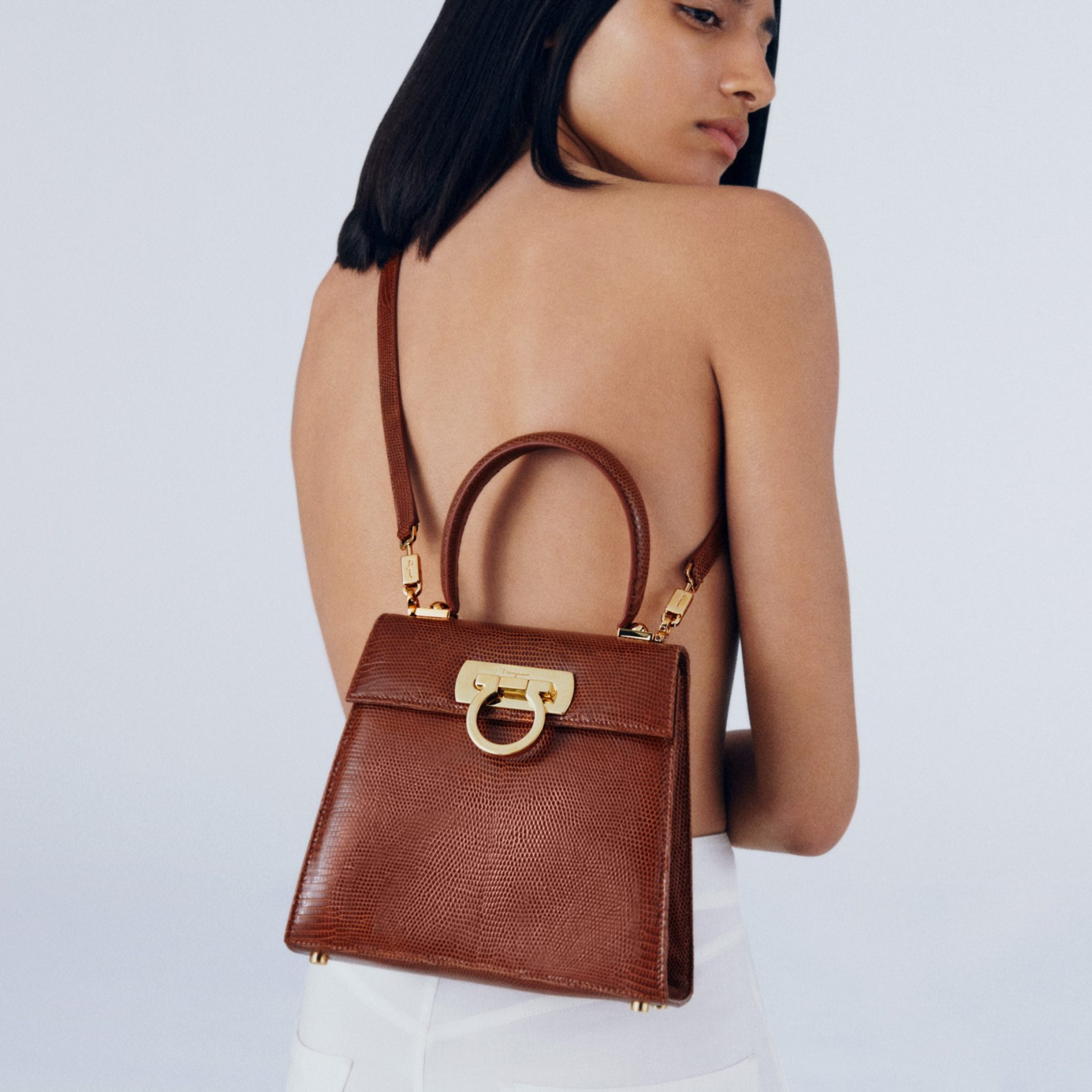
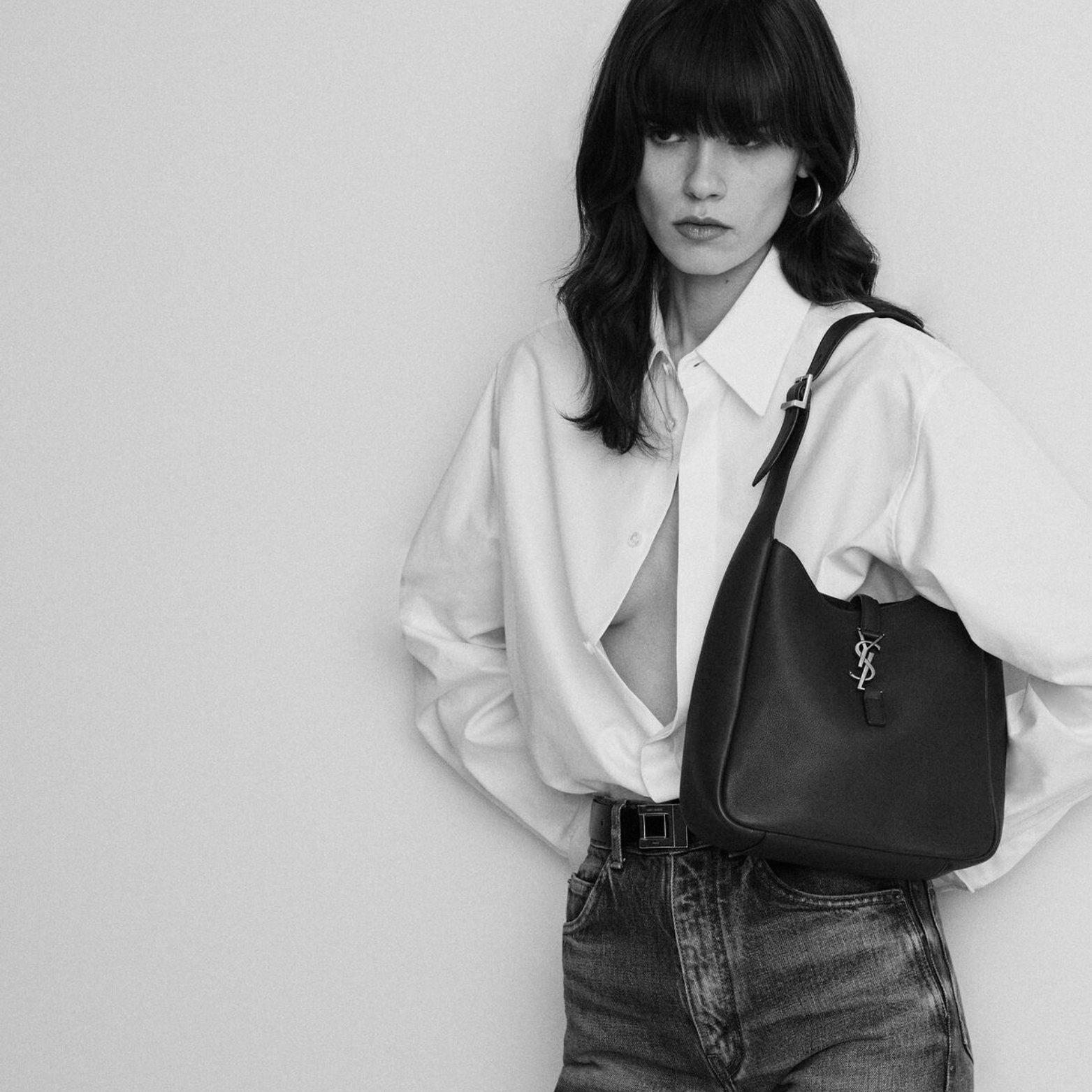
Stand in any Gucci boutique, and you'll feel it immediately. The buttery leather Handbags were displayed like museum pieces. The gleaming hardware catches the light just right. The sales associates who somehow make you feel both welcomed and slightly intimidated. Then you see the price tags, and reality hits hard.
A Gucci Marmont bag costs $2,200 to $3,800. Ace sneakers range from $650 to $850. Even a simple leather belt with that iconic double-G buckle costs $450-$550. For most people, spending this much on accessories is a significant financial decision that requires careful consideration.
So here's the honest question hanging over every Gucci purchase: is it actually worth it? Are you paying for exceptional quality and timeless design, or just expensive branding and logo recognition? What separates Gucci from other luxury brands at similar price points? And which specific Gucci pieces deliver real value versus which ones waste money?
This comprehensive guide examines Gucci in 2026. We'll assess actual quality and construction, and discuss what makes certain pieces worth buying. In contrast, others disappoint by comparing Gucci to competitors like Saint Laurent and Bottega Veneta, reviewing resale value with real data, providing authentication guidance, and helping you determine whether Gucci is a good fit for your wardrobe and budget.
Whether you're considering your first Gucci purchase or adding to an established collection, understanding what actually sets Gucci apart (and where it falls short) helps you make informed decisions about investing in Italian luxury.

Understanding Gucci: What You're Actually Paying For
Before assessing whether Gucci is worth it, understanding what the brand actually represents helps contextualize those eye-watering price tags.
Guccio Gucci founded the house in Florence in 1921, initially producing luxury leather goods for wealthy travelers. The equestrian-inspired details (horsebit hardware, web stripes referencing saddle girths) originated in Gucci's work with horse equipment before it transitioned to fashion. This heritage is in functional luxury goods rather than pure fashion; the brand built its reputation on quality craftsmanship before adding style.
Throughout the 20th century, Gucci became synonymous with Italian luxury, attracting celebrities and creating iconic pieces like the Jackie bag (named for Jackie Kennedy) and the Flora scarf. However, by the 1990s, overexpansion and licensing dilution had seriously damaged the brand's prestige.
Tom Ford's arrival as creative director in 1994 completely revitalized Gucci. His sexy, confident aesthetic transformed it from a fading heritage brand into the hottest luxury label of the late '90s and early 2000s. Ford proved Gucci could be both contemporary and luxurious, setting the template for modern Gucci.
After Ford's departure, several creative directors maintained momentum with varying success. Alessandro Michele's 2015-2022 tenure brought maximalist, eccentric luxury that resonated enormously with younger consumers and made Gucci the world's hottest luxury brand. The abundance of logos, bold patterns, and vintage-inspired details defined an era.
Sabato De Sarno took over as creative director in 2023, bringing a more refined, minimalist aesthetic that references Gucci's Tom Ford era while remaining contemporary. The 2026 collections balance recognizable Gucci elements (GG logos, web stripes, horsebit hardware) with cleaner, more sophisticated styling.
This context matters because you're not just buying leather goods. You're buying into nearly a century of Italian craftsmanship heritage, Tom Ford's sexy sophistication, Alessandro Michele's maximalist vision that captured Gen Z's attention, and Sabato De Sarno's elegant refinement. That cultural capital has genuine value beyond just materials and construction.
However, it also means Gucci's pricing reflects brand positioning and cultural cachet as much as pure quality. Understanding this helps assess whether specific pieces justify their costs.
Quality Assessment: What Gucci Actually Delivers
Let's examine Gucci quality honestly, because this directly affects whether pieces justify their price points.
Leather quality is genuinely excellent. Gucci sources premium Italian calfskin that is supple and features a beautiful natural grain. The leather smells rich and natural rather than chemical. It's not corrected-grain leather painted to hide imperfections - it's quality material selected for inherent beauty. The tanning and finishing processes create durability while maintaining softness.
Construction meets luxury standards convincingly. Stitching is even and precise, typically 7-9 stitches per inch on premium pieces. Seams are reinforced at stress points. The construction withstands regular use without loose threads or failing seams. Interior finishing demonstrates attention: linings are high-quality materials properly attached, pockets are functional and well-placed, and the junction where exterior meets interior is nearly invisible.
Hardware exceeds mid-tier quality significantly. The GG logos, horsebit details, and chain straps have proper weight and substance. They're not hollow stamped metal painted to look premium. Zippers operate smoothly using quality YKK or Lampo manufacturers. Hardware finishes (gold, silver, ruthenium) are properly applied and resist wear reasonably well.
However, Gucci isn't the absolute pinnacle of luxury construction. Compare Gucci directly to Hermès or Bottega Veneta at similar price points, and you'll notice differences. Hermès stitching is slightly more precise. Bottega's handwoven Intrecciato is more labor-intensive. Both use marginally better leather grades.
But here's the important context: Gucci's quality easily justifies its pricing compared to mid-tier brands. It's substantially better than Coach, Michael Kors, or contemporary designer labels. The leather, construction, and hardware genuinely reflect Italian luxury manufacturing.
Durability is very good with proper care. Expect 8-12+ years of regular use from well-maintained Gucci pieces. The canvas items (GG Supreme) prove remarkably durable, resisting scratches and water better than leather. Leather develops beautiful patina rather than just looking worn. Hardware maintains function even with daily use.
Comfort varies by product. The Marmont bags sit comfortably on the Shoulders thanks to thoughtfully designed straps. The Ace sneakers provide decent comfort, though not comparable to athletic brands. The belts work well functionally. Gucci clearly designs for actual wearing rather than just runway aesthetics.
Sizing generally runs true to marked sizes, though always verify specific measurements. Italian sizing sometimes confuses American buyers, so check conversion charts carefully.
The honest quality assessment: Gucci delivers genuine Italian luxury quality that justifies premium pricing over mid-tier brands. It's not the absolute best construction money can buy, but it's very good. You're paying for quality materials and careful construction combined with brand positioning and cultural relevance. The sum creates value extending beyond any single element.
"Gucci represents accessible Italian luxury. The quality genuinely exceeds what most people imagine based on the logo prominence. These are well-made pieces, not just expensive branding."
- Tim Little, Master Craftsman, Leather Spa NYC
The Gucci Marmont: Examining the Modern Icon
The GG Marmont bag represents Gucci's most successful design of the past decade. Understanding why it works illuminates what makes Gucci special in 2026.
Introduced in 2016 during Alessandro Michele's tenure, the Marmont quickly became Gucci's signature piece. The chevron-quilted matelassé leather, oversized GG logo hardware, and chain strap created an instantly recognizable silhouette that balanced heritage references with contemporary styling.
What makes the Marmont particularly successful is how it solves real problems. The quilted leather provides visual interest without being busy. The chain strap (leather-embedded for shoulder comfort) allows both Shoulder and Crossbody wear. The magnetic closure operates easily while staying secure. Multiple interior compartments provide actual organization. The sizing range (mini, small, medium, large) offers options ranging from an evening clutch to a daily tote.
The construction quality of Marmont bags is genuinely impressive. The matelassé quilting shows precise, even work requiring skill to execute properly. The leather feels luxurious - soft but structured enough to maintain shape. The GG hardware is substantial and immediately noticeable. The chain portions don't feel flimsy or cheap.
Interior construction demonstrates proper luxury standards: high-quality linings, functional pockets, and clean edge finishing. The magnetic closure provides a satisfying click without being difficult to open. Even small details, such as dust bag quality and packaging, demonstrate attention to detail and complete the luxury experience.

Color options have expanded dramatically beyond the initial black, white, and red, now including pastels, jewel tones, metallics, and seasonal limited editions. This allows personalization while maintaining a recognizable Marmont silhouette. Black and nude remain universally versatile choices. The bolder colors work when you want the bag itself to add personality to the outfit.
Pricing ranges from $1,980 to $3,800 in 2026, depending on size and materials. The small size ($2,490 typically) hits the sweet spot for daily use - substantial enough for essentials without being cumbersome. This positioning positions Marmont as accessible luxury compared to Chanel Classic Flaps, which exceed $10,000.
Resale value holds remarkably well at 65-75% of retail for pieces in excellent condition. The strong demand for Marmont bags in secondary markets confirms their staying power beyond temporary trends. Black performs best for resale. Limited-color options can command a premium if the condition is pristine.
However, the Marmont has limitations worth acknowledging. The prominent GG logo doesn't suit everyone's aesthetic preferences. The quilted leather, while beautiful, requires more careful maintenance than smooth leather. The chain strap, despite leather backing, can still feel heavy when the bag is fully loaded. And the bag's ubiquity means you'll see similar styles everywhere, which bothers some buyers seeking exclusivity.
The honest assessment: the Marmont represents modern Gucci at its best. Strong design, quality construction, versatile functionality, and cultural relevance combine to justify its premium pricing for the right buyer. If you connect with maximalist Italian luxury and want a recognizable designer bag, the Marmont delivers genuine value. If you prefer subtle minimalism, look elsewhere.
Gucci Ace Sneakers: When Luxury Meets Streetwear
The Gucci Ace sneakers represent the brand's successful entry into luxury streetwear, but they require an honest assessment of what you're actually getting.
Launched in 2015, the Ace combined the classic tennis-sneaker silhouette with Gucci's signature web stripe and various embellishments (bees, snakes, flowers, hearts). The design balanced recognizable luxury branding with wearable everyday styling that appealed broadly.
The construction quality is good for luxury fashion sneakers, but it is important to set proper expectations. The leather is genuine Italian calfskin that feels soft and develops nice patina. The stitching is clean and precise. The rubber soles have proper cushioning and grip. These are genuinely well-made sneakers.
However, comparing Ace sneakers to dedicated athletic brands at similar prices ($650-$850) reveals trade-offs. Nike Air Max and Adidas Ultraboost, priced at $180-220, provide superior comfort, cushioning, arch support, and performance. Common Projects at $400-450 offer comparable leather quality with a more minimalist design. Golden Goose offers a similar level of luxury sneaker quality at comparable pricing.
What you're paying for with Aces is that Gucci logo and web stripe. The recognizable branding makes these immediately identifiable as luxury sneakers rather than just nice Shoes. For some buyers, that visibility justifies the premium. For others, it feels like paying for branding rather than functionality.

Comfort is decent but not exceptional. The leather molds to your feet over time, creating a custom fit. The cushioning is suitable for casual daily wear but not for extended walking or standing. The sizing runs true to Italian conversions. These work perfectly for stylish everyday wear but aren't proper athletic shoes.
The versatility proves surprisingly good. Ace sneakers dress down tailored pieces beautifully - with suits, trousers, or blazers. They elevate casual jeans-and-t-shirt combinations. They work with dresses for high-low mixing. This crossover between formal and casual maximizes usage.
Resale value is typically 50-60% of retail, slightly lower than for Gucci bags—the higher the volume and more trend-driven the resale. Limited editions and collaborations hold value better than standard styles.
The styling is straightforward. Keep everything else relatively simple so the sneakers provide the statement. White versions work most universally. Embroidered styles add personality but date faster as details go in and out of fashion.
The honest verdict: Gucci Ace sneakers make sense if you want immediately recognizable luxury sneakers, understand you're paying a premium for branding, and will wear them regularly. They don't make sense if you prioritize pure comfort or athletic performance, prefer subtle luxury without obvious logos, or feel uncomfortable with luxury sneaker pricing.
"The Ace sneaker proved luxury brands could dominate streetwear without compromising their heritage. That bridge between high fashion and everyday cool became extremely influential."
- Angelo Flaccavento, Fashion Critic
The Gucci Belt: Investment or Overhyped Accessory?
The Gucci belt deserves its own analysis because it's simultaneously one of the brand's most popular and most polarizing pieces.
The leather belt with a double-G buckle became a cultural phenomenon in the late 2010s. Everyone from celebrities to college students wore them, often prominently displayed over oversized hoodies or cinching blazers. The ubiquity made Gucci belts fashion shorthand - instantly recognizable, immediately establishing the wearer as someone who owns luxury goods.
The construction quality is genuinely good. The leather is quality Italian calfskin that ages beautifully. The buckle is substantial metal with proper weight - not hollow stamped material. The belt withstands regular wear without stitching failures or hardware issues. From a purely construction standpoint, these justify pricing at $450-$550 per belt.
However, pricing for a basic leather belt with a logo buckle feels excessive when you can buy comparable quality leather belts with less prominent branding for $150-200. You're absolutely paying a premium for that GG logo visibility. Whether that premium makes sense depends entirely on personal values.
The styling versatility is real. A black Gucci belt with a gold buckle instantly elevates it. It works with jeans, trousers, dresses, blazers, and coats. The belt genuinely elevates simple pieces into intentional looks. This versatility yields a high cost-per-wear value if you use it regularly.
But there's an elephant in the room: the Gucci belt has become so common it's almost cliché in some circles. Wearing one might make you look fashion-conscious or as if you're trying too hard, depending on context and styling. This cultural baggage complicates the investment calculus.

Resale value holds at 55-65% of retail in good condition, which is reasonable. The consistent demand proves people genuinely want these beyond temporary trends. Black with gold hardware performs best in resale markets.
The honest assessment: Gucci belts make sense if you genuinely love the aesthetic, will wear them frequently with varied outfits, and aren't bothered by their commonality. They don't make sense if you're buying purely because they're trendy, feel self-conscious about prominent branding, or prioritize exclusivity over recognition.
Comparing Gucci to Other Luxury Brands
Understanding whether Gucci is worth it requires comparing it directly to alternatives at similar price points.
Versus Saint Laurent: Saint Laurent operates at a similar price point ($1,500-$3,500 for most bags) under the same Kering parent company. Saint Laurent leans more minimalist and rock-and-roll, while Gucci embraces maximalism and Italian flair. Quality is comparable: both use premium Italian leather and feature careful construction. Saint Laurent holds slightly better resale value (60-75% vs. Gucci's 55-70%) due to its more restrained branding, which ages better. Choose Saint Laurent for a refined edge, Gucci for a bold personality.
Versus Prada: Prada competes directly on price ($1,800- $3,500), while maintaining comparable quality standards. Prada tends toward intellectual minimalism while Gucci embraces emotion and decoration. Both offer excellent Italian craftsmanship. Prada's nylon pieces provide a unique positioning that Gucci can't match. Prada feels more conceptual; Gucci feels more indulgent. Choose based on aesthetic preference - neither is definitively "better."
Versus Louis Vuitton: LV's monogram canvas bags ($1,500-$3,000) compete with Gucci's GG Supreme canvas offerings. Both provide recognizable branding and durable materials. LV holds resale value slightly better (60-75% vs. Gucci's 55-70%) and has a deeper heritage. LV skews more classic; Gucci feels more fashion-forward. Both suffer from counterfeiting. Choose LV for timeless classics, Gucci for contemporary luxury.
Versus Bottega Veneta: Bottega operates at similar pricing ($1,800-$4,000) but takes an opposite branding approach - zero visible logos, focusing entirely on craftsmanship (signature Intrecciato weaving). Quality edges slightly higher due to labor-intensive construction. Bottega appeals to those seeking "quiet luxury"; Gucci appeals to those seeking recognition. Resale values are comparable. Choose Bottega for subtle sophistication, Gucci for visible luxury.
Versus Chanel: Chanel operates at a significantly higher tier, with Classic Flaps priced at over $10,000, compared with Gucci's $2,000-4,000 range. Chanel's resale value is exceptional (70-85% retention, sometimes appreciating). Chanel represents more traditional feminine luxury, while Gucci offers contemporary boldness. Quality is excellent for both, though Chanel's construction edges higher. Choose Chanel for maximum investment value and ultra-luxury positioning. Choose Gucci for accessible luxury with a contemporary edge.
Versus Contemporary Brands: Brands like Coach, Michael Kors, or Kate Spade offer much lower prices ($200-600) but significantly lower quality. The leather, construction, hardware, and brand positioning don't compare. These deliver good value at their price points but aren't alternatives to genuine luxury. Choose contemporary brands for budget-conscious quality. Choose Gucci for actual Italian luxury craftsmanship.
The comparison reveals Gucci occupying the prime middle ground in the luxury market. More accessible than Hermès or Chanel, more prestigious than contemporary designers, with quality and cultural relevance that competitors struggle to match simultaneously. You're paying for Italian craftsmanship, bold design vision, and genuine luxury positioning that alternatives at similar prices don't quite deliver.
Resale Value: What Happens After You Buy
Understanding Gucci's resale value helps assess true investment worthiness beyond initial purchase satisfaction.
Resale value typically ranges 55-70% of retail when pieces are in excellent condition. This positions Gucci in the solid middle tier of luxury resale - significantly better than mid-tier designer brands (40-50%) but below ultra-luxury like Hermès (85-95%+) or Chanel (70-85%).
Specific items perform differently. The Marmont bags hold value best within Gucci's range, consistently achieving 65-75% retention. The Jackie 1961 (vintage-inspired hobo) performs similarly well. The Dionysus bags with a distinctive tiger-head closure retain 60-70% of their value. Canvas GG Supreme pieces retain 60-65% of their original weight due to their durability. Leather goods without prominent branding typically depreciate by 50-60% because they're harder to authenticate and less recognizable.
The Ace sneakers have a 50-60% retention rate, driven by higher production volume and trend dependence. Belts maintain 55-65% based on condition and hardware finish. Small leather goods (wallets, cardholders) and sunglasses depreciate by 45-55% due to heavy personal use, which causes wear to show quickly.
Condition dramatically affects resale value. A pristine Marmont bag with original packaging, dust bag, and authentication cards sells for substantially more than an identical bag showing signs of wear. Gucci's use of soft leathers means scratches and marks impact value more than they would on canvas or heavily treated leathers.

Color choice significantly impacts resale appeal. Black performs best across the board, followed by neutrals such as beige, camel, and white. Classic red maintains value well due to Gucci's heritage association with the color. Trendy seasonal colors (pastels, neons, unusual shades) depreciate faster because they feel dated more quickly. Limited editions can command premiums, but only if the condition is immaculate.
Authentication documentation matters. Having original receipts, authenticity cards, packaging, and dust bags can add 10-15% to resale value. These items prove authenticity and signal careful ownership, reassuring buyers.
The vintage market shows interesting patterns. Gucci pieces from the Tom Ford era (1994-2004) now command premium prices as collectibles, sometimes selling above original retail price. Alessandro Michele's era pieces (2015-2022) are too recent to predict long-term collectibility. Classic styles like Jackie bags and horsebit loafers have proven multi-decade appeal.
Compare to other luxury options:
- Hermès Birkin/Kelly: Often sell above retail, genuine investments
- Chanel Classic Flap: Retains 70-85%, excellent, but rarely appreciates
- Gucci: Retains 55-70%, good but not exceptional
- Louis Vuitton: Retains 55-70%, comparable to Gucci
- Contemporary brands: Retain 40-50%, significant depreciation
The resale reality: Gucci pieces depreciate 30-45% immediately upon purchase. They're wearable luxury, not financial investments. The decent resale value means you can recover meaningful money if circumstances change, but don't buy expecting profit or even break-even.
The sustainability angle adds value beyond pure economics. Buying one Gucci bag that lasts 12 years is more environmentally responsible than buying four lower-quality bags over the same period. If conscious consumption concerns you, Gucci's longevity provides non-financial value that's increasingly important.
The investment verdict: Gucci holds value reasonably well but isn't an exceptional financial investment. Smart purchases focus on classic styles in versatile colors you'll actually use regularly. The real value comes from years of enjoyment, not resale returns.
"Gucci pieces hold value well enough that they're smart luxury purchases, especially classics like the Marmont. But buy them because you love them, not because you think they'll appreciate. This is fashion, not real estate."
- Julie Wainwright, Founder of The RealReal
Authentication Essentials: Protecting Your Investment
Gucci's popularity has made it one of the most counterfeited brands globally. Knowing authentication basics protects expensive purchases.
Examine serial numbers and authenticity cards carefully. Gucci includes specific tags inside bags and shoes with control numbers. The format has changed over the years, so research the correct format for your item's production period. Counterfeits often use nonsense numbers, incorrect formats, or poorly printed tags. However, serial numbers alone don't guarantee authenticity, as counterfeiters sometimes copy real numbers.
Leather quality reveals authenticity immediately. Authentic Gucci uses premium Italian leather that is supple and features natural grain variation. The leather smells rich and natural. Fake leather can feel plasticky, overly stiff, or unnaturally smooth, with an artificial grain. The smell is chemical rather than naturally leathery. This test alone eliminates most counterfeits.
Hardware must have proper weight and finishing. Real Gucci hardware (GG logos, horsebit details, chains, zippers) features substantial, high-quality metal construction. It feels hefty, not hollow or lightweight. The finishes should be even, with no bubbling or rough spots. Fake hardware often feels lighter and shows poor finishing quality.
Stitching separates real from fake. Authentic Gucci features consistent, even stitching at 7-9 stitches per inch with no loose threads or irregular spacing. Check stitching carefully at corners, edges, and stress points. Examine interior stitching too - counterfeits often show messier work in less visible areas.
Interior construction and lining matter. Genuine Gucci features quality lining materials properly attached without bunching or pulling. Interior seams are clean. Pockets are functional and well-placed. The junction where lining meets leather should be nearly invisible. Counterfeits often show cheap lining, messy seams, or rough interior finishing.
The GG logo must be perfect. Whether embossed in leather, woven into canvas, or applied as hardware, the interlocking GGs should be crisp, clean, and perfectly proportioned. The spacing and alignment must be consistent throughout. Blurry, off-center, or poorly applied logos indicate fakes.
Canvas GG Supreme pattern should align correctly across seams and closures. Authentic Gucci carefully matches patterns so they flow naturally. Fake bags often show misaligned or interrupted patterns at seams.
Packaging signals authenticity. Real Gucci comes with quality dust bags featuring properly printed logos and substantial fabric. Boxes are properly labeled and constructed with solid materials. Care cards and booklets are professionally produced on quality paper. Fake packaging often shows printing errors, thin materials, or obviously cheap construction.
Buy from authorized sources when possible. Gucci boutiques, Gucci.com, and established department stores (Nordstrom, Saks, Neiman Marcus, Bloomingdale's) guarantee authenticity. For pre-owned items, use platforms with professional authentication, such as The RealReal, Fashionphile, Rebag, or Vestiaire Collective. These companies employ experts who verify every item.
Use professional authentication services if uncertain. Companies such as Entrupy, Authenticate First, and Legit Check App offer photo-based or mail-in authentication for $15-50. This small investment protects much larger purchases when buying from sources without guaranteed authentication.
Trust your instincts. If something feels wrong about a deal - price too low, seller evasive, details don't match official specs - walk away. There are always more bags available. Never let excitement override reasonable caution with expensive purchases.
The most reliable way to learn about authentication is to handle genuine Gucci products. Visit boutiques and department stores to examine authentic pieces closely. The more exposure you have to real Gucci quality, the easier spotting fakes becomes.

Where to Find Gucci on Sale (Without Buying Fakes)
If you've decided Gucci makes sense but want to maximize value, finding authentic pieces at a discount helps significantly.
Gucci outlet stores are located in premium outlet malls, including Woodbury Common (New York), Desert Hills (California), Orlando Premium Outlets (Florida), and similar locations. These carry previous season styles, overstock, and occasionally outlet-exclusive pieces at 30-50% below retail. Quality is typically identical to mainline items - you're buying previous collections at a discount.
Be aware that some outlet items are made specifically for outlets and may have slightly different construction. Check tags for small dots or specific markings indicating outlet production. These aren't necessarily inferior but aren't the same as mainline pieces reduced for clearance.
Department stores offer authentic Gucci at a discount during major events. Nordstrom, Saks Fifth Avenue, Neiman Marcus, and Bloomingdale's carry Gucci and participate in sales. Black Friday, end-of-season clearances (January and July), and anniversary sales bring 20-40% discounts on select styles. These sales typically exclude the newest releases but cover styles from previous seasons.
Online luxury retailers such as Farfetch, Mytheresa, Net-a-Porter, and SSENSE run seasonal sales with 15-30% off select Gucci items. These platforms offer a broader selection of international products than US stores. Sales happen around major shopping events and end-of-season periods.
Authenticated pre-owned platforms offer excellent value. The RealReal, Vestiaire Collective, Fashionphile, Rebag, and Poshmark professionally authenticate pre-owned Gucci items. You can find pieces that are barely worn or new-with-tags at 30-50% below retail. This approach provides access to sold-out styles and discontinued designs while saving significant money.
End-of-season timing matters tremendously. Shop for spring/summer Gucci in July-August, when retailers offer deep discounts to make room for fall inventory. Shop for fall/winter pieces in January-February for similar reasons. Patience and strategic timing can save hundreds of dollars.
Sample sales occasionally happen in major fashion cities, particularly New York, Milan, and Los Angeles. Following Gucci on social media and signing up for email alerts helps you stay informed about these events, which often offer 50-70% discounts. However, sample sales are rare, extremely crowded, require quick decisions, and offer limited sizes.
Red flags indicating counterfeits:
- Prices are dramatically below market (50%+ off retail for "new" items from unknown sellers)
- Sellers without verified business addresses or clear authentication processes
- Listings using only stock photos rather than actual product images
- Sellers are unwilling to provide detailed photos of stitching, interior, and serial numbers
- No return policy or buyer protection
- Poor grammar or suspicious phrasing in descriptions
- Selling from social media without established business credentials
When buying on sale or pre-owned, always verify authentication processes. Legitimate platforms and retailers provide detailed photos, clear return policies, and stand behind their authentication. The small extra cost of buying from verified sources protects much larger investments.

Who Gucci Actually Makes Sense For
After examining quality, pricing, design, and positioning, here's when Gucci's purchases justify their investment.
You genuinely love maximalist Italian luxury. Gucci's bold aesthetic with prominent branding, rich colors, and decorative details resonates with your personal style. You're not buying Gucci to fit in or because it's trendy - you authentically connect with the brand's vision.
You value recognizable luxury. Unlike subtle brands relying on quiet craftsmanship, Gucci announces itself clearly. If you want people to recognize your accessories as luxury goods, Gucci delivers that visibility. This matters to some people and doesn't to others - neither is wrong.
You'll actually use pieces regularly. The value proposition strengthens dramatically with frequent wear. A Marmont bag worn three times per week for 10 years costs approximately $0.75 per use. If you'll carry it constantly, the investment makes sense. If it'll sit in your closet, you're wasting money.
You can afford it comfortably without stress. This is non-negotiable. Gucci makes sense only when purchases don't create financial anxiety. Never buy luxury goods you can't truly afford, regardless of how much you love them.
You appreciate quality construction and materials. The Italian leather, careful stitching, and substantial hardware genuinely matter to you beyond just brand names. You're willing to pay for the difference between good and excellent construction.
Your lifestyle and social context support it. In some professional fields (fashion, entertainment, creative industries), luxury accessories signal cultural literacy and success. In other contexts, they might seem ostentatious. Consider whether Gucci fits your actual life rather than aspirational fantasies.
You understand you're buying fashion, not investments. Gucci pieces will depreciate 30-45% immediately. You're buying for enjoyment and use, not financial returns. If that trade-off works for you, proceed. If you need purchases to hold value perfectly, look elsewhere.
When to Choose Alternatives
Gucci doesn't make sense in several situations:
You prefer subtle, minimal luxury. If you love quiet sophistication without logos or bold branding, brands like Bottega Veneta, The Row, or Loro Piana serve you better. Gucci's visibility and maximalism won't satisfy minimalist preferences.
You prioritize maximum investment value. If resale value is the primary concern, Hermès or Chanel offers better value appreciation. Gucci holds value reasonably but doesn't typically appreciate.
You're extremely budget-conscious. If spending $2,000-4,000 on bags feels uncomfortable or irresponsible given your financial situation, that discomfort indicates these aren't right for you at this time. Build financial stability first.
You're rough on belongings. If you quickly damage bags through heavy use, investing in expensive pieces is a waste of money. Gucci's soft leathers require reasonable care. Choose more durable or affordable options if you're hard on accessories.
You want ultimate exclusivity. Gucci's popularity means you'll see similar pieces everywhere. If exclusivity matters more than recognition, choose less common brands or vintage pieces.
You're trend-chasing rather than style-building. If you're buying purely because Gucci is currently popular without a genuine personal connection to the aesthetic, you'll likely regret your purchases when trends shift. Buy for personal style alignment, not temporary popularity.
Making Your Final Decision
If you're seriously considering Gucci, here's how to decide thoughtfully:
Experience pieces in person. Visit Gucci boutiques or department stores carrying the brand. Handle bags, try on shoes, and examine leather quality and hardware weight. Photos don't convey the tactile experience that often clinches decisions.
Identify which specific styles genuinely excite you. Don't buy Gucci to own the brand. Focus on pieces that solve real wardrobe needs. A Marmont you'll carry constantly offers better value than a Dionysus you'll use twice.
Consider your lifestyle honestly. Match purchases to your actual life. If you primarily work from home, investing $850 in Ace sneakers might not make sense. If you're on your feet daily in professional settings, the Marmont bag justifies itself.
Calculate the realistic cost per use. A $2,500 Marmont bag worn 150 times yearly for 10 years costs $1.67 per use. If you actually achieve that level of usage, the investment makes sense. If it'll sit unused, you're wasting money.
Explore outlet and pre-owned options first. Buying at 30-50% off through outlets or authenticated pre-owned platforms lets you experience Gucci quality at a lower risk. If you love it, invest in full-price pieces later.
Check your budget realistically. Can you afford Gucci without stress or debt? Luxury purchases should enhance your life, not create financial anxiety.
Research specific styles thoroughly. Read reviews from actual owners beyond influencer content. Look for mentions of durability, comfort, or unexpected issues.
Consider timing strategically. If you're not in a rush, waiting for seasonal sales or monitoring the pre-owned market might save you $500-1,000 without compromising quality.

The Verdict: When Gucci Delivers Value
So is Gucci worth it in 2026? The answer depends entirely on your priorities, aesthetic preferences, and financial situation.
The brand delivers genuine quality in materials and construction. The Italian leather is excellent. The craftsmanship is careful. The designs have a distinctive personality. These are objective strengths that justify premium pricing relative to mid-tier brands.
Gucci specifically serves people who appreciate bold Italian luxury, want recognizable designer pieces, and connect with maximalist aesthetics featuring prominent branding. If that resonates with your style, Gucci offers what competitors don't quite match at similar prices.
The investment calculus works when you'll use pieces regularly for years. Gucci's quality enables genuine longevity. With proper care, bags last 10-12+ years looking beautiful. That extended usability justifies initial costs through accumulated wear.
However, Gucci doesn't make sense for everyone. If you prefer subtle minimalism, need maximum resale value, or can't comfortably afford luxury pricing, other options may be better suited to you.
For the right person at the right time, Gucci represents smart luxury that balances Italian craftsmanship, bold design vision, and cultural relevance in ways few brands achieve. For others, it's expensive accessories that don't align with their priorities or budget.
Ready to explore authentic Gucci at outlet prices? Browse our authenticated collection, including Marmont bags, Ace sneakers, GG belts, and more. Every piece is verified as genuine, backed by competitive pricing and our authentication guarantee. Discover why Gucci remains one of fashion's most influential luxury brands.