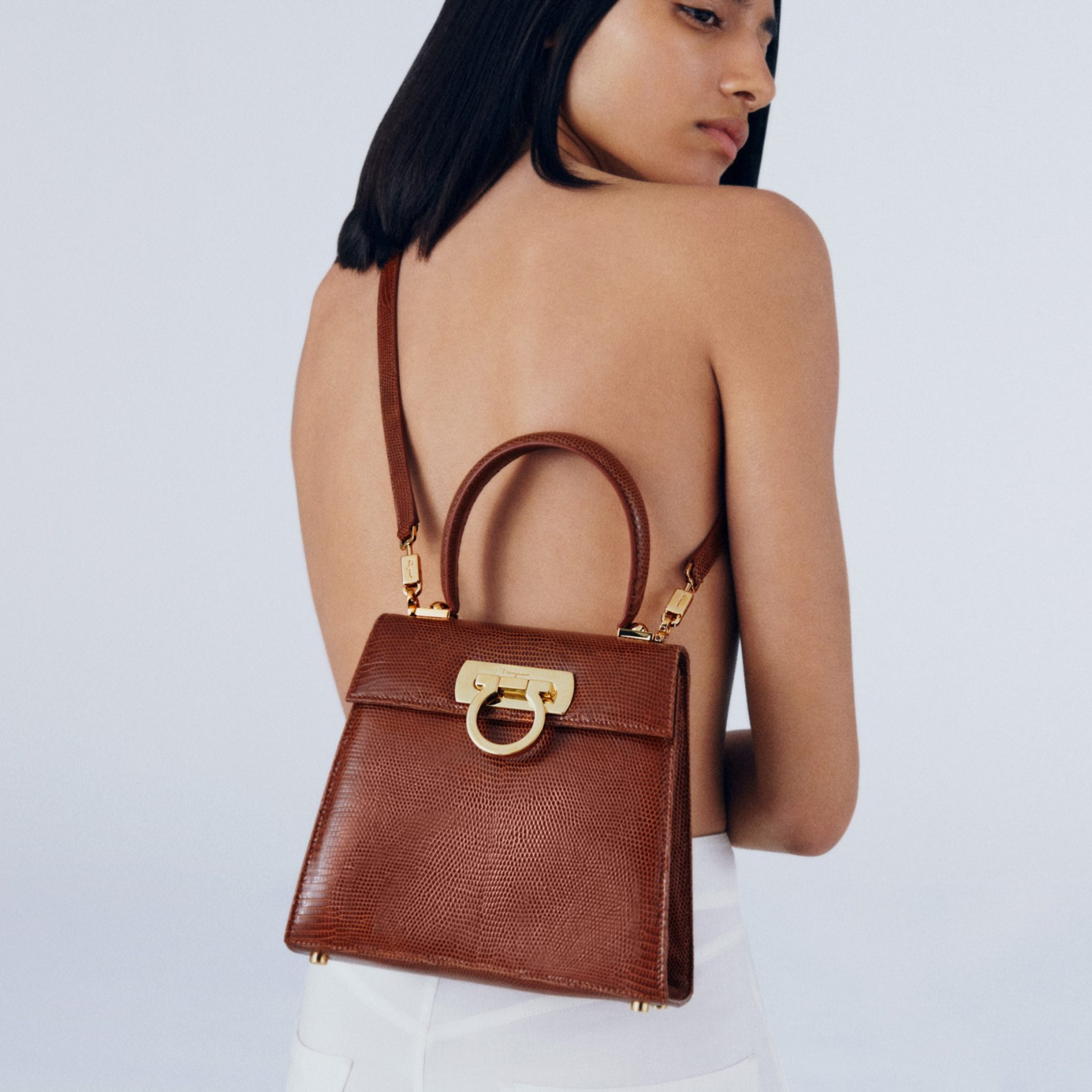
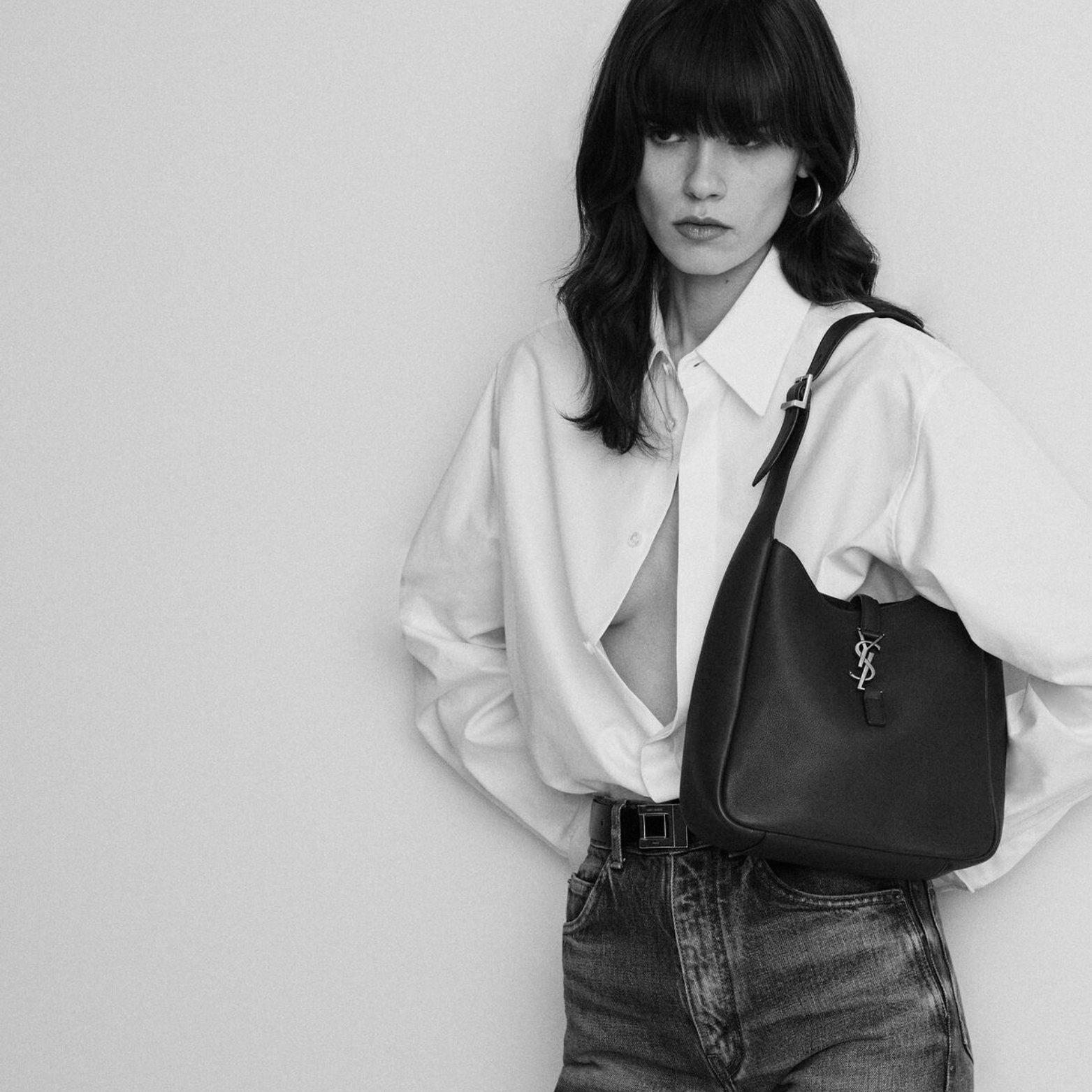
There's something almost magical about January luxury shopping. Those first weeks of the year when you walk past Saks or Nordstrom and notice red "Sale" signs appearing on Gucci bags you've admired for months, Prada shoes that seemed forever out of reach, Bottega Veneta accessories that felt like distant dreams. Suddenly, aspirations become actual possibilities.
The New Year brings more than just fresh calendars and gym memberships. It offers a genuine opportunity to invest in luxury pieces at reasonable prices. That $2,800 Gucci Marmont was marked down to $1,680. Those $850 Prada pumps are now $510. The $650 Bottega Veneta wallet is showing $390. These aren't promotional tricks or inflated discounts. They're real clearance prices driven by retail necessity.
But here's what most people don't understand about New Year designer sales: they require strategy. Walking in unprepared means overspending on trendy pieces you'll regret by March, buying from questionable sources selling counterfeits, or missing the best deals entirely because you didn't know when to shop.
This comprehensive guide examines New Year designer sales strategically and honestly. We'll explore why January brings the year's deepest luxury discounts, which specific designer items deliver real value during New Year sales, how to budget for luxury without financial stress, where to find authenticated pieces at genuine discounts, strategic timing to maximize savings throughout January, and how to align luxury purchases with New Year goals rather than impulse buying.
Whether you're treating yourself as a New Year reward or investing in pieces that support fresh-start goals, understanding how New Year designer sales actually work helps you shop smarter, spend wisely, and start 2026 with luxury that enhances your life rather than complicating it.

Why New Year Designer Sales Are Different (And Better)
New Year sales aren't just another promotional event. They represent a unique convergence of factors that create the year's best luxury shopping opportunities.
The fresh-start mentality changes shopping psychology entirely. January brings a natural moment of self-reflection and renewal. People think about who they want to be in the new year, how they want to present themselves, and what changes they want to make. This creates emotional readiness to invest in pieces supporting those aspirations.
Unlike November's Black Friday shopping (driven by gift-buying urgency and competitive frenzy) or summer sales (focused on clearing seasonal items), New Year sales feel more intentional. You're shopping for yourself, your goals, your vision of the year ahead. This mindset leads to more thoughtful purchases rather than impulse buying.
Retailers face genuine space urgency. Spring collections ship throughout February, arriving in stores by early March. Department stores and boutiques need floor space cleared for new inventory. This creates significant pressure to move fall and winter merchandise quickly, leading to aggressive discounting that benefits shoppers substantially.
The discount progression throughout January reflects this urgency. Items start at 20-30% off in early January. By mid-month, they're 40-50% off as retailers push harder. By late January, remaining pieces hit 50-60%+ off as space needs become critical before spring arrivals.
The timing works perfectly for wearability. You're not buying winter coats in April when you can't wear them for eight months. You're buying leather goods, classic shoes, and timeless accessories in January that you'll use immediately and continuously. The "last season" label matters to retailers managing inventory. Still, it means nothing for classic Gucci bags or Prada loafers that remain stylistically relevant for years, or for some Dolce & Gabbana clothing.
Post-holiday financial reality creates better deals. Retailers know January shoppers are budget-conscious after holiday spending. This creates pressure to offer compelling discounts that feel genuinely valuable rather than promotional tricks. The deals need to be real to overcome natural spending resistance after December.
Competition amplifies discounts. Every luxury retailer runs New Year sales simultaneously, creating competitive pressure to offer attractive pricing. This competition benefits shoppers significantly compared to scattered sales throughout the year.
The New Year difference: these sales combine genuine retailer urgency, thoughtful shopper mindset, perfect timing for usability, and competitive pressure. The result is the year's best opportunity for smart luxury investments.
"January luxury sales represent the perfect storm for shoppers. Retailers need to clear inventory, customers are ready to invest in themselves for the new year, and the timing allows immediate enjoyment of purchases. It's when luxury retail meets consumer psychology most favorably."
- Pam Danziger, Luxury Market Analyst
Aligning Luxury Purchases with New Year Goals
The most successful New Year designer purchases support actual goals rather than just satisfying shopping impulses.
Professional advancement goals: If you're focusing on career growth in 2026, investing in pieces that project confidence and competence makes sense—a structured Prada tote for work. Classic Ferragamo pumps for meetings. A quality Gucci belt that pulls business casual together perfectly. These aren't just purchases - they're tools supporting professional goals.
The investment calculus: that $1,400 Saint Laurent bag, on sale for $2,200 and worn to work 200 times per year, costs $7 per use in year one. If it helps you feel confident and professional during an important year, that's genuine value aligned with meaningful goals.
Lifestyle refinement goals: Many people enter new years wanting to elevate their daily experience. Designer accessories transform routine activities into moments of enjoyment. That Bottega Veneta wallet makes you smile every time you use it. Those Prada sunglasses make you feel polished even when running errands. Small luxuries throughout each day add up to a genuinely enhanced quality of life.
Sustainable consumption goals: Ironically, buying luxury often aligns better with sustainability goals than buying cheaper alternatives. One Gucci bag lasting 12 years is more sustainable than four fast-fashion bags over the same period. New Year sales let you invest in quality while supporting environmental values and staying within budget.
Self-care and confidence goals: For many people, the New Year brings commitment to treating themselves better and prioritizing self-worth. Designer pieces you genuinely love become daily reminders of that commitment. Every time you carry that beautiful bag or wear those elegant shoes, you're reinforcing self-care values.
Financial discipline goals: Surprisingly, New Year designer shopping can support financial goals when done strategically. Setting specific budgets, researching carefully, buying authenticated pieces, focusing on cost-per-wear value - these practices build financial literacy and discipline applicable beyond luxury shopping.
The alignment test: Before buying any designer piece during New Year sales, ask: Does this support a specific 2026 goal? Can I use it regularly? Does it enhance my real life rather than aspirational fantasy? If the answers are yes, the purchase makes sense. If you're buying because it's on sale, reconsider.
Shop designer items under $1000

What to Buy During New Year Designer Sales (Ranked by Value)
Not all designer categories offer equal value during New Year sales. Here's what deserves your budget, ranked by investment worthiness.
1. Classic Leather Handbags (Best Overall Investment)
Why they rank first: Handbags combine maximum versatility, daily usability, strong resale value, and significant discounts during New Year sales.
What to buy: Gucci Marmont, Bottega Veneta Jodie or Cassette, Saint Laurent Kate or Loulou, Prada Galleria or Saffiano totes. These proven classics work across occasions and years.
Expected discounts: 30-50% off during January sales. A $2,500 bag at 40% off ($1,500) represents $1,000 savings on a piece you'll use 1,500+ times over its life.
Colors to prioritize: Black remains universally versatile. Neutral tones (camel, nude, gray, navy) coordinate with everything. Classic red complements the heritage of Italian brands. Avoid loud colors unless genuinely loved.
Why this investment works: Handbags are used frequently, supporting a higher cost-per-wear value. They hold resale value at 55-70% of retail. They enhance every outfit. They last 10-15+ years with care. They support both professional and personal goals.
2. Quality Designer Shoes (Excellent Practical Value)
Why they rank second: Shoes combine high usability with strong January discounts, especially on classic styles that never date.
What to buy: Ferragamo Vara pumps or Gancini loafers, Prada pointed-toe flats or slingbacks, Valentino Rockstud pumps (if you genuinely love them), Gucci Horsebit loafers, Saint Laurent classic pumps.
Expected discounts: 40-60% off during the New Year clearance. $750 shoes dropping to $450- $375 create significant accessible luxury.
Styles to prioritize: Pumps with 2-3 inch heels for versatility. Comfortable loafers for daily wear. Classic ankle boots. Avoid extremely high heels unless your lifestyle supports them.
Why this investment works: Quality shoes worn regularly justify costs through constant use. Proper construction lasts years. Classic styles remain relevant indefinitely. Comfortable designer shoes support standing/walking without suffering.
3. Designer Belts (Small Investment, Big Impact)
Why they rank third: Belts offer the lowest entry price with the highest style-per-dollar ratio.
What to buy: Gucci double-G leather belt, Ferragamo Gancini belt, Saint Laurent leather belt. Simple, classic designs in quality leather.
Expected discounts: 20-40% off. $500 belt at 30% off ($350) feels manageable while still providing genuine luxury.
Why this investment works: Belts instantly elevate any outfit. They're worn multiple times weekly. They last 10+ years with care. They cost less than bags while providing comparable luxury signaling.
4. Small Leather Goods (Accessible Daily Luxury)
Why they rank fourth: Wallets and cardholders offer daily-use luxury at prices that feel achievable even for new luxury shoppers.
What to buy: Bottega Veneta woven leather cardholder, Gucci GG Supreme wallet, Prada Saffiano leather wallet, Saint Laurent cardholder.
Expected discounts: 30-40% off. $400 wallet at 35% off ($260) brings luxury within reach for many shoppers.
Why this investment works: You use wallets daily. Quality pieces last years. They provide tactile luxury throughout each day. They're excellent first designer purchases, building confidence for larger investments.
5. Designer Sunglasses (Seasonal Value)
Why they rank fifth: Sunglasses offer strong January discounts despite being somewhat season-dependent.
What to buy: Classic shapes from Gucci, Prada, or Saint Laurent. Aviators, cat-eyes, or oversized squares in versatile colors.
Expected discounts: 30-50% off. Sunglasses priced at $500, 40% off ($300), make designer eyewear accessible.
Why this investment works: Quality sunglasses last for years. They are suitable for daily use in appropriate climates. They instantly elevate casual outfits. Protection and style combine.
What to Generally Avoid
Extremely trendy pieces: Even at 70% off, you won't wear them long enough to justify any price.
Evening-only clutches: Unless you attend formal events monthly, these offer poor cost-per-use value.
Wrong sizes as compromises: Shoes half a size too small, ng or bags in colors you can't wear, ar waste money, despite discounts.
Pieces requiring extensive lifestyle changes: If you never wear heels, buying them on sale won't suddenly change that pattern.
"The best New Year luxury purchases solve real needs in your actual life. A bag you'll carry daily is worth the investment. An evening clutch you'll use twice isn't, regardless of discount."
- Sarah Rutson, Fashion Consultant
New Year Budget Strategy: Making Luxury Affordable
Let's talk practically about affording designer pieces without financial stress or regret.
The New Year fresh-start budget: Many people receive holiday bonuses or New Year gifts that create specific spending money separate from their regular budgets. If you received $1,000-$2,000 in holiday money, allocating a portion to a long-desired designer piece makes sense. This isn't a regular monthly budget - it's bonus money earmarked for something special.
The cost-per-wear framework: Change how you think about pricing. That $1,200 Bottega Veneta bag may seem expensive at first glance. But wearing three times per week for 10 years equals 1,560 uses at $0.77 per use. Compared to $150, Target bags are replaced every two years. Over 10 years, you'd spend $750 on five mediocre bags. The luxury option costs $450 more over a decade but looks exponentially better throughout.
However, this math only works if you genuinely use items regularly. Evening clutches worn twice yearly cost $60+ per wear at $1,200. That's terrible value regardless of quality.
The 50/30/20 luxury budget split: Consider dividing your New Year's luxury budget strategically:
- 50% on one investment piece (the handbag or shoes you've wanted)
- 30% on everyday luxury (wallet, belt, small accessories)
- 20% on something fun (sunglasses, scarf, or saved for next purchase)
This approach builds a wardrobe rather than buying a single expensive item. It also provides multiple moments of luxury throughout your day, rather than a single significant moment.
The savings match approach: For every dollar you save through January (by bringing lunch instead of buying it, skipping unnecessary subscriptions, cooking at home), match it in your designer fund. This links luxury purchases to positive financial behaviors rather than to spending alone.
The one-year plan: If you can't afford the desired pieces even at sale prices, create a one-year savings plan. $100 per month for 12 months creates a $1,200 designer fund for next January's sales. This transforms luxury from impulsive spending to an intentional goal.
Account for total ownership costs: the $1,500 bag requires care products ($50), professional cleaning ($100-150), and protective treatment ($75). Budget an extra 10-15% beyond the purchase price for proper maintenance to protect your investment.
The non-negotiable rule: Never, ever go into credit card debt for designer purchases. If you can't pay off the card immediately when the bill arrives, you cannot afford the item, regardless of how good the sale looks. Credit card interest ruins any discount and transforms joy into stress.
The budget reality: luxury shopping should enhance your life, not complicate it financially. Set real budgets based on actual circumstances, not aspirational spending. Buy pieces you'll use constantly. Calculate true value through cost-per-wear. And never let designer sales pressure you into purchases you can't comfortably afford.

Strategic Timing Throughout January
New Year designer sales aren't static events. Understanding how discounts evolve throughout January helps you shop strategically.
December 26-January 2: Early Access Period
Discount levels: 20-30% off typically
What's happening: Many retailers start sales this week, while others wait until January 1st. Selection is absolutely maximum - every size, every color, every style, recently marked down.
Strategic approach: Shop immediately if you need specific items in specific sizes. That black Gucci Marmont in small will sell out fast. The classic Prada pumps in size 38 won't last. If you know exactly what you want, early shopping helps ensure availability, even if discounts are moderate.
What to wait on: Unusual colors, uncommon sizes, or less popular styles will likely see deeper discounts as January progresses.
January 3-10: New Year Momentum Week
Discount levels: 25-40% off as retailers compete for New Year shoppers
What's happening: This is peak New Year shopping energy. People are committed to fresh-start purchases and actively shopping. Retailers respond with competitive discounts to capture traffic.
Strategic approach: This week offers a sweet spot between a good selection and meaningful discounts. Popular items in standard sizes are still available, but at better prices than opening week.
Watch for: Flash sales and additional promo codes as retailers compete aggressively this week.
January 11-20: Deepening Discount Phase
Discount levels: 35-50% off as retailers push harder to move inventory
What's happening: Selection narrows as bestsellers sell out, but remaining inventory gets marked down further. Retailers realize which items aren't moving at initial discounts and adjust pricing.
Strategic approach: Check back on items you liked but found too expensive initially. That burgundy Saint Laurent bag at 30% off week one might hit 45% off by week two. Unusual sizes or colors see aggressive markdowns.
Benefit: Returns from earlier purchases begin to hit inventory, sometimes filling waitlists at the original sale prices.
January 21-31: Final Clearance Phase
Discount levels: 50-70% off on remaining inventory
What's happening: Retailers desperately need space for spring arrivals shipping throughout February. Anything left gets marked down dramatically.
Strategic approach: This functions as a "bonus round" shopping experience. Selection is heavily picked over - mostly odd sizes, uncommon colors, or styles that didn't resonate initially. But for flexible shoppers, incredible deals emerge.
Reality check: By late January, you're choosing from what's left rather than what's best. Early and mid-January offer better selection, even with smaller discounts.
The Waitlist Strategy
Join waitlists for sold-out items throughout January. Returns happen constantly, often filling waitlists at original sale prices rather than current (potentially deeper) discounts. But getting your desired item at the sale price is better than not getting it at all.
How it works: The Marmont bag in your size sells out at 35% off. You join the waitlist. Someone returns it two weeks later, when discounts have reached 50%. You typically get a notification at the original 35% off price - still excellent compared to retail.
Where to Shop for New Year Designer Sales
Authenticity and reliability matter enormously during high-volume sale periods when counterfeits proliferate.
Department Stores (Best for Selection and Security)
Nordstrom, Saks Fifth Avenue, Neiman Marcus, and Bloomingdale's offer optimal New Year designer shopping experiences:
Advantages:
- Guaranteed authentication on all inventory
- Clear return policies (though sometimes restricted for sale items)
- Customer service that resolves issues
- Price matching during sales (sometimes)
- Store cards often provide an additional 10-15% off
Strategy: Sign up for store cards before sales to access additional discounts. Read return policies carefully, as sale restrictions vary. Use price-tracking tools to verify genuine discounts versus inflated "original" prices.
Brand Boutiques and Official Websites
Gucci.com, Prada.com, and Bottega Veneta official sites provide absolute authentication certainty.
Advantages:
- Zero counterfeit risk
- Full size and color ranges
- Official warranty coverage
- Proper packaging and documentation
Trade-offs: Sales tend to be more limited (typically 15-30%) than those at department stores (40-50%). Brands protect pricing carefully.
When to use: If you need specific, limited-edition, or newest-release items, official channels are best, even with smaller discounts.
Authenticated Luxury Resale
The RealReal, Fashionphile, Vestiaire Collective, and Rebag run New Year sales on already-discounted pre-owned inventory.
Advantages:
- Compounding discounts (pre-owned savings plus sale pricing)
- Professional authentication guarantees
- Often pristine or barely-used items
- More unique and vintage options
Example: $2,500 Gucci bag sells pre-owned for $1,500 (40% off retail). During New Year sales, it drops to $1,050 (58% off the original retail price). That's significant savings on authenticated luxury.
Trade-offs: You're buying pre-owned rather than new. Condition varies (though described honestly)—limited warranty coverage.
Online Luxury Retailers
Farfetch, Mytheresa, Net-a-Porter, and SSENSE operate as authorized multi-brand luxury retailers.
Advantages:
- International selection beyond US stores
- Competitive pricing due to the global market
- Free international shipping is often
- Clear authentication and returns
Watch for: Potential customs fees on international orders can reduce savings. Calculate the total delivered cost before purchasing.
What to Absolutely Avoid
Instagram sellers without business credentials: Even with beautiful photos, you have zero recourse for counterfeits or problems.
Too-good-to-be-true websites: Legitimate $3,000 Gucci bags don't sell new for $500. Period. These are counterfeit operations.
Marketplace platforms (unless through authenticated programs), such as Facebook Marketplace, Craigslist, and OfferUp, are dominated by fakes. Unless you're an authentication expert, avoid it entirely.
Unauthorized "luxury discount" sites: If you've never heard of the retailer and can't verify legitimacy, don't buy. Many are sophisticated fronts for counterfeit sales.
The New Year safety rule: Only buy from retailers you'd trust at full price. Sale periods attract counterfeiters, who know shoppers let their guard down for "deals." Your money and trust deserve protection.
Making New Year Purchases Last
The best New Year designer investment is the one you'll still love (and be using) in 2036. Here's how to ensure longevity.
Proper care from day one: Don't wait until items show wear to start caring for them. Protect leather immediately with quality sprays ($15-25). Use cedar shoe trees every time you remove shoes ($20-30). Store bags properly in dust bags stuffed with tissue.
Regular maintenance schedule: Condition leather goods every 2-3 months ($10 for quality conditioner). Clean and polish shoes after 3-4 wears. Address any damage immediately rather than letting it worsen. Small repairs cost $25-50. The same issues ignored become $200+ problems.
Professional care annually: Budget $100-150 yearly for professional cleaning and maintenance on expensive pieces. This extends life dramatically and significantly protects resale value.
Rotation extends your bag's life: Don't wear the same bag every day. Leather needs to rest between uses to dry and fully recover. Rotating between 2-3 bags extends each bag's life exponentially compared to daily use of a single bag.
Mindful usage matters: Be conscious of where you set bags (avoid rough surfaces). Don't overstuff beyond capacity. Avoid harsh weather when possible. These small considerations prevent damage that would require expensive repairs.
Documentation for resale: Keep all original packaging, dust bags, authentication cards, and receipts. This increases resale value by 10-20% when you eventually sell or trade. Store in ziplock bags to prevent yellowing or damage.
The care investment: Spend $150-200 annually on proper care for $1,500-3,000 pieces, extending their usable life from 5-7 years to 12-15+ years while maintaining a beautiful appearance. That's genuine value protection.
"Luxury items require luxury care. The New Year investment you make in January should still be bringing you joy in 2036. Proper care from day one makes that possible."
- Jim McFarland, Master Cobbler
The New Year Mindset: Intention Over Impulse
What separates successful New Year designer shopping from regrettable impulse buying comes down to mindset and intention.
Ask the purpose question: For each potential purchase, ask: "What specific role will this play in my 2026?" If the answer is vague ("it's pretty" or "it's a good deal"), that's not the purpose. But "this bag supports my professional goals," or "these shoes solve my comfortable formal footwear gap," or "this wallet reminds me daily to value quality" - those are purposes justifying investment.
The one-year test: Will you still be using this item regularly in one year? If uncertainty exists, wait. The pieces worth buying on sale are those you'll use consistently for years, not those providing momentary excitement.
Avoid comparison shopping: Don't buy because you saw someone else wearing it or because social media makes it seem essential. Buy because YOU genuinely want it for YOUR life. The most expensive luxury mistakes come from trying to match others' choices rather than honoring your own preferences.
Remember that sales return: If you miss something this January, sales will happen again. July brings mid-year clearance. Next January brings new opportunities. Nothing is truly once-in-a-lifetime. This perspective prevents panic buying motivated by artificial urgency.
Celebrate thoughtful purchases: When you make a New Year's purchase after careful consideration, allow yourself to feel genuinely good about it. You shopped strategically, invested wisely, and made choices aligned with your values and goals. That deserves celebration without guilt.
The New Year opportunity: 2026 offers a chance to approach luxury shopping with a fresh perspective. Buy less. Choose better. Use constantly. Care properly. Let quality pieces enhance daily life for years rather than accumulating barely used items that create clutter and guilt.
Your New Year Designer Shopping Action Plan
Ready to shop New Year designer sales strategically? Here's your step-by-step approach:
Week Before Sales (Late December):
- Set a realistic budget based on actual finances
- Identify 2-3 specific pieces supporting the 2026 goals
- Research retail prices to recognize genuine discounts
- Sign up for retailer emails and store cards for additional savings
- Measure existing bags/shoes to ensure accurate size ordering online
First Week of January:
- Shop early for specific must-have items in standard sizes
- Verify the authenticity of sources before purchasing
- Read return policies carefully before checking out
- Use price-tracking tools to confirm genuine discounts
- Join waitlists immediately for sold-out desired items
Mid-January:
- Revisit items you liked but found expensive initially
- Check for additional markdowns on remaining inventory
- Shop returns hitting inventory (potentially at original sale prices)
- Consider pre-owned options with additional sale discounts
Late January:
- Browse final clearance for bonus deals if flexible on specifics
- Verify the care product needs for purchases made
- Schedule any alterations needed (shoes stretched, bags adjusted)
- Document purchases properly for warranty and potential resale
Post-Sale:
- Review purchases honestly - return anything creating doubt
- Begin proper care routines immediately
- Track usage to verify cost-per-wear value
- Enjoy your investments without guilt
The New Year promise: Strategic luxury shopping helps you achieve your best self in 2026 without financial stress or regret. Shop intentionally. Buy quality. Use constantly. And start your year with confidence that your investments genuinely enhance your life.
Ready to explore authenticated designer pieces at New Year sale prices? Browse our curated collection featuring 750+ arrivals from Gucci, Prada, Bottega Veneta, Ferragamo, Valentino, Saint Laurent, and more. Every piece is verified authentic with clear return policies and competitive New Year pricing. Start your year with luxury that lasts.
Popular collections:
Bottega Veneta. Gucci. Prada. Ferragamo. Loro Piana. Tory Burch. YSL. Valentino and more