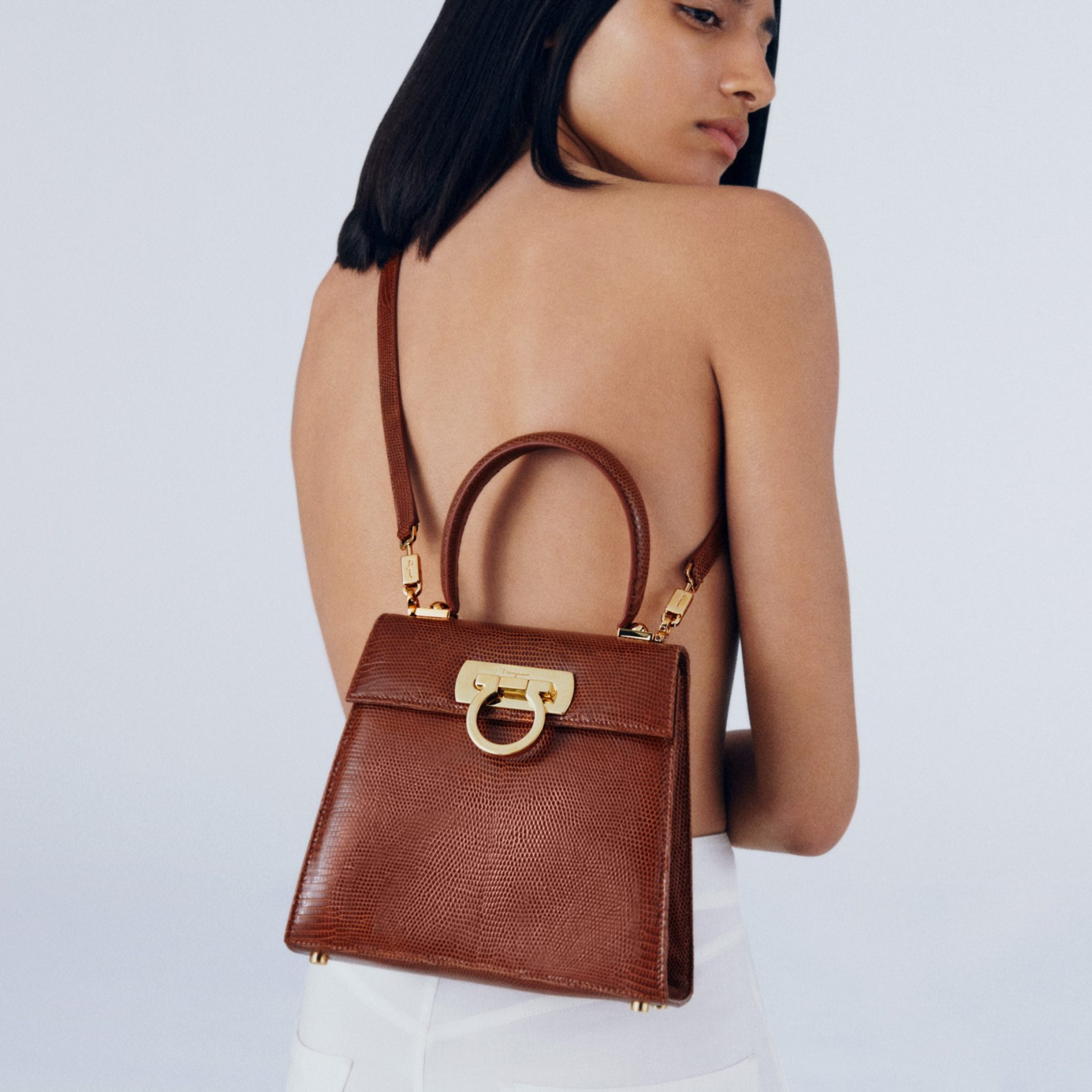
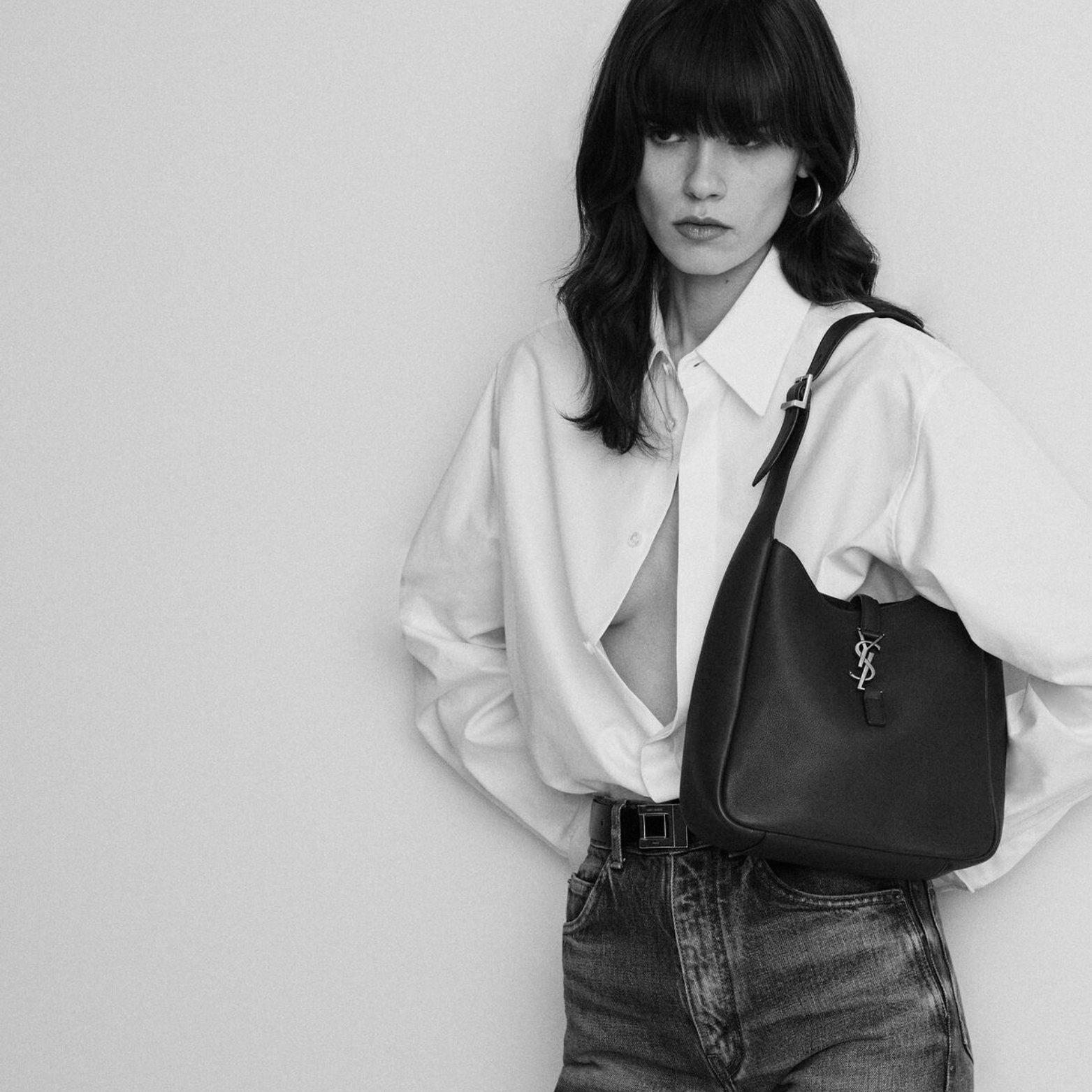
Buying your first designer bag feels exciting and slightly overwhelming. You're about to spend a significant amount of money on something that should last for years, maybe decades. You want to make the right choice. But where do you even start when there are hundreds of options across dozens of luxury brands?
The truth is, choosing a designer bag isn't as complicated as the luxury industry sometimes makes it out to be. You don't need to be a fashion expert or understand every technical detail about leather types. What you need is a clear framework for making decisions that align with your actual life, style, and budget.
This guide covers everything you need to know when selecting a designer handbag, from determining which size works best for your daily routine to understanding what quality means, from spotting counterfeit bags to knowing which brands hold value. Whether you're investing $1,200 or $5,000, these principles help you choose pieces you'll actually use and love.
The goal isn't just buying a designer bag. It's about finding the right designer bag for you. One that fits your lifestyle, matches your aesthetic, works within your budget, and brings genuine satisfaction every time you carry it.
"The biggest mistake people make is buying a bag for the life they wish they had instead of the life they actually live. If you commute on the subway every day, that delicate suede clutch will sit in your closet unworn."
- Sarah Rutson, Former Vice President of Global Buying at Net-a-Porter

Start With an Honest Lifestyle Assessment
Before you fall in love with any particular bag based on photos or influencer posts, take a realistic look at your actual daily life. The perfect bag for someone else might be entirely wrong for you.
Think about your typical day. Are you commuting via public transit, walking significant distances, or driving everywhere? Public transit and walking favor crossbody bags that keep your hands free and sit securely against your body. If you're mostly driving, you have more flexibility with bag styles since you're not carrying them for extended periods.
Consider your work situation. Do you need to bring a laptop, documents, and other professional items? A structured tote becomes essential. Work from home or have minimal carry needs? Smaller bags work perfectly fine. Do you attend frequent evening events? A versatile bag that transitions from day to night makes more sense than a purely casual one.
Weather matters more than people realize. If you live in a place with frequent rain, delicate suede or untreated leather becomes impractical for daily bags. Save those for special occasions and choose coated canvas or treated leather for regular use. Extremely hot climates can also affect leather, underscoring the importance of material selection.
Your personal habits also factor in. Do you tend to carry everything, including the kitchen sink, or are you a minimalist who brings only essentials? Be honest. If you always have a water bottle, sunglasses, wallet, phone, keys, makeup bag, and emergency supplies, tiny, trendy bags will frustrate you daily. If you genuinely prefer carrying less, don't force yourself into large totes just because they're practical for others.
Physical considerations matter. If you have shoulder or back issues, heavy bags become problematic. If you're petite, oversized bags can overwhelm your frame. If you're tall, tiny bags sometimes look out of proportion. These aren't rules you must follow, but awareness helps you make comfortable choices.
The point isn't limiting your options. It's about ensuring the bag you choose actually serves your real life rather than an idealized version you imagine but don't live.
Determine Your True Budget Range
Designer bags span a wide range of prices. You can spend $800 on an entry-level luxury bag or $50,000 on an exotic Hermès Birkin. Knowing your actual comfortable budget prevents you from either stretching too far financially or undershooting and missing opportunities to afford higher quality.
Start by deciding what you can spend without financial stress. Not what you could technically afford if you used savings or credit cards, but what amount you can pay comfortably from your current income without creating anxiety or debt. That's your real budget.
Within designer bags, you'll find several pricing tiers:
Entry-level luxury ($800-$1,500) includes brands such as Coach, Kate Spade, Tory Burch, and select Michael Kors pieces. These offer genuine leather and decent construction at accessible prices. Sound quality is present here, though you're not receiving the same materials or craftsmanship as higher tiers.
Contemporary luxury ($1,500-$2,500) includes brands such as Polène, Strathberry, Khaite, and select Givenchy and Prada styles. This tier delivers noticeably better leather, more careful construction, and designs that feel special without the highest premiums.
Established luxury ($2,500-$5,000) includes most Gucci, Saint Laurent, Bottega Veneta, Prada, and Dior bags. You're paying for heritage brands, excellent materials, Italian craftsmanship, and designs with real staying power.
Ultra luxury ($5,000+) encompasses Hermès, Chanel (which has priced itself into this category), and special pieces from other houses. Here you're getting the absolute best materials and construction, plus significant exclusivity and investment potential.
Your budget determines which tier makes sense. But within each tier, you'll find good and bad choices. A $1,200 Polène bag might serve you better than a $2,800 Gucci if it fits your needs and aesthetic better. Price alone doesn't determine the right choice.
Also consider the total cost of ownership. That $3,000 bag might need a $50 leather conditioner, professional cleaning once a year at $75, and eventually repairs. Factor these ongoing costs into your thinking.
If your budget is tight, waiting and saving for precisely what you want often beats compromising on something that doesn't quite work. A designer bag is a long-term purchase. An extra few months of saving for the right piece is worth it.

Understand What Size Actually Works
Bag size significantly affects usability, yet people often choose based on aesthetics rather than functionality. Then they discover their beautiful new bag doesn't actually hold what they need, or it's so large it's uncomfortable to carry.
Micro and mini bags (typically under 6 inches wide) hold a phone, cardholder, keys, and maybe lipstick. That's it. These work well for evening outings when you need minimal items. They also work for people who genuinely prefer carrying almost nothing. But if you typically need more items or prefer options, these bags can frustrate you within weeks.
Small bags (roughly 7-10 inches) can hold a wallet, phone, keys, sunglasses, and a few other items. This size works for running errands, lunch dates, or evening events. It's the sweet spot for people who want to carry light without going micro. Popular examples include the Gucci Mini Marmont or the YSL Kate bag.
Medium bags (approximately 10-13 inches) represent the most versatile category. They hold daily essentials plus extras such as a small tablet, a cosmetics bag, or a light sweater. These bags work for most occasions, from casual to dressy. They're substantial enough to justify the investment but not so large as to overwhelm. The Bottega Veneta Jodie or Chanel medium flap falls here.
Large bags and totes (14+ inches) provide serious carrying capacity. These accommodate laptops, documents, water bottles, full-size cosmetics, extra shoes, and more. Essential for work bags or travel, but overkill for simple outings. The Saint Laurent Sac de Jour or Louis Vuitton Neverfull exemplifies this category.
Oversized bags become statement pieces but have practical limitations. They're heavy even when empty and can be awkward to carry. Only choose these if you genuinely need the capacity and don't mind the bulk.
The best approach is to think about your most common use case. What will you carry this bag for 80% of the time? Size for that scenario. If you need different sizes for different purposes, that's fine. Many people eventually own bags in multiple sizes for various situations. However, your first or primary bag should be the correct size.
Try bags in person when possible. Photos distort size perception dramatically. A bag that looks perfect online might feel too small or surprisingly large in reality. If buying online, carefully check measurements and review photos of people carrying the bag to get a better sense of size.
Navigate Brand Selection Strategically
Every luxury brand has its strengths, weaknesses, and distinct aesthetic. Choosing the right brand matters because it affects everything from quality to resale value to whether the style actually suits you.
Hermès sits atop the luxury hierarchy. Bags are investment-grade with potential for appreciation, but accessibility is limited, and prices are extreme. The Birkin and Kelly require relationships with sales associates and often long waits. Other Hermès bags are more accessible but still very expensive. Choose Hermès if you want absolute top quality and can handle the price and purchasing process.
Chanel offers iconic status and substantial resale value. The Classic Flap has become legendary, though prices have increased dramatically (now $10,000+ for medium sizes). Chanel's aesthetic leans traditional and feminine. Great choice if that aligns with your style and you want strong value retention, but be prepared for a significant investment.
Hermès and Chanel caveat: These brands now require such high investments that they make sense mainly for serious collectors or people for whom money isn't a primary concern.
Bottega Veneta delivers quiet luxury through signature Intrecciato woven leather and minimalist, logo-free designs. Excellent Italian craftsmanship at high but not ultra-luxury prices ($1,800-$4,000 typically). Perfect for people who want quality without flashy branding. Popular bags include the Jodie, Cassette, and Pouch.
Saint Laurent combines French sophistication with rock-and-roll edge. Bags feature excellent leather and construction with a distinctive attitude. Pricing generally falls within the established luxury range ($1,500-$3,500). The NIKI, Kate, and Loulou bags offer different styles within the brand's aesthetic. Choose YSL if you want that Parisian cool factor.
Gucci embraces bold maximalism with prominent logos and distinctive patterns. Quality is solid, with Italian manufacturing, and the brand offers a wide variety. Pricing ranges widely ($1,200-$4,000+). The GG Marmont and Diana bags are current favorites. Gucci works if you like recognizable luxury with personality.
Louis Vuitton is known for its monogram canvas, which is incredibly durable and iconic. Pricing spans entry to high luxury ($1,200-$4,000+). The Neverfull, Speedy, and Capucines represent different price points and styles. LV makes sense if you want maximum durability and worldwide recognition.
Prada delivers intellectual minimalism with occasional playful touches. Quality is excellent, with leather and nylon options available. Prices typically range from $1,400 to $3,500. The Galleria and Re-Edition bags are classics. Prada suits people wanting understated Italian luxury with subtle branding.
Dior favors romantic femininity with artistic collaborations. The Book Tote has become ubiquitous recently, while the Lady Dior remains a classic. Pricing generally falls within the established luxury range ($2,500-$5,000). Choose Dior if you love feminine aesthetics and don't mind some logo visibility.
Contemporary brands like Polène, Strathberry, Métier, and Khaite offer excellent quality at lower price points ($800-$2,000). They lack the heritage and resale value of established brands but deliver genuine craftsmanship and distinctive designs - great choices if you prioritize design and quality over brand name.
The brand you choose should align with your aesthetic preferences first, budget second, and practical needs third. Don't force yourself into a brand because it's trendy or has cachet if the actual designs don't excite you.

Recognize Quality When You See It
Understanding quality helps you assess whether a bag justifies its price and how well it will hold up over the years.
Leather quality is fundamental. Premium leather feels supple and smooth with natural grain variation. It shouldn't feel plasticky, overly stiff, or smell chemical. Different leather types serve different purposes:
Calfskin balances softness with durability. It's the workhorse leather for bags that endure daily use. Quality calfskin develops beautiful patina over time.
Lambskin feels incredibly soft and luxurious, but scratches more easily. It's better for bags you'll baby a bit or use less frequently. Chanel famously uses lambskin for their Classic Flaps.
Pebbled or textured leather hides scratches better than smooth leather. This makes it practical for daily bags. Many Prada and Coach pieces use pebbled leather successfully.
Suede offers a different aesthetic but requires more maintenance. It stains easily and is not rain-resistant. Save suede for special occasion bags unless you're willing to invest in protective treatments.
Stitching reveals craftsmanship instantly. Quality bags feature even, consistent stitching with no loose threads or irregular spacing. The stitches should be small and tight. Many luxury bags use 7-8 stitches per inch. Look at seams carefully, especially at corners and stress points. Messy stitching indicates rushed or poor construction.
Hardware should feel substantial. Pick up any zipper pull, buckle, or decorative element. It should have real weight because it's made from quality metal, not plastic painted to look like metal. Hardware should move smoothly. Zippers glide without catching. Clasps open and close crisply. Turnlocks rotate cleanly.
Examine hardware engravings closely. Brand names or logos should be crisp and clearly stamped, never blurry or uneven. This detail separates the real from the fake and the quality from the cheap.
"You can feel the difference between a $1,500 bag and a $3,000 bag in the leather, the stitching, the hardware. But the difference between a $3,000 bag and a $6,000 bag? That's often about the logo on the front, not the craftsmanship inside."
- Michael Burke, Former CEO of Louis Vuitton
Interior construction matters as much as exterior appearance. Open the bag and inspect the lining. It should be made from high-quality material and securely attached without bunching or pulling. Interior pockets should be functional and well-placed, not just decorative afterthoughts.
Check where the lining meets the leather. On quality bags, this junction is nearly invisible with the lining tucked under and sewn smoothly. You shouldn't see raw fabric or leather edges, excessive glue, or rough seams.
Edges and corners show attention to detail. Leather edges should be finished appropriately, either painted, burnished, or bound. Corners should be reinforced, especially on structured bags. These areas receive the most wear, so proper construction here ensures longevity.
Weight provides clues about construction. Quality bags have substance without being overly heavy. If a bag feels suspiciously light, it may be made of thin, low-quality materials. If it's heavy before you load it, consider whether you'll want to carry it loaded.
Symmetry matters for structured bags. The two sides should mirror each other perfectly. Patterns should align at seams. Hardware should sit centered. Asymmetry indicates careless construction or potentially counterfeit goods.
You don't need to become a leather expert, but spending time in luxury boutiques handling authentic bags trains your eye and touch. The more quality pieces you experience, the easier spotting problems becomes.
Choose Colors and Styles That Last
Trends come and go, but you want your designer bag investment to remain wearable for years to come. Strategic color and style choices extend the lifespan of your purchase.
Black remains the most versatile color for designer bags. It works with everything in your wardrobe, suits all seasons, and handles wear better than lighter colors. Black also tends to retain the highest resale value because it appeals to the broadest audience. Choosing a black designer bag is a safe, wise choice.
Brown and tan family colors offer versatility with slightly more personality than black. Chocolate brown, cognac, and camel are neutrals that complement most outfits. These colors also age beautifully, developing rich patina over time.
Navy and gray are neutrals that work well in many wardrobes, especially in professional contexts. They're safe choices that avoid being as common as black while remaining practical.
Beige and cream look gorgeous but require more maintenance. They show dirt and color transfer from clothing (especially denim). If you love these colors, choose them for bags you'll use occasionally, not for daily workhorses.
Red surprisingly works as a versatile statement. A red bag adds personality to neutral outfits without clashing badly with most colors. Classic reds tend to age better than trendy shades.
Pastels and bright colors can be beautiful, but use them carefully. Will you still love that millennial pink or neon yellow in five years? Will it work with your wardrobe as your style evolves? If you're unsure, stick with neutrals for significant investments and explore color in less expensive bags.
Metallics like gold and silver work as neutrals in many contexts. They add interest without being as loud as bright colors. However, metallic finishes can show wear more obviously than smooth leather.
"Trends change every season, but a classic black leather bag in a timeless shape will always be relevant. I have clients who've carried the same Hermès or Chanel bag for twenty years, and it still looks modern. That's the power of choosing well."
- Cristina Ehrlich, Celebrity Stylist
Prints and patterns require the most thought. Monogram prints, such as Louis Vuitton's canvas, are iconic and remain desirable. But trendy patterns or seasonal prints can quickly feel dated. If you love a specific print, ensure it's a signature element of the brand and has proven to be durable.
Style considerations matter as much as color:
Classic shapes like totes, structured shoulder bags, and simple crossbody styles remain relevant across decades. These represent safer investments for expensive pieces.
Trendy shapes, such as tiny micro bags or unusually structured pieces, might feel dated in a few years. These are better explored at lower price points or when you have the budget for multiple bags.
Hardware details can also age pieces. Excessive logo hardware, chunky chains, or very distinctive elements tie bags to specific eras. Subtle hardware ages better.
The principle is simple: the more distinctive and specific a bag is to current trends, the shorter its relevant lifespan. The more classic and versatile it is, the longer you'll comfortably carry it.
This doesn't mean only buying boring bags. It means understanding the difference between timeless with personality (like a black Saint Laurent bag with distinctive quilting) versus trendy with short lifespan (like a neon mini bag in an unusual shape that's hot this season).

Master Authentication Basics
With counterfeit luxury goods flooding the market, understanding the fundamentals of authentication helps protect your investment.
Buy from authorized sources first: Luxury brand boutiques, official brand websites, and established department stores like Nordstrom, Saks, and Neiman Marcus guarantee authenticity. This is the safest approach.
For pre-owned bags, use platforms with professional authentication, such as The RealReal, Fashionphile, Rebag, and Vestiaire Collective. These companies employ experts who verify every item. You'll pay slightly more than buying from random sellers, but you're paying for that authentication service.
Learn brand-specific markers: Each luxury brand has specific details that authenticate pieces:
Serial numbers or date codes appear in specific locations with specific formats. Research the brand and era you're buying from to ensure accuracy.
Stitching follows brand-specific patterns. Chanel uses particular stitch counts and patterns. Hermès has distinctive saddle stitching. Learn what's normal for your chosen brand.
Hardware details such as font styles, logo shapes, and metal types are consistent across brands. Slight variations indicate fakes.
Material quality should match brand standards. Hermès only uses specific leathers. Chanel's caviar leather has a distinctive texture. If something feels off, trust that instinct.
"We authenticate over 10,000 luxury bags every month, and I can tell you - counterfeits have gotten frighteningly good. The only way to protect yourself is to buy from sources that guarantee authenticity. It's not worth the risk."
- Rati Sahi Levesque, Co-Founder and President of The RealReal
Red flags to avoid:
Prices are dramatically below market value. A "brand new" Hermès Birkin for $4,000 is fake. Authentic luxury bags rarely discount that steeply.
Sellers who won't provide detailed photos or answer specific questions about authentication markers.
Listings with only stock photos rather than images of the actual item.
Sellers who pressure you to buy quickly or claim multiple people want the item.
Grammatical errors or odd phrasing in product descriptions often indicate overseas counterfeit operations.
Request proper documentation: Authentic bags come with specific materials:
Dust bags with correctly printed logos and quality fabric
Boxes with correct labeling and construction
Authenticity cards with serial numbers matching the bag
Care instructions and brand literature
Original receipts (for new or recent purchases)
Scrutinize photos when buying online:
Zoom in on stitching, hardware, and any brand markings
Check that patterns align properly at seams
Look for consistent lighting and backgrounds (multiple different photo styles suggest images pulled from various sources)
Verify serial numbers are readable and properly formatted
Use authentication services: Several companies offer photo-based authentication for $10-50 before you buy. Services like Authenticate First, Authentication Services, or Entrupy can verify items before you commit. This small upfront cost protects much larger investments.
Trust your instincts: If something feels wrong about a deal, walk away. There are always more bags available. Don't let excitement or FOMO override reasonable caution.
The best way to learn about authentication is to work with authentic bags. Visit boutiques and examine authentic pieces closely. The more exposure you have to genuine luxury bags, the easier it becomes to spot fakes.
For brand-specific authentication details, see our comprehensive guide on how to tell if a Gucci bag is authentic, which covers serial numbers, stitching patterns, and hardware details specific to Gucci products."
Consider Resale Value Strategically
Some people buy designer bags purely for enjoyment with no thought of resale. Others consider bags as wearable investments. Understanding resale dynamics helps regardless of your intentions.
Brands that hold value best:
Hermès leads dramatically with Birkins and Kellys, often selling above retail. Other Hermès bags also hold value excellently.
Chanel typically retains 70-85% of retail value, making it second-best for value retention.
Bottega Veneta, Saint Laurent, and classic Gucci pieces hold 60-75% of value when in good condition.
Louis Vuitton maintains value reasonably well, primarily classic monogram pieces.
Contemporary brands typically see steeper depreciation, with resale around 40-50% of retail.
Factors affecting resale value:
Condition matters enormously. Pristine bags sell for significantly more than worn examples. Minor scratches or stains can drop the value by 20-30%.
Classic styles outperform trendy pieces. A Chanel Classic Flap has proven durable over decades. A fashionable style from two seasons ago is a harder sell.
Neutral colors appeal to more buyers. Black bags sell fastest and command better prices than unusual colors.
Complete packaging adds value. Having the original box, dust bag, authenticity cards, and receipt increases resale price 10-20%.
Size appropriateness affects demand. Medium sizes typically resell best because they suit most people. Very small or huge bags have more limited audiences.
Limited editions can be unpredictable. Some command premiums. Others tank because the details that seemed special when new feel gimmicky later. Regularly collected pieces often retain value more reliably.
Documentation proves authenticity and provenance. Keep receipts, authenticity certificates, and any paperwork. Take photos when you purchase, showing the date and location.
Maintenance records from professional services add credibility, especially for high-value bags.
"A Hermès Birkin is an investment. Everything else is a purchase you enjoy. People get confused thinking all luxury bags appreciate - they don't. Buy what you love and will use, not what you think will make you money."
- Ben Hemminger, Founder of Fashionphile
The timing factor:
Brand popularity cycles affect resale. A currently hot brand commands a higher resale value than one that's fallen out of favor.
Seasonal timing matters. Sell spring/summer bags in spring and fall/winter bags in fall for the best prices.
Patience usually pays. Accepting the first lowball offer costs you money. Wait for the right buyer willing to pay fair market value.
Realistic expectations:
Most designer bags depreciate 25-40% immediately upon purchase. This is normal.
Wearing bags obviously affects condition and value. If you use a bag regularly for years, expect significant depreciation.
Only a small percentage of bags are appreciated. Hermès Birkins and select Chanel pieces do. Most everything else depreciates.
Think of resale value as downside protection rather than investment profit. A bag that retains 70% of its value means you "rented" it for 30% of the purchase price over the years you owned it. That's a reasonable cost for the enjoyment it provided.
If resale value is a significant concern, stick with proven classics from top brands in neutral colors. Please keep them in excellent condition. Store all packaging. But also recognize that obsessing over resale value might prevent you from enjoying your bags thoroughly.

Understand Care Requirements
Designer bags require maintenance to stay beautiful. Understanding care needs before purchase prevents unpleasant surprises.
Leather care basics:
Condition leather every 2-3 months with products designed for luxury leather. This prevents drying and cracking.
Wipe spills immediately with a soft, slightly damp cloth. Quick action prevents stains from setting.
Avoid rain when possible. If bags get wet, let them air-dry naturally, away from heat sources. Never use hairdryers or place them near radiators.
Keep bags away from direct sunlight, which fades color and dries leather.
Storage best practices:
Store bags in dust bags in climate-controlled spaces. Avoid attics, basements, or garages where temperature and humidity fluctuate.
Stuff bags with tissue paper or bubble wrap to maintain shape. Don't use a newspaper, which can transfer ink.
Store bags upright or lying flat; never hang them by the straps, as this can stretch the leather.
Rotate usage if you own multiple bags. Constant use of one bag accelerates wear.
Specific material considerations:
Lambskin requires the gentlest treatment. It scratches easily and stains quickly. Consider professional leather protection treatments.
Suede needs specific cleaners and waterproofing. Regular maintenance prevents most problems, but suede is inherently more delicate.
Canvas (such as Louis Vuitton's coated canvas) is highly durable and requires minimal care beyond gentle cleaning.
Exotic leathers (python, crocodile, ostrich) need specialized care from professionals experienced with these materials.
Professional services:
Annual professional cleaning maintains condition, especially for expensive pieces. Budget $75-150 for this service.
Address damage immediately. Early professional repair costs less than fixing problems that worsen over time.
Use repair services specializing in luxury goods. Regular cobblers or cleaners might not have appropriate expertise.
Hardware maintenance:
Wipe metal hardware with a soft cloth after each use to remove body oils and prevent tarnishing.
If tarnishing occurs, use a gentle polish. Be careful around logos and engravings.
Keep hardware free of dirt accumulation, which can cause premature wear.
Things to avoid:
Never overstuff bags beyond capacity. This stresses seams and distorts shape.
Don't hang bags on door hooks or chairs for extended periods.
Avoid contact with rough surfaces that can scratch leather.
Keep bags away from perfumes, lotions, and cosmetics, which can stain.
Don't use generic cleaning products. Household cleaners can damage luxury materials.
The investment in care:
Budget $100-200 annually for proper maintenance (conditioner, professional cleaning, minor repairs).
This maintenance extends bag life significantly and protects resale value.
Proper care makes the difference between a bag lasting 5 years versus 20 years.
If you're unwilling to invest time and money in maintenance, choose more durable materials, such as coated canvas or treated leather, rather than delicate options.

Evaluate Pre-Owned vs. New
Buying pre-owned designer bags offers significant advantages but requires more careful evaluation.
Advantages of pre-owned:
Save 30-50% compared to retail prices immediately.
Access discontinued styles and colors that are no longer available.
Try brands affordably to see if you love them before investing in new pieces.
More sustainable by extending product life cycles.
Sometimes, I find barely used or "like new" pieces at substantial discounts.
Challenges with pre-owned:
Must verify authenticity carefully since counterfeits are common.
Condition varies widely and significantly affects value.
No manufacturer warranty on pre-owned items.
May lack original packaging and documentation.
Limited or no return options on some platforms.
Where to buy pre-owned safely:
The RealReal, Fashionphile, Rebag, and Vestiaire Collective authenticate items professionally and offer return windows.
Consignment shops specializing in luxury goods often provide authentication.
Private sales (through friends or online communities) can offer good deals but require careful verification.
What to check on pre-owned bags:
Request detailed photos of all angles, including corners, base, interior, hardware, and any wear areas.
Ask about any odors (musty, smoke, perfume) that are difficult to eliminate.
Verify that dimensions match the claimed style (counterfeits often get sizing wrong).
Check if the hardware is original or has been replaced.
Ask about any repairs or alterations done.
Request clear photos of authentication markers, such as serial numbers.
"The pre-owned luxury market has completely changed the game. You can access incredible quality at 40% off retail, often in like-new condition. It's smarter than financing a new bag you can't really afford."
- Julie Wainwright, Founder and Former CEO of The RealReal
Condition grading:
"Pristine" or "Like New" means almost undetectable wear, typically used only a few times.
"Excellent" shows minimal wear with no significant flaws, typically used gently for one season.
"Very Good" has light wear that's not immediately obvious from normal viewing distance.
"Good" shows obvious use with noticeable wear but remains fully functional.
Anything below "Good" should be significantly discounted or avoided unless you're specifically buying to restore.
Pricing expectations:
Recent styles in excellent condition typically sell for 60-75% of current retail.
Older styles or those with more wear drop to 40-60% of retail.
Rare or limited pieces sometimes command a premium, especially discontinued colors of popular styles.
New vs. pre-owned decision-making:
Buy new for: Latest styles, full warranty protection, a perfect-condition guarantee, complete packaging, and the satisfaction of being the first owner.
Buy pre-owned for: Discontinued styles, trying brands affordably, a sustainable choice, maximum value, and accessing rare pieces.
Consider buying your first luxury bag pre-owned to test whether designer bags genuinely enhance your life. If you love it and use it constantly, invest in new pieces next time. If it sits in your closet, you've learned without making a significant financial commitment.
 Time Your Purchase Strategically
When you buy it, it affects both your price and availability.
Best times to buy new:
Black Friday and Cyber Monday bring legitimate discounts from authorized retailers. Expect 20-40% off at department stores, though luxury brands themselves rarely participate heavily.
End-of-season sales in January and July clear inventory. Summer bags are discounted in January; winter bags are discounted in July.
Mother's Day and holiday seasons sometimes trigger promotions at department stores.
Brand-specific timing:
Chanel increases prices annually, usually around April/May. Buy before it increases if you're serious about Chanel.
Louis Vuitton rarely discounts but occasionally adjusts pricing globally. Watch for these moments.
Contemporary brands follow more traditional sales schedules with better discount availability.
Pre-owned market timing:
Sell spring/summer bags in early spring for the best prices as demand increases.
The holiday season (November-December) sees increased buying activity and better prices for sellers.
January brings bargains as people sell unwanted gifts or clean out closets.
Post-tax return season (April-May) sees increased selling to fund new purchases.
New model releases:
When brands release updated versions of classic styles, previous versions often receive a slight discount.
Fashion week seasons (February/September) bring new collection releases and sometimes feature markdowns on older stock.
Currency advantages:
If traveling internationally, buying in Europe often saves 15-20% due to VAT refunds and exchange rates.
Japan sometimes offers luxury goods at lower prices than in the US.
Compare international pricing if you have travel opportunities.
Patience as a strategy:
If you don't need a bag immediately, monitoring prices for weeks or months often reveals better opportunities.
Set alerts on pre-owned platforms for specific bags at your target price.
Be ready to act quickly when the right deal appears, as deeply discounted pieces sell fast.
When timing doesn't matter:
If you found the exact right bag at a fair price, buying immediately makes sense regardless of the season.
For highly sought-after pieces like Hermès bags, where availability is more important than price, timing is less critical.
When a style is being discontinued, buy it immediately rather than risk missing it entirely.
The goal isn't obsessing over getting the absolute lowest price. It's being strategic enough to avoid paying full retail unnecessarily while not missing pieces you genuinely want.
Know When to Walk Away
Sometimes the wise choice is not buying a bag, even if you can technically afford it.
Walk away if:
You can't afford it without creating financial stress or debt. Luxury bags should enhance your life, not create anxiety.
The bag doesn't actually fit your lifestyle. That beautiful evening clutch won't get used if you rarely attend formal events.
You're buying to impress others rather than because you genuinely love it. That motivation always leads to regret.
The bag requires more maintenance than you're willing to provide. Delicate suede makes no sense if you can't commit to proper care.
You already own several bags that serve the same purpose. Unless you're collecting specifically, redundancy wastes money.
The deal seems too good to be true. It probably is, meaning it's likely fake.
You're buying purely because it's trending, not because it matches your personal aesthetic.
You feel pressure from sales associates or limited-time offers. High-pressure sales tactics should trigger caution, not urgency.
Questions to ask before committing:
"Will I use this at least 20 times in the first year?" If not, the cost per wear is too high.
"Does this work with my existing wardrobe?" If it requires buying new clothing to match, factor that cost in.
"Do I love this or just like it?" Only strong love justifies luxury prices.
"Am I buying this bag or the idea of this bag?" Be honest about your motivations.
"If I couldn't tell anyone I own this, would I still want it?" If the answer is no, you're buying for the wrong reasons.
The 24-hour rule:
For expensive purchases, wait 24-48 hours after deciding before buying. If you still want it as much after that time, proceed. If interest wanes, you've avoided a regrettable purchase.
This rule doesn't apply to limited items that won't be available later, but it works well for standard collection pieces.
Alternative options:
Rent luxury bags from services like Rent the Runway to experience them before committing to purchase.
Buy similar styles from affordable brands first. If you use that style consistently, consider upgrading to a designer.
Shop your closet. Perhaps the bags you already own meet your needs if you rotate them more frequently.
"The best bag for you is one you'll reach for constantly, not one that sits on a shelf because you're afraid to use it. If you're buying something too precious actually to enjoy, you're buying the wrong thing."
- Libby Page, Senior Market Editor at Vogue
Remember: Not buying is a valid, wise choice. The luxury industry profits from making you feel you need their products. You don't. You need food, shelter, and basic clothing. Designer bags are pure luxury. Enjoy them when they genuinely enhance your life, but never feel pressured into purchases that don't truly serve you.
 Making Your Final Decision
You've done the research, tried on bags, checked authentication, and considered your budget. Now it's time to commit.
Review your original criteria:
- Does this bag fit your lifestyle needs?
- Is it within your comfortable budget?
- Does it match your personal aesthetic?
- Will you actually use it regularly?
- Are you buying for the right reasons?
If you can answer yes to all these questions, you've found your bag.
Trust your instincts. If something feels wrong about the purchase, price, or seller, trust that feeling. There are always more bags available. If everything feels right, move forward confidently.
Enjoy your purchase without guilt. If you've done thoughtful research and made an informed decision within your means, you deserve to feel good about your investment. Designer bags bring genuine joy when chosen well.
Ready to find your perfect designer bag? Browse our authenticated collection of luxury handbags from Gucci, Saint Laurent, Bottega Veneta, Prada, and more. Every piece is verified genuine with our authentication guarantee, and our curated selection focuses on timeless styles that deliver lasting value.