Why This Italian Brand Commands Luxury Prices
If you've spent any time following luxury fashion, you've probably noticed something interesting about Bottega Veneta. While other brands plaster their logos everywhere, Bottega bags have no visible branding. Yet somehow, people who know fashion instantly recognize them. That distinctive woven leather, those perfectly slouchy silhouettes, that rich Bottega Green color. No logo needed.
So what makes Bottega Veneta special enough to command prices between $1,500 and $4,000 for a handbag? Why do fashion insiders and celebrities consistently choose this brand over flashier alternatives? And how did an Italian leather goods workshop from 1966 become one of the most coveted luxury names today?
"Bottega Veneta has a powerful identity. It's about craftsmanship and the beauty of the product itself without needing to scream for attention."
– Daniel Lee, Creative Director of Bottega Veneta
The answer isn't simple. It's not just about quality, though the craftsmanship is exceptional. It's not only about design, though the aesthetic is distinctive. What makes Bottega Veneta special is how the brand combines multiple elements into something greater than the sum of its parts: artisanal Italian craftsmanship, timeless minimalist design, genuine material quality, and a philosophy that lets the work speak for itself.
This guide explores exactly what sets Bottega Veneta apart. From the signature Intrecciato weaving technique that takes 8-15 hours per bag, to the brand's radical decision to skip logos entirely, to the recent creative renaissance that made it cool with younger buyers. Whether you're considering your first Bottega purchase or simply curious about what justifies the hype, understanding these unique qualities helps explain why this brand matters in today's luxury landscape.

If you had to pick one thing that makes Bottega Veneta special, it would be the Intrecciato weave. This isn't marketing fluff. It's a genuine technical achievement that requires great skill.
Developed in the 1970s, the technique involves hand-weaving leather strips together. Think of basket weaving, but with premium calfskin that costs hundreds of dollars per hide. Each strip must be cut to exact specifications. The width stays perfectly consistent. The weaving follows precise patterns that create both structure and flexibility.
An experienced artisan needs 8 to 15 hours to complete the weaving of a single bag, depending on its size and complexity. That's nearly two full workdays of focused, skilled labor before the bag even gets assembled. You can't rush this process. You can't really automate it either, at least not without losing the subtle irregularities that make handcrafted goods special.
The weaving serves practical purposes beyond aesthetics. It reinforces the leather, making it more durable than flat pieces of the same thickness. The interlocking design creates flexibility, allowing bags to move naturally rather than remaining rigid. And perhaps most cleverly, the woven structure eliminates the need for stitching across large surfaces, creating cleaner lines.
Run your fingers over genuine Bottega Veneta Intrecciato leather, and you'll feel why it matters. The texture has dimension and depth. The leather strips interlock so precisely that you can barely see where one ends and another begins. Counterfeits try to replicate this look, but the weaving always gives them away. Either it's too loose, too tight, or inconsistent across the surface.
This commitment to a complex, time-consuming technique in an era of mass production fundamentally defines what makes Bottega Veneta special. While other brands automate and outsource, Bottega maintains workshops full of artisans who've spent years mastering this single skill.
The No-Logo Philosophy: Luxury That Doesn't Need to Announce Itself
Walk into most luxury boutiques, and you're hit with logos. Gucci's double G on everything. Louis Vuitton's monogram covers the entire bag. Chanel's interlocking Cs are prominently displayed. Then you look at Bottega Veneta and see... nothing - just beautifully crafted leather goods with no branding screaming for attention.
This choice represents a fundamental difference in what the brand considers important. Bottega's philosophy is "when you know, you know." The quality and craftsmanship should be recognizable on their own, without needing a logo to signal value.
For decades, luxury marketing operated on the opposite principle. Brands believed people bought luxury partly to signal to others that they could afford it. Logos made that status instantly readable to everyone. Most luxury brands built their businesses on this visible branding approach.
"I want to make beautiful things that stand the test of time. This brand is built on creating quality items that don't follow trends. That's what Bottega Veneta has always been about."
– Daniel Lee, Creative Director of Bottega Veneta
Bottega took a different bet. They wagered that a growing segment of luxury consumers would actually prefer pieces that don't announce themselves. And increasingly, they're being proven right.
This strategy works for several reasons. First, it attracts customers who genuinely appreciate quality over status signaling. Bottega buyers tend to purchase for themselves rather than for external validation. This creates a more loyal, engaged customer base that values the brand for what it is, not what it claims to be.
Second, the absence of logos makes the craftsmanship the story. Without a giant monogram dominating the design, your eye focuses on the leather quality, the weaving technique, and overall construction. The product's inherent qualities become what you notice first.
Third, it differentiates Bottega in an increasingly crowded luxury market. When every other brand leads with logos, being the no-logo brand creates instant distinction. It positions Bottega as the thinking person's luxury choice, the brand for people who don't need that external validation.
The approach also ages better. Logo-heavy pieces can feel dated as brand popularity ebbs and flows. A bag covered in 2015's hot logo might look tired by 2025. But Bottega's designs, focused on craft and silhouette rather than branding, remain more relevant for longer. A ten-year-old Bottega bag often looks just as current as a new one.
That said, the brand isn't entirely logo-free. Some pieces feature subtle "Bottega Veneta" text embossed on hardware or leather. But it's understated, placed where it won't dominate the design. These logos primarily serve authentication rather than status display.

Italian Manufacturing: Where Heritage Meets Quality Control
What makes Bottega Veneta special extends beyond design to the way and where products are actually made. The brand maintains strong ties to its origins in Vicenza, Italy, and produces goods primarily in Italian workshops.
This matters more than you think. Italian leather production follows traditions refined over centuries. Tanneries in Tuscany and Veneto have been producing leather for generations, passing down techniques that are difficult to replicate elsewhere. They understand how different processes affect texture, durability, and aging characteristics.
Bottega sources its calfskin, lambskin, and suede from these premium Italian tanneries. The leather undergoes vegetable tanning, a slower traditional method compared to chemical tanning. This process takes weeks rather than days but produces more durable leather, develops better patina over time, and has richer color depth.
"Bottega Veneta is not for those who want attention. It's for those who understand what true luxury means - refinement without recognition."
– Carla Sozzani, Fashion Icon and Founder of 10 Corso Como
Each hide receives rigorous inspection before acceptance. Quality control teams examine for imperfections, scarring, inconsistent texture, or color variations. Only the finest sections are used so that a single cowhide may yield leather for only two or three bags after quality rejections. Rejected leather is sold to other manufacturers or used for less visible components.
Manufacturing happens in workshops where artisans specialize in specific construction techniques. Some craftspeople focus exclusively on the Intrecciato weave, spending years perfecting this single skill. Others handle pattern cutting, ensuring each piece is cut from the optimal leather section. Still others specialize in assembly, lining installation, or hardware attachment.
This level of specialization ensures each element receives expert attention. But it also requires significant investment in training and in maintaining a skilled workforce. Bottega must run apprenticeship programs in which experienced artisans teach the next generation. These aren't quick courses. Mastering the Intrecciato weave requires months of supervised practice.
Quality control happens at multiple stages throughout production, after cutting, before weaving, after assembly, and before final packaging. Each checkpoint requires manual inspection by experienced quality-control staff. Items that don't meet standards get rejected, even after hours of skilled labor have already been invested.
This commitment to Italian manufacturing, in an era when many luxury brands outsource to lower-cost countries, is another factor that sets Bottega Veneta apart. The brand could significantly reduce costs by relocating production. Instead, they maintain the connection to Italian craftsmanship that defines their identity.
Material Quality: The Foundation of Everything Else
You can have beautiful designs and skilled craftsmanship, but if the materials aren't exceptional, the final product won't be either. What makes Bottega Veneta special starts with the raw materials chosen before any artisan touches them.
The brand uses exclusively premium leather, primarily calfskin, for its combination of softness and durability. But not just any calfskin. They select hides with the finest grain structure, consistent texture, and minimal natural markings. The selection process rejects the majority of hides reviewed, accepting only the top 10-15% that meet Bottega's standards.
Lambskin is available in pieces that require extra softness and drape. It's more delicate than calfskin but offers unmatched suppleness. Suede is chosen for specific designs where the napped texture enhances the aesthetic. Each leather type comes from specialized tanneries known for producing the best examples of that particular material.
Color application is achieved through careful dyeing processes that penetrate deeply into the leather rather than just coating the surface. This creates richer, more complex hues that improve with age rather than fading or rubbing off. The dyes themselves come from carefully guarded formulas, particularly for signature shades like Bottega Green.
That green deserves special mention. It's not just any forest green. The specific shade, depth, and richness of Bottega Green have become almost as recognizable as the Intrecciato weave itself. Achieving this exact color requires precise dye mixing and careful application that ensures consistency across different leather types and production batches.
Hardware receives similar attention. Bottega uses solid brass for most metal components, often with gold or silver plating. The hardware has genuine weight. Zippers glide smoothly because the brand sources from premium manufacturers such as YKK and Lampo. Buckles, clasps, and decorative elements are cast and finished to exacting specifications.
Even linings get upgraded treatment. Interior fabrics are chosen for durability and a luxurious feel. They're sewn in with the same attention to detail as exterior elements, even though most people never scrutinize the inside of their bag.
This obsessive focus on material quality means Bottega products genuinely last. A well-maintained Bottega bag from 10 years ago often looks nearly as good as new because the materials age gracefully rather than deteriorating. The leather develops patina, the hardware maintains its finish, and the construction holds firm.

The Design Philosophy: Timeless Over Trendy
Another key factor that makes Bottega Veneta special is its design approach. While fashion rushes from trend to trend, Bottega moves more deliberately, creating pieces meant to remain relevant for years or decades.
This requires genuine restraint. It's tempting for designers to chase whatever's hot right now. Add the season's trending color, incorporate the popular silhouette, and follow what's getting the Most likes on Instagram. Bottega resists these temptations more than most brands.
The designs favor clean lines and refined silhouettes that don't feel tied to any specific moment. The Pouch bag, for example, has this soft, gathered quality that feels both contemporary and somehow timeless. It doesn't have dramatic details that will look dated in three years. The beauty lies in the proportions, the leather quality, and the distinctive slouchy shape.
Color palettes lean toward rich neutrals with occasional pops of signature shades. Black, chocolate brown, cream, and camel form the foundation because these colors work with everything and never go out of style. Then Bottega Green, deep burgundy, or seasonal colors add personality without feeling too trendy.
"When you buy Bottega Veneta, you buy quality. You're not just buying an accessory; you're buying something that will stay with you for life."
– Linda Fargo, Senior Vice President of Bergdorf Goodman
Hardware stays relatively minimal. You won't find dramatic chains, oversized logos, or attention-grabbing embellishments on most Bottega pieces. The few hardware elements present serve functional purposes or add subtle visual interest without dominating the design.
This minimalist approach doesn't have to be boring. The Cassette bag with its oversized Intrecciato weave makes a statement while remaining rooted in the brand's core technique. The knotted handle adds distinctive personality. The Stretch boots created an entirely new silhouette in footwear. But none of these designs feel like they're chasing trends. They feel like natural evolutions of Bottega's design language.
The strategy pays off in wearability. People buy Bottega pieces and genuinely use them for years. The bags don't sit in closets because they feel "too 2019" or "so last season." They continue to work because the design isn't tied to current trends.
This long-term thinking extends to construction details, as well. Bags are built to be repairable. The Intrecciato weave can be fixed by skilled leather workers if damaged. Hardware can be replaced. Linings can be refreshed. The brand wants you to keep these pieces for decades, not replacing them every few years.
The Daniel Lee Era: When Bottega Became Cool
While Bottega Veneta had always enjoyed respect among fashion insiders, something shifted around 2018, transforming the brand's cultural relevance. Daniel Lee took over as creative director that year, and what happened next demonstrates another facet of what makes Bottega Veneta special: the ability to evolve without losing identity.
Lee understood Bottega's heritage deeply. He respected the Intrecciato technique, the Italian craftsmanship, and the no-logo philosophy. But he wasn't precious about tradition. He saw opportunities to push the brand in new directions while maintaining its core values.
The Pouch bag exemplified his approach. That soft, pillowy clutch felt fresh and modern, but still recognizably Bottega. The leather quality was impeccable. The construction was flawless. It just had this relaxed, contemporary vibe that felt different from the brand's previous formality.
The Cassette took the signature Intrecciato weave and scaled it up. Instead of fine, tight weaving, the leather strips became chunky and bold. It created this padded, dimensional effect that photographs beautifully and makes an immediate visual impact. Yet it's still fundamentally about that core weaving technique that defines Bottega.
Lee's timing proved perfect. Fashion was shifting away from logo-heavy pieces toward subtler luxury. Shows like Succession were popularizing "stealth wealth" concepts. Younger consumers were questioning conspicuous consumption. Bottega offered exactly what this cultural moment demanded: recognizable quality without shouty branding.
Social media helped spread the word, somewhat ironically. Instagram and TikTok users started sharing their Bottega pieces, creating organic buzz. The distinctive designs photograph beautifully. And because there's no prominent logo, the focus stayed on the craftsmanship and aesthetic itself rather than just brand signaling.
Celebrity adoption accelerated the trend. Kendall Jenner, Hailey Bieber, Rosie Huntington-Whiteley, and others were consistently spotted with Bottega pieces. But these weren't obviously endorsements. The celebrities appeared genuinely drawn to the aesthetic, making the endorsements feel more authentic.
Lee also introduced colors that became instantly associated with the brand. Bottega Green existed before his tenure, but he used it prominently and consistently across collections. Other rich, unexpected colors, such as bright orange, electric blue, or butter yellow, appeared in ways that felt bold but not trend-chasing.
His tenure lasted only three years before his departure in 2021, but he fundamentally changed Bottega's trajectory. The brand went from respected but somewhat quiet to genuinely cool, particularly among the under-40 demographic that luxury brands desperately want to capture.
The transition to Matthieu Blazy as creative director in 2021 tested whether the brand's appeal extended beyond Lee's specific vision. So far, the answer is yes. Blazy has maintained the momentum while bringing his own perspective, suggesting that what makes Bottega Veneta special transcends any single creative director.
The Signature Pieces That Define the Brand
Understanding what makes Bottega Veneta special requires looking at the specific pieces that have become icons. These aren't just popular products. They embody the brand's values and demonstrate why people are willing to pay premium prices.
The Pouch revolutionized the clutch category. This gathered, pillowy cloud of leather looks effortlessly casual yet elegant. The simplicity is deceptive because achieving that perfect slouchy shape requires expert pattern-making and precise assembly. You can carry it tucked under your arm, hold it, or use the wrist strap. The versatility, combined with that distinctive silhouette, made it an instant icon.
The Cassette bag showcases the Intrecciato weave at its most dramatic. The oversized, padded weaving creates visual impact while remaining true to Bottega's core technique. It comes in multiple sizes, from mini crossbody to substantial shoulder bag, all maintaining that quilted, dimensional aesthetic. The Cassette works as both a statement piece and a practical daily bag.
Jodie bags feature a knotted handle that's become another Bottega signature. The knot adds personality and visual interest while remaining functional and understated. These bags have slightly more structure than the Pouch, holding their shape well while maintaining the soft, approachable quality Tega is known for.
The Stretch boots introduced a completely new silhouette in luxury footwear. The slim, sock-like fit creates a sleek line that elongates the leg. The construction required developing new techniques to create garments that fit snugly without traditional closures. They sparked countless imitations, all of which conformed to their firm's.
Lido sandals brought Bottega's aesthetic to summer footwear. The padded, woven straps echo the Intrecciato technique in a new context. The square toe feels modern without being too trendy. They're comfortable enough for actual wear, not just photo shoots, which matters for real-life luxury.
Small leather goods, such as wallets and cardholders, offer more accessible entry points into the brand. They feature the same quality leather and Intrecciato weaving as the bags, but at $400-600 instead of $2,000+. Many people start their Bottega collection here, experiencing the quality before investing in larger pieces.
Each of these pieces shares common elements: exceptional materials, distinctive design, meticulous construction, and that logo-free aesthetic. They work across different personal styles and occasions, which helps explain their staying power. You can dress them up or down, wear them casually or formally. That versatility extends their value beyond the initial purchase price.

What makes Bottega Veneta special becomes clearer when you compare it directly to other luxury brands. The differences reveal what sets Bottega apart.
Versus Gucci: Both are Italian brands owned by Kering, but their approaches differ dramatically. Gucci embraces maximalism with bold patterns, prominent logos, and trend-forward designs. Bottega champions minimalism with subtle aesthetics and no visible branding. Gucci changes dramatically between creative directors. Bottega maintains a consistent identity and offers quality, but it serves different customer mindsets.
Versus Hermès: Both emphasize craftsmanship and artisanal production. But Hermès operates at an even more exclusive level with higher prices and more limited availability. Hermès bags appreciate like financial investments. Bottega bags hold value well but don't typically appreciate. Hermès maintains a more traditional, conservative design aesthetic. Bottega feels more modern and experimental while respecting tradition.
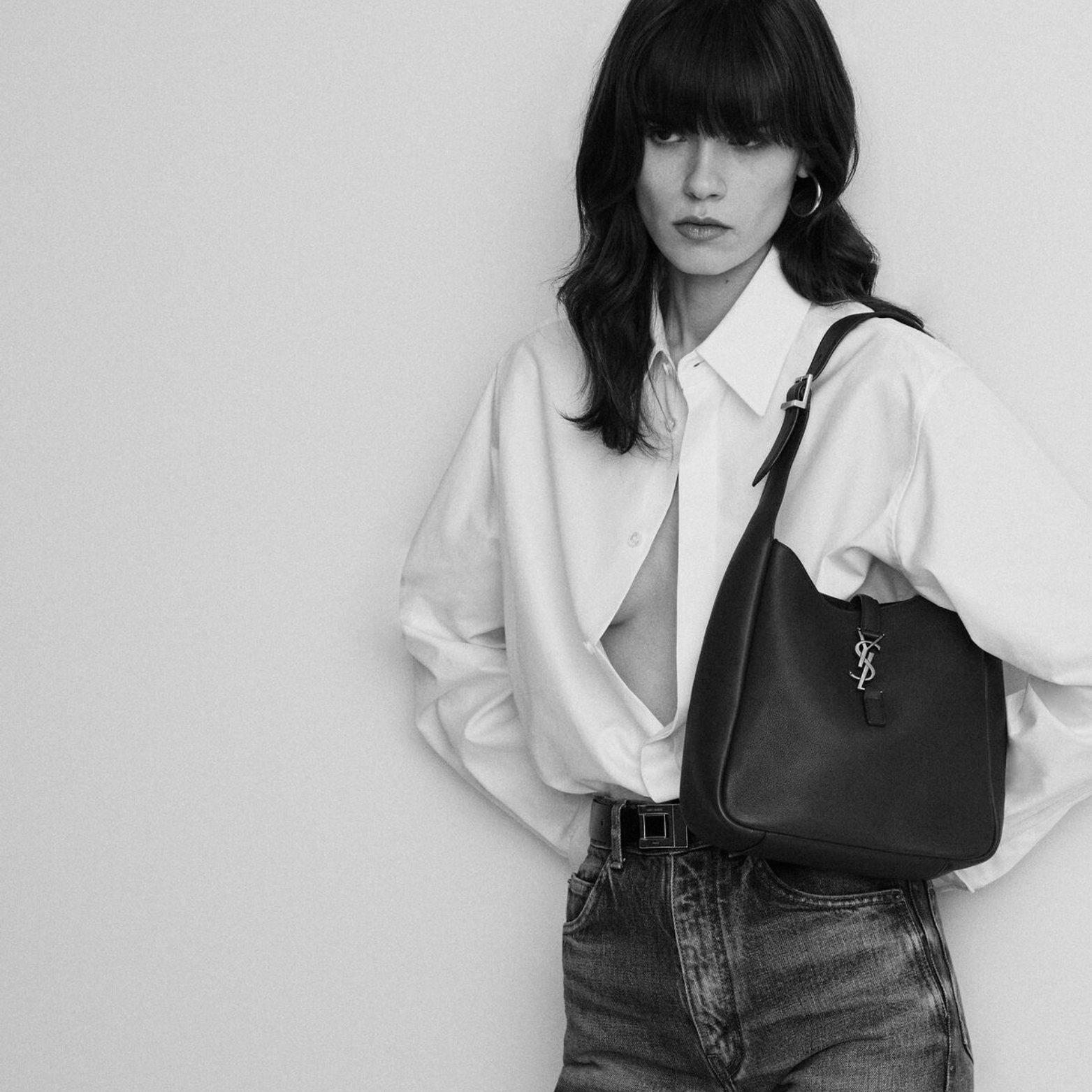
Versus Saint Laurent: YSL offers similar quality at comparable price points. The main difference is aesthetic. Saint Laurent leans into rock-and-roll glamour with more edge. Bottega favors softer, more refined minimalism. YSL uses visible logo hardware more prominently. Both appeal to fashion-conscious buyers but express sophistication in different ways. Under Hedi Slimane, Celine shares Bottega's minimalist sensibility. Both favor clean lines and understated luxury. The distinction lies in Bottega's Intrecciato technique, which enhances distinctiveness. Celine's quieter aesthetic makes pieces even more subtle. It's a matter of degree in the same general direction.
Versus Prada: Prada bounces between minimalism and intellectual complexity, sometimes within the same collection. Bottega maintains a more consistent aesthetic vision. Prada's nylon bags offer durability at lower price points. Bottega focuses more exclusively on premium leather goods. Both champion Italian craftsmanship but express it differently.
These comparisons aren't about which brand is "better." They're about understanding that what makes Bottega Veneta special is a specific combination of qualities that appeal to particular luxury consumers. If you want bold logos and attention-grabbing designs, Gucci is a better fit. If you seek absolute top-tier exclusivity and investment value, consider Hermès. If you want distinctive woven leather and quiet sophistication, Bottega is the answer.
The Price Reality: What You're Actually Paying For
Let's address the financial reality directly. Bottega Veneta isn't cheap. Bags range from $1,500 for smaller styles to $4,000+ for larger pieces. Small leather goods start around $400-600. Pair of shoes $700-1,200. Ready-to-wear climbs even higher. So what makes Bottega Veneta special enough to justify these prices?
First, the labor costs are real. That 8-15 hours of skilled weaving per bag represents a high cost. Italian artisans earn fair wages, not factory worker minimums. Training new craftspeople requires investment. Maintaining workshops with proper tools and climate control costs money. These aren't marketing stories. They're actual production realities that affect pricing.
Material costs are substantial, too. Premium Italian leather costs multiple times as much as standard leather. When you reject 85% of hides due to quality issues, your material costs per bag increase dramatically. Solid brass hardware, premium zippers, quality linings - all these components cost more than cheaper alternatives.
"The absence of the logo is a bold statement in itself. It says: If you know, you know."
– Rachel Tashjian, Fashion Journalist
Limited production runs maintain exclusivity but also affect economics. Mass production achieves economies of scale, reducing unit costs. Bottega's smaller batches don't get those efficiencies. Each bag represents higher fixed costs spread across fewer units.
The Italian manufacturing commitment costs extra. Bottega could reduce expenses by 40-50% by moving production to China or Southeast Asia, as many products rely primarily on its central role, its identity, and quality standards. That choice shows up in pricing.
You're also paying for design and brand development. The creative teams, the seasonal collections, the marketing that maintains brand prestige - all these are investments factored into product pricing. Luxury brands spend heavily on maintaining their image and market position.
However, you're not just paying for branding and naming. B - Bottegaoducts genuinely last. A well-maintained bag can last 20 years. The leather ages beautifully rather than deteriorating. The construction is suitable for daily use. When you calculate the cost per wear over a decade, the per-use price becomes much more reasonable.
The resale value helps too. Popular Bottega styles typically retain 60-80% of retail value when in good condition. Some limited editions sell above retail in secondary markets. This isn't Hermès-level appreciation, but it's better than most luxury brands, where you lose 50-60% immediately upon purchase.
Compare Bottega's pricing to other options. Mass-market bags priced at $ 100-300 need to be replaced every 1-2 years and have no resale value. Mid-tier designer bags at $500-800 offer better quality, but still won't last decades. Bottega sits below ultra-luxury like Hermès but above typical designer pricing because the quality and craftsmanship genuinely justify the premium.
That said, Bottega makes sense only if you'll use the pieces regularly and maintain them properly. Buying a $2,500 bag that sits in your closet because you're afraid to use it is a waste of money, regardless of quality. The value proposition works when you actually integrate these pieces into your life.
Who Bottega Veneta Actually Makes Sense For
Not everyone needs Bottega Veneta, and that's perfectly fine. Understanding what makes Bottega Veneta special helps you determine if it's the right brand for you.
Bottega makes perfect sense if you appreciate subtle sophistication over prominence. You value craftsmanship enough to pay for it. You prefer timeless designs that won't look dated quickly. You maintain your belongings properly and expect them to last for years. u like fashion that requires some insider knowledge to appreciate fully. You're comfortable with luxury that doesn't announce itself.
Consider other brands if: You prefer visible logos that clearly signal luxury. You want maximum brand recognition for your investment. You're shopping purely based on what's trending right now. You're rough on your belongings and don't take care of your leather goods. You're new to luxury and want something with universal recognition. You need the highest resale value (choose Hermès).
Think carefully about: Your actual lifestyle and usage patterns. Whether you genuinely love the aesthetic or think it's trendy. Suppose you can afford it comfortably without financial issues, but will you maintain the leather properly over time? If the subtle branding matches your personality, or if you'd prefer something more obvious.
Budget considerations matter too. Bottega occupies the upper-middle tier of the luxury price range. It's expensive but not ultra-luxury expensive. Ensure pricing aligns with your overall financial situation. Don't stretch beyond your comfort zone to own a particular brand.
Age and style evolution also factor in. If you're in your early 20s and your personal style is still developing, a $2,000 bag might not be the wisest investment yet. But if you're established in your aesthetic and know you love minimalist luxury, Bottega could serve you for decades.

Caring for Your Investment
Part of what makes Bottega Veneta special is how the pieces age when properly maintained. Here's how to protect your investment:
Regular conditioning keeps leather supple and prevents cracking. Use products specifically formulated for luxury leather and apply them every 2-3 months, depending on use. The Intrecciato weave requires thorough conditioning because its leather surfaces are vulnerable to damage.
Gentle cleaning addresses dirt and stains before they set. Wipe with a soft, slightly damp cloth immediately after exposure to rain or spills. Never use harsh cleaners or soak the leather. For stubborn stains, consult a professional leather cleaner who specializes in luxury goods.
Proper storage prevents damage when items aren't in use. Store in the provided dust bag in a climate-controlled space. S - stuffs with tissue to maintain shape. Never hang bags by their straps, as they can stretch the leather. Keep away from direct sunlight to prevent fading.
Mindful use extends longevity dramatically. Avoid overstuffing bags, which stretches leather and stresses seams. Be aware of where you set bags down - rough surfaces can scratch them. Remove jewelry that might catch on the Intrecciato weave before handling bags.
Professional maintenance addresses issues early. If you notice any damage to the weaving, loose stitching, or hardware issues, have repairs done promptly by Bottega or a qualified leather specialist. Early intervention prevents minor issues from becoming major problems.
Rotation gives pieces rest between uses. If you own multiple Bottega items, rotating them reduces wear on any single piece. This is especially important for shoes, which benefit from 24-48 hours of rest between wears.
The investment in proper care pays off. A Bottega bag that's conditioned regularly and stored appropriately looks nearly new after a decade of use. The leather develops beautiful patina while maintaining structure and integrity.
The Future: Sustainability and Evolution
What makes Bottega Veneta special is its alignment with contemporary sustainability and responsible luxury.
The emphasis on durability inherently supports sustainability. Products designed to last 10-20 years reduce consumption compared to replacing items every few years. This aligns with growing awareness that buying less but buying better benefits the environment.
Bottega has been increasing transparency about material sourcing and production methods. The brand works with tanneries that follow environmental standards for waste management and chemical use. While slower, the vegetable tanning process uses more sustainable methods than chemical alternatives.
"Bottega Veneta has always been the brand for those who don't want to scream their wealth. It is a quiet luxury."
– Mimi Xu, Fashion Editor
The repair services Bottega offers through boutiques extend product life even further. Rather than disposing of damaged items, customers can have them professionally repaired to restore them to excellent condition. This service orientation supports the brand's longevity messaging.
Limited production runs reduce waste compared with mass production, where unsold inventory is destroyed. Making fewer pieces more carefully means less environmental impact than overproducing and discarding excess.
However, luxury fashion inherently involves resource consumption. Leather production requires significant water and land use. Transporting Italian-made goods to global markets generates carbon emissions. Bottega hasn't met the sustainability benchmarks newer brands aspire to, and an honest assessment requires acknowledging these limitations.
The brand faces the challenge of maintaining artisanal quality while meeting growing demand from new markets and younger consumers. Can Bottega scale production without compromising the craftsmanship that defines it? The answer will shape what makes Bottega Veneta special in the coming decades.
Creative direction under Matthieu Blazy suggests confidence in the brand's future. He's maintaining core identity while introducing fresh perspectives. The continued popularity among younger luxury consumers indicates that Bottega's relevance isn't dependent on short-term trends.
Making Your Decision
If you've read this far, you're seriously considering Bottega Veneta. Here's how to approach that decision thoughtfully.
Start by experiencing the brand in person. Visit a Bottega boutique or high-end department store that carries the line. Handle the bags, feel the leather, examine the weaving up close. Photos don't fully capture the quality, so physical interaction helps you understand what you're considering.
Identify which pieces genuinely appeal to you. Don't buy something just because it's iconic if it doesn't match your style. The Pouch might be famous, but if you prefer structured bags with zippers, it won't serve you well, regardless of its reputation.
Consider your lifestyle realistically. If you commute via crowded subway, a delicate leather bag might not be practical for daily use. If you work from home, you might not need a professional tote. Match purchases to your actual life rather than an aspirational version.
Budget appropriately. Account for the purchase price per care product and any eventual maintenance. If buying pre-owned, factor in authentication service costs if needed. Make sure the total investment fits comfortably within your financial situation.
"Craftsmanship is at the heart of Bottega Veneta. Every piece reflects the artistry and dedication of those who create it."
– Marco Bizzarri, CEO of Gucci and Kering Group
Research the specific style you want. Some Bottega pieces have known issues or considerations. Reading reviews from actual owners helps set realistic expectations beyond promotional materials and provides insight into real-world performance.
For first-time It'srs, consider starting with small leather goods. isn't0 wallet lets you experience Bottega's quality and decide if it resonates with you before committing to a $2,500 bag. It's also easier to resell if you realize the brand isn't for you.
Buy from authorized sources. Bottega boutiques, approved department stores, and authenticated resale platforms guarantee genuineness. The lack of prominent logos makes Bottega easier to counterfeit, so source verification is more important than with obviously branded items.
The Bottom Line on Bottega Veneta
So what makes Bottega Veneta special in a luxury market full of alternatives?
It's the combination of genuine Italian craftsmanship with confidence skip logos. The technical mastery of the Intrecciato weave is paired with timeless minimalist design. Premium materials selected and worked by skilled artisans who've spent years perfecting their craft. A brand philosophy that values lasting quality over seasonal trends.
Bottega Veneta appeals to a specific mindset. Y - you whawhatever's reciatebtlety over showiness. You need to value craftsmanship enough to pay for it. You should prefer pieces that remain relevant for years rather than chasing whatever's currently hot. And you have to be okay with luxury that doesn't announce itself to everyone you encounter.
For those who share these values, Bottega offers something genuinely special in contemporary luxury fashion. The pieces deliver on quality promises. They age beautifully when appropriately maintained. They remain that way, stylish 'slishar after year. And they signal good taste to those who recognize quality without needing a logo to make the point.
For others, the brand might not resonate, and that's completely valid. Not everyone wants luxury; some people genuinely prefer bold design or different aesthetics. The luxury market offers a wide range of options to suit every preference. They understand what you're actually buying and why. Bottega Veneta isn't perfect. It's expensive, sometimes hard to source, and Veneta's aesthetic isn't for everyone. But for customers who value what the brand does well, it delivers an experience that justifies the premium.
Ready to explore Bottega Veneta's distinctive approach to luxury? Browse our authenticated collection featuring signature Intrecciato leather goods, from iconic bags to refined accessories.col or's piece is verified genuine with our authentication guarantee.