There's a specific moment every January when luxury shopping stops feeling like a fantasy and starts feeling possible. Walk past Nordstrom or Saks, and you'll see those little red "Sale" signs appearing on Gucci bags, Prada shoes, Dolce & Gabbana clothing, and Bottega Veneta wallets that normally sit at full price behind glass. Suddenly, the $2,800 handbag you've admired for months shows a price of $1,680 instead.
But here's the thing about designer sales that nobody really explains: they're not all created equal. Some offer genuine value on pieces you'll love for years. Others push overpriced items marked "on sale" from inflated starting prices. Some retailers authenticate carefully. Others let counterfeits slip through. Some deals represent smart investments. Others waste money on trendy pieces you'll regret by March.
Understanding how to navigate designer sales in 2026 means knowing when to buy, what to buy, where to buy it, and, crucially, what to avoid despite seemingly incredible discounts. It means understanding which brands actually discount meaningfully versus which engage in promotional theater. It means recognizing the difference between timeless pieces worth buying on sale and trendy items not worth owning at any price.
This comprehensive guide examines designer sales honestly and strategically. We'll explore why January offers the best luxury discounts of the year, which specific designer items deliver real value during sales, how to budget for luxury purchases without financial stress, where to find authentic pieces at genuine discounts, how to avoid counterfeits and scams, strategic timing for maximum savings, and which brands and items are actually worth buying versus which to skip.
Whether you're shopping your first designer sale or you're an experienced luxury bargain hunter, understanding how designer sales actually work helps you invest wisely in pieces that enhance your wardrobe for years rather than wasting money on expensive mistakes.
Shopping smart this season can help you achieve high-end style without overspending. Here's your guide to navigating the world of designer goods and making the most of this New Year's sales season.
Why Designer Sales Happen in January (And Why That Matters)
Understanding why January brings the deepest designer discounts helps you shop more strategically.
Retailers face urgent space constraints—spring collections ship in February, arriving in stores throughout late February and early March. Department stores and boutiques need floor space cleared for new inventory. This creates genuine pressure to move fall and winter merchandise fast, leading to aggressive discounting that benefits shoppers.
Unlike promotional sales throughout the year (which often feature inflated "original" prices marked down to create an illusion of savings), January clearance represents real discounts on actual retail prices. These pieces sold at full price for months. Now retailers need them gone.
The fashion calendar creates natural discount cycles. Fall collections launch in August and September. By January, these pieces are 4-5 months old in retail terms. They're not damaged or defective. They're not "last year's" styles, so they don't suddenly look dated. They're current pieces from previous seasons, not the latest arrivals.
For customers, this timing is perfect. You're not buying winter coats in April when you can't wear them for months. You're buying leather bags, shoes, and accessories in January, when you'll use them immediately and for years to come. The "previous season" distinction matters to retailers managing inventory but means nothing for timeless pieces.
Post-holiday shopping psychology shifts. December brings gift-buying urgency and emotional spending. January brings more thoughtful purchasing as people focus on their own wardrobes and needs. Retailers respond with sales designed for self-purchase rather than gift-giving. The pricing reflects this shift toward considered shopping.
Competition intensifies. Every luxury retailer runs January sales simultaneously. This creates pressure to offer competitive discounts to capture shoppers' attention. The result is deeper cuts than retailers would offer if they controlled timing independently.
The honest reality: January designer sales represent a genuine opportunity for smart luxury shopping. The discounts are real. The merchandise is current and of good quality. The timing works for shoppers. Understanding this helps you approach sales with confidence rather than skepticism.
"January clearance is when luxury retail meets reality. Retailers need space, shoppers want deals, and the confluence creates genuine value that doesn't exist other times of year."
- Luca Solca, Luxury Goods Analyst, Bernstein

Setting a Realistic Budget (Without Killing the Joy)
Let's talk honestly about money, because designer shopping should enhance your life rather than creating financial stress.
Start with actual numbers, not aspirational ones. How much can you spend on designer items this month without touching emergency funds, without carrying credit card balances, without sacrificing other financial goals? That real number is your budget. Not what you wish you could spend. Not what influencers spend. What you can actually afford comfortably.
For most people, this is typically $500- $2,000 for designer sales. That's not criticism. That's reality. And it's more than enough for strategic purchases that genuinely upgrade your wardrobe.
Think about cost per wear rather than just sticker price. A $1,200 Bottega Veneta bag may seem expensive until you factor in actual usage. Worn three times weekly for 10 years equals roughly 1,560 uses. That's $0.77 per wear. Compare that to $200 fast-fashion bags that are replaced every two years. Over 10 years, you'd spend $1,000 on five mediocre bags that look progressively worse. The luxury option costs less over the long term while looking better overall.
However, this math only works if you genuinely use the item regularly. An evening clutch worn twice yearly for 10 years costs $1,200 in total, or $60 per wear. That's terrible value regardless of quality. Be ruthlessly honest about usage patterns.
Divide your budget strategically rather than spending it all on a single item. Consider something like: 40% on one investment piece (bag or shoes), 30% on everyday luxury (wallet, belt, small accessories), 30% on statement items (sunglasses, scarf, jewelry). This approach builds a wardrobe rather than buying a single expensive item.
Alternatively, some people prefer investing everything in one perfect piece. If you've wanted a specific Gucci Marmont bag for two years and it's finally on sale, putting your entire budget toward it makes sense. The key is conscious choice rather than impulse.
Account for hidden costs in your planning. That $1,000 bag needs proper care products ($50), a protective treatment ($75), and eventual professional cleaning ($100). Budget an extra 10-15% beyond the purchase price for proper maintenance.
Never go into debt for designer sales. This should be obvious, but it needs to be stated clearly: if you can't pay off the credit card balance immediately, you can't afford it. Designer pieces bring joy, but credit card interest brings stress that ruins any enjoyment. Wait, save, and buy when you can comfortably afford it.
The honest budgeting truth: luxury shopping should feel exciting, not anxiety-inducing. If a purchase makes you uncomfortable financially, don't buy it, regardless of how good the sale price looks. The right piece will come along when your finances align.
The Best Designer Items to Buy During Sales
Not all designer pieces offer equal value during sales. Some categories consistently deliver excellent returns while others disappoint even at a discount.
Leather Handbags (Best Overall Value)
Designer handbags represent the single best category for shopping. They're high-margin items for retailers (meaning more room for discounting), they're timeless rather than trendy, and they provide daily use that justifies investment.
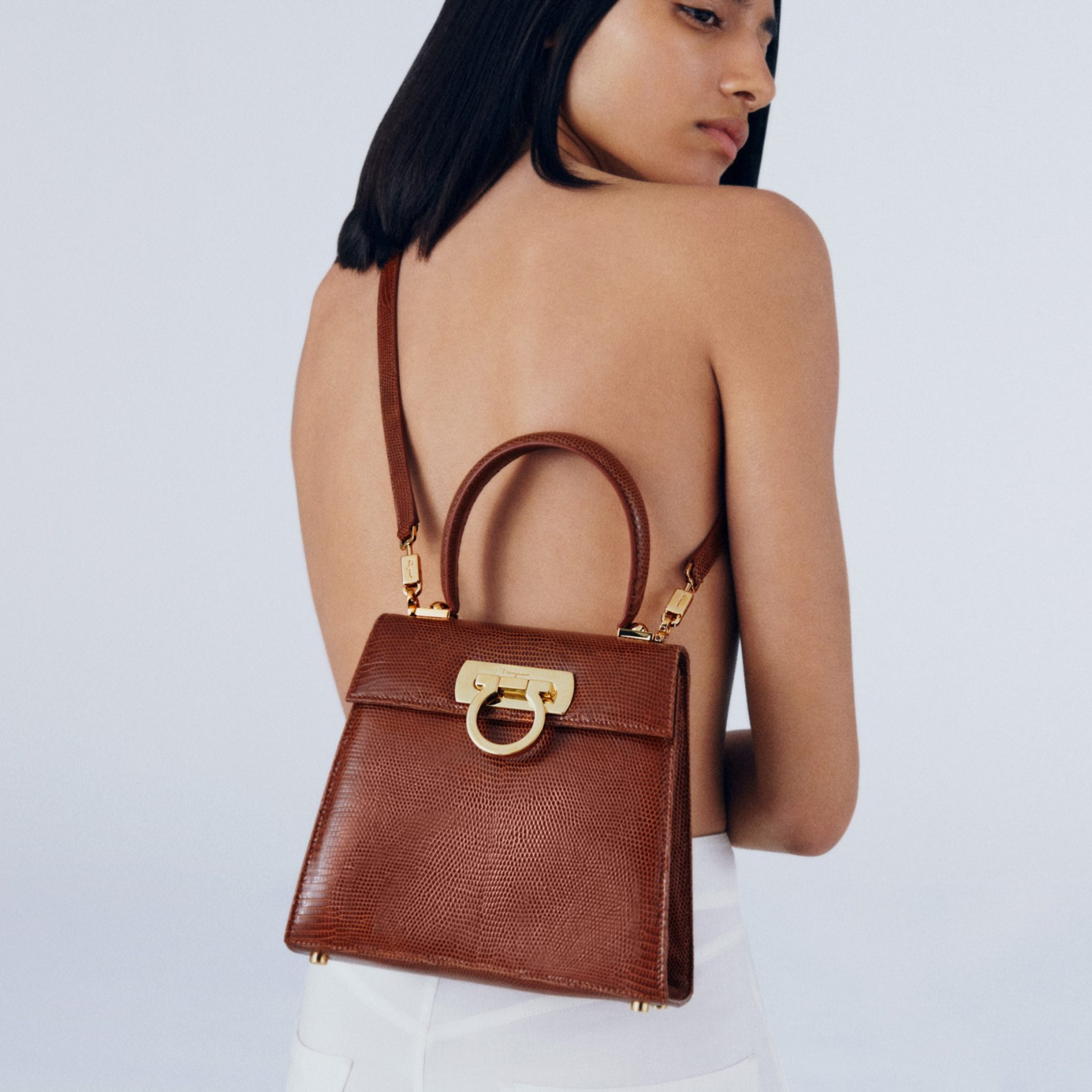
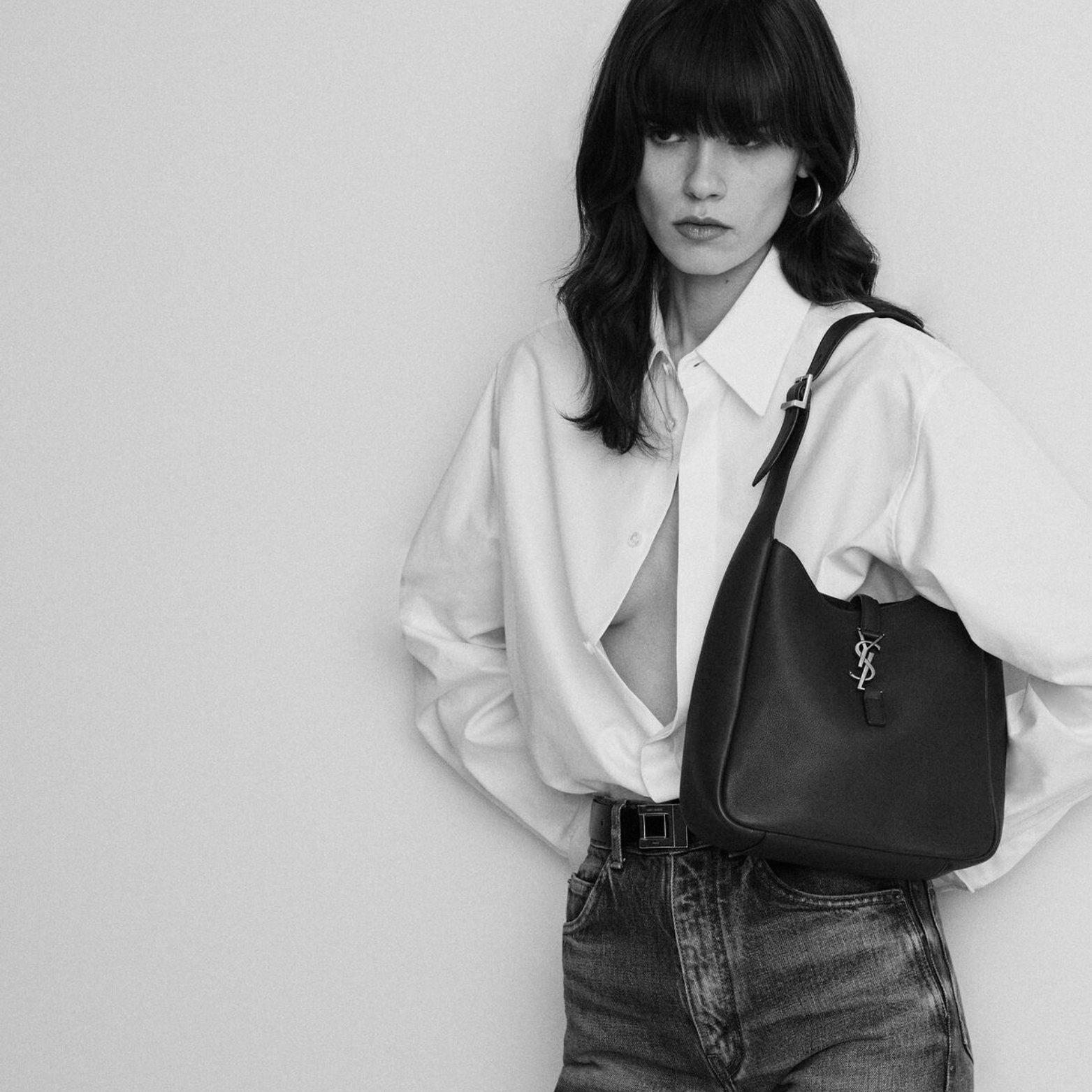
What to look for: Classic shapes in neutral colors. The Gucci Marmont, Bottega Veneta Jodie, Saint Laurent Kate, Prada Galleria. These styles have proven longevity. Five-year-old versions still look current. That's the definition of smart investment.
Discount range: Expect 30-50% off retail during January sales. A $2,500 Marmont marked to $1,500-$1,750 represents genuine savings on a piece you'll use for a decade.
What to avoid: Trendy shapes, loud patterns, or extremely bold colors. That neon mini bag at 60% off still isn't worth it if you'll never use it. Stick with black, brown, nude, navy, or classic red.
Designer Shoes (Excellent Value for Classics)
Shoes offer fantastic sale value, especially classic styles that transcend seasonal trends.
What to look for: Pumps, loafers, ankle boots, and elegant flats in neutral colors. Ferragamo Vara pumps, Gucci Horsebit loafers, Prada pointed-toe flats, Valentino Rockstud pumps—these work year-round and with countless outfits.
Discount range: 40-60% off during January sales. Premium brands like Ferragamo and Prada often offer deeper discounts on previous-season styles.
What to avoid: Extremely trendy styles (chunky sneakers, unusual heel shapes, loud colors) unless you genuinely love them, regardless of trends. Comfortable shoes matter more than following fashion for footwear.
Leather Belts (Small Investment, Big Impact)
Belts deliver outsized style impact relative to their cost, making them perfect sale purchases.
What to look for: Classic leather belts from Gucci, Ferragamo, or Saint Laurent. The hardware might be trendy (GG logo, interlocking circles), but the core leather belt design stays relevant forever.
Discount range: 20-40% off during sales. These aren't deeply discounted, but the lower starting prices ($450-$550 retail) mean savings of $100-200 still feel meaningful.
What to avoid: Extremely wide belts or unusual materials. Stick with classic widths (3-4cm) in quality leather.
Small Leather Goods (Accessible Luxury)
Wallets, cardholders, and key cases provide entry points to luxury brands at affordable prices, even before sales.
What to look for: Simple designs in signature materials. Bottega Veneta woven leather cardholders, Gucci GG Supreme wallets, and Prada Saffiano leather pieces. These provide daily luxury at accessible prices.
Discount range: 30-40% off during sales. Items originally priced $300-$600, now $200-$400, make luxury genuinely accessible.
What to avoid: Overly trendy designs or loud logos. These are daily-use items that should last for years without feeling dated.
Designer Sunglasses (Surprisingly Good Value)
Sunglasses are offered at significant discounts during January sales, even though they are wearable year-round.
Discount range: 30-50% off. Premium brands like Gucci, Prada, and Saint Laurent sunglasses, originally priced at $400-$600, are now $250-$350, representing excellent value.
What to look for: Classic shapes (aviators, wayfarers, cat-eyes) in versatile colors. Avoid extremely trendy shapes that date quickly.
What to Generally Avoid During Sales
Extremely trendy items: That avant-garde bag at 70% off still isn't worth it if it'll look dated in six months.
Poor-quality "designer" diffusion lines: Some brands produce lower-quality items specifically for outlets. Check the construction carefully.
Wrong sizes accepted as compromises: a perfect bag in the wrong color, or shoes half a size too small, will sit unused despite being "great deals."
Anything you don't genuinely love: Buying something just because it's discounted wastes money, regardless of how much you save.
"The best designer sale purchases are pieces you wanted at full price but waited for discounts. If you're only interested because it's on sale, you probably don't need it."
- Sarah Rutson, Fashion Consultant
Where to Shop Designer Sales Safely in 2026
Authenticity matters enormously when shopping at designer sales. Counterfeits have become sophisticated enough to fool casual observers, making sourcing crucial.
Established Department Stores (Safest Option)
Nordstrom, Saks Fifth Avenue, Neiman Marcus, and Bloomingdale's represent the gold standard for authentic designer sales. These retailers:
- Authenticate all inventory before accepting it
- Offer clear return policies (though sometimes restricted for sale items)
- Provide customer service that resolves issues
- Stand behind purchases with reputation on the line
Their January sales offer genuine discounts (typically 30-50%) on verified, authentic merchandise. The selection includes most major luxury brands. The shopping experience feels secure.
However, check return policies carefully. Sale items often have more restrictive returns (final sale, store credit only, shortened return windows). Understand terms before purchasing.
Brand Boutiques and Official Websites
Gucci.com, Prada.com, and Bottega Veneta's official sites offer guaranteed authenticity directly from the brands. However, sales tend to be more limited than those of department stores. Brands protect pricing more carefully, so discounts average 15-30% rather than 40-50%.
The advantage is absolute certainty of authenticity and access to full-size/color ranges. The disadvantage is smaller savings.
Authenticated Luxury Resale Platforms
The RealReal, Fashionphile, Vestiaire Collective, and Rebag specialize in pre-owned luxury with professional authentication. During January, they run additional sales on already-discounted inventory, creating compounding savings.
A $2,500 Gucci bag might sell pre-owned for $1,500 (40% off retail). During January sales, it drops to $1,200 (52% off the original retail price). That's genuine value on authenticated luxury.
These platforms provide:
- Professional authentication (trained experts examine every item)
- Clear condition descriptions (often more honest than retail "new with tags")
- Return policies (typically 3-7 days)
- Authentication guarantees backed by insurance
The trade-off: You're buying pre-owned rather than new. For many people, this matters less than the savings. For others, only new items feel right. Know your preference before shopping.
Online Luxury Retailers
Farfetch, Mytheresa, Net-a-Porter, and SSENSE operate as authorized online luxury retailers. They authenticate inventory and offer January sales (typically 20-40% off).
These sites provide:
- International selection beyond US department stores
- Often free international shipping
- Competitive pricing due to global competition
- Clear authentication and return policies
Watch for: Customs fees on international orders can negate savings. Verify the total cost, including duties, before purchasing.
Luxury Outlets (Approach with Caution)
Gucci, Prada, and Bottega outlets at premium outlet malls offer discounts, but they should be evaluated carefully.
Some outlet merchandise is:
- Previous season mainline: Actual pieces from regular stores, now discounted. These are excellent value.
- Made for outlet: Items manufactured specifically for outlets with different constructions. These can be good value but aren't the same quality as mainline.
How to tell the difference: Check tags for small dots, different style numbers, or "outlet" stamps. When unsure, compare construction to mainline pieces in regular stores. Feel the leather, examine the stitching, and assess the weight of the hardware.
Outlet shopping can yield genuine bargains (40-60% off mainline quality) or disappoint with lower-quality "designer" items. Do your homework.
Where to Absolutely Avoid
Instagram sellers with no reviews: Even if they claim authenticity, you have no recourse if items prove fake.
Random websites offering "too good to be true" prices: If a $3,000 Gucci bag sells for $500 "on sale," it's counterfeit. Period.
Facebook Marketplace or Craigslist for luxury items: Counterfeits dominate these platforms. Unless you're an authentication expert, avoid them entirely.
Unauthorized "discount luxury" websites: If the site isn't a recognized name, verify its legitimacy thoroughly before purchasing. Many are fronts for counterfeit sales.
The authentication rule: when spending hundreds or thousands on designer pieces, only buy from sources that guarantee authenticity and provide recourse if problems arise. Saving $200 by taking risks on questionable sellers means nothing when you receive fake products worth essentially nothing.
Shop designer items under $1000

Strategic Timing for Maximum Savings
Designer sales aren't static. Discounts deepen as January progresses, creating strategic timing opportunities for patient shoppers.
Early January (January 1-7): Best Selection, Moderate Discounts
Discount range: 20-40% off, typically
What's available: Full selection of sale merchandise. All sizes, all colors, all styles recently marked down.
When to shop early: If you need specific items in specific sizes, early shopping ensures availability. That black Gucci Marmont in small size will sell out quickly. If you know exactly what you want, don't wait.
Strategy: Shop early for classic bestsellers in standard sizes that sell out fast. Wait for the less popular items, which will likely receive deeper discounts.
Mid-January (January 8-20): Deepening Discounts, Declining Selection
Discount range: 30-50% off as retailers push harder to clear inventory
What's available: Selection narrows as popular items sell out. However, remaining inventory often sees additional markdowns.
When this works: For shoppers with size flexibility or those wanting less common colors. That burgundy Bottega Veneta bag might hit 50% off mid-month, while black sold out at 30% off in week one.
Strategy: Check inventory multiple times weekly. New markdowns happen continuously, not just once. Items sitting at 40% off in week one might jump to 55% off by week three.
Late January (January 21-31): Maximum Discounts, Minimal Selection
Discount range: 40-60%+ as retailers desperately clear space before spring arrivals
What's available: Picked-over selection dominated by unusual sizes, uncommon colors, or less popular styles.
When this works: For shoppers who don't need specific items and can accommodate odd sizes or colors. These final markdowns can yield incredible deals for flexible buyers.
Strategy: Late January shopping serves as a "bonus round" rather than the primary strategy. If you found nothing earlier, check again at month-end. Occasionally, the perfect piece you wanted is marked down significantly during the final clearance.
The Waitlist Strategy
Many retailers let you join waitlists for sold-out items. During January sales, returns happen constantly as people reconsider purchases. Waitlists often fill from these returns at sale prices.
How it works: The item you want in your size sells out at 40% off. You join the waitlist. Someone returns it two weeks later. You receive a notification and a purchase opportunity at the sale price.
This strategy requires patience but works surprisingly often during busy sales periods with high return rates.
Authenticity Red Flags and Protection Strategies
Even when shopping from legitimate retailers, understanding the basics of authentication protects your investment.
Warning Signs That Should Stop You From Buying
Price seems impossible: Designer bags don't sell new for 75% off unless something's wrong. If pricing seems too good to be true, trust that instinct.
Seller can't provide detailed photos: Legitimate sellers provide close-ups of stitching, hardware, serial numbers, and interior stamps. A refusal or inability to provide detailed images signals issues.
No return policy: Authentic retailers stand behind products with clear return policies. "All sales final" from unknown sellers screams counterfeit.
Pressure tactics: Authentic luxury rarely requires pressure. "Buy nThnow missorever" from questionable sellers indicates poor quality: Legitimate retailers invest in professional websites. Sites with poor grammar, weird URLs, or unprofessional design raise red flags.
Authentication Basics to Know
Even from legitimate retailers, understanding basic authentication helps:
Serial numbers and date codes: Designer brands include specific tags with control numbers. Format varies by brand and production year. Research correct formats for items you're considering.
Stitching quality: Luxury goods feature consistent, even stitching (typically 7-10 stitches per inch). Examine seams, stress points, and hidden areas carefully.
Hardware weight and finish: Authentic hardware feels substantial and has high-quality finishes. Fake hardware often feels lighter due to poor finishing.
Leather quality and smell: Genuine luxury leather feels supple with natural grain. It smells rich and leathery, not chemical or plasticky.
Interior construction: Check the quality of the lining, pocket construction, and the transition from interior to exterior. Authentic luxury shows meticulous finishing throughout.
Packaging and documentation: Authentic items include quality dust bags, boxes, authentication cards, and care booklets. While counterfeits sometimes have fake packaging, quality here correlates with product authenticity.
When uncertain, use professional authentication services. Companies such as Entrupy, Authenticate First, and Legit Check App offer authentication for $15-50. This small cost protects much larger investments in questionable purchases.
"Counterfeiters have become incredibly sophisticated. Even experienced luxury shoppers can be fooled. When spending thousands, professional authentication provides peace of mind worth far more than its cost."
- Entrupy Authentication Services

Maximizing Your Savings: Stacking Strategies
The sale price is just the starting point. Smart shoppers layer additional savings on top of discounts.
Credit Card Rewards and Points
Many credit cards offer elevated rewards for luxury or department store purchases:
- Store credit cards: Nordstrom, Saks, and Ruleman Marcus cards often provide extra discounts (15-25% off first purchase, 10% off sale items)
- Cash back cards: 2-5% cash back adds meaningful savings on large purchases
- Points cards: Luxury purchases earn points toward travel or other redemptions
The critical Rule: Only use this strategy if you pay cards off immediately. Credit card interest negates any savings faster than you can blink.
Gift Card Discounts
Buy discounted gift cards before shopping sales:
- Gift card resale sites: CardCash, Raise, CardPool often sell designer retailer gift cards at 5-15% below face value
- Grocery rewards programs: Some programs let you buy gift cards with points or at discounts
- Corporate discount programs: Check if your employer offers discounted gift cards
A $1,000 designer bag at 40% off ($600) purchased with 10% discounted gift cards ($540) creates 54% total savings. These discounts compound meaningfully.
Newsletter and First-Time Buyer Discounts
Many luxury retailers offer 10-15% off for newsletter signups:
- Create a dedicated email address for shopping deals
- Sign up before major purchases
- Stack newsletter discounts on top of sale prices when allowed
Note: Some retailers exclude sale items from newsletter discounts. Check terms before assuming stacking works.
Free Shipping and Returns
Most luxury retailers waive shipping fees on orders exceeding a certain amount (typically $100-$200). During sales, they often drop minimums or offer free shipping universally.
Why this matters: Return shipping on a $1,000 bag can cost $50-$100. Free returns let you shop confidently, knowing you can return items without penalty if they don't work.
Social Media and App Exclusives
Brands increasingly offer exclusive codes through:
- Instagram stories: Flash codes for additional discounts
- Shopping apps: App-only sales or early access
- Text message lists: SMS subscribers get advance notice and codes
Following brands on social and downloading shopping apps takes minutes but can yield meaningful additional savings.
The stacking reality: Combining 40% sale price + 10% store card discount + 5% cash back + 10% discounted gift card creates total savings exceeding 55%. These strategies compound rather than add, creating significant returns on minimal effort.
Building a Wardrobe Versus Impulse Buying
The difference between smart luxury shopping and wasting money on sales often comes down to strategic thinking versus impulse buying.
The Wardrobe Gap Analysis
Before buying anything, honestly assess what your wardrobe actually needs:
What do you wear constantly? If you wear crossbody bags daily, investing in a quality Gucci or Saint Laurent crossbody makes sense. If you prefer totes, even a heavily discounted crossbody wastes money.
What would solve frustrations? If you constantly buy cheap belts that look worn after months, investing in a quality Gucci or Ferragamo belt addresses the underlying issue. If you never wear belts, skip them regardless of discounts.
What's missing for important occasions? If you attend formal events monthly but lack an appropriate bag, investing in an elegant clutch is a sound investment. If you never attend such events, evening bags gather dust regardless of quality.
What coordinates with existing pieces? That burgundy Prada bag might be beautiful, but if you own nothing it works with, you won't use it. Black or neutral leather coordinates with everything you already own.
The One In, One Out Rule
Consider adopting this guideline: for every designer piece you purchase, remove one item from your wardrobe.
This forces honesty about whether new purchases genuinely add value or create clutter. If you can't identify an item to remove, you may not actually need the new purchase despite the great sale price.
Starting Small for New Luxury Shoppers
If you're new to designer goods, start with accessories rather than major investments:
Wallets and small leather goods ($200-$400 on sale) let you experience brand quality without enormous commitment. You'll use them daily, understand what luxury feels like, and build from there.
Belts ($300-$450 on sale) add a touch of visible luxury to entire outfits. They're practical investments that justify costs through constant use.
SungRulees ($250-$400 on sale) offers everyday luxury at accessible prices. You'll wear them regularly in appropriate climates.
After experiencing quality through smaller purchases, you'll shop more confidently for larger purchases such as handbags or shoes.
The 24-Hour Rule
When tempted by sale items, wait 24 hours before purchasing. Add items to the cart, but don't check out immediately.
What happens during this waiting period:
- Initial excitement, allowing rational evaluation
- You realize you don't actually need/want the item
- You confirm you genuinely want it, regardless of sales pressure
- You verify that it coordinates with the existing wardrobe
Exception: If the item is in high demand and likely to sell out, this Rule doesn't apply. For classic bestsellers in standard sizes/colors, waiting risks losing the opportunity.
The strategic shopping reality: sales create urgency, encouraging impulse buying. Slowing down and thinking strategically separates smart investments from expensive mistakes.
What Makes Designer Pieces Worth Buying on Sale
Not every designer item justifies its price even at 50% off. Understanding what creates real value helps you invest wisely.
Construction Quality That Lasts Decades
Premium materials (Italian leather, quality hardware, expert stitching) enable pieces to last 10-15+ years with proper care. A $1,500 Bottega Veneta bag on sale for $2,500 that lasts 12 years costs $10 per month. A $200 fast-fashion bag, replaced every two years, costs $8 monthly - but looks progressively worse and requires five replacements over the same period.
The quality-investment math works only when components genuinely last. Trendy items worn twice, then abandoned, waste money regardless of construction.
Timeless Design That Stays Relevant
The Gucci Marmont looks the same today as it did five years ago. That's timeless design. Pieces with proven multi-year relevance justify investment because you'll actually use them throughout their lifespan.
Trendy items might be constructed beautifully but date quickly. Even at 60% off, they're poor investments if you'll only wear them one season.
Versatility Across Occasions and Outfits
Black leather Prada tote pairs well with jeans, suits, dresses, and everything in between. It functions for work, weekends, travel, and daily life. This versatility maximizes usage and justifies investment.
Highly specific pieces (evening clutches, bold statement bags) serve limited purposes. Unless you need those specific functions regularly, they don't justify the cost, given their quality.
Recognizable Quality That Holds Resale Value
Designer pieces from established brands (Gucci, Prada, Bottega Veneta, Saint Laurent) retain resale value significantly better than those from lesser-known brands or contemporary labels.
If circumstances change and you need to sell, recognized luxury typically holds 50-70% of its original retail price. This provides meaningful downside protection. Lower-tier brands depreciate by 30-40% or more, meaning your "investment" loses value faster.
Personal Joy That Justifies Emotional Investment
Sometimes pieces bring happiness that transcends pure financial calculation. If a specific Gucci bag makes you smile every time you use it, the emotional return justifies investment even if pure math doesn't.
However, this only works when you genuinely use the piece regularly. Items sitting unused bring guilt, not joy, regardless of how much you loved them when purchased.
The value assessment: designer pieces worth buying on sale combine quality construction, timeless design, practical versatility, strong resale value, and genuine personal appeal. Remove any of these elements, and the investment becomes questionable.
"Luxury isn't about owning the most expensive things. It's about owning pieces you'll use and love for years. Sale shopping should focus on finding those pieces at prices that make them accessible."
- Dana Thomas, Author of "Deluxe: How Luxury Lost Its Luster"
Final Thoughts: Making Designer Sales Work for You
Designer sales in 2026 offer genuine opportunities for smart luxury shopping. The discounts are real. The quality justifies investment. The timing aligns with practical wearability.
But success requires strategic thinking rather than impulse buying. Set realistic budgets based on actual finances, not aspirational spending. Focus on timeless pieces in versatile colors that coordinate with existing wardrobes. Buy only from authenticated sources that stand behind their merchandise: stack discounts and rewards to maximize savings. Think about long-term value through cost-per-wear calculations.
Most importantly, buy pieces you genuinely love and will actually use. Sale prices don't justify purchases you'll regret. The best luxury investments are pieces you wanted at full price but waited patiently for discounts.
Designer shopping should enhance your life and style without creating financial stress. If purchases make you uncomfortable, wait. The right pieces will come along at the right time when your circumstances align.
Ready to explore authenticated designer sales? Browse our curated collection featuring 750+ new arrivals from Gucci, Prada, Bottega Veneta, Ferragamo, Valentino, Saint Laurent, and more. Every piece is authenticated with clear return policies and competitive sale pricing. Start your year with luxury that's both beautiful and genuinely worth the investment.
Popular collections:
Bottega Veneta. Gucci. Prada. Ferragamo. Loro Piana. Tory Burch. YSL. Valentino and more