Designer Shoes Under $1000
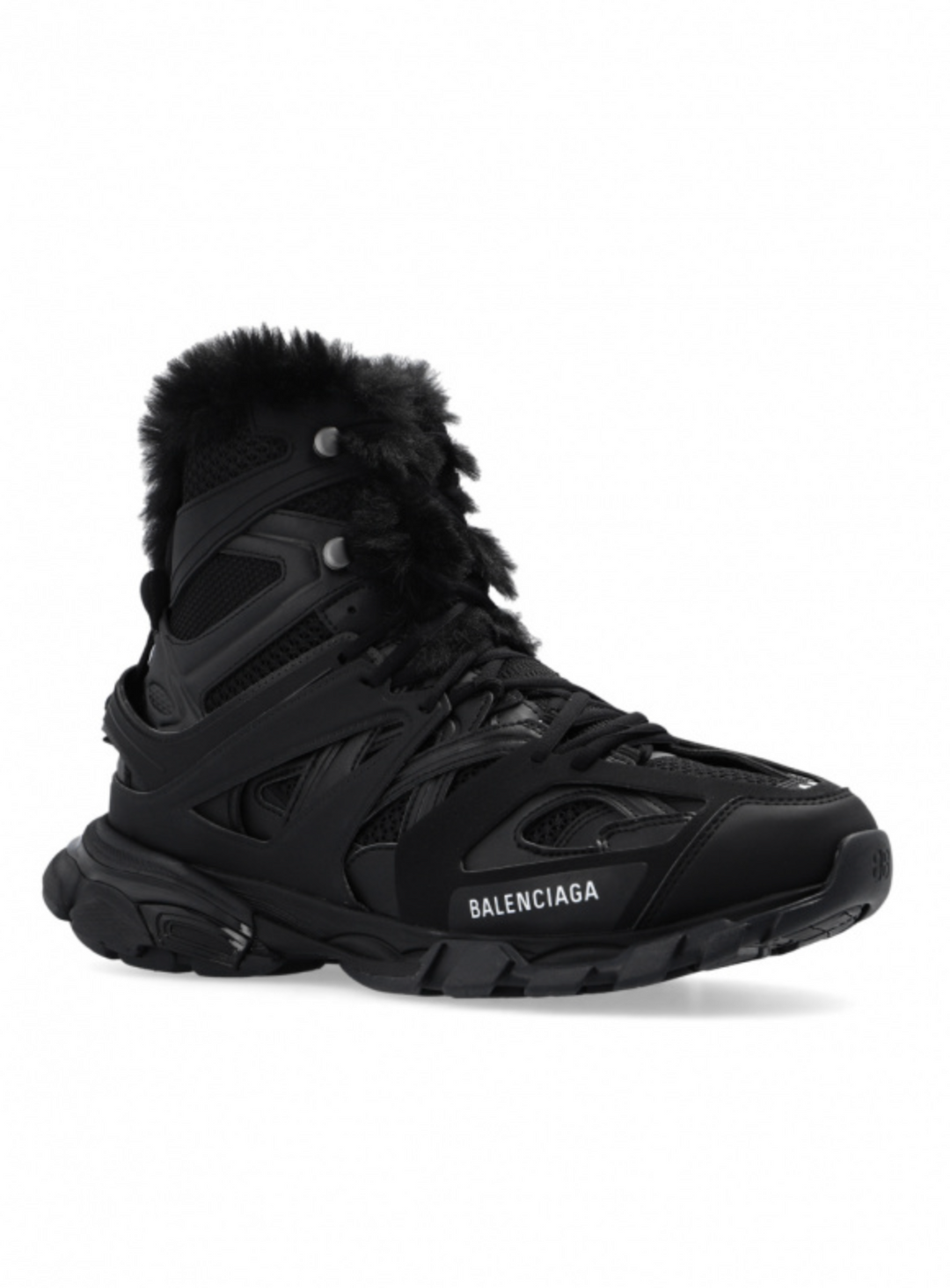
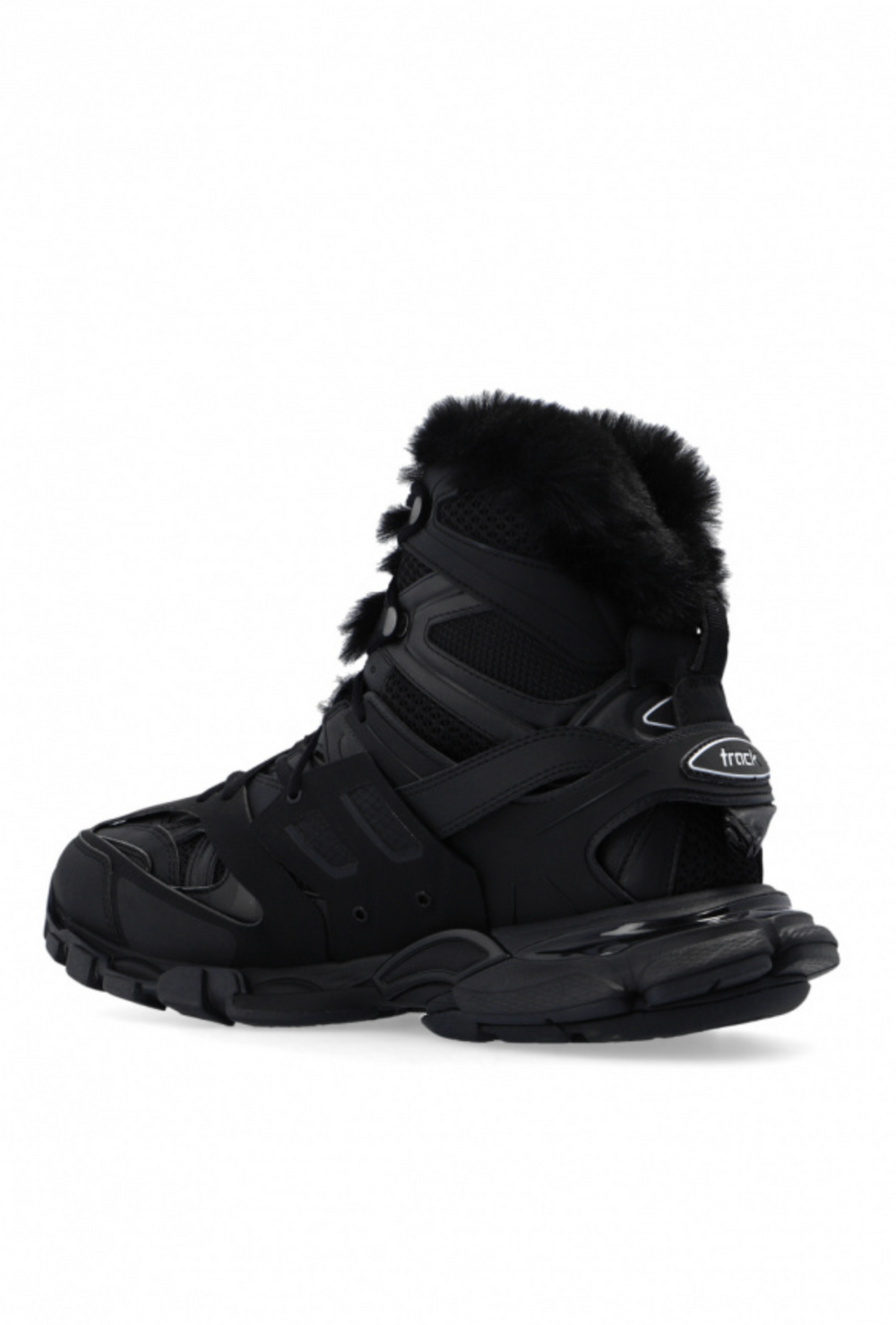
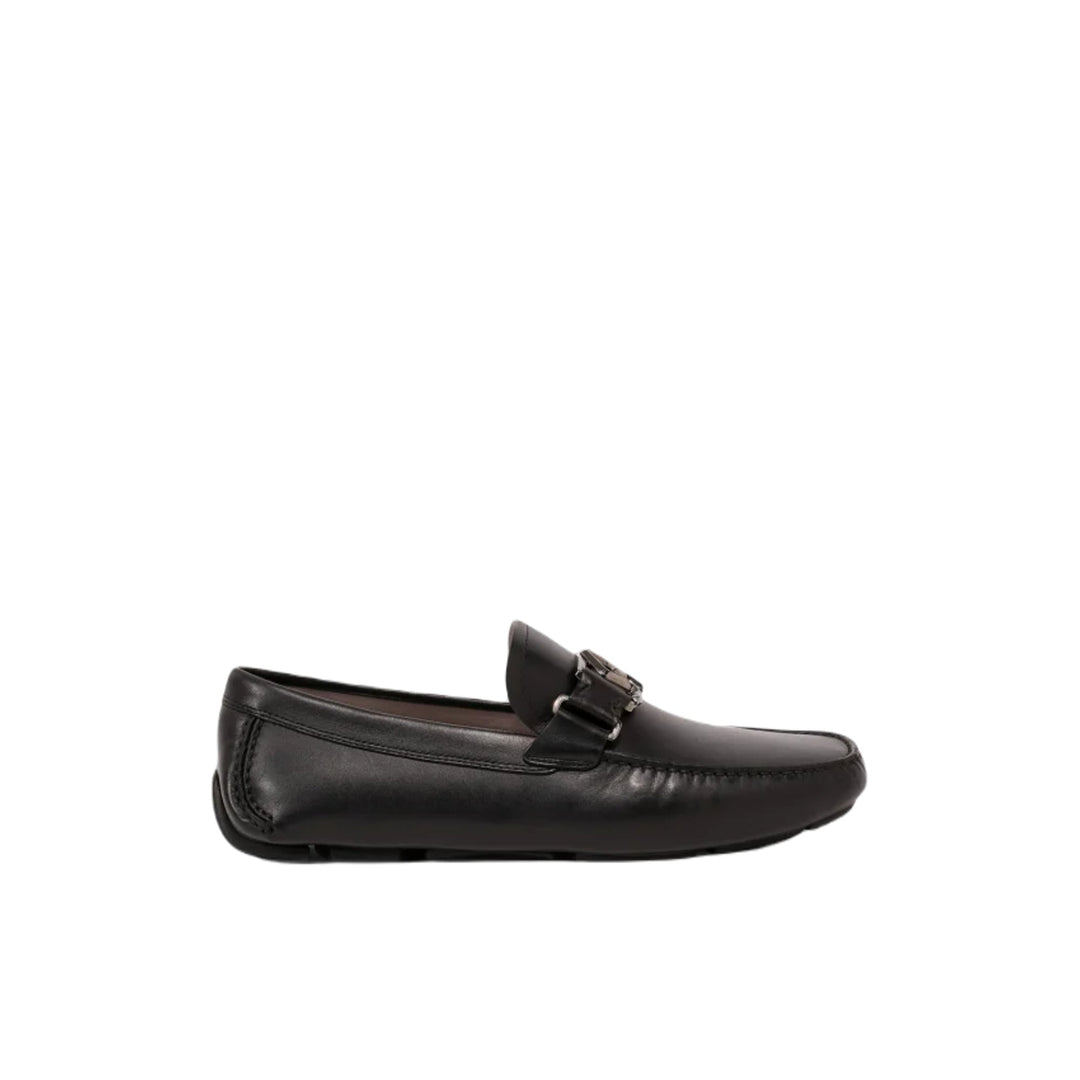
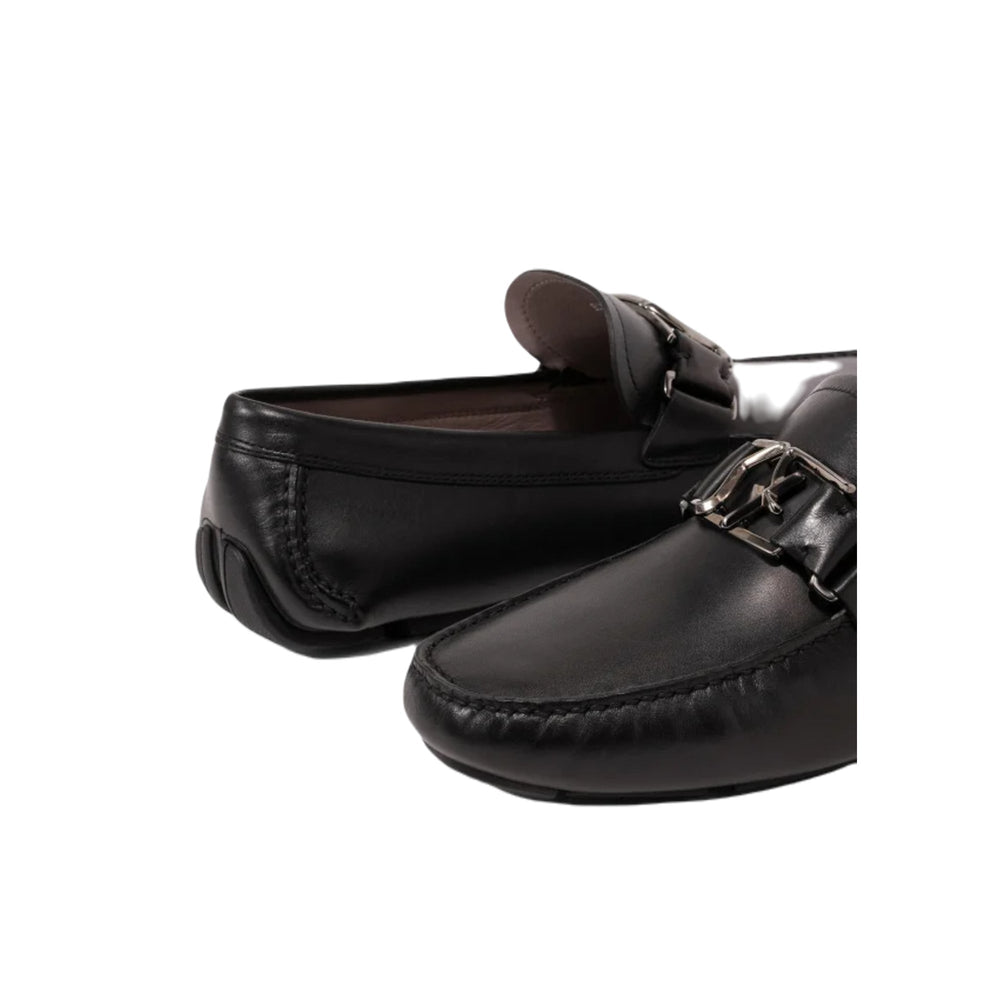







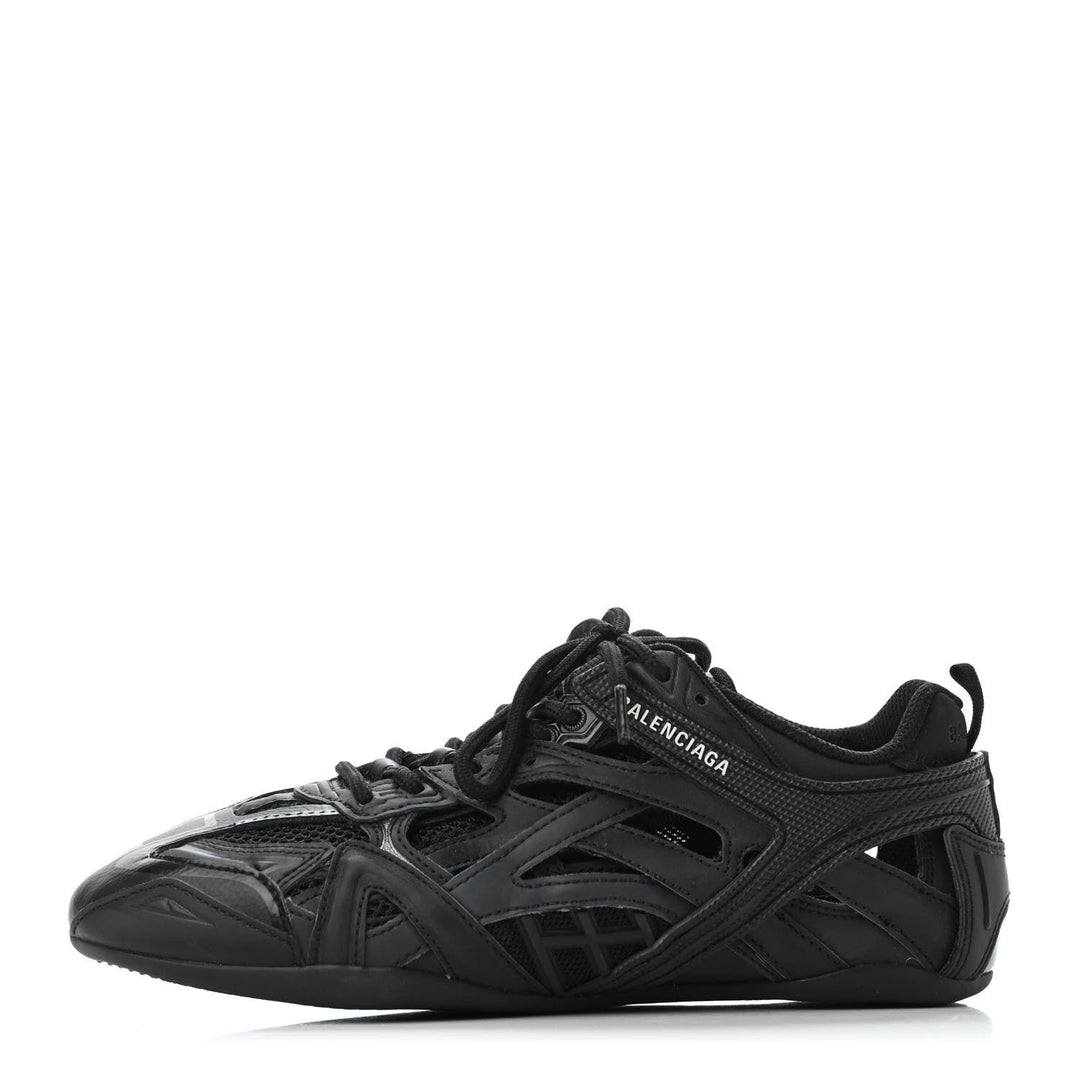
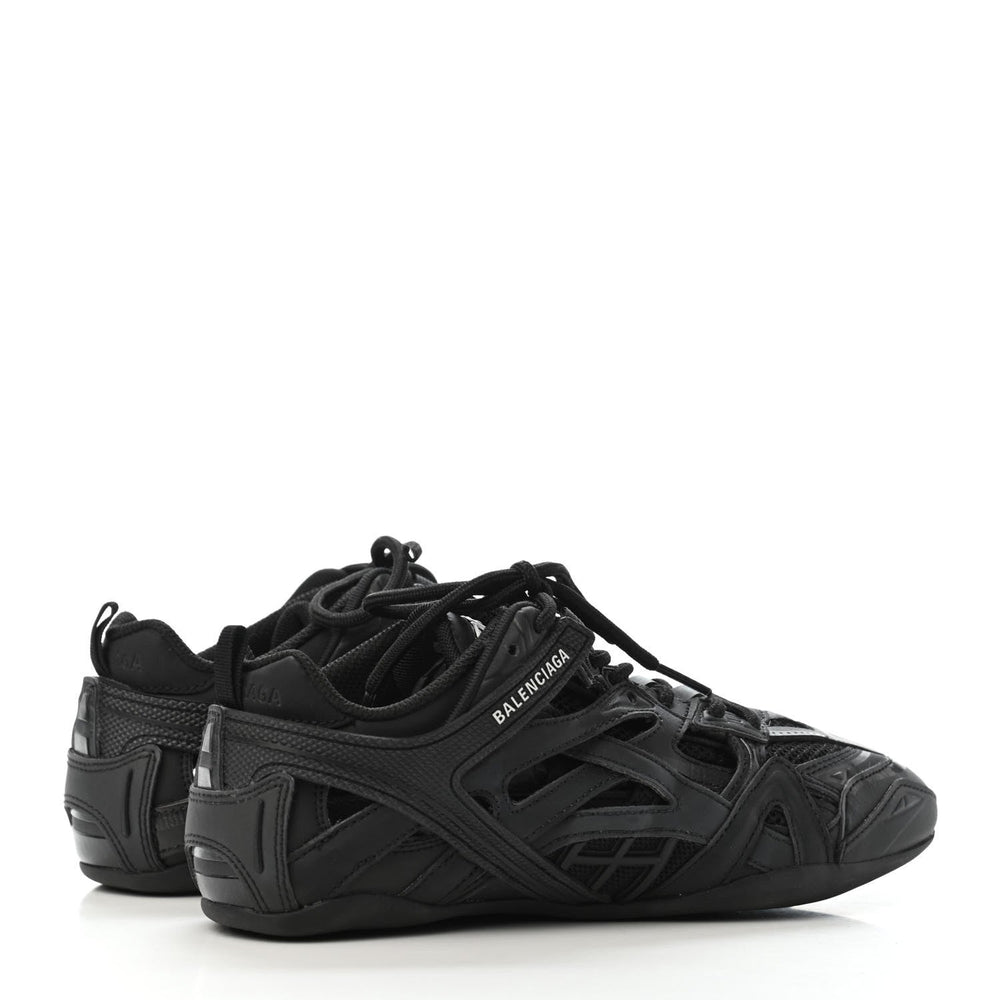


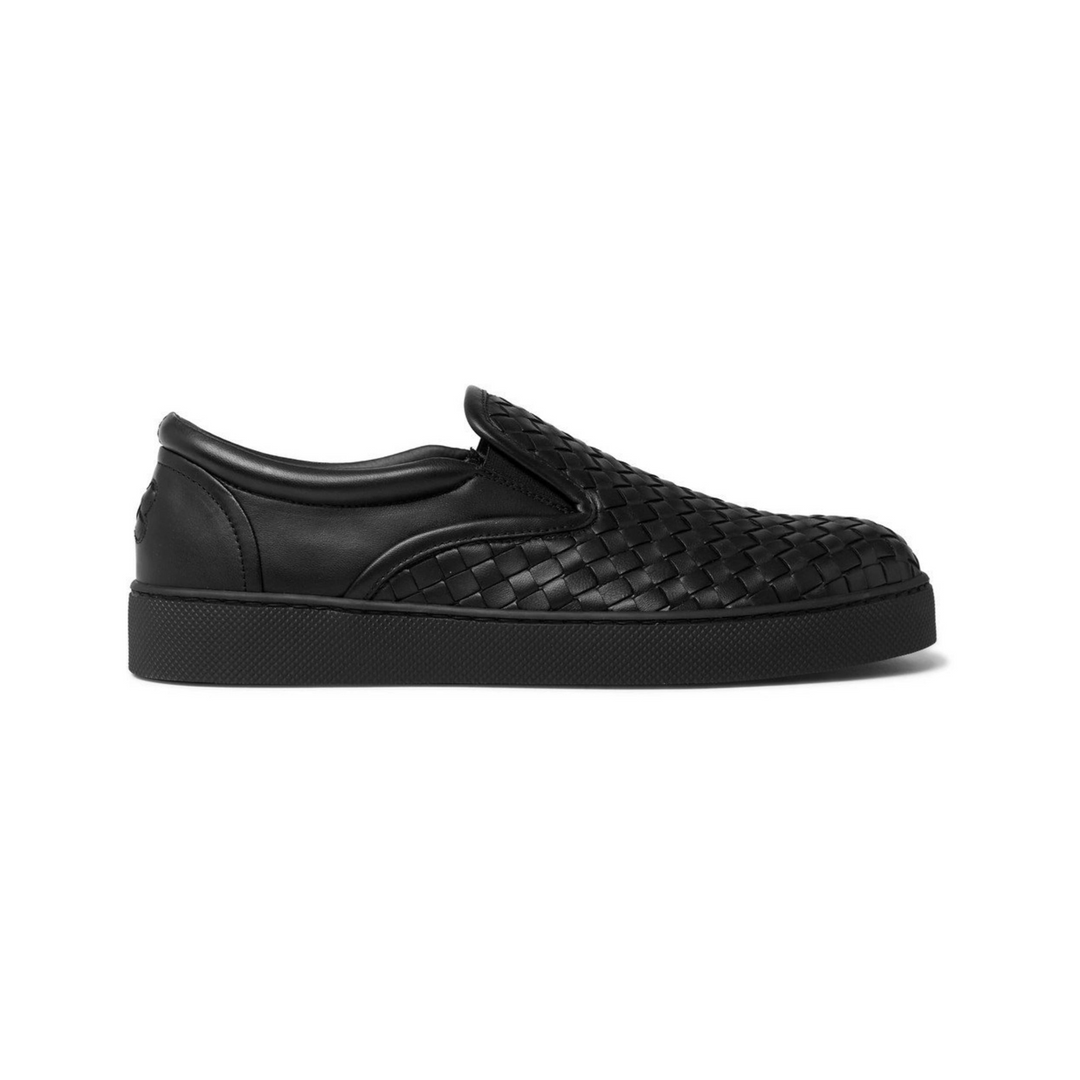
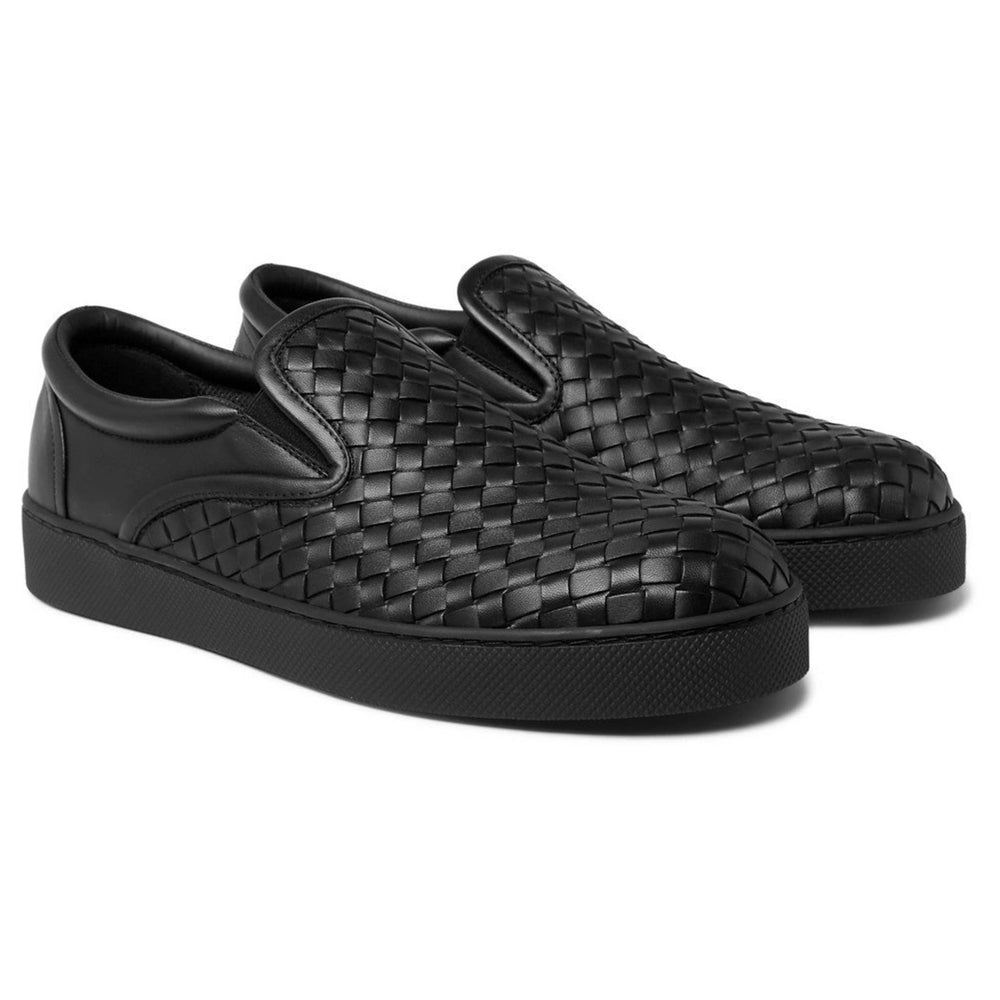



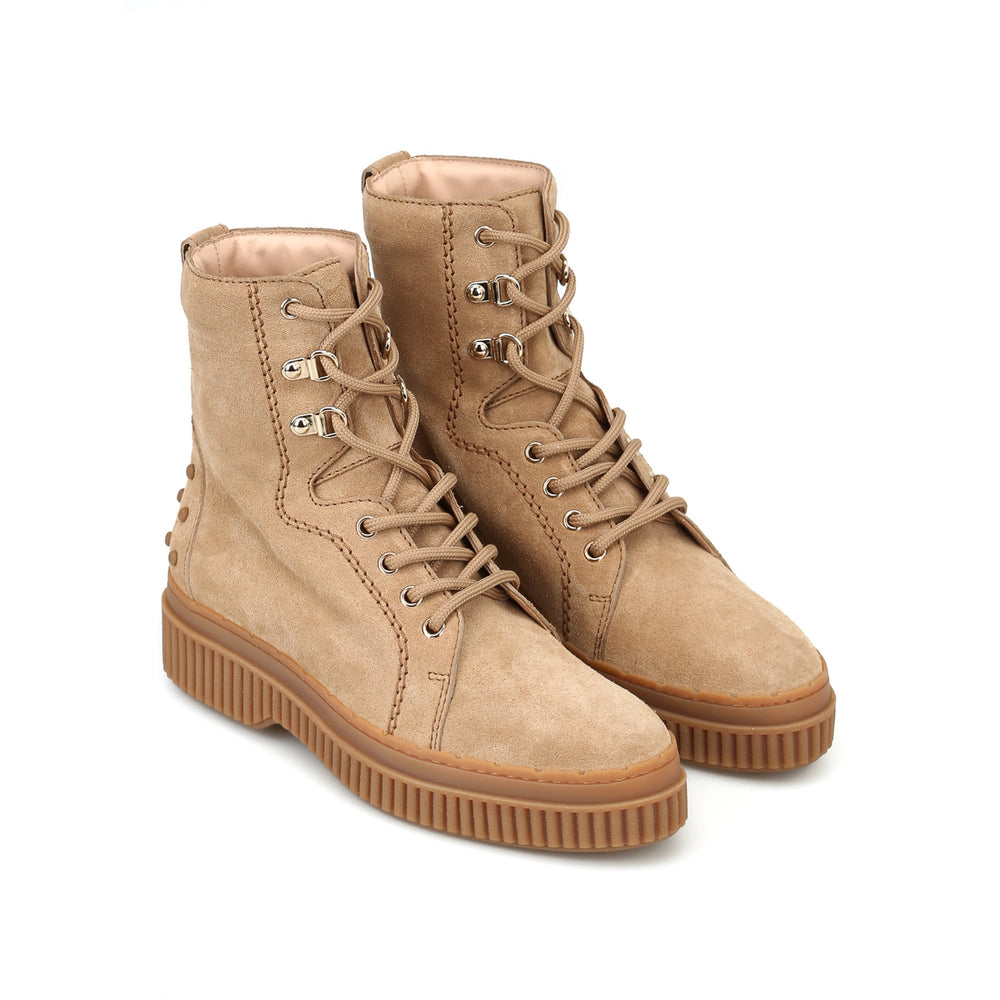


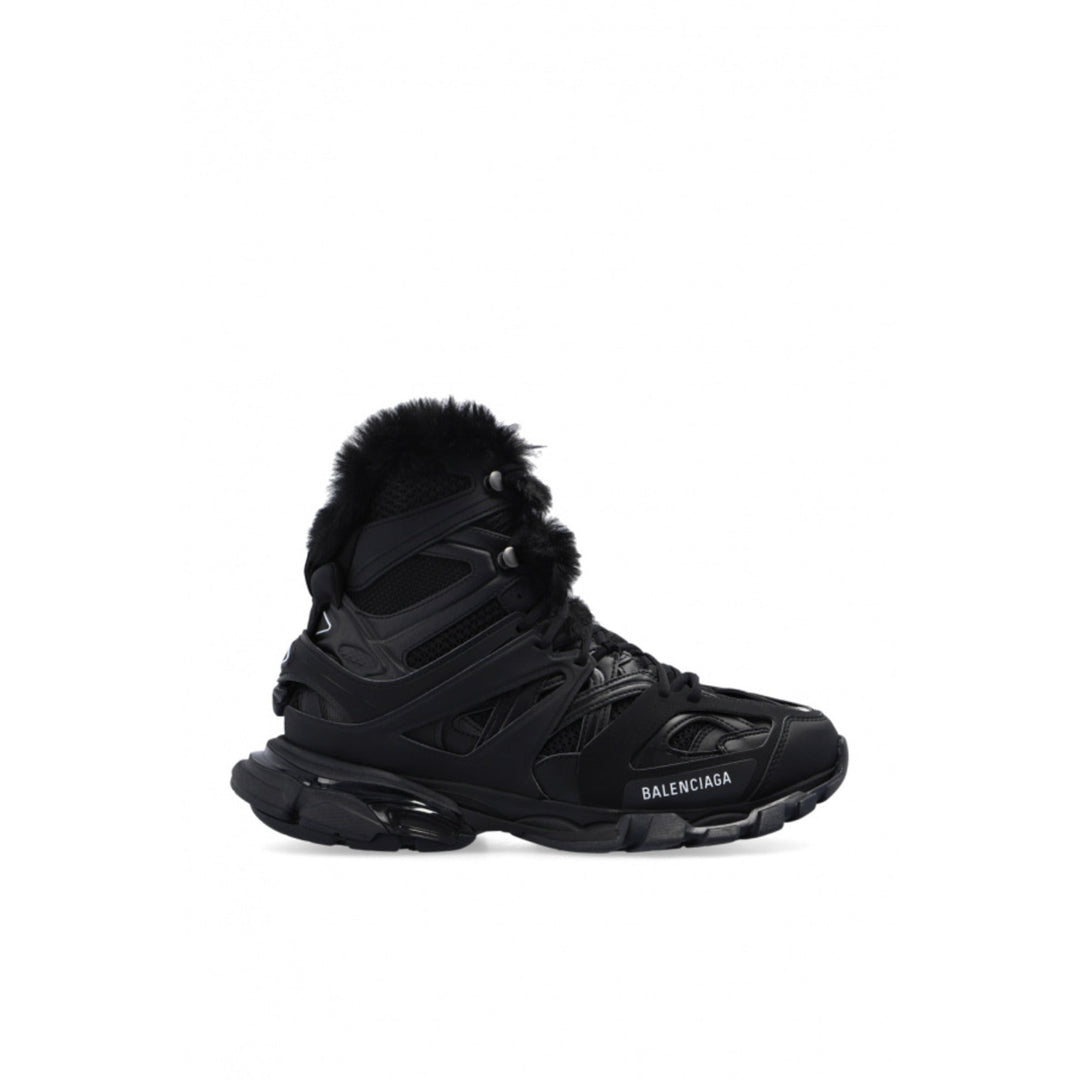
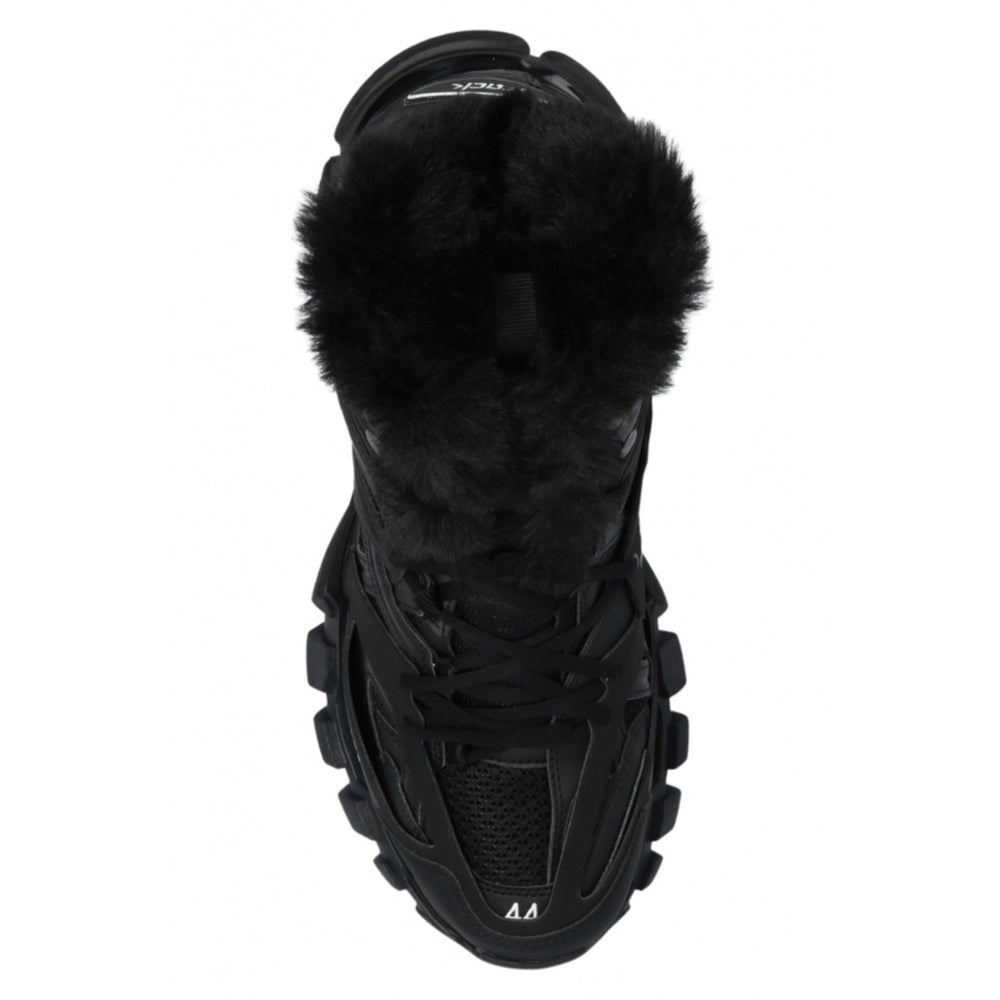
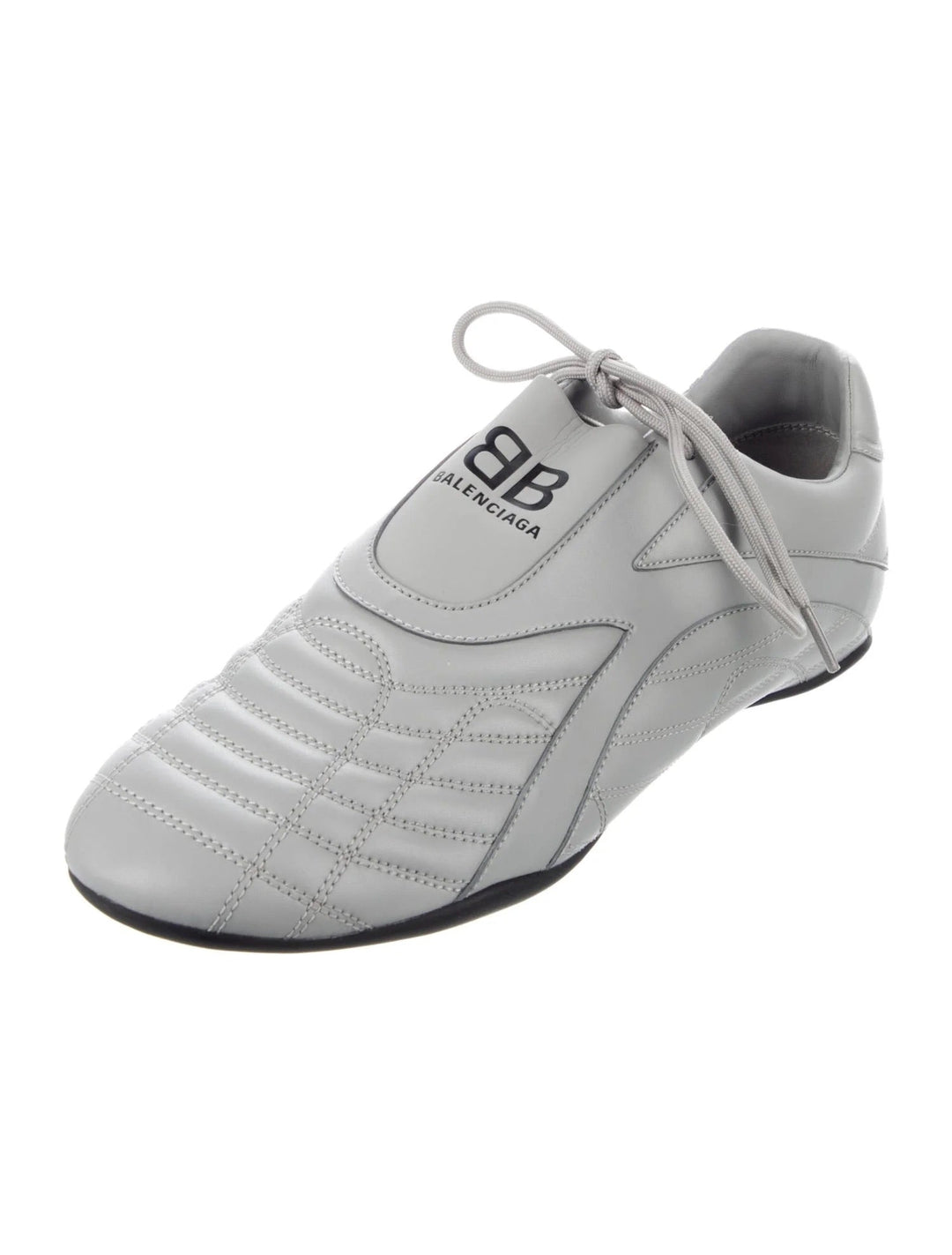
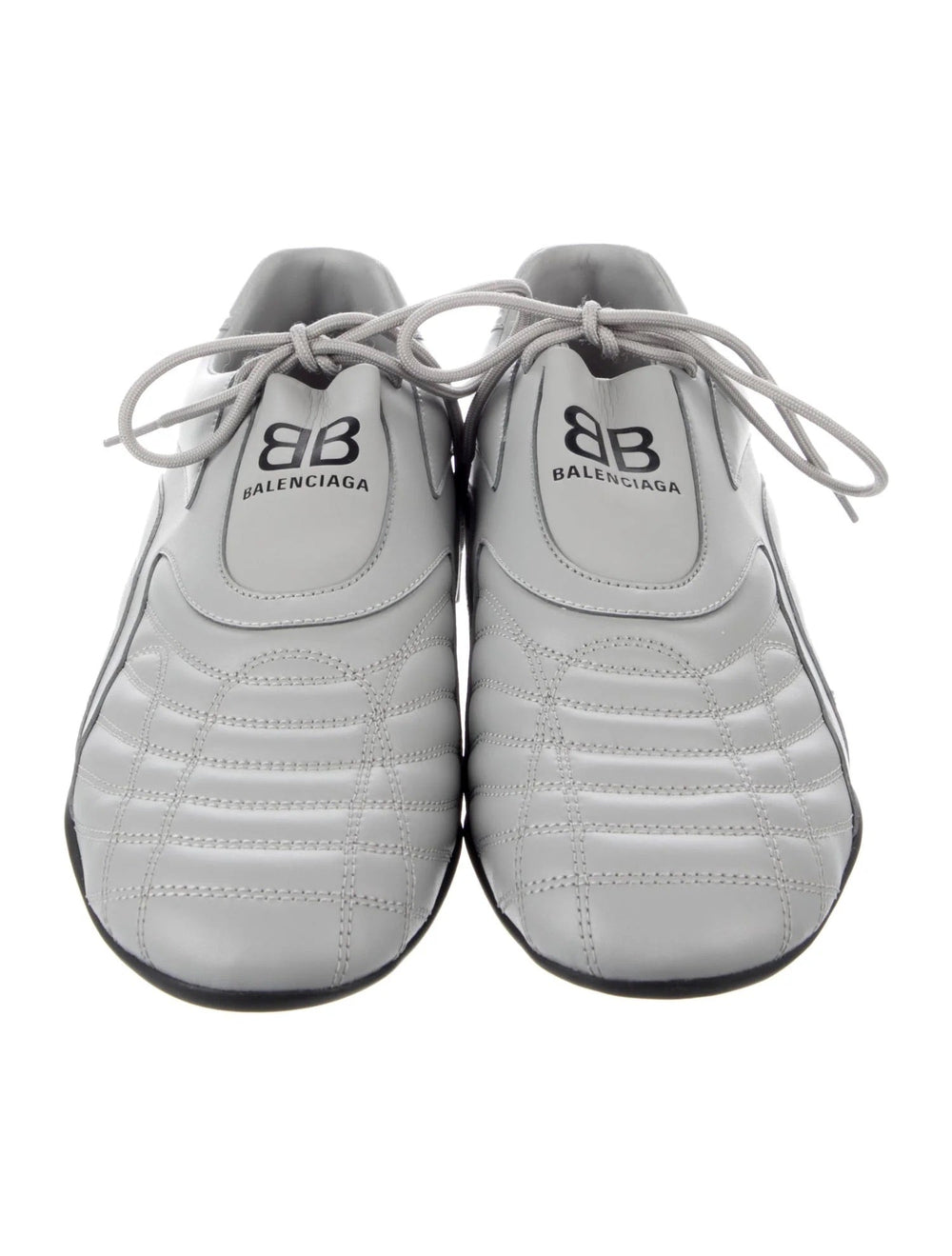
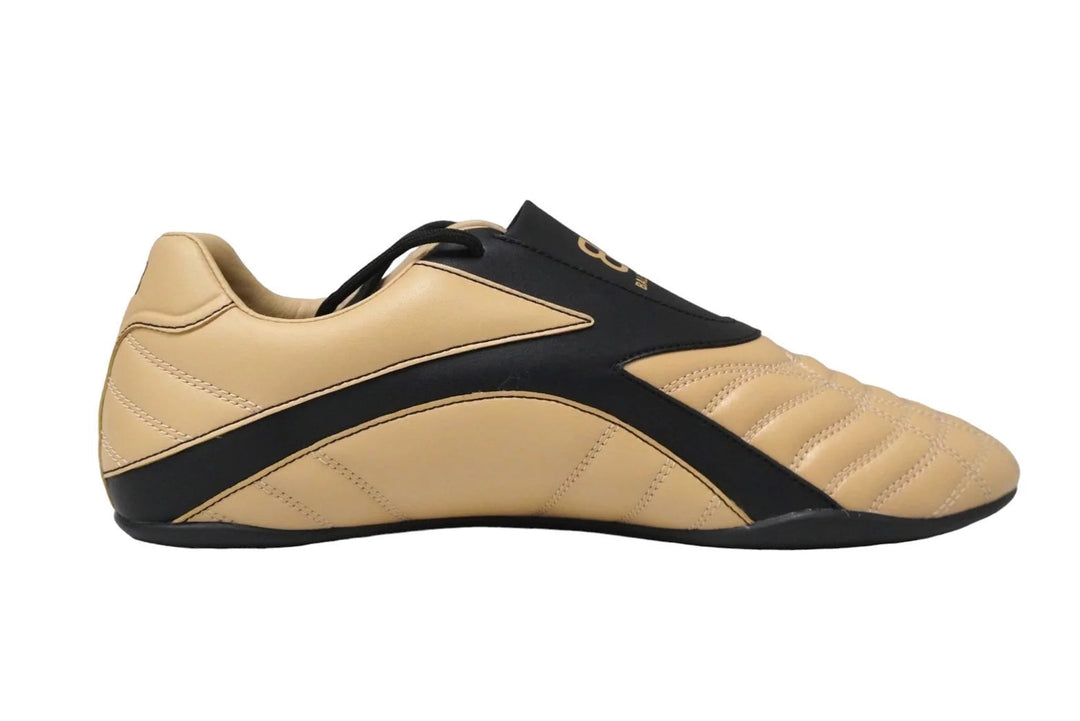
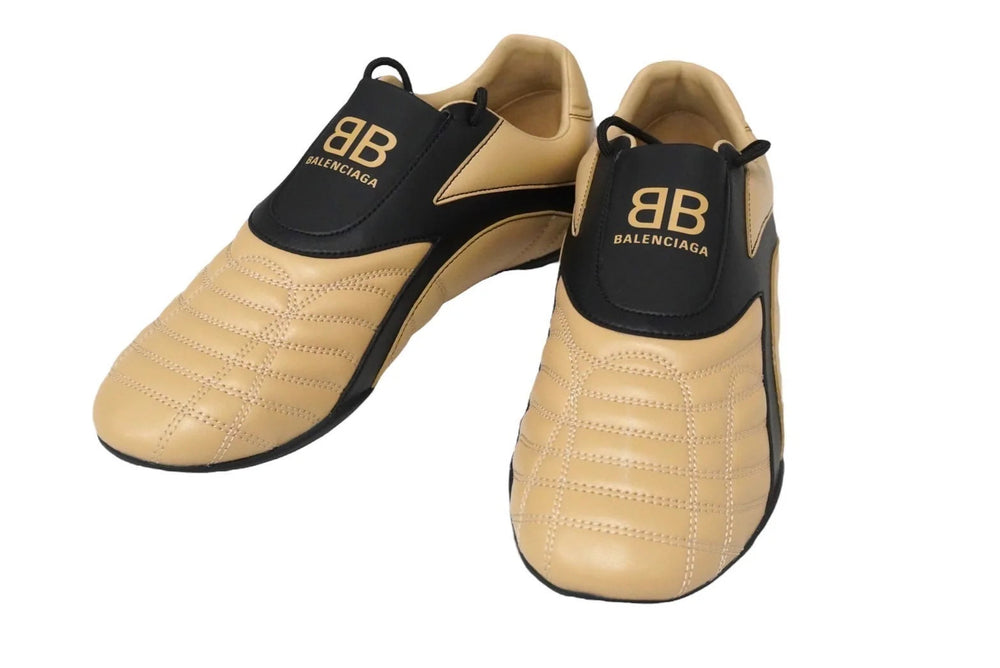
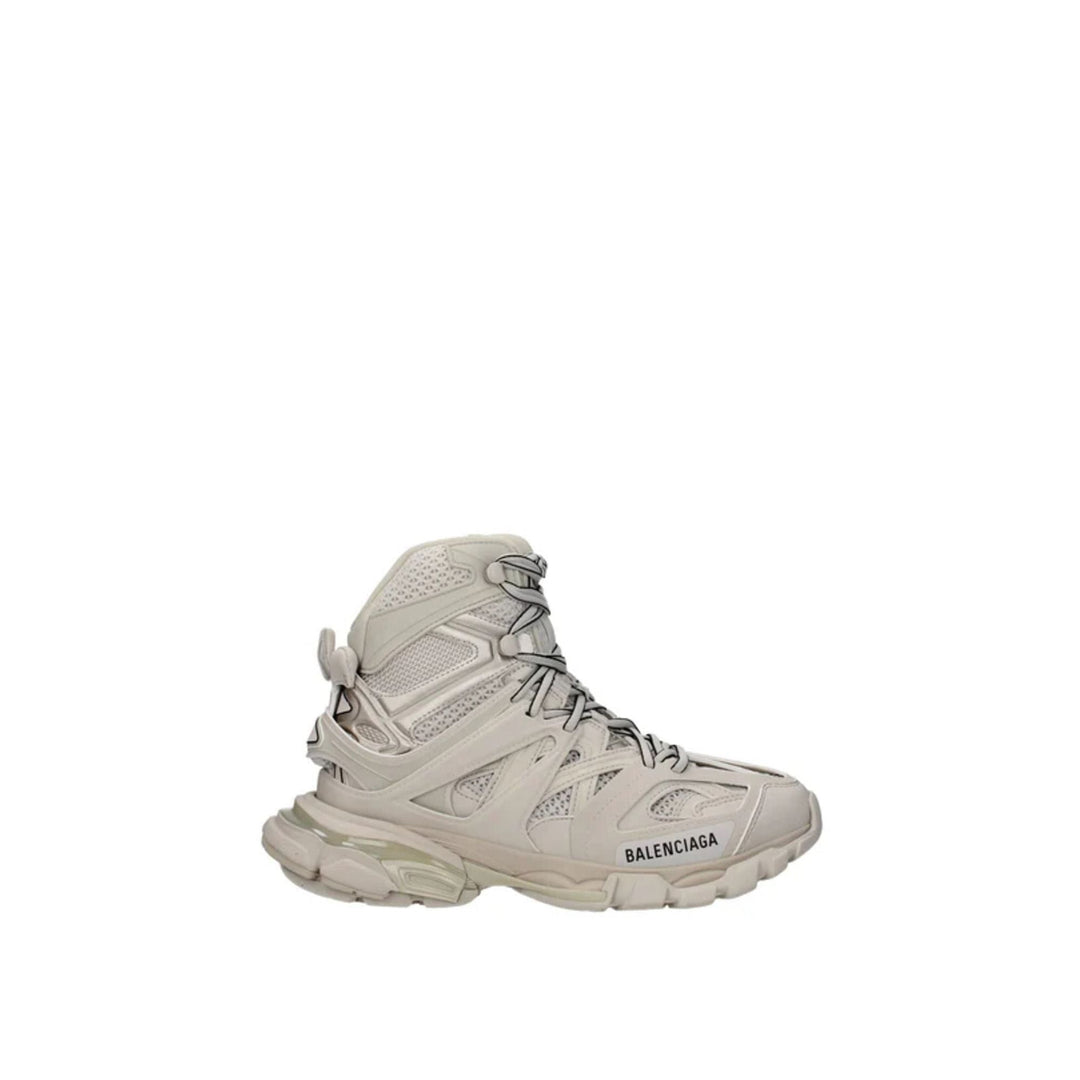

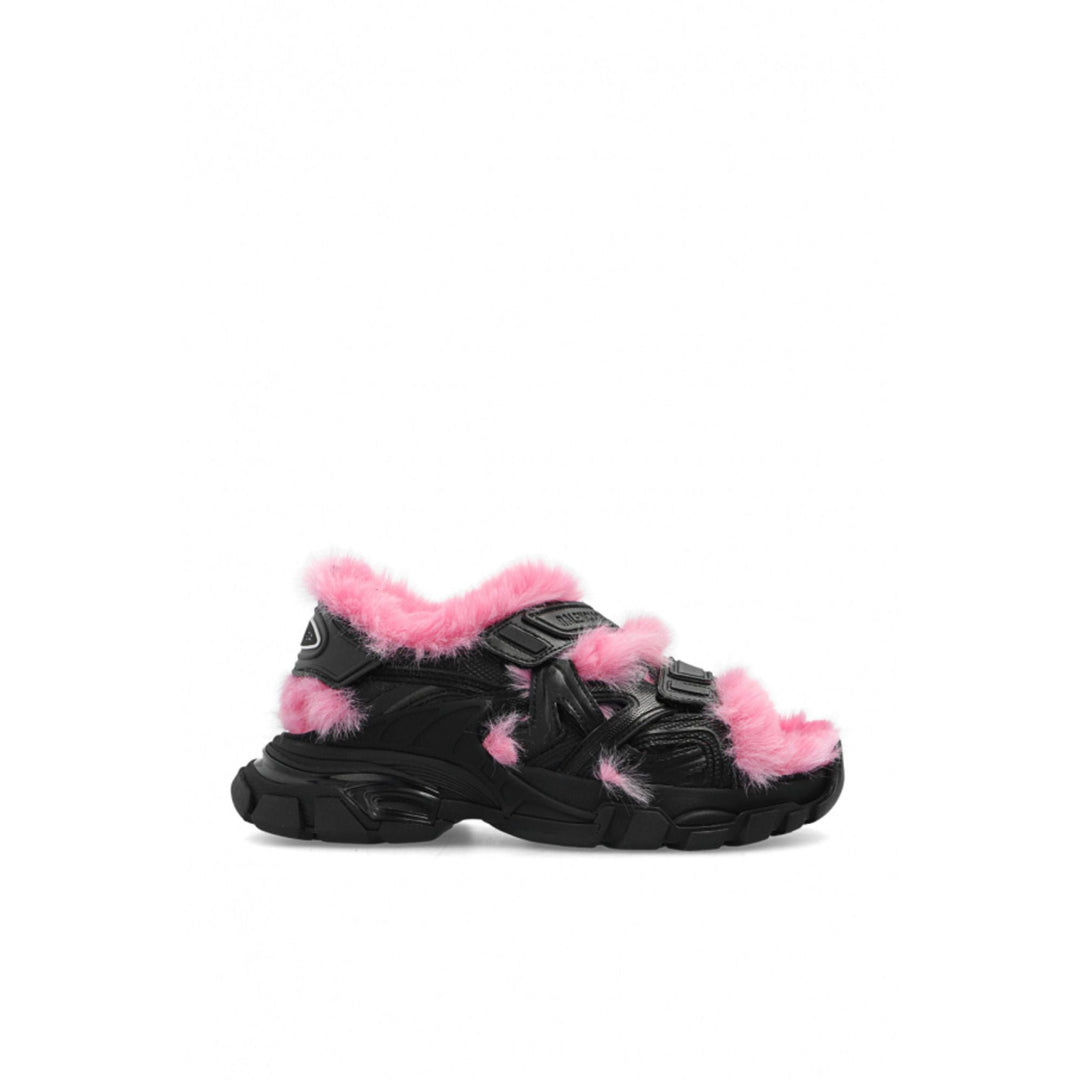
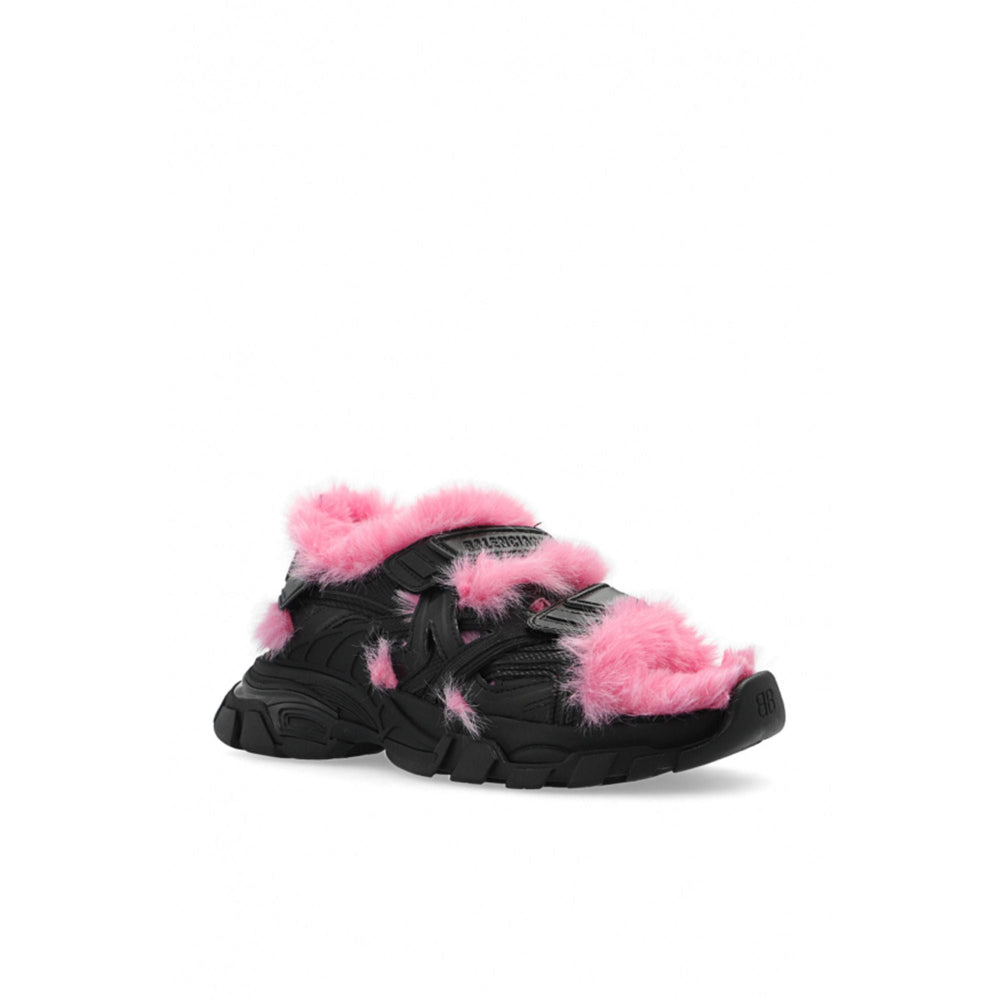


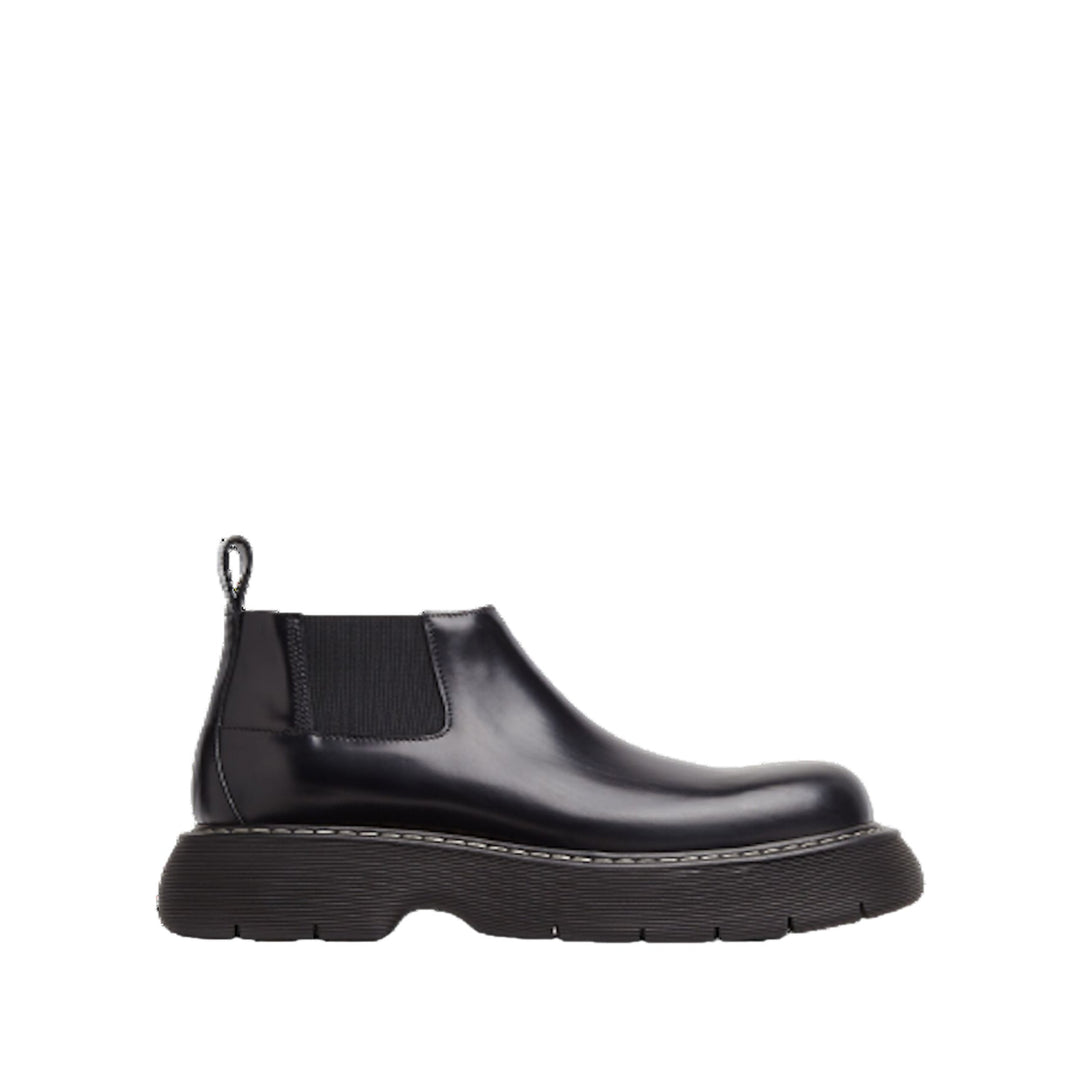
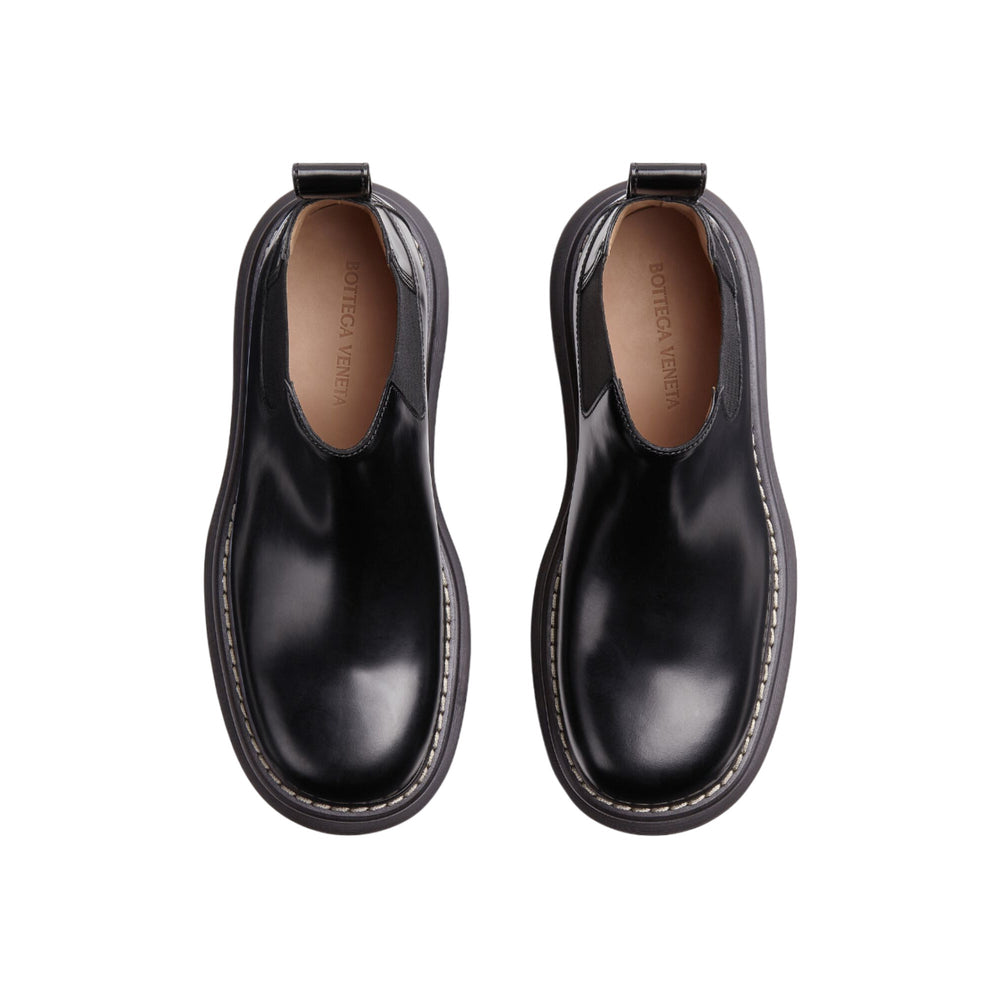
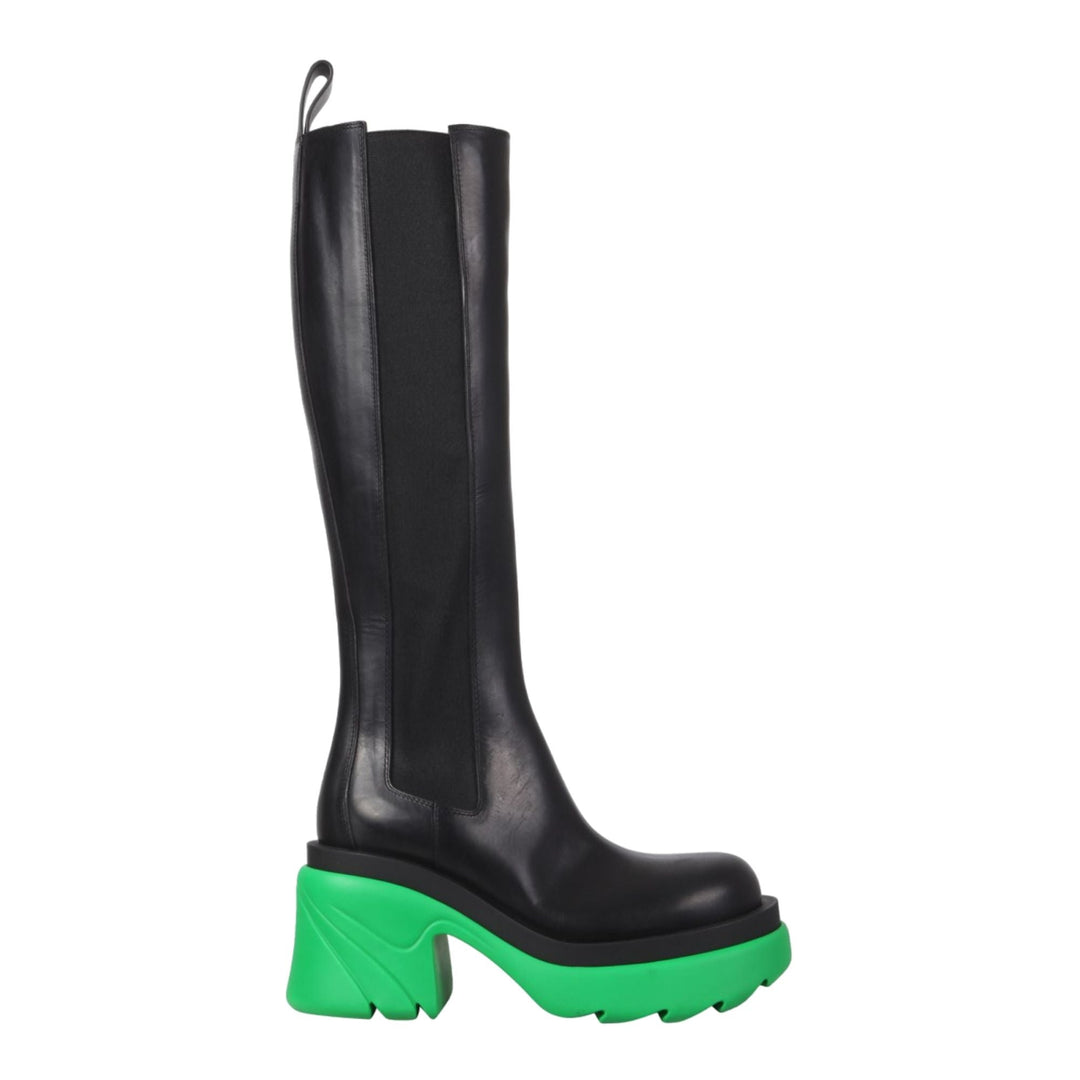
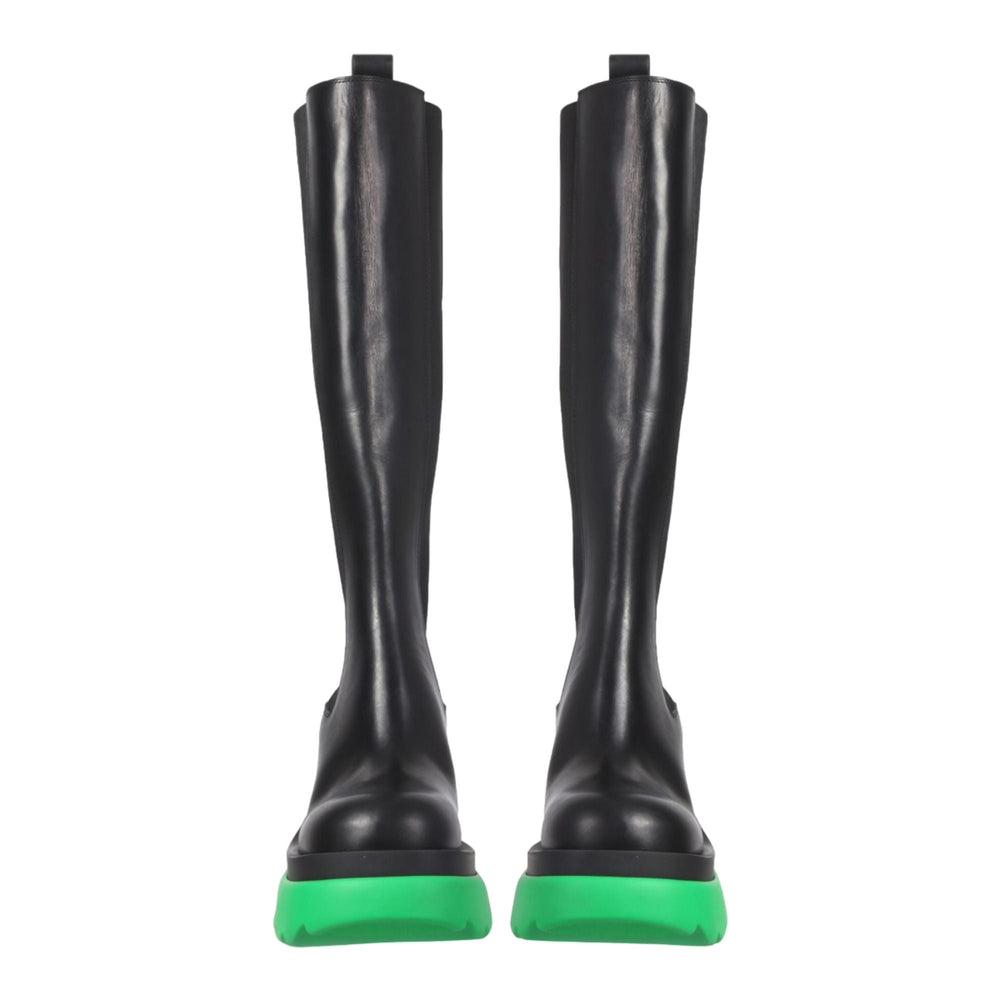
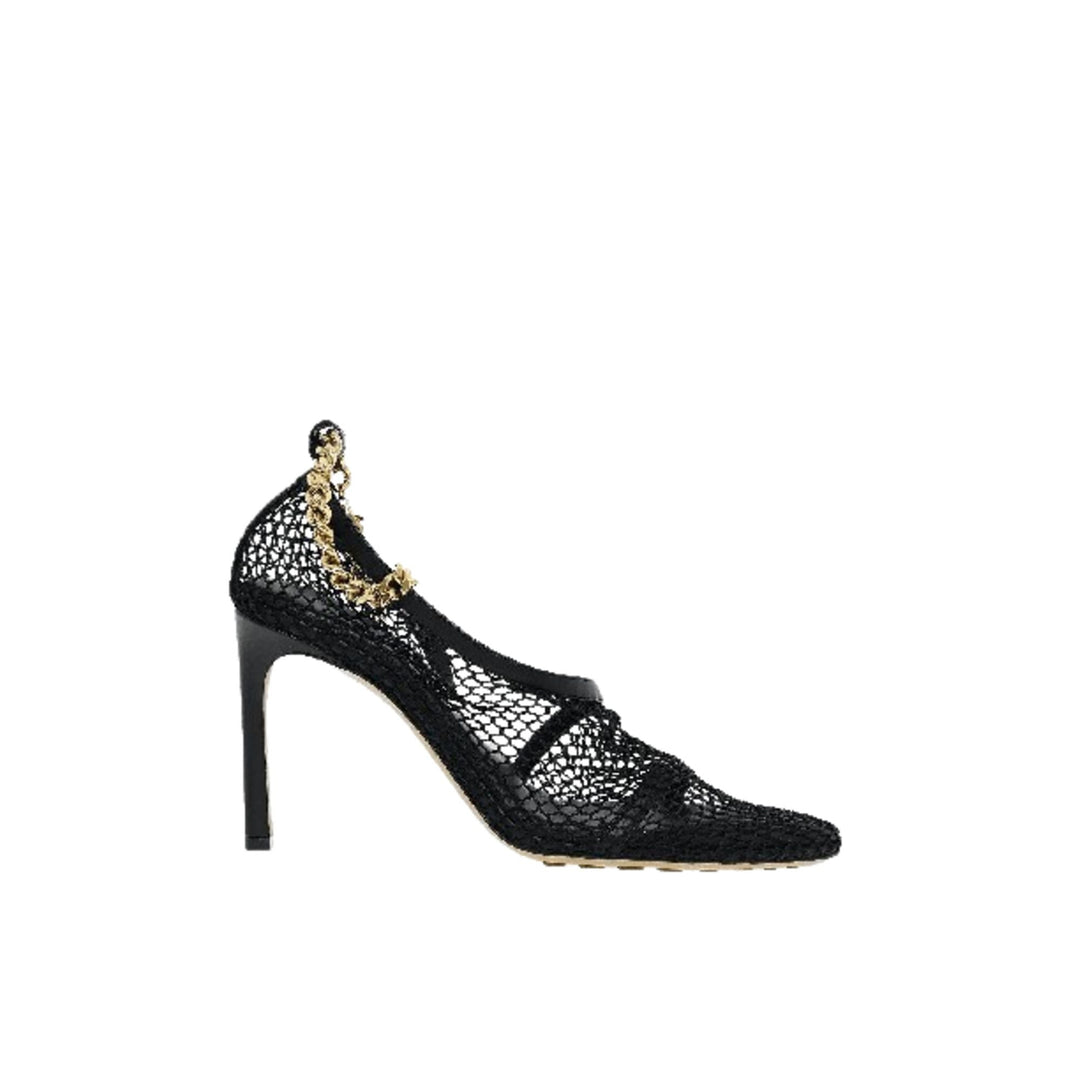
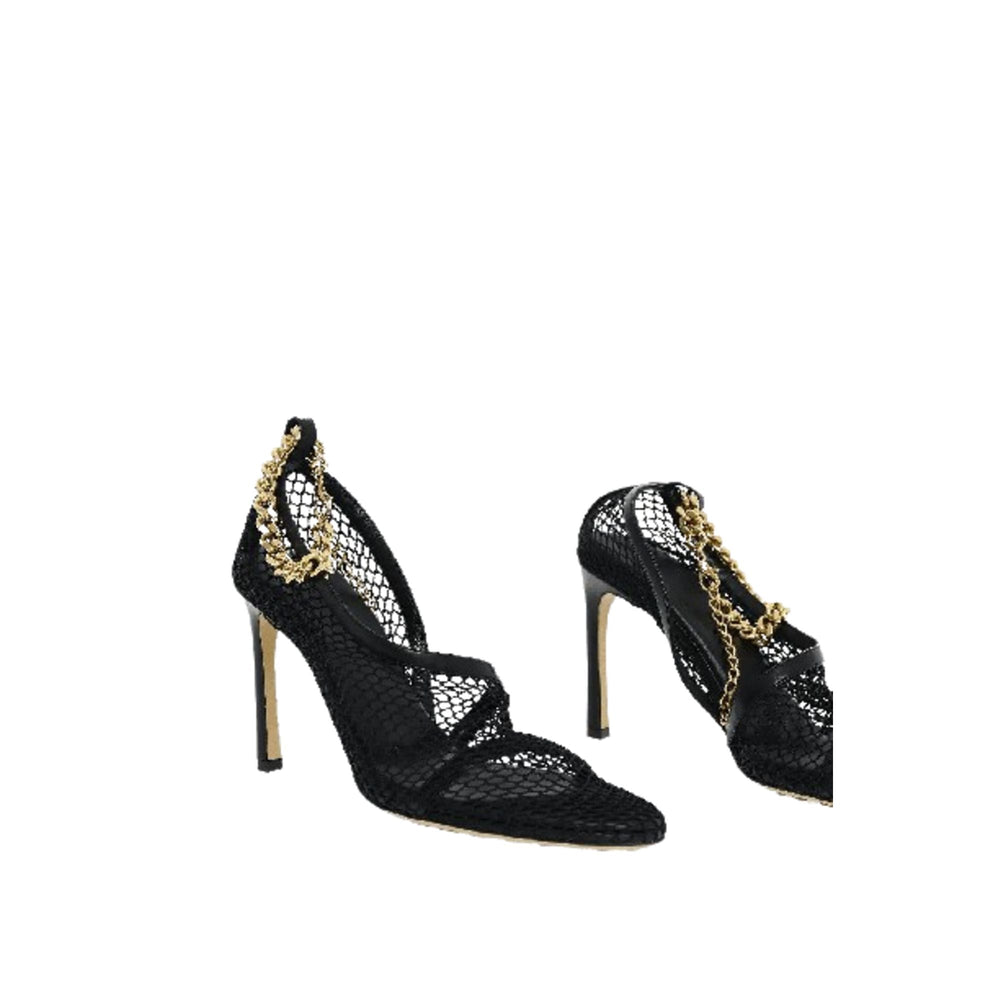


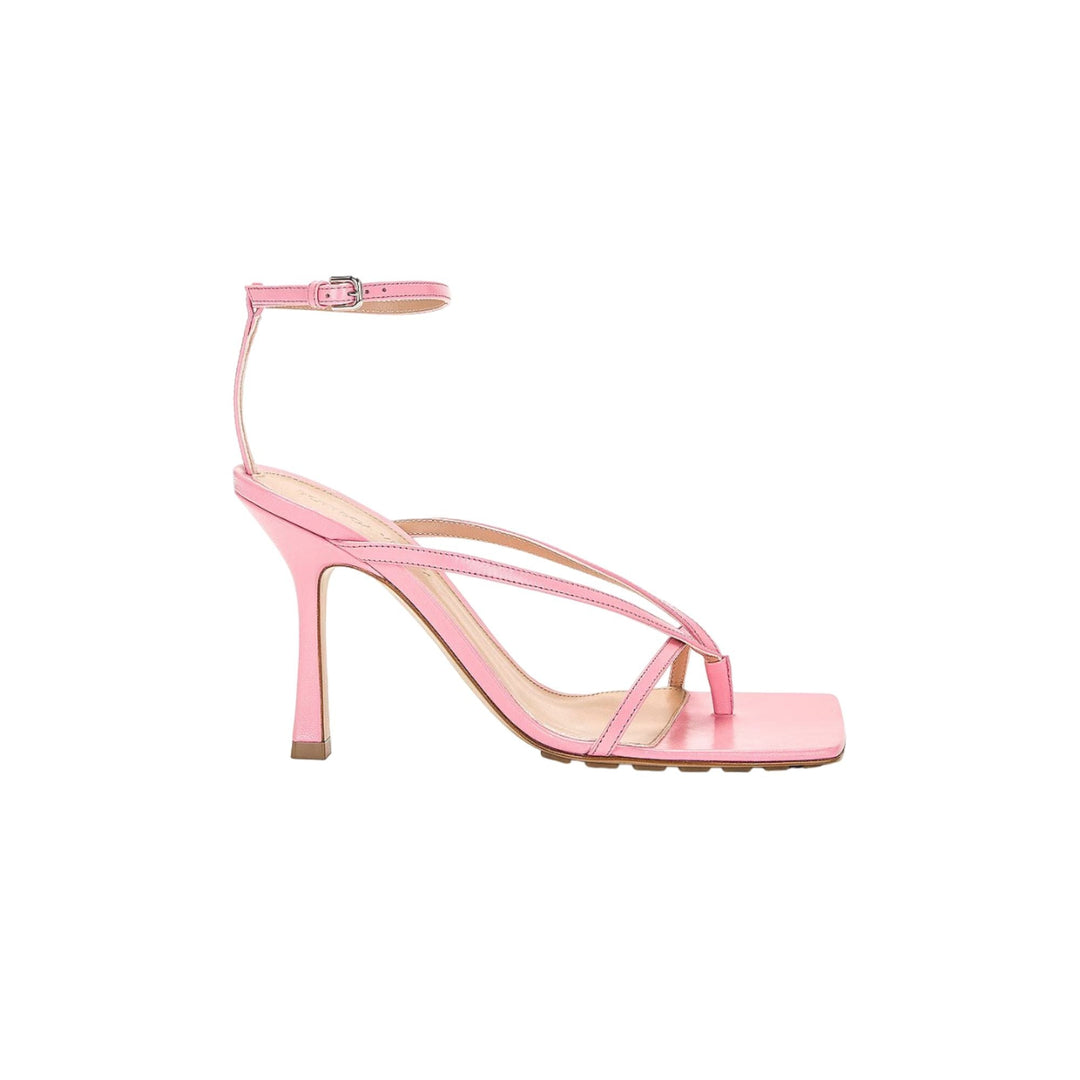
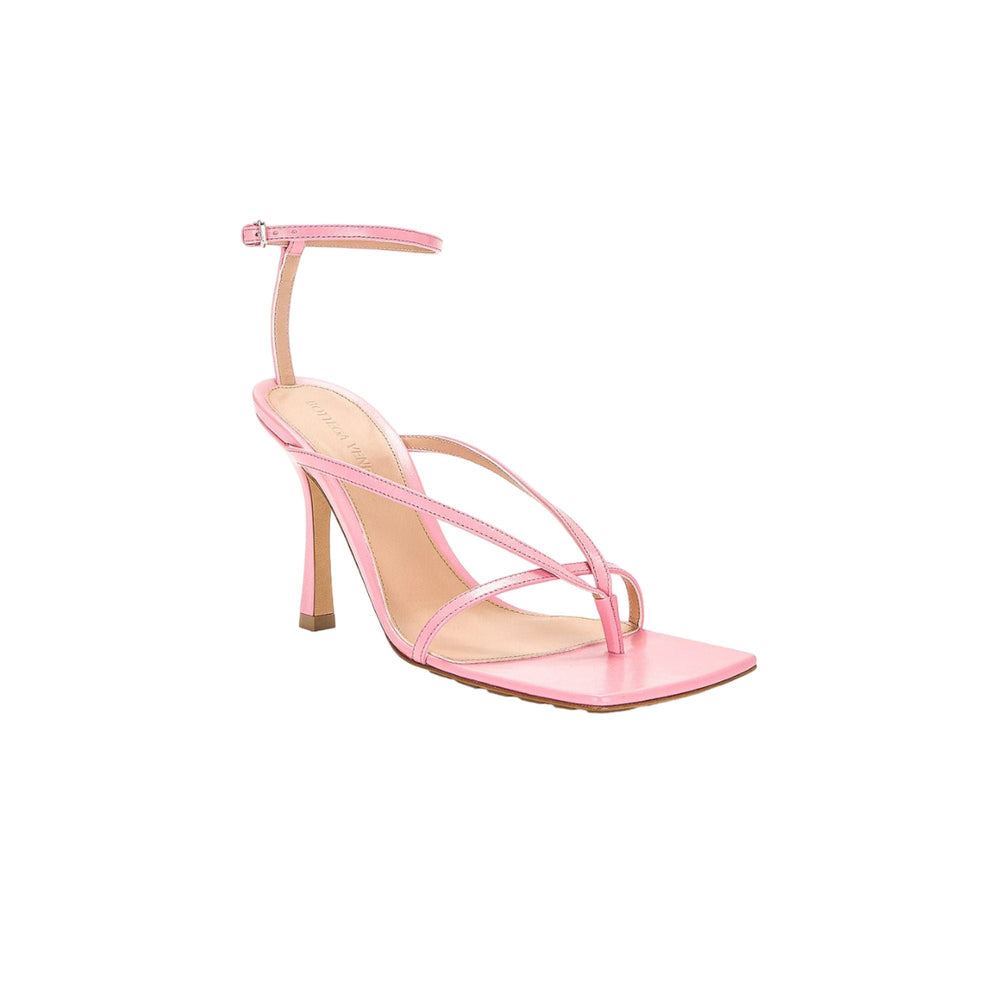
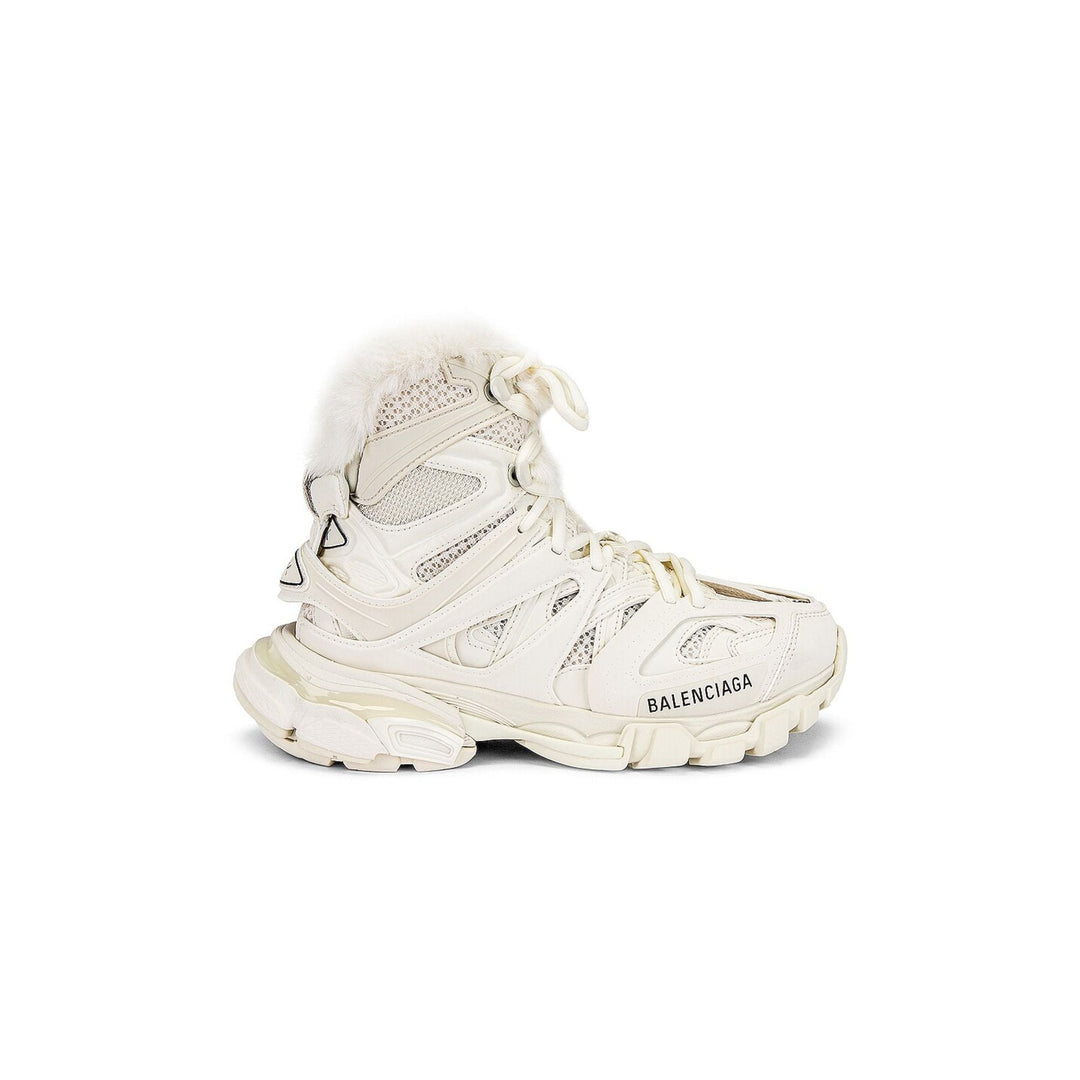
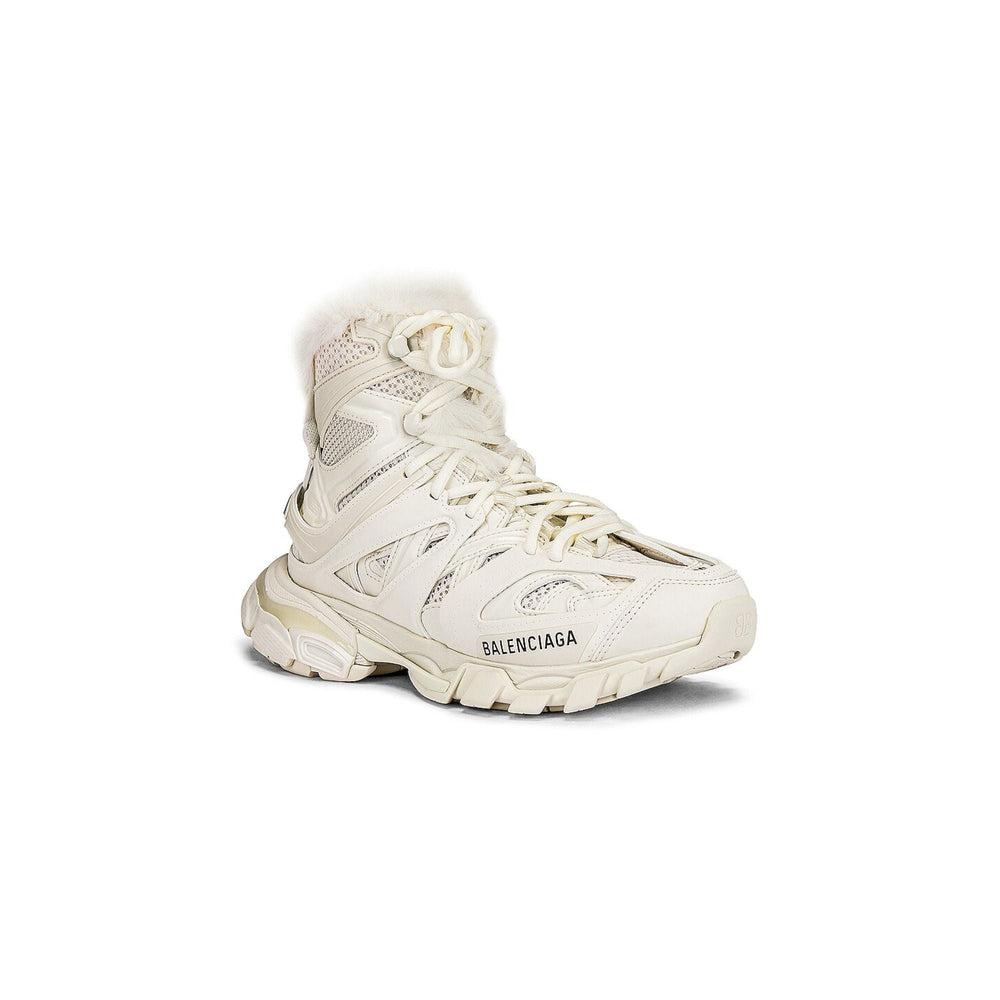


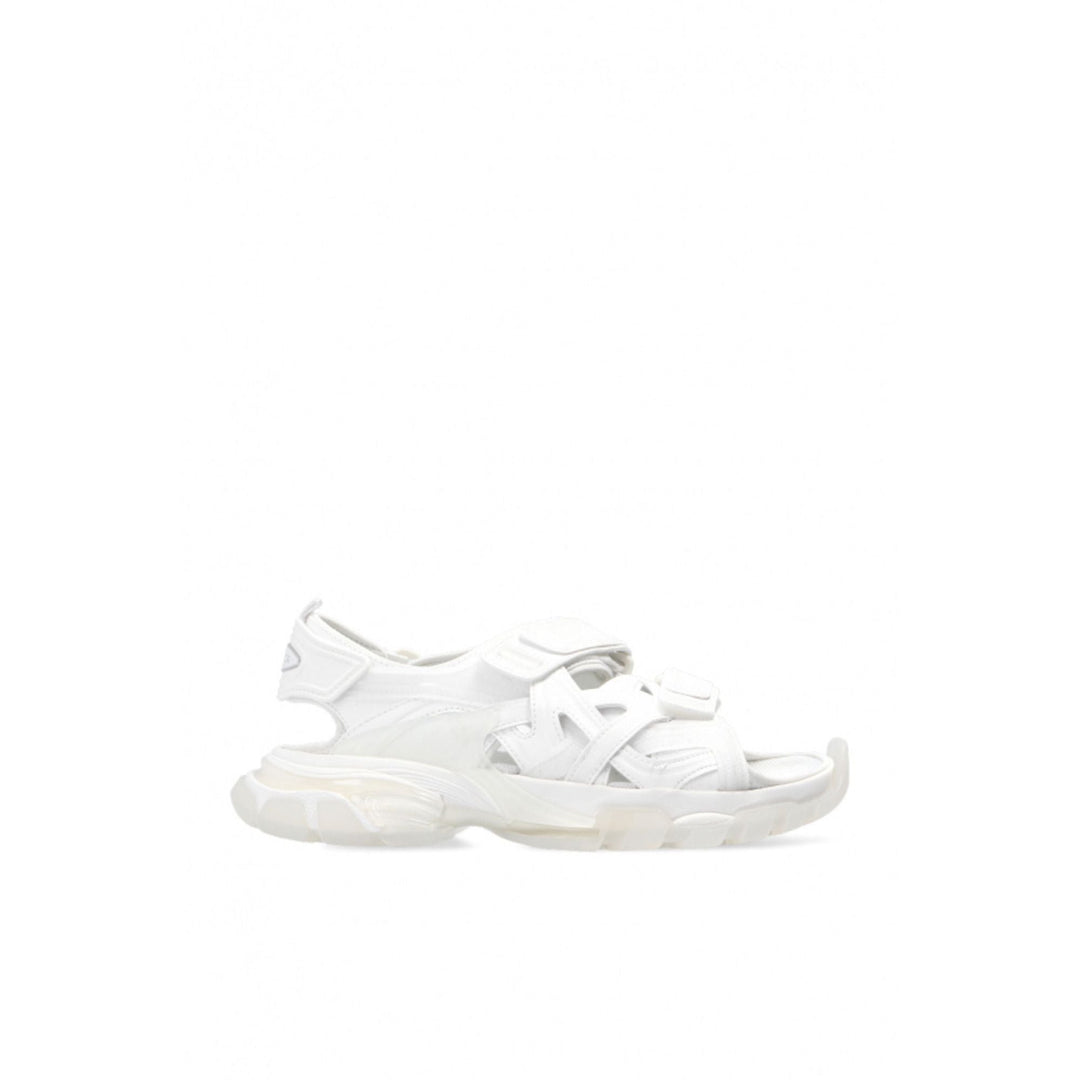
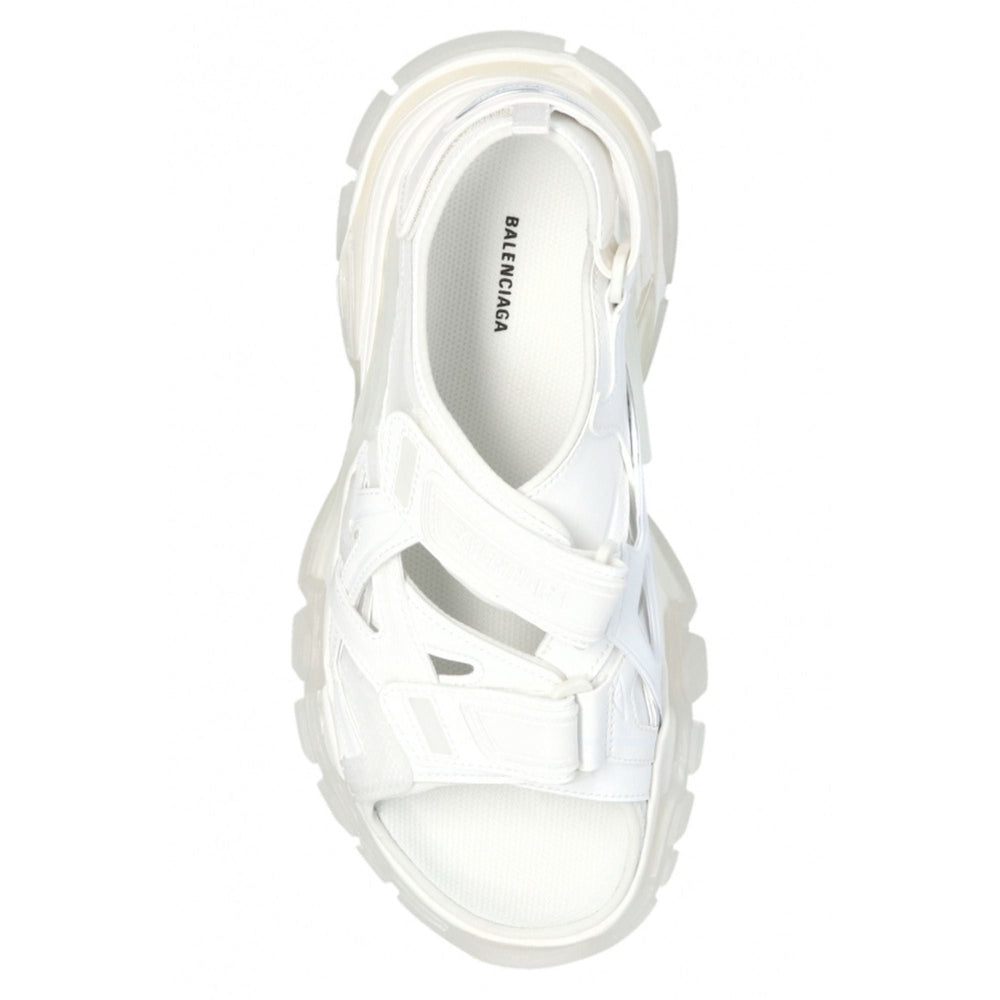

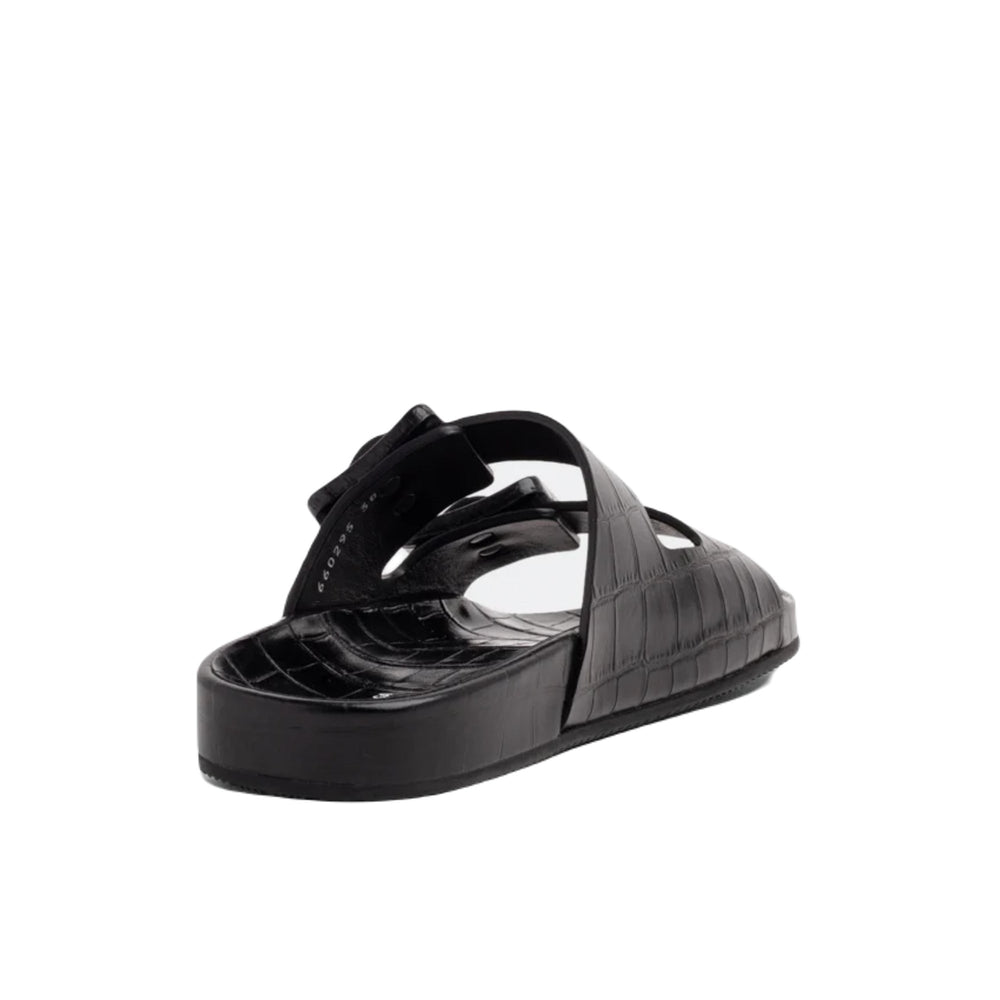

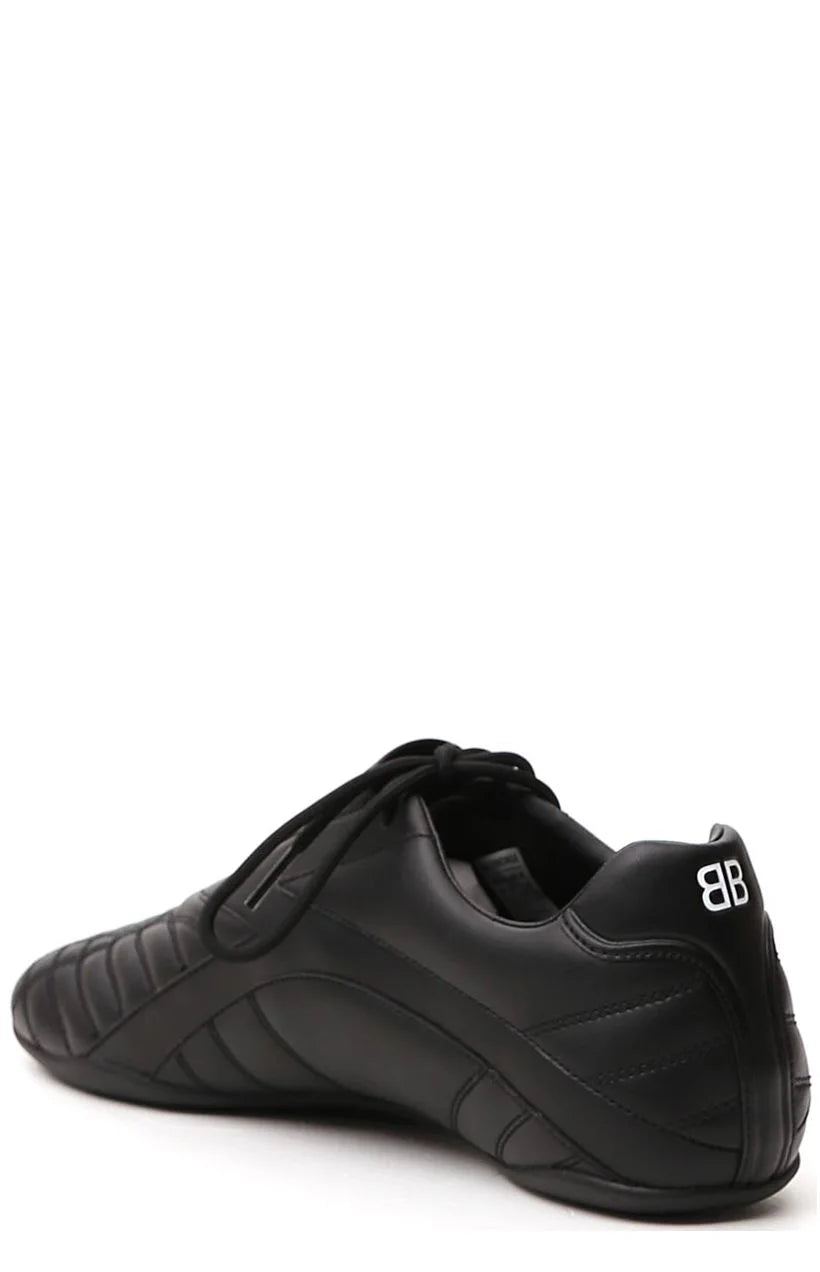
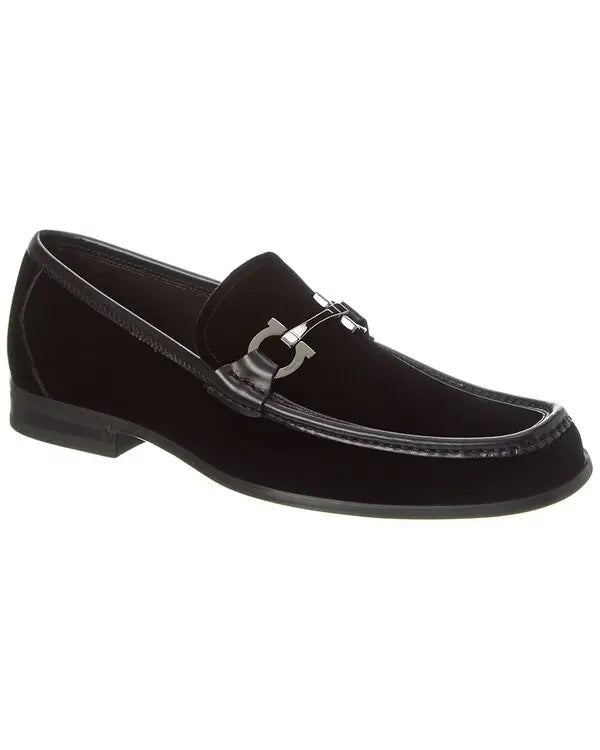
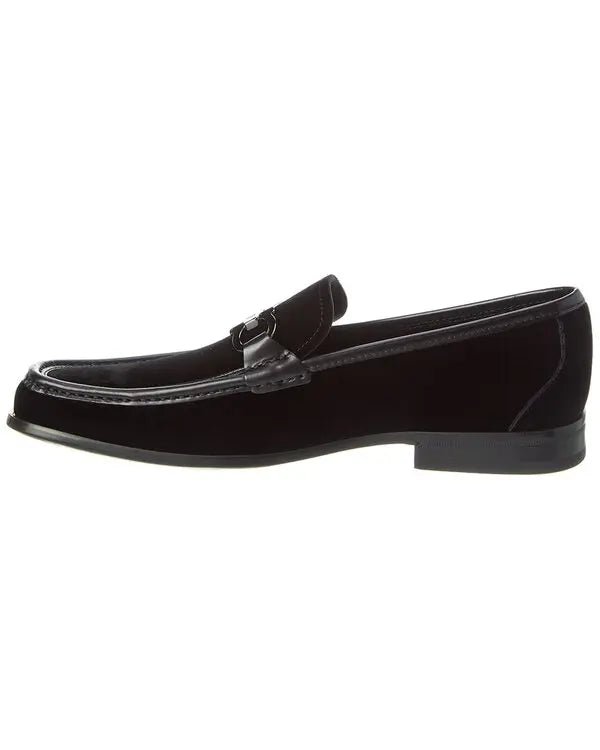
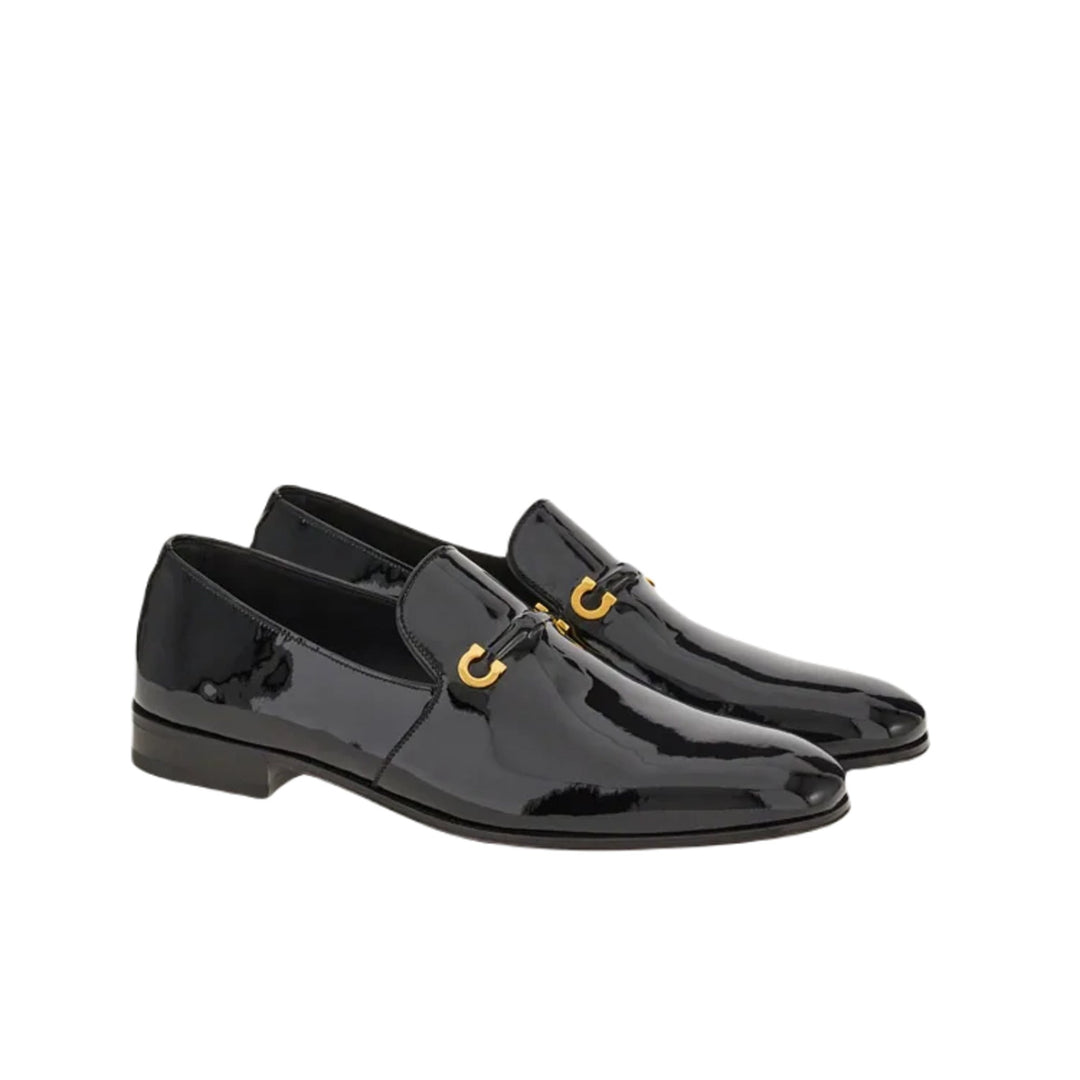

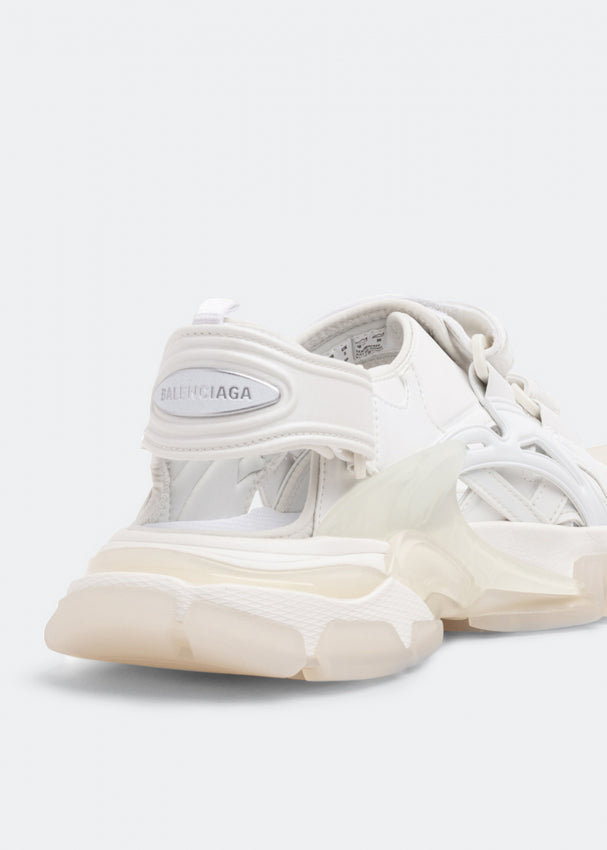
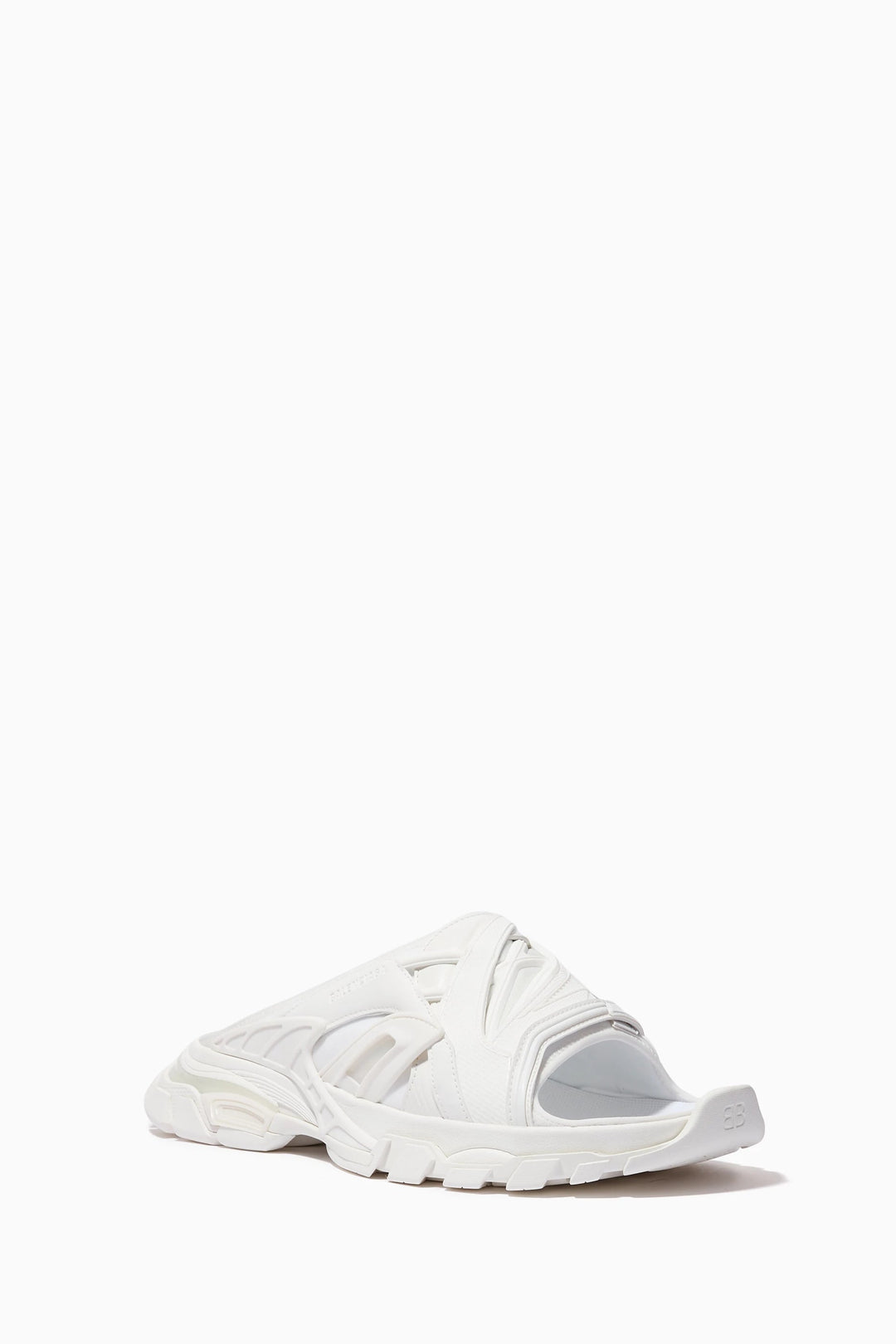
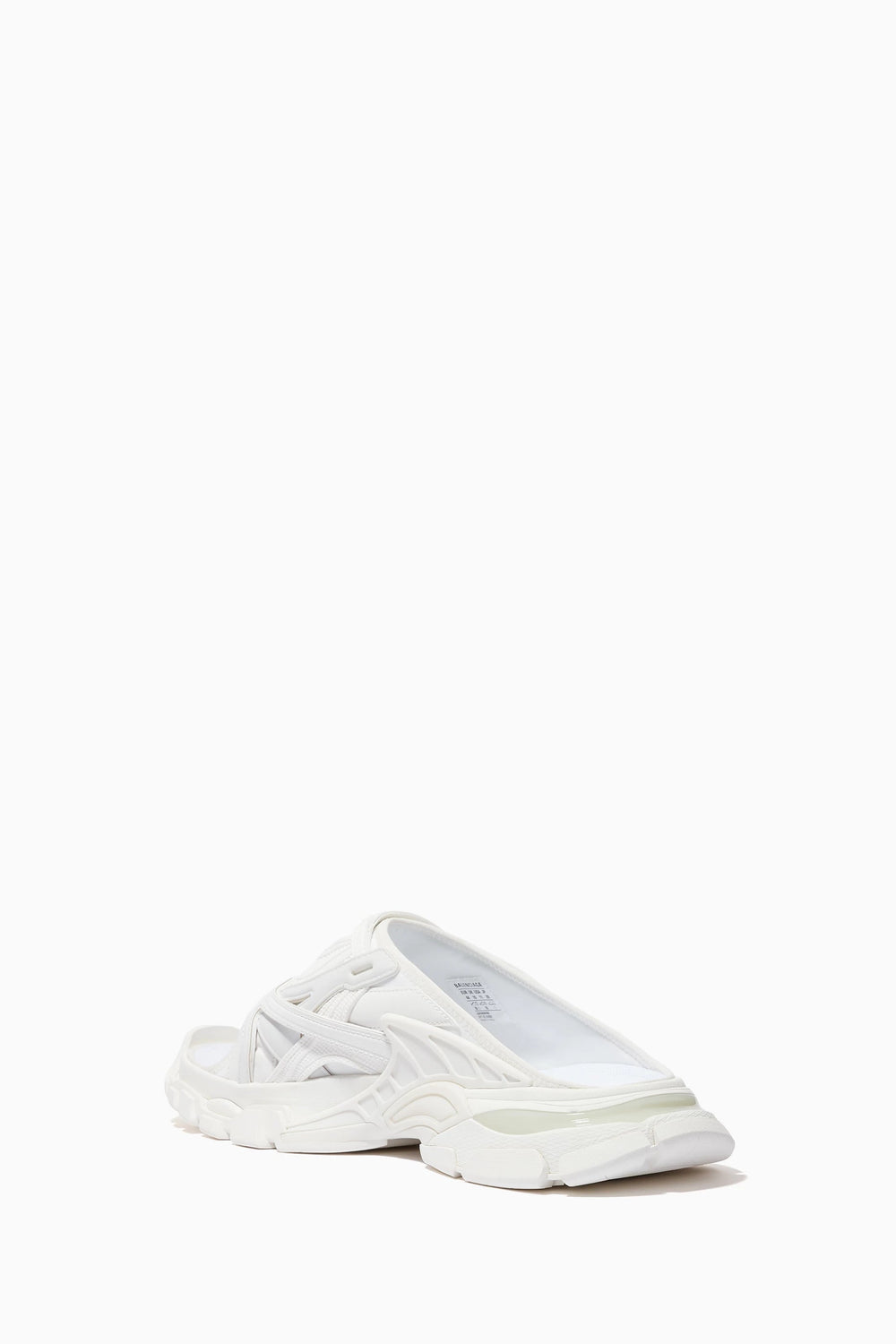
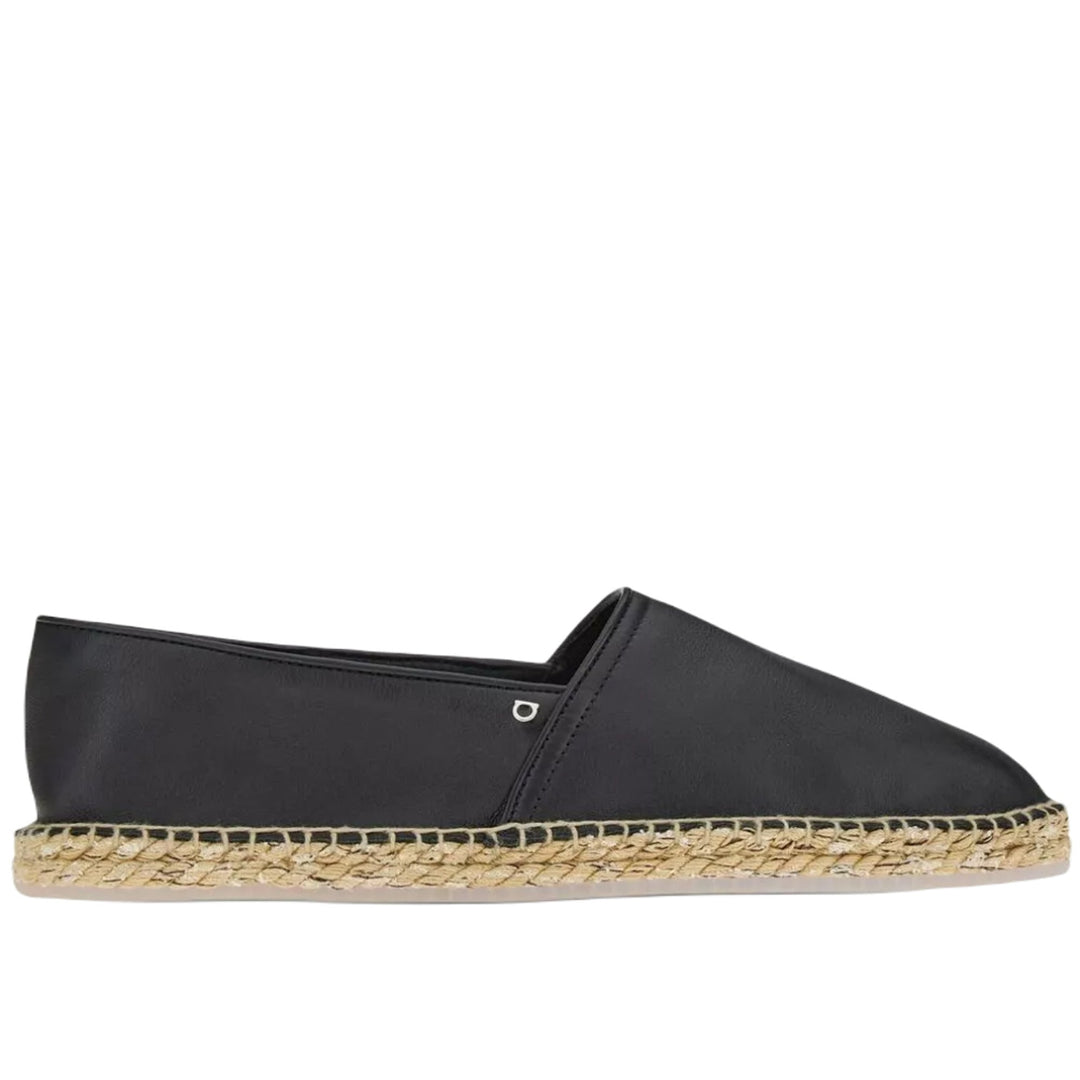
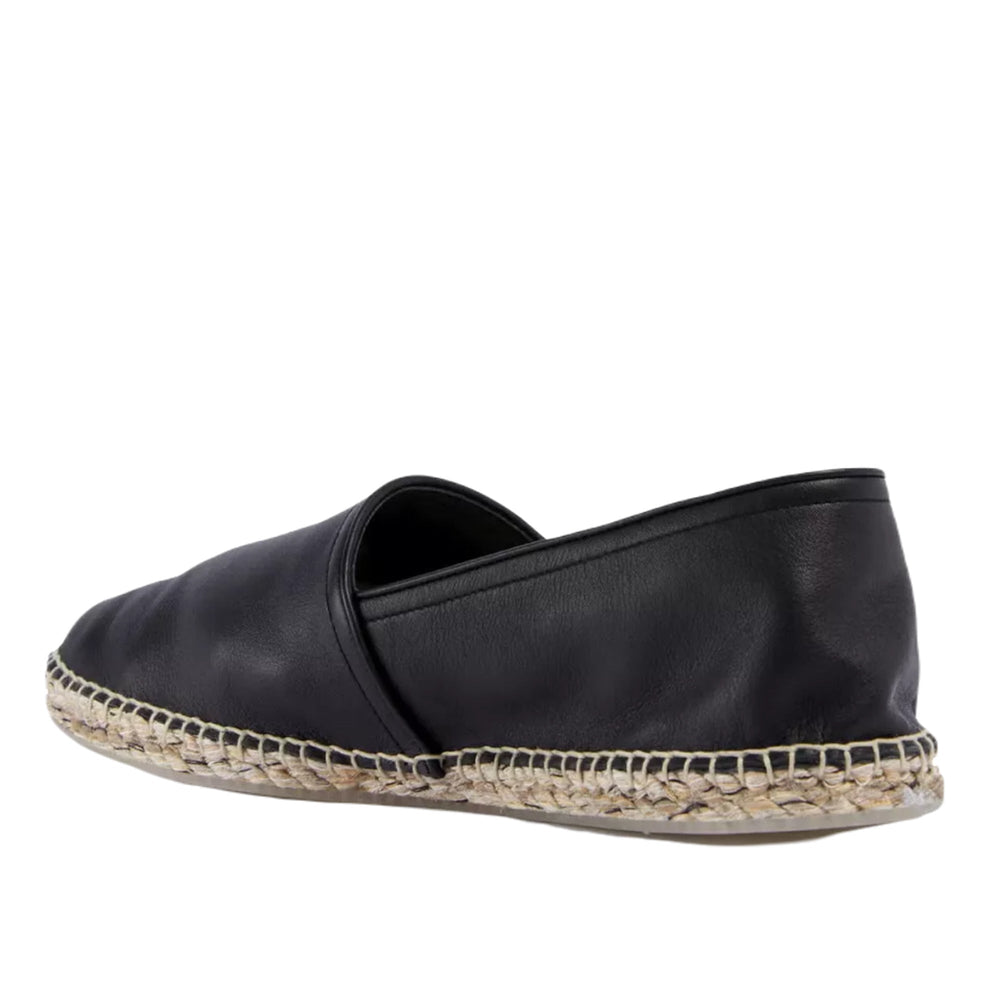
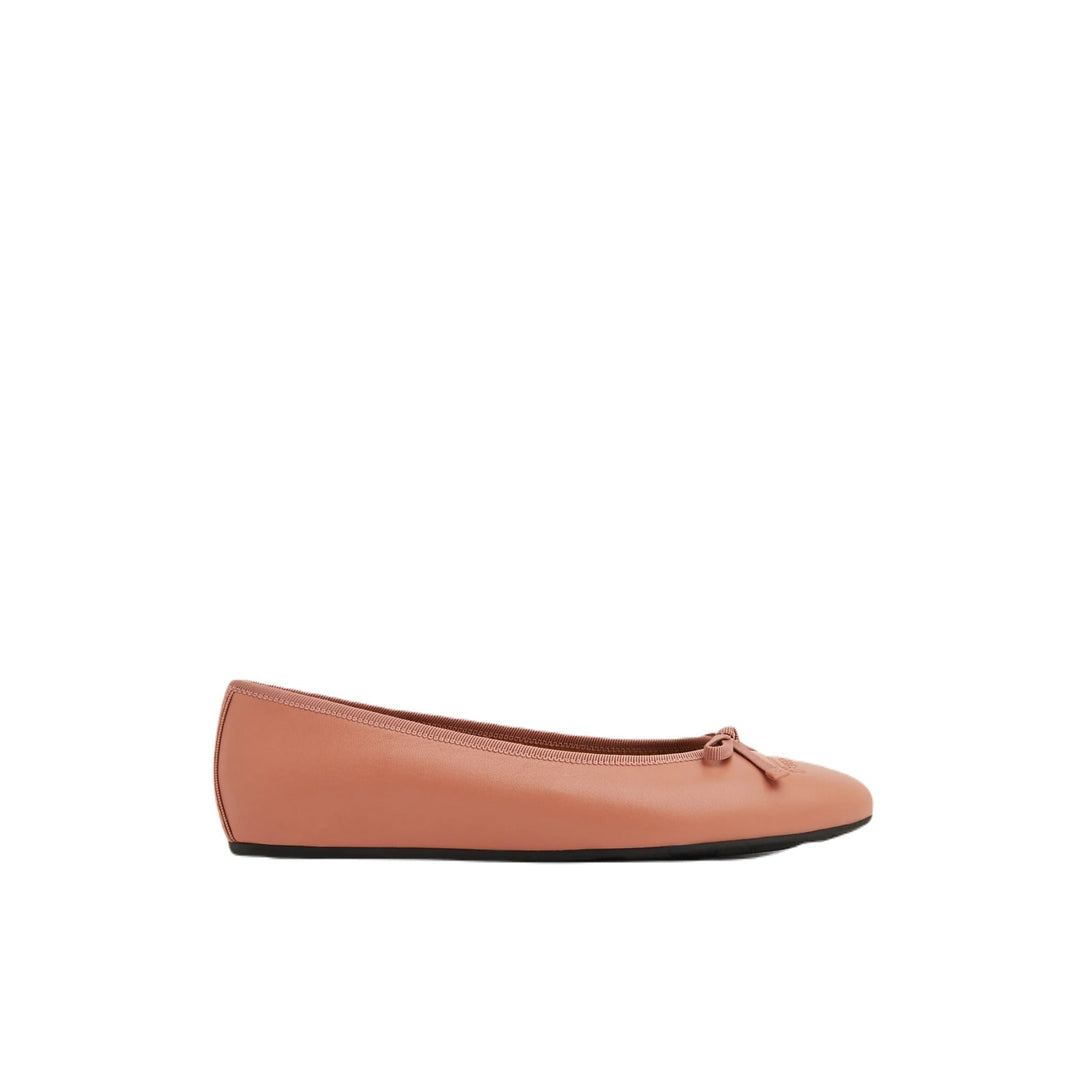
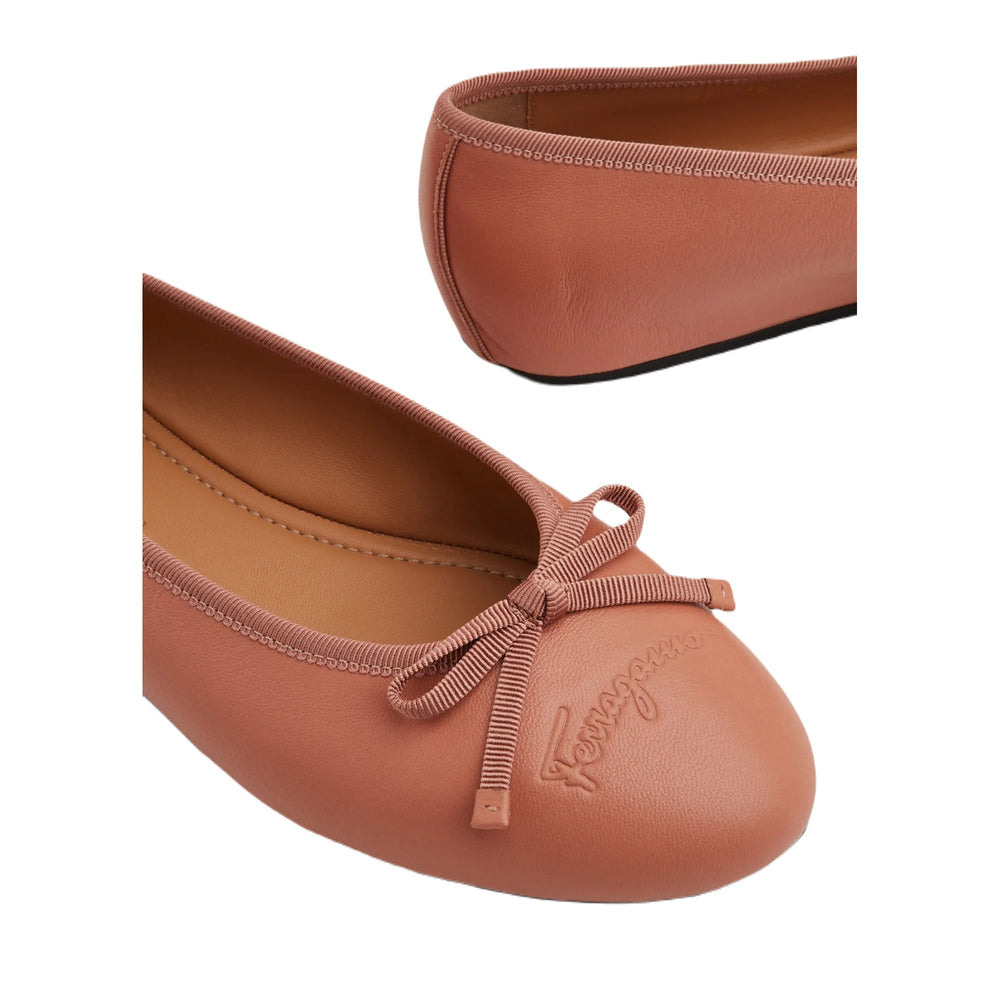


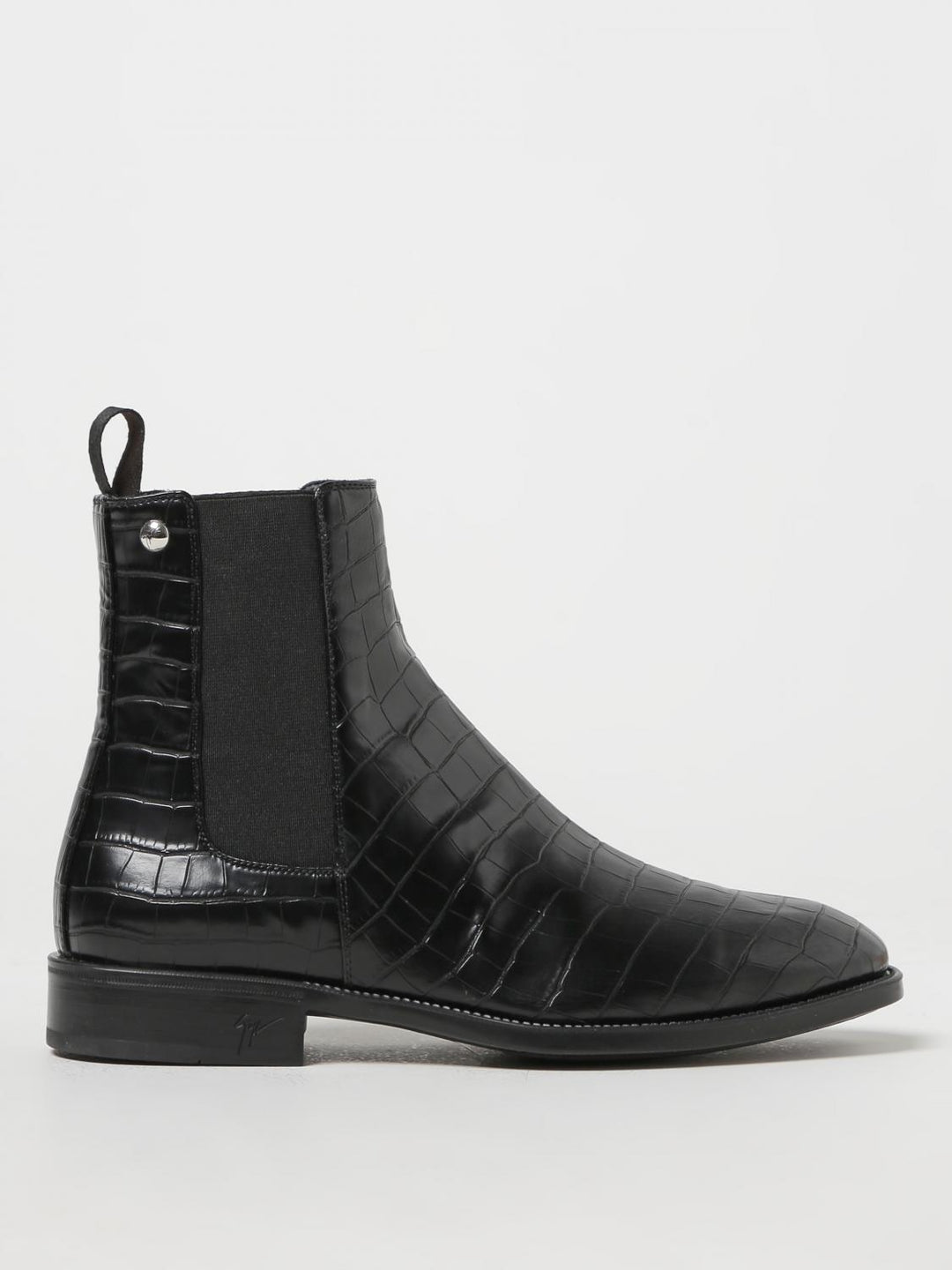


Designer Shoes Under $1000 - Authentic Italian Luxury Footwear at Accessible Prices
Discover our curated collection of authentic designer shoes under $1000 from the world's most prestigious Italian and European luxury houses. From iconic Ferragamo Vara pumps and Gucci loafers to Prada leather boots, Saint Laurent heels, Bottega Veneta flats, and quality sneakers from luxury brands, each pair combines Italian craftsmanship with accessible luxury pricing, making designer footwear attainable without compromising on quality or Authenticity.
The under-$1000 price point represents the sweet spot for designer shoe investments – high enough to ensure genuine Italian craftsmanship and premium materials, yet accessible enough to build a comprehensive designer footwear wardrobe without a significant financial commitment. These aren't entry-level quality pieces; they're authentic designer shoes from heritage brands offering the same materials, construction, and longevity as higher-priced items, simply at more accessible price points through outlet sourcing and smart shopping.
Our designer shoes under $1000 collection features the most iconic and sought-after styles across all categories, priced from $300 to $999. Every pair is 100% authentic, sourced directly from authorized brand outlets in Italy, luxury department stores clearing seasonal inventory, or authorized European retailers. These are genuine designer shoes with Italian construction – never counterfeits or replicas.
Authentic Designer Shoes Under $1000 at Exceptional Outlet Prices
Why Shop Designer Shoes Under $1000?
Accessible Italian Luxury
Authentic designer footwear from prestigious brands without extreme price tags. Quality Italian craftsmanship at attainable investments.
Complete Wardrobe Building
The $1000 ceiling allows collecting multiple designer pairs rather than single, costly shoes, building versatile footwear wardrobes.
Genuine Investment Quality
Shoes in this range feature authentic Italian construction, premium materials, and decades of longevity, making them a worthwhile investment.
Heritage Brand Access
Ferragamo, Gucci, Prada, and other prestigious houses offer exceptional shoes under $1000, providing brand prestige with budget-consciousness.
Cost-Per-Wear Value
Shoes worn 200+ times over 10-15 years at $500-$900 prices deliver an exceptional cost-per-wear compared to both cheaper and more expensive alternatives.
Multiple Occasions Covered
Build complete designer shoe collections, including work, casual, formal, and special-occasion footwear, within reasonable budgets.
Designer Shoes Under $1000 Categories:
Women's Designer Shoes:
Designer Pumps & Heels ($400-$900)
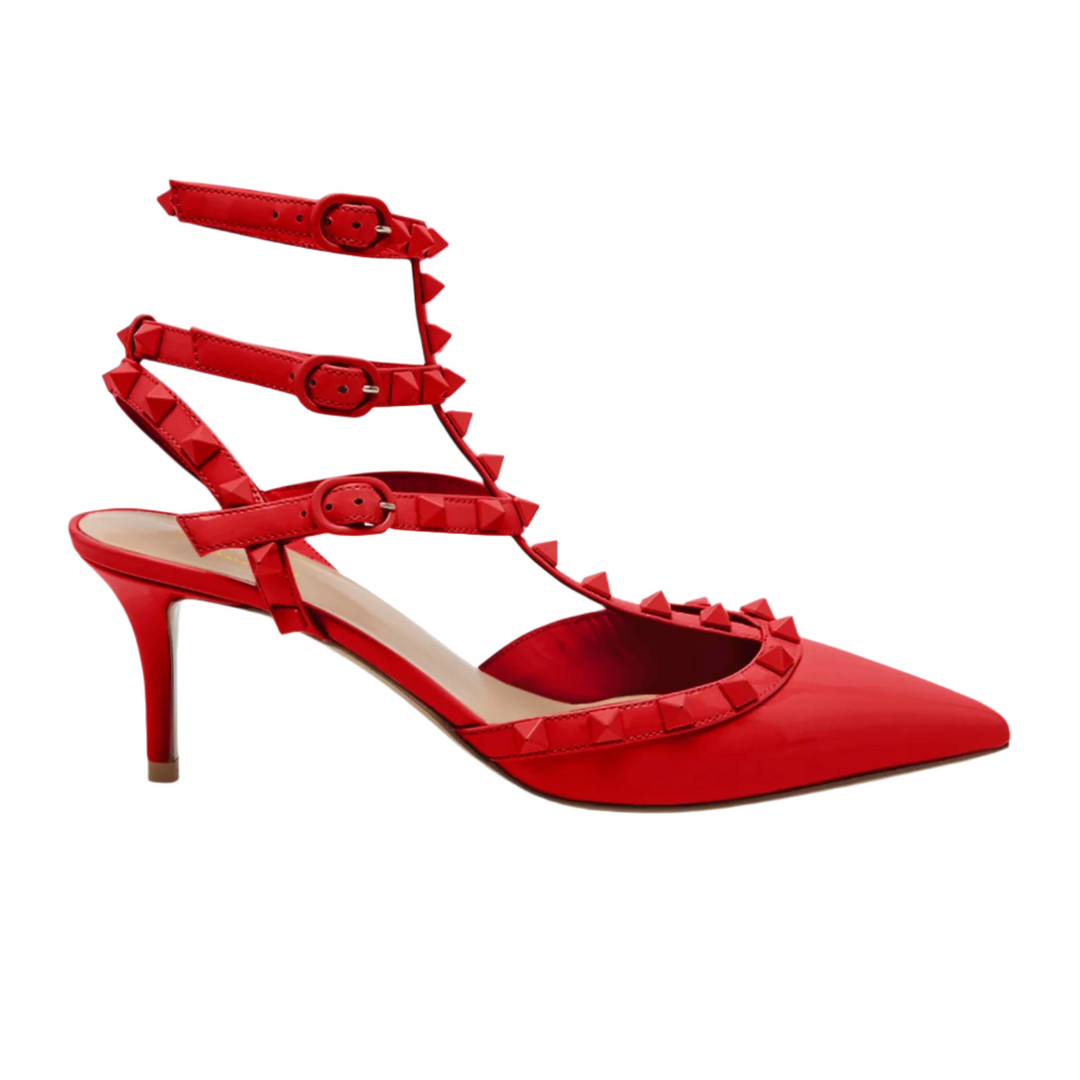
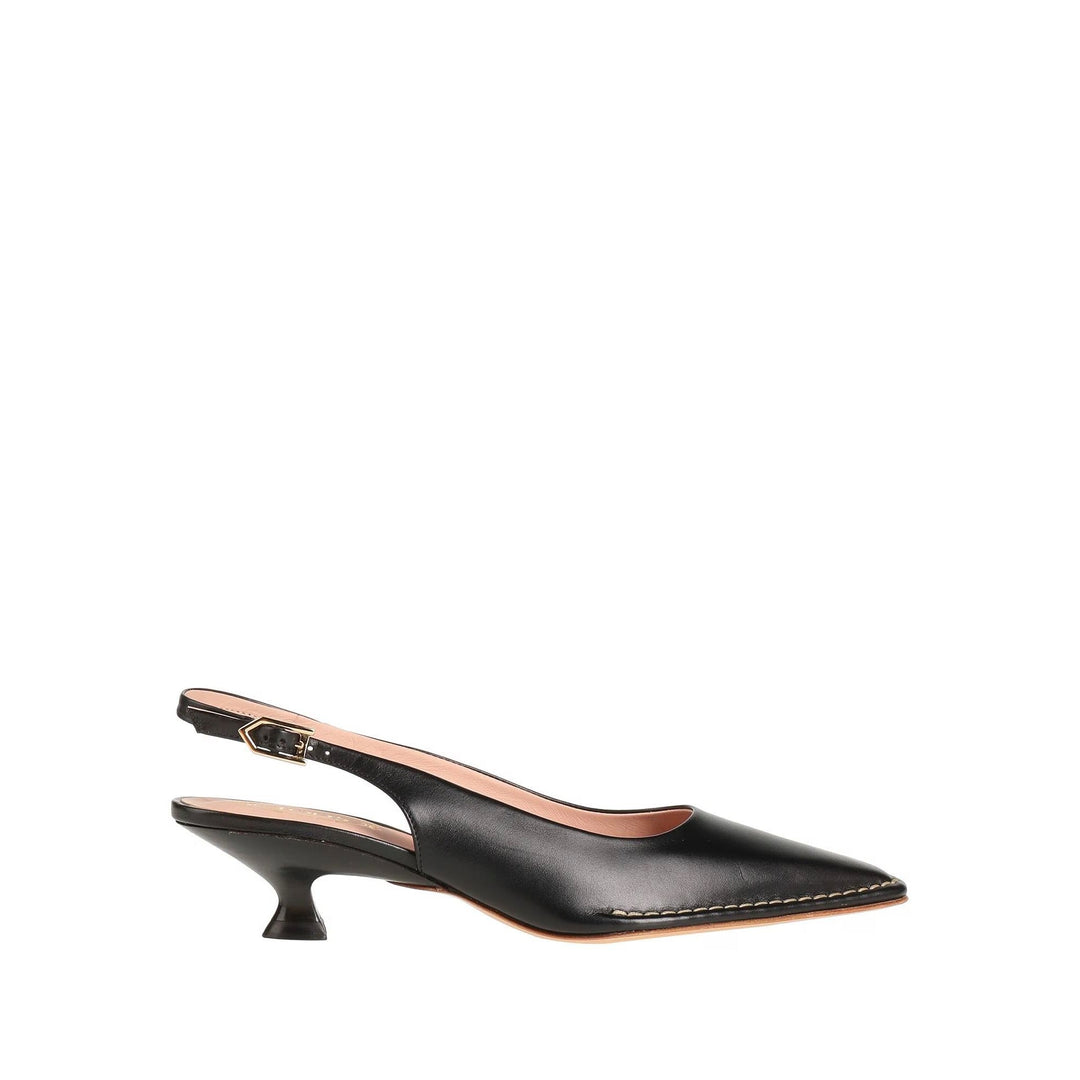
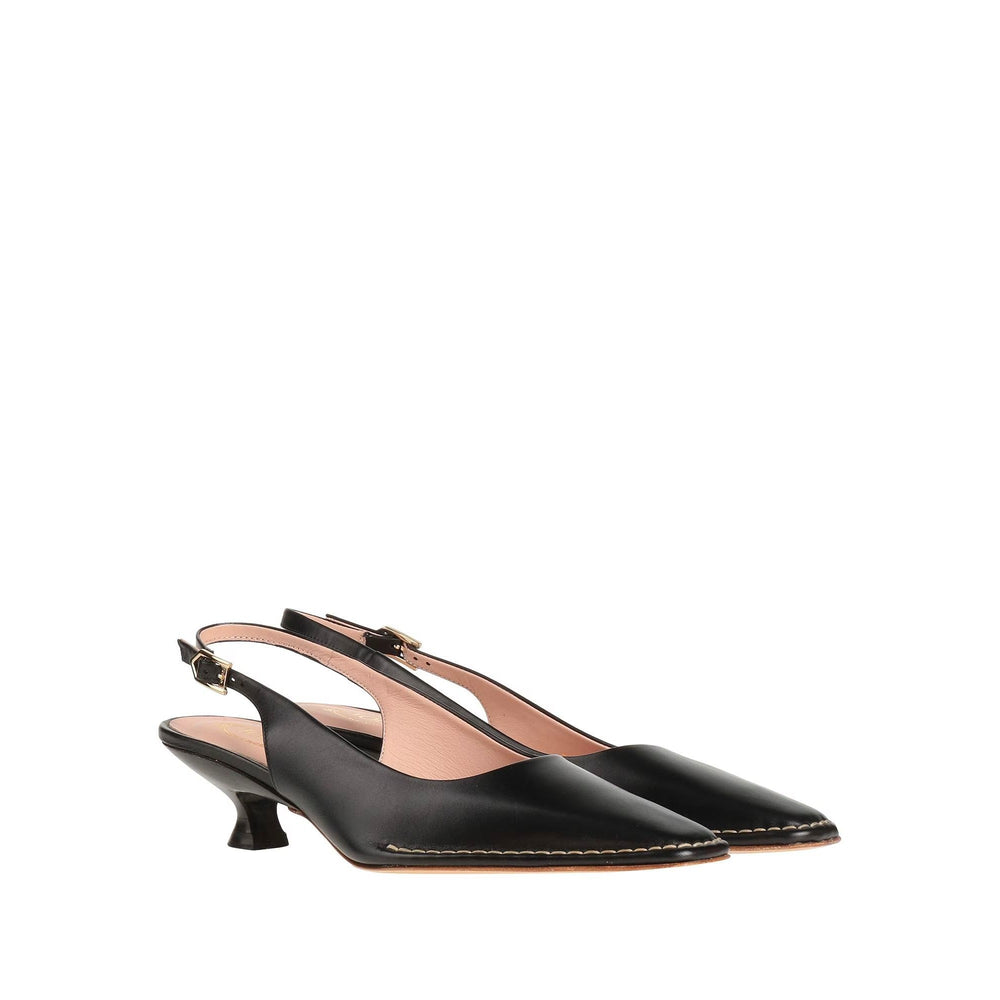
Ferragamo Vara pumps, Prada Saffiano heels, Saint Laurent mid-heels. Professional and elegant styles from heritage brands.
Designer Flats ($300-$700)
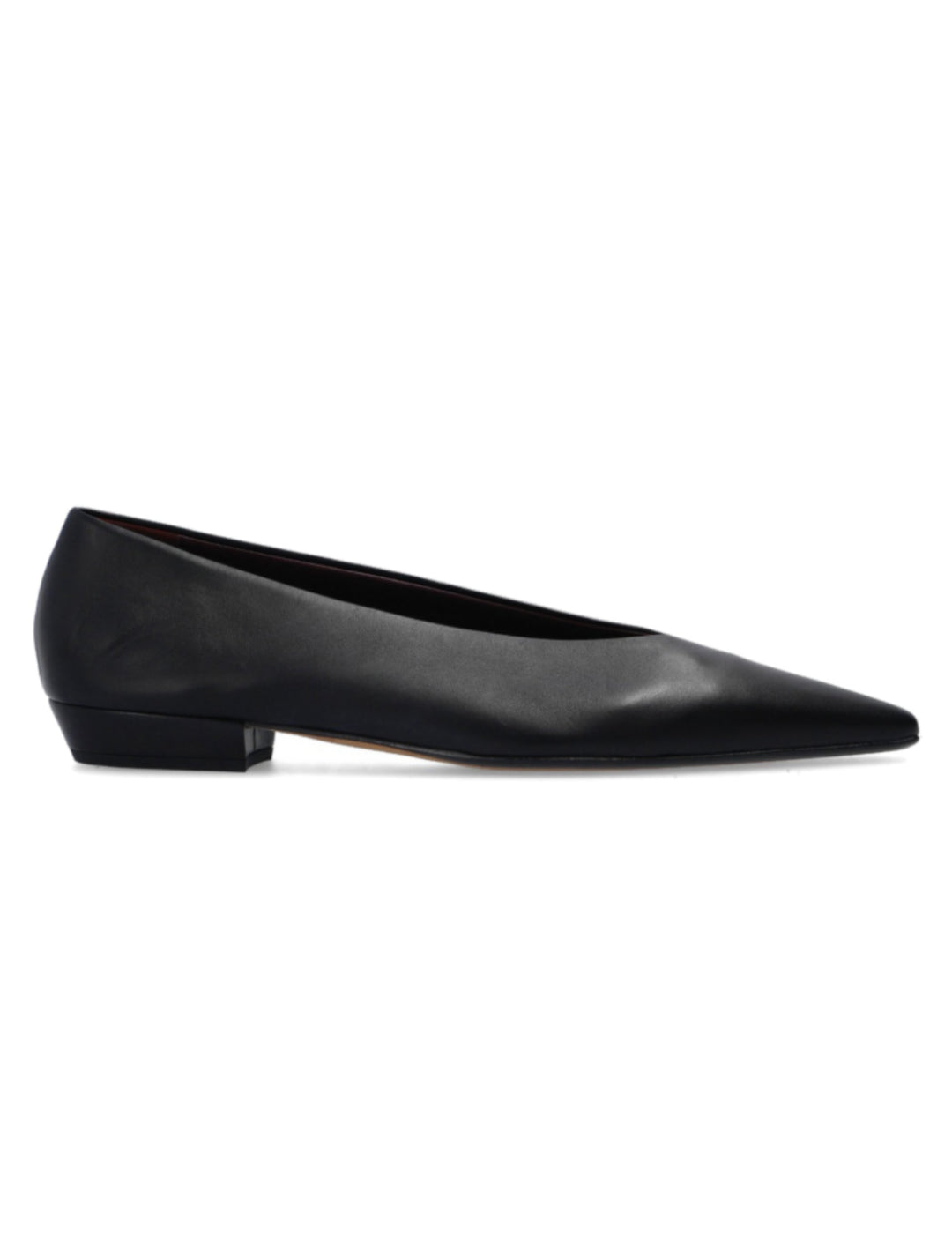
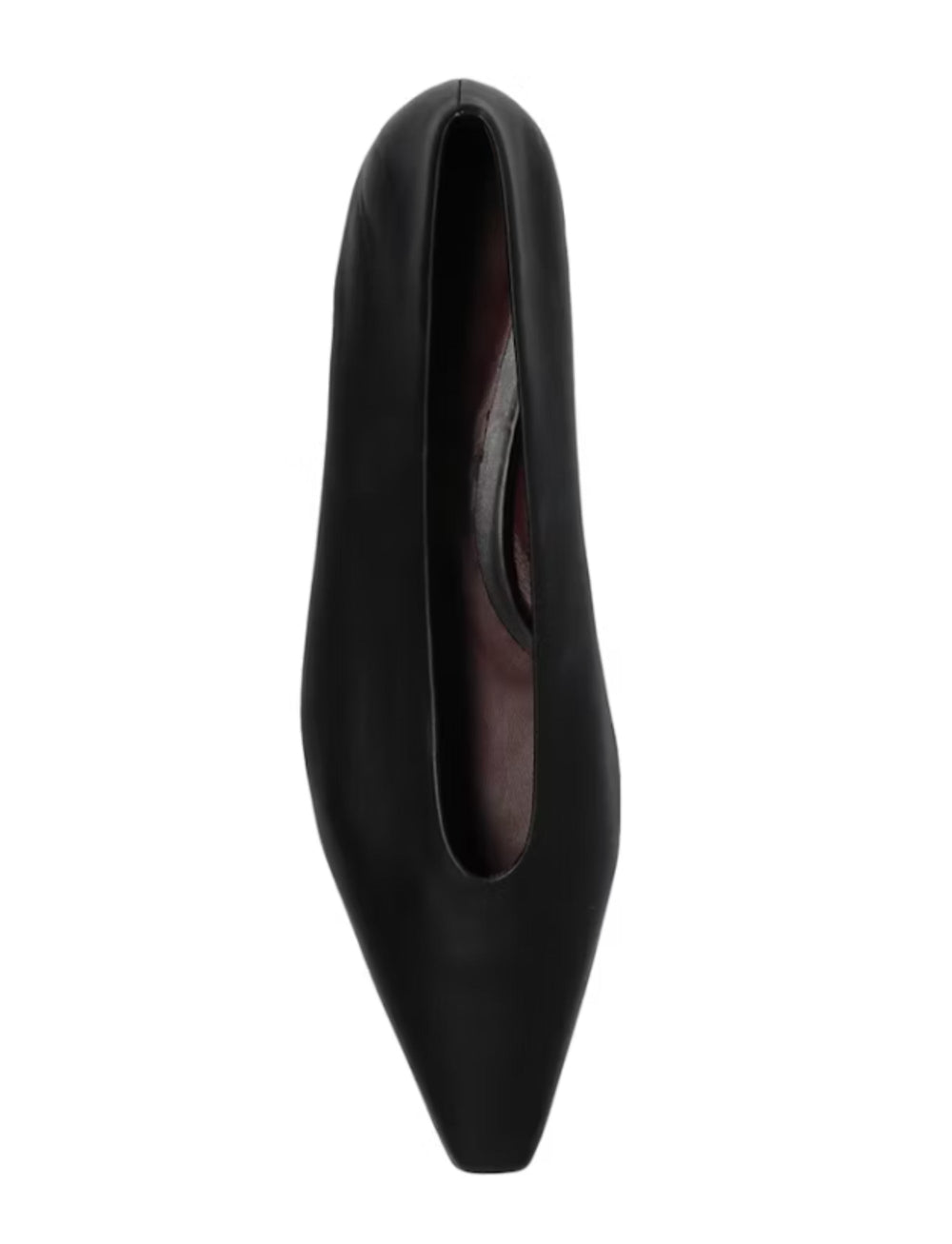
Ferragamo Varina ballet flats, Prada leather flats, Gucci loafers, Bottega Veneta woven flats. Comfortable luxury for daily wear.
Designer Boots ($500-$999)
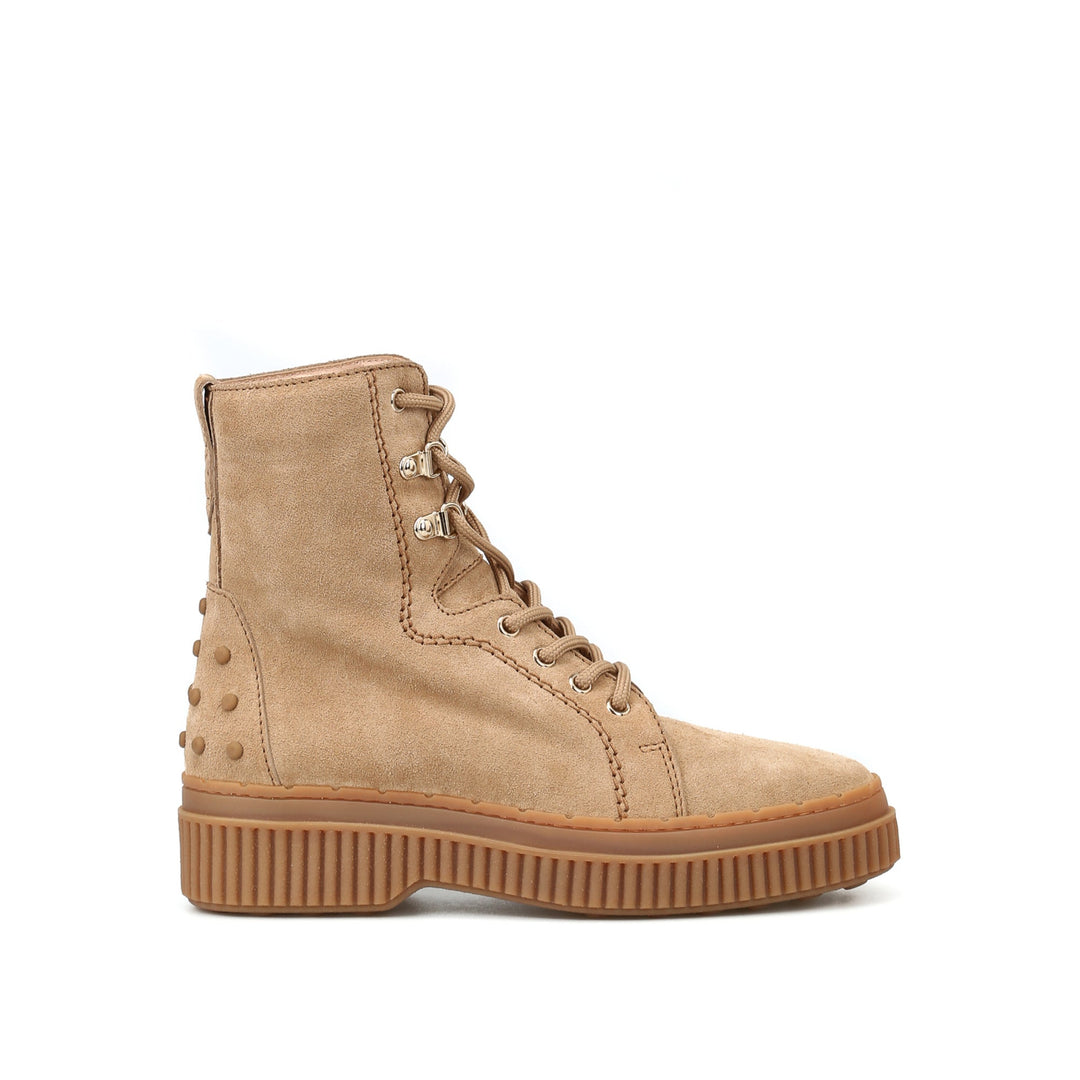
Leather and suede boots from Italian houses. Ankle boots, knee-high, Chelsea styles, combining fashion with functionality.
Designer Sandals ($400-$800)
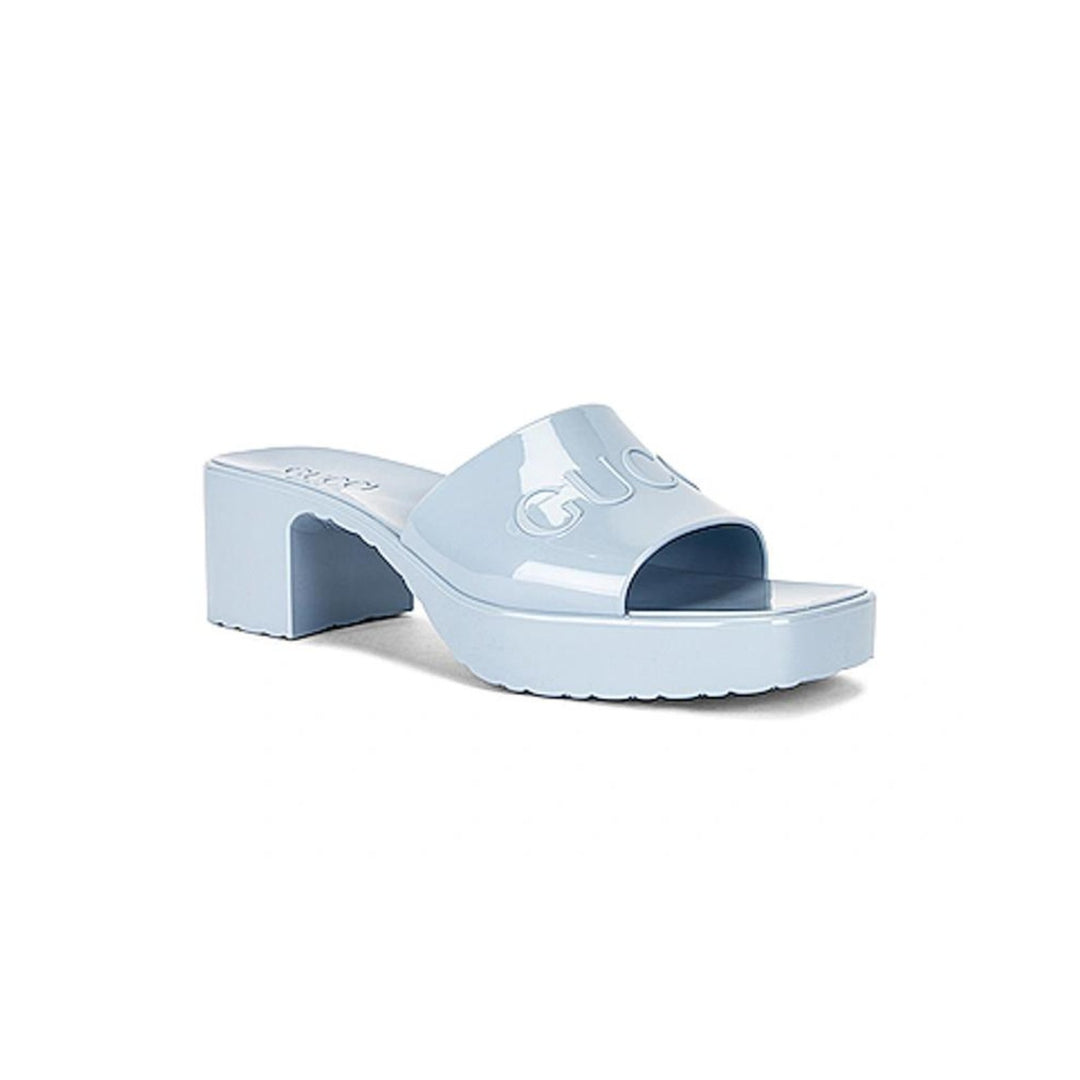
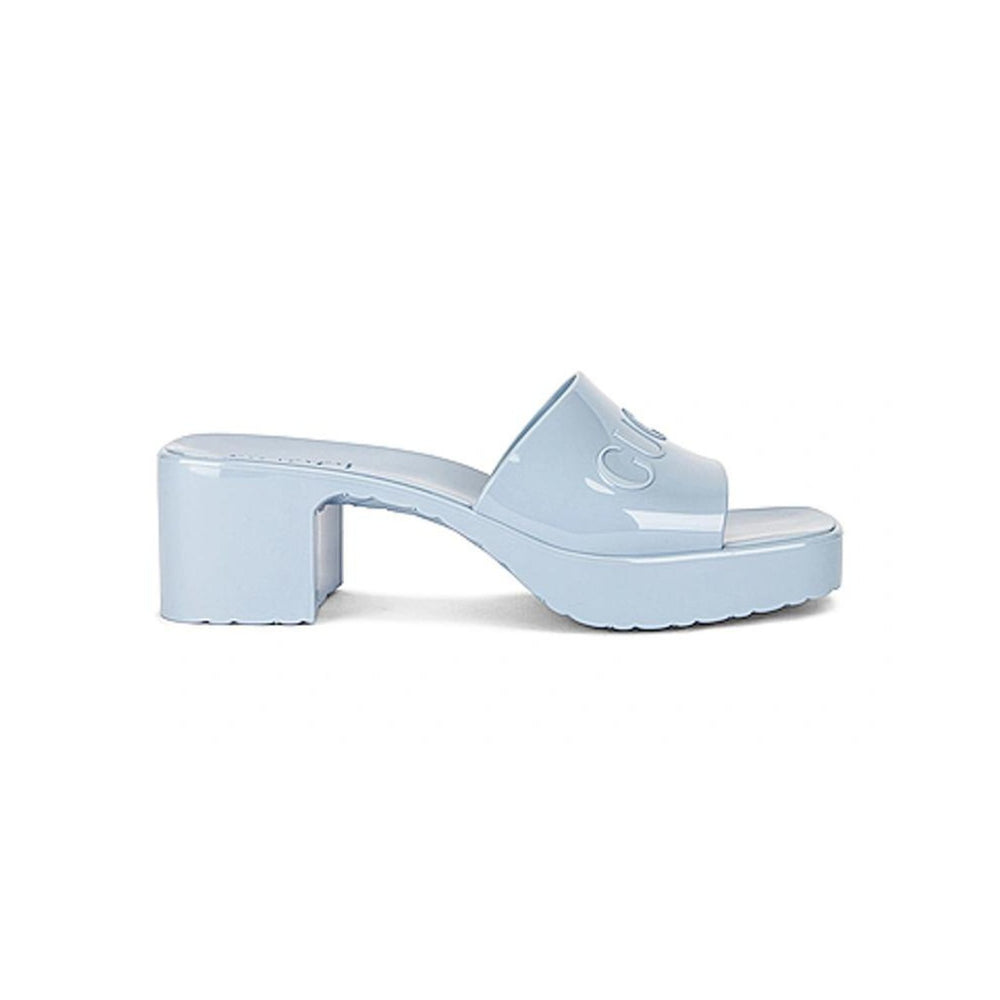
Summer luxury, including flat sandals, heeled styles, and slides. Premium leather with Italian construction.
Designer Sneakers ($400-$900)
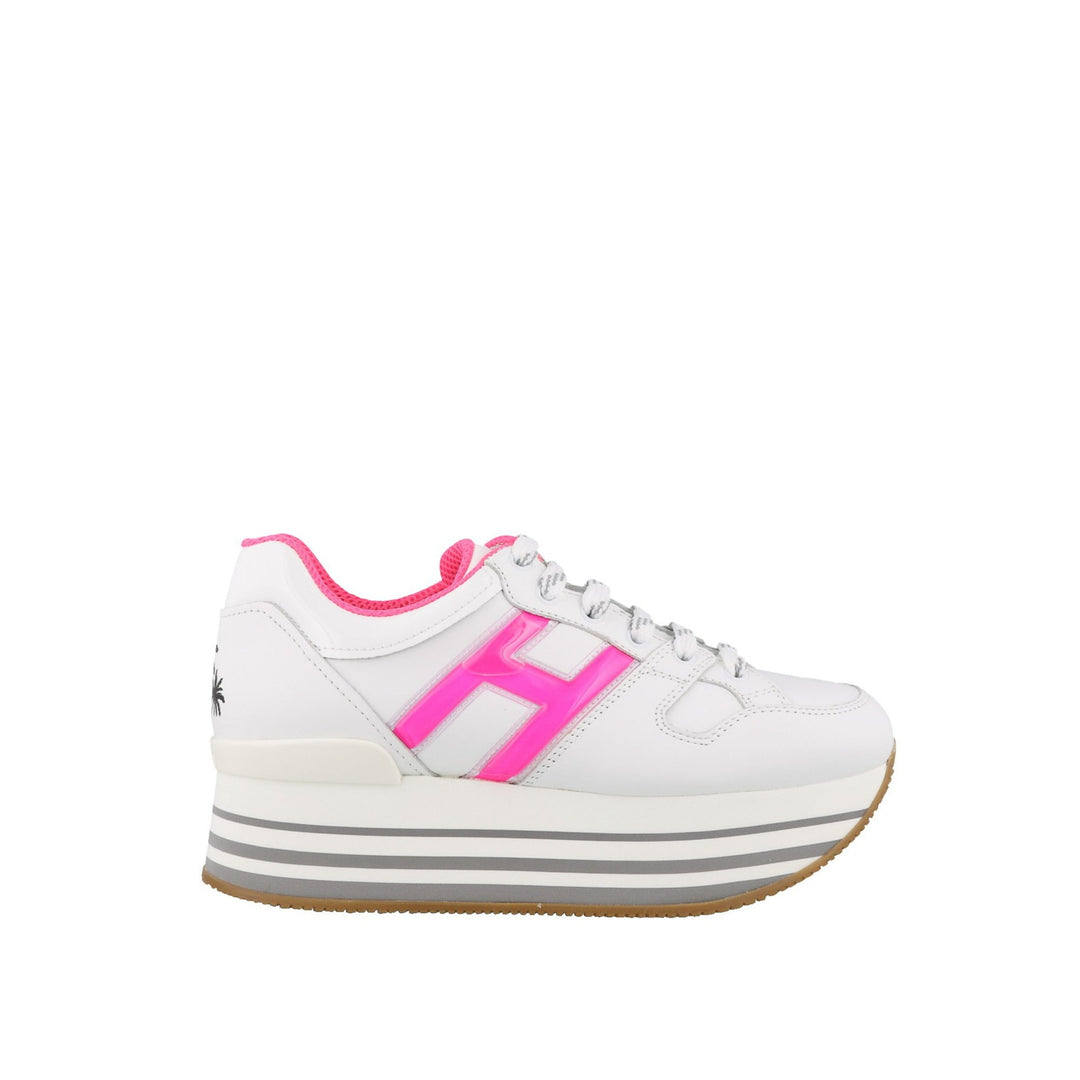
Contemporary luxury sneakers from fashion houses. Elevated casual footwear combining comfort with designer details.
Men's Designer Shoes:
Designer Dress Shoes ($500-$999)
Italian oxfords, derbies, monk straps from Ferragamo, Prada, Gucci—professional footwear with legendary comfort.
Designer Loafers ($400-$800)
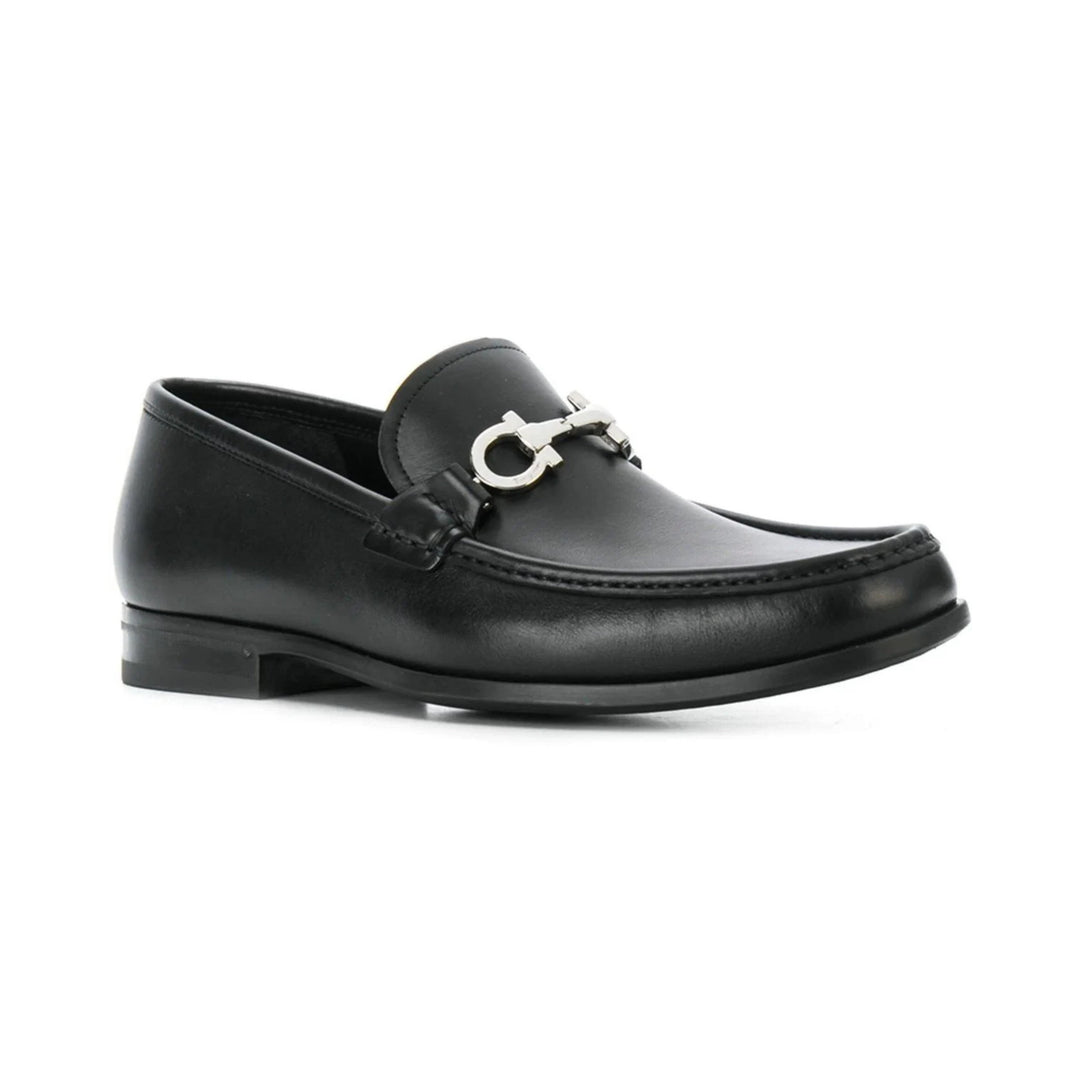
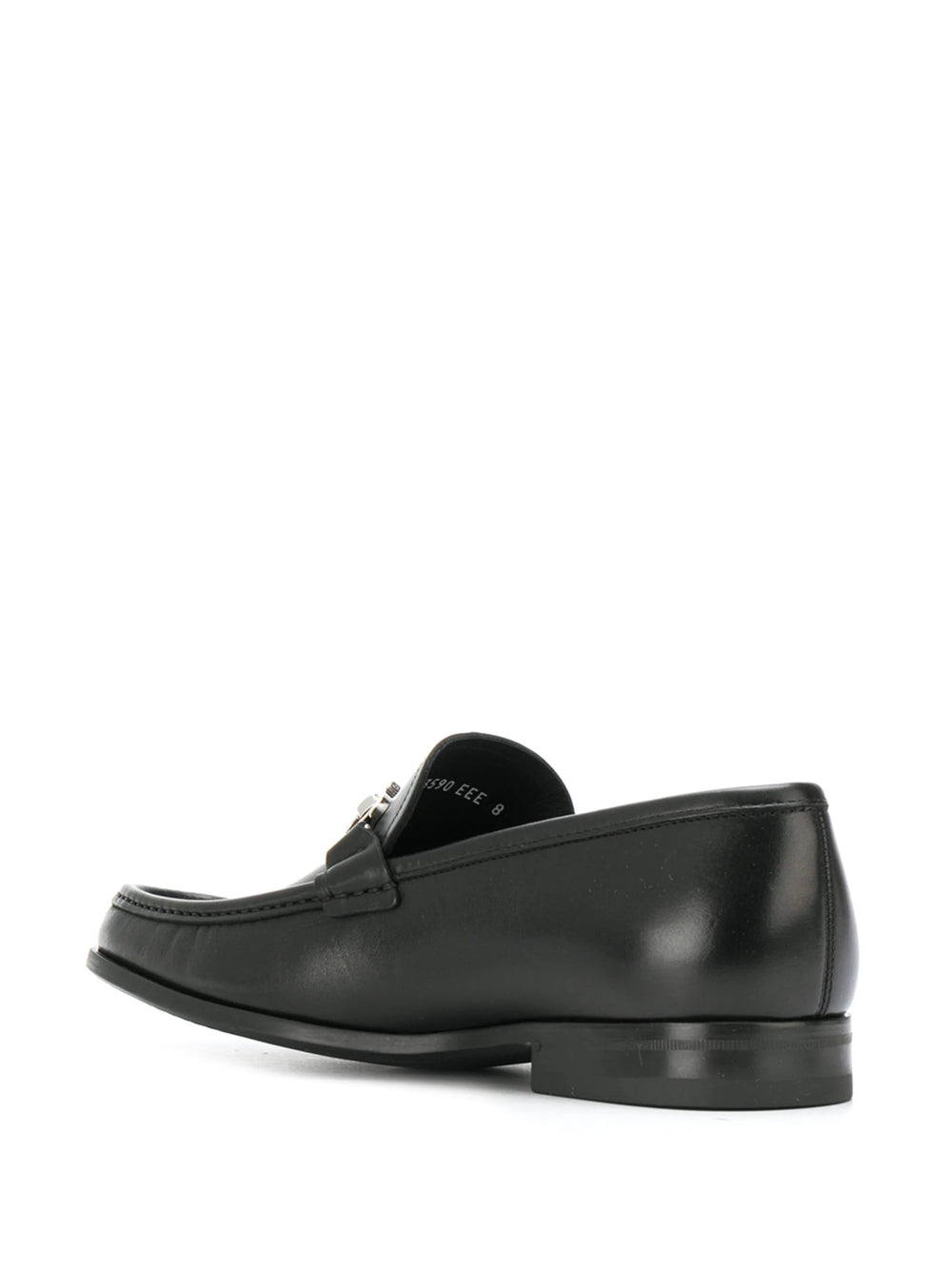
Gucci horsebit loafers, Ferragamo Gancini styles, Prada leather loafers. Versatile casual-to-business footwear.
Designer Boots ($600-$999)
Chelsea boots, chukka boots, dress boots in premium Italian leather. Quality construction for years of wear.
Designer Sneakers ($400-$900)
Luxury casual footwear from Italian brands. Contemporary style with athletic comfort and designer aesthetics.
Designer Casual Shoes ($400-$700)
Driving shoes, boat shoes, quality leather casuals. Italian craftsmanship in relaxed formats.
Featured Designer Brands Under $1000:
Salvatore Ferragamo
Nearly 100 years of Italian shoemaking excellence. Vara pumps ($650-$750), Varina flats ($550-$650), Gancini loafers ($650-$800). Legendary comfort with timeless design.
Prada
Minimalist Italian sophistication. Saffiano leather pumps ($700-$900), quality flats ($600-$800), leather boots ($800-$999). Contemporary elegance with proper Italian construction.
Gucci
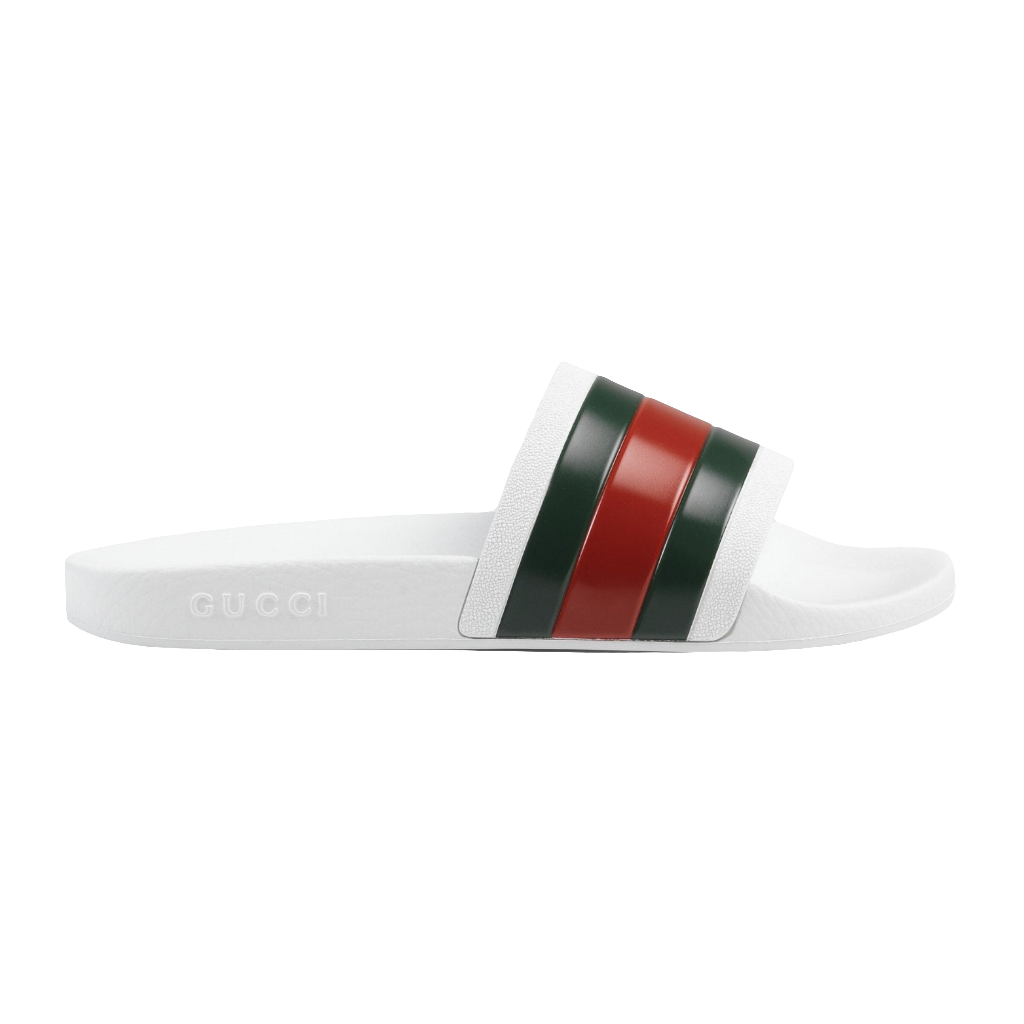
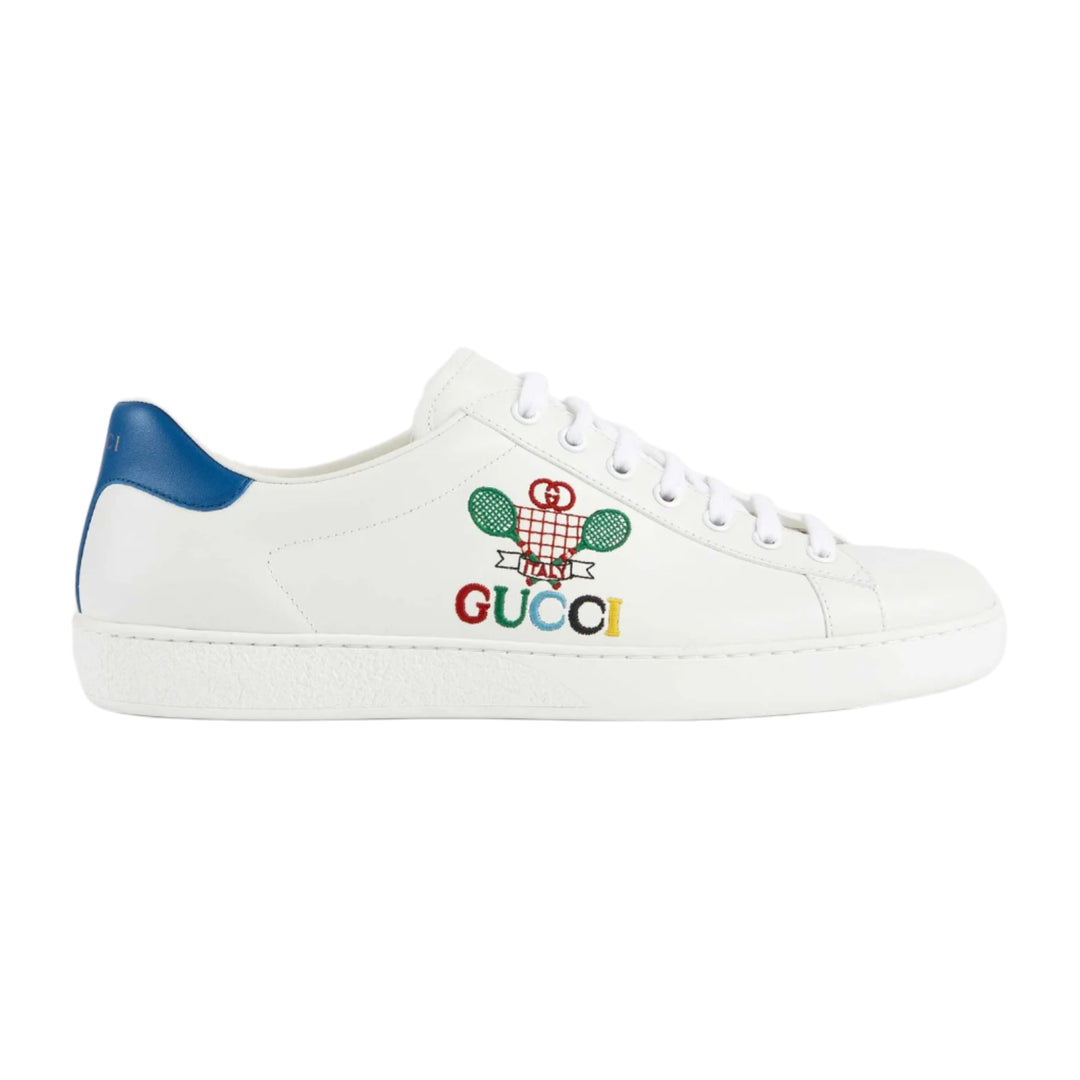
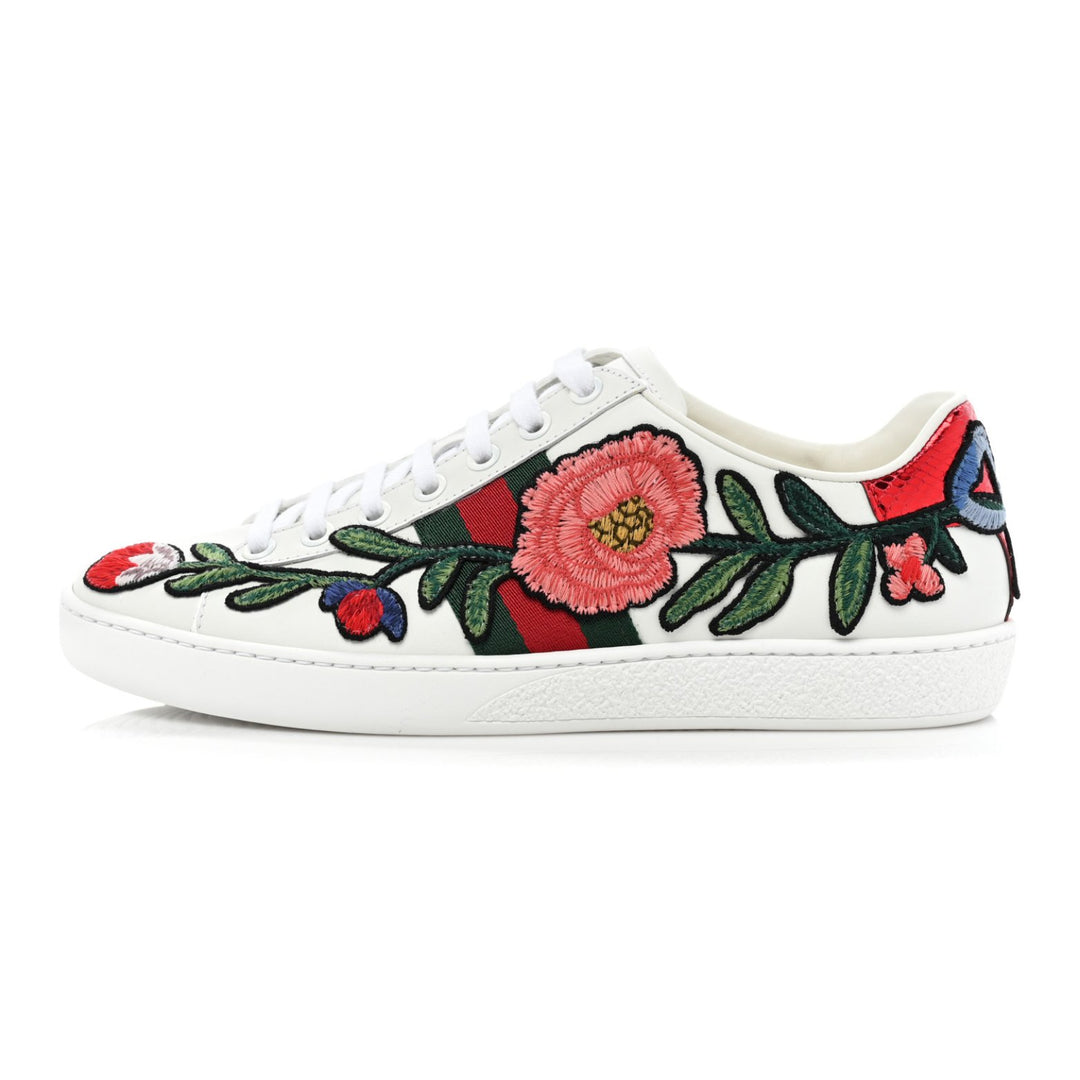
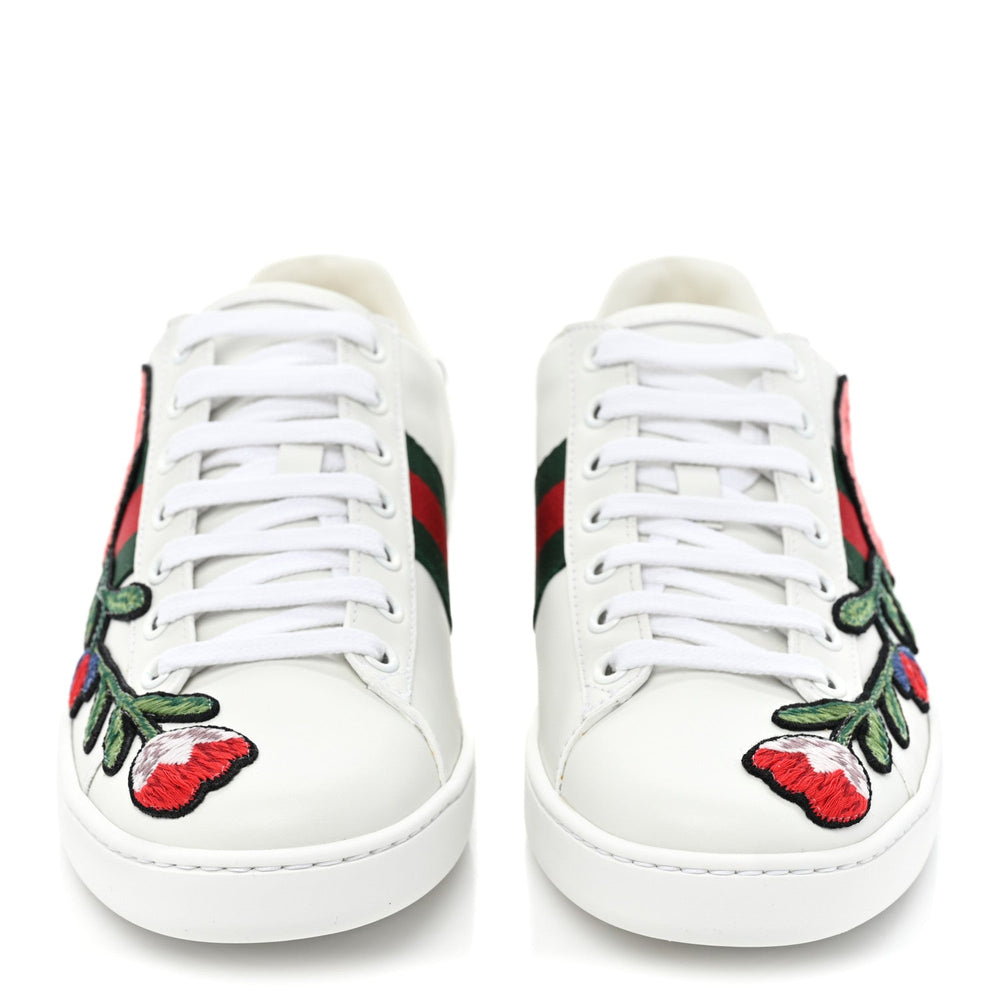
Iconic heritage codes at accessible prices. Leather loafers ($700-$900), contemporary sneakers ($650-$850), classic pumps ($750-$900). Recognizable luxury within budget.
Bottega Veneta
Quiet luxury at under $1000. Intrecciato flats ($700-$900), woven sandals ($600-$800), and quality leather shoes showcasing artisan craftsmanship.
Saint Laurent
French luxury with Italian manufacturing. Heeled sandals ($700-$900), ankle boots ($800-$999), elegant pumps ($750-$900). Rock-and-roll sophistication.
Tod's
Italian driving shoes and casual luxury. Gommino driving shoes ($500-$700), quality loafers ($600-$800), and comfortable flats ($500-$700). Refined casual elegance.
Other Designer Brands
Stuart Weitzman, Jimmy Choo outlet styles, Burberry footwear, and additional luxury brands offering authentic designer shoes under $1000.
Why Designer Shoes Cost Under $1000:
Understanding pricing helps you shop confidently:
Heritage Brand Standards
Many prestigious Italian houses produce exceptional shoes at $500-$900 price points as their standard range, not compromising quality.
Outlet Sourcing
Authorized outlets offer 30-50% off retail, bringing $1,400 retail shoes to $700-$900, or $1,000 retail to $500-$700.
Previous Season Styles
Classic designs from prior seasons (6-18 months) are available at reduced prices despite identical quality to current offerings.
Specific Size Availability
Limited remaining sizes in exceptional styles at deeper discounts, creating under-$1000 opportunities.
Direct Italian Sourcing
European outlet connections provide access before US availability and at better pricing than domestic retail.
Investment Value at This Price Point:
Cost Per Wear Analysis:
$700 Ferragamo pumps worn 250 days over 12 years = 3,000 wears = $0.23 per wear for Italian luxury and legendary comfort.
Quality Longevity:
Shoes in this range feature genuine Italian construction, quality materials, and resoling capability, ensuring 10-20+ years with proper care.
Sweet Spot Pricing:
Under $1000 provides authentic designer quality without the premium pricing of very high-end lines ($1,500-$3,000+), offering minimal additional quality.
Multiple Pair Strategy:
Investing $3,000 in three designer pairs under $1,000 builds a complete wardrobe, versus a single $3,000 pair serving only limited occasions.
Resale Value:
Designer shoes in this range retain 40-60% of purchase price in good condition, protecting investments while providing years of wear.
Professional Investment:
Quality work shoes project competence and attention to detail, potentially influencing career perceptions, for an under-$1000 investment.
Building Designer Shoe Wardrobes Under $1000:
Foundation Strategy ($2,000-$2,500 budget):
- Classic black pumps ($600-$800): Ferragamo Vara or Prada for professional versatility
- Quality flats ($500-$700): Daily comfort in designer construction
- Versatile boots ($700-$999): Seasonal transition and year-round elegance
- Total: 3 essential pairs building a complete designer foundation
Comprehensive Wardrobe ($4,000-$5,000 budget):
- Professional pumps in black and nude ($1,200-$1,600 total)
- Daily flats or loafers ($500-$700)
- Quality boots ($700-$999)
- Designer sneakers for casual ($600-$800)
- Special occasion heels or sandals ($700-$900)
- Total: 5-6 pairs covering all lifestyle needs
Men's Professional Foundation ($2,500-$3,000 budget):
- Classic dress shoes ($700-$900): Italian oxfords or derbies
- Quality loafers ($600-$800): Versatile casual-to-business
- Designer boots ($800-$999): Professional and weekend versatility
- Total: 3 core pairs serving comprehensive needs
Shopping Strategies for Maximum Value:
Prioritize Classics Over Trends
In this price range, classic styles offer better long-term value than very trendy pieces that may date quickly.
Consider Cost-Per-Wear
$800 shoes worn 300 times = $2.67 per wear versus $200 cheap shoes worn 30 times = $6.67 per wear before replacement.
Invest in Versatility
Choose colors and styles that work across multiple occasions, maximizing utility: black, brown, and navy over particular seasonal shades.
Check Resolving Capability
Quality construction at this price point often allows 2-3+ resoles, extending lifespan to 15-25 years total.
Size Carefully
Shoes at this investment level should fit perfectly. Use detailed size guides and reviews rather than hoping wrong sizes will work.
Understand Material Quality
Full-grain Italian leather, quality suede, and premium materials justify pricing through durability and aging characteristics.
Care & Maintenance Maximizing Investment:
Essential Care Basics:
- Cedar shoe trees maintain shape ($15-$30 investment protecting $700+ shoes)
- Quality leather conditioner every 2-3 months ($15-$25)
- Weather protection sprays before first wear ($10-$15)
- Rotation prevents daily wear stress (own multiple pairs)
Professional Services:
- Heel tip replacement when needed ($15-$30, preventing further damage)
- Annual cleaning and conditioning ($50-$100, maintaining appearance)
- Resoling when appropriate ($100-$200 extending life 5-10+ years)
Storage Protection:
- Dust bags protecting from scratches and light
- Climate-controlled storage, avoiding extreme heat or moisture
- Proper organization prevents crushing or deformation
Investment Protection:
- $100 annual care budget protects $3,000-$5,000 shoe wardrobe
- Proper maintenance ensures a 15-20+ year lifespan versus 3-5 years with neglect
- Protects resale value if circumstances or preferences change
Understanding Sizing in Designer Shoes:
Italian vs. US Sizing:
- Women: US 7 = EU 37-38, US 8 = EU 38-39, US 9 = EU 39-40
- Men: US 8 = EU 41, US 9 = EU 42, US 10 = EU 43
- Always verify brand-specific conversions as sizing varies
Brand-Specific Fit:
- Ferragamo: True to Italian size, known for comfortable width options
- Gucci: Often runs narrow; many size up 0.5 for width
- Prada: Generally true to size, sophisticated, narrow-to-medium fit
- Saint Laurent: Typically runs small; size up 0.5-1 full size
Width Considerations:
- Italian shoes typically run narrower than American brands
- Ferragamo offers width options (AAA to C), accommodating variation
- Check reviews for "runs narrow" or "runs wide" guidance
Common Questions About Designer Shoes Under $1000:
"Is quality really different from $200 shoes?"
Yes, dramatically. Italian construction, full-grain leather, resoling capability, and comfort engineering justify investment through longevity and daily experience.
"Why not buy $2,000+ shoes if investing in designer?"
Diminishing returns exist. Shoes under $1000 provide 85-90% of the quality of $2,000+ shoes at significantly lower investment for most buyers.
"Can I find these brands cheaper?"
Genuine designer shoes under $300 raise authenticity concerns. The $400-$999 range represents realistic outlet pricing for authentic Italian luxury.
"How long should these last?"
With proper care: 10-15 years minimum for quality construction styles, 20+ years with resoling for built-to-last dress shoes, indefinitely if treated as investment pieces.
Perfect For:
- First-time designer shoe buyers want quality without extreme investment
- Building a comprehensive designer footwear wardrobe strategically
- Professionals needing quality work shoes projecting competence
- Special occasion shoppers wanting luxury without $1,500+ single-pair investments
- Savvy shoppers recognize the sweet spot between quality and price
- Gift-givers wanting meaningful luxury within reasonable budgets
- Anyone valuing Italian craftsmanship at accessible price points
- Collectors adding heritage brand pieces thoughtfully over time
100% Authenticity Guaranteed
Every pair of designer shoes under $1000 at Ask Me Wear is guaranteed 100% authentic. We source our luxury footwear exclusively from authorized brand outlets in Italy, luxury department stores, and authorized retailers, ensuring you receive only genuine Italian craftsmanship at accessible prices.
Our Authentication Promise
Each pair of designer shoes undergoes rigorous multi-step verification:
✓ Material Inspection – Italian leather and materials verified against brand standards
✓ Construction Analysis – Stitching, finishing, and craftsmanship checked for Authenticity
✓ Brand Verification – Logos, hardware, and stamps confirmed authentic
✓ Quality Assessment – Overall construction evaluated against luxury standards
✓ Authorized Sourcing – Direct connections to authorized outlets and retailers documented
Shop with confidence. Authentic designer shoes under $1000, guaranteed—always.
Browse Authentic Designer Shoes Under $1000 - Italian Luxury at Accessible Prices.
Discover Ferragamo, Gucci, Prada & more. Genuine Italian craftsmanship, heritage quality, smart investments. 30-50% off retail.
Shop more shoes.
Designer shoes under $1000 represent exceptional quality delivering 85-95% of the construction, materials, and longevity of shoes costing $1,500-$3,000+, making this price range the optimal value sweet spot for most luxury footwear buyers seeking Italian craftsmanship without diminishing returns of extreme luxury pricing. Understanding what you get at different price points clarifies whether under-$1000 shoes meet your needs. At $400-$600, you access authentic Italian construction from heritage brands including Ferragamo flats, quality Prada styles, and established luxury houses' classic designs.
These feature full-grain Italian leather, proper arch support and comfort engineering, resoling capability in many styles, and brand heritage and prestige. The construction is genuinely Italian with decades of expected lifespan. This range represents outstanding value for daily-wear shoes you'll use extensively.
At $600-$800, quality increases incrementally with even finer leathers and materials, more refined finishing and detail work, iconic heritage styles (Ferragamo Vara pumps, Gucci loafers), and exceptional comfort from brands pioneering ergonomic design. The difference between $500 and $700 shoes is noticeable but not revolutionary – you're paying for refinement rather than fundamental quality leaps. At $800-$999, you approach premium Italian construction with sophisticated design and materials, limited production or artisan details, very established heritage brand pieces, and styles occasionally reduced from $1,400-$1,800 retail through outlet sourcing.
This top range of under-$1000 often represents designer shoes originally priced much higher now accessible through smart shopping. Above $1000 ($1,500-$3,000+), the additional investment brings: extremely exclusive materials (exotic leathers, very limited production runs), additional hand-finishing and artisan work, very prestigious brand positioning (Hermès, Manolo Blahnik, Christian Louboutin), and fashion-forward or highly specialized designs. However, the fundamental construction quality, longevity, and Italian craftsmanship doesn't dramatically exceed well-chosen shoes at $700-$900.
You're paying increasingly for exclusivity, brand prestige, and fashion currency rather than proportional quality improvements. The honest assessment: for most women's professional and lifestyle footwear needs, designer shoes at $600-$900 provide everything necessary – Italian construction, premium materials, heritage brand prestige, legendary comfort (particularly Ferragamo), and 15-20+ year longevity with care. Spending $2,000 on single pairs provides minimal additional practical value versus $700-$900 pairs for actual wearing and enjoyment.
The $1,500+ category makes sense for: very specific rare styles unavailable at lower prices, extreme brand prestige signaling (red-sole Louboutins, Hermès specificity), collecting and investment beyond just wearing, or personal preference where money is no object. For practical luxury footwear building quality wardrobes, under-$1000 designer shoes represent optimal value. The cost-per-wear analysis proves this: $700 Ferragamo pumps worn 300 times over 12 years = $2.33 per wear for Italian luxury and all-day comfort versus $2,000 designer pumps worn 100 times over 12 years (less frequent due to preciousness) = $20 per wear despite higher quality.
The practical usage and accessibility at under-$1000 often provides better real-world value. The strategic recommendation: if you're building designer shoe wardrobes and want maximum versatility, invest in multiple excellent pairs under $1000 rather than single very expensive pairs. Three $800 pairs ($2,400 total) covering work, casual, and formal needs serve life better than one $2,400 pair serving limited occasions regardless of marginally higher quality.
Save $1,500+ investments for specific dream shoes or once you've built complete designer foundations and want to add ultra-premium pieces. For most buyers seeking Italian luxury and heritage brand quality, the under-$1000 range delivers exceptional satisfaction without the diminishing returns plaguing extreme luxury pricing.
Distinguishing genuine designer shoes from merely expensive footwear requires understanding specific quality markers, brand heritage, construction details, and retail context ensuring your under-$1000 investment delivers authentic Italian luxury rather than overpriced mediocrity. The brand heritage verification starts with identifying truly prestigious houses: established Italian shoemakers (Ferragamo since 1927, Prada, Gucci, Tod's, Bottega Veneta) with decades or centuries of documented craftsmanship expertise. French fashion houses with Italian manufacturing (Saint Laurent, many luxury brands produce in Italy).
Legitimate luxury brands with authenticated outlet presence and traceable sourcing. Research brand history – genuine heritage brands have documented histories, archived designs, museum exhibitions, and cultural significance beyond just expensive pricing. If you can't find substantial information about a brand's heritage or manufacturing, it might be expensive marketing rather than genuine designer quality.
The construction quality markers include: Made in Italy (or occasionally Spain, Portugal for some luxury brands) markings indicating European manufacturing. Hand-stitching or precision machine work with consistent, tiny stitches visible inside shoes. Quality linings in leather, silk, or premium materials (cheap shoes use synthetic linings).
Proper insoles with brand stamping, and removable insoles in some styles showing interior construction quality. Contoured footbeds providing arch support rather than flat, unsupportive interiors. Genuine leather sole construction or quality rubber with substantial feel versus cheap, thin synthetic.
The material quality assessment: full-grain Italian leather with natural grain patterns and suppleness versus "genuine leather" (lowest leather grade) or synthetic materials. Quality suede with rich nap and proper finishing versus thin, obviously cheap suede. Hardware with substantial weight and quality finishing (metal buckles, proper eyelets) versus lightweight, poorly finished details.
Interior materials matching exterior quality standards rather than corner-cutting where customers don't see. The brand-specific details: proper logo execution matching official brand standards (fonts, positioning, quality of stamping or hardware). Serial numbers or style codes allowing authenticity verification through brand channels.
Dust bags and packaging reflecting luxury positioning (quality fabric bags with proper branding). Documentation or cards with proper printing quality and multilingual text. The retail context verification: authorized retailers and outlets with documented brand relationships.
Transparent sourcing from verifiable channels (official outlets, luxury department stores, authorized retailers). Pricing consistent with legitimate outlet ranges ($400-$999 for authentic Italian shoes) versus suspiciously cheap (under $300 raises questions) or inflated pricing without brand justification. Return policies and authenticity guarantees from reputable sellers.
The red flags suggesting expensive-not-designer: vague brand heritage or manufactured "luxury" positioning without historical foundation. "Made in China" or other non-traditional luxury manufacturing locations (some brands moved production but traditional Italian makers maintain Italian production). Very low prices ($150-$250) for supposed designer shoes (authentic designer doesn't price this low even at outlets).
Spelling errors, poor quality packaging, or obvious construction flaws (genuine designer maintains standards). Sellers unable or unwilling to provide sourcing transparency or authenticity documentation. The comparative research approach: examine the same brand's official retail pricing understanding typical ranges and confirming your under-$1000 price represents legitimate outlet reduction versus inflated "original" pricing.
Read professional reviews and fashion press coverage of the brand – genuine designers receive legitimate fashion media attention. Check authentication forums or services for brand-specific details helping verify authenticity. Look at the brand's official website reviewing their heritage, craftsmanship claims, and whether they actually produce the shoe categories you're considering.
For our specific context: we guarantee 100% authenticity because we source exclusively from authorized brand outlets in Italy, documented luxury department stores, and authorized retailers with verifiable connections. We provide complete sourcing transparency and authenticate every pair through material inspection, construction analysis, brand detail verification, and authorized sourcing documentation. We offer money-back guarantees if anything proves inauthentic (which never happens given our rigorous process and legitimate sourcing).
The practical recommendation: buy designer shoes from reputable sources with authentication guarantees and transparent sourcing rather than unknown sellers claiming designer at suspicious prices. Research brands before purchasing understanding their heritage and typical pricing ranges. Learn brand-specific details (how Ferragamo stamps leather, Prada's triangle logo execution, Gucci's specific hardware) helping you verify authenticity.
Trust established sellers with track records over unknown entities regardless of claimed pricing.
Buying one authentic designer pair under $1000 almost always provides better value than multiple cheaper "designer-inspired" alternatives through superior quality, longevity, comfort, and cost-per-wear economics despite lower initial investment in multiple cheaper shoes appearing more versatile. The quality comparison reveals dramatic differences: authentic designer shoes under $1000 feature Italian construction with proper arch support and ergonomic engineering, full-grain Italian leather aging beautifully for decades, resoling capability extending lifespan to 15-25+ years, quality hardware and finishing maintaining appearance and function, and construction ensuring shoes maintain shape and structure through extensive wear. "Designer-inspired" or cheap alternatives ($50-$200) use synthetic or lowest-grade leather deteriorating within 1-3 years, flat, unsupportive footbeds causing discomfort and potential foot problems, poor construction with glued (not stitched) elements falling apart quickly, cheap hardware tarnishing, breaking, or functioning poorly, and overall construction failing to maintain appearance or structural integrity.
The comfort difference matters enormously for shoes worn extensively: designer shoes from brands like Ferragamo pioneered anatomical footbed design studying foot structure and pressure distribution. The comfort allows all-day wear without pain or fatigue. Even beautiful designer shoes remain wearable enabling actual use.
Cheap alternatives often cause blisters, foot pain, arch problems, and general discomfort after even moderate wear. If shoes hurt, you won't wear them regardless of how many pairs you own, making quantity meaningless without wearability. The longevity calculation changes the value equation dramatically: one $700 designer pair lasting 15 years with one resole ($150) = $850 total for 15 years of Italian luxury versus five $150 cheaper alternatives over 15 years (replacing every 3 years) = $750 total but with dramatically inferior daily experience, five disposal/waste cycles, and ongoing replacement hassle.
When calculated honestly over realistic timeframes, quality often costs less while providing immeasurably better daily satisfaction. The cost-per-wear reality: $800 designer pumps worn 250 times over 12 years = $3.20 per wear for comfort and elegance versus $150 "inspired" pumps worn 40 times over 2 years before falling apart = $3.75 per wear for discomfort and mediocrity, then requiring replacement. Quality provides better value even before considering the dramatic experience difference.
The versatility argument requires honesty: while owning multiple cheap pairs seems more versatile, in practice you'll wear comfortable, quality shoes repeatedly while uncomfortable or poorly-made shoes sit unworn regardless of variety. One excellent pair worn constantly provides more real versatility than five uncomfortable pairs collecting dust. Footwear differs from clothing – you can tolerate mediocre clothes, but bad shoes cause genuine physical discomfort preventing wear.
The psychological and confidence factors: wearing quality designer shoes provides genuine satisfaction and confidence impossible to replicate with cheap alternatives regardless of quantity. The tactile experience of soft Italian leather, the confidence of proper support, and the knowledge of wearing heritage craftsmanship creates positive daily experiences. Cheap shoes remind you constantly of their inferiority through discomfort, poor appearance, and awareness you're wearing costume rather than quality.
The practical recommendation for most people: save until you can afford one excellent designer pair under $1000 in your most-worn category (work pumps, daily loafers, versatile boots) rather than buying multiple cheap alternatives immediately. That single quality pair becomes your reliable foundation, worn with confidence and comfort daily or regularly. Then save for second designer pair, slowly building quality wardrobe rather than accumulating cheap quantity.
The exception cases where multiple cheaper might make sense: if you genuinely need variety for specific events and can't wait to build quality collection (though we'd still argue one quality pair for main needs + cheap for rare occasions works better), or if you're very hard on shoes destroying them regularly regardless of quality (though this often stems from poor quality causing abnormal wear patterns rather than inherent clumsiness). For most women and situations: one authentic designer pair under $1000 provides dramatically better value, experience, comfort, and long-term economics than multiple "designer-inspired" cheaper alternatives despite the appealing illusion of variety that cheaper quantity appears to offer upfront.
Designer shoes under $1000 absolutely do not look cheap or inferior compared to higher-priced options, as the visual and quality differences between well-chosen $700-$900 shoes and $2,000+ shoes are minimal to nonexistent in real-world contexts, with brand heritage, materials, and styling mattering infinitely more than absolute price points that aren't visible to observers anyway. The reality about luxury footwear perception: nobody knows what you paid for shoes unless you tell them, and even fashion insiders can't reliably distinguish $800 Ferragamo pumps from $1,500 alternatives at a glance. Price tags aren't visible during wear, and quality Italian construction at $700-$900 looks identical to $2,000+ construction in normal social contexts.
Brand recognition matters more than price: wearing recognizable designer brands (Gucci, Ferragamo, Prada) signals luxury regardless of whether you paid $700 or $2,000. The heritage and prestige come from the brand, not the specific retail price. Many "expensive-looking" shoes under $1000 command more visual respect than obscure $3,000 brands nobody recognizes.
The construction quality at under-$1000 genuinely equals or exceeds higher-priced alternatives in many cases: Ferragamo shoes at $650-$850 showcase nearly 100 years of Italian shoemaking expertise with legendary comfort and impeccable construction. The quality genuinely rivals any brand at any price. Prada Saffiano leather at $700-$900 features the same distinctive material and minimalist sophistication whether outlet-priced or full retail.
The shoes look identical. Classic Gucci loafers at $700-$900 display the same iconic horsebit hardware and heritage codes as any Gucci regardless of purchase price. The brand signals luxury; the price is irrelevant to appearance.
The "cheap" perception comes from obviously poor quality, not price points: cheap-looking shoes reveal themselves through thin, plasticky leather, poor finishing and rough edges, lightweight, flimsy construction, cheap hardware that's obviously lightweight or poorly finished, and overall proportions and design that scream "knockoff" or "fast fashion." Quality designer shoes under $1000 feature none of these tells. They're genuinely well-made Italian footwear indistinguishable from higher-priced alternatives. The contexts where price might theoretically matter: extreme wealth environments where people discuss specific luxury purchases and prices directly (very rare and frankly gauche even among wealthy).
Fashion industry professional contexts where insiders might recognize specific season's designs and their retail pricing (but they'd also respect smart outlet shopping, not judge it). Very status-conscious social circles obsessed with visible luxury signaling (and honestly, these environments are often more about insecurity than genuine appreciation of quality). For 99% of normal professional and social contexts: well-chosen designer shoes under $1000 project identical luxury, quality, and sophistication as shoes costing significantly more.
The observers can't tell the difference because there isn't a meaningful visible difference in quality Italian construction across this price spectrum. The confidence factor matters most: wearing $700 Ferragamo pumps with confidence and appreciation for their quality, heritage, and craftsmanship makes them read as elegant and sophisticated. Wearing $2,000 pumps while anxious about protecting your expensive investment or judging others for spending less makes you appear insecure regardless of shoe price.
Confidence and grace matter infinitely more than absolute dollar amounts. The smart shopping is sophisticated: increasingly, conscious luxury consumption and smart shopping are viewed as sophisticated rather than cheap. Bragging about overpaying is becoming gauche while appreciating quality at smart prices demonstrates intelligence and values.
Outlet shopping for Italian luxury shows savvy, not desperation. The honest reality: if someone judges you negatively for wearing "only" $800 designer shoes versus $2,000+ alternatives, that person has deeply problematic values and isn't worth impressing anyway. Anyone who would dismiss Ferragamo craftsmanship or Prada quality because you didn't pay full retail lacks understanding of actual luxury, Italian heritage, and what constitutes genuine quality versus price-tag posturing.
The reassuring conclusion: wear your designer shoes under $1000 with complete confidence knowing you're wearing genuine Italian luxury, heritage brand craftsmanship, and quality construction indistinguishable from significantly higher-priced alternatives in all practical social and professional contexts. The only "cheap" thing would be the insecurity of believing price tags (invisible to others) matter more than actual quality, heritage, and how you carry yourself while wearing beautiful, well-made Italian shoes.
Ensuring designer shoes under $1000 remain timeless rather than dating quickly requires prioritizing classic silhouettes from heritage brands, choosing versatile neutral colors, understanding which details transcend trends versus marking specific fashion moments, and recognizing that proper Italian construction maintains physical relevance even if aesthetic trends shift. The most reliably timeless shoe categories under $1000: classic pumps in black, nude, or navy with moderate heels (2-3 inches) from heritage brands (Ferragamo Vara, Prada classics, quality black pumps). These silhouettes have been appropriate for 60+ years and show no signs of losing relevance.
The proportions, materials, and construction ensure they look current indefinitely. Quality leather loafers in traditional shapes (Gucci horsebit, Ferragamo Gancini, classic penny loafers). Loafers have been menswear and womenswear staples since the 1930s-1950s with continuous fashion presence.
Well-made examples in leather transcend trend cycles completely. Classic boots in neutral leathers: black or brown leather ankle boots, quality knee-high boots, or timeless Chelsea boots. These fundamental silhouettes work across decades when chosen in quality materials without excessive trendy details.
Simple leather flats in classic shapes: Ferragamo Varina ballet flats, quality d'Orsay flats, or simple leather flats in neutral colors. The unadorned elegance ensures indefinite relevance. The characteristics of timeless shoes: moderate proportions without extreme dimensions (not dramatically chunky or extremely delicate), classic neutral colors (black, brown, navy, burgundy, neutral beige/taupe) working across wardrobes and eras, quality materials aging beautifully (full-grain Italian leather developing patina, quality suede maintaining richness), minimal trendy details or embellishments (excessive logos, very current hardware styles, or decorative elements marking specific years), established brand heritage (Ferragamo, Gucci classics, Prada timeless designs) indicating proven longevity, and versatile styling working across casual to formal rather than very specific niche uses.
The aspects that date shoes despite quality: very trendy proportions specific to certain fashion moments (extremely pointed toes, very specific heel shapes experiencing cycles), excessive or very prominent logos (logo density fluctuates with fashion – heavily branded can date when minimalism trends), very seasonal colors or materials (specific shades or finishes popular briefly versus enduring neutrals), decorative details tied to specific years (particular embellishment styles, very current hardware treatments), and extremely fashion-forward or avant-garde designs (these make fashion statements but risk appearing "from that era" after the trend moment passes). The investment strategy ensuring longevity: prioritize heritage brands' classic styles (Ferragamo Vara has been essentially unchanged since 1978 and remains completely current), choose neutral colors working indefinitely (black, brown, navy justify investment through unlimited versatility), select moderate proportions (2.5-3 inch heels versus 4+ inches, classic widths versus very narrow or chunky), opt for quality materials (leather, suede) developing character versus synthetic materials dating poorly, and avoid very trend-specific details or proportions (if it's extremely "of the moment," it will likely feel dated when the moment passes). The practical timeframe expectations: truly classic choices (Ferragamo Vara, Gucci horsebit loafers, quality black leather pumps) remain appropriate essentially indefinitely – 20-30+ years of continuous fashion relevance.
Very well-chosen shoes in good neutral colors and classic proportions: 15-20 years before possibly feeling slightly dated, though still wearable and appropriate. Contemporary interpretations of classics with some current details: 10-15 years typically, which is still excellent for shoes worn extensively. Very trend-forward or highly styled shoes: 5-8 years before potentially feeling "from that era," though quality construction means they remain wearable if you don't care about fashion currency.
The secondary benefit of quality: even if aesthetics theoretically date (which classic choices largely avoid), quality Italian construction means shoes remain physically beautiful and structurally sound. Well-maintained Ferragamo or Gucci shoes from the 1990s still look and function beautifully today, demonstrating that quality transcends temporary trend moments. The reassuring perspective: classic Italian designer shoes in traditional silhouettes and neutral colors have remained fashionable for 50-70+ years with minimal aesthetic evolution.
The fundamental shapes, proportions, and heritage brand execution provide extremely strong evidence these investments will remain appropriate for decades more. If anything, the slow fashion movement and appreciation for timeless quality over trend-chasing suggest classic designer shoes become even more relevant culturally. The recommendation: for shoes under $1000 where you're making meaningful financial investment, strongly prioritize timeless classics over trend pieces.
Save trend experimentation for lower-investment items or once you've built complete classic foundations. Your first designer shoes should be pieces you'll wear for 15-20+ years, not fashion statements potentially dating within a few seasons.