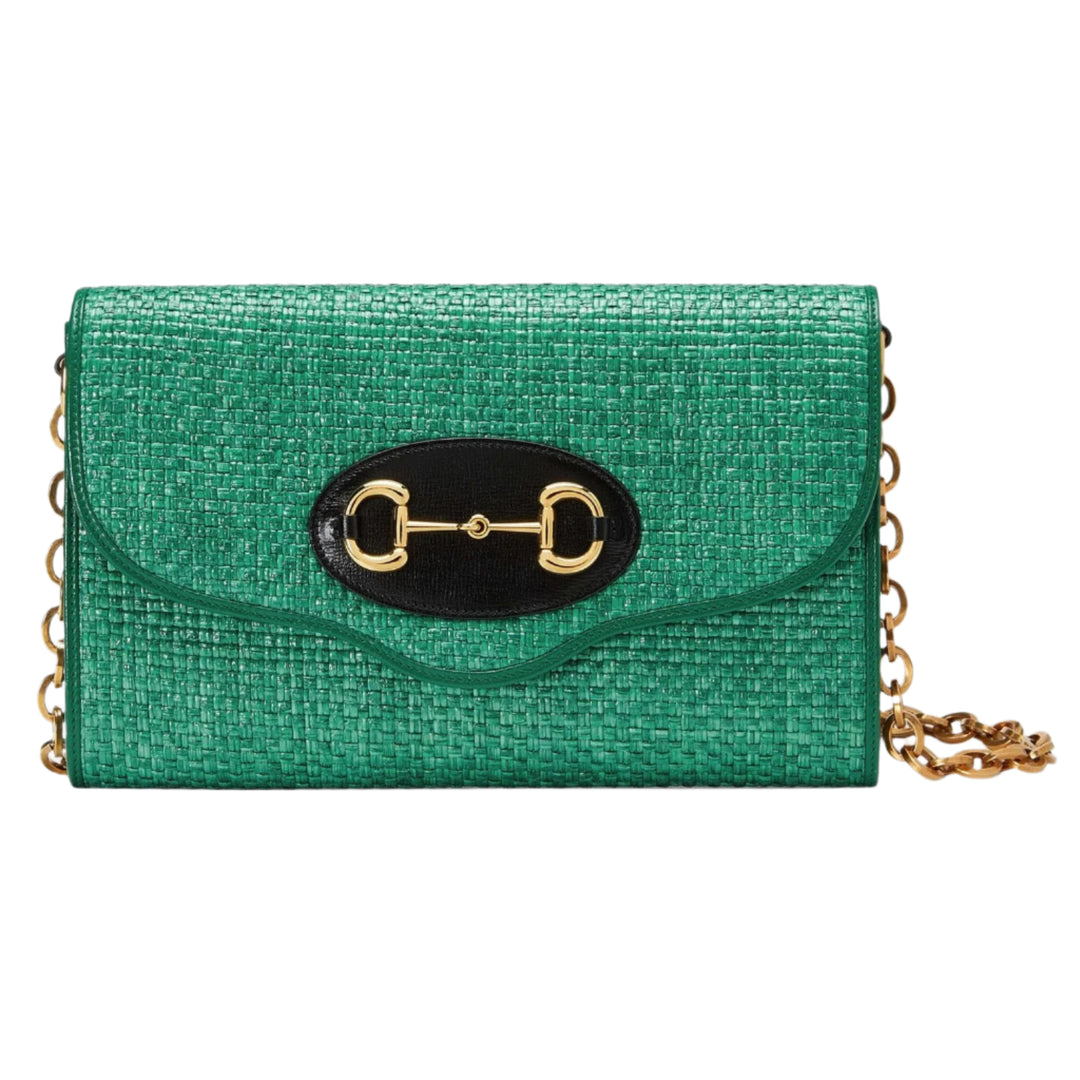
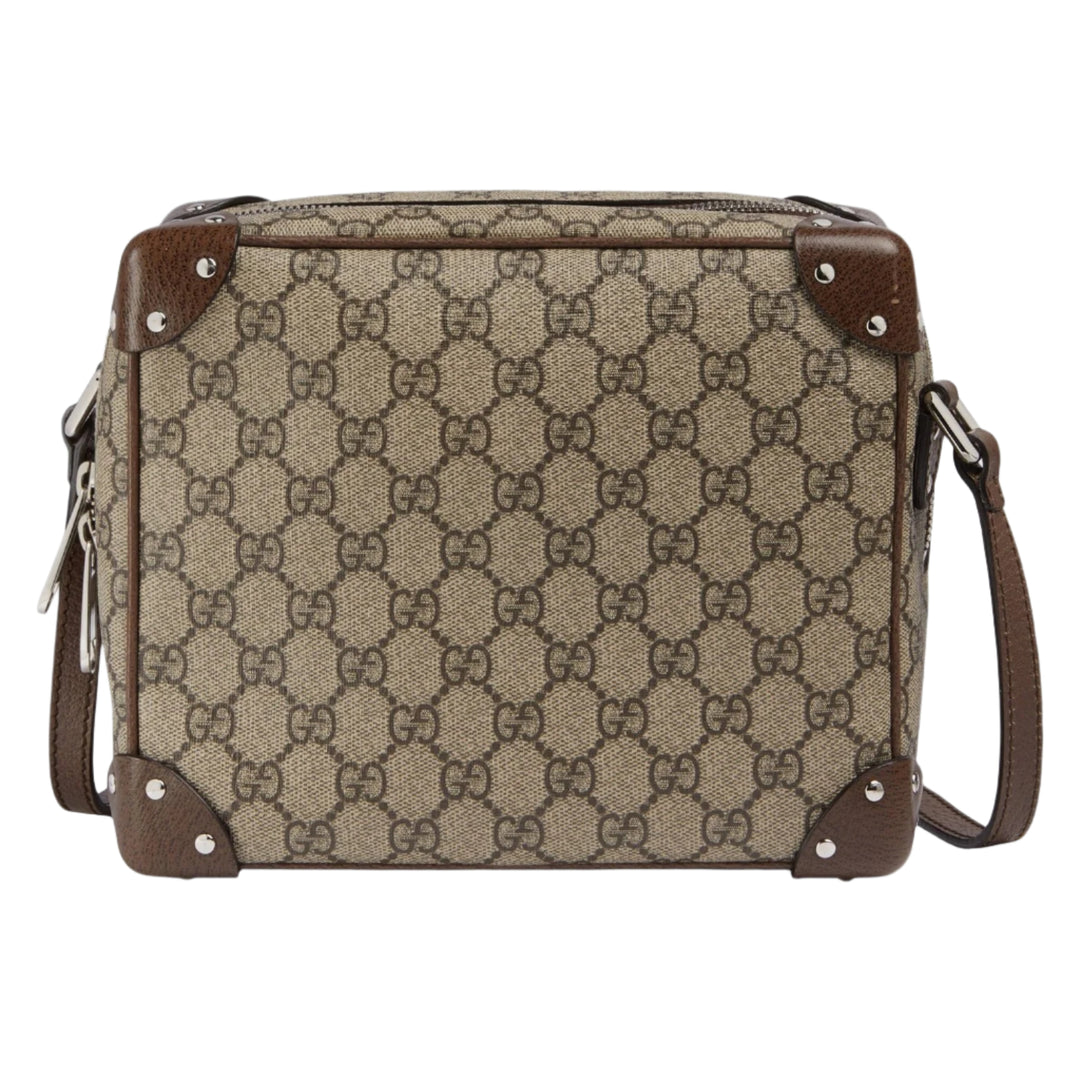
Designer Shoes
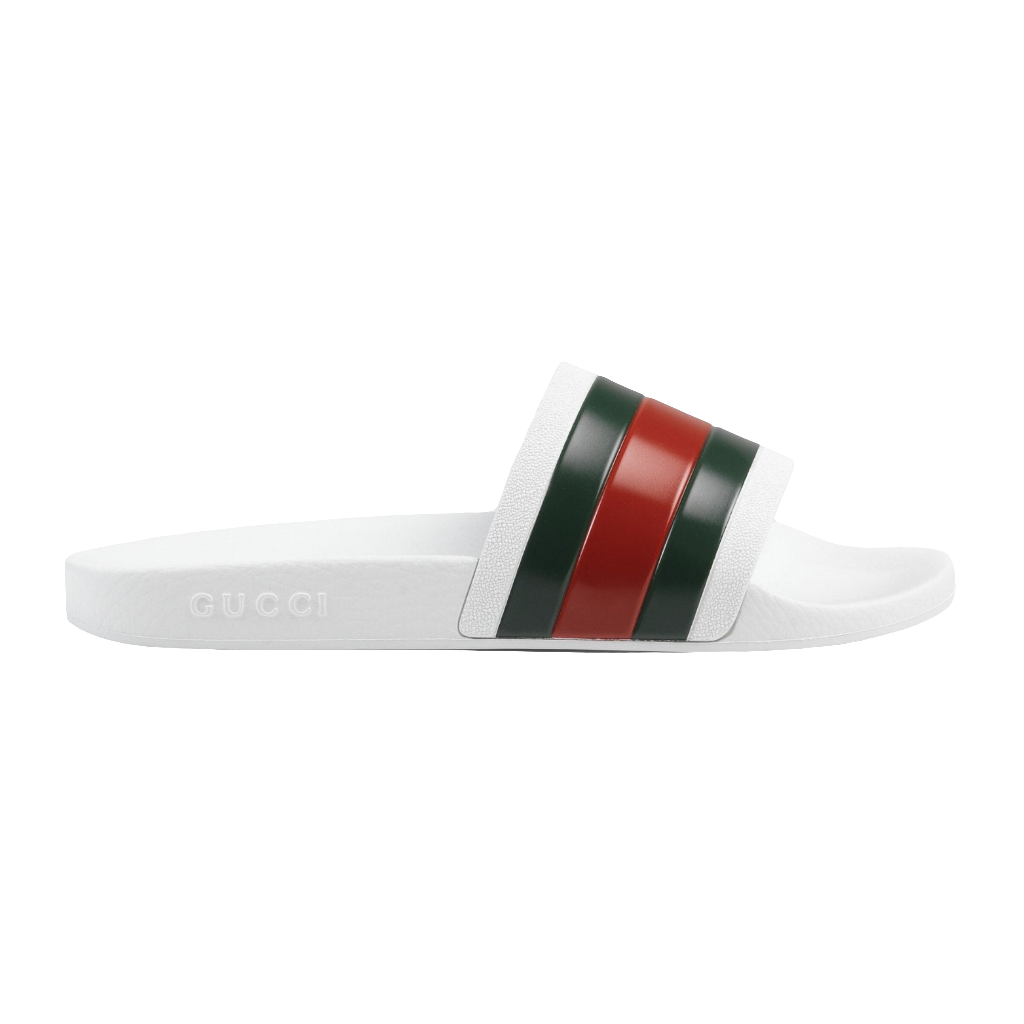
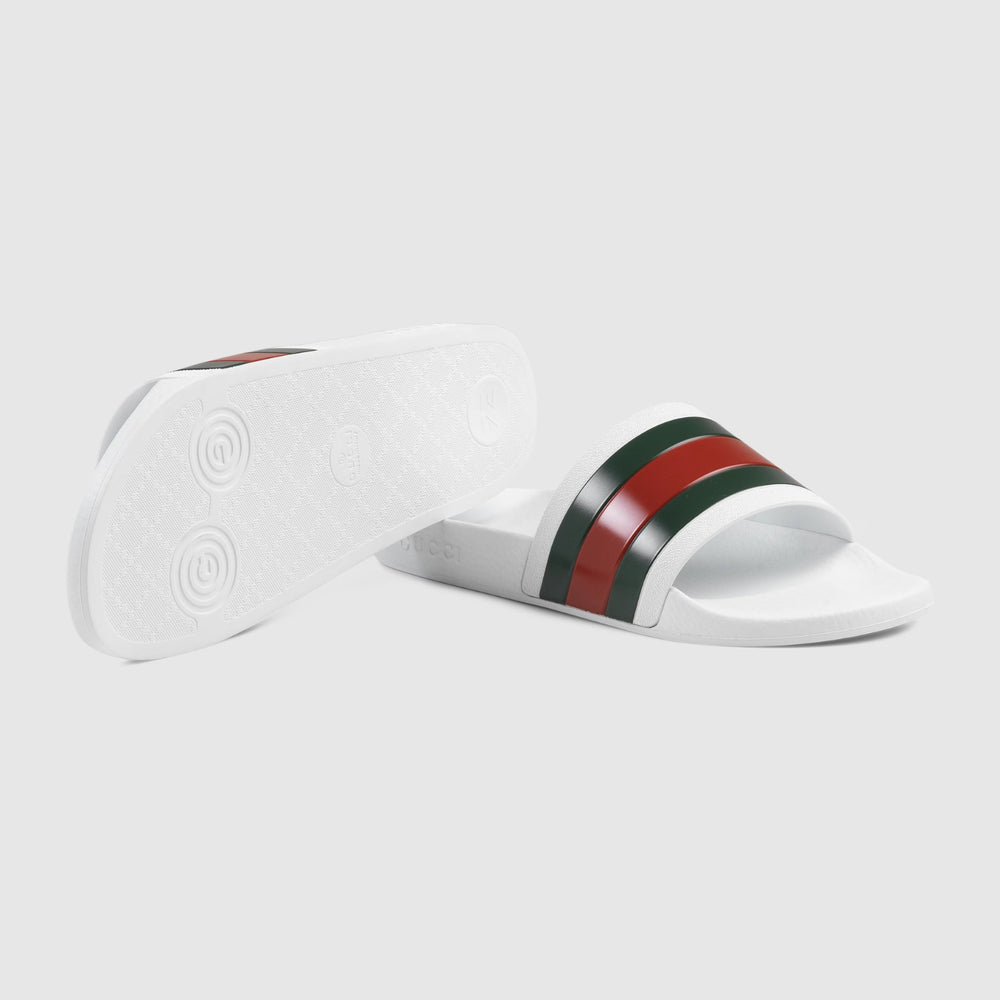
















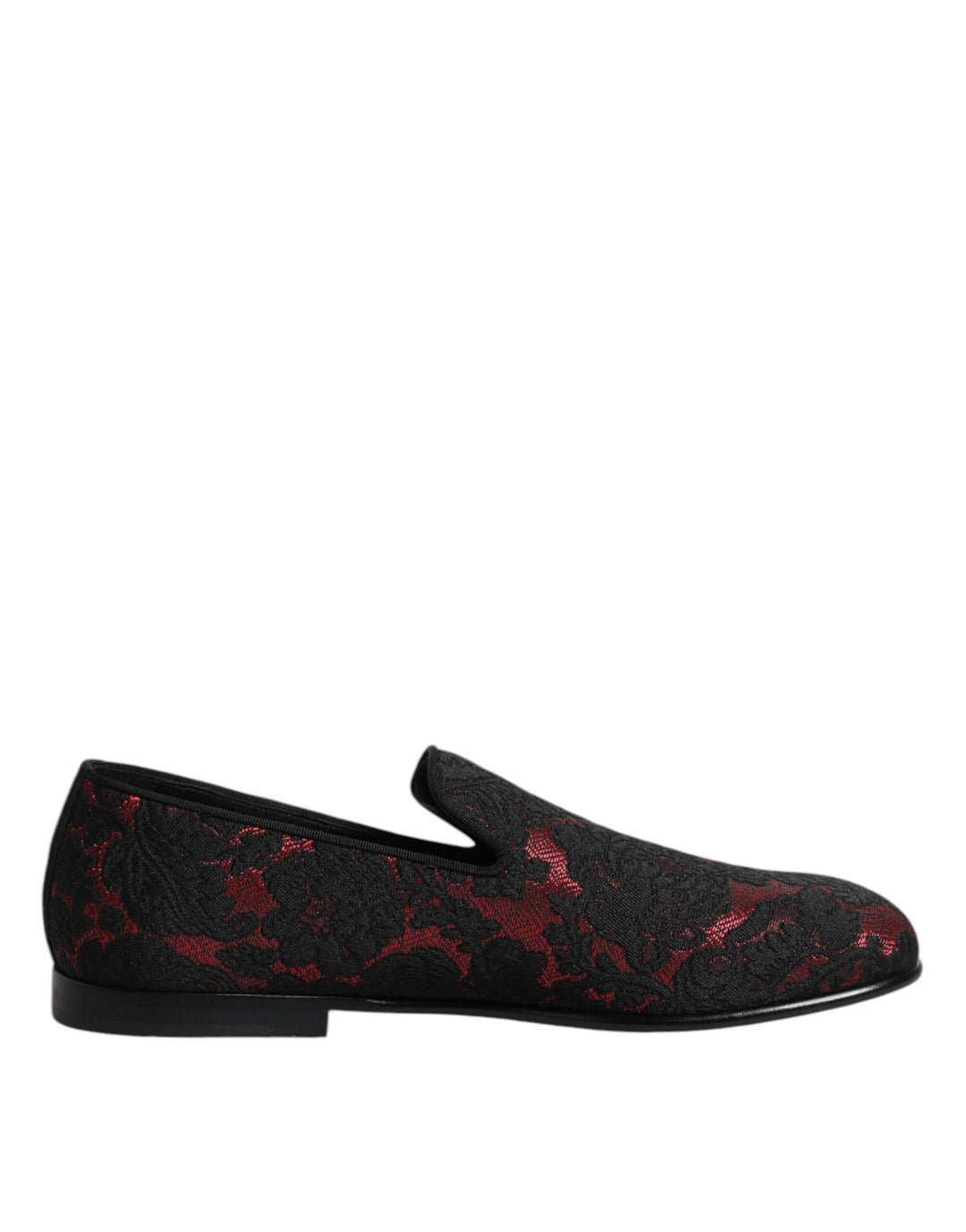
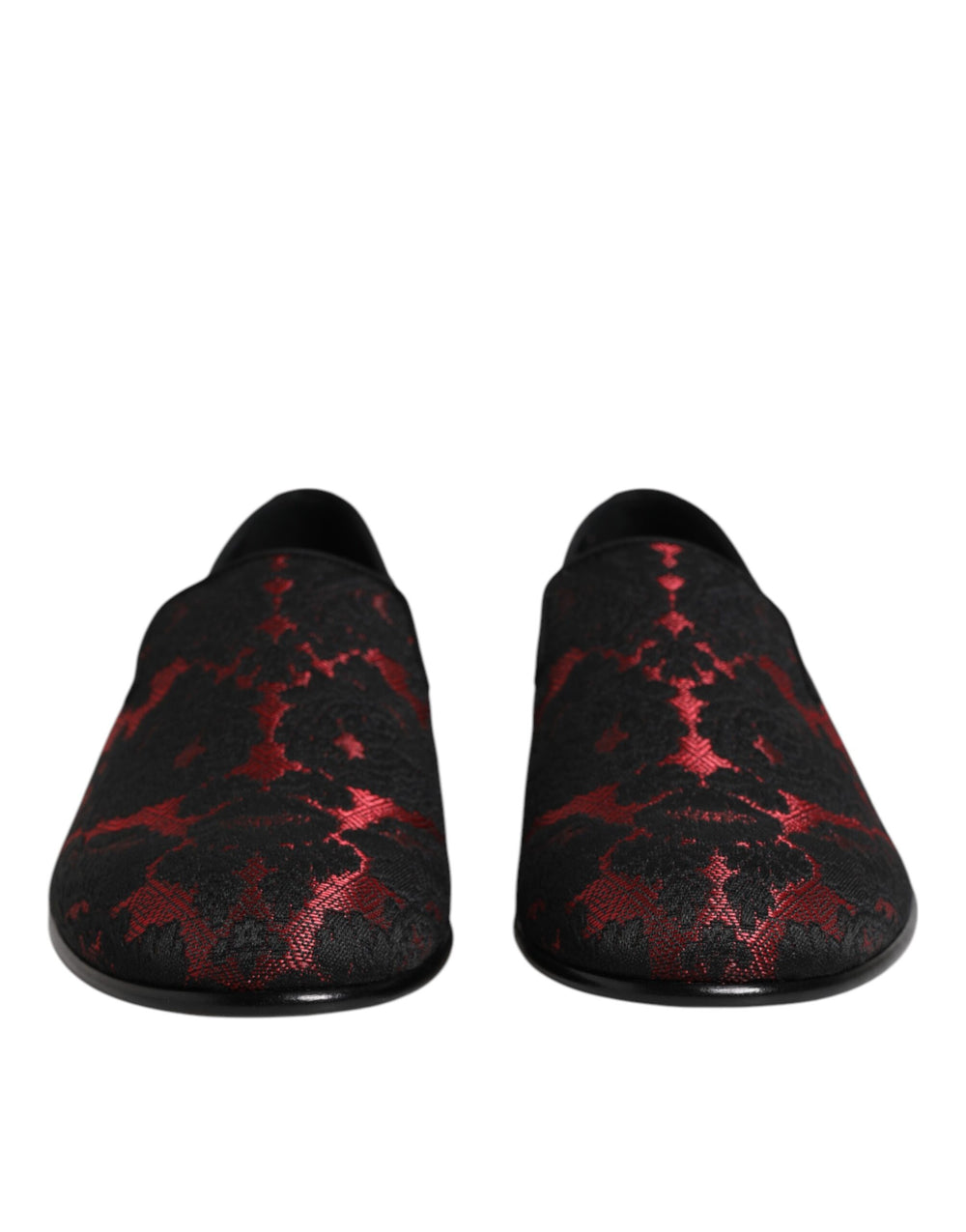
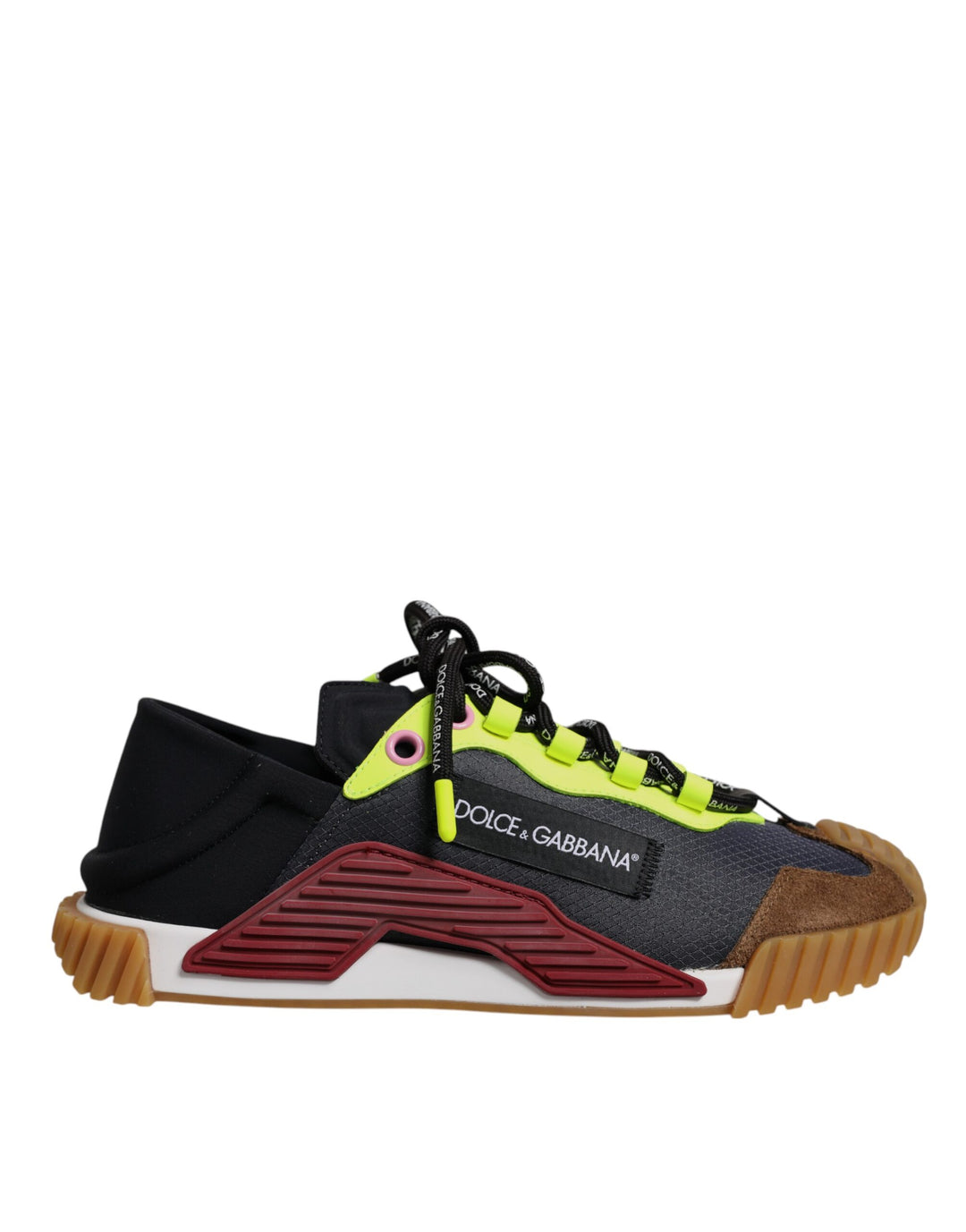
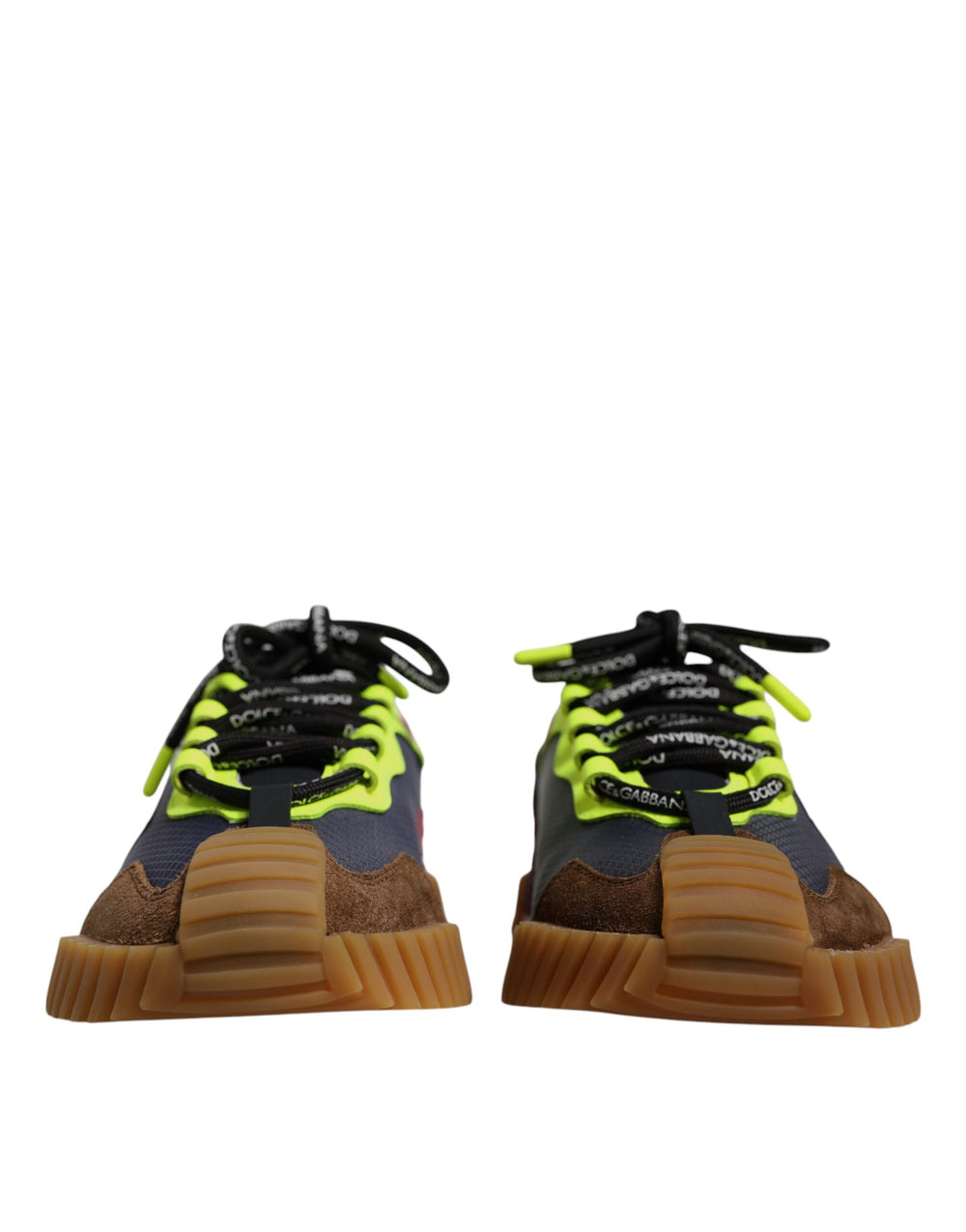












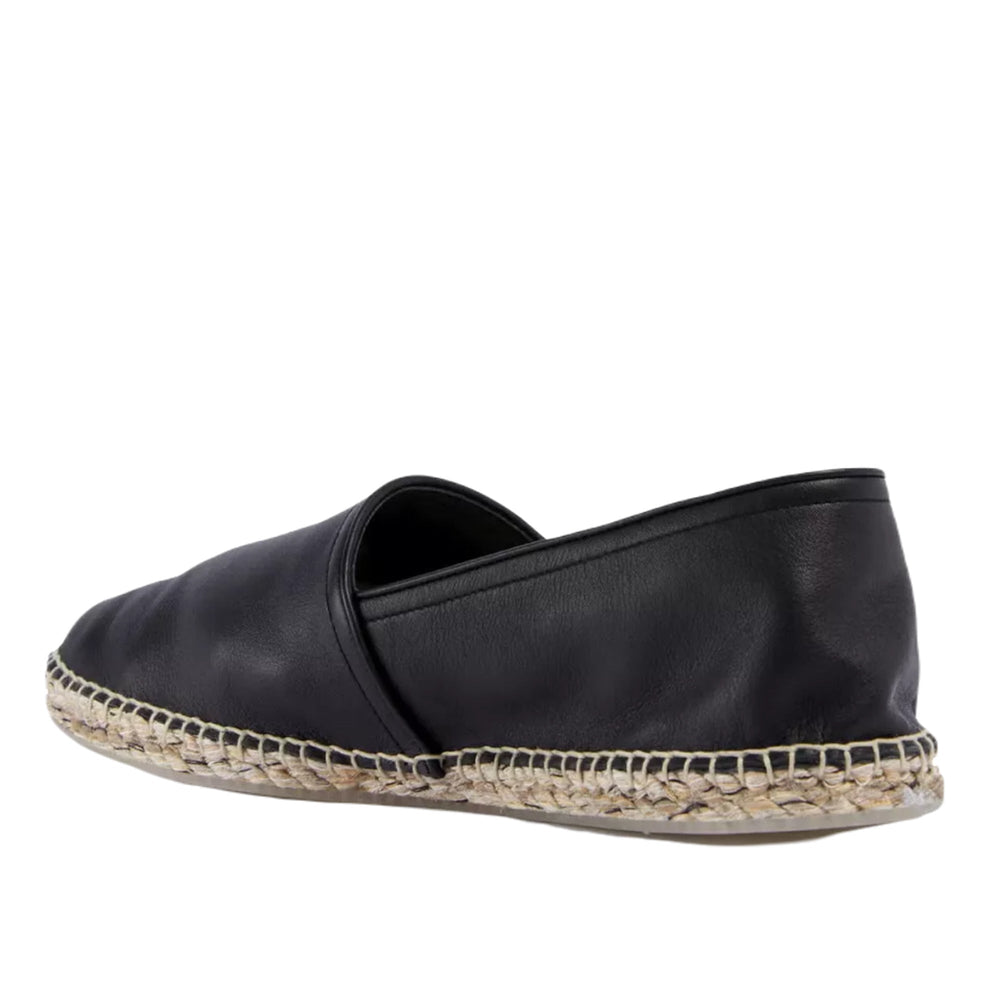
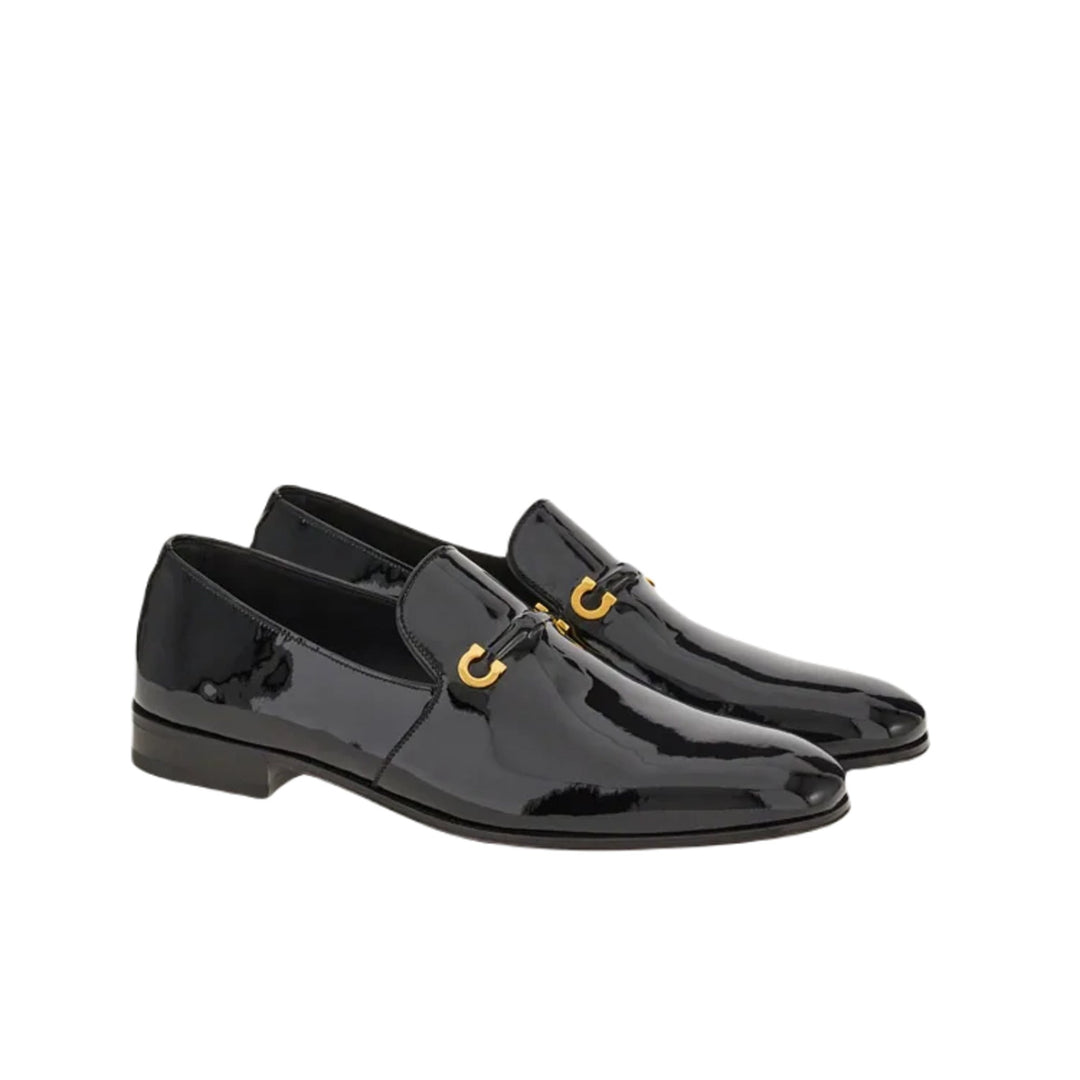


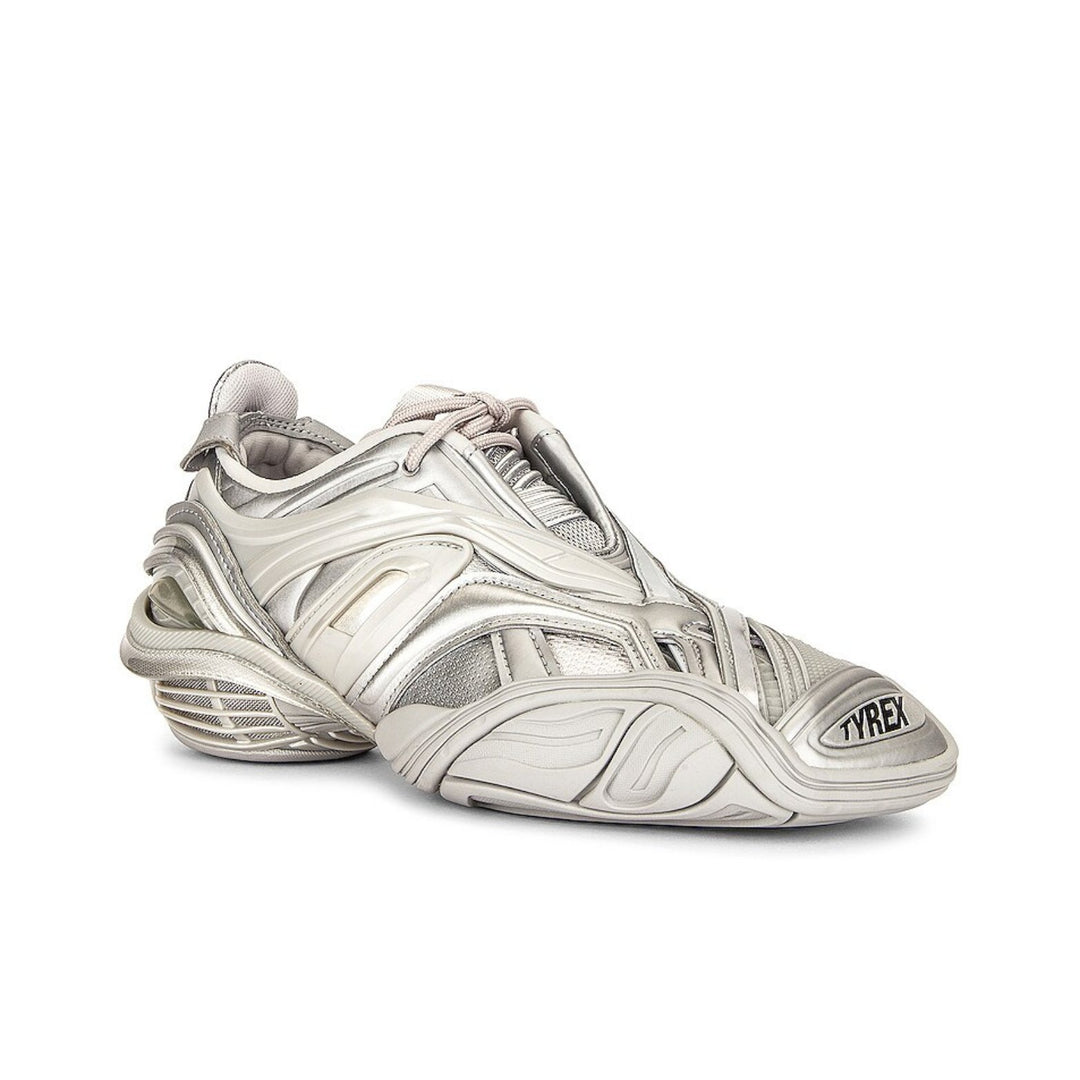


Designer Shoes on Sale: Authentic Italian Luxury Footwear at Outlet Prices
Shop authentic designer shoes on sale at AskMeWear, where Italian luxury meets real value. Whether you want Ferragamo pumps for the office, Gucci loafers for versatile styling, Prada boots for year-round wear, or contemporary designer sneakers for casual days, you will find genuine designer shoes on sale for men and women, up to 70% off retail and typically 30 to 50 percent below boutique pricing.
Unlike footwear produced specifically for some outlet-exclusive lines, the designer shoes in our collection are authentic boutique-quality pieces sourced through legitimate past-season and outlet channels. They are authentic Gucci, Prada, Ferragamo, Bottega Veneta , Saint Laurent, Dolce & amp; Gabbana, and other prestigious houses, with the same Italian craftsmanship, premium leather, and construction sold in boutiques. Every pair is 100% authentic, never a counterfeit or replica, and built to last for years of wear.
Why shop for designer shoes on sale
- Authentic Italian craftsmanship at accessible prices. Legendary Ferragamo comfort, Gucci heritage, and Prada sophistication without the full boutique price tag.
- Real savings on identical shoes. The same construction and materials are sold at full price in designer boutiques, at outlet prices instead.
- Investment quality for less. Italian shoes that last for years deliver a far better cost per wear than cheap alternatives that need replacing every season.
- Men's and women's, every category. Pumps, loafers, boots, sneakers, flats, and sandals across brands, so you can build a complete designer shoe wardrobe.
Why Italian craftsmanship matters
Italian luxury footwear is known for premium calfskin, precise hand-finished construction, and shoemaking traditions refined over centuries in regions like Tuscany and the Veneto. Because these shoes are built rather than simply glued together, most can be resoled and repaired by a good cobbler instead of thrown away, which is a large part of why a quality Italian pair often stays in a wardrobe for a decade or more. That combination of premium materials, expert construction, and repairability is what separates genuine designer footwear from disposable fast fashion, and it is exactly what you are buying on sale here.
Designer shoes on sale by category
Women's designer shoes on sale
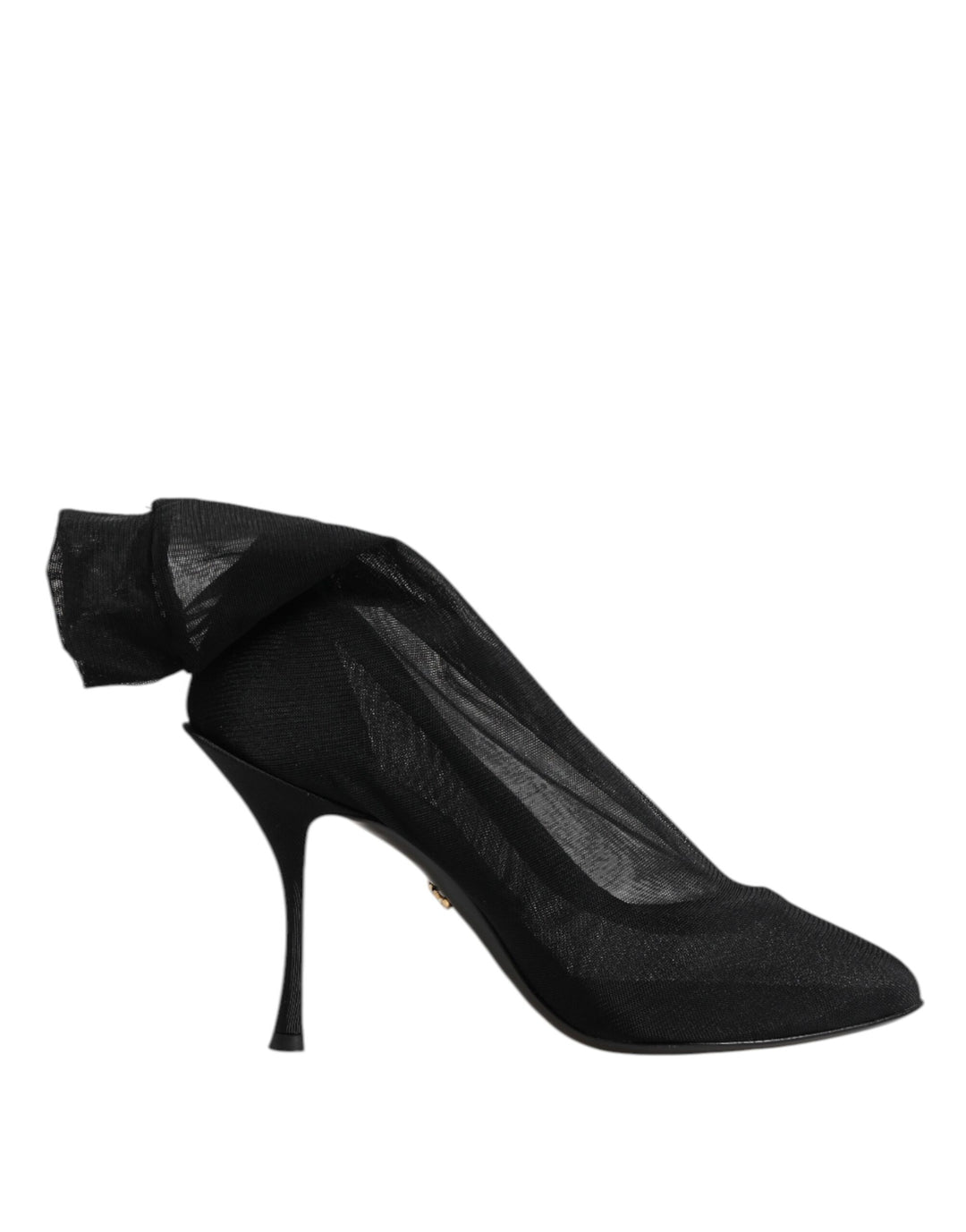
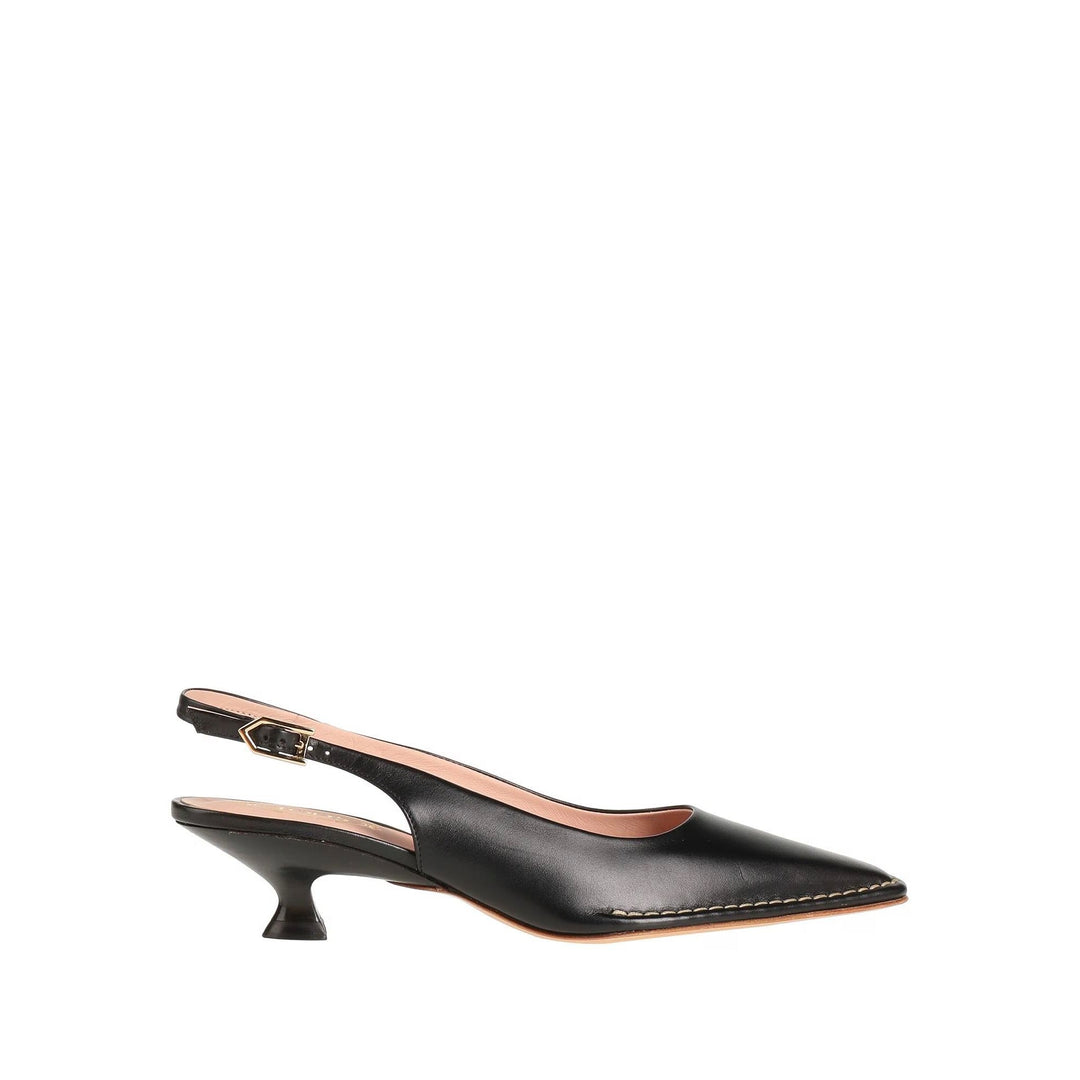
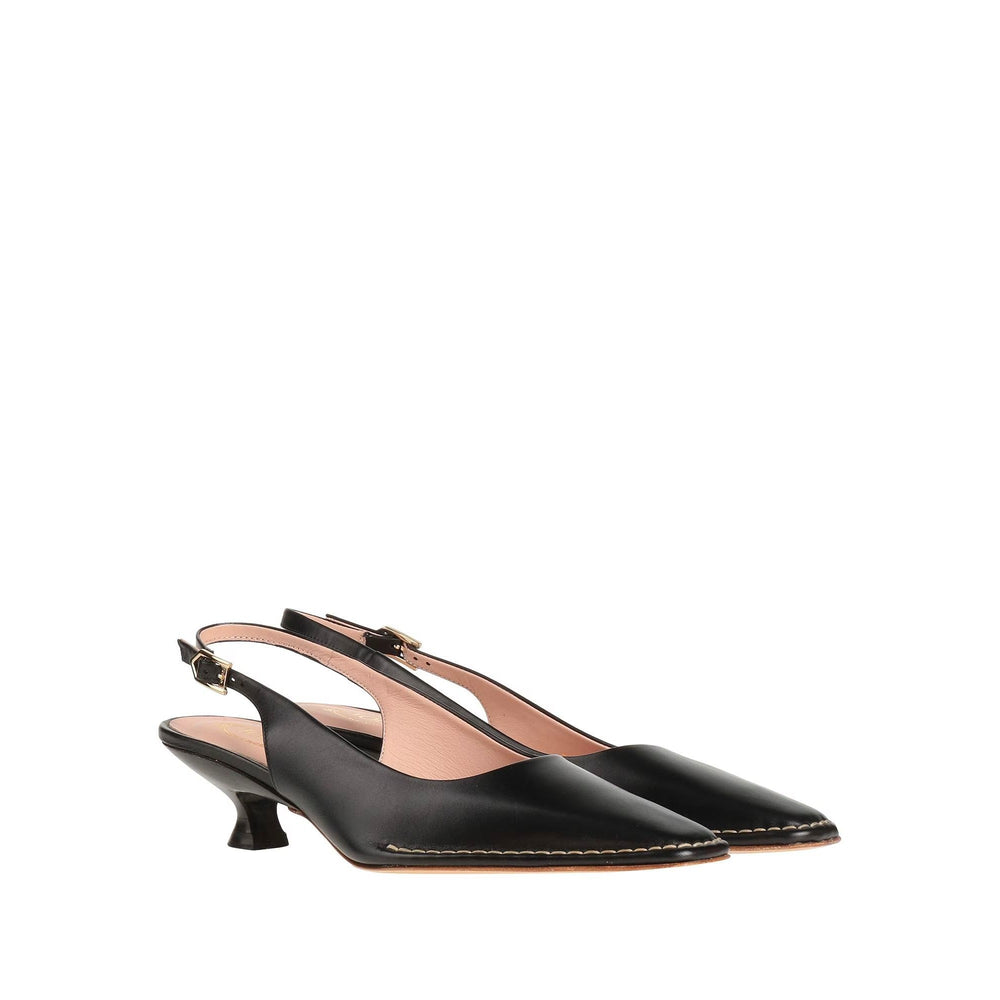
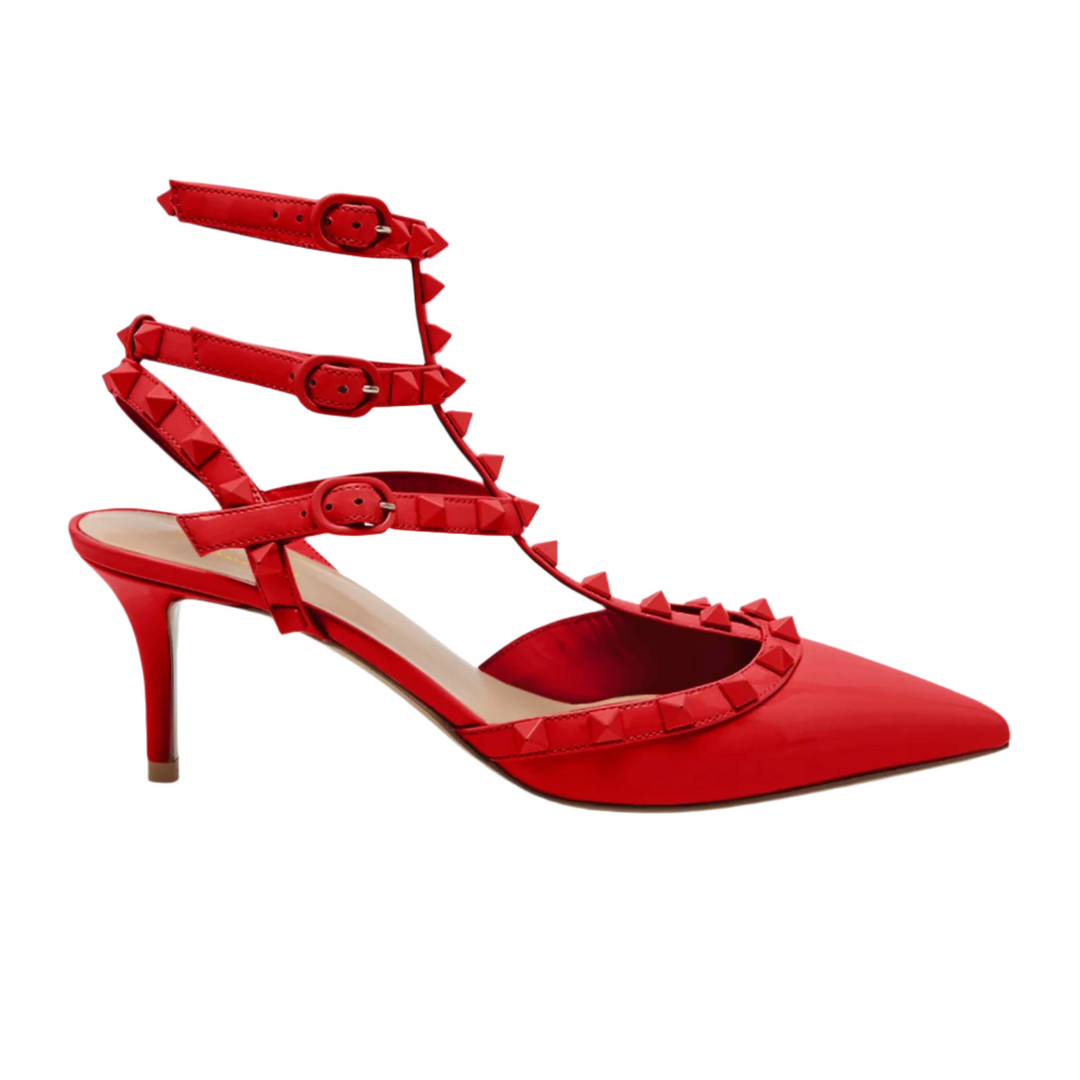
Designer pumps and heels ($400 to $900). Ferragamo Vara pumps, Prada Saffiano heels, and Saint Laurent styles that pair professional polish with Italian comfort. Originally $800 to $1,500.
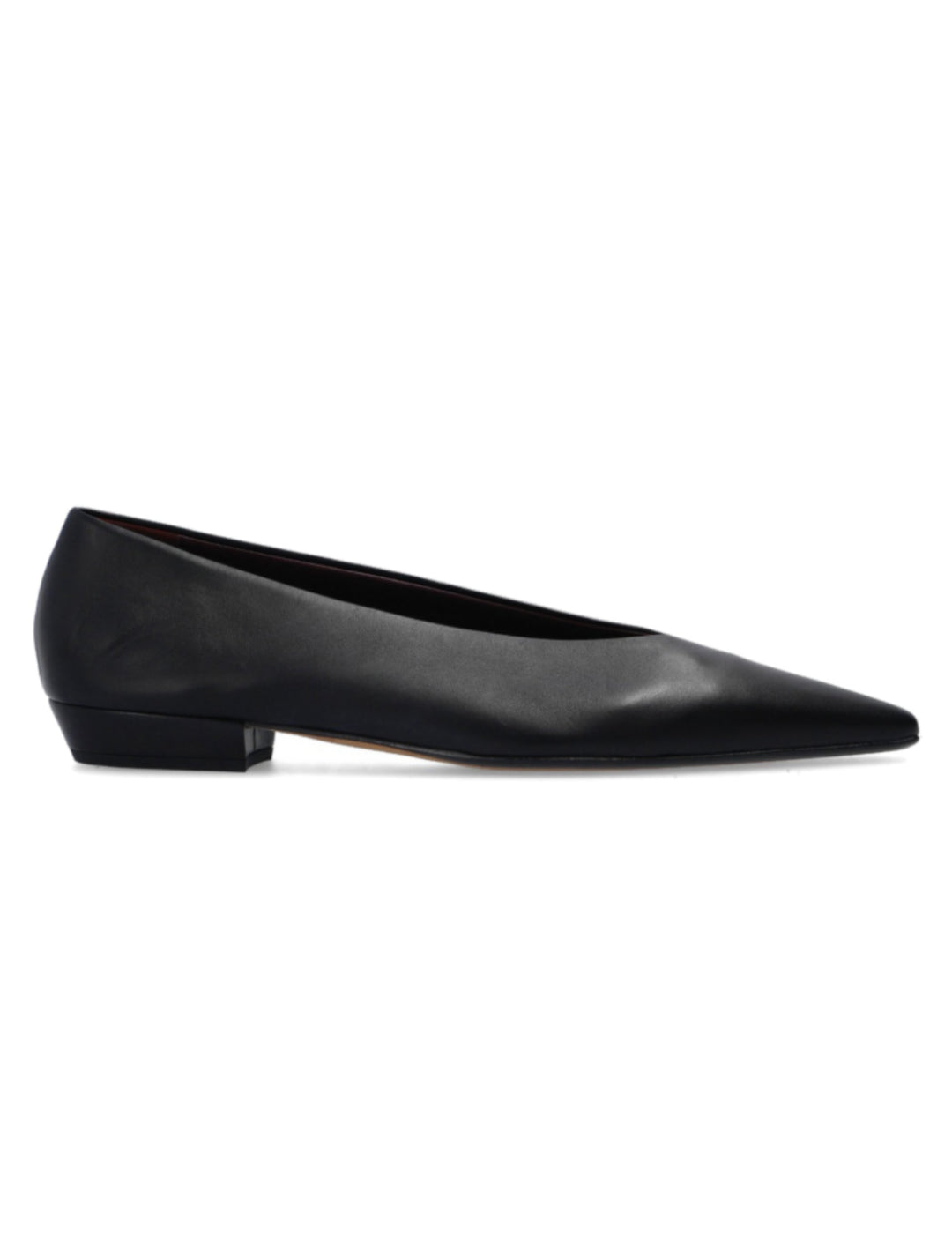
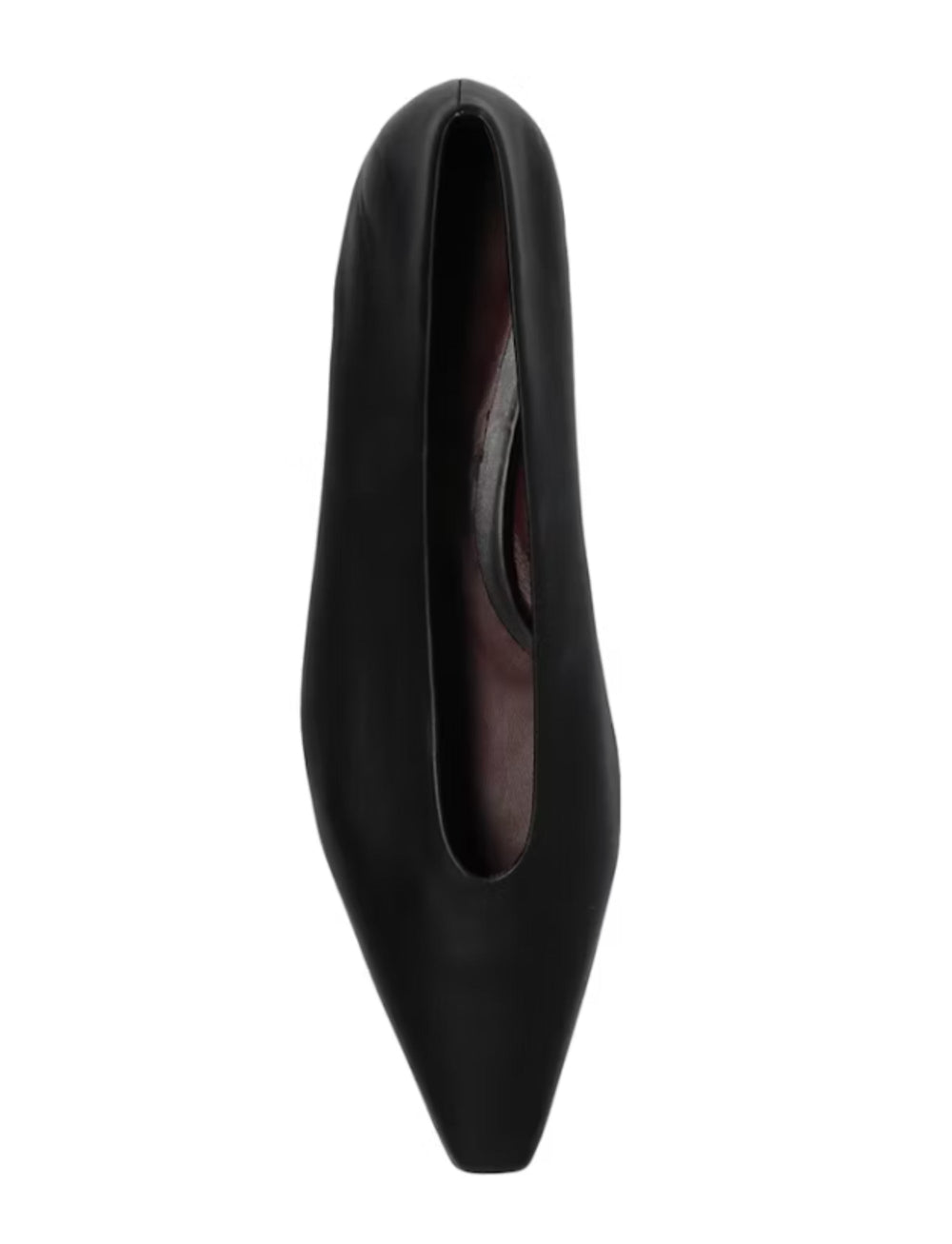
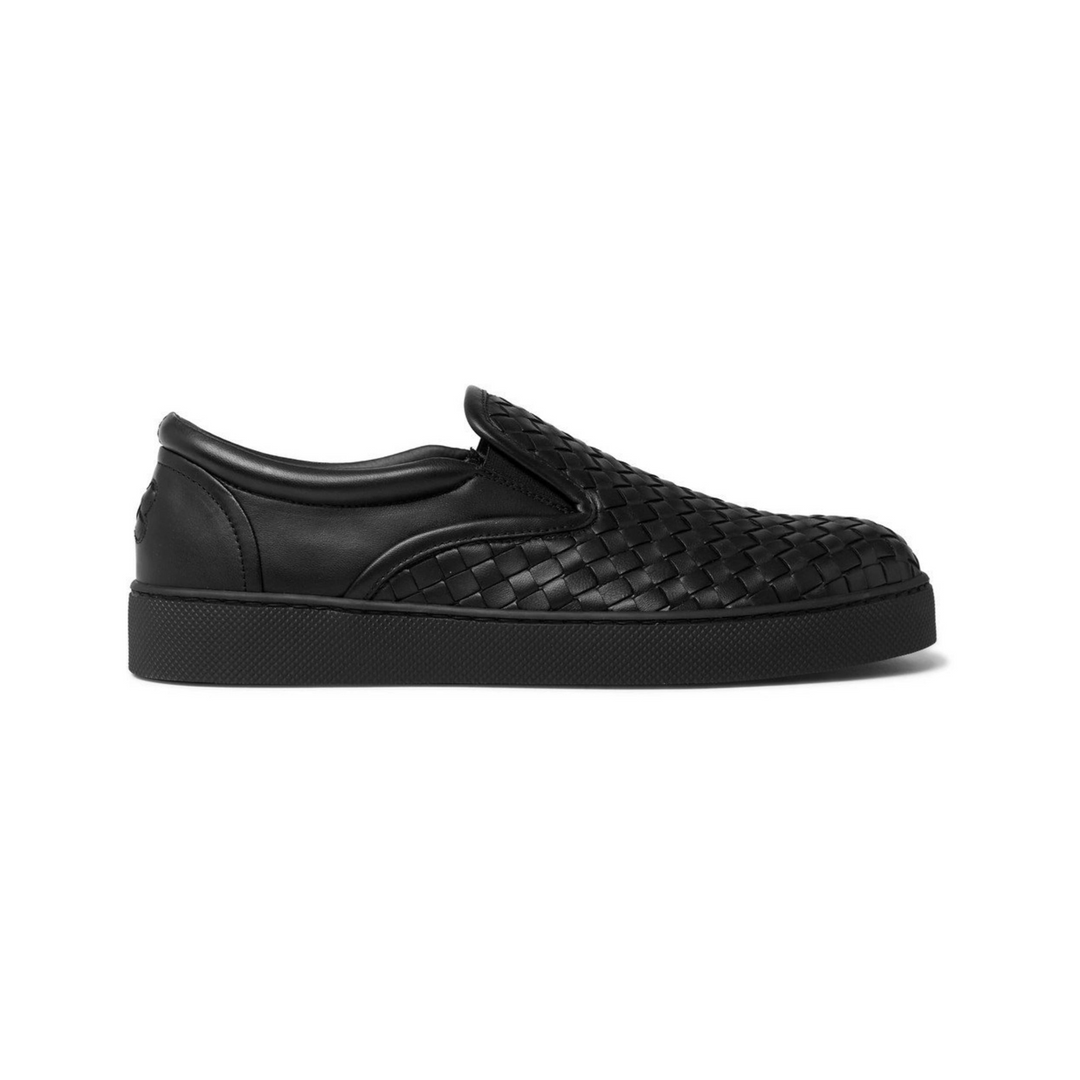
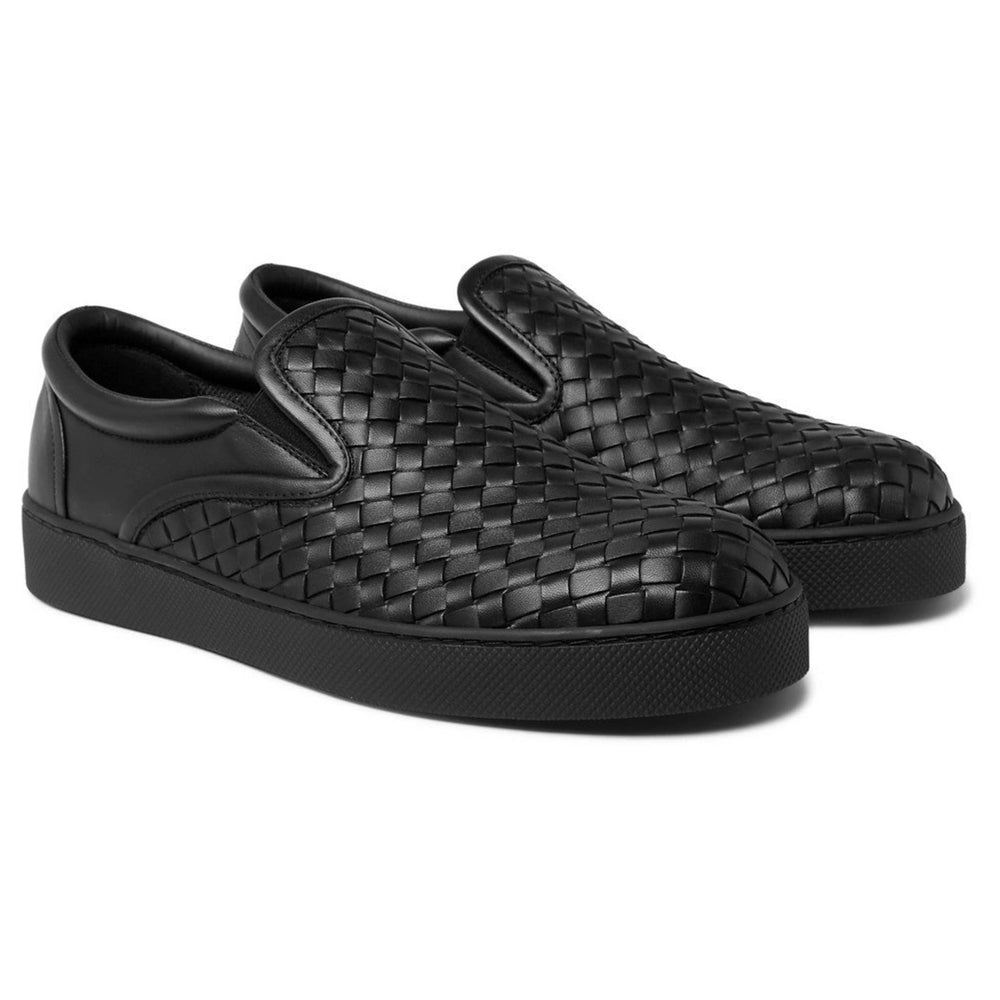
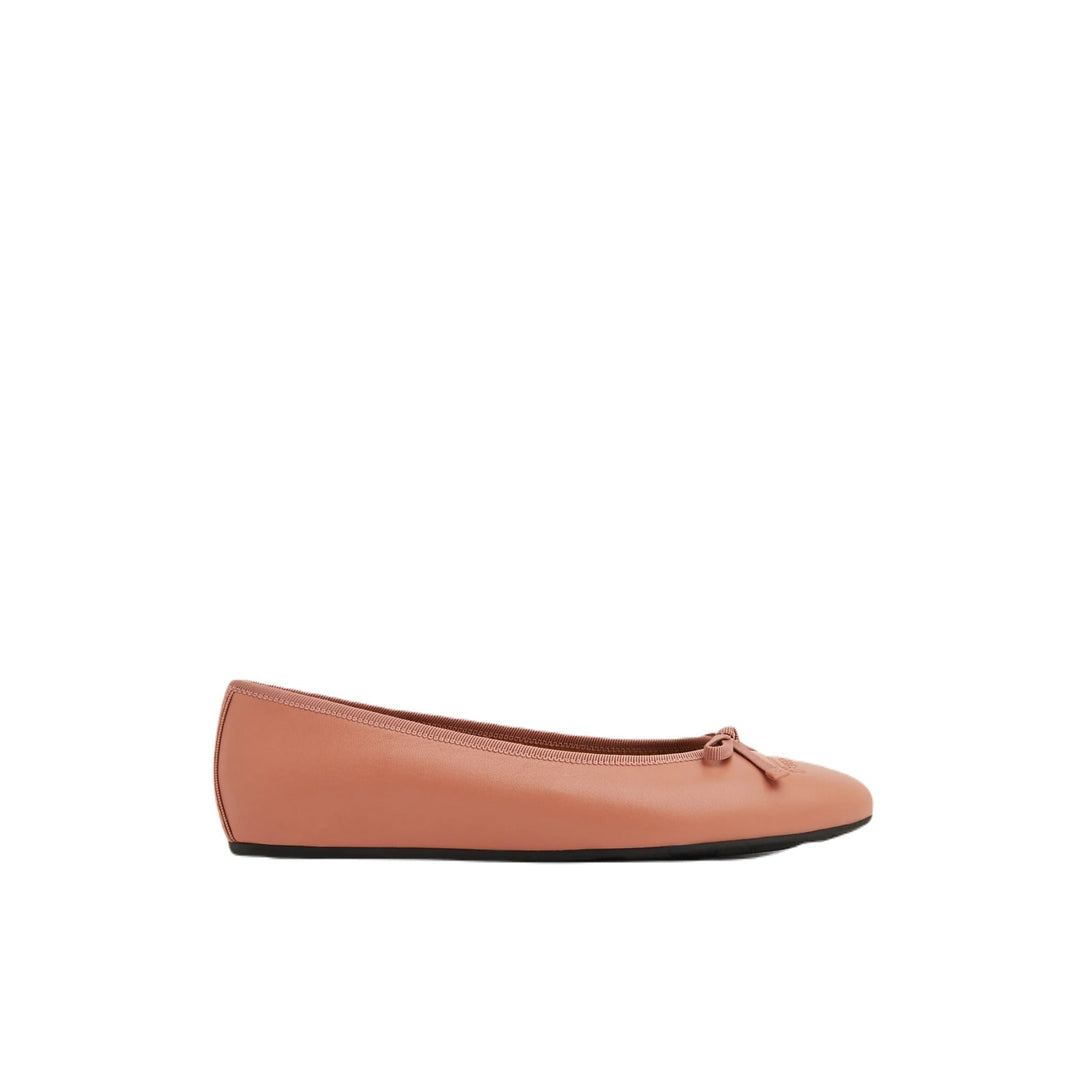
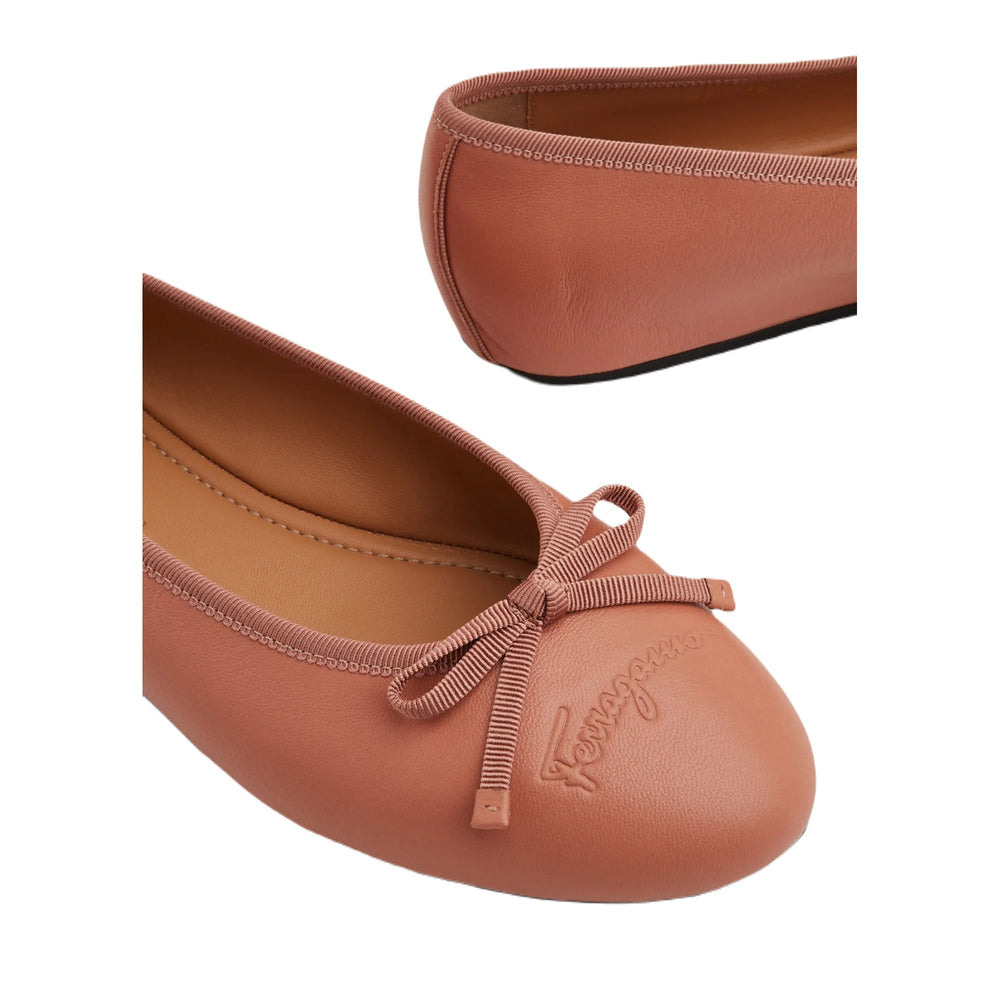
Designer flats ($300 to $700). Ferragamo Varina ballet flats, Prada leather flats, and Bottega Veneta Intrecciato woven styles. Daily comfort that still reads as luxury.
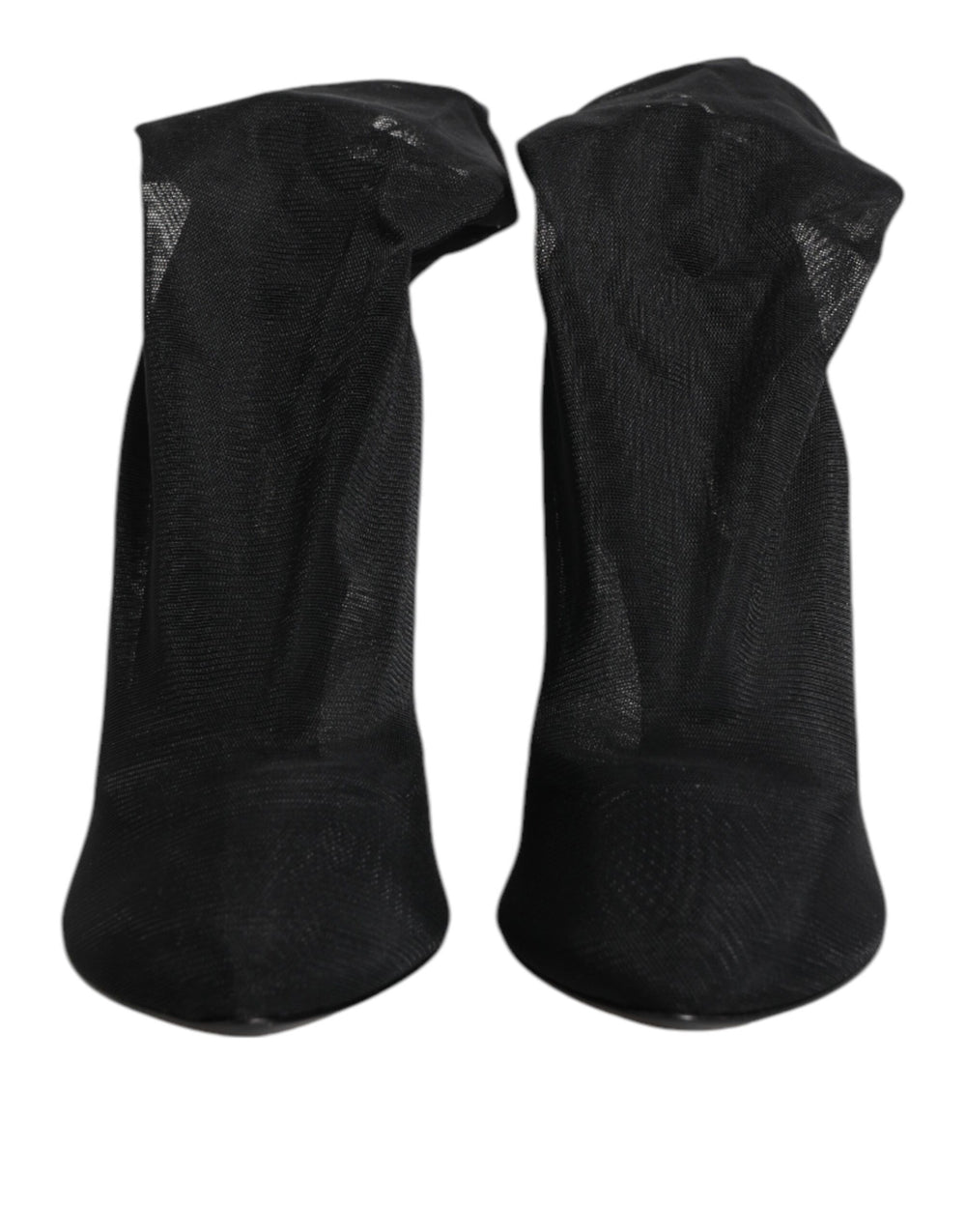
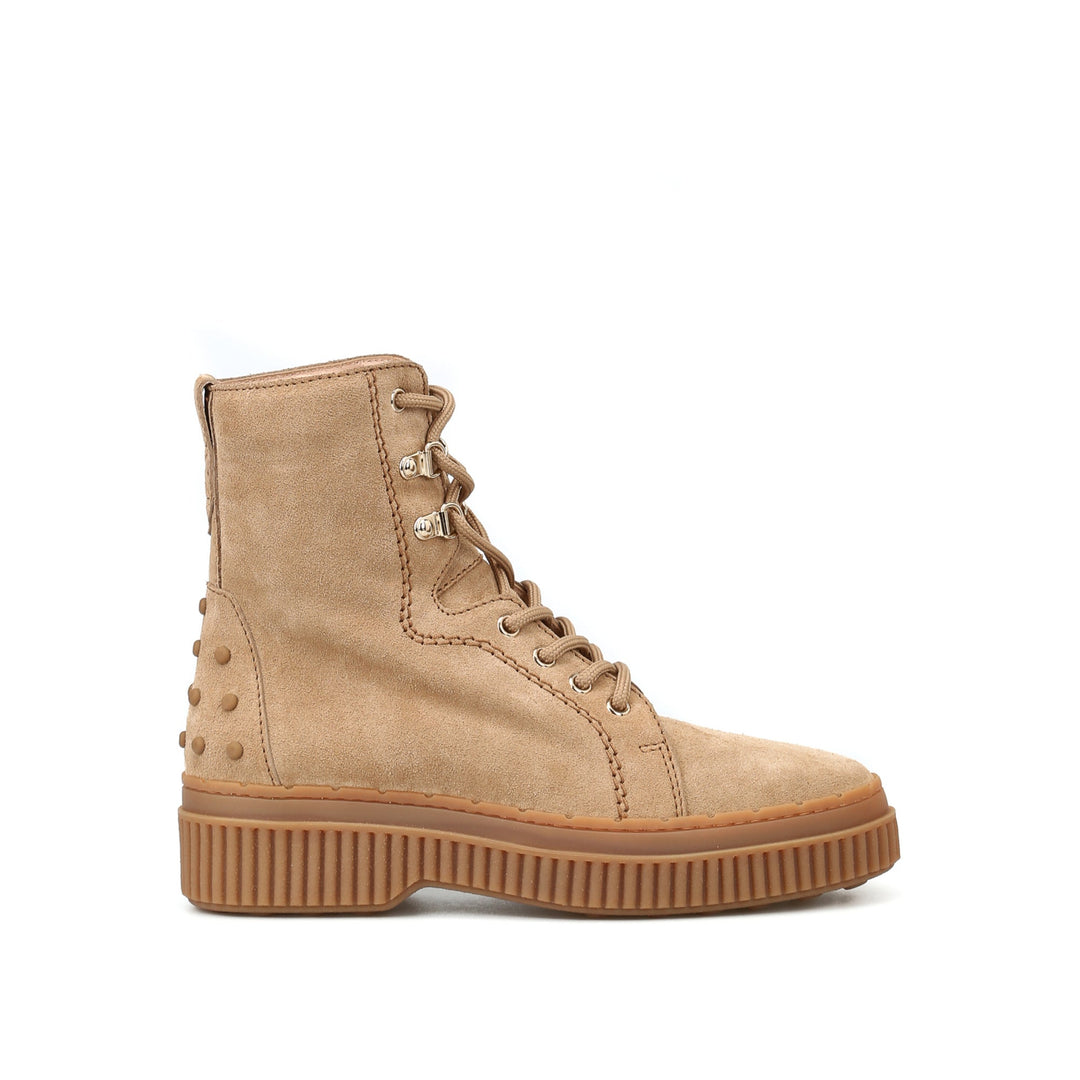
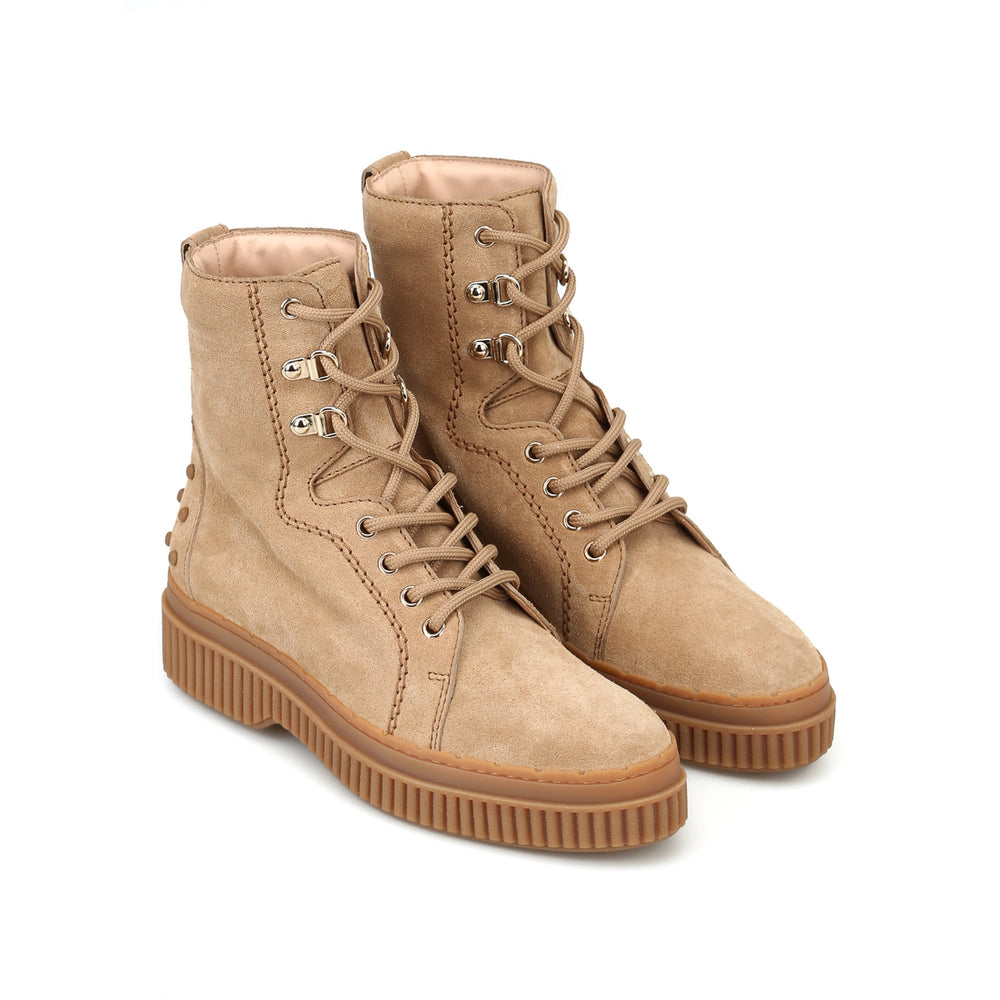
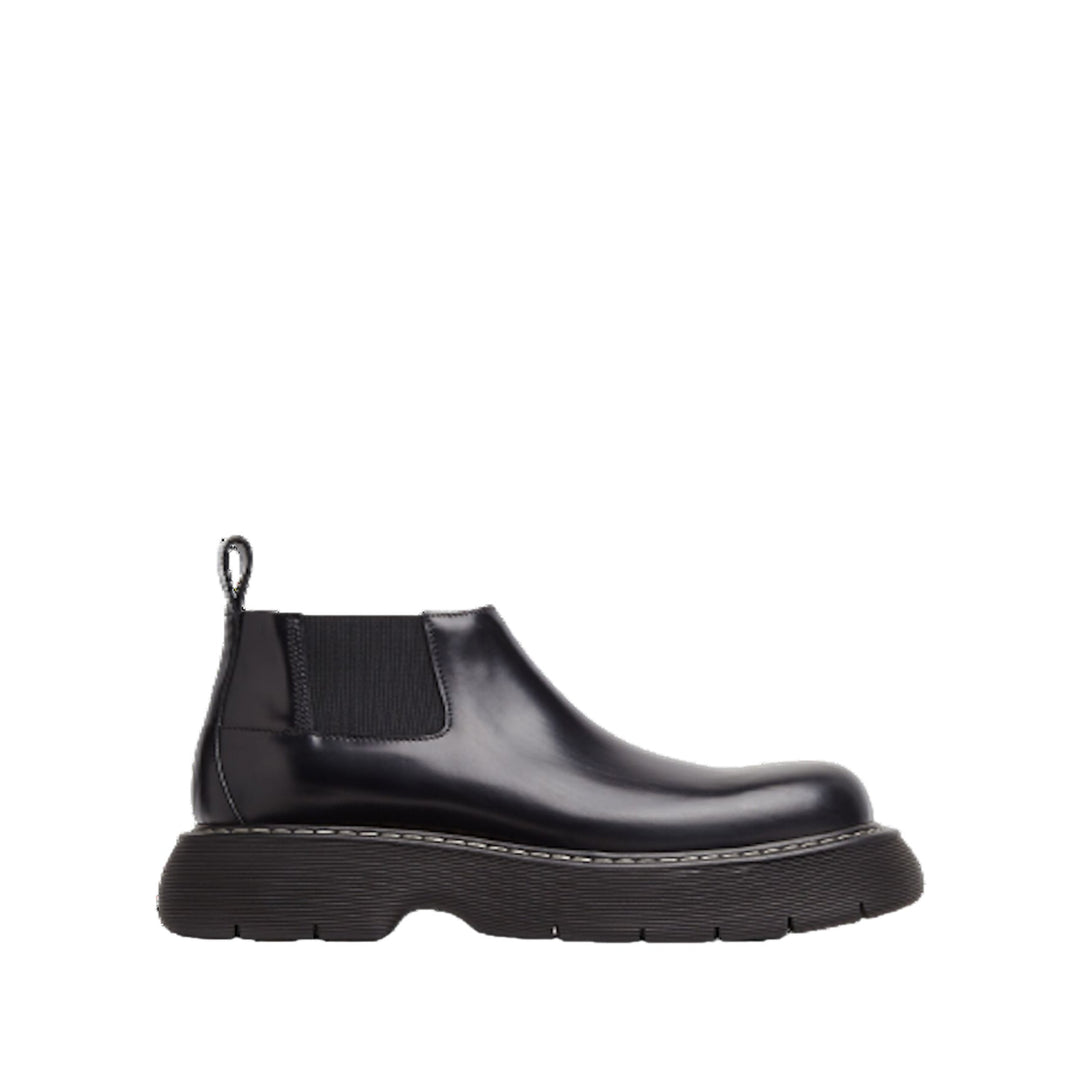
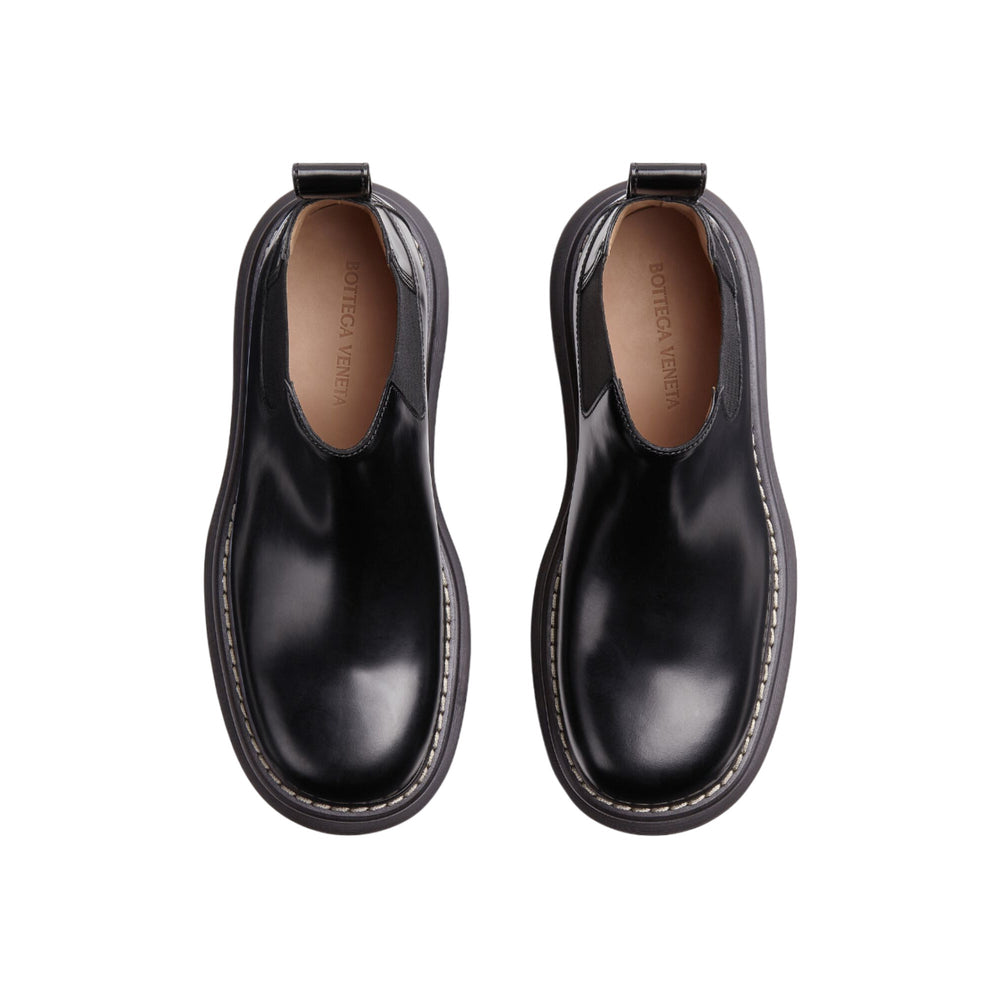
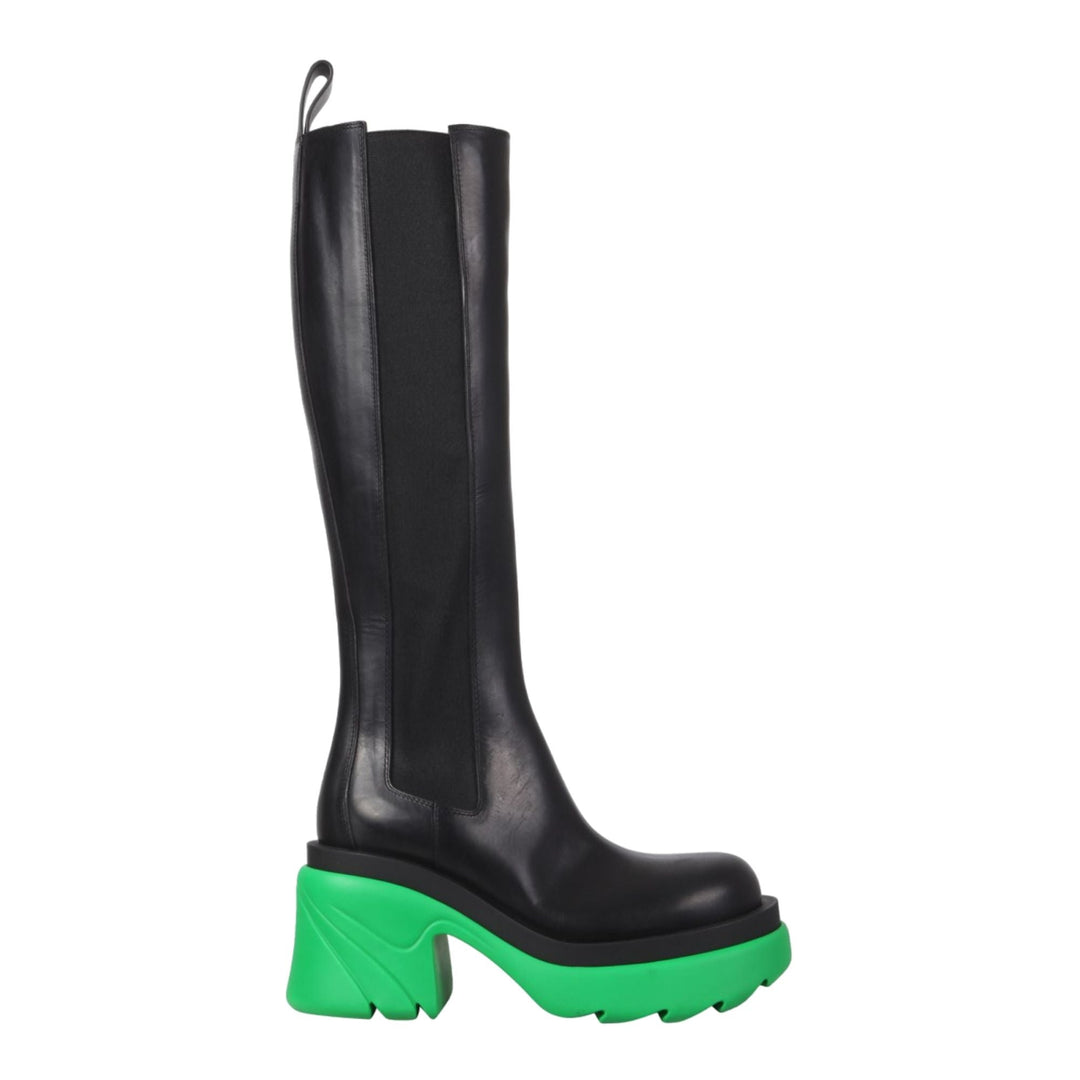
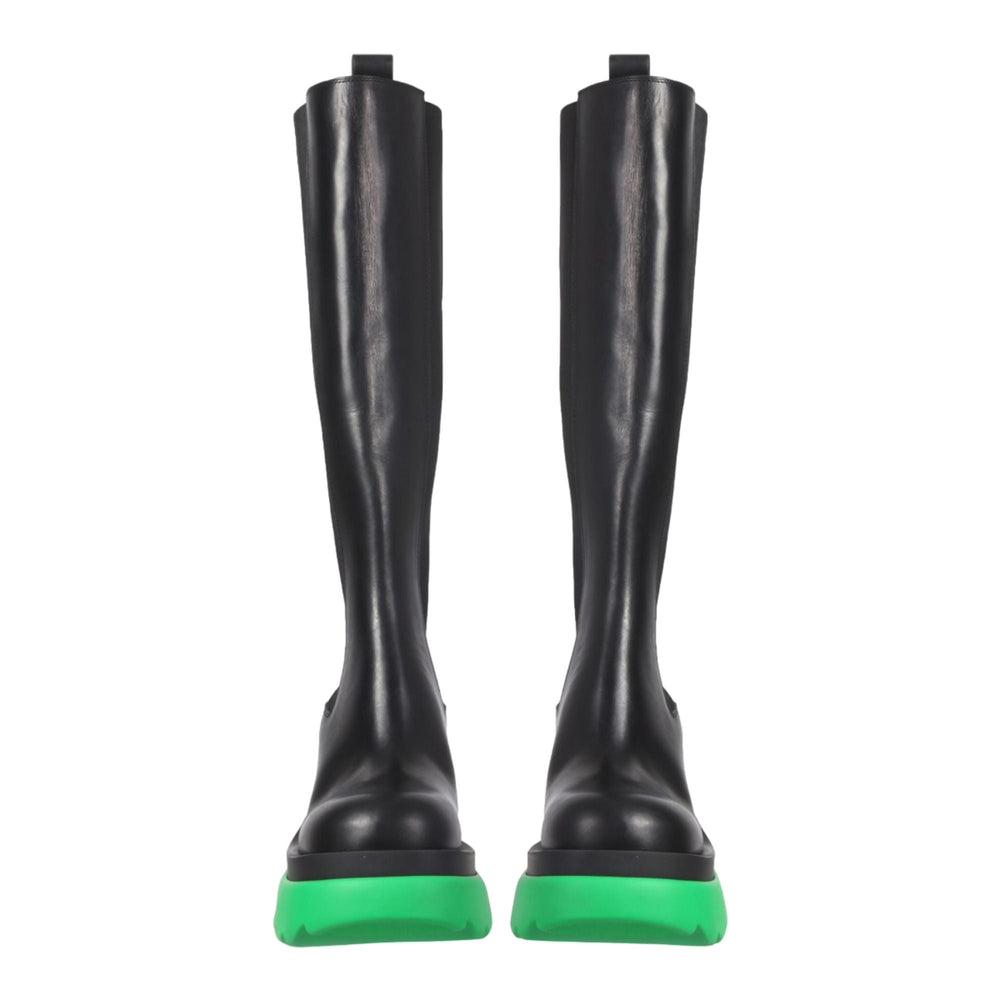
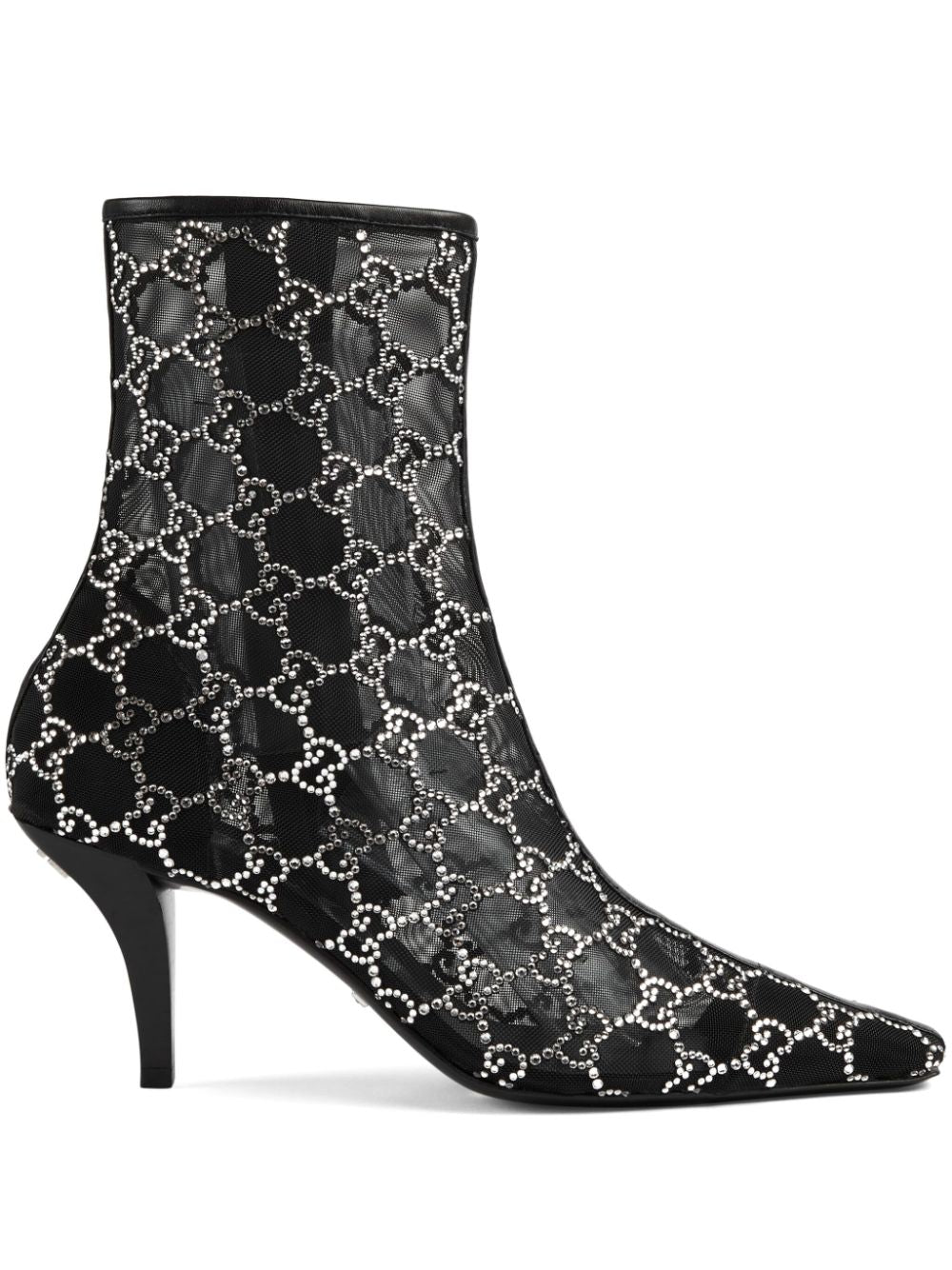
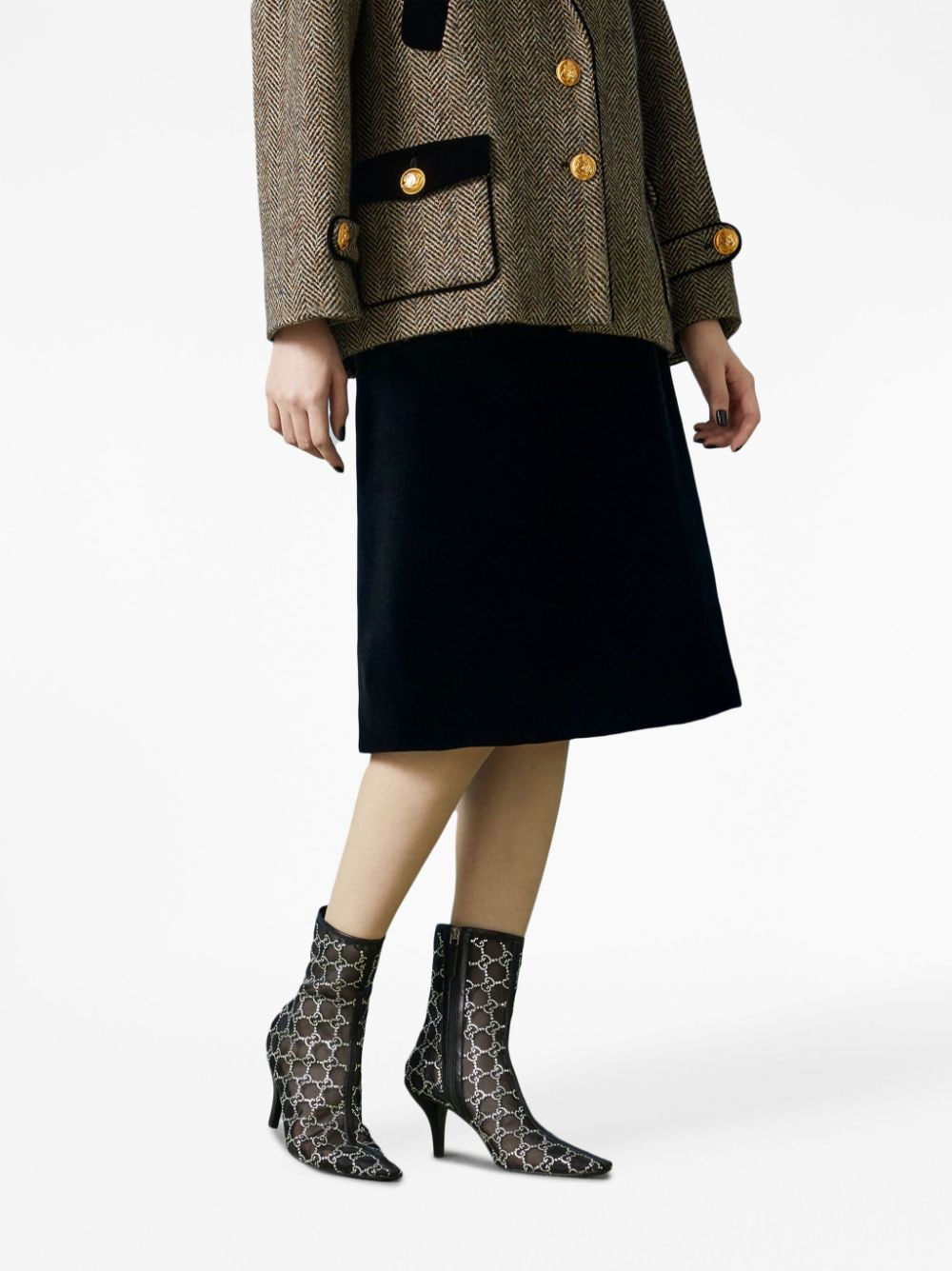
Designer Boots On Sale ($500 to $999). Leather ankle boots, knee-high styles, Chelsea boots, and quality suede, built with Italian construction for multiple seasons.
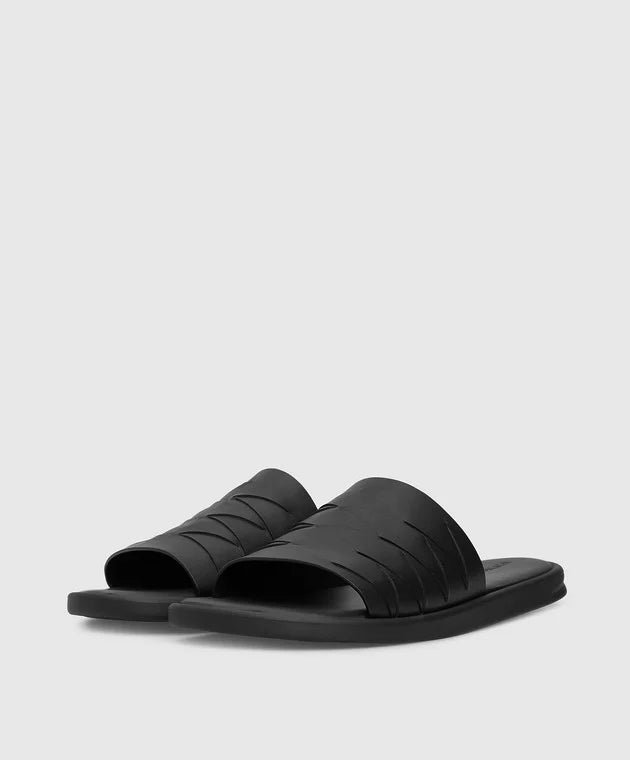
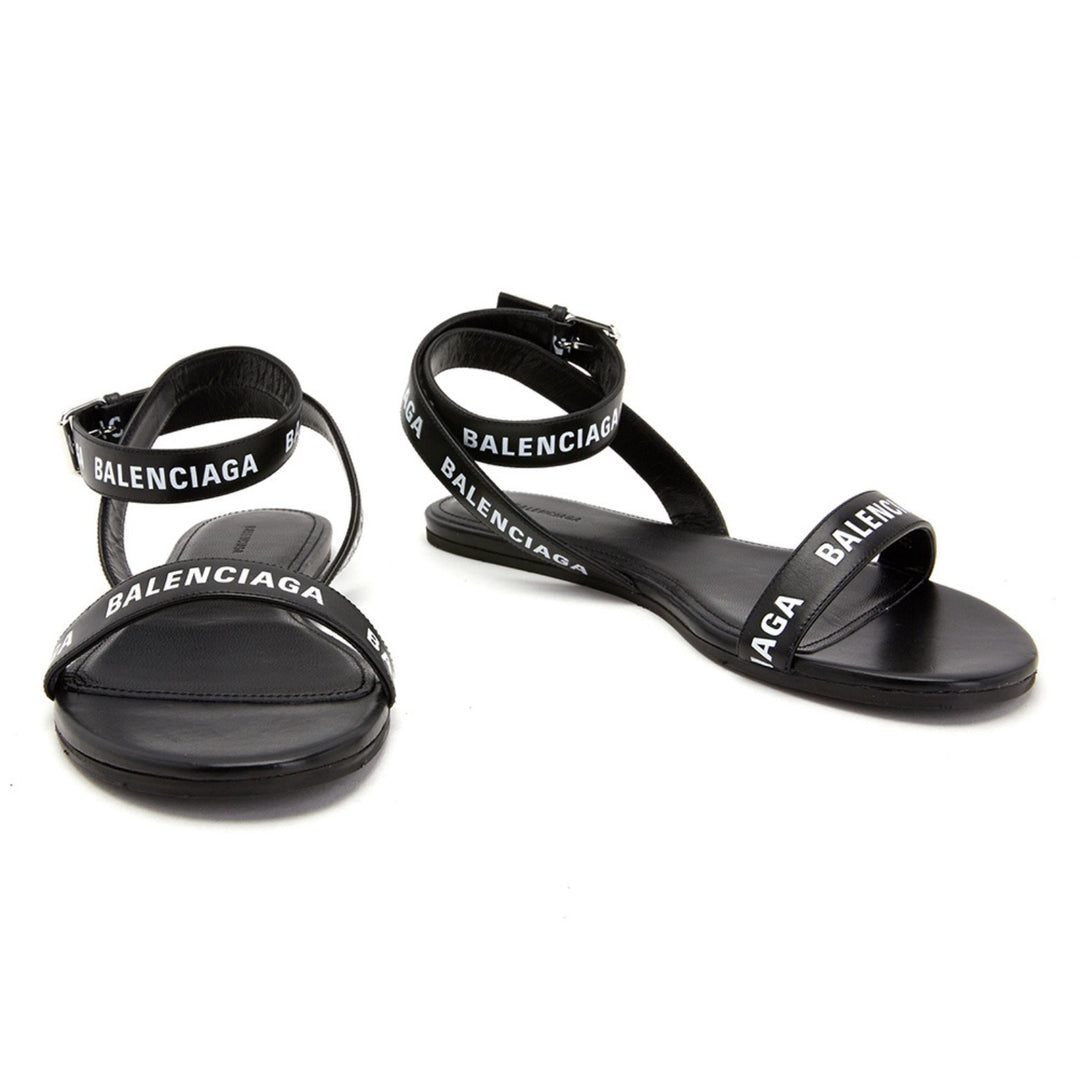
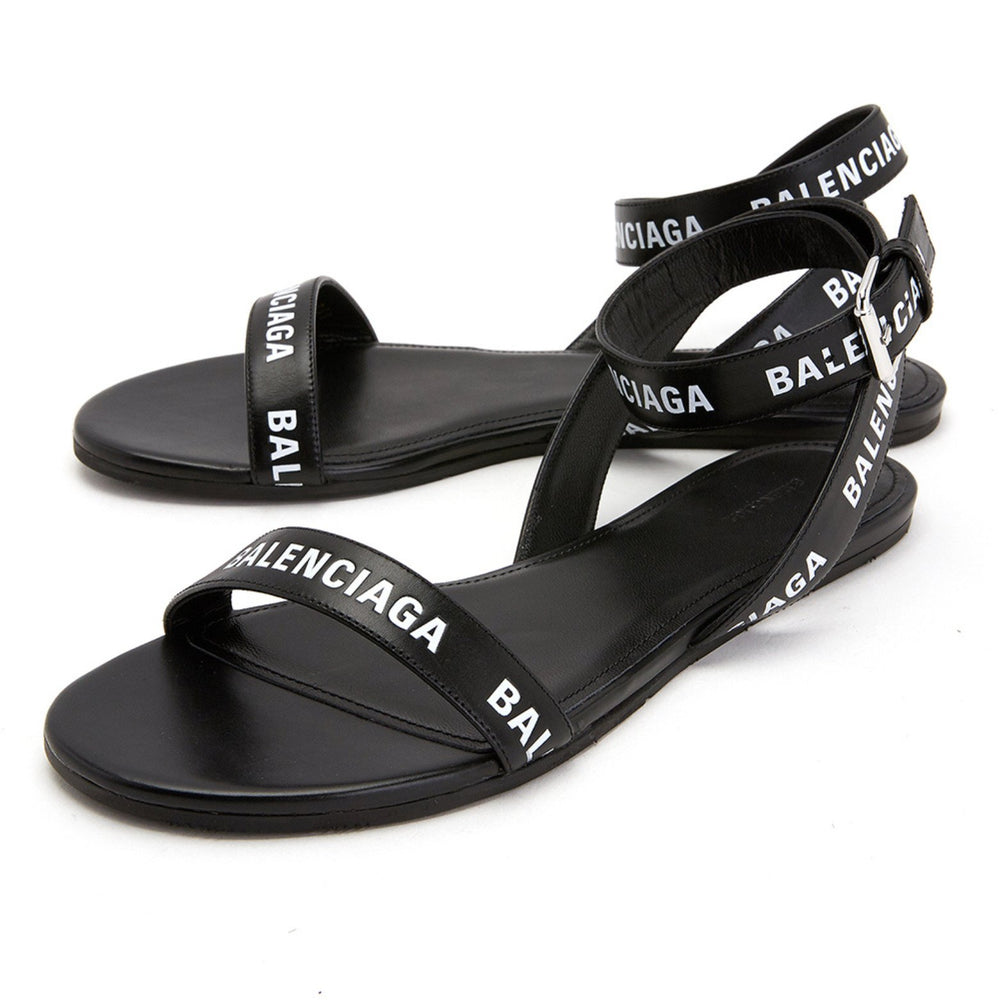
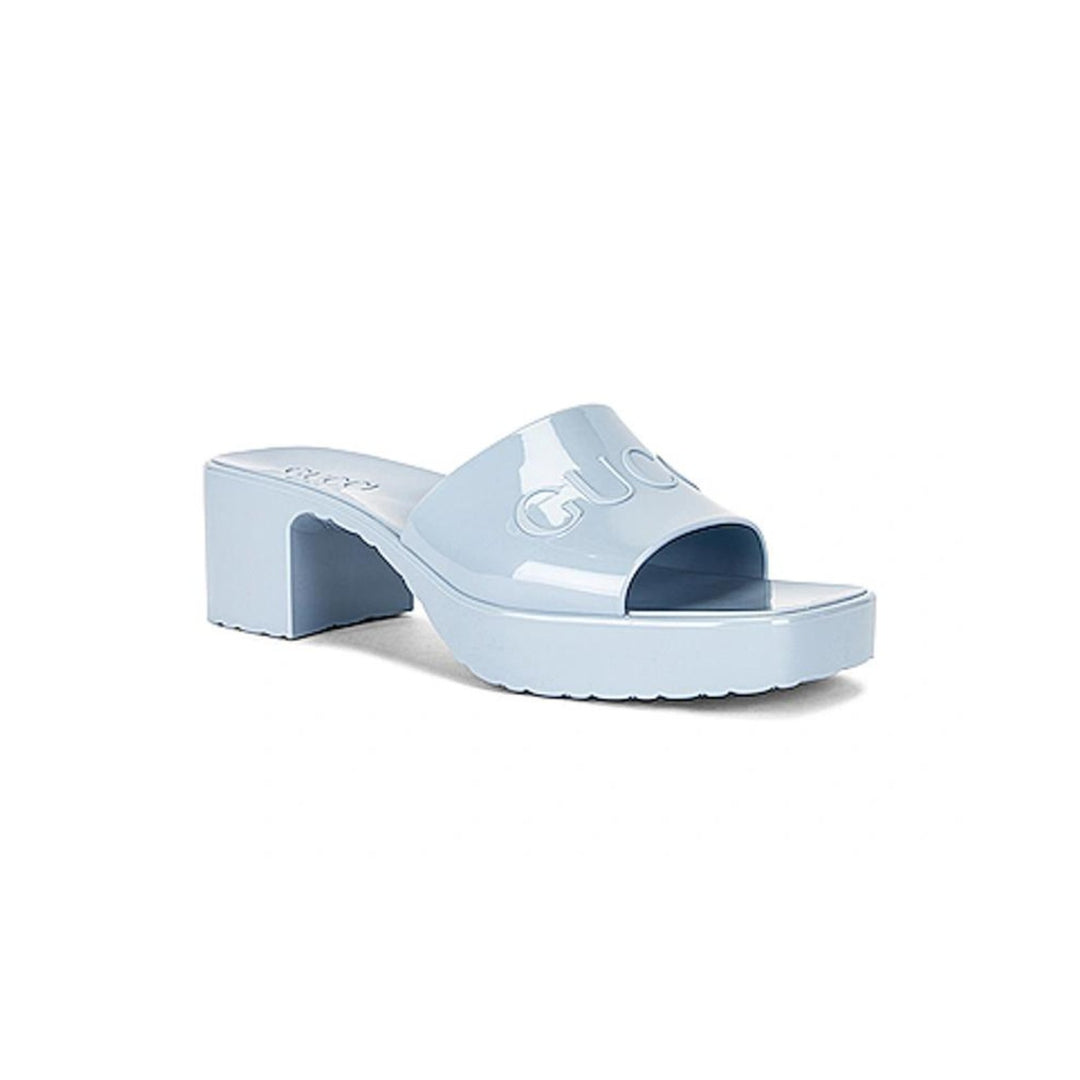
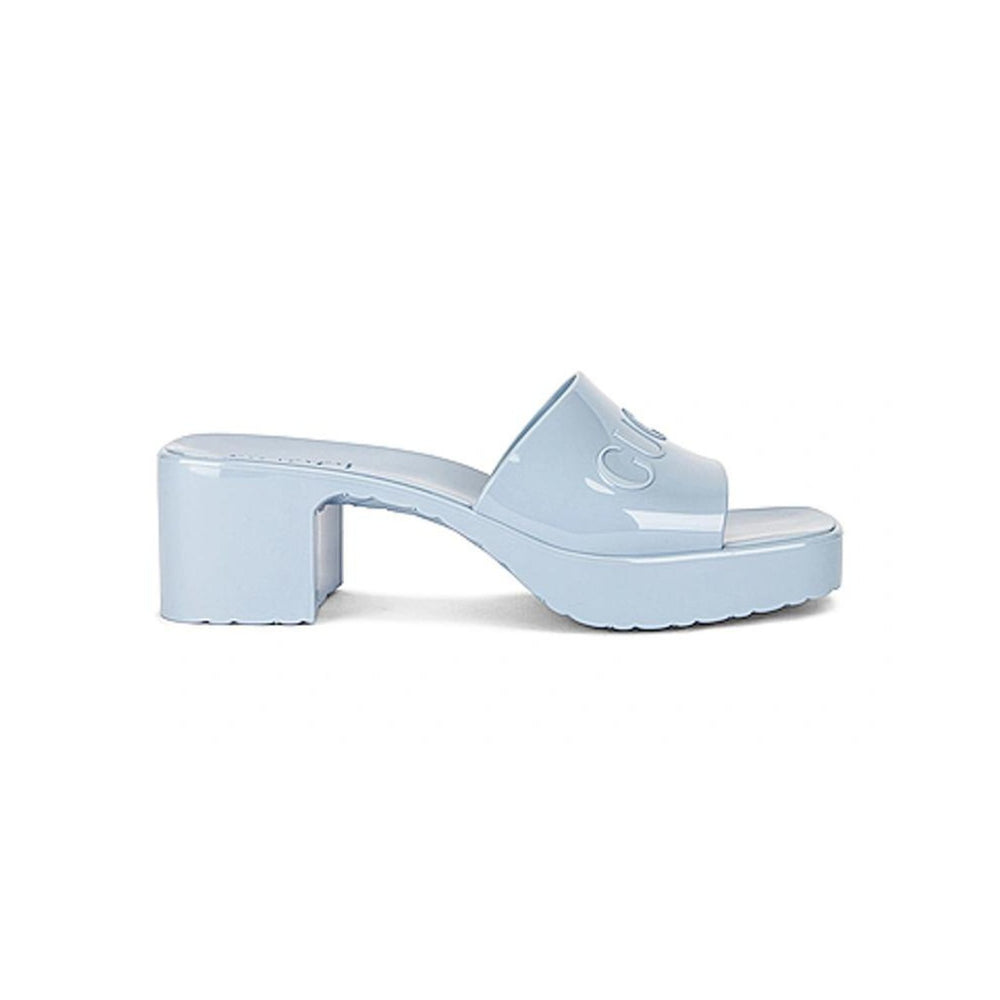
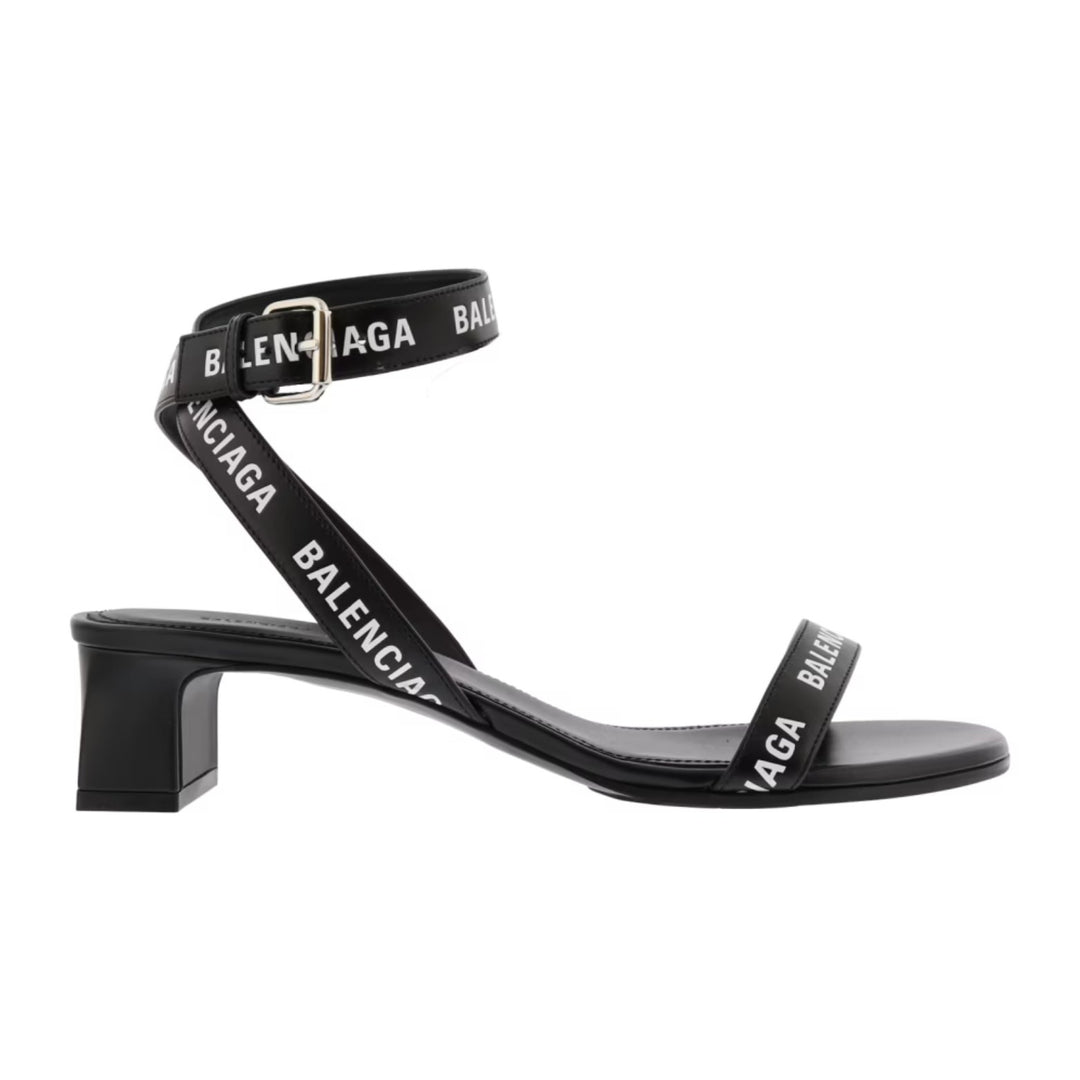
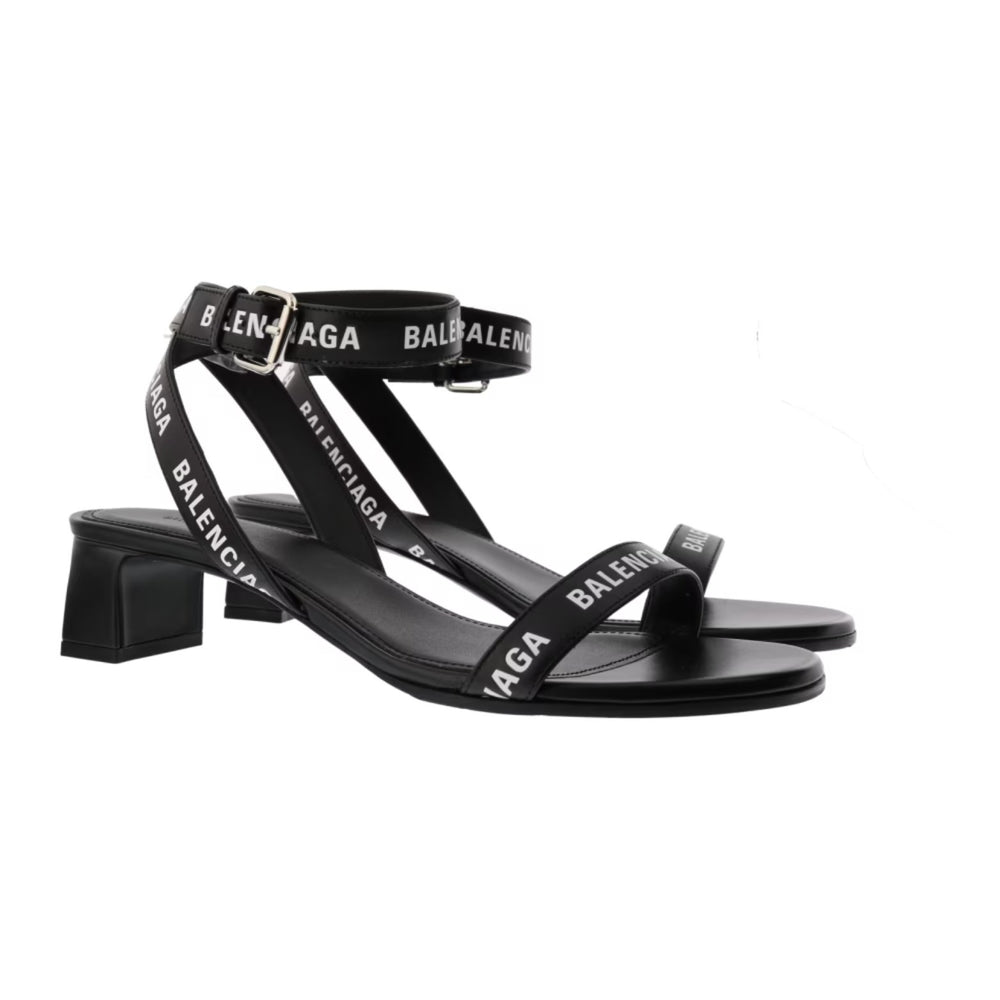
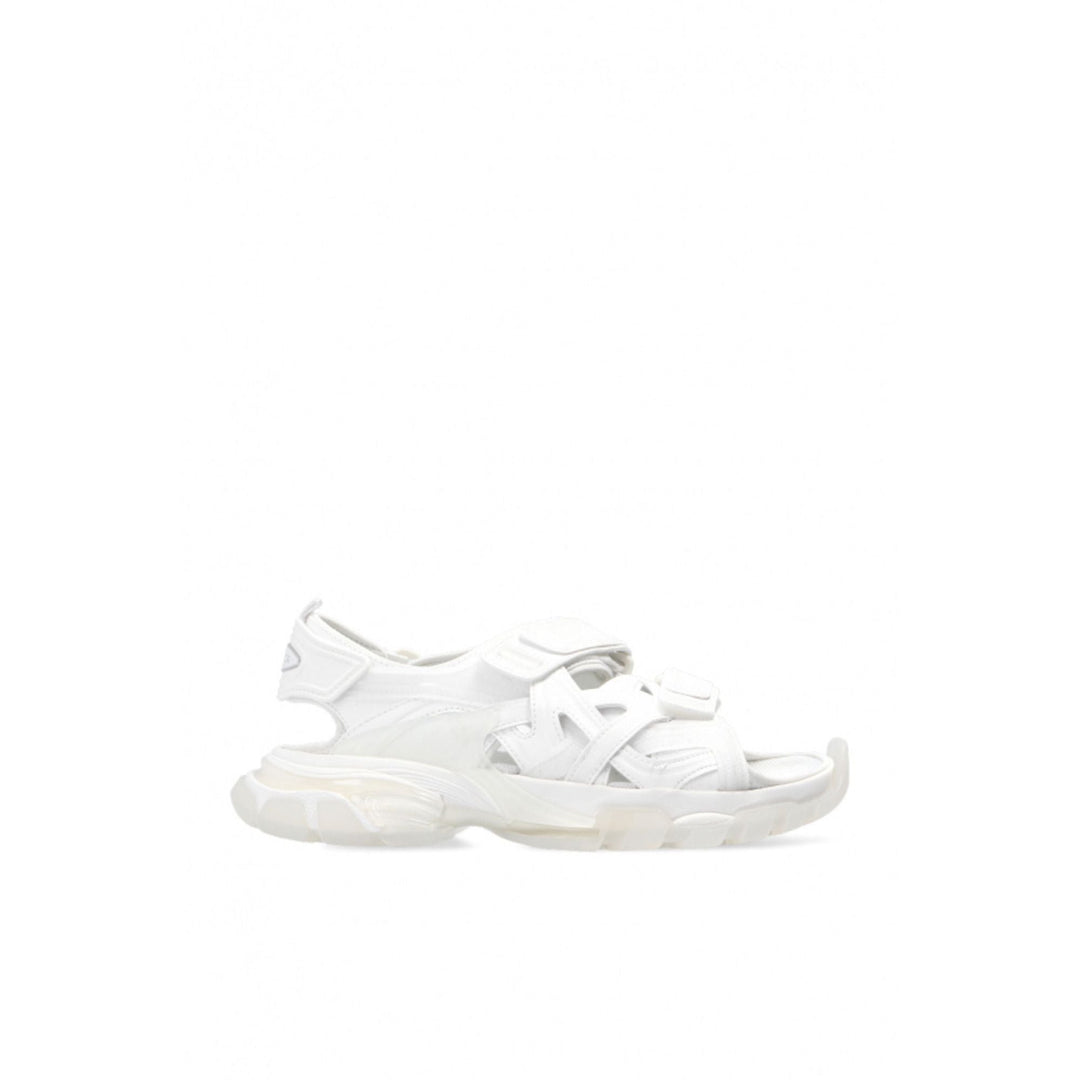
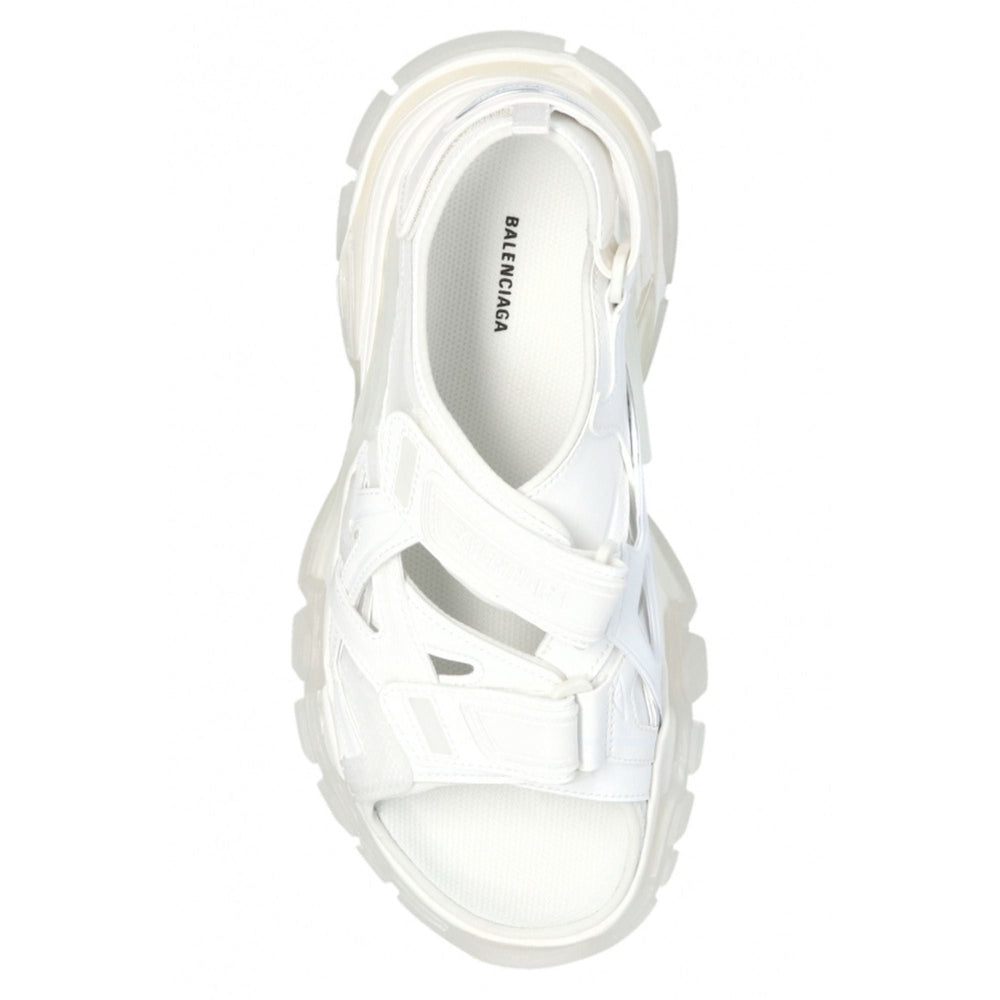
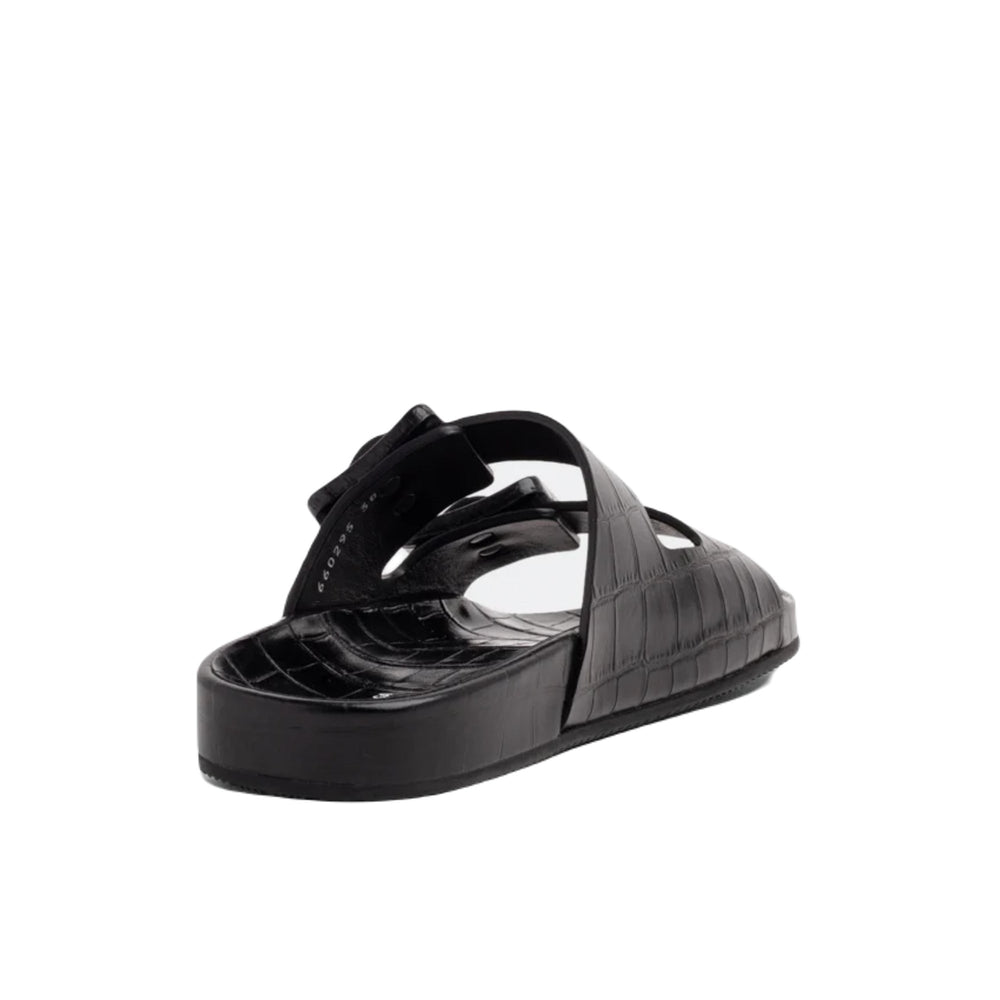
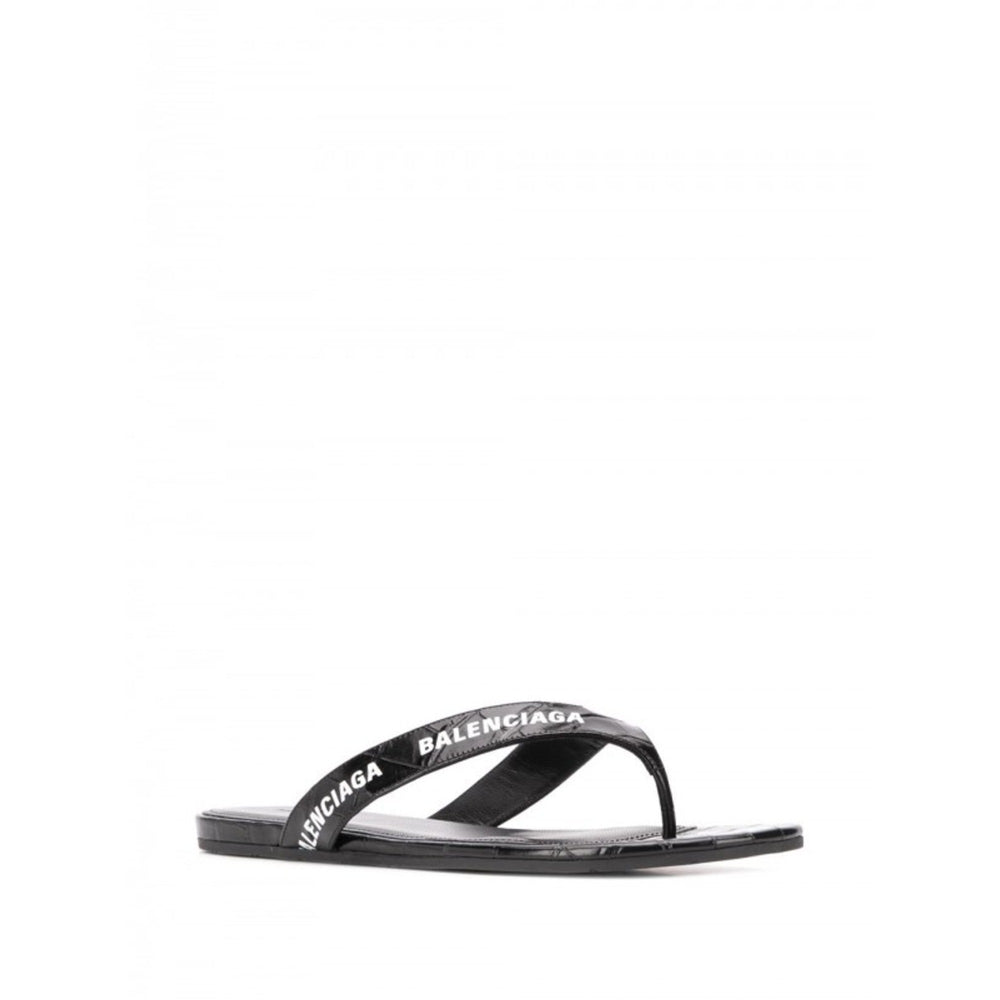
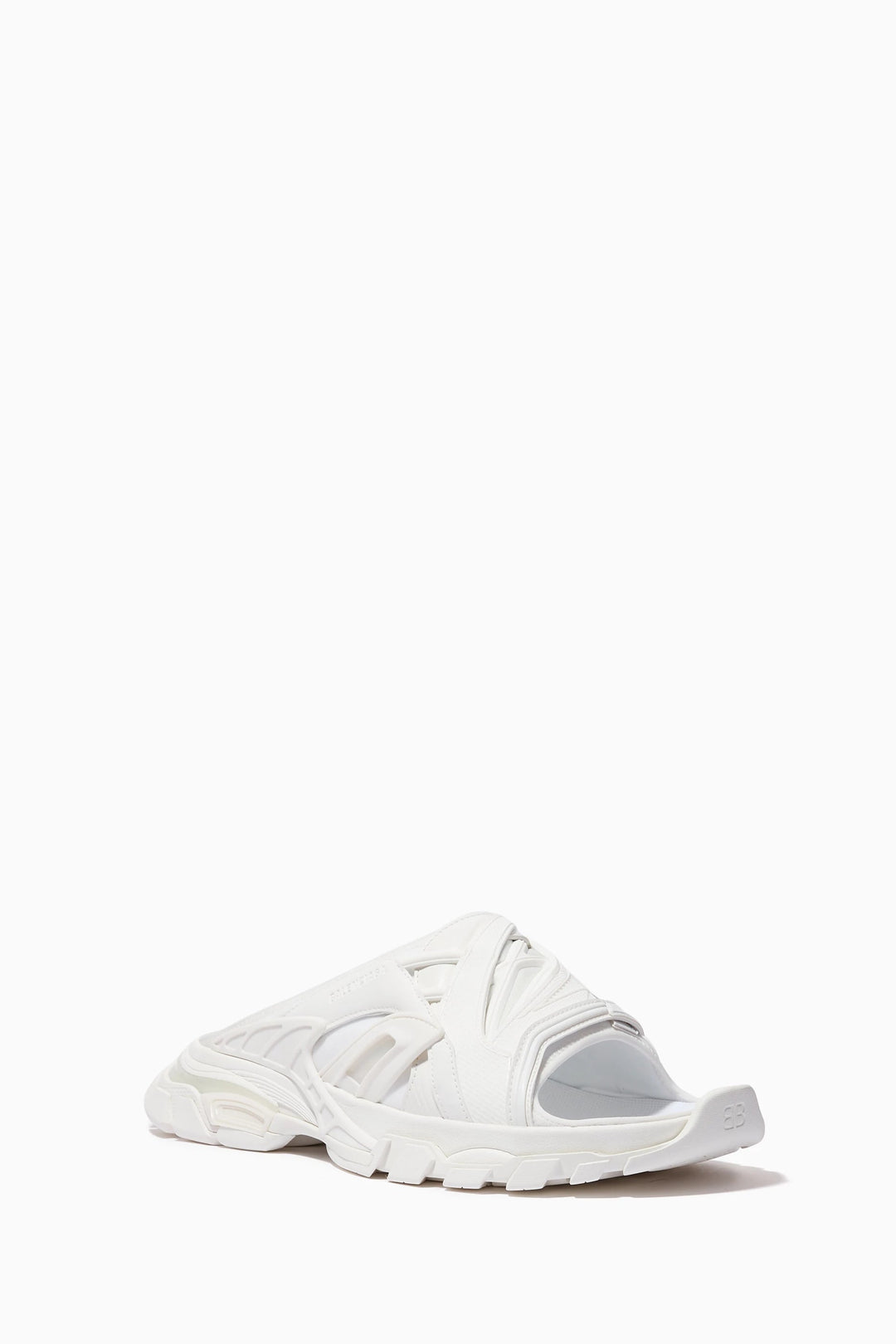
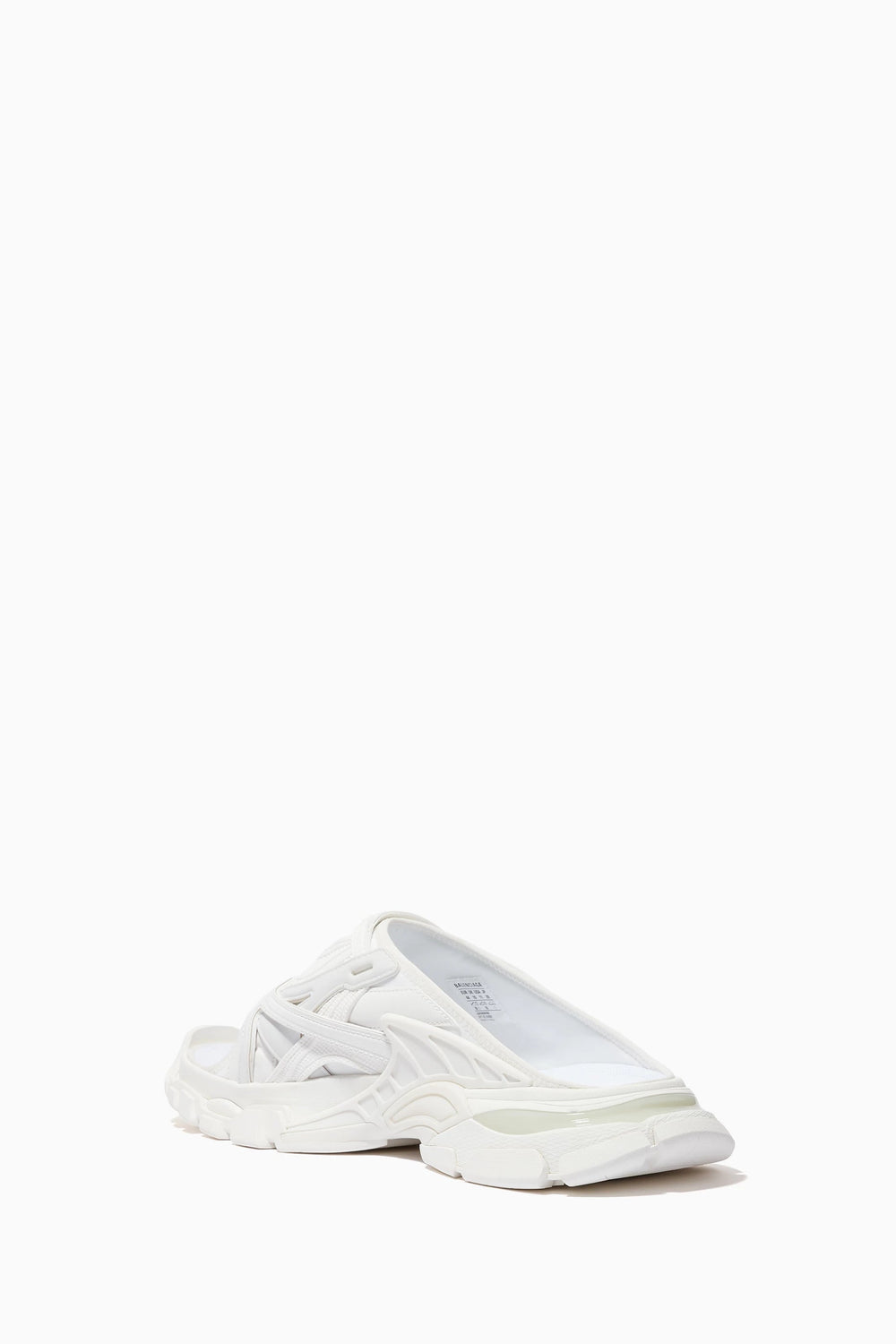
Designer Sandals On Sale ($300 to $800). Warm-weather luxury, including flat and heeled styles and designer slides in premium leather.
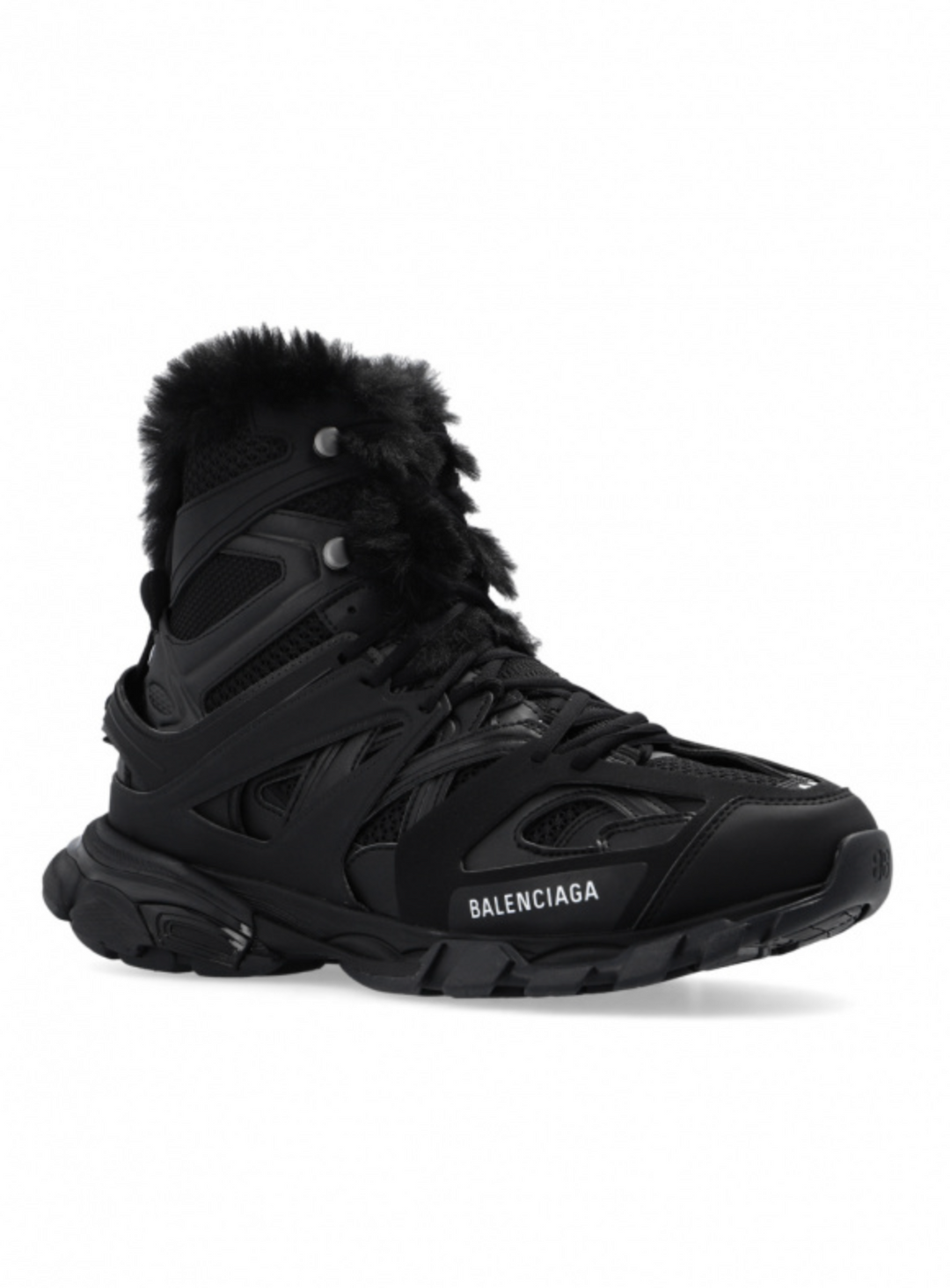
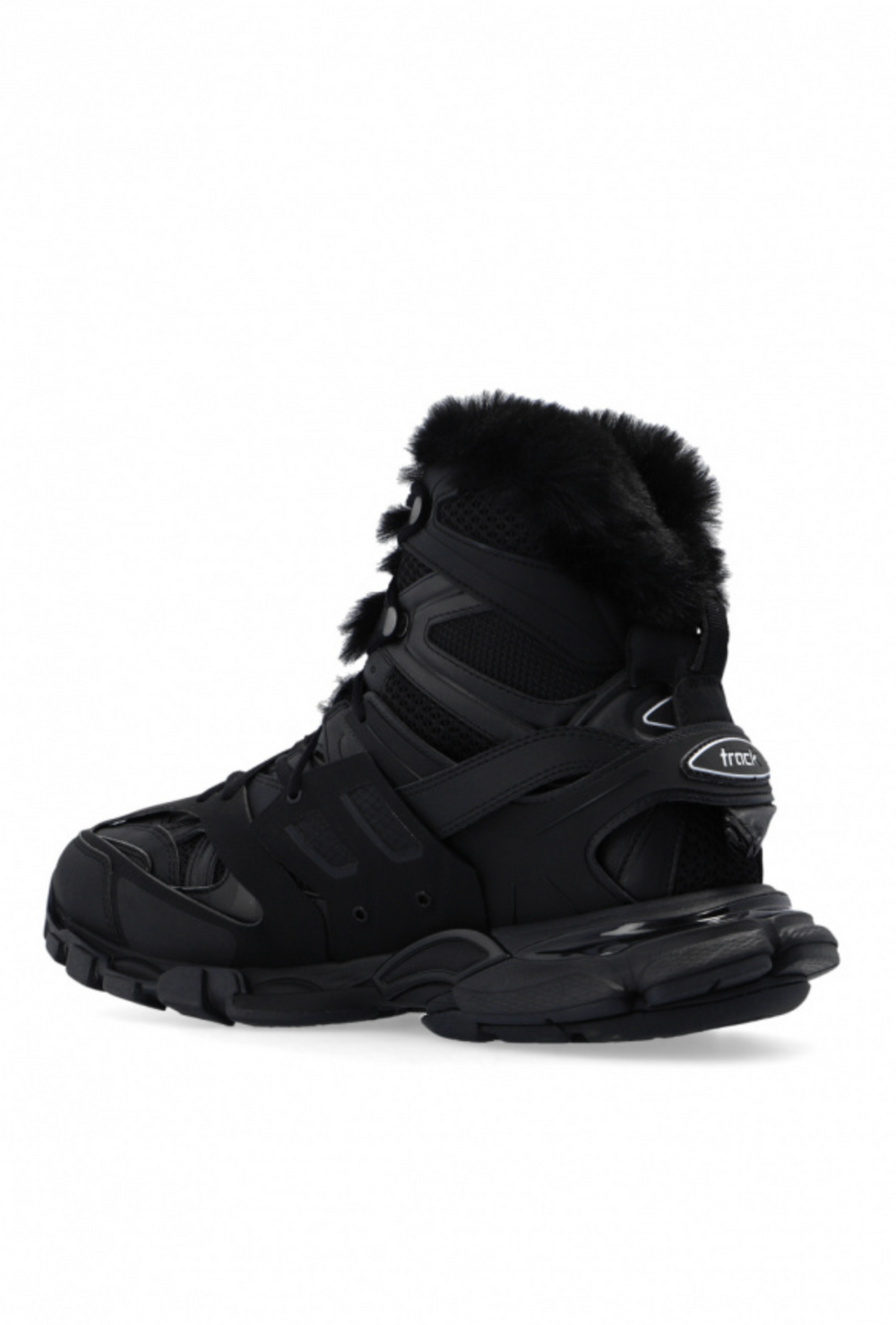
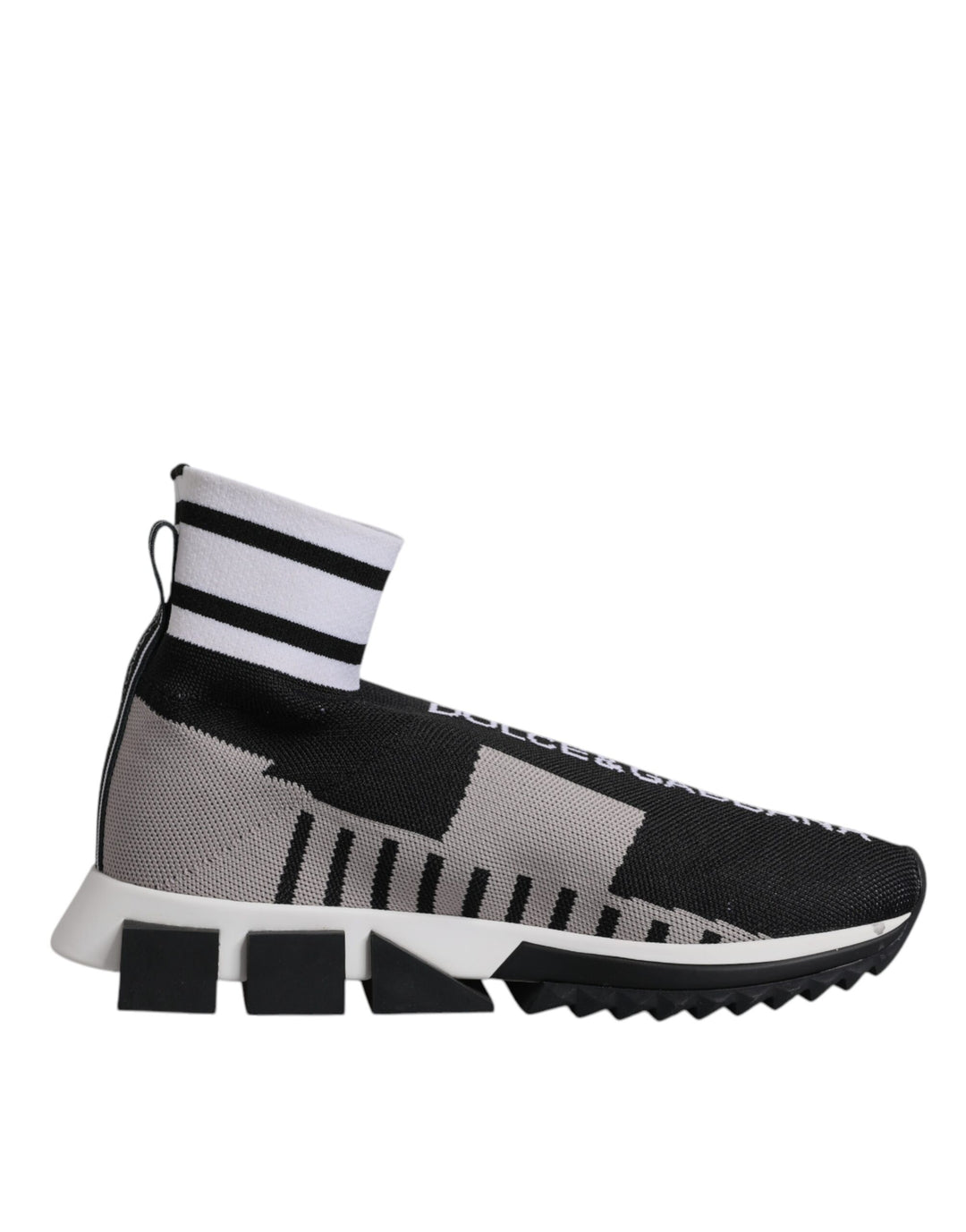
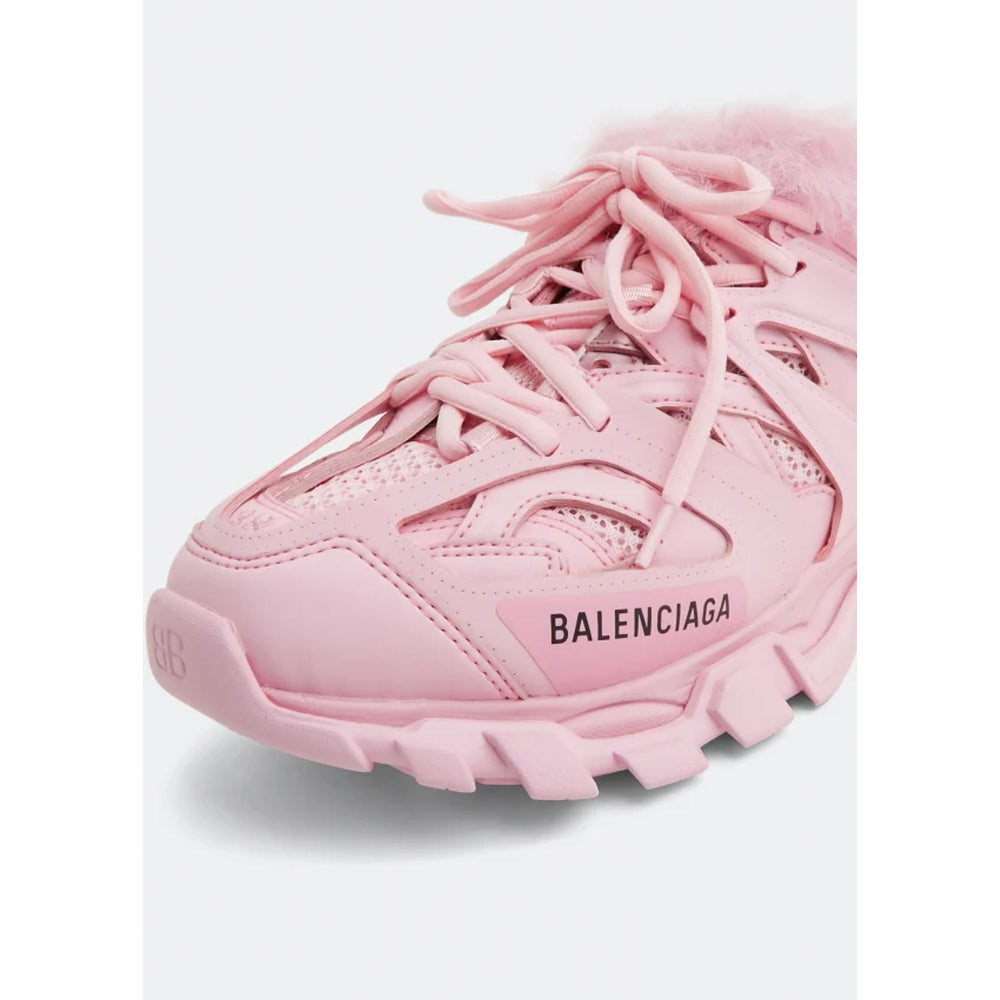
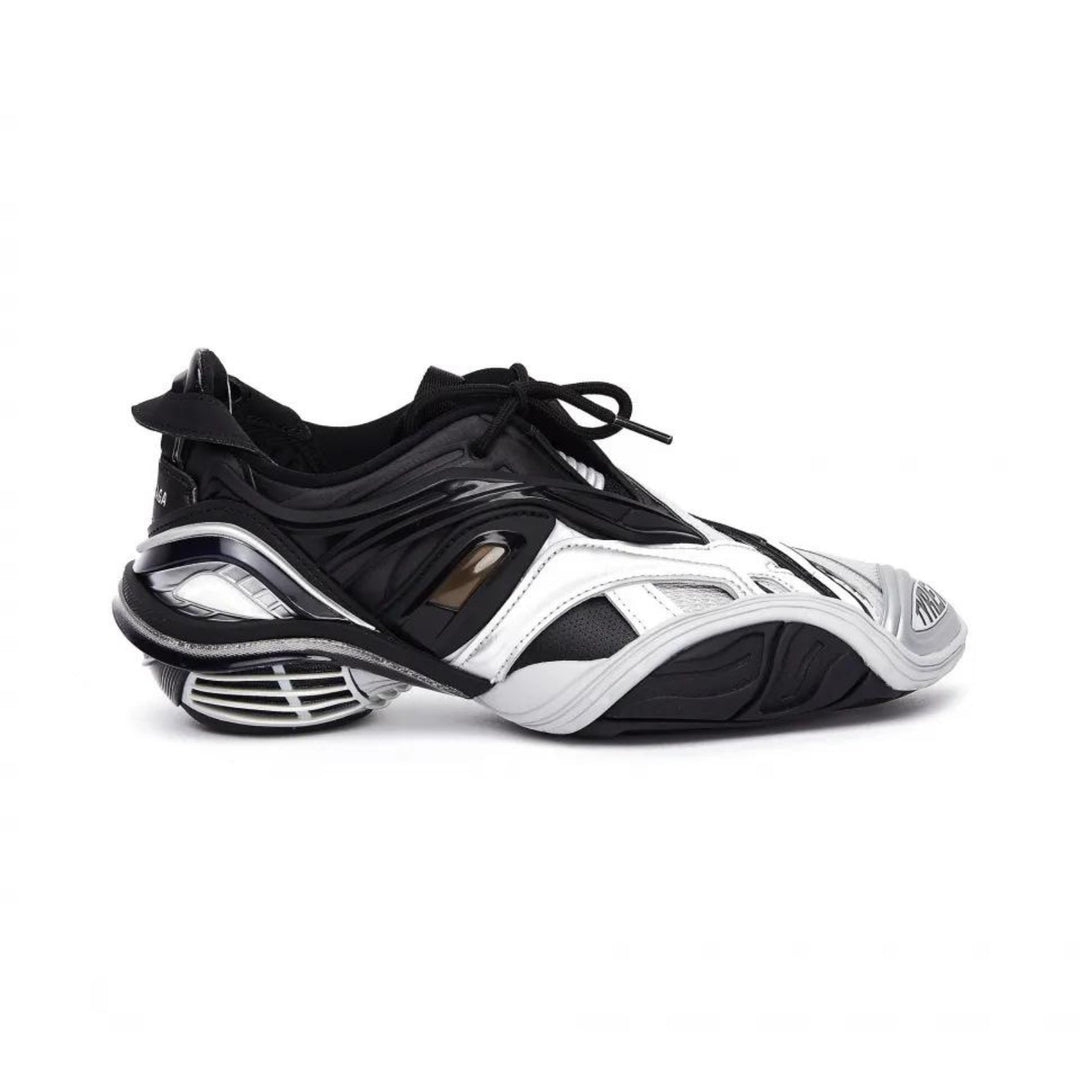
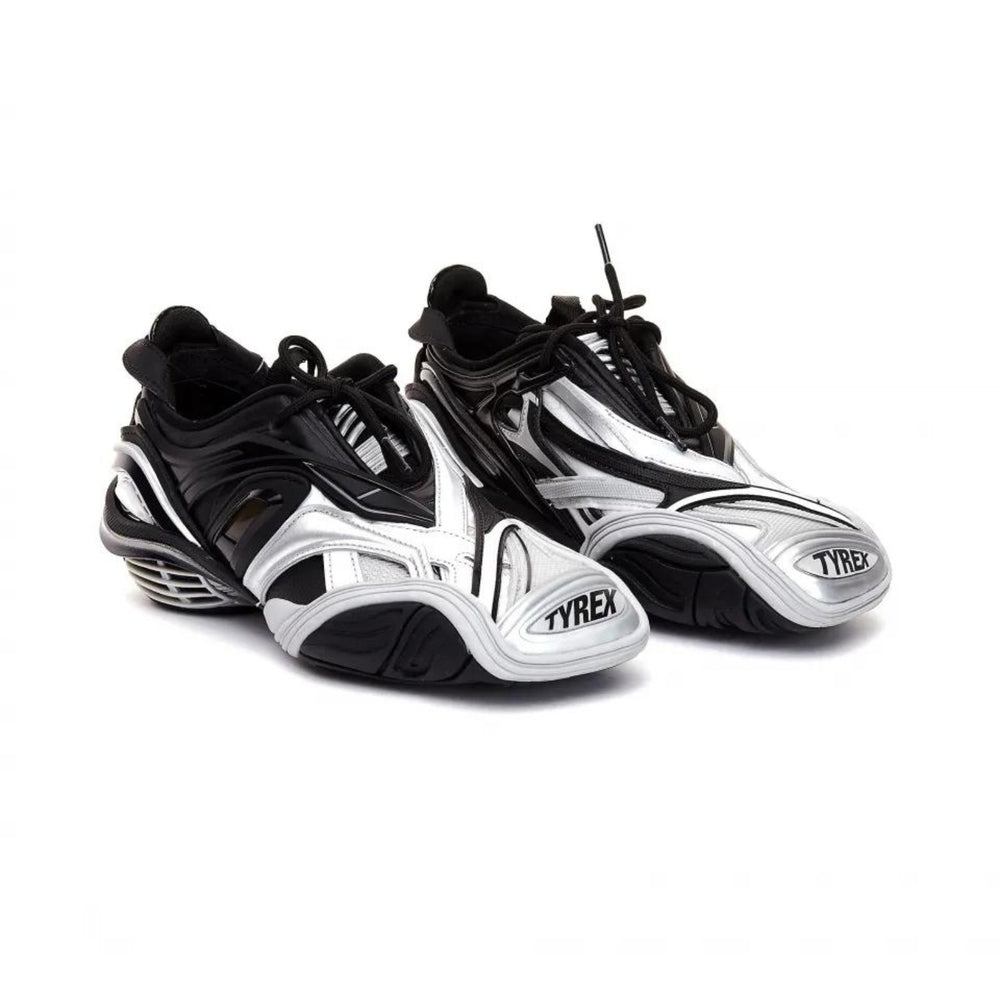
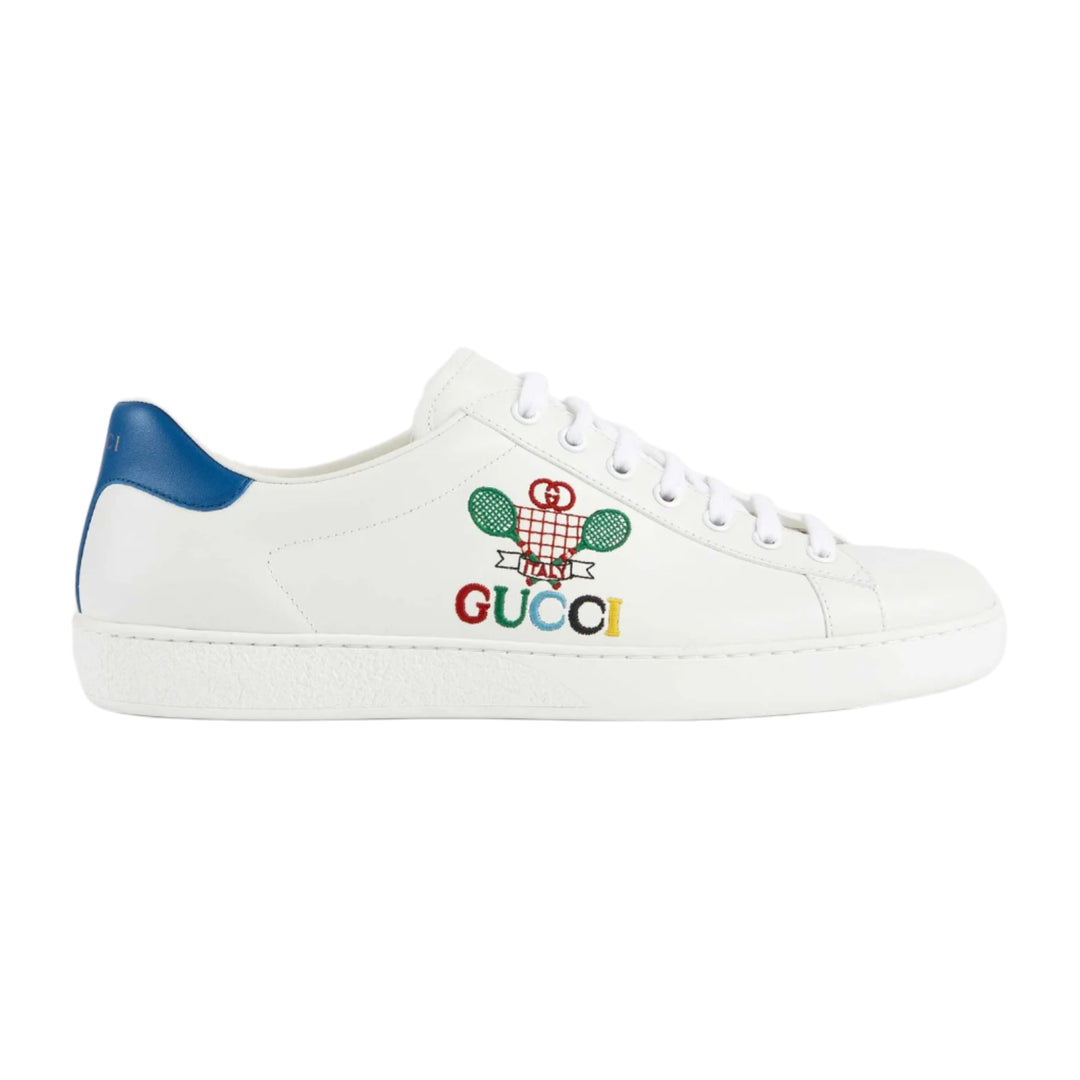
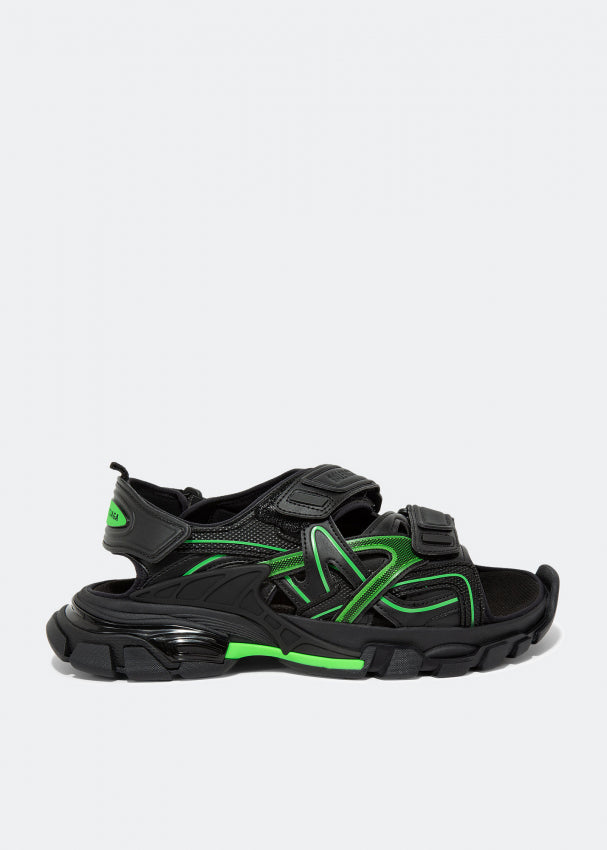
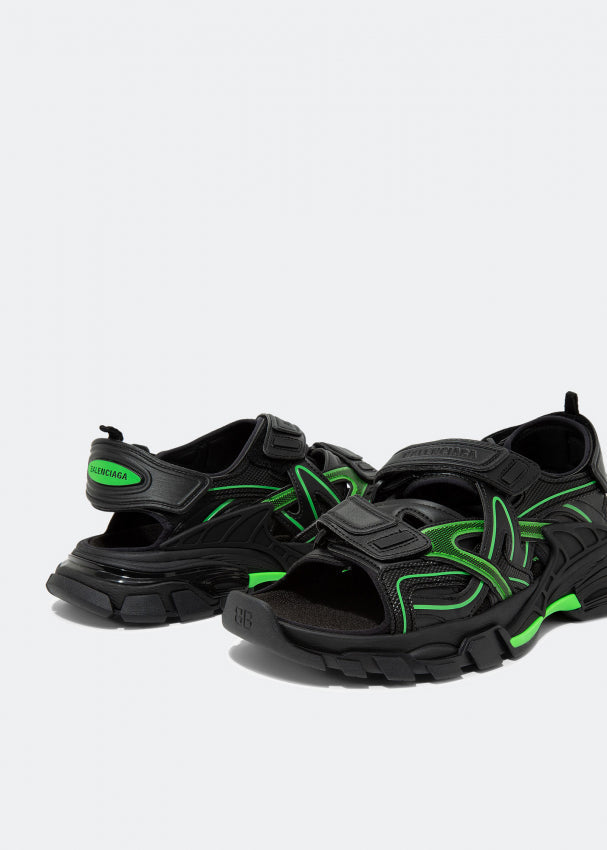
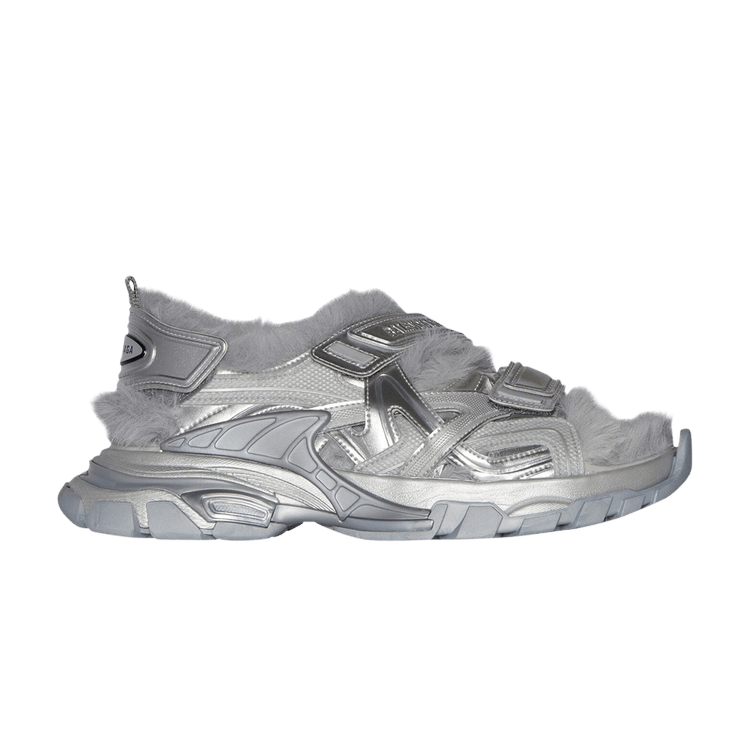
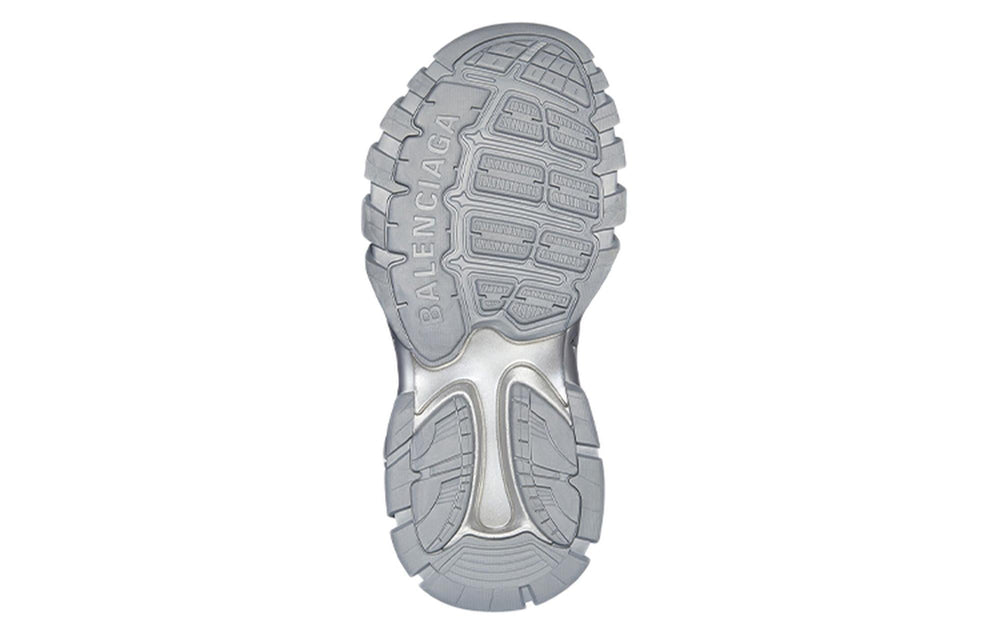
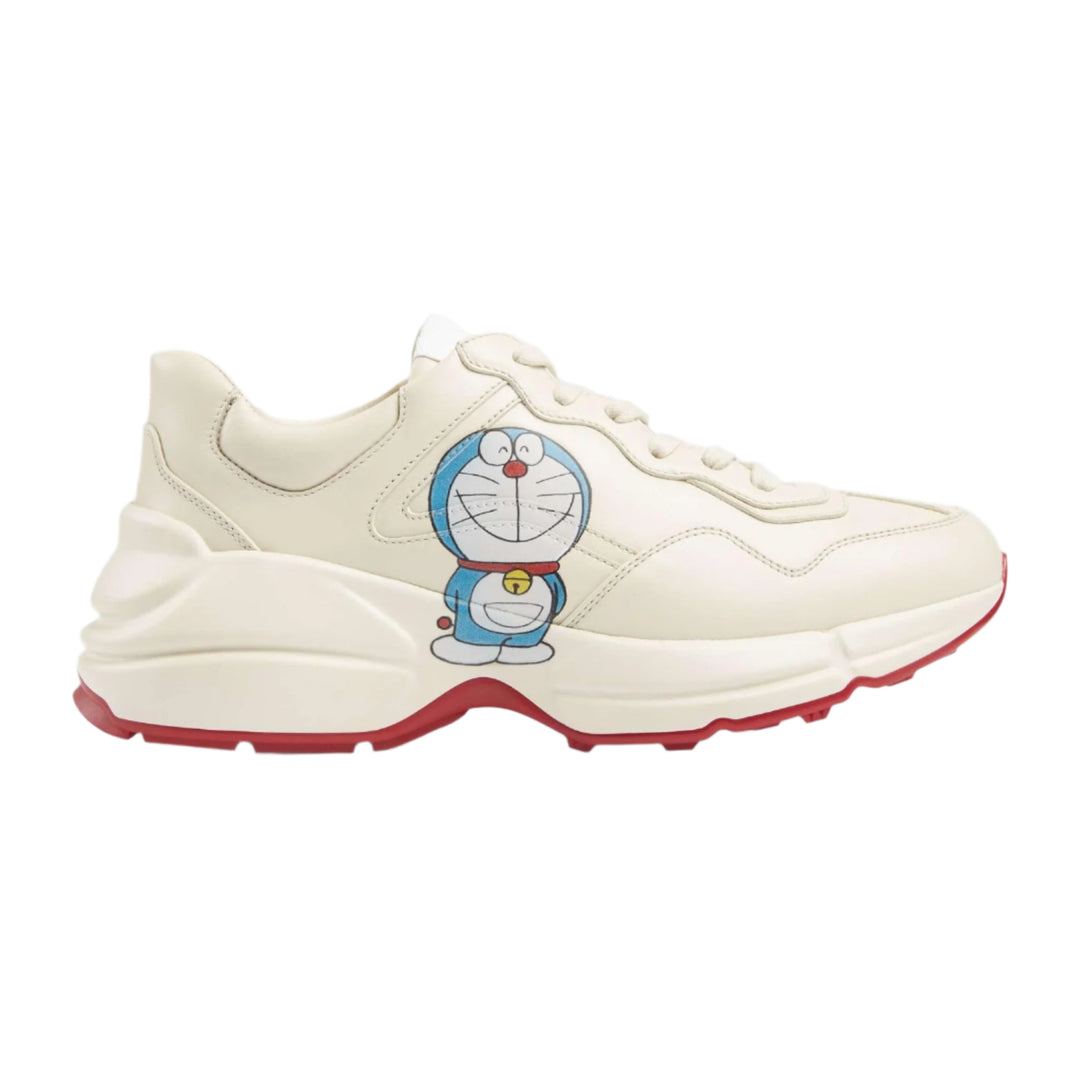
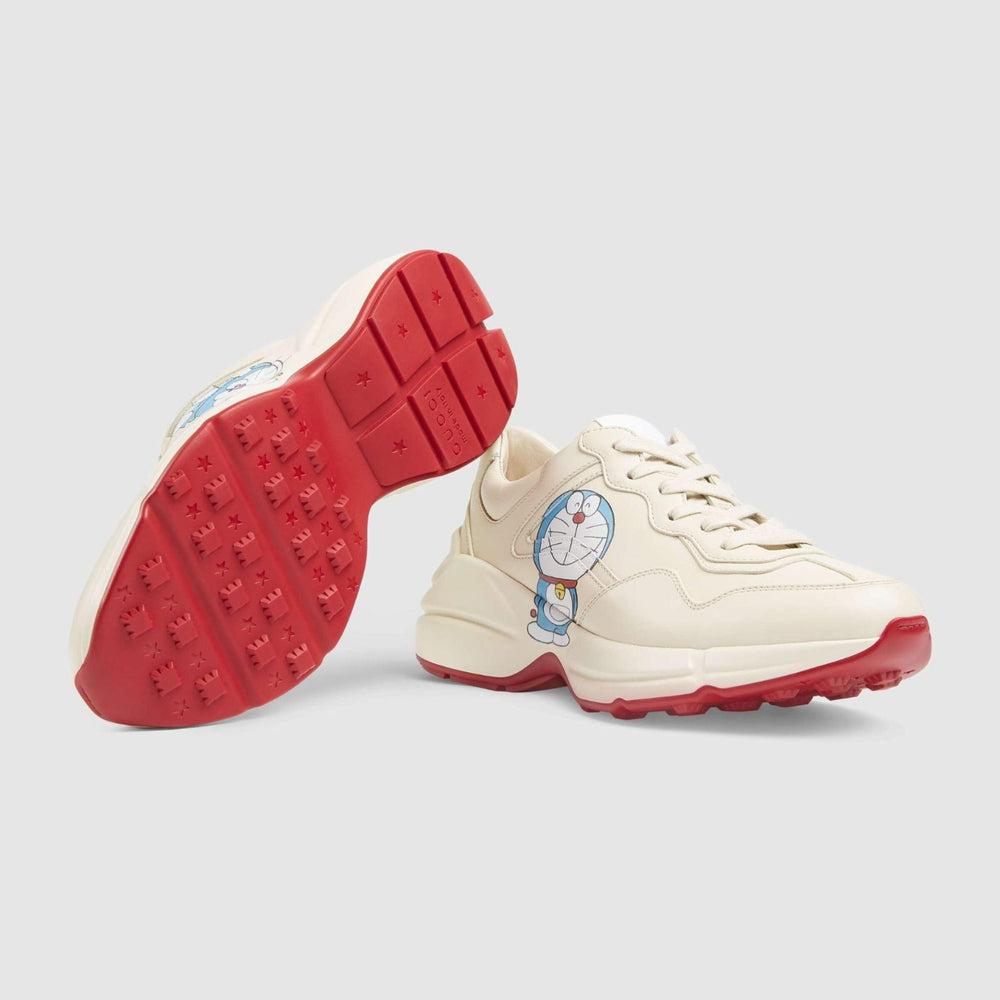
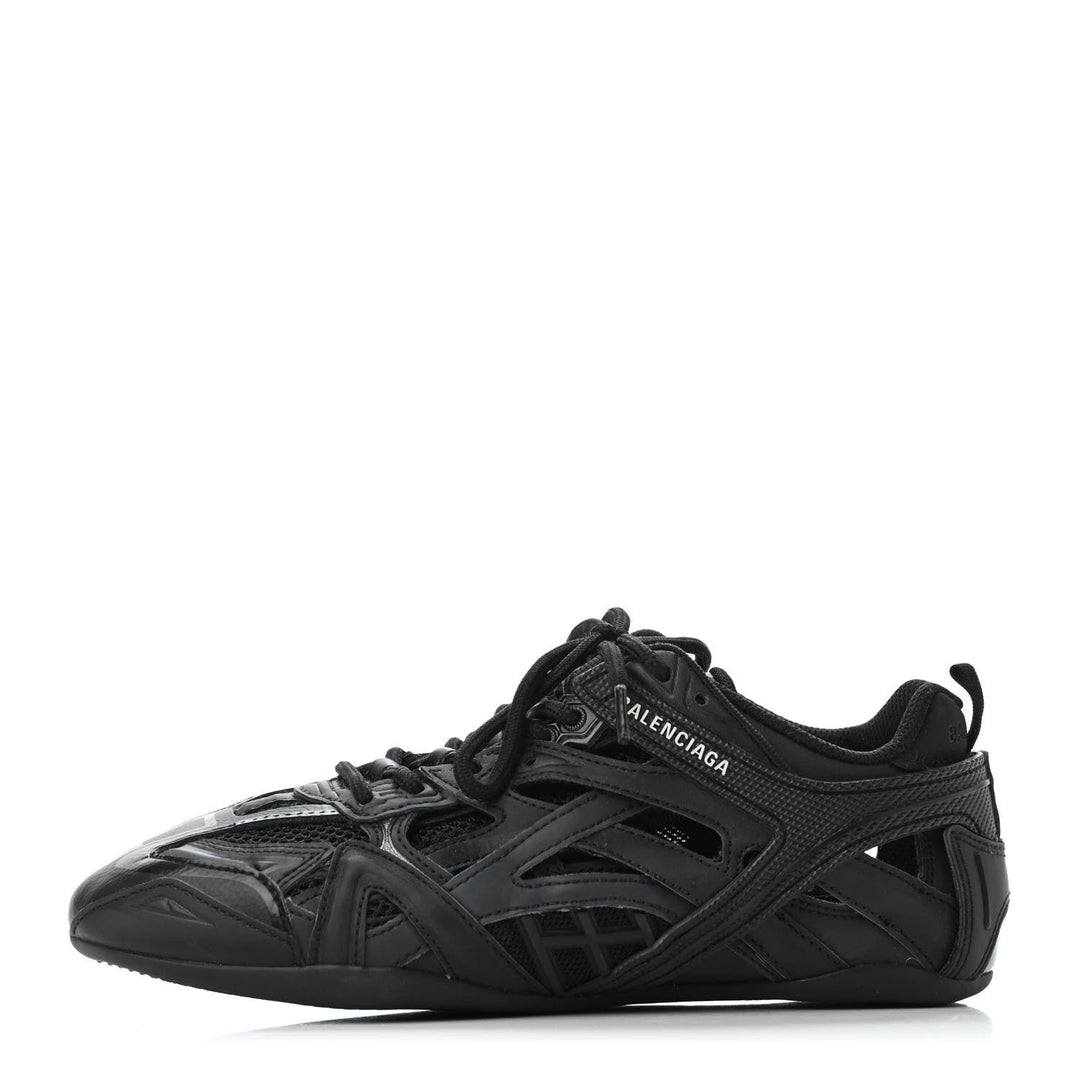
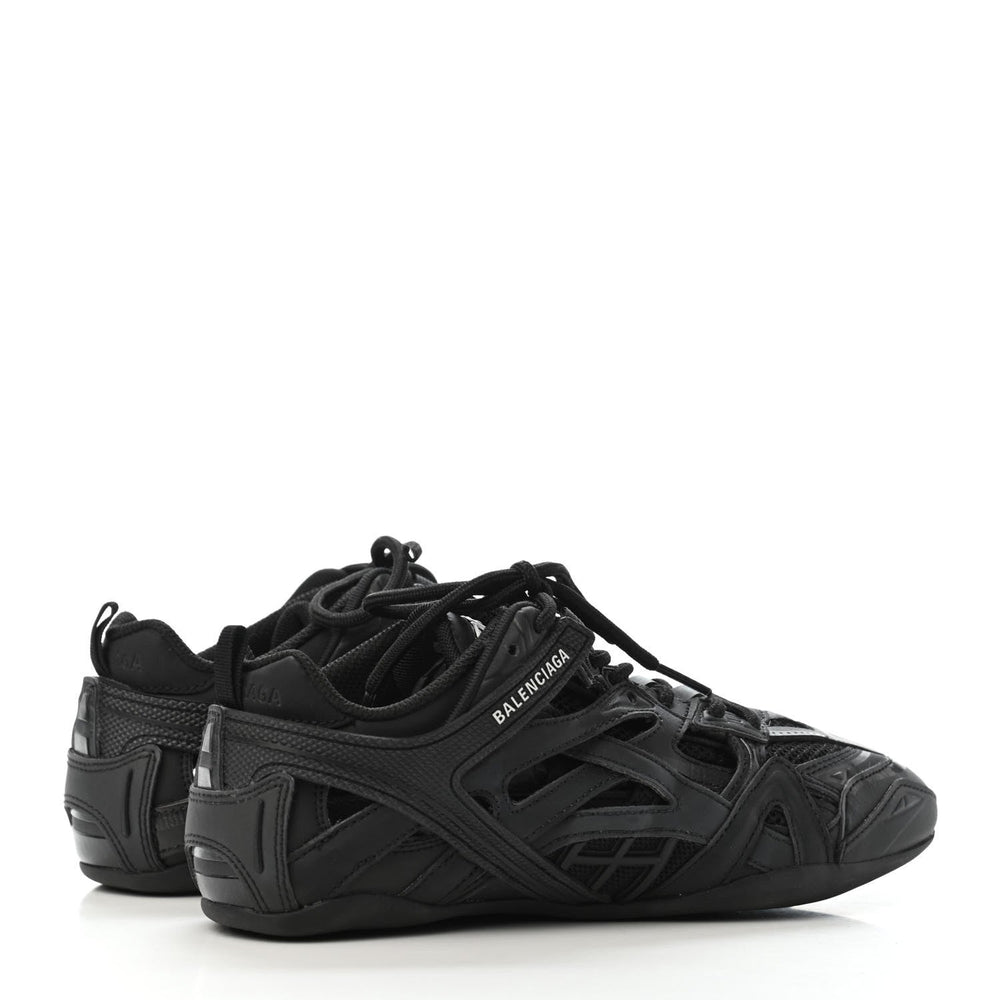
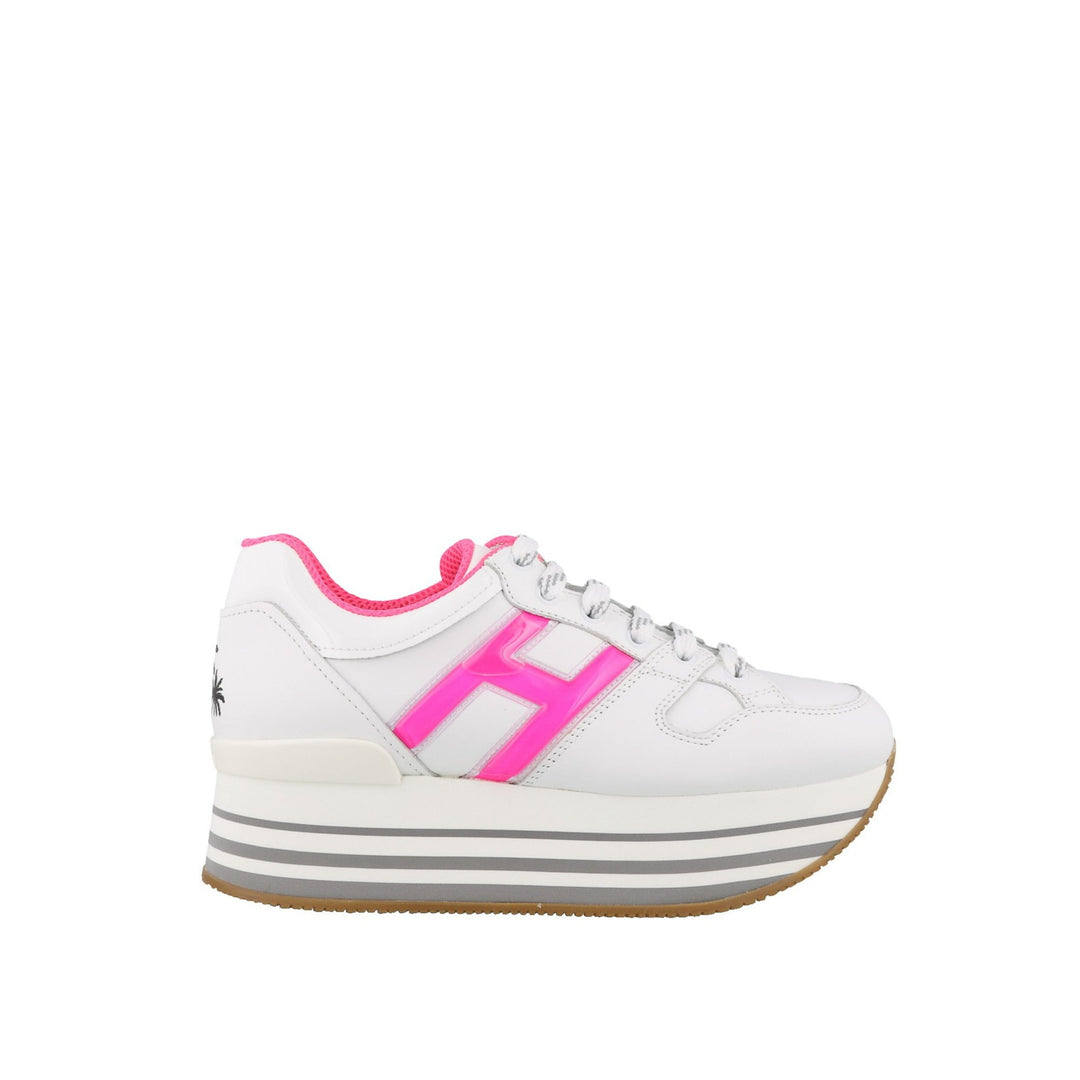
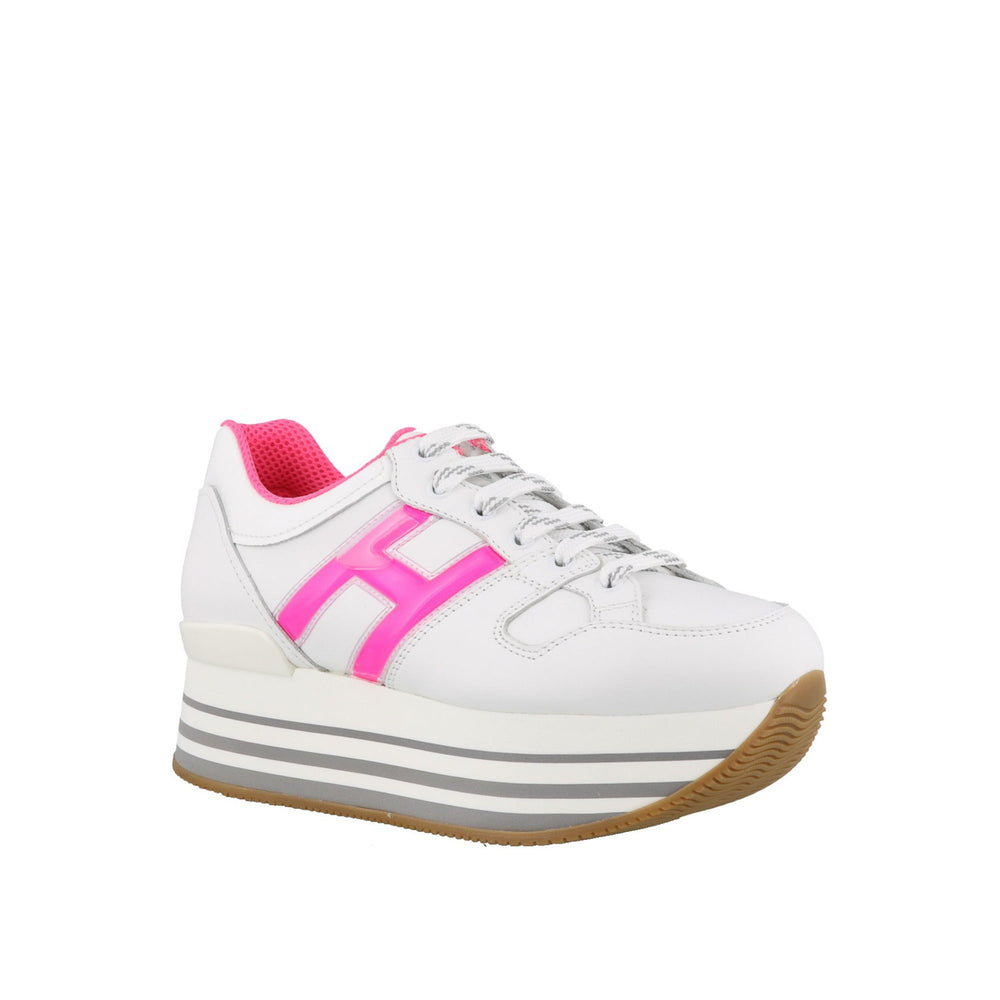
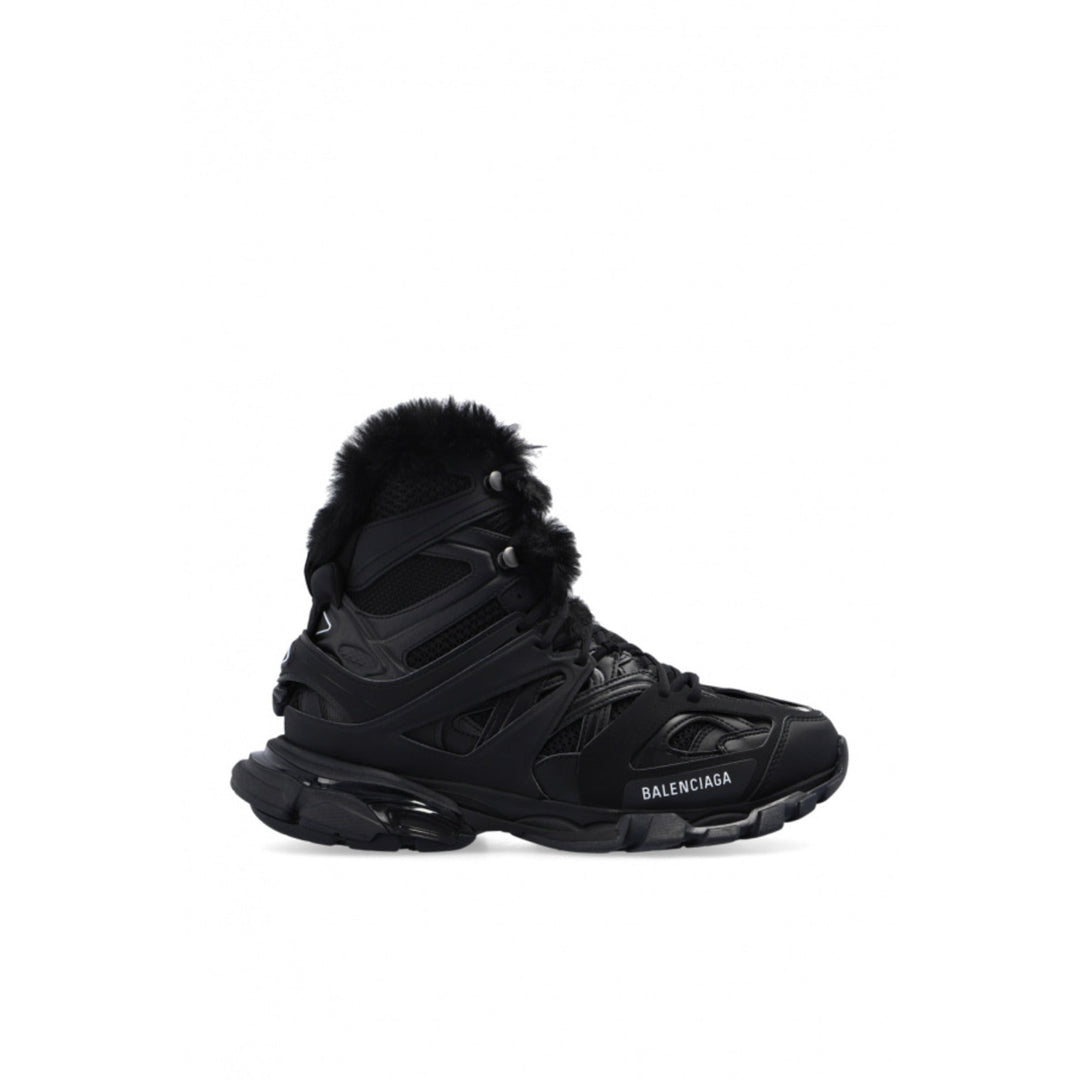
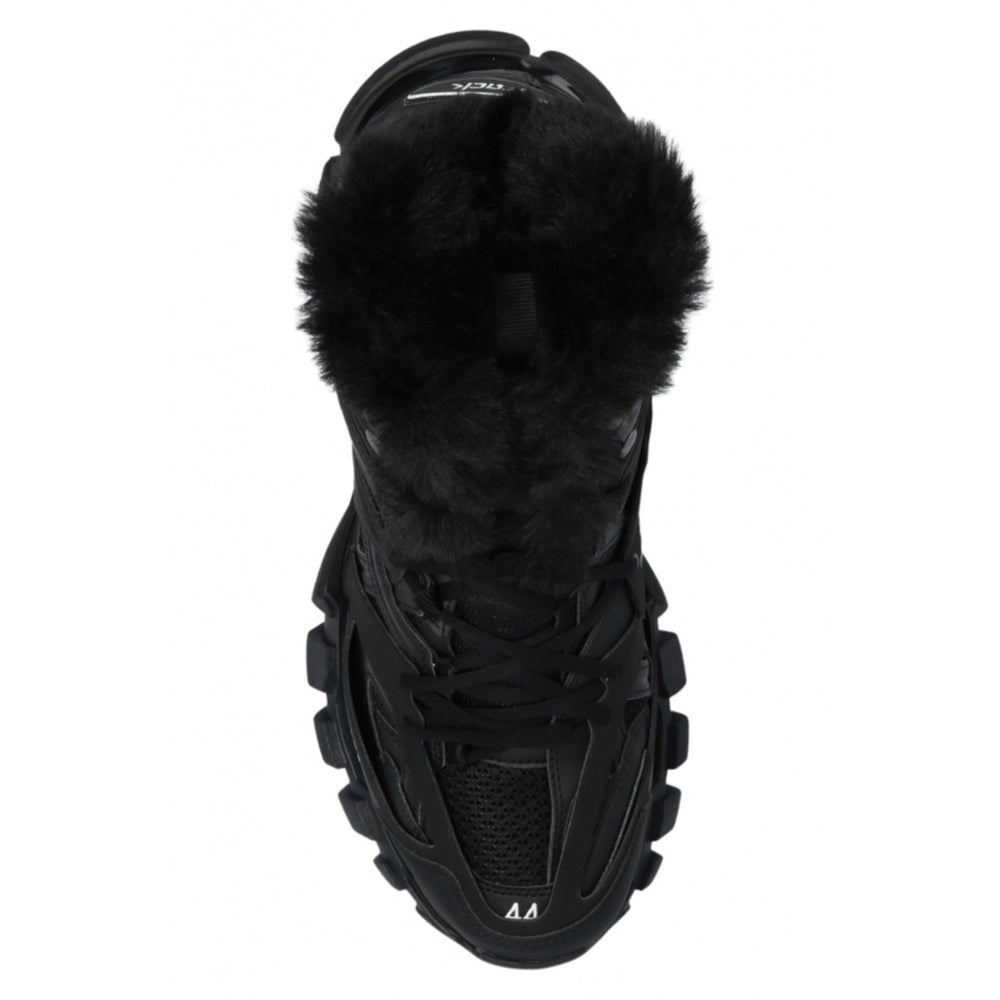
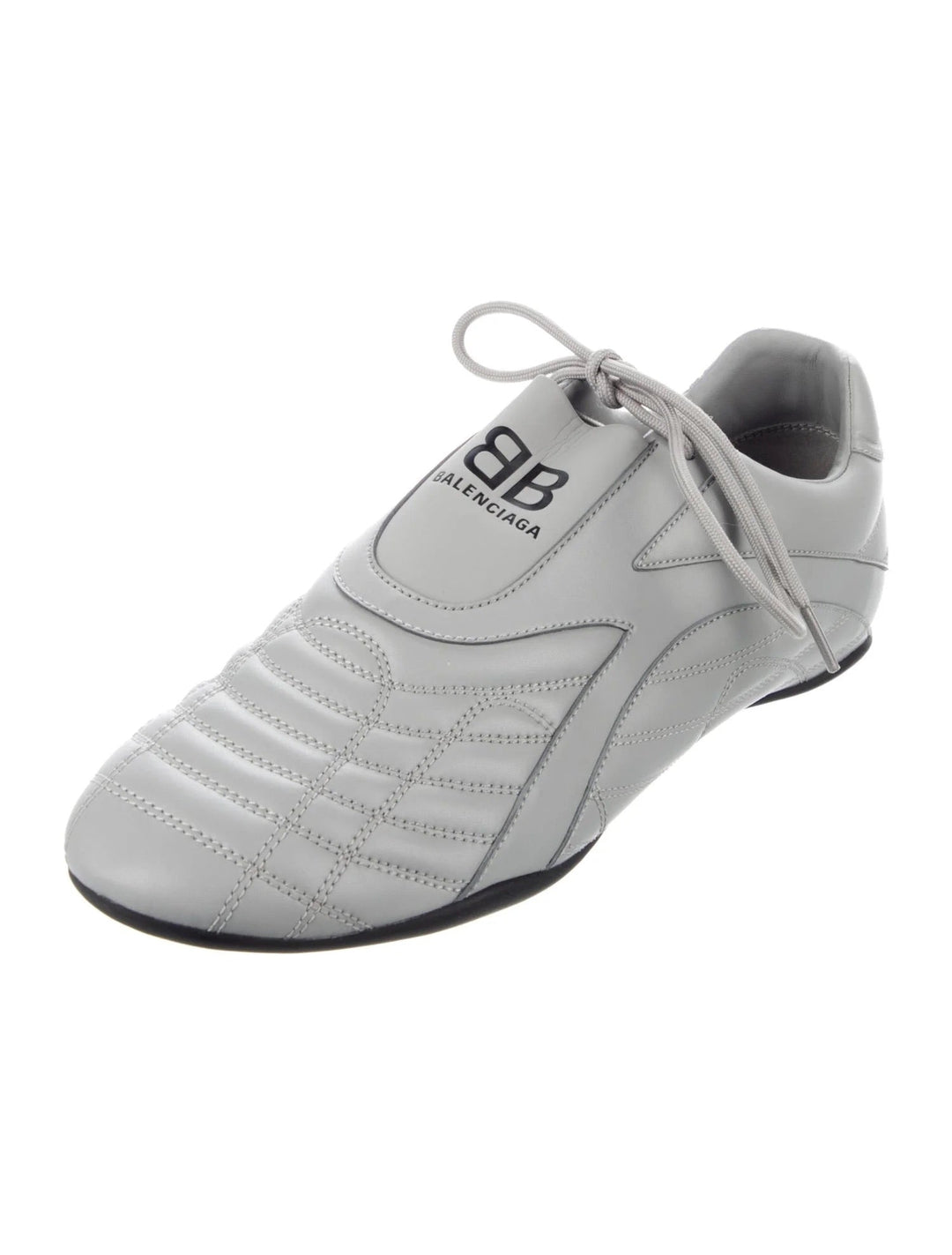
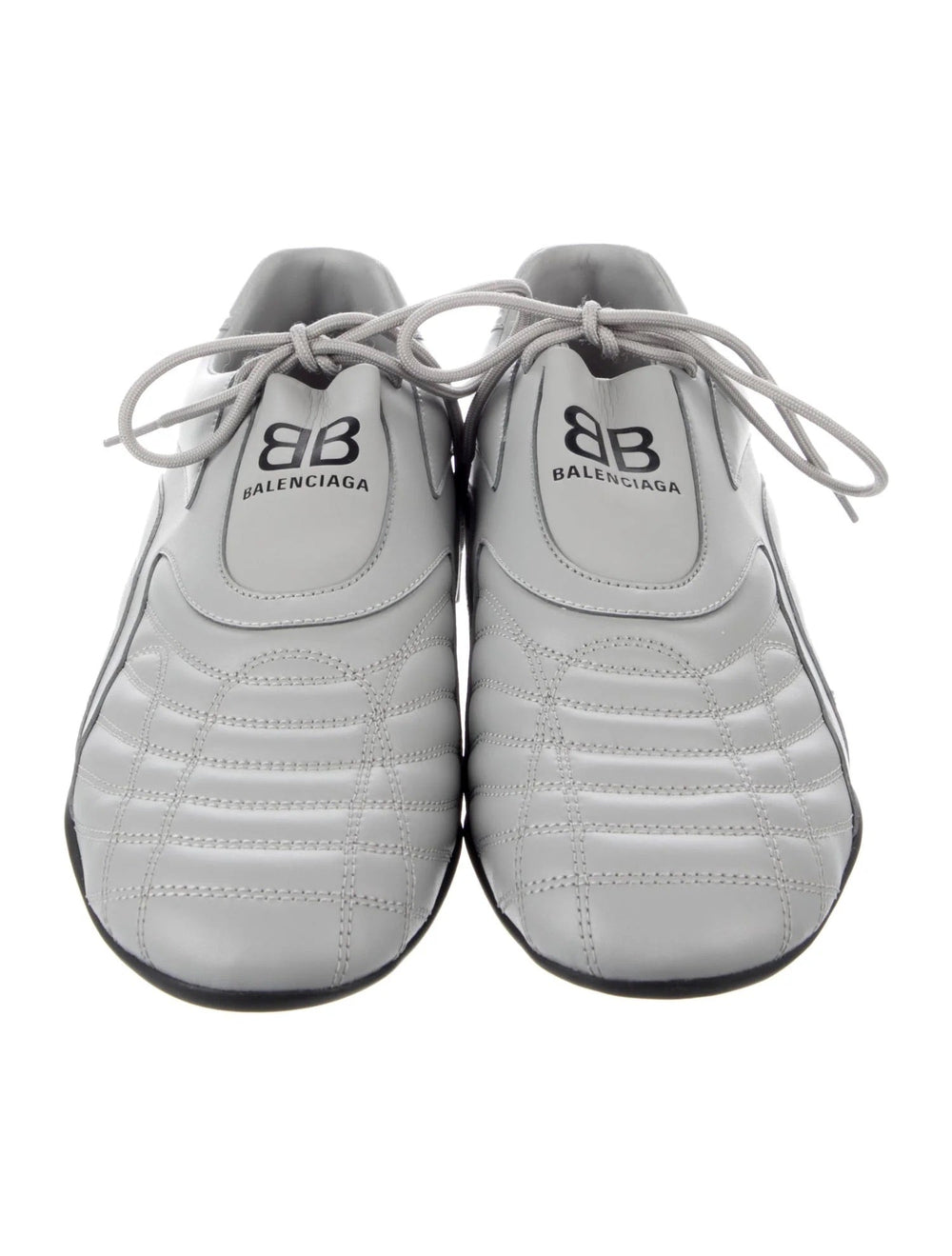
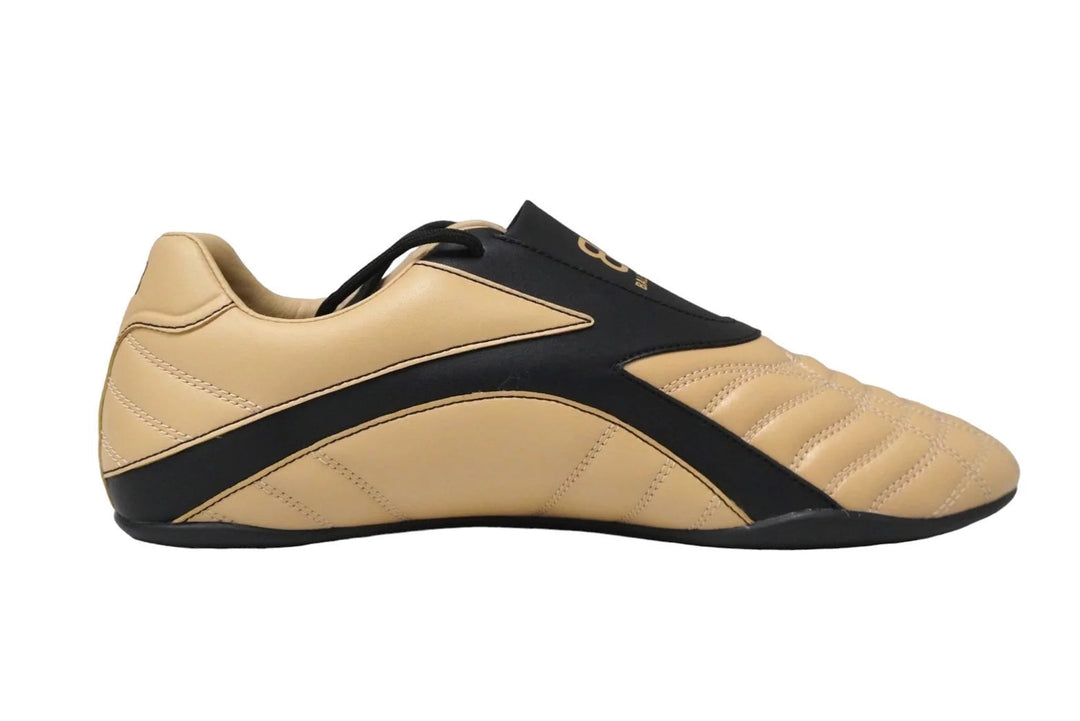
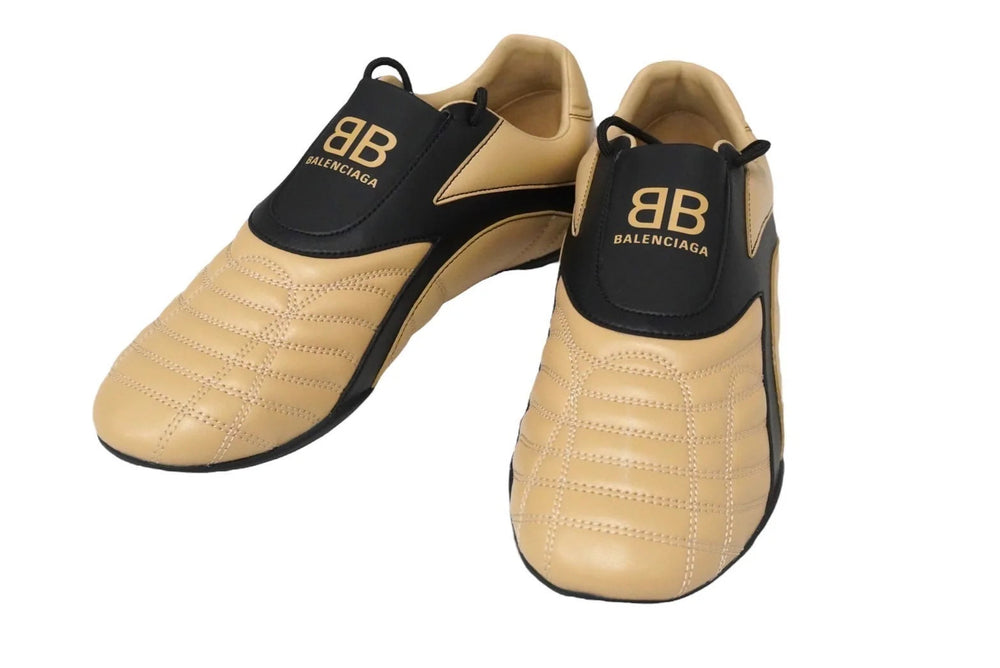
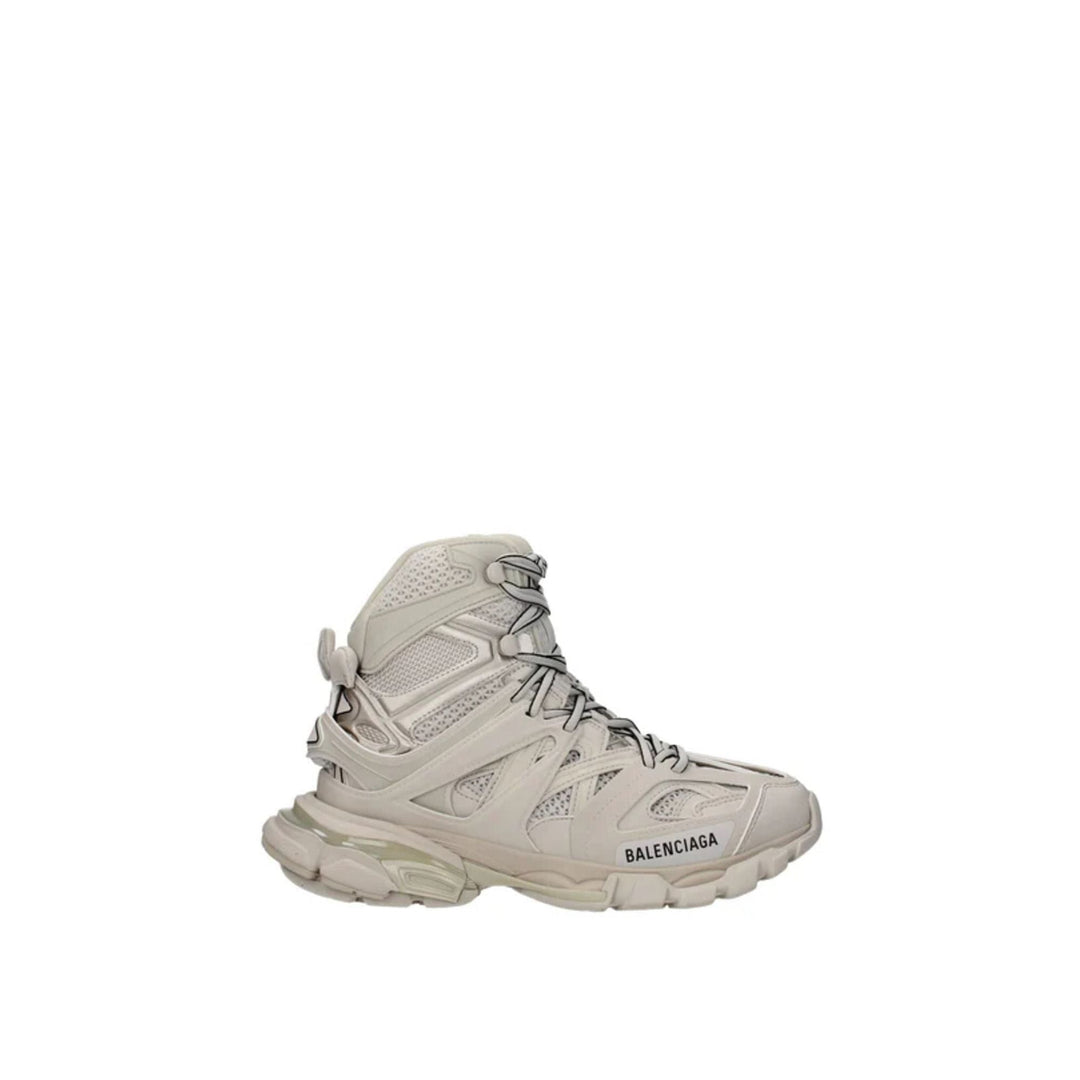
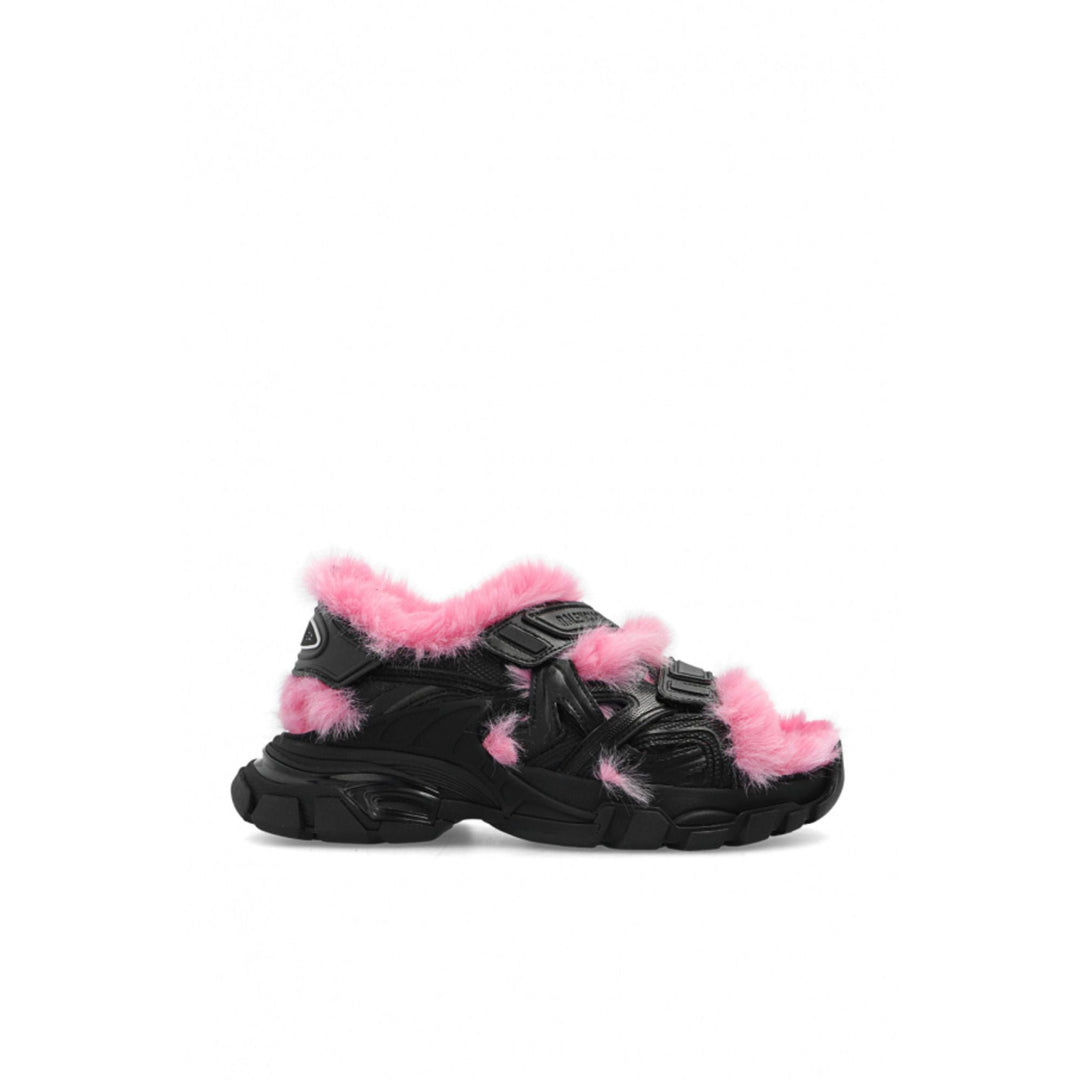
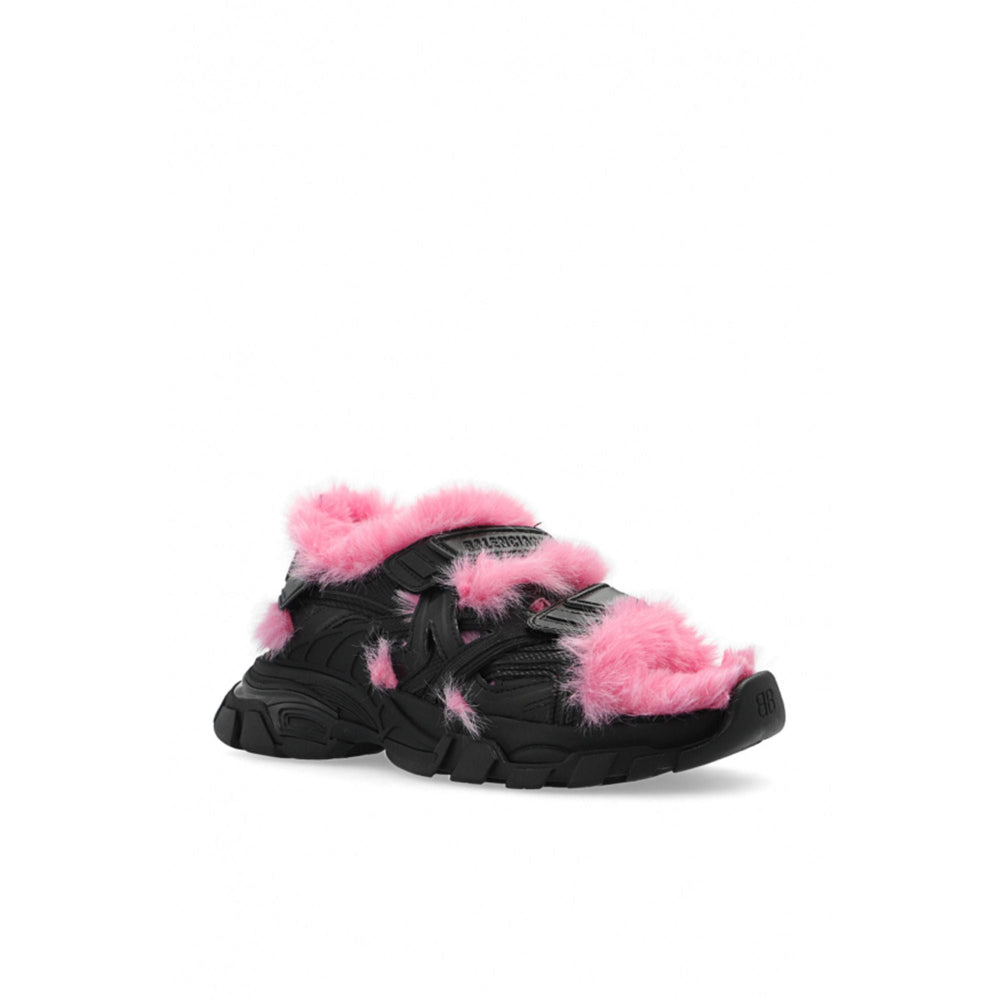
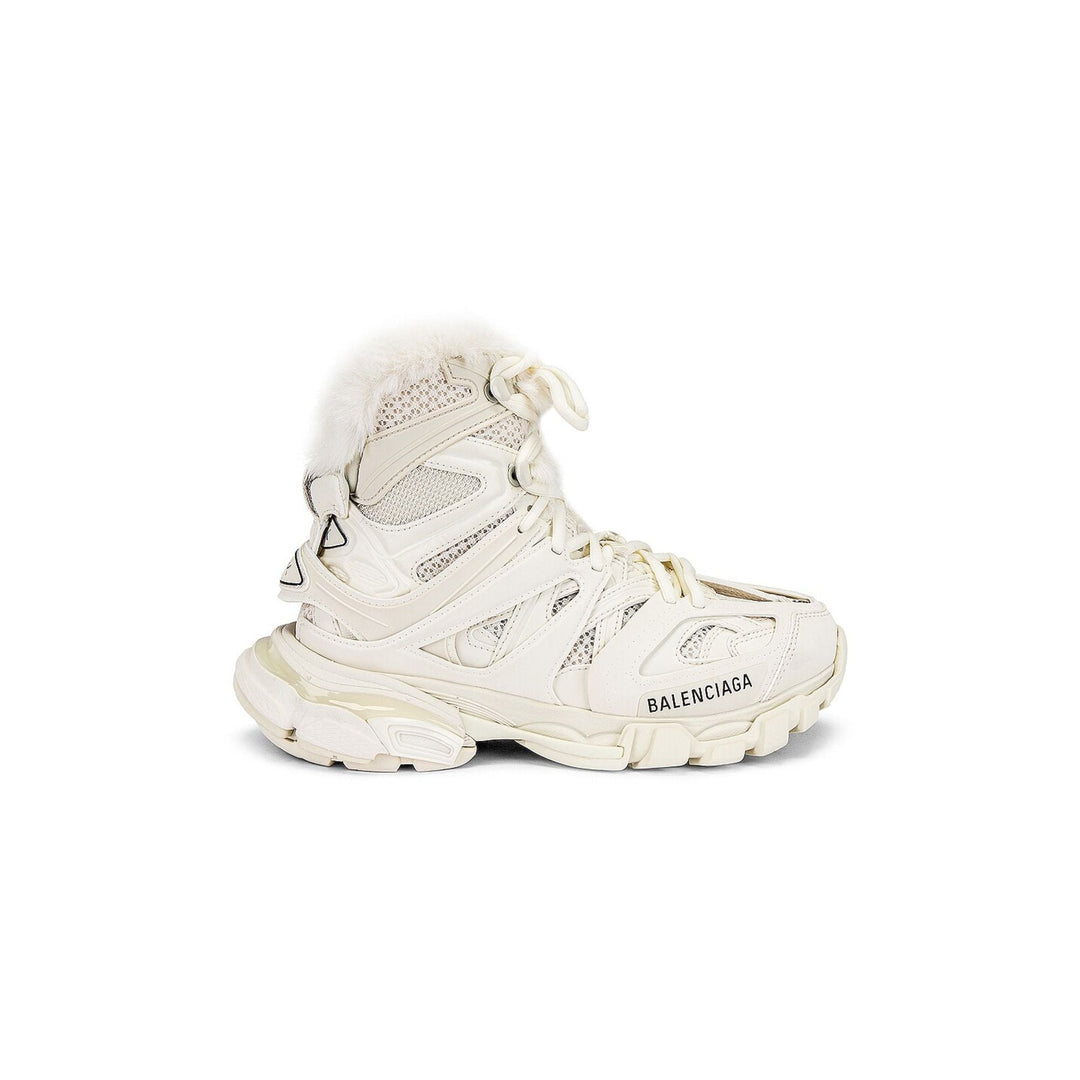
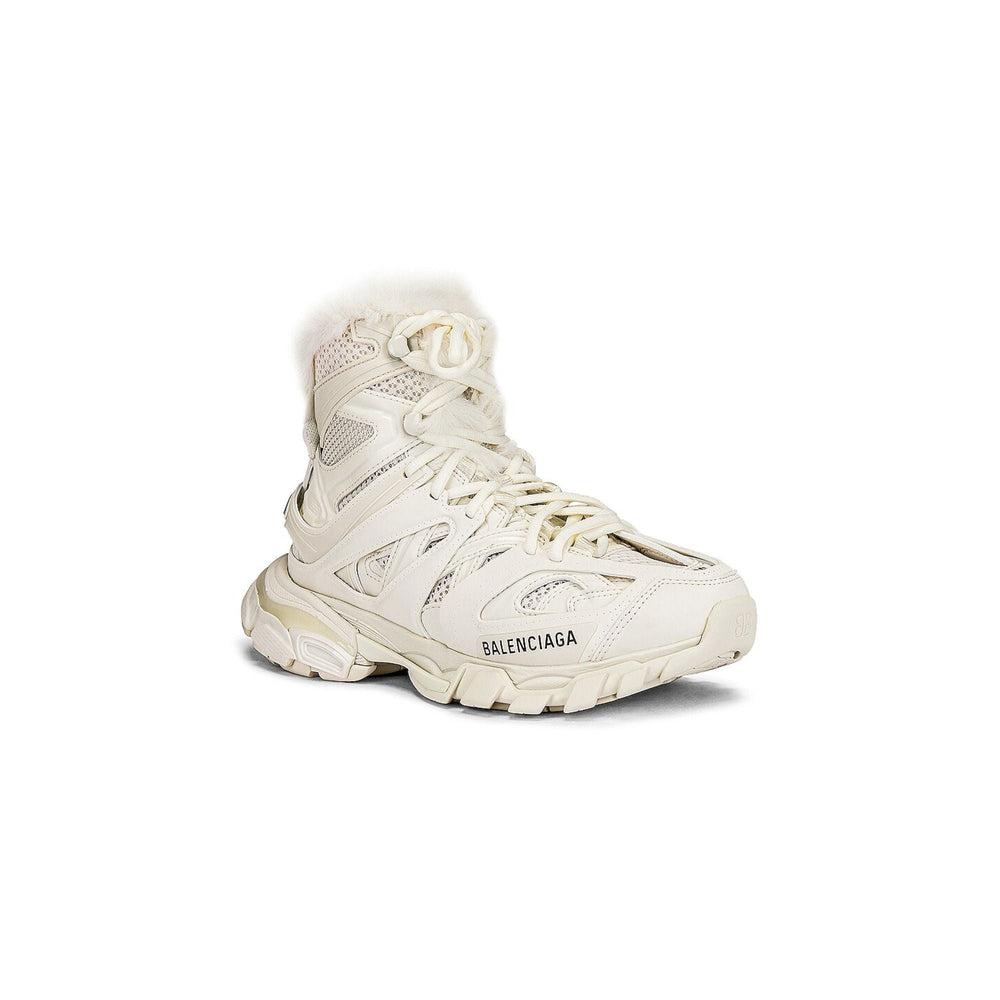
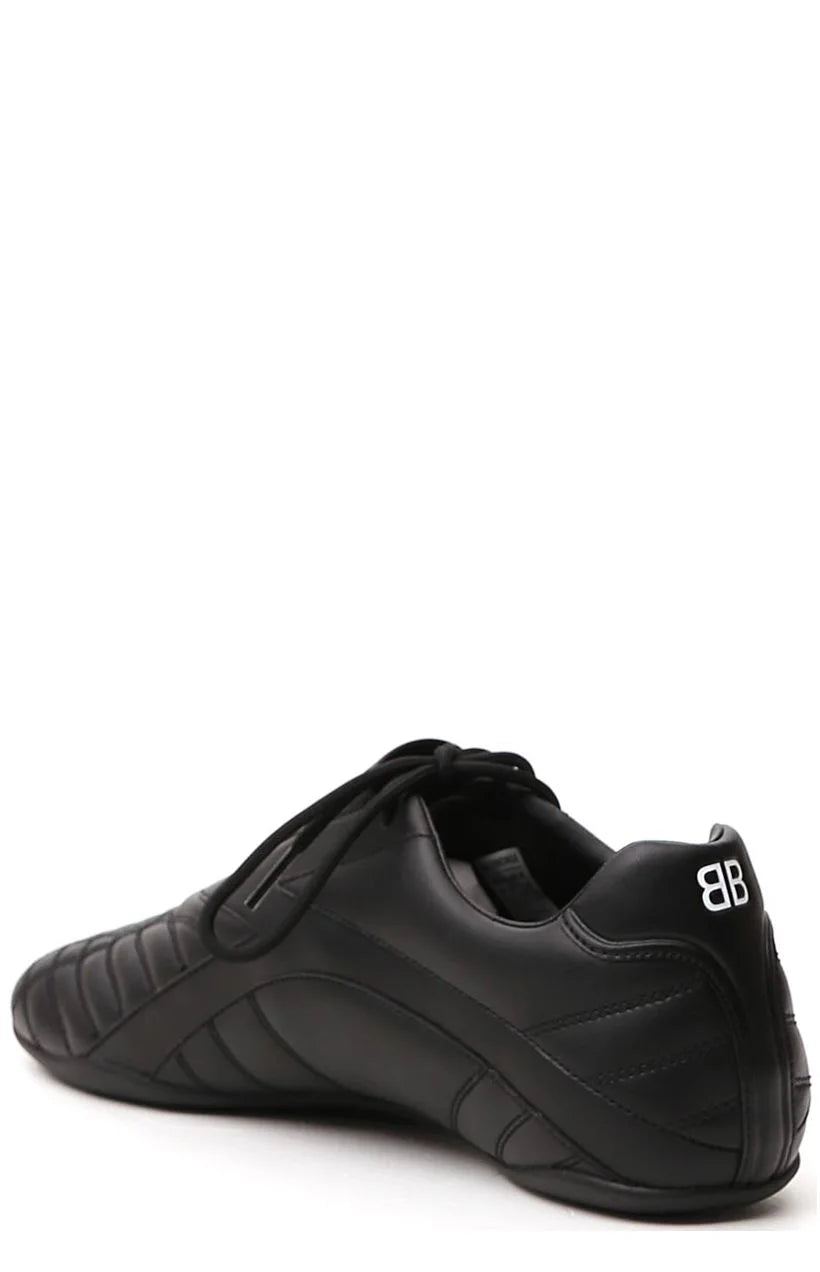
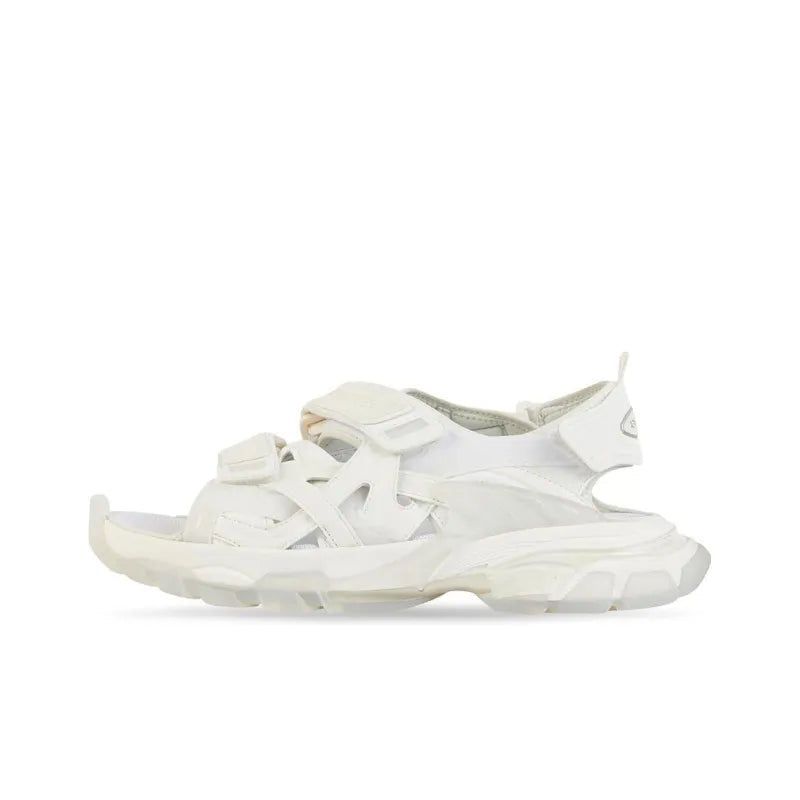
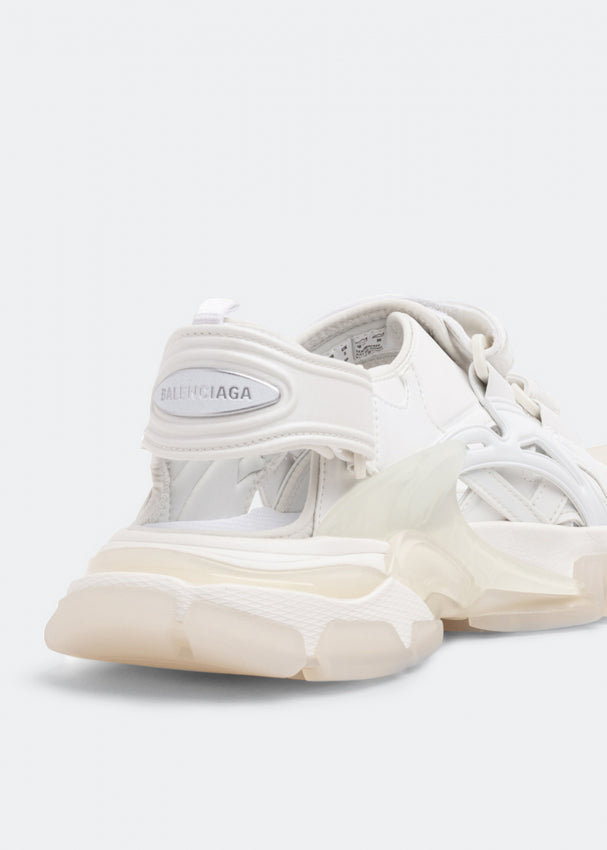
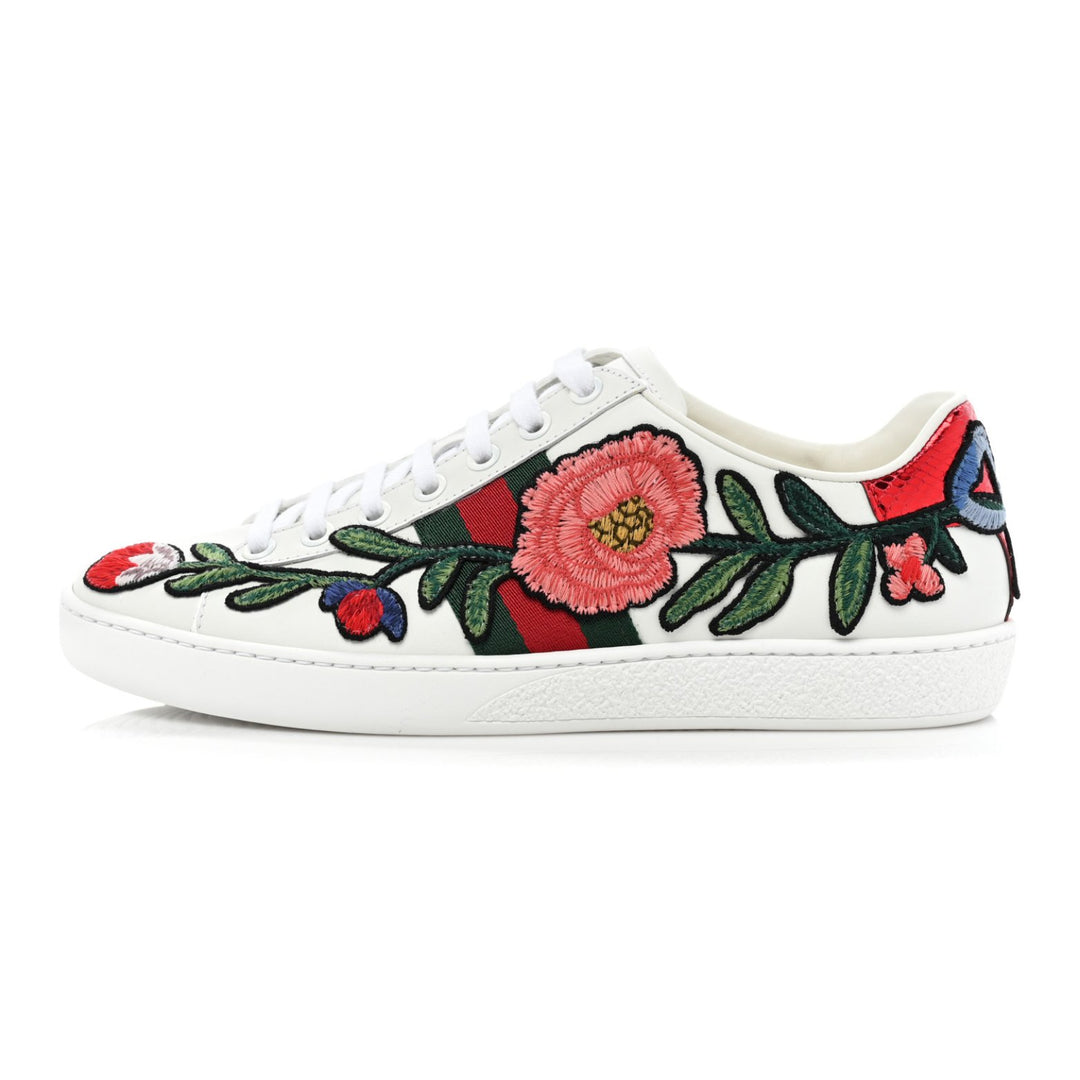
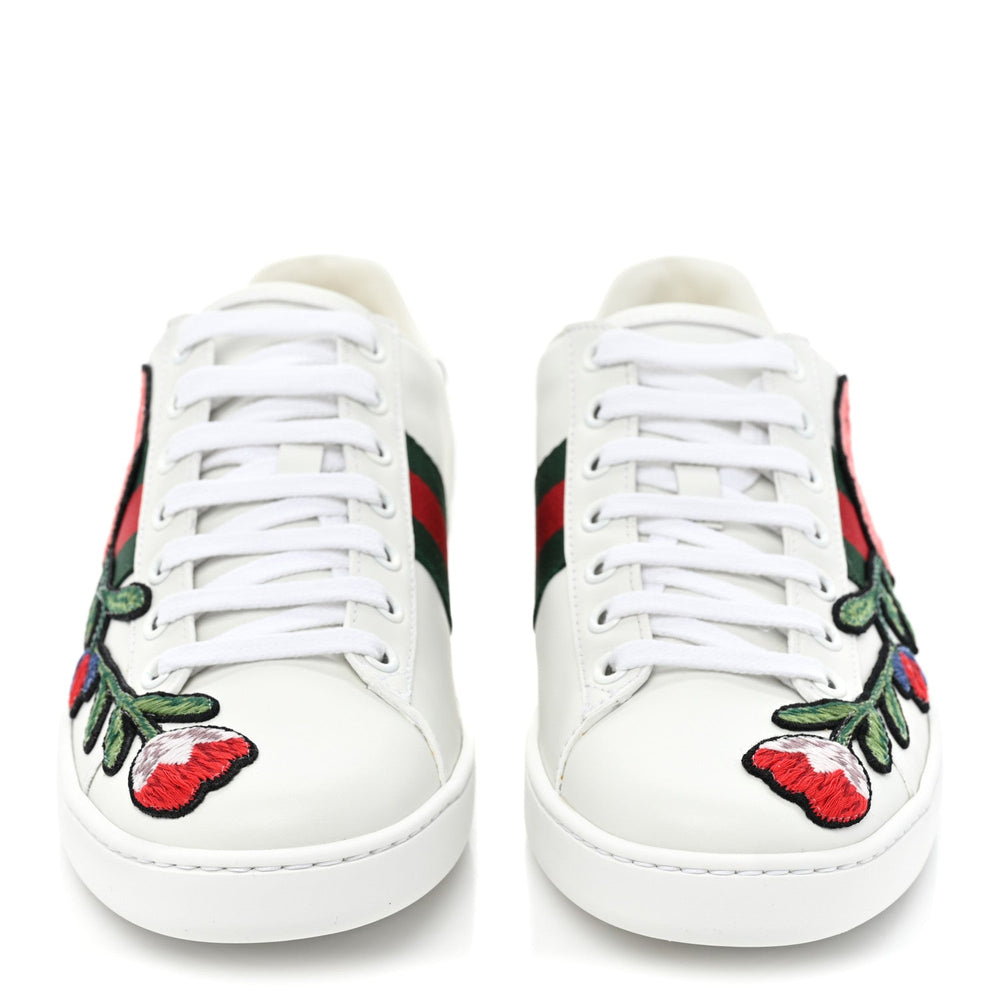
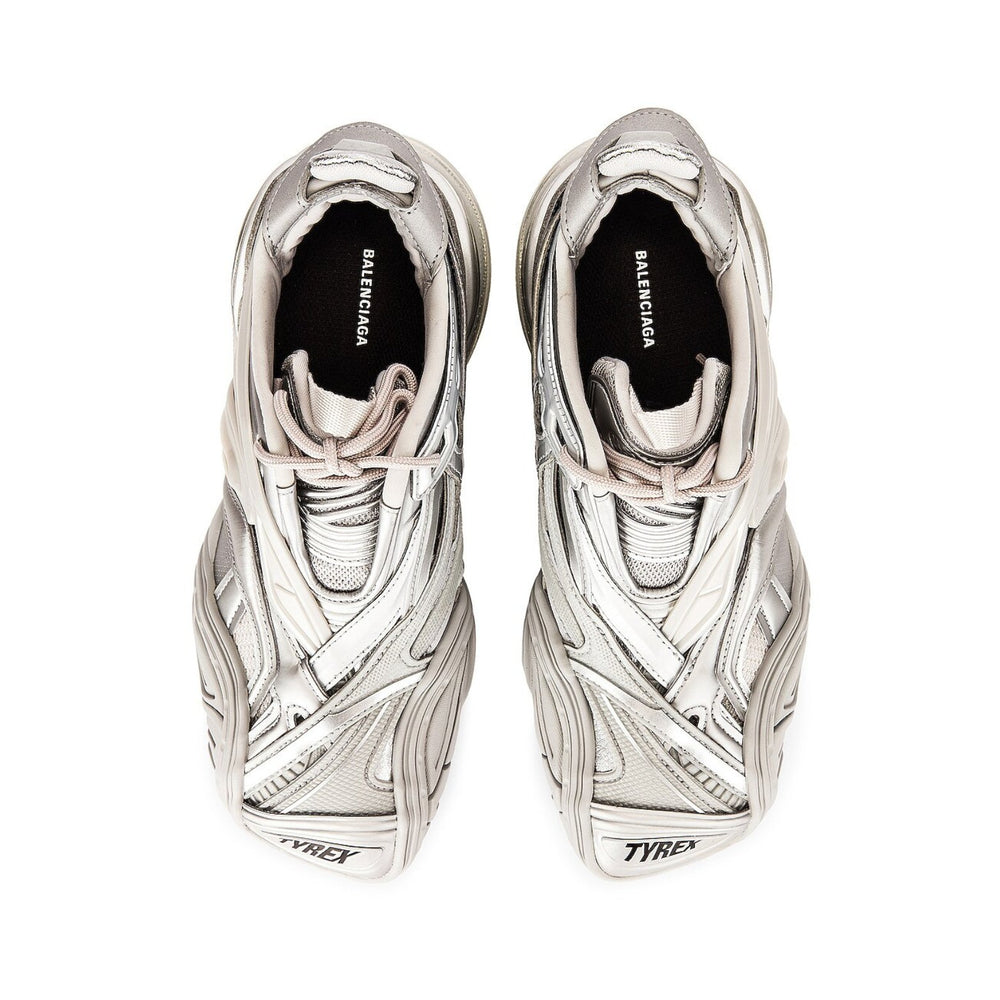
Designer Sneakers ($350 to $800). Contemporary luxury from Gucci, Prada, Balenciaga, and Golden Goose for casual days.
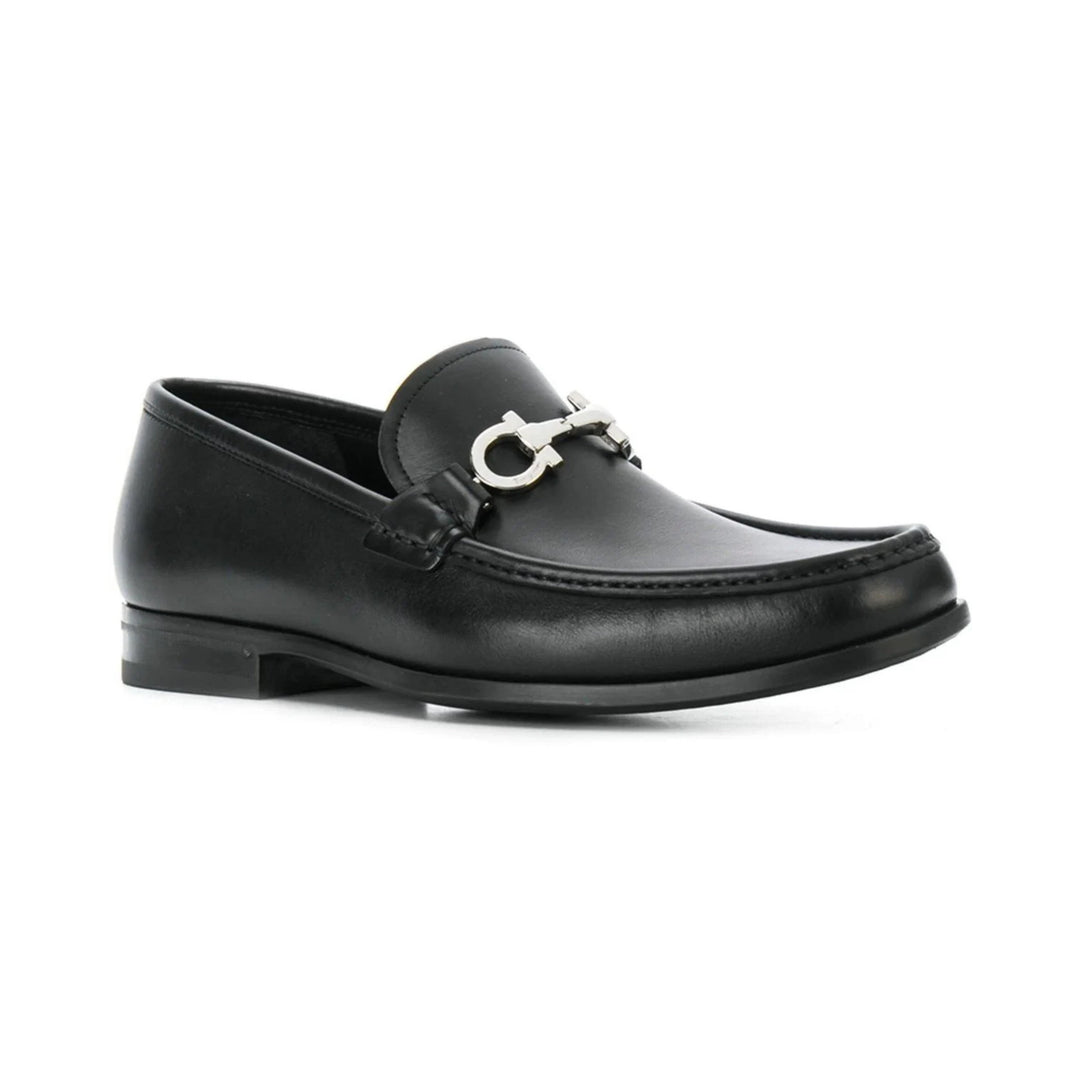
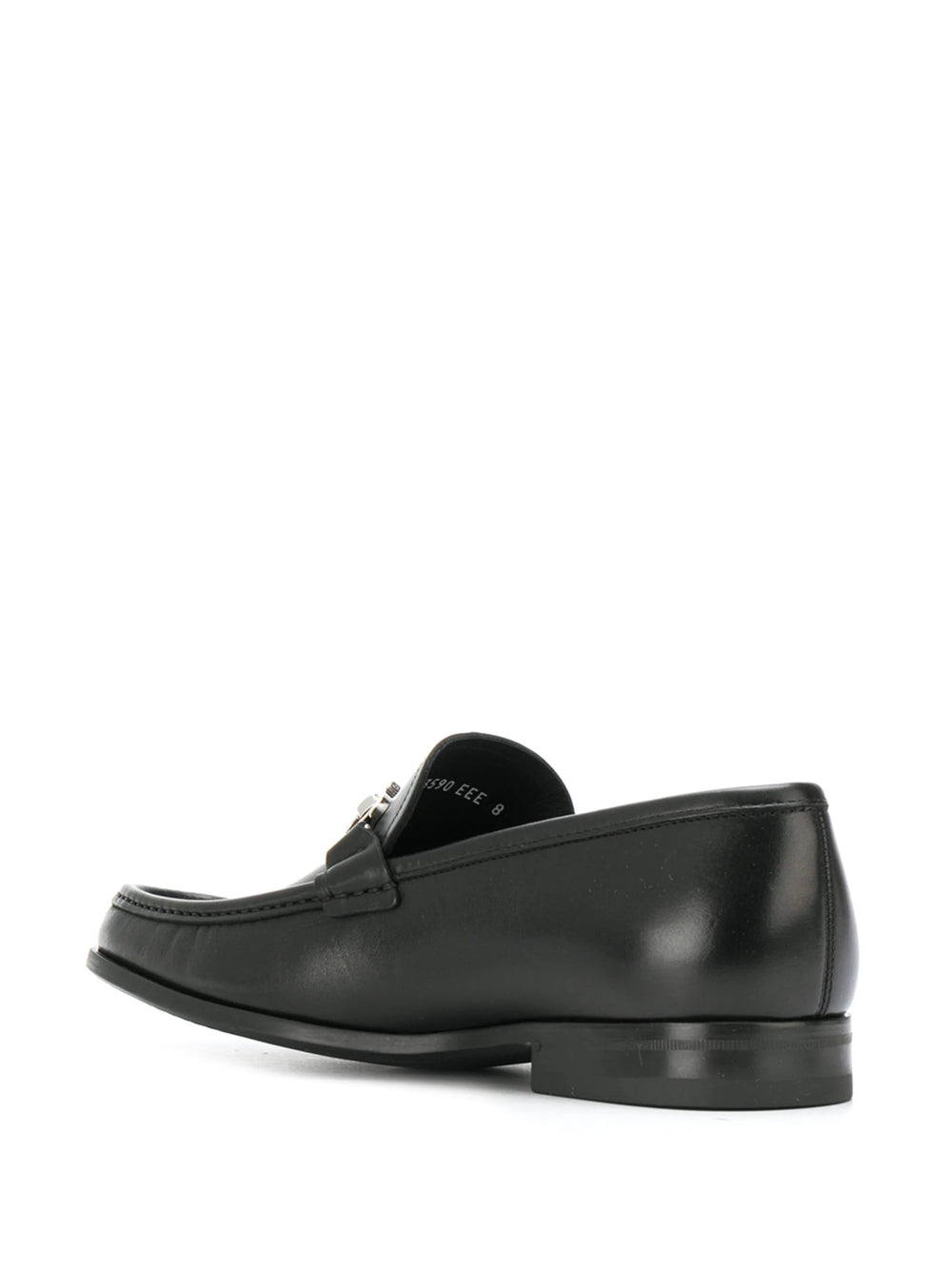
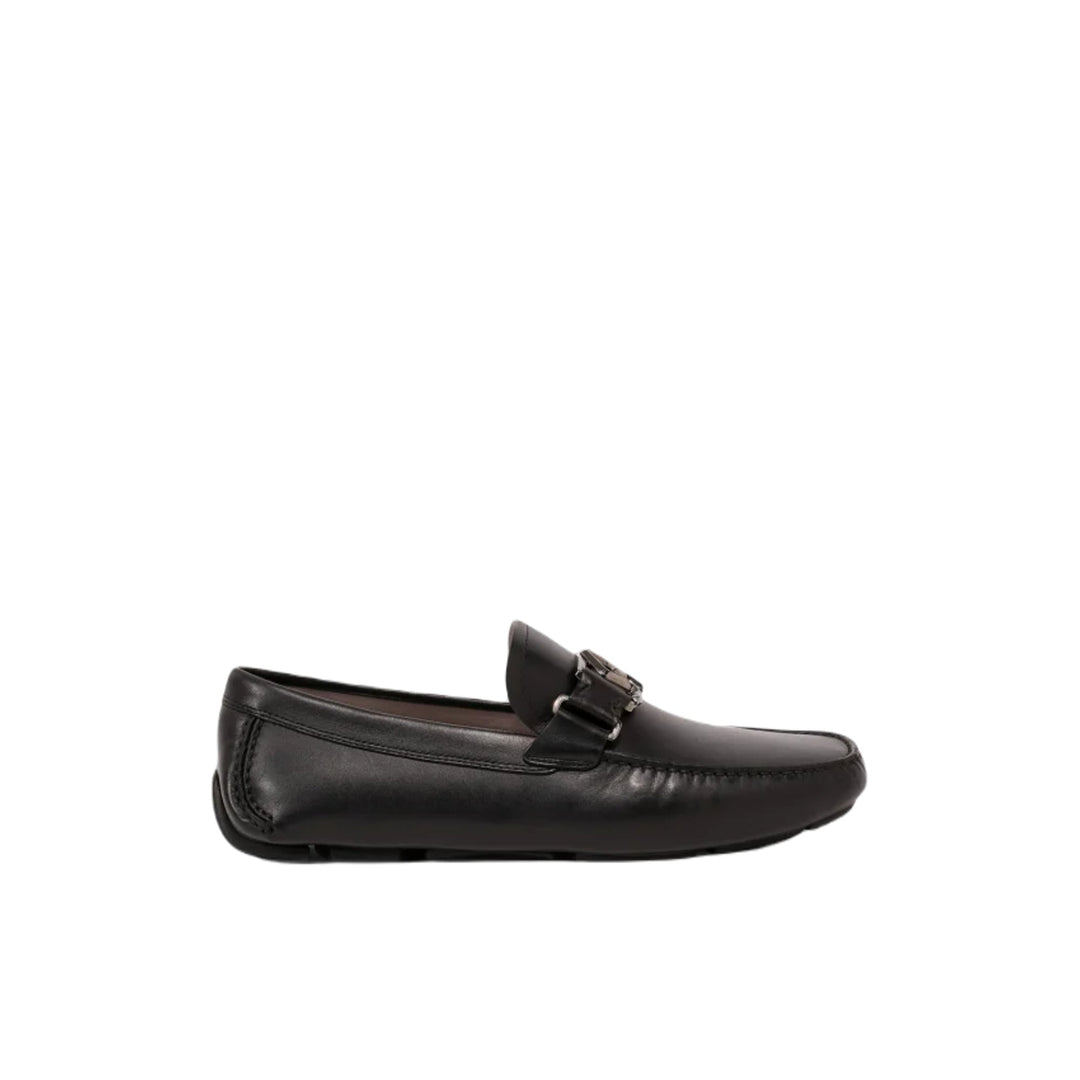
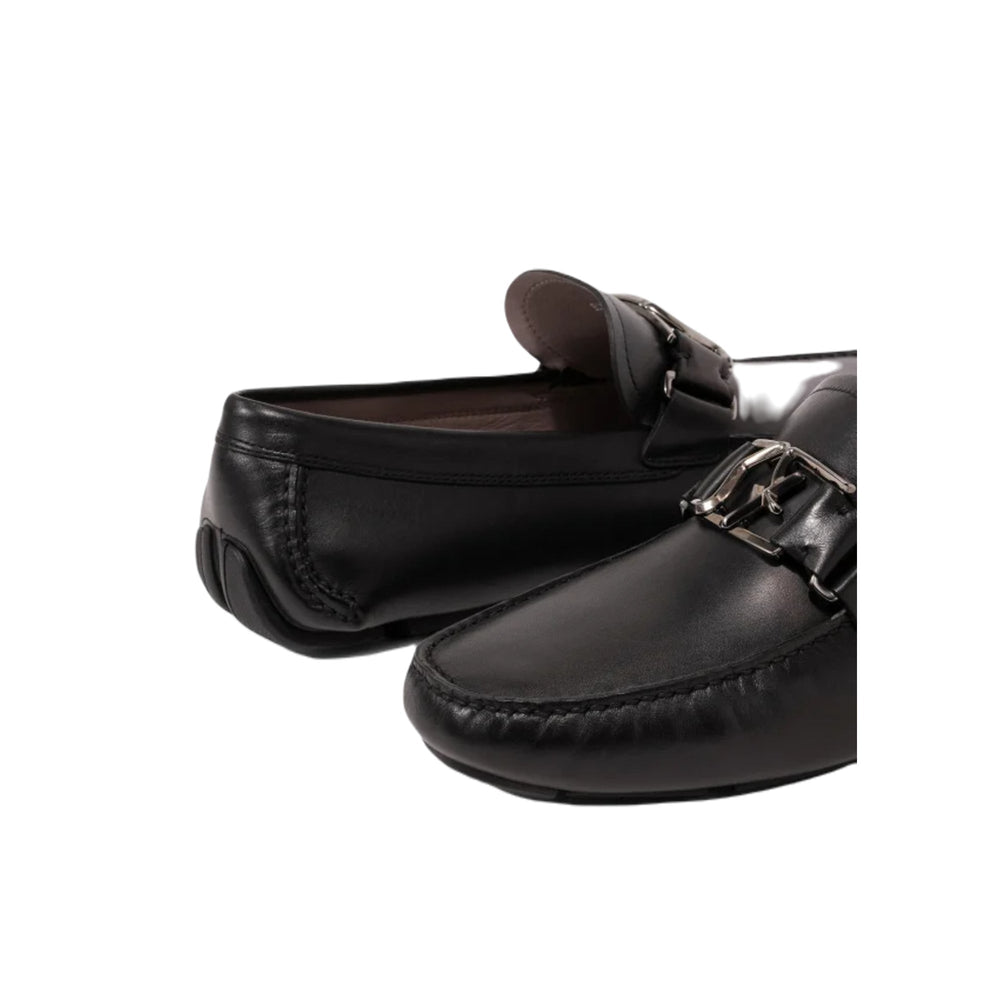
Designer Loafers On Sale ($400 to $800). Gucci Horsebit loafers, classic penny styles, and modern interpretations that carry from casual to business.
Men's Designer Shoes on sale
Designer dress shoes ($500 to $999). Italian oxfords, derbies, and monk straps from Ferragamo, Prada, and Gucci. Professional elegance with legendary comfort. Originally $900 to $1,600.
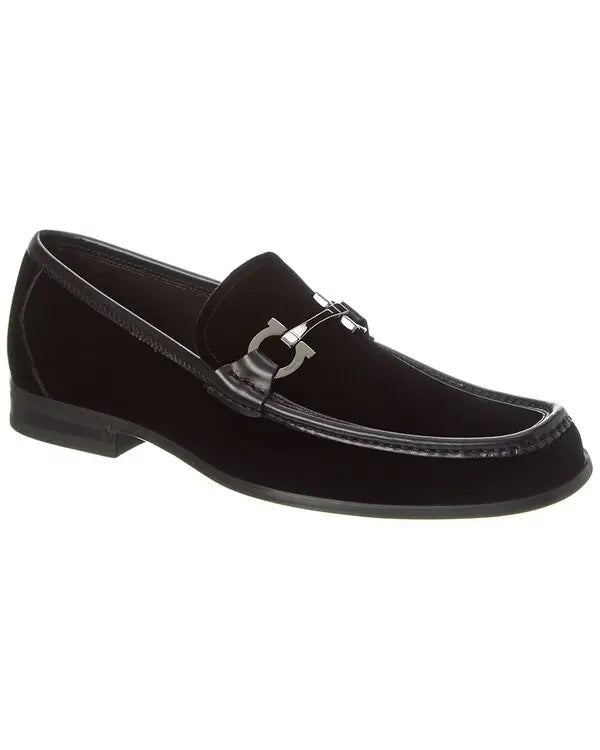
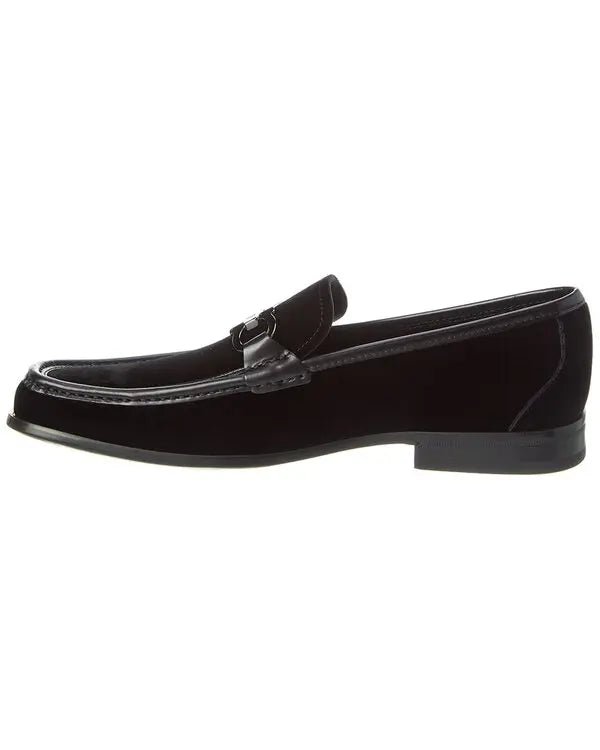
Designer loafers ($400 to $900). Gucci Horsebit loafers, Ferragamo Gancini styles, Prada leather loafers, and Tod's driving shoes.
Designer boots ($600 to $999). Chelsea boots, chukka boots, and quality leather styles with Italian construction for year-round wear.
Designer Sneakers ($400 to $900). Luxury casual footwear from leading Italian houses, contemporary style with everyday comfort.
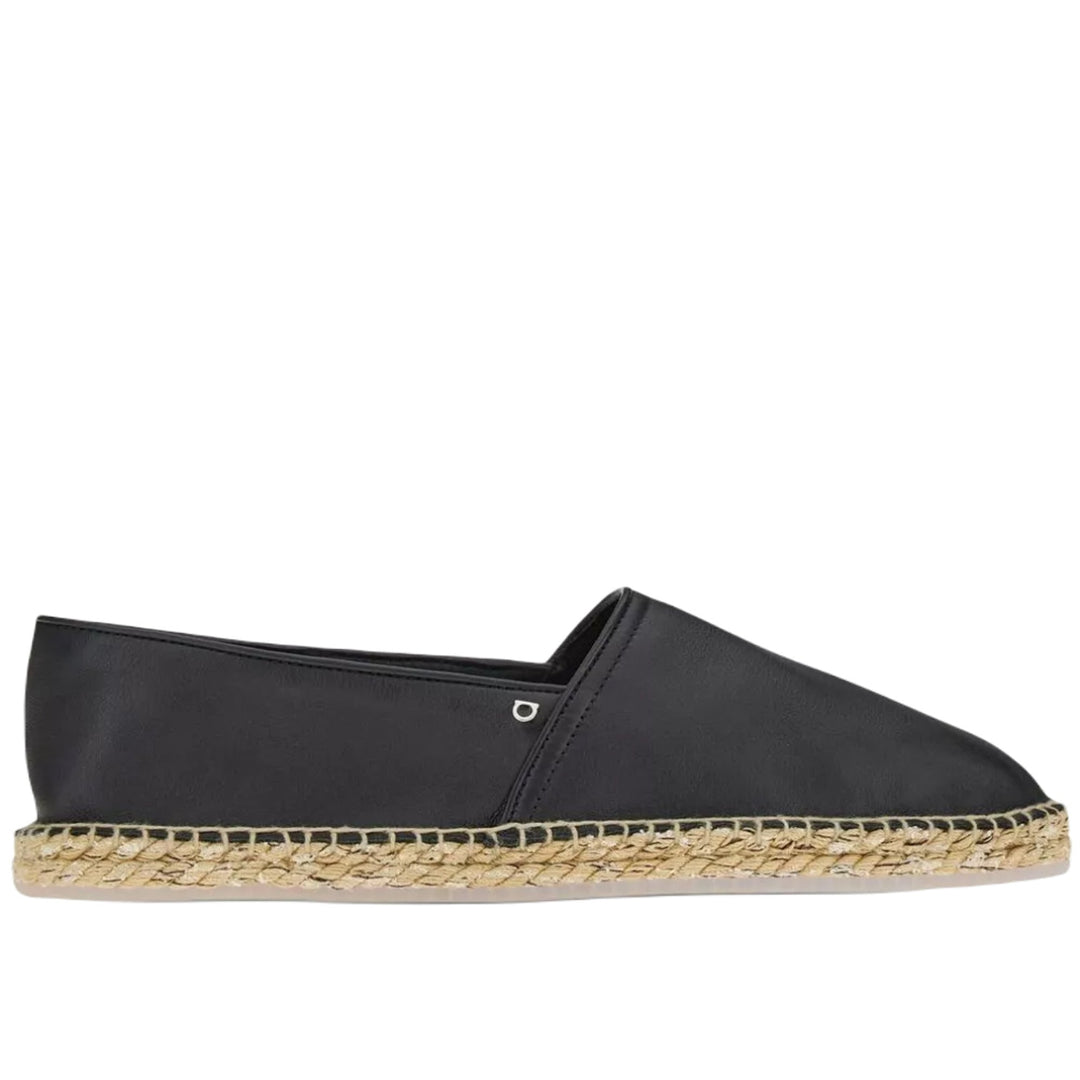
Designer casual shoes ($400 to $800). Driving shoes, boat shoes, and quality leather casuals in relaxed formats.
Featured designer brands on sale
Salvatore Ferragamo brings nearly a century of Italian shoemaking, from the legendary Varina flats and Vara pumps to comfortable dress shoes, typically 30 to 40 percent off retail.
Gucci has offered iconic Italian luxury since 1921, with Horsebit loafers, leather pumps, and contemporary sneakers on sale.
Prada delivers minimalist Italian sophistication, including Saffiano leather pumps, quality flats, and dress shoes at outlet prices.
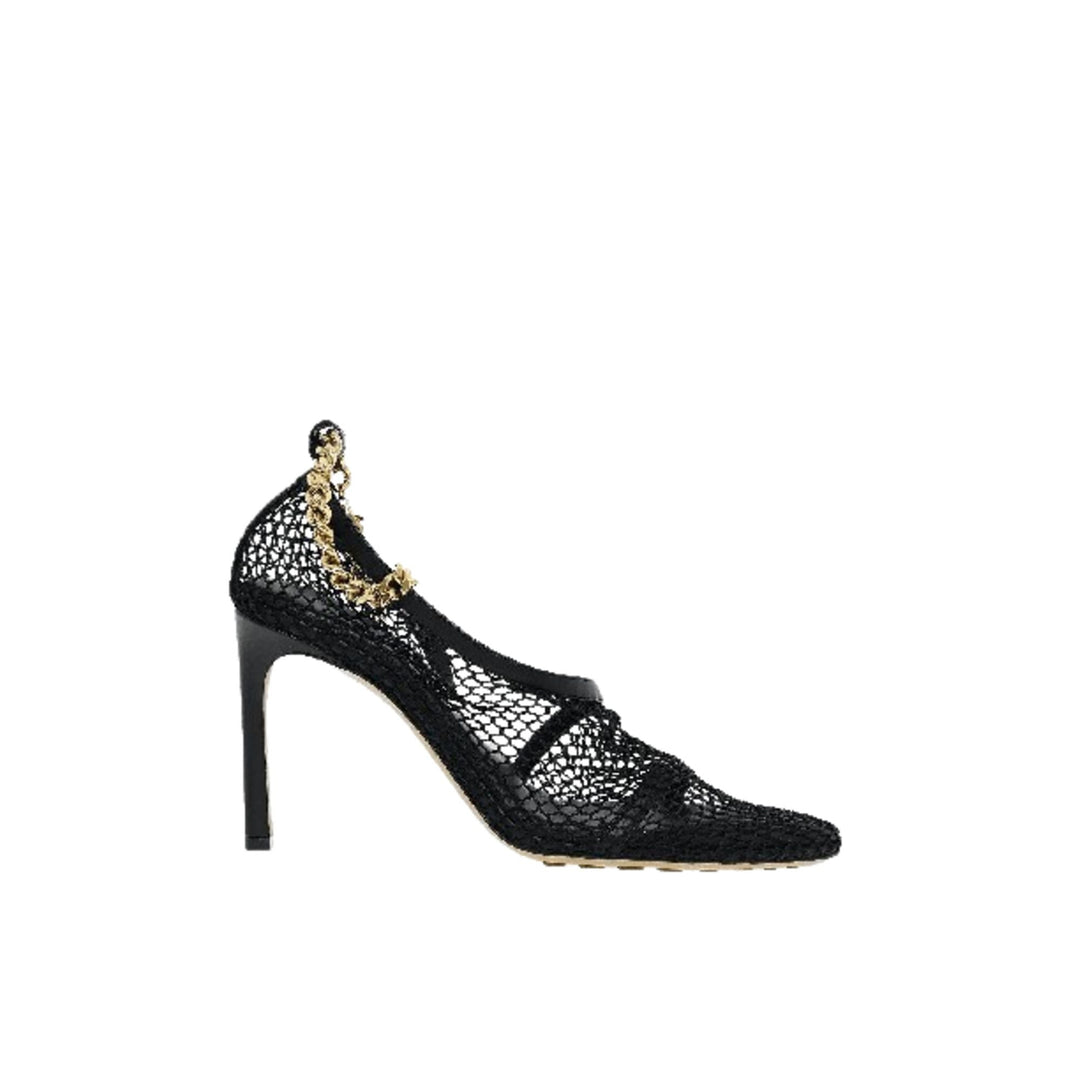
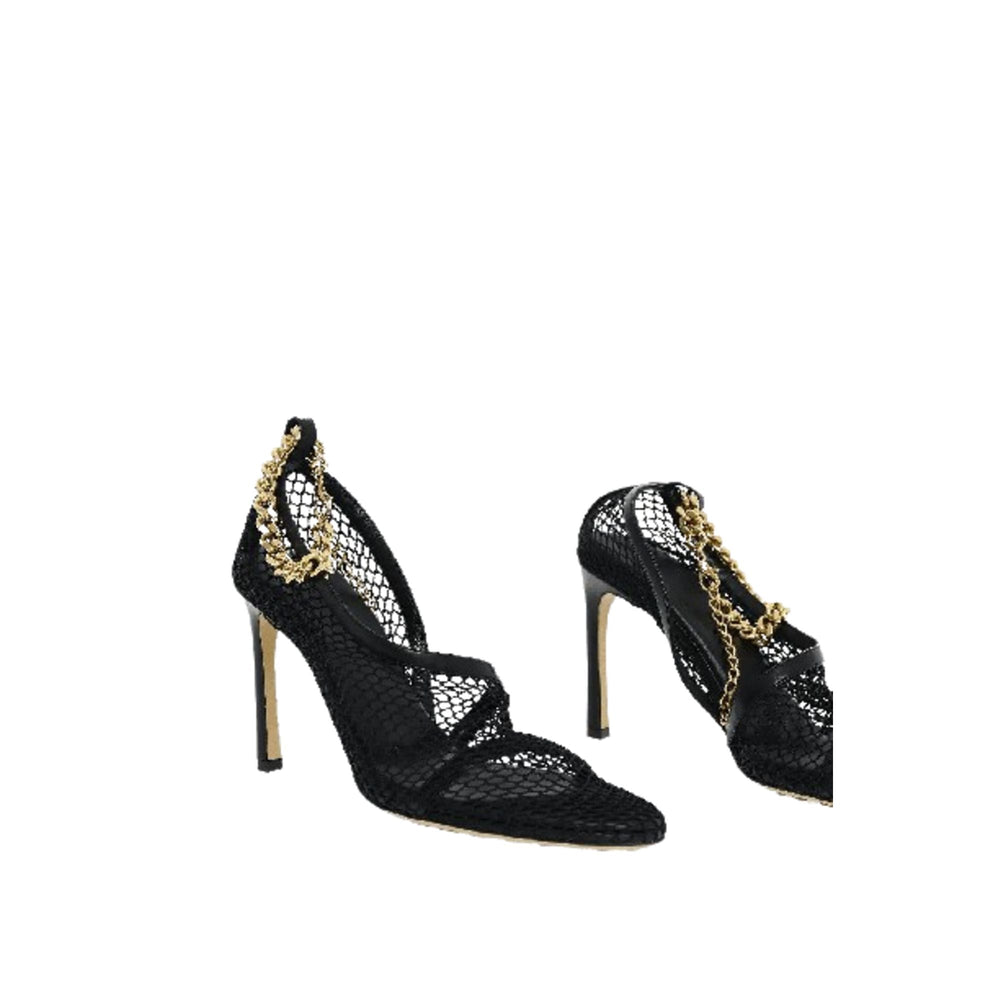
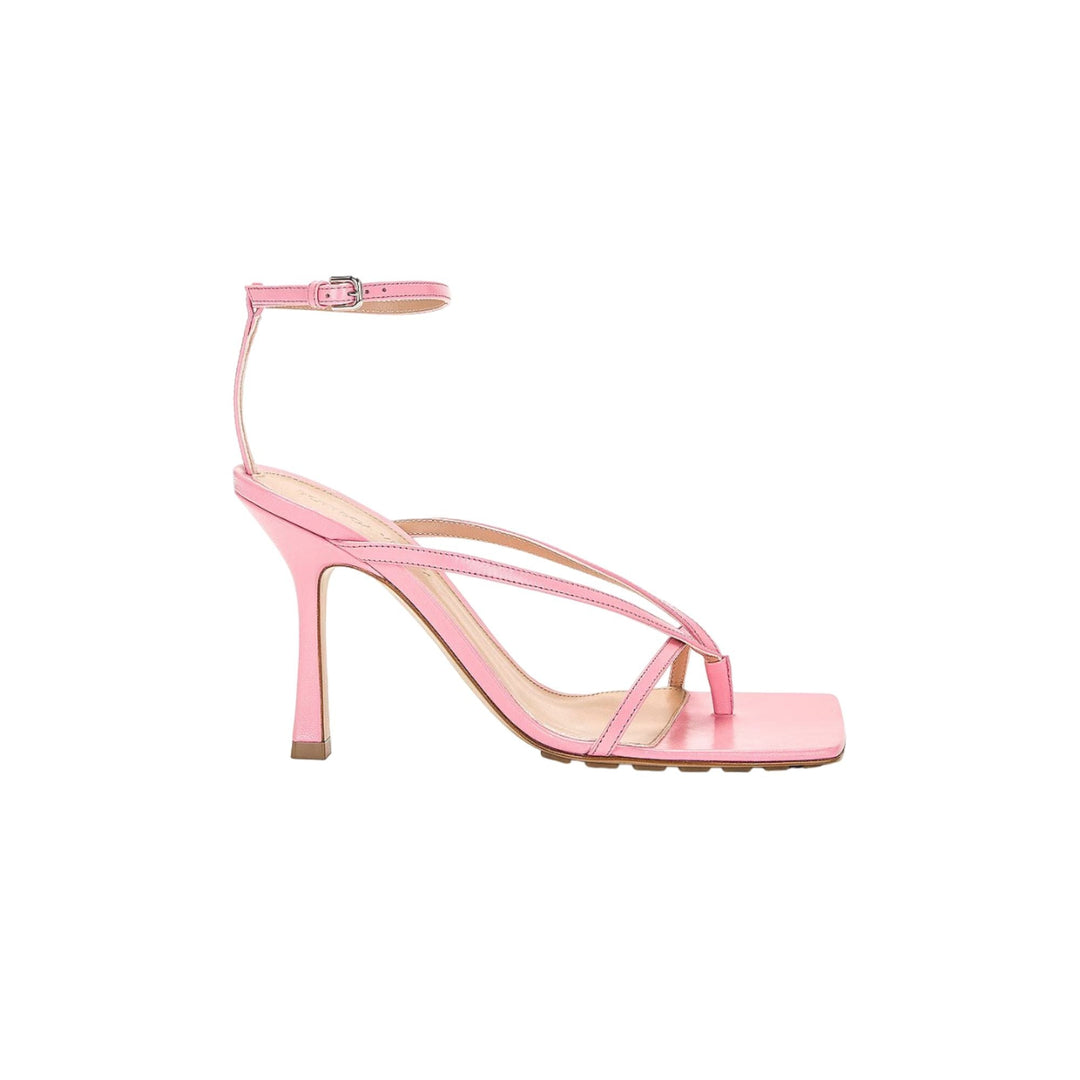
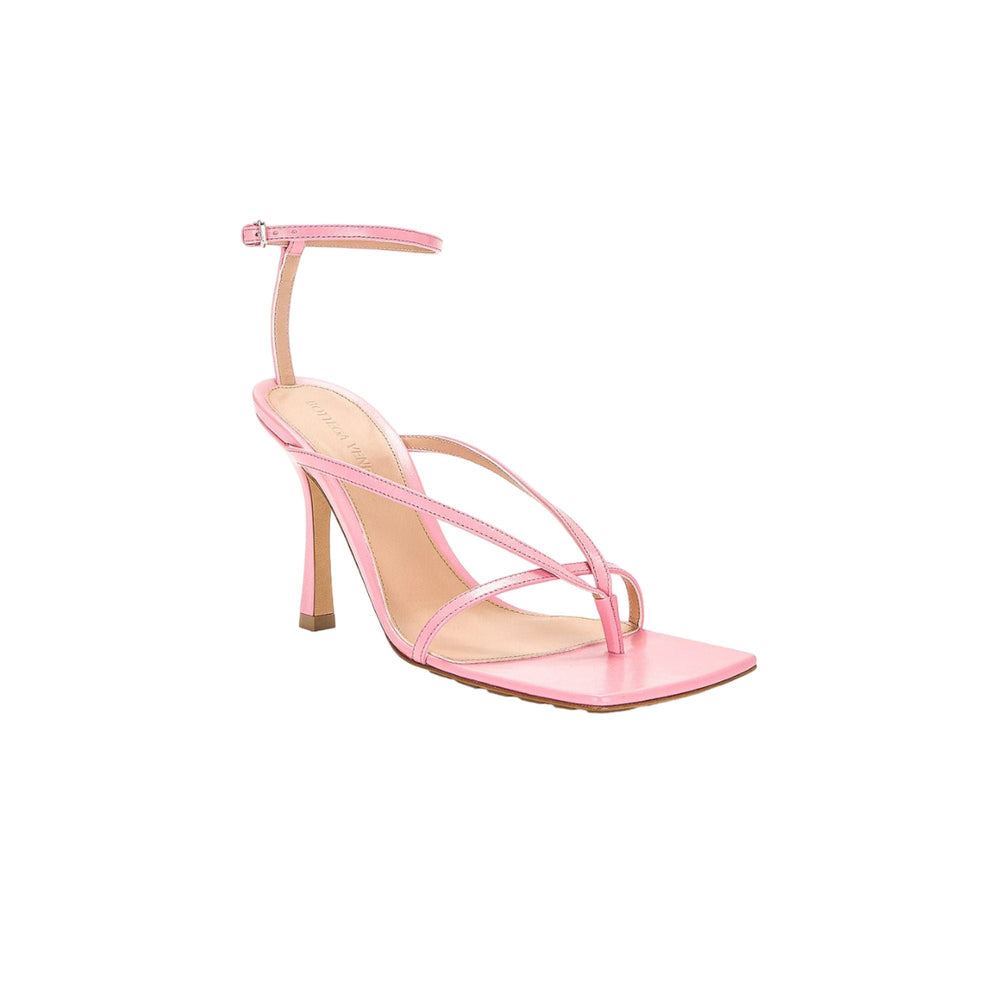
Bottega Veneta is quiet luxury built on artisan leather, with Intrecciato woven flats and sandals on sale.
Saint Laurent pairs sharp design with Italian manufacturing across heeled sandals, ankle boots, and elegant pumps.
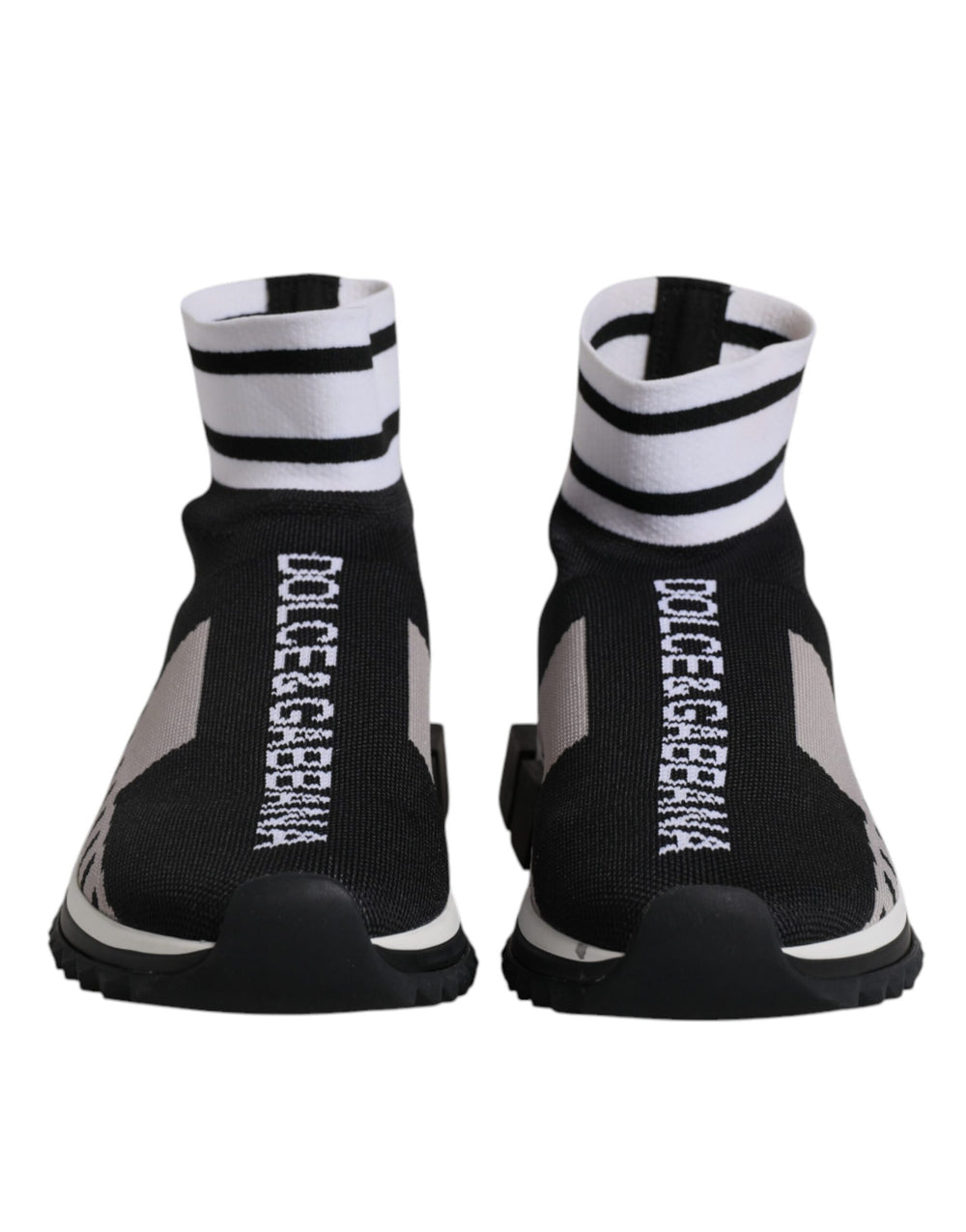
Dolce & Gabbana brings bold Sicilian style in embellished heels, quality loafers, and distinctive footwear.
You will also find authentic styles from Burberry, Balenciaga, Givenchy, Versace, Tod's, Jimmy Choo, and Stuart Weitzman, all on sale.
Why do designer shoes go on sale?
Designer shoes at outlet prices are not lower quality or made for outlets. They are the same shoes sold in boutiques, reaching you below retail through ordinary channels:
- Seasonal transitions. Previous-season styles, usually 6 to 18 months old, are identical in quality to current stock, and most designer footwear is classic enough to stay current for years.
- Overstock. Specific sizes, colors, and styles that exceeded retail projections, identical in construction to the pairs that sold out.
- Boutique and department-store clearances. Genuine designer shoes moved below retail to make room for incoming inventory.
- European sourcing and sample sales. Direct relationships with legitimate European boutiques and wholesale partners, plus occasional showroom and buyer samples in excellent condition.
You receive the same Italian construction, materials, and craftsmanship sold at full boutique price. Only the channel and the price change.
Sizing guide for designer shoes
Designer footwear follows European sizing, so use this as a starting point and check each brand's chart before ordering.
Women's: US 6 is about EU 36 to 37, US 7 is EU 37 to 38, US 8 is EU 38 to 39, US 9 is EU 39 to 40, US 10 is EU 40 to 41.
Men's: US 7 is about EU 40, US 8 is EU 41, US 9 is EU 42, US 10 is EU 43, US 11 is EU 44.
Brand fit notes. Gucci often runs narrow or small, so many shoppers size up half a size. Ferragamo runs true to Italian size with excellent width options. Prada is generally true to size with a narrow-to-medium fit. Saint Laurent typically runs small, so consider sizing up half to a full size. Bottega Veneta runs true to Italian size with refined proportions. Always verify the brand size chart and read customer reviews for real-world fit.
The value: cost per wear
Luxury sounds expensive until you measure it by how much you actually wear it. A well-made pair of Italian designer shoes, cared for properly, can last a decade or more, spreading the cost across hundreds of wears and bringing the cost per wear down dramatically over time. A single $700 pair bought on sale that lasts fifteen years costs less over its life than replacing a cheap $150 pair every couple of years, and it looks and feels far better along the way. Bought on sale at outlet prices, designer shoes become one of the smartest value purchases in a wardrobe.
Care in brief
A little care protects the investment. Use cedar shoe trees to hold shape, condition fine leather a few times a year to keep it supple, brush and protect suede styles, allow a day between wears, and store pairs in dust bags away from direct sun. Quality Italian construction can also be resoled by a good cobbler, which extends the life of a favorite pair for years.
100% authentic, guaranteed
Every designer shoe on sale at AskMeWear is guaranteed authentic. We source our footwear through legitimate European boutiques, past-season and overstock channels, department-store clearances, and verified wholesale partners, so you receive only genuine Italian craftsmanship at outlet prices.
Each pair is verified before it is offered for sale:
- Material inspection. Italian leather and materials are checked against brand standards.
- Construction analysis. Stitching, lasting, and finishing are reviewed for authenticity.
- Brand verification. Interior stamps, logos, and markings confirmed.
- Quality assessment. Overall construction was evaluated against luxury standards.
- Documented sourcing. Every pair is traced to legitimate European retail and wholesale channels.
Shop with confidence, backed by our 7-day return policy.
Designer shoes on sale at outlet prices are identical in quality, materials, and construction to full-price boutique shoes, representing the same Italian craftsmanship, premium leather, and heritage brand standards with only pricing differing through legitimate outlet channels, seasonal clearances, and inventory management rather than any compromise in manufacturing, durability, or luxury standards that would justify retail price premiums. The authentication and verification of identical quality: every designer shoe in our outlet collection originates from authorized brand outlets (official Ferragamo, Gucci, Prada outlets in Italy and Europe), luxury department stores clearing previous season inventory (Nordstrom, Saks, Neiman Marcus authorized partnerships), or authorized European retailers with documented brand relationships and transparent sourcing. These aren't gray market imports, counterfeit products, or "made for outlet" inferior versions.
They're authentic designer shoes from the same factories, using identical materials and construction processes, meeting identical brand quality control standards as shoes sold at $1,200-$1,500 in designer boutiques. The only difference is timing (previous season versus current season) or inventory status (overstock versus sold-out demand), not any aspect of quality, craftsmanship, or materials that constitute Italian luxury footwear. The material and construction verification process confirms: Italian calfskin leather originates from identical tanneries supplying boutique inventory.
A Ferragamo Varina flat at outlet pricing uses the same quality leather from the same Italian supplier as identical flats sold at full retail. The leather grade, tanning process, and finishing remain identical. Construction techniques including hand-stitching details, lasting processes (how leather is formed around foot molds), sole attachment methods (whether stitched or cemented), and quality control inspection all match boutique standards.
Brands maintain manufacturing consistency across all authorized production regardless of final retail destination. Hardware quality (buckles, zippers, decorative elements) uses identical materials and finishing whether shoes ultimately sell at outlets or boutiques. The Gucci horsebit hardware on outlet loafers is the same brass with identical gold-plating as boutique equivalents.
Brand authentication elements including stamps, labels, interior markings, style numbers, and quality control tags match authorized production standards. We verify these details during our authentication process confirming shoes meet all brand specifications identical to boutique inventory. The specific scenarios creating outlet availability without quality compromise: previous season styles from 6-18 months ago arrive at outlets after boutiques cycle to current season collections.
The shoes themselves remain identical in every quality aspect – only the season designation changes. Classic styles like Ferragamo Vara pumps, Gucci horsebit loafers, or Prada leather flats vary minimally between seasons making "previous season" largely meaningless for timeless designs. A 2023 Vara pump is virtually indistinguishable from a 2025 version in construction, materials, comfort, and appearance.
Overstock situations occur when brands or retailers order quantities exceeding actual sales in specific sizes, colors, or styles. Perhaps brown loafers sold less than anticipated while black sold out. The remaining brown inventory goes to outlets at reduced prices despite identical quality to sold-out black equivalents.
The color didn't sell as projected, but construction and materials are identical. Limited size availability creates outlet opportunities when specific sizes remain after majority of inventory sells at retail. Perhaps sizes 6.5, 7, and 9.5 sold well while size 8 overstock exists.
That size 8 goes to outlet pricing despite identical quality to sold sizes. The fit and construction are identical; only the size distribution created surplus. Seasonal transitions at luxury department stores require clearing fall/winter boots in March or spring/summer sandals in September making room for incoming seasonal merchandise.
These clearance shoes are authentic designer items at reduced prices due to calendar timing, not any quality differential. The retailer needs space for new inventory, not because shoes are flawed. The "made for outlet" myth requires direct address: some brands (primarily mass-market, not luxury) produce separate "outlet lines" with reduced quality.
This practice is rare in authentic Italian luxury footwear from heritage brands like Ferragamo, Gucci, Prada, Bottega Veneta, or Saint Laurent. These houses maintain rigorous brand integrity and quality standards across all authorized production. Creating inferior "outlet versions" would damage brand reputation and heritage that took decades or centuries to establish.
For brands that do produce outlet-specific lines (more common in American contemporary brands than Italian luxury), these are clearly designated as different collections with different style numbers, and we verify all shoes originate from mainline collections, not secondary outlet lines. When purchasing from reputable authorized outlets like ours with transparent sourcing, you're getting mainline collection shoes at outlet prices, not compromised alternatives. The verification consumers can perform independently: examine style numbers and SKUs on shoes and boxes matching them to official brand references confirming mainline collection status.
Check construction quality including stitching consistency, leather suppleness, hardware finishing, and overall craftsmanship against brand standards. Quality Italian shoes display obvious superior construction whether purchased at outlets or boutiques. Research specific styles discovering they're sold (or were sold) in boutiques at full retail confirming they're not outlet-specific versions but authentic mainline designs now available at reduced pricing.
Read customer reviews and authentication reports from buyers verifying identical quality to boutique purchases when buying from authorized outlets. The honest assessment from our decade of outlet sourcing: we've compared hundreds of outlet designer shoes directly against boutique equivalents examining construction, materials, comfort, and longevity. The quality is genuinely identical in every measurable way.
The Italian craftsmanship, leather grade, comfort engineering, and durability match perfectly. Outlet shoes age identically to boutique shoes developing similar patina, maintaining structure equally, and providing comparable 10-20+ year lifespans with proper care. The only "quality" difference is the value proposition – getting identical Italian luxury at 30-50% savings represents superior quality in the sense of value-for-money, though the shoes themselves are mechanically and materially identical regardless of purchase price or channel.
"Previous season" designer shoes at outlet prices typically represent styles from 6-18 months ago, occasionally up to 24 months for classic designs, with the vast majority remaining completely current and stylistically relevant since Italian luxury footwear emphasizes timeless design over trend-driven seasonal changes that would make shoes appear dated, particularly in heritage brands like Ferragamo, Gucci, or Prada where core styles remain virtually unchanged across decades. The seasonal timeline and what it actually means for designer shoes: luxury brands release "seasons" biannually – Spring/Summer collections (arriving in stores January-February) and Fall/Winter collections (arriving August-September). Previous season shoes at outlets might be Fall/Winter 2023 styles now available in early 2025, or Spring/Summer 2024 styles available in fall 2025.
This 6-18 month timeframe represents recent production, not ancient historical pieces from decade ago. The shoes were manufactured recently using current techniques, materials, and quality standards essentially identical to today's production. For context, the "new" Spring/Summer 2025 Ferragamo Vara pumps you'd buy at full retail in boutiques differ imperceptibly from Spring/Summer 2024 Vara pumps now available at outlet prices.
Heritage brands maintain design consistency across seasons intentionally. The minimal design evolution in classic luxury footwear means seasonal distinctions are often meaningless for core styles: Ferragamo Vara pumps have remained essentially unchanged since introduction in 1978. A "previous season" Vara is indistinguishable from current season in design, construction, and styling.
The grosgrain bow, 2.5-inch heel height, and refined silhouette are timeless constants, not seasonal variables. Gucci horsebit loafers, another heritage icon, maintain consistent design language across seasons. Previous season horsebit loafers look identical to current offerings except perhaps minor leather color variations or hardware finish options that rotate but don't date the fundamental design.
Prada Saffiano leather shoes in classic styles (simple pumps, dress shoes, professional footwear) vary minimally between seasons. The signature crosshatch leather texture, refined proportions, and minimalist aesthetic remain consistent making "last season" virtually indistinguishable from "this season" in timeless styles. The design changes that do occur seasonally affect peripheral not core elements: color variations rotate seasonally – perhaps certain specific shades are emphasized in current season while previous season featured different color options.
However, classic neutrals (black, brown, navy, cognac) remain available every season making color-based obsolescence irrelevant for neutrals. Embellishment or decorative details might vary in fashion-forward styles (specific buckle styles, seasonal patterns, trend-influenced elements) while classic unadorned styles remain consistent. If buying very trend-specific embellished shoes, these might feel more "of a moment" than clean classic designs transcending seasons.
Seasonal materials occasionally appear (specific exotic leathers, seasonal fabrics, limited edition treatments) in special collections, but standard Italian calfskin, suede, and quality materials remain consistent across seasons. The practical obsolescence assessment for previous season designer shoes: professional dress shoes (pumps, oxfords, dress loafers) from previous seasons look completely current as business footwear changes glacially slowly. A black Prada dress shoe from 18 months ago appears identical to today's professional footwear in offices globally.
Classic casual styles (quality loafers, simple flats, timeless sneaker designs) remain current across multiple seasons. Italian luxury casual footwear emphasizes enduring style over momentary trends making previous season status irrelevant. Seasonal boots and sandals in classic silhouettes work indefinitely – previous season Chelsea boots, classic ankle boots, simple leather sandals, or refined summer styles look current season after season.
The boot or sandal silhouette itself hasn't fundamentally changed. Very fashion-forward or trend-specific styles (extremely current sneaker designs, very trendy embellishments, specific fashion moment styling) might show their seasonal origins more obviously after 18-24 months. These represent minority of outlet inventory as classic styles predominate.
The consumer perspective on outlet season timing: most women and men cannot identify whether designer shoes are current season or previous season without checking style numbers or following fashion obsessively. The visual distinction is imperceptible for classic styles in daily wear and professional contexts. Even fashion industry professionals often cannot distinguish previous season classics from current offerings without reference materials.
The timeless Italian design philosophy transcends obvious seasonal markers. The value proposition consideration: if saving 40% on "previous season" Ferragamo flats that are visually and functionally identical to current season justifies calling them "previous season," most smart consumers embrace this categorization happily. The "compromise" of previous season status is entirely abstract without practical obsolescence.
The fashion calendar moves continuously meaning this season's styles become previous season's styles within 6 months regardless. Buying current season at full price means owning "previous season" shoes in half a year anyway. The distinction is marketing more than meaningful practical difference for timeless Italian designs.
The reassuring conclusion: previous season designer shoes at outlet prices from heritage Italian brands represent recent production (typically 6-18 months) in classic timeless styles that remain completely current and stylistically relevant for years or decades beyond their seasonal designation. Only highly trend-specific fashion-forward styles risk feeling dated after 18-24 months, and these represent small minority of outlet inventory compared to classic designs transcending seasonal fashion cycles. The vast majority of designer shoes on sale look absolutely current and appropriate in 2025 despite being designated "previous season" through fashion industry calendar mechanics rather than any meaningful obsolescence.
If you're buying classic Ferragamo, Gucci, Prada, or other heritage brand styles in neutral colors and timeless silhouettes, the previous season designation is financially favorable (enabling outlet pricing) without any practical styling downside or appearance of dated fashion.
You can absolutely build complete, comprehensive, high-quality shoe wardrobes buying exclusively designer shoes on sale at outlet prices without ever needing to pay full retail, as outlet channels consistently provide access to core classic styles across all essential categories (professional, casual, formal, athletic) for both men and women, with patient strategic shopping yielding complete coverage serving all lifestyle needs at 30-50% savings compared to boutique retail pricing. The breadth of outlet availability across essential shoe categories confirms comprehensive wardrobe building is realistic: professional work shoes including women's pumps and heels, men's dress shoes (oxfords, derbies, monk straps), professional loafers for both genders, and business-appropriate footwear appear consistently at outlets from Ferragamo, Gucci, Prada, and other Italian brands. These aren't scarce limited items but regularly available core styles at outlet pricing.
Classic Italian brands produce professional footwear as foundation categories appearing reliably at authorized outlets. Casual everyday footwear including women's flats and comfortable loafers, men's casual loafers and driving shoes, quality sneakers from luxury brands, and versatile weekend styles stock outlets consistently across seasons. The mainstream demand for casual shoes ensures continuous outlet availability in core neutral colors and classic designs serving daily lifestyle needs.
Seasonal footwear including boots for fall/winter (ankle boots, Chelsea boots, quality leather and suede), sandals for spring/summer (flat sandals, heeled styles, casual summer footwear), and transitional shoes for varying weather maintain outlet presence as seasonal transitions create natural clearance cycles twice annually bringing seasonal styles to outlet pricing predictably. Special occasion and formal footwear including elegant heels, dress shoes for events, refined formal styles, and statement shoes for occasions appear at outlets regularly as retailers manage inventory of less frequently worn categories. While specific styles rotate, the category presence remains consistent enabling complete wardrobe coverage.
Athletic and contemporary categories including designer sneakers, athleisure footwear, and modern casual styles appear increasingly at outlets as luxury brands expand into contemporary categories while managing inventory across diverse style offerings. The strategic shopping approach building wardrobes exclusively through outlet pricing: prioritize foundation pieces first establishing core coverage in essential categories (one pair professional shoes, one casual everyday, one seasonal boot or sandal) at outlet prices within $1,800-$2,400 for three foundational designer pairs versus $3,200-$4,000 at retail. Expand systematically adding complementary categories over 12-24 months (second professional pair, additional casual options, formal shoes, contemporary sneakers) building complete wardrobes gradually at outlet prices totaling $3,500-$5,000 for comprehensive 6-8 pair collections versus $6,500-$9,000 retail equivalent.
Monitor outlet offerings regularly discovering new arrivals and seasonal transitions bringing desired styles to outlet pricing. Patience rewards strategic shoppers finding exactly desired styles eventually without retail urgency. Be flexible on secondary details (exact color shade, minor style variations) within desired categories enabling purchase of excellent outlet options rather than holding out for impossible specificity.
This flexibility maximizes outlet value while maintaining quality and style standards. The realistic limitations and rare retail justifications: very specific limited edition or collaboration pieces from designer-artist partnerships, specialty capsule collections, or extremely limited production runs might never reach outlets if demand exceeds supply completely. These represent luxury indulgences beyond essential wardrobe building.
Immediate urgent needs without time for patient outlet shopping might occasionally justify retail purchases when specific shoes are required for imminent important occasions and suitable outlet options don't currently exist. This situational pragmatism differs from systematic retail dependency. Extreme size outliers at far ends of size ranges (very small or very large) might find limited outlet availability if their sizes were produced in small quantities and sold completely at retail.
However, standard sizes (women's 6-10, men's 8-12) appear reliably at outlets across brands. The successful outlet wardrobe building timeline: Year one, acquire 3-4 essential designer pairs at outlet prices ($2,000-$2,800) establishing professional and casual foundations. Year two, add 2-3 complementary pairs expanding versatility ($1,200-$1,800).
Year three and beyond, replace worn pairs and fill specific gaps maintaining complete comprehensive wardrobes. Within 2-3 years of patient strategic outlet shopping, you'll own complete 6-8 pair designer shoe wardrobes costing $3,500-$5,000 versus $6,500-$9,000 retail equivalents – identical quality at 40-45% savings never requiring retail purchases for essential categories. The real-world confirmation from successful outlet shoppers: countless customers report building entirely outlet-sourced designer wardrobes over 2-4 years without ever paying retail prices, discovering that patient monitoring, strategic flexibility, and willingness to acquire pieces as they appear (rather than demanding immediate specific items) enables complete comprehensive coverage at consistent outlet savings.
The categories they initially worried might require retail (very specific professional shoes, hard-to-find sizes, particular style details) eventually appeared at outlets through patience and regular checking. The honest exception cases where retail might make sense: collectors seeking every seasonal variation or extremely specific style details might occasionally pay retail for pieces that may never appear at outlets due to complete sell-through demand. However, this represents luxury collecting beyond essential wardrobe building where the premium paid reflects desire for completeness rather than practical necessity.
Fashion-forward individuals wanting absolute current season styles immediately upon release would pay retail by definition as outlet inventory requires 6-12+ month delays. However, for timeless Italian classics, this urgency rarely justifies 40-50% premiums when identical quality appears at outlets within months. The reassuring conclusion: complete, comprehensive, high-quality designer shoe wardrobes covering all essential categories (professional, casual, formal, athletic, seasonal) for both men and women can absolutely be built exclusively through outlet shopping at 30-50% savings compared to retail without any compromise in brand quality, style coverage, or wardrobe versatility.
The strategy requires patience over urgency, strategic flexibility over rigid specificity, and consistent monitoring over immediate gratification, but the financial savings ($2,000-$4,000 on typical 6-8 pair wardrobes) and identical quality outcomes justify the approach completely for smart luxury consumers prioritizing value and Italian craftsmanship over fashion industry marketing calendars and retail urgency tactics.
Designer shoes on sale at outlet prices typically come with original boxes and dust bags maintaining standard luxury packaging, though authenticity cards and full retail packaging elements vary depending on sourcing channel (brand outlets versus department store clearances versus authorized retailers) with variations affecting presentation more than actual authentication or quality of the shoes themselves which remain 100% authentic regardless of packaging completeness. The packaging expectations by sourcing channel: authorized brand outlets (official Ferragamo outlets, Gucci outlets in Italy, Prada outlet stores) generally provide original branded shoe boxes and dust bags as standard, maintaining brand presentation standards even at outlet pricing. The physical retail environment and brand control ensure consistent packaging.
Authenticity cards or certificates vary by brand – some Italian houses (Gucci, Prada) include authentication cards in all purchases while others (Ferragamo, many Italian brands) rely on interior stamps and labels rather than separate cards. Style numbers, interior stamps, and branded materials provide authentication without requiring separate paper certificates. Brand packaging includes branded shoe boxes with proper logos and style information, dust bags protecting shoes during storage (one per shoe or one per pair depending on brand), and branded tissue paper or stuffing materials in some cases.
The full luxury presentation accompanies outlet purchases from official brand outlets. Luxury department store clearances (Nordstrom Rack, Saks Off Fifth, Neiman Marcus Last Call clearing previous season inventory) typically provide original boxes when available, though high-volume clearance operations sometimes separate shoes from original packaging for inventory efficiency. Dust bags often accompany shoes if originally included with style, but presentation may be less pristine than direct brand outlet purchases.
Shoes themselves remain 100% authentic from authorized brand partnerships regardless of packaging status. Clearance pricing reflects inventory management not authentication concerns. Authorized European retailer clearances generally maintain good packaging standards including original boxes and dust bags, as European luxury retail emphasizes presentation standards even during sales.
The retail environment and customer expectations support complete packaging. Authentication through multiple verification methods doesn't require cards: we verify every designer shoe through comprehensive authentication processes examining interior stamps and labels (brand names, style numbers, size markings, country of manufacture), construction quality and techniques specific to each brand's manufacturing standards, material quality and leather characteristics matching brand specifications, hardware finishing and logo execution verified against authentic examples, and overall craftsmanship meeting Italian luxury standards regardless of where shoes originated. These tangible physical authenticators provide more reliable verification than paper cards which can be counterfeited or lost.
The practical packaging assessment: original boxes provide proper storage and protection but don't affect shoe quality, authentication, or wearing satisfaction. Dust bags protect shoes during storage preventing dust and scratches but again don't impact the Italian craftsmanship or comfort of shoes themselves. Authenticity cards offer psychological reassurance but aren't authentication requirements for Italian shoes where interior stamps, construction quality, and brand details provide definitive verification.
The packaging hierarchy of importance: the shoes themselves (Italian construction, premium materials, authentic brand details) matter infinitely more than external packaging. Packaging protects during shipping and storage but doesn't constitute shoe quality. Original branded packaging is ideal and we provide it whenever included with our outlet sourcing, but absence of specific packaging elements (particularly authenticity cards that many Italian brands don't produce) doesn't diminish authentication or quality.
Our comprehensive verification process examines the shoes themselves confirming authenticity through multiple physical markers. The honest disclosure about our outlet offerings: most designer shoes on sale in our collection include original branded boxes and dust bags (when originally supplied with shoes by brands). We photograph and describe packaging status in product listings providing transparency.
Occasional variations occur where clearance sourcing separated shoes from original boxes or where brands don't produce certain packaging elements. These situations are disclosed and don't affect shoes' authentication status or quality. We provide protective boxes and storage solutions when original boxes aren't available ensuring shoes ship safely and customers have proper storage regardless of original packaging availability.
The customer perspective and practical considerations: while original packaging provides nice presentation and optimal storage, the Italian leather, Ferragamo comfort engineering, Gucci heritage craftsmanship, or Prada quality construction that you're purchasing exists entirely within the shoes themselves. Packaging enhances presentation but doesn't enhance quality, comfort, fit, or longevity. Many customers report that after initial unboxing, shoes live in closets or daily use while boxes remain in storage providing minimal ongoing value compared to the shoes' daily wearing satisfaction.
For gift-giving or resale considerations, original packaging does matter for presentation: gifts appear more complete with full branded packaging meeting luxury expectations. Resale values are marginally higher with complete original packaging, though authentication and condition of shoes themselves matter far more than boxes or cards. If purchasing specifically for gifts or with resale intentions, verify packaging status in product listings and contact customer service with specific packaging questions before purchase.
For personal use, prioritize the Italian leather shoes themselves over packaging elements as the craftsmanship and quality you'll experience daily exists in the footwear not the boxes. The comparison to boutique retail: even at full boutique retail prices, not all designer shoes come with authenticity cards (many Italian brands simply don't produce them), and packaging variations occur based on brand policies and specific styles. The presence or absence of cards at outlets mirrors retail patterns rather than indicating quality differences.
Dust bags are standard with most luxury footwear purchases whether outlet or retail, though specific bag quality and branding varies by brand positioning and product category. The reassuring conclusion: designer shoes on sale at outlet prices generally include original branded boxes and dust bags maintaining luxury presentation standards, particularly when sourced from authorized brand outlets. Authenticity cards vary based on brand practices (many Italian houses don't produce them) rather than outlet versus retail distinctions.
Variations in complete packaging affect presentation more than actual authentication since comprehensive physical verification of shoes themselves (interior stamps, construction quality, material characteristics, brand-specific details) provides definitive authentication regardless of external packaging elements. We disclose packaging status in listings and provide our own authentication guarantee backed by physical examination and authorized sourcing regardless of whether specific packaging elements accompany shoes from our various legitimate outlet channels.
The likelihood of specific sizes or styles appearing at outlets requires balancing patience against realistic probability, with common sizes (women's 6.5-9, men's 9-11) in classic styles from major brands appearing reliably over 3-6 month monitoring periods while extreme sizes, very new releases, or sold-out bestsellers might require retail purchases or extended patience depending on urgency and flexibility, making strategic decisions based on actual need timing and acceptable alternatives determining whether outlet waiting makes sense. The size availability reality at outlets: common standard sizes that sell well at retail also appear at outlets regularly as overstock, seasonal transitions, and inventory management affect all size ranges. Women's sizes 6.5-9 and men's sizes 9-11 represent the most common sizes appearing both at retail and subsequently at outlets.
These midrange sizes appear consistently across brands and styles at outlet pricing. Outlier sizes at range extremes (women's under 5.5 or over 10, men's under 7 or over 13) appear less frequently at outlets because brands produce them in smaller quantities anticipating lower demand. If these sizes sell completely at retail (which happens more often with limited production), no overflow exists for outlet channels.
However, when outlier sizes do appear at outlets, competition is often lower as fewer shoppers seek them, potentially yielding excellent value when found. The patient monitoring approach for common sizes and classic styles: establish 3-6 month patience timeline for non-urgent needs if you wear common sizes and desire classic heritage styles (Ferragamo Vara, Gucci loafers, Prada pumps, standard dress shoes). These foundational styles cycle through outlets regularly as seasonal transitions and inventory management occur predictably.
Check outlet offerings weekly or bi-weekly during this monitoring period noting what appears and how inventory refreshes. This active patience typically yields desired styles within the timeline. Sign up for notifications, wishlist items, or alerts when monitoring specific retailers or outlet sources ensuring you're notified when desired items appear.
Maintain flexibility on secondary details (exact color shade within neutral family, minor style variations within desired category) significantly increasing probability of finding acceptable options at outlets. Pure black versus brown versus cognac leather might all serve identical functional needs enabling purchase of whichever appears first. The strategic alternatives when specific items prove elusive: consider similar styles from alternative brands achieving the same functional and aesthetic goals.
If seeking Gucci horsebit loafers but they haven't appeared in your size, perhaps Ferragamo Gancini loafers or Prada leather loafers serve identically at similar outlet pricing. Brand flexibility while maintaining quality standards greatly increases successful outlet shopping. Evaluate whether slightly different styles within the same category meet your needs.
If holding out for specific pump heel height or exact sandal design, ask whether functional alternatives at outlets serve 90% as well at 40% savings. Sometimes good outlet options beat perfect eventual retail purchases especially when factoring in saved money redeployed toward additional quality pieces. Reassess urgency and timing determining whether immediate need justifies retail premium or whether delaying purchase enables patient outlet searching.
Many shoe needs aren't genuinely urgent despite feeling so initially. Waiting 2-3 months while monitoring outlets might yield ideal items at significant savings. The realistic retail justification scenarios: immediate specific needs for upcoming events (wedding, important presentation, time-sensitive occasion) where outlet availability uncertainty conflicts with deadline requirements might justify retail purchases ensuring specific shoes arrive in time.
The insurance of guaranteed availability offsets outlet savings when timing is critical. Extreme size outliers repeatedly absent from outlet monitoring over 6+ months might indicate limited production unlikely to generate outlet overflow. At some point, patient waiting becomes diminishing returns justifying retail purchase if shoes are genuinely needed.
Very new current season styles released recently might not appear at outlets for 6-12+ months as retail selling occurs first before any inventory flows to outlet channels. If wanting absolute newest designs, retail purchasing is definitional as outlets require time lag. Sold-out bestsellers that flew off retail shelves might never appear at outlets if demand exceeded production with no remaining inventory to flow to outlet channels.
However, high-demand styles often get reproduced in subsequent seasons appearing at outlets as "previous season" later, making patience still potentially rewarding. The success rate data from outlet monitoring: our experience suggests common sizes in classic heritage brand styles (Ferragamo, Gucci, Prada) have approximately 70-80% probability appearing at outlets within 6 months of patient monitoring when maintaining reasonable flexibility on secondary details. This high success rate makes patient outlet approach worthwhile for most shoppers.
Less common sizes or very specific style requirements might see 40-50% success rates within 6 months, requiring assessment of whether 50/50 odds justify waiting versus retail purchasing. Very rare sizes, extremely specific requirements, or immediate time pressure might drop success to 20-30% or lower, likely justifying retail purchases when shoes are genuinely needed rather than hoped for. The strategic recommendation balancing patience and pragmatism: for common sizes wanting classic styles without urgent deadlines, embrace 3-6 month patient outlet monitoring with high likelihood of success yielding 30-50% savings justifying the wait.
For less common sizes or specific requirements, begin outlet monitoring but maintain retail backup options if timeline pressures emerge after 2-3 months of unsuccessful searching. For urgent needs, extreme sizes, or very specific unmovable requirements, consider retail purchases practical and justified while maintaining outlet monitoring for future needs where patience is feasible. The realistic philosophical approach: building designer shoe wardrobes over 12-24 months through strategic outlet shopping allows patience on most pieces while occasional retail purchases for urgent or very specific needs don't undermine the overall value strategy.
Most people can source 70-80% of designer shoe wardrobes through patient outlet shopping with 20-30% retail purchases for truly specific or time-sensitive needs, still achieving 25-35% overall savings compared to all-retail approach while ensuring needs are met appropriately.
Yes. Every pair is a genuine designer product, verified before it is offered for sale and sourced through legitimate European boutiques, past-season and overstock channels, and department-store clearances. We check the leather, construction, and interior stamps against brand standards, and every order is backed by a 7-day return so you can inspect the shoes yourself.
Because of where they come from, not what they are. Past-season styles, overstock, boutique and department-store clearances, and European wholesale channels move genuine designer shoes below retail. The construction, leather, and craftsmanship are identical to the boutique version.
Only the season on the box and the sales channel change.
It depends on the brand. Gucci and Saint Laurent often run small, so many shoppers size up half a size, while Ferragamo, Prada, and Bottega Veneta generally run true to Italian size. Designer footwear follows European sizing, so check the brand size chart and the fit notes above before ordering.
Most quality Italian designer shoes can. Because they are built with proper construction rather than glued, a good cobbler can replace soles and heel tips and refresh the leather, which is a big part of why a well-made pair lasts for years. Resoling a favorite pair is far cheaper than replacing it.
Yes. These are the same shoes sold in designer boutiques, with the same Italian leather, construction, and finishing, not a separate outlet-only line made to a lower standard. What you save comes from the sourcing channel, not the quality of the shoe.
With proper care, quality Italian designer shoes can last many years, often a decade or more, compared with cheap shoes that wear out in a season or two. Using shoe trees, conditioning the leather, rotating pairs, and resoling when needed keep them looking and feeling their best over the long term.
Discover Gucci, Prada, Ferragamo, Bottega Veneta, Saint Laurent, and more for men and women, from pumps and loafers to boots and sneakers. Authentic Italian craftsmanship, up to 70% off retail, protected by secure checkout and a 7-day return policy.