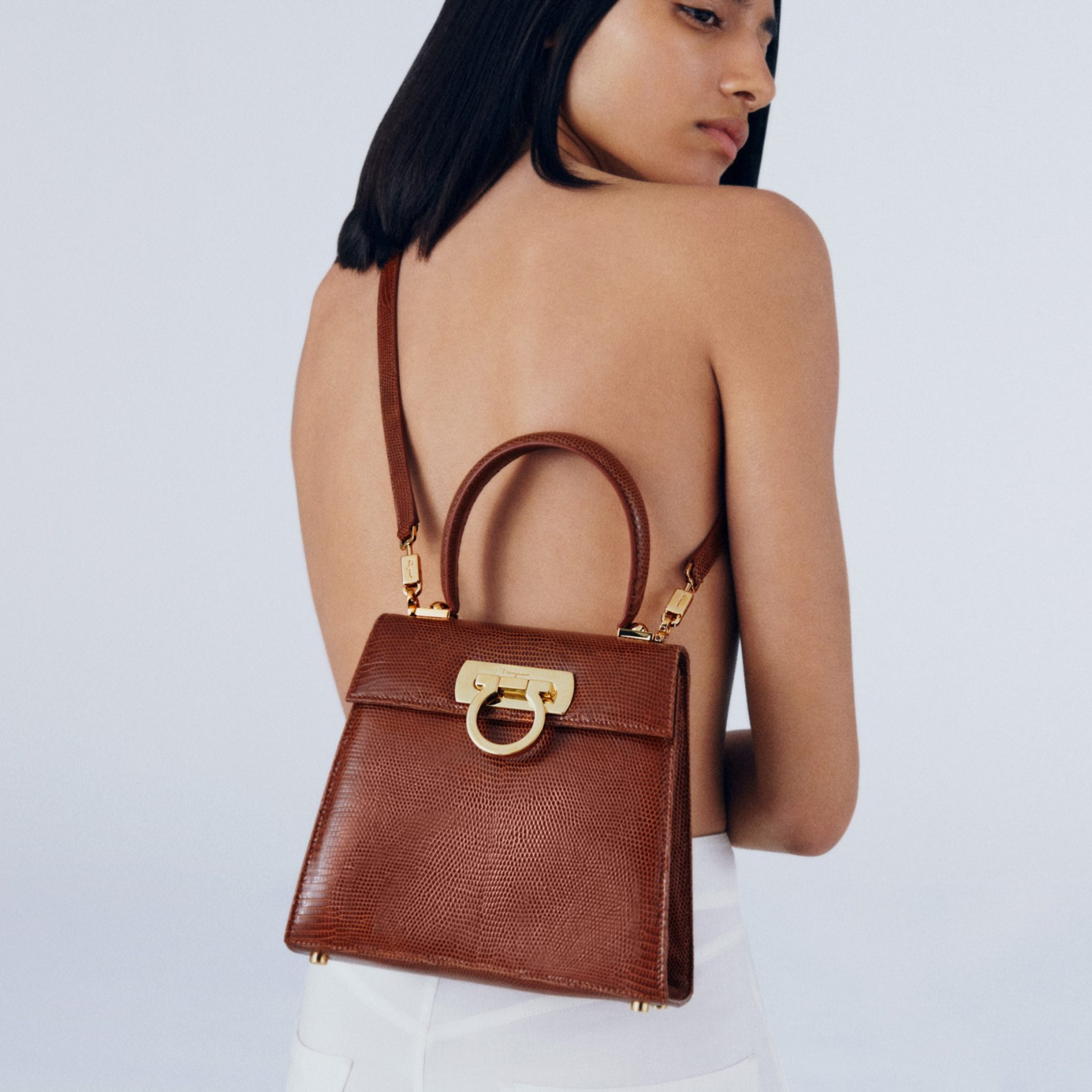
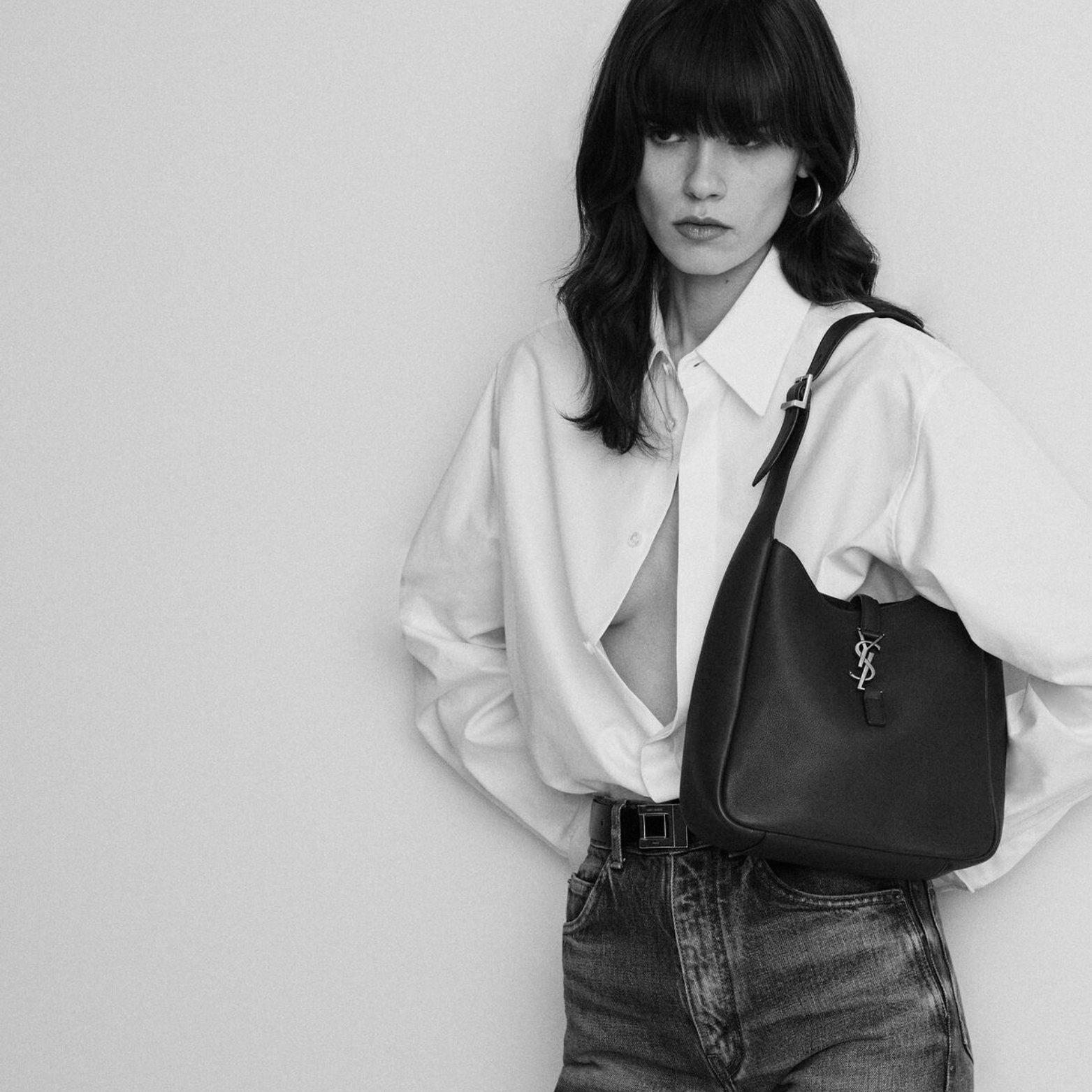
Everyone who has ever bought a designer bag outside a flagship boutique knows the small knot of doubt that comes with it. You are holding something beautiful, the price is better than you expected, and a quiet voice asks: is this actually real? I have had that moment myself, and I have watched hundreds of customers have it. It is a completely reasonable thing to feel, because the counterfeit market is enormous and the good fakes have gotten genuinely convincing.
So let me help you settle that voice with real knowledge instead of anxiety. This is the guide I would give a friend who is about to buy a designer bag and wants to know how to tell if it is authentic. We will go through the checks that actually work, the ones that fool people, and the single most reliable form of protection there is. None of it requires an expert eye. It just requires knowing where to look, and by the end you will be able to look at a bag, whether it is on sale online or sitting on a friend's shelf, and read it with real confidence.
The short answer: what actually tells you a bag is fake
The fastest reliable checks are the physical ones, which are generally much harder to reproduce consistently at scale: the feel and smell of the leather, the evenness of the stitching, the weight and finish of the hardware, and whether the logo and pattern line up perfectly. A real bag feels substantial, smells like leather, and is flawless in the boring details. Cards, dust bags, and serial numbers are the weakest signals, because those are the easiest things in the world to copy. And the single most reliable protection, above any individual check, is buying from a source you trust that offers a real return policy, so you can inspect the bag in hand and send it back if anything is off.
That is the whole guide in a paragraph. Now here is how to actually do each part, because once you know what genuine construction looks like, a fake gets much harder to hide.
Start with the leather, because it is the hardest thing to fake

Real leather is where most fakes fall apart, because good hides are expensive and counterfeiters cut that cost first. Genuine leather from a house like Bottega Veneta or Prada feels supple and substantial, with a natural grain that is slightly irregular the way skin is, and it has a real leather smell, warm and organic. A fake often feels stiff, too uniform, plasticky, or oddly lightweight, and it either smells of chemicals and glue or smells of nothing at all.
Press the leather gently. Real leather gives a little and springs back, and it may show fine natural creasing. Look closely at the grain: authentic full-grain and calfskin have depth and small natural variations, while a printed synthetic grain repeats in a perfectly regular pattern if you look hard enough. On a woven bag like a Bottega Intrecciato, the strips should be soft, evenly tensioned, and consistent in width, not flat, glossy, or crackly. Trust your hands here as much as your eyes. Leather is a material your senses know better than you think.
Read the stitching like a signature.

Stitching is one of the clearest tells, because a real luxury house treats it as a point of pride and a counterfeiter treats it as a cost. On an authentic bag, the stitches are perfectly even in length and spacing, run straight or in clean, deliberate curves, and hold a consistent tension so the thread sits flush. The color is exact, the ends are tucked and finished, and you will not find loose threads, skipped stitches, or a wandering line.
On a fake, look for uneven stitch length, crooked runs, puckering where the thread pulls too tight, or gaps where it is too loose. Count matters too: many houses use a specific number of stitches in certain places, and while you will not memorize those, the overall impression of machine-perfect regularity is what you are after. If the stitching looks rushed or human-sloppy, that is a real problem, because at these price points the real thing is not sloppy.
Weigh the hardware and check the engraving.

Authentic hardware has heft. The zippers, clasps, feet, and logo plates on a genuine designer bag are made of solid, quality metal, so they feel cool and weighted in the hand, and a real zipper glides smoothly and quietly rather than catching or rattling. Counterfeit hardware is often lighter, hollow-feeling, or coated in a thin plating that scratches or discolors, and the zippers tend to stick.
Then read the engraving. On a real bag, the brand name and logo stamped into buckles, zipper pulls, and plates are crisp, even in depth, and perfectly spaced, with clean edges. Fakes frequently get the font subtly wrong, space the letters unevenly, stamp too shallow or too deep, or leave rough edges. Compare it against an official product image from the brand's own site if you can. The engraving is where rushed counterfeiting shows up under a little scrutiny.
Logos, monograms, and pattern alignment
This is the detail that catches a huge share of fakes, and it costs you nothing to check. On a genuine bag, a monogram or logo pattern is aligned with real care: it runs straight, sits symmetrically, and, crucially, matches up across seams so the pattern continues cleanly where two panels meet. Real houses will even cut leather to keep a logo centered on a flap or balanced on both sides of a bag.
"The details are not the details. They make the design." - Charles Eames
That line is the whole game when you are spotting a fake. Counterfeiters cut corners exactly here, because aligning a pattern across seams wastes material and time. So look at where panels join. A monogram that is chopped off awkwardly at a seam, a logo that sits crooked or off-center, letters with the wrong spacing or shape- these are among the most reliable signs that a bag is not what it claims to be. The genuine article is obsessive about symmetry.
The signals that fool people: cards, dust bags, and serial numbers
Here is where a lot of well-meaning buyers get burned, so I want to be direct about it. Authenticity cards, dust bags, receipts, and serial numbers are the weakest evidence a bag is real, because they are the easiest things to counterfeit. A fake bag routinely arrives with a perfect-looking authenticity card and a convincing dust bag, precisely because sellers know those props reassure people.
Serial numbers, date codes, and heat stamps are worth understanding but not worth trusting on their own. Counterfeiters copy real code formats onto fakes all the time, so a plausible-looking number proves very little, and the brands know it, which is part of why several houses have moved from stamped codes toward embedded microchips in recent years. Even then, a chip you cannot scan tells you nothing on its own. Treat cards and codes as a small supporting detail at most. The construction of the bag, the leather, stitching, hardware, and alignment, is far more honest than any paper that comes with it.
The price and the source: the two red flags before you even see the bag
Before hardware and stitching, two things tell you a lot. First, the price. If a current-season bag that retails for several thousand dollars is being offered for a couple hundred with no explanation, that is a warning, not a win. Genuine designer bags do sell well below retail for real reasons: past-season stock, overstock, and boutique closeouts moved through outlet and wholesale channels, but there is a floor, and a price that is too good to be true usually is.
The honest version of a low price comes with a credible story about why. That is the difference between a genuine bag on sale and a fake pretending to be one. A real outlet or reseller can tell you where the piece came from, and it stands behind the sale. Which brings me to the part that matters more than any single physical check.
The most reliable protection is where you buy, plus a return policy

I will be straight with you, because this is the honest core of the whole subject. You can learn every check above and still be fooled by a top-tier fake on a bad day. The best protection a shopper has is not a magnifying glass. It is buying from a source you trust, one that sources responsibly and backs the sale with a real return policy, so you are never stuck with something you cannot verify.
That is exactly how we run things at AskMeWear. Our bags come through legitimate channels, bulk closeouts bought at wholesale and pieces bought directly from boutiques across Europe, and that inventory arrives with the documentation that follows genuine wholesale and boutique stock. We run spot checks across shipments before anything is listed. And every order is backed by a 7-day return, which is the part that actually protects you: it means you can hold the bag, put it through every check in this guide yourself, and send it back if anything at all feels off. Where you buy is your first line of defense. Your own inspection is the strong second line. Together they are far more reliable than trusting a card in a box.
A quick field checklist for spotting a fake
When you have a bag in front of you, run through this in order and let the whole picture decide, since no single point is proof on its own. Construction details vary between brands and production periods, so always evaluate the bag as a whole rather than relying on one characteristic.
Feel and smell the leather first, checking for suppleness, natural grain, and a real leather scent. Examine the stitching for even, straight, tidy lines with no loose threads. Handle the hardware for weight and a smooth zipper, and read the engraving for crisp, correctly spaced lettering. Check that logos and patterns are symmetrical and line up across every seam. Look at the interior lining and stamps for clean, even work. Treat the price and the seller's story as their own red flags. And put the cards, dust bag, and serial number last, because they prove the least. If several of these feel wrong together, trust that pattern.
Why this matters more than the money
A fake is not a bargain. It is money spent on something that will not last, holds no value, and, if you ever try to resell it, is worth nothing. A genuine designer bag is the opposite: bought well and cared for, it can serve you for years and hold a real portion of its value, which is the entire logic of buying authentic luxury in the first place.
"Quality is remembered long after price is forgotten." - Aldo Gucci
That is the case for getting this right. Divide the cost of a real bag over the years you will carry it, and it becomes a few dollars a wear, and buying it on sale only improves that math without touching the quality. A convincing fake costs less today and everything tomorrow. Knowing how to tell the difference is how you make sure the money you spend on luxury actually buys you luxury.