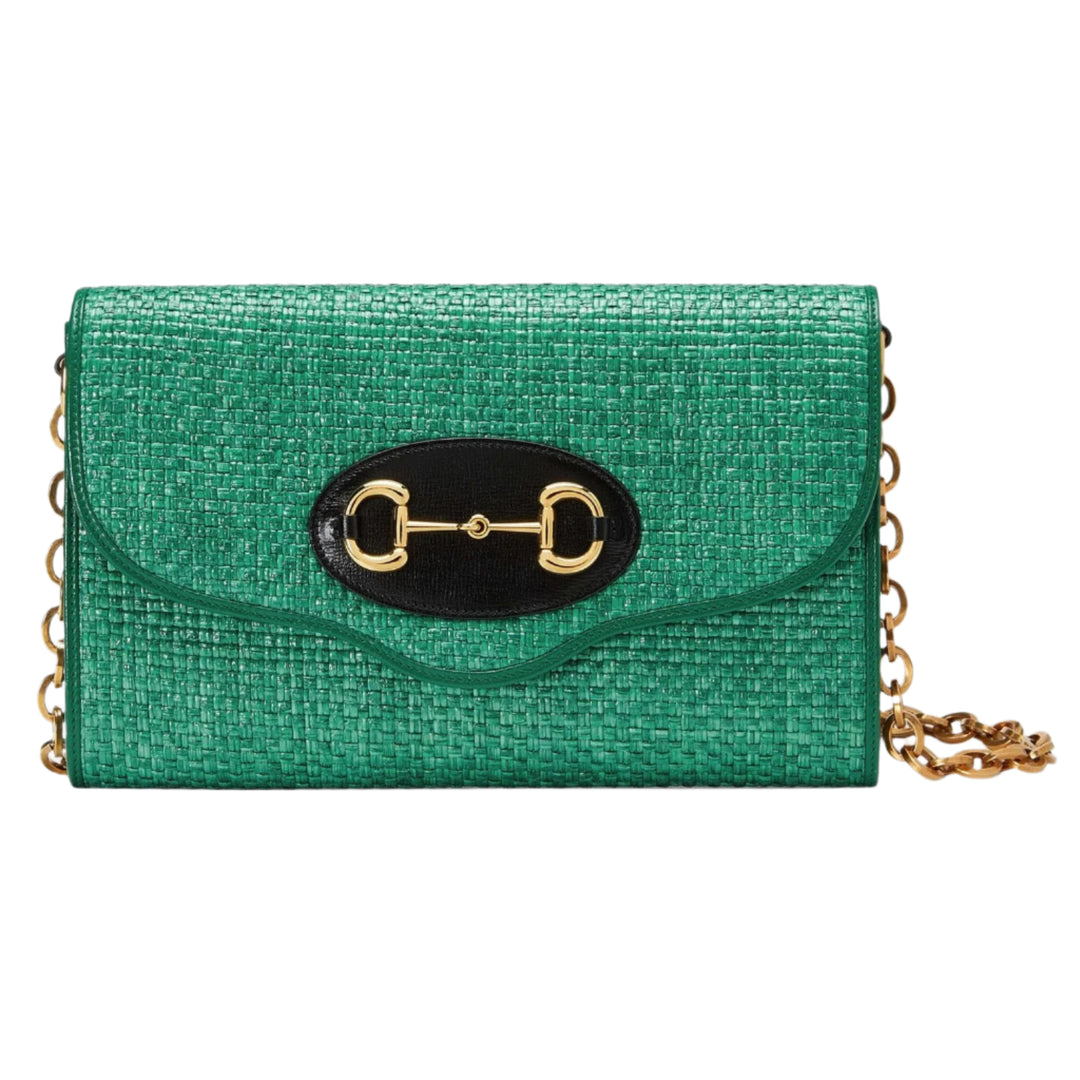
Women's Designer Fashion
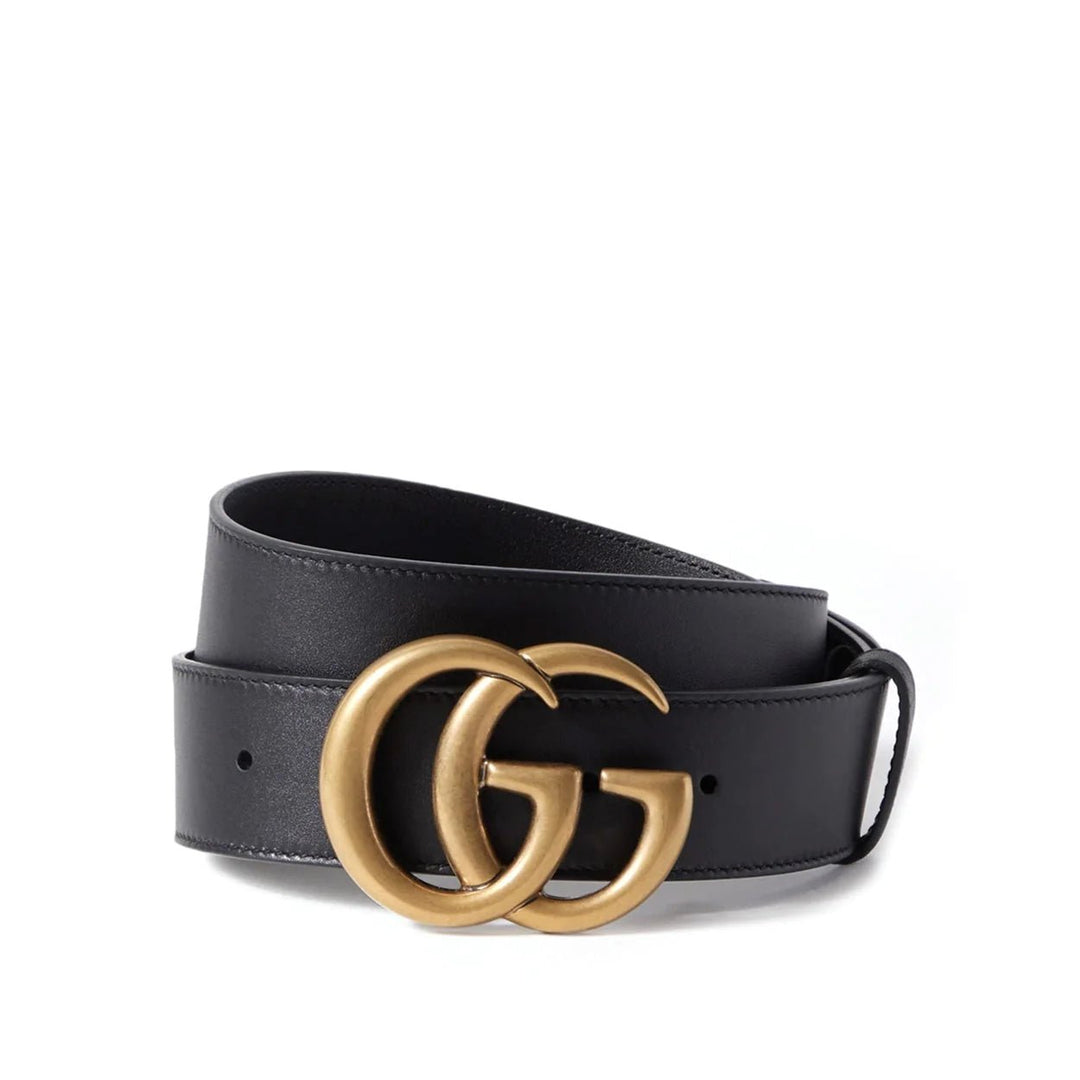
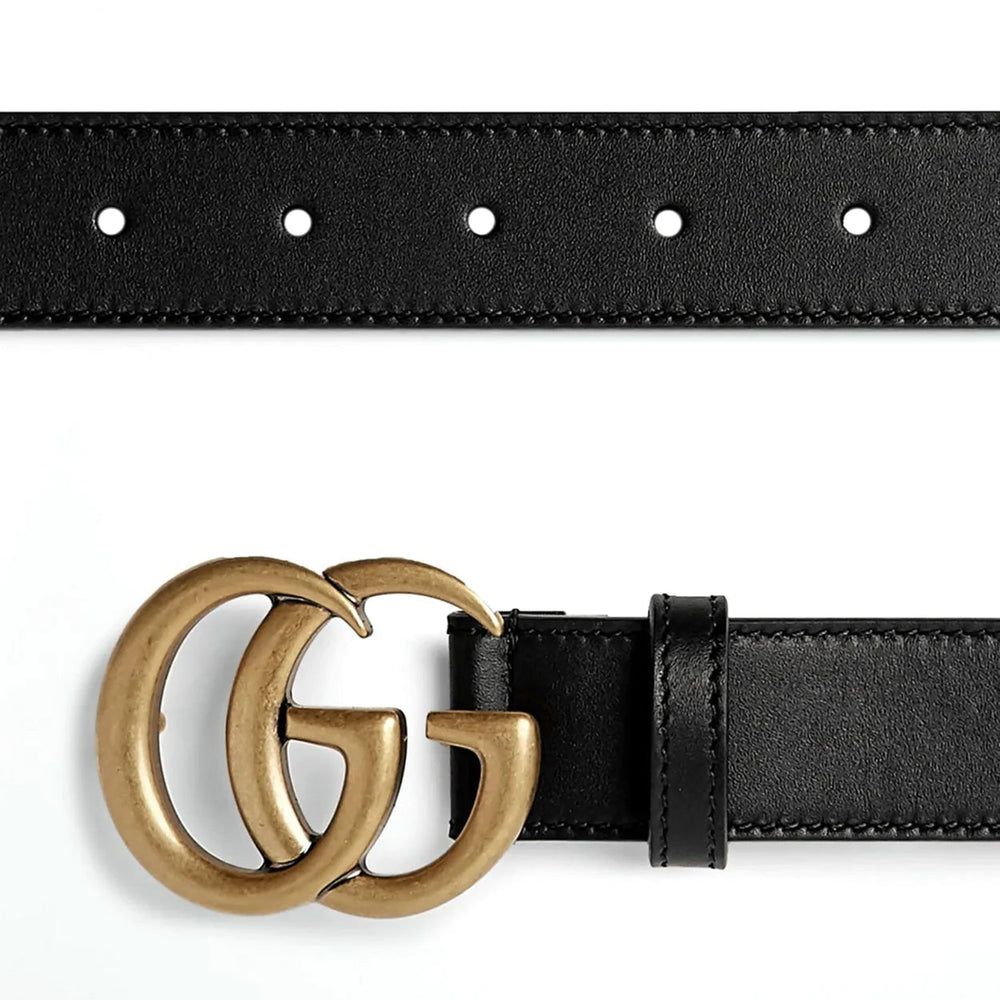
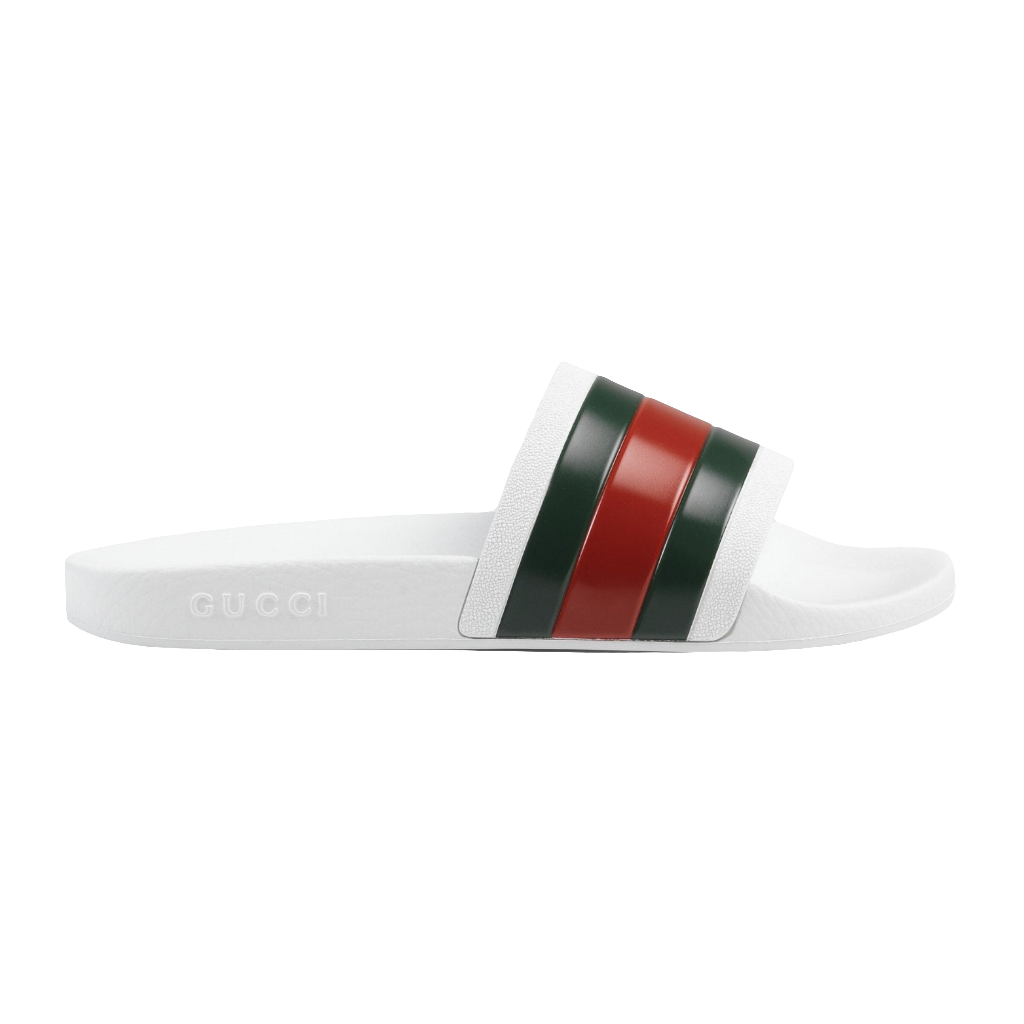

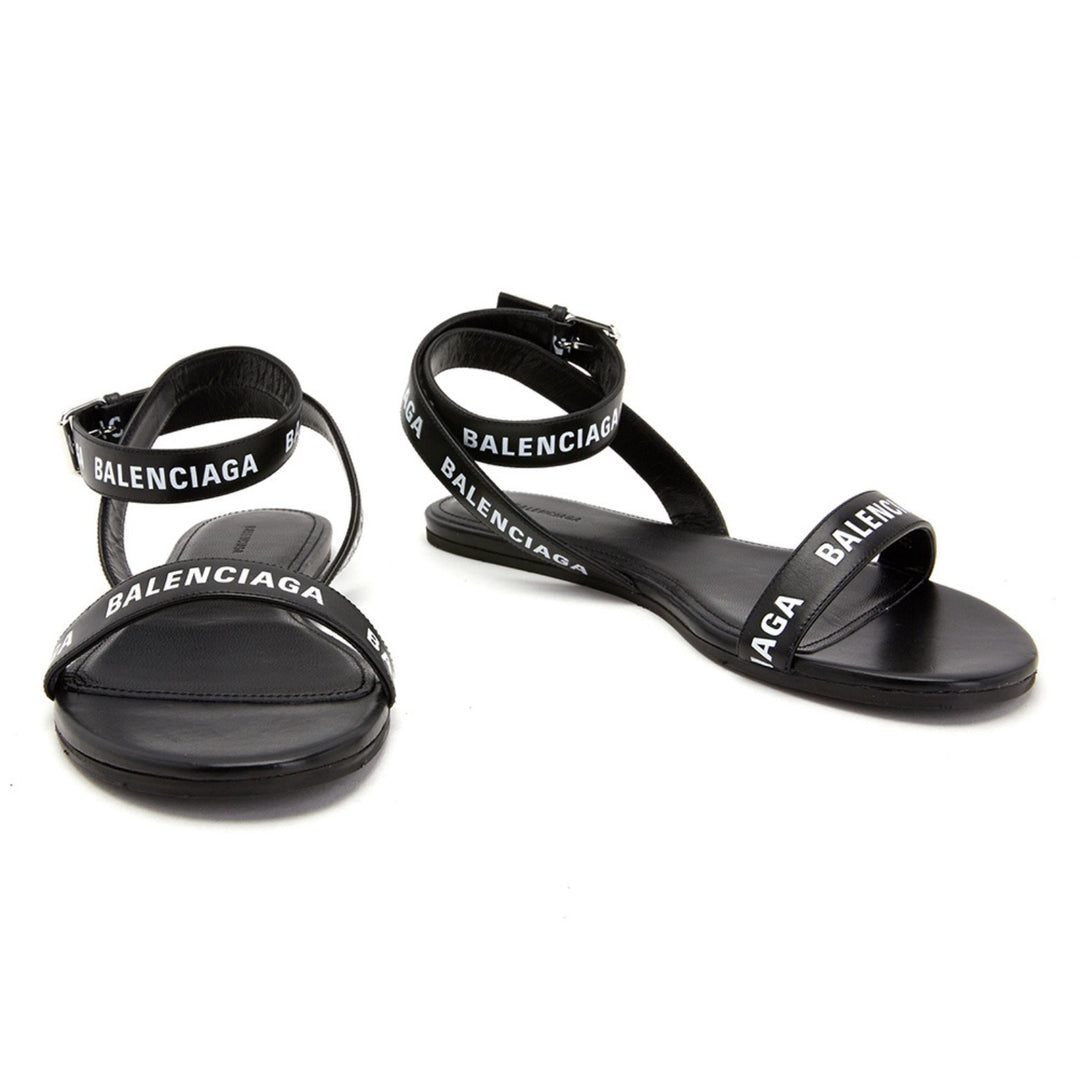
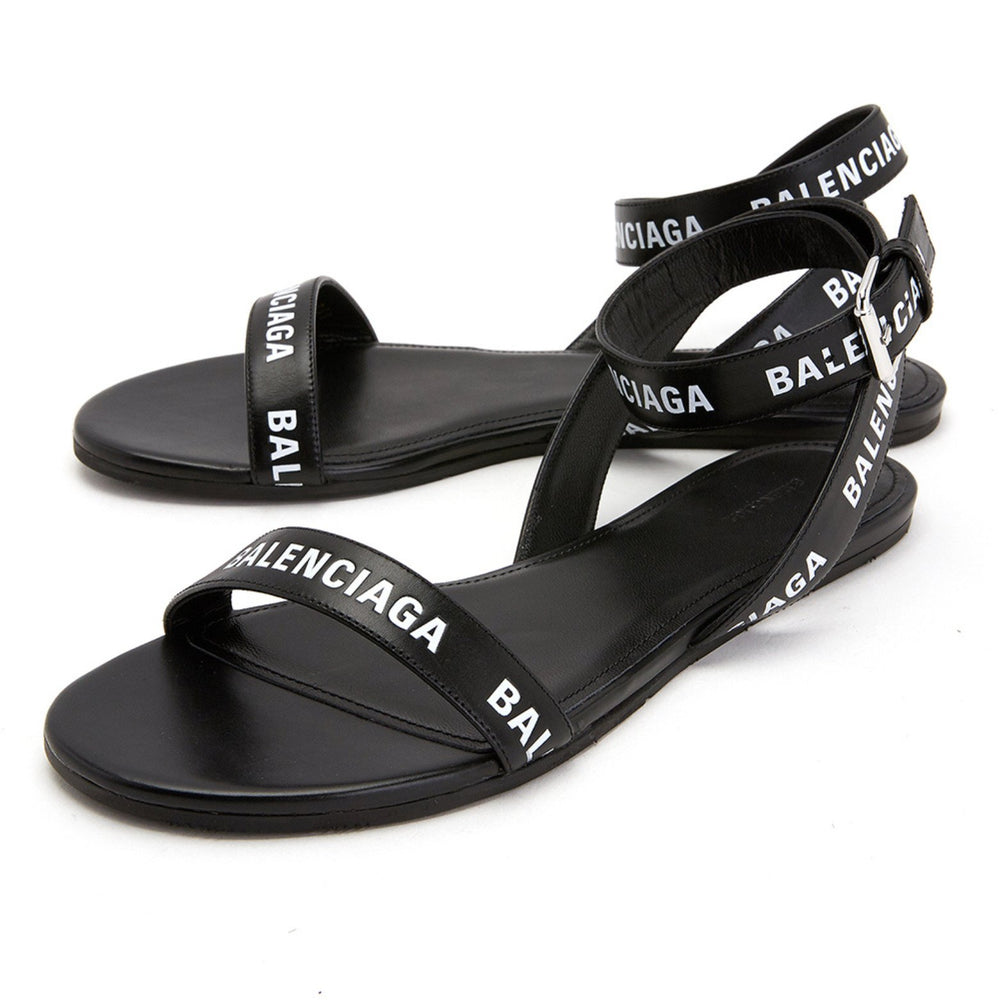
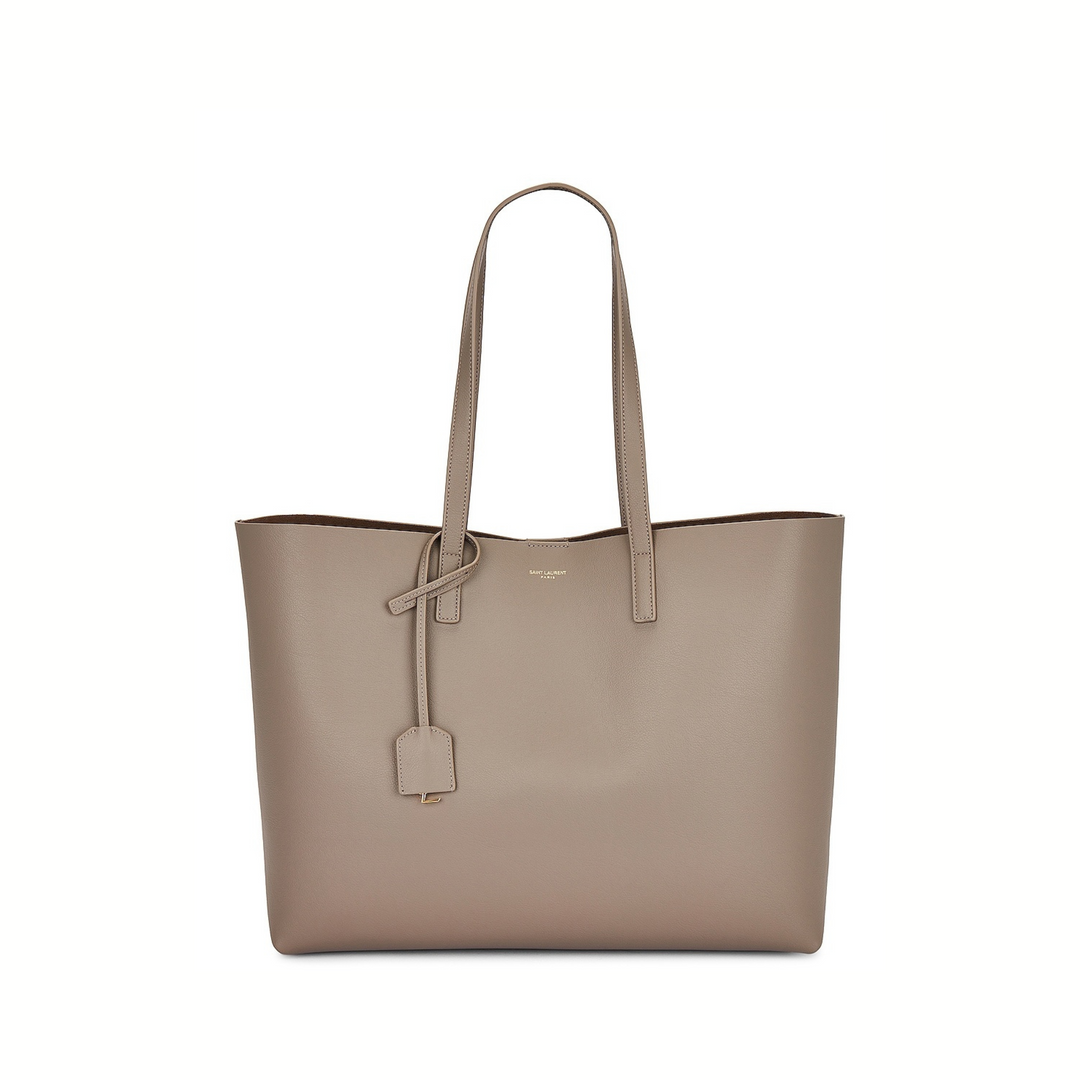
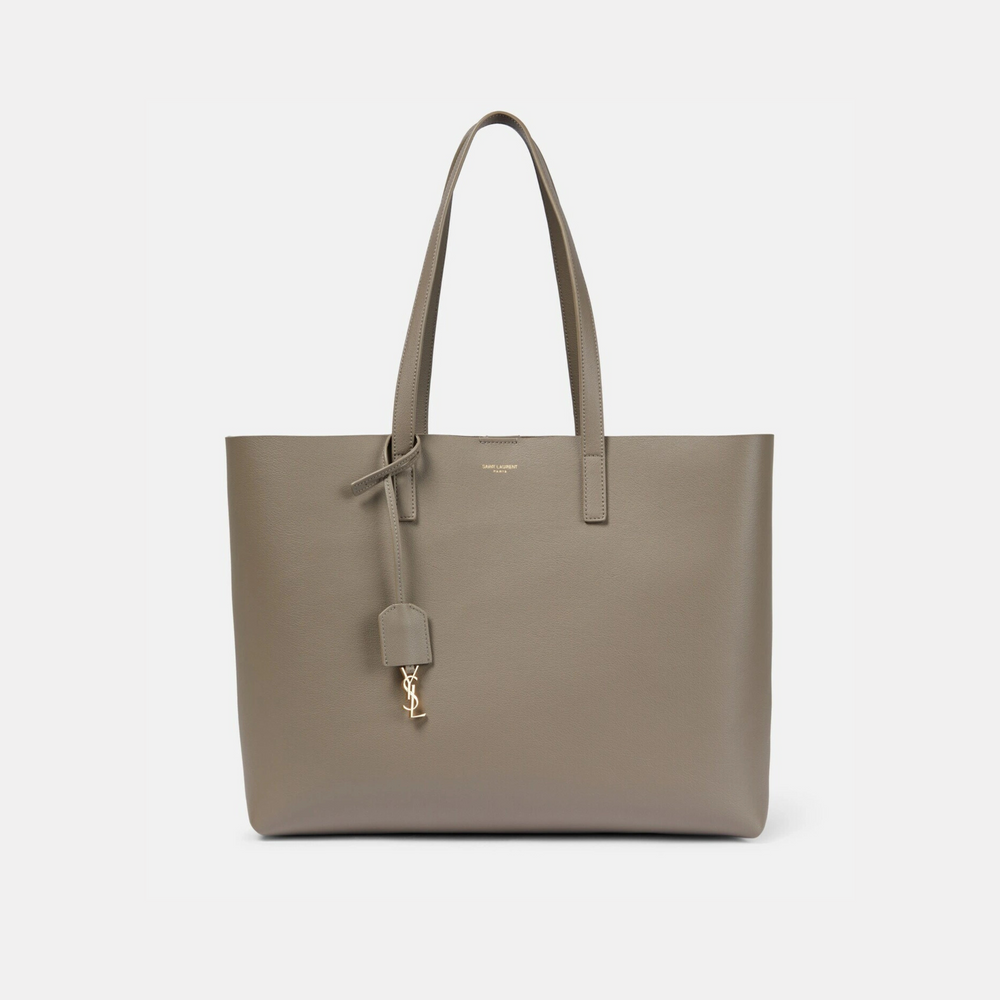


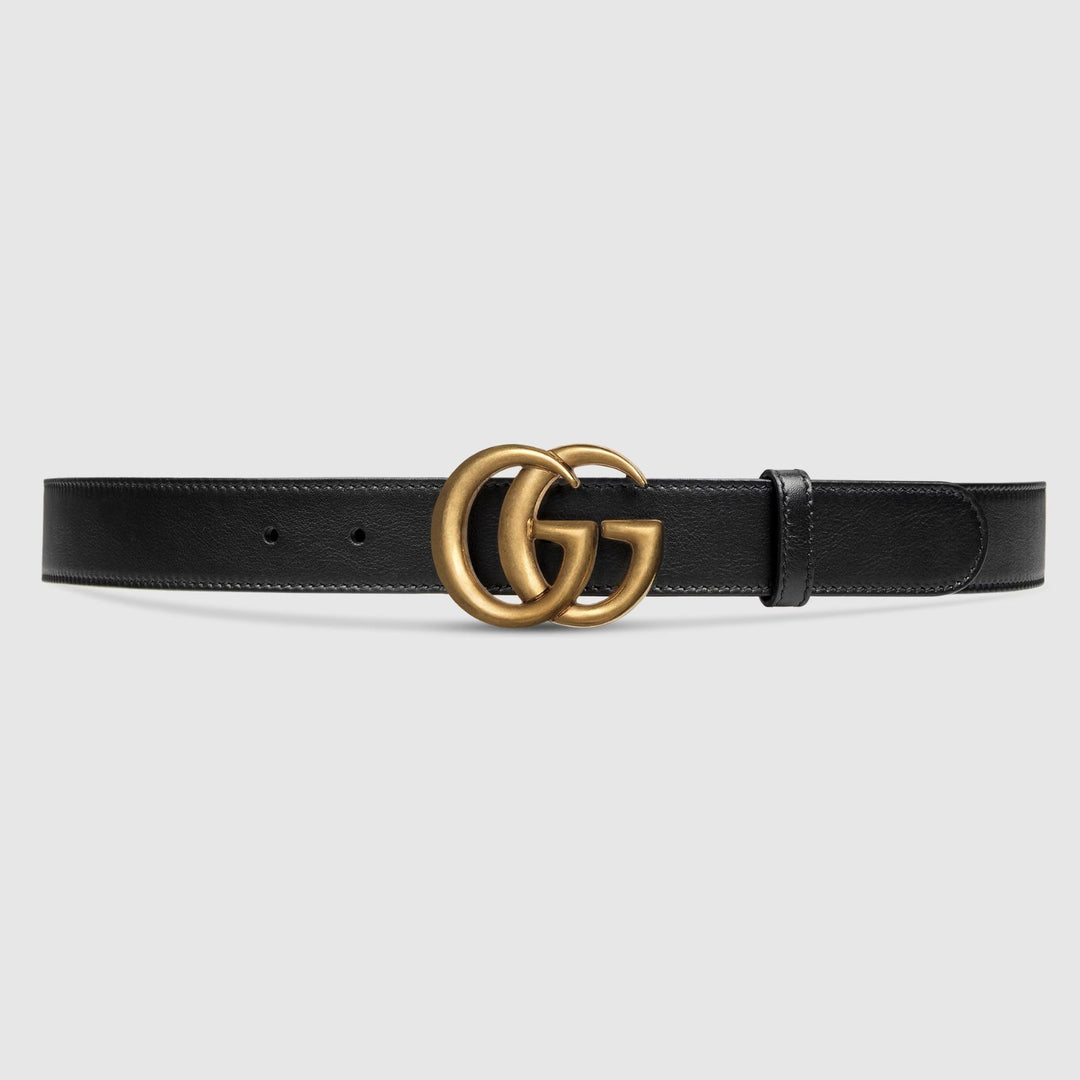

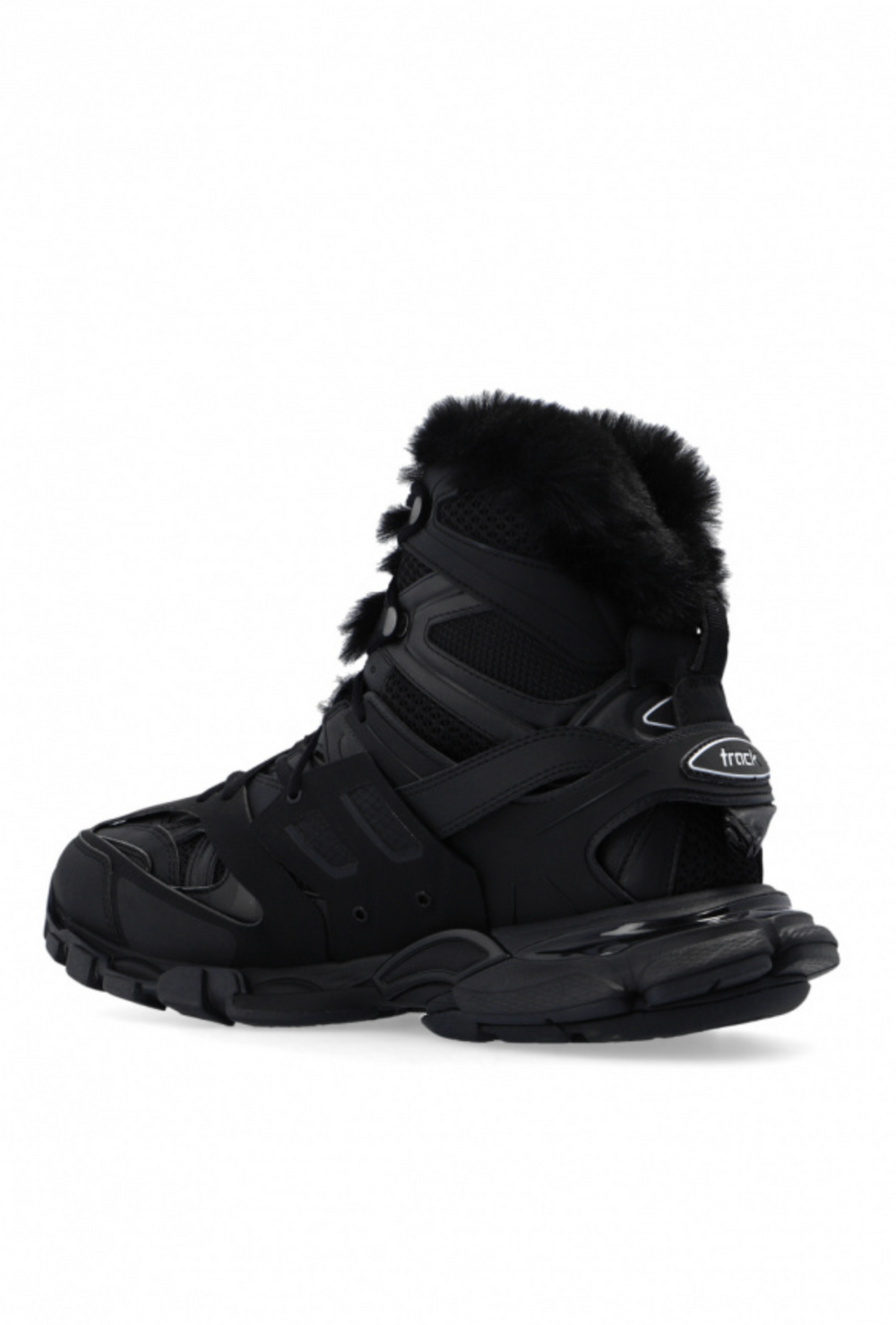
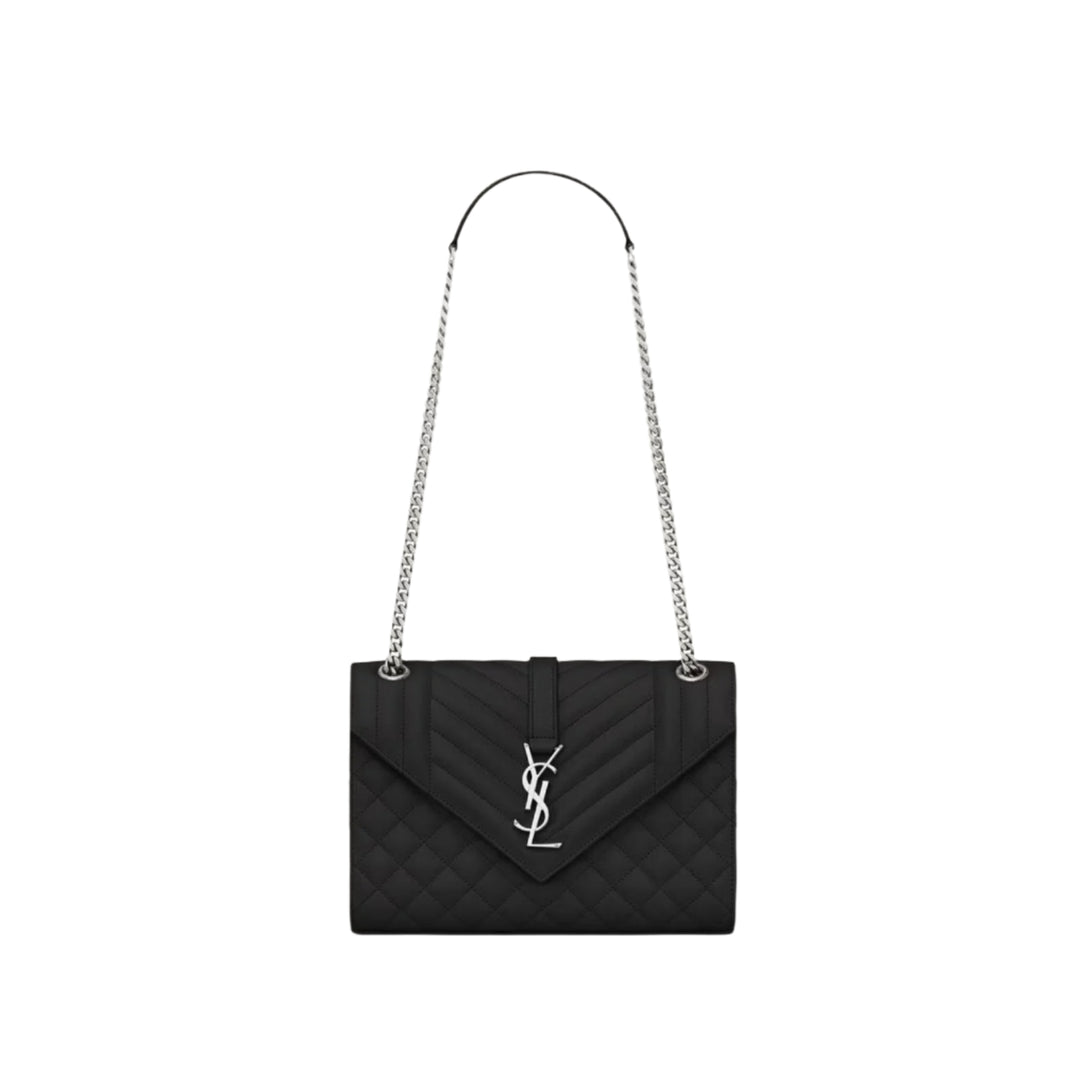
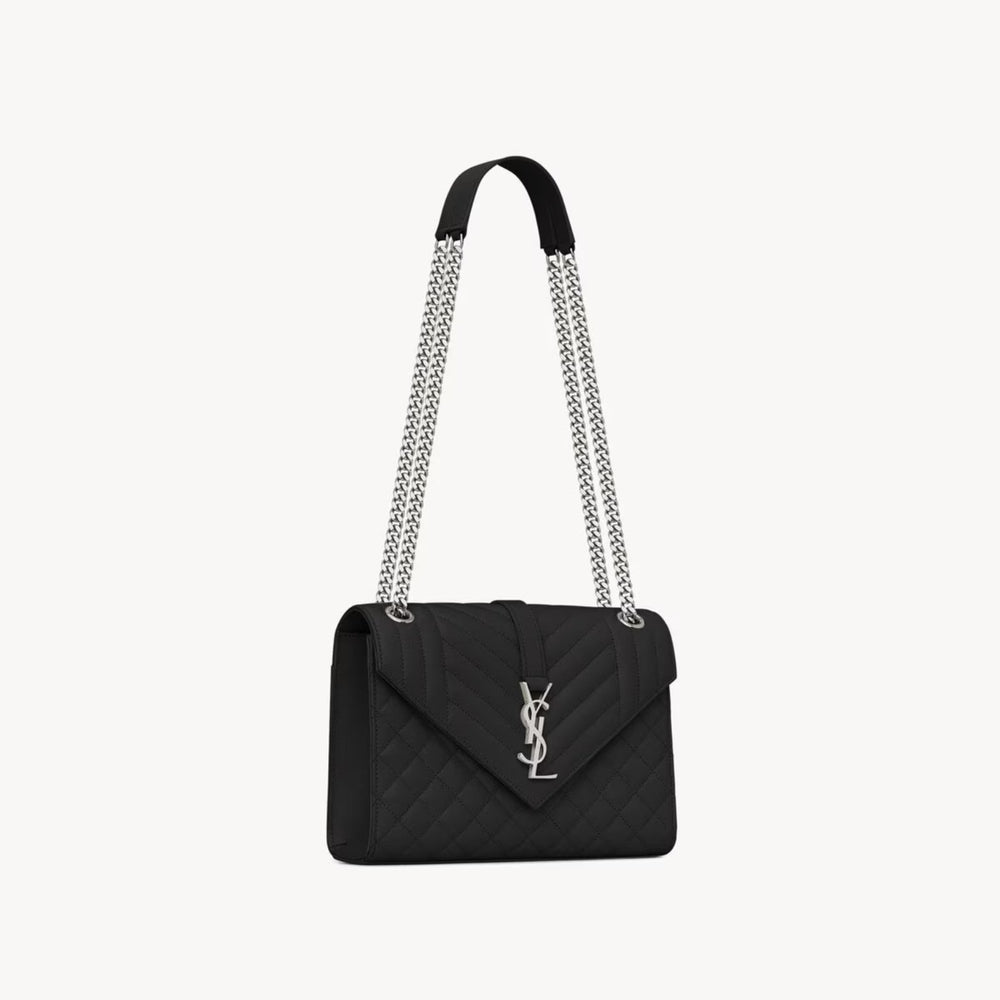
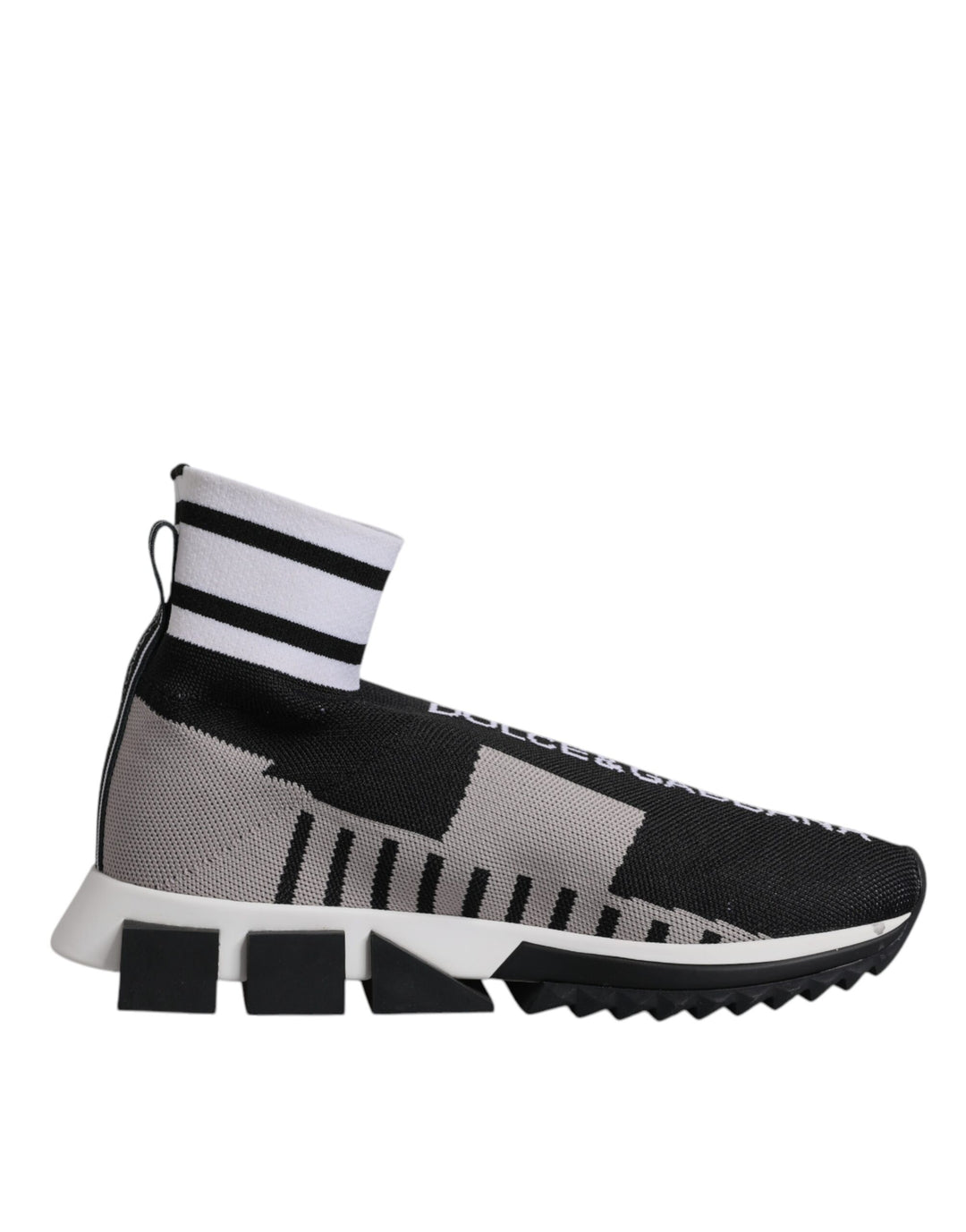






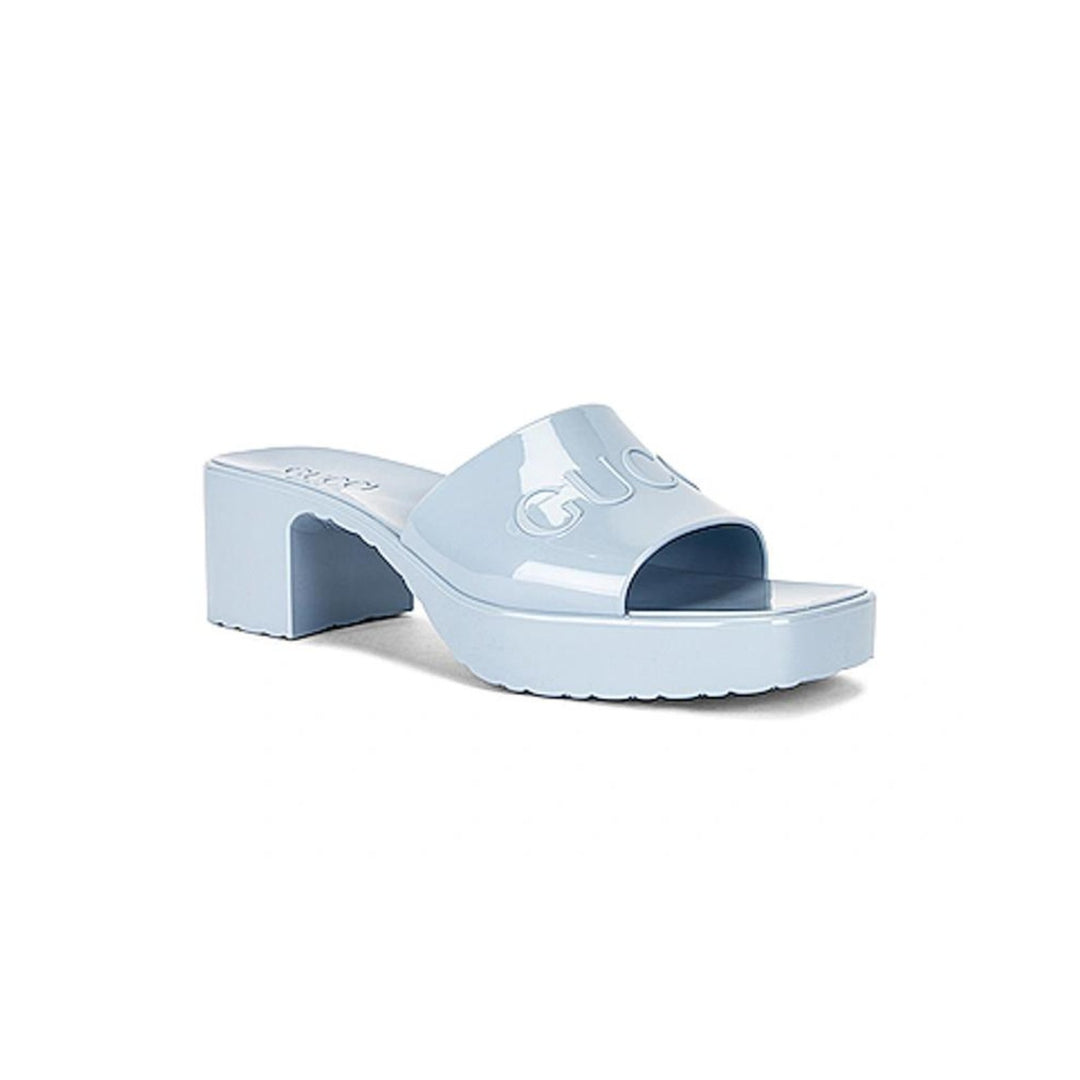
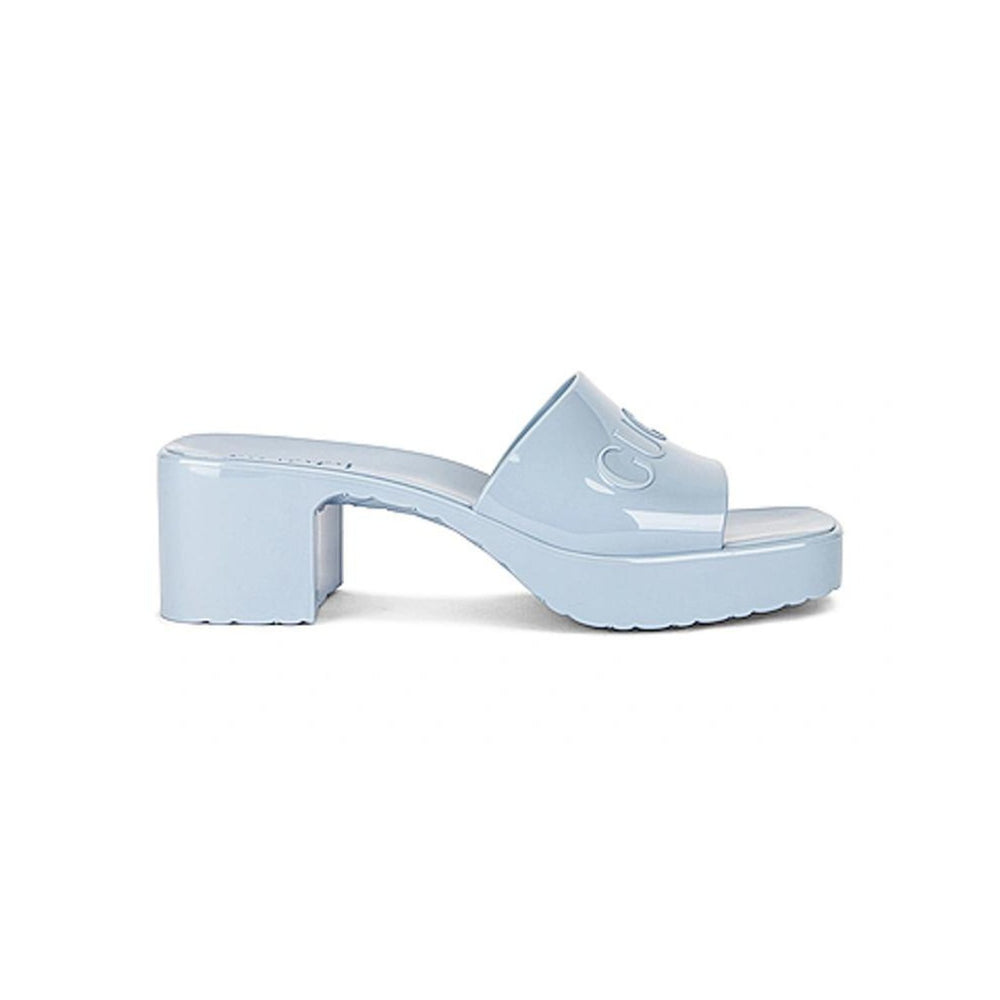
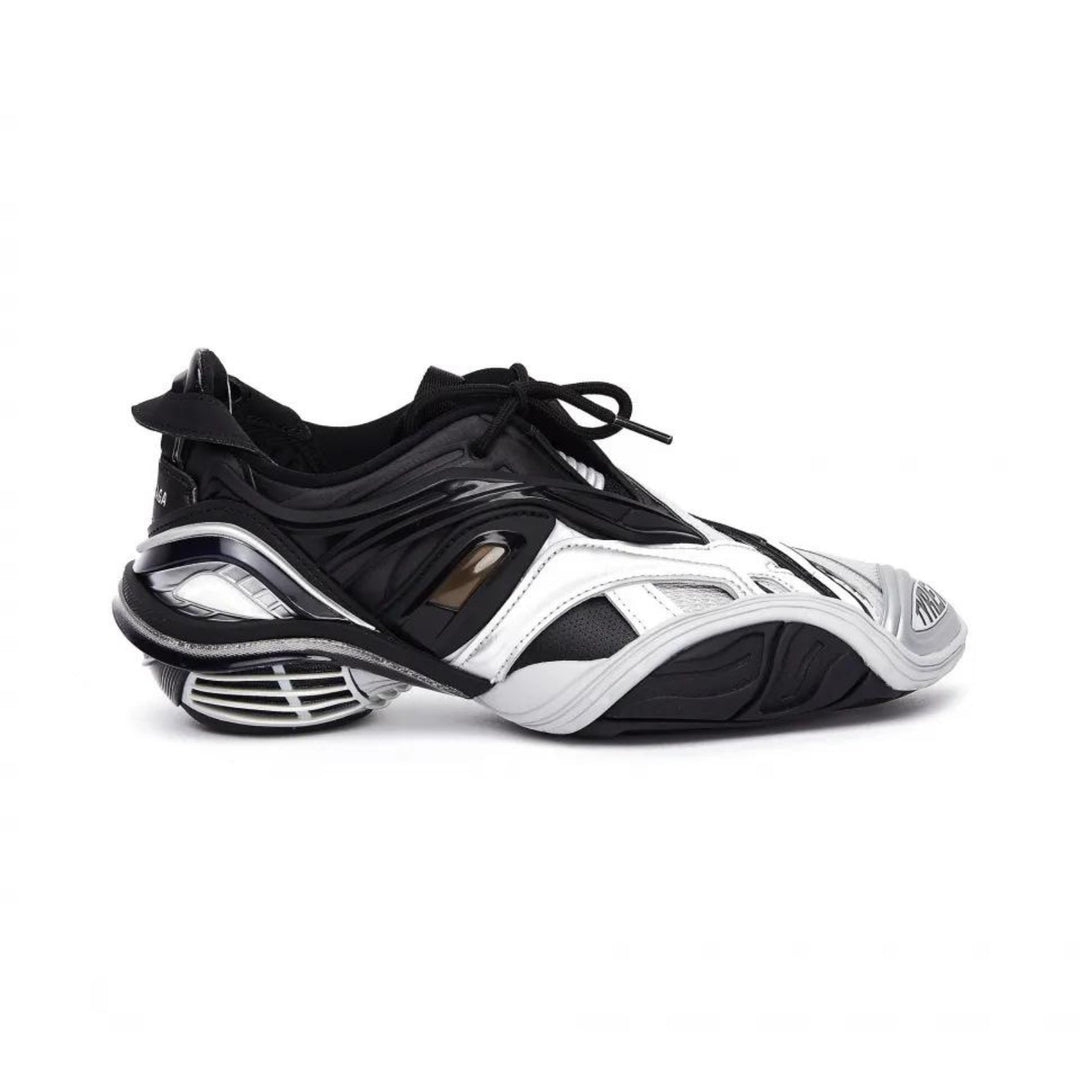
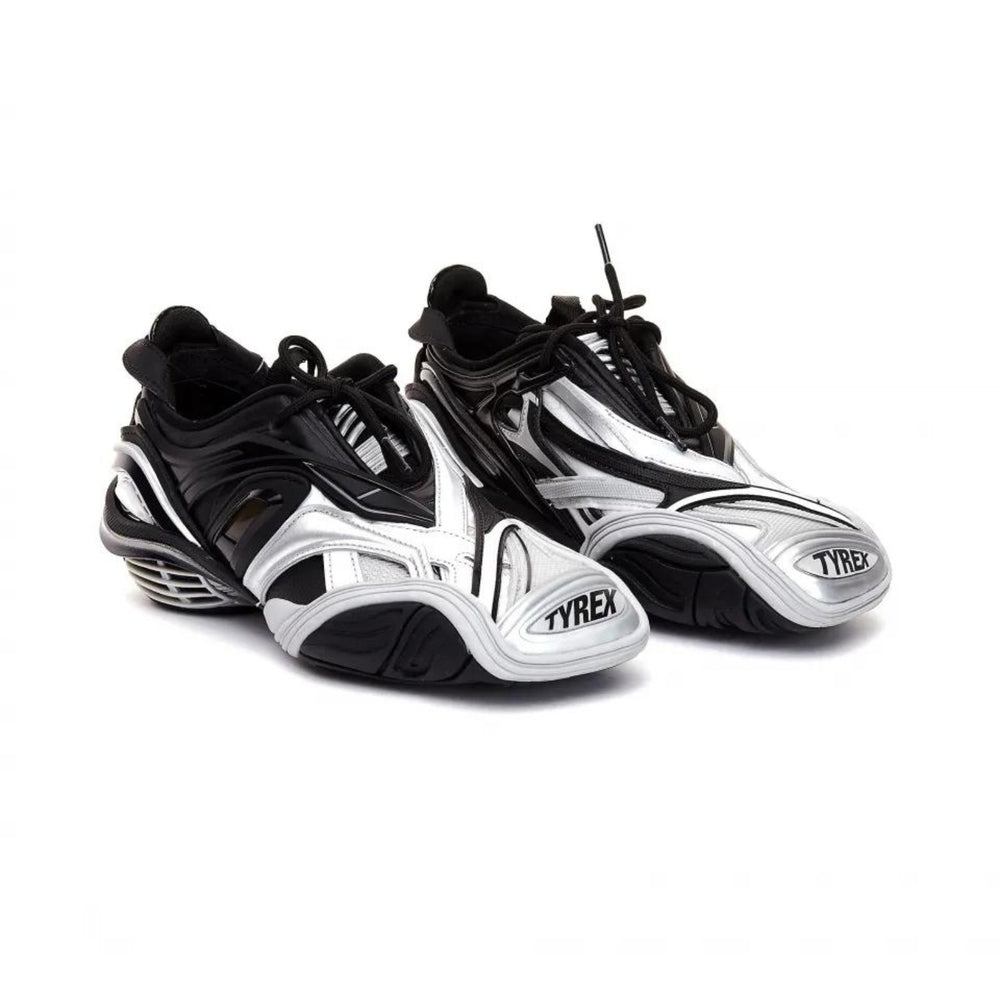
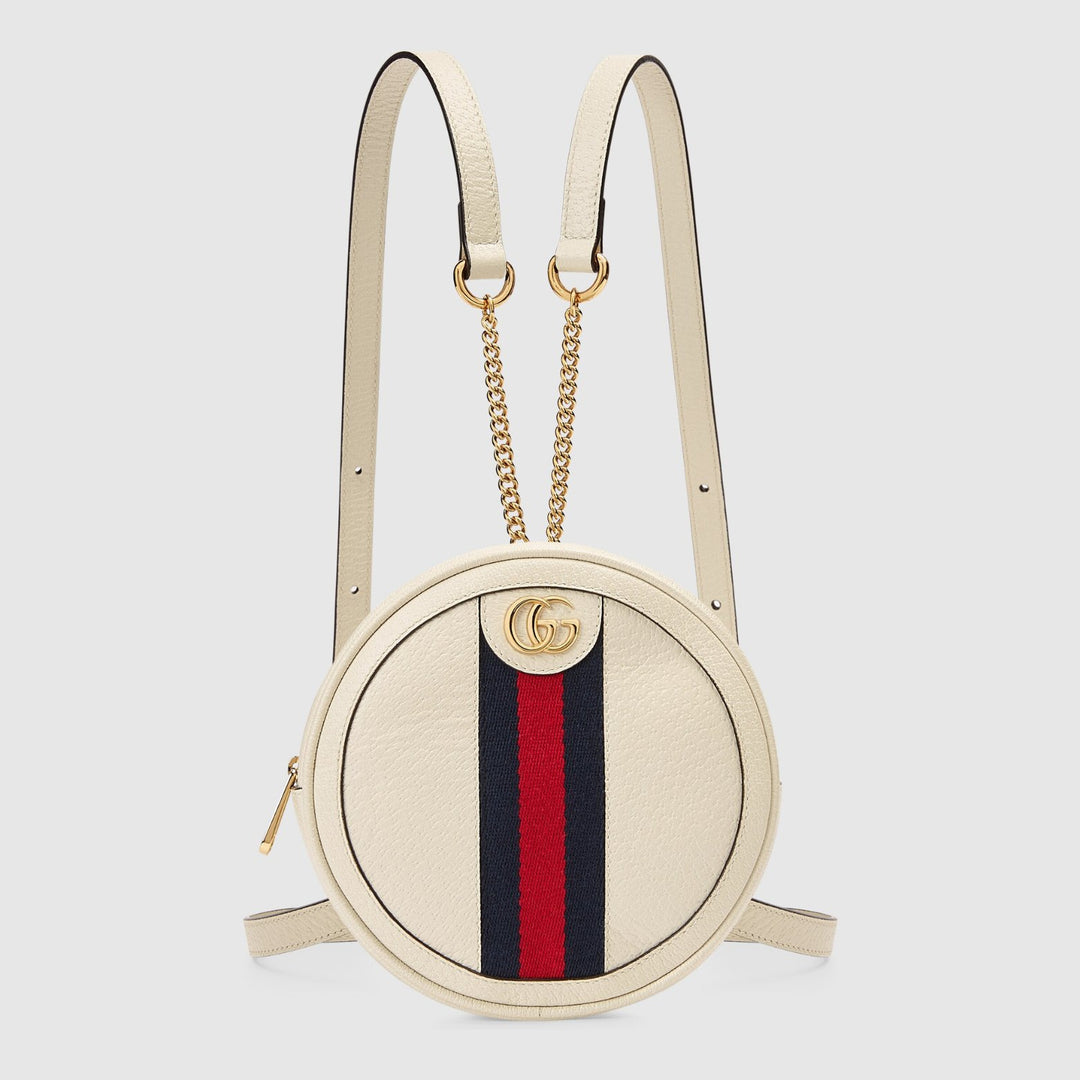
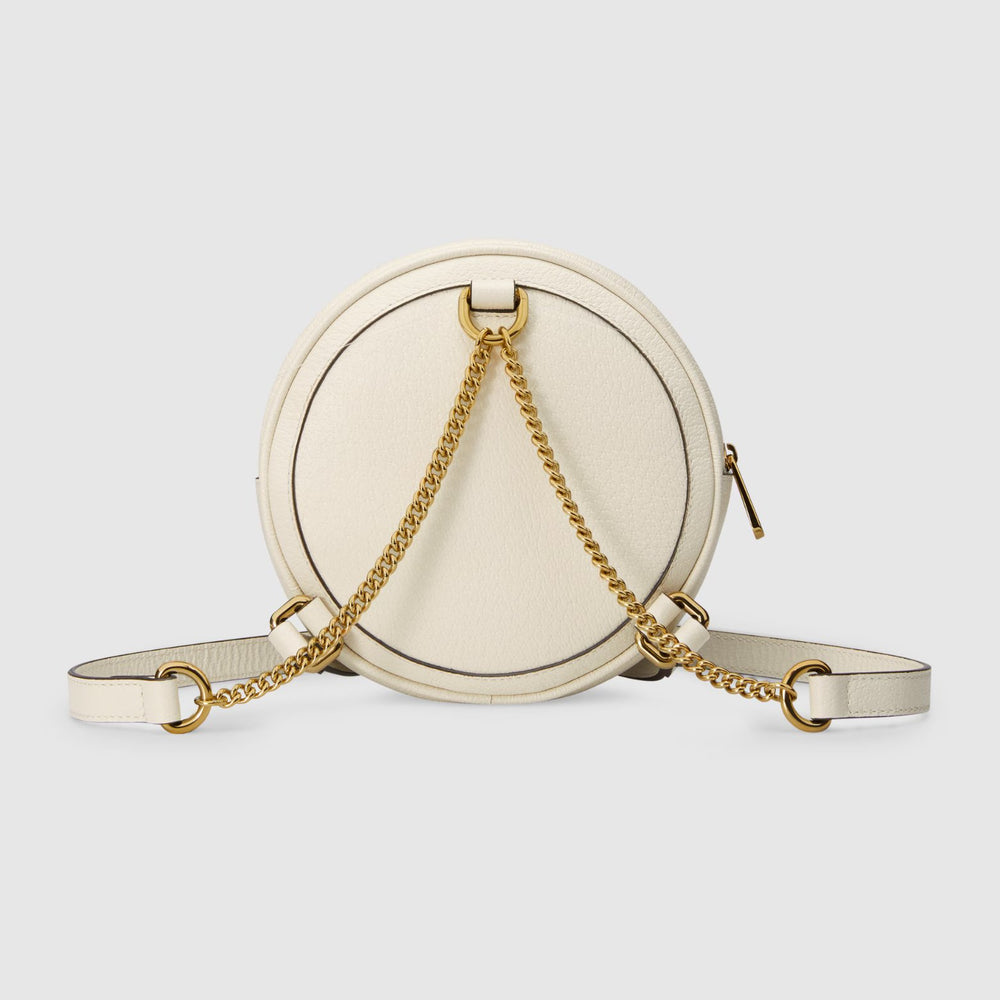



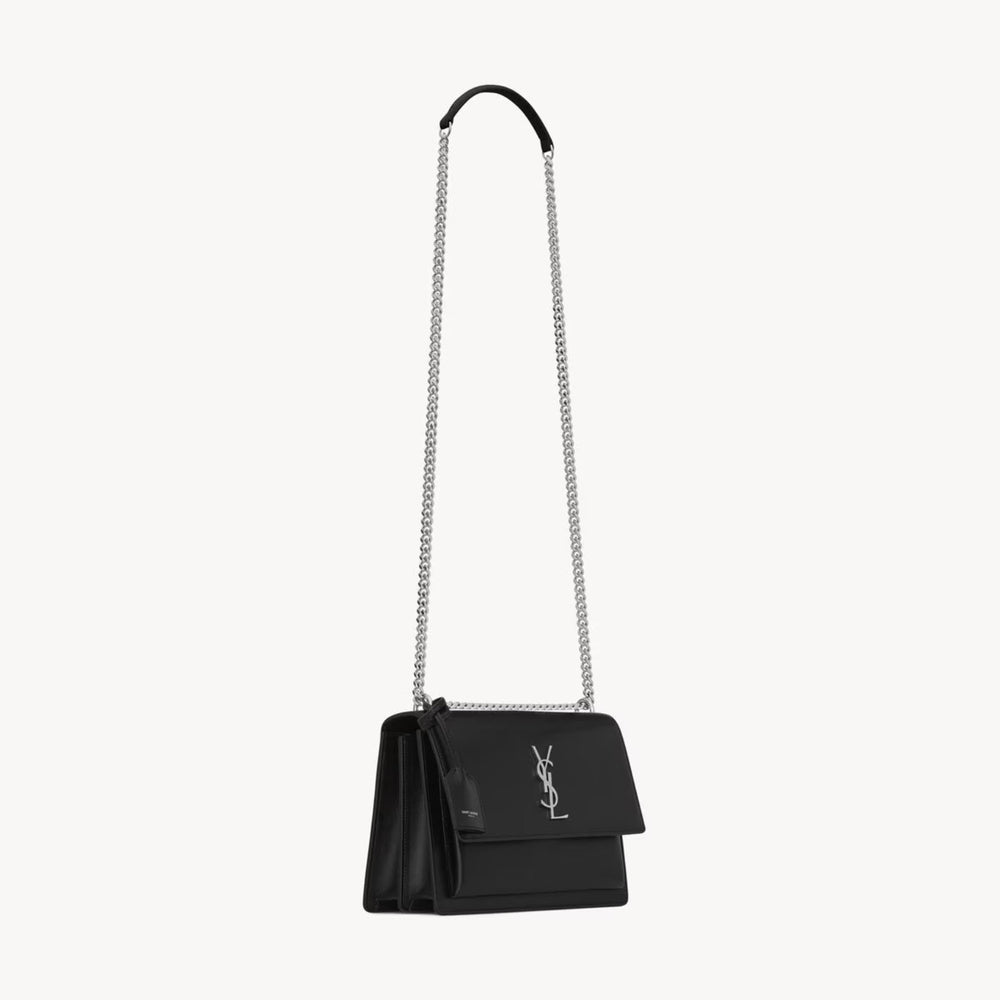


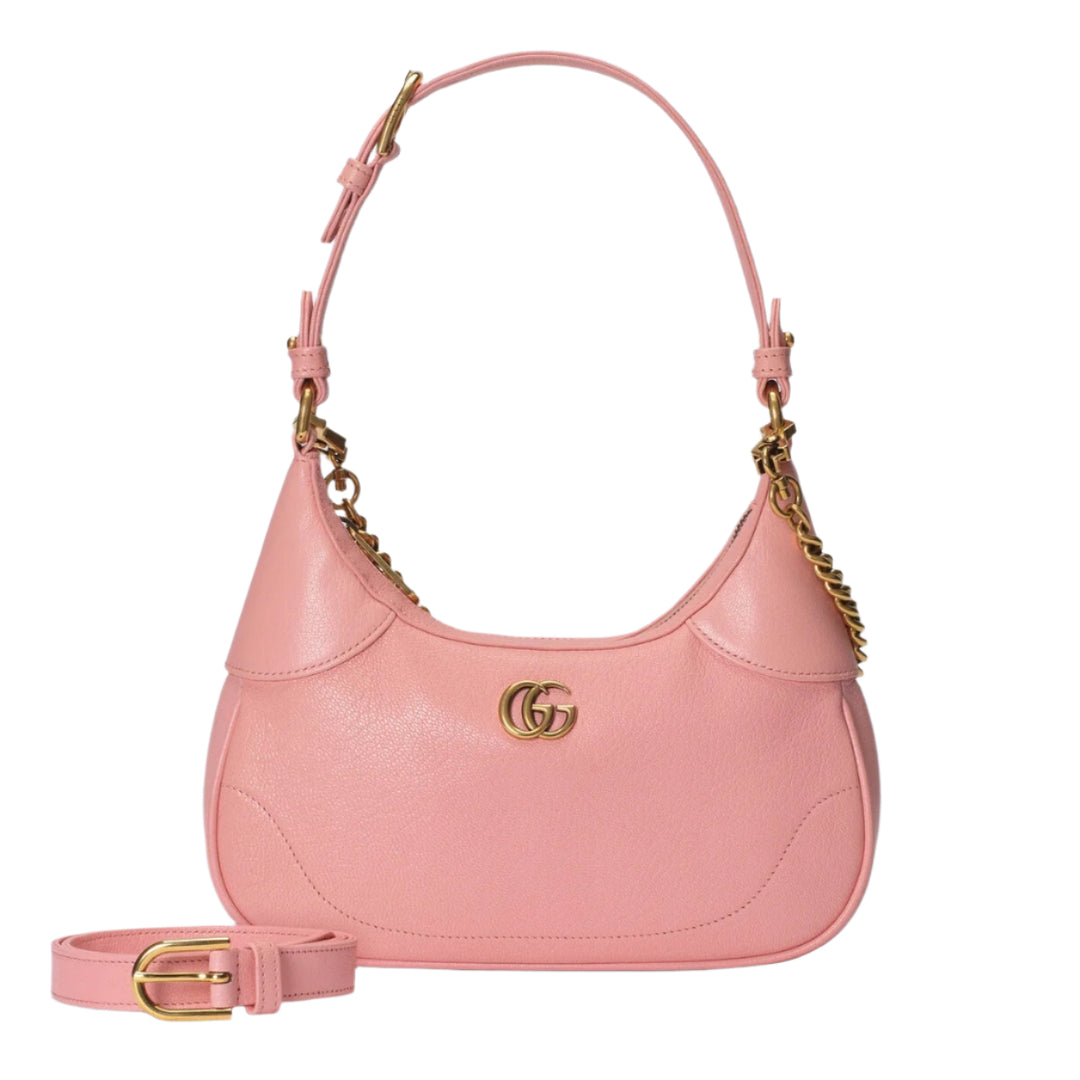
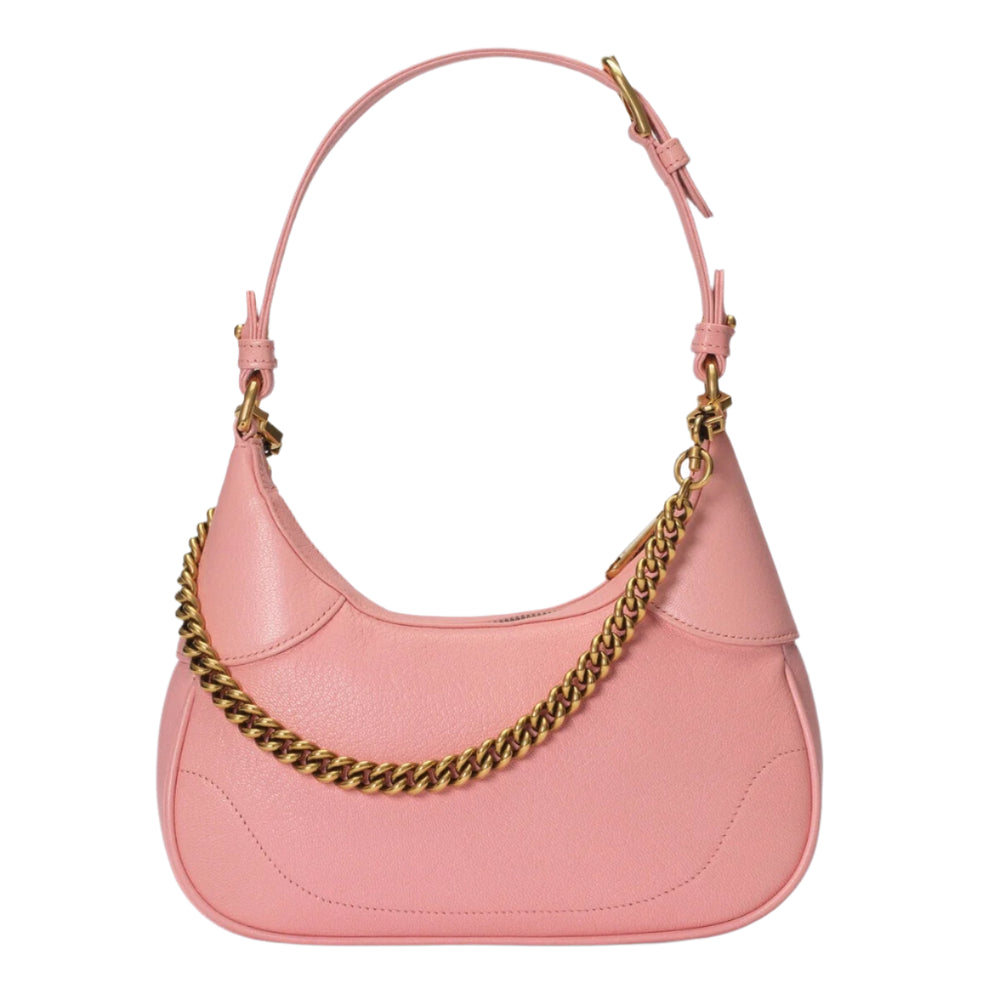
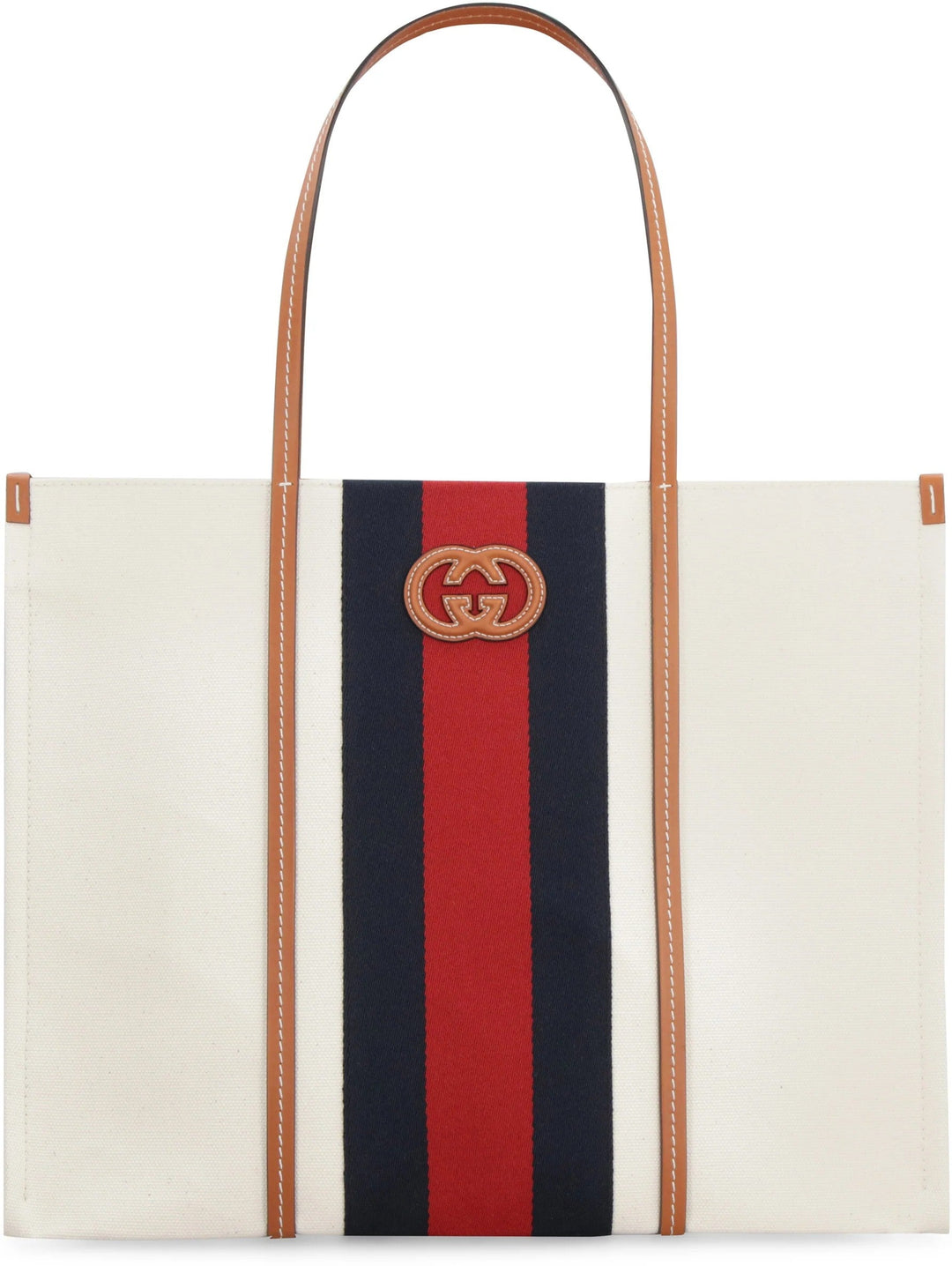



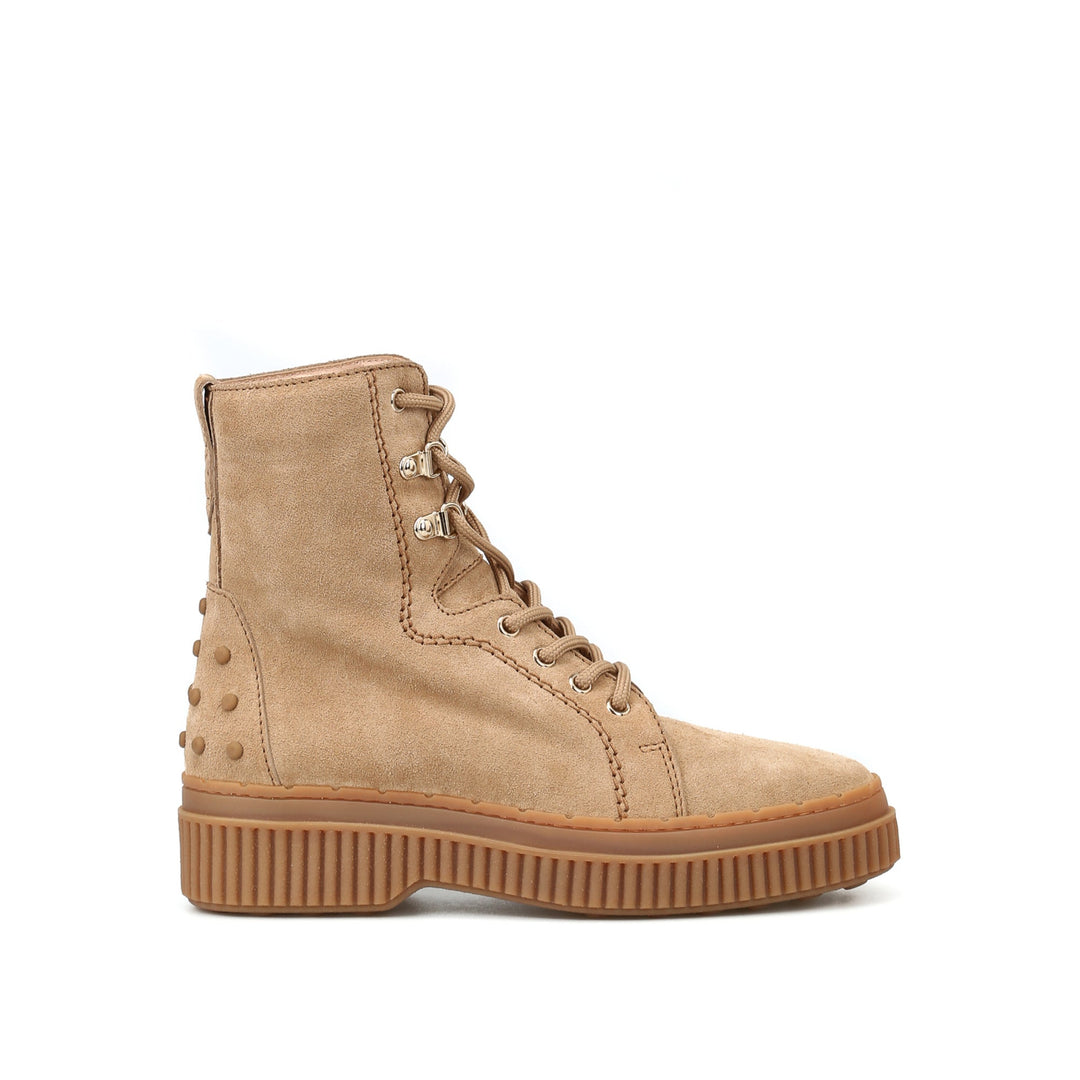
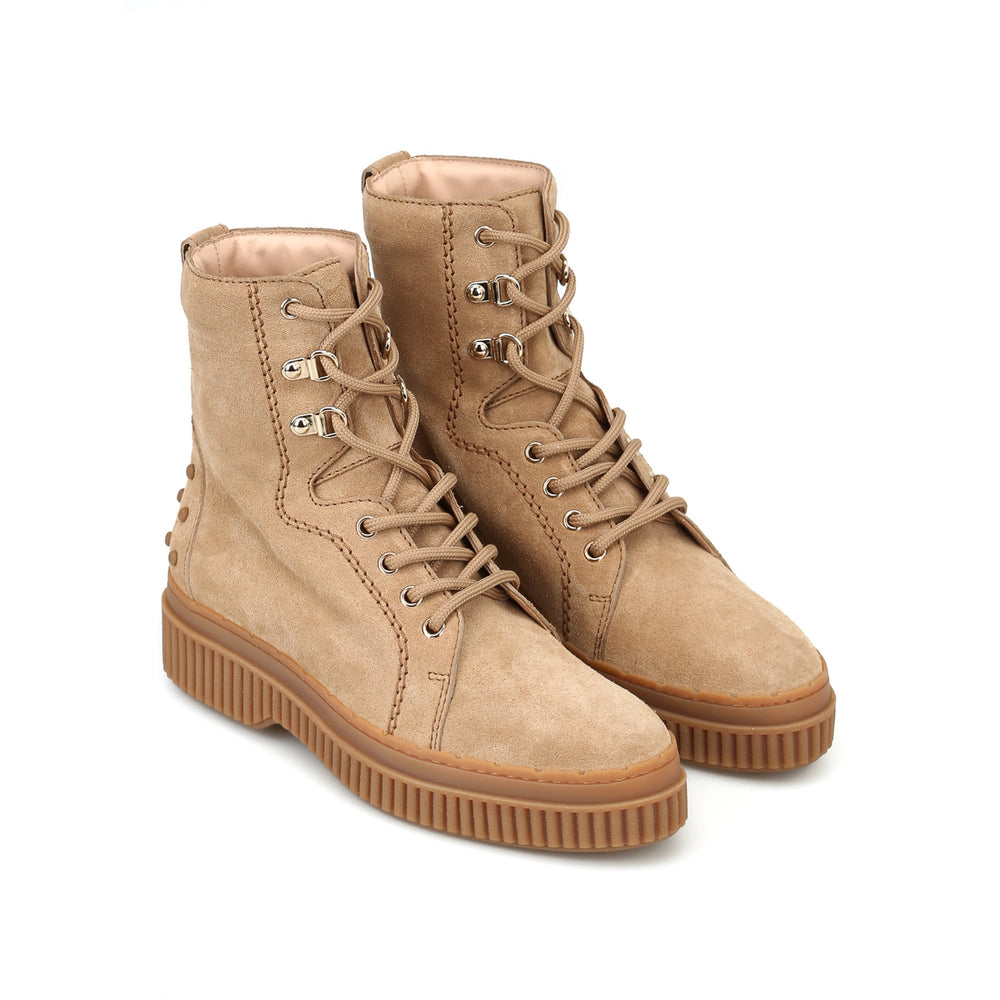
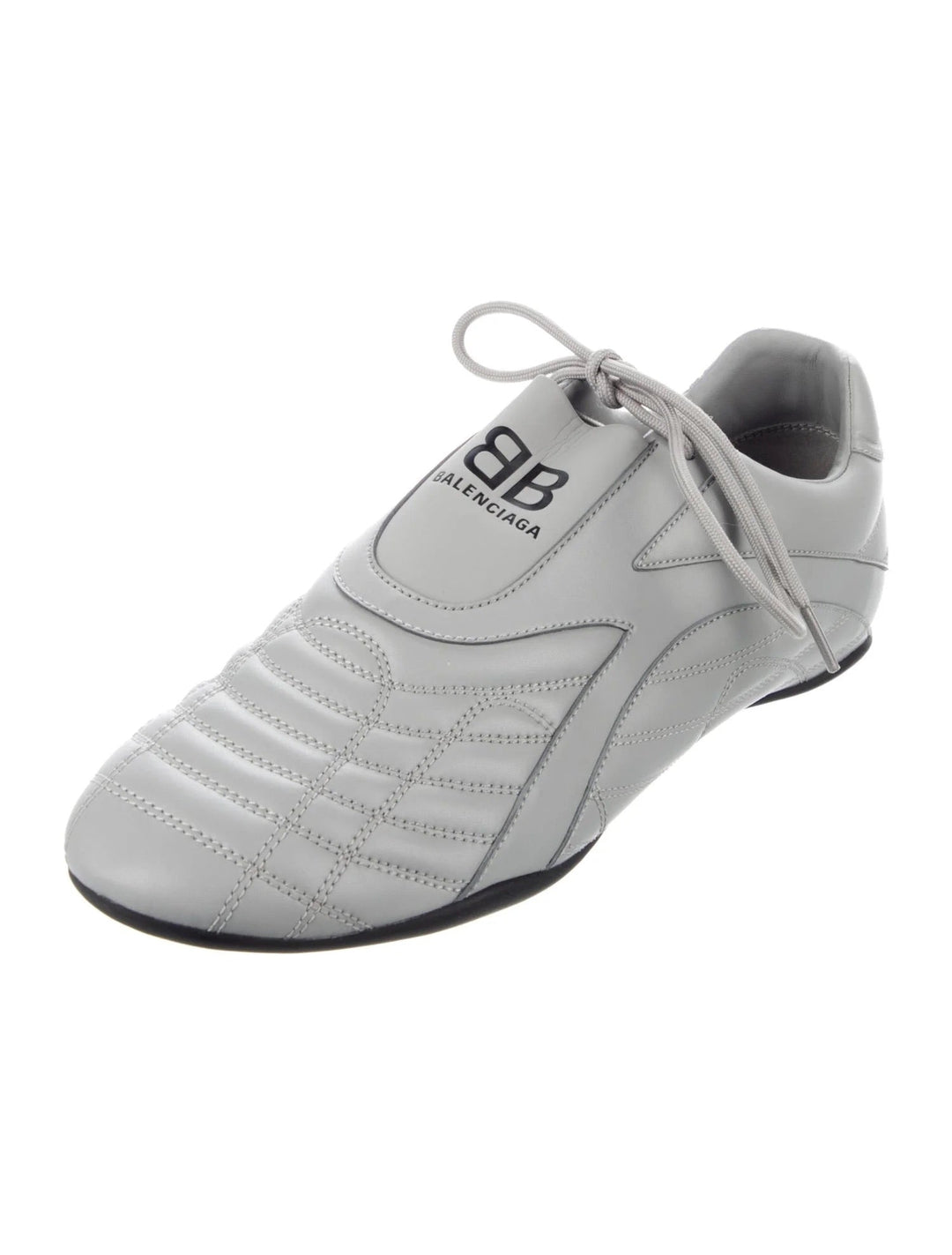
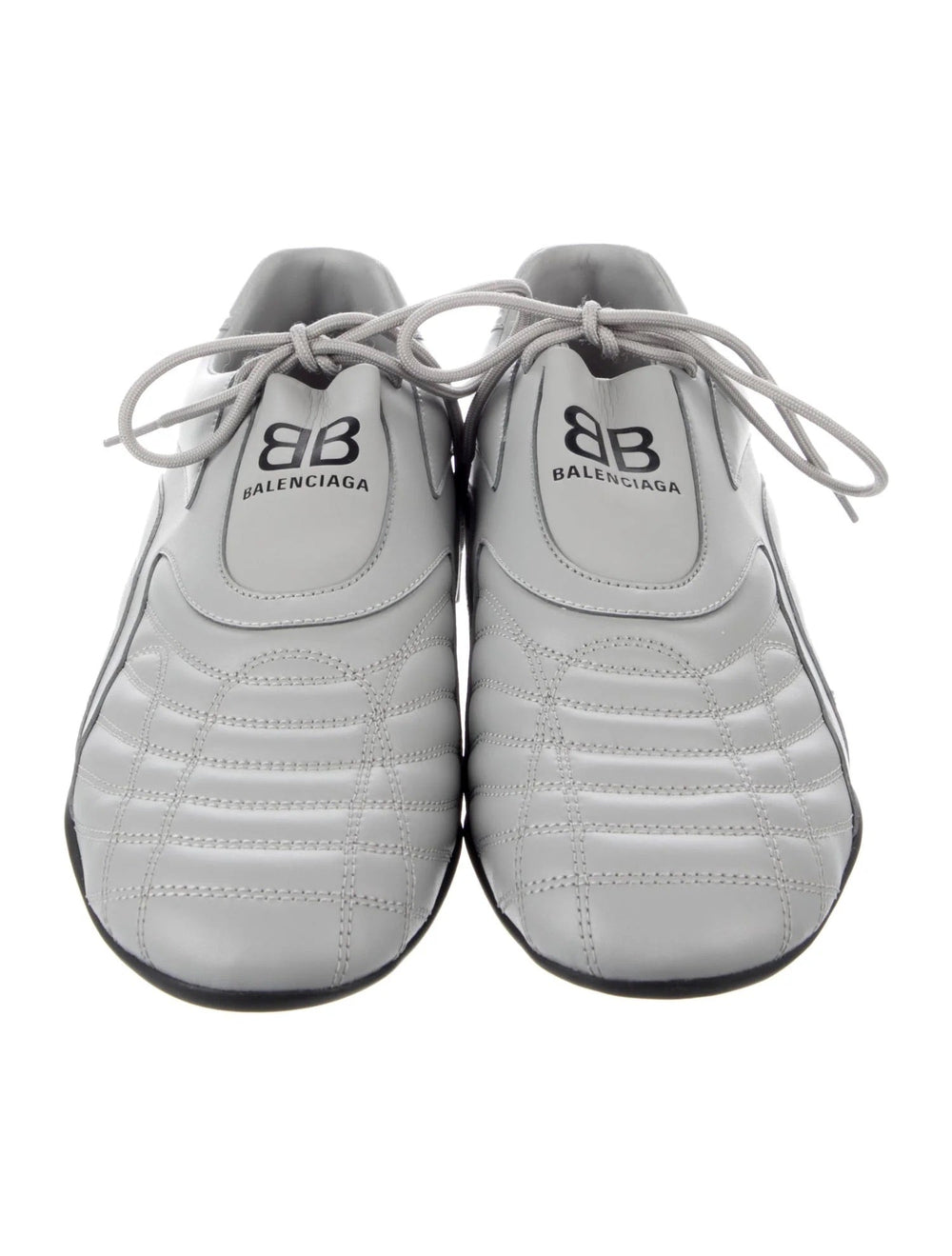

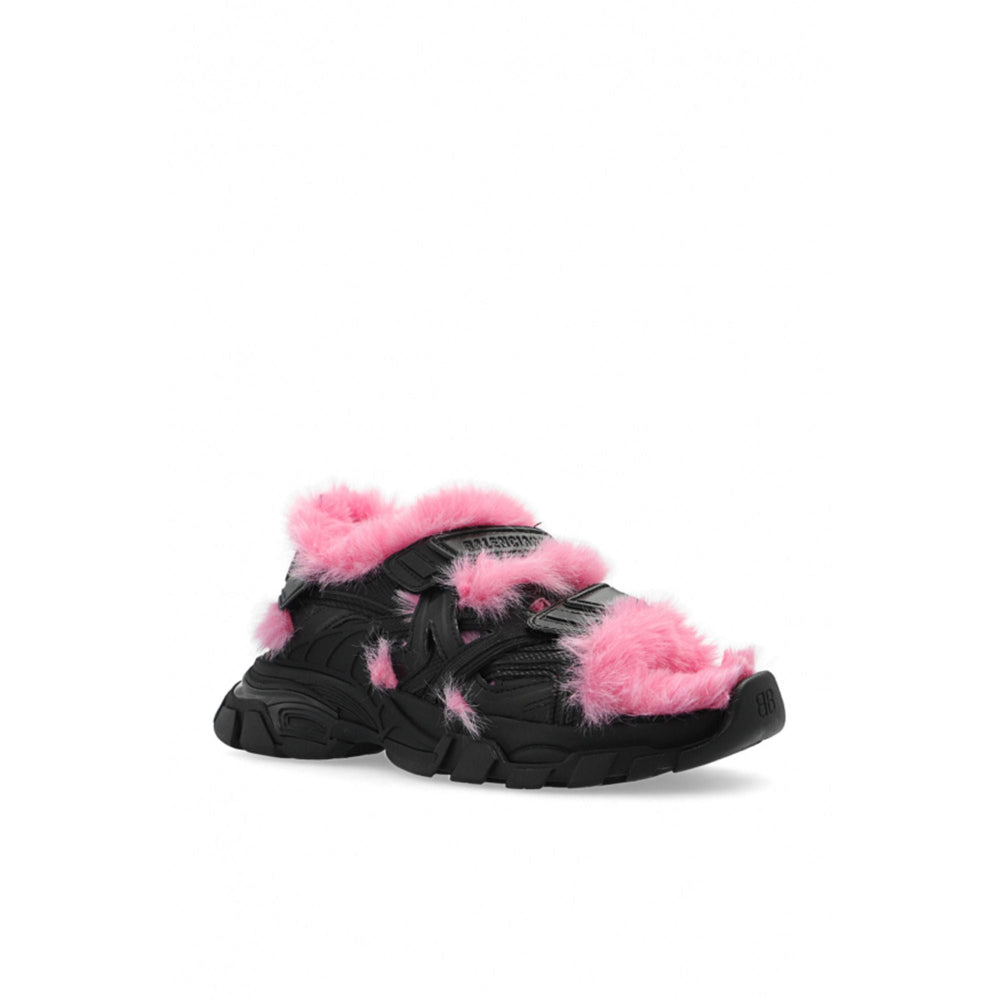


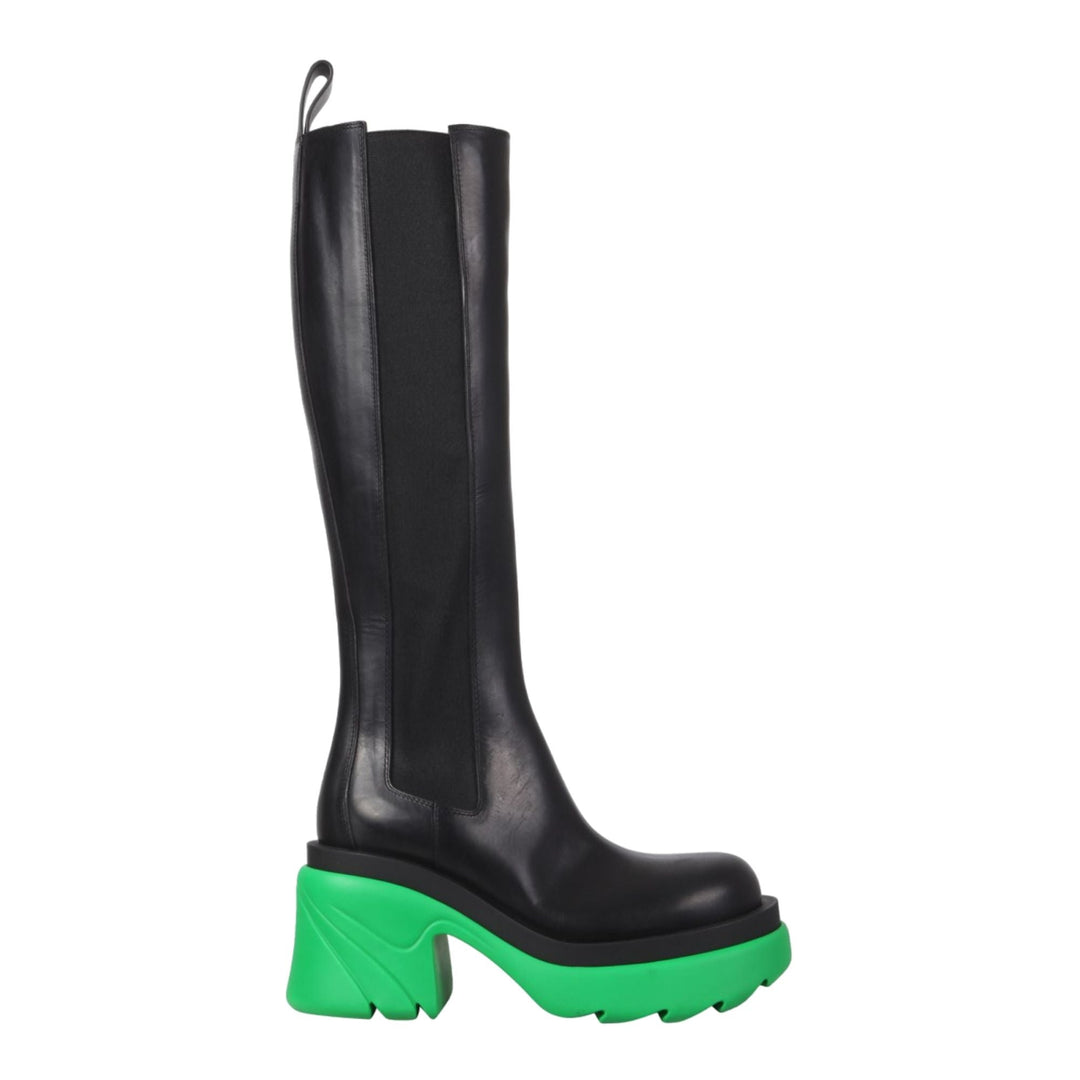
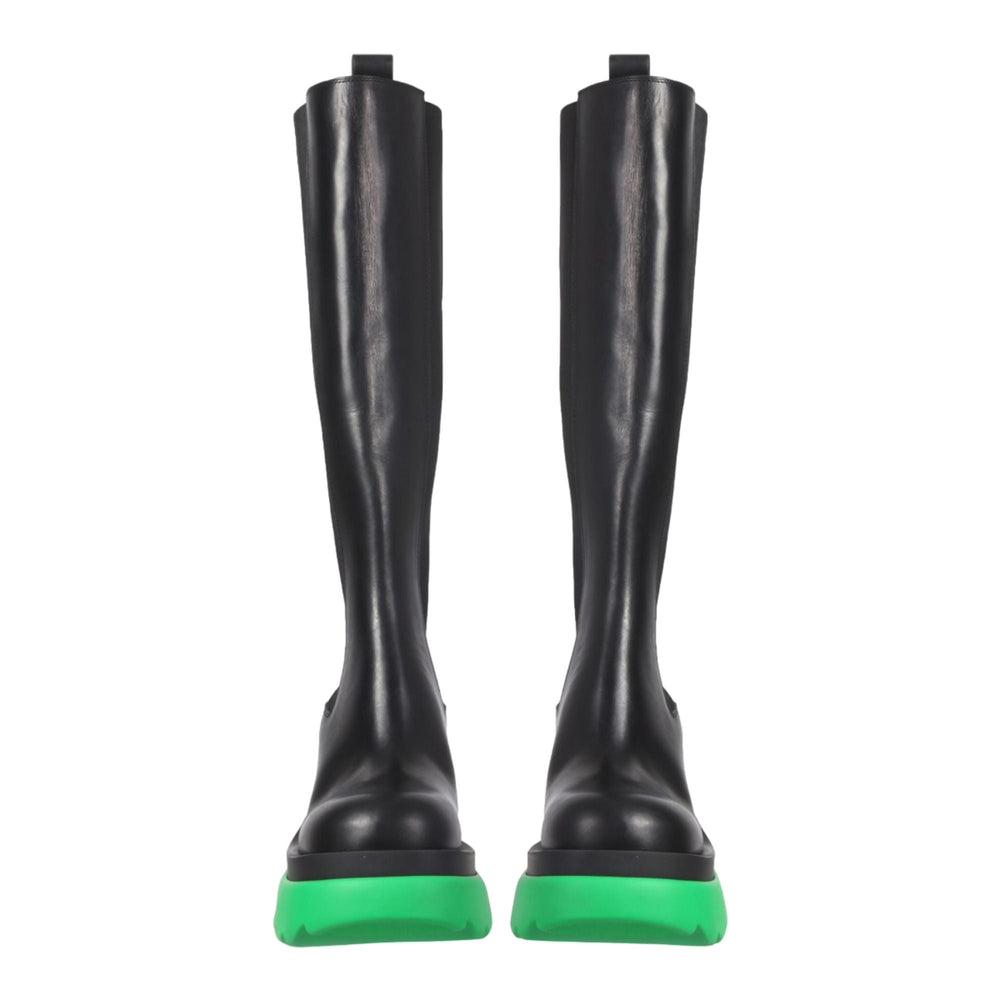


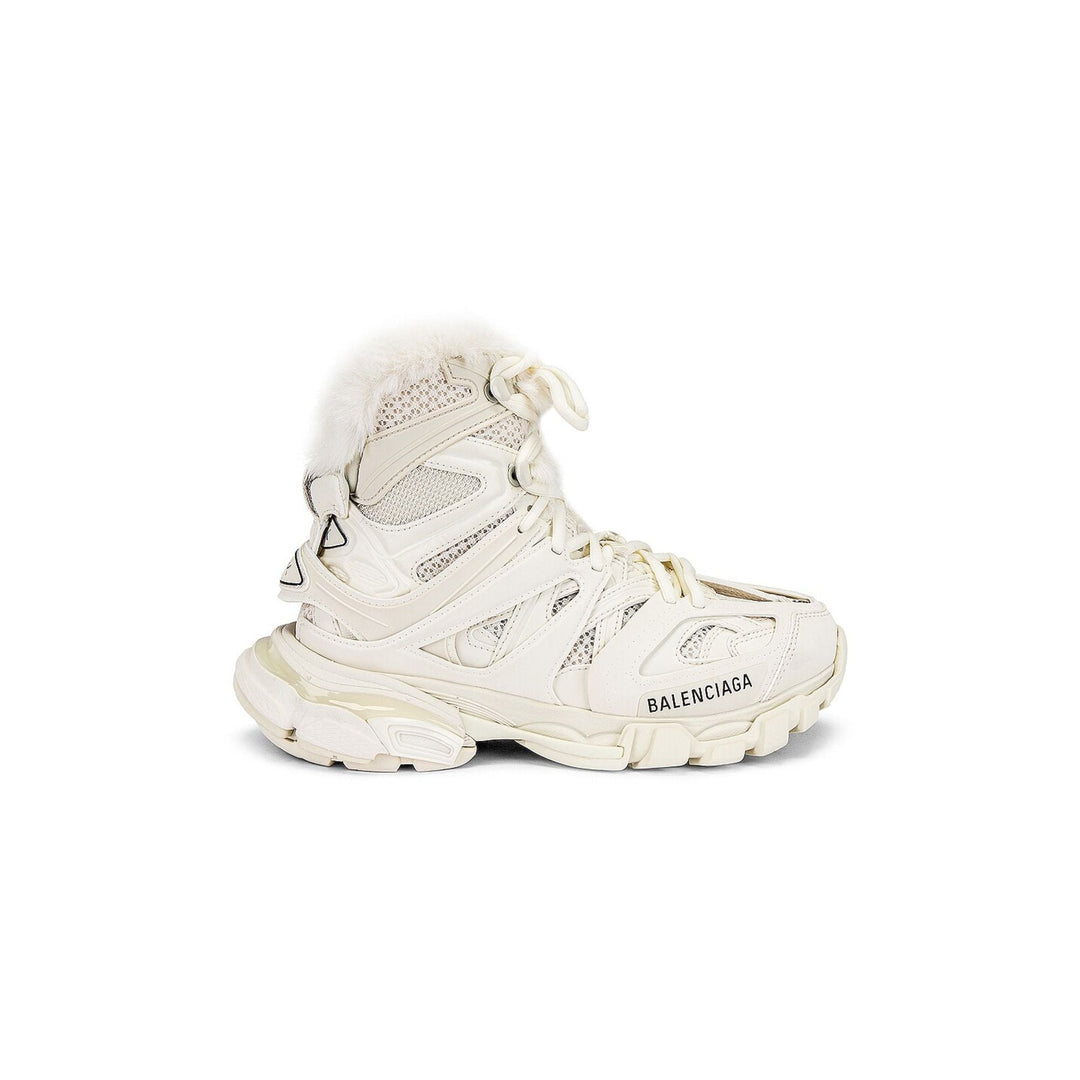











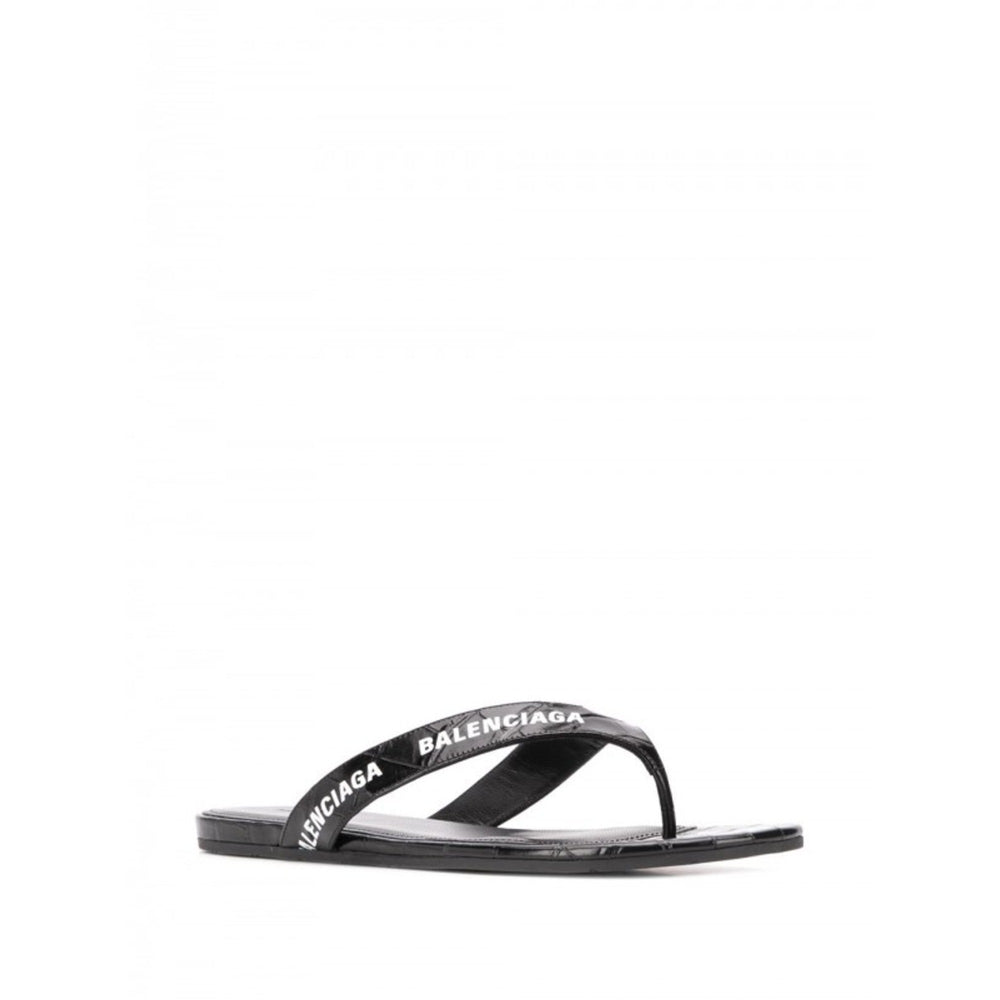
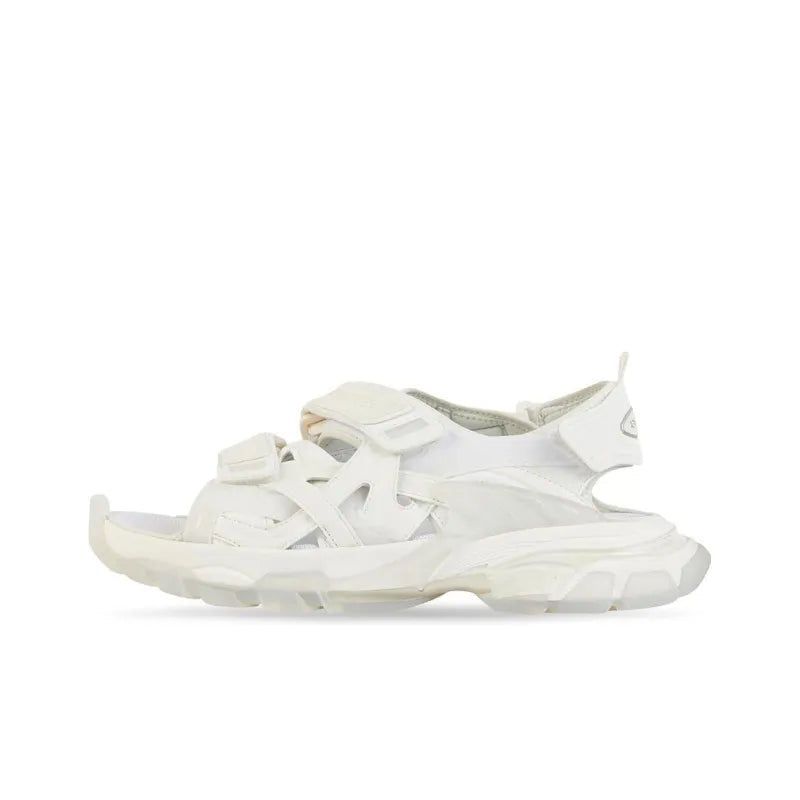
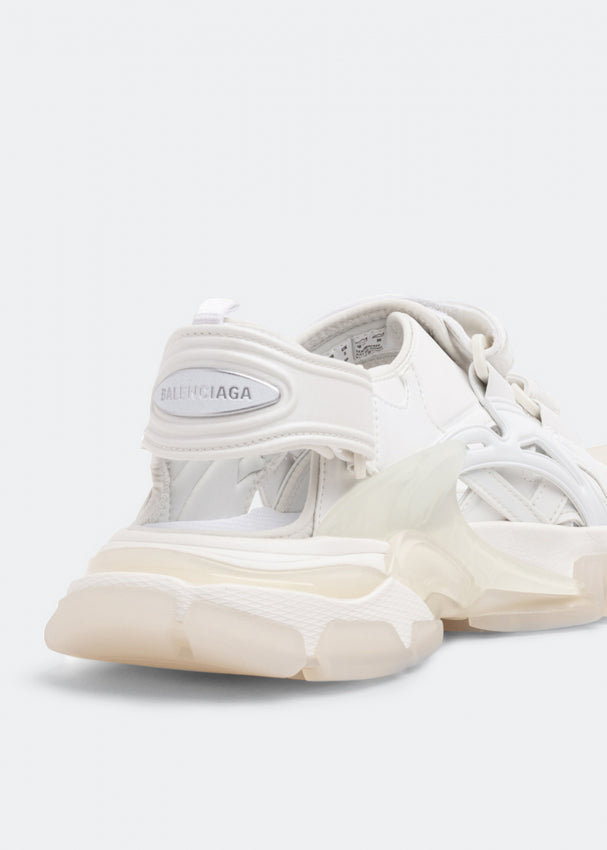
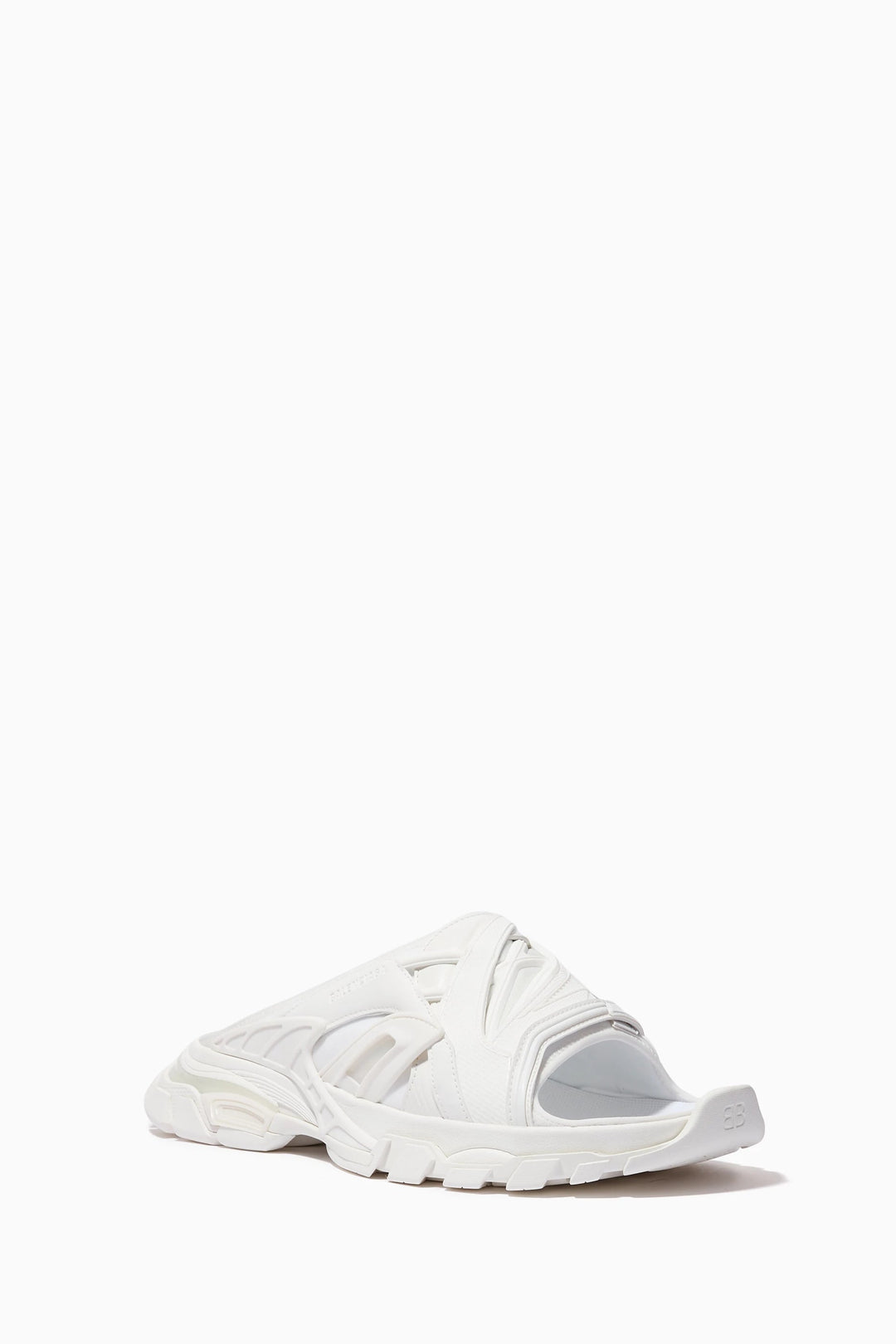
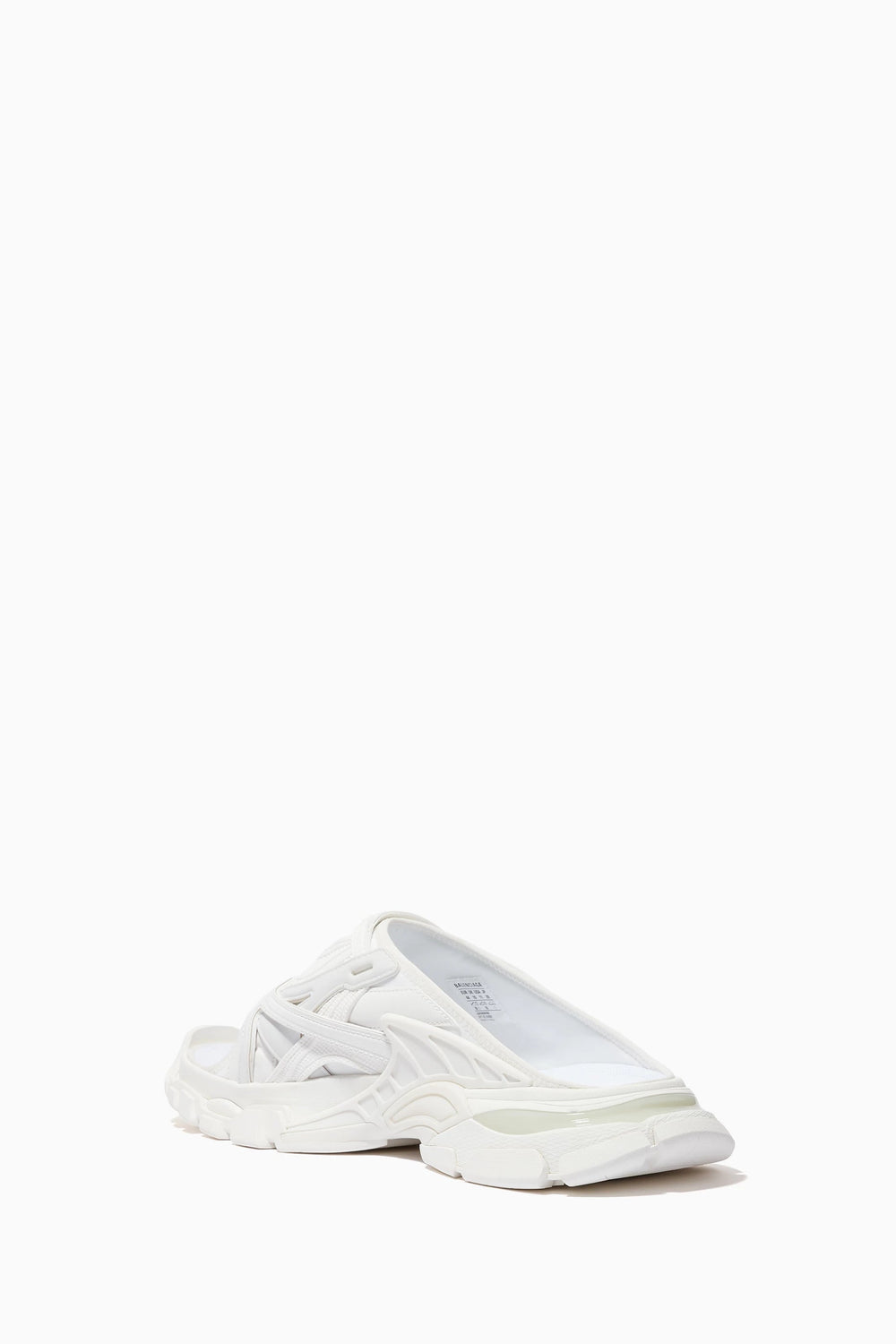
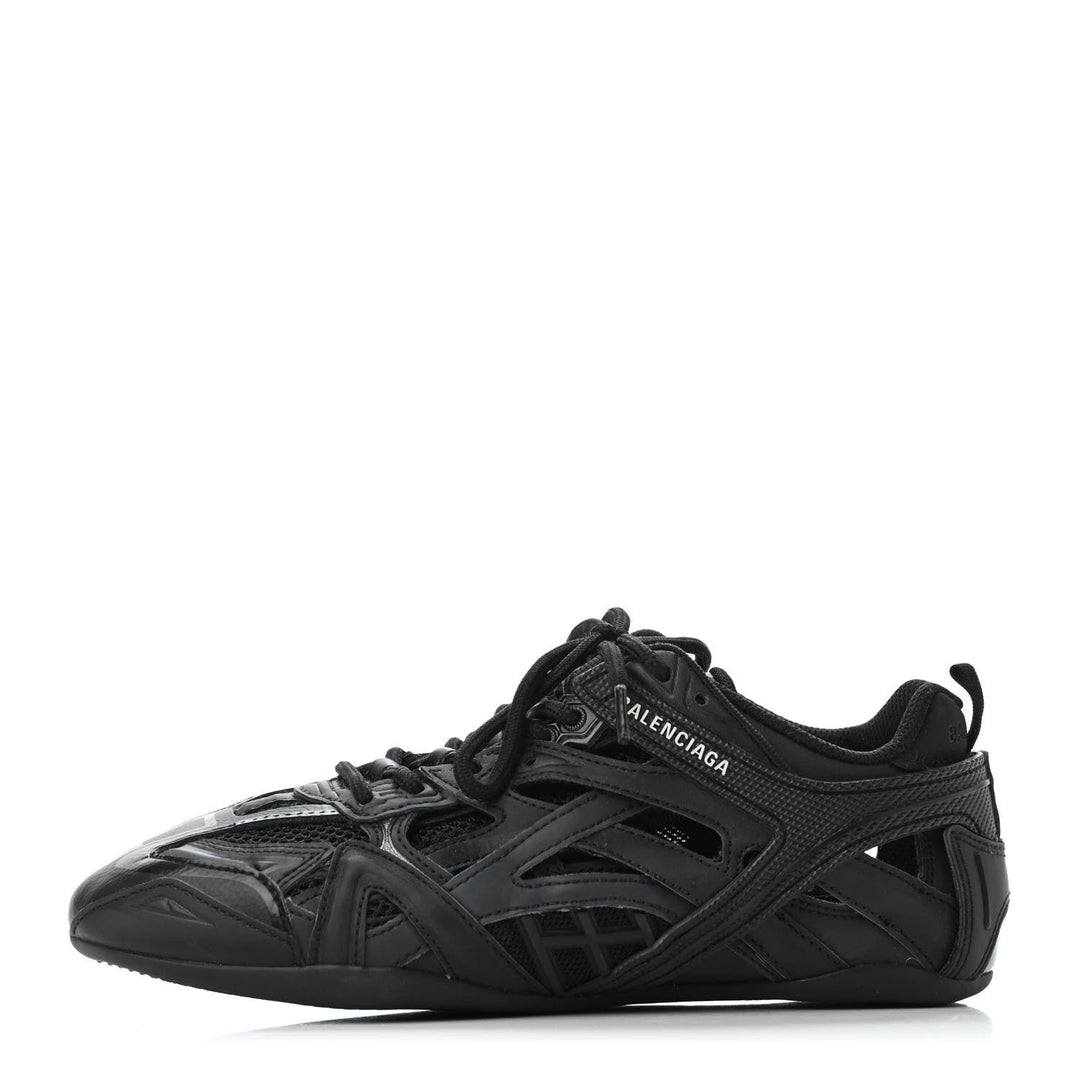
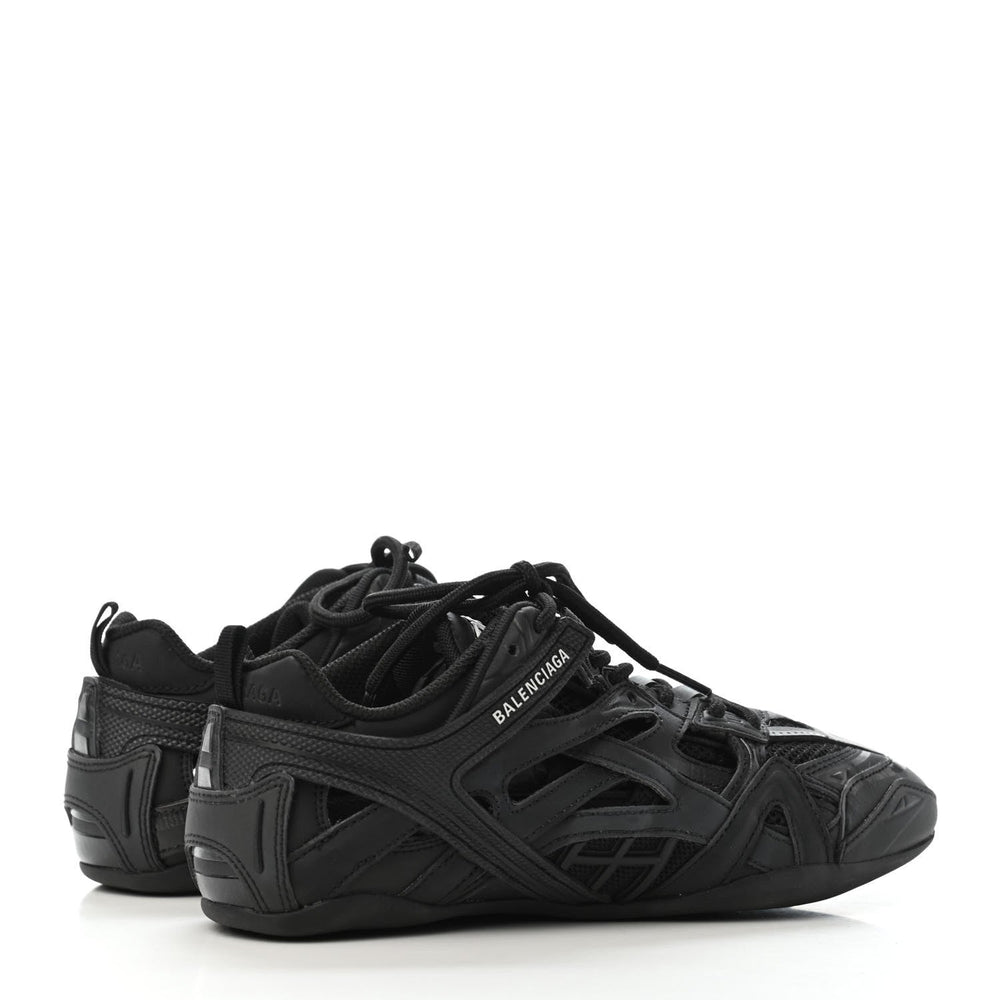
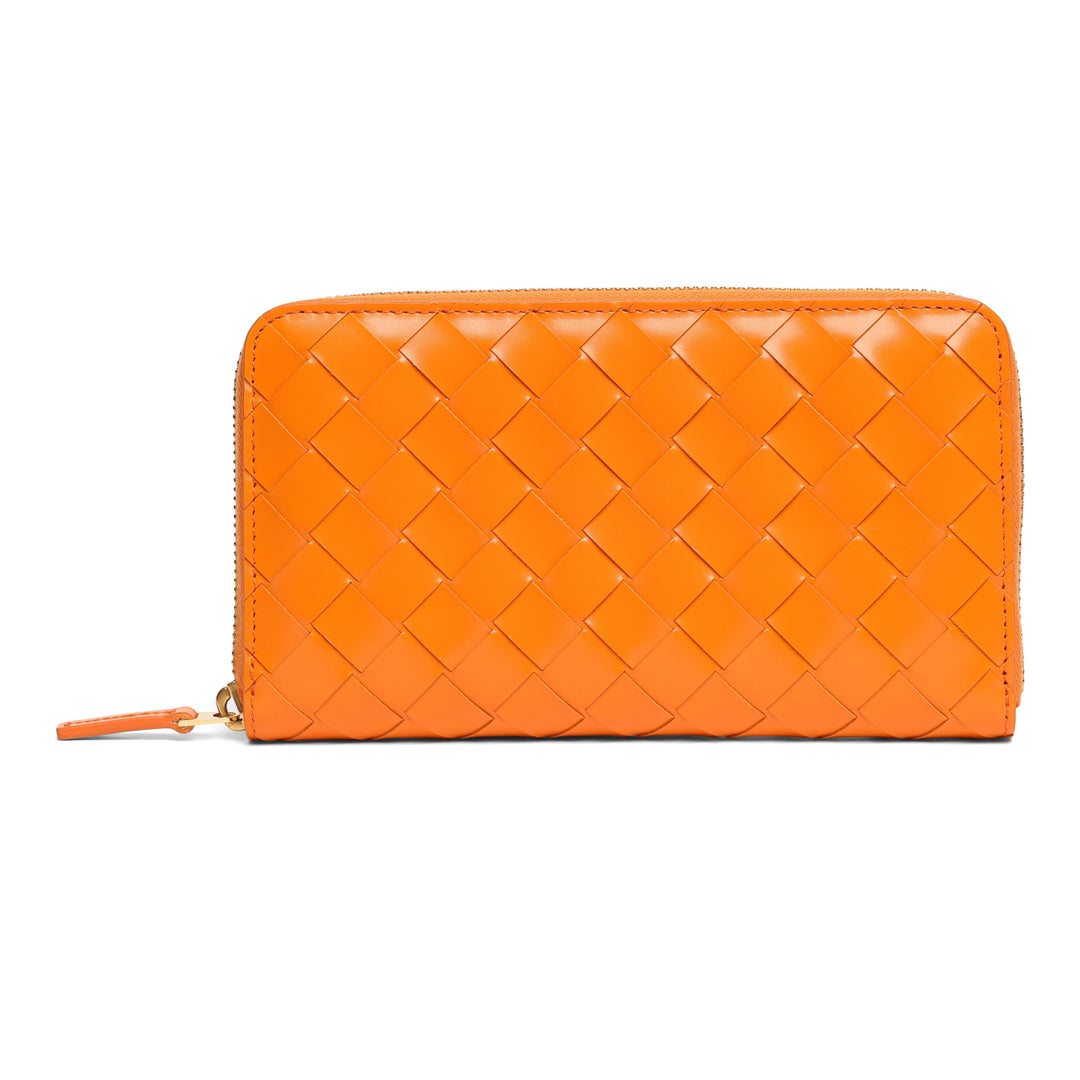
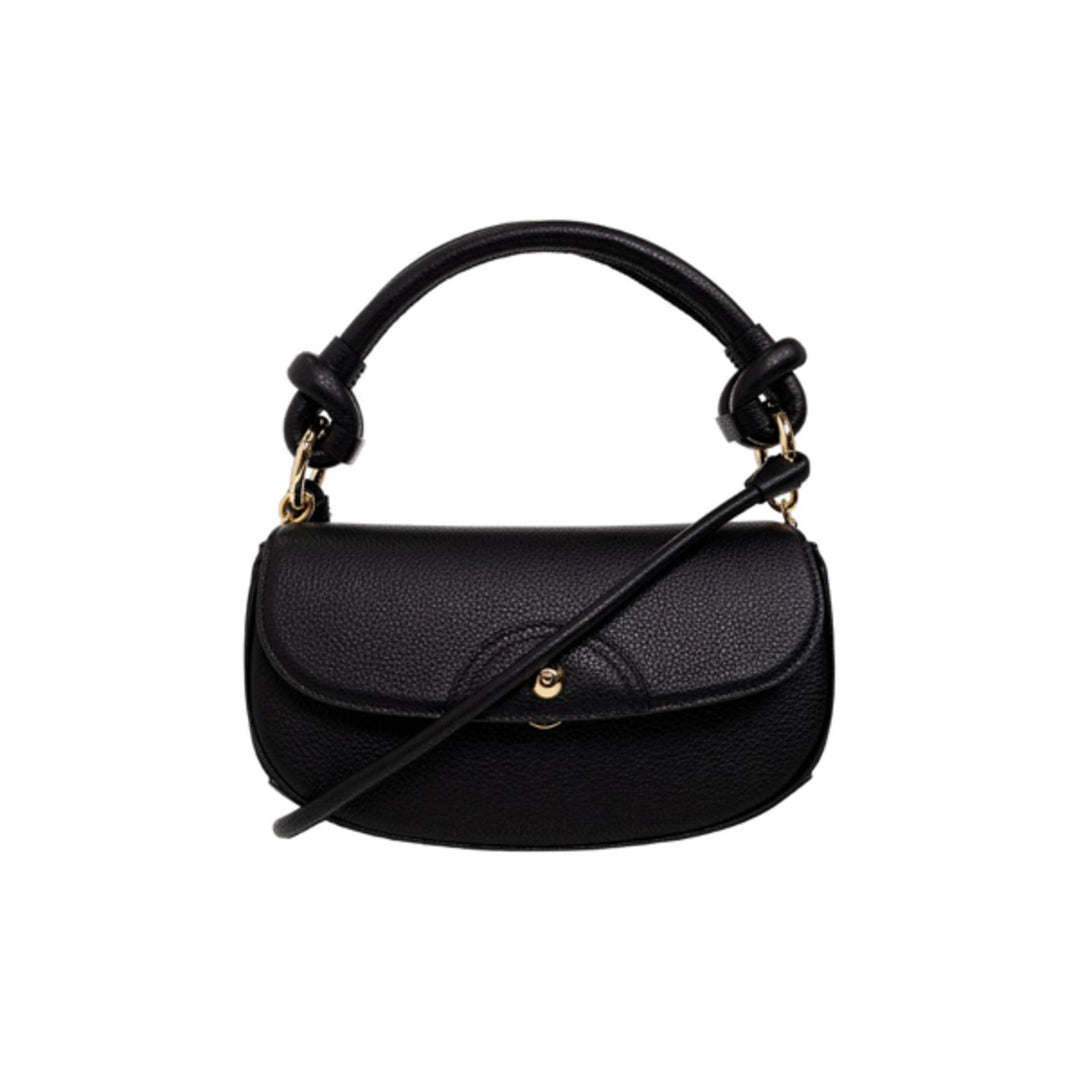
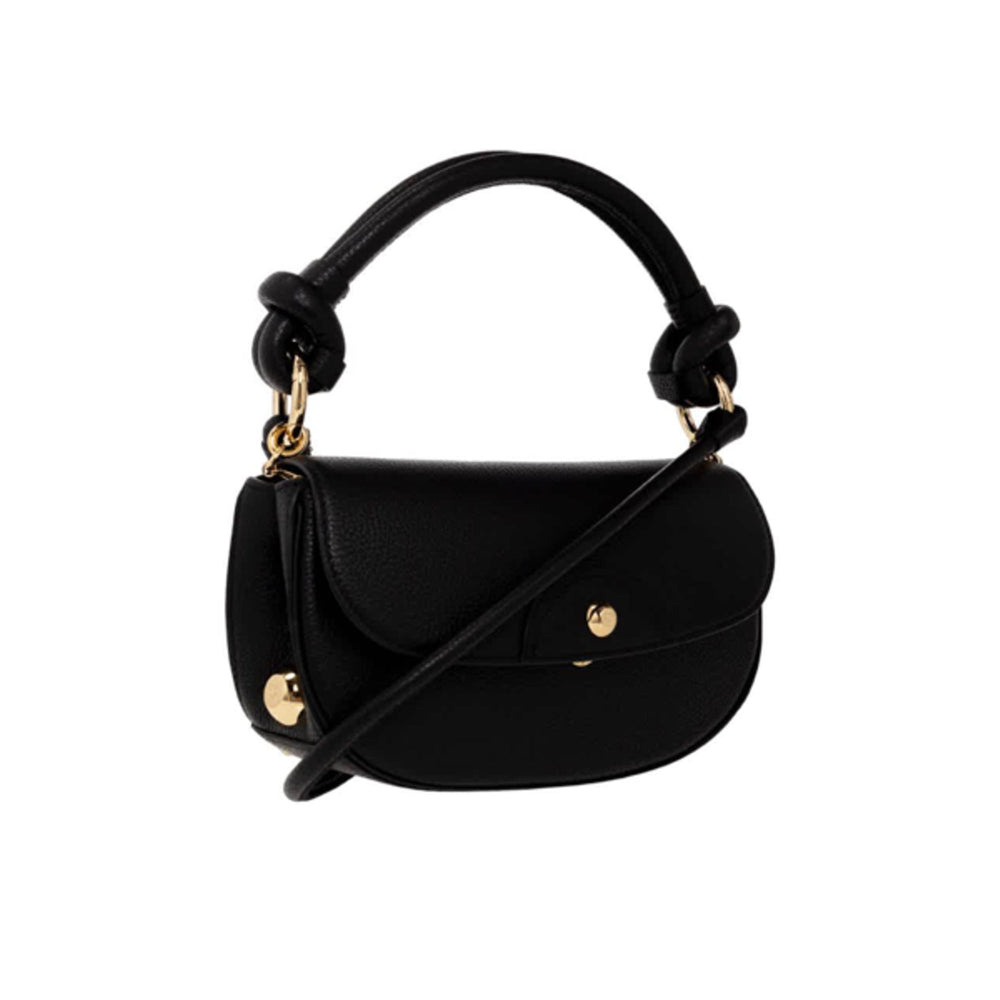
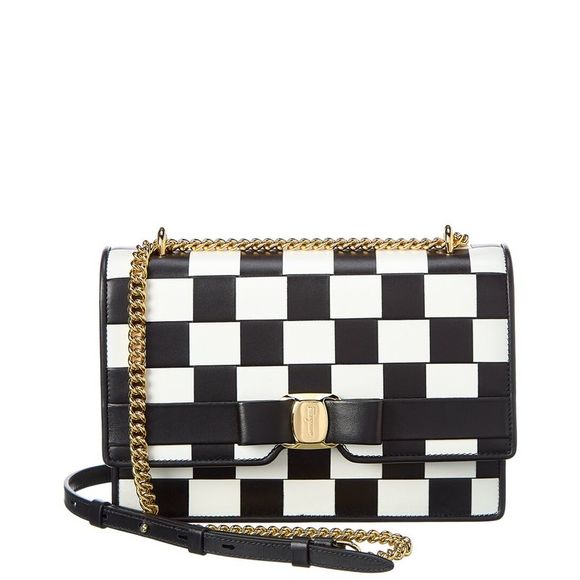
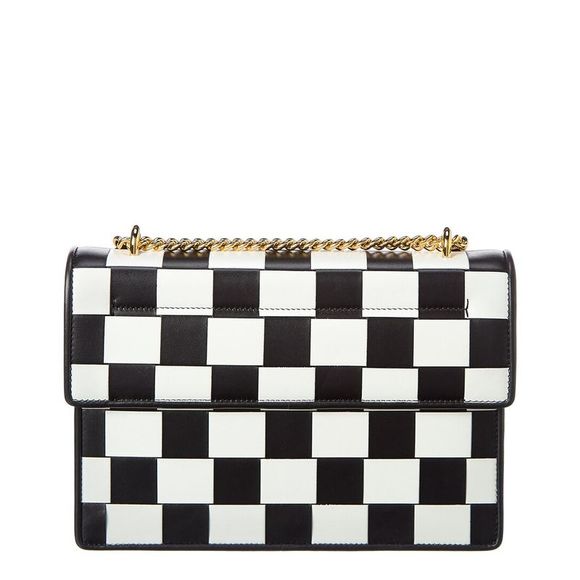




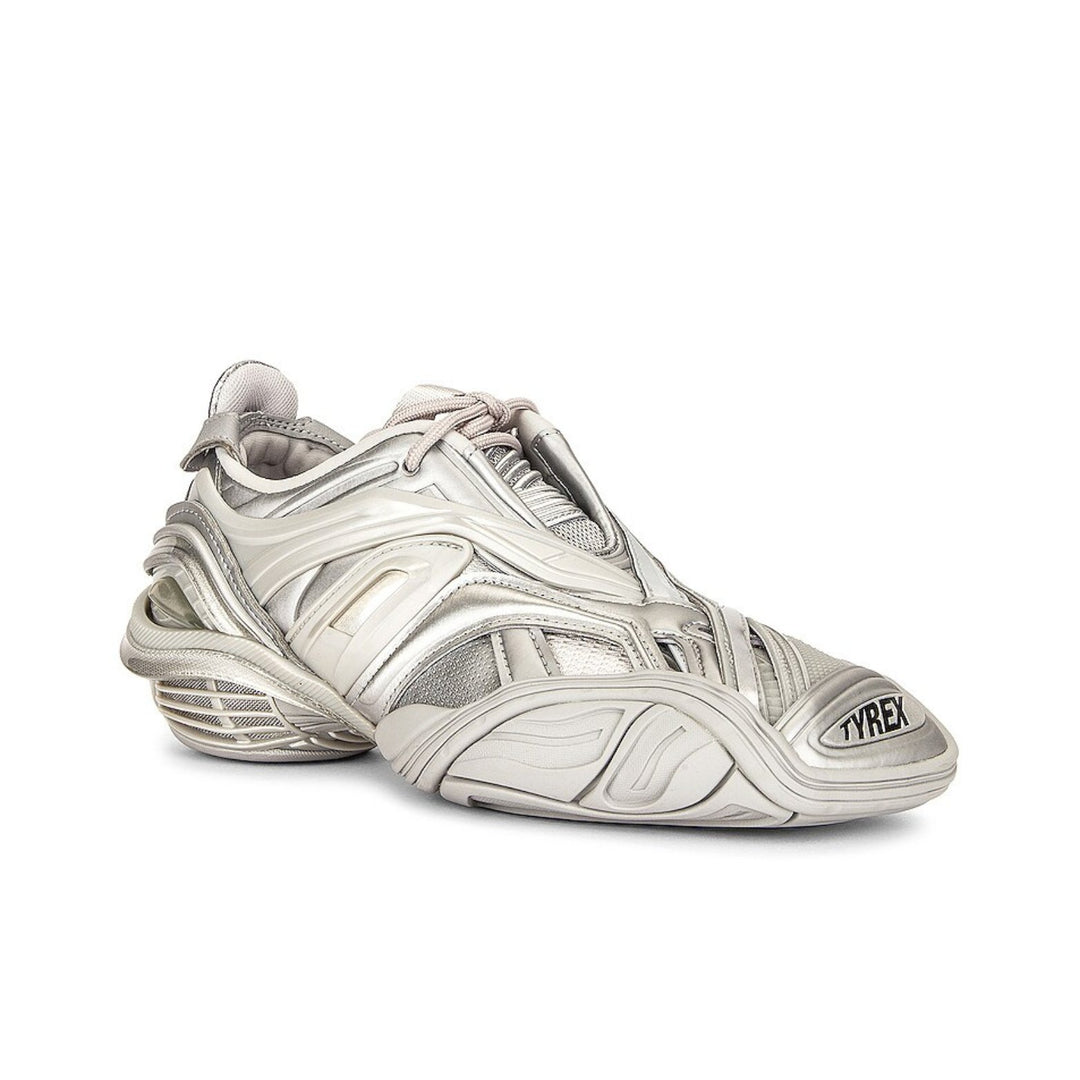
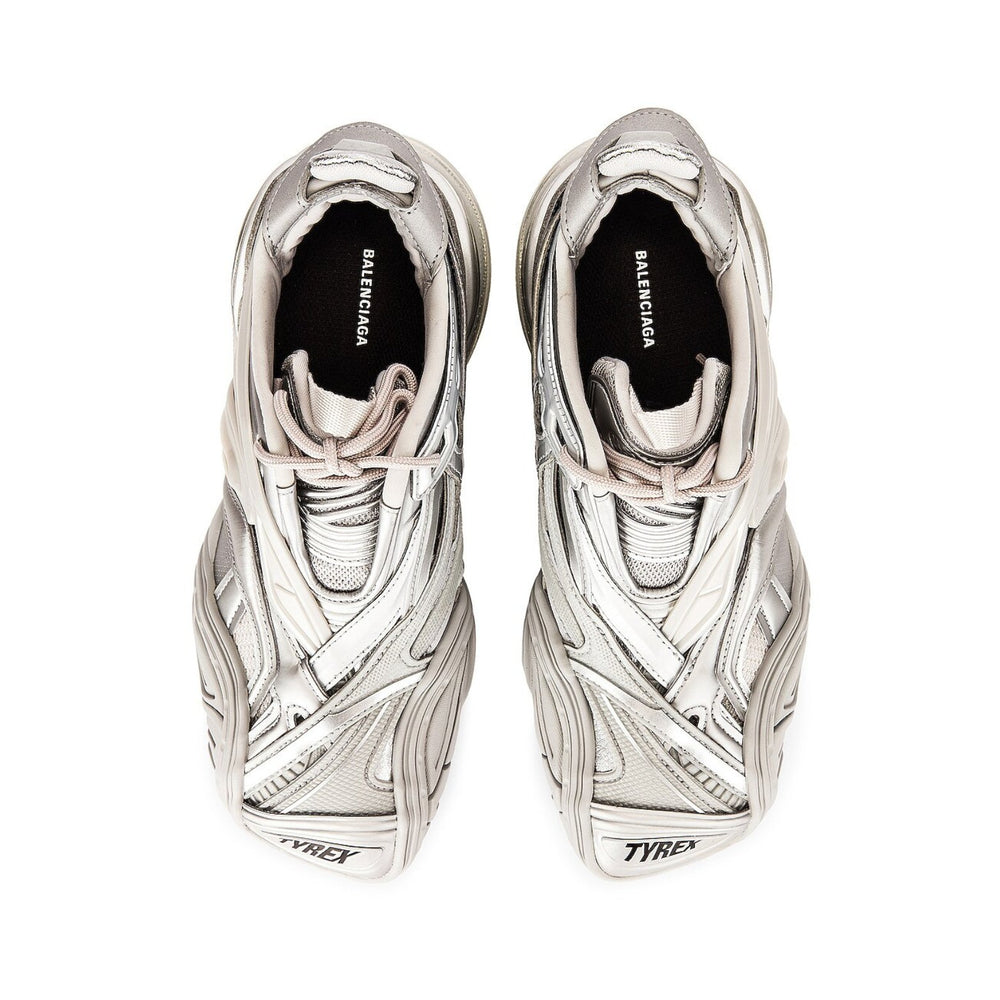
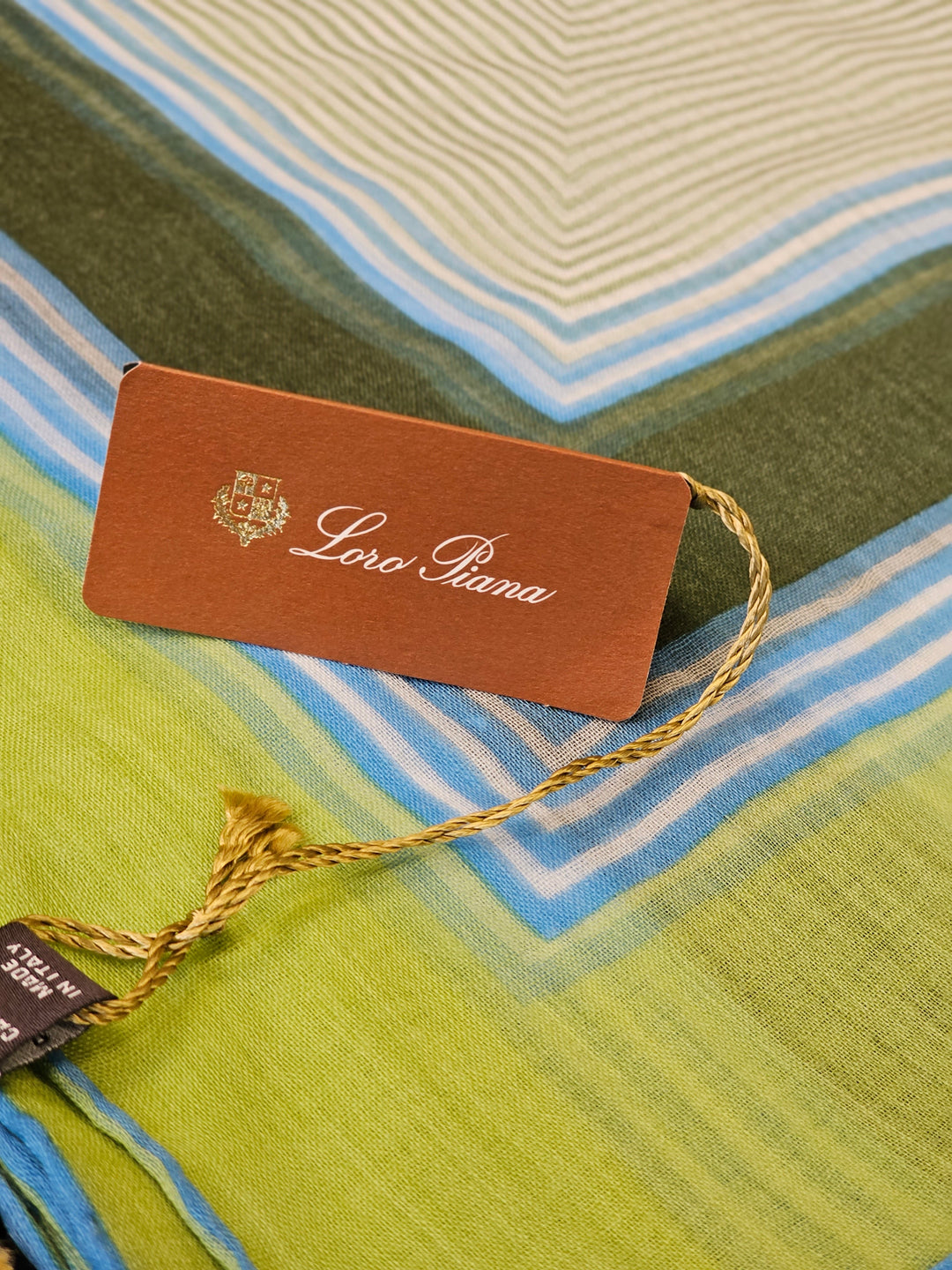
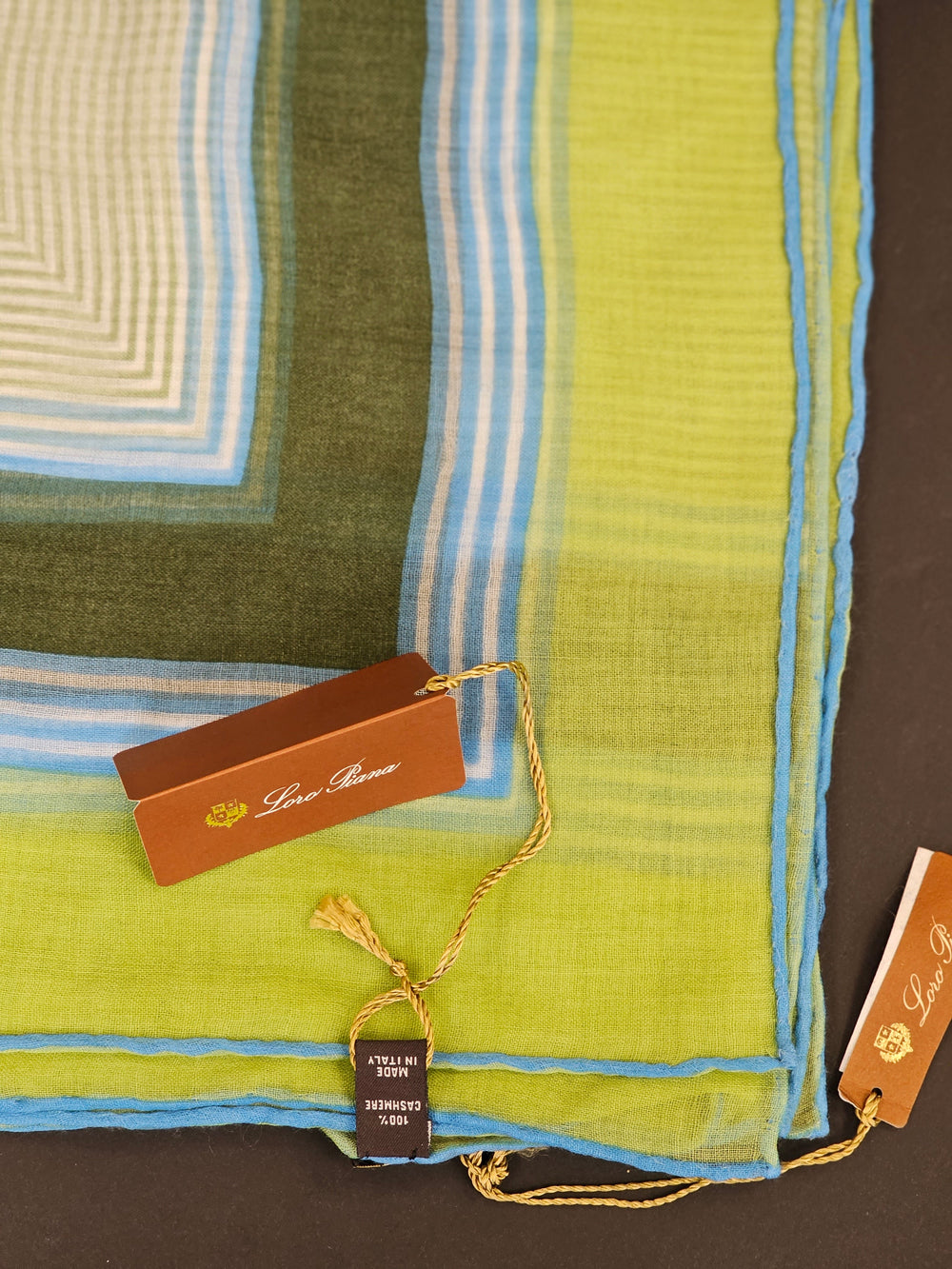
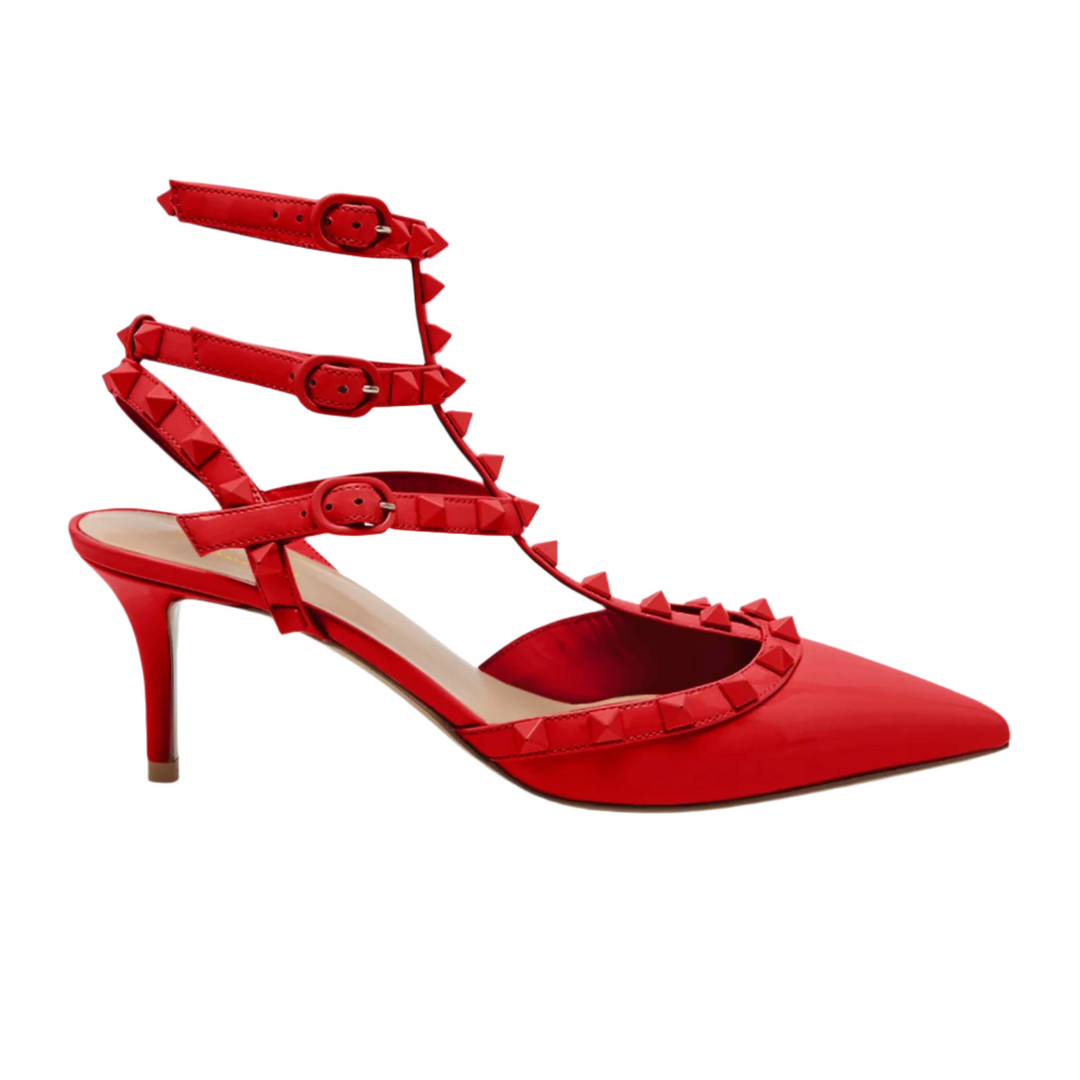


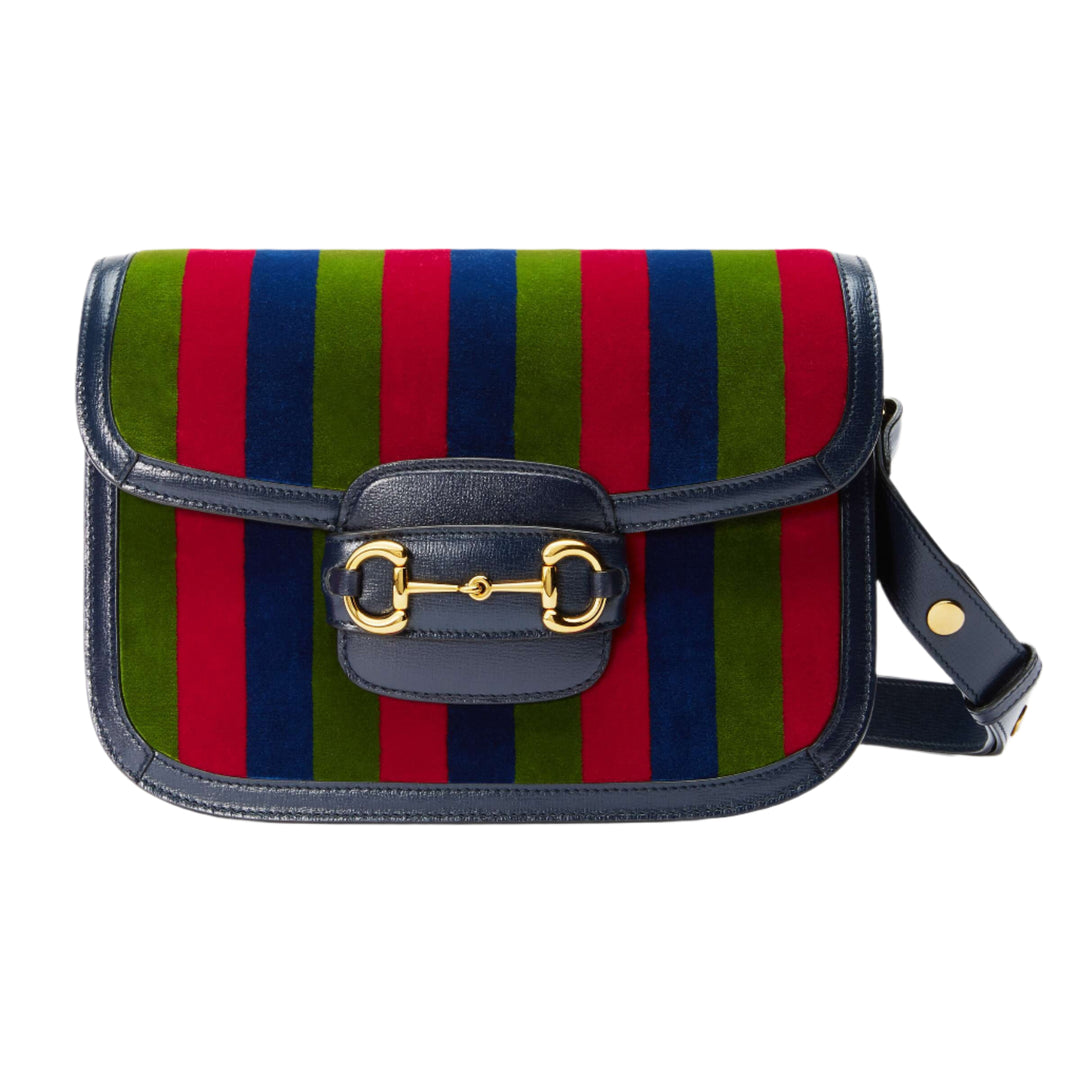
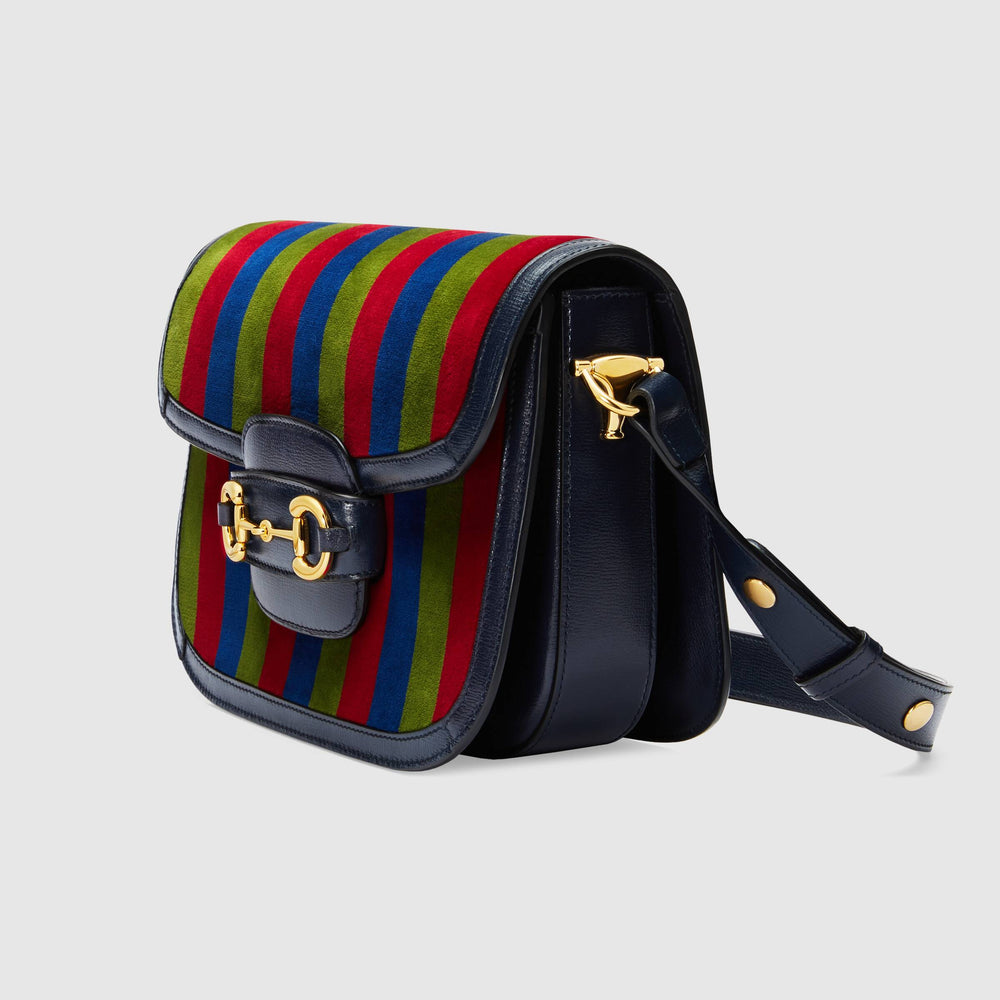
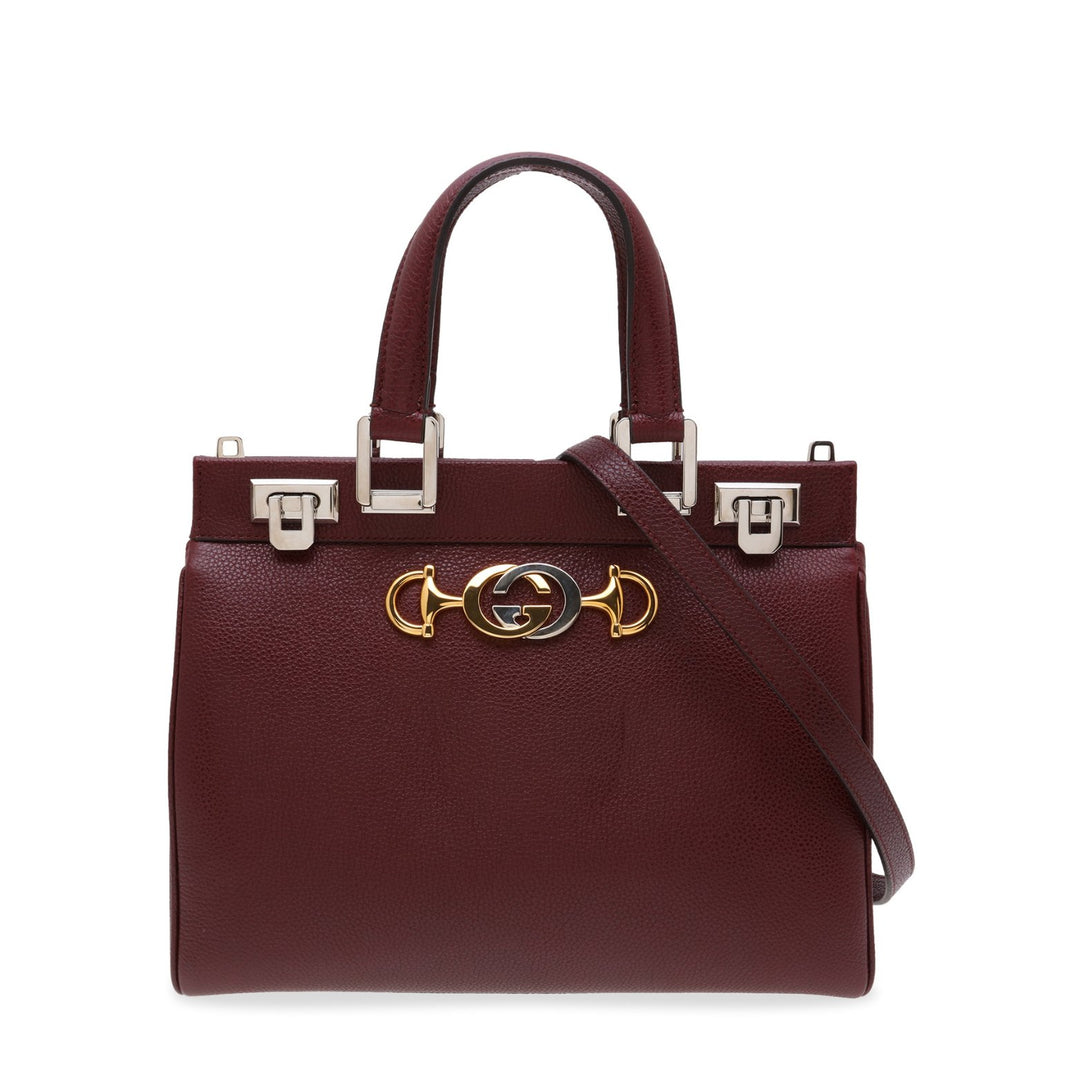
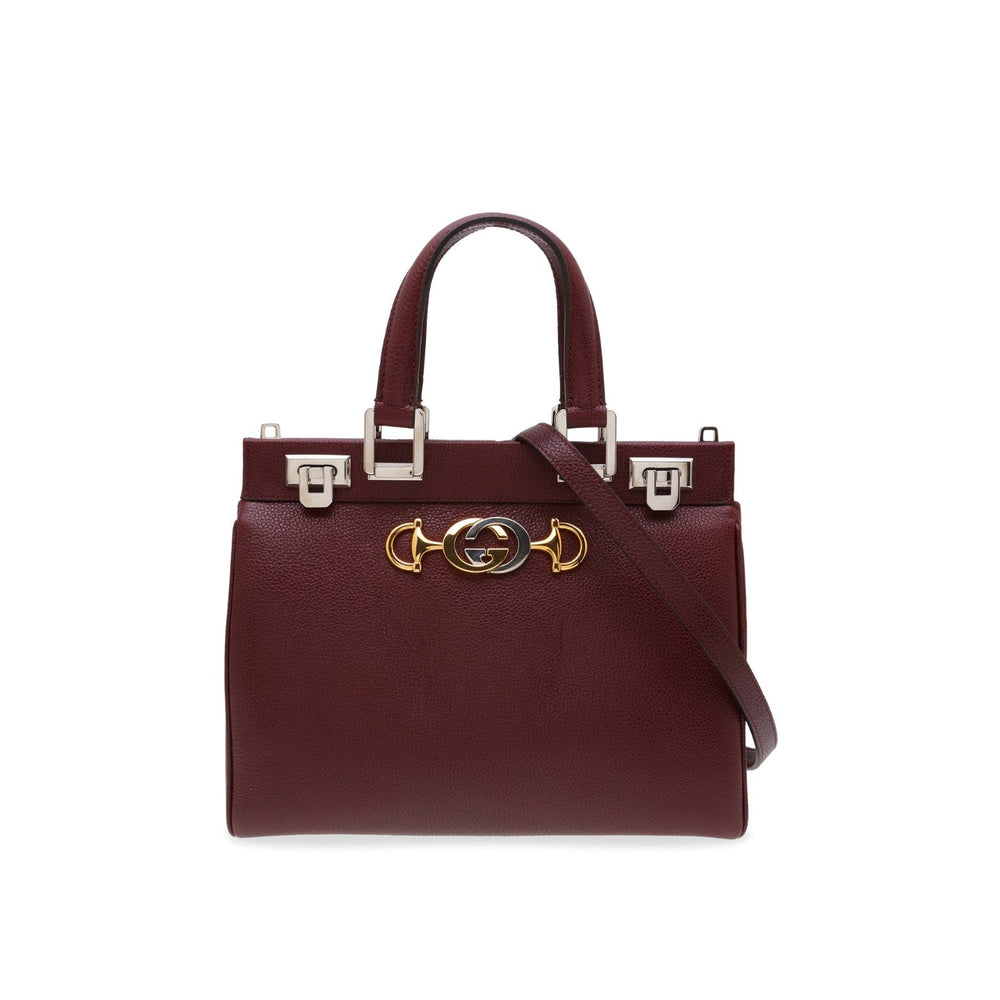
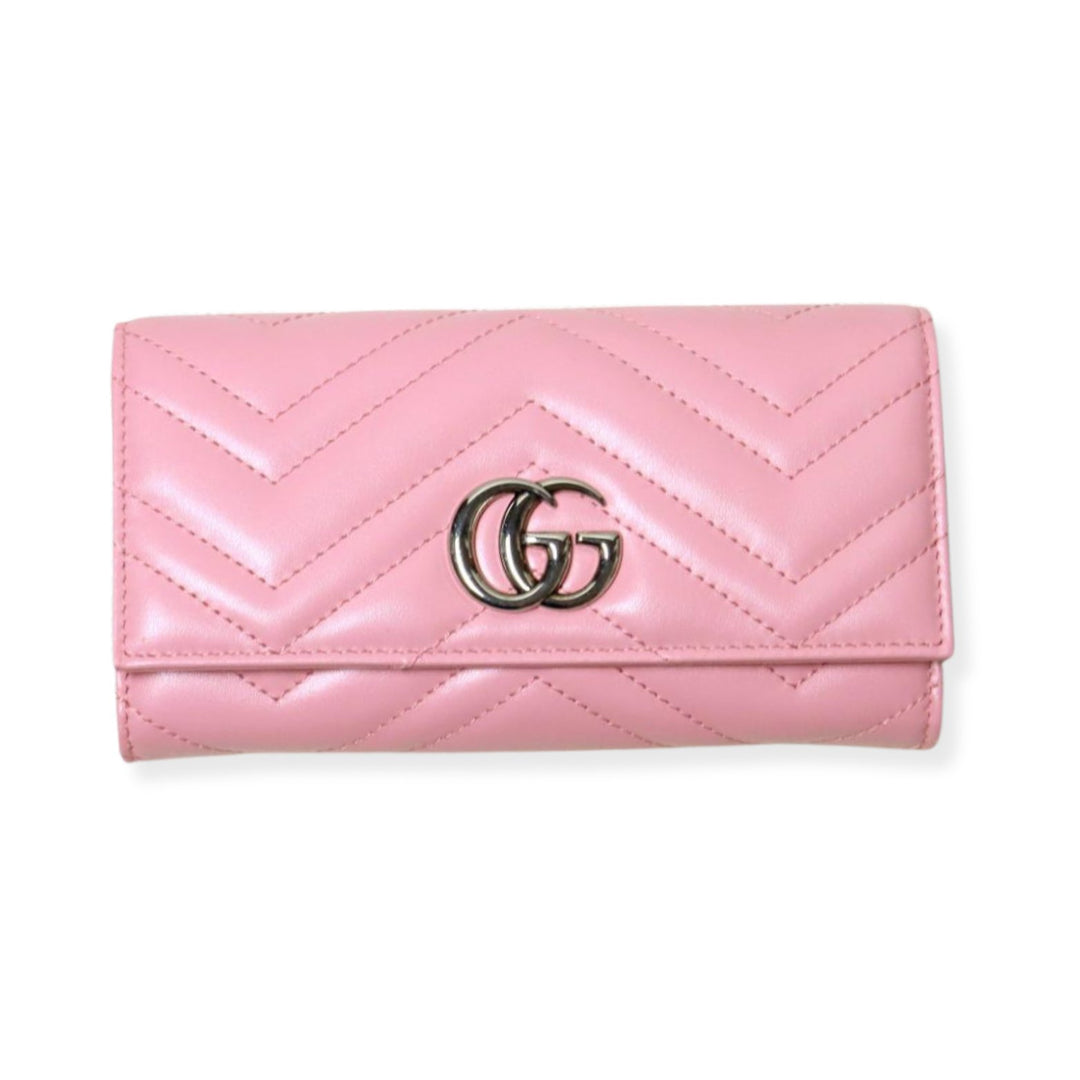

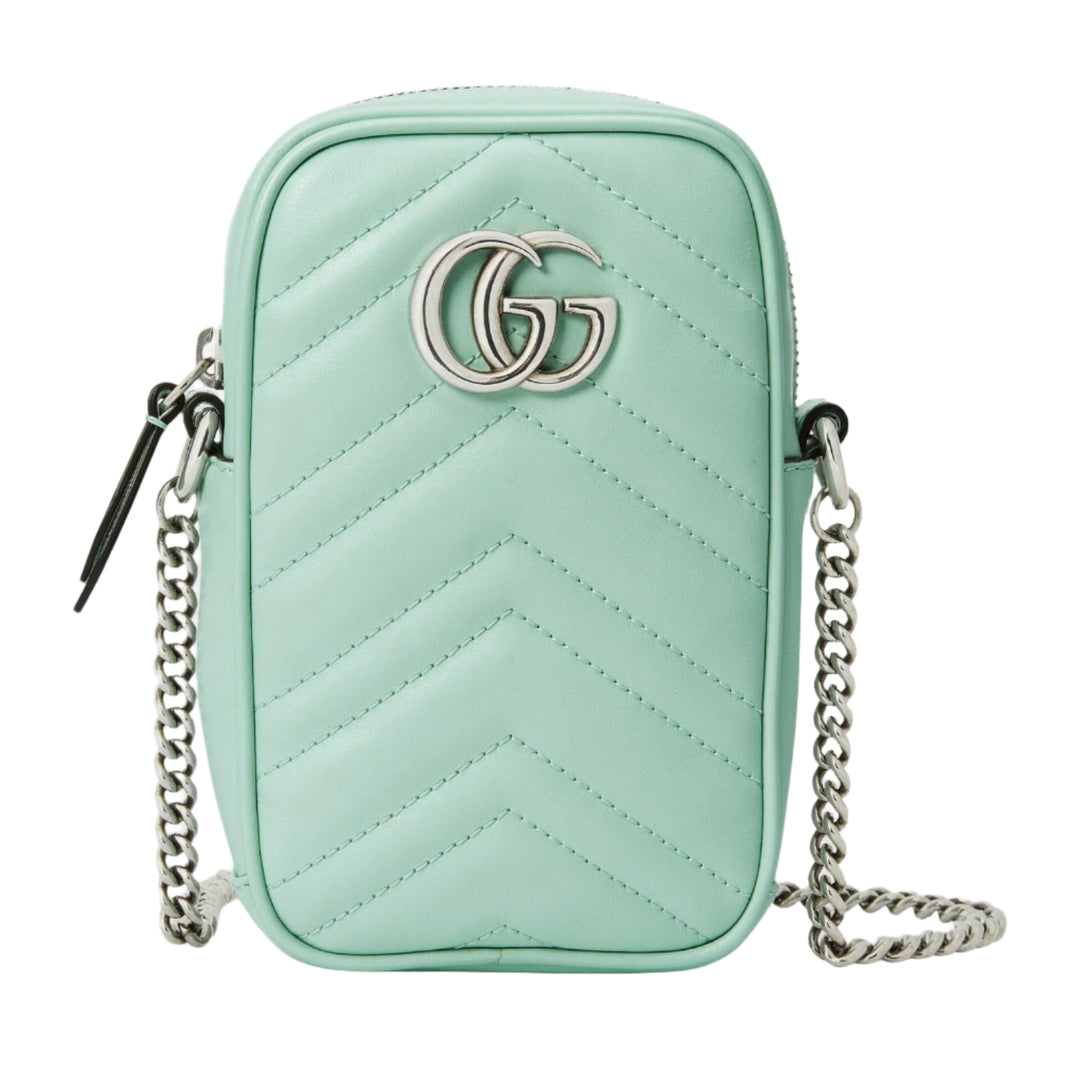

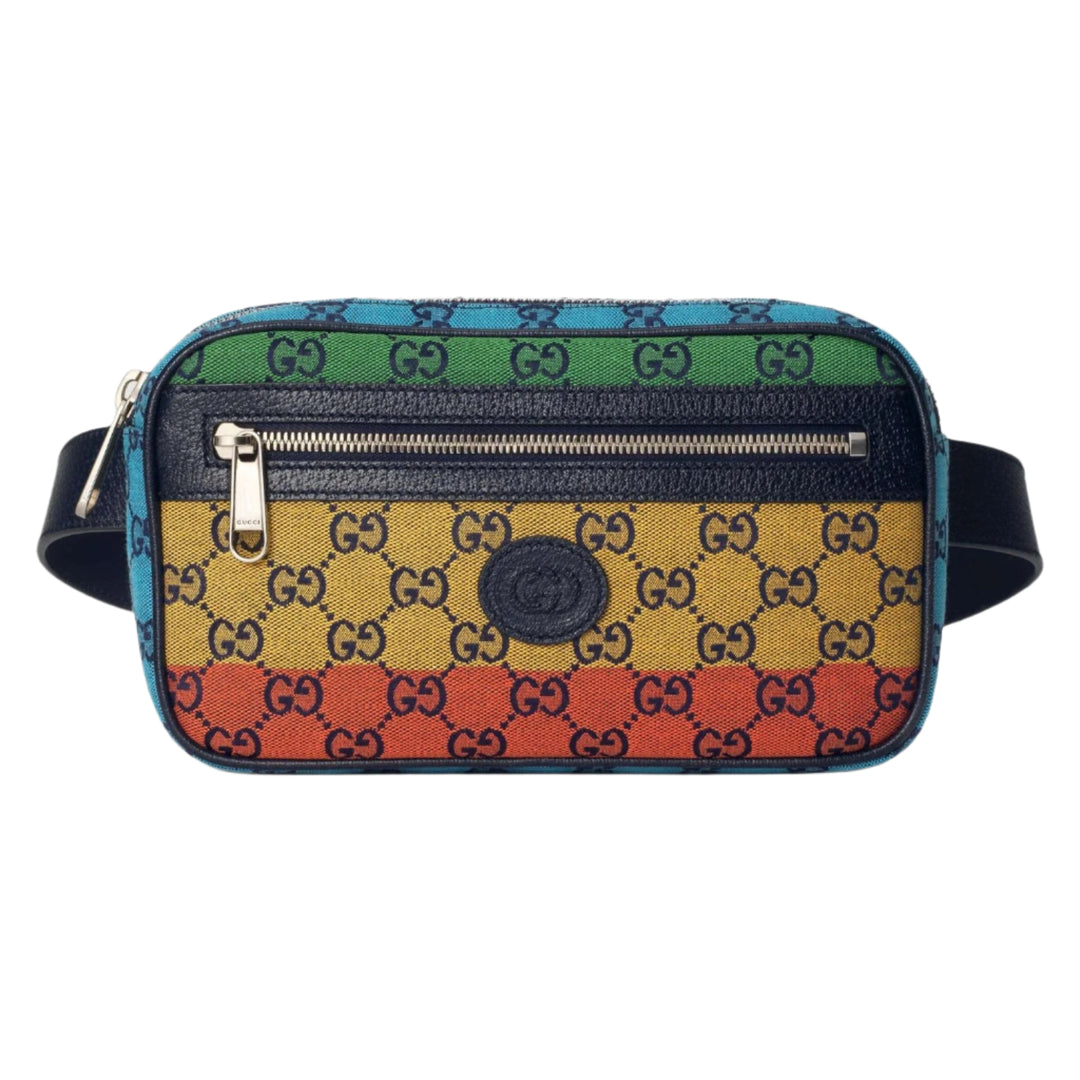

Women's Designer Fashion - Authentic Italian Luxury at Outlet Prices
Welcome to your complete destination for authentic women's designer fashion from the world's most prestigious Italian and European luxury houses. From iconic Gucci handbags and Bottega Veneta leather goods to Prada accessories, Ferragamo shoes, Saint Laurent clothing, and Dolce & amp; Gabbana statement pieces, discover comprehensive luxury wardrobes at prices 30-50% below standard retail.
We've curated an extensive collection spanning every category of women's luxury fashion – designer handbags that become daily companions. These Italian shoes combine craftsmanship with comfort, refined clothing from suits to casual wear, sunglasses that channel vintage glamour, jewelry that adds finishing touches, and accessories that complete sophisticated looks. Whether you're building your first designer wardrobe or expanding an established collection, you'll find authentic pieces representing the finest Italian craftsmanship and European luxury.
Every item in our women's designer fashion collection is 100% authentic, sourced directly from authorized brand outlets in Italy, luxury department stores clearing seasonal inventory, or authorized European retailers. These are genuine designer pieces crafted from premium materials and expertly constructed – never counterfeits or replicas. Shop with confidence knowing you're investing in absolute luxury at unprecedented accessibility.
Authentic Women's Designer Fashion at Exceptional Outlet Prices
Why Shop Women's Designer Fashion?
Complete Luxury Wardrobes
Everything you need from handbags and shoes to clothing and accessories from the world's finest brands in one curated destination.
Authentic Italian Craftsmanship
Genuine pieces manufactured in Italy by heritage luxury houses with generations of expertise and uncompromising quality standards.
Exceptional Value
Outlet pricing 30-50% below retail makes designer fashion accessible while maintaining complete Authenticity and quality.
Timeless Investment
Classic designer pieces remain stylistically relevant for decades, providing exceptional cost-per-wear value through enduring elegance.
Trusted Sourcing
Direct relationships with authorized outlets and retailers ensure that luxury brands manufacture every piece themselves.
Comprehensive Selection
Extensive inventory across all categories, sizes, and styles, creating one-stop luxury shopping without compromising on choice.
Women's Designer Fashion Categories:
Designer Handbags
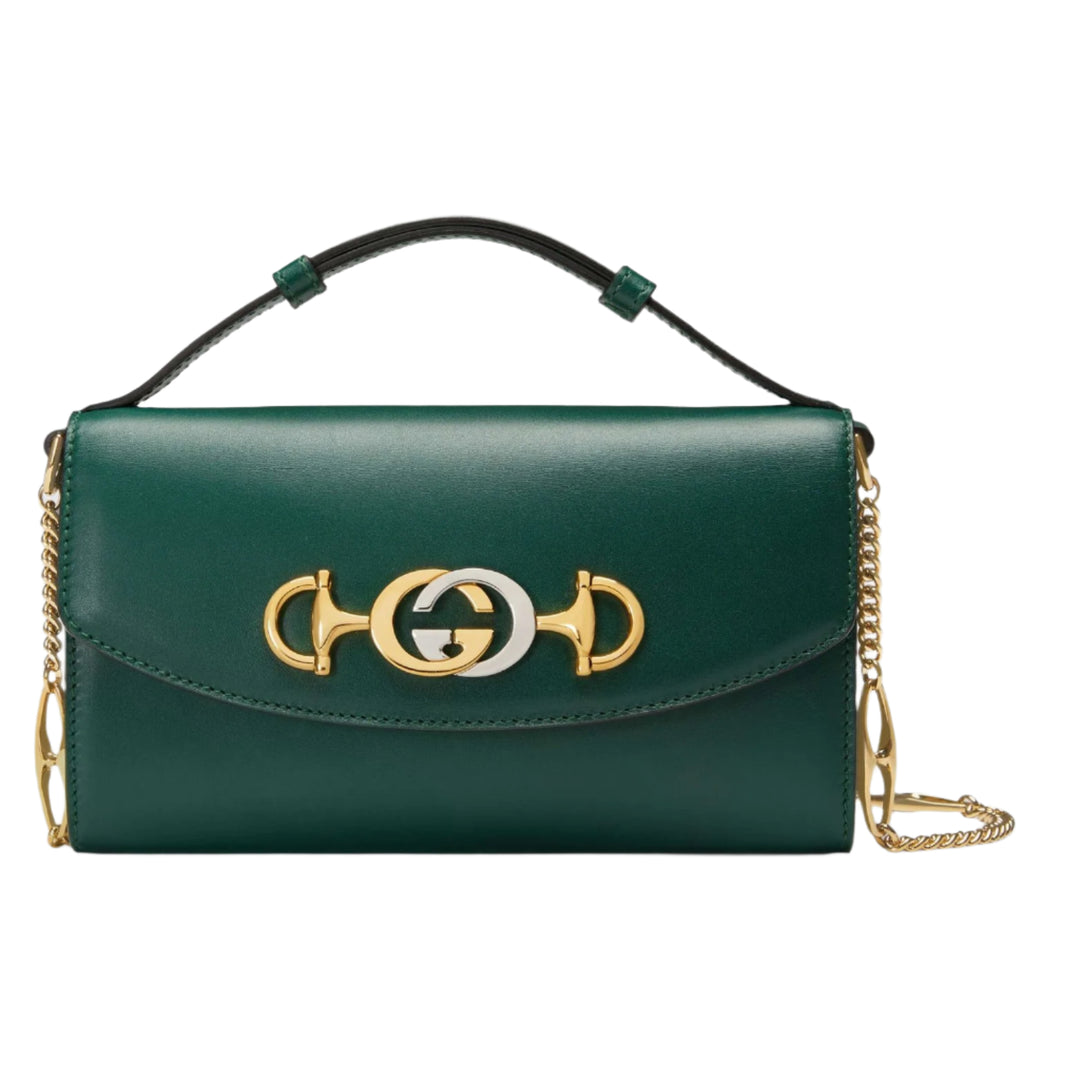
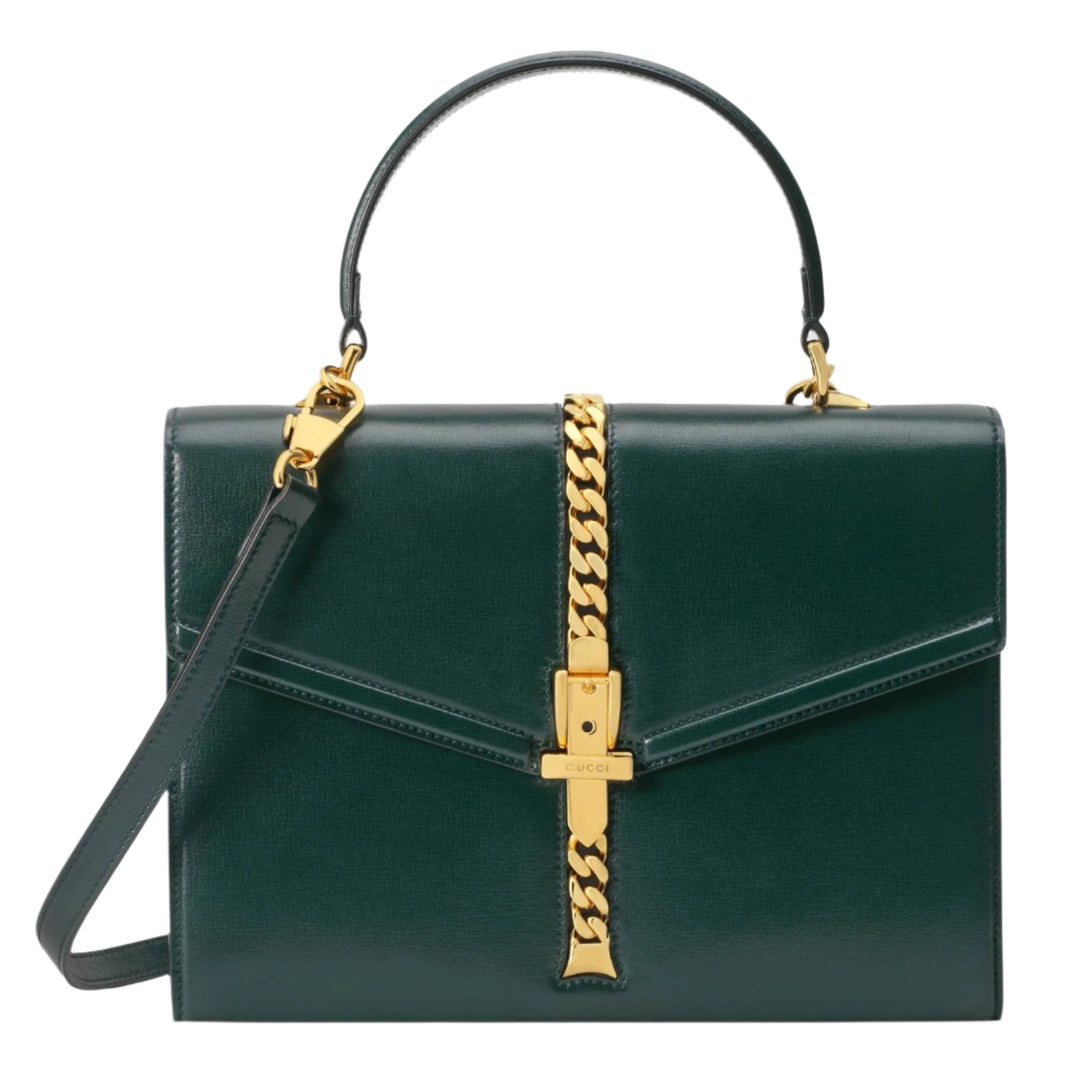
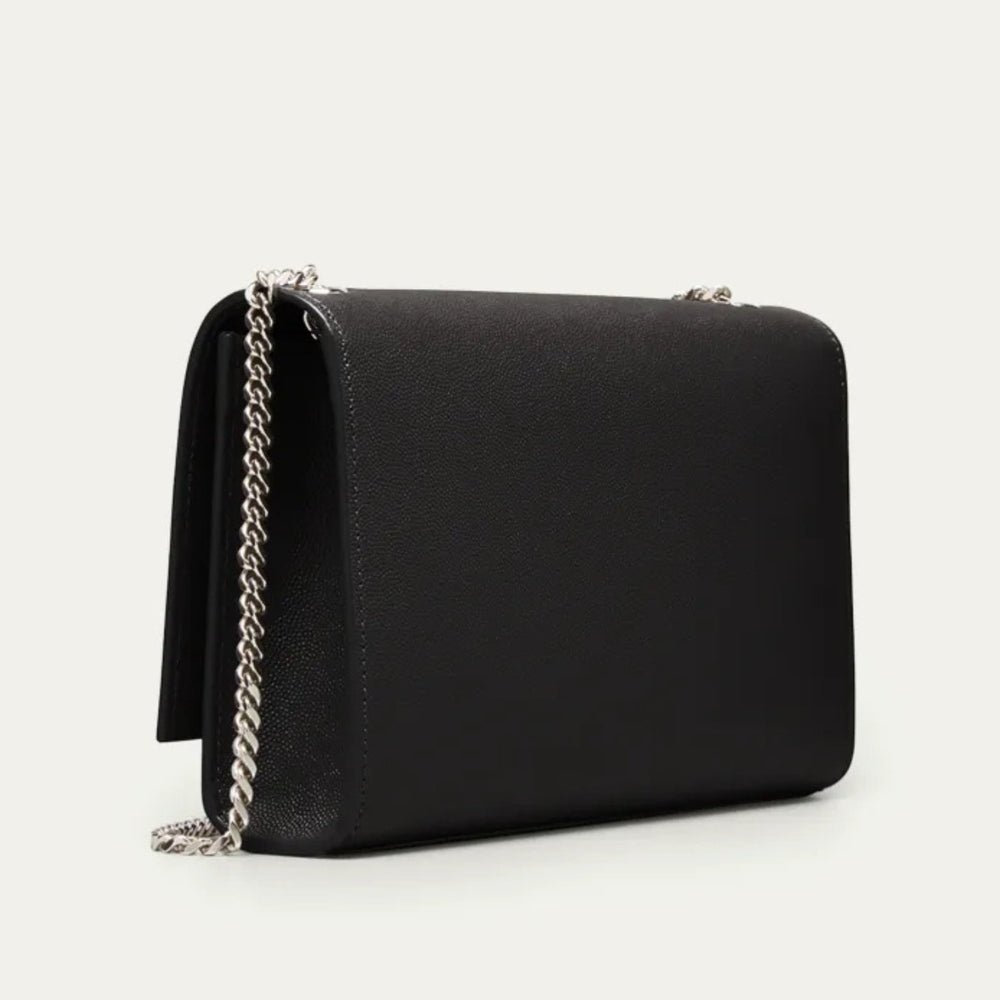
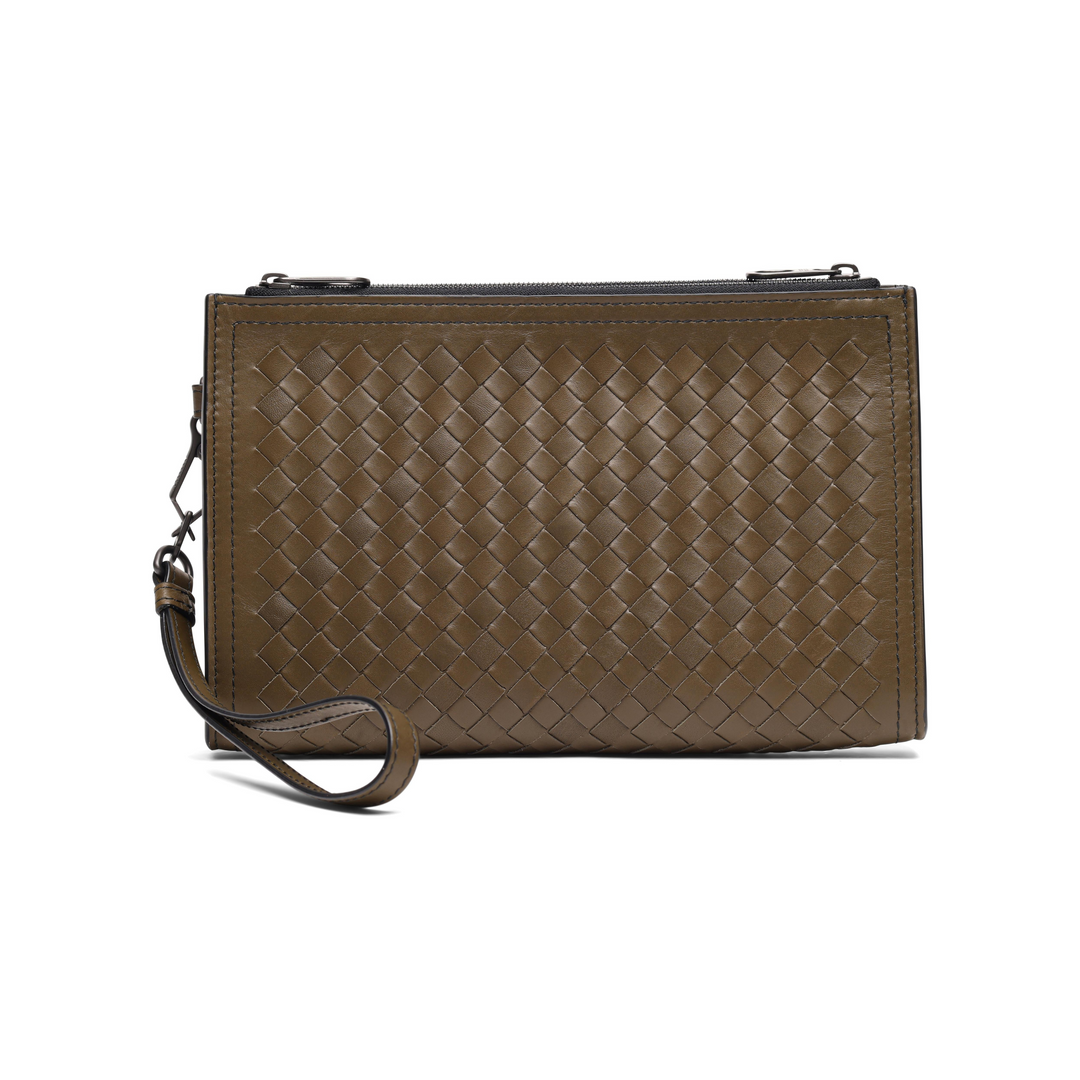
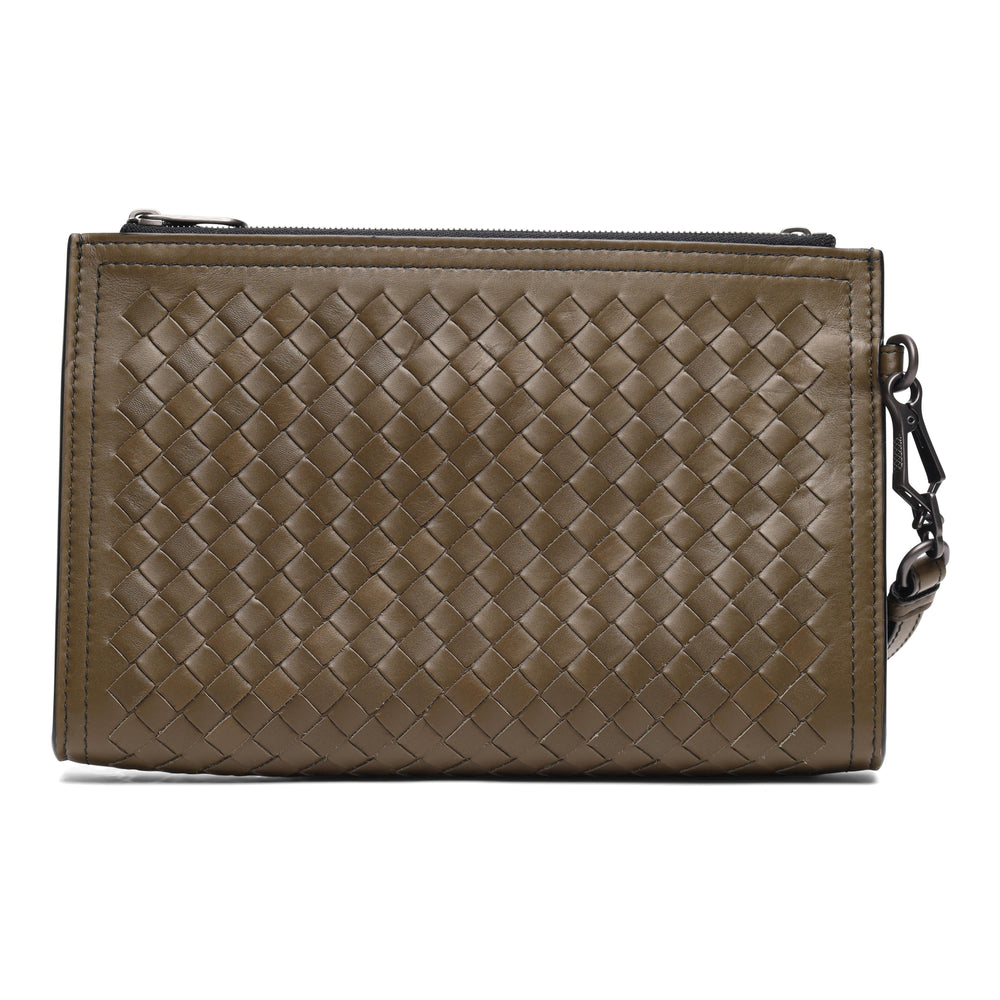
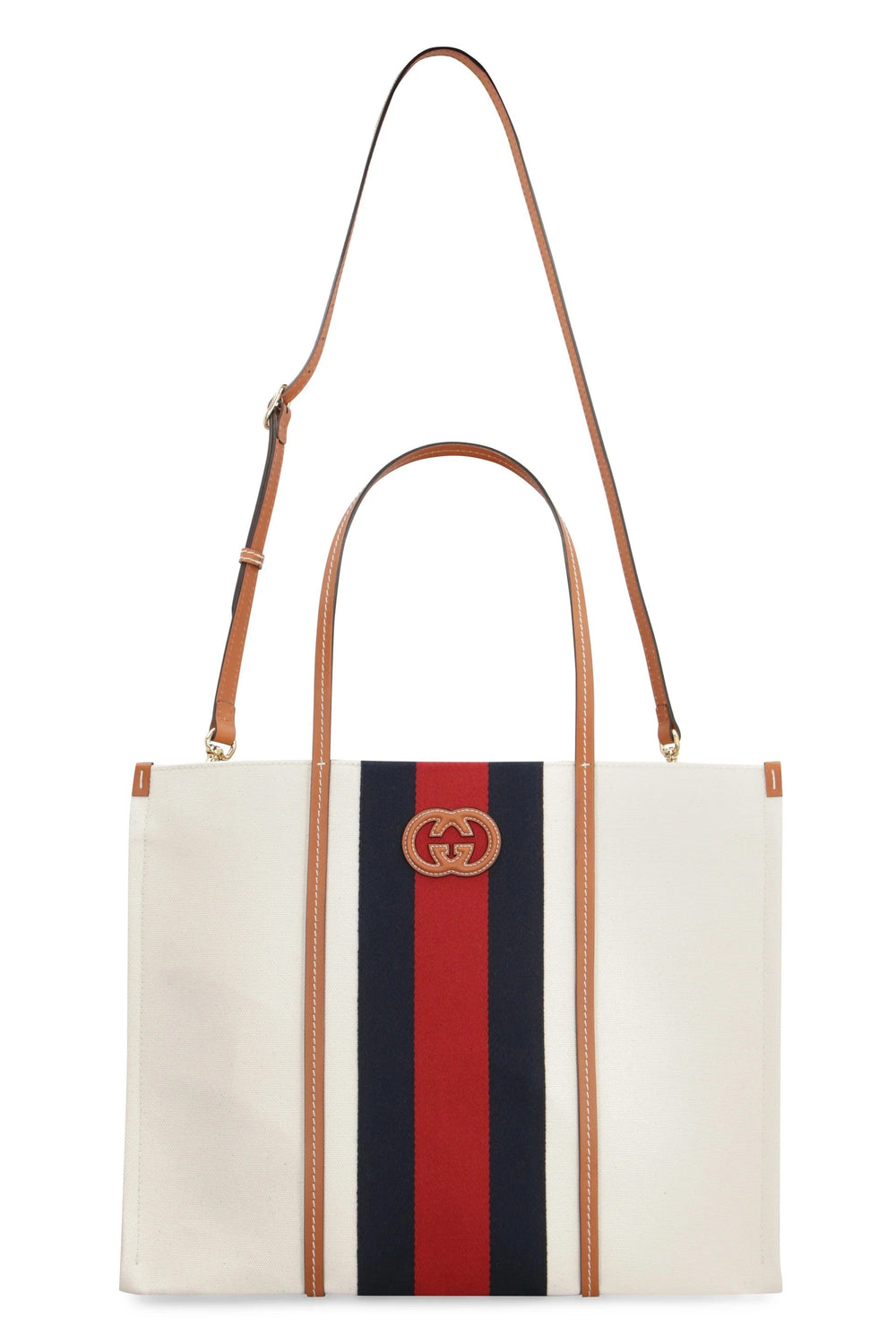
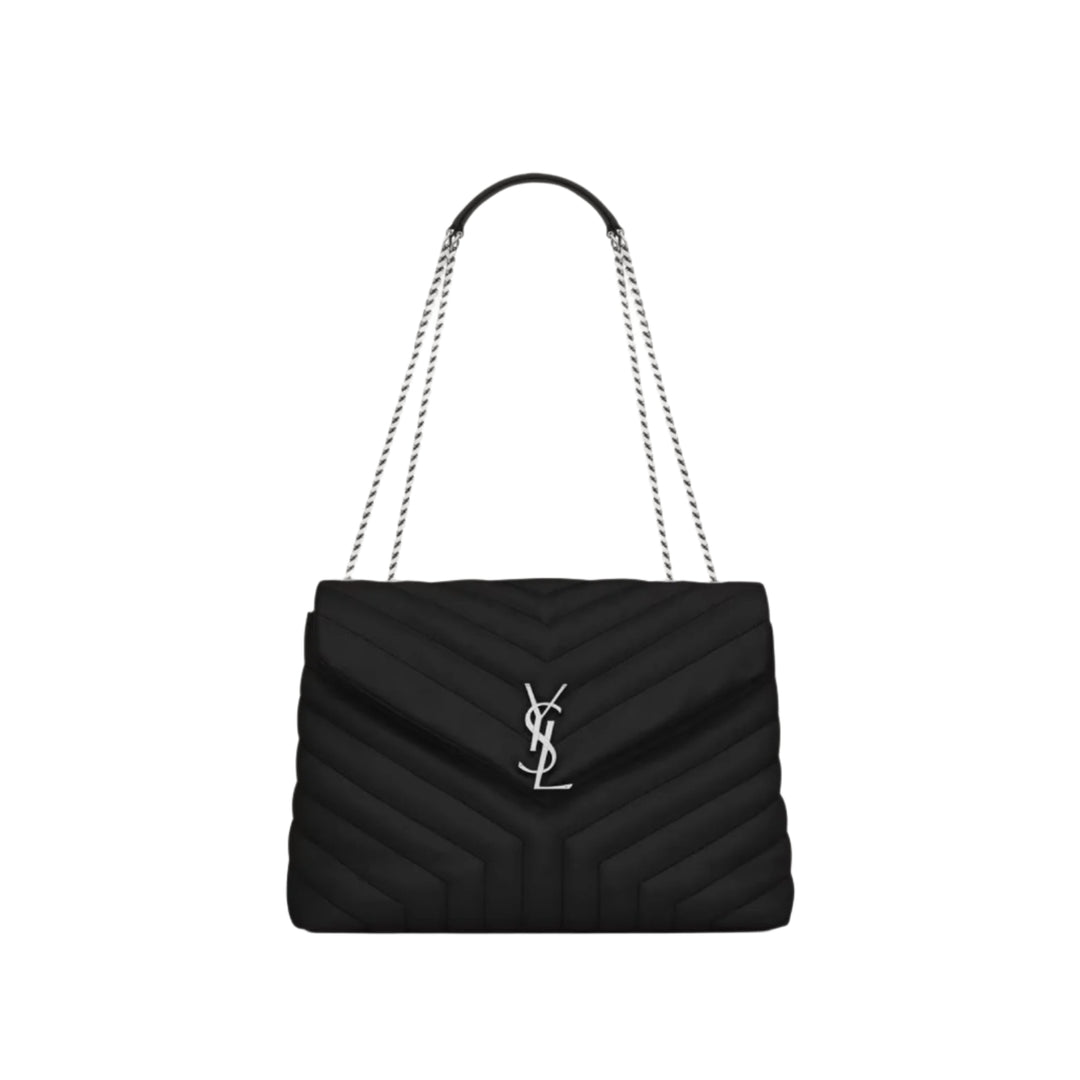
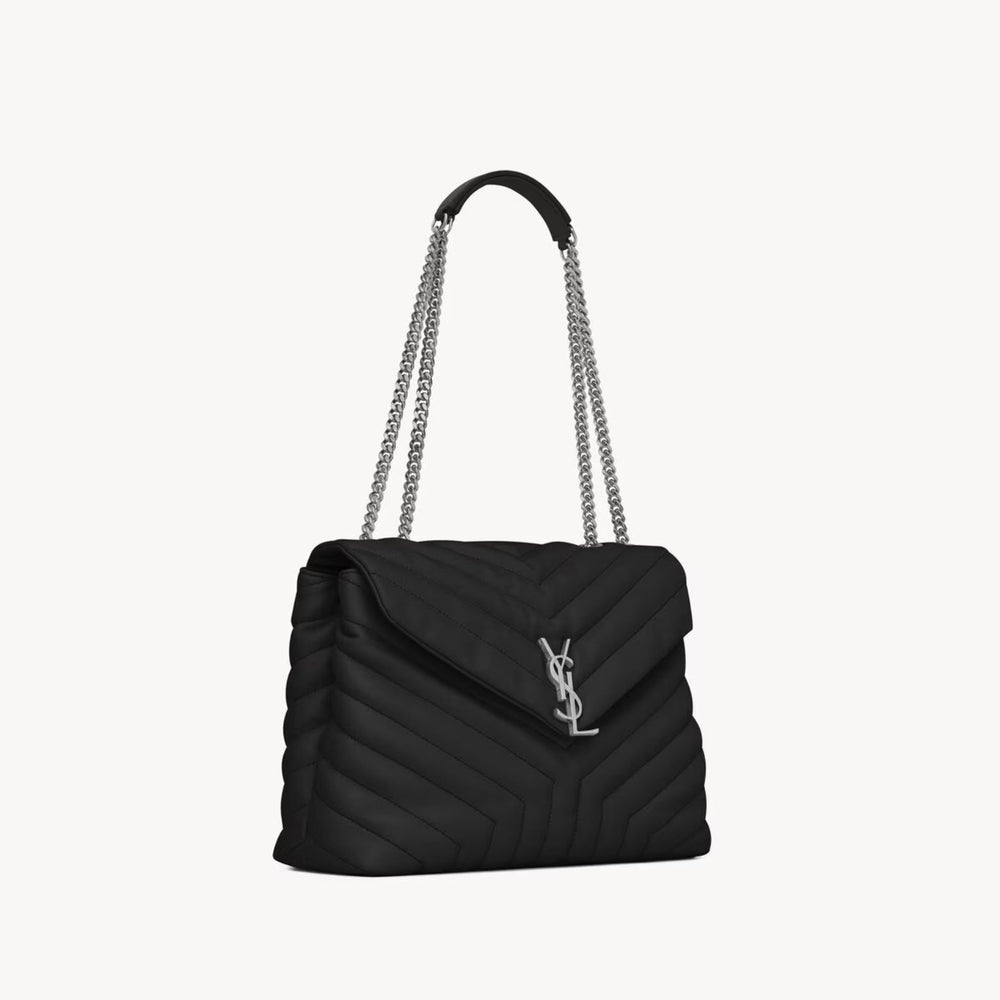
Iconic bags from Gucci, Bottega Veneta, Prada, Saint Laurent. Crossbody, shoulder, tote, and clutch styles in leather, canvas, and signature materials. Investment pieces are becoming daily essentials.
Designer Shoes
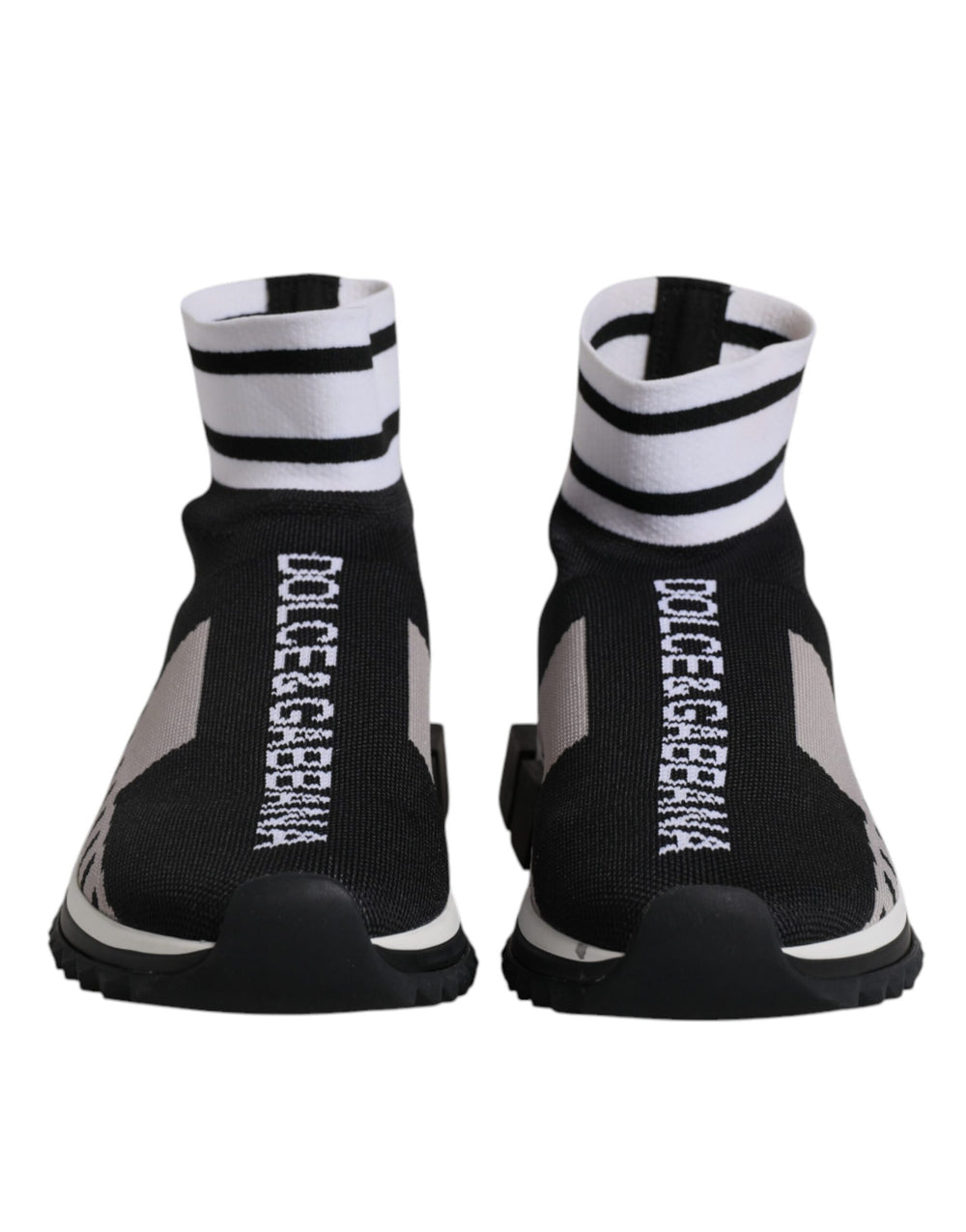
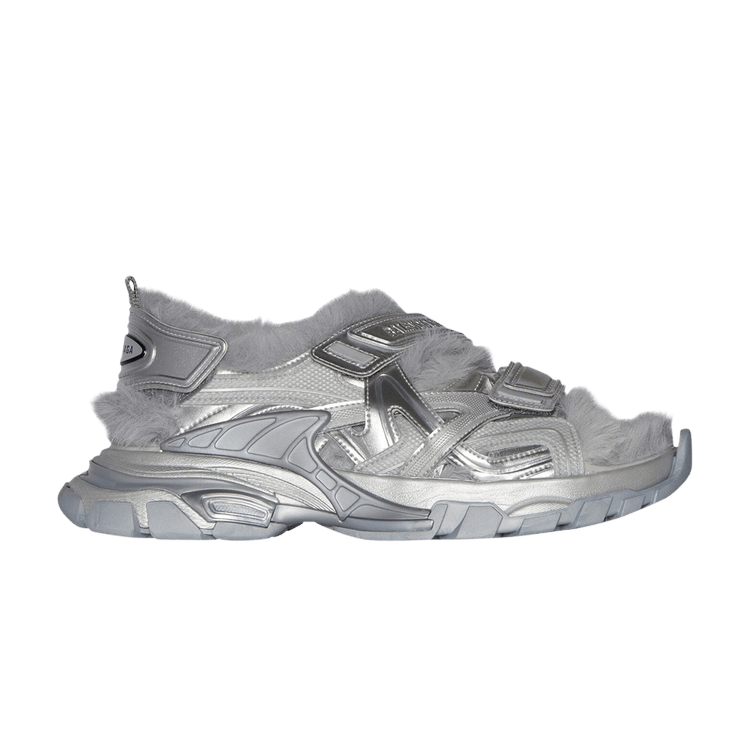
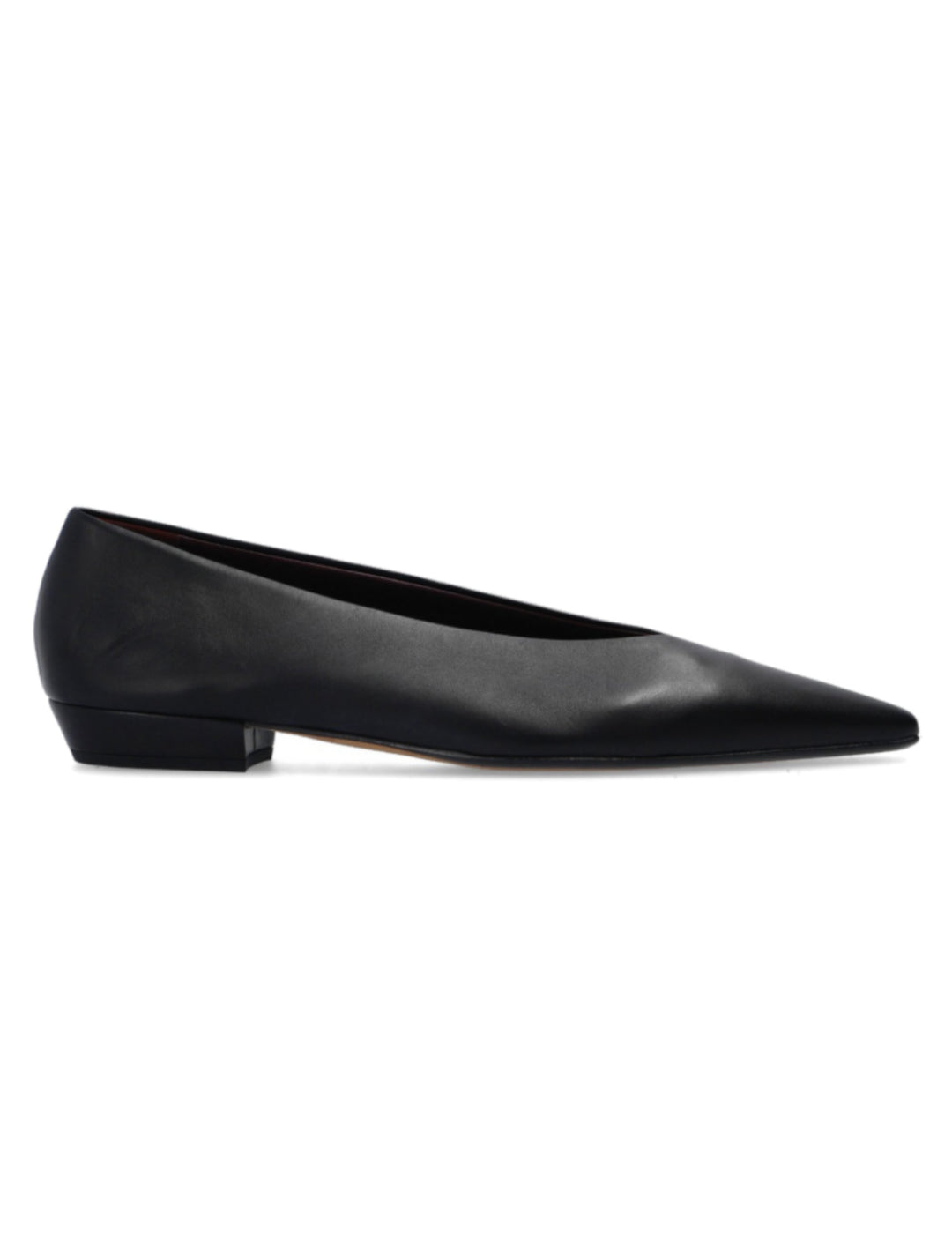
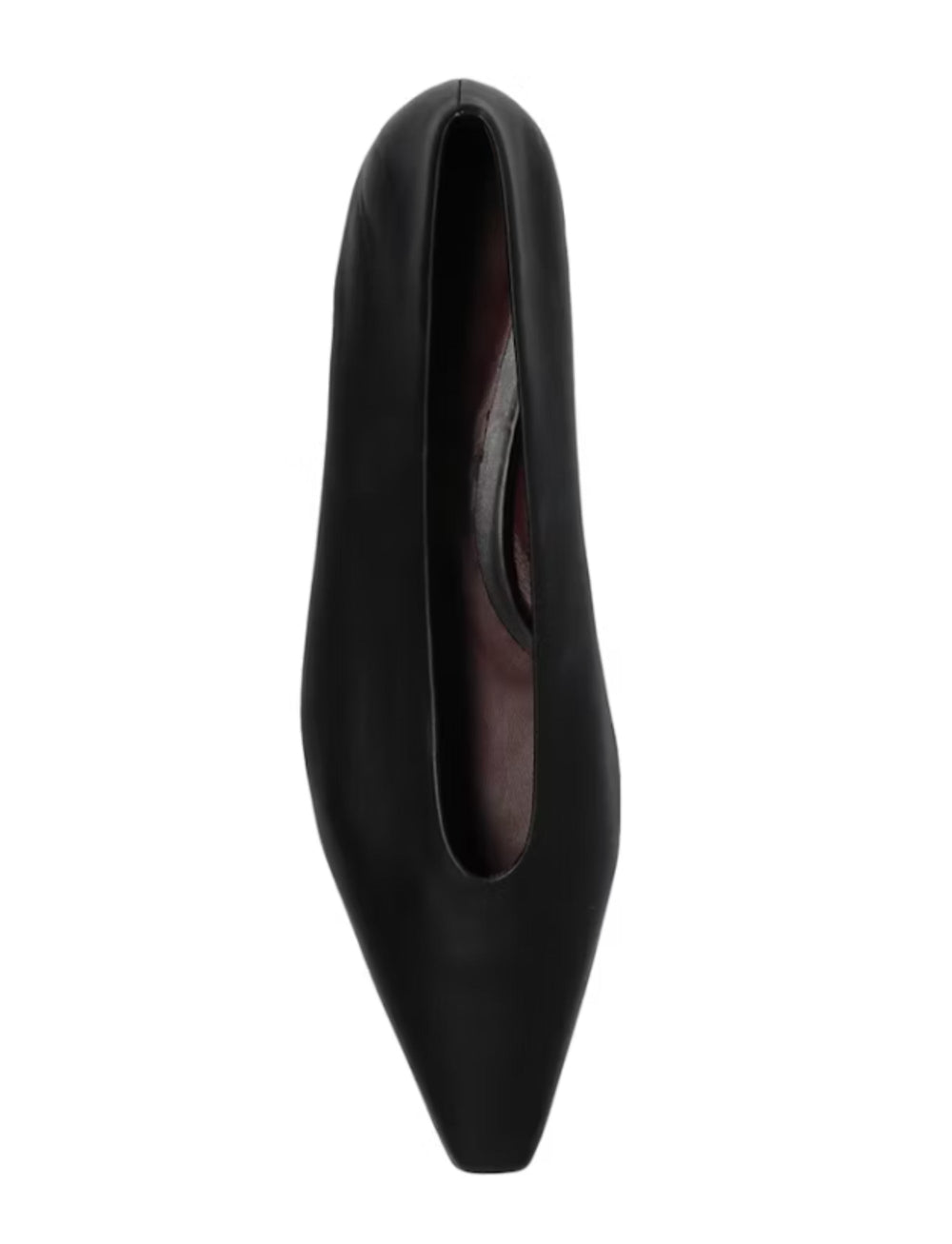
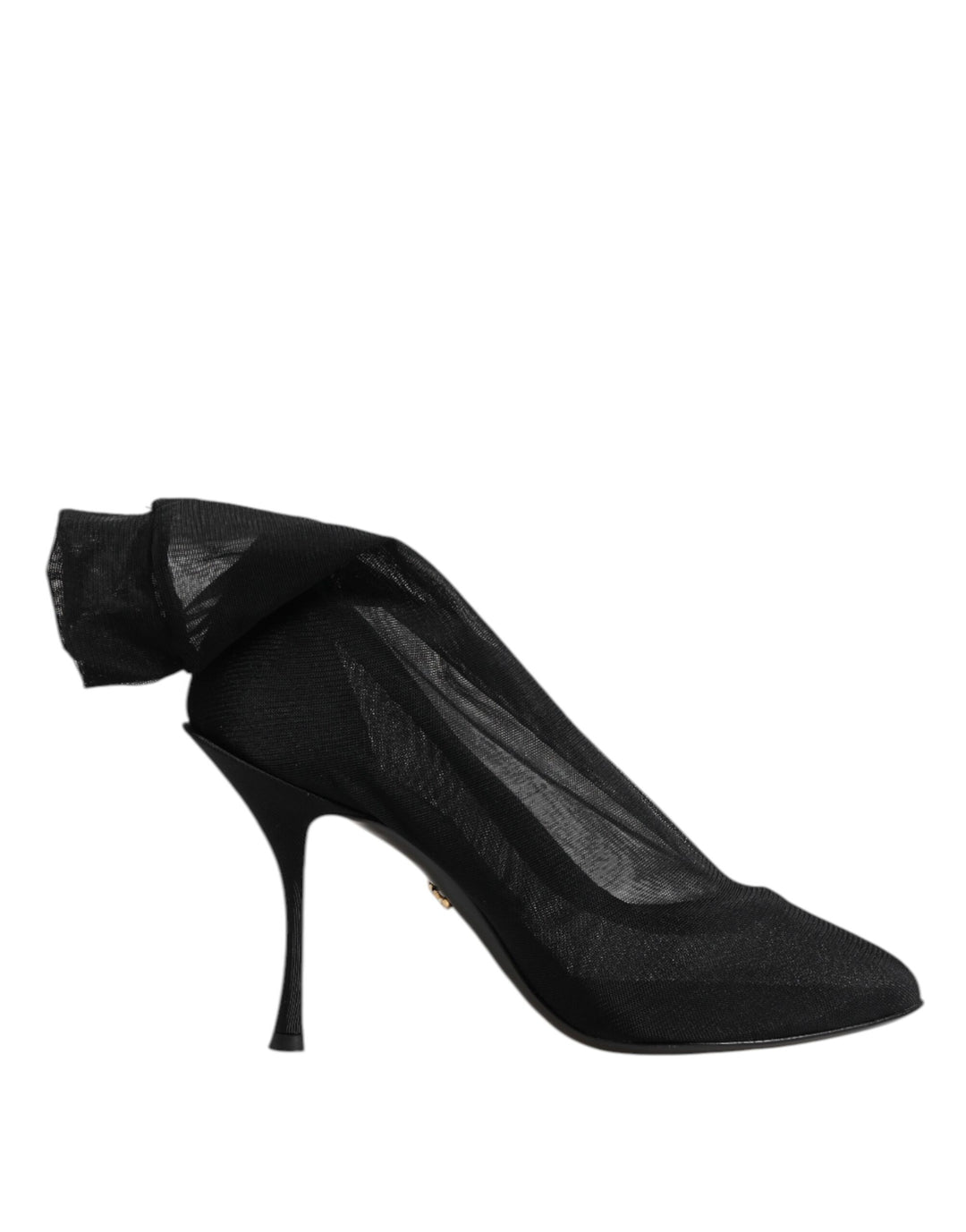
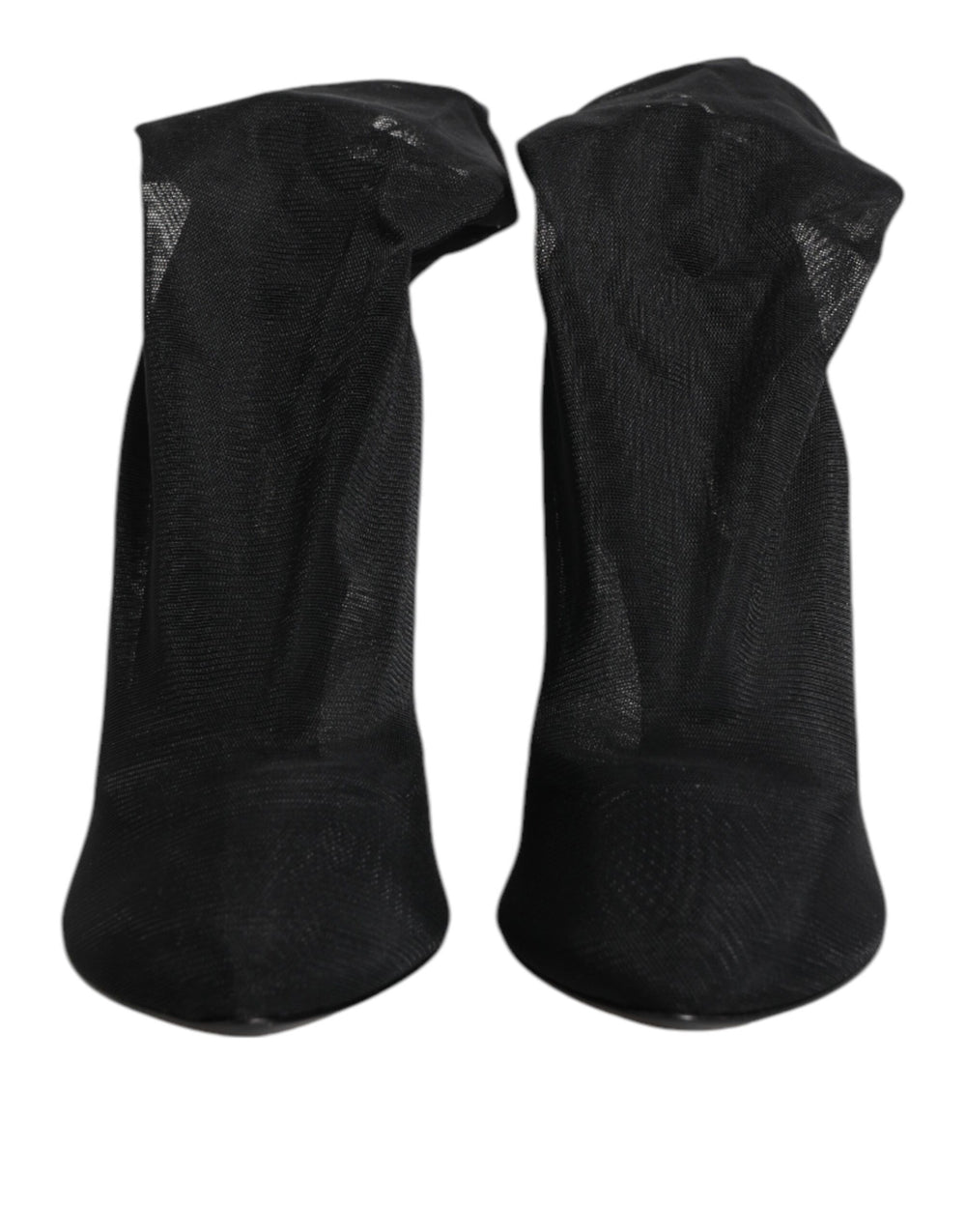
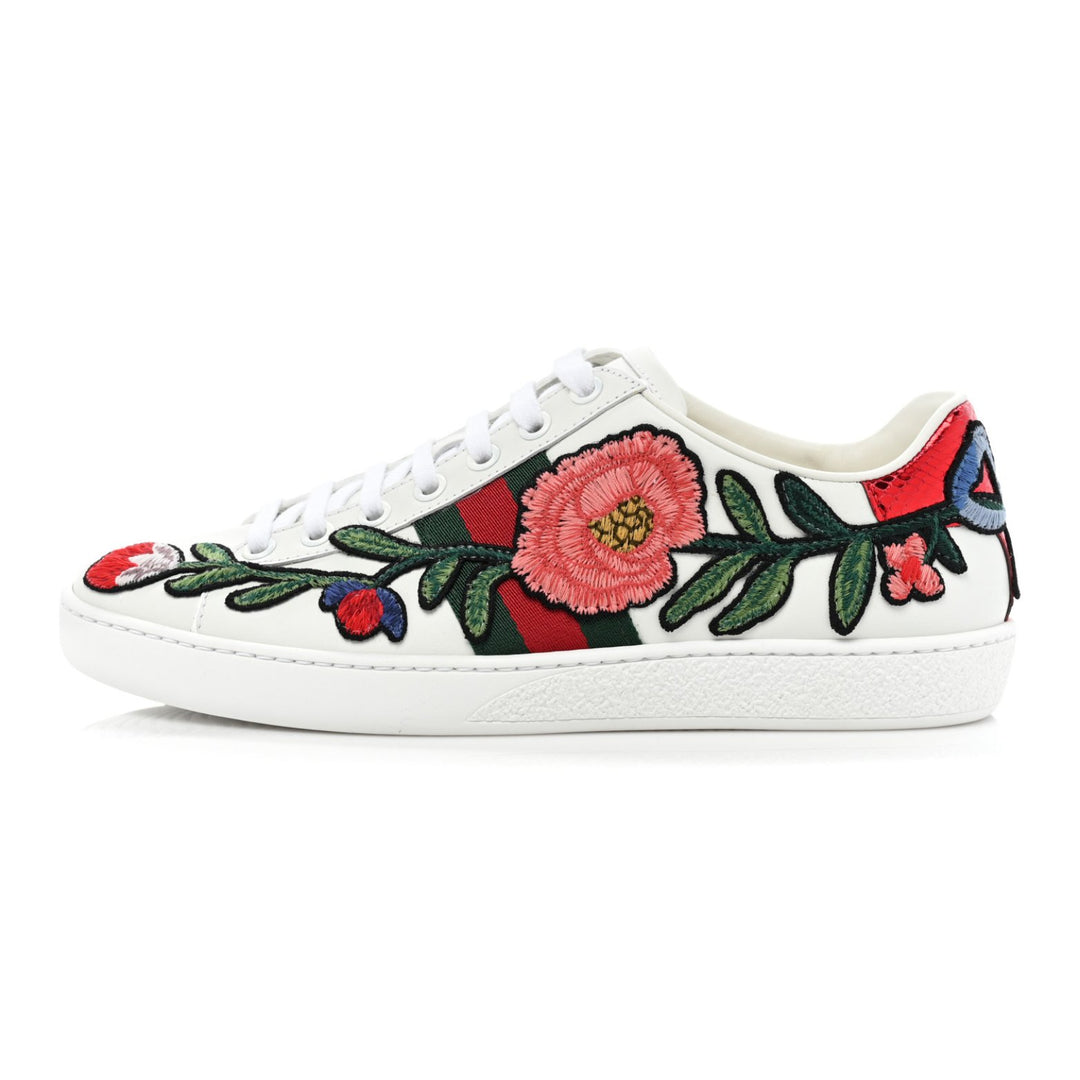
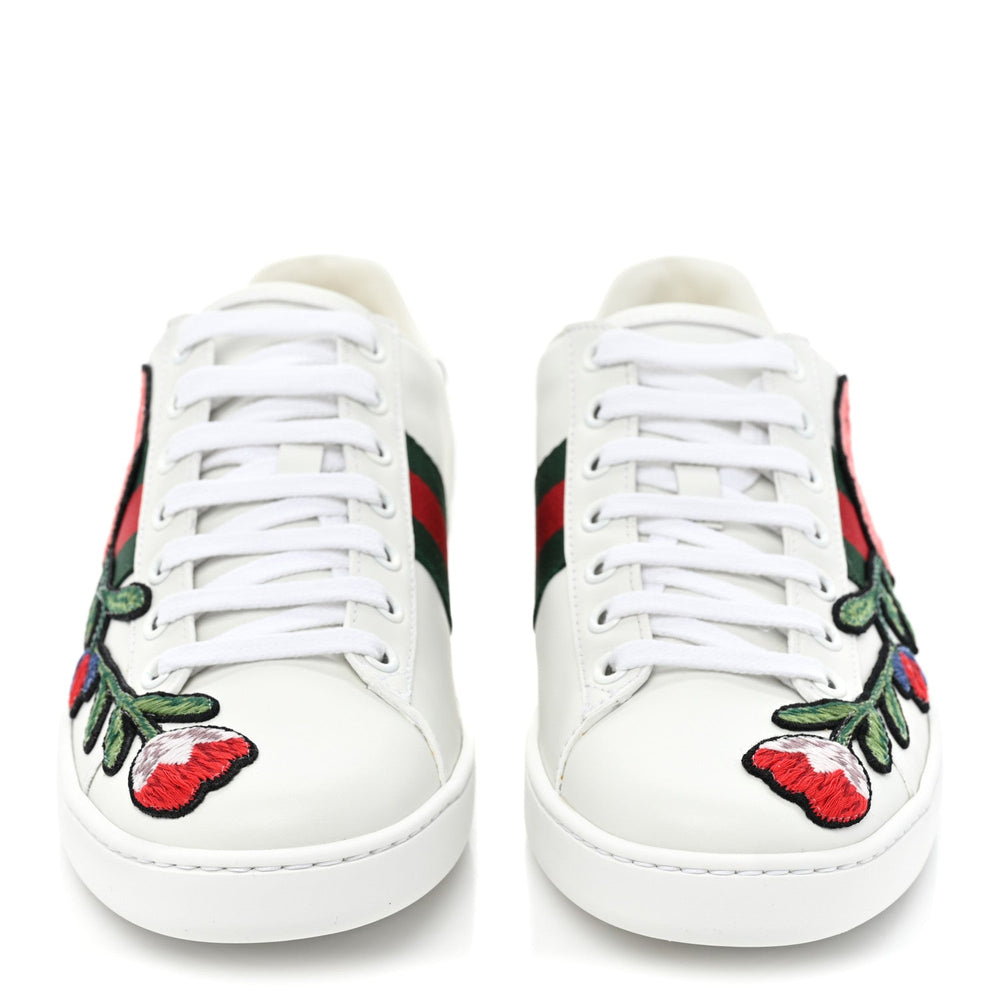
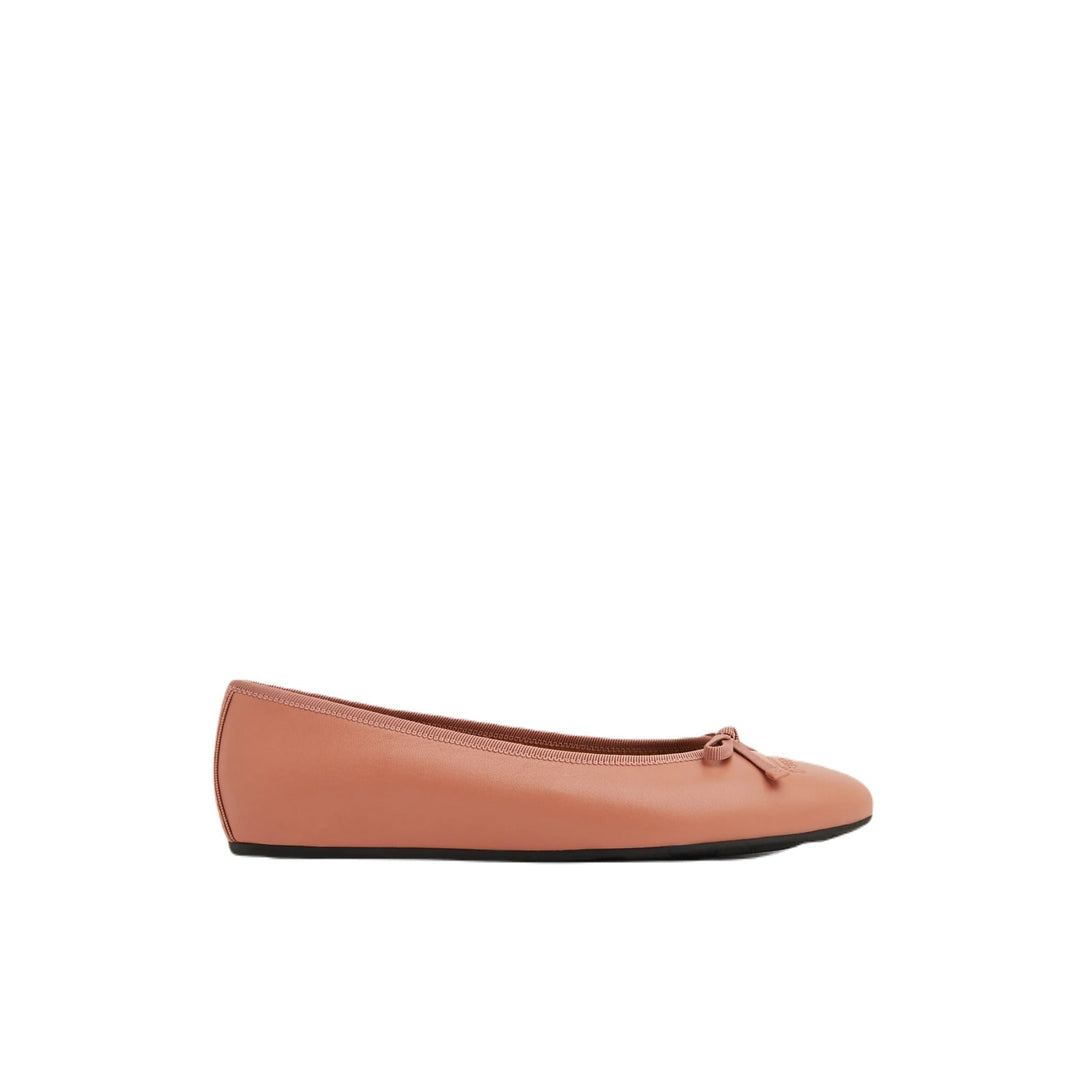
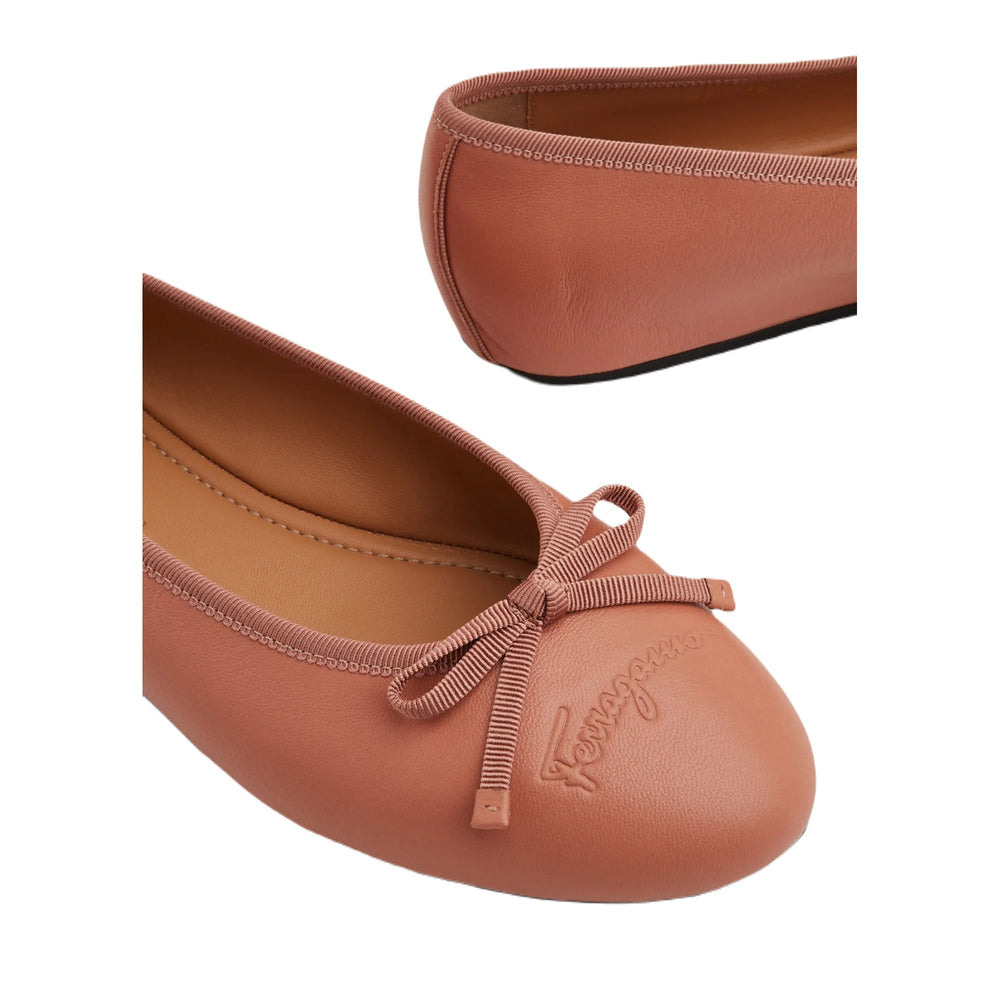
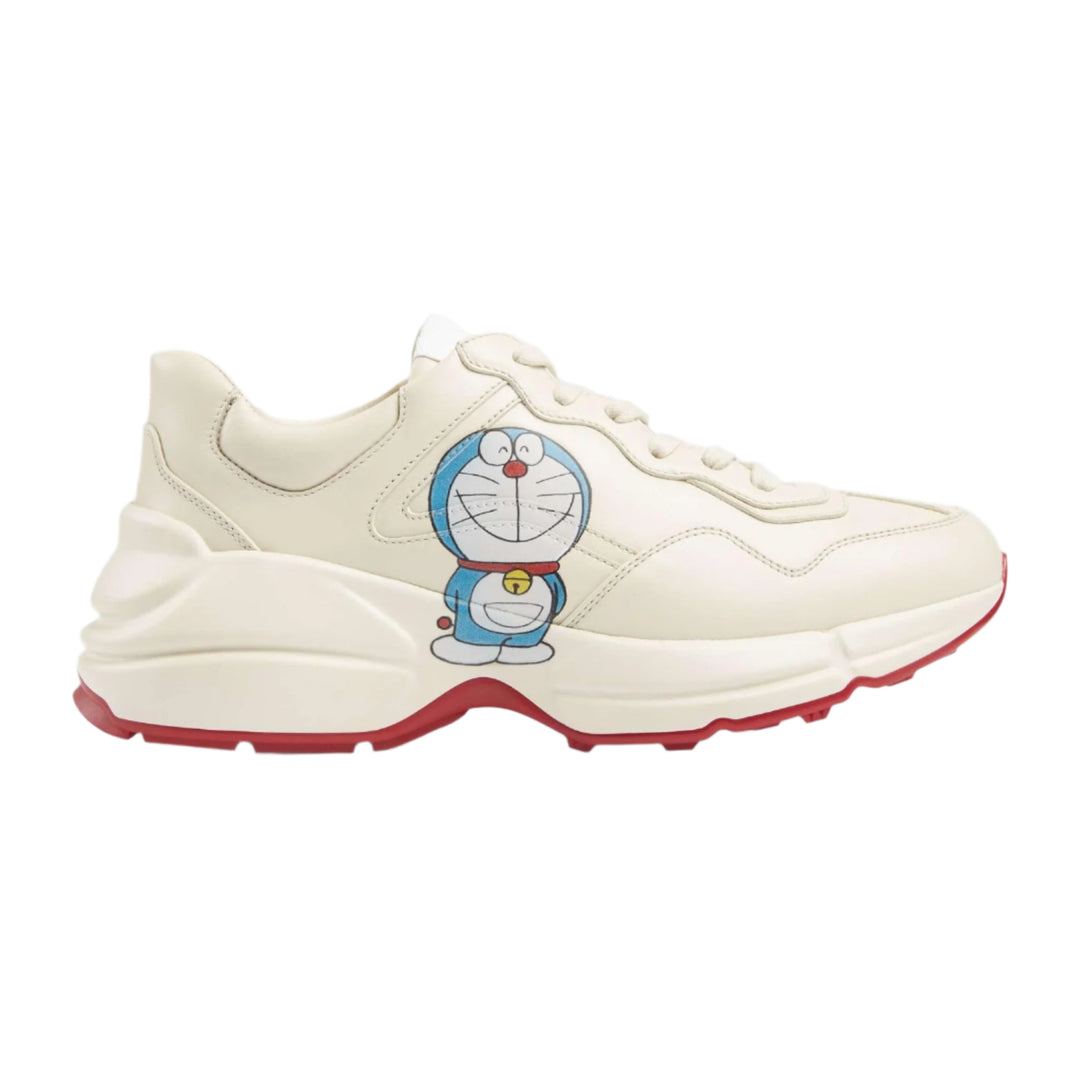
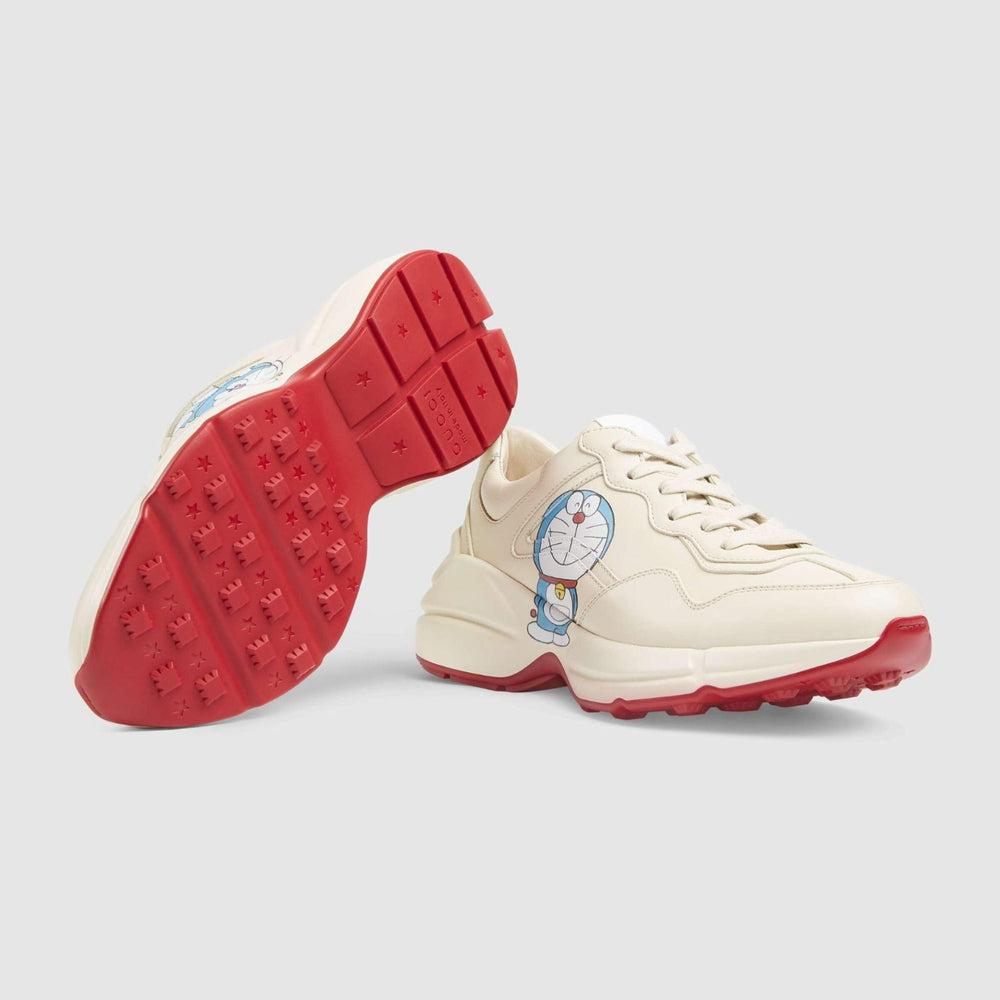
Italian footwear from Ferragamo, Gucci, Prada, and Dolce & Gabbana. Pumps, flats, boots, sandals, and sneakers combine style with legendary Italian comfort and construction.
Designer Clothing
Luxury apparel, including suits, dresses, pants, shirts, jackets, and knitwear. Italian tailoring and premium fabrics from fashion houses define elegance.
Designer Accessories
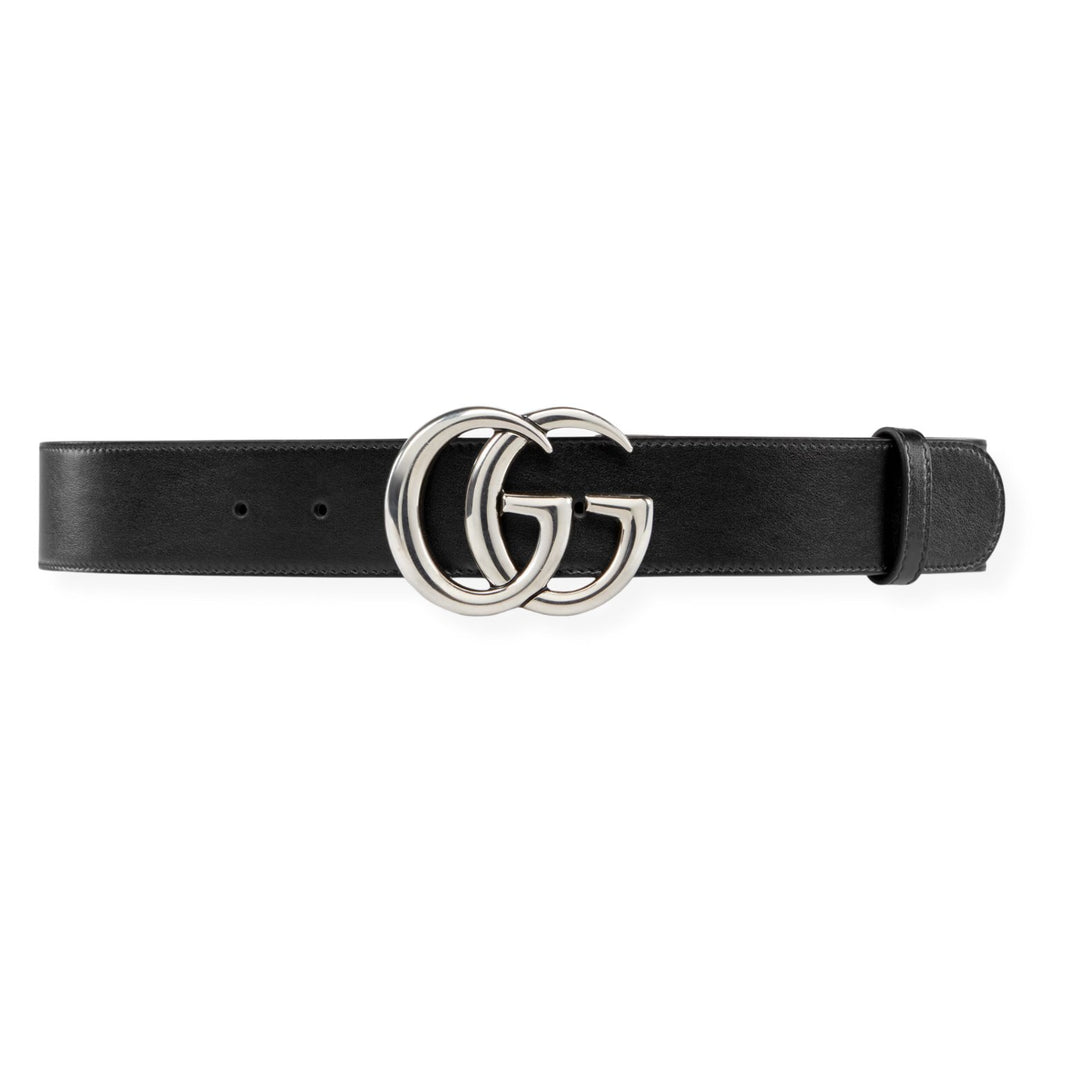
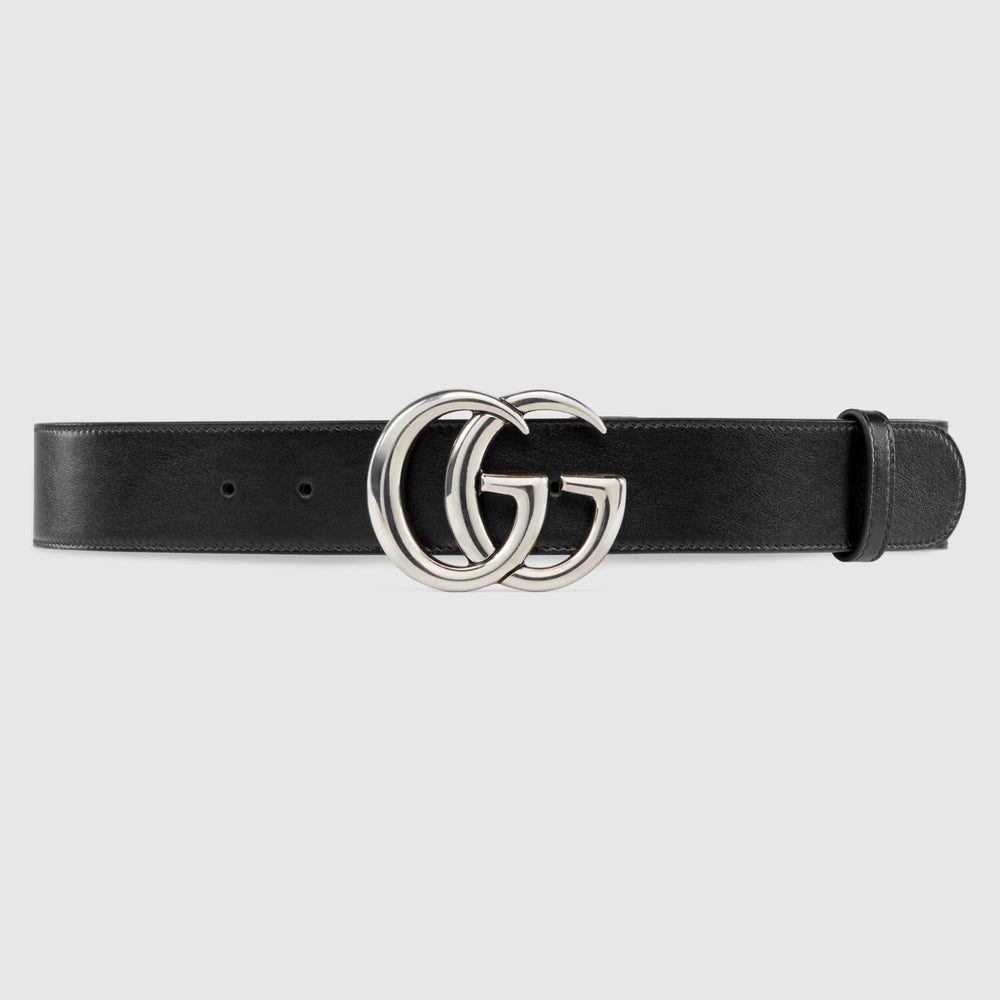
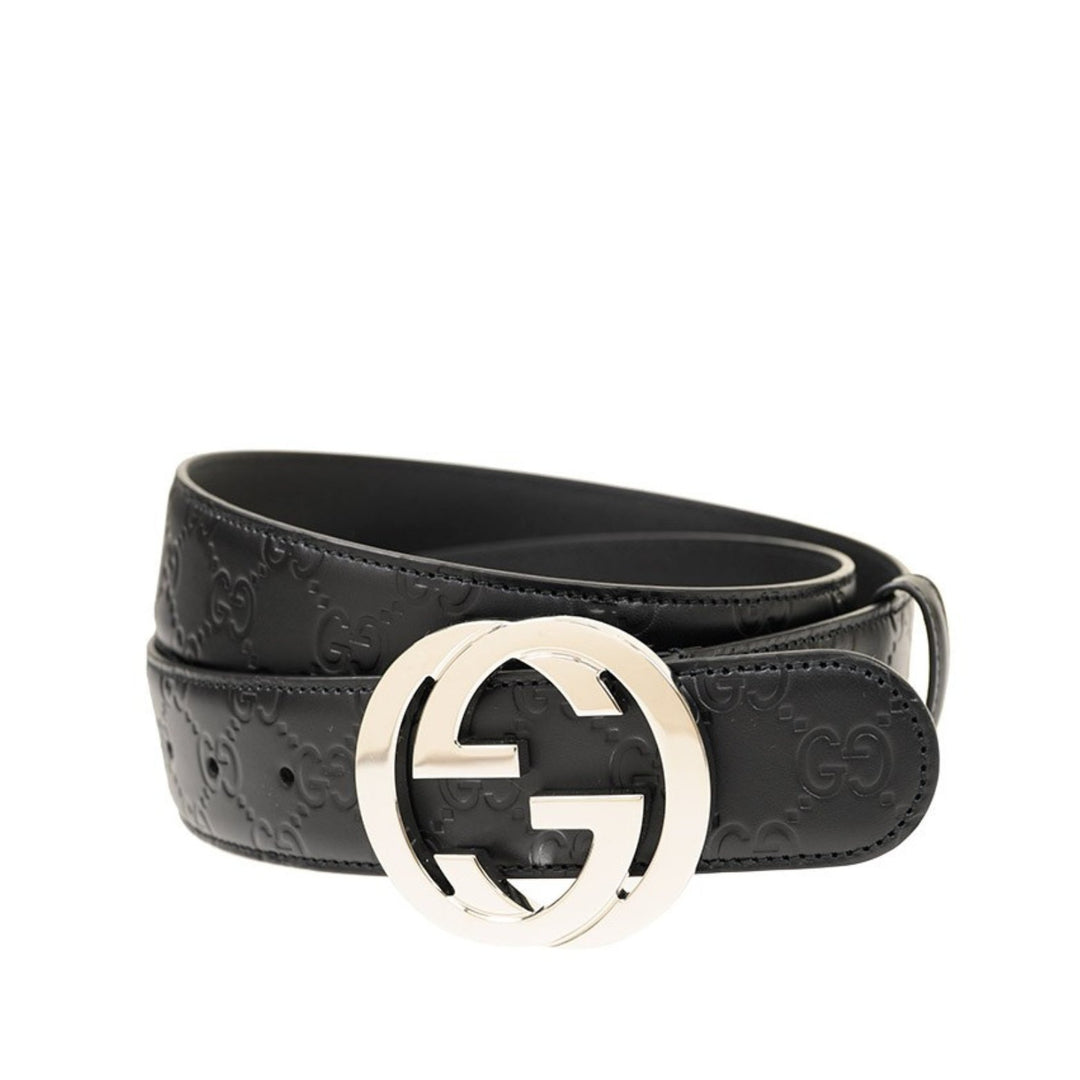
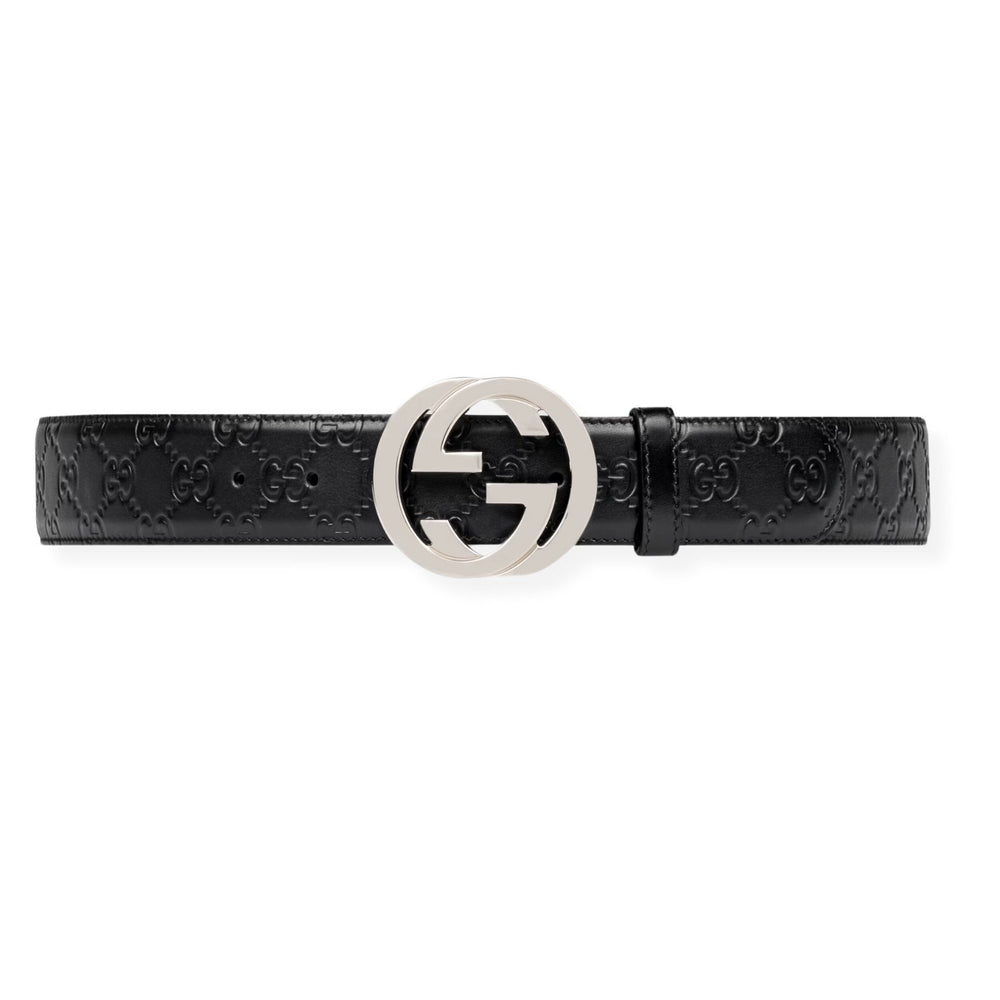
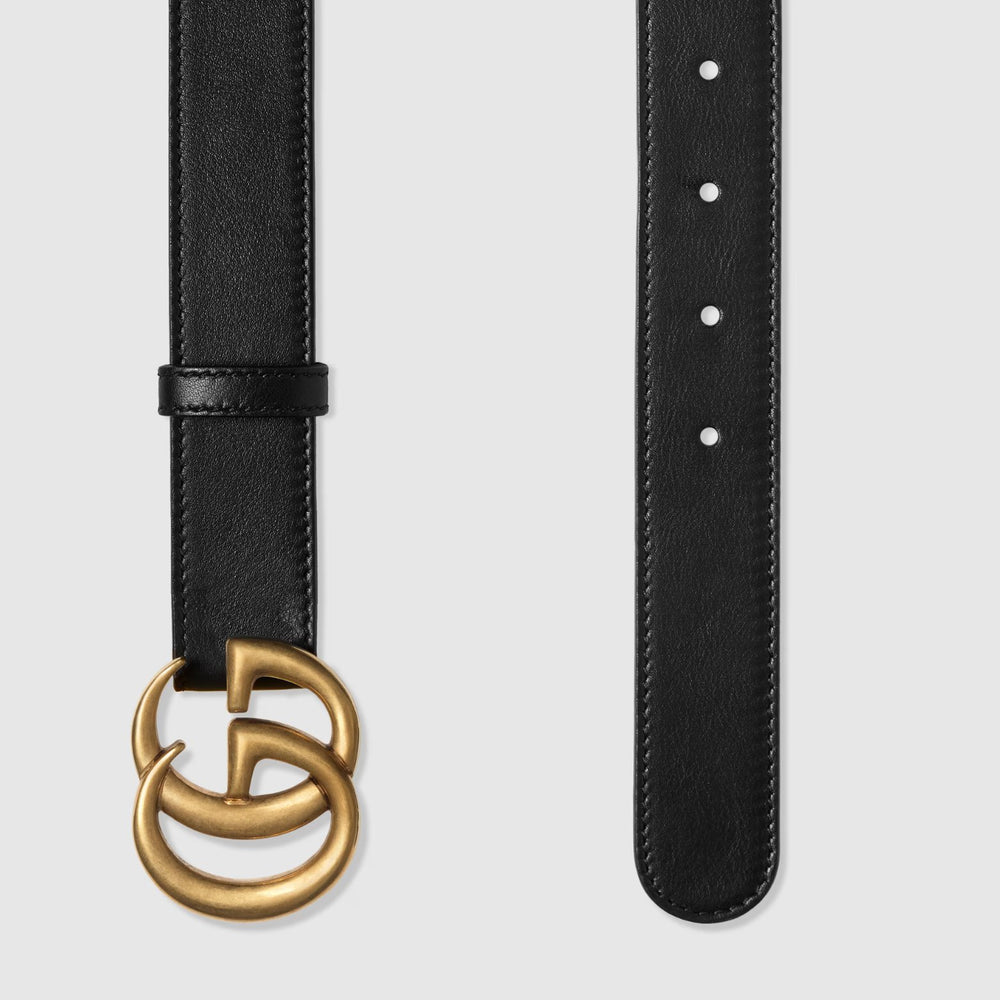
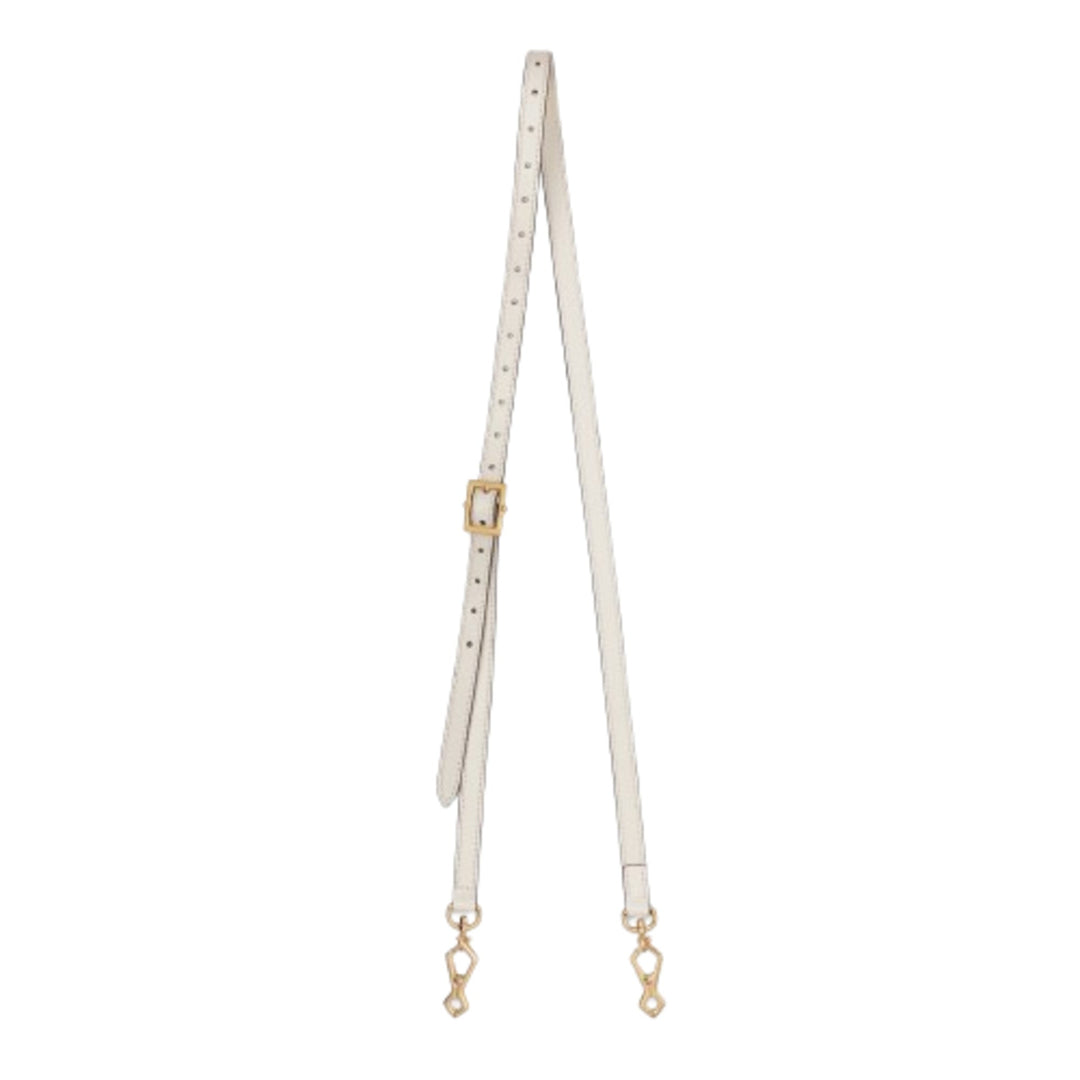
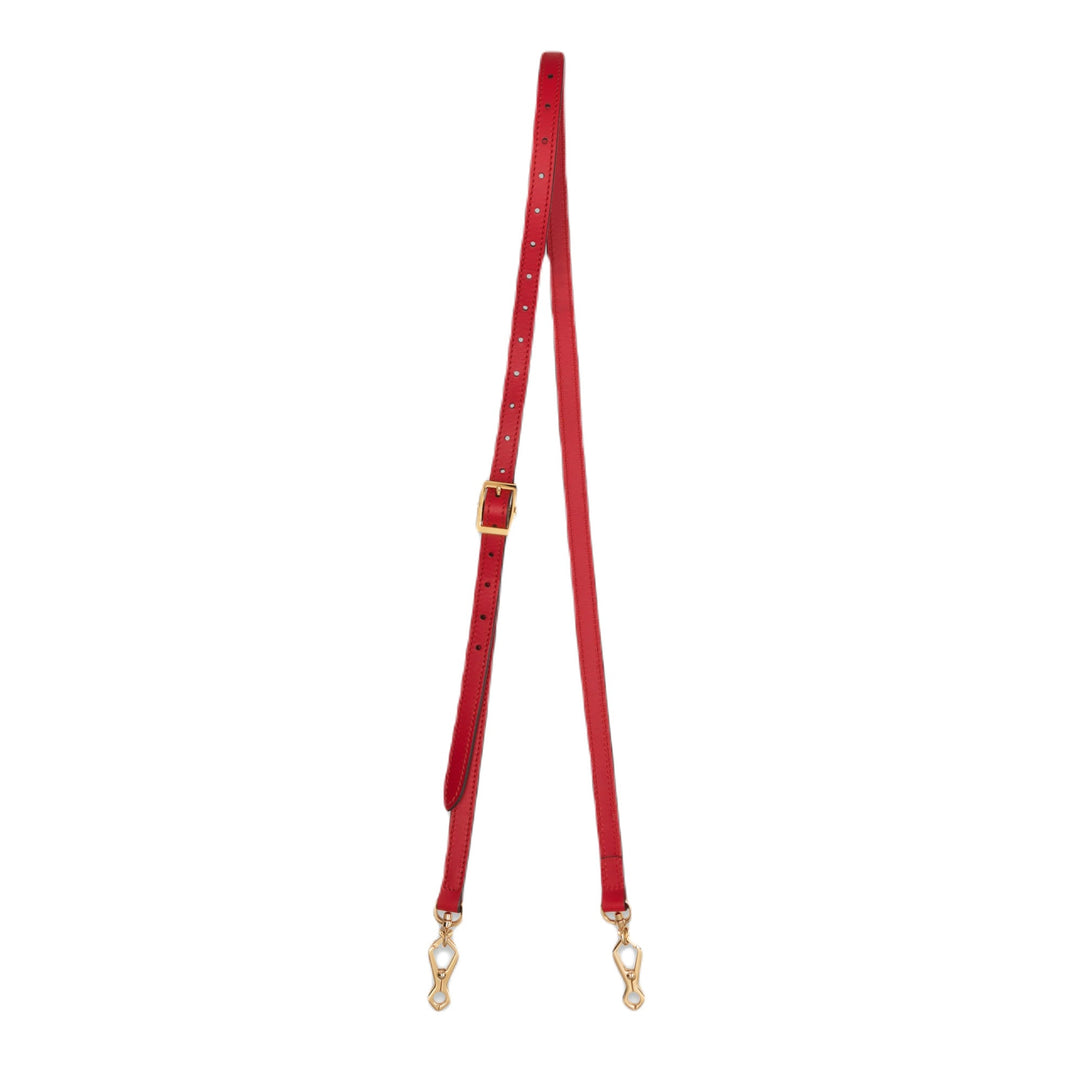
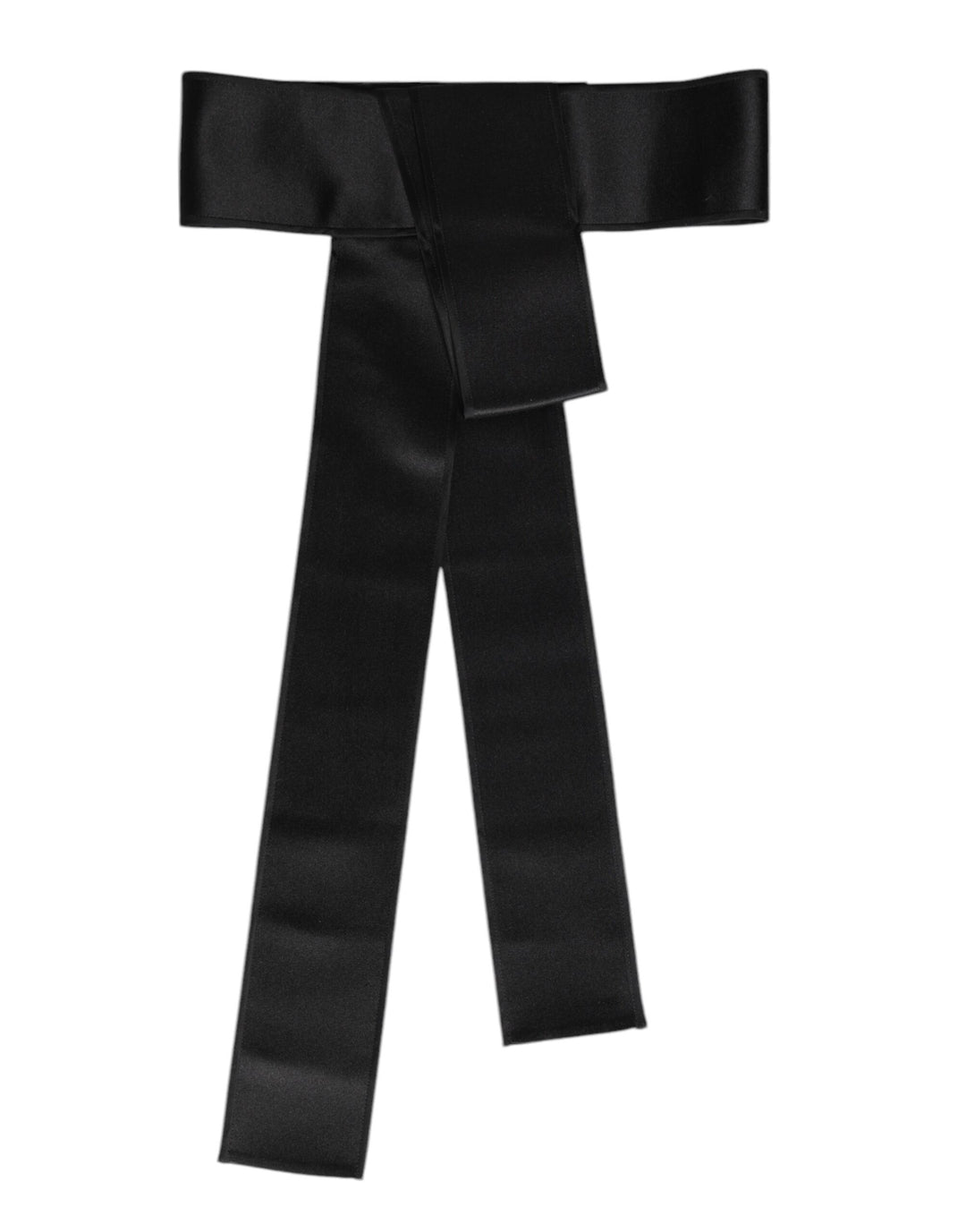
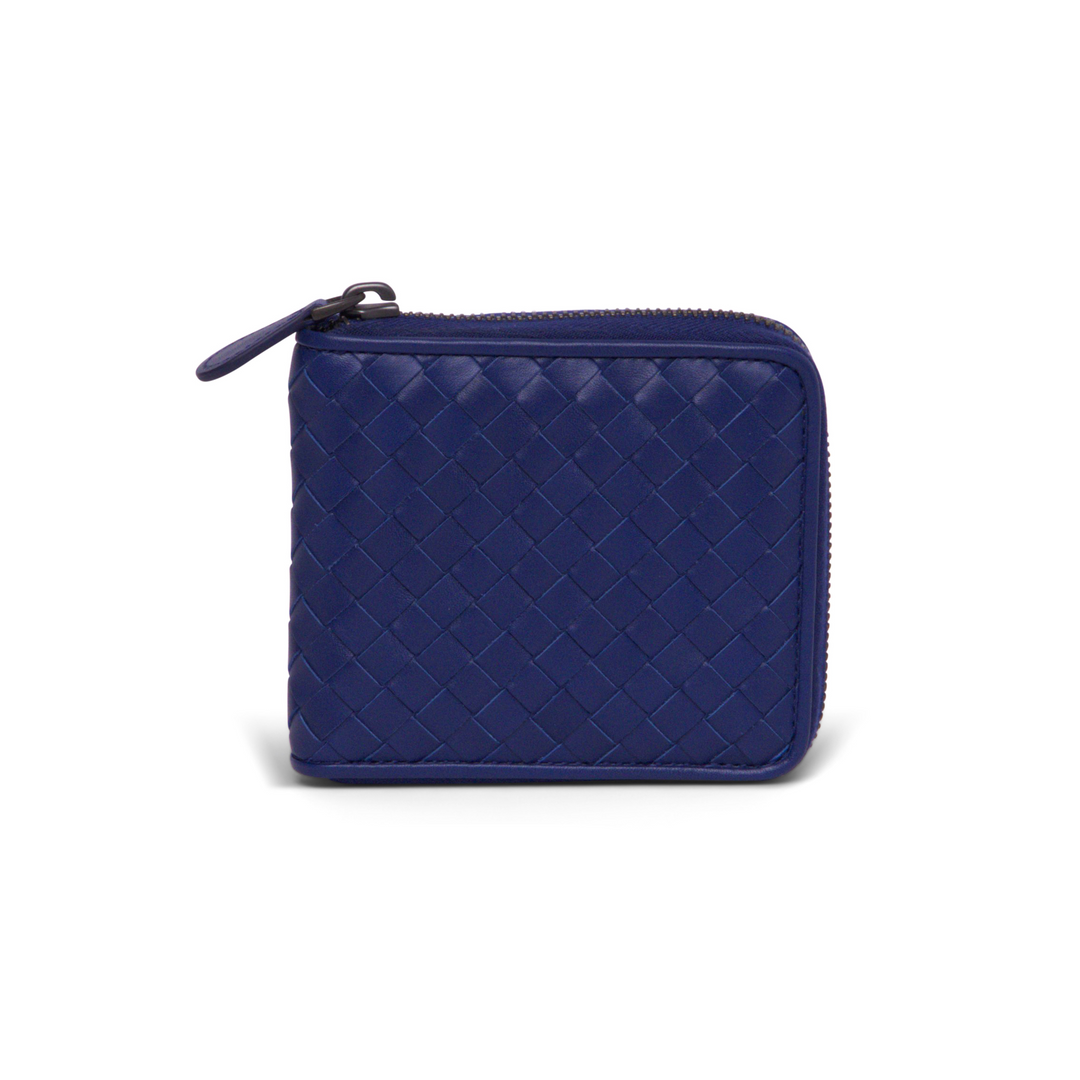
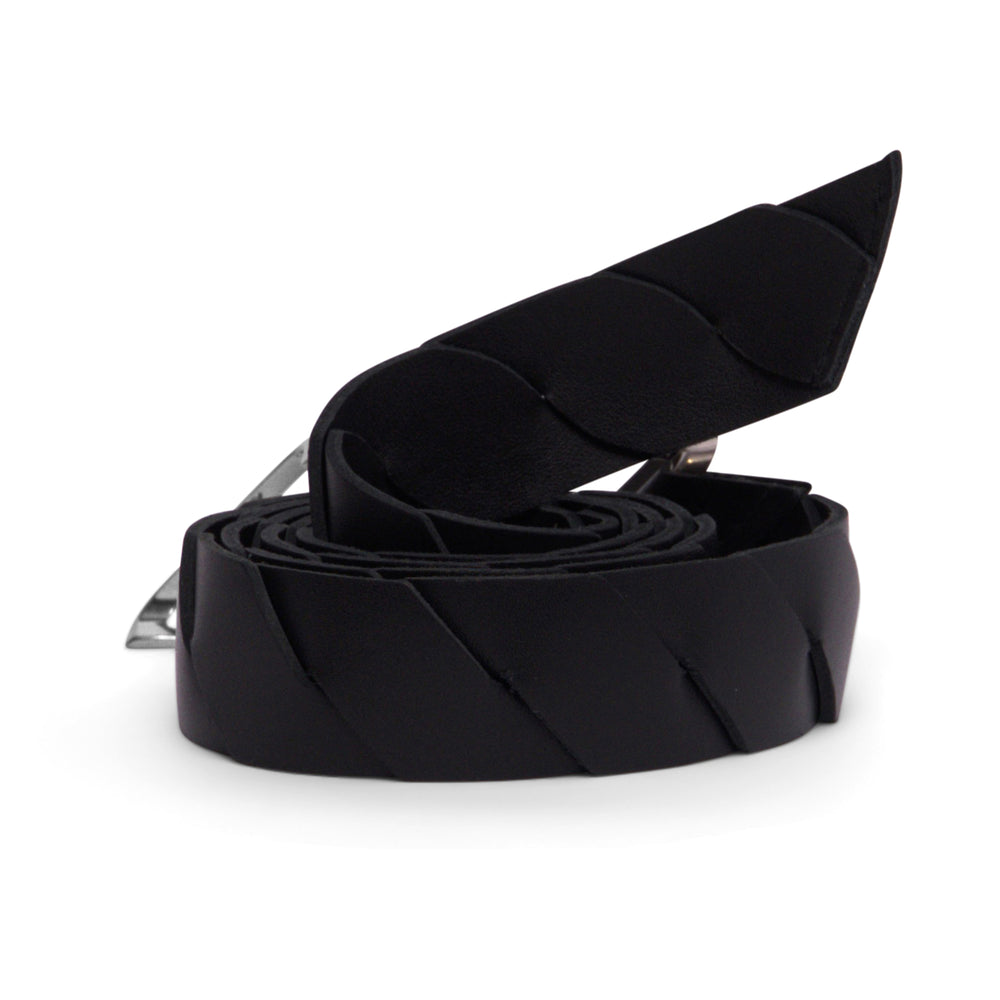
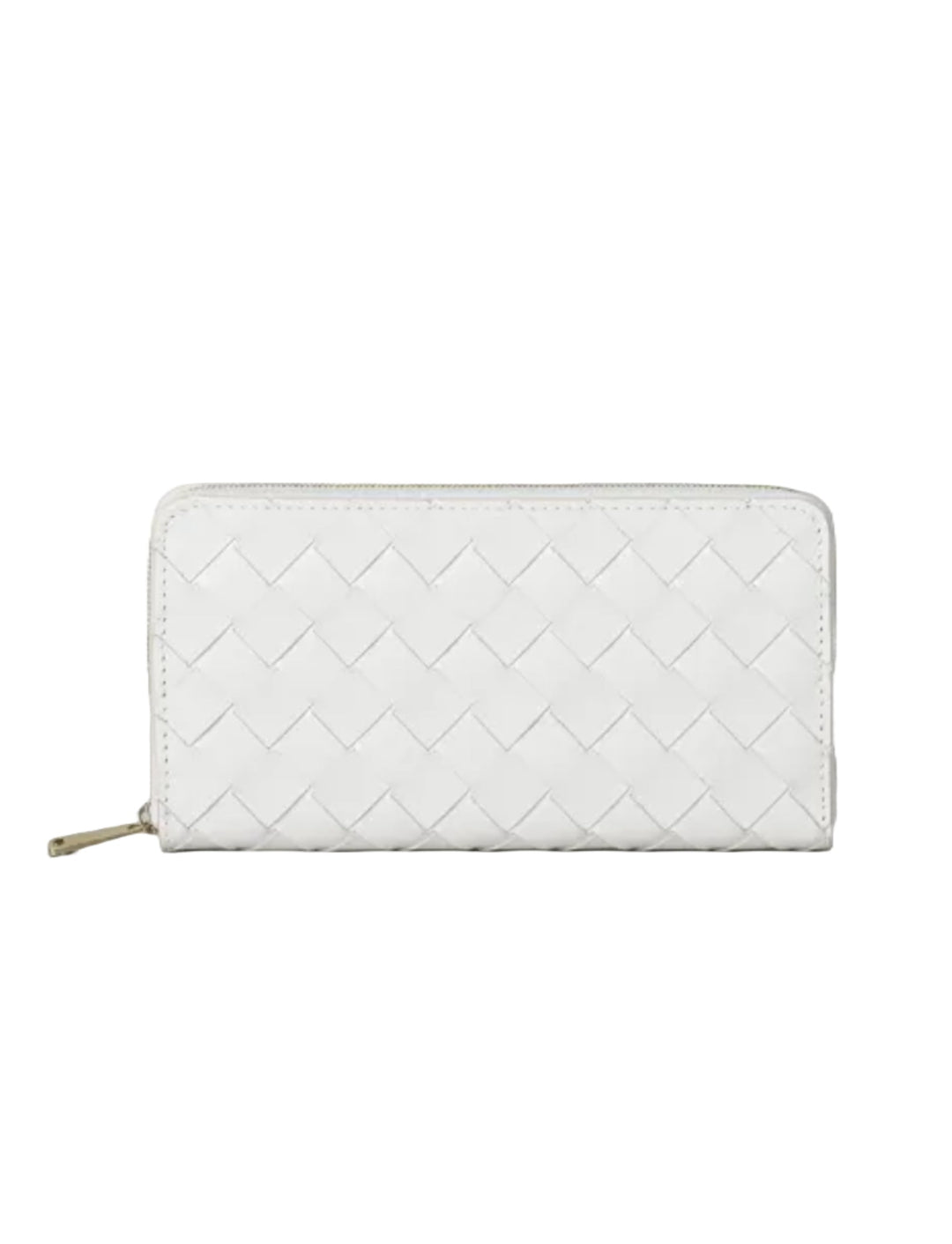
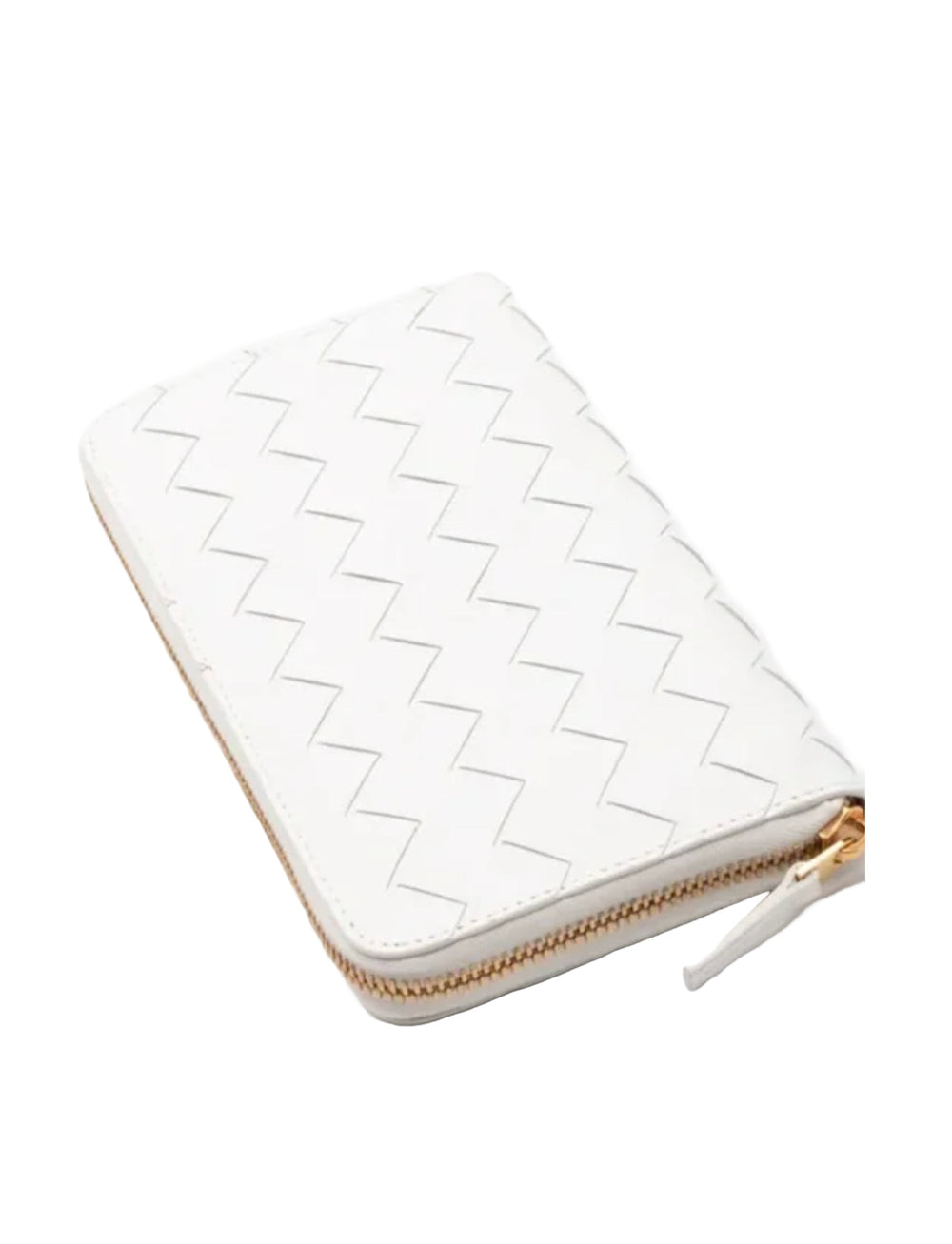
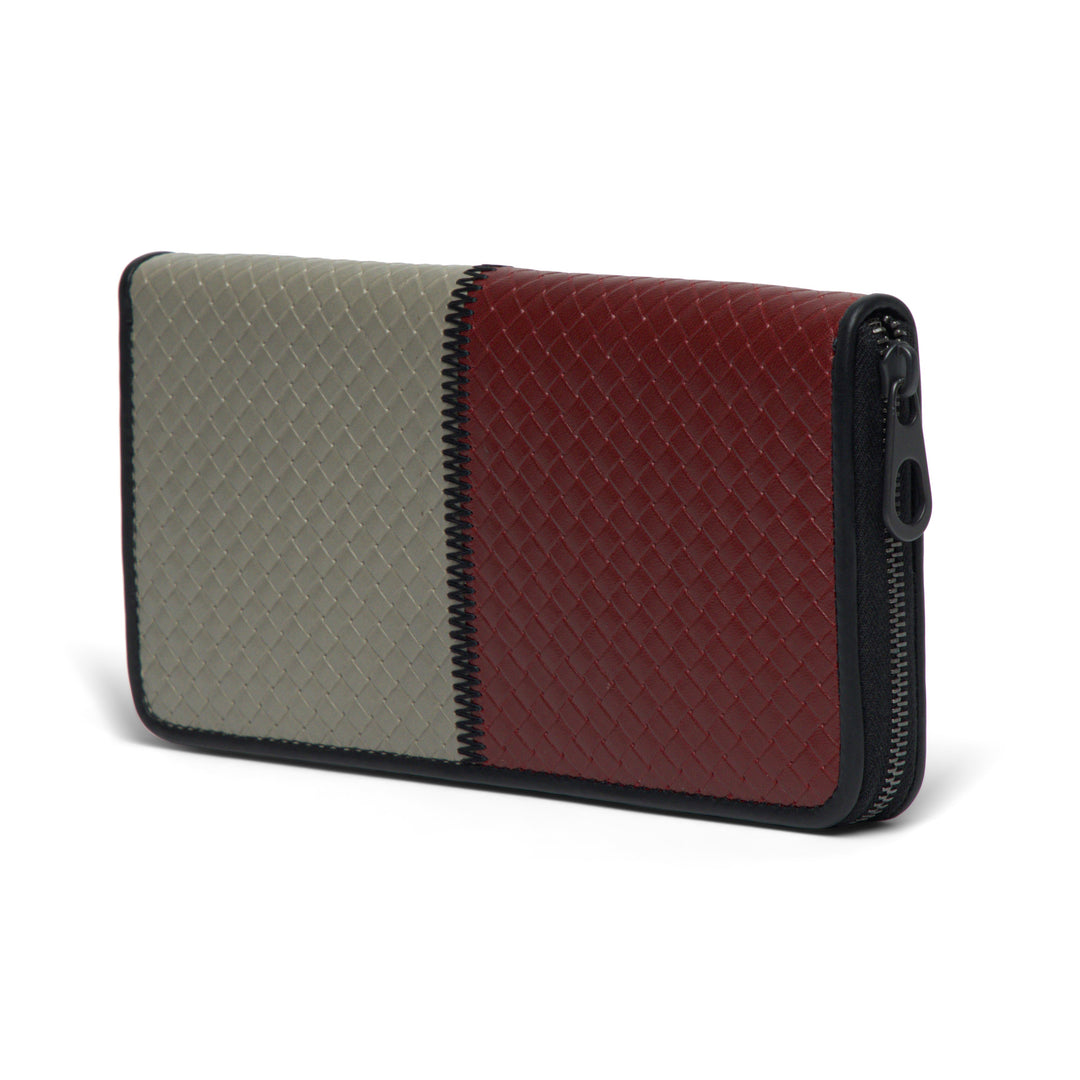
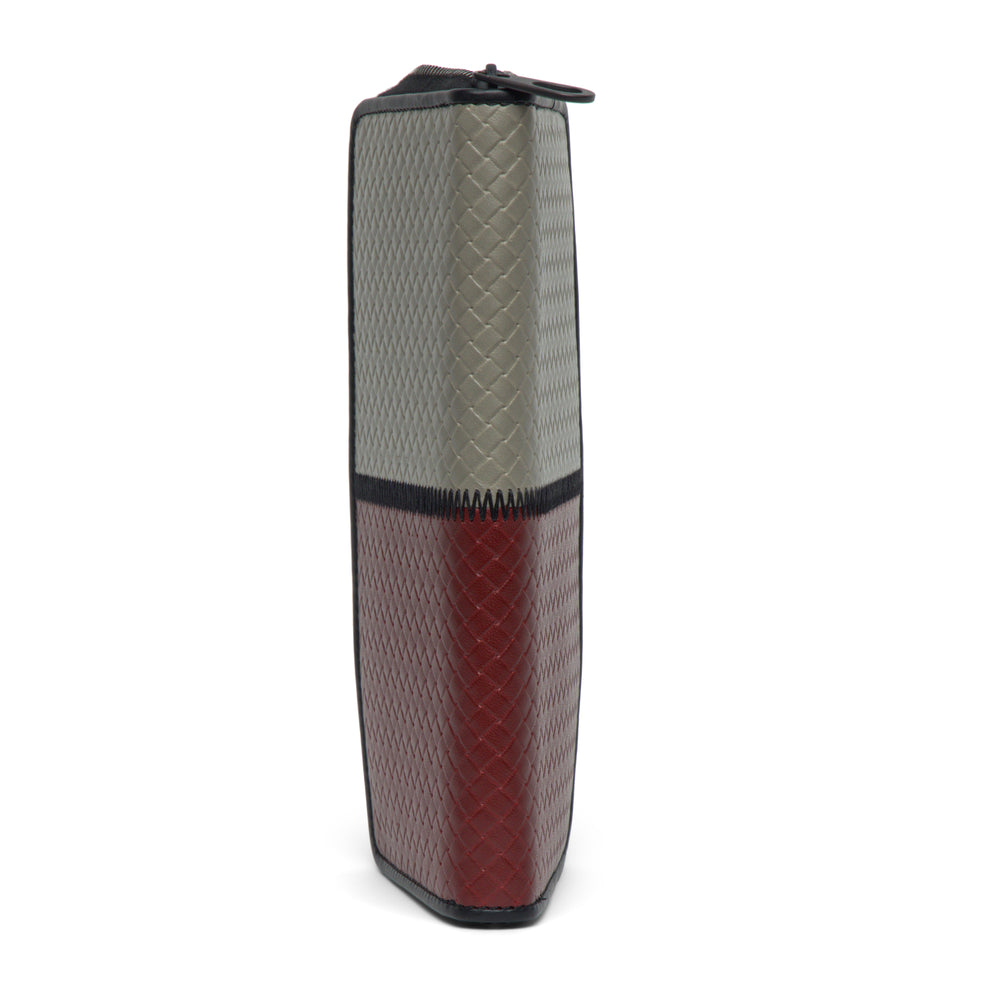
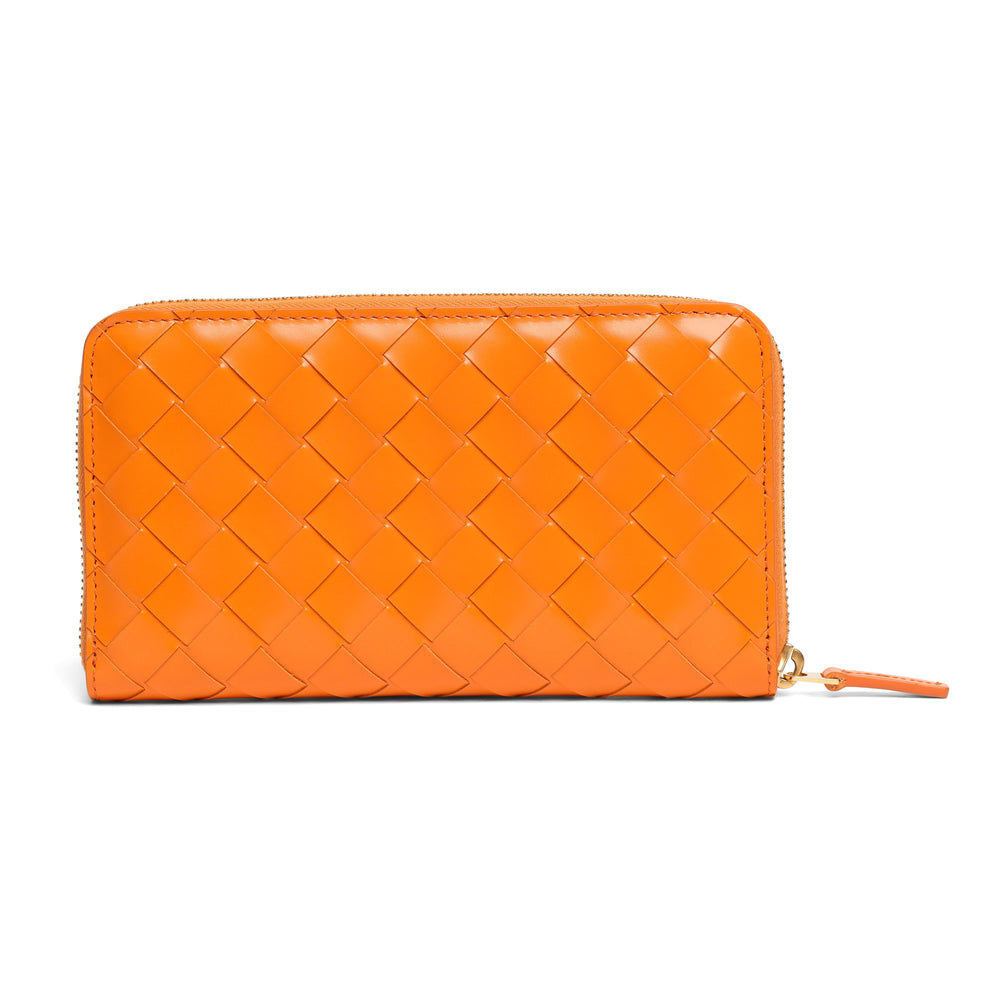
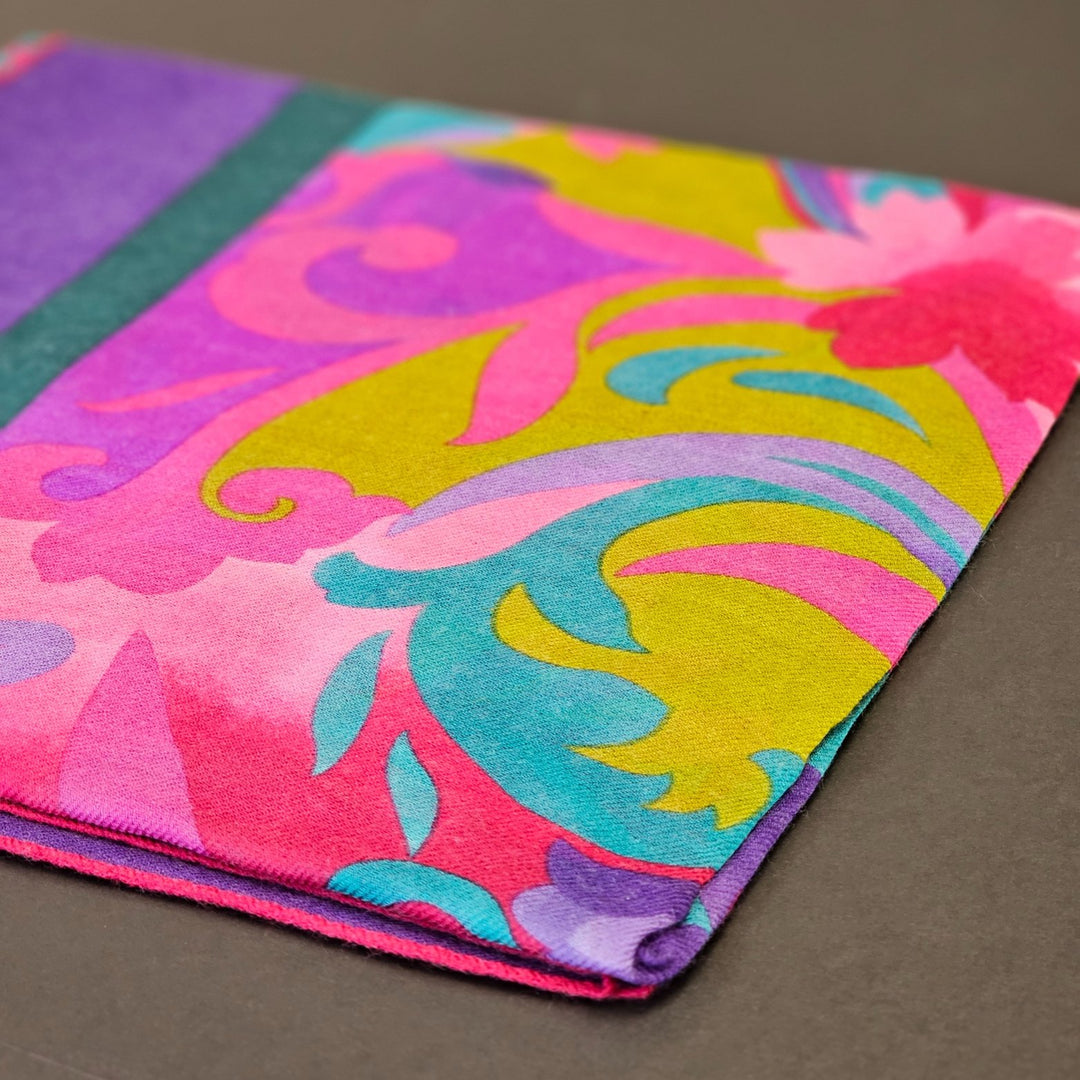
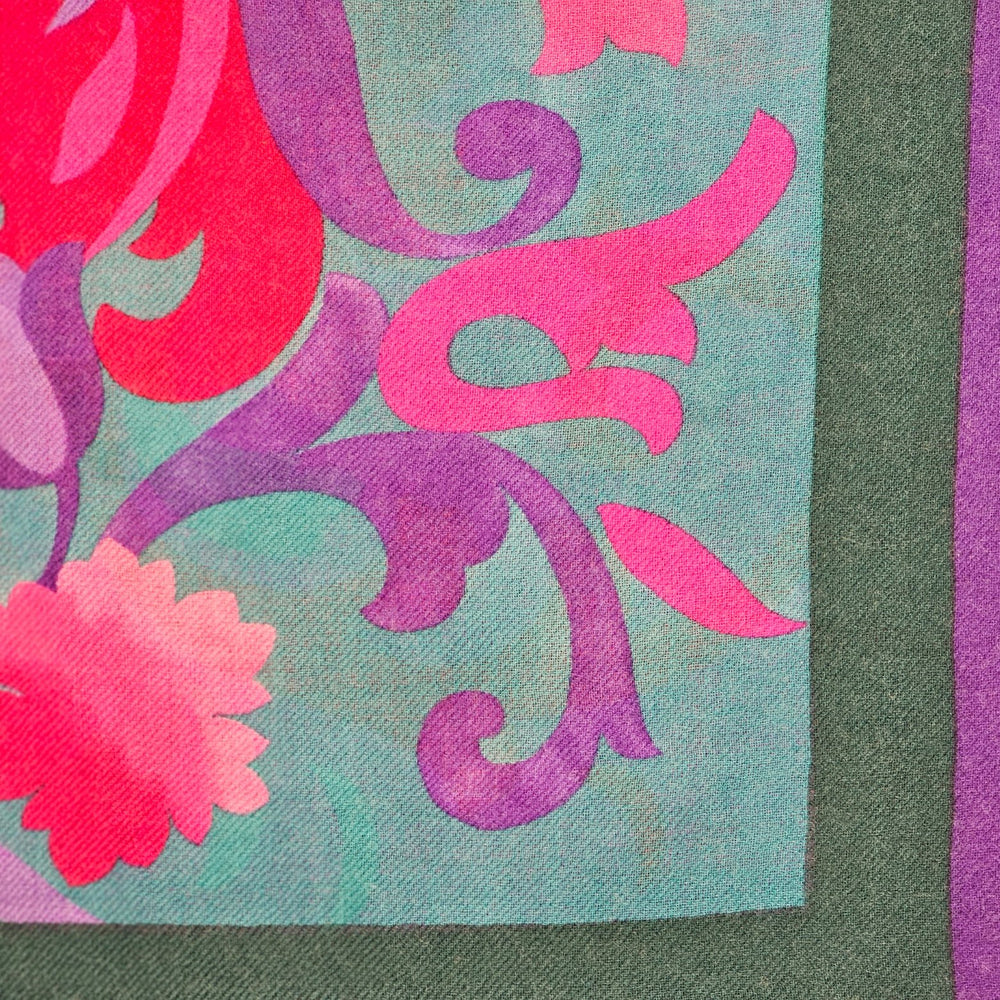
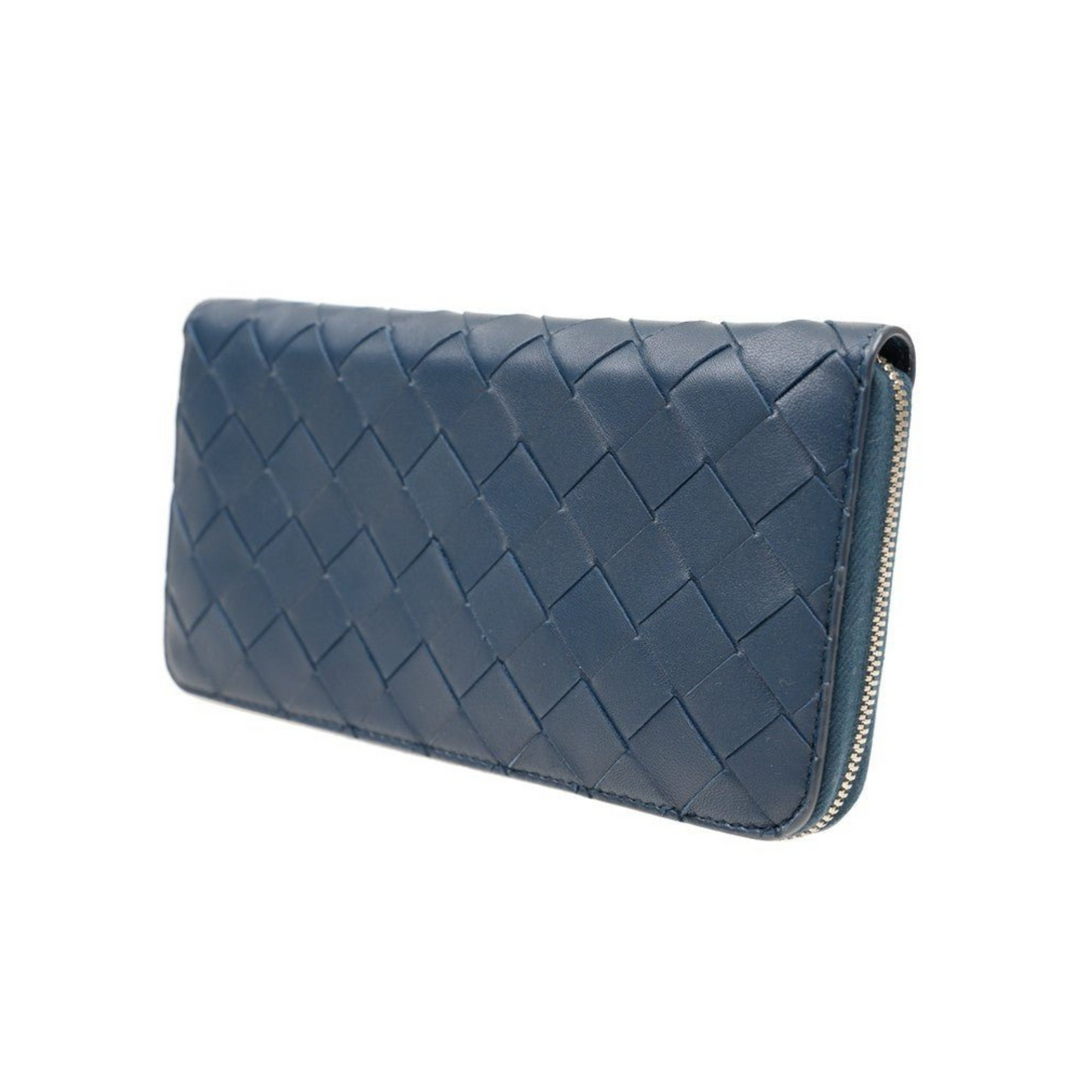
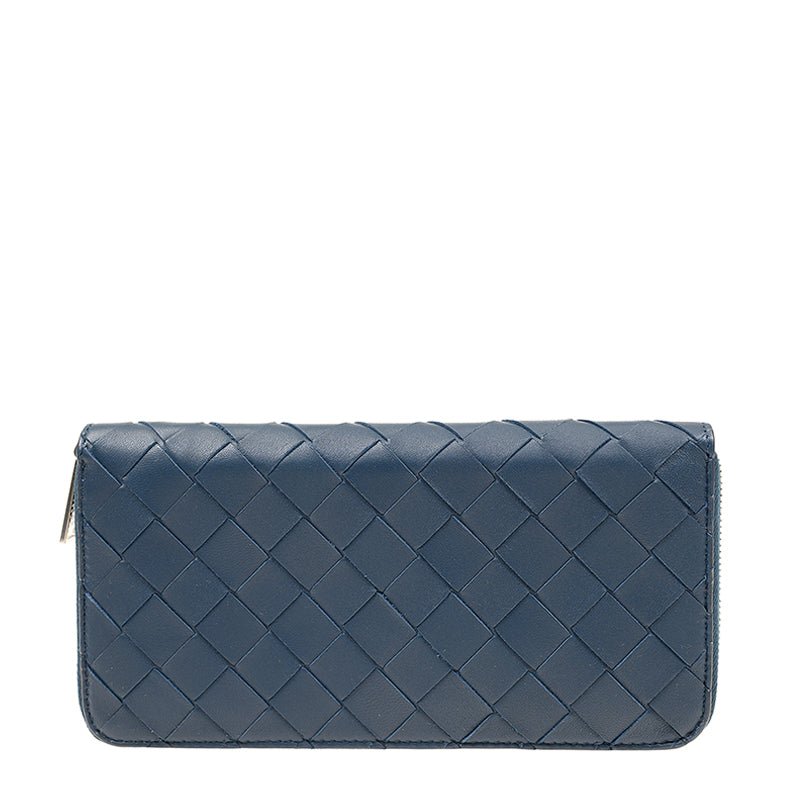
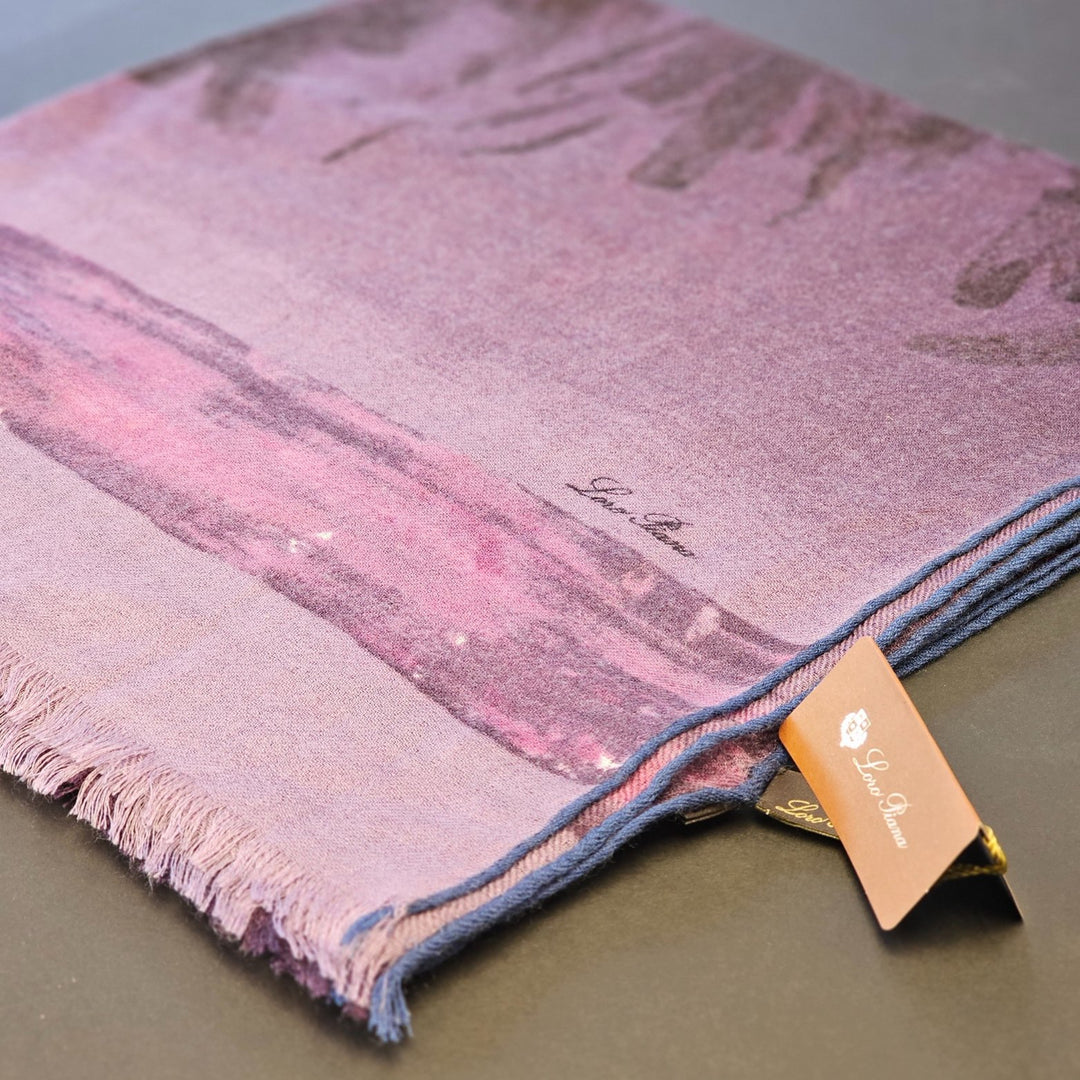
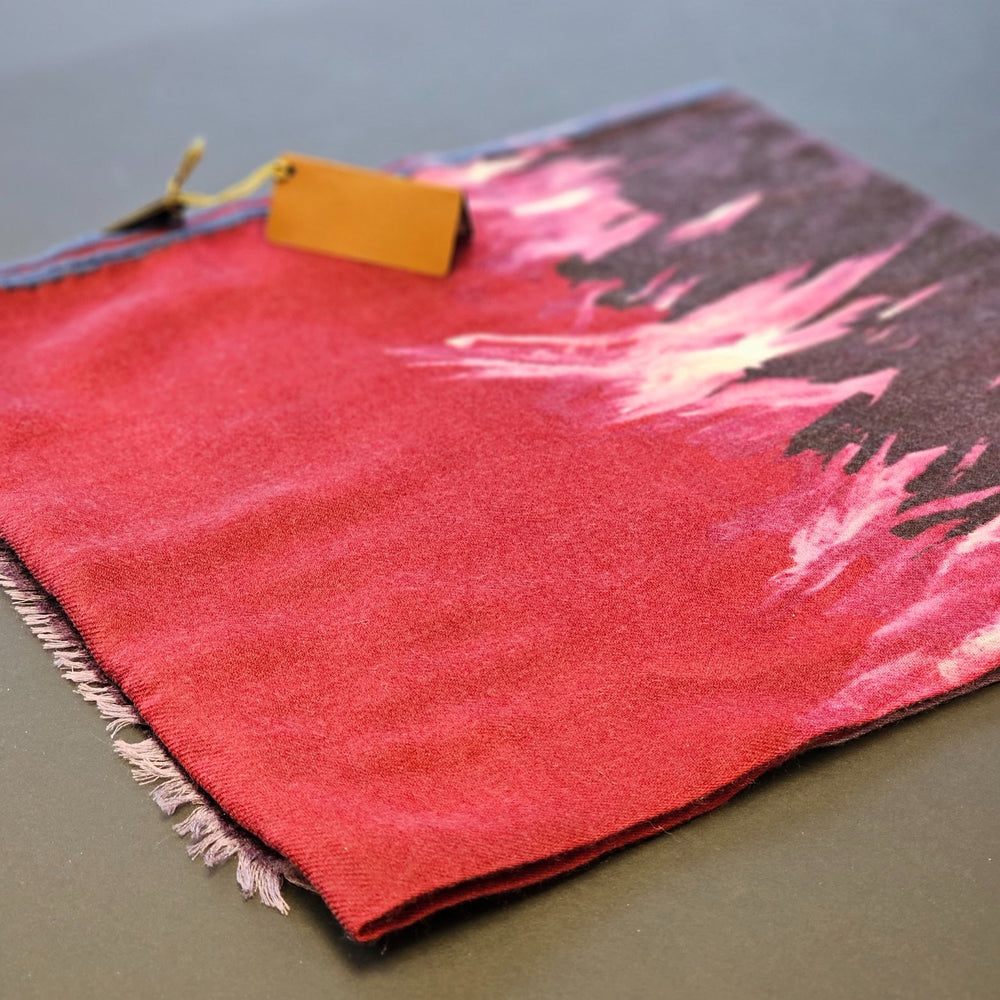
Wallets, belts, scarves, hair accessories, and small leather goods. Refined details complete the look with Italian sophistication.
Designer Sunglasses
Vintage-inspired and contemporary frames from Gucci, Prada, and Dolce & Gabbana. Cat-eye, butterfly, oversized styles with proper UV protection.
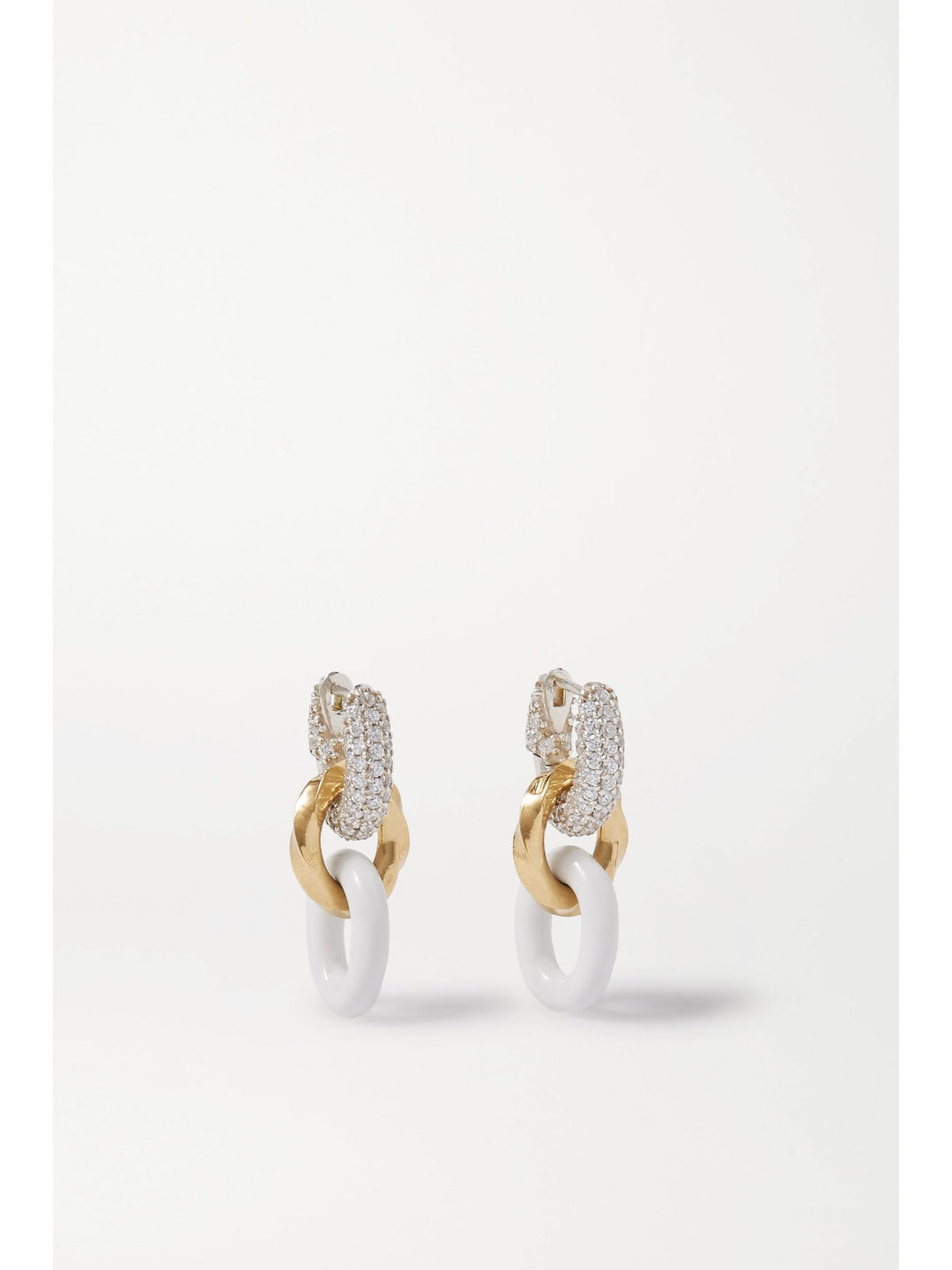
Designer Jewelry
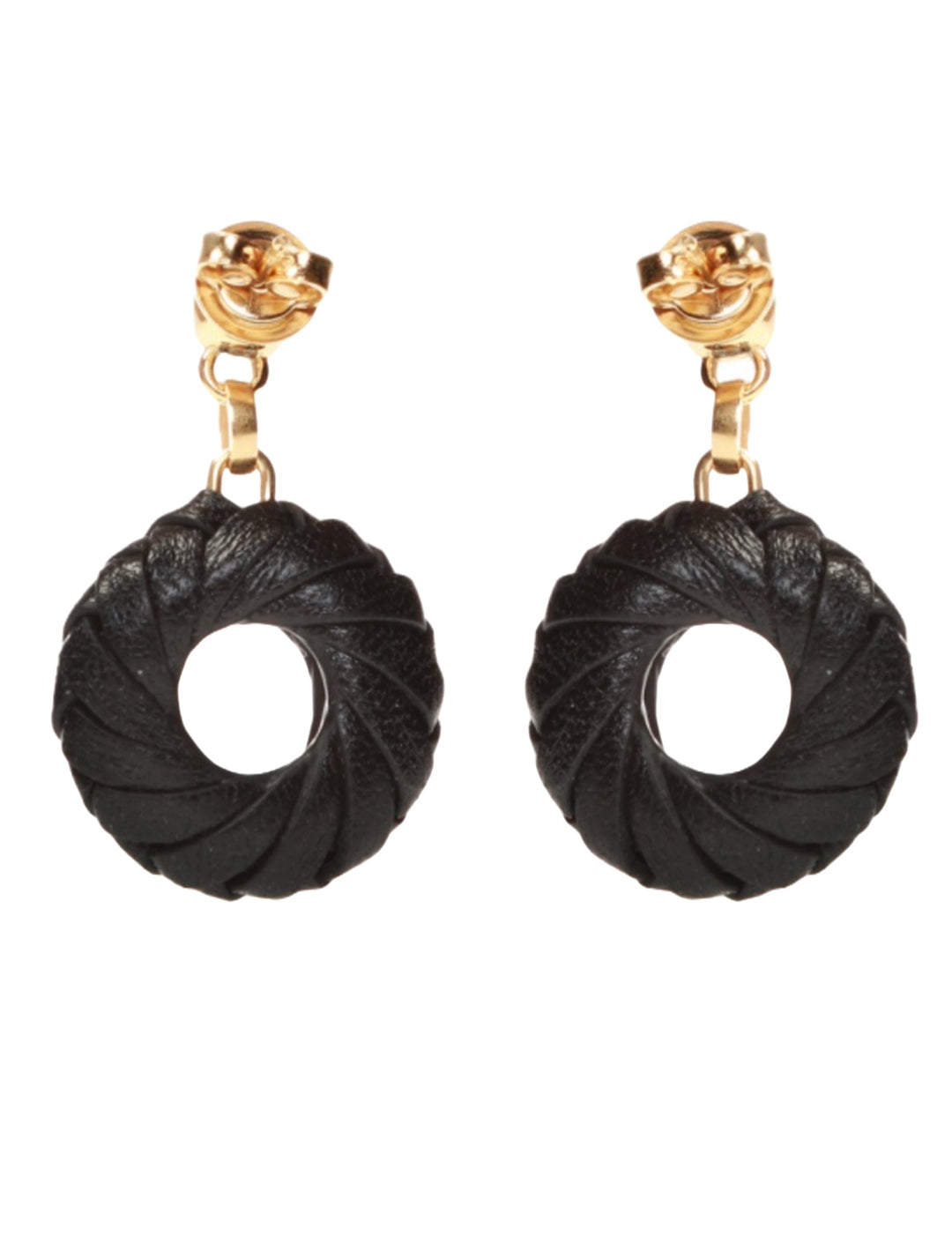
Statement necklaces, earrings, bracelets, and rings. Luxury pieces add finishing touches to sophisticated ensembles.
Featured Designer Brands for Women:
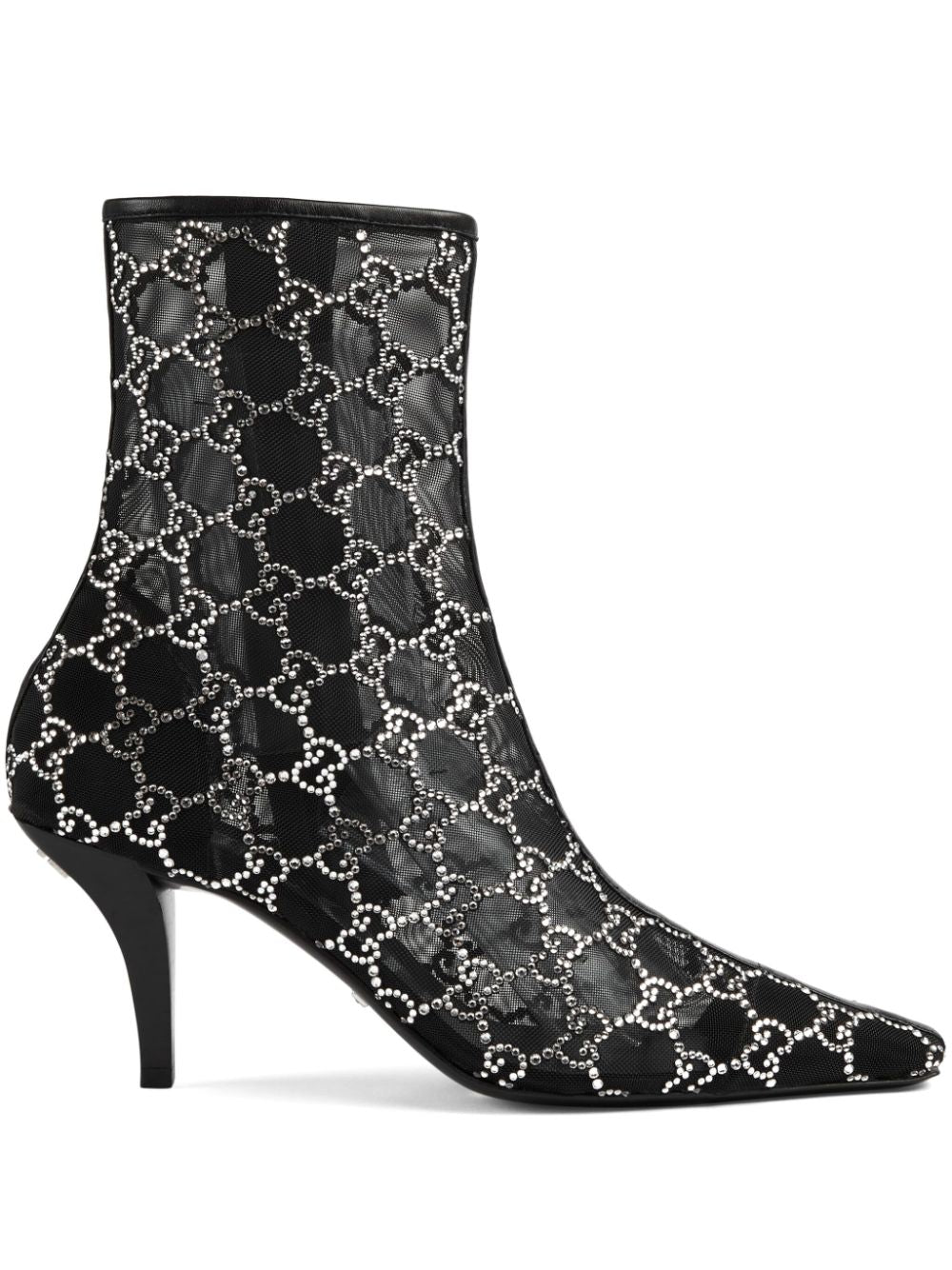
Gucci
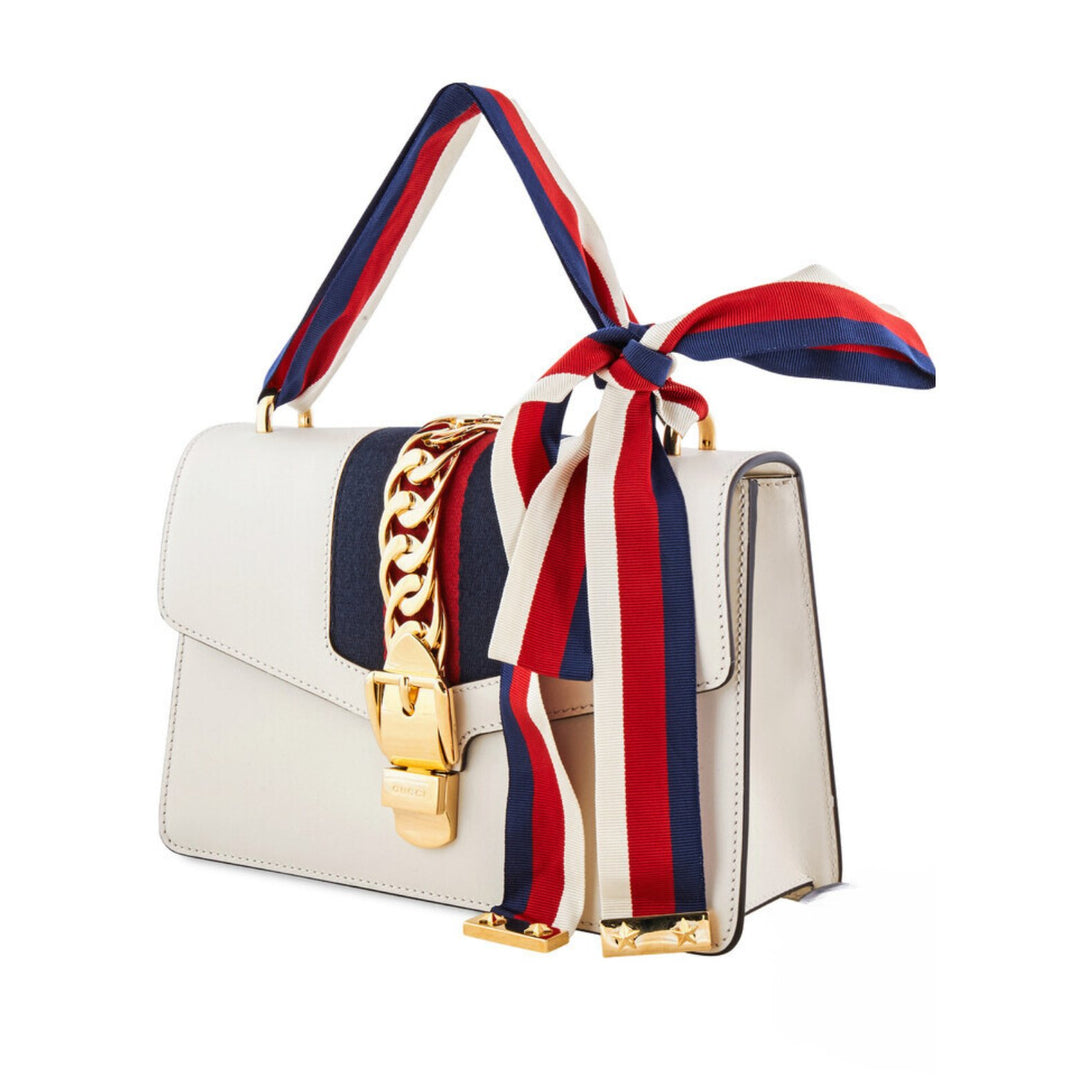
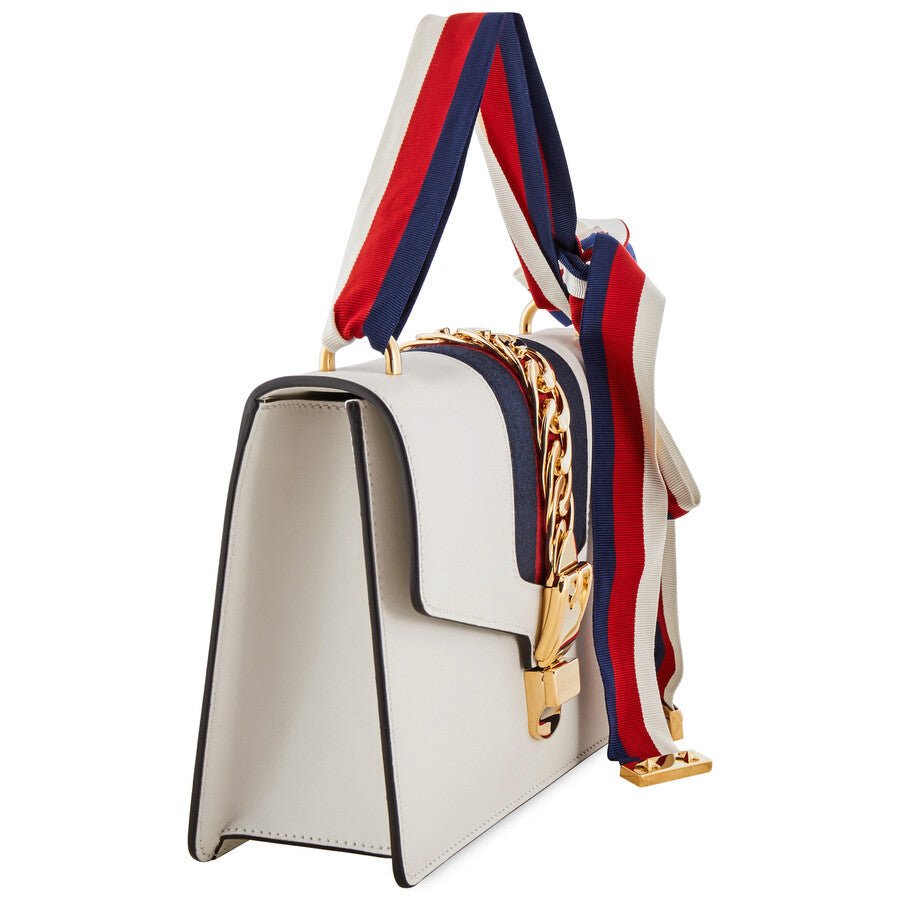
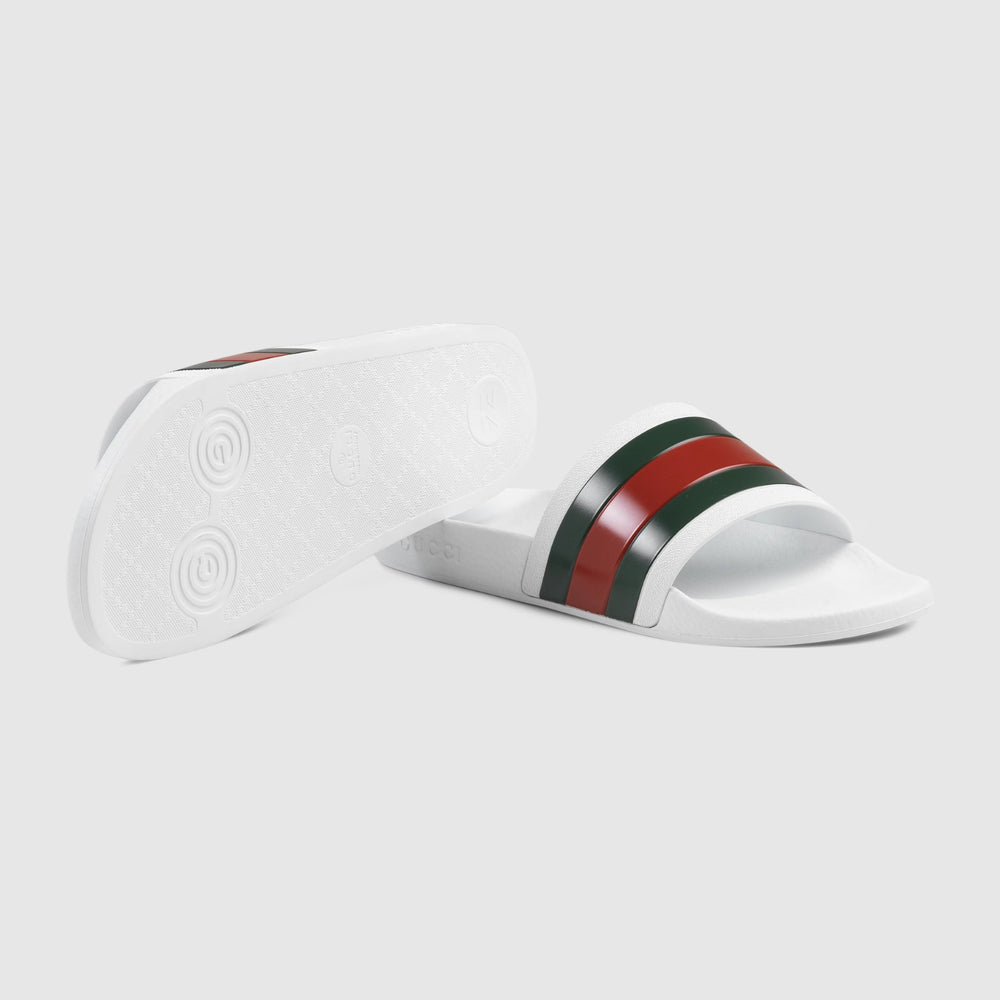
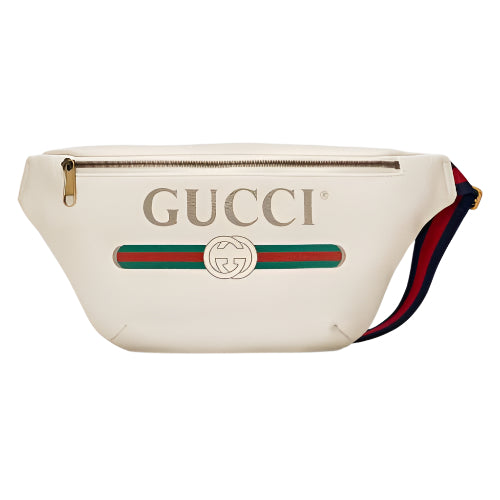
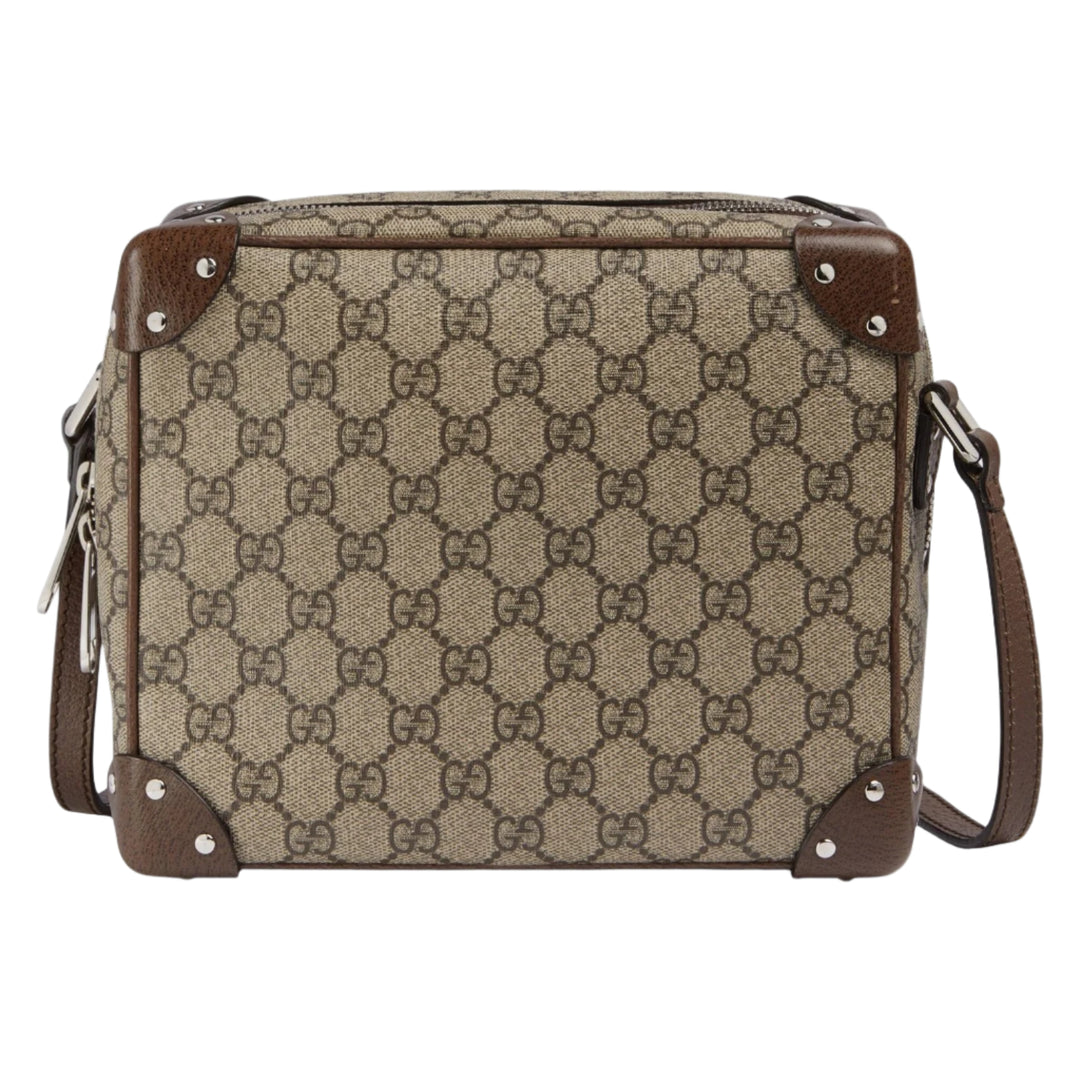
Iconic GG canvas, Marmont quilted leather, Web stripe details, Ophidia styles, and horsebit heritage—the most recognized Italian luxury house.
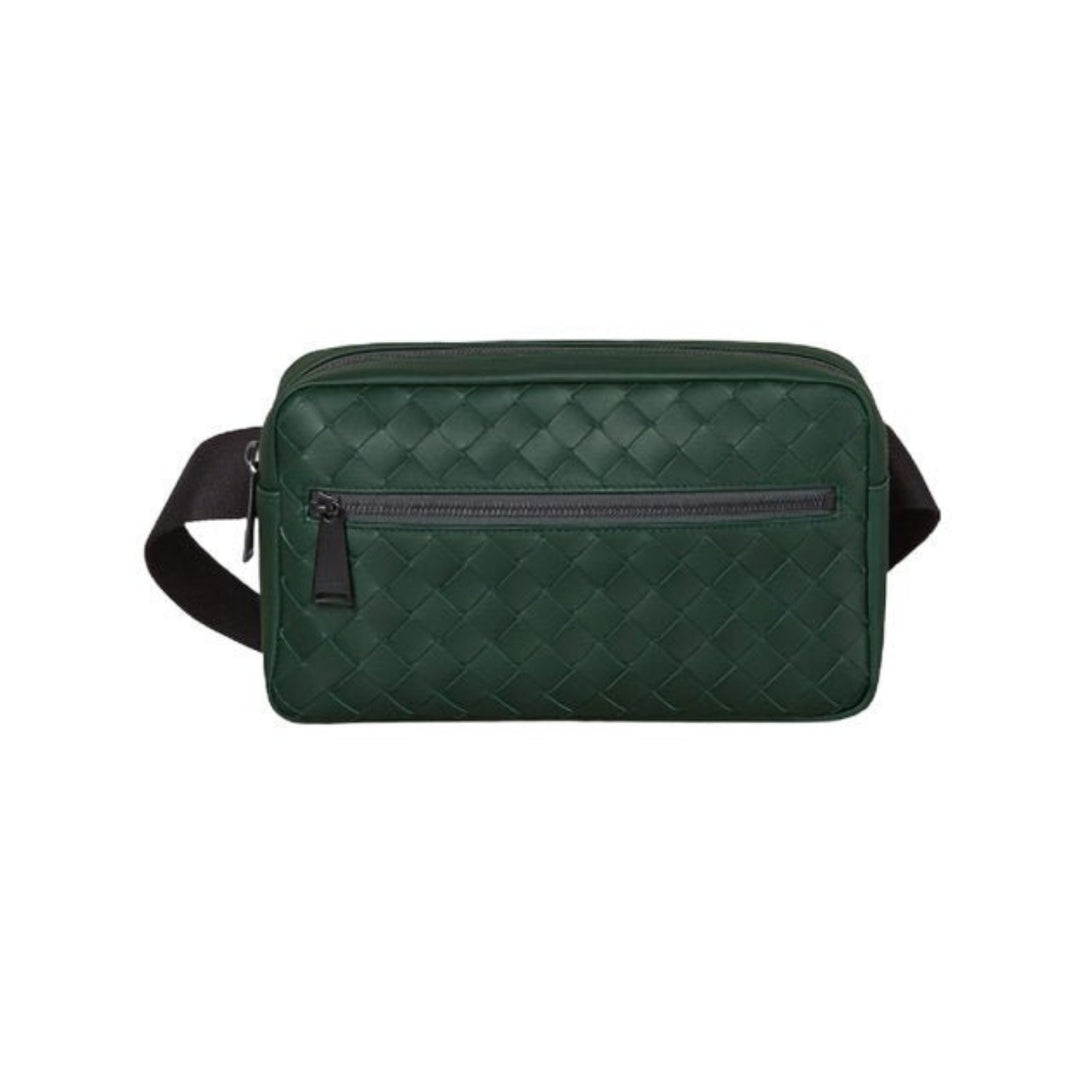
Bottega Veneta
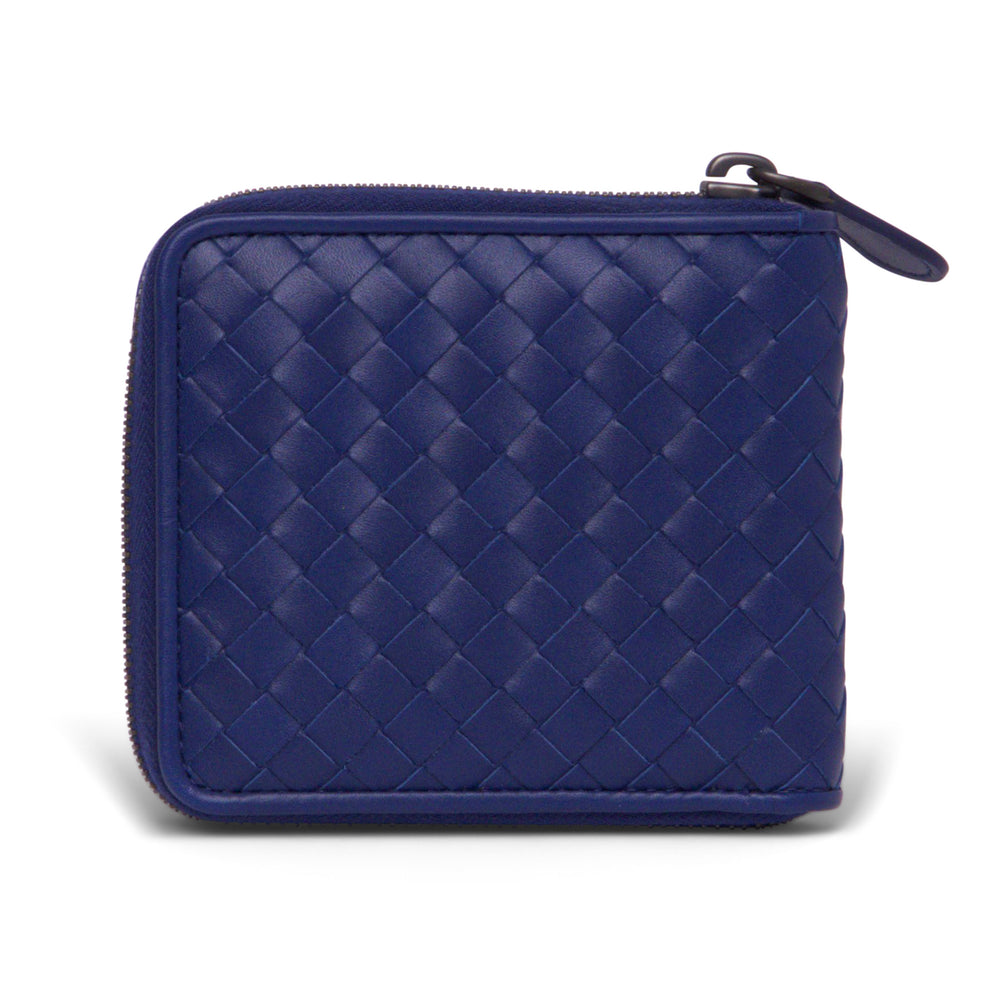
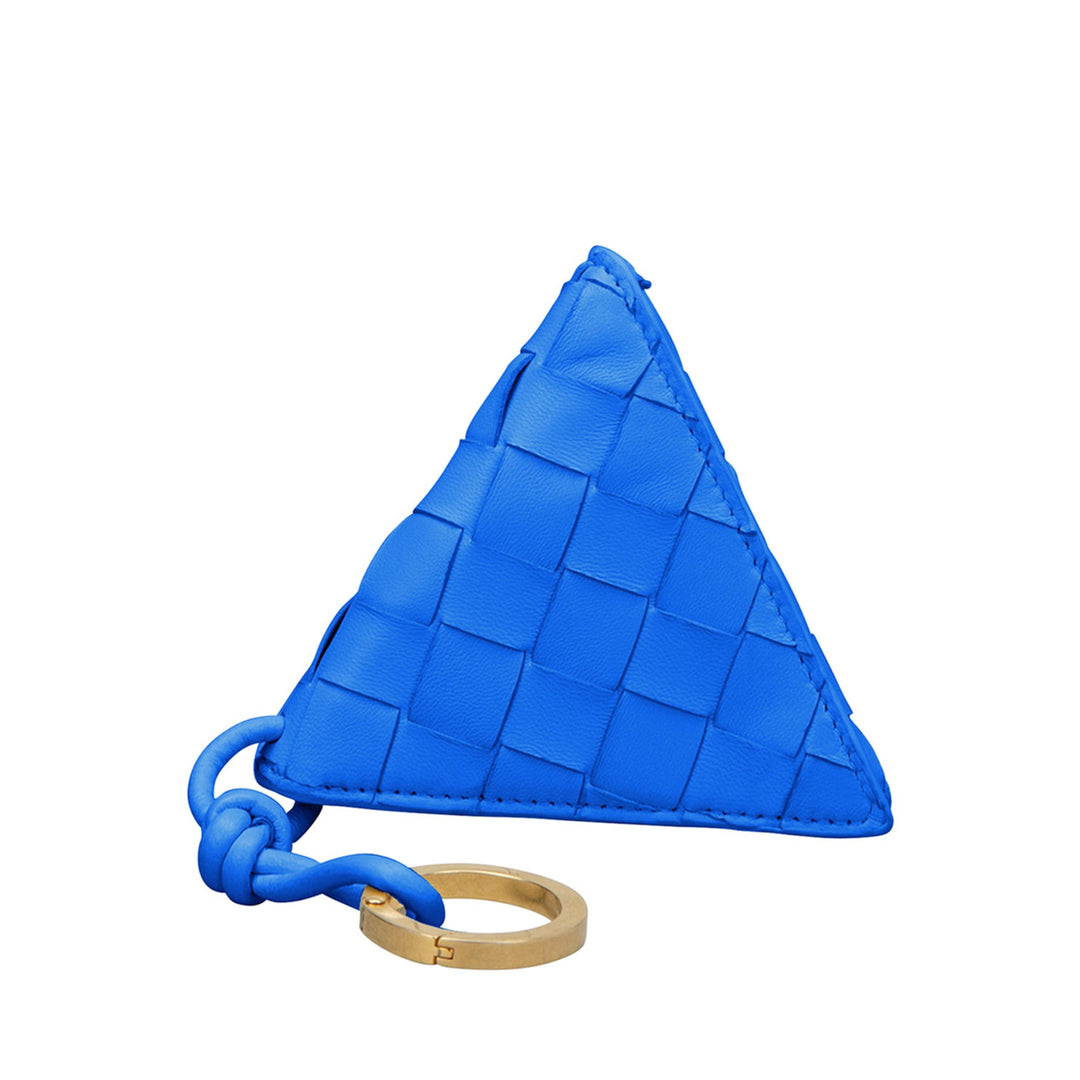
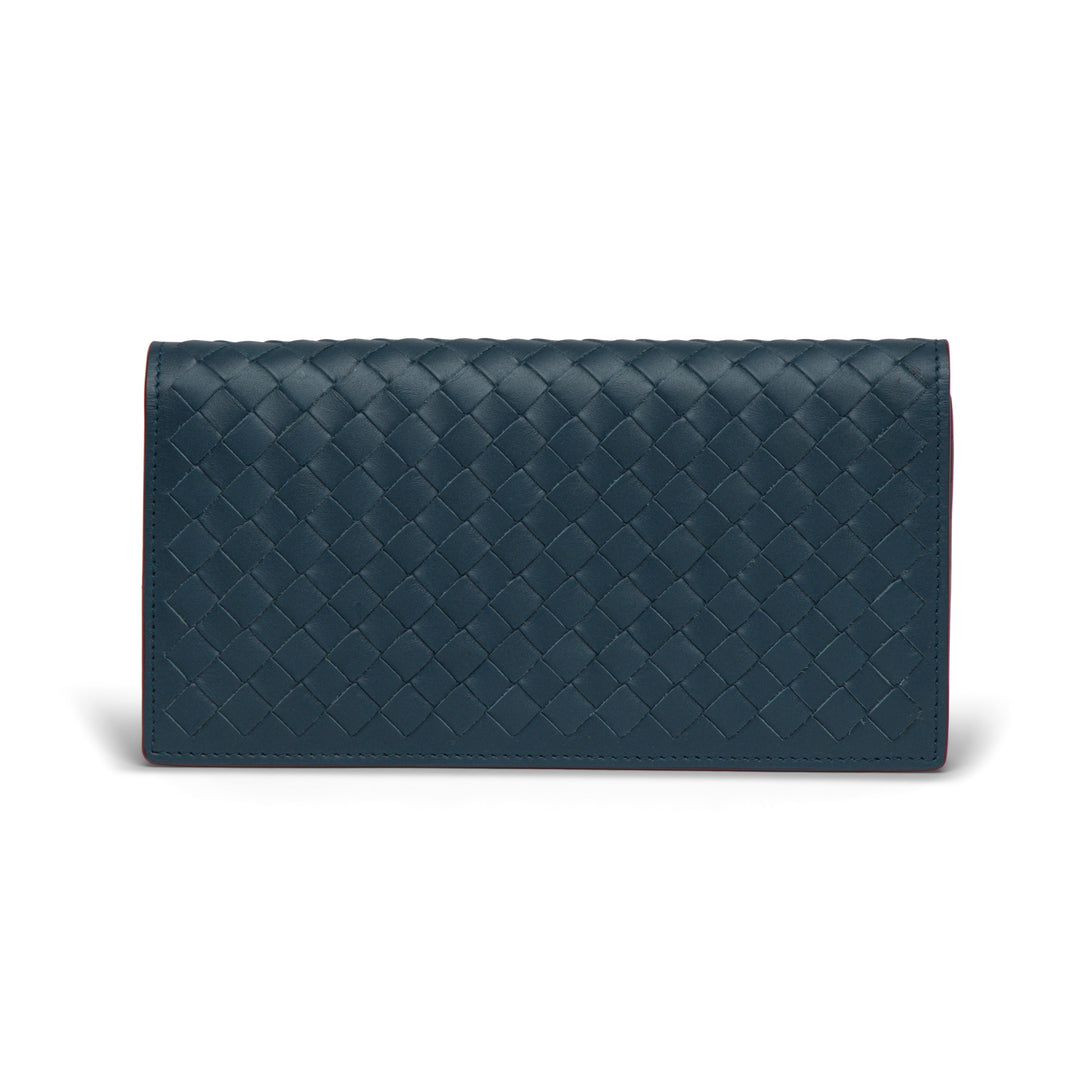
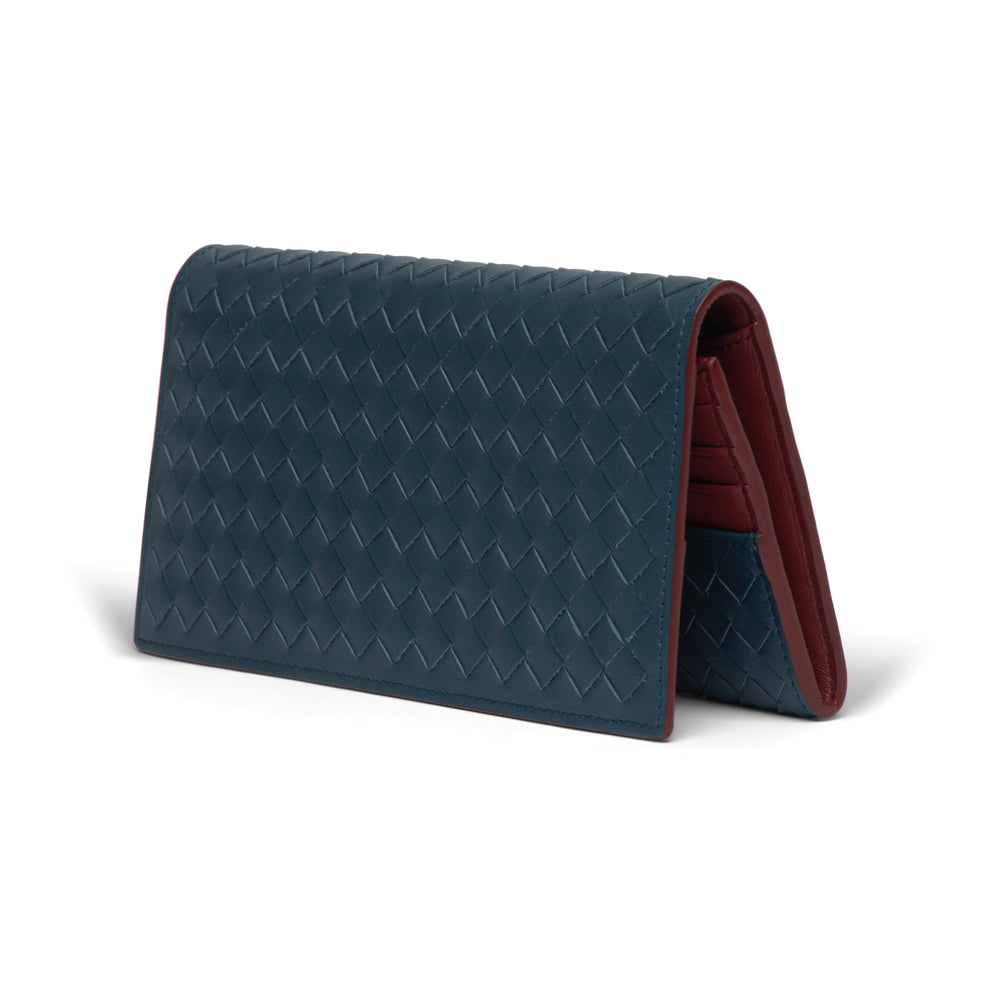
Legendary intrecciato woven leather showcasing artisan craftsmanship. Quiet luxury with Arco totes, Pouch bags, and understated elegance.
Prada
Minimalist Italian sophistication with Saffiano leather, tessuto nylon, and triangle logos. Contemporary refinement from Milan's most cerebral house.
Saint Laurent
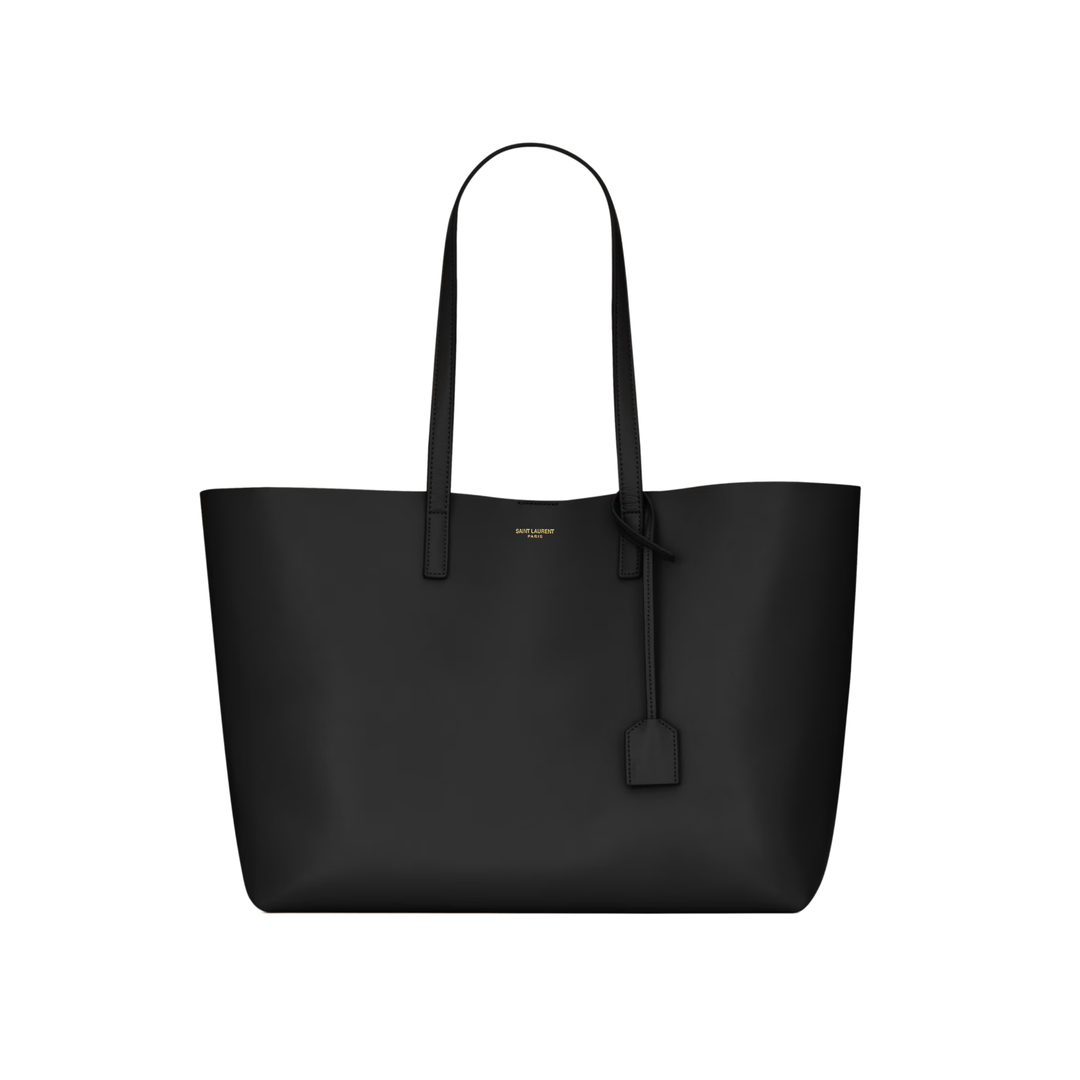
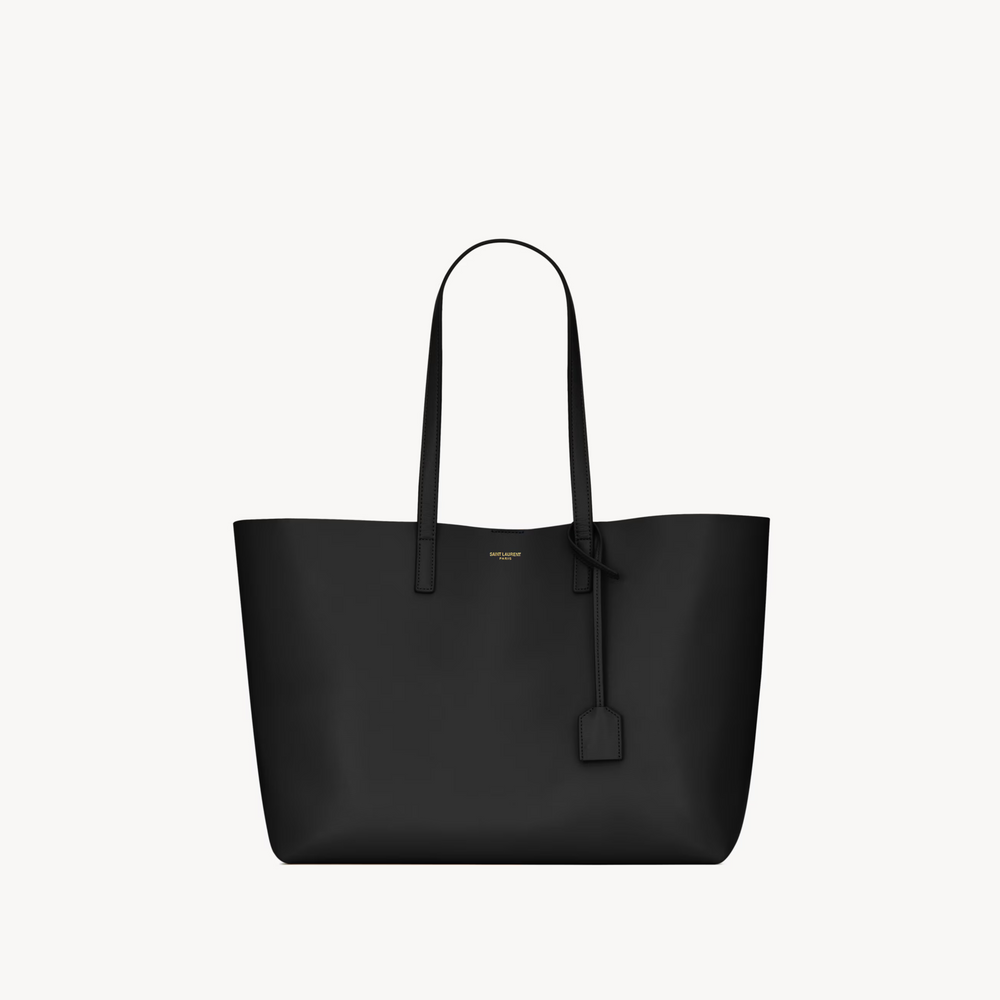
YSL monogram pieces, rock-and-roll elegance, refined edge—French luxury, Italian manufacturing, combining rebellion with sophistication.
Ferragamo
Nearly 100 years of legendary footwear comfort. Vara pumps, Varina flats, Gancini hardware. Italian shoemaking expertise.
Dolce & Gabbana
Bold Sicilian style with baroque patterns, crystal embellishments, Mediterranean passion—Maximalist Italian glamour.
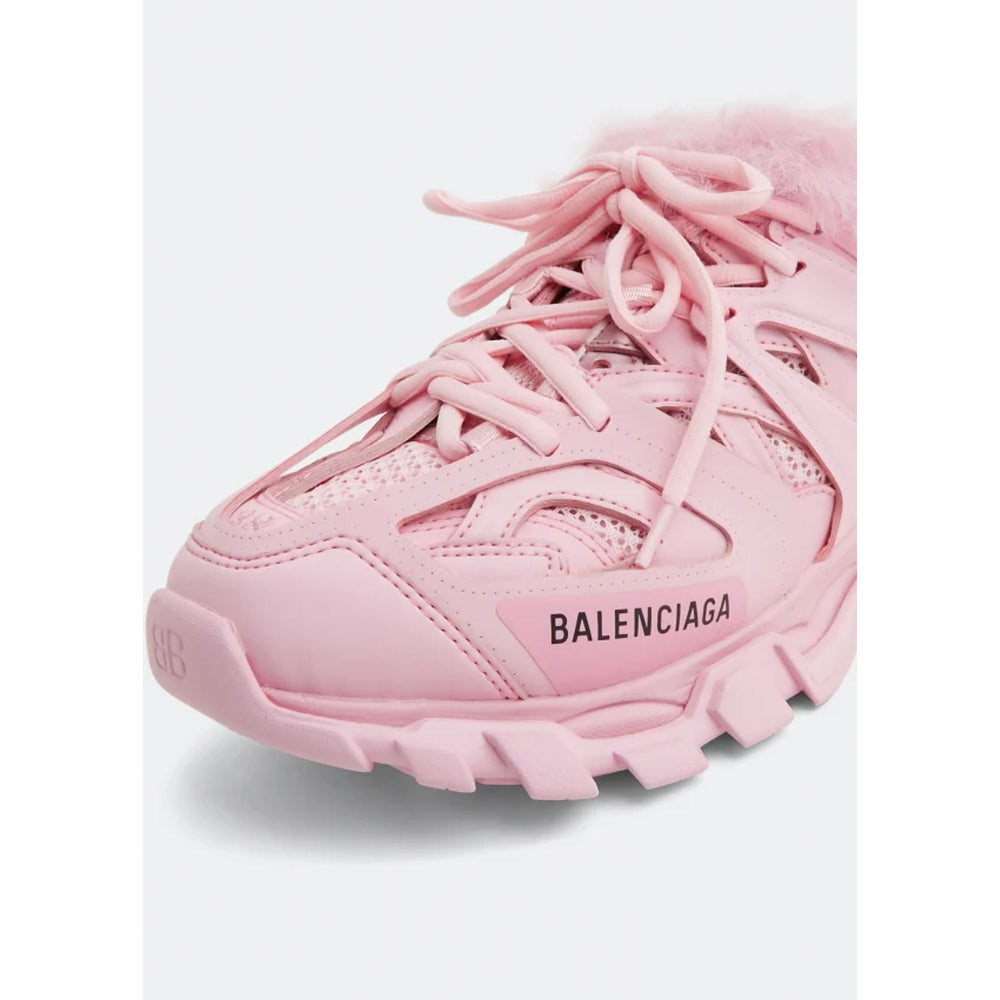
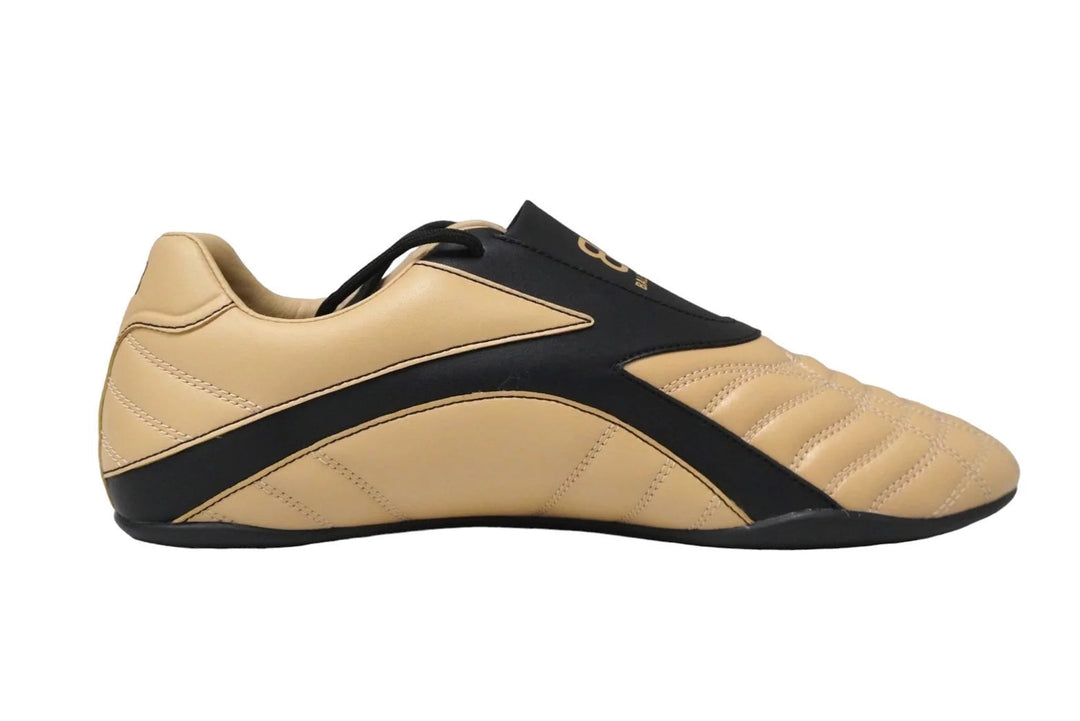
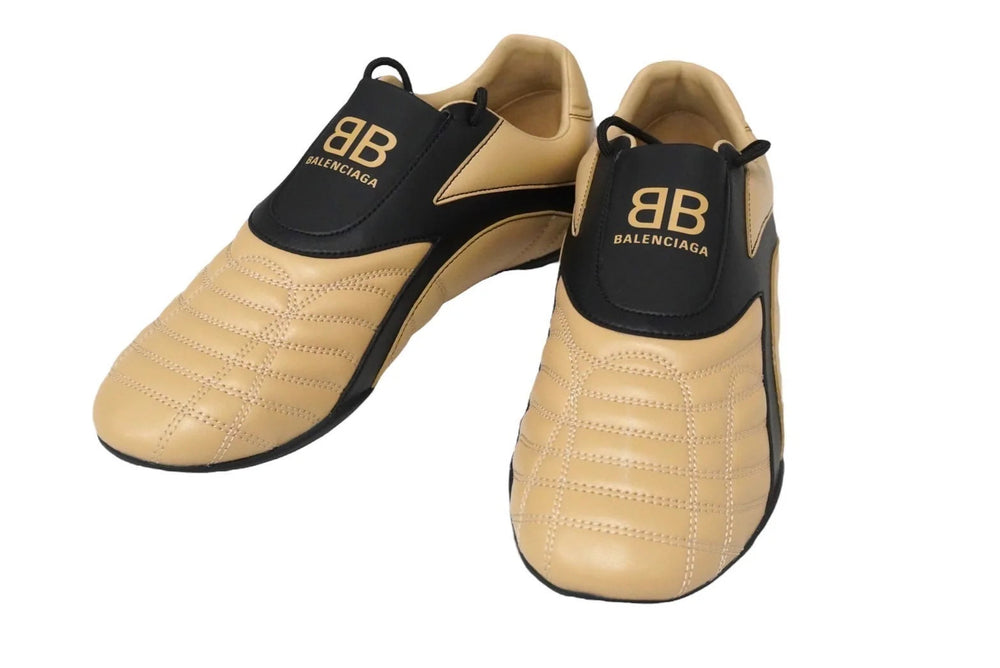
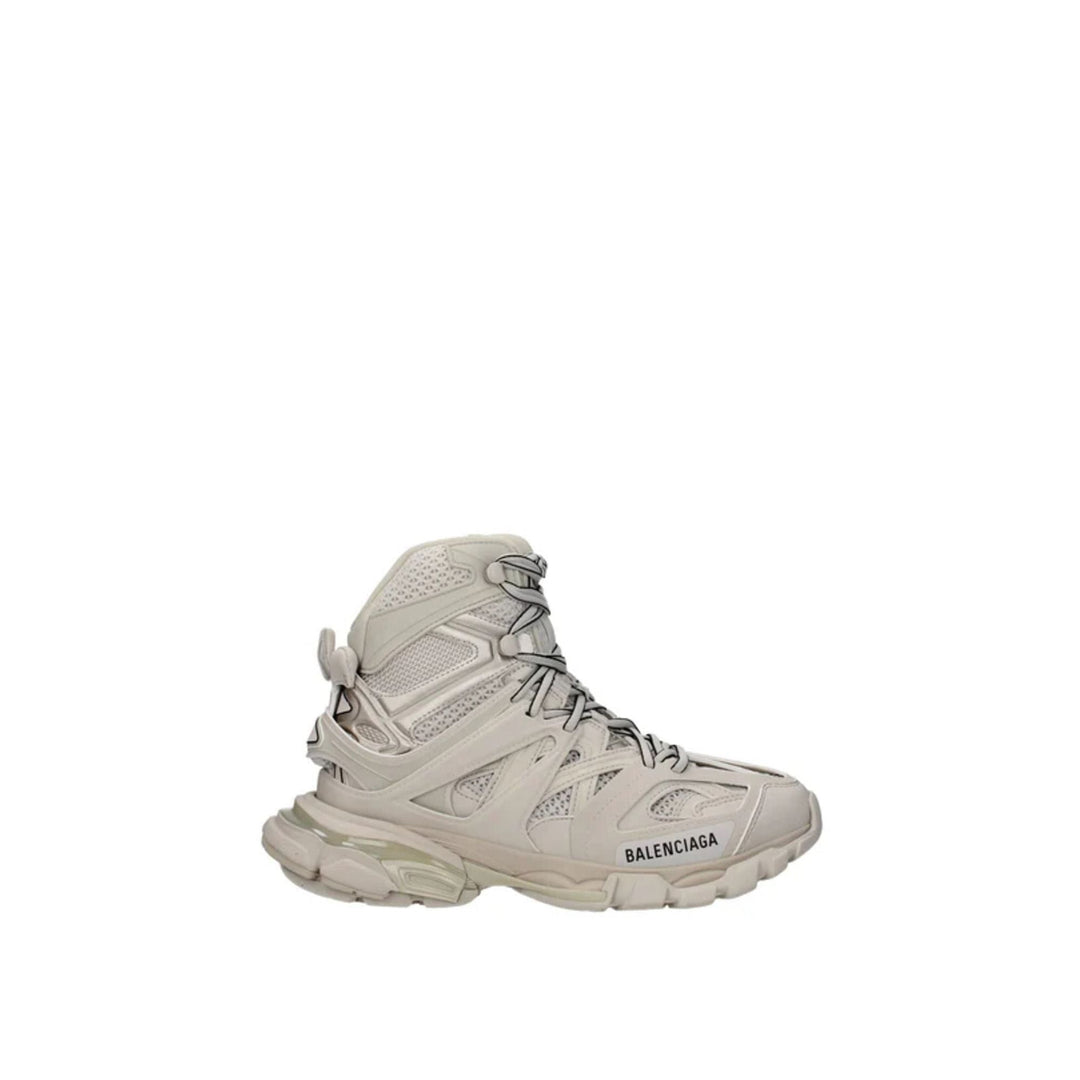
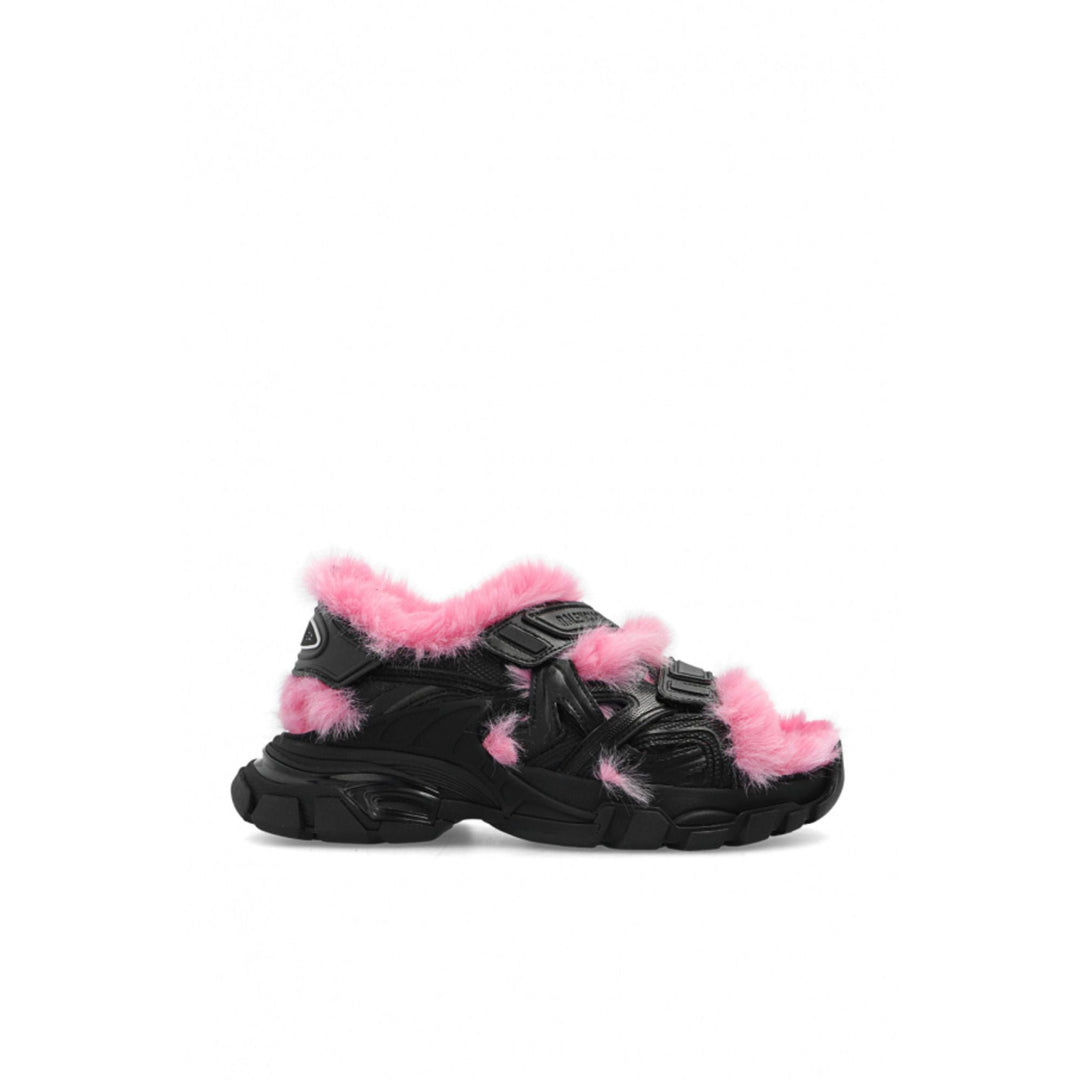
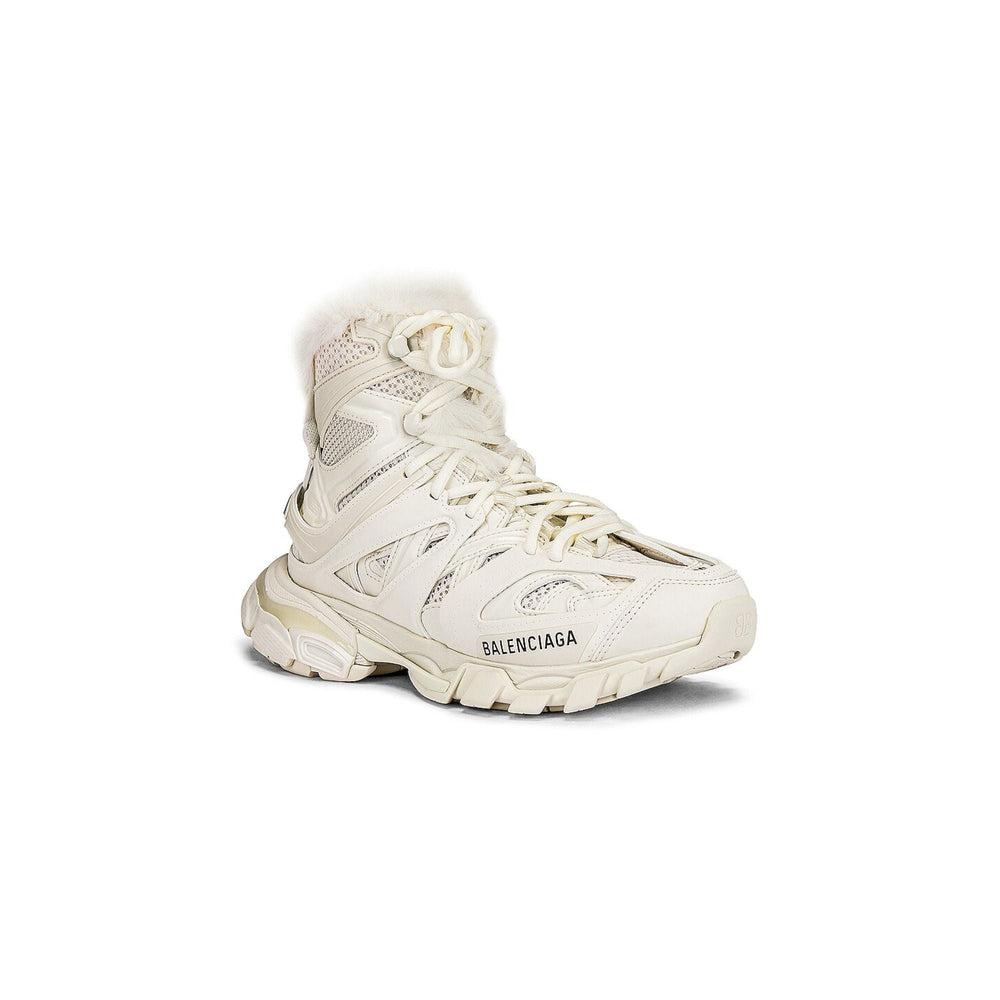
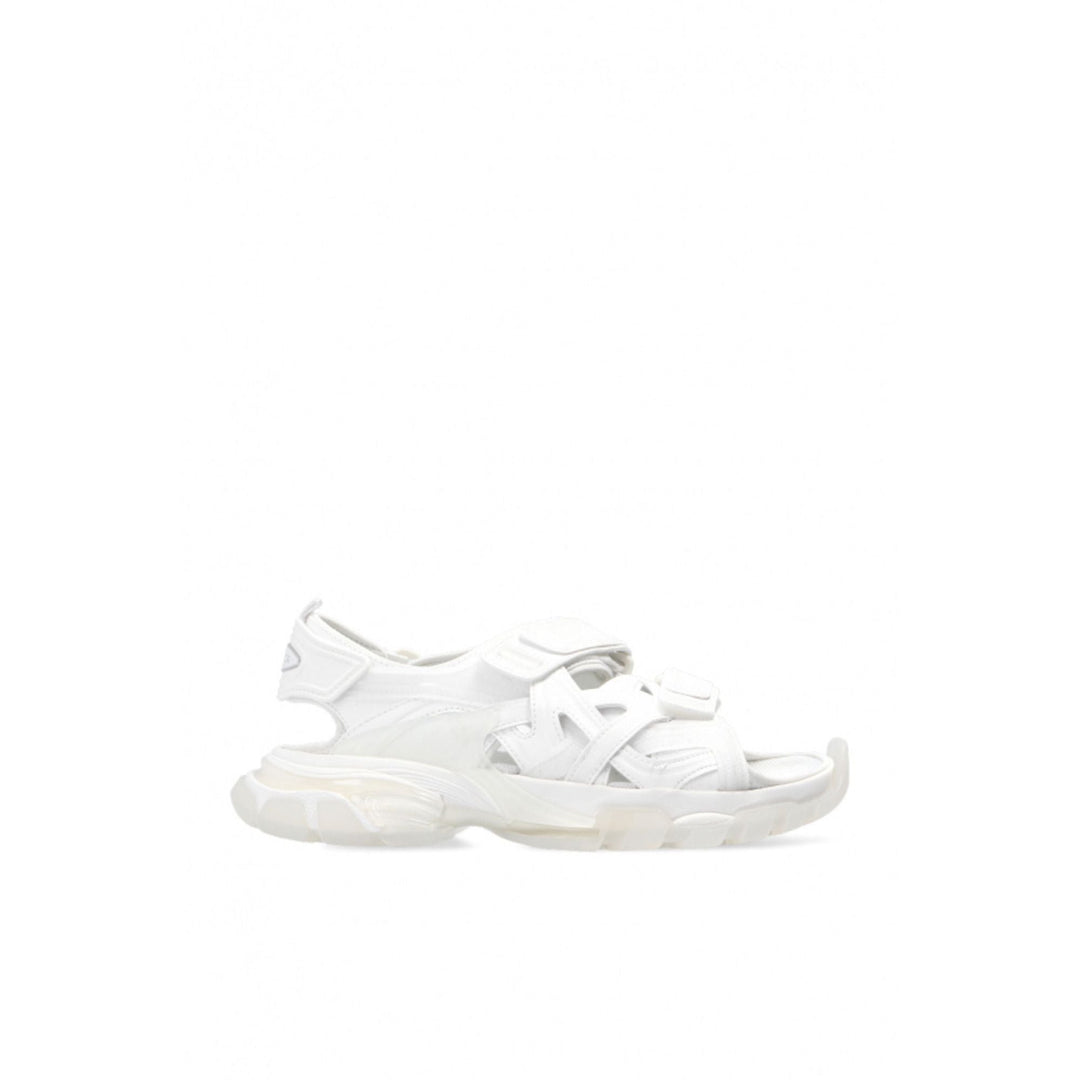
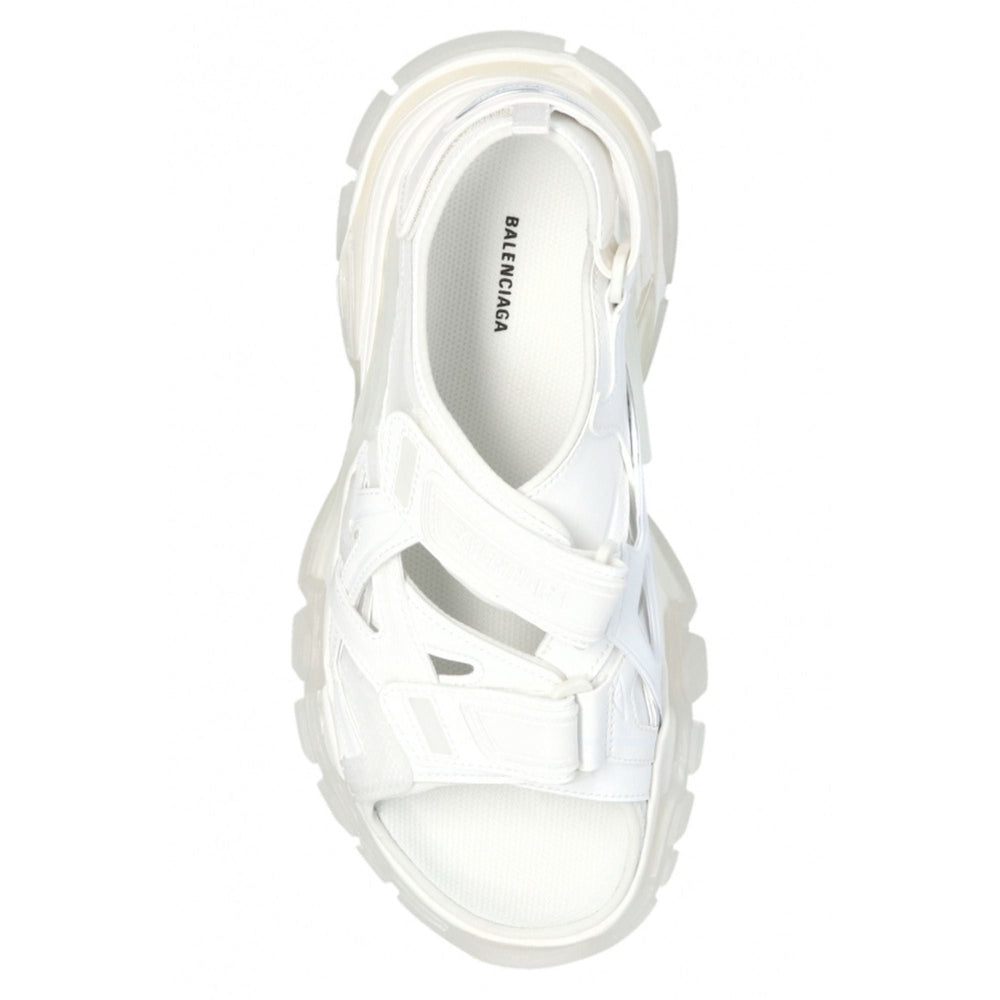
Balenciaga
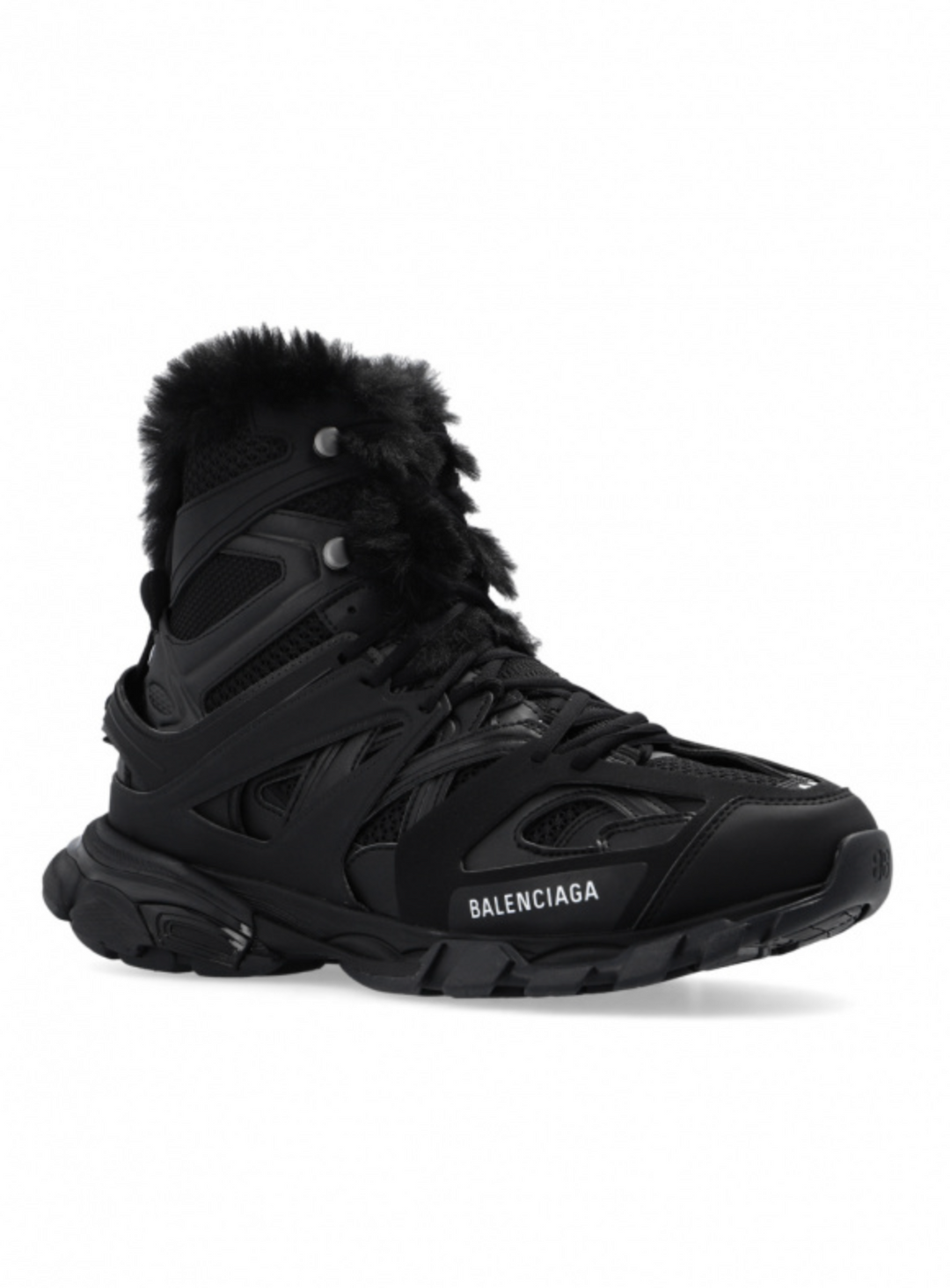
Contemporary avant-garde design with bold proportions and fashion-forward aesthetics—modern luxury with architectural precision.
Burberry
British heritage with iconic check patterns, trench coats, and refined accessories—classic elegance with contemporary relevance.
Fendi
Roman luxury with FF logos, Baguette bags, and distinctive design. Playful sophistication from LVMH's Italian house.
Other Luxury Houses
Givenchy, Versace, Valentino, Celine, and additional prestigious European brands offering authentic designer fashion.
Building Your Designer Wardrobe:
Start with Investment Pieces
Begin with versatile classics serving multiple occasions: a quality handbag in neutral color, classic pumps or elegant flats, timeless sunglasses, and versatile accessories. These foundations work across your wardrobe.
Add Seasonal Updates
Incorporate seasonal pieces, refreshing wardrobes: current shoes, trendy bags in season's colors, fashion-forward accessories, or statement clothing reflecting contemporary trends while maintaining quality.
Balance Classic & Contemporary
Mix timeless heritage pieces with current styles to prevent wardrobes from feeling dated or too trendy. A classic Gucci paired with contemporary Balenciaga creates a dynamic, personal style.
Consider Lifestyle Needs
Choose based on actual daily life: professionals need refined work-appropriate pieces, active lifestyles require versatile casual luxury, social calendars demand elegant evening options, and travel needs versatile, durable items.
Quality Over Quantity
Five exceptional designer pieces worn extensively provide better value than twenty mediocre items sitting unworn. Prioritize what you'll genuinely use.
Designer Fashion by Occasion:
Professional Wardrobe
Refined handbags, elegant shoes, tailored clothing, and subtle accessories are appropriate for business environments. Italian sophistication projects competence and success.
Weekend Casual
Luxury sneakers, casual bags, designer denim, and comfortable yet chic pieces. Elevated everyday style with designer details.
Evening & Events
Statement bags, elegant heels, cocktail attire, glamorous accessories—sophisticated luxury for special occasions and social calendars.
Travel Essentials
Versatile crossbody bags, comfortable shoes, wrinkle-resistant clothing, and practical accessories. Durable luxury functions beautifully across varied destinations.
Seasonal Transitions
Transitional jackets, versatile boots, layering pieces, weather-appropriate accessories. Italian craftsmanship across changing seasons.
Understanding Designer Quality:
Premium Materials
Italian calfskin, Saffiano leather, intrecciato weaving, quality hardware, European textiles. Materials selected for beauty, durability, and aging characteristics.
Expert Construction
Hand-stitching, reinforced stress points, quality linings, and proper finishing. Generations of Italian craftsmanship in every piece.
Authentic Design
Original designs are protected by intellectual property. Genuine creativity from fashion houses versus copied mass-market alternatives.
Quality Control
Rigorous inspection to ensure standards. Defective items are destroyed by brands rather than sold, maintaining integrity.
Longevity
Designer pieces last 10-25+ years with proper care, whereas disposable fashion requires constant replacement.
Resale Value
Authentic designer fashion retains 40-70% of purchase price in luxury resale markets, protecting investments.
Size & Fit Guidance:
Italian Sizing
Most designer brands use Italian/European sizing, differing from US standards. Always verify conversions and measure carefully.
Brand-Specific Fits
Italian brands typically run slim and tailored. Gucci, Prada, and Dolce & Gabbana feature European proportions requiring size awareness.
Shoes Sizing
Italian shoe sizes run 0.5-1 sizes smaller than US sizes. EU 38 typically equals US 7.5-8. Verify brand-specific conversions.
Handbag Dimensions
Review measurements carefully. "Medium" varies significantly between brands. Compare to the bags you currently own and love.
Clothing Measurements
Measure bust, waist, hips, and inseam, comparing to size charts. Italian tailoring emphasizes fit, requiring accurate sizing.
Care & Maintenance:
Leather Goods
Clean with quality leather products. Condition every few months. Store in dust bags with shape-maintaining stuffing. Rotate use to prevent excessive wear.
Designer Shoes
Use cedar shoe trees. Rotate wearing to prevent daily stress. Condition leather regularly. Replace heel tips promptly. Professional cleaning and resoling extends lifespan.
Clothing
Follow care labels carefully. Dry clean structured pieces. Hand wash or gentle machine wash when appropriate. Store properly, preventing damage.
Accessories
Store in dust bags. Keep away from moisture and direct sunlight. Handle embellishments gently. Address minor issues promptly before they worsen.
Investment Value Analysis:
Cost Per Wear Calculation
A $1,500 designer handbag used 300 times annually for 10 years = 3,000 wears = $0.50 per use for Italian luxury and daily enjoyment.
Quality Longevity
Designer pieces last 10-25+ years, whereas fast fashion requires annual or seasonal replacement. Calculate lifetime value, not just initial cost.
Timeless Relevance
Classic designer styles remain appropriate indefinitely. A Gucci Marmont or Bottega Veneta Arco looks as current in 2035 as in 2025.
Resale Protection
Authentic designer fashion maintains substantial resale value (40-70the % purchase price. If needs change, recover significant investment.
Wardrobe Efficiency
Quality pieces work across occasions and styles, maximizing utility. One excellent bag serves multiple needs, unlike many single-purpose, cheap alternatives.
Confidence Investment
Well-made, beautiful pieces provide genuine daily pleasure and confidence impossible to quantify but valuable nonetheless.
Why Outlet Pricing?
Women's designer fashion at outlet prices represents authentic luxury at accessible pricing through legitimate business channels:
- Authorized Brand Outlets: Official outlets in Italy and Europe managing inventory
- Seasonal Transitions: Previous season items, as brands introduce new collections twice yearly
- Overstock Management: Specific styles or sizes exceeding retail projections
- Luxury Retailer Clearances: Department stores are clearing inventory for incoming merchandise
- Italian Sourcing: Direct European connections providing access before US availability
You're receiving identical quality to boutique full-price purchases – the same materials, the same construction, the same brands – just at 30-50% savings through intelligent sourcing.
Shopping Strategies:
Know Your Measurements
Accurate measurements prevent sizing mistakes. Measure carefully and compare to brand size charts before purchasing.
Research Brands & Styles
Understand typical fit characteristics. If you generally size up in Italian brands, you'll likely need similar adjustments here.
Prioritize Versatility
Especially when building collections, choose pieces that work across multiple occasions and outfits to maximize cost-per-wear value.
Consider Seasonality
Italian fashion follows European seasons. "Previous season" often means 6-12 months prior – still completely current by most standards.
Read Descriptions Thoroughly
Understand exactly what you're purchasing: materials, dimensions, condition, and included accessories. Informed purchasing prevents disappointment.
Ask Questions
Contact customer service with specific questions. We're here to help you make confident, informed decisions.
Perfect For:
- Women building their first designer wardrobes are seeking guidance and selection.
- Established collectors filling gaps or adding seasonal updates
- Gift-givers wanting authentic luxury within reasonable budgets
- Fashion enthusiasts appreciate Italian craftsmanship and European style
- Professional women seeking refined wardrobe pieces projecting success
- Savvy shoppers recognize outlet value without compromising Authenticity
- Anyone valuing quality over quantity in wardrobe building
- Those seeking investment pieces lasting decades through timeless design
100% Authenticity Guaranteed
Every piece in our women's designer fashion collection is guaranteed 100% authentic. We source exclusively from authorized brand outlets in Italy, luxury department stores, and authorized European retailers, ensuring you receive only genuine designer fashion with Italian craftsmanship and European luxury.
Our Authentication Promise
Each designer piece undergoes rigorous multi-step verification:
✓ Material Inspection – Premium leather, fabrics, and hardware verified against brand standards
✓ Construction Analysis – Italian/European manufacturing and stitching checked for Authenticity
✓ Brand Verification – Authentic logos, serial numbers, and interior markings confirmed
✓ Quality Assessment – Overall craftsmanship evaluated against genuine luxury standards
✓ Authorized Sourcing – Direct connections to brand outlets and authorized retailers documented
Shop with confidence. Authentic designer fashion, guaranteed—always.
Browse Women's Designer Fashion - Complete Italian Luxury Wardrobes
Discover Gucci, Prada, Bottega Veneta & more. Authentic handbags, shoes, clothing, and accessories at outlet prices. 30-50% off retail, 100% guaranteed authentic.
Building your first designer wardrobe strategically requires prioritizing versatile investment pieces that work across occasions while learning about quality, fit, and your personal style within luxury fashion. The most successful approach starts with identifying your lifestyle needs: consider where you actually spend time daily and what you genuinely need. If you work in professional environments, prioritize business-appropriate bags and shoes.
If your life is primarily casual, invest in elevated everyday pieces. If you attend frequent social events, elegant accessories matter more. Starting with your actual lifestyle rather than aspirational fantasy prevents purchasing beautiful pieces that sit unused.
For your first designer purchases, prioritize these foundation pieces: a versatile handbag in neutral color (black, brown, navy, or neutral beige) that works across casual to professional contexts. Consider size carefully – medium bags (11-13 inches) typically offer best versatility. Classic styles from Gucci, Prada, or Bottega Veneta provide timeless silhouettes working for decades.
Quality shoes that you'll wear extensively: if you live in heels, invest in comfortable designer pumps from Ferragamo combining Italian style with legendary comfort. If flats are your preference, designer loafers or ballet flats provide refined everyday elegance. For very casual lifestyles, designer sneakers elevate jeans and casual wear.
Sunglasses representing accessible designer entry with dramatic style impact: cat-eye or classic styles from Gucci or Prada cost $200-400 but transform entire looks. They're worn frequently maximizing cost-per-wear value while being relatively affordable entry points. A versatile accessory like quality wallet, belt, or scarf: these complete looks with Italian sophistication without major investment.
They also help you experience designer quality before committing to larger purchases. What to avoid initially: very trendy pieces that might feel dated quickly (save bold fashion statements until you understand your designer style), items in wrong sizes hoping they'll work (designer pieces require proper fit to look and feel right), logos-only purchases without considering actual quality or whether you'll use items extensively (brand names matter less than genuine utility and quality), and impulse purchases without research (understand brands, typical fit, and your needs before buying). The learning process involves: handling authentic designer pieces understanding what quality leather, construction, and finishing actually feel like.
This tactile education helps you appreciate differences from cheaper alternatives. Reading about brands' heritage and specialties: Ferragamo for comfort, Bottega Veneta for intrecciato craftsmanship, Gucci for heritage codes. Understanding what makes each special helps you shop meaningfully.
Discovering your size in Italian brands which differs from US sizing and varies between houses. Keep notes about what sizes work in which brands for future reference. Learning your style within luxury fashion: some women love bold Dolce & Gabbana maximalism while others prefer Prada minimalism.
Starting small lets you discover preferences before major investments. The investment timeline approach works well: year one, purchase 2-3 foundational pieces (bag, shoes, sunglasses or wallet) totaling $800-1,500. Year two, add 2-3 complementary pieces building on foundations (second bag in different style, seasonal shoes, quality accessories) investing another $1,000-2,000.
Year three and beyond, fill specific gaps and add personality pieces as you understand your designer style and needs. This gradual building prevents overwhelming initial investment while creating cohesive, functional designer wardrobes. The mindset shift required: view designer purchases as multi-year or multi-decade investments rather than seasonal fashion.
Calculate cost-per-wear over 10+ years rather than focusing on initial price. Prioritize quality and genuine utility over brand name recognition or social media-friendly purchases. Building authentic designer wardrobes provides lasting value, genuine daily pleasure, and investment pieces potentially lasting your lifetime when chosen thoughtfully with understanding of quality, personal style, and actual lifestyle needs.
The "one expensive piece versus several mid-range items" question depends entirely on your specific circumstances, values, and how you'll actually use items, though in most cases, one quality designer piece you'll use extensively provides better long-term value than multiple mid-range alternatives you'll replace repeatedly. The arguments for one expensive designer piece include: longevity and quality mean designer pieces genuinely last 10-25+ years versus mid-range items requiring replacement every 1-3 years. Over a decade, one $1,500 designer handbag costs less than five $400 mid-range bags needing replacement as quality degrades.
The math favors quality when calculating lifetime value. Superior materials and construction create better daily experiences: Italian calfskin feels luxurious every time you touch it versus coated canvas feeling increasingly cheap. This daily satisfaction compounds over years of use providing genuine quality-of-life improvement.
Higher cost-per-wear efficiency occurs when quality pieces are used extensively: a $2,000 bag carried daily for 10 years equals $0.55 per wear for Italian luxury versus $400 mid-range bags replaced every two years totaling similar lifetime cost with inferior daily experience. Timeless design in classic designer pieces prevents the "dated" feeling mid-range pieces develop quickly. A Bottega Veneta Arco looks as current in 2035 as 2025, while mid-range trend-focused pieces appear "from that era" within 3-5 years.
Resale value protects investments: authentic designer pieces retain 40-70% of purchase price while mid-range items become essentially worthless. If circumstances or preferences change, designer purchases offer recovery options. The emotional and psychological satisfaction of owning something truly excellent rather than multiple "pretty good" alternatives shouldn't be underestimated for those who appreciate quality and craftsmanship.
The arguments for several mid-range items include: variety and options let you match bags or shoes to different outfits, occasions, or moods versus being limited to one designer piece regardless of appropriateness. Lower risk if unsure about style preferences or what you'll actually use. Losing or damaging a $300 mid-range bag hurts less than ruining a $1,500 designer piece.
Psychological comfort wearing less expensive items in certain contexts (concerts, travel, casual environments) versus anxiety about designer pieces. Ability to experiment with trends, colors, or styles without major investment commitment. Some people genuinely prefer variety over ultimate quality.
The honest assessment considering individual factors: if you'll genuinely use one category extensively (carrying same bag daily, wearing one pair of shoes constantly), investing in designer quality makes sense. The cost-per-wear becomes exceptional through extensive use. If you need genuine variety (different professional bags for varied contexts, shoes across many occasions), multiple mid-range pieces might serve better until you can gradually build designer collection.
If you're extremely hard on items, losing or damaging things frequently, expensive designer pieces might not survive your lifestyle making mid-range more practical currently. If you're uncertain about your style or what you'll actually use, starting mid-range lets you experiment before committing to expensive designer pieces that might sit unused. If budget is very constrained, better to own functional mid-range items serving needs than stretching too far financially for designer pieces causing stress.
The strategic middle path many successful wardrobes follow: invest in designer pieces for categories you use most extensively in classic styles (if you carry bags daily, invest here; if you live in shoes, prioritize footwear). Complement with mid-range items for categories used less frequently or where variety matters more (seasonal accessories, trend-focused pieces, items for specific limited contexts). This balanced approach maximizes value investing seriously where it matters most while maintaining practical variety elsewhere.
Build gradually over time rather than forcing binary choices. Purchase one quality designer piece annually while maintaining functional mid-range items, slowly replacing mid-range as budget allows. The calculation that often surprises people: one $1,500 designer bag used 300 times annually for 10 years = 3,000 uses = $0.50 per use.
Five $400 mid-range bags over the same decade (assuming replacement every two years) = $2,000 total for inferior daily experience, no resale value, and environmental waste of discarding five bags versus maintaining one quality piece. When truly calculated over realistic timeframes, quality often costs less than cheap alternatives while providing superior experience, satisfaction, and ultimately lower lifetime expense. The key is honest self-assessment about what you'll actually use extensively rather than aspirational purchases sitting unused regardless of quality level.
Authenticating designer fashion online requires understanding specific brand markers, construction details, and reliable sourcing verification, combined with shopping exclusively from reputable sellers providing transparency and authentication guarantees. The primary authentication factors include: authorized sourcing transparency where legitimate sellers clearly state sourcing from authorized brand outlets, luxury department stores, or authorized retailers. Vague descriptions like "trusted suppliers" or "international sources" without specifics raise red flags.
We provide complete transparency about sourcing from authorized Loro Piana outlets, Gucci outlets in Italy, luxury department stores conducting clearances – specific, verifiable channels. Material quality assessment through detailed photographs: authentic designer pieces use premium materials with distinctive characteristics. Italian calfskin has specific grain patterns, Saffiano leather shows crosshatch texture, intrecciato weaving displays expert hand craftsmanship.
High-resolution photos should reveal these details clearly. Blurry or limited photos prevent proper assessment and suggest potential issues. Construction details matter enormously: authentic designer items feature consistent, tight stitching often done by hand with specific thread colors, proper edge finishing with burnishing and painting rather than raw edges, quality hardware with substantial weight and proper brand markings/logos, and interior construction including proper linings and interior pockets showing same attention as exteriors.
Cheap counterfeits cut corners on details assuming buyers won't inspect closely. Branding and logo accuracy require brand-specific knowledge: fonts, spacing, and positioning follow exact specifications varying by brand and item type. Logo hardware weight and finishing meets quality standards (counterfeits often use lightweight, poorly finished metals).
Serial numbers and date codes appear in brand-specific locations with proper formatting (though counterfeits increasingly fake these, so they're verification elements not sole proof). Interior stamps and tags feature proper printing quality, correct language translations, and appropriate care symbols. Price reality checks help identify obvious fakes: if "Gucci" bags sell for $200 when retail is $2,000 and typical outlet pricing is $1,200-1,400, they're obviously counterfeit.
Authentic designer fashion at outlet pricing typically means 30-50% off retail, not 90% off. Prices significantly below reasonable outlet levels indicate fake goods regardless of seller claims. Seller reputation and accountability: established sellers with track records, customer reviews, and physical business operations have reputations to protect.
Anonymous sellers, new accounts, or those unwilling to provide business information raise concerns. Return policies and guarantees: legitimate sellers offer authentication guarantees with money-back assurances if items prove inauthentic. Sellers refusing returns or providing vague policies about authenticity often sell questionable merchandise.
For our specific authentication process: we authenticate every designer piece through material inspection by experts familiar with brand-specific characteristics, construction analysis verifying Italian/European manufacturing quality standards, brand detail verification against authentic examples from various years and collections, comparison to known authentic pieces from our extensive reference library, and documentation of authorized sourcing from outlets and retailers. We guarantee 100% authenticity with full refunds if any item proves inauthentic (which essentially never happens given our rigorous process and authorized sourcing). When receiving designer fashion purchases, you should assess: materials feel luxurious and match expectations for premium goods (quality leather, substantial hardware, refined finishing), construction shows expert craftsmanship without loose threads, misaligned stitching, or poor finishing, branding appears correct with proper fonts, positioning, and quality execution, and overall piece feels substantial and well-made rather than cheap or flimsy.
If you have concerns about authenticity, third-party authentication services specialize in luxury goods verification: companies like Entrupy, Real Authentication, or Authenticate First use technology and expert knowledge verifying designer fashion for reasonable fees ($10-40 typically). These provide additional confidence particularly for very expensive pieces. The red flags to avoid: sellers without clear business information or transparent sourcing, prices dramatically below reasonable outlet levels, limited or poor-quality photos preventing detailed assessment, vague authenticity claims without specific guarantees, sellers unwilling to answer detailed questions about sourcing or specific items, and pressure tactics creating urgency preventing careful consideration.
When shopping for designer fashion online, prioritize established retailers with reputations, transparent sourcing, comprehensive authentication processes, and strong guarantees. The slight premium you might pay shopping from reputable sources versus questionable deep-discount sellers is worthwhile for confidence in authenticity, especially as counterfeits become increasingly sophisticated.
The optimal approach balances classic designer investment pieces providing lasting value with carefully selected trend-informed purchases adding personality and contemporary relevance, though the specific ratio depends on your personal style, budget, and how you build wardrobes. The case for prioritizing classics: timeless pieces remain stylistically relevant for decades ensuring long-term wearability. A classic Gucci Marmont bag, Ferragamo Vara pumps, or simple Prada Saffiano wallet work identically well in 2025 and 2045 without appearing dated.
Better cost-per-wear value occurs when pieces are worn for 15-25+ years versus trendy items used for 2-3 seasons before feeling outdated. Classic $1,500 bags worn for 20 years provide exceptional lifetime value. Higher resale value protects investments as classic styles maintain strong secondary market demand while very trend-specific pieces lose value quickly.
Versatility across occasions and styles allows classics to work with evolving wardrobes as your style matures or circumstances change. Safe first purchases when building designer collections as classics guarantee wearability and appropriateness even if you're uncertain about long-term style preferences. The case for incorporating trends: personal style expression and fashion-forward credibility come from understanding current aesthetics and selectively incorporating relevant trends showing engagement with contemporary fashion.
Avoiding looking dated or stuck in one era: wardrobes of only classics can appear disconnected from current fashion moments. Strategic trend pieces keep looks fresh and relevant. Enjoyment and excitement from fashion as creative expression rather than purely functional wardrobe building.
Fashion-forward pieces provide pleasure beyond just utility. Affordable trend exploration through outlet pricing: trendy designer pieces at 30-50% off make experimentation less risky than full retail, allowing trend participation without devastating financial commitment if pieces feel dated quickly. The strategic balanced approach: establish foundation of 70-80% classic pieces providing wardrobe backbone: neutral handbags, classic shoes, timeless accessories, refined clothing in enduring silhouettes.
These form reliable, versatile basics working across years. Add 20-30% trend-informed pieces keeping wardrobes contemporary: seasonal colors, current silhouettes, fashion-forward accessories, or statement pieces reflecting current aesthetics. These prevent looking dated while limiting trend exposure.
Choose trend pieces in categories less expensive or central: trend-influenced scarves, statement jewelry, fashion-forward small accessories, or seasonal shoes cost less than bags or major clothing, making trend experimentation affordable. If trend pieces quickly feel dated, they're easier to rotate out without major financial loss. Consider "evolutionary trends" versus fleeting moments: some trends represent genuine style evolution gaining lasting relevance (minimalism, logomania cycles, certain silhouettes becoming classics) while others are brief moments disappearing quickly.
Evolutionary trends justify investment while fleeting moments warrant caution. The brand-specific considerations: some brands like Gucci or Prada maintain design codes transcending individual trends – even "trendy" pieces often remain recognizable and appropriate because they're built on heritage foundations. Very trend-focused houses like Balenciaga or certain seasonal collections produce pieces more likely feeling dated quickly – these warrant more careful consideration about lasting relevance.
Classics from heritage codes often prove better long-term investments. Your lifestyle stage matters: younger fashion enthusiasts building careers and personal style might embrace more trend exposure as they discover preferences and don't expect 20-year ownership of every piece. Established professionals or those with developed style sensibilities might prioritize classics having learned what they love and wear consistently.
Financial circumstances play roles: limited budgets benefit from classic focus maximizing long-term value of each purchase. Comfortable budgets allow trend experimentation without compromising classic foundations. The honest self-assessment: evaluate your actual wearing patterns.
Do you tire of items quickly regardless of quality (suggesting trend pieces won't provide lasting value even if they're not objectively dated)? Or do you wear favorites for decades (suggesting classics align with your consumption patterns)? Do you follow fashion actively and care about current aesthetics (making trend pieces genuinely enjoyable)?
Or do you prefer timeless elegance regardless of fashion moments (making classics better personal investments)? The recommendation for most people: start with classic foundation pieces when building designer wardrobes ensuring versatile, lasting items serving needs reliably. Once foundations exist, strategically add trend-informed pieces adding personality and contemporary relevance without compromising wardrobe functionality.
This balanced approach provides both lasting value from quality classics and fashion-forward energy from carefully selected trend pieces, creating dynamic, personal style that's both current and timeless depending on occasion and mood.
Maintaining designer fashion long-term requires combination of proper storage, regular care, strategic rotation, and timely professional services, ensuring pieces last 15-25+ years while maintaining appearance and function protecting substantial investments. For leather goods (handbags, wallets, belts), proper care includes: cleaning regularly with quality leather cleaners designed for luxury goods (not household cleaners containing harsh chemicals), using soft cloths and gentle circular motions removing surface dirt before it embeds. Conditioning every 2-4 months depending on climate and use frequency: leather conditioner maintains suppleness and natural oils preventing drying, cracking, or stiffening.
Dry climates or frequent use require more frequent conditioning. Storing properly in dust bags (provided by brands) maintaining shape with stuffing: acid-free tissue paper, bubble wrap, or purpose-made bag inserts prevent creasing and structural deformation during storage periods. Protecting from environmental factors: avoid direct sunlight causing fading and leather damage, keep away from heat sources that dry or warp leather, maintain moderate humidity (excessively dry or damp environments damage leather differently but equally), and store away from harsh chemicals including perfumes, lotions, or cleaning products.
Rotating use prevents excessive wear on single pieces: alternating between multiple bags or accessories distributes stress extending overall lifespan for entire collection. For designer shoes, maintenance includes: using cedar shoe trees immediately after wearing maintaining shape while absorbing moisture and odor, allowing 24-48 hours between wears letting leather and interior fully dry and recover, conditioning leather regularly preventing drying and cracking, replacing heel tips promptly before excessive wear exposes heel structure, adding protective rubber soles before first wear preventing premature leather sole damage, professional cleaning and conditioning annually for heavily used shoes, resoling when appropriate (quality shoes allow 2-5+ resoles extending lifespan dramatically), and storing properly in dust bags or boxes preventing dust accumulation and protecting from crushing. For designer clothing, care requires: following care labels religiously (brands test appropriate cleaning methods for specific fabrics and constructions), dry cleaning structured pieces, suits, and delicate items professionally rather than home washing, using quality dry cleaners familiar with luxury goods (mention items are designer so they exercise appropriate care), hand washing or gentle machine washing when care labels permit using mild detergent designed for delicates, air drying flat for knits maintaining shape versus hanging which can stretch, storing properly with padded hangers for jackets and structured items, folding knits rather than hanging preventing shoulder bumps and stretching, and using garment bags for special pieces protecting from dust and light.
For accessories and small items: storing in original dust bags or separate compartments preventing scratching or tangling, keeping embellished pieces wrapped in soft tissue protecting decorative elements, checking periodically for loose stones, threads, or other issues addressing problems promptly before they worsen, cleaning according to material type (silk scarves require different care than leather belts), and avoiding compression during storage which can permanently deform items. The professional services extending lifespan include: luxury goods cleaning and restoration specialists familiar with designer items handling major cleaning, stain removal, or damage repair that home care can't address. Color restoration services for leather goods where dyes have faded, particularly on edges and corners showing heavy wear.
Hardware replacement or refinishing: worn zippers, tarnished buckles, or damaged clasps can often be replaced or restored professionally. Leather repair and restoration: scratches, tears, or structural damage can often be invisibly repaired by skilled artisans. Resoling and shoe restoration: quality shoes warrant professional cobbler services extending lifespan through multiple resoles.
The rotation strategies maximizing longevity: avoid wearing same items daily allowing rest and recovery between uses (aim for 48+ hour gaps for shoes, weekly rotation for bags). Seasonal rotation stores out-of-season items properly reducing exposure to environmental factors and physical stress: winter boots stored properly during summer last much longer than sitting in closets accumulating dust. The prevention approach: address spills and stains immediately increasing successful removal chances (the longer stains sit, the harder they become to remove).
Protect items proactively: weatherproofing sprays for bags and shoes used regularly in rain, corner protectors for bag edges preventing excessive wear, and avoiding placing bags on dirty surfaces preventing bottom soiling and damage. Regular inspection catches issues early: checking monthly for loose stitching, worn areas, tarnishing hardware, or developing problems. Early intervention prevents minor issues becoming major damage requiring expensive repair or rendering items unusable.
The investment perspective: spending $100-200 annually on professional cleaning, conditioning, and maintenance for a designer wardrobe worth $10,000-20,000 represents 1-2% upkeep cost protecting investments while ensuring items remain beautiful and functional for decades. This minimal maintenance investment versus total wardrobe value makes financial sense protecting substantial luxury goods investments. The realistic expectation: even with perfect care, items used extensively will show some wear over 15-25 years.
This patina and character often enhance rather than diminish luxury goods – well-worn designer pieces acquire personality and stories impossible in pristine unused items. The goal isn't keeping pieces museum-perfect but ensuring they age beautifully while remaining functional, attractive, and enjoyed daily through long lives of bringing pleasure and service.