Designer Items Under $800







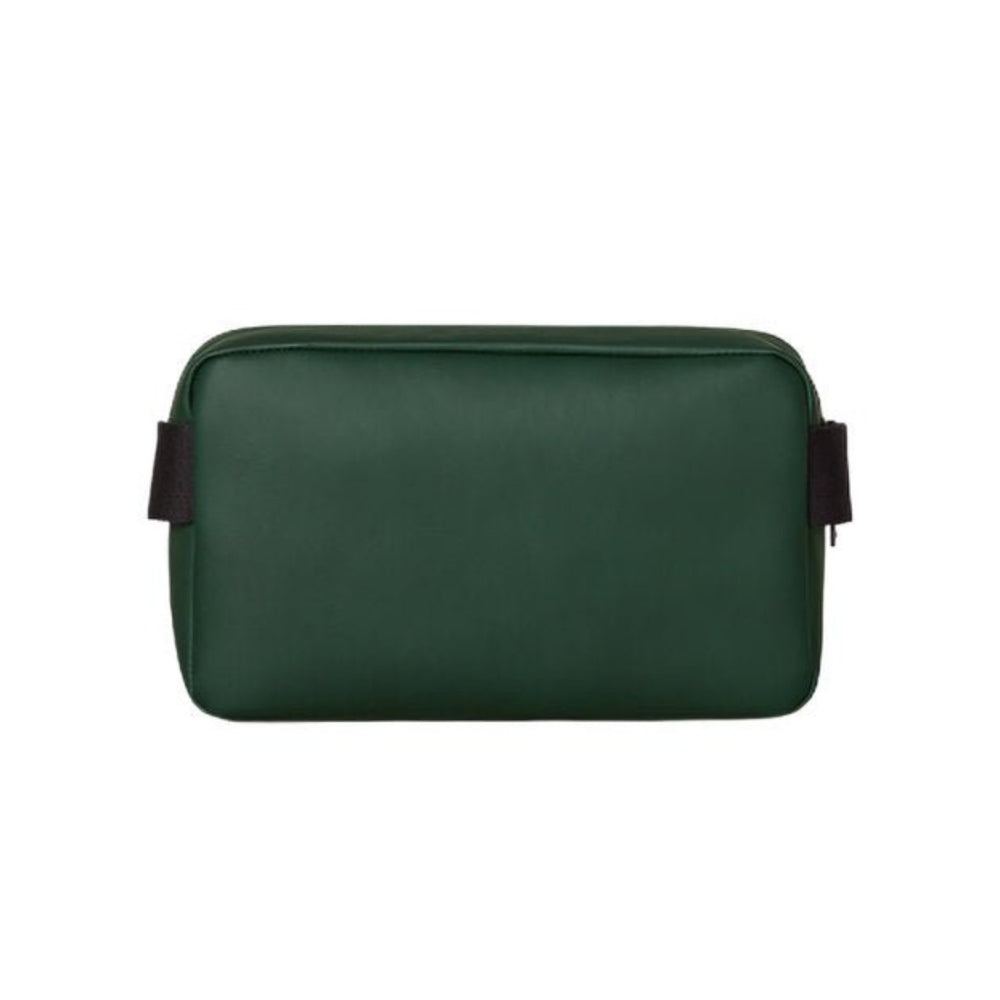
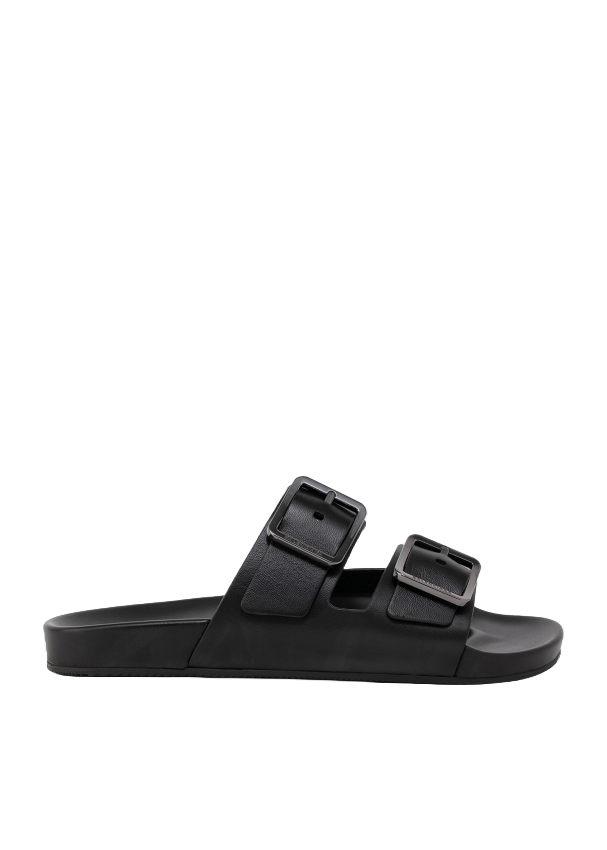
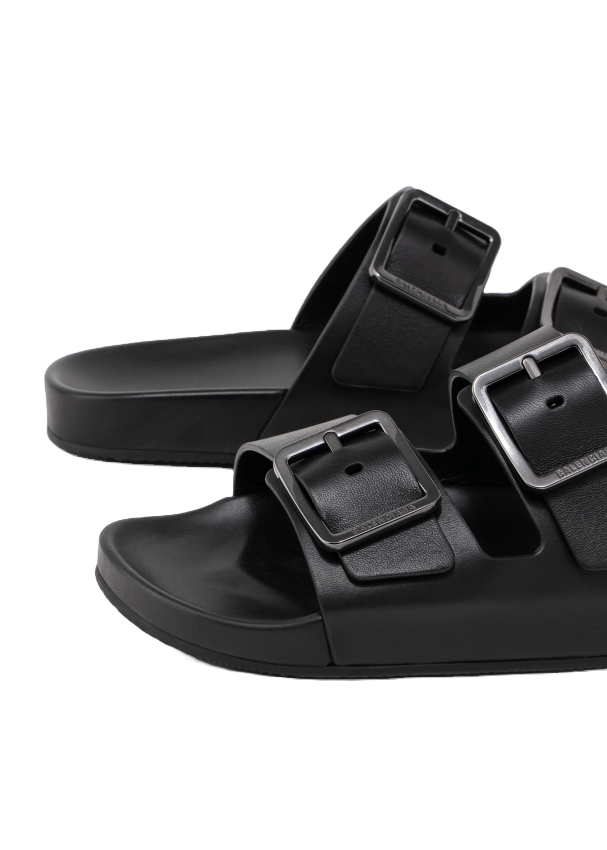
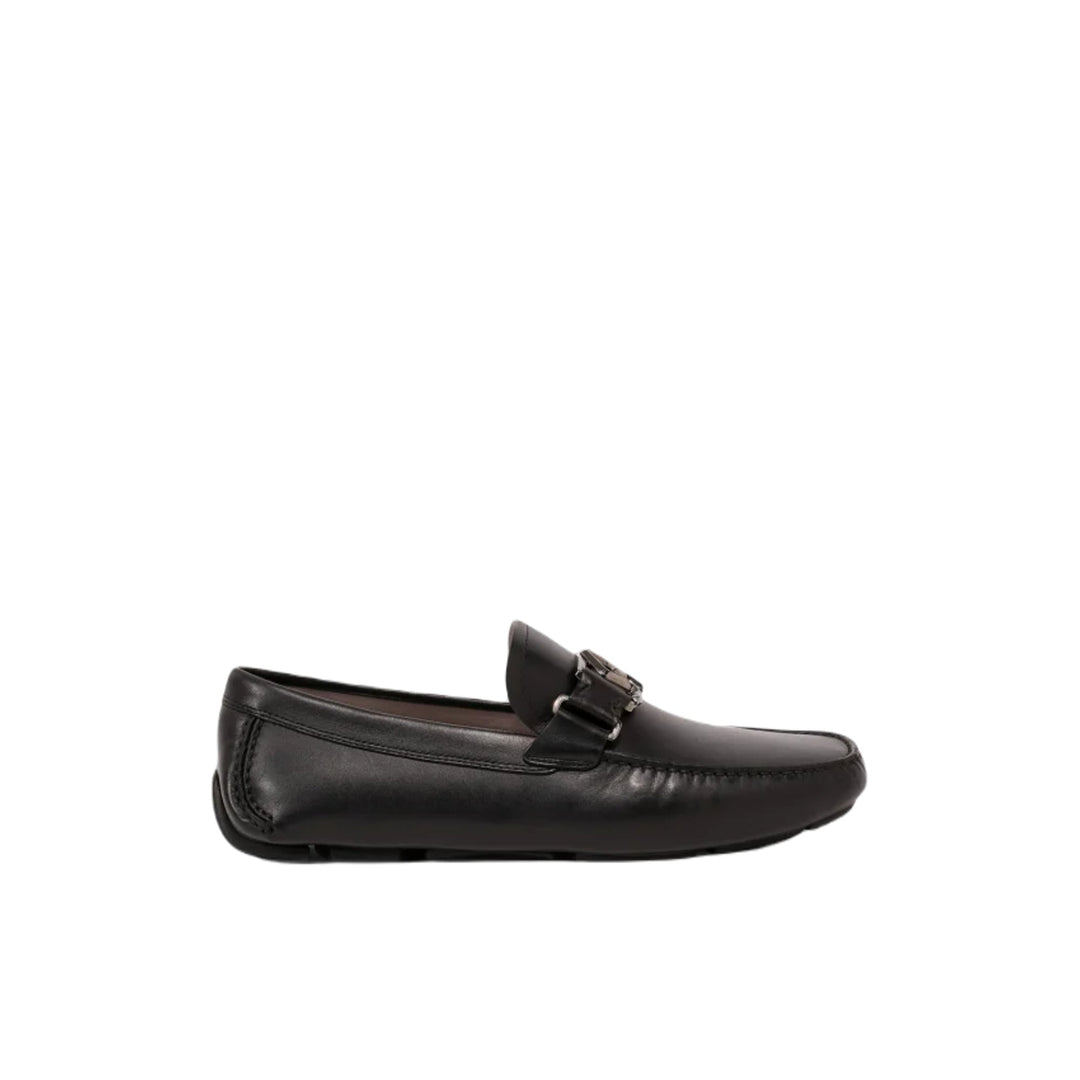
















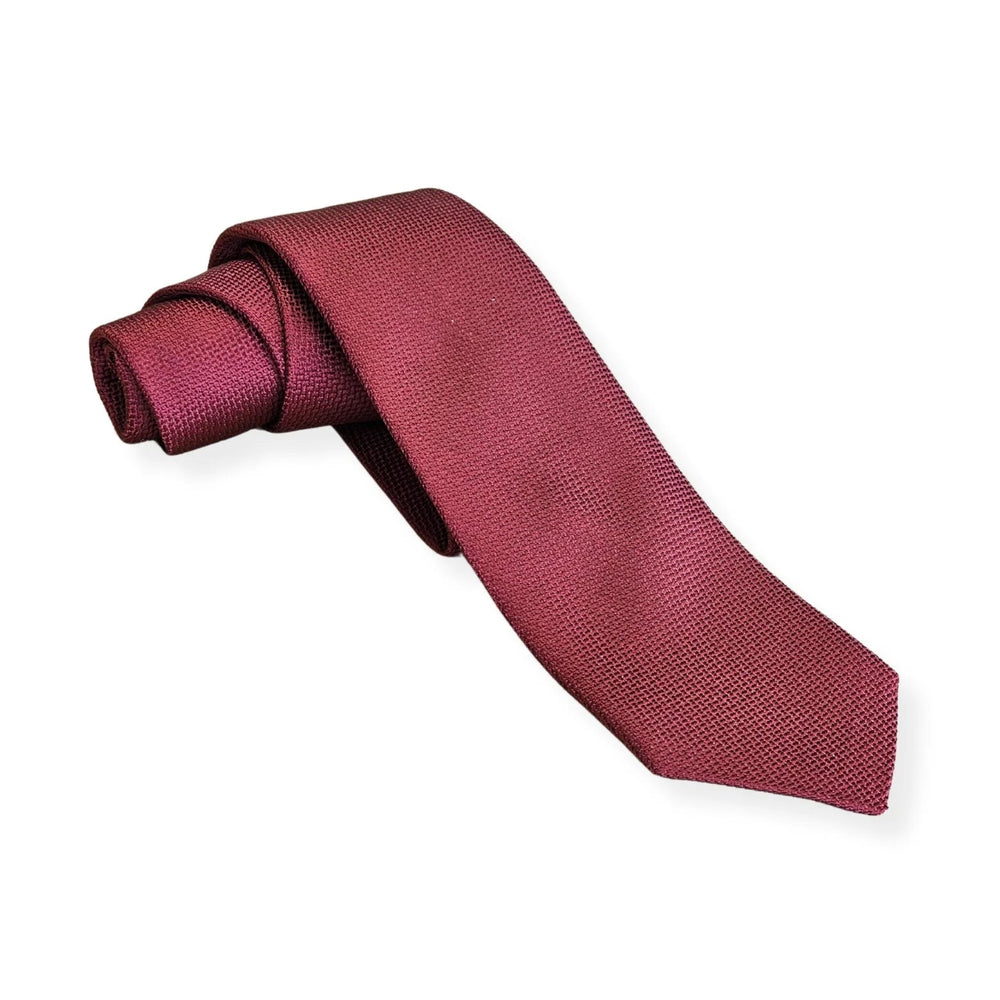
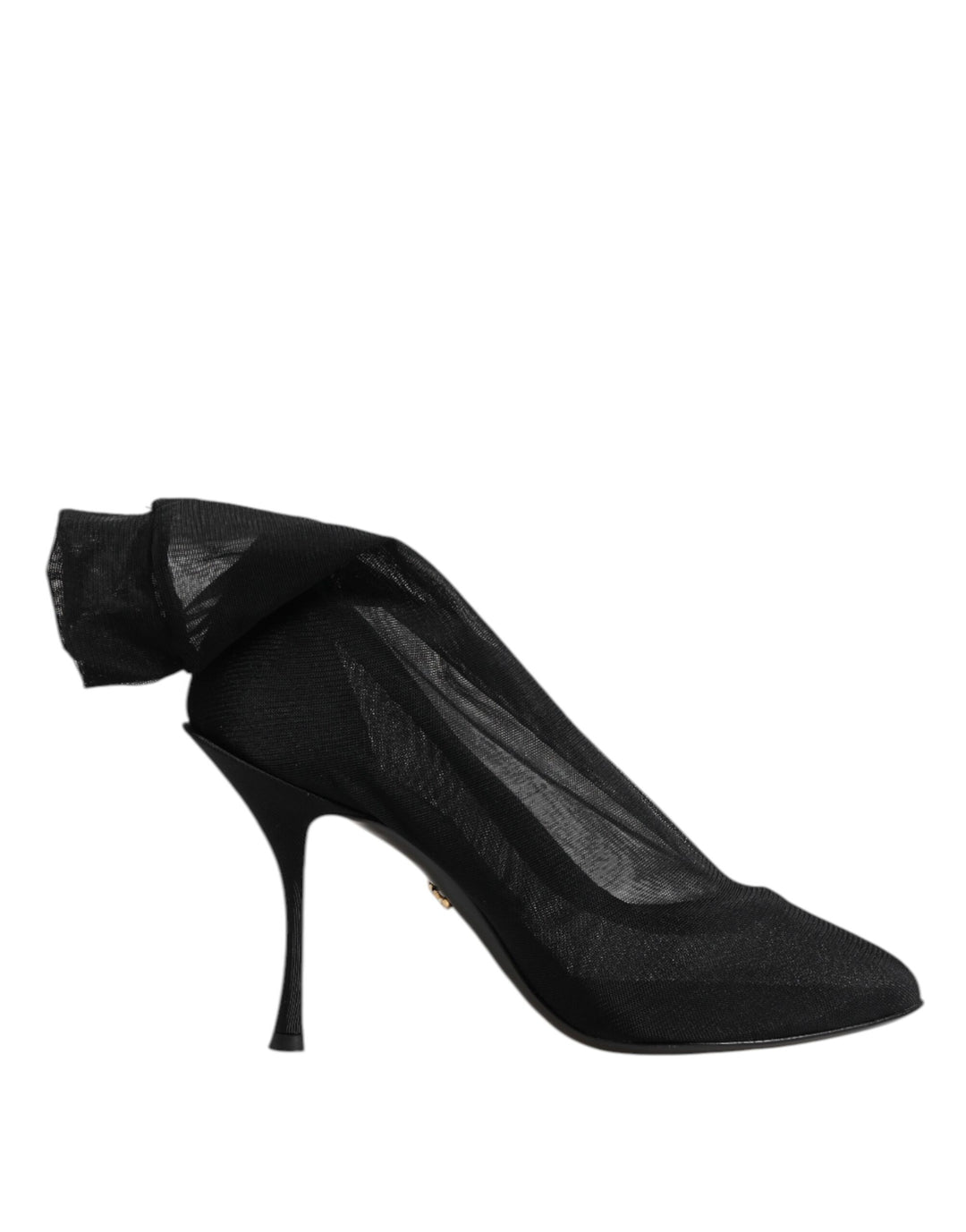
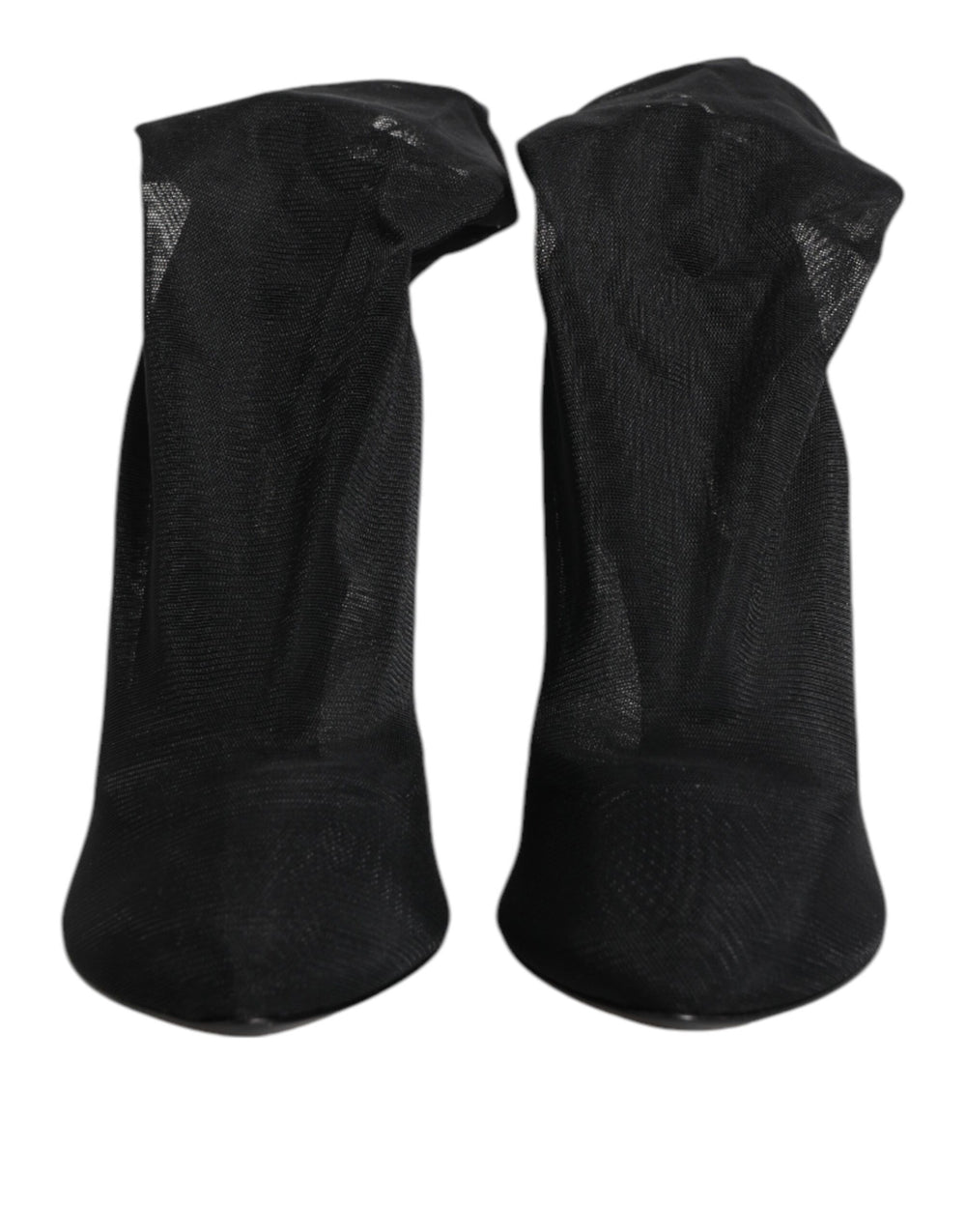


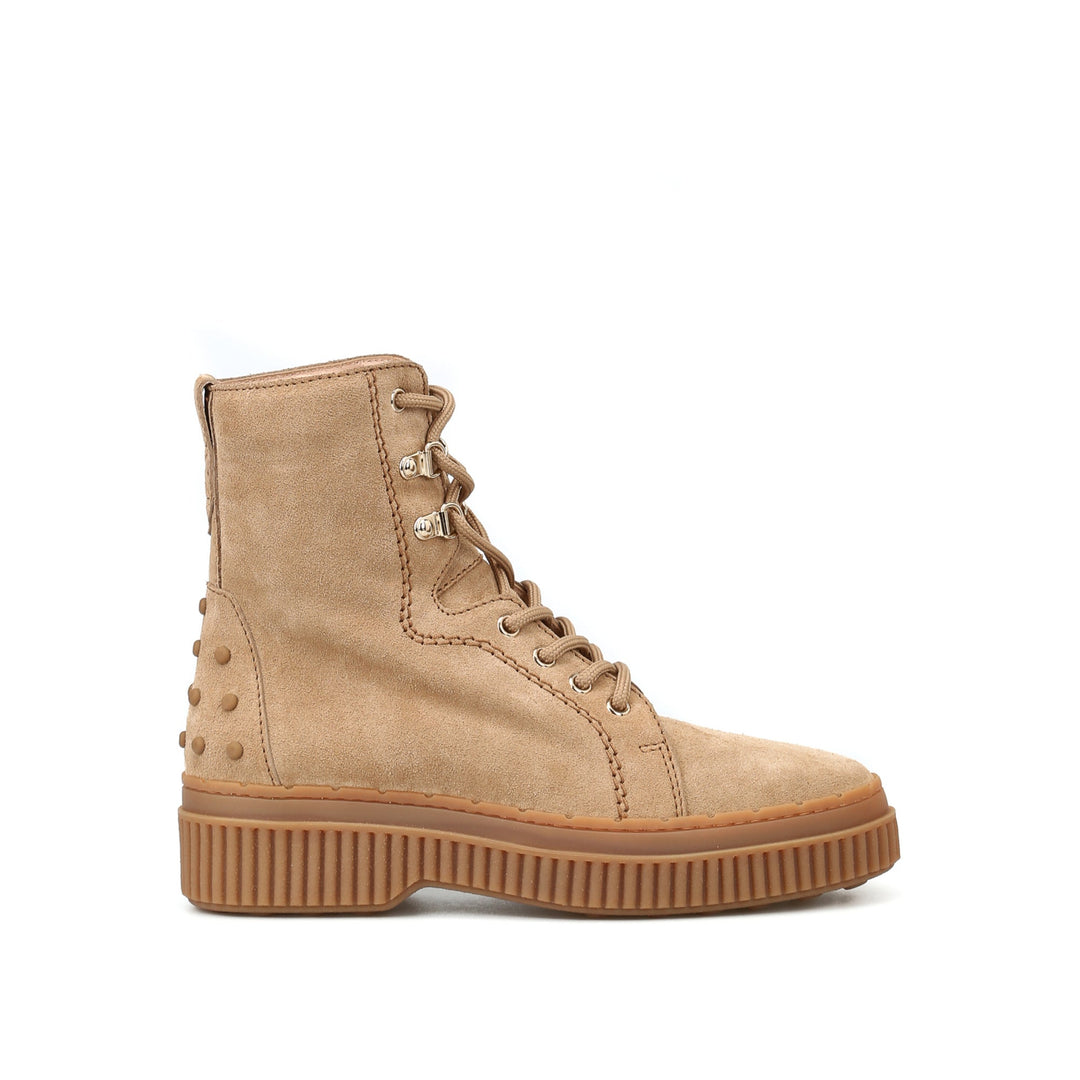
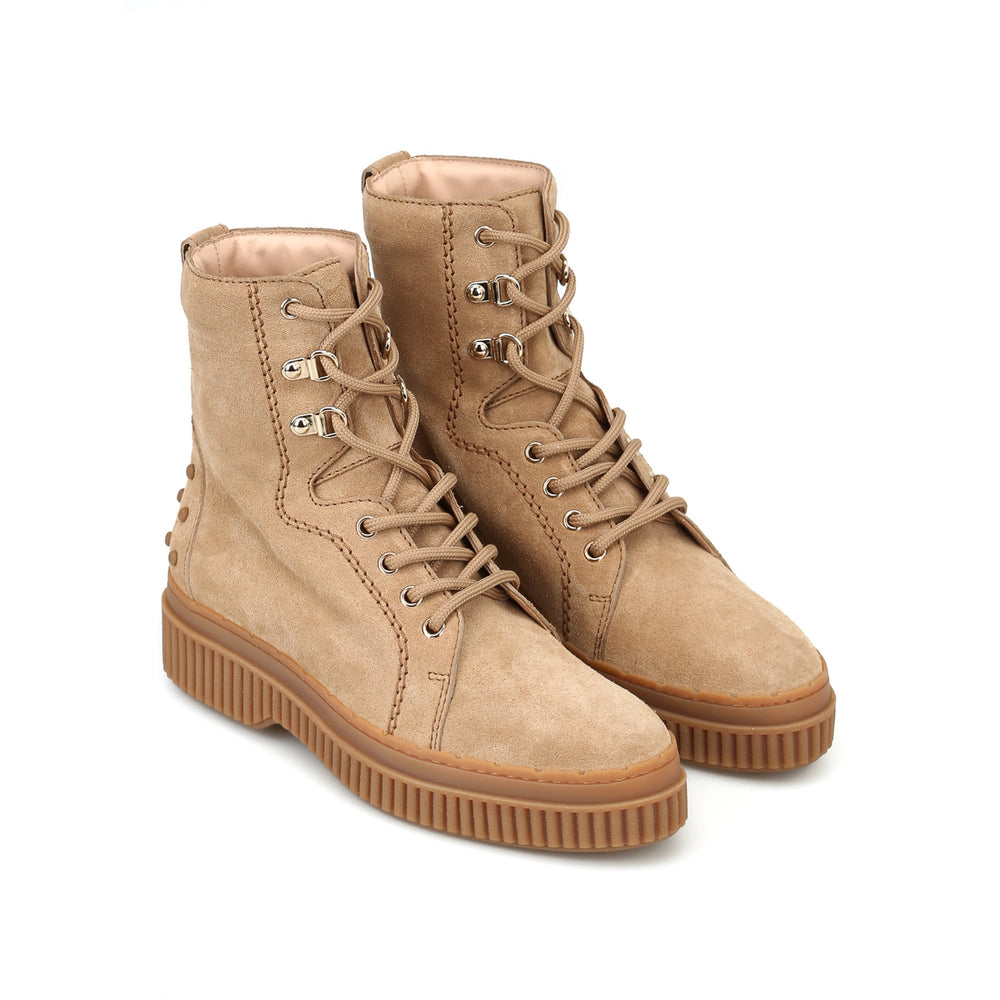


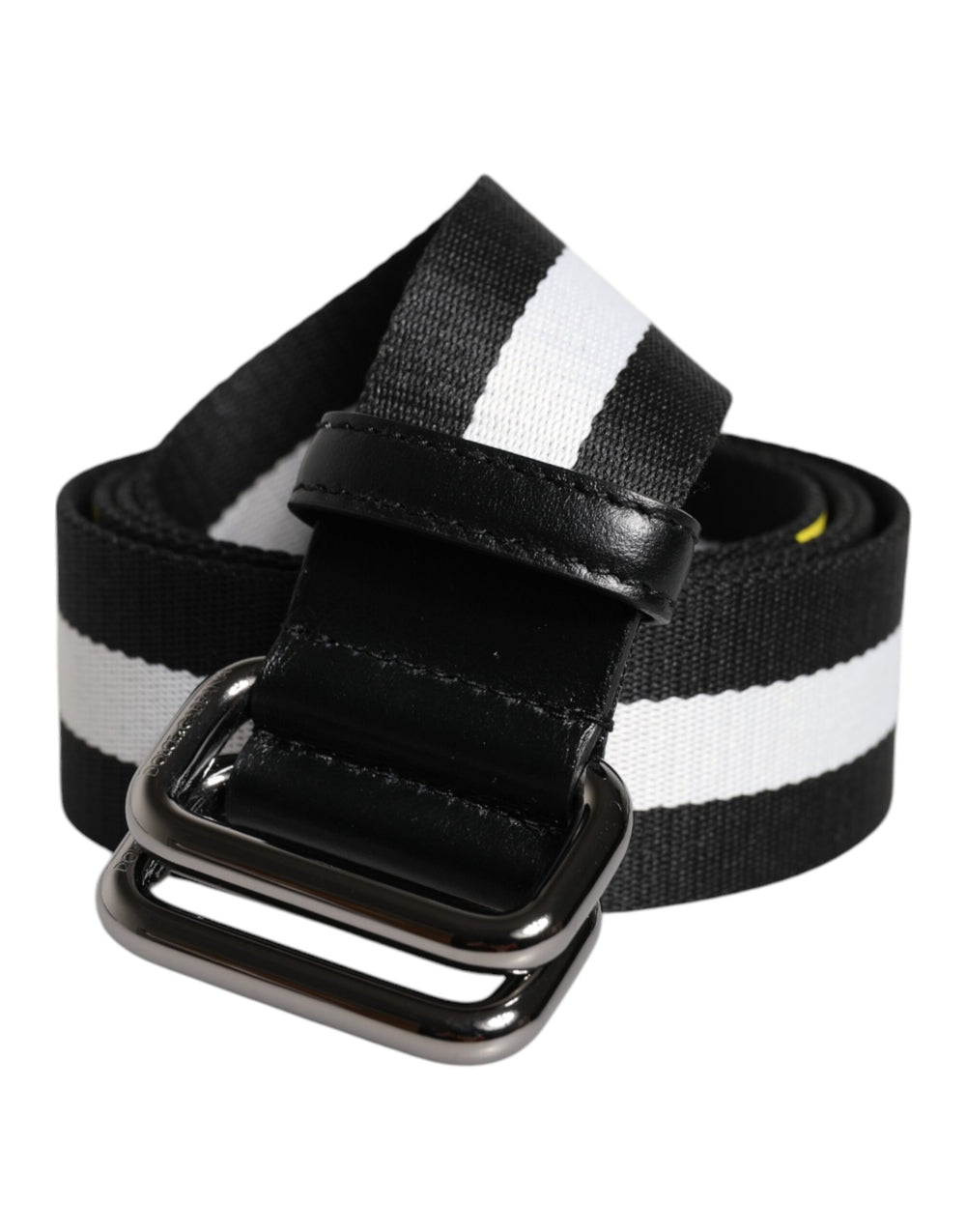
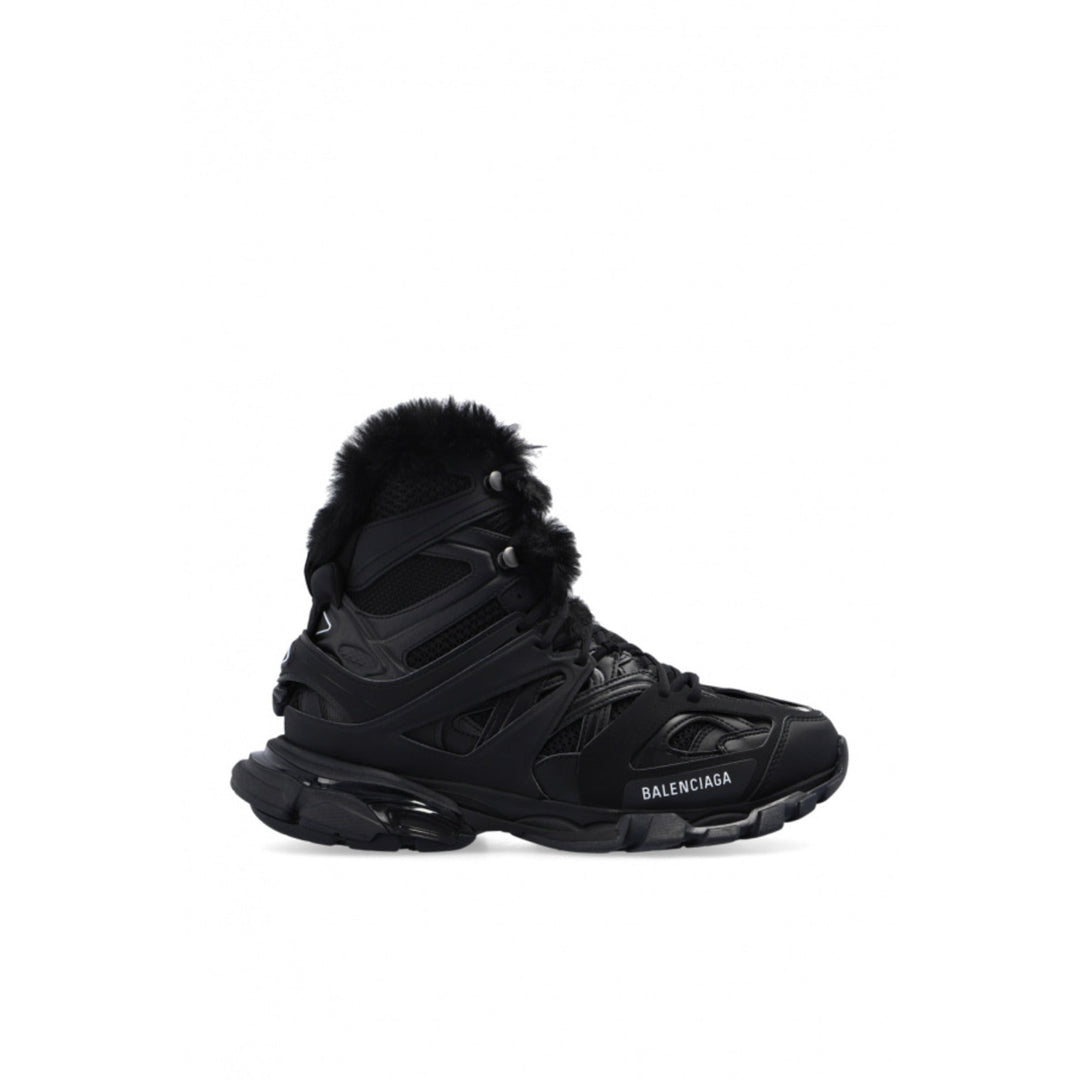
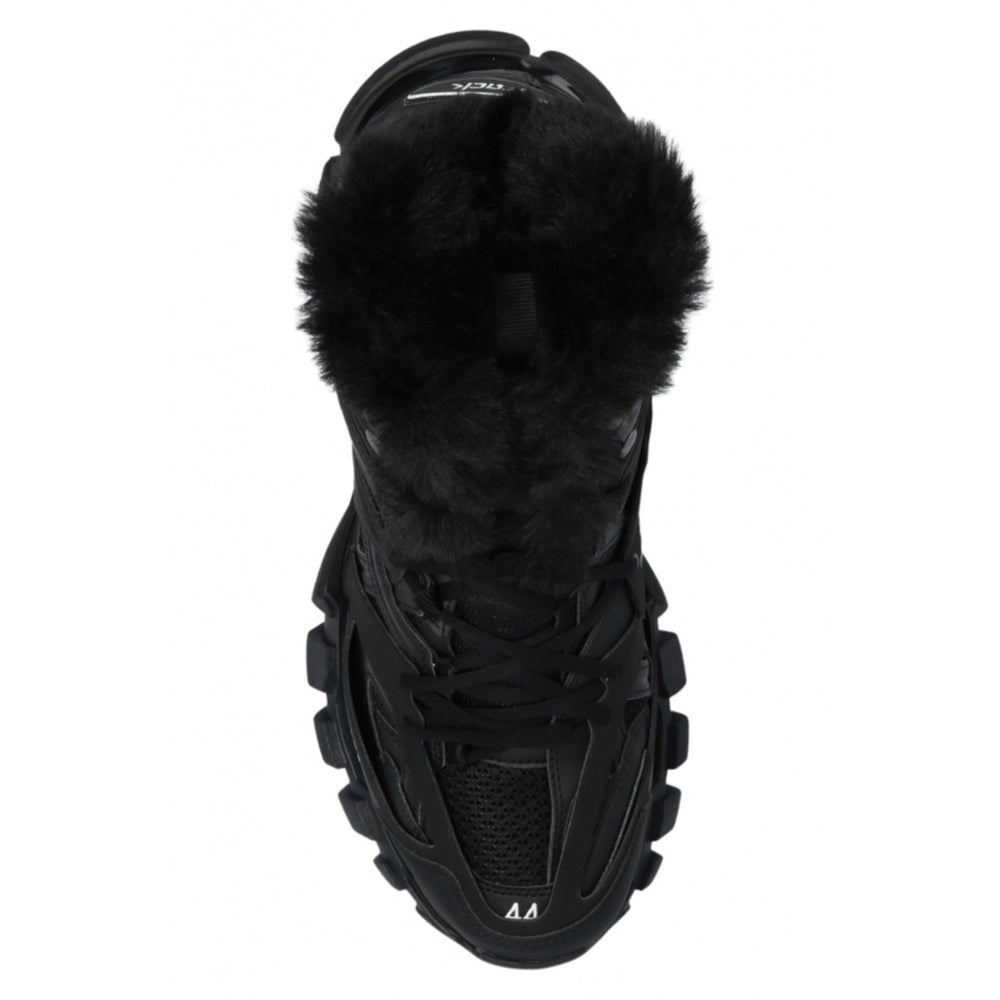











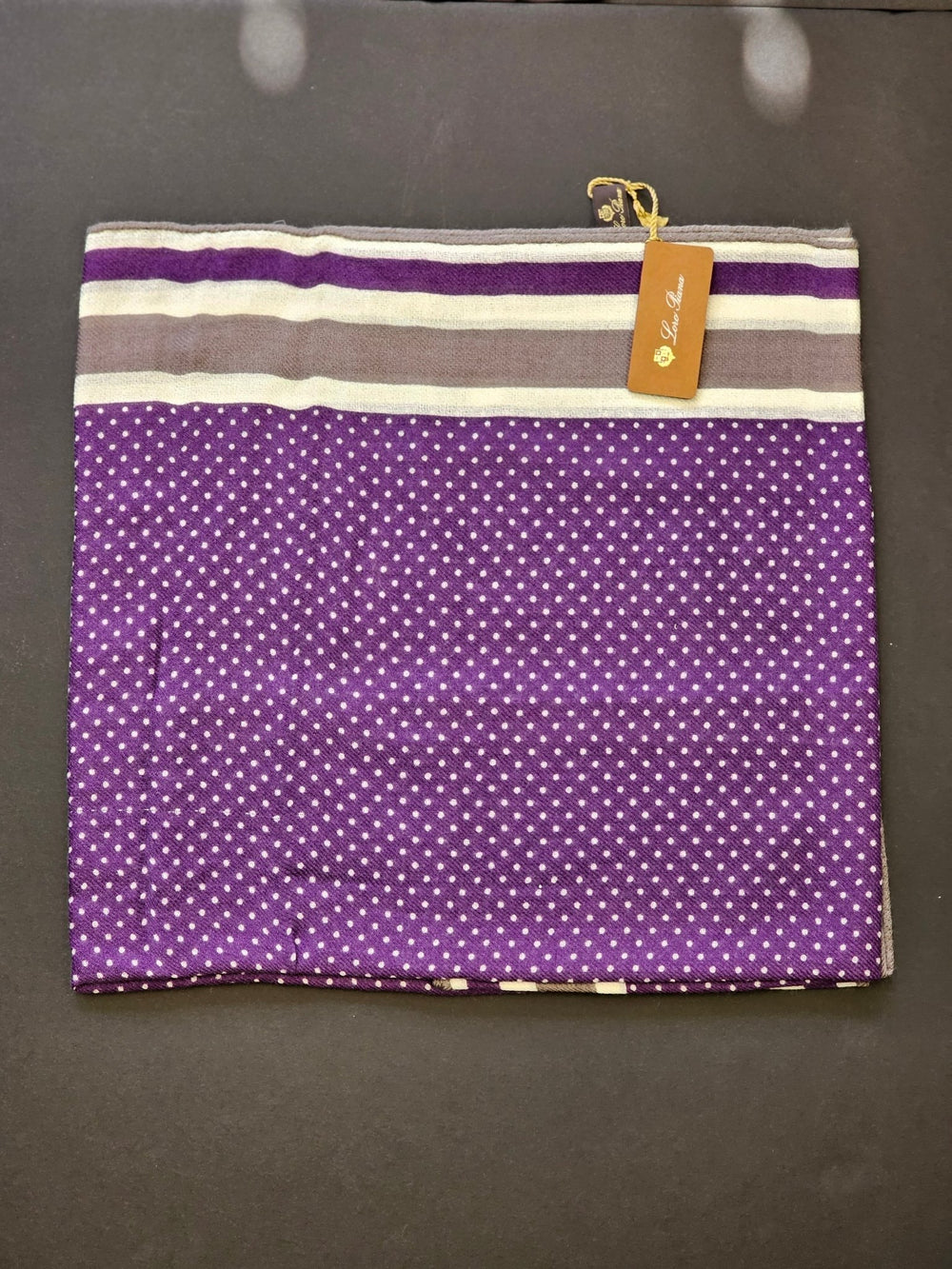
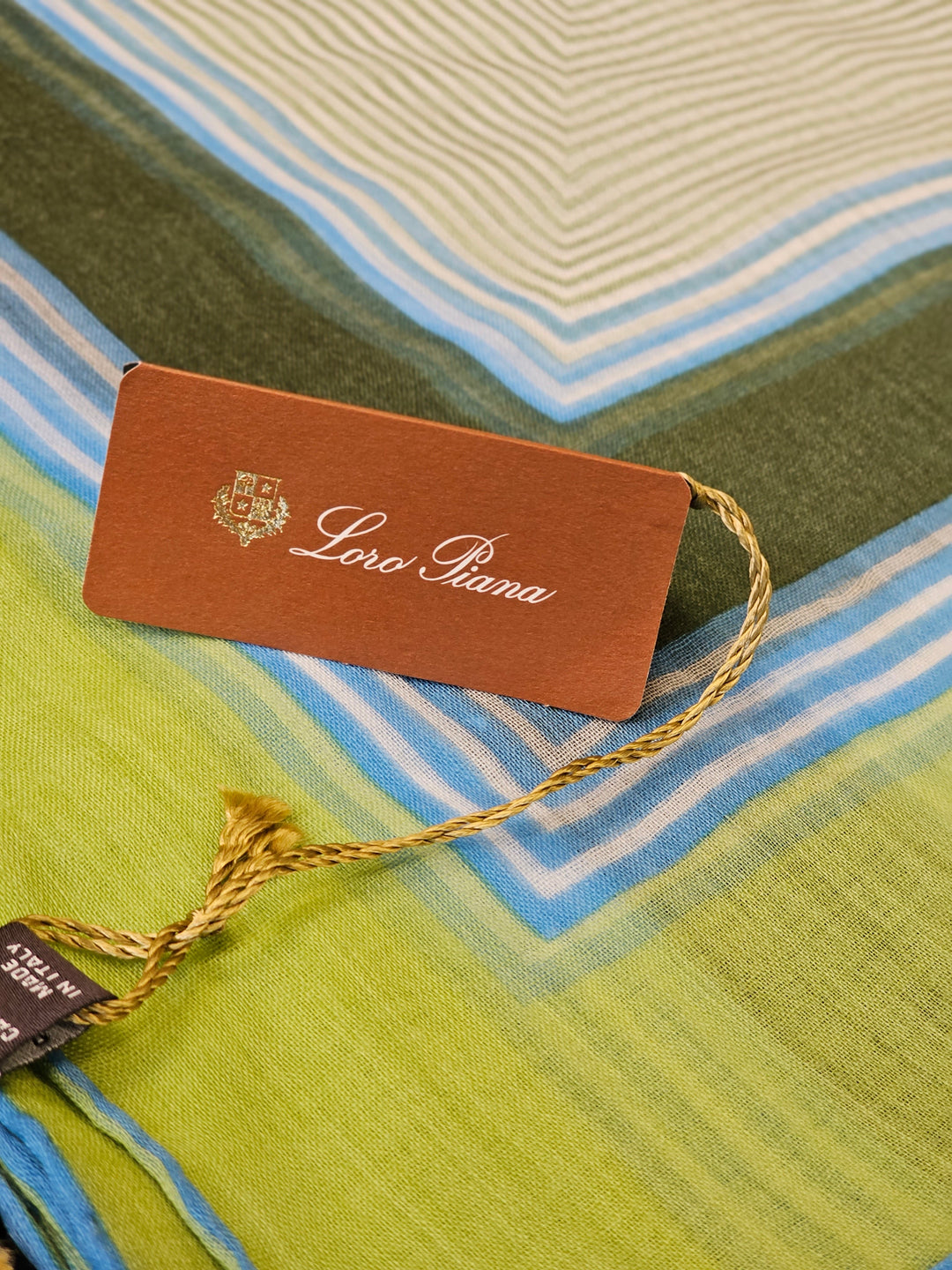
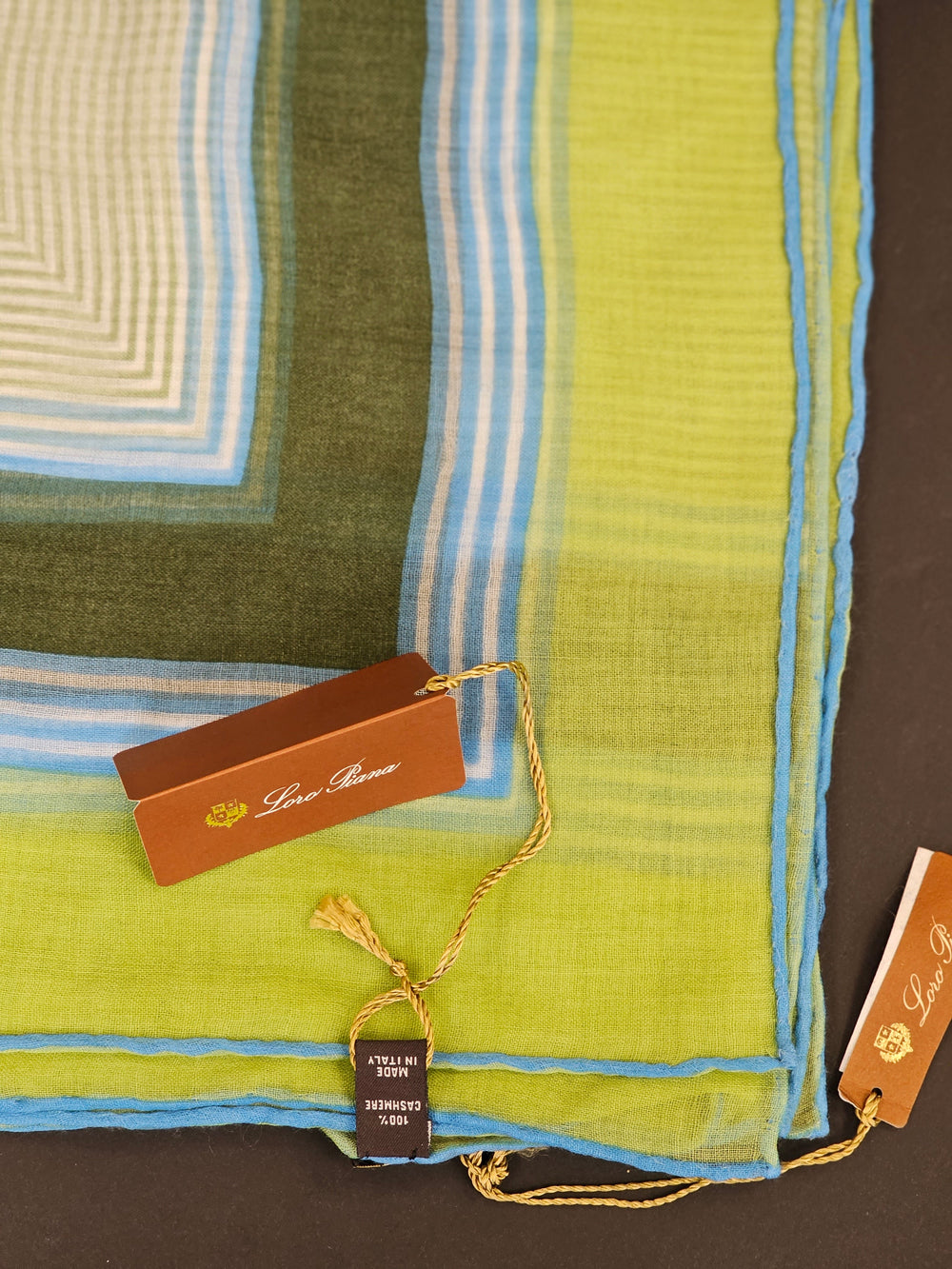
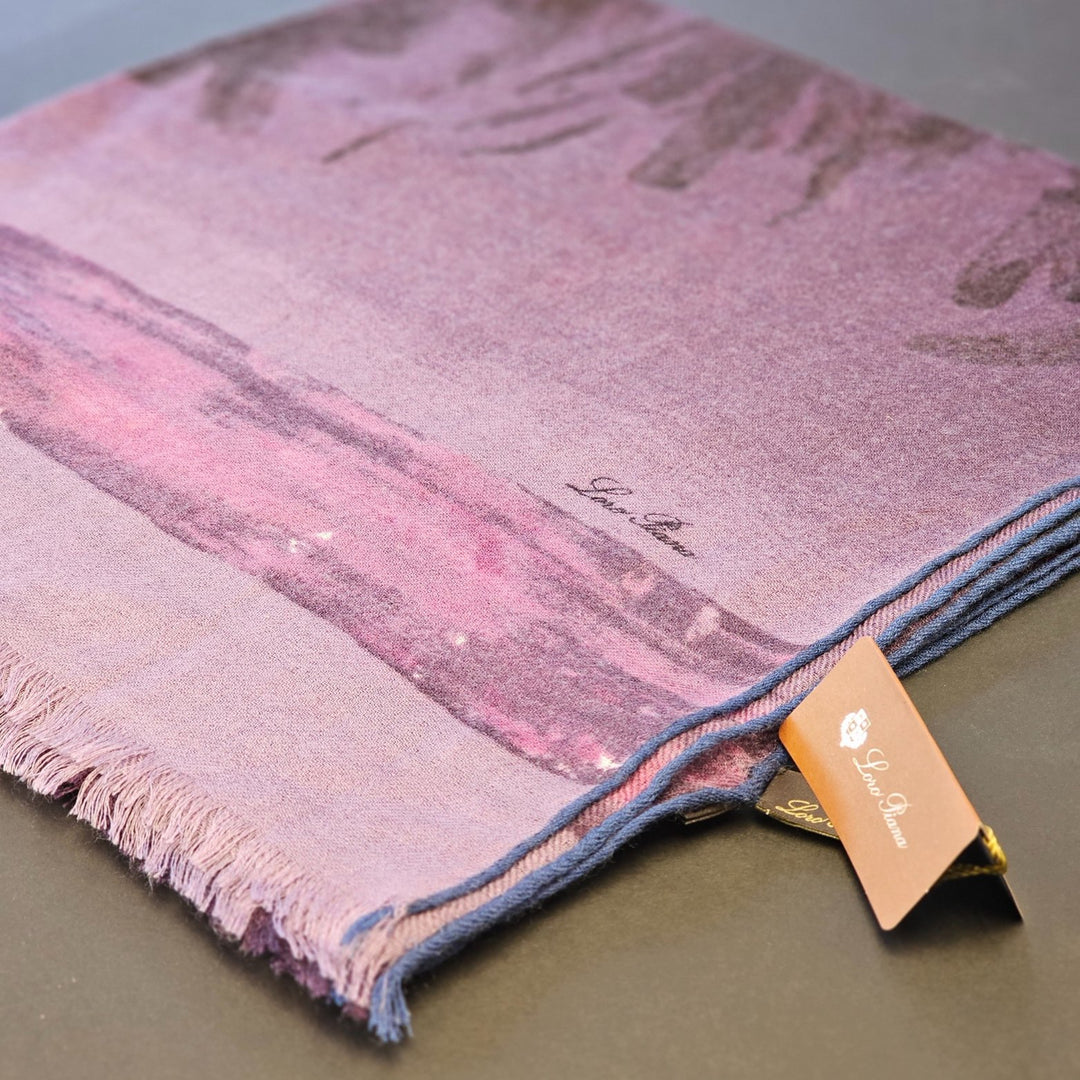

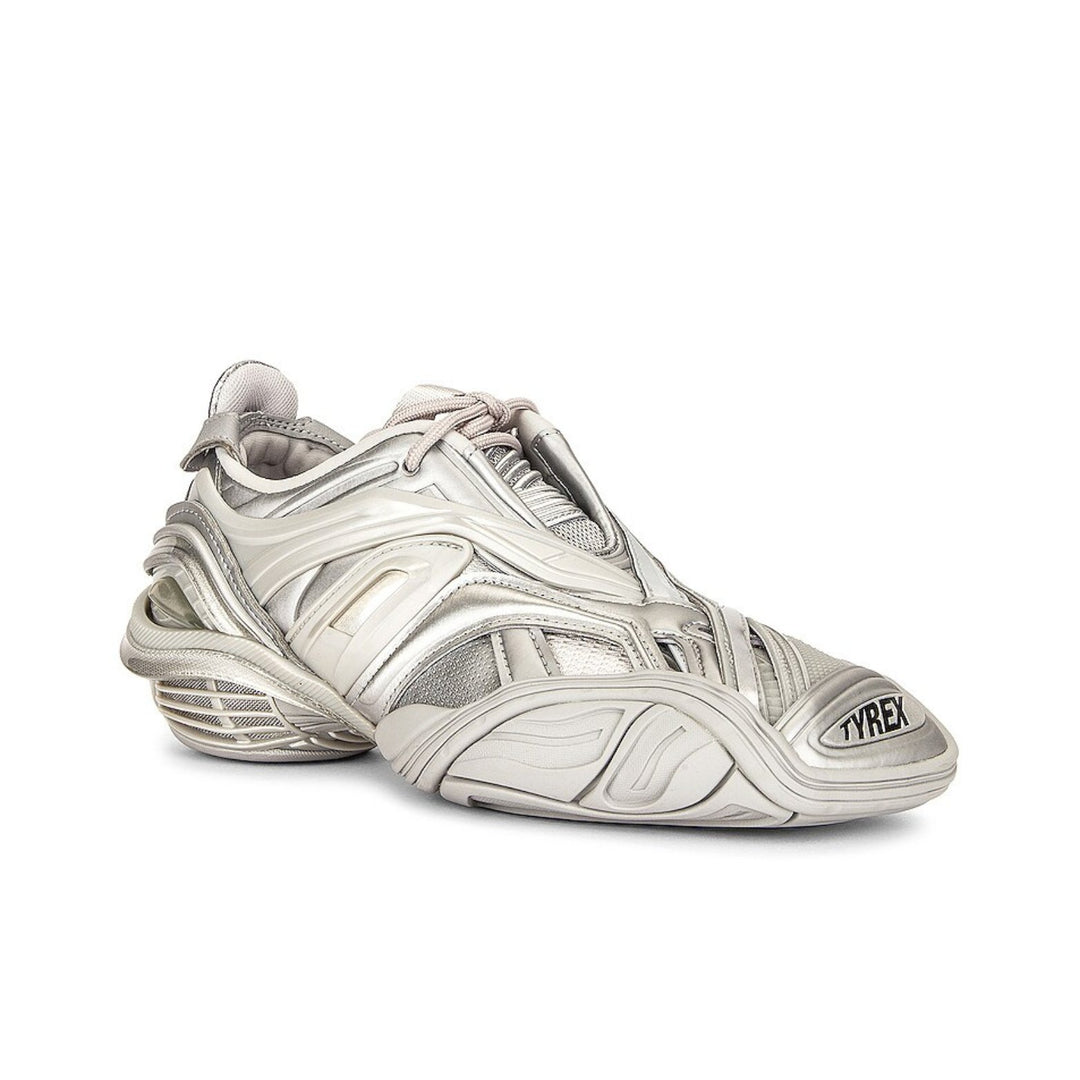
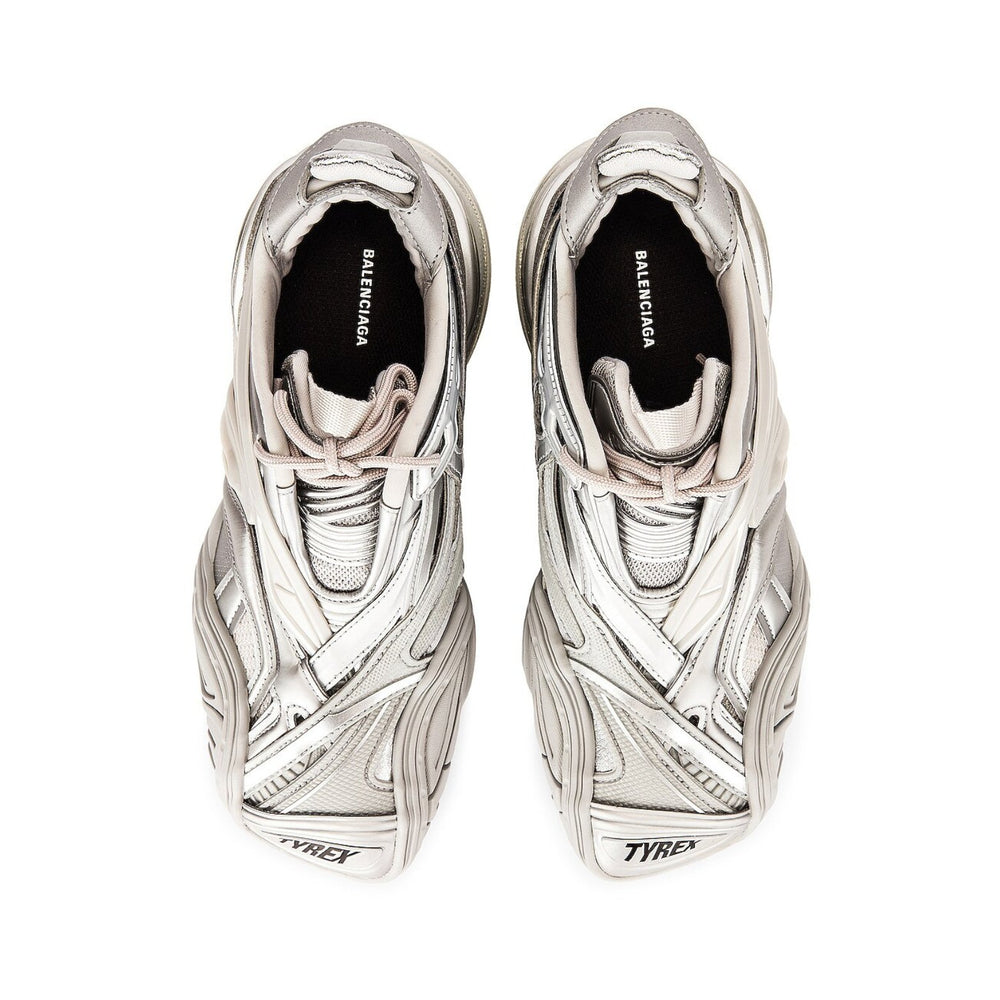
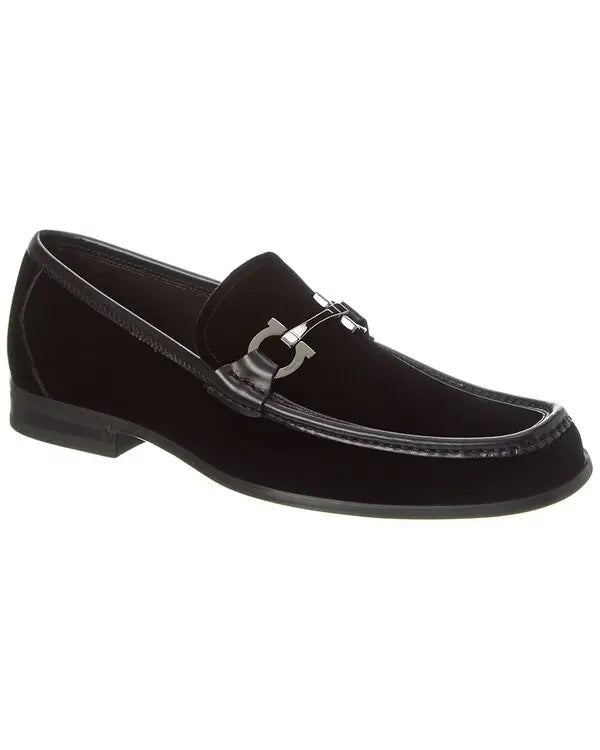
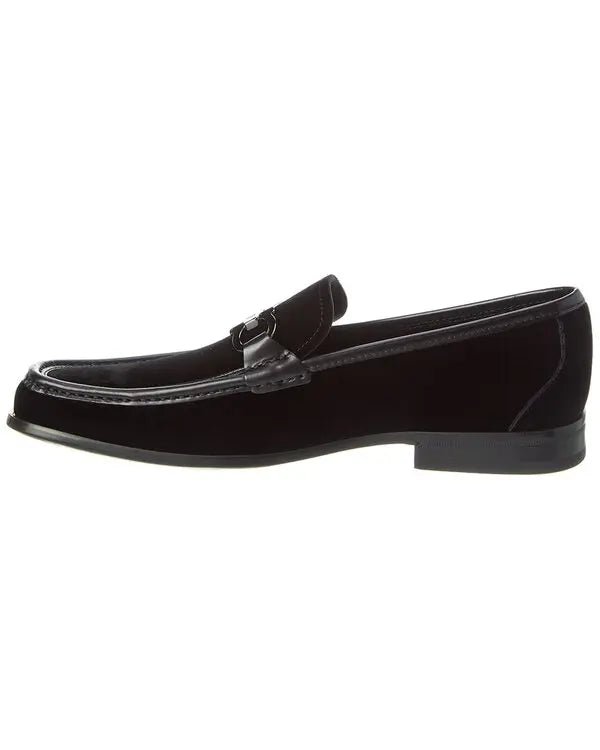


Designer Items Under $800 - Authentic Italian Luxury Across All Categories at Accessible Prices
Welcome to your complete destination for authentic designer fashion, accessories, and footwear on sale. Find designer Items Under $800 from the world's most prestigious Italian and European luxury houses. From Gucci handbags and Ferragamo shoes to Prada accessories, designer sunglasses, luxury belts, quality clothing, and elegant jewelry, discover comprehensive designer wardrobes at prices that make luxury attainable across all categories, without compromising on quality, Authenticity, or Italian craftsmanship.
The under-$800 price point represents the optimal entry gateway to designer luxury – accessible enough for first-time luxury purchases and building complete designer collections strategically, yet high enough to ensure genuine Italian construction, premium materials, and authentic heritage brand quality across handbags, shoes, accessories, clothing, and more. This isn't a compromise range; it's a strategic sweet spot where Italian luxury meets smart value, achieved through outlet sourcing, previous season availability, and intelligent shopping rather than inferior quality.
Our designer items under $800 collection features iconic styles across every luxury category, priced from $200 to $799. Every item is 100% authentic, sourced directly from authorized brand outlets in Italy, luxury department stores clearing seasonal inventory, or authorized European retailers. These are genuine designer pieces with Italian craftsmanship and heritage-brand prestige – never counterfeits or replicas.
Authentic Designer Items Under $800 at Exceptional Outlet Prices
Why Shop Designer Under $800?
Complete Wardrobe Access
Build entire designer wardrobes across all categories – handbags, shoes, accessories, clothing – at a single accessible price ceiling.
Multiple Category Entry
The $800 limit enables experiencing multiple designer categories (bags + shoes + accessories) rather than a single expensive item.
Authentic Heritage Brands
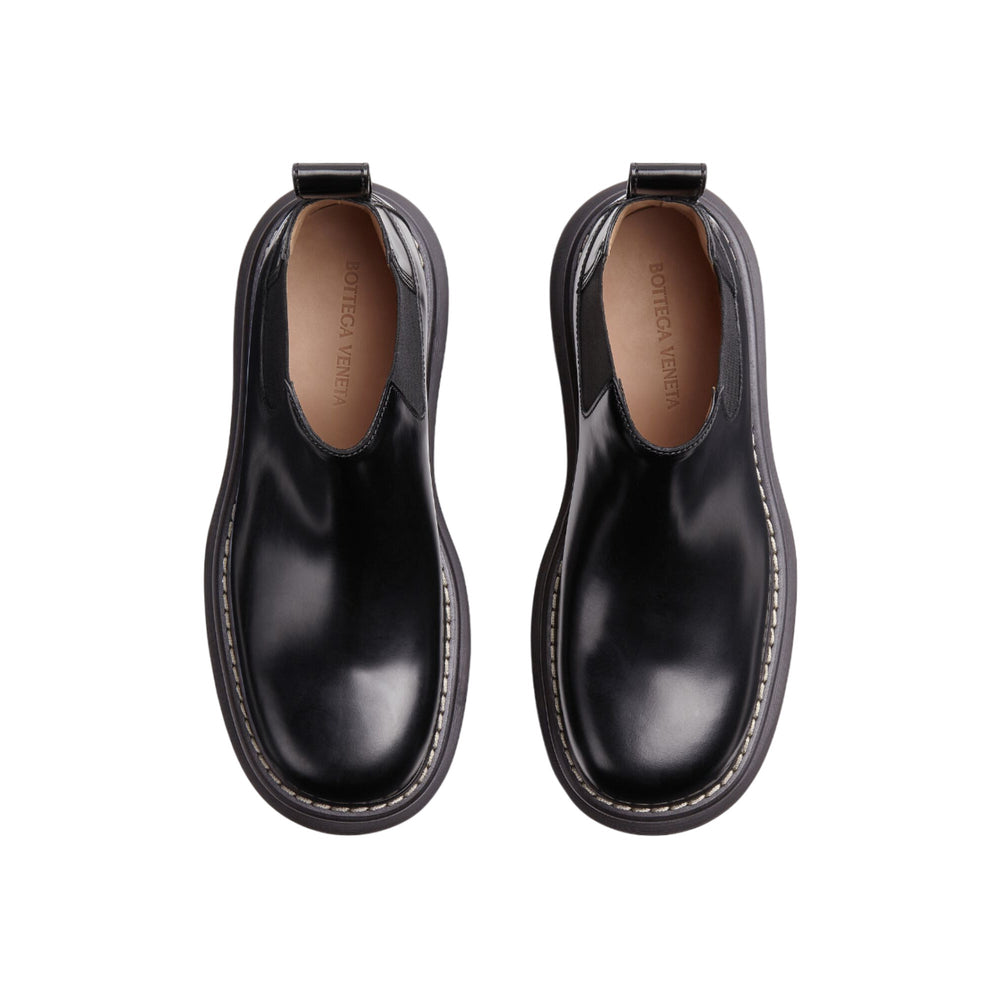
Gucci, Prada, Ferragamo, Bottega Veneta, Saint Laurent, and other prestigious houses offer exceptional pieces under $800.
Strategic Collection Building
Acquire a diverse selection of designer items, gradually building a comprehensive luxury wardrobe without financial strain.
Genuine Italian Quality
Items in this range feature authentic Italian construction, premium materials, and proper heritage brand standards.
Lower Investment Risk
Testing various designer categories under $800 minimizes financial commitment while providing an authentic luxury experience.
Designer Categories Under $800:
Designer Handbags ($400-$799)
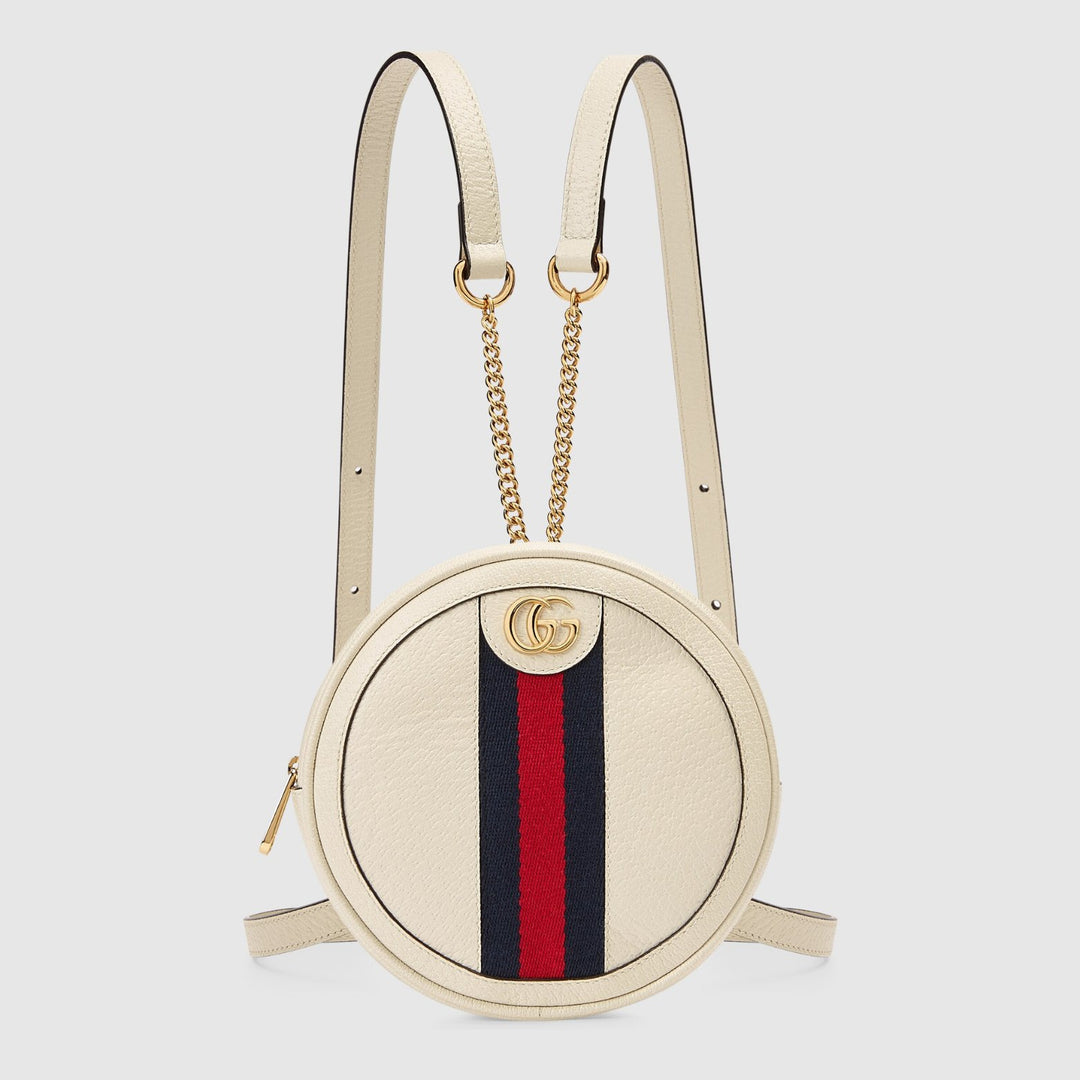
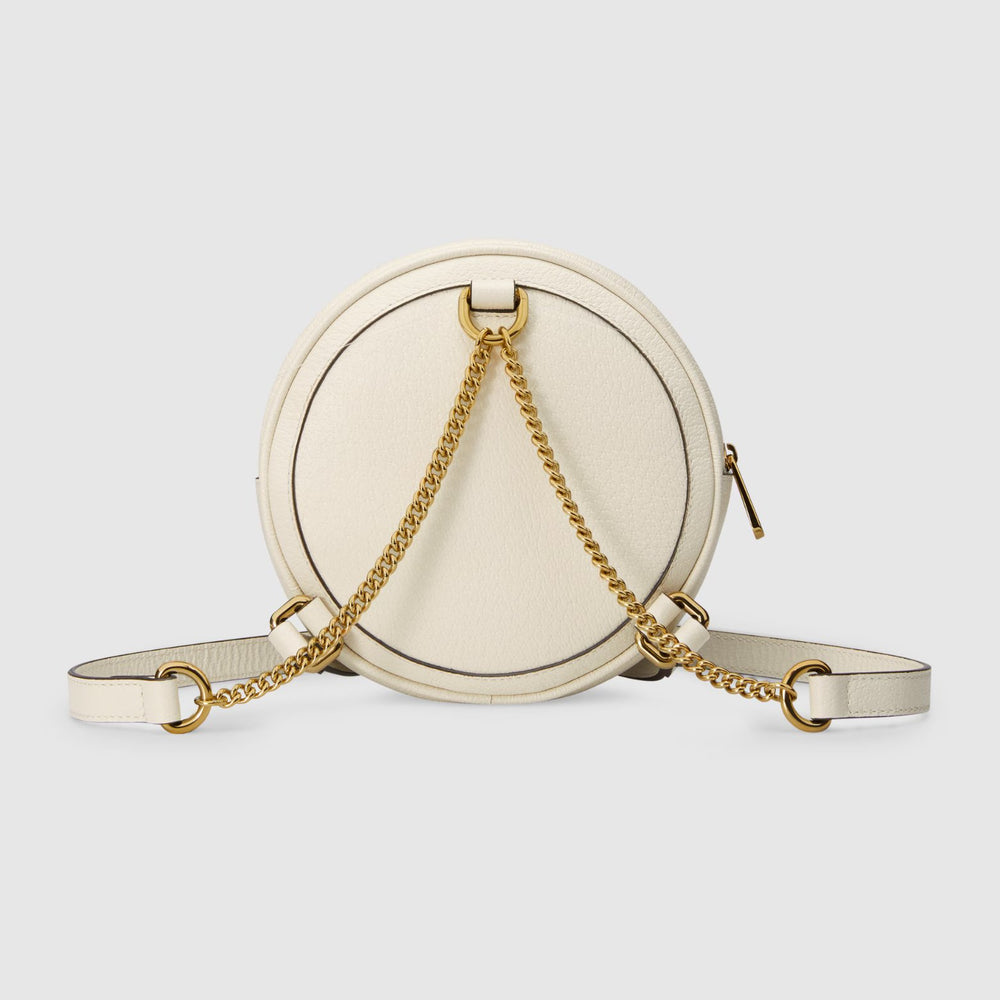
Small Crossbody Bags
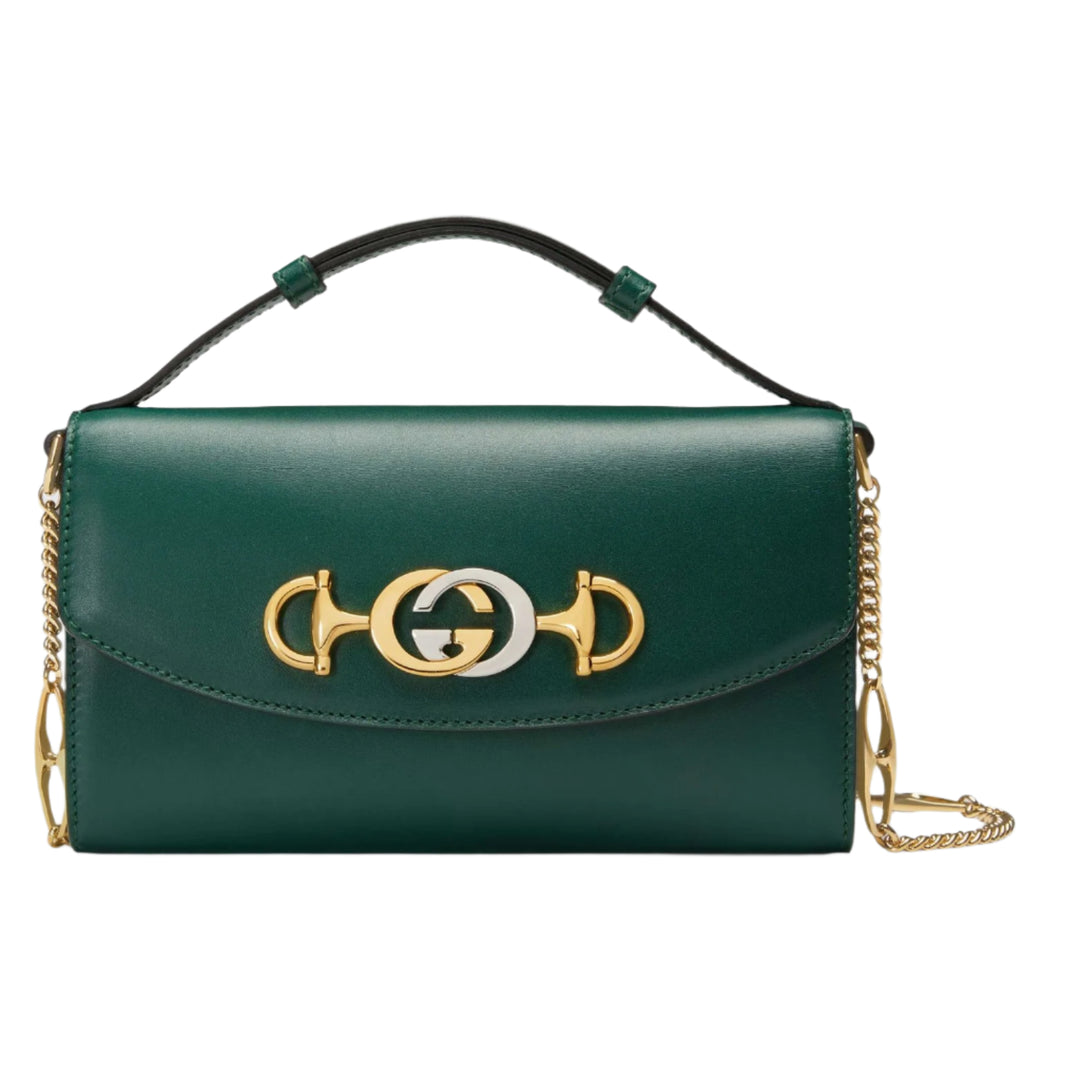
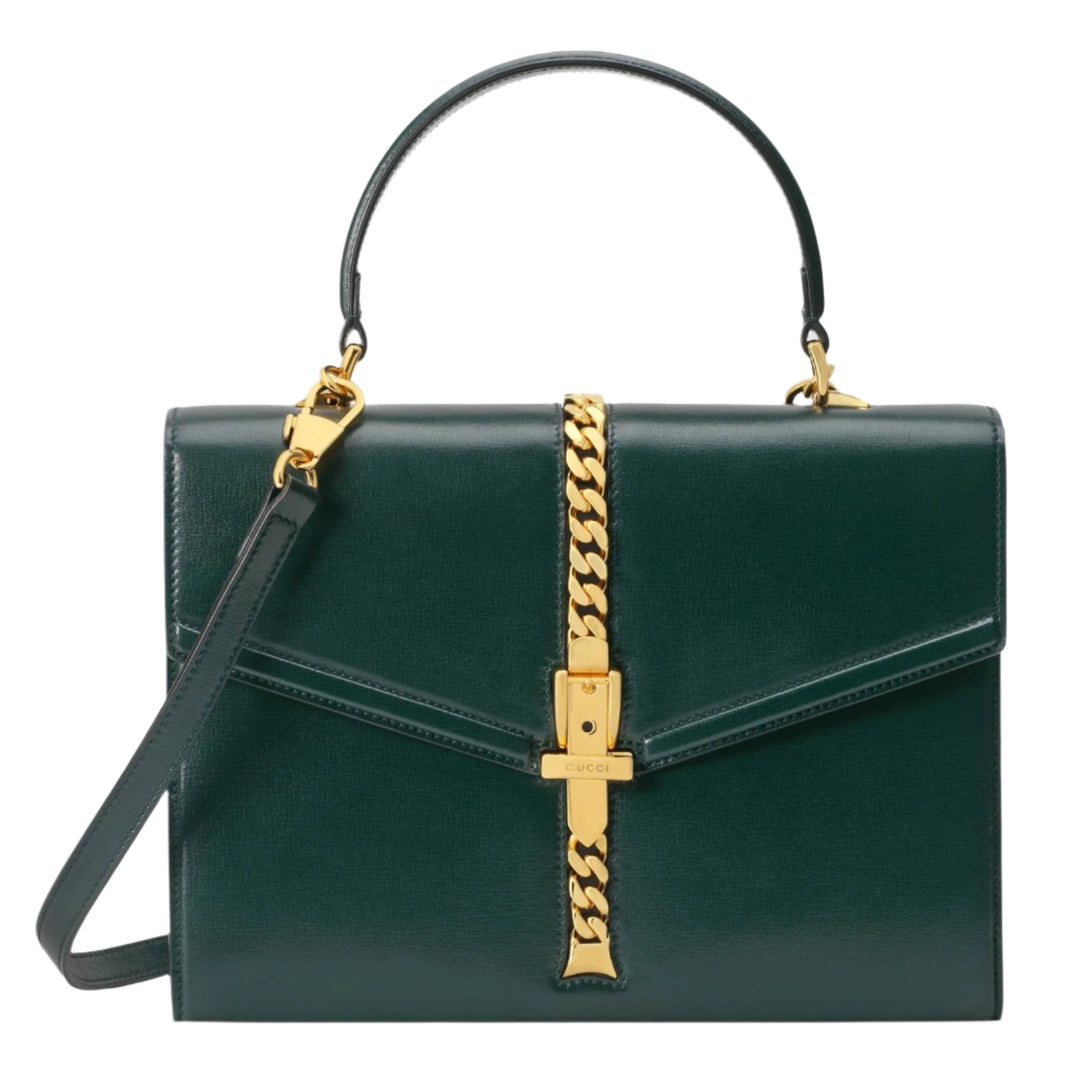
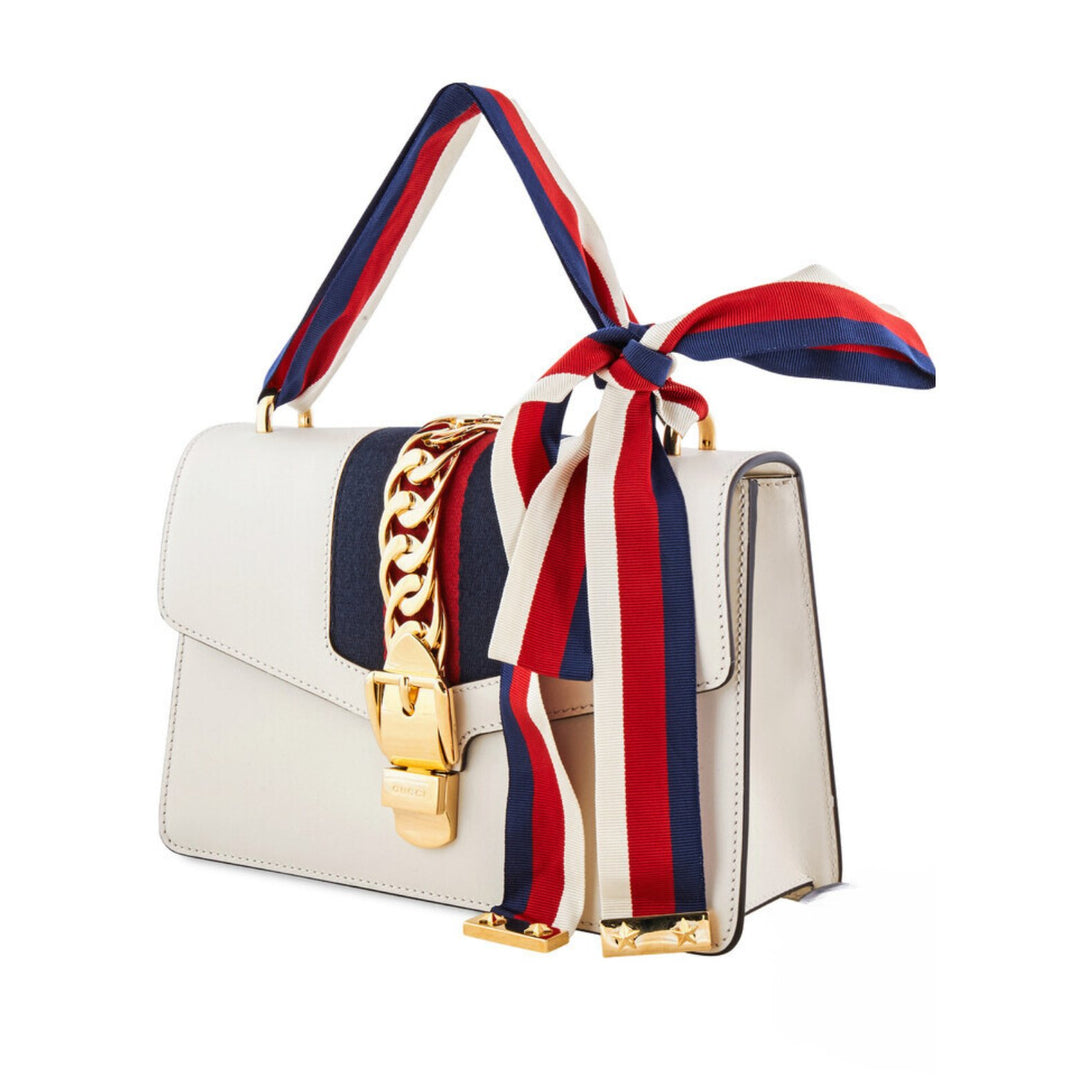
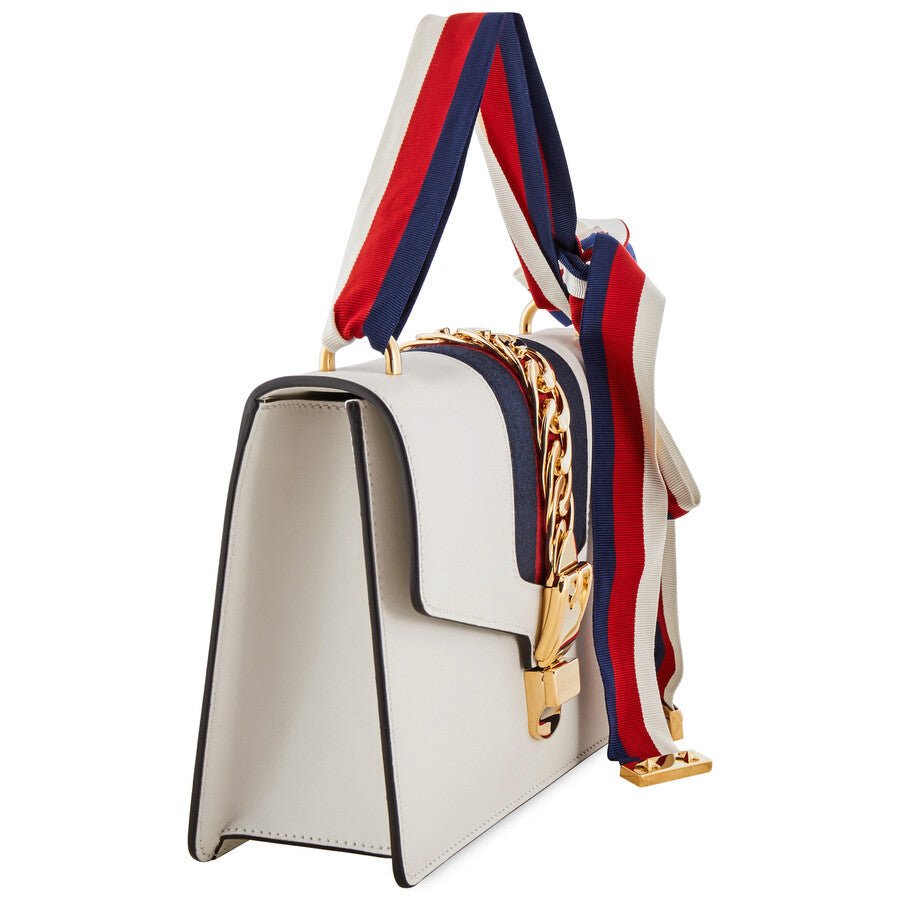
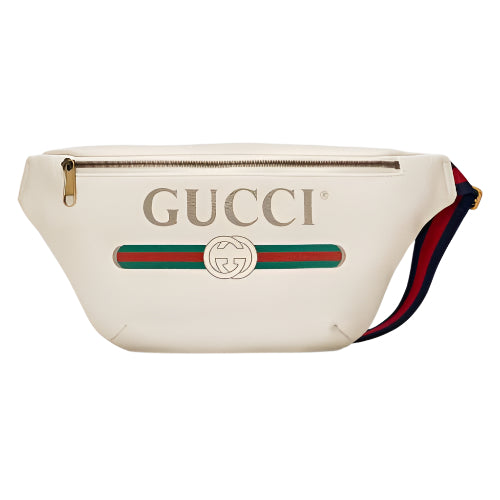
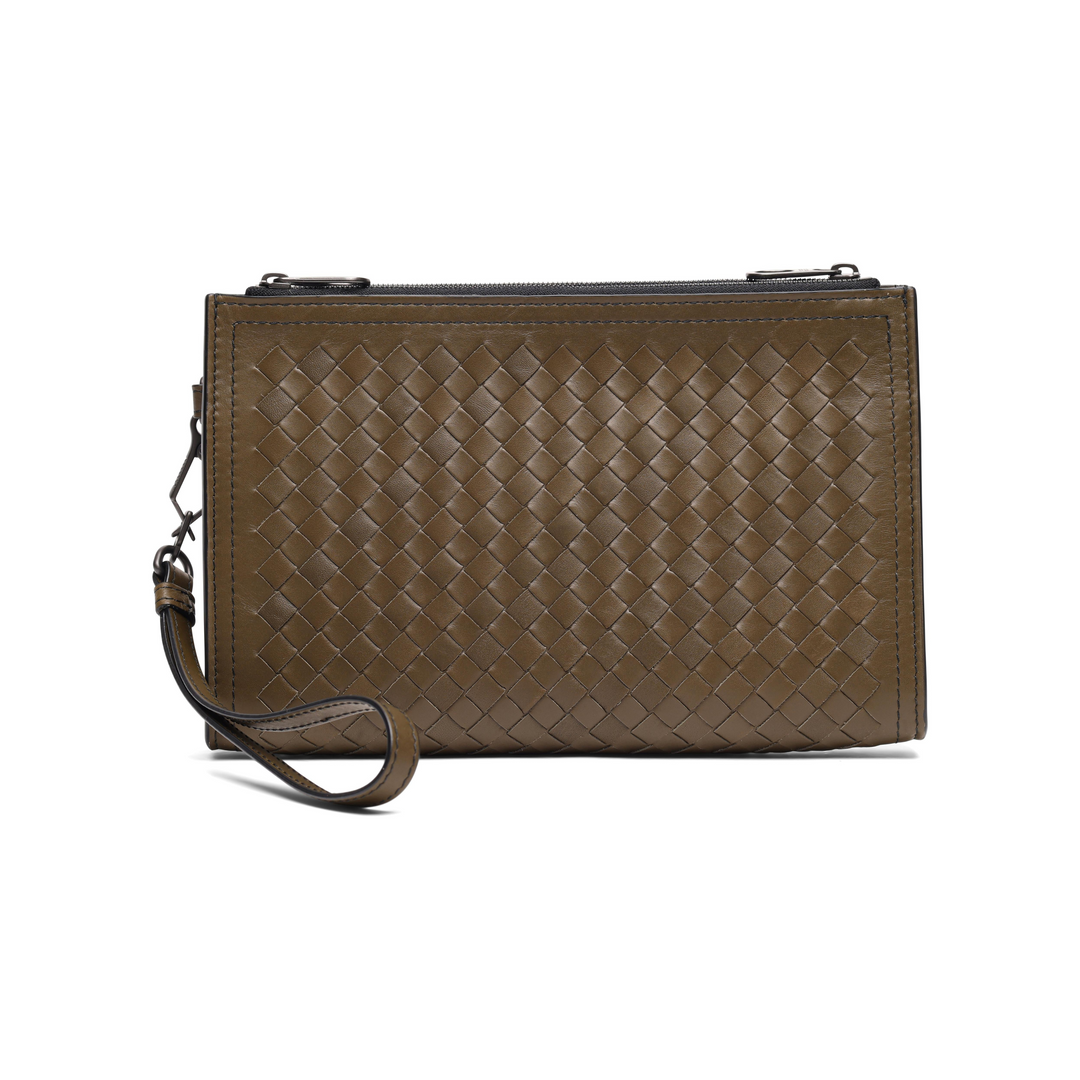
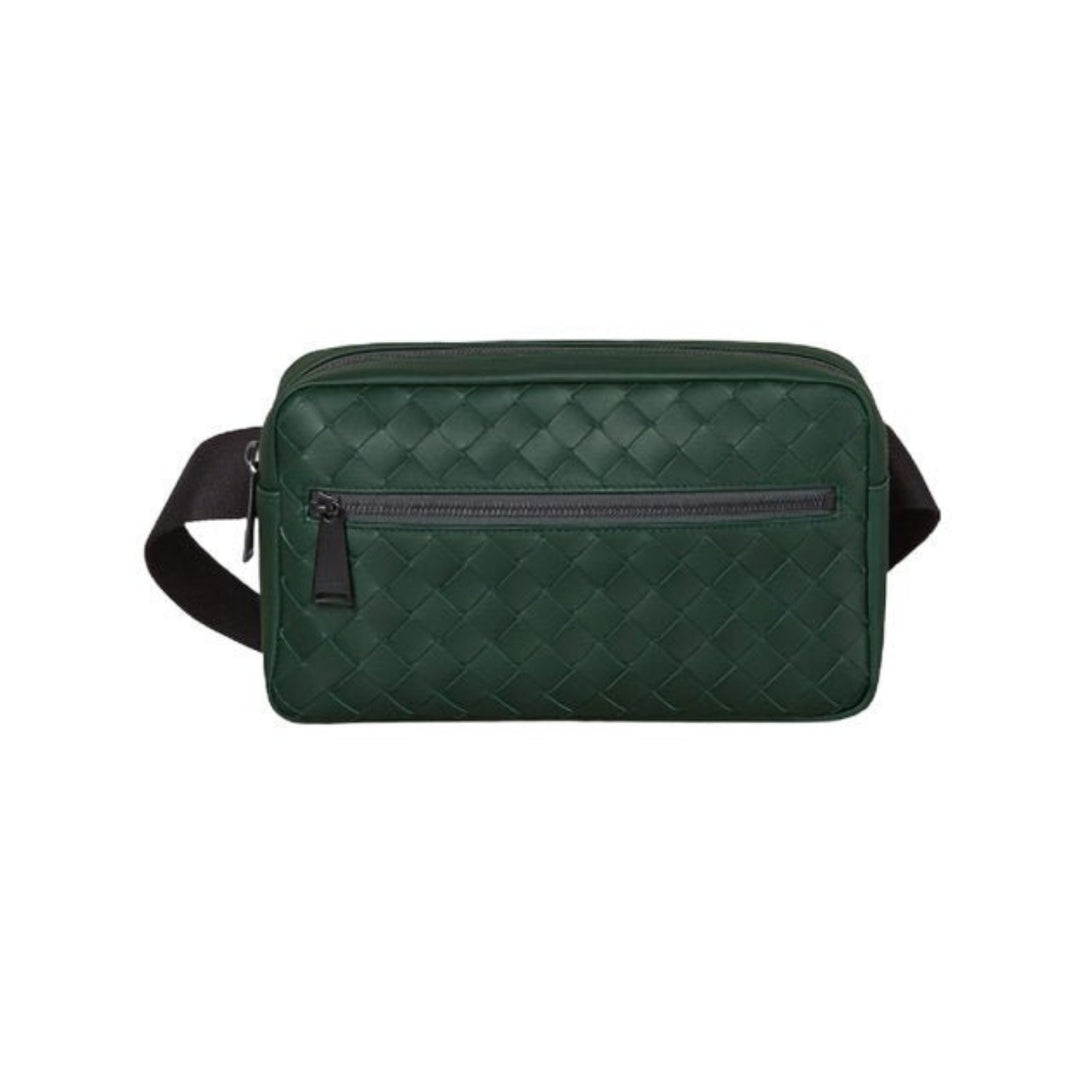
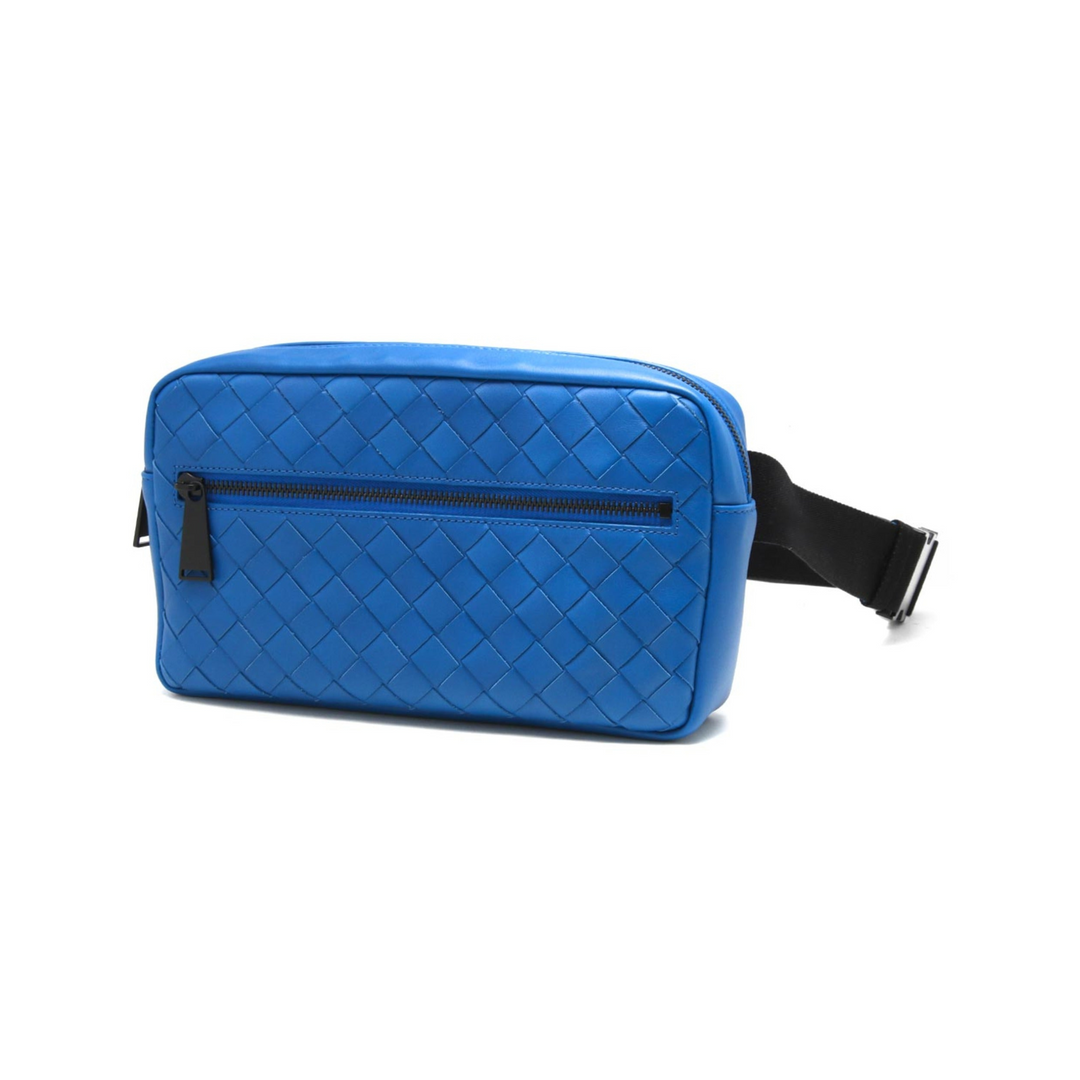
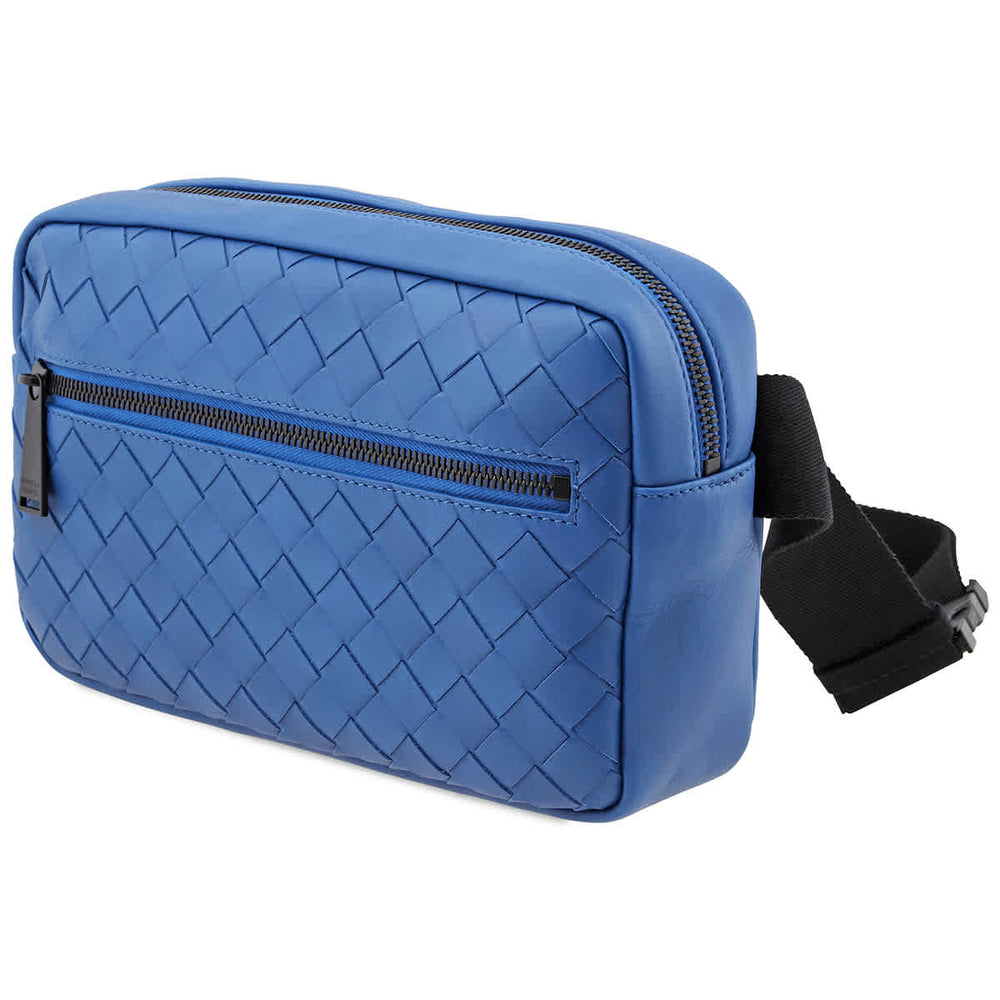
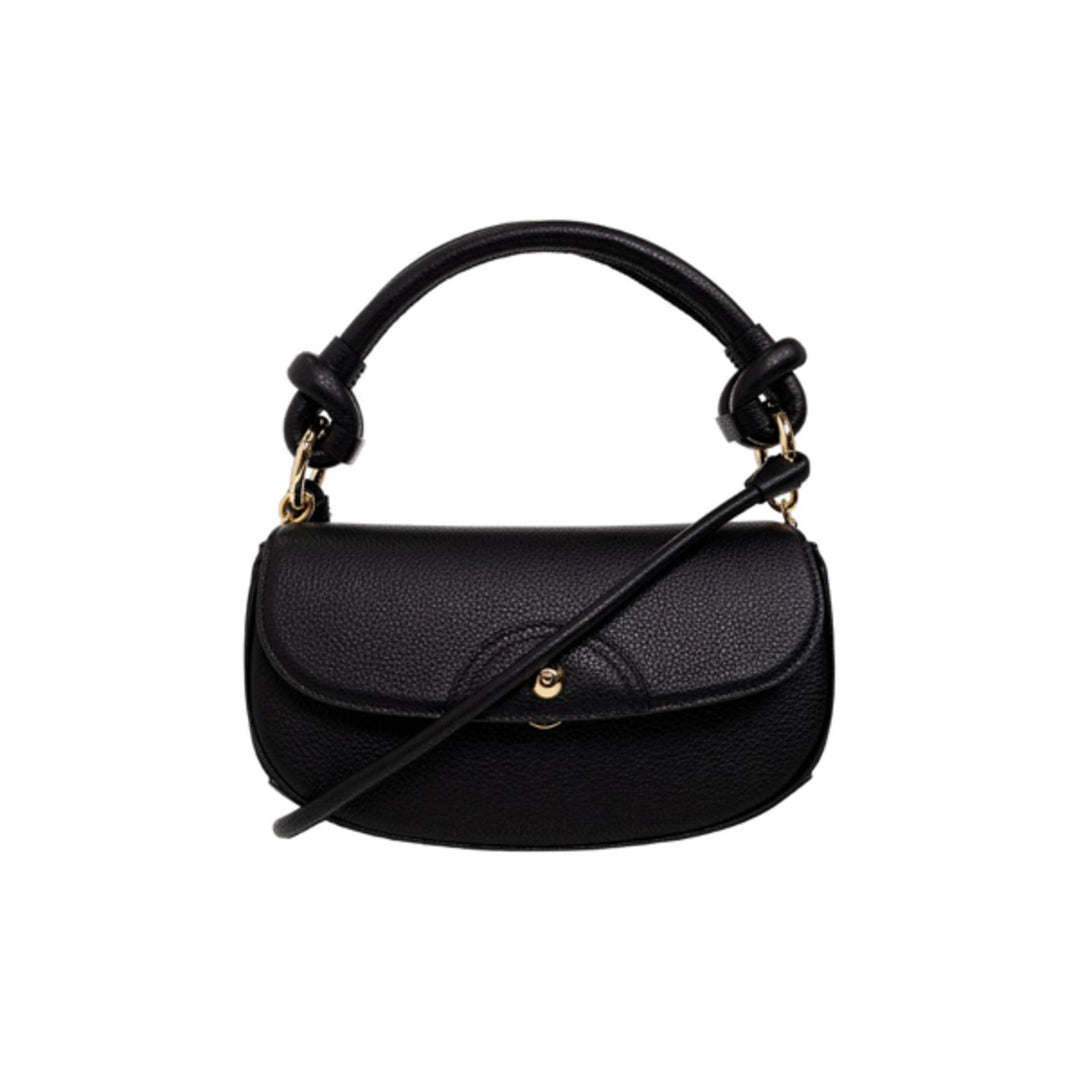
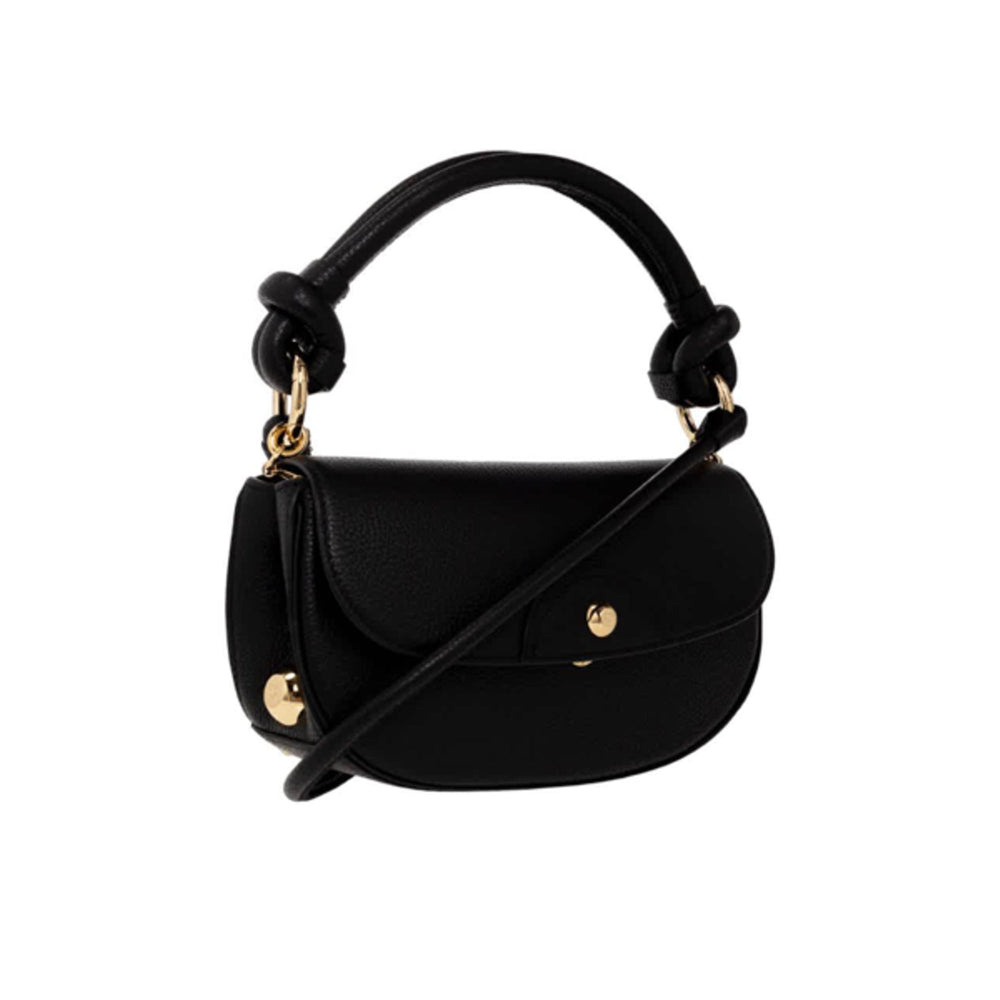
Compact luxury from Gucci, Prada, and Bottega Veneta. Daily essentials in Italian leather at accessible investments.
Designer Pouches & Clutches
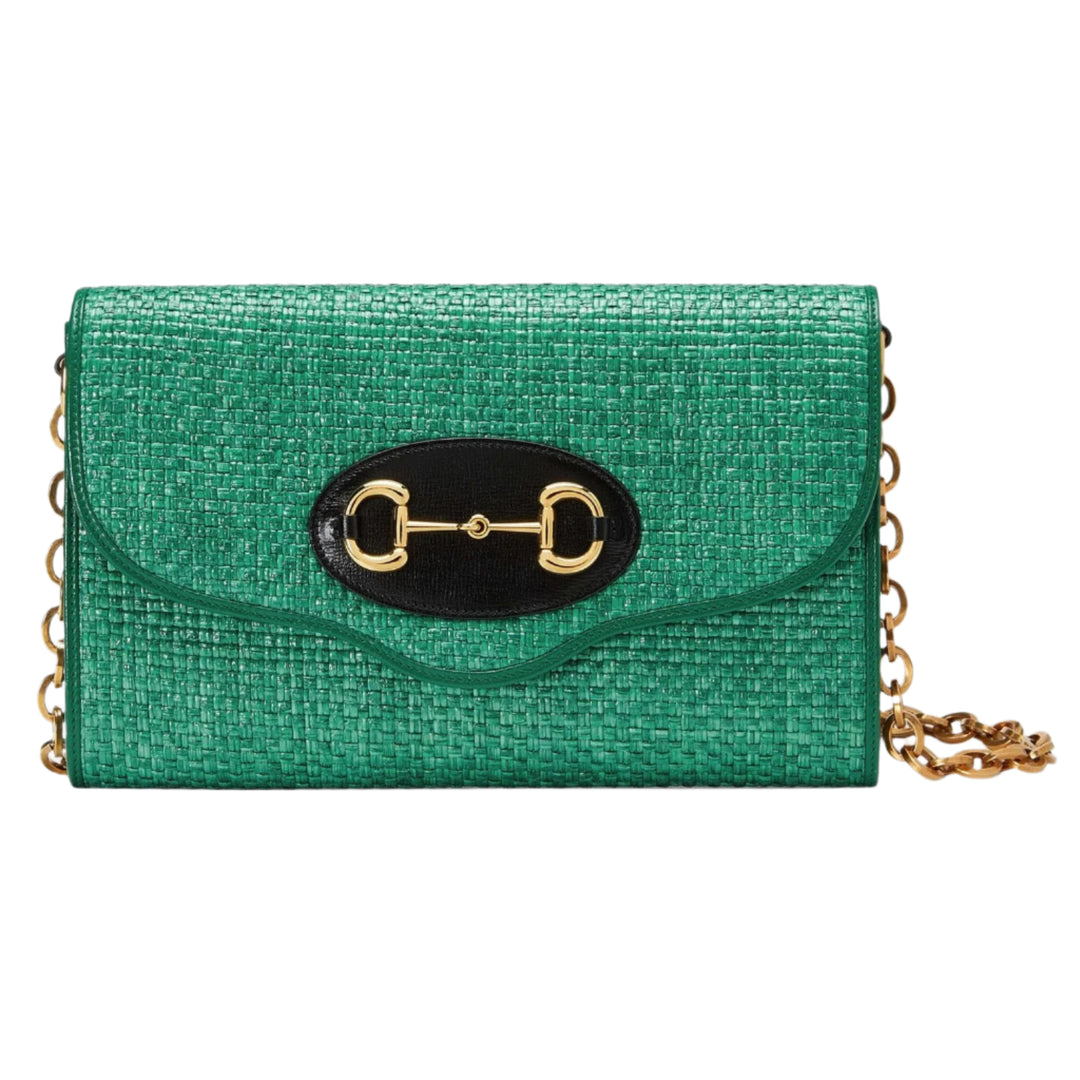
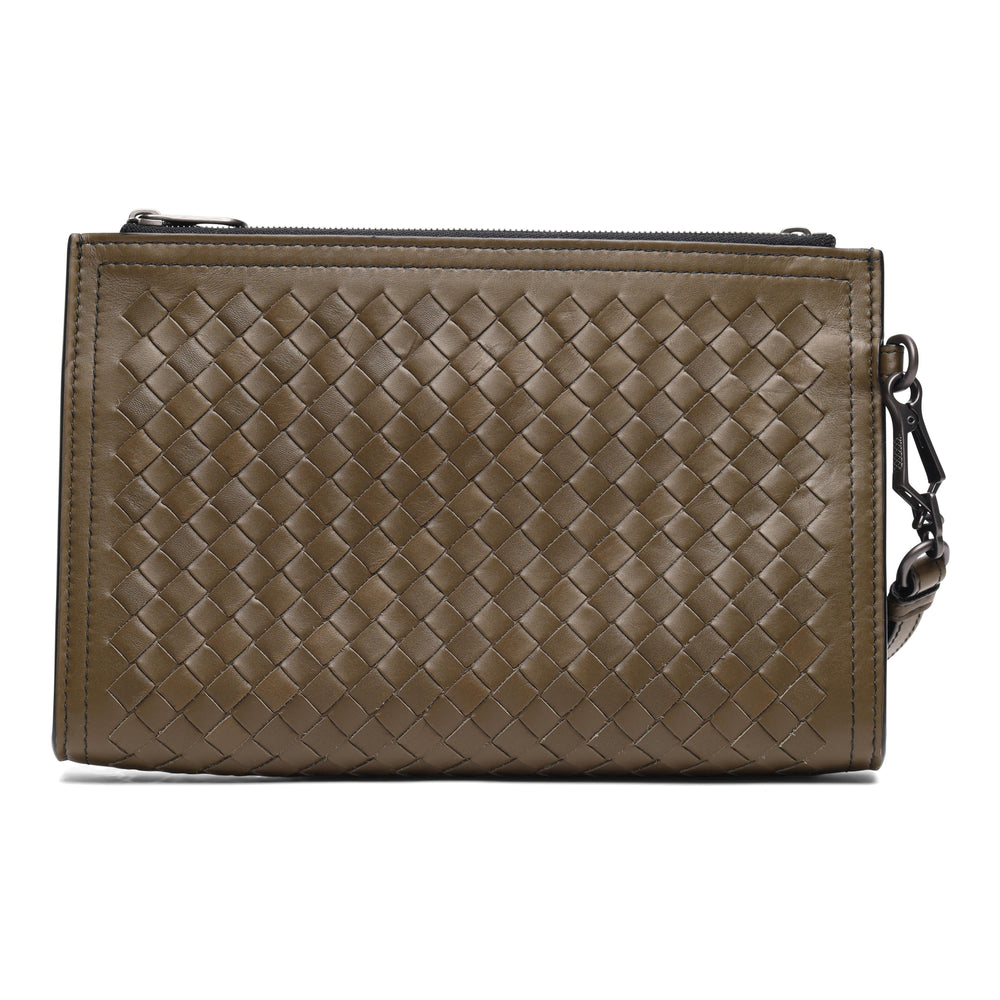
Evening elegance and versatile accessories. Premium leather in refined silhouettes perfect for special occasions.
Vintage & Archive Styles
Previous season designer bags at deep discounts. Authentic heritage pieces bringing $1,200+ retail to under $800.
Designer Wallets (Larger Styles)
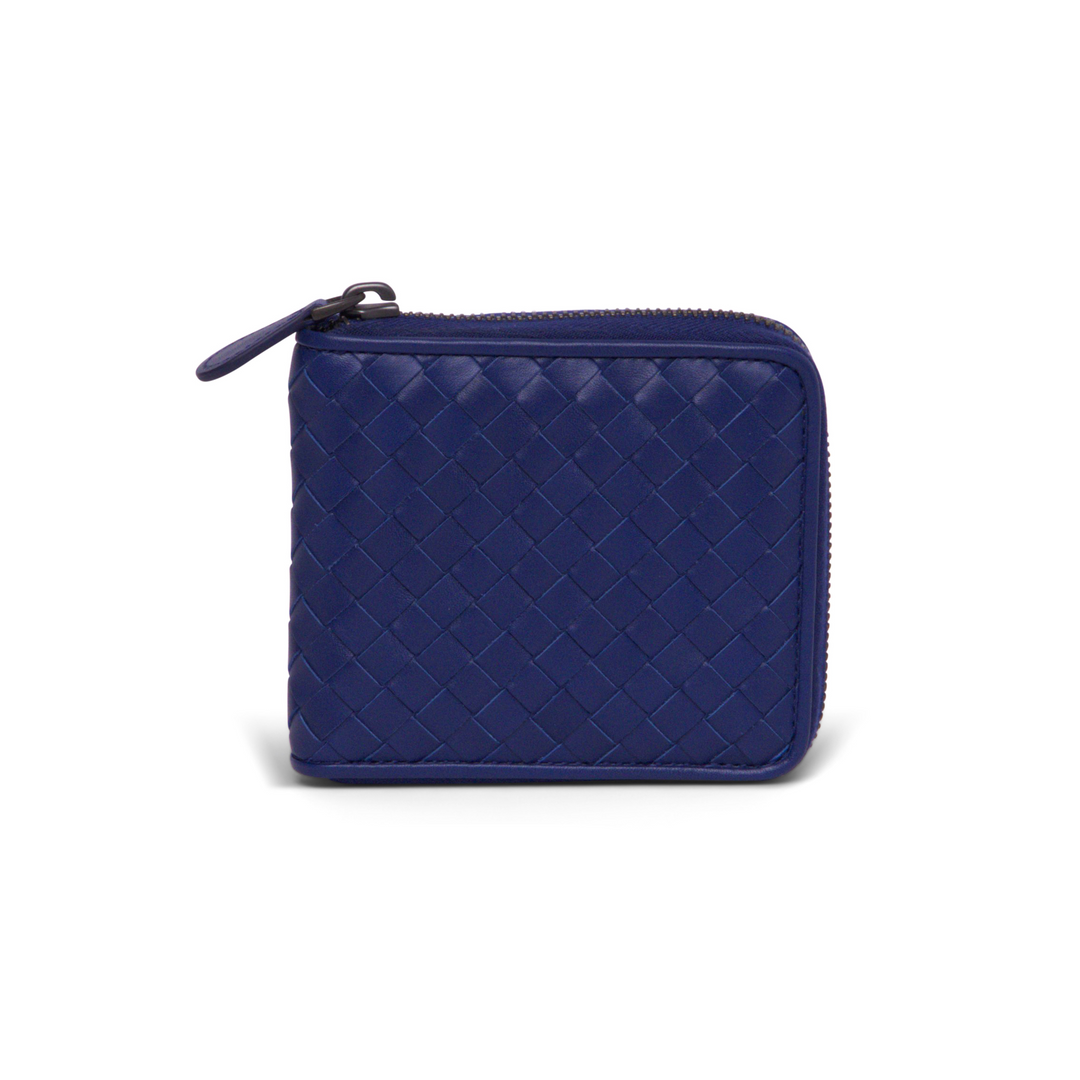
Zip-around wallets and larger accessories. Quality leather goods serve as gateway investments in luxury.
Designer Shoes ($300-$799)
Women's Designer Flats
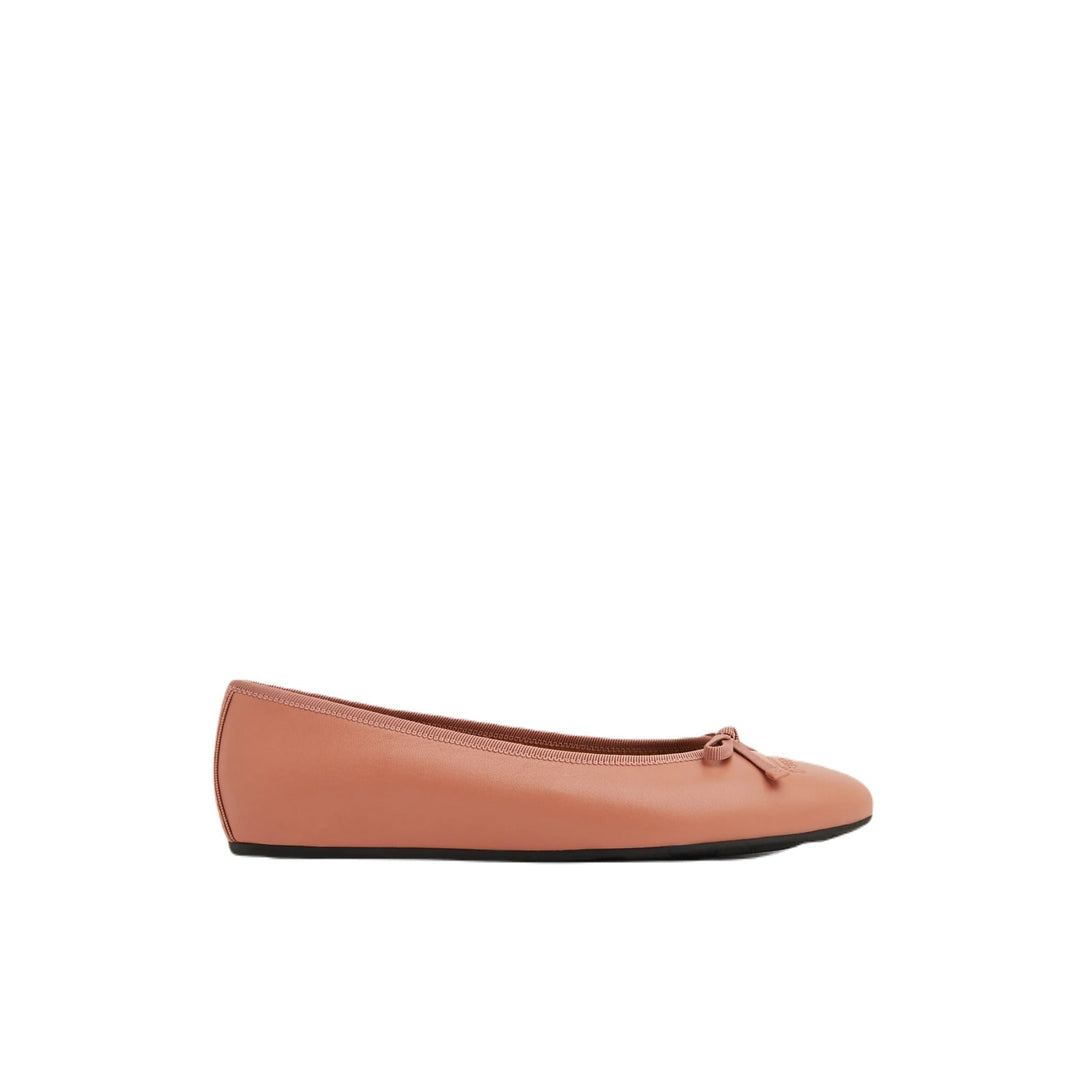
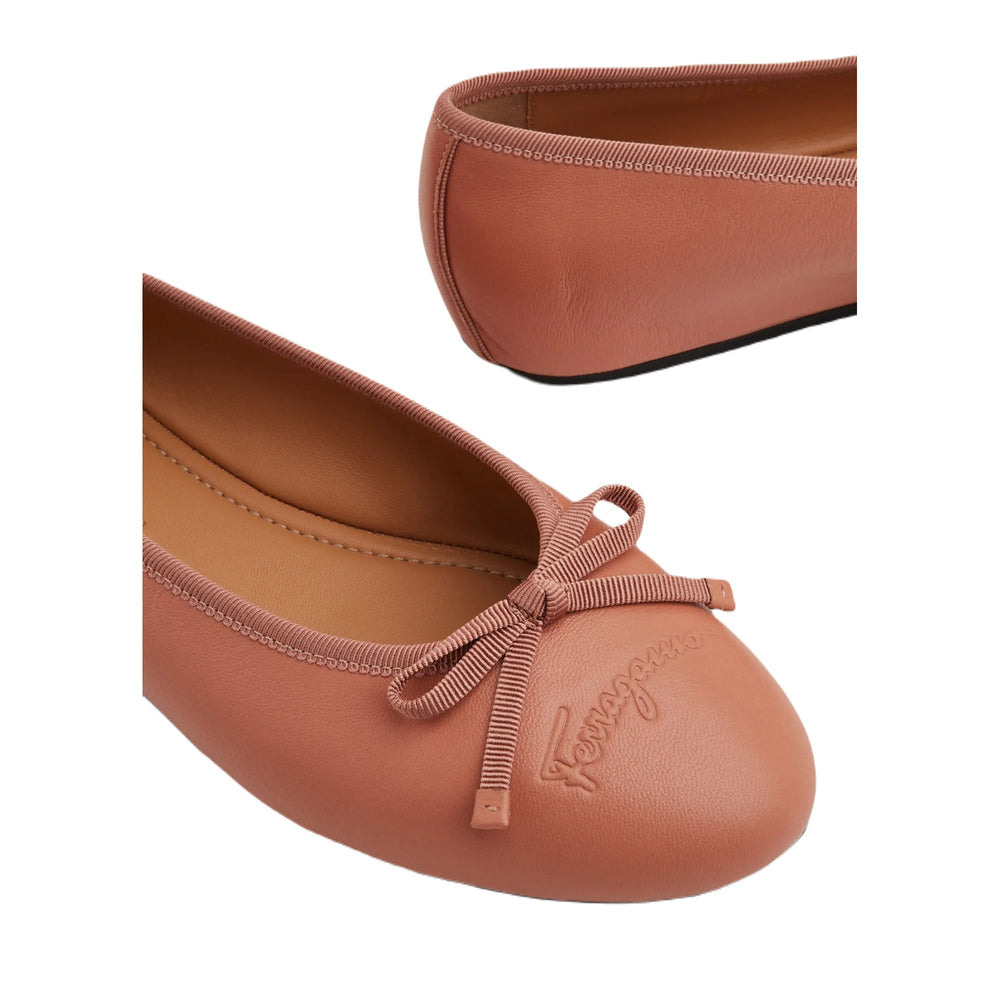
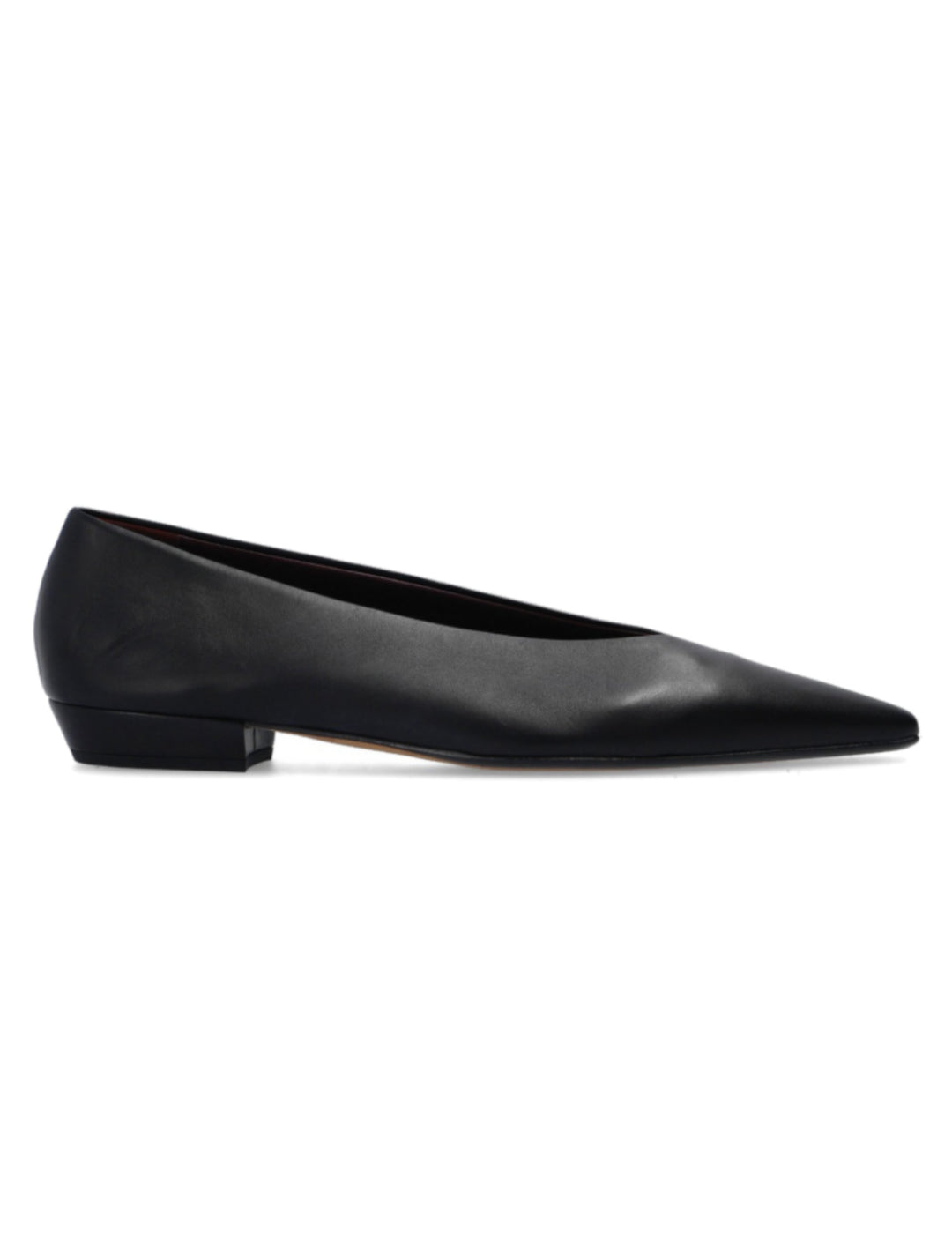
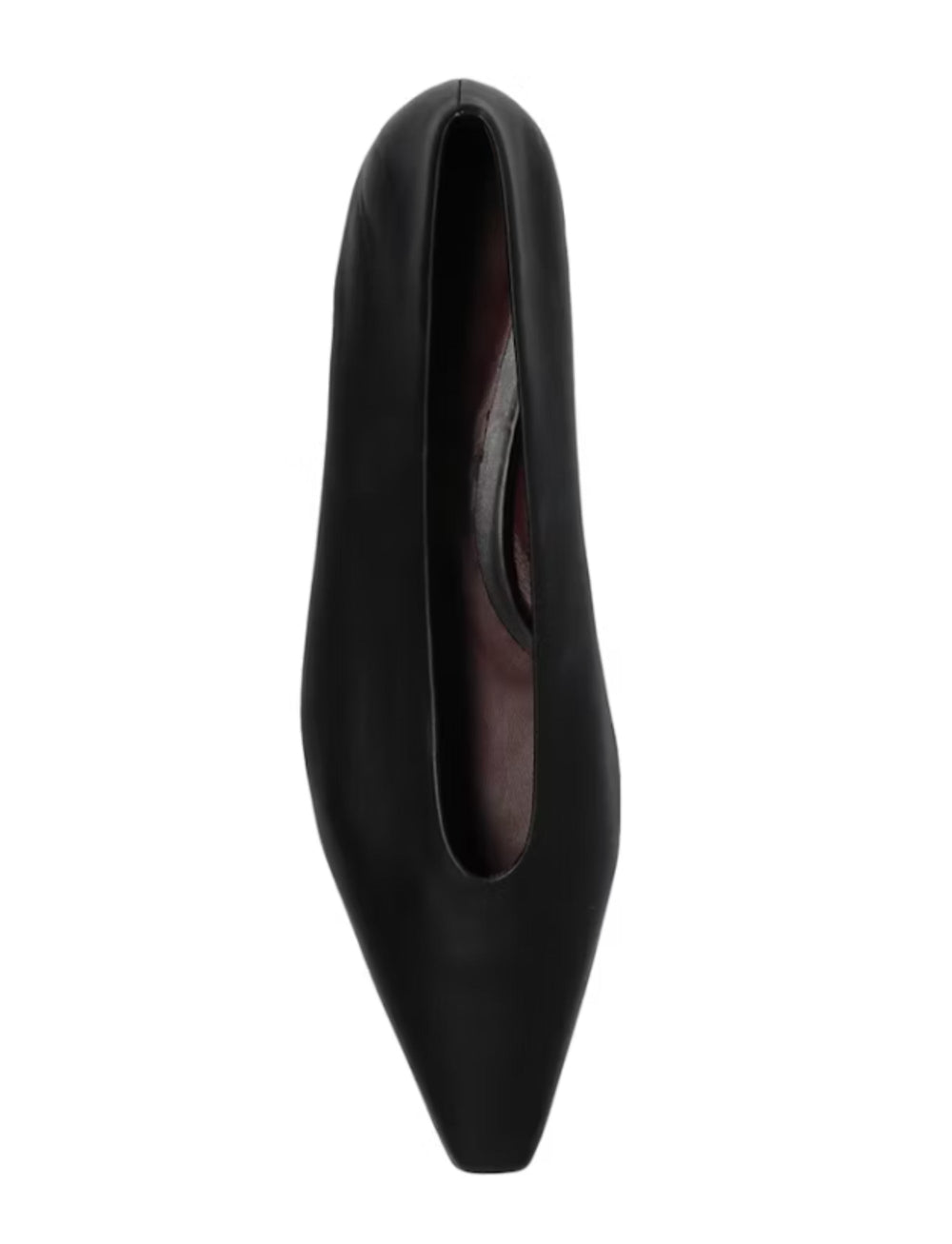
Ferragamo Varina ballet flats, Tory Burch styles, quality Italian flats. Comfortable everyday luxury.
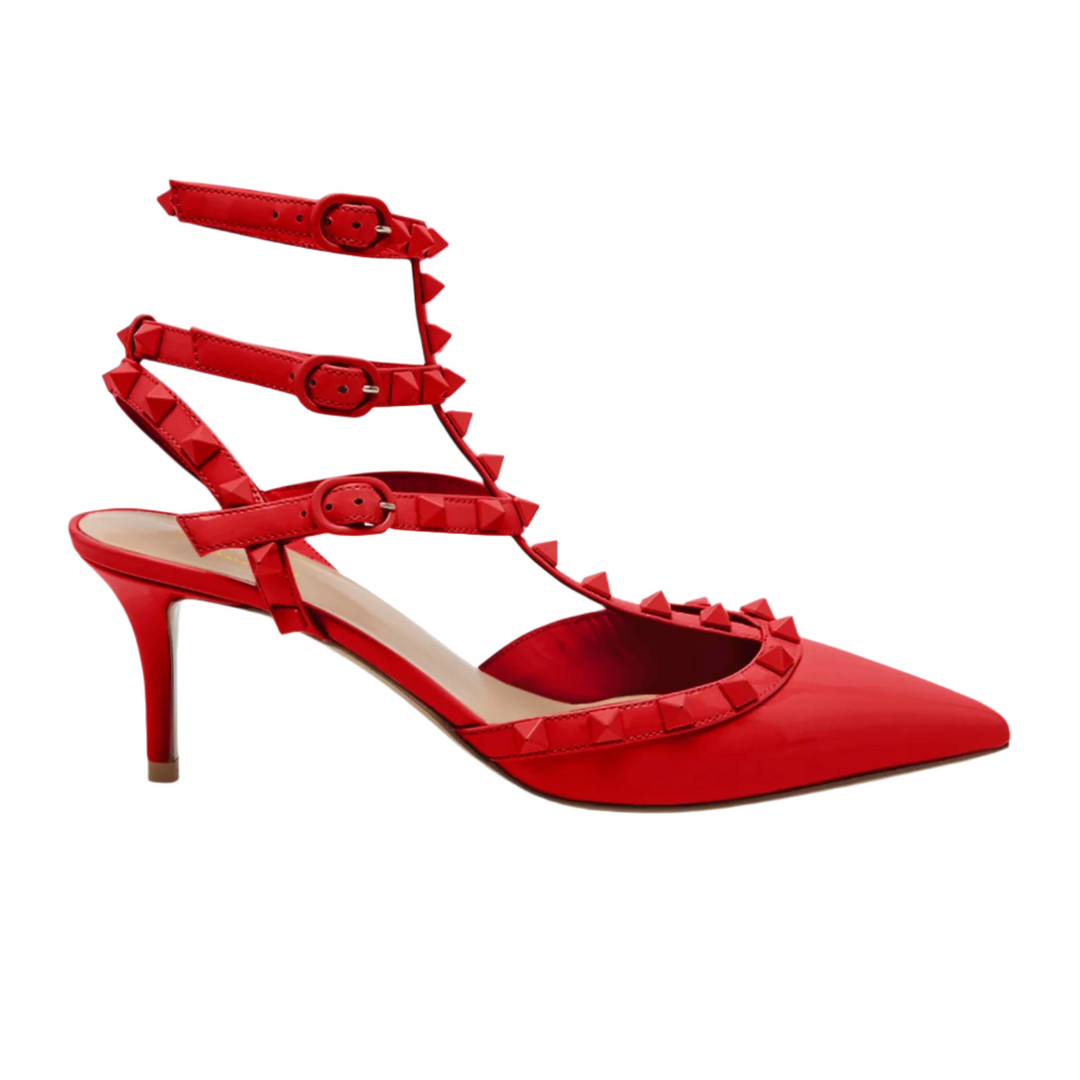
Designer Pumps & Heels
Professional elegance from Italian brands. Classic work-appropriate styles in leather.
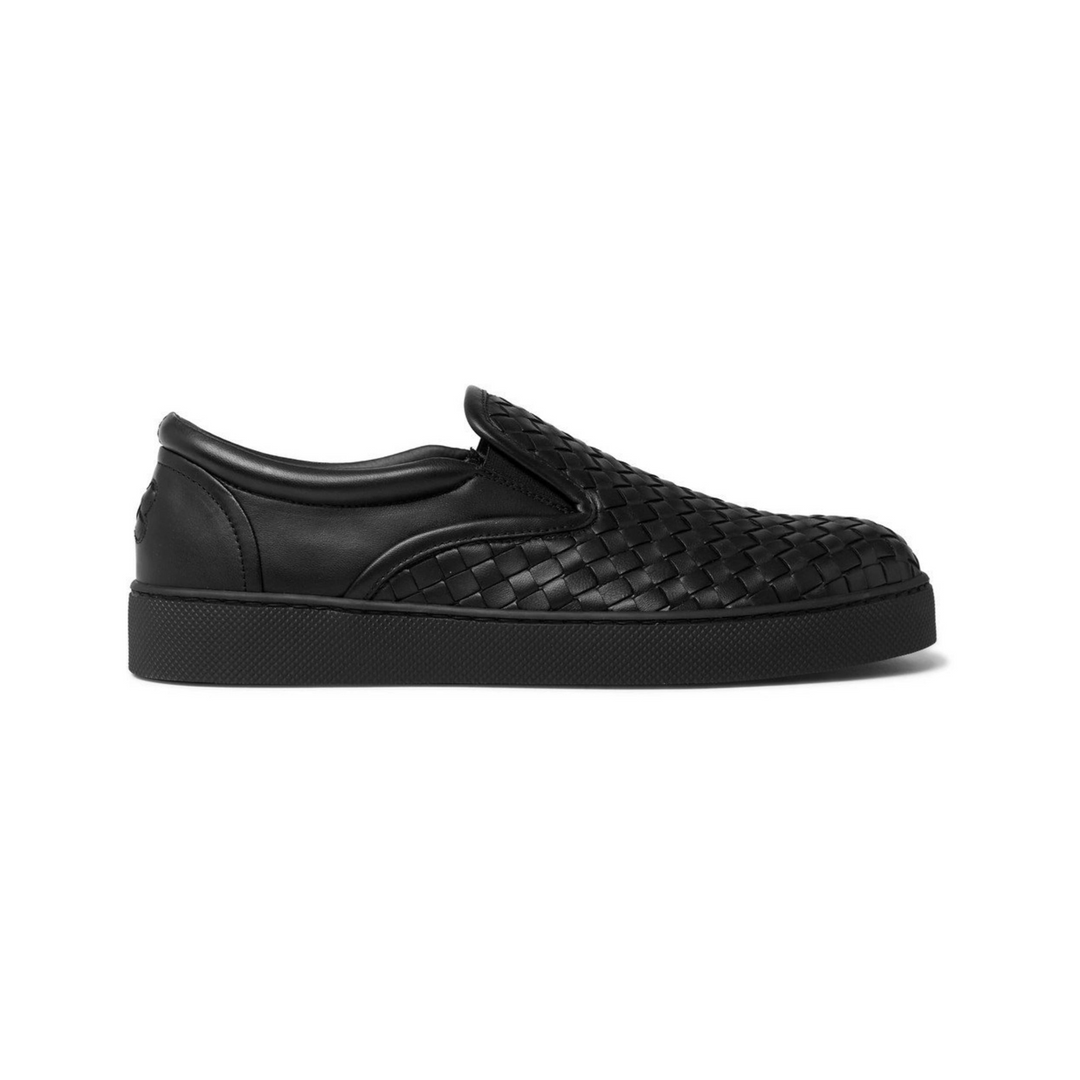
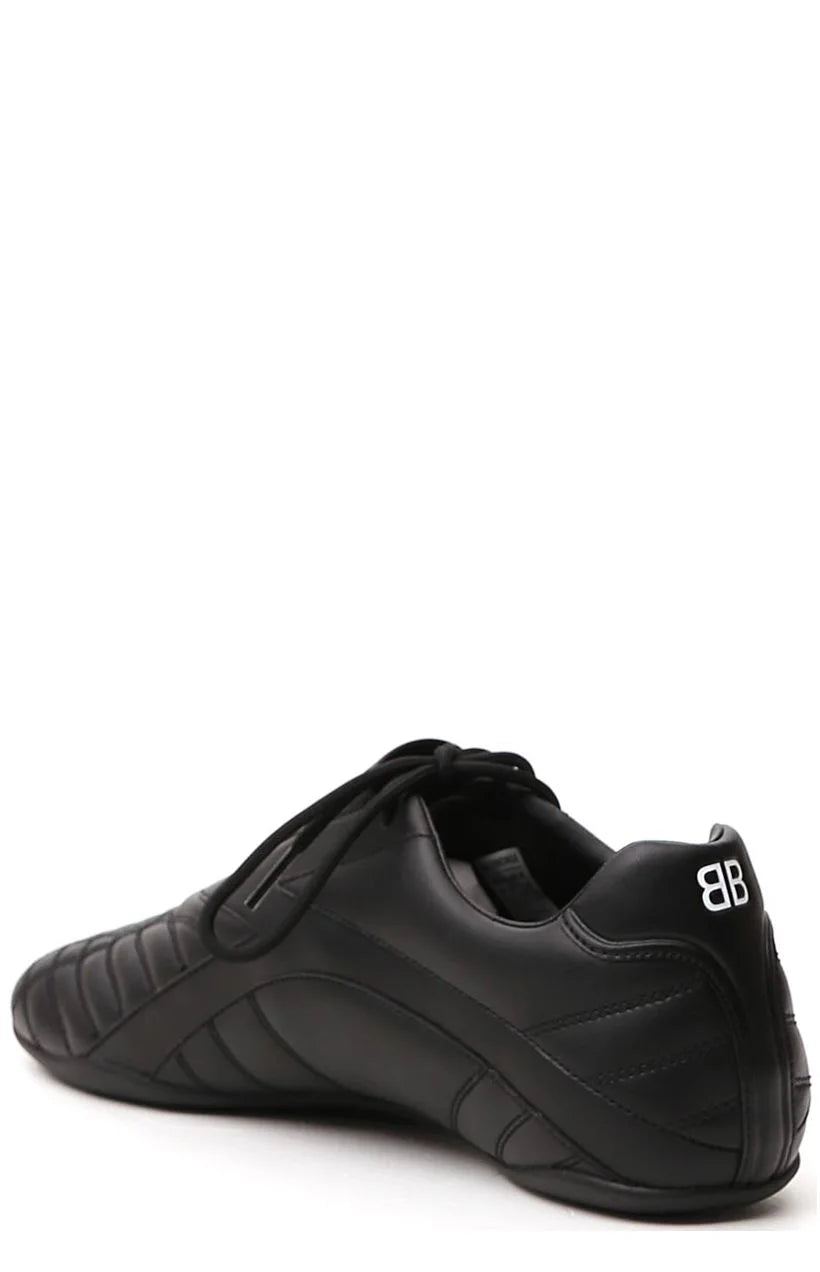
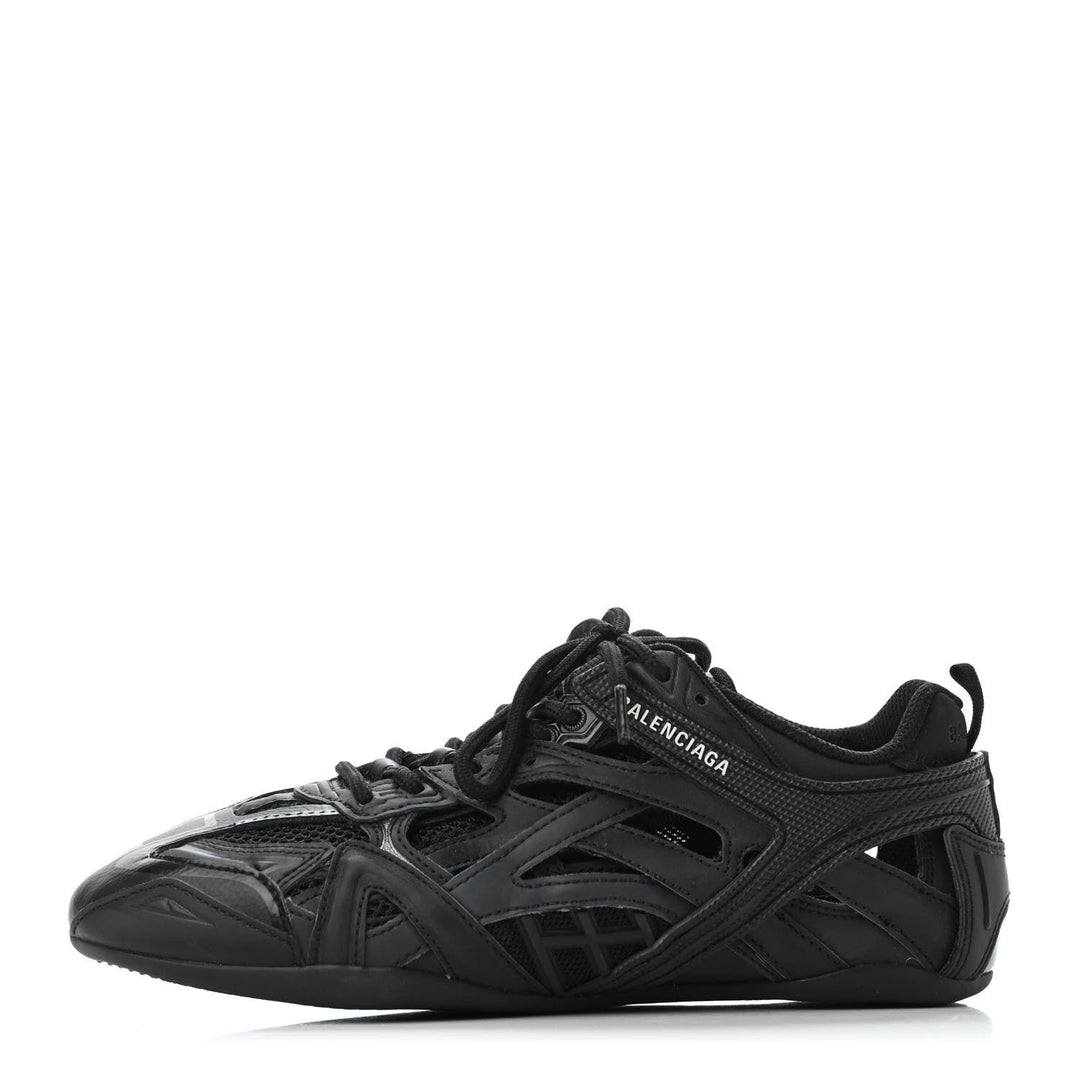
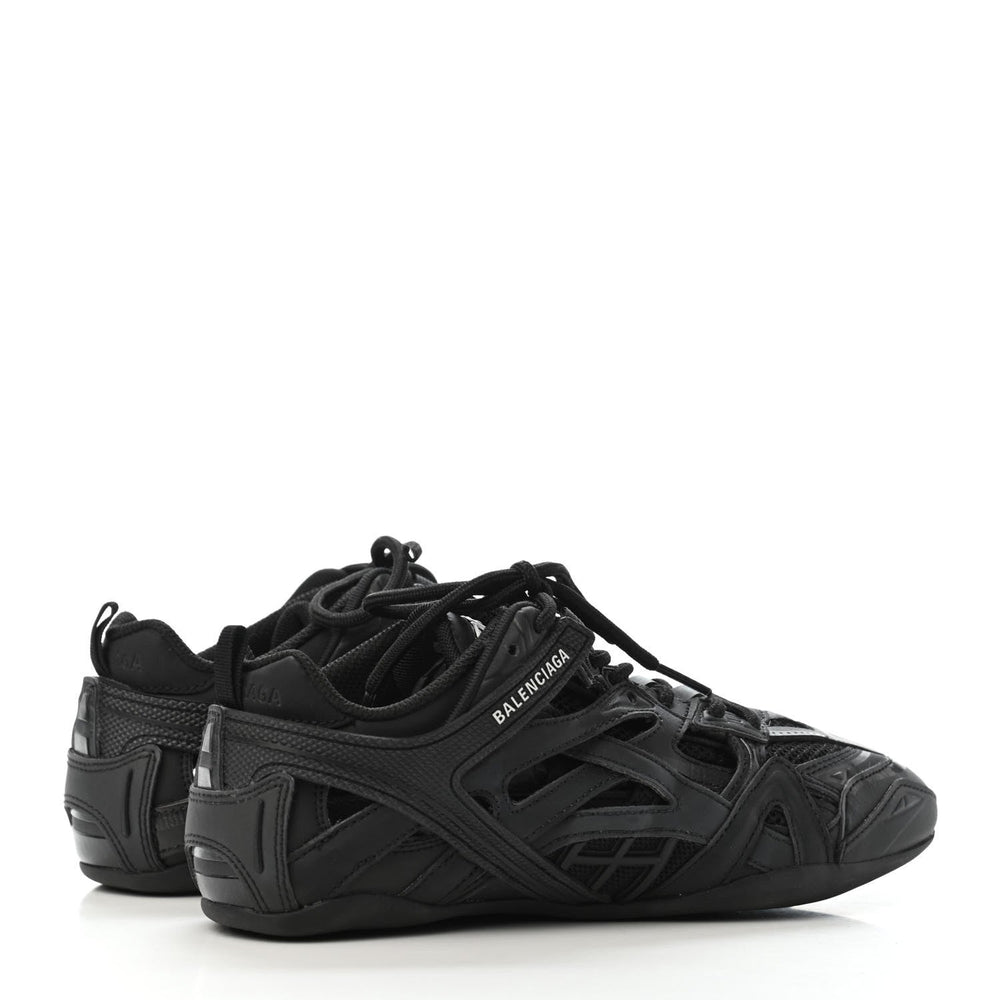
Designer Sneakers
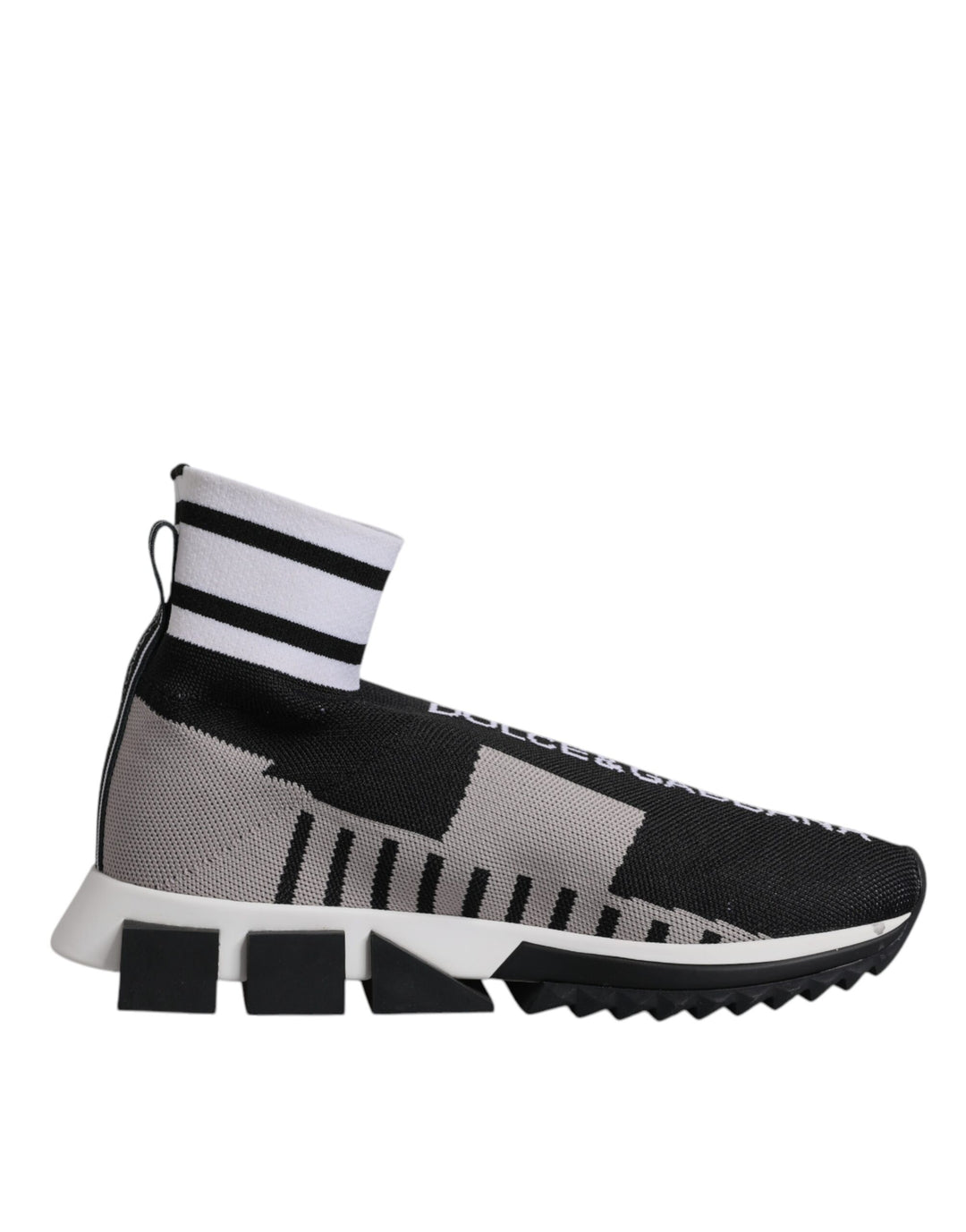
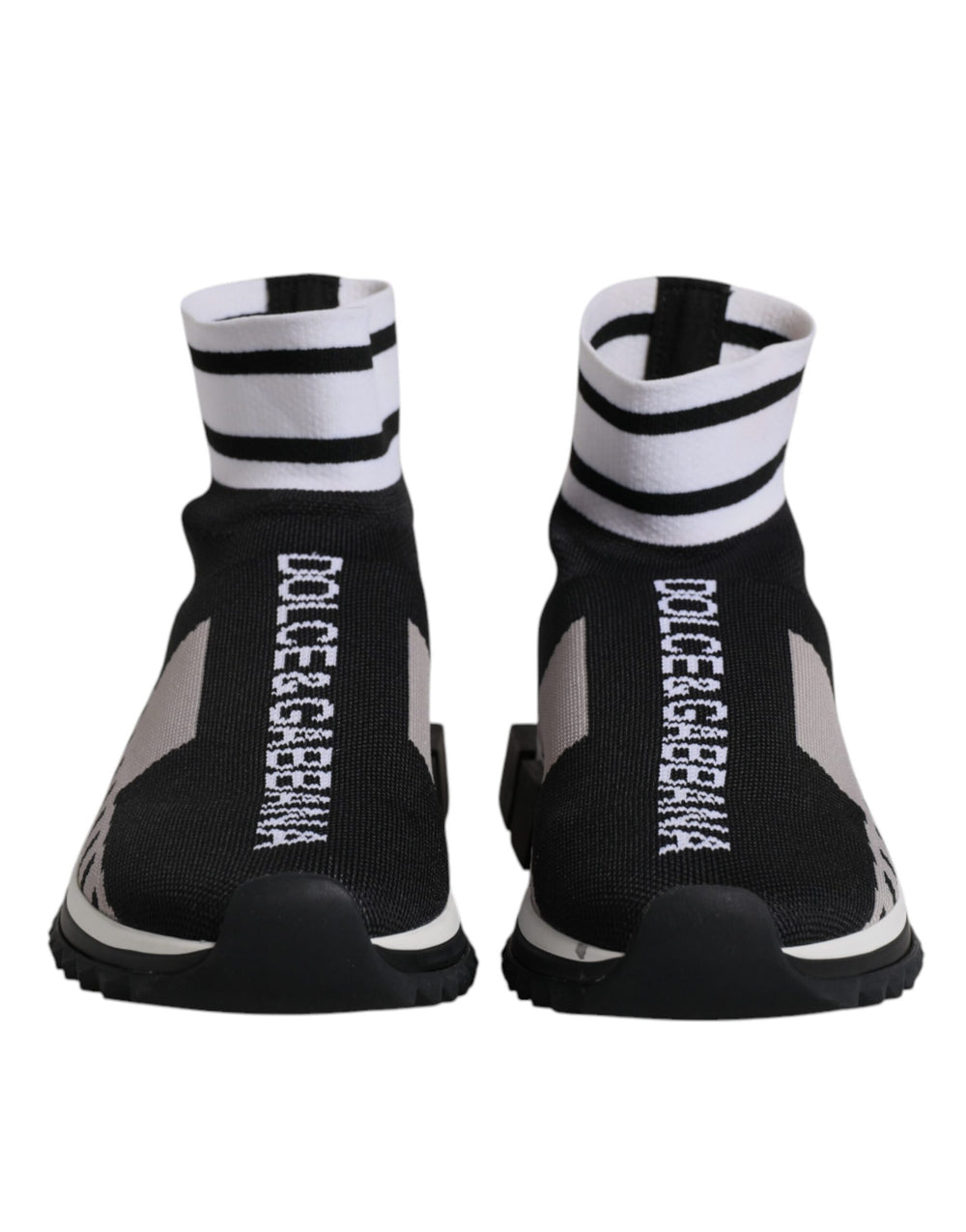
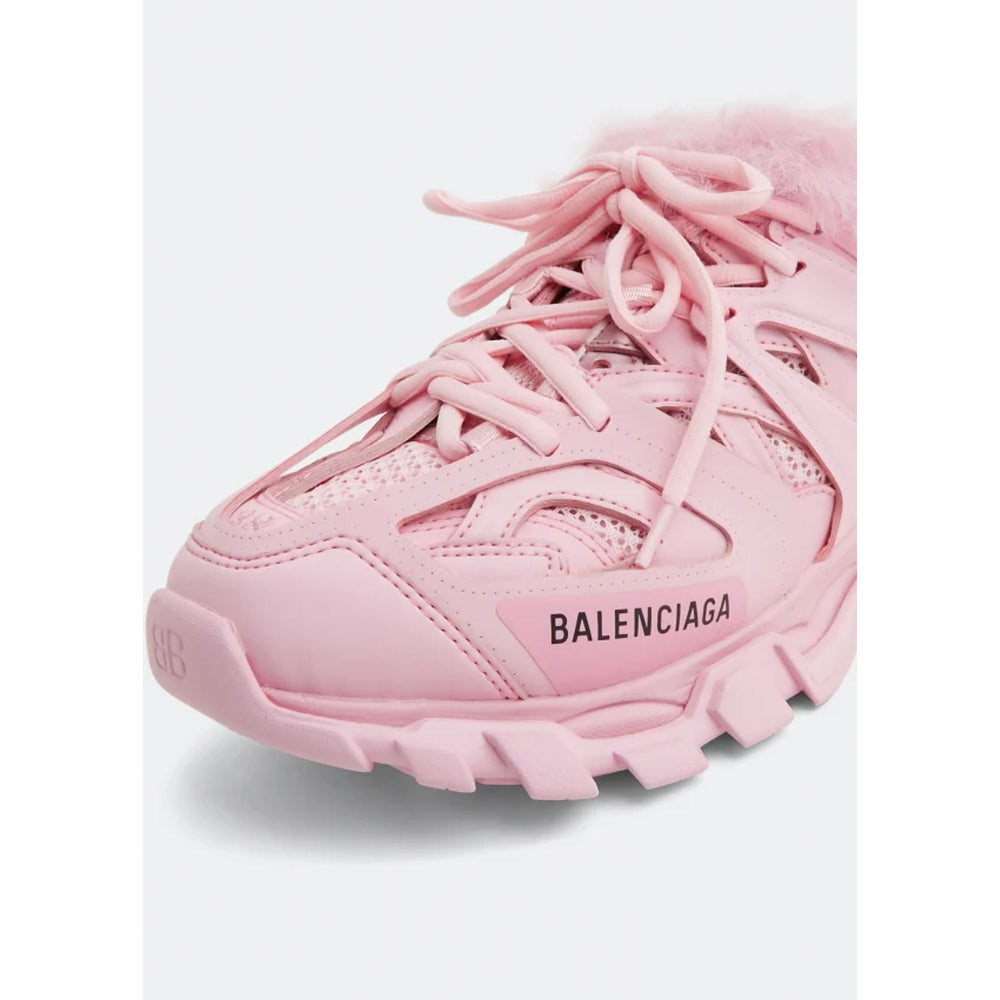
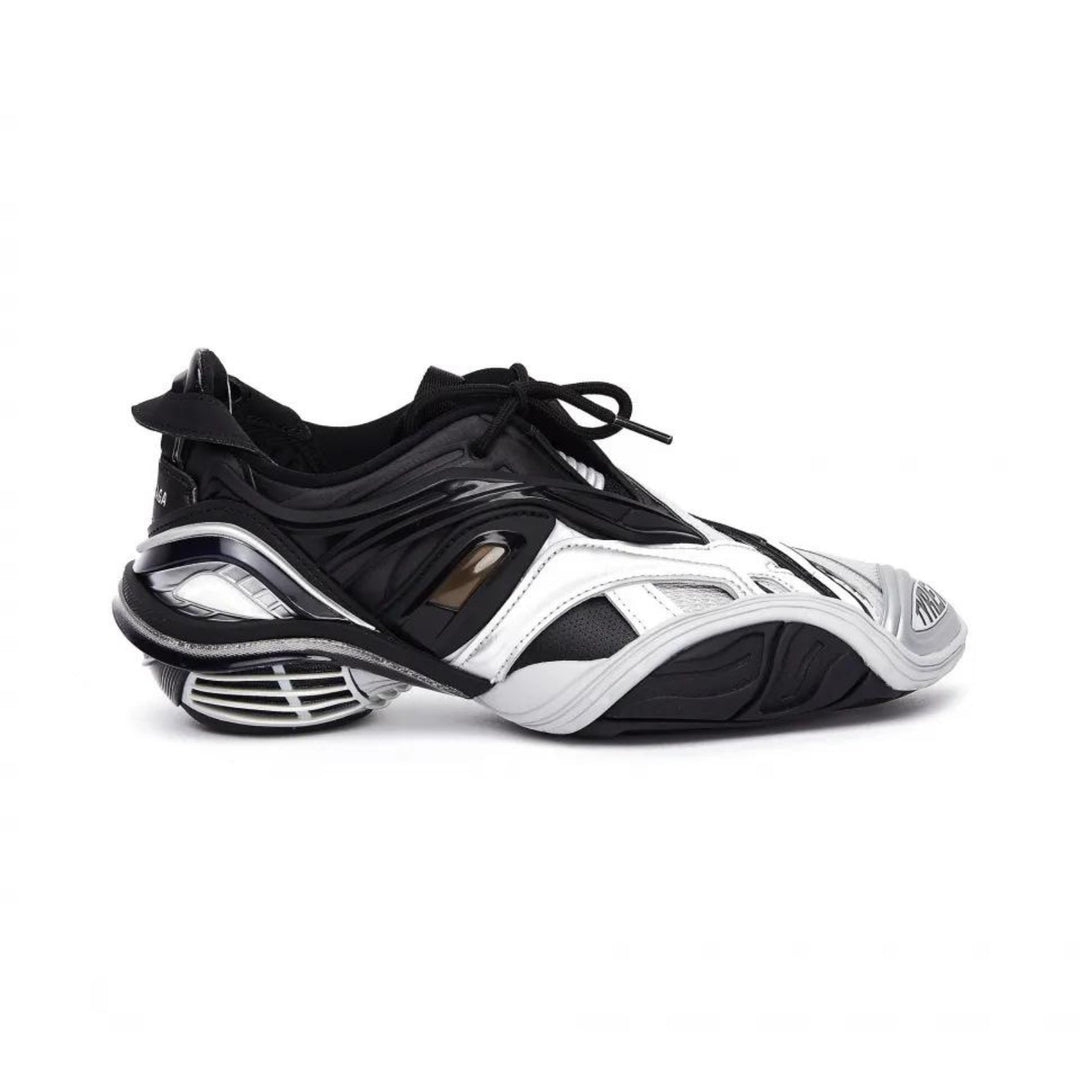
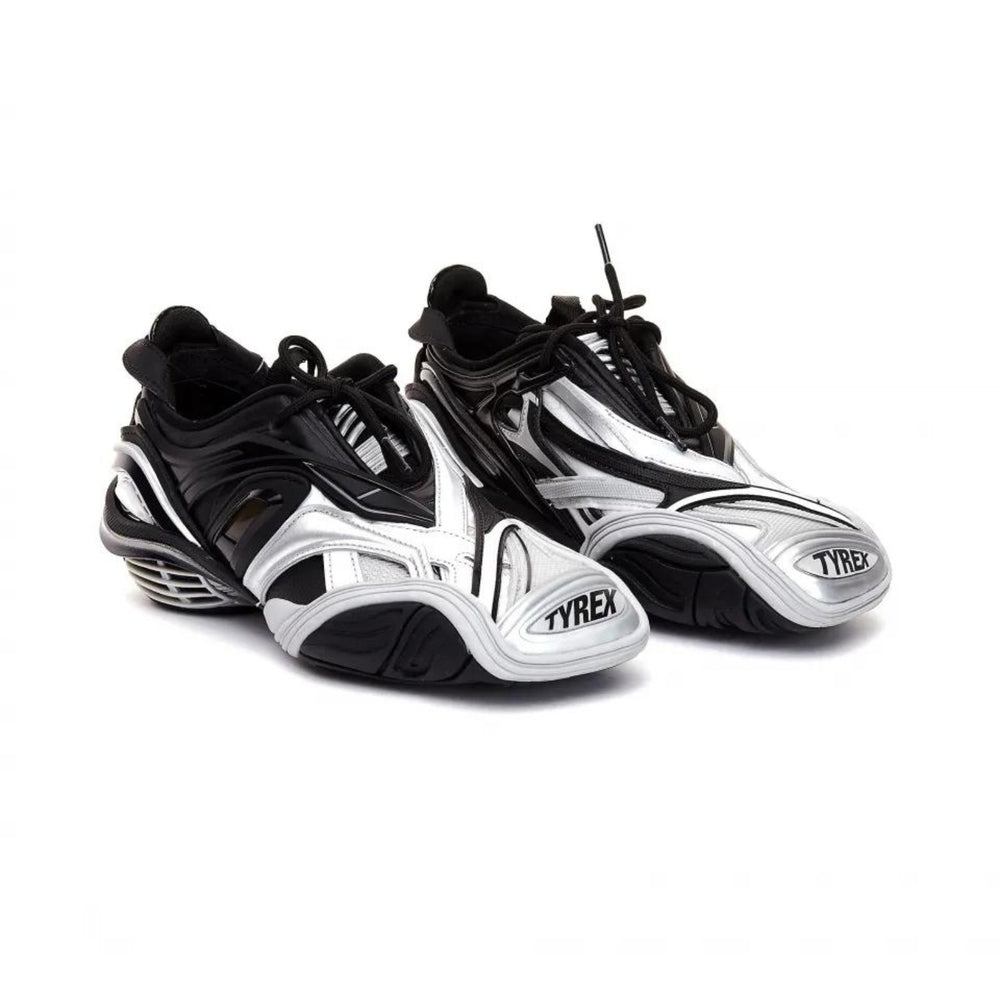
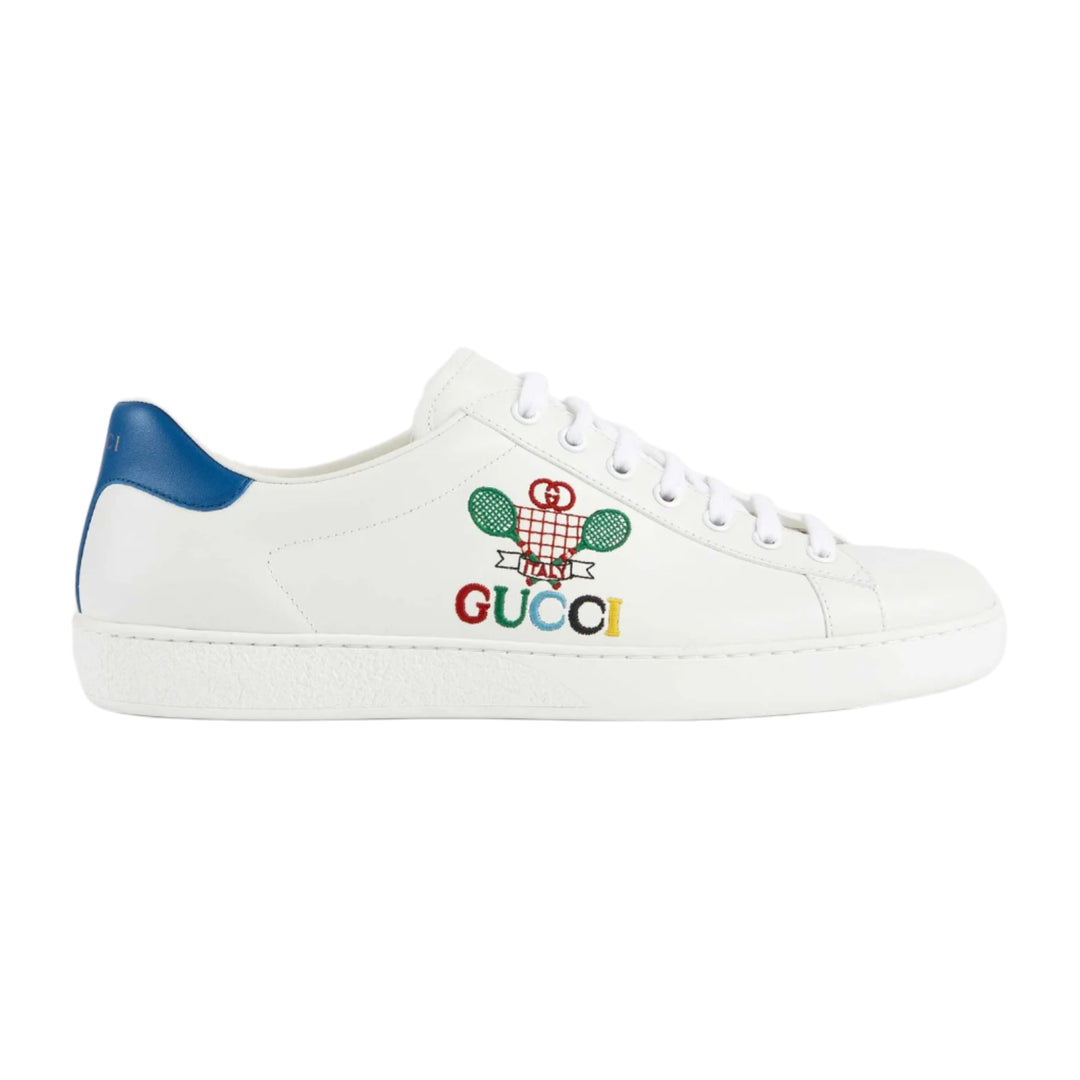
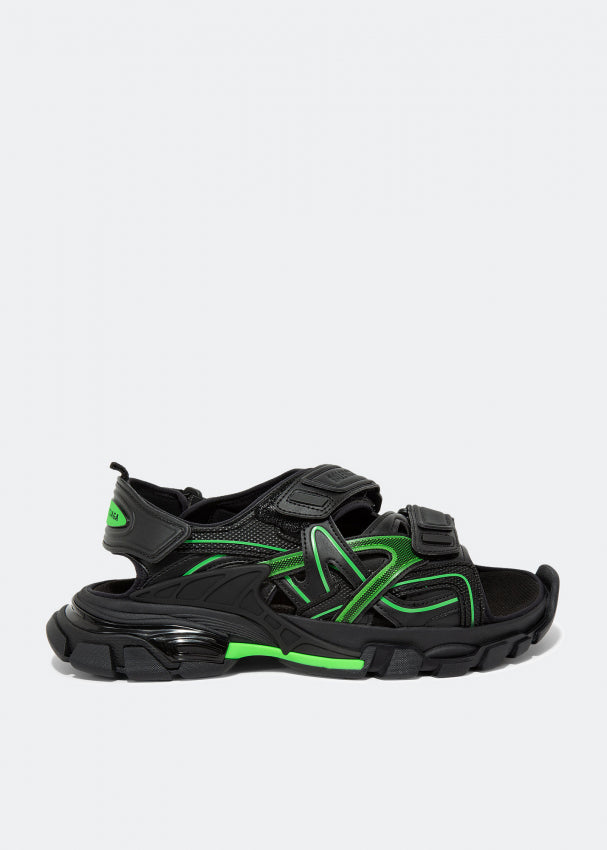
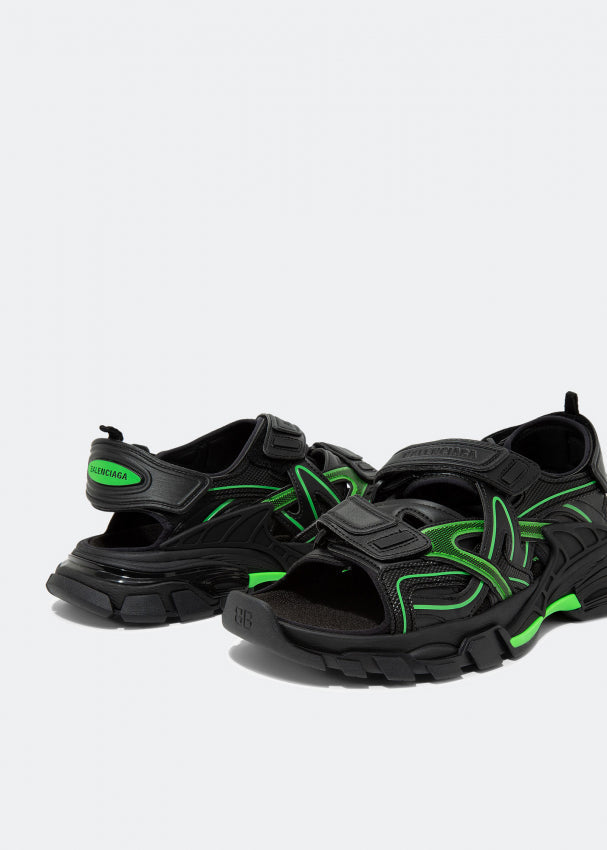
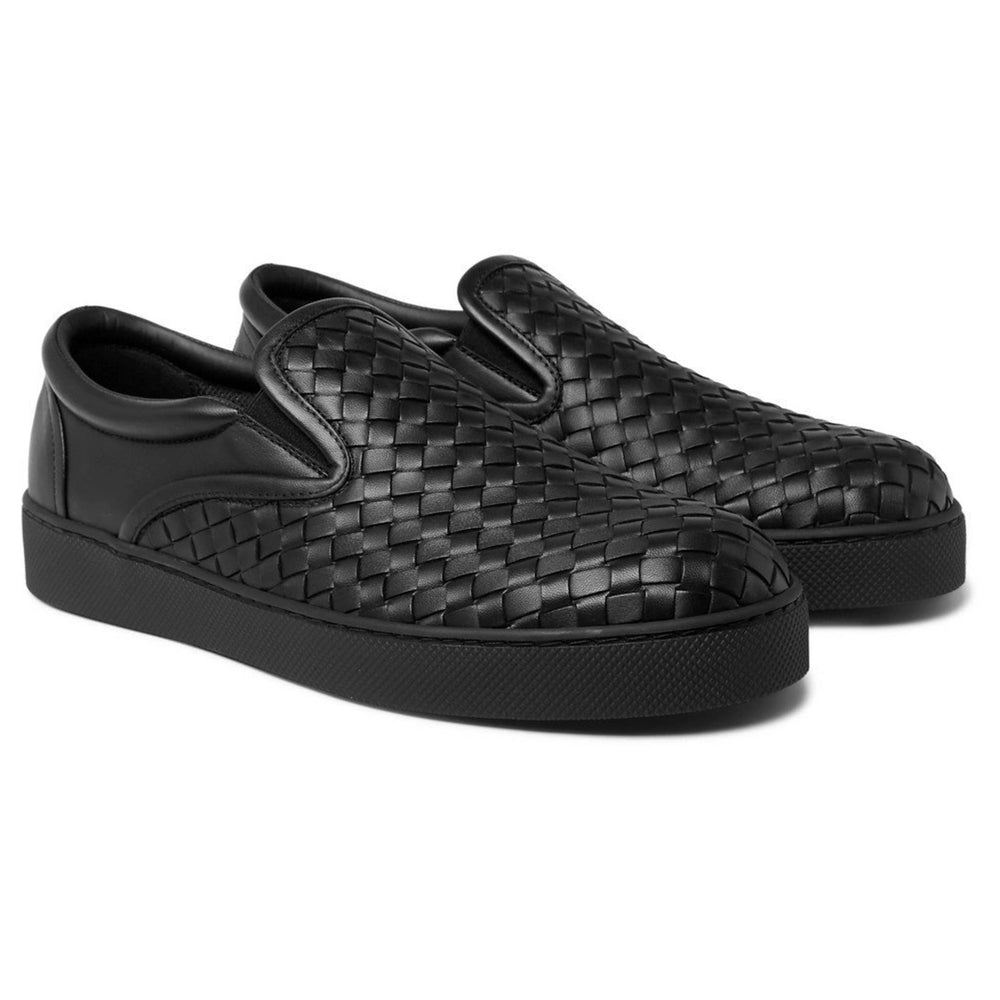
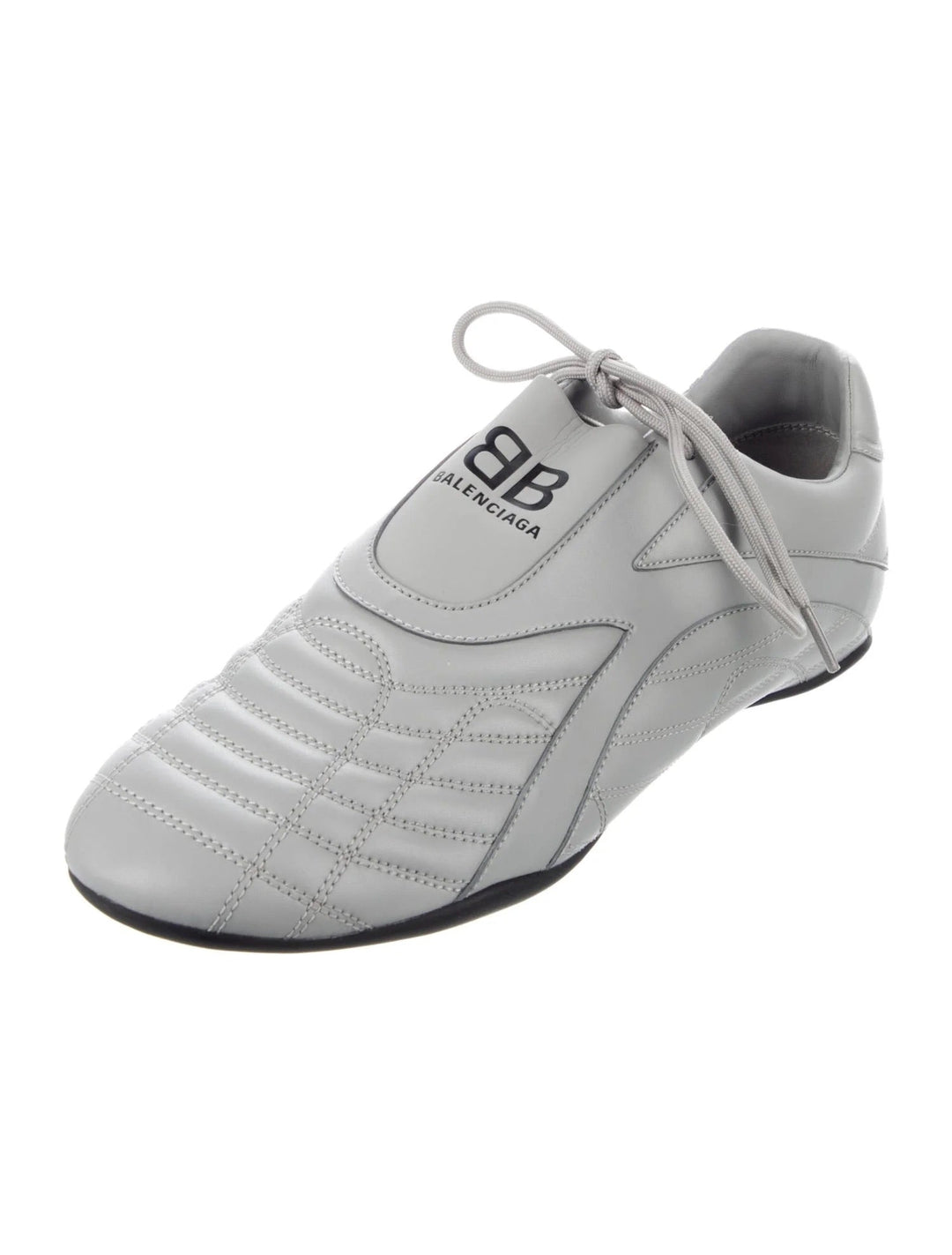
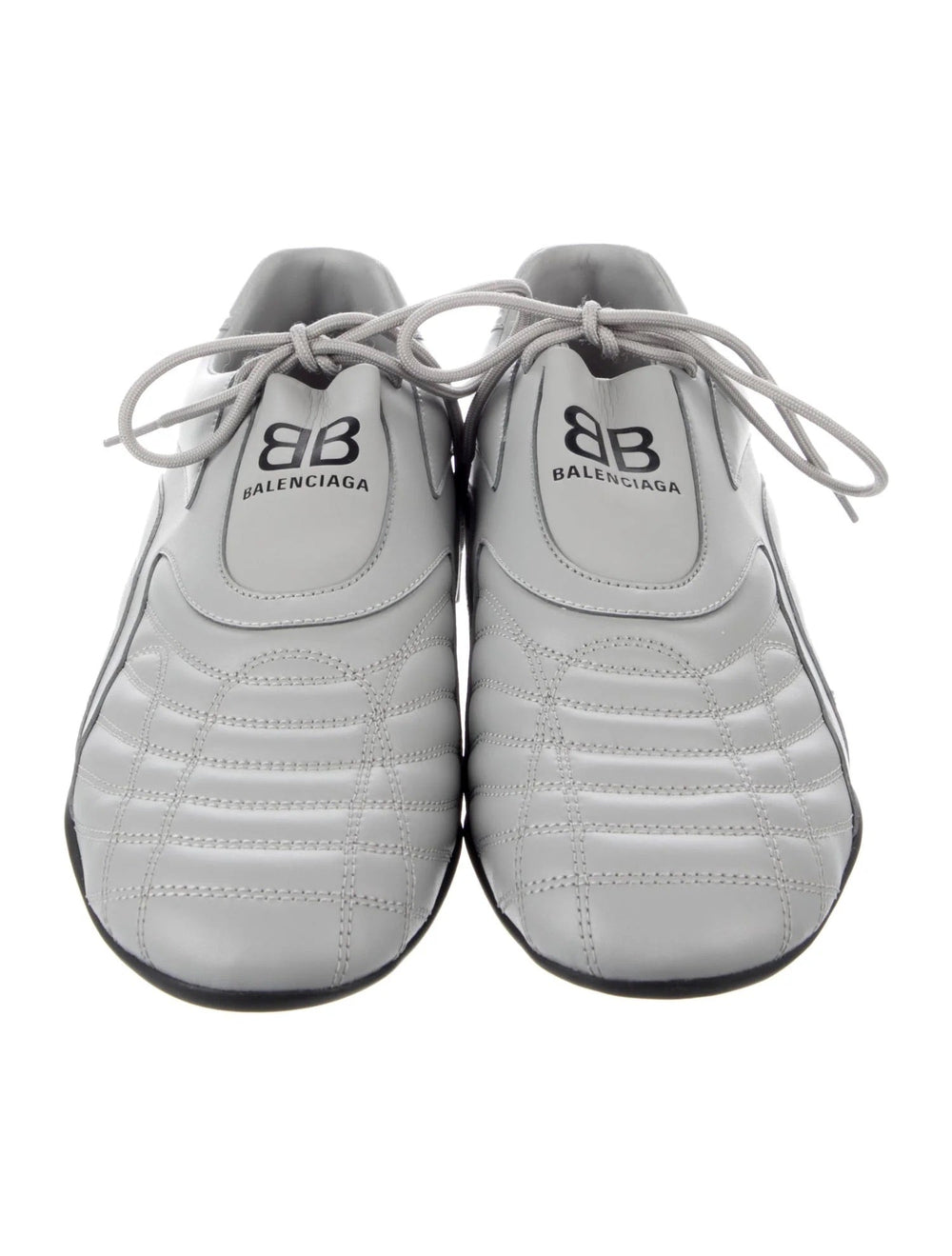
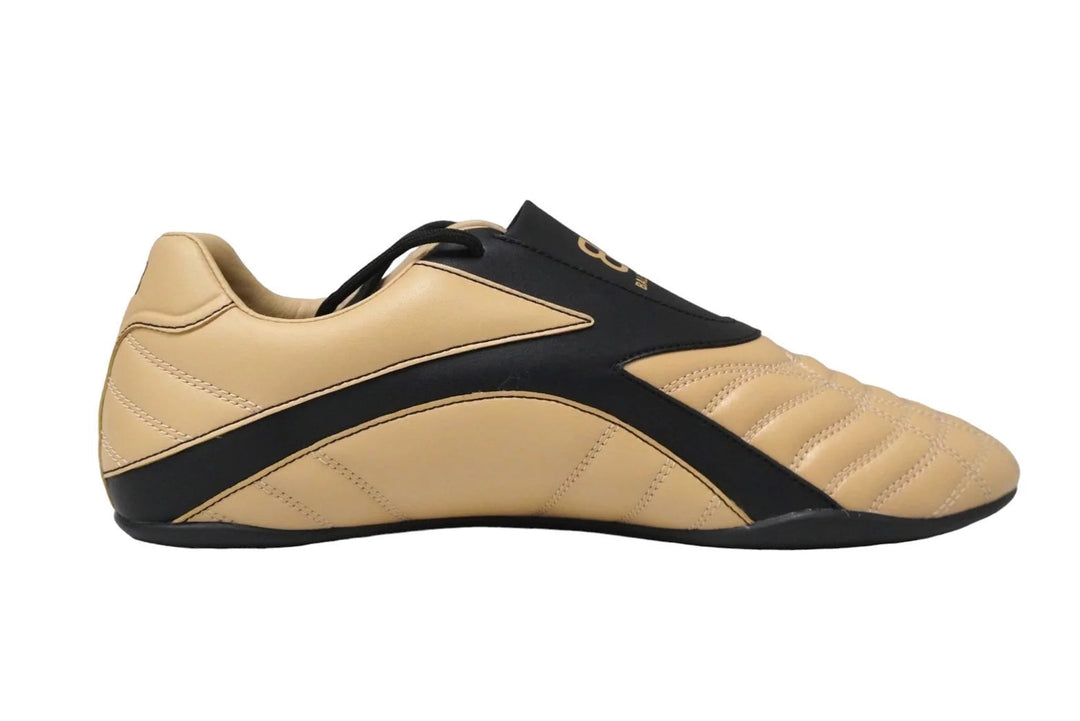
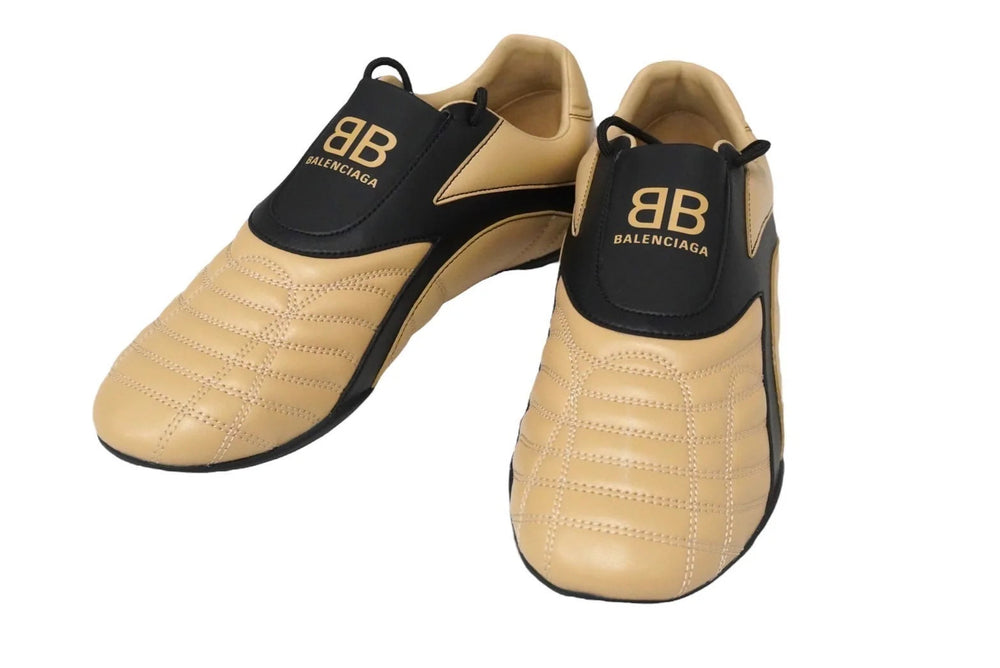
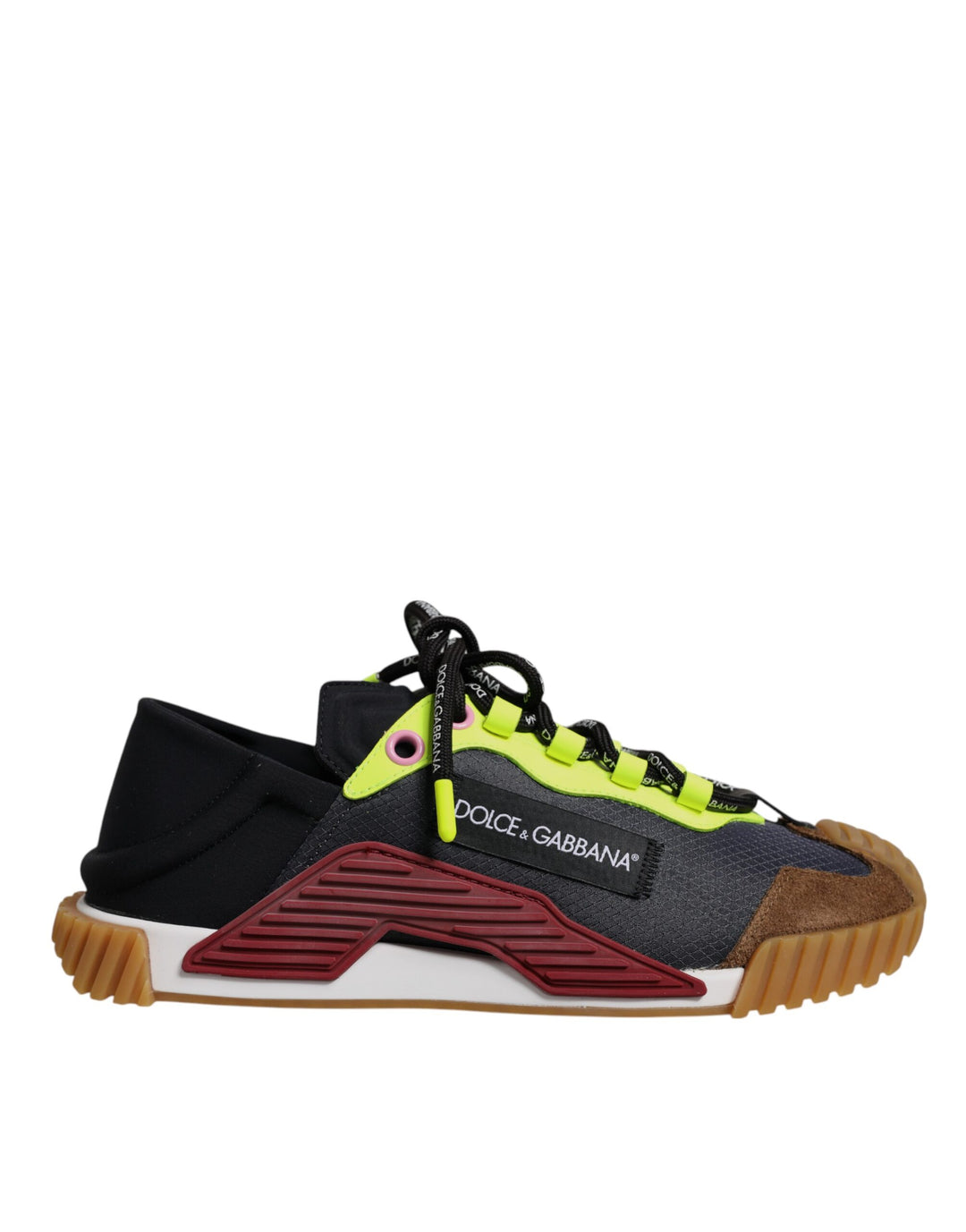
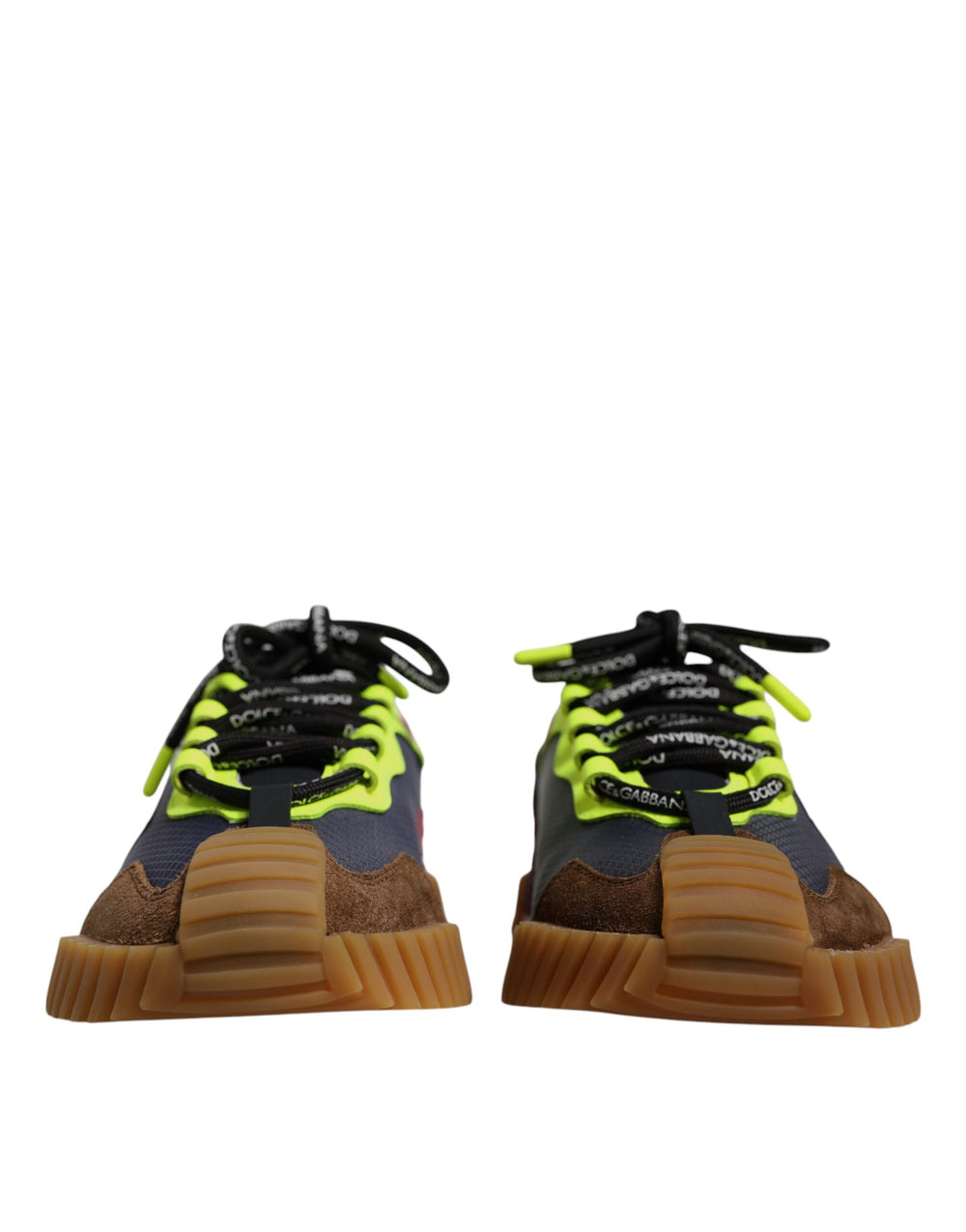
Contemporary luxury from fashion houses. Elevated casual footwear combining comfort with designer details.
Men's Designer Shoes
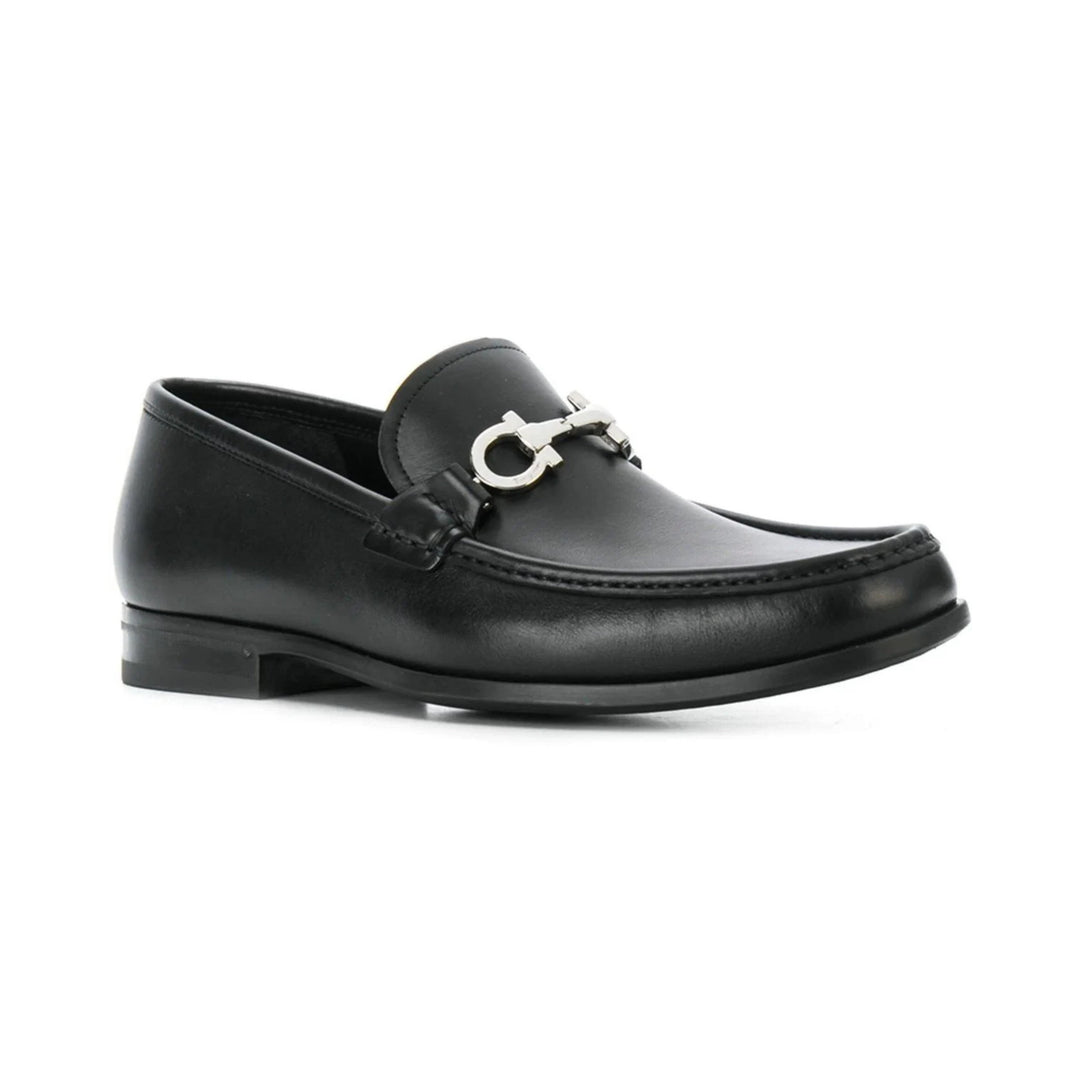
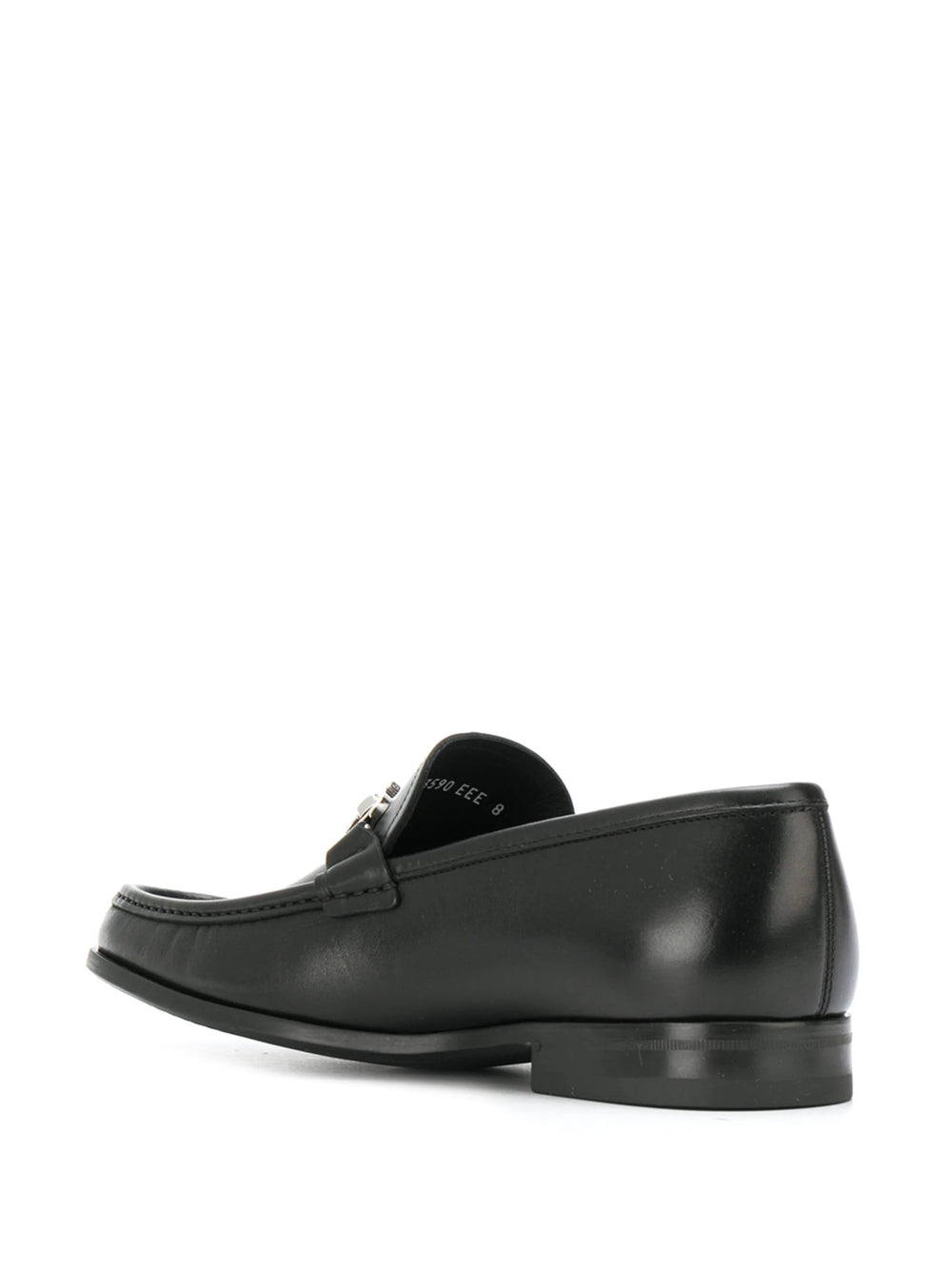
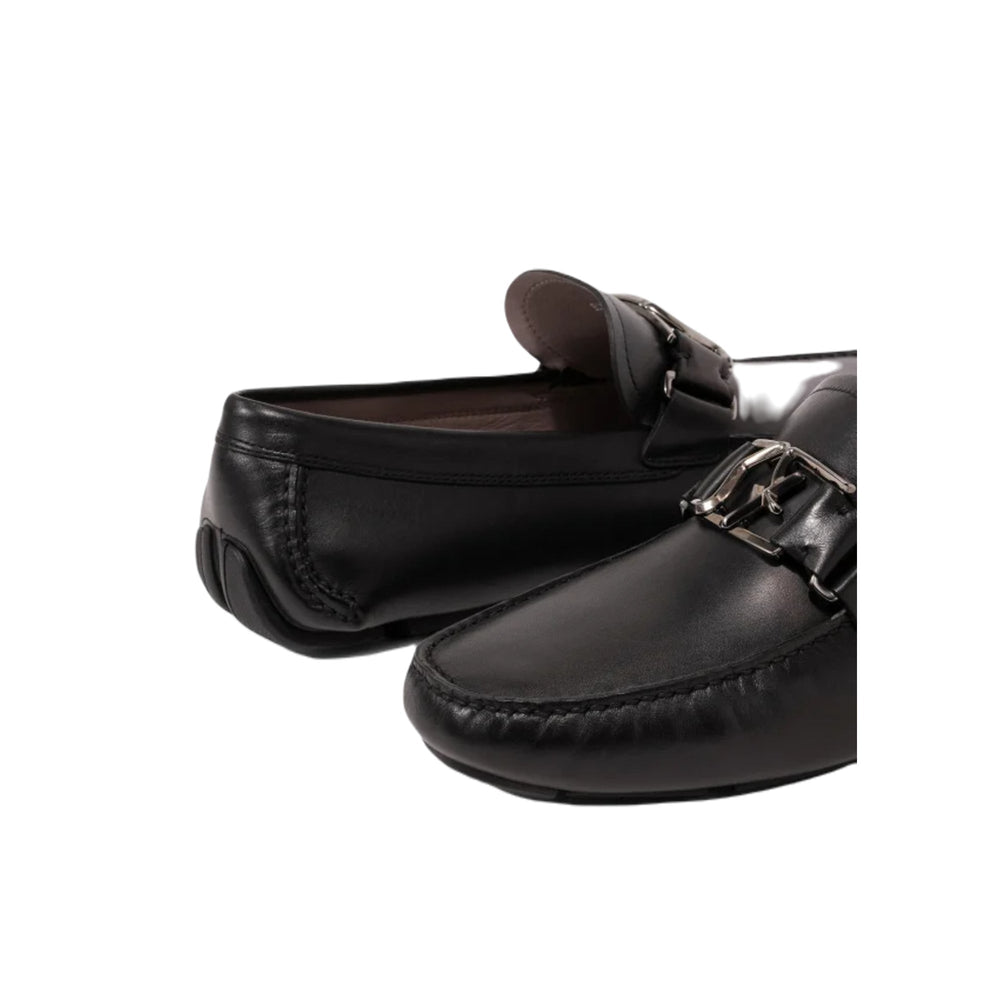
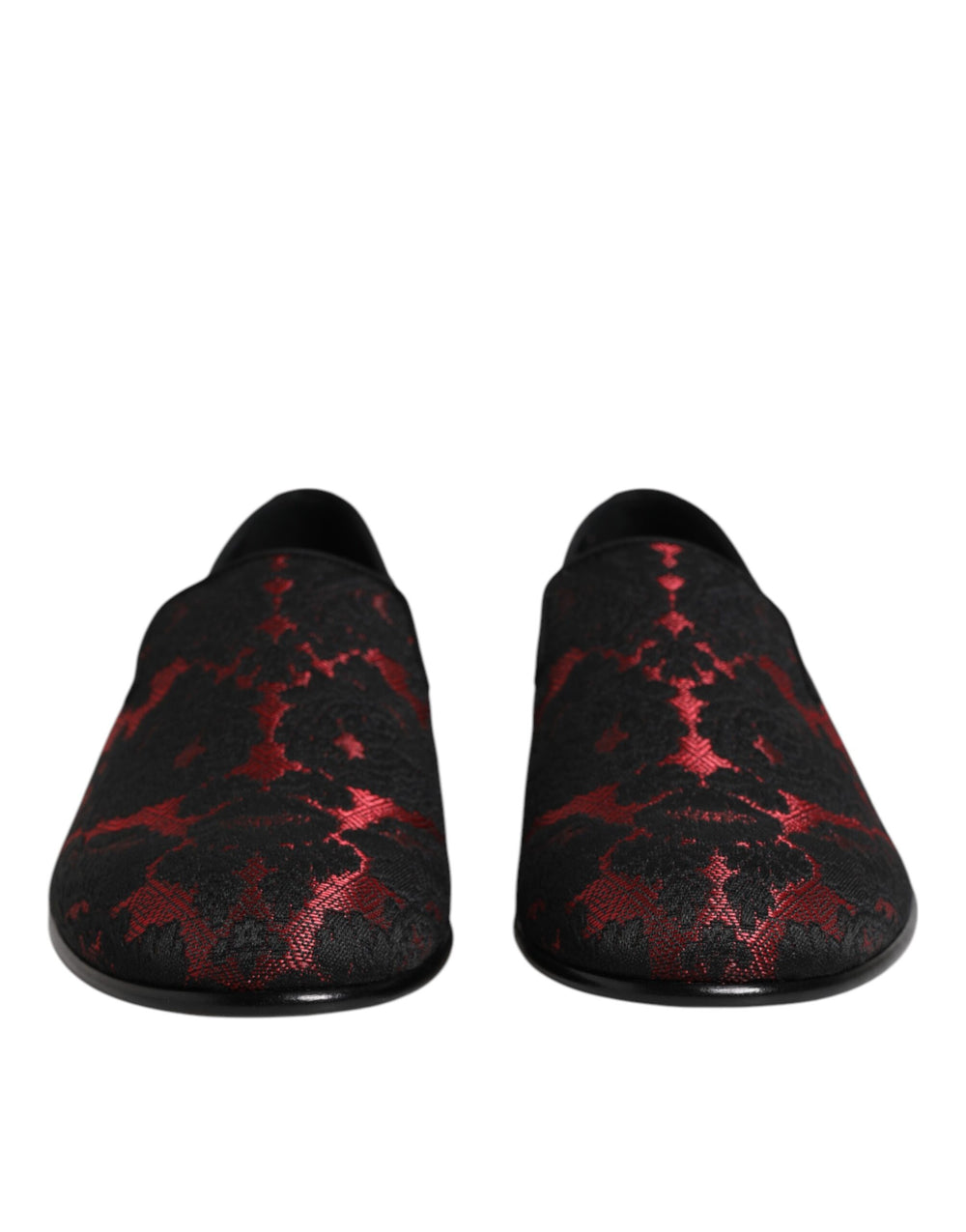
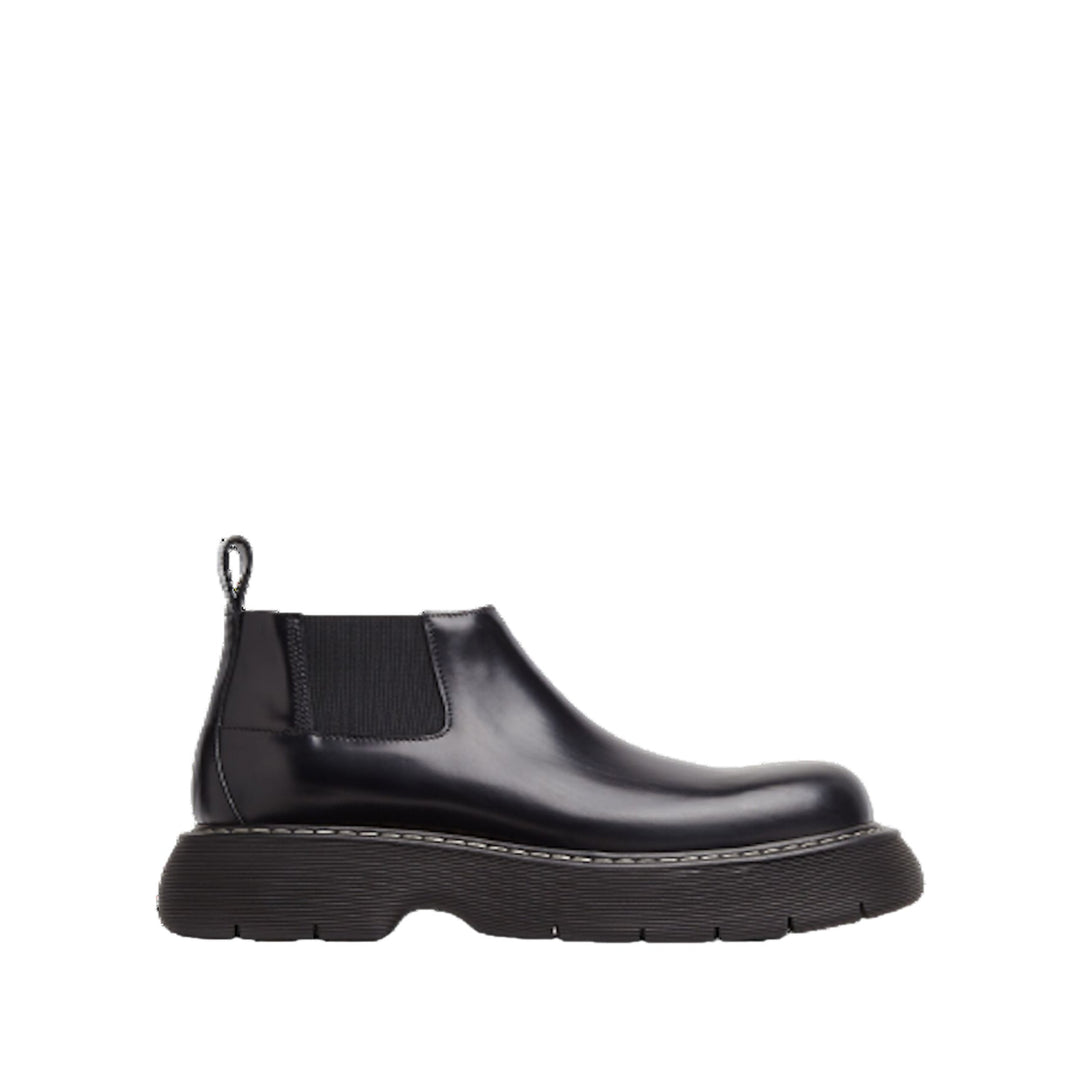
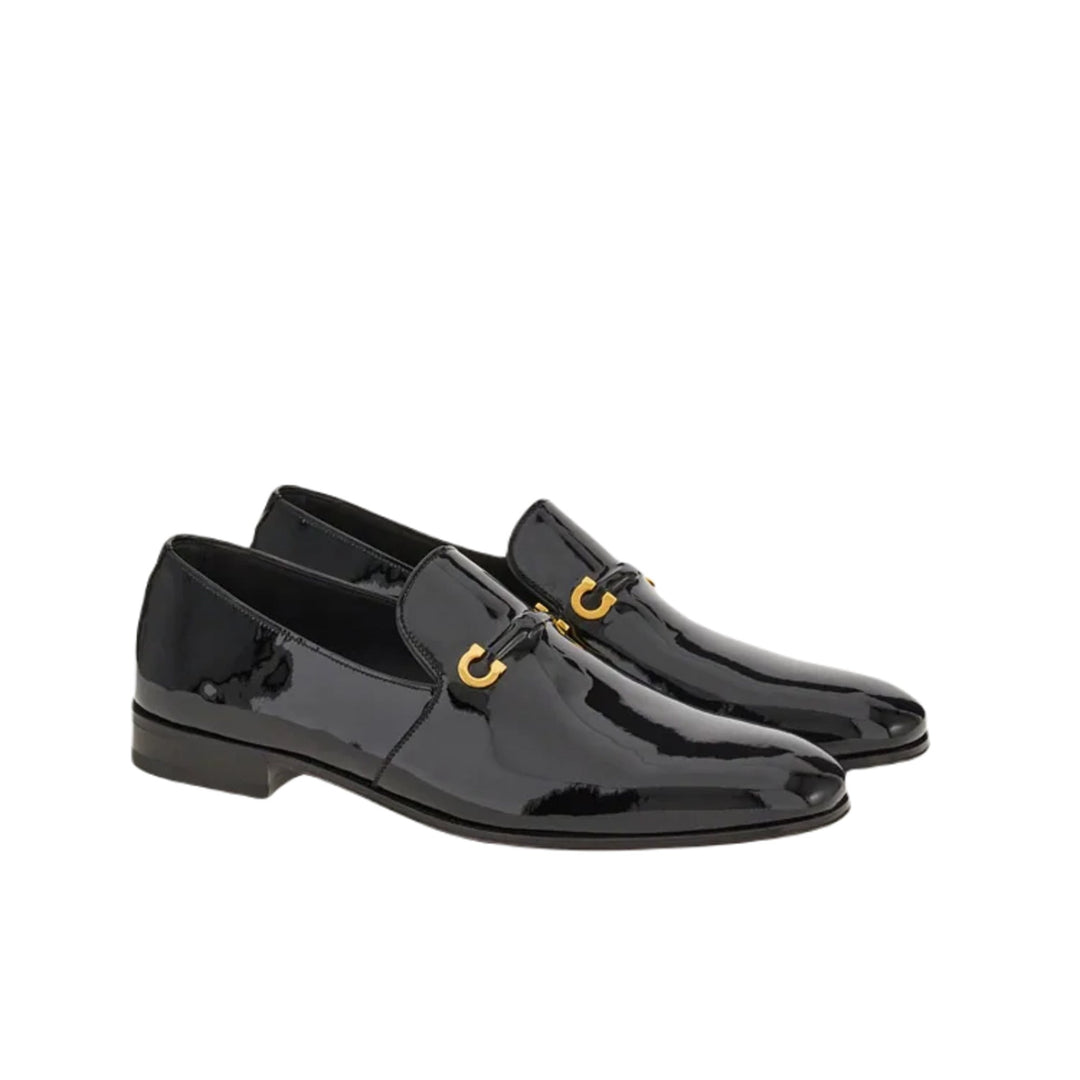
Quality loafers, dress shoes, casual footwear. Italian construction at accessible price points.
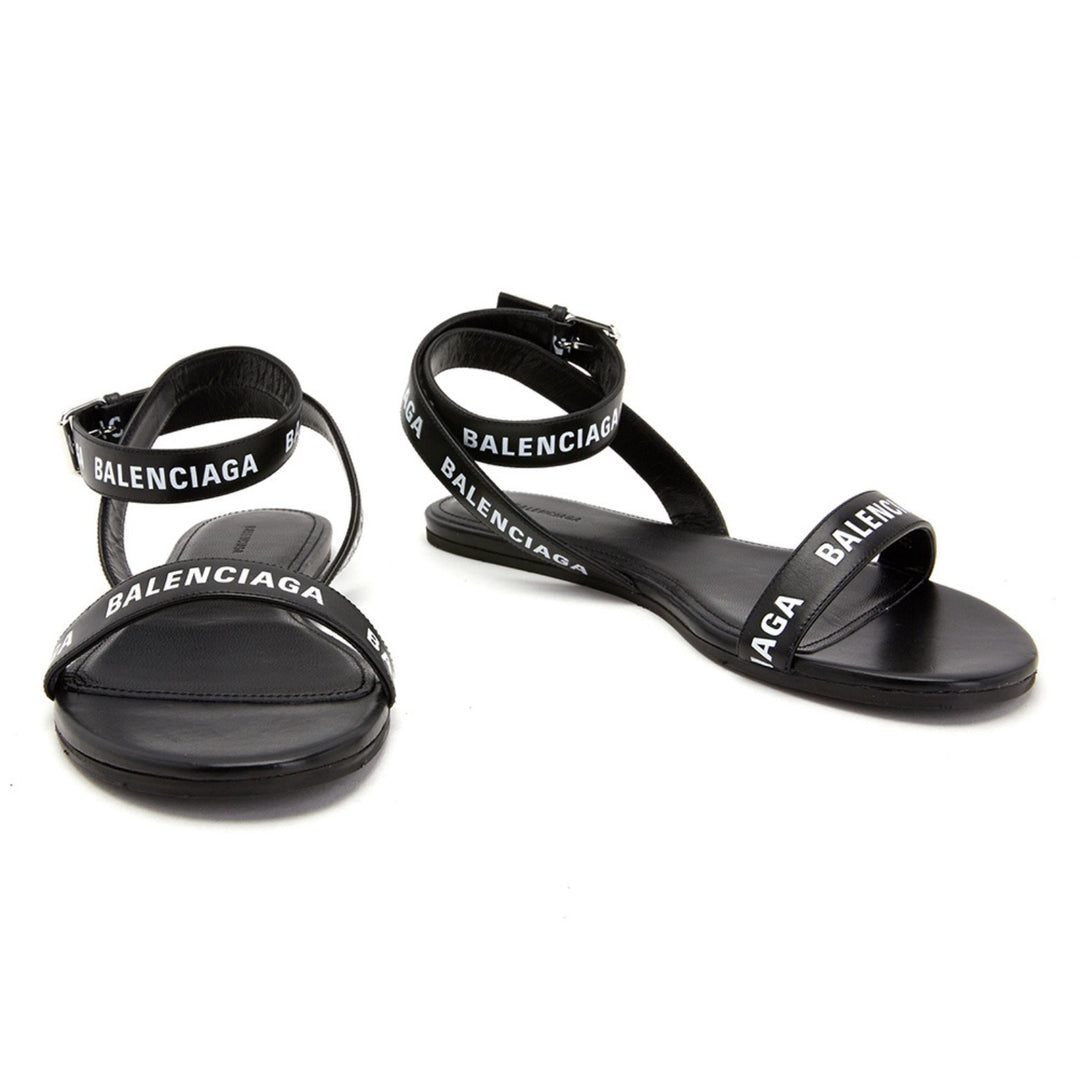
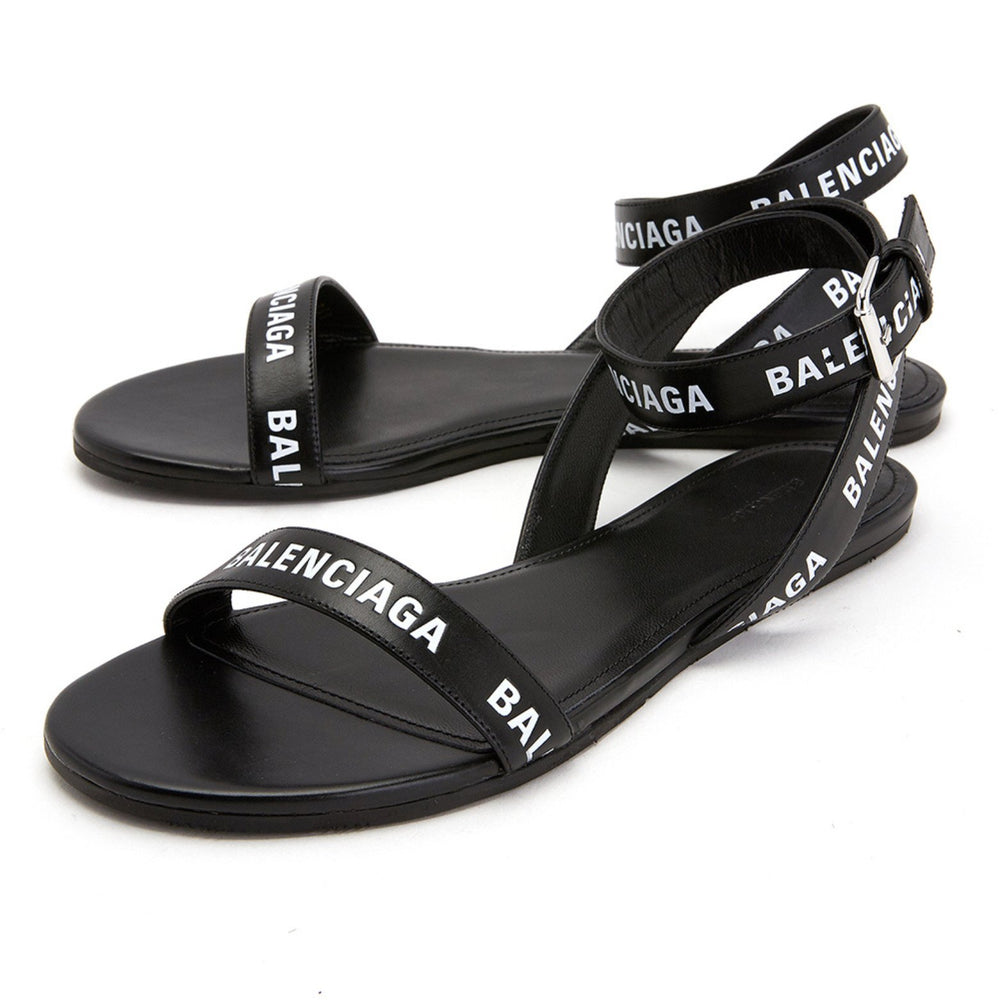
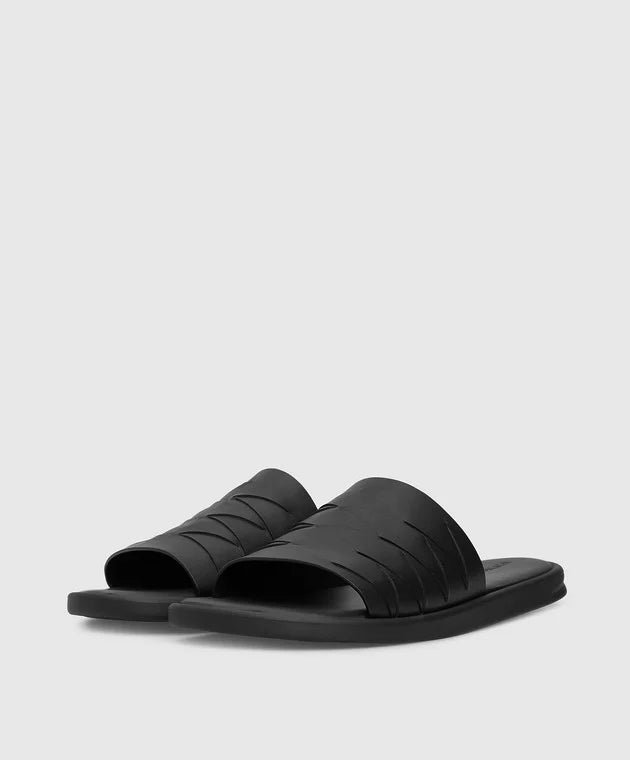
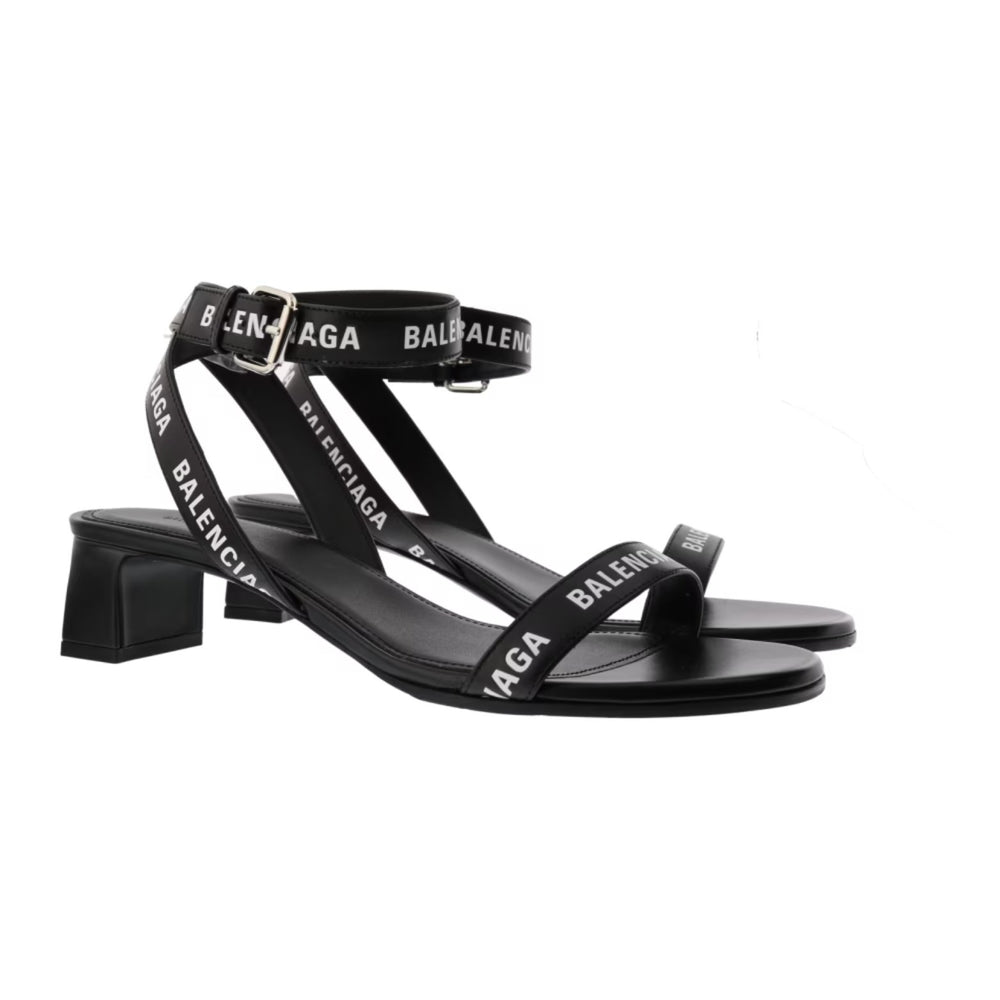
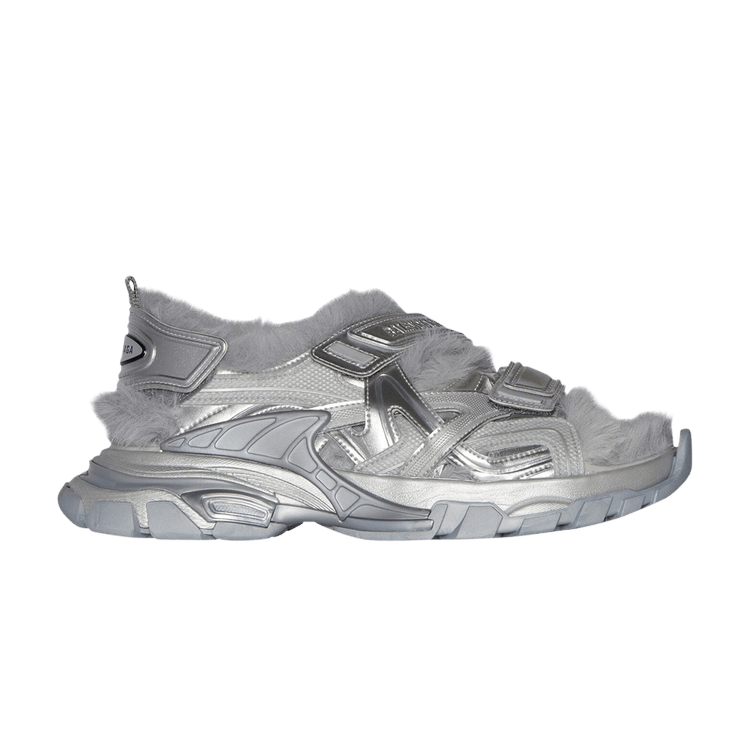
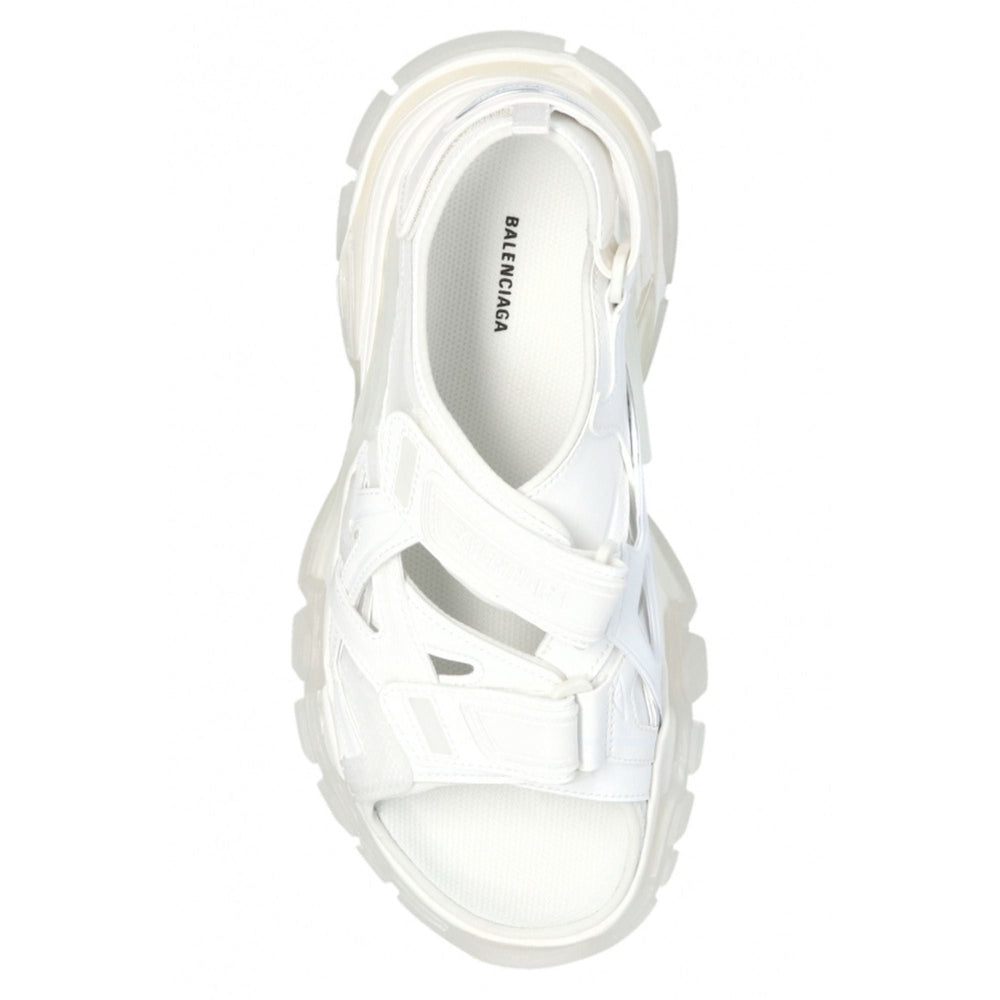
Designer Sandals
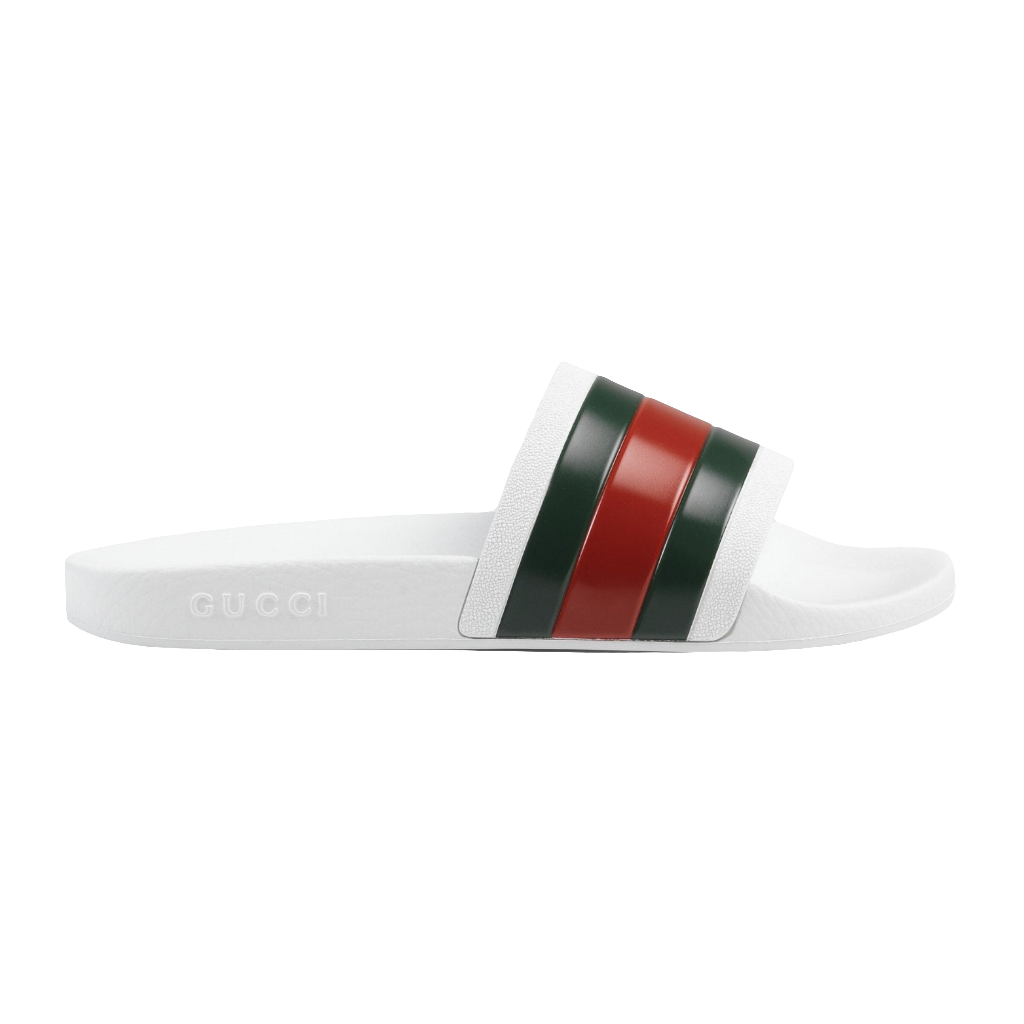
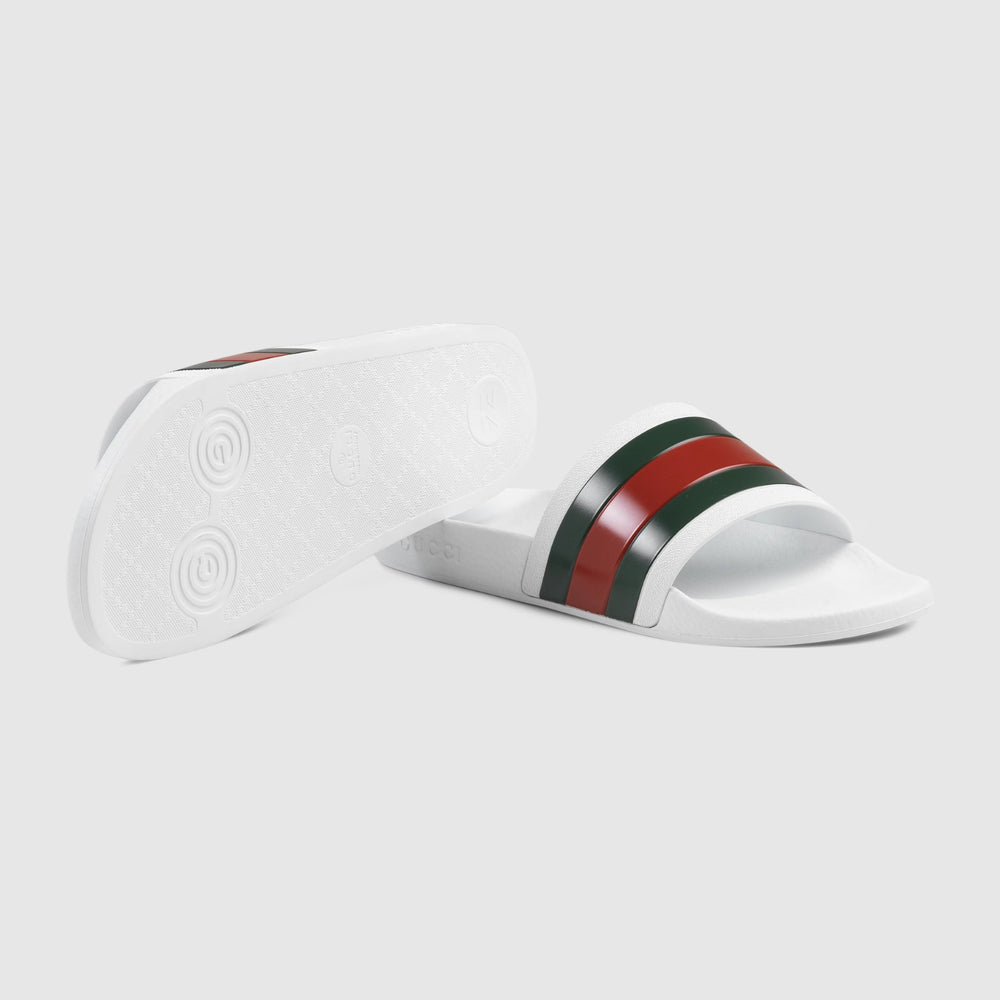
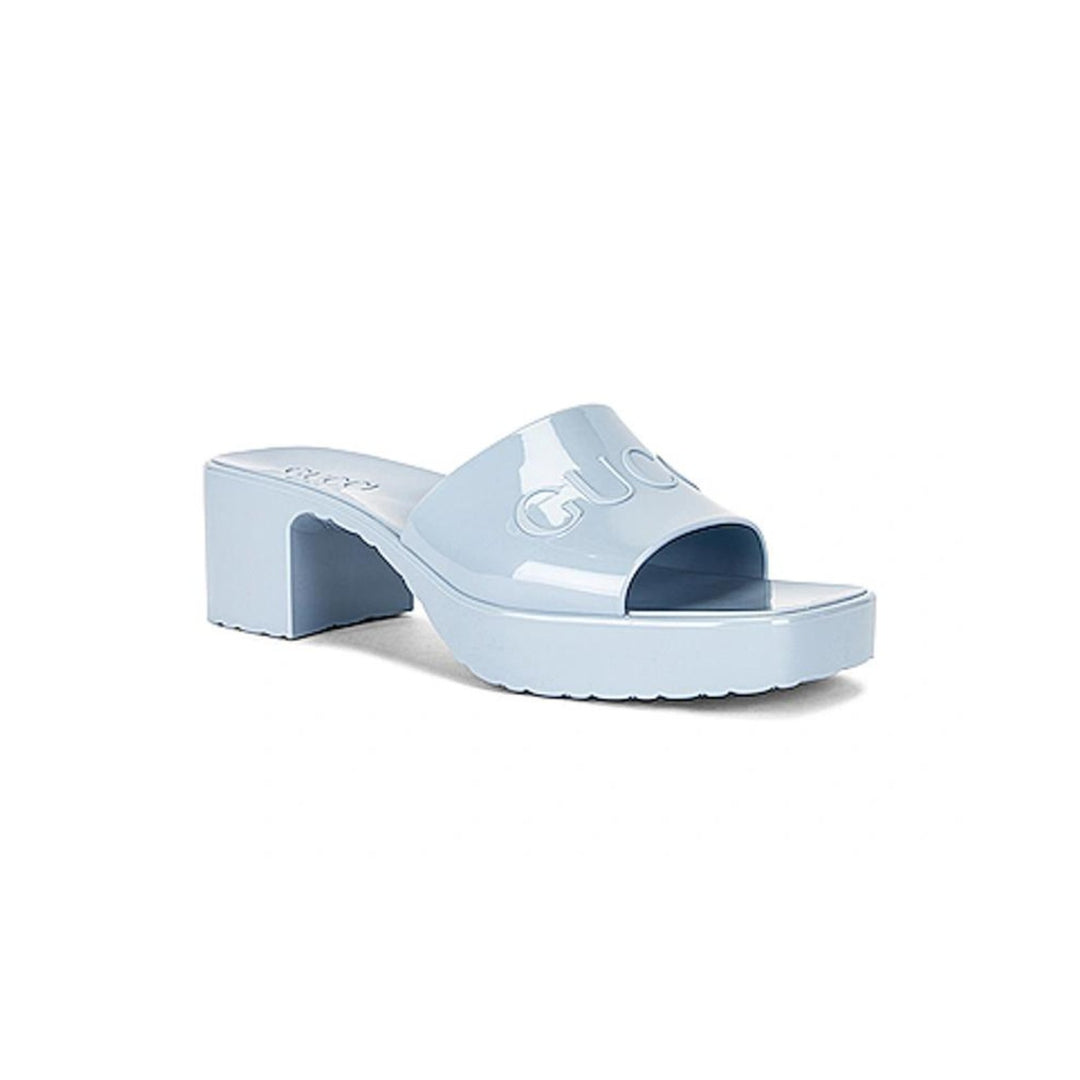
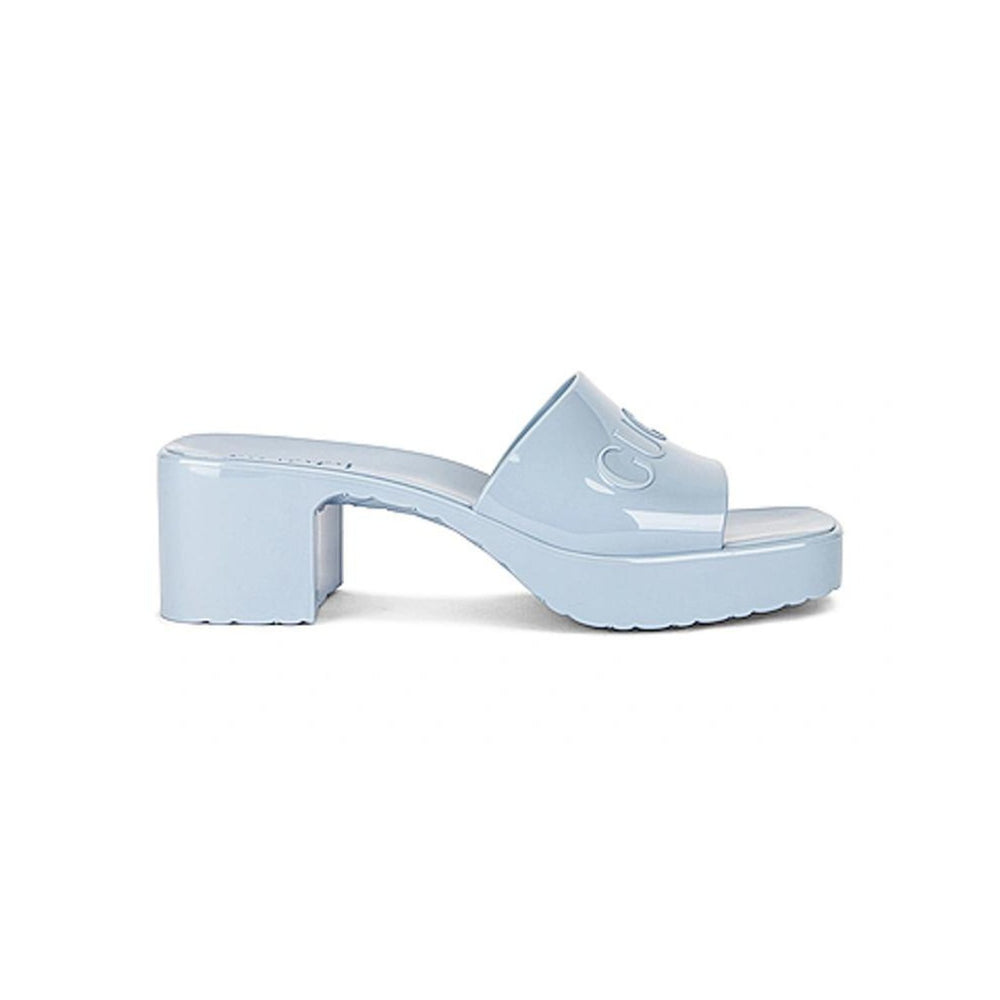
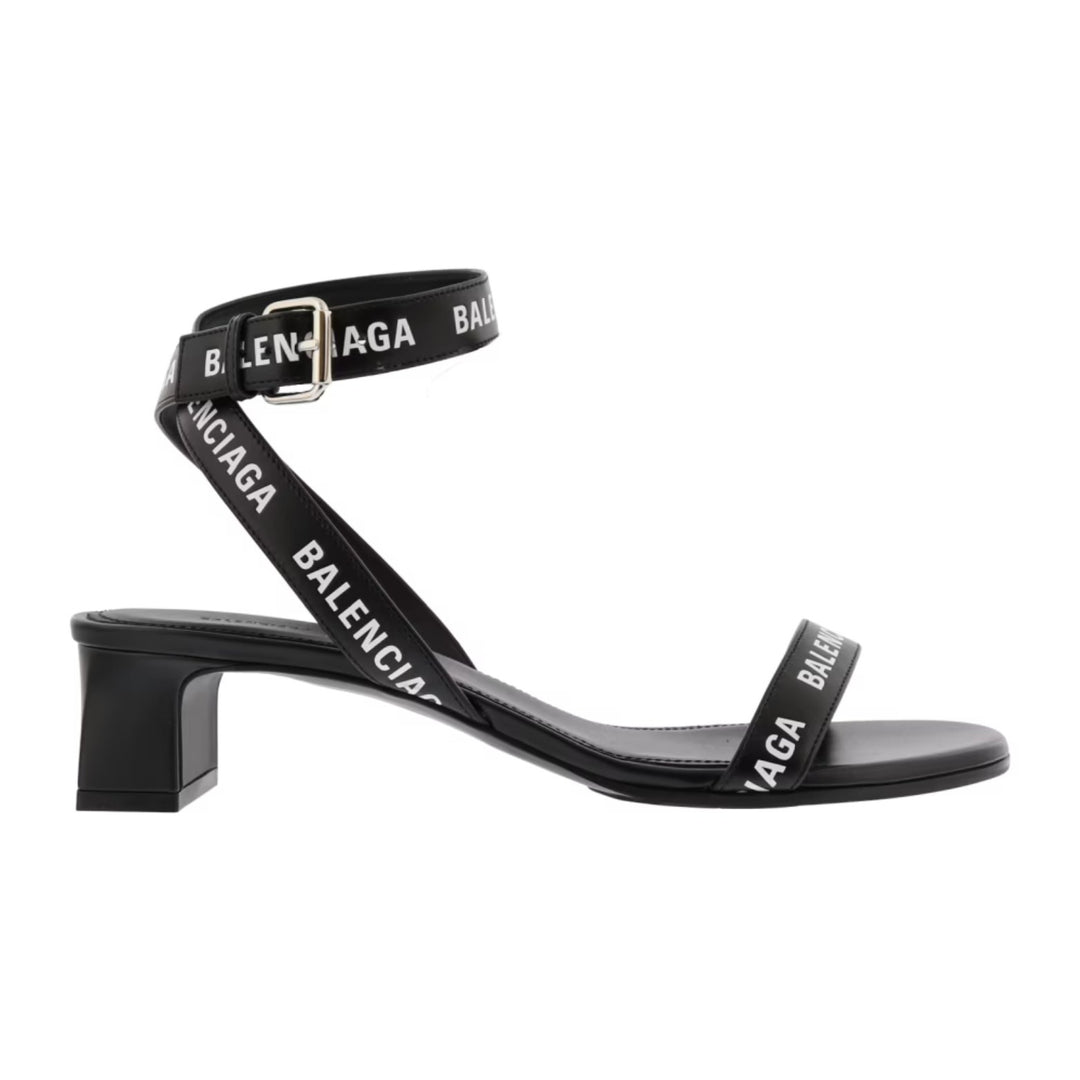
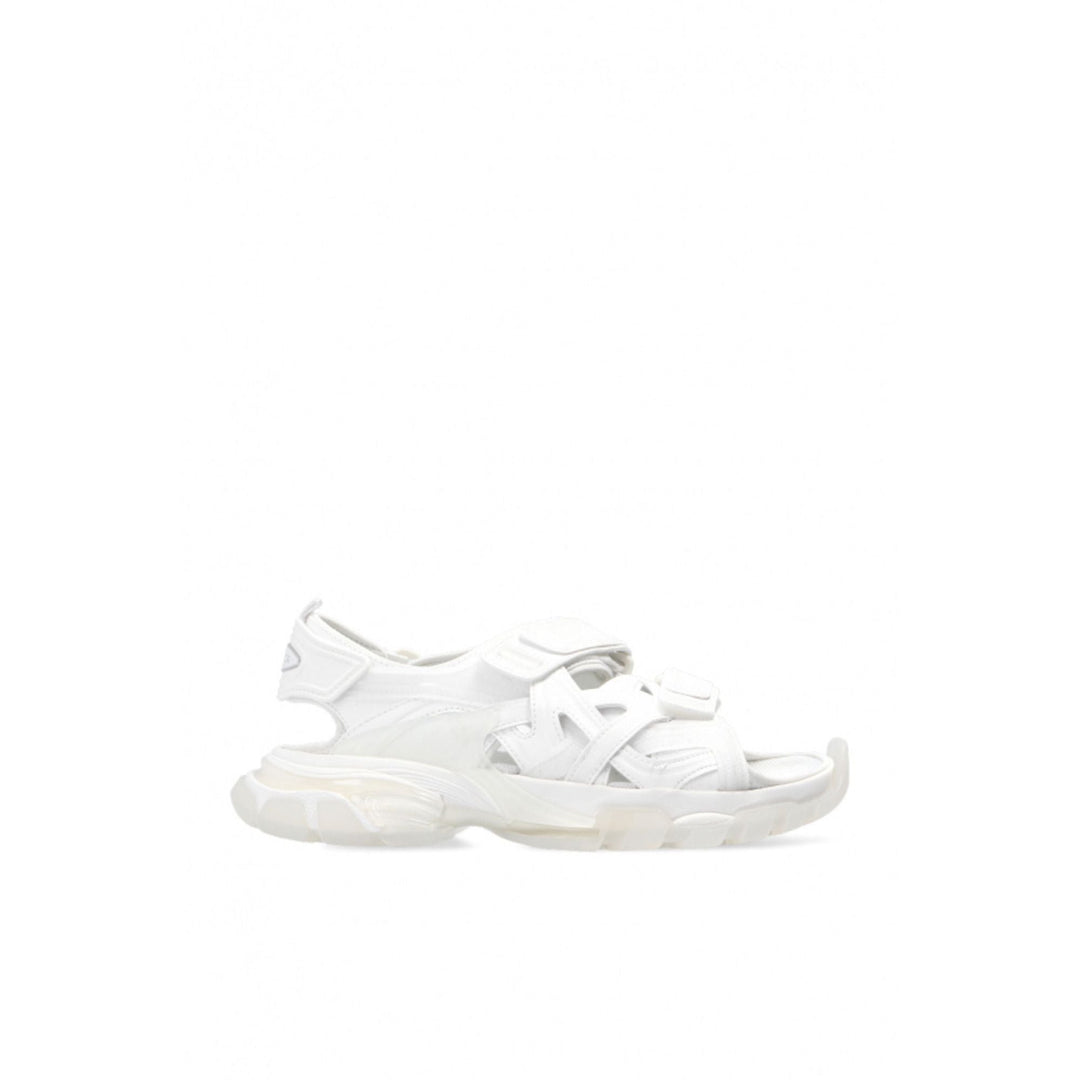
Summer luxury, including flats, heeled styles, and slides. Premium materials for warm-weather elegance.
Designer Accessories ($200-$799)
Designer Sunglasses
Gucci, Prada, Saint Laurent eyewear. Italian acetate with proper UV protection and fashion-forward designs.
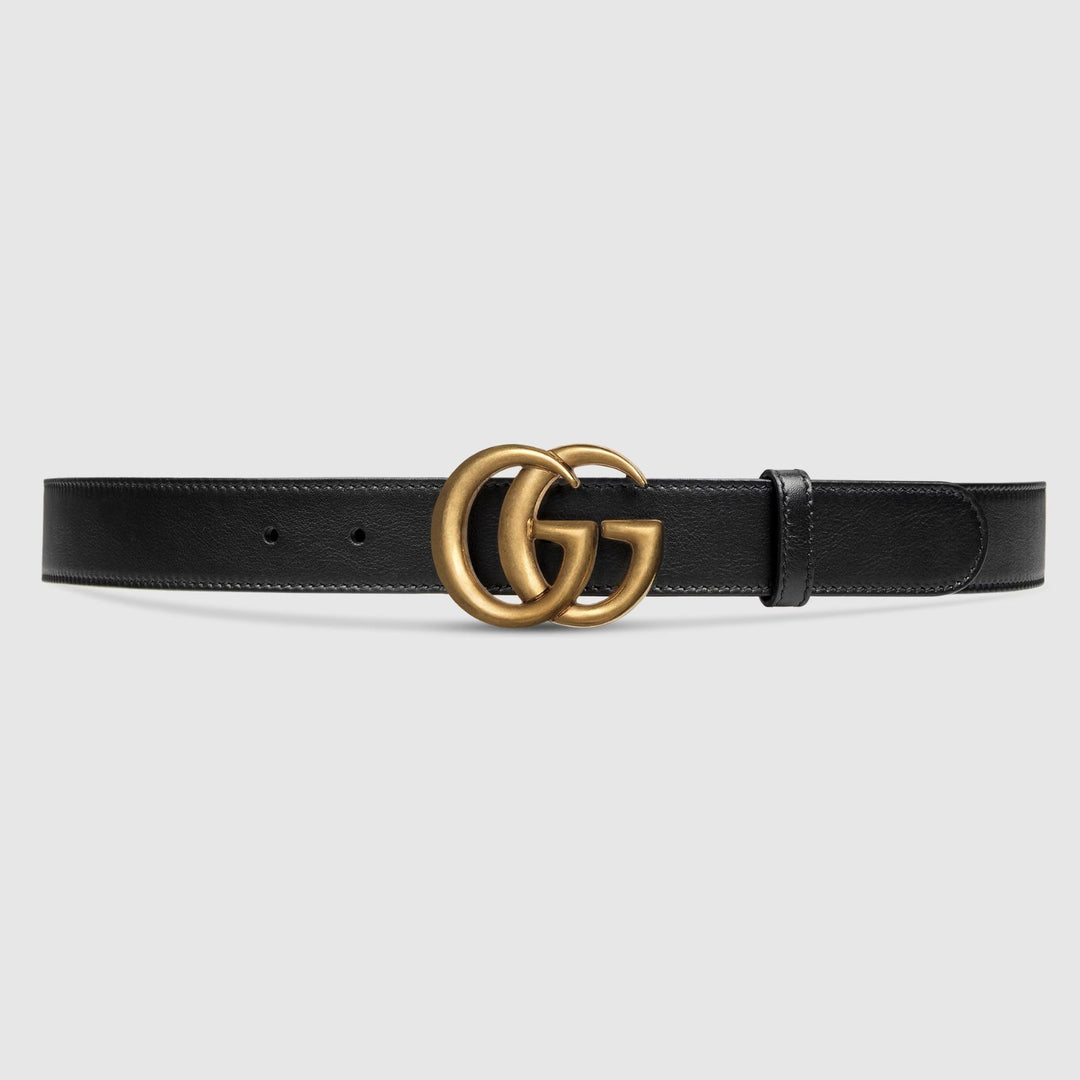
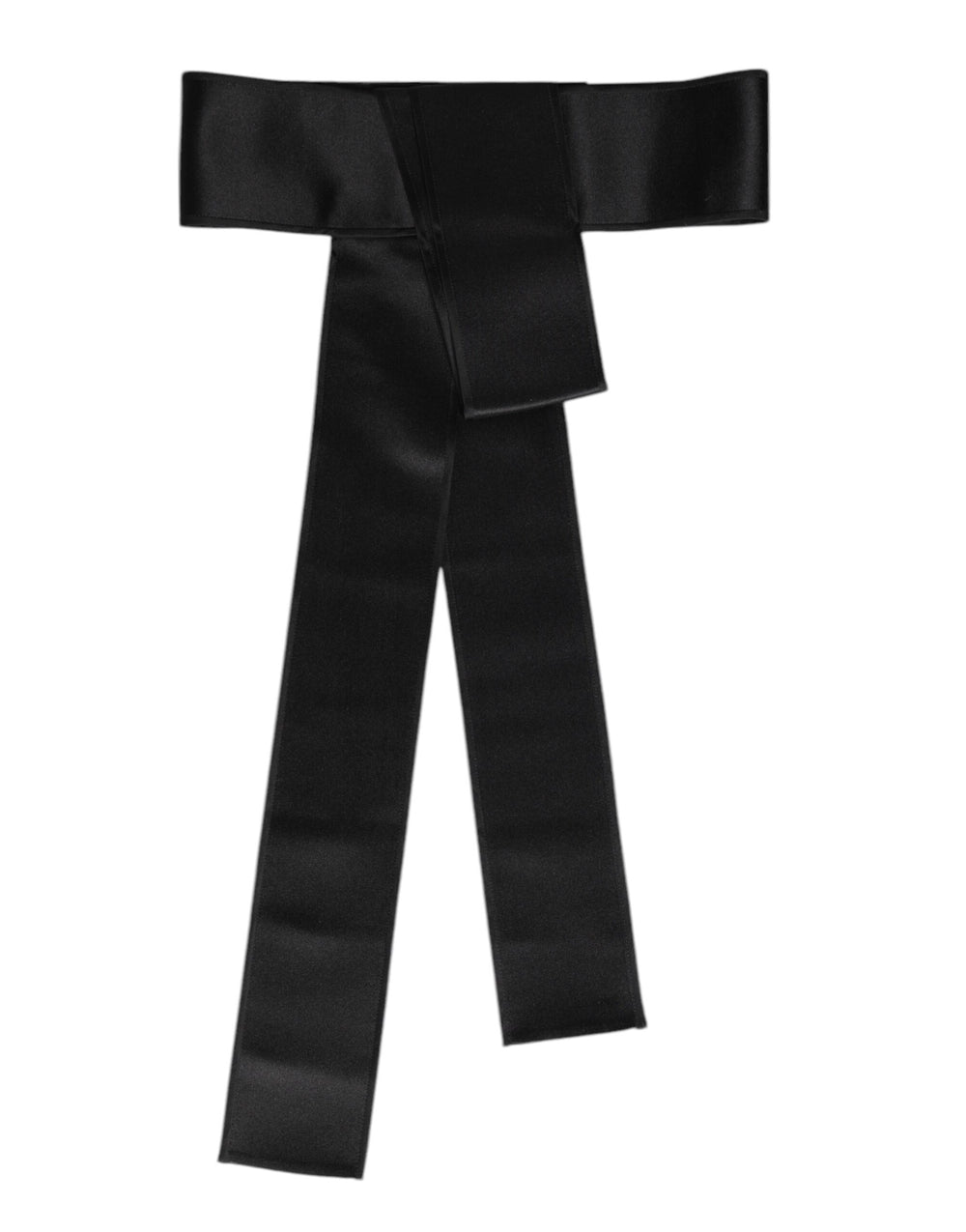
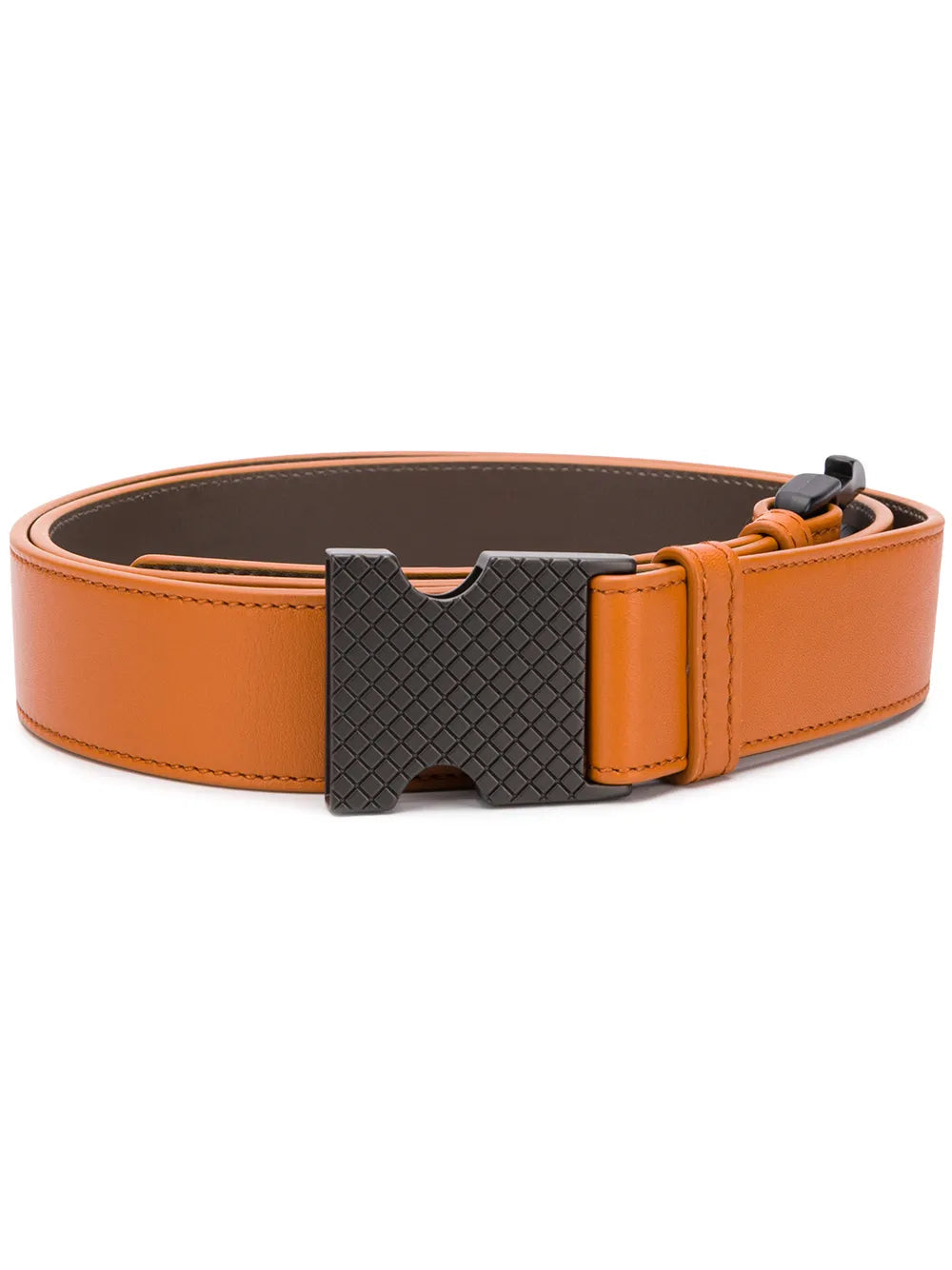
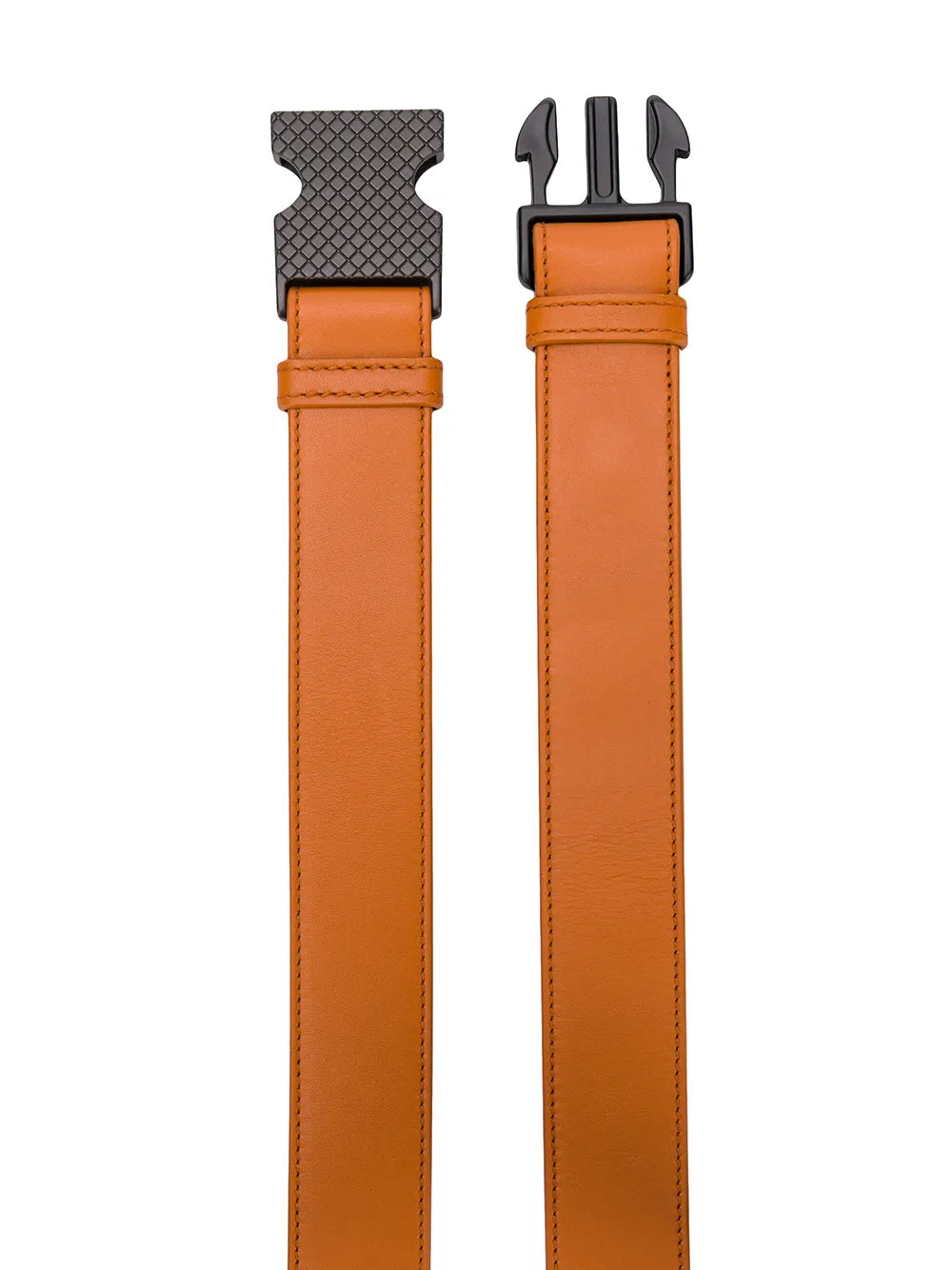
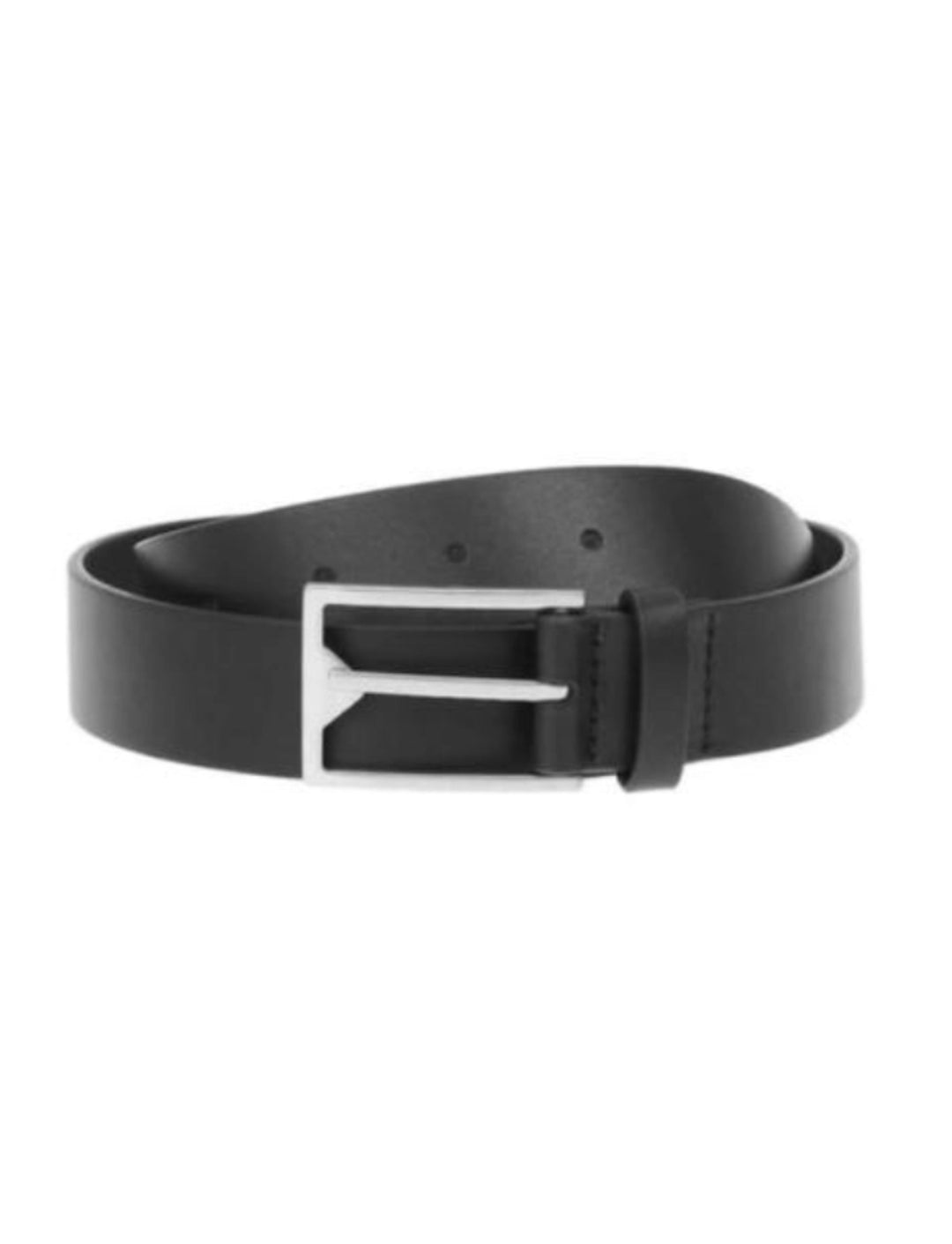
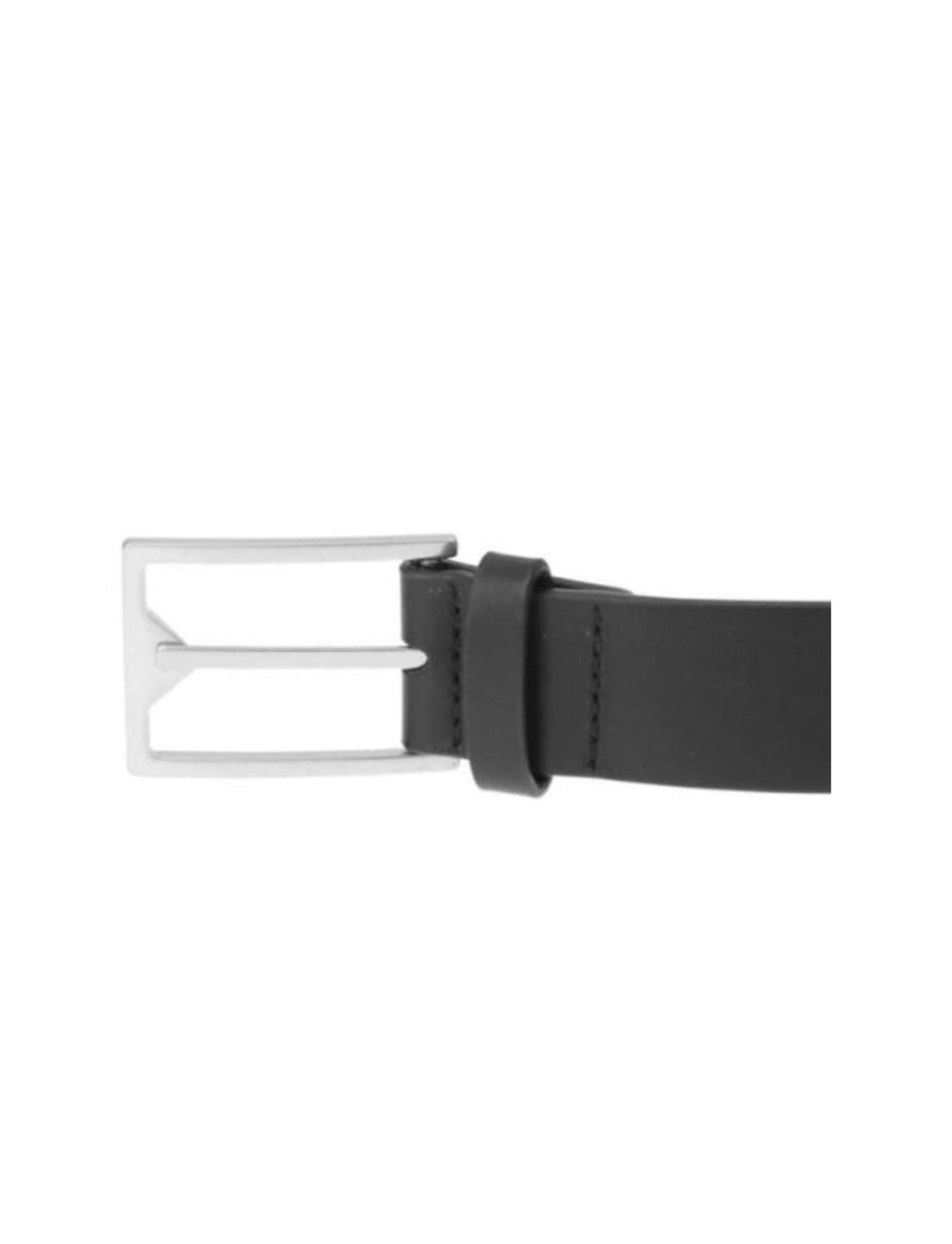
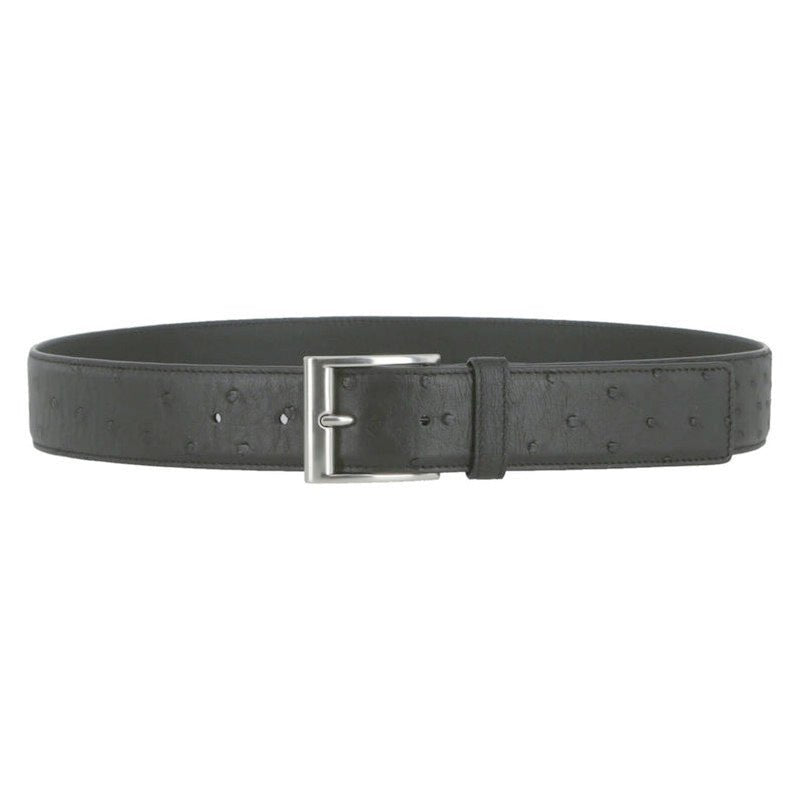
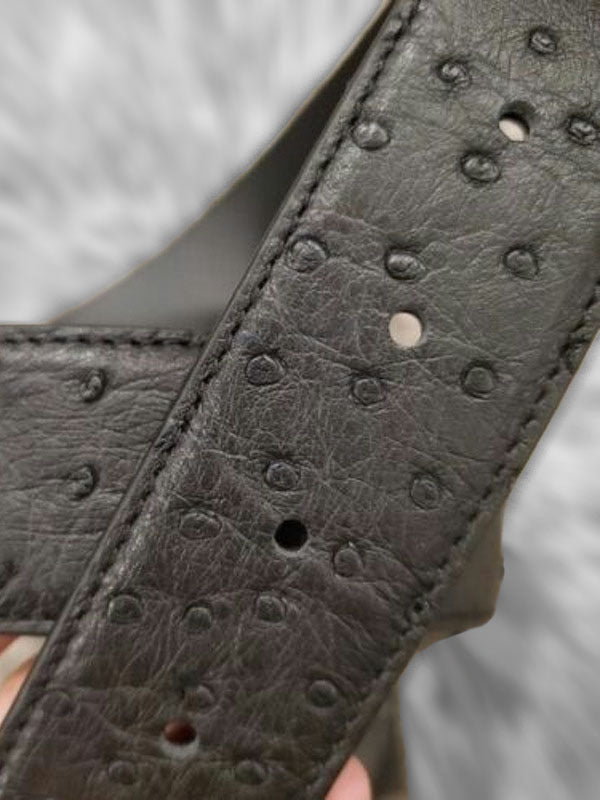
Designer Belts
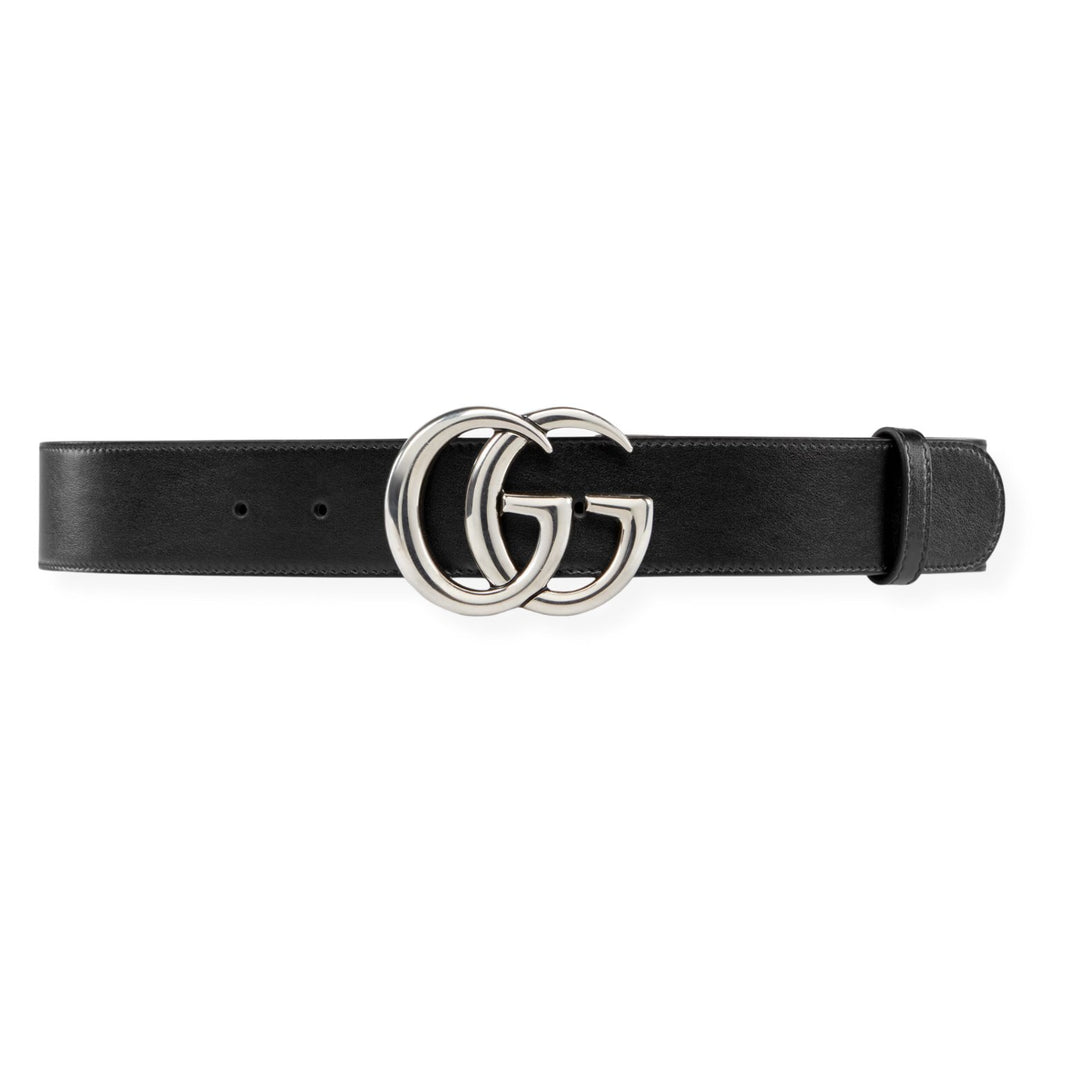
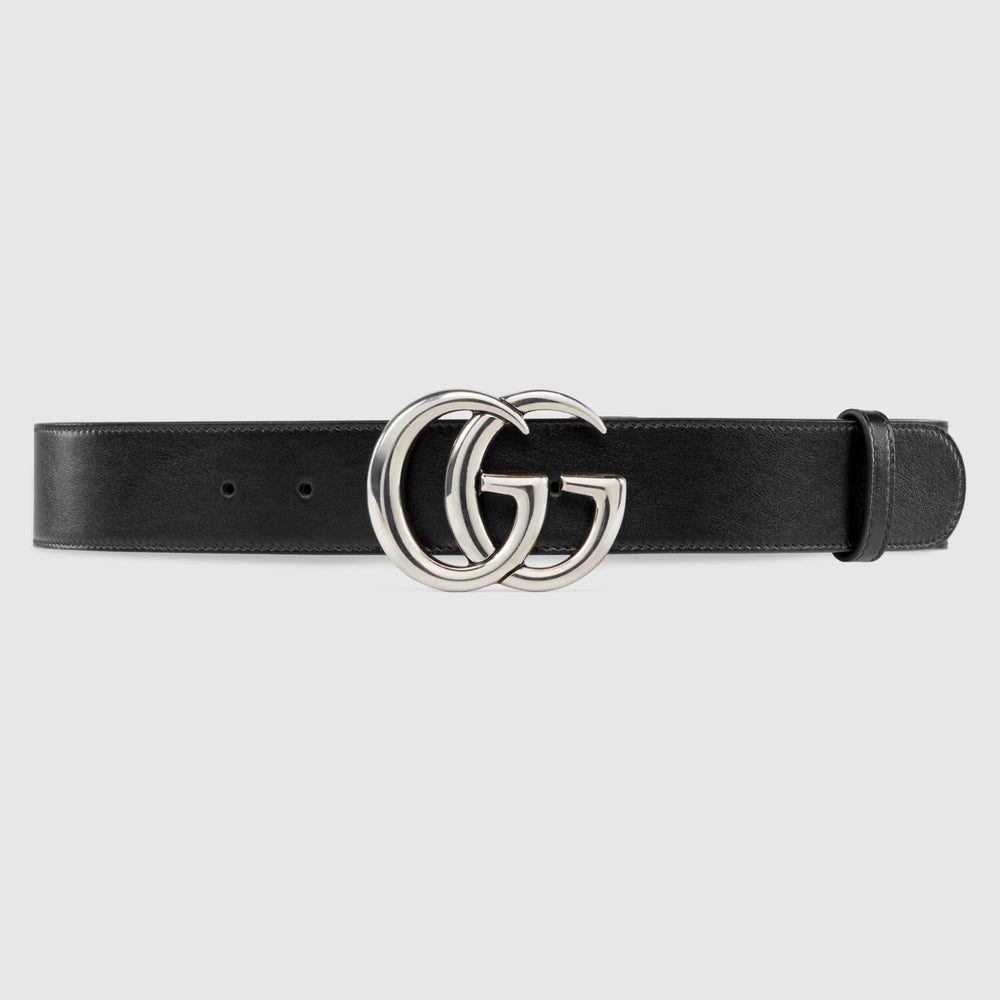
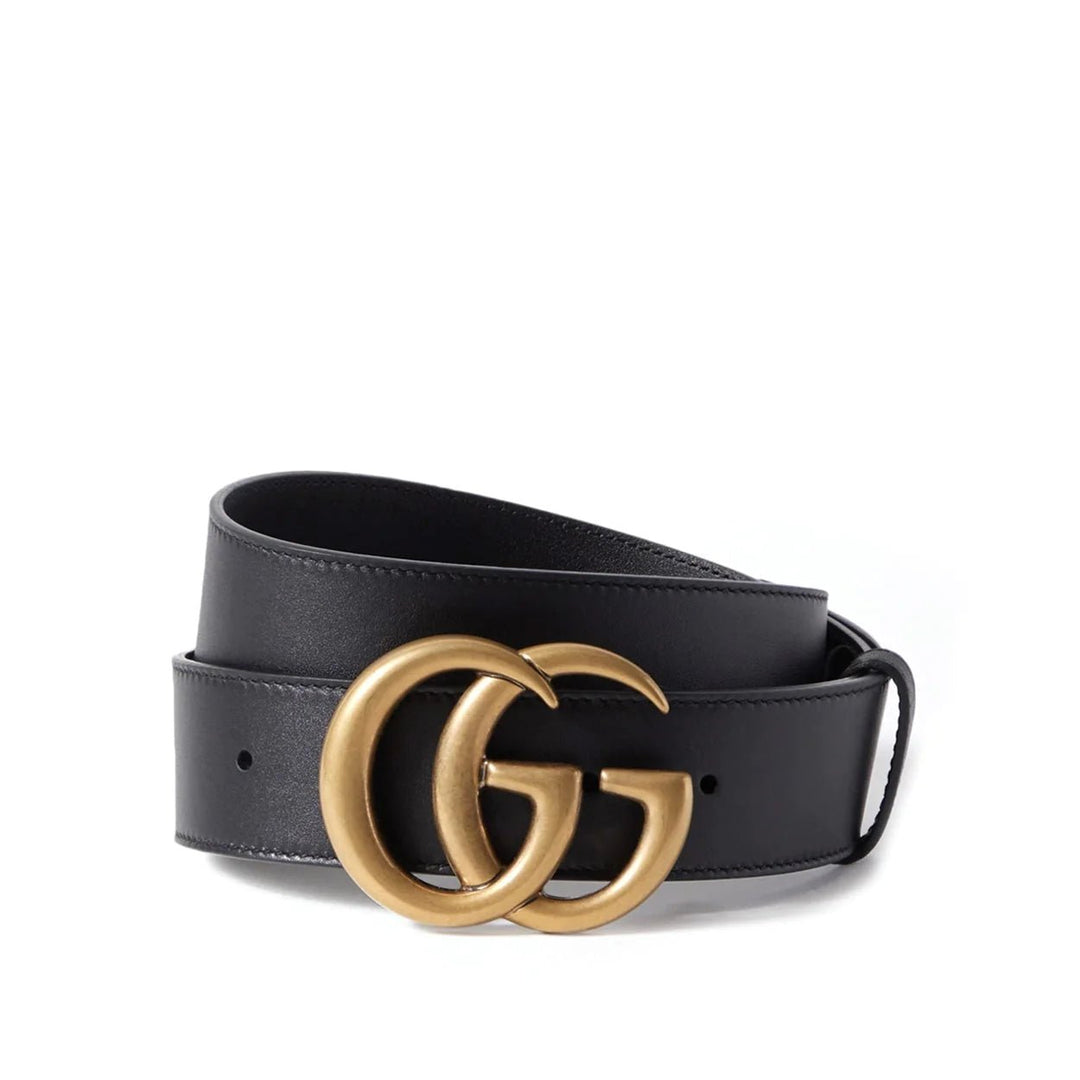
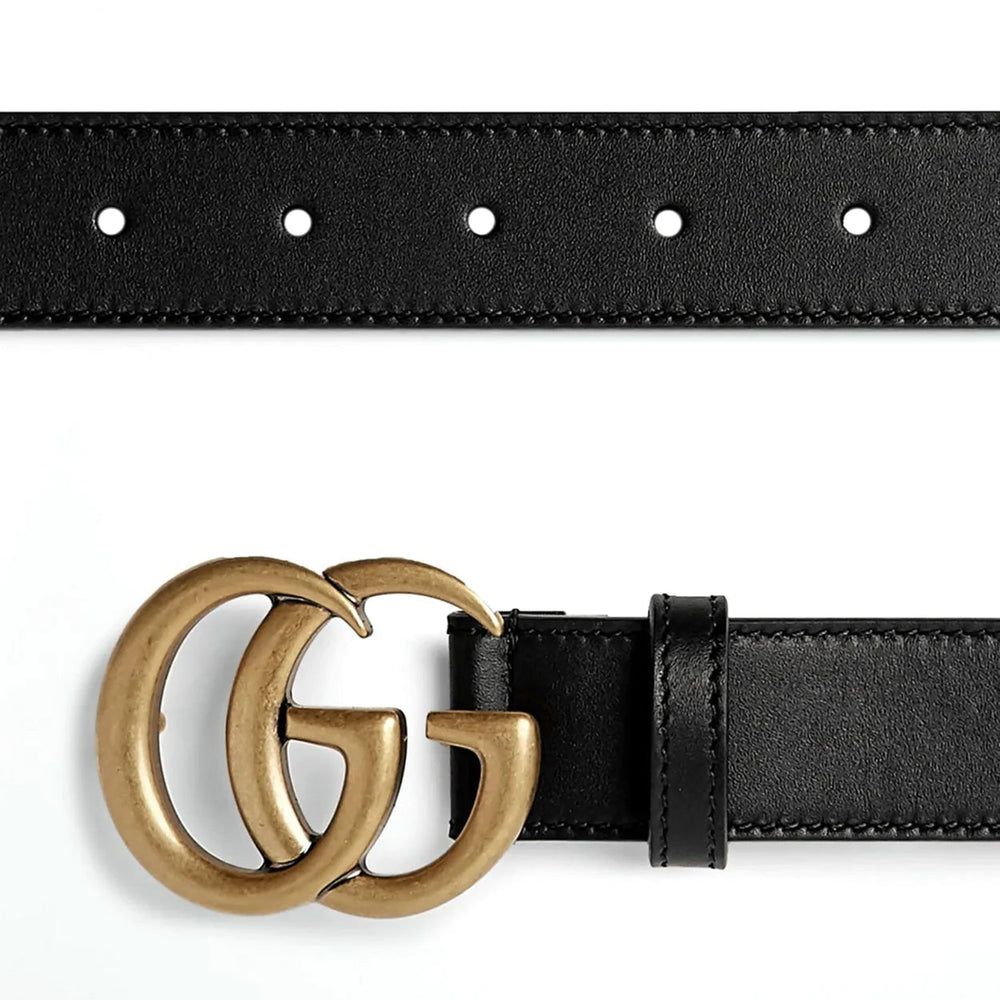
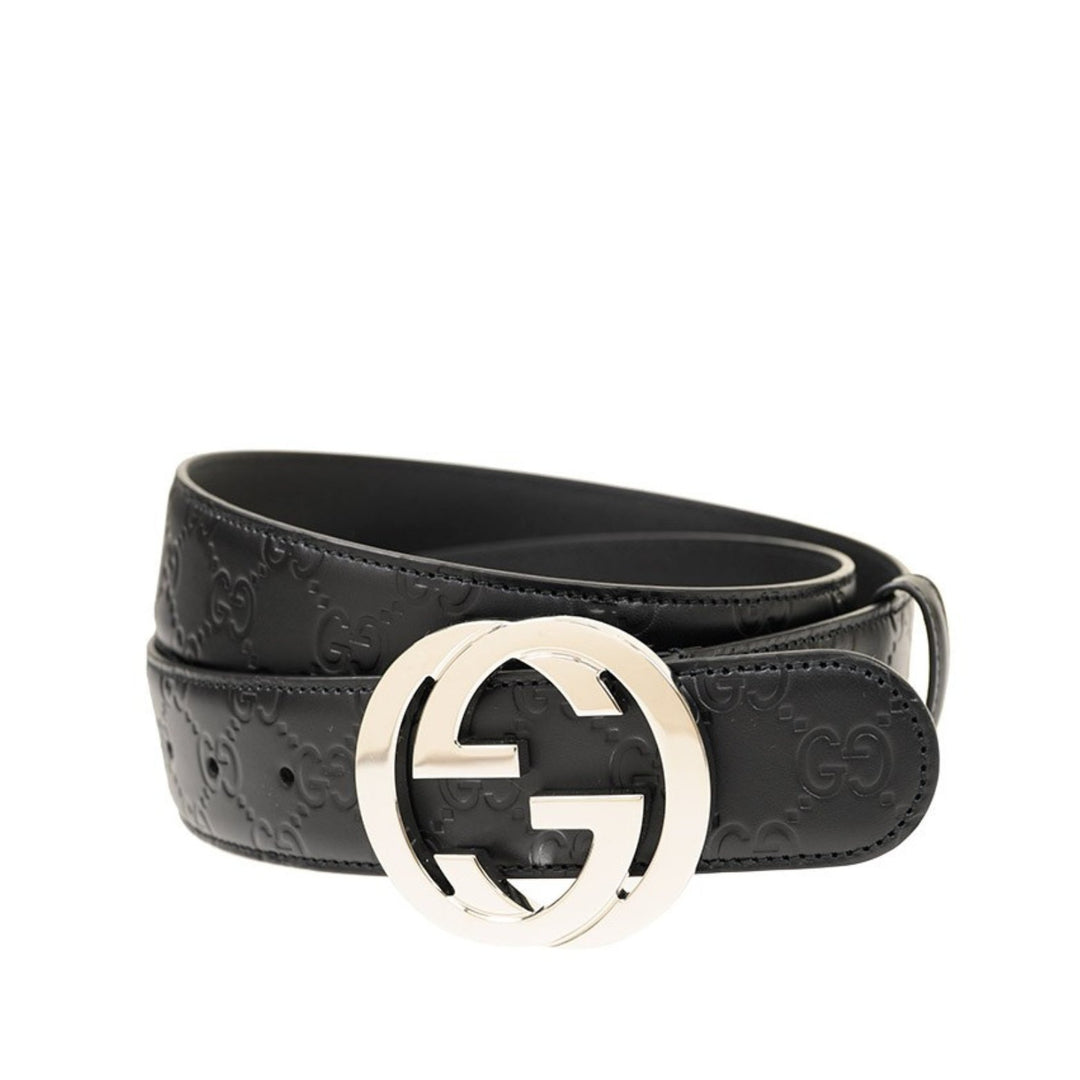
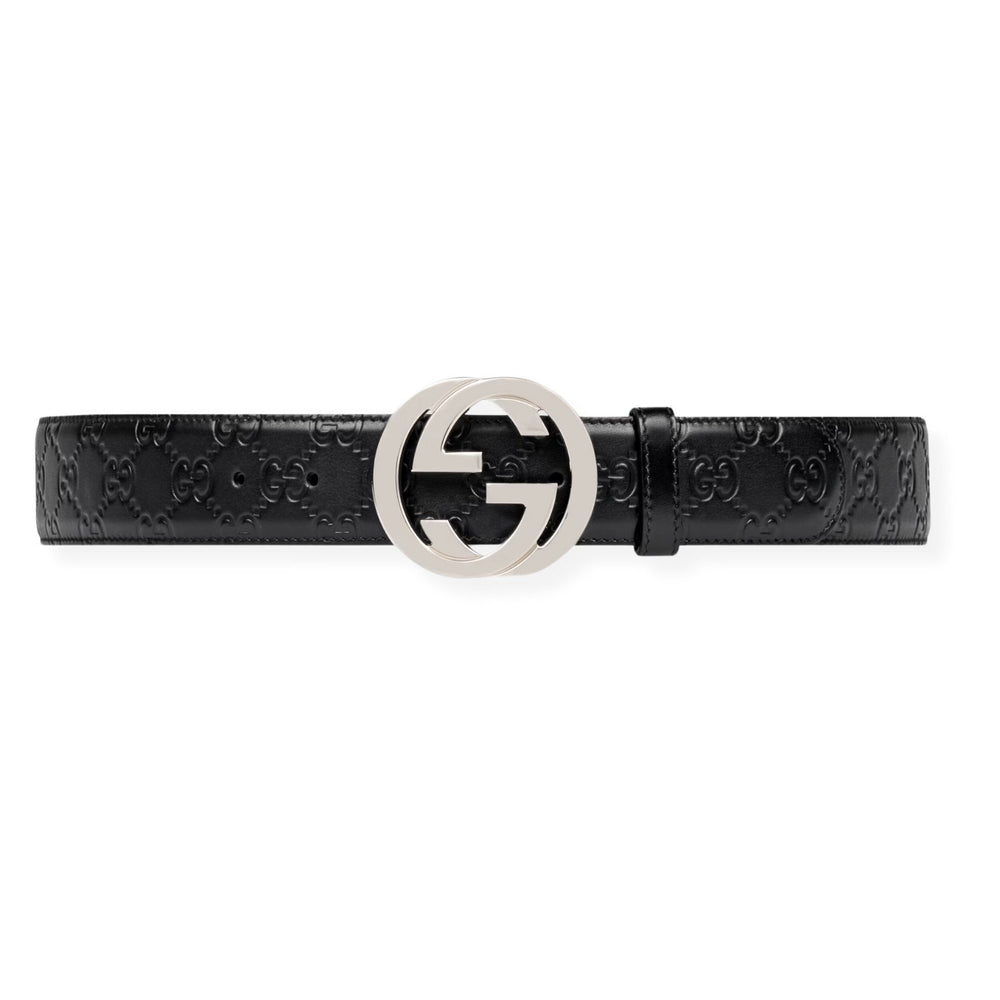
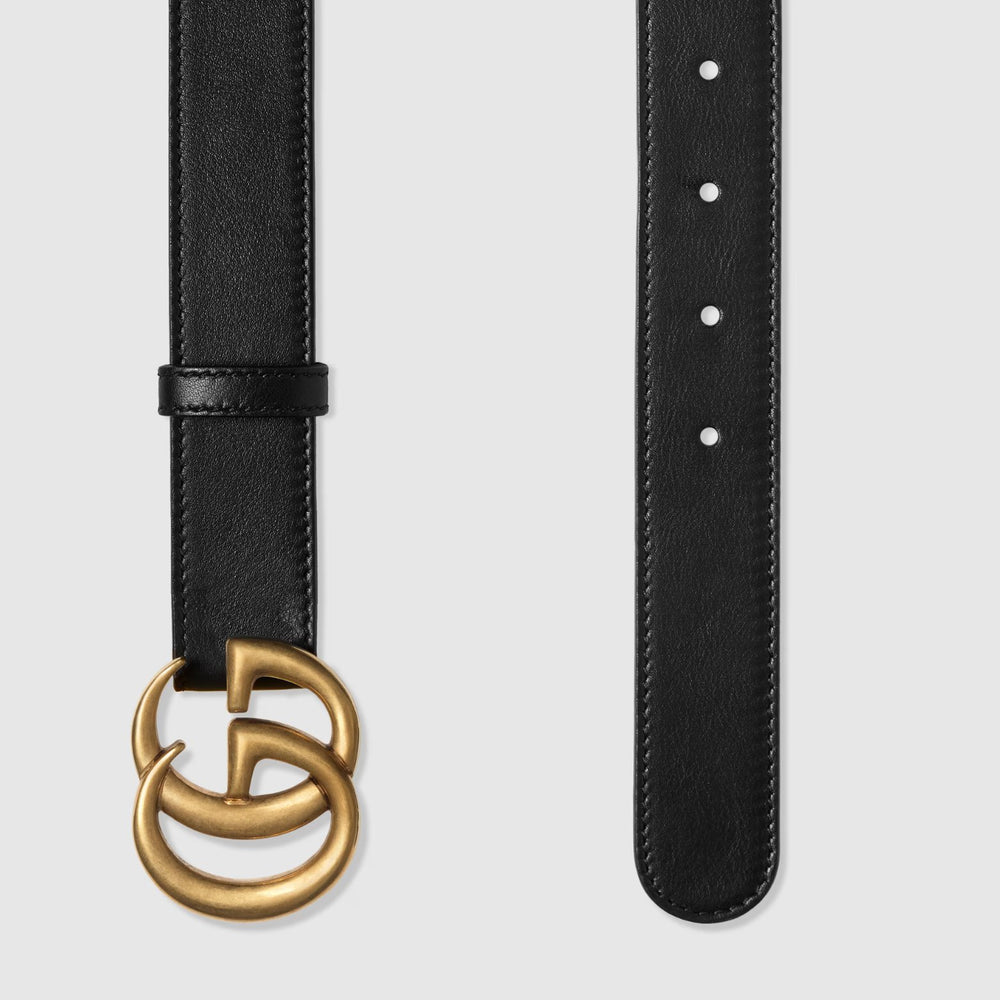
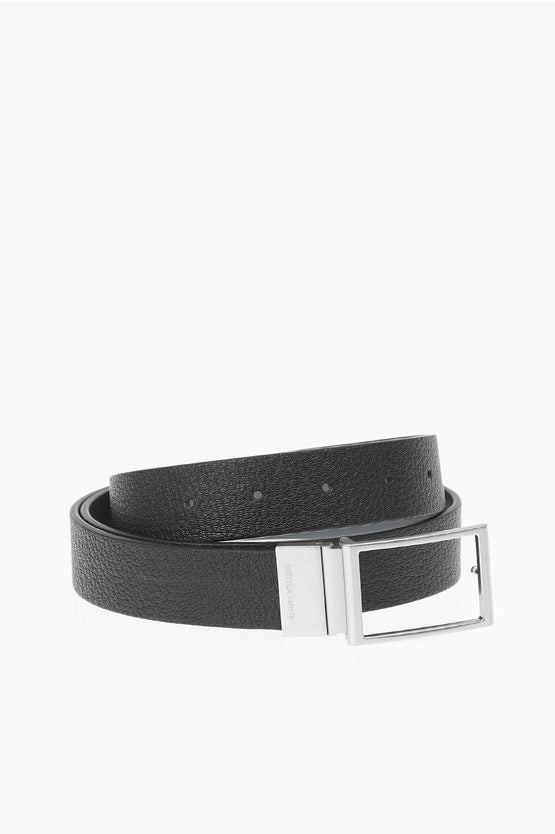
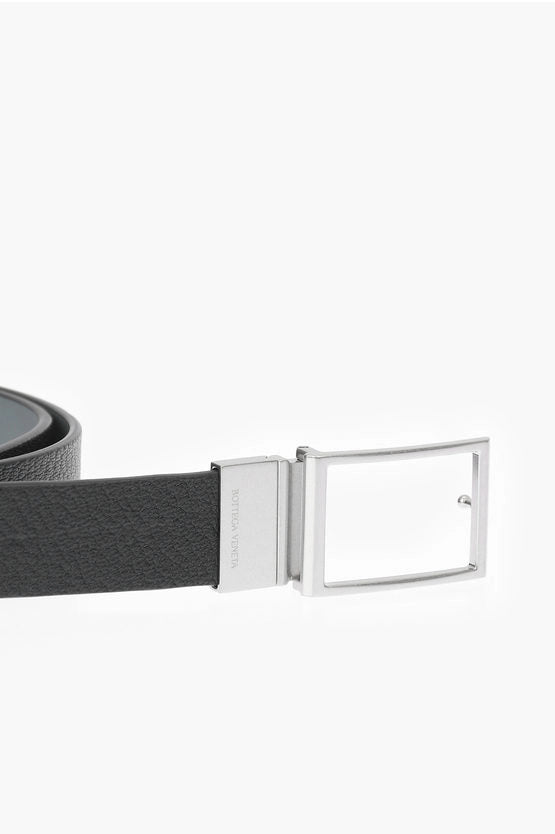
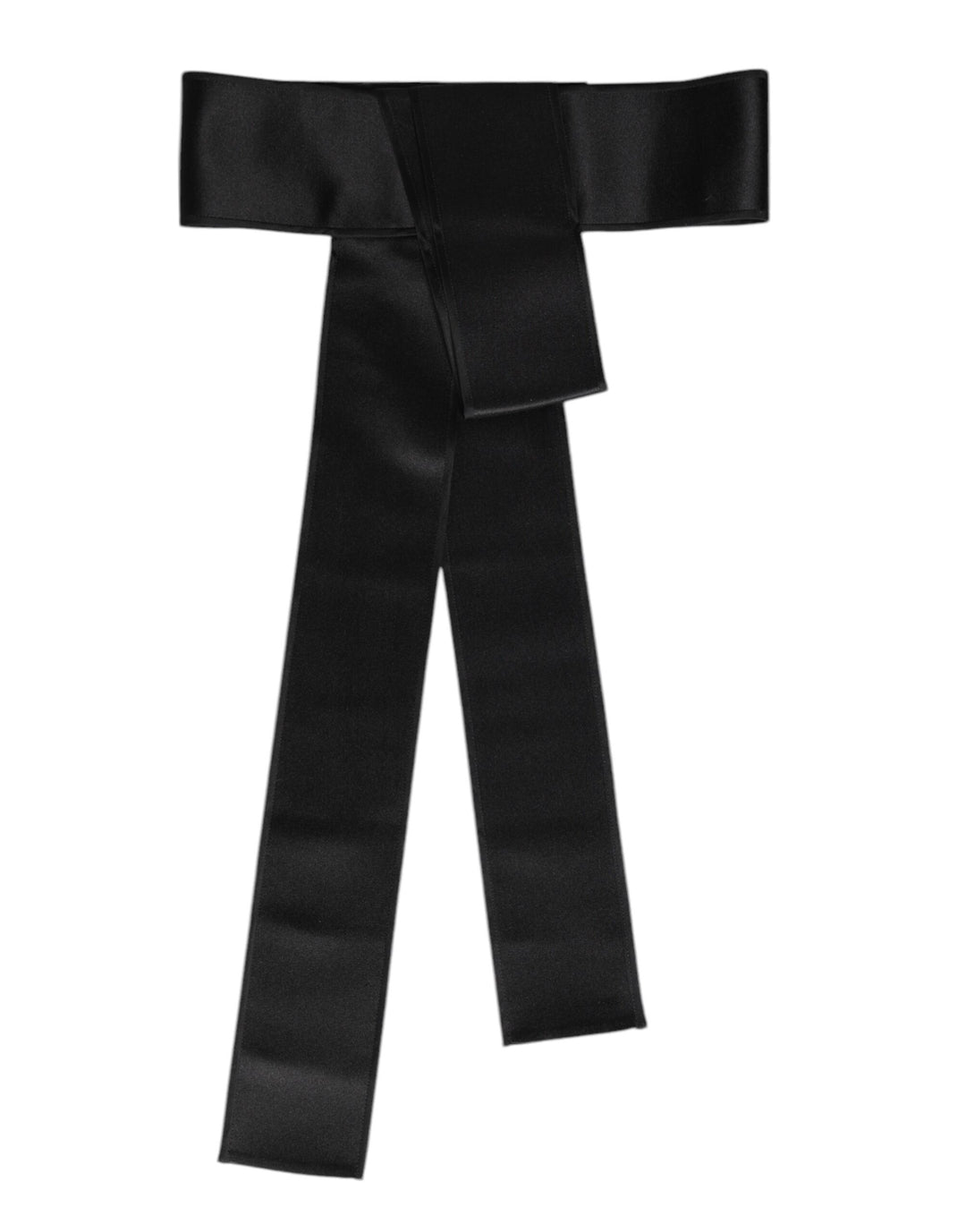
Gucci GG belts, Ferragamo Gancini styles, quality leather accessories. Signature hardware at entry-level luxury.
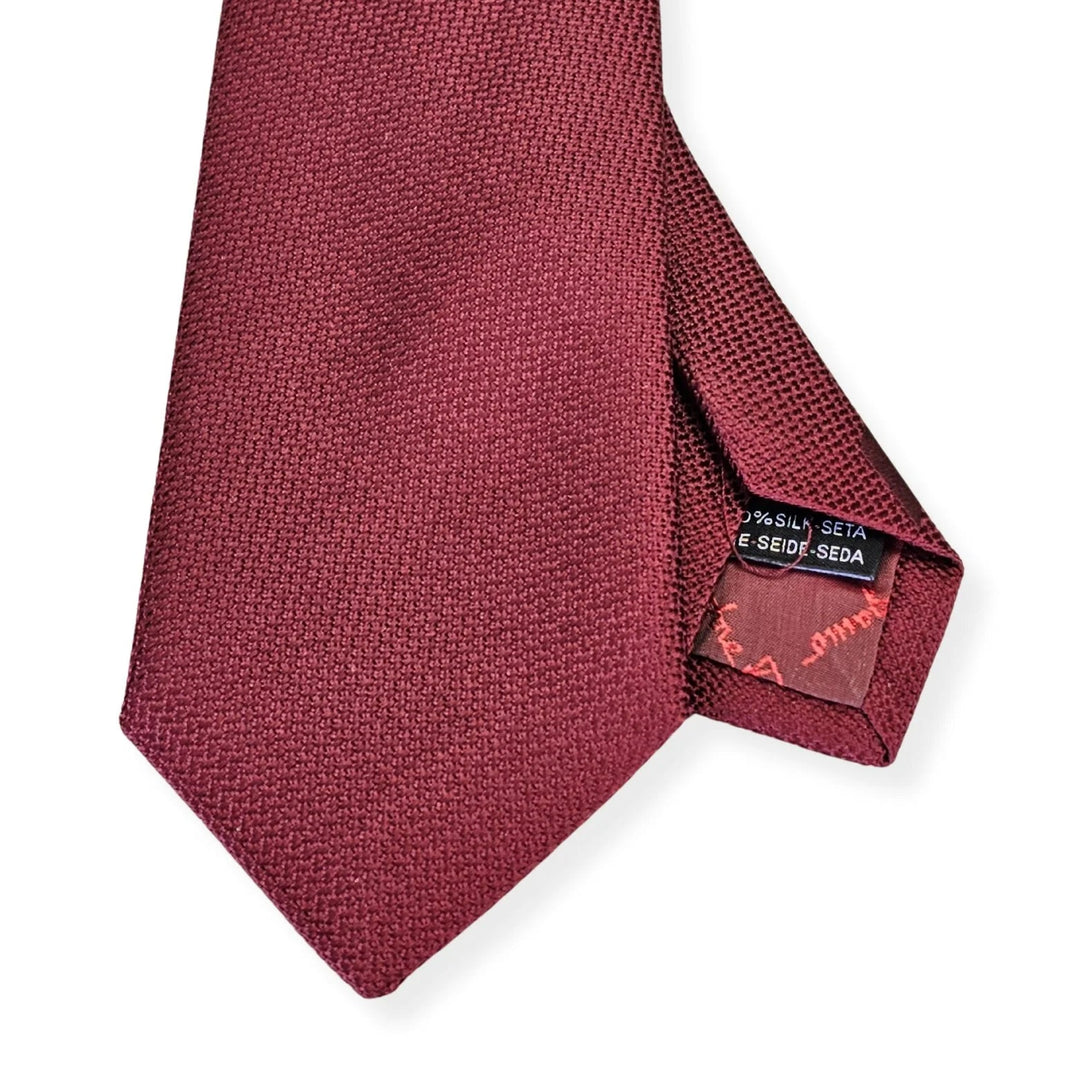
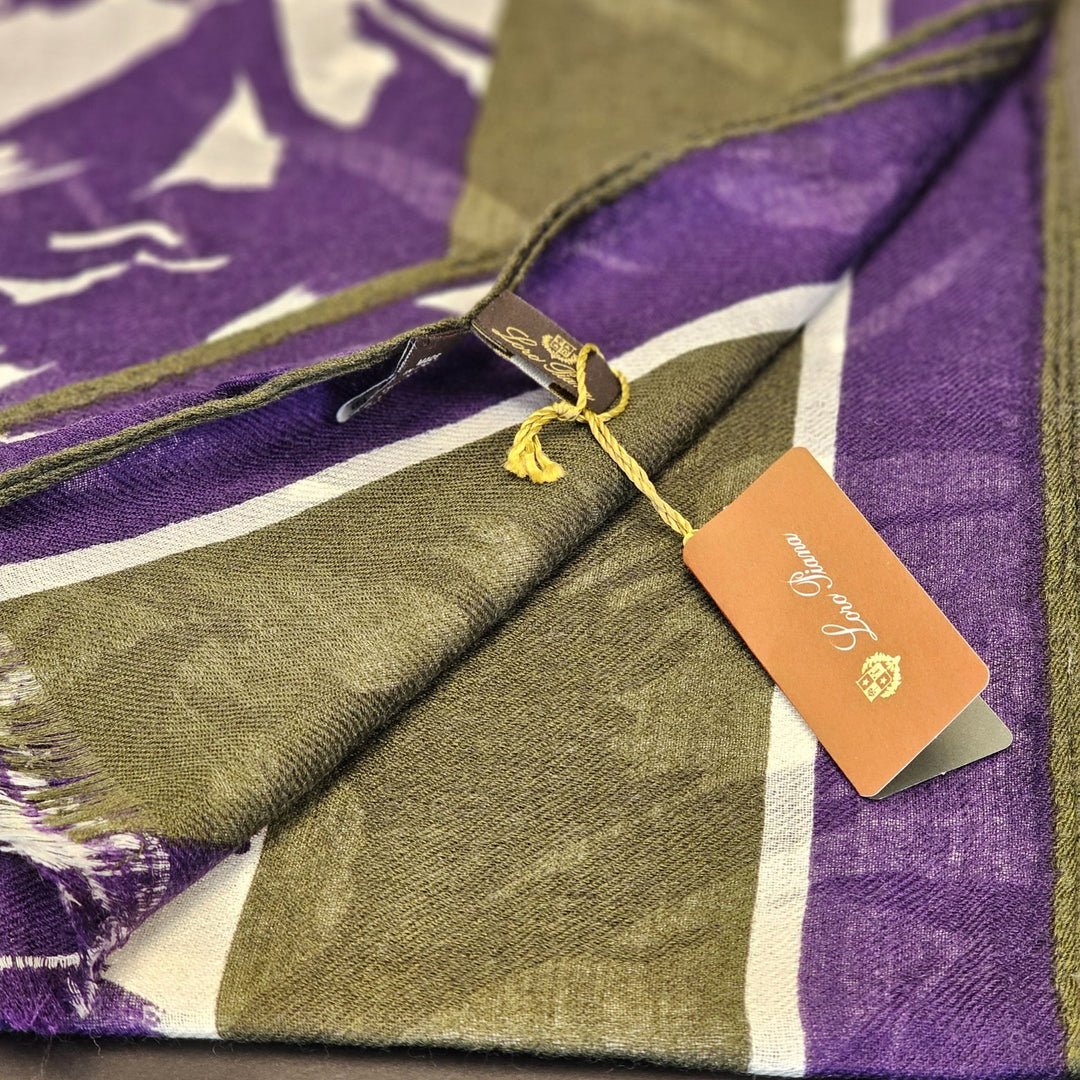
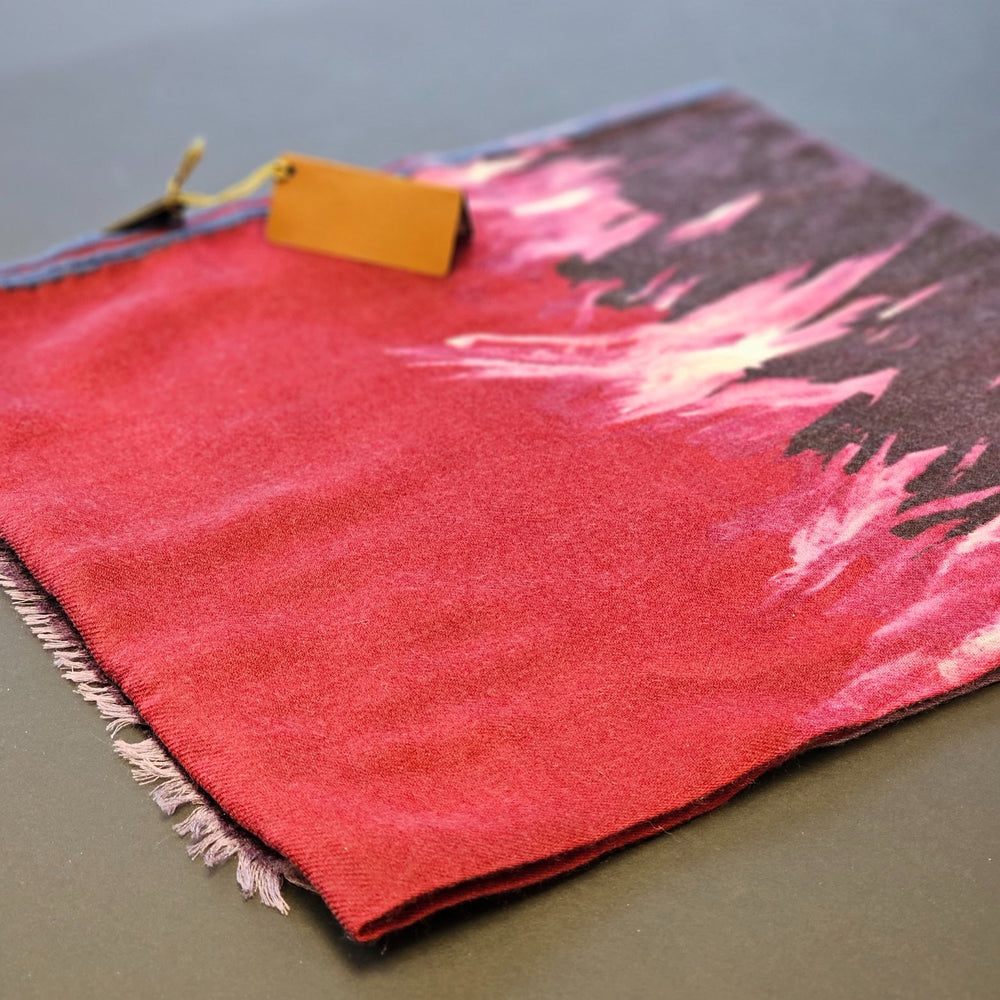
Designer Scarves
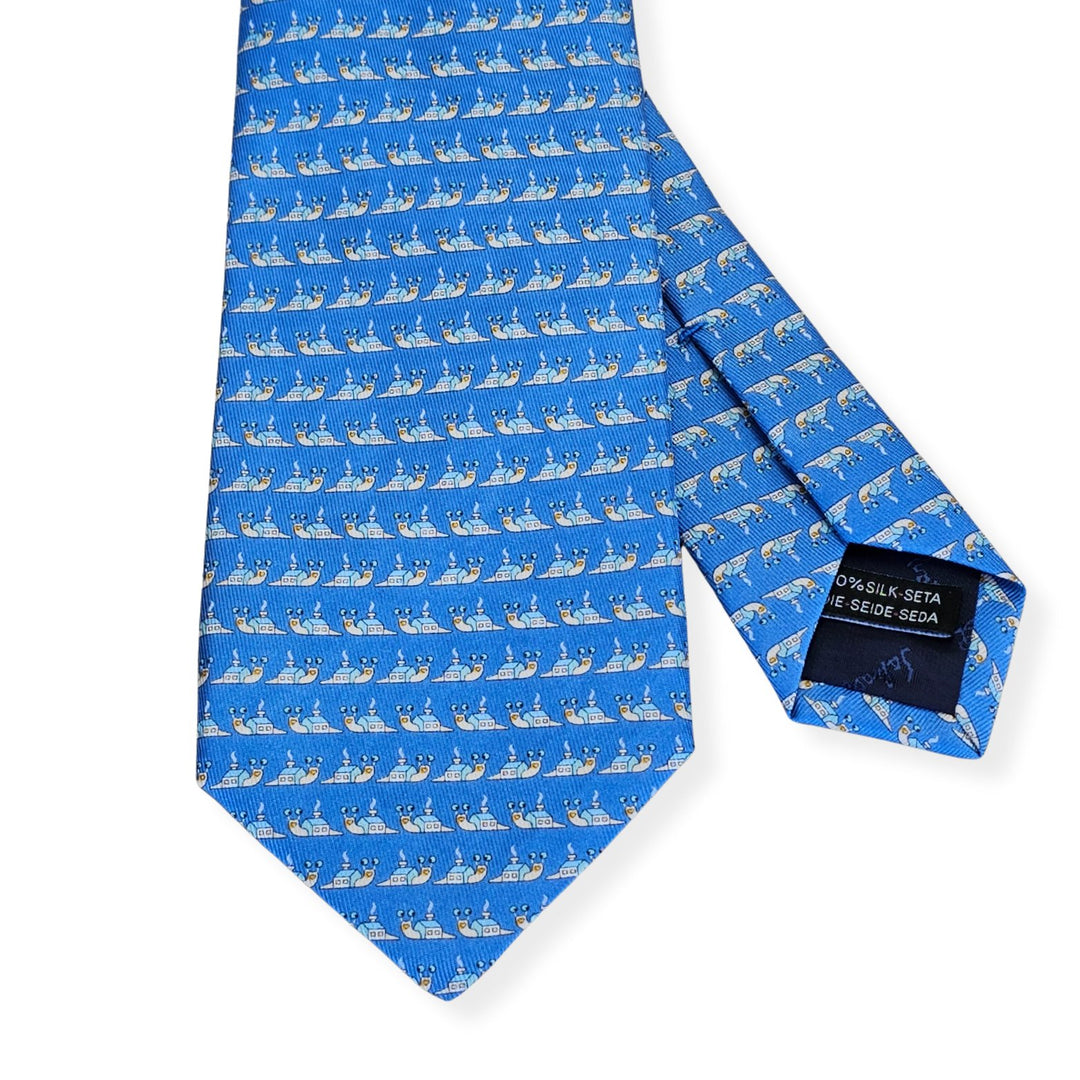
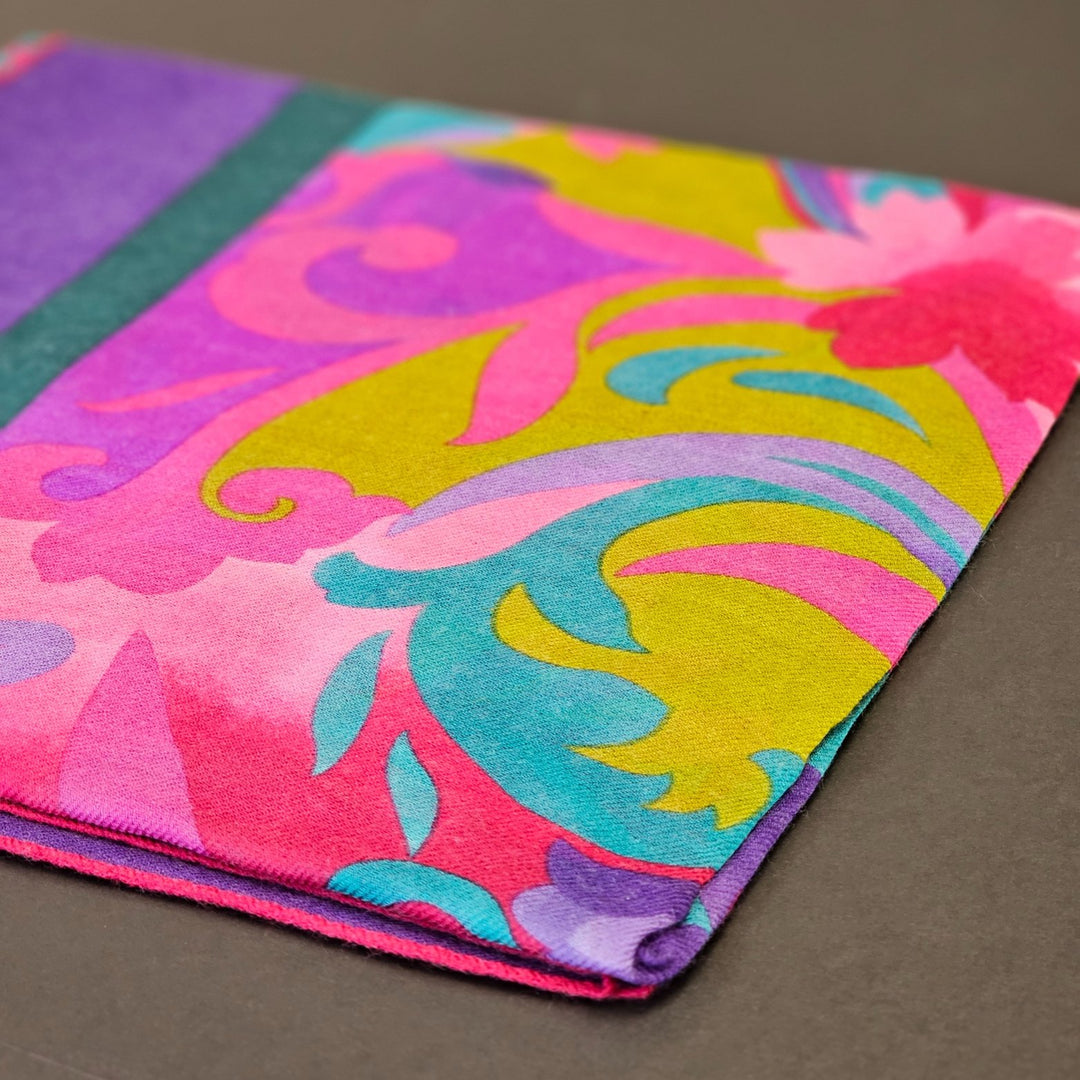
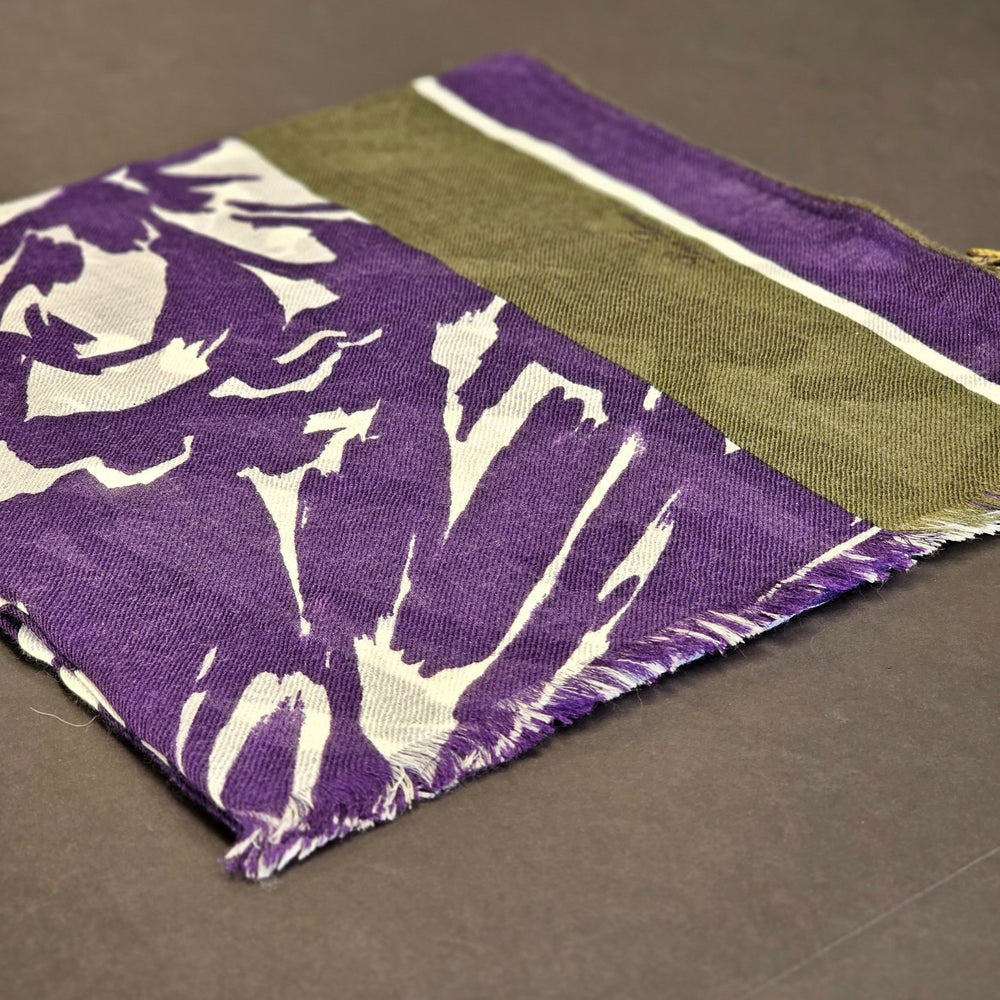
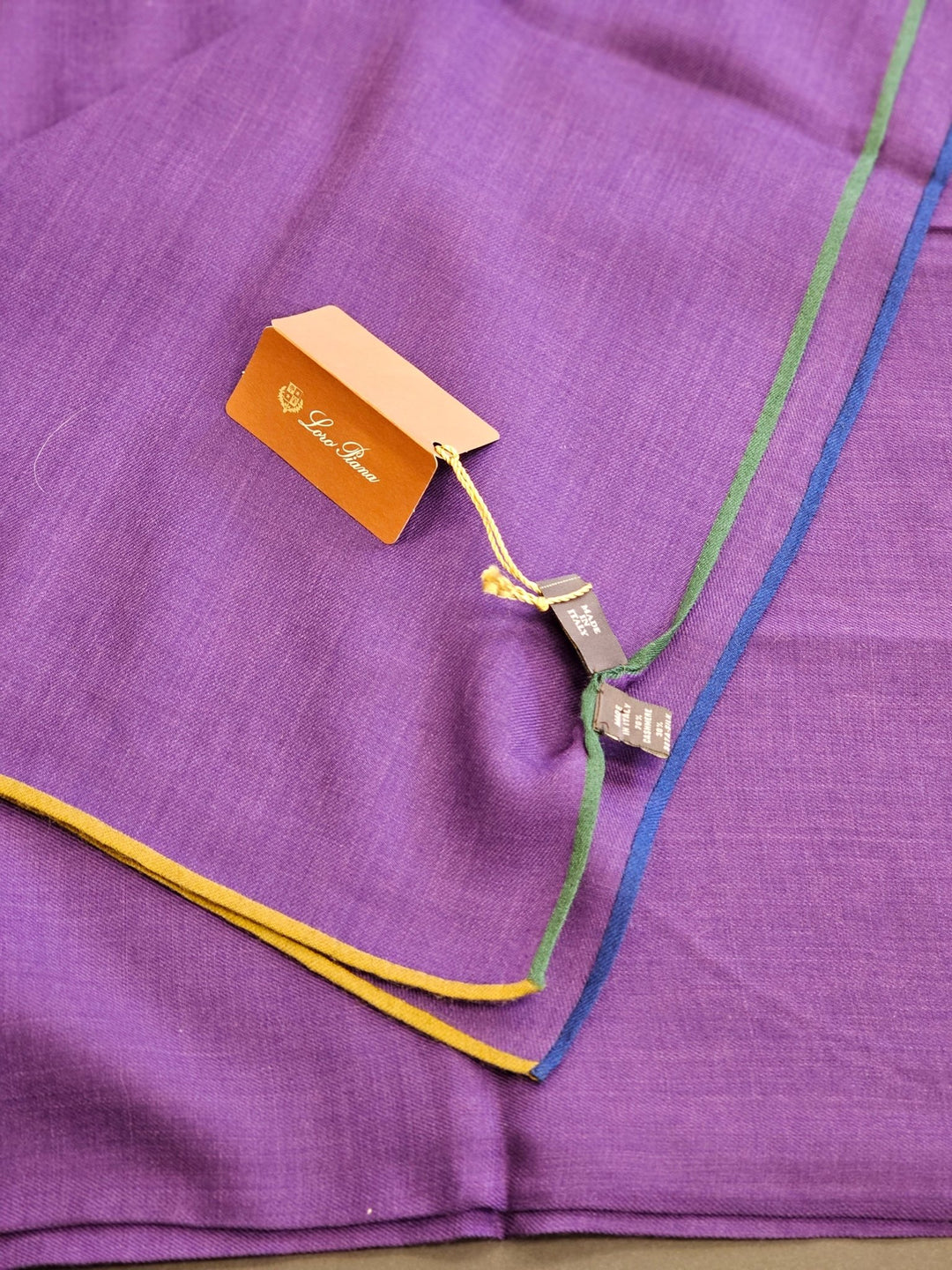
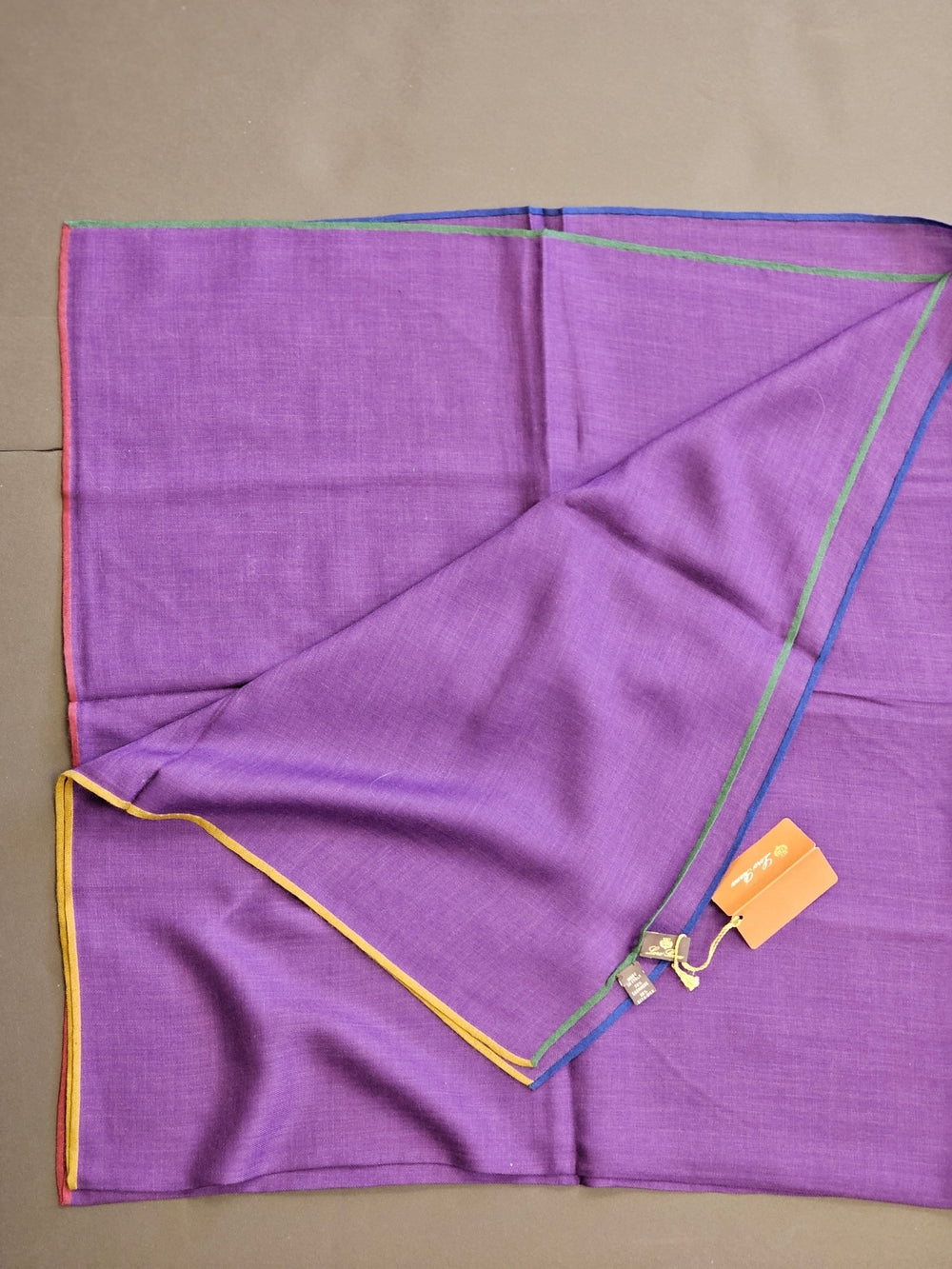
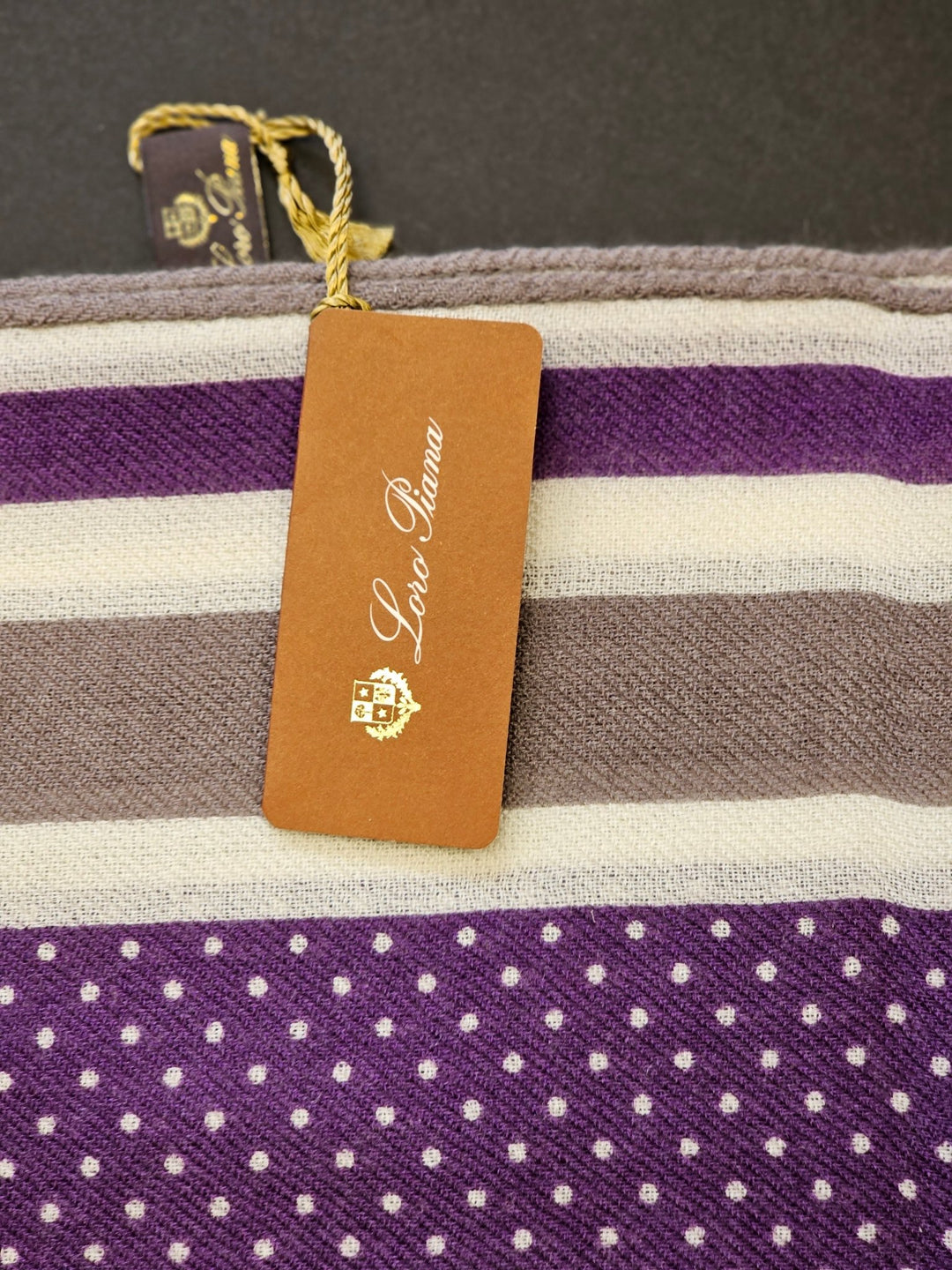
Silk accessories from luxury houses. Versatile styling pieces adding Italian sophistication.
Designer Hair Accessories
Luxury headbands, clips, and embellished pieces. Small luxuries complete looks with designer details.
Small Leather Goods
Wallets, cardholders, key cases. Essential accessories in premium Italian leather.
Designer Clothing ($400-$799)
Designer Tops & Shirts
Quality pieces from Italian brands. Refined basics and statement styles in premium fabrics.
Designer Knitwear
Cashmere and quality knits. Luxury layers that provide warmth, crafted in Italy.
Designer Pants & Skirts
Tailored pieces and casual styles. Italian construction in versatile wardrobe staples.
Designer Outerwear (Select Styles)
Lighter jackets, blazers, quality outer layers. Italian tailoring at accessible investments.
Designer Jewelry ($300-$799)
Statement Necklaces
Bold pieces from luxury brands. Finishing touches elevate outfits with designer glamour.
Designer Earrings
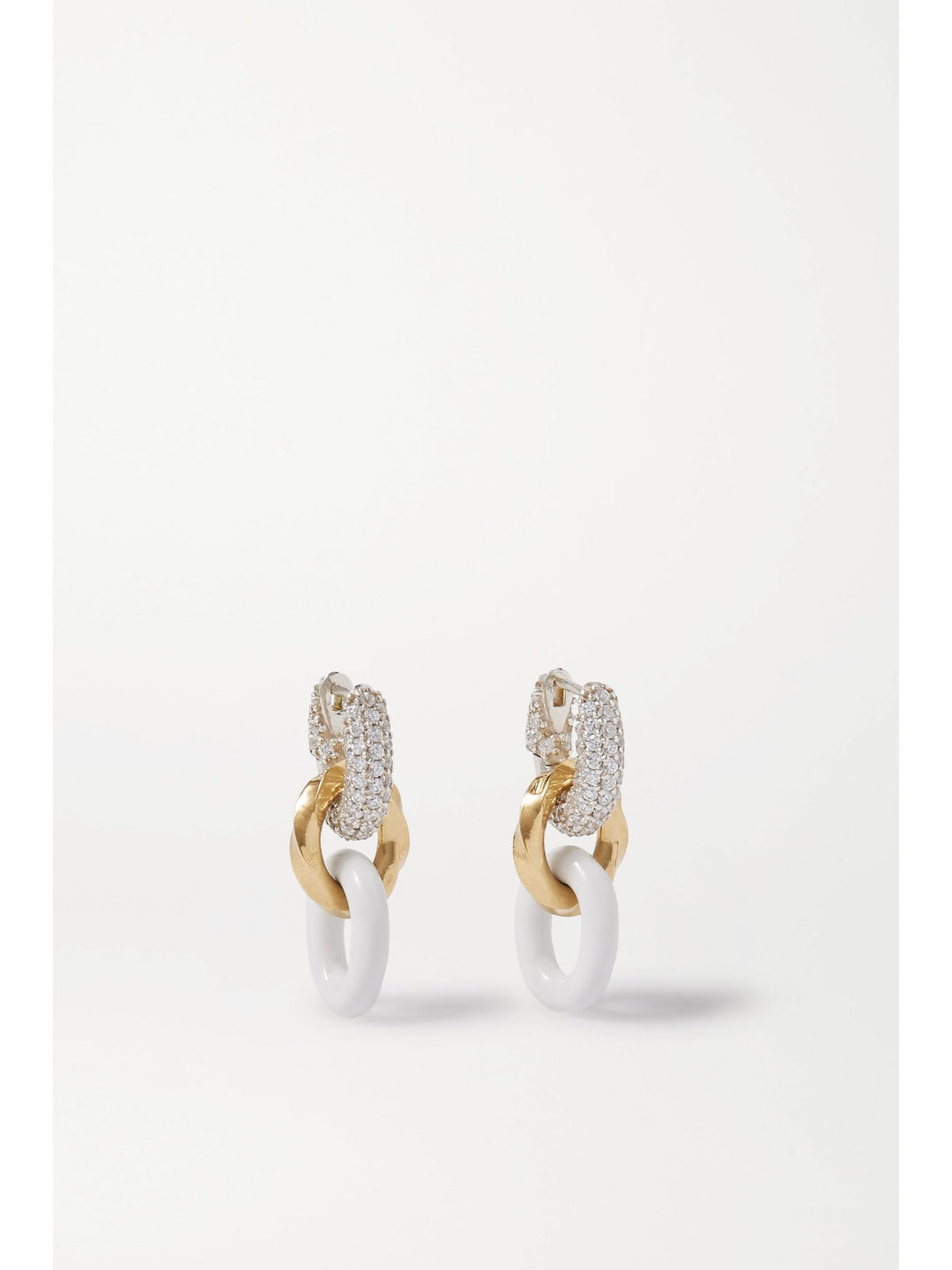
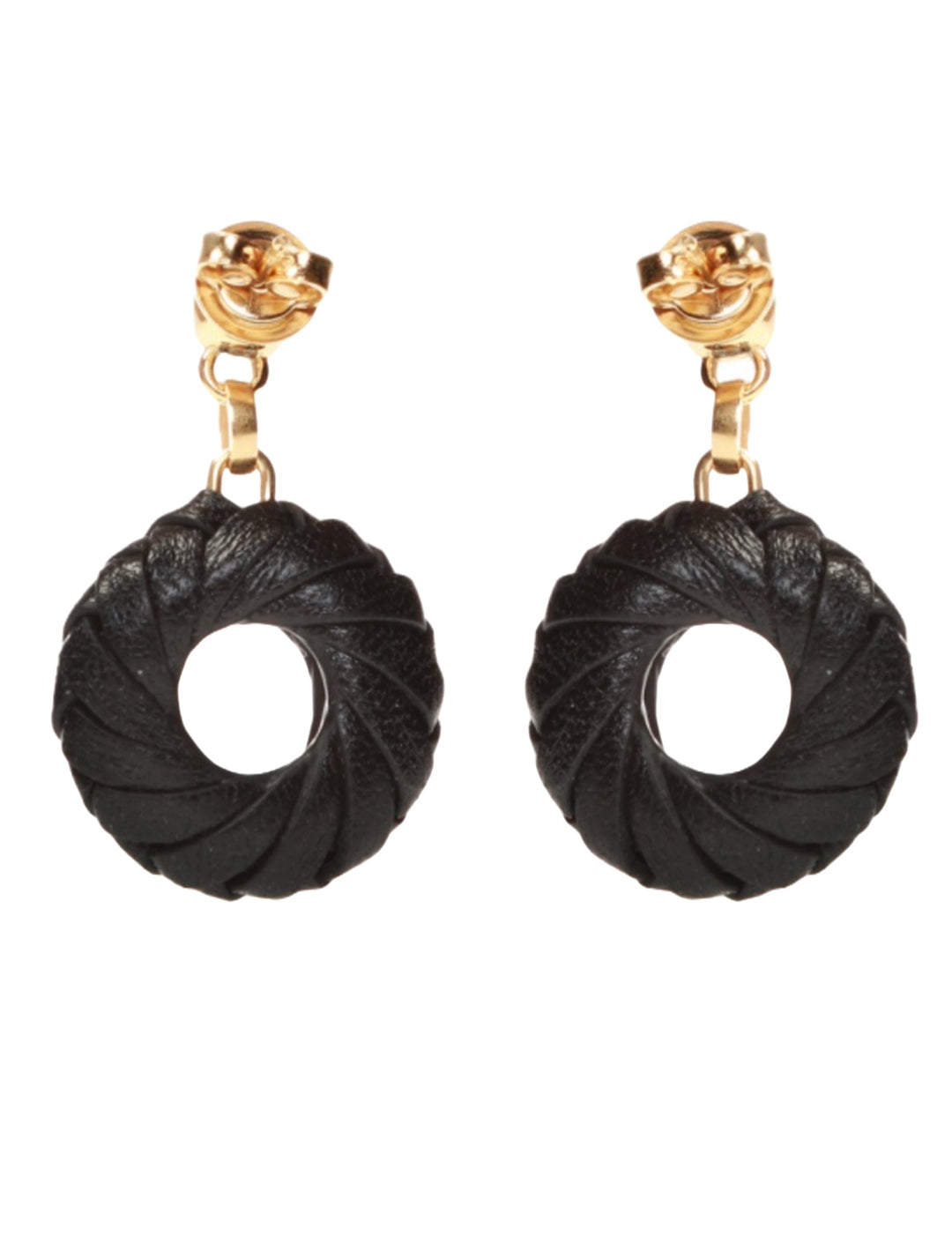
Elegant styles in quality materials. Versatile accessories from costume to fine jewelry.
Designer Bracelets
Signature pieces adding sophistication—quality construction with heritage brand codes.
Designer Rings
Statement and subtle styles. Italian craftsmanship in wearable luxury.
Featured Brands Under $800:
Gucci
Accessible entry: small leather goods ($400-$600), sunglasses ($300-$500), belts ($400-$600), select handbags ($650-$799).
Prada
Quality pieces: accessories ($400-$700), sunglasses ($350-$600), small bags ($700-$799), leather goods ($500-$700).
Salvatore Ferragamo
Legendary footwear: Varina flats ($550-$650), quality pumps ($600-$750), accessories ($400-$600), belts ($450-$650).
Bottega Veneta
Quiet luxury: small leather goods ($500-$799), accessories ($400-$700), select intrecciato pieces ($700-$799).
Saint Laurent
French luxury: sunglasses ($400-$700), accessories ($500-$799), select small bags ($750-$799).
Tory Burch
American luxury: shoes ($300-$500), handbags ($400-$600), accessories ($200-$400).
Burberry
British heritage: accessories ($400-$700), select items ($500-$799), check patterns at accessible pricing.
Other Designer Brands
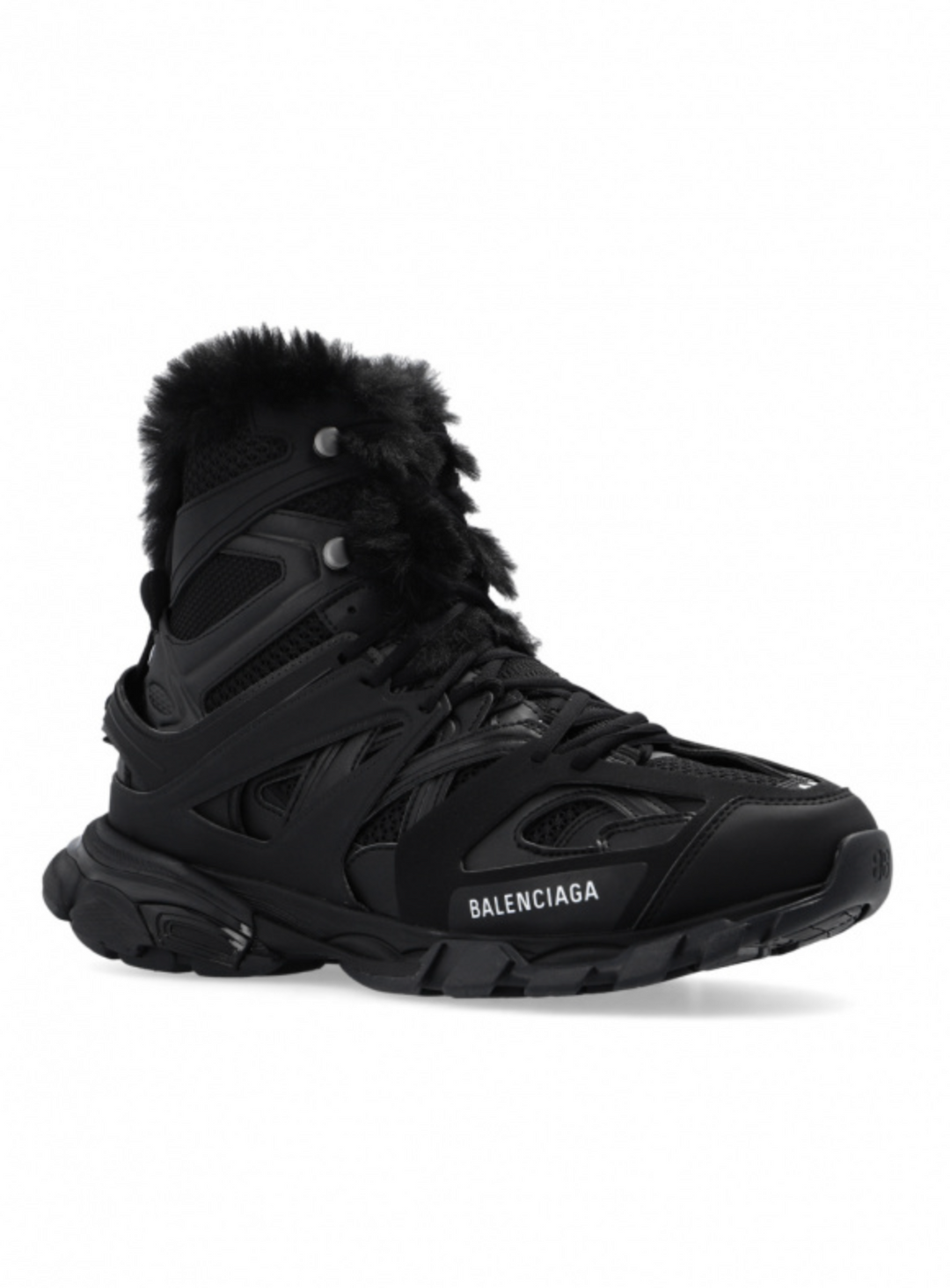
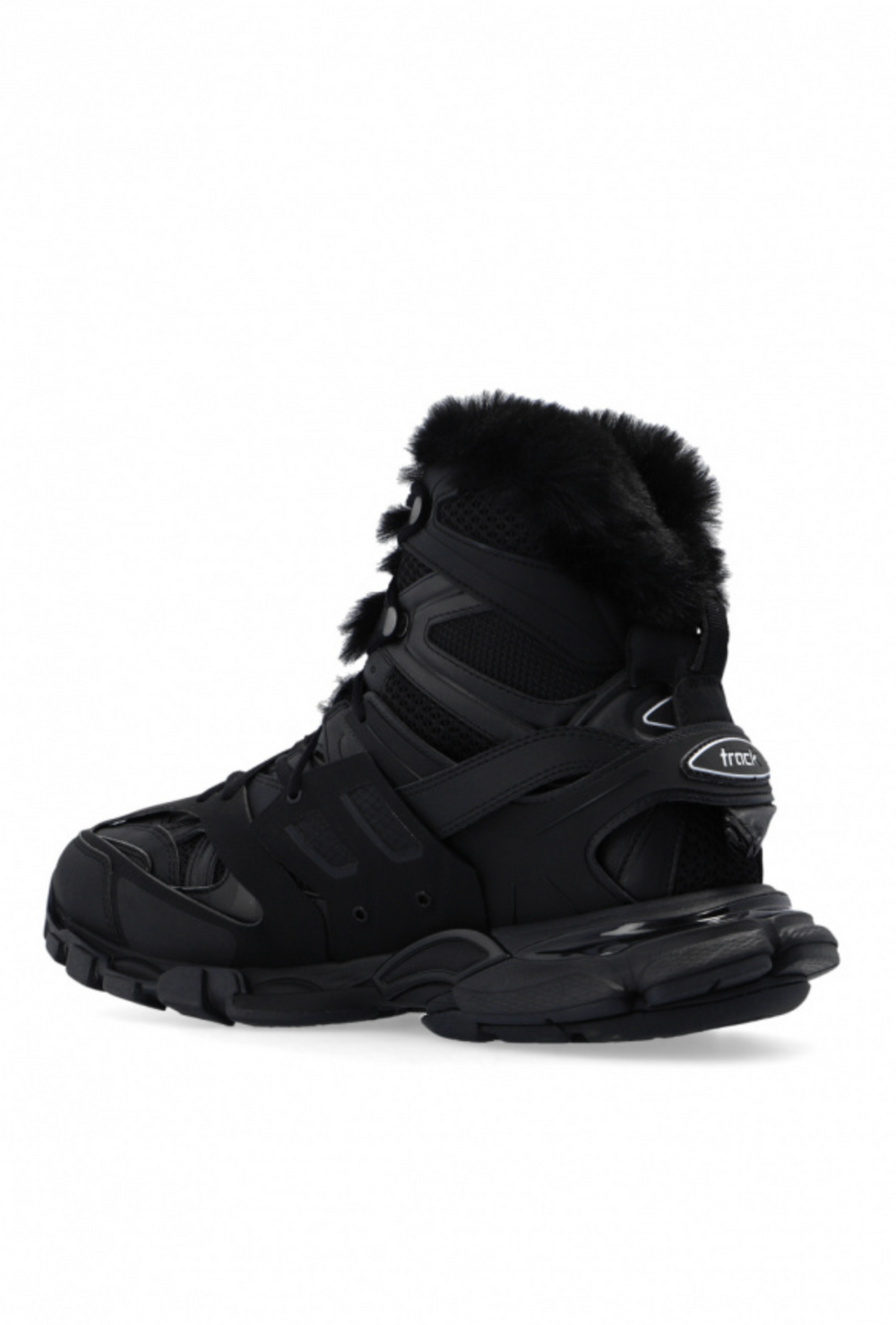
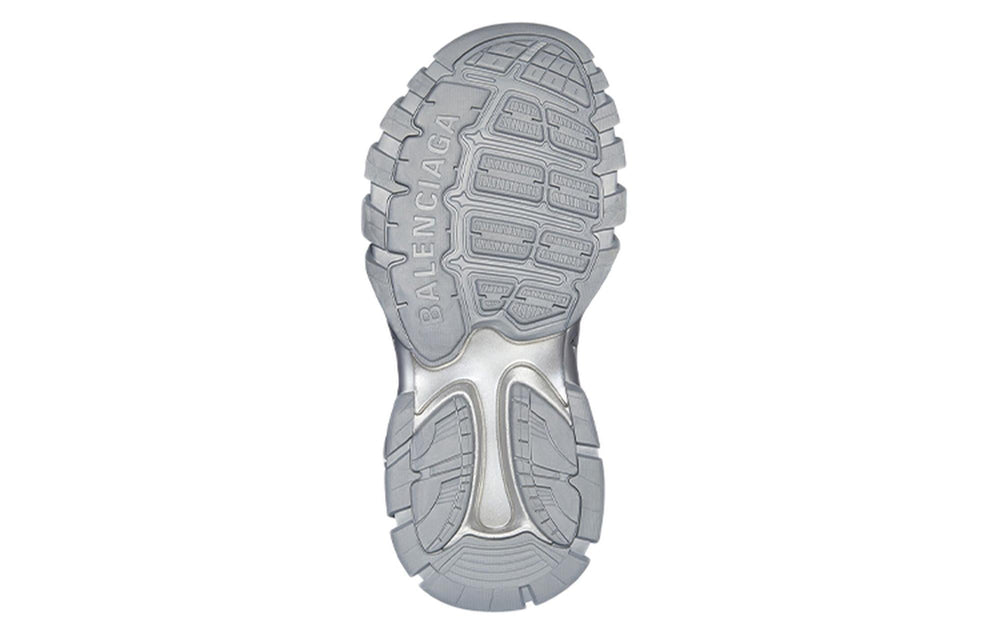
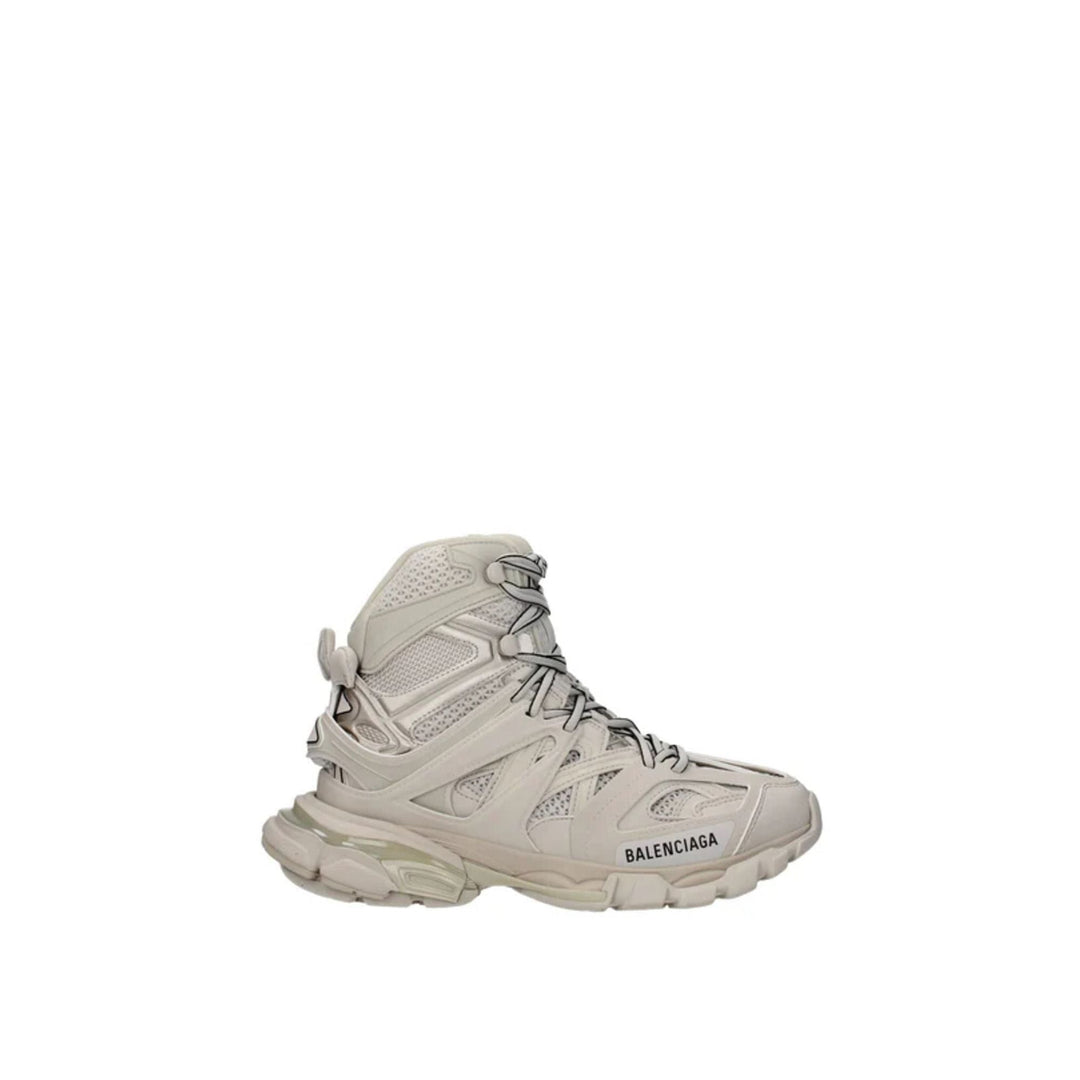
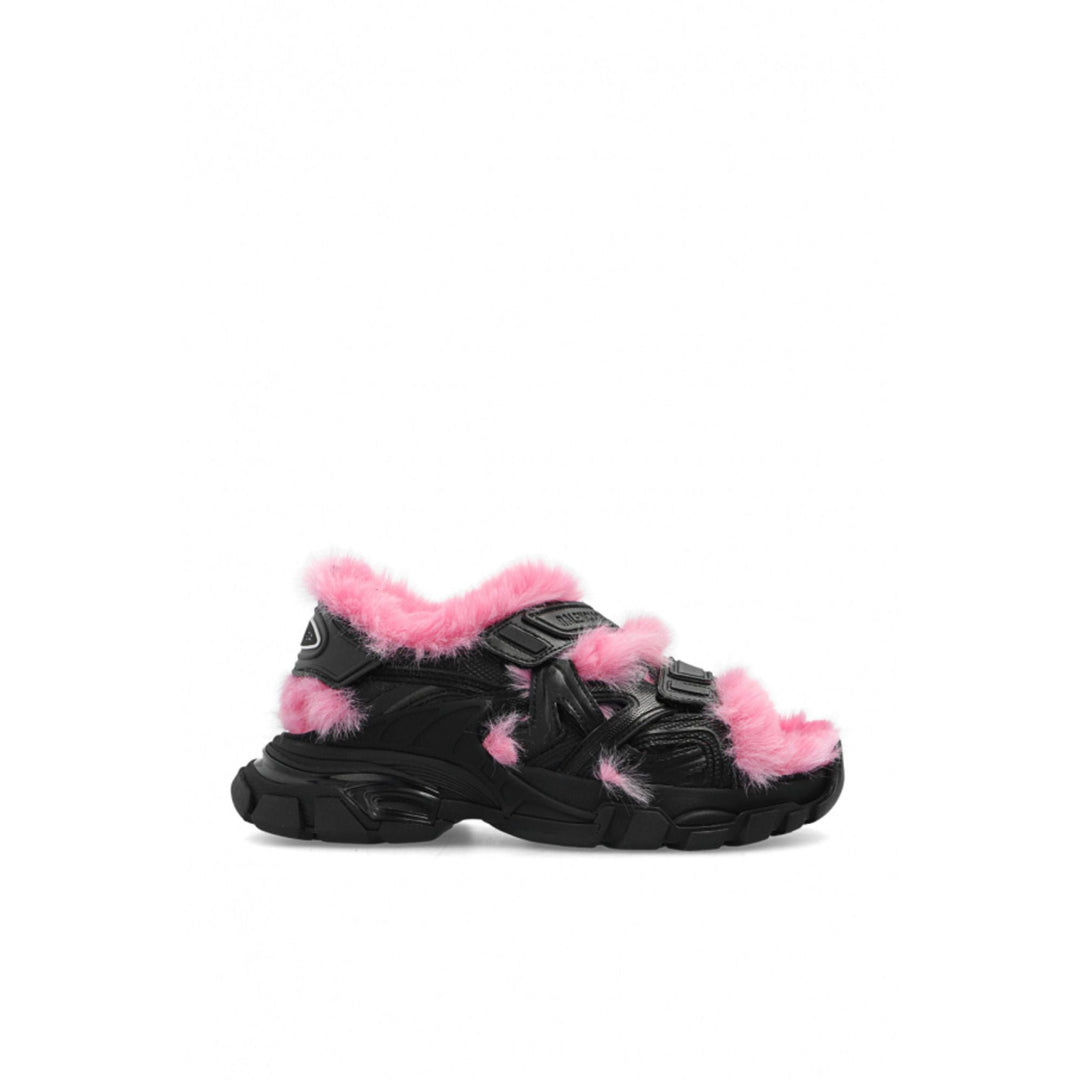
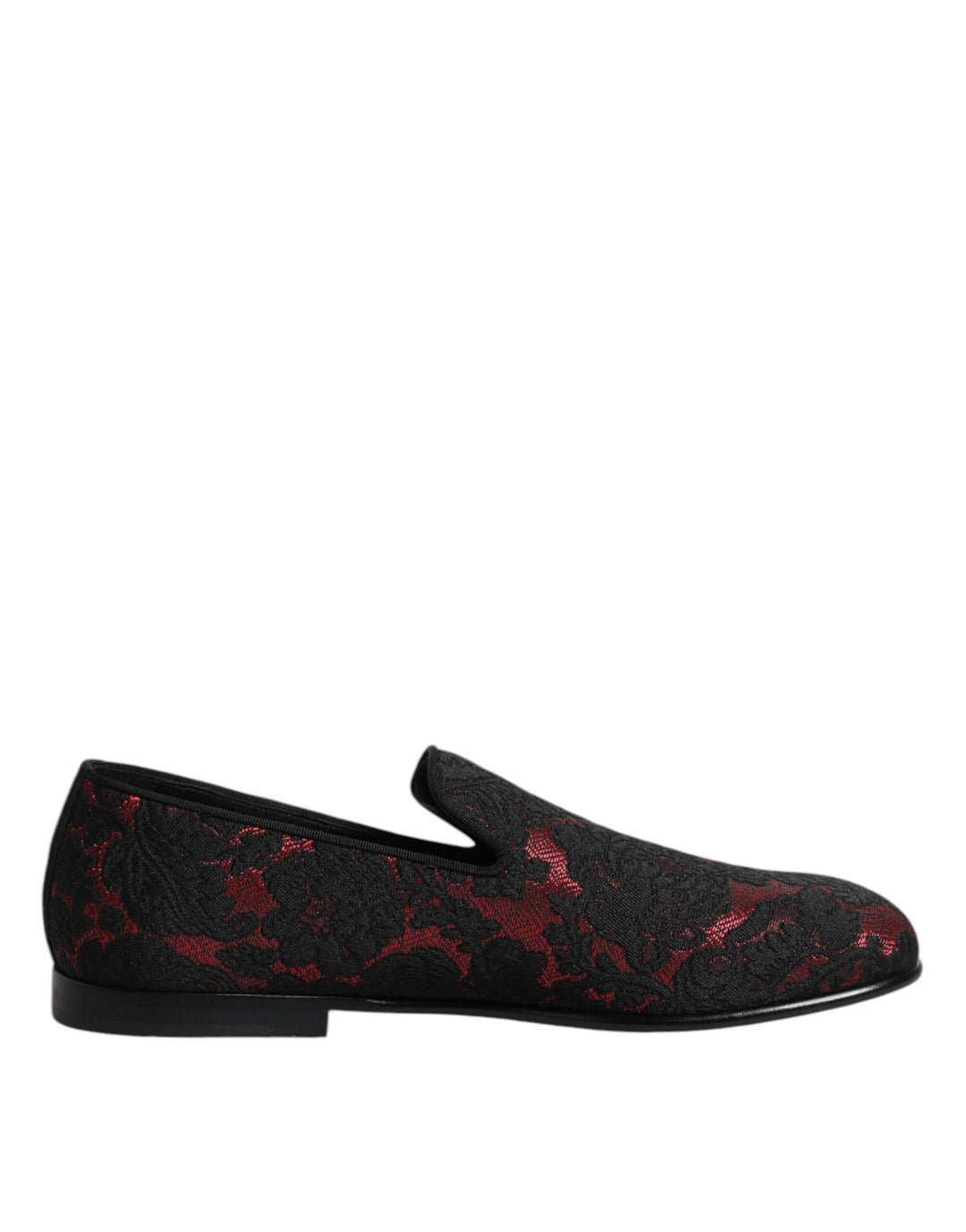
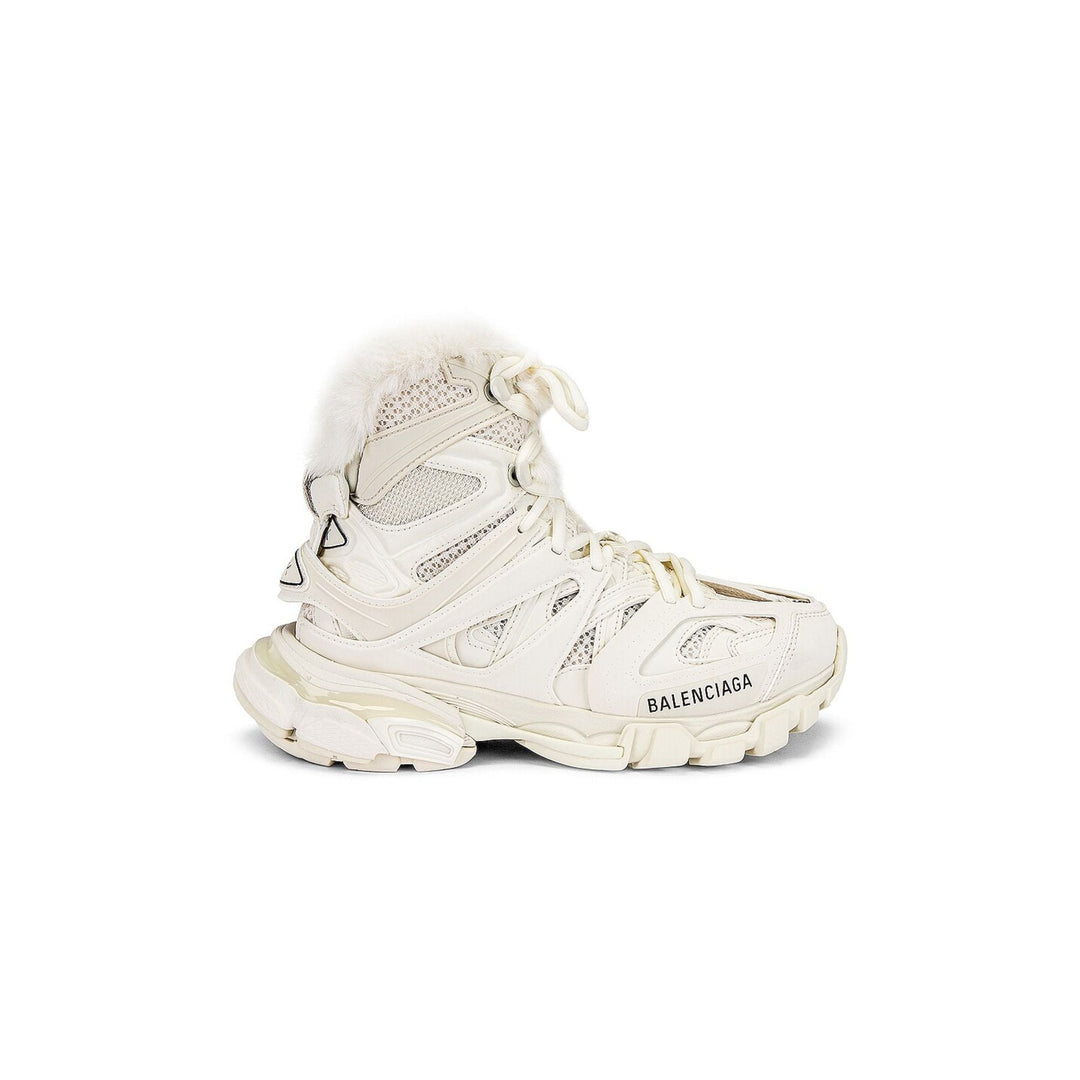
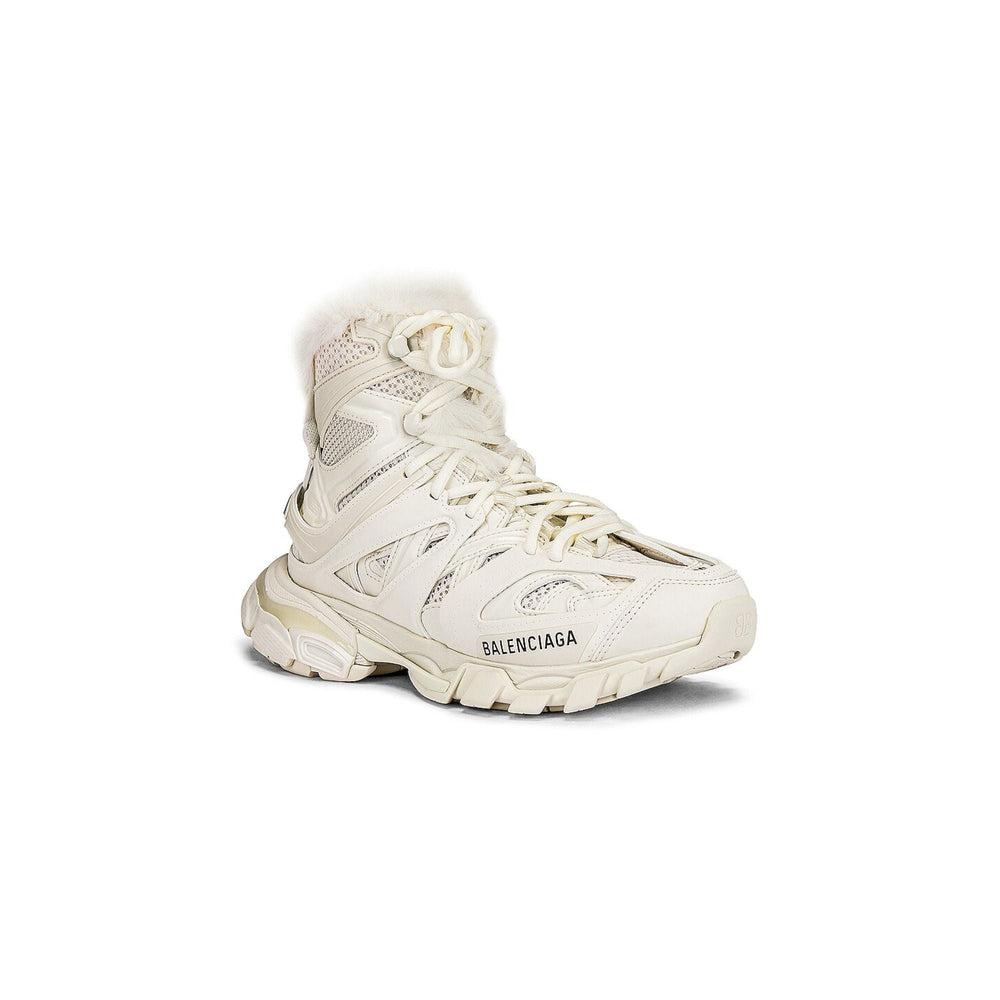
Dolce & Gabbana, Fendi accessories, Versace pieces, Balenciaga select items, and additional luxury houses.
Building Complete Designer Wardrobes Under $800:
Starter Luxury Collection ($2,000-$2,500 budget):
Option 1: Accessories Focus
- Designer sunglasses ($400-$500): Gucci or Prada
- Designer belt ($450-$550): Gucci GG or Ferragamo
- Designer wallet ($500-$600): Quality leather goods
- Designer shoes ($650-$750): Ferragamo flats or versatile pumps
- Total: 4 items covering essential luxury accessories
Option 2: Bag + Shoes Foundation
- Designer crossbody bag ($700-$799): Everyday luxury handbag
- Designer flats ($550-$650): Comfortable daily footwear
- Designer sunglasses ($400-$500): Versatile eyewear
- Designer belt ($400-$500): Finishing accessory
- Total: 4 items establishing designer foundations
Option 3: Comprehensive Coverage
- Designer shoes ($600-$700): Quality footwear
- Designer accessories bundle ($800-$1,000): Sunglasses, belt, wallet
- Designer small bag or pouch ($600-$700): Evening/weekend luxury
- Total: Multiple categories covered, strategic Wardrobe
Complete Wardrobe ($4,000-$5,000 budget):
Year-Long Strategy:
- Month 1-2: Designer shoes ($650-$750)
- Month 3-4: Designer bag ($700-$799)
- Month 5-6: Designer accessories ($600-$800): sunglasses, belt, wallet
- Month 7-8: Second designer shoes ($600-$700)
- Month 9-10: Designer clothing ($500-$700)
- Month 11-12: Special pieces ($600-$800)
- Total: 10-12 designer items across all categories within 12 months
Strategic Shopping Under $800:
Maximize Category Diversity: Spread $2,400 across bag, shoes, and accessories (3 categories) rather than a single $2,400 bag, for a more comprehensive luxury experience.
Prioritize Daily-Use Items: Invest in pieces you'll use frequently (everyday bags, work shoes, versatile accessories) to maximize cost-per-wear value.
Choose Heritage Brands: Established brands (Ferragamo, Gucci, Prada) priced under $800 offer better value than unknown, expensive labels.
Consider Retail Origins: $799 outlet pieces originally $1,500+ retail provide exceptional value versus items retailing at $800 full price.
Balance Investment Levels: Mix higher-end pieces ($700-$799) with accessible items ($300-$500) to create varied collections within budget.
Seasonal Timing: End-of-season sales bring even under-$800 items to $400-$600 occasionally, maximizing purchasing power.
Quality Expectations Under $800:
What You Get at This Price Point:
Handbags & Bags ($400-$799):
- Genuine Italian or quality European leather
- Proper construction with quality stitching
- Authentic brand hardware and details
- Heritage brand prestige and recognition
- 10-15+ years expected lifespan with care
Shoes ($300-$799):
- Italian construction with comfort engineering
- Full-grain leather or quality materials
- Resolving capability in many styles
- Heritage comfort expertise (especially Ferragamo)
- 10-20+ years with proper maintenance
Accessories ($200-$799):
- Premium materials (Italian acetate, quality leather, silk)
- Proper UV protection (sunglasses)
- Quality hardware and construction
- Authentic brand details and finishing
- Long-term durability and timeless styling
Clothing ($400-$799):
- Italian or European manufacturing
- Quality fabrics and textiles
- Proper tailoring and construction
- Heritage brand sizing and fit
- Lasting quality with appropriate care
What Differs from Higher Prices:
Materials:
Standard luxury materials versus very exotic or rare options reserved for $1,500+ pricing.
Production:
Quality construction but less hand-finishing than ultra-premium $2,000+ artisan pieces.
Exclusivity:
Accessible pricing means wider availability rather than minimal production runs.
Categories:
Smaller bags, accessories, shoes versus large statement handbags or very specialized items.
Investment Value Across Categories:
Cost Per Use Calculations:
Handbag: $750 crossbody used 200 days annually for 12 years = 2,400 uses = $0.31 per use
Shoes: $650 flats worn 250 days annually for 10 years = 2,500 uses = $0.26 per use
Sunglasses: $450 frames worn 120 days annually for 8 years = 960 uses = $0.47 per use
Belt: $500 accessory worn 150 days annually for 15 years = 2,250 uses = $0.22 per use
Comparison to Alternatives:
$2,400 single luxury bag = 1 item, limited versatility, high risk
$2,400 in under-$800 items = bag + shoes + 2-3 accessories = complete wardrobe, diversified investment
Resale Value Protection:
Authentic designer items under $800 retain 35-50% of the purchase price in good condition across categories.
Common Questions About Shopping Under $800:
"Can I really get authentic designer items in multiple categories for under $800 each?"
Absolutely – many prestigious brands produce excellent pieces at $500- $750 as standard, and outlets offer deep discounts.
"Should I save more for one expensive item or buy multiple under-$800 pieces?"
For most buyers, diverse collections under $800 offer better real-world value and versatility than a single expensive item.
"Will items under $800 look cheap compared to more expensive designer items?"
No – quality Italian construction looks identical to higher-priced alternatives. Price isn't visible; craftsmanship is.
"How long will items at this price point realistically last?"
With proper care: 10-15+ years for bags, 10- 20+ for shoes, indefinitely for quality accessories and sunglasses.
"Are these really 'designer' or just expensive non-designer items?"
Authentic heritage brands (Gucci, Ferragamo, Prada, Bottega Veneta) are genuinely available under $800 through legitimate channels.
Care & Maintenance Across Categories:
General Care Investment ($100-$150 total):
- Quality leather conditioner ($15-$25)
- Cedar shoe trees ($20-$30)
- Microfiber cleaning cloths ($10-$15)
- Dust bags and storage solutions ($20-$30)
- Weather protection sprays ($15-$20)
- Sunglasses complex cases ($15-$25)
Category-Specific Care:
Handbags:
Empty regularly, condition quarterly, store stuffed in dust bags, and rotate use.
Shoes:
Use shoe trees, rotate wear, condition leather, and have professional maintenance annually.
Sunglasses:
Clean with microfiber, store in complex cases, avoid heat, and handle carefully.
Leather Accessories:
Condition periodically, avoid moisture, store properly, and check hardware regularly.
Clothing:
Follow care labels, use quality dry cleaning, store properly, and rotate seasonally.
Sizing Guidance Across Categories:
Handbags:
Verify dimensions carefully – "small" varies significantly between brands. Measure the bags you currently love for comparison.
Shoes:
Italian/European sizing differs from US. Always verify brand-specific conversions and check fit reviews.
Sunglasses:
The frame width should approximate the facial width at the temples. Check millimeter measurements carefully.
Belts:
Measure waist where belt will sit, not pant size. Italian sizing is typically 2-4 sizes larger than US sizing.
Clothing:
Italian sizing runs smaller than US. Measure carefully and compare to size charts. Consider sizing up.
Perfect For:
- First-time luxury buyers exploring designer quality across categories
- Strategic shoppers building comprehensive designer wardrobes gradually
- Gift-givers wanting authentic luxury at accessible budgets
- Budget-conscious professionals needing designer basics
- Anyone prioritizing diverse designer collections over single expensive items
- Students or recent graduates starting luxury collections
- Savvy shoppers recognize optimal value-to-quality ratios
- Those seeking complete designer lifestyles versus isolated luxury purchases
100% Authenticity Guaranteed
Every designer item under $800 at Ask Me Wear is guaranteed 100% authentic. We source our luxury goods exclusively from authorized brand outlets in Italy, luxury department stores, and authorized retailers across all categories, ensuring you receive only genuine Italian craftsmanship at accessible prices.
Our Authentication Promise
Each designer item undergoes rigorous multi-step verification:
✓ Material Inspection – Premium materials verified against brand standards across all categories
✓ Construction Analysis – Manufacturing, stitching, and craftsmanship checked for Authenticity
✓ Brand Verification – Logos, hardware, labels, and stamps confirmed authentic
✓ Quality Assessment – Overall construction evaluated against luxury standards
✓ Authorized Sourcing – Direct connections to brand outlets and authorized retailers documented
Shop with confidence. Authentic designer items under $800 across all categories, guaranteed—always.
Browse Authentic Designer Items Under $800 - Complete Luxury Wardrobes at Accessible Prices.
Discover Gucci, Prada, Ferragamo, Bottega Veneta & more across all categories. Build your designer lifestyle. Authentic Italian quality. 40-60% off retail.
More picks on sale.
For most luxury shoppers, acquiring multiple quality designer items under $800 across categories provides dramatically better real-world value, versatility, and satisfaction than purchasing single very expensive items, though specific personal circumstances and collecting goals might occasionally justify saving for higher-priced pieces in limited situations. The practical value of diversity: three under-$800 items ($2,400 total) covering handbag + shoes + accessories serve actual daily life comprehensively providing designer luxury across all essential categories, enabling varied styling and occasion coverage impossible with single pieces, offering rotation preventing wear stress and extending lifespan of each item, and diversifying investment risk across categories rather than concentrating in single expensive piece. A single $2,400 handbag provides prestige and potential statement-making but serves only one function regardless of exceptional quality, limits versatility requiring pairing with non-designer items elsewhere, creates anxiety about damage or loss concentrating significant investment in one item, and potentially sits unused during casual or inappropriate occasions.
The cost-per-use economics favor diversity: $750 bag used 200 days + $650 shoes used 250 days + $500 sunglasses used 120 days annually = 570 total annual luxury uses across categories providing comprehensive designer experience daily versus $2,400 bag used 150 days annually (potentially less due to preciousness and limited versatility) = 150 luxury experiences yearly despite higher quality. The utility multiplication effect of diverse items creates more overall luxury satisfaction than single expensive piece regardless of quality differences. The quality comparison reveals diminishing returns: designer items at $600-$750 from heritage brands (Ferragamo shoes, quality Prada accessories, established Italian pieces) provide 85-95% of the construction, materials, and longevity of items costing $2,000-$3,000.
The fundamental quality, Italian craftsmanship, and durability are genuinely comparable with incremental improvements at higher prices rarely justifying 2-3x cost increases for practical use. Multiple quality pieces serve life better than marginally better single pieces. The exceptions where saving for expensive items makes sense: very specific iconic pieces unavailable under $800 (certain Hermès bags, specific Louboutin styles) where exact item matters more than practical considerations and represents dream purchase versus functional need.
Serious collecting and investment where pieces serve as appreciating assets or art rather than practical accessories for wearing. Extreme brand prestige signaling in status-conscious environments where expensive pieces communicate success (though healthy environments rarely require this). Personal preference with unlimited budgets where money is genuinely no constraint and maximum luxury is desired regardless of practical value calculations.
Already owning comprehensive designer foundations (10+ items covering all categories) making specialized expensive additions rather than starting collections. The strategic recommendation for most shoppers: build diverse under-$800 designer foundations across handbags, shoes, accessories, and clothing establishing comprehensive luxury wardrobes serving all lifestyle needs first. Once you own functional complete collections (8-10 items covering varied occasions and categories), then consider whether adding very expensive pieces makes sense for specific wants versus needs.
This ensures practical versatility before pursuing luxury for luxury's sake. The psychological satisfaction factor: many luxury enthusiasts report greater sustained satisfaction from diverse collections enabling daily designer living versus occasional use of single expensive items. Wearing designer pieces daily across categories creates continuous luxury experience more satisfying than viewing expensive bags in closets waiting for "special enough" occasions.
The reassuring perspective: most successful designer wardrobes were built gradually with primarily under-$800 pieces creating comprehensive functional collections supplemented by occasional splurges on expensive items once foundations existed. Very few built entirely with $2,000+ pieces, and those who did often discovered limited versatility made the approach less practical and satisfying than diverse collections at accessible price points providing daily luxury experiences across life's varied contexts and needs.
Distinguishing genuine designer quality from merely expensive items requires understanding brand heritage verification, construction quality markers, material assessment, and retail context ensuring your under-$800 investment delivers authentic Italian luxury rather than overpriced mediocrity masquerading as designer goods. The brand heritage authentication starts with identifying truly prestigious houses: established Italian luxury brands (Gucci since 1921, Prada since 1913, Ferragamo since 1927, Bottega Veneta with documented artisan heritage) with decades or centuries of verifiable craftsmanship expertise and cultural significance. French fashion houses with Italian manufacturing (Saint Laurent, many luxury brands produce in Italy maintaining quality).
American luxury brands with documented heritage and quality reputations (Tory Burch, Stuart Weitzman, established houses). Research brand history thoroughly – genuine heritage brands have extensive documented histories, museum exhibitions, archived designs, fashion press coverage, and cultural impact beyond just expensive pricing. If you cannot find substantial information about a brand's heritage, manufacturing, or design legacy, it might be expensive marketing rather than genuine designer quality regardless of pricing.
The construction quality markers across categories: handbags show quality through Italian "Made in Italy" markings, consistent tight stitching visible inside and out, quality hardware with substantial weight and proper finishing, leather or premium linings (never cheap synthetic), and proper structure maintaining shape and proportions. Shoes reveal quality through Italian/European manufacturing markings, stitched (not just glued) construction, quality insoles with brand stamping and arch support, full-grain leather with natural grain patterns, and substantial feel indicating proper construction. Accessories demonstrate quality through premium materials (Italian acetate for sunglasses, genuine leather, quality metals), proper finishing and attention to details, authentic logo execution matching official brand standards, and overall construction suggesting longevity not disposability.
Clothing indicates quality through Italian/European manufacturing labels, quality fabrics with proper weight and hand feel, refined tailoring and finishing, and proper linings and interior construction. The material quality assessment across categories: bags should feature full-grain Italian leather with natural grain patterns, quality canvas with proper coating, and substantial hardware. Shoes require full-grain leather, quality suede, or premium materials aging beautifully.
Accessories need Italian acetate, genuine leather, silk textiles, or quality materials appropriate to categories. Clothing demands quality fabrics with proper weight, texture, and finishing. The authentic brand details to verify: proper logo execution with correct fonts, positioning, and quality of application or hardware, serial numbers or authentication codes allowing verification through brand channels, packaging reflecting luxury positioning (quality dust bags, proper branded materials, refined presentation), and documentation with proper printing quality, multilingual text, and professional execution.
The retail context verification ensuring legitimacy: authorized retailers and outlets with documented brand relationships and transparent sourcing, reputable established sellers with track records and reputations to protect, pricing consistent with legitimate outlet or sale ranges ($200-$799 for authentic designer appropriate to categories), and clear return policies and authenticity guarantees from sellers confident in their sourcing. The red flags suggesting expensive-not-designer: vague brand heritage or manufactured "luxury" positioning without historical foundation or verifiable manufacturing, spelling errors, poor packaging quality, or obvious construction flaws (genuine designer maintains standards), prices dramatically inconsistent with brand positioning (either suspiciously cheap or inflated without justification), sellers unable or unwilling to provide sourcing transparency or authenticity documentation, and "luxury" claims without verifiable brand credentials, fashion press recognition, or documented heritage. The comparative research verification: examine the brand's official retail pricing understanding their typical ranges confirming your under-$800 price represents legitimate outlet reduction or standard pricing rather than inflated "original" pricing, read professional fashion press and reviews confirming brand legitimacy and quality reputation, check authentication forums or services for brand-specific details helping verify authenticity, and review the brand's official website examining heritage claims, manufacturing information, and whether they actually produce the categories you're considering.
For our specific authentication guarantee: we source exclusively from authorized brand outlets in Italy (official Gucci, Prada, Ferragamo outlets), documented luxury department stores with verifiable brand partnerships, and authorized retailers with transparent sourcing. We authenticate every piece through material inspection, construction analysis, brand detail verification, and authorized sourcing documentation. We provide money-back guarantees if anything proves inauthentic (which never occurs given our rigorous verification).
The practical recommendation: buy designer items under $800 from reputable established sources with authentication guarantees and transparent sourcing rather than unknown sellers claiming designer at suspicious prices, research brands before purchasing understanding their heritage and typical pricing ranges ensuring legitimate designer status, learn brand-specific details helping verify authenticity (Ferragamo stamps, Prada triangle logos, Gucci hardware execution), and trust established sellers with documented track records over unknown entities regardless of claimed pricing. The reassuring conclusion: authentic designer items from genuine heritage brands absolutely exist under $800 through legitimate channels across handbags, shoes, accessories, clothing, and all luxury categories. Many prestigious brands intentionally offer excellent pieces in this range building accessibility and customer loyalty.
Outlet channels provide additional 40-60% discounts bringing higher-priced items within budget. Smart shopping at this price point provides genuine Italian luxury, authentic designer quality, and heritage brand prestige when purchased from reputable sources with proper verification and transparent sourcing.
Buying multiple designer items under $800 absolutely does not signal inability to afford luxury; rather, it demonstrates sophisticated shopping savvy, strategic wardrobe building, and intelligent value appreciation increasingly respected in contemporary luxury culture over wasteful overspending or logo-obsessed status signaling. The perception reality about modern luxury: contemporary luxury culture increasingly values conscious consumption, smart shopping, and appreciation for quality-to-price ratios over mindless spending and conspicuous consumption. Overpaying for identical quality is becoming gauche while finding value demonstrates intelligence, financial literacy, and healthy priorities.
Fashion insiders, luxury professionals, and truly wealthy individuals often shop outlets, hunt sales, and build diverse collections strategically rather than paying full retail or buying few expensive items. The visible quality argument: observers cannot determine what you paid for designer items – the quality, craftsmanship, and brand prestige are visible while purchase prices remain private. Well-chosen items under $800 from heritage brands (Ferragamo, Gucci, Prada, Bottega Veneta) display identical Italian construction, premium materials, and authentic brand codes as items costing significantly more because they often ARE identical items simply purchased through smarter channels.
A $750 Gucci bag looks like a $1,500 Gucci bag because it's the same product at outlet pricing. The diversity advantage: wearing varied designer pieces across categories (designer bag + shoes + sunglasses + belt) actually signals more sophisticated luxury engagement than single expensive bag with cheap everything else. Comprehensive designer styling demonstrates genuine luxury lifestyle versus isolated expensive purchases suggesting financial stretching.
Many truly wealthy individuals prefer diverse quality over concentrated expensive pieces because they understand genuine luxury extends across complete wardrobes. The brand recognition supersedes price: heritage brand recognition and quality communicate luxury regardless of specific purchase prices. Ferragamo shoes, Prada sunglasses, Gucci belts, and Bottega Veneta accessories signal authentic luxury appreciation whether you paid $600 or $1,600 – the prestige comes from brand heritage and Italian craftsmanship, not from how much you personally spent.
The confidence factor matters most: wearing designer pieces with genuine appreciation for quality, craftsmanship, and value makes them read as sophisticated and elegant. Insecurity about pricing or defensiveness about shopping habits undermines luxury presentation more than any actual purchase price. Confidence demonstrates you bought items because you appreciate them, not because you needed to signal wealth.
The modern luxury perspective recognizes sustainability and value: the slow fashion movement, sustainable luxury consumption, and anti-waste consciousness increasingly influence high-end markets. Building thoughtful diverse collections through smart shopping aligns with contemporary values more than wasteful spending. Environmental consciousness and financial intelligence are becoming luxury status symbols themselves.
The "wealth whisper" versus "wealth scream": truly confident luxury increasingly embraces understated appreciation and quiet quality over loud logos and obvious expense. Diverse quality pieces from heritage brands reflect refined taste more than single expensive logo-heavy items screaming for attention and validation. The judgment reflection: anyone who would negatively judge smart luxury shopping or diverse designer collections has problematic values rooted in insecurity, status obsession, or unhealthy luxury consumption.
These individuals' opinions aren't worth considering or accommodating. Healthy luxury culture celebrates appreciation, quality, and intelligent consumption over waste and price-tag bragging. The reassuring truth: most fashion-conscious, luxury-engaged individuals shopping designer outlets, hunting sales, and building diverse collections under $800 per item include wealthy people who simply refuse to overpay, fashion professionals understanding true value and quality, successful individuals prioritizing financial intelligence over status signaling, and sophisticated shoppers appreciating craftsmanship and heritage over conspicuous consumption.
You're in excellent company making intelligent choices rather than wasteful ones. The honest conclusion: wear your diverse designer collection under $800 per item with complete confidence knowing you're demonstrating sophisticated luxury appreciation, strategic wardrobe building, financial intelligence, and genuine quality understanding respected in contemporary luxury culture far more than wasteful overspending or insecure status signaling through few expensive pieces purchased for validation rather than genuine appreciation.
For most luxury shoppers building initial designer wardrobes or seeking maximum practical value, spreading budgets across multiple categories (handbags, shoes, accessories) provides better overall satisfaction, versatility, and cost-per-wear value than concentrating exclusively in single categories, though specific personal priorities, expertise, or collecting goals might occasionally justify focused single-category investment strategies. The practical advantages of category diversity: experiencing designer quality across varied categories (bag + shoes + sunglasses + belt) provides comprehensive understanding of luxury craftsmanship, materials, and brand expertise across specializations versus limited single-category knowledge. Complete designer styling enables head-to-toe luxury presentation impossible when mixing one designer category with all non-designer elsewhere, creating more cohesive and sophisticated overall aesthetics.
Varied items serve different occasions and functions ensuring designer pieces integrate into actual daily life rather than sitting unused waiting for specific situations. For example, designer sunglasses provide daily luxury even when casual bags or shoes aren't appropriate. Rotation and versatility benefits from owning items across categories preventing over-use of any single piece extending lifespans while providing styling variety.
Diversified investment risk across categories protects against concentrated losses if damage, style changes, or life circumstances affect single categories more than balanced portfolios. The cost-per-wear multiplication: $2,400 invested in one category (perhaps 2-3 bags) = limited wearing opportunities constrained by bag-appropriate occasions versus $2,400 across categories (bag + shoes + accessories + sunglasses) = daily luxury touches across all activities, occasions, and seasons providing much higher cumulative luxury experience frequency and satisfaction. The strategic collection building: balanced approach establishing foundations across essential categories creates functional complete designer wardrobes serving comprehensive life needs before pursuing depth in any single category.
Most women need designer shoes, handbags, and accessories far more than extensive collections in isolated categories. Complete coverage provides immediate practical value and versatility justifying continued investment. The exceptions favoring single-category focus: serious collecting in specific categories (handbag collectors, shoe enthusiasts) where depth and expertise matter more than breadth and where category focus brings specialized knowledge, community engagement, and collecting satisfaction beyond just wearing items.
Professional or lifestyle specialization where one category matters dramatically more than others due to specific careers, activities, or personal priorities (fashion professionals needing extensive shoe collections, frequent travelers prioritizing bags, etc.). Existing comprehensive collections in some categories enabling focused investment in remaining gaps (if you already own adequate designer shoes and accessories, focusing handbag budget makes sense). Deep personal passion and expertise in specific categories bringing genuine satisfaction and knowledge making focused collecting more fulfilling than shallow breadth across categories you care less about.
The recommended balanced approach for most shoppers: establish foundations across essential categories first: one quality designer bag serving daily needs ($600-$799), one pair designer shoes for primary use (work or casual depending on lifestyle) ($550-$700), essential accessories covering basics (sunglasses, belt, wallet) ($600-$800 combined). This provides complete designer coverage across core needs totaling $1,750-$2,300 creating functional luxury wardrobes. Then expand depth in preferred categories: once foundations exist, add second bags, additional shoes, or more accessories based on personal priorities and usage patterns.
This progression ensures comprehensive coverage before pursuing category depth. The category-specific considerations: handbags often command highest per-item investments and provide significant styling impact but limited wearing frequency compared to daily accessories. Shoes deliver exceptional cost-per-wear through daily or very frequent use but require rotation preventing excessive wear.
Accessories (sunglasses, belts, scarves) provide affordable designer luxury with high visibility and frequent use maximizing cost-per-wear value. Clothing offers variety and styling range but may have more limited lifespans or trend sensitivity than accessories or bags. The budget allocation recommendation for balanced approach: 35-40% handbags (1-2 bags establishing carrying options), 30-35% shoes (2-3 pairs covering essential wearing scenarios), 20-25% accessories (sunglasses, belts, wallets, small pieces), and 10-15% clothing or special items.
This rough distribution creates versatile complete designer wardrobes serving all lifestyle needs without over-concentrating in single categories. The strategic reassessment: after establishing balanced foundations, evaluate your actual wearing patterns, personal priorities, and lifestyle needs determining whether concentrating future investment in specific categories makes sense. If you discover you wear handbags constantly and shoes less frequently, shift future investments toward bags.
If accessories provide most satisfaction and daily use, emphasize that category. Let actual usage and satisfaction guide category focus after initial balanced foundations exist. The realistic conclusion: most satisfied luxury shoppers report greater overall happiness from diverse designer items across categories enabling complete designer lifestyles and comprehensive styling versus deep single-category collections leaving gaps elsewhere.
The versatility, practical utility, and daily luxury experience of balanced collections typically outweigh the specialized depth single-category focus provides unless you have very specific collecting goals, professional needs, or passionate category expertise justifying concentrated investment strategies.
Protecting designer investments across categories requires understanding category-specific care needs, implementing consistent maintenance routines, and making modest care investments (typically $100-$200 annually) ensuring items lasting 10-20+ years providing exceptional return on initial under-$800 purchases through proper preservation, cleaning, and professional services. For designer handbags and small leather goods: daily maintenance includes emptying bags regularly removing accumulated debris, lint, and items preventing interior damage or permanent impressions, wiping exteriors with soft dry cloths after use removing surface dirt before it embeds, and avoiding setting bags on dirty surfaces or in precarious positions preventing unnecessary soiling or damage. Periodic care requires conditioning Italian leather every 2-3 months using quality leather conditioner maintaining suppleness and preventing drying or cracking (more frequent in dry climates or heavy use).
Apply weather protection sprays before first use and reapply seasonally creating moisture and stain resistance. Clean hardware with soft cloths ensuring zippers, clasps, and decorative elements function smoothly and maintain finish. Storage protection involves keeping bags in dust bags when not in use protecting from light, dust, and scratches, stuffing with acid-free tissue or bubble wrap maintaining shape during storage periods, and storing upright in cool, dry places with moderate humidity avoiding extreme temperatures or moisture.
For designer shoes across all styles: essential daily care includes inserting cedar shoe trees immediately after wearing maintaining shape while absorbing moisture and odor, wiping clean after use with soft cloths removing dirt before it sets, and allowing 24-48 hours between wears letting shoes fully dry and recover preventing premature wear from consecutive use. Regular conditioning involves treating leather every 2-3 months with quality conditioner preventing drying and cracking, applying specialized products for suede (suede brushes, erasers, protectant sprays) maintaining nap and appearance, and adding protective rubber soles before first wear preventing premature leather sole damage and extending lifespan. Professional maintenance includes replacing heel tips promptly when worn (every 3-6 months depending on use) preventing structural damage, having shoes professionally cleaned and conditioned annually removing embedded dirt and restoring appearance, and resoling when needed (typically after 2-5 years depending on wear) extending total lifespan to 15-25+ years for quality construction.
Storage requires keeping shoes in dust bags or boxes protecting from dust and crushing, using shoe trees consistently maintaining shape and preventing creasing, and storing in climate-controlled areas avoiding extreme heat, cold, or humidity. For designer sunglasses and eyewear: daily maintenance includes cleaning lenses with microfiber cloths using gentle circular motions removing smudges and oils, avoiding paper towels, tissues, or clothing potentially scratching lenses, and rinsing frames periodically with lukewarm water and mild soap removing accumulated oils and debris. Protection strategies require always storing in hard cases when not wearing preventing scratches, crushing, or accidental damage, never leaving in hot cars or direct sunlight where heat can warp frames or damage lens coatings, and handling with both hands when putting on or removing preventing frame misalignment or loosening.
Professional services include visiting opticians annually for adjustments ensuring proper fit and comfortable positioning, having loose screws tightened and alignments corrected maintaining function, and considering lens replacement if scratched severely rather than replacing entire frames. For designer accessories including belts, scarves, and small items: leather belts require periodic conditioning maintaining suppleness, proper storage laying flat or on belt hangers preventing creasing, and checking hardware regularly ensuring buckles function properly and maintain finish. Silk scarves need gentle hand washing or professional dry cleaning based on care labels, storage folded or rolled preventing permanent creases, and protection from direct sunlight preventing fading.
Small leather goods (wallets, cardholders) benefit from quarterly conditioning, protection from overstuffing preventing stretching or shape loss, and pocket placement considerations (front pockets when possible preventing excessive wear). For designer clothing: follow care labels religiously as specific fabrics and constructions require varied approaches. Use quality dry cleaners familiar with luxury goods for structured pieces, delicate items, or anything requiring special handling.
Store properly with padded hangers for structured pieces, folded storage for knits preventing stretching, and seasonal rotation using garment bags for off-season items. The care investment protecting overall collections: spend approximately $100-$200 annually on care supplies and services protecting $3,000-$5,000 designer wardrobes (roughly 3-5% of wardrobe value). This modest investment extends lifespans from 5-7 years with neglect to 15-25+ years with proper care multiplying overall value exponentially.
Specific care product investments include leather conditioner ($15-$25), weather protection sprays ($15-$20), cedar shoe trees ($20-$30 per pair), quality microfiber cloths ($10-$15), suede care supplies ($15-$25), and proper storage solutions including dust bags, garment bags, and organizational systems ($50-$100). Professional service budgets annually should include shoe maintenance (heel tips, cleaning, occasional resoling) ($100-$200), accessory repairs and hardware replacement as needed ($50-$100), and specialized cleaning for bags or clothing requiring professional care ($50-$150). The prevention mindset: address issues immediately preventing minor problems becoming major damage (loose threads secured promptly, stains treated immediately, hardware issues repaired rather than ignored).
Rotate items preventing excessive wear on any single piece extending overall wardrobe lifespan. Understand that proper care represents investment protection rather than additional expense – maintaining $800 bags and shoes for 15+ years provides far better value than replacing neglected items every 3-5 years regardless of initial quality. The realistic maintenance commitment: proper care requires approximately 15-30 minutes weekly for basic maintenance (conditioning items, cleaning shoes, organizing accessories) plus 2-4 hours annually for professional services, seasonal deep cleaning, and storage organization.
This modest time investment protects substantial financial investments while ensuring items maintain appearance, function, and value through decades of use providing exceptional long-term return on initial under-$800 purchases across all designer categories.