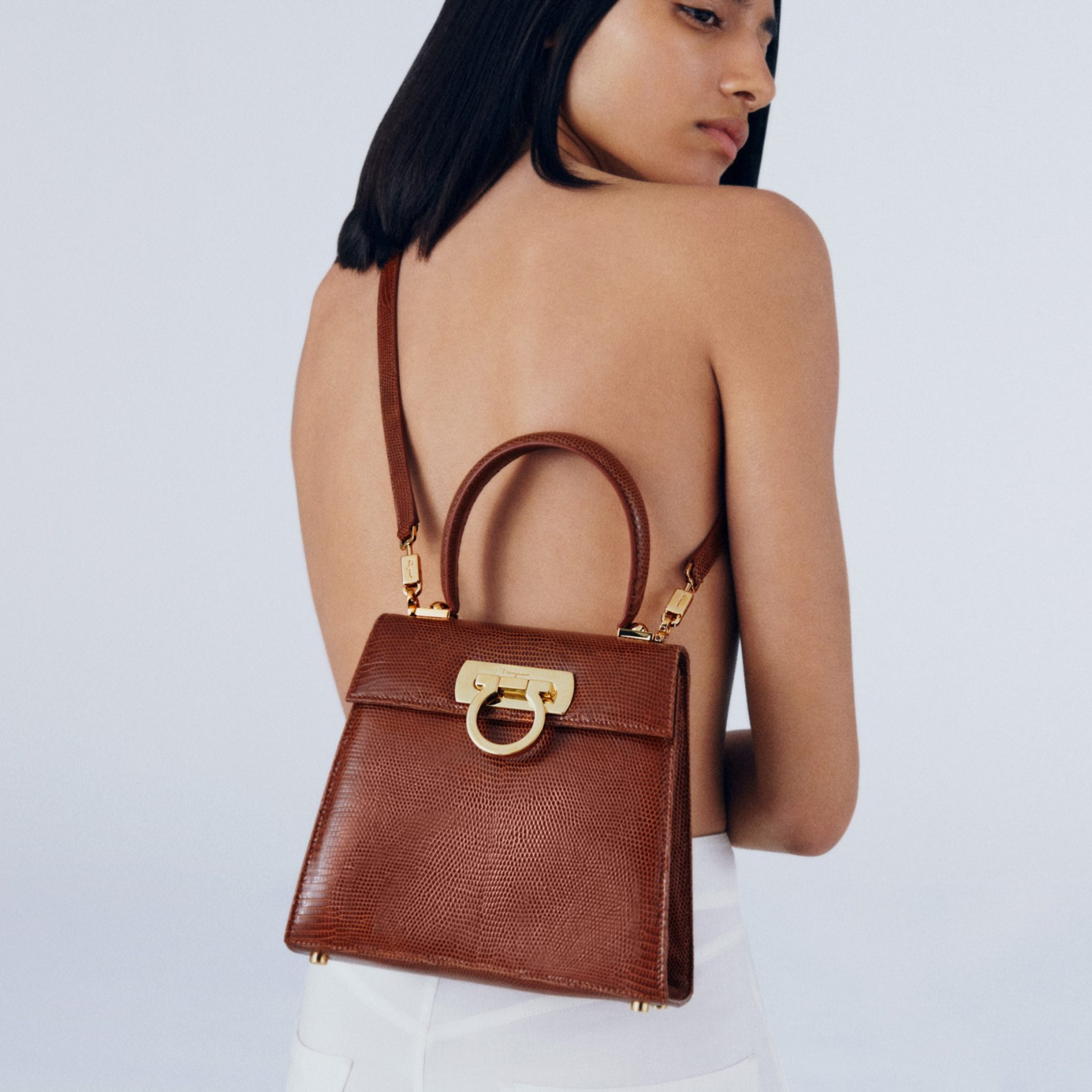
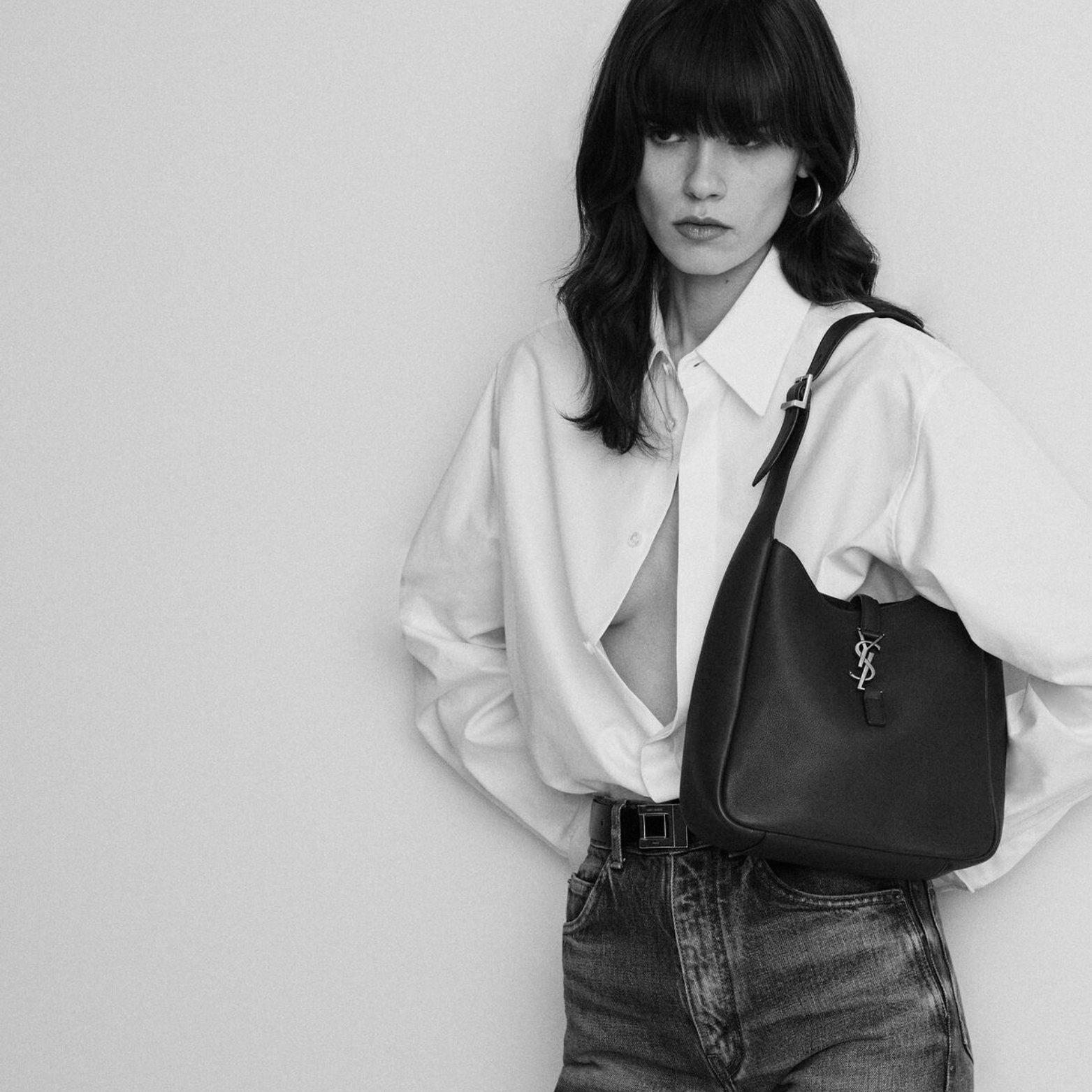
If you've ever walked past a designer sample sale and wondered whether it's actually worth the hype, or if you've been confused about the difference between sample sales and outlet shopping, you're in the right place. After years of hunting down the best deals on luxury fashion, I've learned that knowing how to navigate these sales can be the difference between scoring an incredible Dolce & Gabbana dress for 70% off and walking away empty-handed and frustrated.
Let me share everything I've learned about shopping for designer pieces on sale so that you can build that dream wardrobe without the dream-crushing price tag.

What Exactly Is a Sample Sale, Anyway?
Here's the thing about sample sales that most people don't realize. They're not just random sales that brands throw together when they feel like it. Sample sales are where fashion brands sell their samples, overstock, past-season items, and sometimes pieces with minor imperfections at seriously reduced prices. We're talking 50% to 80% off retail prices on authentic designer goods.
The samples are the pieces used for photoshoots, shown to buyers at trade shows, or used by sales reps when meeting with department stores. Because these items have already served their purpose, brands sell them off rather than letting them collect dust in a warehouse. Smart shoppers know that sample sale season is the best time to snag those designer pieces they've been eyeing all year.
Now, sample sales used to be industry-only events where you needed connections to get through the door. But times have changed. These days, many designer brands host public sample sales, and the best part? You can find amazing sample sale deals online without ever leaving your house. That's where sites like ours come in, bringing you authenticated luxury pieces on sale year-round.
"I like my money right where I can see it: hanging in my closet." - Carrie Bradshaw, Sex and the City
Sample Sales vs Outlet Shopping: What's the Real Difference?
People ask me this all the time, and honestly, the confusion makes sense because there's definitely some overlap. But understanding the difference can help you find the best deals on what you're looking for.
Sample sales are typically time-limited events, either in person or online, where brands clear out samples, overstock, and previous-season merchandise. The inventory changes constantly, sizes can be limited, and once something's gone, it's usually gone for good. The upside? The discounts are often deeper, and you might find truly unique pieces that were never even available in stores.
Designer outlets, on the other hand, are permanent retail locations or online sections where brands sell past-season items, overstock, and sometimes pieces made specifically for the outlet market. The selection is usually more consistent, sizes are more widely available, and you can take your time shopping without the pressure of a ticking clock. The discounts might not always be quite as steep as sample sales, but they're still significant, and you have the luxury of browsing at your own pace.
Here's what I've found works best: check outlet sections regularly for staple pieces you can wear season after season, and hit up sample sales when you're hunting for something special or trending. Both have their place in a smart shopping strategy.

Why Shopping for Designer Items on Sale Is Actually the Smartest Move
Let me be real with you for a second. There's this weird stigma some people attach to buying designer pieces on sale, like it somehow makes them less valuable or less authentic. That's complete nonsense, and I'm here to tell you why shopping smart is actually the most luxurious thing you can do.
First off, luxury fashion has some of the highest markups in retail. When you're paying full price, you're often paying for the experience of shopping in a beautiful store, the fancy packaging, and yes, the prestige of saying you bought it "new." But the item itself? It's the same whether you bought it at Bergdorf's or found it on sale at a fraction of the price.
Second, fashion moves fast. What's on the runway today is in outlets next year, and that doesn't make the craftsmanship any less incredible. A Brunello Cucinelli cashmere sweater doesn't lose its Italian craftsmanship just because it's from last season. The stitching is still perfect, the fabric is still luxurious, and it's still going to last you years.
Third, and this is the big one, buying on sale lets you afford better quality. Would you rather have five fast fashion pieces that fall apart after a few washes, or two designer items on sale that you'll treasure for years? The math isn't even close when you think about cost per wear.
I've built my entire wardrobe around this strategy, and I get compliments constantly. Nobody asks where I bought something or how much I paid. They see quality, style, and confidence.
"Fashion is about dressing according to what's fashionable. Style is more about being yourself." - Oscar de la Renta
The Secret Timing of Sample Sales You Need to Know
Timing is everything when it comes to snagging the best deals, and there's actually a pattern to when the best sales happen. Fashion operates on a pretty predictable calendar, and once you understand it, you can plan your shopping accordingly.
The major sample sale seasons typically happen twice a year. You'll see the biggest sales in late June through July, right after the spring and summer collections have finished their retail run, and again in late December through January, when fall and winter pieces need to clear out. These are when you'll find the deepest discounts and the widest selection.
But here's the insider tip that most people miss: don't sleep on the shoulder seasons. Late September and early October can be fantastic for finding summer pieces at rock-bottom prices because stores are desperate to clear space for fall inventory. The same thing happens in March and April with winter items. If you're willing to shop ahead for next season, this is when you can score the most insane deals.
And honestly? Shopping a season ahead is easier than you think. That gorgeous winter coat you find on sale in April will be waiting for you when the temperature drops in November, and you'll be so glad you grabbed it at 70% off instead of paying full price when everyone else is panic-buying outerwear.

How to Spot Authentic Designer Pieces When Shopping Sales
This is crucial, and I'm not going to sugarcoat it. The popularity of designer sales has unfortunately attracted some shady operators selling fakes. When you're shopping for sample sales and outlet deals, especially online, you need to know how to verify you're getting the real thing.
Start with the seller. Reputable sites that specialize in authenticated designer goods will have clear authentication policies and often employ expert authenticators. They should be transparent about their process and willing to provide detailed photos and item information. If a site seems vague about authentication or doesn't mention it at all, that's a red flag.
Next, look at the craftsmanship details. Authentic designer pieces have impeccable stitching with no loose threads, high-quality hardware that feels substantial, and perfect logo placement. The materials should feel luxurious and substantial. For example, a genuine Dolce & Gabbana piece will feature that unmistakable Italian craftsmanship, with attention to every tiny detail. The seams will be perfectly straight, the fabric will have weight and quality, and any embellishments will be securely attached.
Labels and tags are another tell. Designer brands have specific label placements, fonts, and formatting that counterfeiters often get wrong. The care labels should be clearly printed with proper spelling and grammar. Authentication cards, dust bags, and original packaging are great to have, but remember that sample-sale items might not always include them because they were display pieces.
When shopping on our site, you can shop with confidence, knowing that every piece undergoes rigorous authentication by experts who know these brands inside and out. We stand behind the authenticity of every item we sell because we know how important it is to our customers.

What to Look for When Shopping Designer Sample Sales
Walking into a sample sale, whether in person or online, without a game plan is like going to the grocery store hungry. You'll end up with a bunch of stuff you don't need and somehow miss the things you actually wanted. Let me break down the strategy that's served me well over the years.
Before you even start browsing, take inventory of your wardrobe. What gaps do you have? What pieces would you wear constantly if you owned them? I keep a running list on my phone of items I'm hunting for, organized by priority. Right now, mine includes a structured black blazer, a versatile crossbody bag, and a great pair of Italian leather boots. Having this list keeps me focused when I'm faced with hundreds of gorgeous options.
When you're browsing, pay special attention to classic, timeless pieces. Trends come and go, but a well-cut pair of trousers, a perfectly tailored blazer, or an elegant dress in a flattering silhouette will serve you for years. These are the items where buying designer really makes a difference because the quality and fit are noticeably superior.
That said, don't be afraid to grab that trendy piece if it speaks to you and the price is right. Sample sales are perfect for experimenting with trends without the guilt of paying full price for something you might only wear for a season. Just bought a pair of trendy designer sunglasses at 60% off? Enjoy them this summer without stressing about whether they'll still be in style next year.
Also, think about versatility. The best sample sale finds are pieces that work multiple ways in your wardrobe. A silk blouse that works for the office, date night, and weekend brunch? That's a winner. A dress that can be dressed up with heels or down with sneakers? Absolutely worth it.
"In order to be irreplaceable, one must always be different." - Coco Chanel
Sizing Strategies That Actually Work for Sample Sale Shopping
Here's where sample sale shopping gets tricky, and I'm speaking from experience that includes a few sizing mishaps along the way. Sample sale inventory often has limited sizes, and you might not have the luxury of trying everything on or easily returning items. Having a solid sizing strategy is essential.
First, know your measurements. I'm not talking about your dress size at your favorite store. I mean your actual measurements: bust, waist, hips, inseam, and shoulder width. Keep these numbers in your phone and reference them when shopping online. Designer sizing varies widely across brands and even within different lines from the same brand. Italian designers like Dolce & Gabbana tend to run smaller than American brands, so that size 6 you usually wear might translate to an 8 or even 10 in European sizing.
When shopping online, always check the size chart for that specific brand. Most reputable sites will provide detailed measurements for each item. If they don't, that's worth asking about before you buy. A few extra minutes checking measurements can save you the heartbreak of receiving something that doesn't fit.
For items like blazers, coats, and structured pieces, fit is especially important. If you're between sizes, I usually recommend sizing up for outerwear because you can always have it tailored to fit perfectly. A skilled tailor can take in a blazer that's slightly too big, but they can't add fabric to one that's too small. And honestly, a $50 tailoring investment on a designer piece you scored for 70% off is still an incredible deal.
Shoes are another beast entirely. If you're shopping at sample sales, you might find incredible deals on designer footwear, but sizing has to be exact. Unlike clothing, shoes can't really be altered much. Know your size in different brands, and if you're unsure, it's better to pass unless the return policy is generous.

The Investment Pieces Worth Splurging on During Sample Sales
Not all sale items are created equal, and some categories of designer goods are absolutely worth prioritizing when you find them on sale. These are the pieces where the quality difference between designer and mass market is so dramatic that buying designer, even on sale, is genuinely the smarter financial decision.
Leather goods are at the top of my list. A designer handbag, belt, or pair of shoes from Italian luxury houses like Brunello Cucinelli or Dolce & Gabbana is crafted from superior leather that ages beautifully and lasts for decades. I have designer bags I bought on sale five years ago that still look brand-new, while every fast-fashion bag I've owned has fallen apart within a year. The leather quality, hardware durability, and construction methods used by luxury brands justify the investment, especially when you're getting them at sample sale prices.
Cashmere and fine knits are another category where designer quality shines. There's cashmere, and then there's Italian cashmere from brands that have been perfecting their craft for generations. The difference in how it feels, how it wears, and how long it lasts is immediately noticeable. When you see a cashmere sweater or scarf on sale from a reputable luxury brand, and the price is right, grab it.
Tailored pieces like blazers, coats, and trousers are also worth investing in at sample sales. The construction, lining, and attention to fit details in designer tailoring are something you don't get at lower price points. A well-made designer blazer will hold its shape through years of wear, while a cheaper version will start looking tired after a few dry cleanings.
And here's something people often overlook: jewelry and accessories. Designer belts, scarves, and jewelry can completely elevate an outfit, and they last forever. A gorgeous silk scarf from a luxury house can be worn dozens of different ways and adds instant polish to even the simplest outfit. When these items go on sale, the value is incredible because you'll use them for years.
Shopping Sample Sales Online: The Modern Way to Score Deals
The internet has completely changed the sample sale game, and honestly, it's mostly for the better. Gone are the days when you had to fight crowds, deal with limited fitting rooms, and navigate chaotic warehouse sales. Now you can browse authenticated designer pieces on sale from your couch with a cup of coffee.
The beauty of shopping sample sales online is the convenience and the breadth of selection. Instead of being limited to whatever sample sale happens to be happening in your city this weekend, you have access to curated collections of designer pieces on sale from multiple brands, all in one place. You can take your time browsing, comparing pieces, and making thoughtful decisions instead of impulse-buying in the chaos of an in-person sale.
Quality online sample sale sites and designer outlet sections offer detailed photos from multiple angles, comprehensive measurements, and clear descriptions of any wear or imperfections. This transparency actually gives you more information than you'd get at an in-person sample sale where you're digging through racks under fluorescent lights trying to spot flaws.
The authentication piece is huge, too. Reputable online sellers have professional authentication processes, so you're not gambling on whether that Dolce & Gabbana dress is real. They verify authenticity before the item ever reaches you, giving you peace of mind that you're getting genuine designer goods.
The return policies at good online sample sale destinations also take a lot of the risk out of the equation. If something doesn't fit or isn't quite what you expected, you can return it within the return window. That's a luxury you definitely don't have at most in-person sample sales, where sales are typically final.

How to Build a Designer Wardrobe on a Budget Using Sales
This is where the magic happens. You don't need an unlimited budget to dress in designer pieces. You need a strategy and patience. I've built a wardrobe full of pieces I absolutely love by being smart about shopping sales, and I spend a fraction of what I would if I bought everything full price.
The key is to think long-term and buy investment pieces gradually. Instead of buying five trendy pieces at regular retail, buy one or two designer classics on sale. Over time, you'll accumulate a collection of high-quality items that work together and last for years.
Start with the basics. A great designer blazer in black or navy, a perfect white button-down shirt, well-fitted trousers, and a versatile bag are the foundation of a polished wardrobe. When you find these items on sale from quality brands, they're worth prioritizing. These are the pieces you'll wear constantly, so the cost per wear drops dramatically.
Then add accent pieces strategically. A statement necklace, a colorful scarf, an interesting belt, or a bold pair of shoes can completely transform those basics. Shopping sample sales is perfect for these items because you can experiment with color and trends without overspending.
Mix high and low strategically, too. There's absolutely nothing wrong with pairing designer pieces on sale with well-chosen basics from more affordable brands. A designer blazer over a simple t-shirt and jeans looks incredibly chic. A luxury handbag elevates even the most casual outfit.
The cost-per-wear calculation is your friend here. That $300 designer dress you bought on sale and wore 20 times costs you $15 per wear. That $50 fast-fashion dress that falls apart after three wears costs you almost $17 per wear and ends up in a landfill. When you look at it this way, buying quality on sale isn't just smarter, it's actually more economical.
"Buy less, choose well, make it last." — Vivienne Westwood
Understanding European Sizing for Italian Designer Brands
If you're shopping for Italian luxury brands like Dolce & Gabbana, Brunello Cucinelli, or Etro, understanding European sizing will save you a lot of frustration. Italian designers are known for their incredible tailoring and attention to fit, but their sizing system is quite different from what American shoppers are used to.
Generally speaking, Italian sizing runs smaller than US sizing. A US size 6 typically translates to an Italian size 42, a US 8 to a 44, and so on. But here's where it gets tricky: this isn't a hard-and-fast rule, and it can vary between brands and even within different collections from the same brand.
Italian designers also tend to cut their clothing closer to the body. The fit is meant to be more tailored and sleek, which is part of that signature European aesthetic. What feels tight to American shoppers might actually be the intended fit. However, if you prefer a more relaxed fit or plan to layer, sizing up can be a good strategy.
[LINKING OPPORTUNITY: Link "Etro" to your Etro brand collection if you have one]
Shoulder measurements are particularly important with Italian brands. The shoulder seam should sit right at the edge of your shoulder, not dropping down your arm. If you have broader shoulders, this is worth paying extra attention to, and sizing up might be necessary for structured pieces like blazers and coats.
The good news is that most quality online retailers include both US and European sizing, plus detailed measurements for each garment. When in doubt, go by the measurements rather than the size number. Measure a similar item you own that fits well and compare those measurements to the ones listed for the piece you're considering.
The Seven-Day Return Policy: Your Safety Net for Online Sample Sale Shopping
One thing that sets reputable online designer retailers apart from fly-by-night operations is a fair return policy. When shopping sample sales online, having the ability to return items that don't work out is essential, and a seven-day return window is pretty standard in the industry.
This return period gives you time to receive your items, try them on properly in the comfort of your home, and make sure they're exactly what you expected. You can see how pieces work with items already in your wardrobe, check the fit in different lighting, and really evaluate whether each item earns its place in your closet.
Here's how to make the most of your return window. When your package arrives, try everything on right away. Don't let items sit in the shipping box for days, or you'll find yourself scrambling at the end of the return period. Try each piece on with different items from your wardrobe to see how versatile it really is.
Inspect the quality carefully. Look at seams, check for any flaws or wear, and make sure the item matches the description. With sample sale items, there may be minor imperfections that should have been disclosed in the listing. If you find anything that wasn't mentioned, that's grounds for a return.
Be realistic about alterations. If something fits well overall but needs hemming or small adjustments, factor in alteration costs before deciding whether to keep it. A slightly long pair of designer trousers that you got on sale can become perfect with a simple hem.
Keep all packaging, tags, and documentation until you're sure you're keeping the item. Most return policies require items to be in their original condition with tags attached. Once you cut that tag off, you've committed to keeping it.
Sample Sale Shopping Etiquette: Yes, It's a Thing
Even though sample sales are all about scoring deals, there's still some basic etiquette that makes the experience better for everyone, especially when shopping online communities or in-person events.
First, buy what you'll actually use. It's tempting to grab everything that seems like a good deal. Still, if you're buying items just because they're cheap and then returning most of them, you're creating extra work for everyone and potentially keeping items out of the hands of people who genuinely want them. Be thoughtful about your purchases.
When it comes to returns, be timely and honest. If something doesn't work out, process the return quickly so the item can be resold to someone else. And if you're returning something because of a defect or issue, communicate clearly about what the problem is.
If you're shopping at in-person sample sales, the etiquette gets even more important. Don't hog the mirror, be respectful of other shoppers' space, and for the love of everything, don't rip items out of someone else's hands. Yes, I've seen this happen. It's not cute, and karma is real.
Share the wealth when you can. If you find something amazing in your size and one in your friend's size, grab both. If you're considering something but aren't sure, don't pile up armfuls of items to "think about it" while other shoppers are left with nothing. Take what you're seriously considering, make your decisions reasonably quickly, and put back what you're not going to buy.
My Personal Shopping Strategy That You Can Steal
After years of sample-sale shopping, I've developed a system that works for me, and it should work for you as well. I thought I'd share my actual process from start to finish.
I keep a running wishlist on my phone, divided into categories: need now, want eventually, and dream pieces. The "need now" list includes gaps in my current wardrobe that I need to fill. The "want eventually" list is pieces that would be great to have, but aren't urgent. The "dream pieces" are those special items I'd love to own if I ever find them at the right price.
When I'm browsing sample sales online, I start with this list. It keeps me focused on finding pieces that will actually enhance my wardrobe, rather than just buying things because they're on sale. I've learned the hard way that a great deal on something I'll never wear isn't actually a deal.
I set a monthly sample sale budget and stick to it. This varies depending on what else is going on in my life, but having a number in mind prevents impulse overspending. If I find something truly special that pushes me over budget, I'll save it and come back to it next month if it's still available.
I shop the newest arrivals first, then work my way through the collections. The best pieces move fast, so checking new arrivals regularly gives you the first shot at the best finds. I've bookmarked my favorite online sample sale sections and check them a couple of times a week.
When I find something I'm seriously considering, I save it or add it to my cart while I think about it, but I don't wait too long. Good sample sale finds disappear quickly. I usually give myself a day to decide on bigger purchases, but for smaller items or incredible deals, I've learned to trust my gut and go for it.
Finally, I track what I buy and how much I wear it. This helps me refine my shopping strategy over time. If I notice I'm consistently buying certain types of items that I never end up wearing, I can adjust my approach.

Common Sample Sale Shopping Mistakes to Avoid
Let me save you from some mistakes I've made so you don't have to learn these lessons the hard way.
Mistake number one: buying something just because it's a good deal, even if it doesn't fit right or isn't your style. I've done this more times than I'd like to admit. That dress that was 80% off, but never quite fit right? Still hanging in my closet, unworn. If it's not right for you at full price, it's not right for you on sale either.
Mistake number two: ignoring care requirements. That delicate silk blouse might be an amazing deal, but if it requires dry cleaning after every wear and you hate going to the dry cleaner, you're not going to wear it. Be realistic about what you'll actually maintain.
Mistake number three: not checking measurements carefully when shopping online. Size numbers mean nothing if you don't verify the actual measurements. I once bought a "large" dress that would have fit a child because I didn't check the measurement chart. Learn from my mistake.
Mistake number four: buying duplicates. If you already own three black blazers, you probably don't need another one just because it's on sale, no matter how good the deal is. Focus on filling actual gaps in your wardrobe.
Mistake number five: not factoring in alteration costs. A pair of designer trousers for $100 is a great deal, but if you need to spend another $40 on alterations, make sure the total price still works for your budget.
Mistake number six: missing the return deadline. Life gets busy, I get it. But if something doesn't work out, don't let the return window close because you procrastinated. Set a reminder on your phone if you need to.
Why Authentication Matters More Than You Think
I'm going to get serious for a minute because this is genuinely important. The market for counterfeit designer goods is massive, and it's not a victimless crime. Beyond the obvious issue of paying for something that's not what you think it is, counterfeit goods fund organized crime and often involve exploitative labor practices.
When you're shopping for sample sales and outlet deals, especially online, make sure you're buying from sources that authenticate their inventory. Real authentication isn't just someone glancing at an item and saying it looks good. Professional authentication involves examining construction details, materials, hardware, stitching, labels, serial numbers, and a whole host of brand-specific markers that counterfeiters often get wrong.
Reputable sellers will be transparent about their authentication process. They'll explain who authenticates, what the process involves, and what guarantees they offer. If a site is vague about authentication or doesn't mention it at all, that's a huge red flag.
The peace of mind that comes with knowing you're getting authentic designer pieces is worth seeking out retailers who take authentication seriously. You're investing in quality items that should last for years. Making sure they're genuine protects that investment.

Caring for Your Designer Sample Sale Finds
You've scored amazing designer pieces on sale, and now you want them to last. Proper care is essential, and it's actually not as complicated as you might think.
Start by reading care labels and following them. Designer pieces are made from quality materials that deserve quality care. If something says dry clean only, don't risk throwing it in the washing machine to save $10. The dry cleaning bill is worth protecting your investment.
Store your pieces properly. Knits should be folded, not hung, because hanging stretches them out over time. Structured pieces like blazers and coats need good hangers that support the shoulders. Bags should be stuffed with tissue paper to help them keep their shape and stored in their dust bags if you have them.
Rotate what you wear. Even the highest quality items need a break between wears. Letting pieces rest between uses, especially for things like shoes and bags, helps them maintain their shape and last longer.
Deal with stains and issues immediately. The longer you wait to treat a stain, the harder it is to remove. Keep a good stain treatment pen handy, and if something needs professional cleaning, don't put it off.
Consider seasonal storage for items you won't wear for months. Clean everything before you store it, because even invisible stains can set over time and attract moths. Use breathable garment bags and cedar blocks to protect against pests.
With proper care, those designer sample sale finds will look beautiful for years, making them even better investments than they already were.
Final Thoughts: Your Designer Wardrobe Awaits
Shopping at designer sample sales and outlets isn't just about saving money, although that's definitely a major perk. It's about making smart fashion investments and building a wardrobe full of pieces you genuinely love and will wear for years.
The difference between someone who shops sample sales successfully and someone who accumulates stuff they never wear comes down to strategy. Know what you're looking for, understand quality markers, verify authenticity, and be thoughtful about what you bring into your wardrobe.
Remember, fashion should be fun. Yes, there's strategy involved in shopping smart, but at the end of the day, you should genuinely love what you're wearing. If a piece makes you feel amazing when you put it on, and you got it for a fraction of retail price, that's the sweet spot.
The world of designer sample sales and outlet shopping has never been more accessible. Take advantage of it, build that dream wardrobe piece by piece, and enjoy the confidence that comes with wearing quality pieces that make you feel like your best self.
"Give a girl the right shoes, and she can conquer the world." — Marilyn Monroe
Now go forth and shop smart. Your future self, wearing that gorgeous designer piece you're about to score on sale, will thank you.