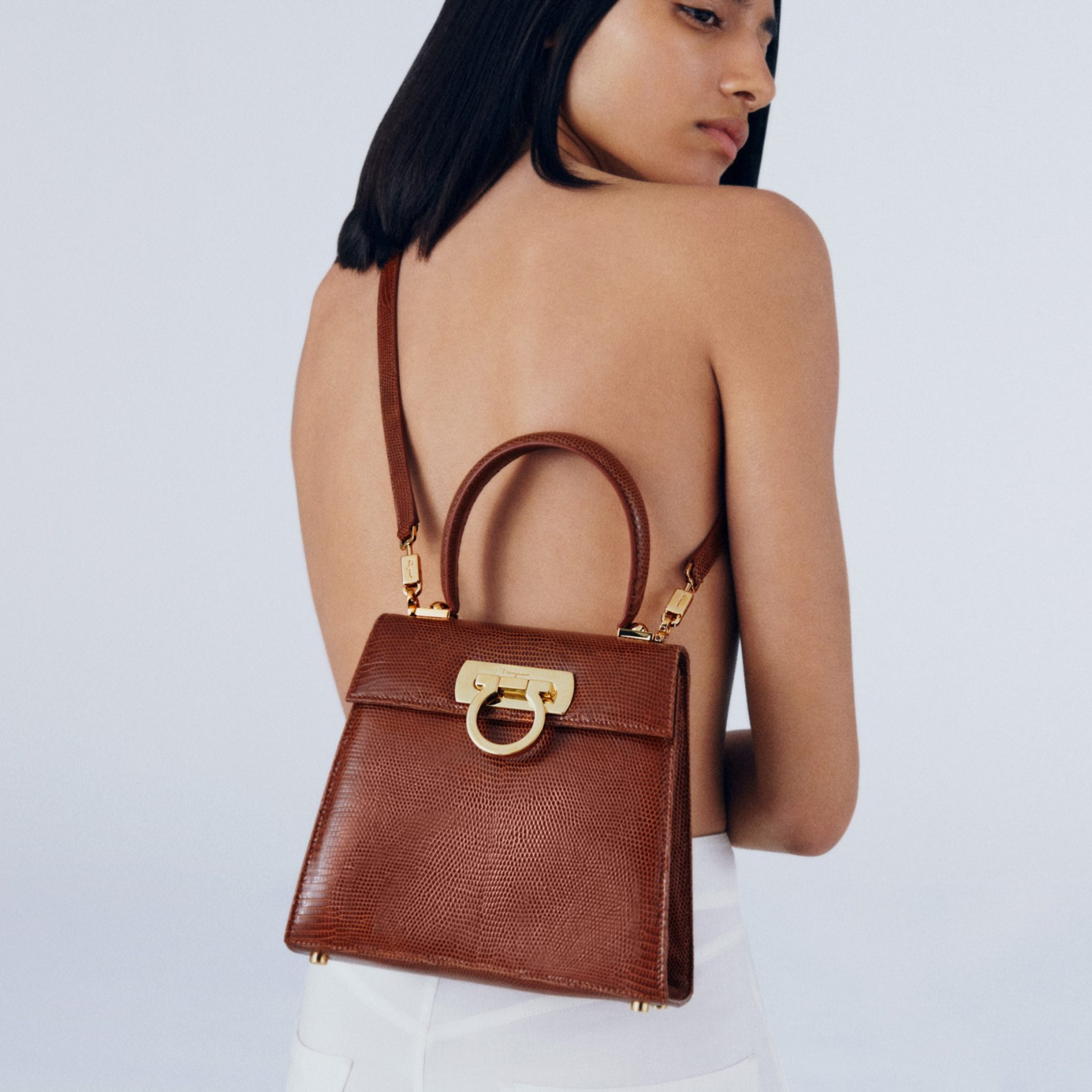
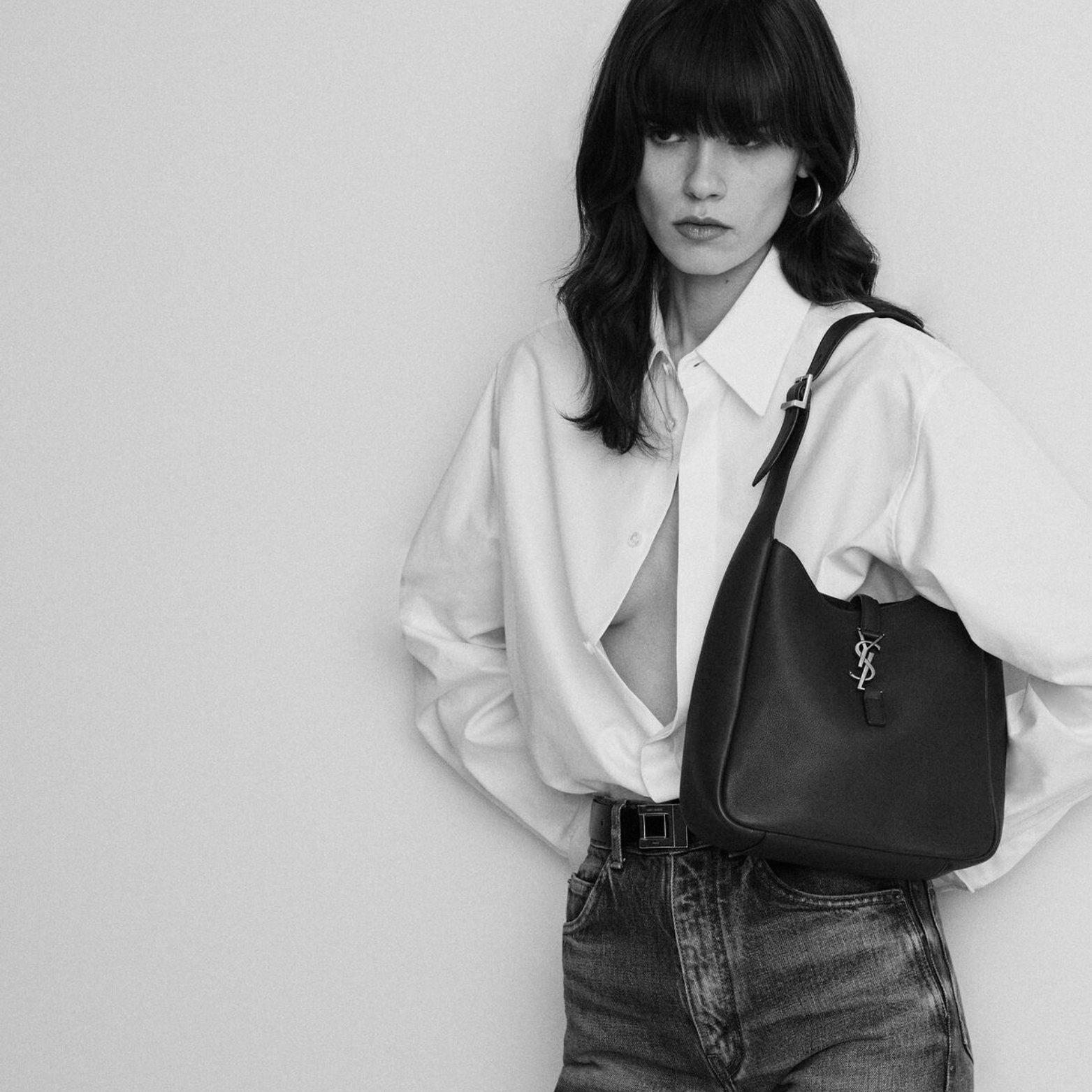
One of the biggest misconceptions in luxury fashion is that a handbag has to cost several thousand dollars to look expensive. It does not. After years of handling designer bags at every price point, I can tell you the ones that pull the most compliments are rarely the most expensive. What people read as expensive is rarely the price or the logo. It is the leather, the shape, the restraint.
So this is the guide I would hand a friend who wants the real thing without the boutique markup. We will go through what actually makes a bag look expensive, which designer styles actually land under $1,000, why authentic bags sell below retail, how to dodge counterfeits, and how to keep a bag looking pricey for years. Most of it works anywhere you shop, not only with us.
Here is the quick map: the short answer, a table of where the under-$1,000 bags really are, our pick for each kind of shopper, the four signals that read as luxury, why discounts on real bags exist, the red flags to avoid, and the care and styling habits that keep a bag looking expensive.
Can you really buy an authentic designer bag under $1,000?
Yes, you can buy a real designer bag for under $1,000 and make it look like it costs far more. The secret is not the biggest logo. It is structure, quality material, restrained hardware, and a neutral color, the same details that separate luxury from fast fashion at a glance. Pick a smaller silhouette from a serious house, buy it past-season and on sale at outlet prices, and you land genuine designer quality in a range most people assume is closed to them.
Now the longer answer, because the details are where the value lives.
Best designer bags under $1,000 right now
Shoppers are usually surprised by how many authentic luxury bags sit under four figures, especially in smaller styles and on sale. Here is where to look first.
| Brand | Styles that most often land under $1,000 | Typical sale range |
|---|---|---|
| Ferragamo | Mini and small crossbody styles, small leather goods | $600 to $950 |
| Valentino | Small crossbody and VLogo styles | $700 to $995 |
| Prada | Re-Edition nylon and small leather shoulder bags | $750 to $995 |
| Gucci | Mini Ophidia and compact shoulder styles | $850 to $999 |
| Saint Laurent | Small camera and crossbody bags | $800 to $999 |
These are typical sale ranges, not guarantees. Outlet inventory and seasonal stock are constantly changing, so use this as a starting point and check the live collection to see what is actually available today.
Our pick for each kind of shopper
If you want a shortcut, here is the bag I would recommend, depending on what you are after.
Best overall: the Prada Re-Edition nylon shoulder bag. It is the rare bag that looks expensive without a scrap of leather doing the work. The nylon-and-leather build is light, holds up in the weather, and is quietly recognizable, and it is one of the easiest real-Prada styles to find on sale under $1,000.
Best everyday bag: the Saint Laurent Lou camera bag. Slim, structured, and long enough to wear crossbody and hands-free, in colors neutral enough to go with everything you own. That combination makes it the one you actually reach for on a normal Tuesday.
Best quiet luxury pick: the Ferragamo Studio mini. No loud logo, clean architectural lines, and a structured shape that reads expensive from across a room. That is the whole point of quiet luxury, and Ferragamo does it for less than the houses people name first.
Best logo bag: the Gucci Ophidia mini. If you do want the recognizable look, the Ophidia carries the GG without shouting, and the mini sizes are where it most often lands.
Best value: the Valentino VLogo crossbody. A serious house at close to the lowest real entry price in this range, especially past-season, with leather and hardware that punch above the number on the tag.
What actually makes a bag look expensive
This is the part worth reading twice, because it changes how you shop forever. The eye does not read price first. It reads these four things.
Structure. A bag that holds its shape looks more expensive than one that slumps. Clean lines, a defined base, sides that stand on their own, all of it signals quality before anyone clocks the brand. It is why a structured top-handle or a compact shoulder bag often looks pricier than a heavily slouched one.
Material, and whether it is honest. Full-grain, pebbled, and saffiano leathers have depth and a faint grain, and they develop a patina rather than cracking. Real leather feels supple and substantial in the hand. Plenty of iconic designer bags are canvas or coated fabric rather than leather, and those work too, as long as they are finished with good leather trim and clean stitching. The material does not have to be the most expensive option. It has to be honest about what it is.
Restrained hardware. Heavy, shiny, logo-stamped hardware is what cheap bags use to look expensive, and it backfires. The pieces that actually read as luxury use metal sparingly: a clean clasp, tonal or soft gold-tone hardware, nothing shouting: less metal, better metal.
Color. This is the easiest lever most people ignore. Neutral tones look more expensive every time. Black, chocolate, caramel, taupe, bone, and deep navy wear like money, and they pair with more outfits, which means you carry the bag more, and the value climbs. A neutral bag at $600 will outclass a neon one at $1,500.

The thread through all four is restraint. Quiet beats loud. Quiet luxury did not invent that idea; it just named what well-dressed people always knew: the most expensive-looking bag in the room is usually the one not trying to prove anything.
Where real designer bags actually land under $1,000
At full retail, most of the bags people lust after sit well above a thousand dollars, so how do real ones drop under that line? Two ways.
First, the silhouette. Smaller and mid-size styles, crossbodies, compact shoulder bags, and structured top-handles are where designer pricing starts rather than peaks, and they tend to be the most wearable pieces anyway.
Second, and this is the lever most shoppers miss, outlet pricing. Past-season styles, overstock, and boutique closeouts are genuine designer bags that did not sell at full price, and they move into outlet channels well below retail. That is how a bag that launched above a thousand dollars quietly lands under it. Shopping for designer bags on sale at an outlet is the most reliable way to pull a bigger name into this budget.
"Fashion fades, only style remains the same."
Coco Chanel
Why authentic designer bags sell below retail
This is one of the questions I get most, usually phrased as a worry: if a designer bag is discounted, isn't something wrong with it? Rarely. Real bags sell below retail for ordinary business reasons.
Fashion moves on a calendar, and retailers clear last season to make room for the next, so perfectly good styles get marked down on schedule. Brands also overproduce, forecasting more than ends up selling through boutiques, and that surplus has to go somewhere.
Boutiques close, downsize, and refresh stock, and their unsold inventory moves into wholesale channels in bulk. Many houses run deliberate outlet strategies to move product after its primary season. Through it all, the bag, the leather, and the craftsmanship stay the same. The only thing that changes is the pricing channel, which is how you buy a genuine designer bag for hundreds less than its original retail price.
This is not a niche corner of the market, either. Research from Bain & Company has tracked strong, sustained growth in secondhand and off-price luxury as more shoppers seek to own authentic designer goods without paying full retail price. The smart way to buy luxury has quietly become the normal way.
Red flags to watch for when buying online
The under-$1,000 range is exactly where counterfeits cluster, because that is the price point at which a fake tries to look believable. So the lower the price, the more your source matters, not less. A few warning signs worth taking seriously:
No return policy. A retailer that will not take the bag back has no confidence in what it sells, and neither should you. A real return window is the clearest sign a seller stands behind its product.
A price that makes no sense. A bag that retails for $3,500 and is advertised for $200 is not a deal; it is a tell. Outlet pricing is a meaningful discount, not a fantasy one.
No explanation of sourcing. Trustworthy sellers can tell you where their inventory comes from. Vagueness about sourcing is grounds for walking away.
Thin or stolen photography. Real listings show multiple real angles and close-ups of leather, stitching, and hardware. A single glossy stock image is a warning.
No real business behind it. Clear contact details, written policies, and actual customer support should be in place. If you cannot find who you are buying from, do not buy.
The simplest rule: buy from a source willing to explain where its bags come from and what protection it offers if something is wrong.
Buying authentic under $1,000 without getting burned
I will be plain about how we handle this at AskMeWear, because it is the honest answer to "how is this real and this affordable." We source only through legitimate channels, bulk closeouts bought at wholesale, and pieces bought directly from boutiques across Europe. Every piece carries the documentation that follows genuine wholesale and boutique inventory, and we run spot checks across shipments as a quality layer.
To make that concrete, here are the kinds of pieces we see regularly. A Prada shoulder bag that originally retailed for over $1,400 will arrive in our inventory under $1,000 because it came from a boutique closeout rather than a current-season collection. We frequently receive Ferragamo and Valentino bags that spent a single season in European boutiques before moving into outlet channels, still in new condition. Because some stock comes from our European partners, part of an order may ship from Europe and part from our United States warehouse, which is a sign that the piece moved through a real retail channel rather than a cause for concern.
The strongest protection is not any single check, though. It is buying from a source you trust, with a real return to back you up. We back every order with a 7-day return, so you can hold the bag, inspect the leather and stitching yourself, and send it back if anything feels off. Knowing the authenticity cues is your second layer. Where you buy is your first.
Why one great bag beats five cheap ones
Once you accept that a real designer bag can cost under $1,000, the math gets interesting. Spend $800 on a well-made leather bag and carry it three or four times a week for five years, and that is more than seven hundred and fifty wears, which puts the cost under a dollar a wear, with resale value still in the bag. Set that against five or six trendy $120 bags over the same years, each peeling within a season and worth nothing when you are done. Certain designer styles from Prada, Gucci, and Saint Laurent can retain a meaningful portion of their value on the resale market, something fast-fashion bags rarely achieve. The cheaper option is usually the expensive one. The expensive option, bought on sale, is usually the bargain. You are not spending the money, you are spreading it across years of use, and buying authentic at an outlet price only improves that math.
How to keep a designer bag looking expensive
A bag looks expensive when it looks cared for, and this is where a lot of people lose the plot, treating real leather like it is disposable. A little maintenance keeps it reading like luxury for years. Store it lightly stuffed so it holds its shape, ideally in its dust bag, away from direct sunlight and radiators, which dry out leather and cause it to fade. Wipe it down with a soft, dry cloth after use, and condition the fine leather once or twice a year to keep it supple. Keep it out of the rain when you can, and let it air dry if it gets caught rather than forcing heat on it. Rotate between a couple of bags so the leather can rest. None of this takes more than a few minutes a month, and it is the difference between a bag that looks tired in a year and one that still looks new at five.

How to carry it so the whole outfit looks more expensive
The bag is only half of it. How you wear it decides whether the look reads luxury. Keep the rest of the outfit calm so the bag does the talking, since a neutral bag against simple tailoring or clean denim always beats a loud bag fighting a loud outfit. Match your metals so the hardware echoes your jewelry and watch rather than clashing. Mind the proportion: a small structured bag flatters most frames and looks polished, while an oversized one can swallow a smaller frame and look cheap even when it is not. And carry it with a little care, since a bag held well rather than crushed under an arm looks like it costs more. Small habits, and together they do more for a look than another few hundred dollars would.
"You can have anything you want in life if you dress for it."
Edith Head

The bottom line
The most expensive-looking designer bag is not necessarily the most expensive bag. It is the one with real materials, a strong structure, a quiet design, and authentic craftsmanship. Focus on those, shop the smaller silhouettes, and buy on sale at outlet prices, and a genuine designer bag under $1,000 will look like it costs several times that.
That is exactly what we focus on at AskMeWear: authentic designer bags, shoes, sunglasses, and accessories, sourced through legitimate channels and offered at outlet prices, backed by a 7-day return policy so the final call is always yours—authenticated luxury fashion, always on sale, without paying for the boutique address.
Ready to find yours? Browse our designer bags on sale under $1,000 and see how expensive real luxury can look for less.